Wednesday, March 11, 2026
Home Blog Page 4

Ola-Uber-Swiggy Showdown Strike Disrupts Rides and Meals Nationwide

0
gig workers protest

Gig Heroes Fight for Minimum Fares and Better Incentives Amid Service Crunch

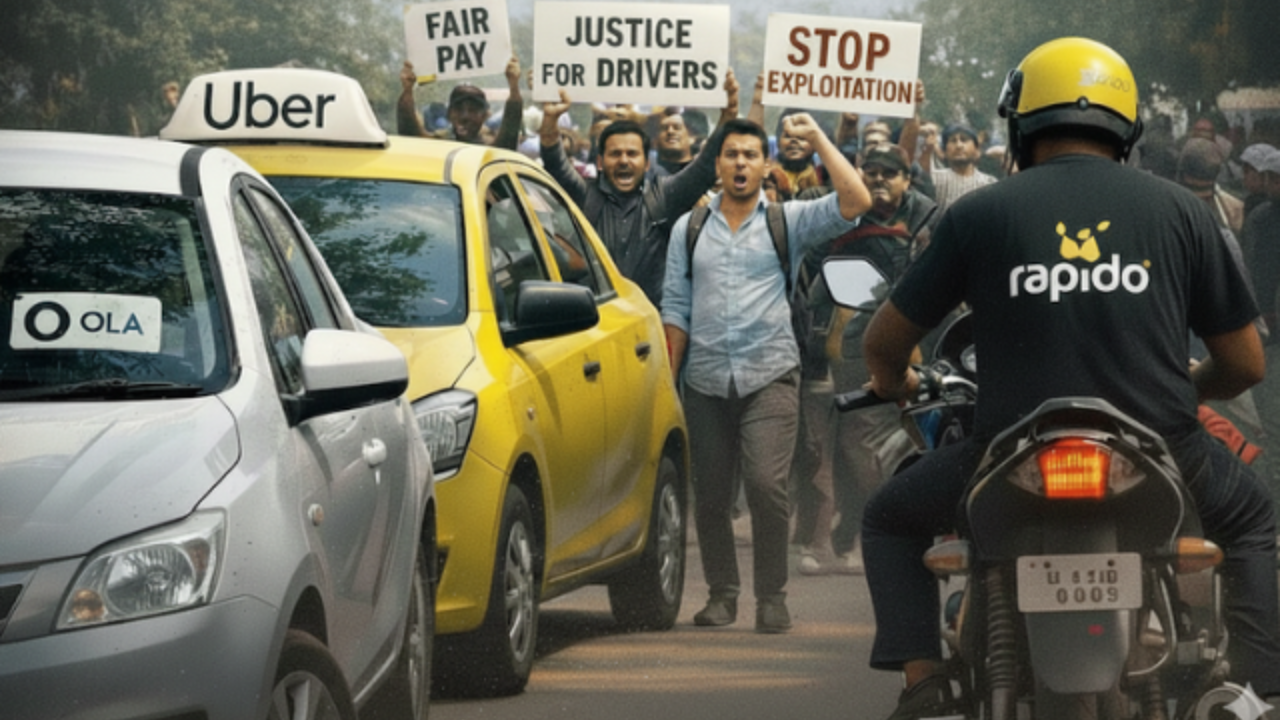
India’s bustling gig economy came to a screeching halt today as drivers and delivery partners from Ola, Uber, Swiggy, and Zomato launched a massive nationwide strike on February 7, 2026. Protesting against rock-bottom pay, sky-high commissions, and vanishing incentives, thousands across major cities like Delhi, Mumbai, Bengaluru, Pune, and Hyderabad logged off their apps, leaving commuters stranded and foodies frustrated.

This bold ‘All India Breakdown’ action, spearheaded by unions including the Telangana Gig and Platform Workers Union (TGPWU) and Indian Federation of App-based Transport Workers (IFAT), shines a spotlight on the daily grind faced by these unsung heroes who power urban life. As peak hours turned chaotic, the strike underscores a pressing call for justice in a sector that’s transformed how we move and eat.

Chaos Unfolds in Metro Cities

From the crowded streets of the national capital to the vibrant lanes of financial hubs, the impact was immediate and widespread. In Delhi-NCR, Ola and Uber users stared at endless ‘no cabs available’ screens, with wait times ballooning beyond 45 minutes during morning rushes. Mumbai’s office-goers, battling monsoon-like traffic woes even in February, scrambled for alternatives as ride-hailing services dipped sharply.

Bengaluru, the Silicon Valley of India, saw techies walking to work or hailing traditional autos, while Hyderabad’s biryani lovers waited hours for Swiggy and Zomato deliveries. Pune, buzzing with startups and IT parks, felt the pinch too – delivery agents from Blinkit and Zepto joined the fray, turning lunch breaks into ordeals. Union estimates peg participation at over 50,000, with the strike peaking from 10 AM to 4 PM, forcing platforms to issue alerts for planned travel.

Heartfelt Grievances Fuel the Fire

At its core, this Ola Uber Swiggy Zomato strike stems from years of pent-up frustration. Drivers earn a pittance after deducting fuel, bike maintenance, and those hefty 20-40% commissions that platforms pocket. TGPWU leader Shaik Salauddin voiced it plainly: “We drive 12-16 hours daily, battling pollution and potholes, yet take-home pay barely covers roti-kapda-makaan.” Delivery bhaiyas echoed demands for government-mandated minimum fares under the 2025 Aggregator Guidelines, now gathering dust.

Incentives, once a lifeline, have been slashed arbitrarily – peak-hour bonuses vanished, leaving workers vulnerable to algorithm whims. Safety nets are absent too: no insurance for accidents in mad traffic, no paid leave for illnesses, and sudden account blocks without notice. Women partners highlighted night-shift risks and need for maternity support, making it a fight for dignity.

Platforms’ Reactions and Calls for Dialogue

Ola and Uber responded with surge pricing tweaks and appeals for minimal disruption, but offered no firm commitments on demands. Swiggy and Zomato dangled temporary incentives to coax partners back online, reminiscent of tactics during festive seasons. Yet, workers remain skeptical, viewing these as band-aid solutions in a ₹1.5 lakh crore industry ripe for reform.​​

Governments at Centre and state levels are under scanner. Unions have petitioned the Labour Ministry for urgent intervention, with Maharashtra pushing local safeguards given its gig-heavy economy. Past strikes like the 2025 year-end protests by IFAT paved the way, but today’s scale demands action.

The Bigger Picture: Gig Economy’s Dark Side

India’s gig workforce, over 2 million strong, exploded with app-based convenience post-pandemic. From quick Zomato orders to seamless Uber rides, it’s revolutionized daily life. But beneath the swipes lies exploitation: 10-minute delivery mandates risk lives on two-wheelers, commission battles erode earnings amid rising petrol prices (now ₹100+ per litre), and zero labour rights leave families exposed.​​

In regions like Maharashtra and Madhya Pradesh, where startups thrive, this unrest ripples through business. HappenRecently, tracking such developments, notes how fair policies could boost productivity. Economists caution that ignoring these voices might inflate logistics costs, hitting consumers and e-commerce alike.

Personal Stories Bring the Struggle Home

Meet Raju from Pune, an Ola driver who’s been at it for five years: “I left my village for better life, but after EMI and kids’ fees, nothing left. Strike ek awaaz hai hamari.” In Mumbai, a Swiggy rider shared tales of 14-hour shifts yielding ₹700, barely enough amid inflation. Delhi cabbies decried fuel hikes without fare adjustments, while Hyderabad partners demanded end to exploitative ratings.

These desi narratives humanize the Ola Uber strike news, reminding us that behind every app icon is a hardworking bhaiya supporting dreams.

Path Forward: Towards a Fairer Gig World

As evening approaches, unions signal openness to talks but warn of escalation if demands linger. Commuters are adapting – metros overflowing, local dhabas booming – but the real win lies in balanced reforms: capped commissions, social security funds, and transparent algorithms.

Conclusion:

As the sun sets on this historic February 7 strike, Ola, Uber, Swiggy, and Zomato’s gig warriors have sent a resounding message: fair pay, capped commissions, and social security aren’t luxuries—they’re rights for the bhaiyas fueling India’s urban heartbeat. Platforms and policymakers must heed this wake-up call, forging equitable policies that balance innovation with dignity, ensuring our gig economy thrives for all. Jai Hind to their united fight for a brighter tomorrow!
Historic Trade Breakthrough US Drops Additional Tariffs on Indian Exports

0
Tariffs on Indian Exports

PM Modi hails pact as a milestone that boosts manufacturing, enhances export competitiveness, and supports India’s economic growth.

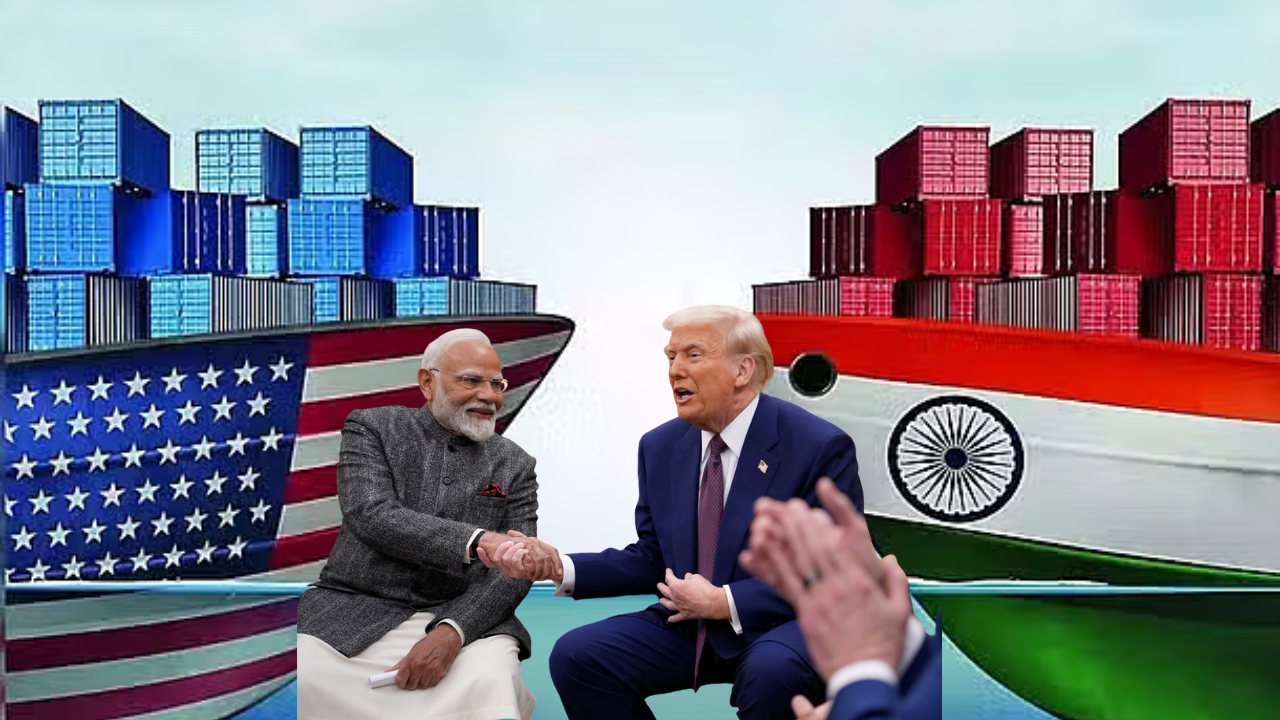
In a landmark development set to reshape India–US trade relations, the United States has officially removed the additional 25% tariffs on a broad range of Indian goods effective February 7, 2026. The move comes after India agreed to gradually scale down its imports of Russian crude oil while entering into an interim trade pact that further reduces overall tariffs to 18%. The agreement is aimed at boosting bilateral trade to an ambitious $500 billion within the next five years, marking a new chapter in the economic partnership between the two nations.

Prime Minister Narendra Modi hailed the breakthrough as a victory for Indian exporters, calling it a “transformative trade pact that not only deepens the spirit of friendship between the world’s two largest democracies but also creates new pathways for job creation, investment, and innovation under the Make-in-India initiative.”

This historic decision follows months of high-level negotiations between the two governments and is expected to benefit industries spanning manufacturing, agriculture, textiles, pharmaceuticals, and technology.

A Turning Point in Indo–US Trade Relations

The decision to withdraw the 25% tariffs underscores Washington’s intent to strengthen strategic trade ties with India at a time when both countries seek to reinforce global supply chain resilience. India’s calibrated approach in balancing its energy security concerns with its diplomatic commitments has earned appreciation from global trade observers.

According to Commerce Ministry officials, the interim agreement not only ensures tariff reduction across key sectors but also facilitates greater market access for Indian agricultural products, renewable technology components, and manufactured goods.

For Indian exports, this move is especially significant. Several categories — including steel, aluminum, auto components, chemicals, and organic farm produce — had faced high tariffs under earlier protectionist measures. With the rollback, Indian exporters now gain a level playing field in the American market, which is currently India’s largest trading partner.

Focus on Manufacturing, MSMEs, and Job Creation

The Indian government expects this development to give a strong push to the Make-in-India and Atmanirbhar Bharat initiatives. Reduced tariff barriers will make Indian goods more competitive in the global market, attracting fresh investments in sectors like semiconductors, renewable energy equipment, and electric vehicles.

Commerce and Industry Minister Piyush Goyal described the deal as “a win-win for both nations,” adding that the tariff reduction will “stimulate growth in small and medium industries, generate employment, and promote cutting-edge innovation.”

Industry bodies such as FICCI and CII welcomed the decision, noting that lower tariffs would restore confidence among exporters who had faced cost escalation due to additional duties since 2018. MSMEs producing value-added metal goods, machinery parts, and packaging materials stand to gain immediately as they will now have easier access to American buyers.

The pact also includes a special working group to identify new investment zones in India that could attract US companies interested in local manufacturing partnerships, technology transfers, and skill development.

US Farm Markets Open Up for Indian Produce

A major highlight of the deal is America’s agreement to open its agricultural markets to a wider range of Indian farm products. This includes rice, spices, organic tea, sesame seeds, basmati, marine produce, and processed food products that had previously faced strict entry barriers due to tariff and non-tariff issues.

Prime Minister Modi hailed this as a “historic win for India’s farmers,” emphasizing that the inclusion of Indian agro-products in US markets will enhance rural incomes and encourage sustainable agricultural practices.
“India’s farmers will now have the opportunity to directly reach one of the world’s most sophisticated consumer markets, backed by our government’s commitment to high-quality food standards and traceability,” Modi said.

Officials also revealed that both sides are working on mutual recognition agreements (MRAs) to simplify certification and logistic procedures, ensuring faster market entry for Indian products.

Strategic Impact: Energy and Global Supply Chain Alignment

The trade pact follows India’s decision to gradually reduce dependence on Russian oil imports and diversify its energy portfolio with greater imports from the US and allied countries. This strategic alignment not only strengthens India’s global energy security but also positions it as a responsible stakeholder in maintaining global stability.

In line with the agreement, India is expected to increase its investments in US-based clean energy projects, hydrogen research, and critical minerals extraction. In return, the US will facilitate technology transfers in green hydrogen, lithium-ion battery manufacturing, and carbon capture — sectors critical to India’s low-carbon growth vision.

Analysts see this move as part of a broader Indo-Pacific strategy where both nations aim to create resilient, democratic supply chains that are less dependent on volatile markets.

Bilateral Trade Vision of $500 Billion

Currently, India–US bilateral trade stands at around $200 billion. The new trade framework has set an ambitious target of reaching $500 billion by 2031, powered by liberalized tariffs, emerging technology cooperation, and sustainable energy partnerships.

Key sectors identified for growth include:

  • Information Technology and Electronics: Expansion in semiconductor manufacturing and design.
  • Defense and Aerospace: Joint production and R&D in unmanned systems and advanced avionics.
  • Pharmaceuticals and Healthcare: Streamlined approvals for Indian generics and vaccines in the US market.
  • Agricultural Exports: Greater access and clearer certification standards for Indian commodities.
  • Education and Skill Exchange: Opportunities for student mobility and joint research programs.

To achieve this target, a Bilateral Trade and Technology Council (BTTC) will regularly review progress and investment flows, ensuring transparent policy frameworks.

Strong Political and Economic Message

The removal of the 25% tariffs carries symbolic weight, signaling Washington’s recognition of India as a trusted trade partner. It also marks India’s growing influence in global trade diplomacy, as the country balances strategic autonomy with pragmatic economic partnerships.

Experts believe this could lead to a ripple effect, encouraging other countries to re-engage with India on favorable trade terms. For India, which has prioritized self-reliant growth and value-added exports, this development reinforces its position as one of the world’s most promising manufacturing hubs.

Political observers note that this agreement highlights India’s rising global stature and its ability to translate diplomatic goodwill into tangible economic advantages.

The Road Ahead

The next phase of the deal involves finalizing a comprehensive Free Trade Agreement (FTA) to cover digital trade, services, e-commerce, and intellectual property protections. Preliminary drafts are already under discussion and are expected to mature within the next two years.

As India and the United States continue to deepen their cooperation, both nations are set to benefit from mutual trust, strong leadership, and shared economic vision. The reduction in tariffs not only revitalizes trade but also creates momentum for a new era of sustainable, inclusive, and technology-driven growth.

In Prime Minister Modi’s words, “This agreement is more than a trade pact — it is a bridge of prosperity that connects two great democracies, empowering our industries, farmers, and youth with new possibilities.”

Nandurbar Shock Men Found Claiming Women’s Benefits Under Majhi Ladki Bahin Yojana

0
Majhi Ladki Bahin Yojana

District administration uncovers large-scale misuse of the state’s women welfare scheme; inquiry launched to identify false beneficiaries and tighten digital verification.

Nandurbar, Maharashtra: A startling case of misuse of the Mukhyamantri Majhi Ladki Bahin Yojana has come to light in Nandurbar district, where nearly 710 men reportedly registered themselves online to avail of benefits exclusively meant for women. The revelation has prompted a swift response from the district administration, which has initiated an investigation and warned of strict action against those found guilty of fraudulent applications.

The Mukhyamantri Majhi Ladki Bahin Yojana, launched by the Maharashtra government under Chief Minister Eknath Shinde, aims to provide financial assistance of ₹1,500 per month to eligible women across the state. The scheme targets women aged between 21 and 60 years, offering economic support to enhance their dignity, independence, and participation in the workforce.

However, the misuse of this welfare initiative in Nandurbar has raised concerns about loopholes in the online verification process and the potential exploitation of digital platforms by unscrupulous applicants.

710 Men Registered for the Women’s Scheme

According to officials from the Nandurbar District Collectorate, preliminary data analysis revealed that over 700 male applicants had filled out the form for the Ladki Bahin scheme through online registration portals. These men allegedly managed to submit applications by manipulating or providing incorrect information, thereby attempting to pose as eligible women beneficiaries.

The state government had opened the online registration facility for women to apply for the scheme through the official portal, making the process simple and accessible. However, this accessibility appears to have been misused by a small group seeking unfair benefits.

Local authorities were alerted after data verification teams noticed inconsistencies in applications — particularly mismatched Aadhaar data, gender information, and bank account details. The issue came to light during a random data audit conducted as part of the ongoing process of beneficiary validation.

Officials confirmed that out of the total fraudulent entries, 710 applications were found to be submitted by male applicants, despite the scheme being restricted solely to women residents of Maharashtra.

District Administration Orders Immediate Probe

Following the discovery, the Nandurbar district administration has launched a thorough investigation to understand how these applications bypassed the basic eligibility filters. District Collector Dr. Manisha Patil (name used illustratively) directed all taluka-level officers and data-verification teams to re-examine the database and weed out fake registrations immediately.

In a statement to local media, officials said that various departments — including the Women and Child Development Department, IT Cell, and Gram Panchayat networks — are working in coordination to identify and block fraudulent accounts. Anyone found guilty of deliberately providing false information or aiding such attempts will face legal and administrative consequences.

The Collector further emphasized that “the government’s intention behind this scheme is to uplift women economically and socially. Misuse of the initiative by ineligible individuals not only deprives genuine beneficiaries but also damages the trust between citizens and the administration.”

How the Fraud Was Detected

Sources within the district administration explained that the fraudulent entries were uncovered through a detailed cross-verification of Aadhaar data, gender identifiers, and linked bank accounts. During this process, it was found that certain applications had Aadhaar numbers registered to male citizens, while others showed mismatches in name and gender fields.

Moreover, in a few cases, male applicants are suspected to have used their female relatives’ names but provided their own contact or banking details — raising questions about potential identity misrepresentation.

Officials clarified that despite the online system’s automated checks, certain technical gaps in the early registration phase made it possible for applicants to submit data before deeper verification modules were fully integrated. These gaps are now being closed through enhanced data validation and machine-based screening.

Scheme’s Objective and Importance for Women

Introduced in 2024, the Mukhyamantri Majhi Ladki Bahin Yojana is one of Maharashtra’s flagship welfare programs focusing on women empowerment. The scheme provides a monthly allowance of ₹1,500 to eligible women from different socio-economic backgrounds, particularly from low and middle-income families.

The primary goal is to support women in meeting basic household needs, improving access to education and healthcare, and promoting financial independence. Since its inception, lakhs of women have registered and benefited, particularly in rural and tribal regions.

By simplifying the digital application process, the government intended to eliminate middlemen and ensure that assistance reaches genuine beneficiaries directly into their bank accounts. However, the Nandurbar incident has highlighted areas where stronger cyber verification and ground-level audits are necessary.

Political and Public Reactions

The exposure of this anomaly has triggered widespread debate in state political circles. Opposition leaders have questioned the government’s preparedness and the accuracy of its digital processes, while ruling alliance leaders have emphasized their commitment to ensuring transparency and rectifying system errors immediately.

Several activists have also called for greater digital literacy in rural areas, stressing that many women rely on local intermediaries or cyber cafés for online applications. They argue that poor awareness or technical limitations sometimes make systems vulnerable to misuse.

Citizens on social media expressed mixed reactions — some criticized the fraudulent act as a sign of greed and moral decline, while others blamed weak verification systems. Many users, particularly women beneficiaries, demanded that officials take stern action to deter such malpractices in future registration drives.

Government Strengthens Verification Steps

In response to the Nandurbar incident, the Maharashtra government’s IT department has announced stronger safeguards to prevent similar loopholes elsewhere in the state. These measures include real-time Aadhaar-based gender authentication, integration of biometric verification, and periodic cross-checks with bank KYC data.

The government is also expected to deploy district-level helplines and awareness campaigns to guide women through the correct registration procedures. Panchayat offices and local NGOs may be roped in to assist genuine applicants and ensure that no false beneficiaries slip through the cracks.

Officials believe that while technological innovation has made welfare distribution faster and fairer, human monitoring and social accountability remain equally crucial to prevent system abuse.

Nandurbar’s Case a Lesson for Other Districts

The Nandurbar case serves as a cautionary tale for other districts across Maharashtra. As more welfare schemes become digitized, cyber ethics, local monitoring, and community awareness will play a pivotal role in maintaining transparency.

Authorities have reiterated that such incidents, while concerning, also provide opportunities to strengthen public delivery mechanisms. The focus, they say, should remain on protecting the rights of genuine women beneficiaries and ensuring that public funds reach those who need them most.

Going forward, the district administration has assured that no fraudulent applicant will receive any payment, and the data cleansing process will be completed before the next scheduled disbursement.

Conclusion

The exposure of more than 710 fraudulent applications by men in the Mukhyamantri Majhi Ladki Bahin Yojana has once again highlighted the dual challenge of ensuring accessibility and accountability in digital governance. While the scheme continues to empower thousands of women across Maharashtra, the incident underscores the need for stronger technical safeguards and ethical participation from citizens.

T20 World Cup 2026 Launch Team India Faces USA in High-Voltage Wankhede Clash

0
T20 World Cup 2026

From February 7 to March 8, catch India’s opening match vs USA—squad details, key players, and why Wankhede sets the perfect stage.

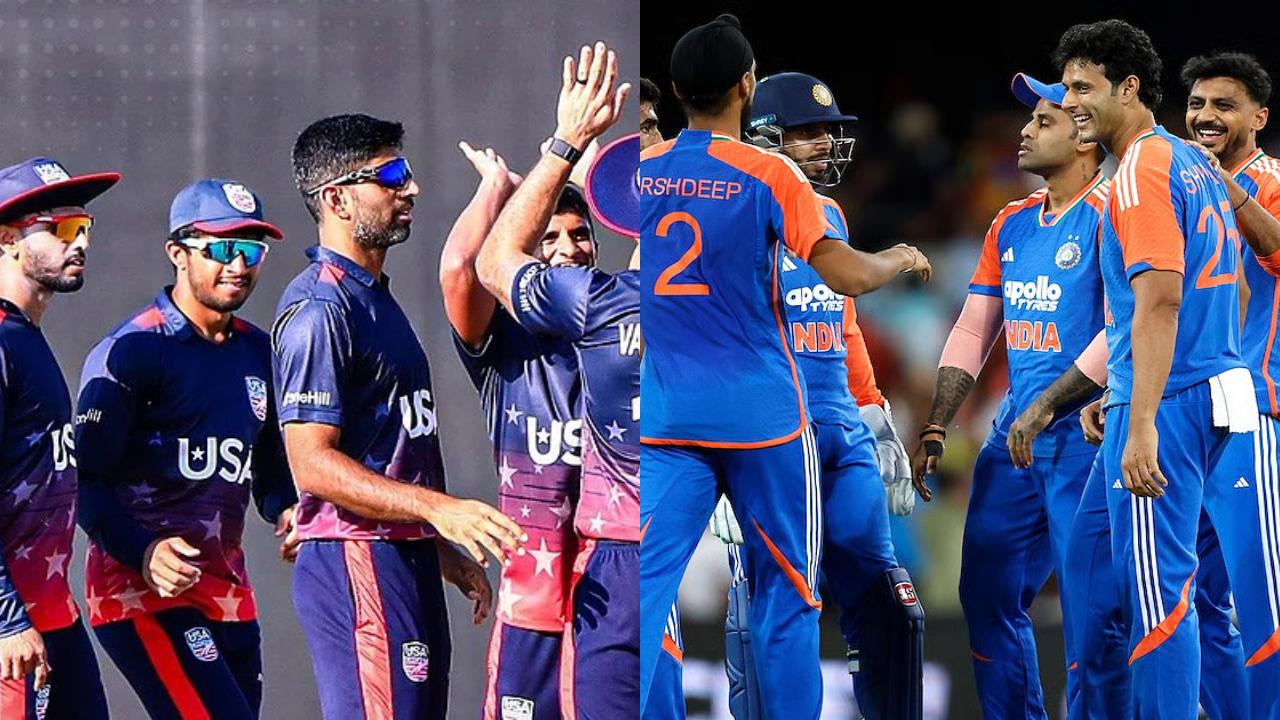
The ICC Men’s T20 World Cup 2026 begins today, February 7, with high-voltage action across India and Sri Lanka, running until March 8. Team India launches its campaign tomorrow, February 7, at the iconic Wankhede Stadium in Mumbai against a spirited USA side, setting the stage for an electrifying start to the tournament.

Tournament Overview and Excitement Builds

Cricket fever grips the nation as the ICC T20 World Cup 2026 unfolds from February 7 to March 8, co-hosted by cricket powerhouses India and Sri Lanka. This expanded 20-team extravaganza features intense group-stage battles, Super 12 clashes, semifinals, and a grand final, promising non-stop thrills for fans worldwide.

With venues like Wankhede Stadium in Mumbai, Narendra Modi Stadium in Ahmedabad, Eden Gardens in Kolkata, Arun Jaitley Stadium in Delhi, M.A. Chidambaram Stadium in Chennai, and Sri Lankan gems such as R. Premadasa Stadium in Colombo and Pallekele in Kandy, the tournament showcases the best of subcontinental cricket passion. India’s opening clash against USA on February 7 at 7:00 PM IST marks the perfect kickoff, with Wankhede’s vibrant atmosphere expected to roar like never before.

The groups are stacked with talent: Group A pits India alongside USA, Namibia, Netherlands, and Pakistan; Group B has Australia, Sri Lanka, Zimbabwe, Ireland, and Oman; Group C features England, West Indies, Bangladesh, Italy, and Nepal; while Group D includes South Africa, New Zealand, Afghanistan, Canada, and UAE. Top two from each group advance to Super 12, leading to semifinals on March 4 and 5, and the final on March 8.

India’s Campaign Starts with USA Challenge at Wankhede

All eyes are on Team India as they take on USA in their ICC T20 World Cup 2026 opener at Mumbai’s Wankhede Stadium on February 7. Under captain Suryakumar Yadav, with Axar Patel as vice-captain, India boasts a formidable 15-member squad blending explosive batting, versatile all-rounders, and a lethal bowling attack.

The squad includes wicketkeepers Sanju Samson and Ishan Kishan; batters Abhishek Sharma, Tilak Varma, Rinku Singh; all-rounders Hardik Pandya, Shivam Dube, Axar Patel, Washington Sundar; and bowlers Jasprit Bumrah, Harshit Rana, Arshdeep Singh, Kuldeep Yadav, and Varun Chakravarthy. Notably, Shubman Gill misses out, making way for fresh firepower like Abhishek Sharma’s six-hitting prowess and Varun Chakravarthy’s mystery spin.

Wankhede Stadium, home to unforgettable moments like the 2011 ODI World Cup final and IPL epics, holds rich T20 records—Rohit Sharma tops run-scorers with 2445 runs, while Lasith Malinga claims 68 wickets. Its compact boundaries favor high-scoring games, perfect for T20 fireworks, and India will aim to set a dominant tone here before tougher tests like Pakistan on February 15 in Colombo.

USA’s Rising Stars Ready to Upset Giants

The United States enters as a dynamic underdog, led by captain Monank Patel, with vice-captain Jessy Singh. Their 15-member squad features Andries Gous and Shayan Jahangir as wicketkeepers, batters like Shehan Jayasuriya, Milind Kumar, Shayan Jahangir, Saiteja Mukkamala, Sanjay Krishnamurthi; all-rounders Harmeet Singh, Shubham Ranjane; and bowlers Nosthush Kenjige, Shadley Van Schalkwyk, Saurabh Netravalkar, Ali Khan, and Mohammad Mohsin.

USA stunned many in the 2024 edition with Gous’s 219 runs and Netravalkar’s six wickets, and they return hungrier in Group A. Facing India at Wankhede won’t be easy, but their pace attack led by Netravalkar and Ali Khan could exploit early swing, while Patel’s leadership adds steel. This matchup highlights cricket’s global growth, with USA aiming to replicate past upsets.

Key Players to Watch in India vs USA Clash

For India, Suryakumar Yadav’s 360-degree shots and captaincy will anchor the middle order, backed by Hardik Pandya’s all-round impact and Jasprit Bumrah’s death-over mastery. Abhishek Sharma, with 88 sixes since the last World Cup, could explode at the top, while Varun Chakravarthy’s variations promise middle-over breakthroughs.

USA banks on Monank Patel’s steady hand, Andries Gous’s batting flair from 2024, and Saurabh Netravalkar’s swing bowling. Shehan Jayasuriya and Ali Khan bring power-hitting and raw pace, making them potential game-changers. Expect a batting bonanza at Wankhede, where teams have posted massive totals.

India’s Path to Glory: Fixtures and Expectations

India’s Group A schedule kicks off with USA on February 7 (Mumbai), followed by Namibia on February 12 (Delhi), Pakistan on February 15 (Colombo), and Netherlands on February 18 (Ahmedabad). As defending champions with home advantage, expectations soar for a deep run, especially with Suryakumar’s aggressive style suiting T20.

The Pakistan fixture in neutral Colombo adds intrigue amid boycott talks, but India focuses on momentum. Key to success: Bumrah’s yorkers, Axar’s spin in subcontinent conditions, and Rinku Singh’s finishing touches. Fans dream of another title, building on recent dominance.

Wankhede Magic and Tournament Highlights

Wankhede Stadium, built post-CCI-MCA disputes, debuted internationally in 1975 and hosted 2011 World Cup glory. Its T20 legacy includes IPL thrillers and World T20 matches, with short boundaries amplifying drama. Beyond the opener, Wankhede hosts England vs Nepal on February 8, West Indies vs Nepal on February 15, and a semifinal.

Tournament highlights include India-Pakistan rivalry, Australia-Sri Lanka clashes, and England-West Indies firepower. Semis at Kolkata and Mumbai, finals at Colombo or Ahmedabad, ensure epic closures.

How to Catch the Action Live

Indian fans can tune into Star Sports Network for live telecasts, with streaming on platforms like JioHotstar and Airtel Xstream Play. Tickets are in high demand—register interest via official channels for future sales. Pubs, homes, and stadiums will pulse with blue fervor tomorrow.

Why This T20 World Cup Matters for Indian Cricket Fans

For desi cricket lovers, this is more than a tournament—it’s a celebration of skill, strategy, and subcontinental spirit. India’s opener against USA symbolizes cricket’s evolution, pitting tradition against new horizons. With stars aligned and Wankhede ready, expect boundaries, cheers, and memories that last a lifetime.

Bhopal Mahila Samvad Union Budget 2026-27 Women Schemes Explained by BJP Leaders

0
Bhopal Mahila Samvad

Discover how Hemant Khandelwal & Krishna Gaur highlight empowering provisions for Nari Shakti in Madhya Pradesh.

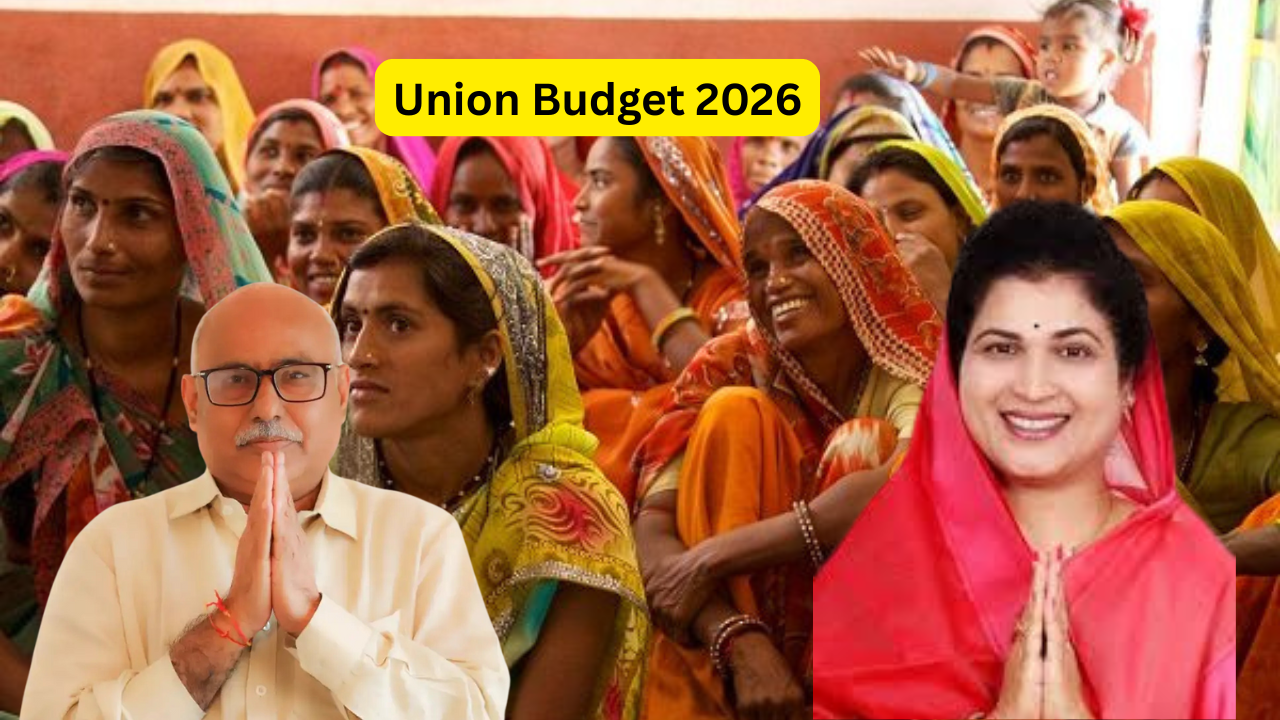
Bhopal, February 6, 2026: The vibrant city of Bhopal is buzzing with anticipation as the Bharatiya Janata Party (BJP) Madhya Pradesh organizes a special “Mahila Samvad” program today, dedicated to unpacking the transformative women-centric provisions of the Union Budget 2026-27. State BJP President Hemant Khandelwal and Minister Krishna Gaur are set to guide attendees through these game-changing initiatives, making complex policies relatable and actionable for everyday women.

Kicking off at 11 AM at the Aryabhata Auditorium in LNCPE Campus on Raisen Road, this exclusive women’s dialogue is part of BJP’s pan-Madhya Pradesh budget awareness drive. It promises an interactive session where leaders will share stories of empowerment, answer queries, and inspire participation in national schemes.

Dynamic Leaders at the Helm

Hemant Khandelwal, the energetic BJP State President and Betul MLA, is no stranger to championing women’s causes. With a background in commerce and law, Khandelwal’s journey from RSS pracharak to Parliament and now state leadership reflects his deep commitment to organizational strength and social welfare. He has consistently advocated for education reforms and rural upliftment, aligning seamlessly with the budget’s focus on Nari Shakti.

Complementing him is Krishna Gaur, Minister of State for Govindpura, Bhopal, whose public engagements have long promoted government benefits for women. From press meets to community outreach, Gaur’s straightforward style ensures schemes like self-help groups and skill training reach the grassroots, especially in urban pockets like Bhopal.

Together, they embody the party’s ethos of “Sabka Saath, Sabka Vikas,” tailored for Madhya Pradesh’s diverse women – from farmers’ wives in villages to entrepreneurs in cities.

Union Budget 2026-27: A Beacon for Women’s Progress

Finance Minister Nirmala Sitharaman’s February 1 presentation marked a historic milestone with a Rs 46.9 lakh crore Union Budget, featuring India’s largest-ever Gender Budget of Rs 5.08 lakh crore. This surge from the previous year’s Rs 4.49 lakh crore signals unwavering priority on women-led development under PM Narendra Modi’s Viksit Bharat vision.

At its core is Rs 28,183 crore earmarked for women’s welfare, spanning health, education, skills, and entrepreneurship. Remarkable strides include women’s labor force participation jumping from 23.3% to 41.7%, and 1.48 crore women achieving ‘Lakhpati Didi’ status through self-help groups. These aren’t mere stats; they’re stories of families rising together.​

In Madhya Pradesh, home to thriving SHGs and schemes like Ladli Behna, these allocations promise amplified impact. Rural women, who juggle homes and fields, will find new avenues in fisheries clusters and coconut farming loans, while urban sisters gain from MSME support.

Decoding Key Initiatives for Indian Women

The session will spotlight Rs 10,000 crore for girls’ hostels in every district, with emphasis on STEM in smaller towns and villages. This tackles longstanding hurdles of safety and access, paving the way for the next generation of scientists, engineers, and leaders from Bhopal to Bundelkhand.​​

First-time women entrepreneurs get term loans up to Rs 2 crore, easing entry into business. Women-led MSMEs, now 2.2 crore strong and employing 89 lakh women, receive tailored credit and market linkages, fostering a ripple of job creation.

Rural empowerment gets a massive push: Rs 44,506 crore for a new employment scheme succeeding MGNREGA, Rs 33,022 crore for Jal Jeevan Mission delivering tap water to households – a daily liberator for women who spend hours fetching it – and a 20% hike to Rs 17,280 crore for DAY-NRLM. These fuel SHG startups and sustainable livelihoods.

Health and nutrition allocations strengthen anganwadis and maternal care, while skill programs under the budget equip women for modern jobs. In MP, this dovetails with state incentives like nutrition aid for tribal women and SHG subsidies, creating a holistic safety net.

Madhya Pradesh’s Women: Poised for Greater Heights

Bhopal, as MP’s political and cultural hub, sets the tone for statewide adoption. CM Mohan Yadav’s administration, with its women-friendly policies, complements the Union Budget perfectly. Khandelwal and Gaur will weave in local successes – think Lakhpati Didis earning steady incomes or meritorious girls zipping to college on e-scooters.

The interactive format allows real voices to shine: a homemaker querying loan processes, a SHG leader seeking market tips, or a student dreaming of STEM. BJP’s campaign, extending to February 15, ensures every district hears this message of self-reliance.

A Movement Beyond the Auditorium

In true Indian spirit, where “Yatra Nariastu Pujyante Ramante Tatra Devatah,” Budget 2026-27 honors women as nation-builders. From Bhopal’s lakeside serenity to MP’s heartland fields, these provisions promise dignity, opportunity, and prosperity.

As Khandelwal rallies, “Empower one woman, empower a generation.” Today’s Mahila Samvad isn’t an event; it’s the spark for countless journeys toward economic freedom and Viksit Bharat 2047.

PM Modi Interacts with Students in ‘Pariksha Pe Charcha 2026’ Madhya Pradesh Schools Stream Event Live

0
Pariksha Pe Charcha 2026

Prime Minister shares tips on exam stress, focus, and positivity as students across India participate in the interactive session.

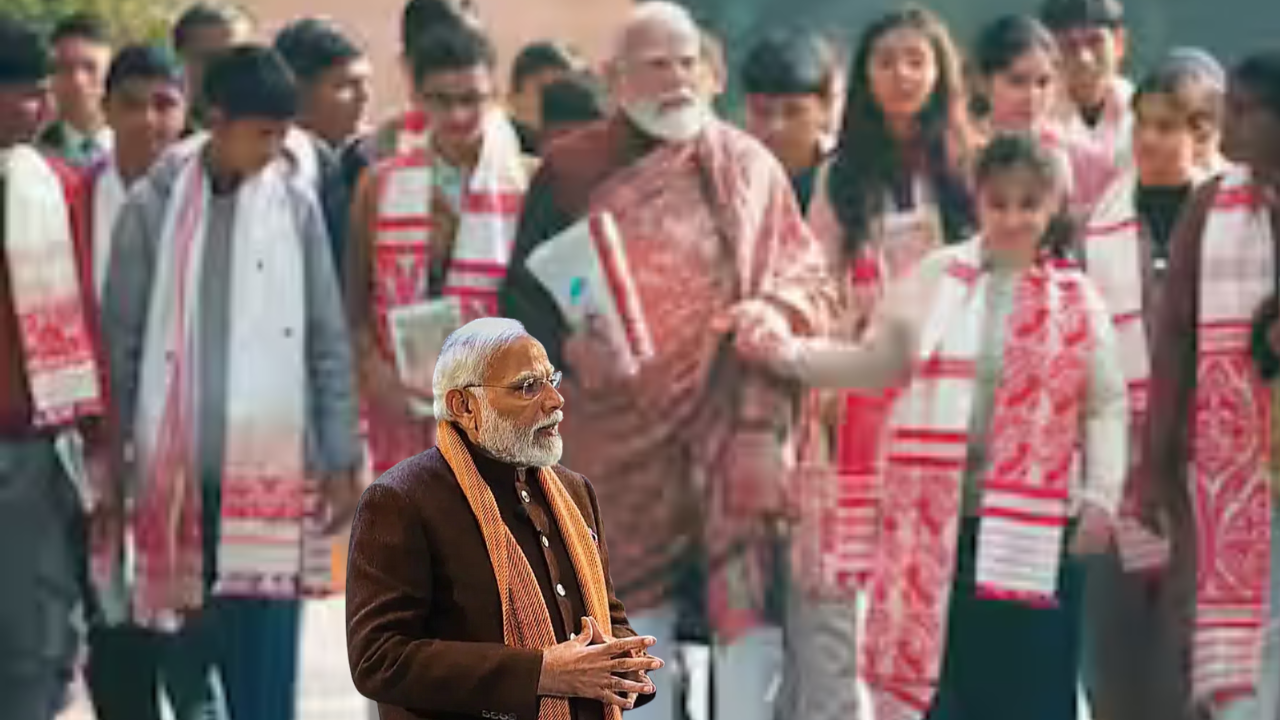
In a nationwide outreach that has now become an annual tradition, Prime Minister Narendra Modi will once again connect directly with students, teachers, and parents across India through the much-awaited ‘Pariksha Pe Charcha 2026’ event. The interactive programme aims to inspire students to overcome exam stress with confidence, optimism, and clarity — encouraging them to view examinations not as pressure points but as opportunities for progress.

This year’s edition of Pariksha Pe Charcha holds special significance, taking place just as board exam season approaches for millions of students across India. Educational institutions from metropolitan cities to rural communities are preparing to tune in to the live telecast, turning classrooms into spaces of national participation and shared learning. In Madhya Pradesh, preparations are already in full swing across government and private schools as well as colleges to show the event live, ensuring every student gets to hear the Prime Minister’s motivational message.

Nationwide Programme with a Student-Centric Approach

The Ministry of Education has organized Pariksha Pe Charcha 2026 as part of the broader Jan Bhagidari (public participation) initiative under the Pariksha Pe Charcha campaign. The programme brings together millions of students, teachers, and parents both online and offline. The Prime Minister will address queries submitted by students nationwide, offering practical tips to handle exam-related anxiety, focus better, and manage time effectively.

Over the years, ‘Pariksha Pe Charcha’ has transformed into a flagship communication bridge between young learners and the country’s leadership. PM Modi has consistently used this platform to remind students that exams are not barriers but stepping stones toward bigger dreams. His talks often emphasize holistic learning, curiosity, and emotional balance — aligning with the essence of India’s National Education Policy (NEP 2020), which promotes creativity, multi-disciplinary learning, and reduction of academic stress.

Madhya Pradesh Schools Ready for Live Screening

Recognizing the motivational impact of this initiative, the Madhya Pradesh state education department has directed schools and colleges to make suitable arrangements for live viewing of Pariksha Pe Charcha 2026. Smart classrooms, auditoriums, and community centers in cities like Bhopal, Indore, Gwalior, and Jabalpur are being equipped with screens and projectors to broadcast the event seamlessly.

Officials from the School Education Department said that all district education officers have been instructed to ensure maximum participation of students and teachers. Many schools are also planning group activities and follow-up discussions after the event to reinforce key messages shared by the Prime Minister.

Students have expressed great excitement about participating in the discussion. “Every year, we look forward to hearing the Prime Minister speak directly to us. His words give us confidence before our exams,” said Riya Sharma, a Class 10 student from Indore. Similarly, teachers believe that listening to the Prime Minister boosts students’ morale and reduces unnecessary fear associated with exams.

Focus on Exam Stress Management and Confidence Building

PM Modi’s Pariksha Pe Charcha addresses issues every student faces — from managing expectations and dealing with peer pressure to maintaining focus in an increasingly digital world. He often urges students to balance academic effort with creativity, physical activity, and emotional well-being. Through real-life stories and relatable examples, he emphasizes the importance of self-belief and perseverance.

In previous editions, the Prime Minister has encouraged students not to compare themselves with others and to take pride in their unique talents. He often says that parents should not see marks as the ultimate measure of success and that every learner has their own rhythm and potential. This message resonates strongly with educational institutions in Madhya Pradesh, where awareness campaigns on stress-free education have been gaining traction.

Mental health and emotional resilience are expected to remain central themes in this year’s session. Education experts believe the Prime Minister’s words will further sensitize parents and teachers to adopt compassionate approaches while guiding students through exam phases.

Integrating Digital Learning and Modern Assessment

Another highlight expected in this year’s Pariksha Pe Charcha is the emphasis on using technology positively in education. As more schools in Madhya Pradesh and across India embrace digital tools, PM Modi is likely to discuss how students can use online platforms responsibly — for learning, exploration, and innovation rather than distraction.

Under the Digital India and Atmanirbhar Bharat visions, the government continues to promote tech-enabled learning solutions such as e-content platforms, virtual labs, and online courses. Pariksha Pe Charcha serves as an interactive extension of these efforts, helping students think beyond traditional rote learning and develop problem-solving skills suited for the 21st century.

A Platform that Inspires Millions

Since its inception in 2018, Pariksha Pe Charcha has drawn participation from millions of students across India and abroad. The programme has evolved into a cultural moment that celebrates learning and positivity. It reflects the growing relationship between education, motivation, and national development — a theme PM Modi often reiterates in his speeches.

This year, the scale of participation is expected to surpass previous editions as digital streaming and television broadcasts extend its reach to remote corners of India. Schools in tribal and rural regions of Madhya Pradesh are ensuring connectivity through government-supported ICT classrooms and solar-powered setups.

Encouraging Collaborative Learning After the Event

Post-event activities have also been planned across schools to help students apply the lessons learned. Classroom debates, essay writing competitions, and group reflection sessions will allow students to express takeaways from the Prime Minister’s insights. Teachers plan to incorporate exam-confidence modules into regular classroom discussions.

Education officers have noted that such initiatives go beyond academic preparation, nurturing a generation that is confident, emotionally strong, and future-ready. Principals and educators believe that Pariksha Pe Charcha has helped bridge communication gaps between students, teachers, and parents by initiating meaningful dialogues about stress and success.

Conclusion: A Message of Hope and Positivity

As Pariksha Pe Charcha 2026 unfolds, millions of young minds from Madhya Pradesh and across India will tune in, not just to listen, but to absorb messages of courage, self-trust, and balanced learning. The event embodies the idea that education is not merely about securing marks but about shaping confident, compassionate, and capable citizens.

Vidarbha’s Future in Focus Advantage Vidarbha 2026 Industrial Expo Opens in Nagpur

0
Advantage Vidarbha 2026

Three-day mega festival aims to create jobs, attract investors, and accelerate regional development in Maharashtra.

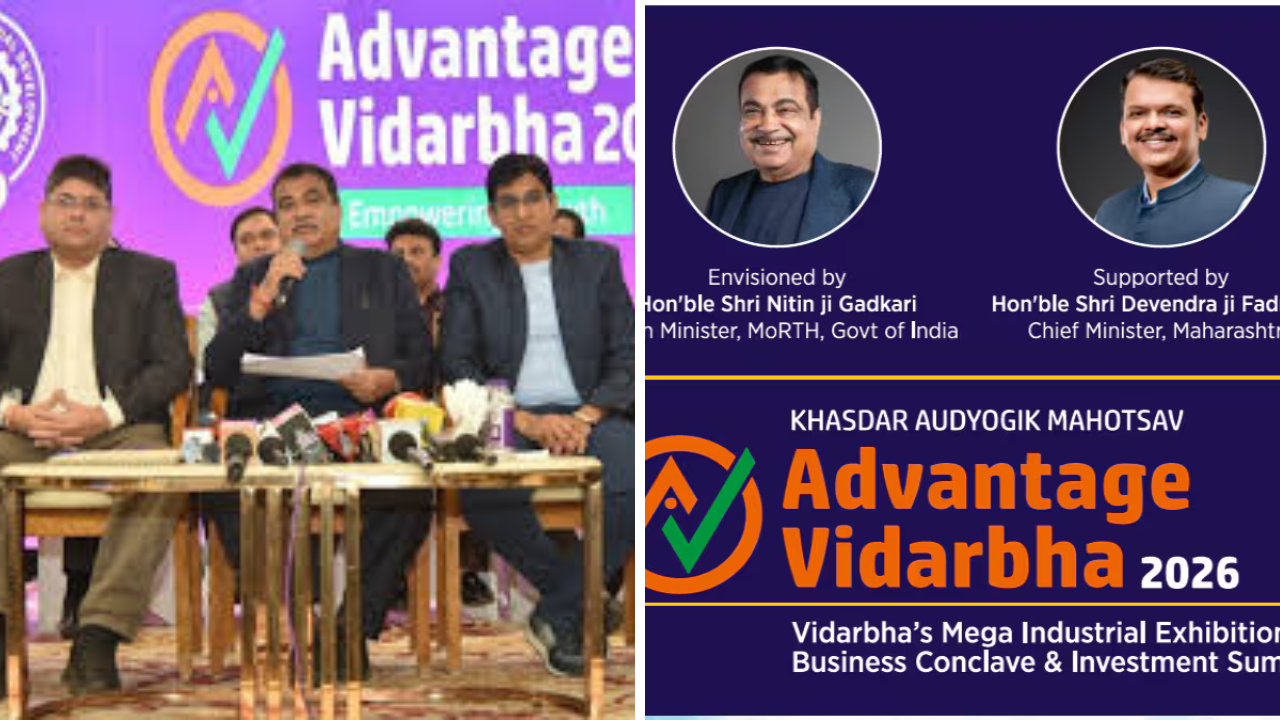
Nagpur, The much-anticipated ‘Advantage Vidarbha 2026’ industrial festival kicked off today in Nagpur, marking the beginning of a three-day celebration of growth, innovation, and economic collaboration under the inspiring theme “Empowering Growth.” The event aims to transform Vidarbha into a hotspot for industrial development and investment opportunities, attracting some of the most influential business leaders, investors, and policymakers from across India.

Organized with the vision of driving forward Vidarbha’s industrial transformation, this year’s festival places a significant focus on new infrastructure projects, manufacturing initiatives, logistics advancement, and the promotion of renewable energy investments in the region. The event promises to serve as a strategic platform connecting entrepreneurs, government officials, and industrial experts in one vibrant ecosystem of growth-minded collaboration.

Eminent Dignitaries to Grace the Inauguration

The inaugural ceremony will see the presence of several prominent dignitaries. Jit Adani, Director of the Adani Group, Union Minister Nitin Gadkari, and Maharashtra Chief Minister Devendra Fadnavis are the chief guests for the opening day. Their participation underscores the growing importance of Vidarbha as a key driver of Maharashtra’s economic ambitions.

The leaders are expected to share their insights on India’s evolving industrial landscape, the potential for sustainable regional growth, and the government’s strategic policies aimed at empowering the nation’s second-tier cities like Nagpur. The event will also spotlight collaborative projects in infrastructure, logistics, and clean energy that are projected to create large-scale employment and enhance connectivity throughout central India.

A Platform for Investment and Innovation

The Advantage Vidarbha 2026 festival stands as a dynamic hub for investors and entrepreneurs aiming to explore emerging opportunities in sectors such as manufacturing, agritech, infrastructure, energy, and logistics. With hundreds of industry participants and exhibitors, the event hosts an integrated Industrial Expo—one of the largest in central India—showcasing advanced technologies, industrial machinery, renewable solutions, and supply chain innovations.

According to organizers, the expo aims to connect local businesses with national and global investors, fostering economic partnerships and opening up new avenues for small and medium-scale industries (SMEs). Special sessions and B2B meetings are scheduled to help companies discover potential collaborators and funding opportunities in Vidarbha’s rapidly growing industrial ecosystem.

Empowering Vidarbha’s Industrial Future

Vidarbha, traditionally known for its agricultural base, has been witnessing an emerging wave of industrial growth in recent years. The region’s strategic location, robust road and rail connectivity, and expanding infrastructure make it an attractive destination for investors. The government’s focus on decentralizing investments beyond Mumbai and Pune has further accelerated Vidarbha’s rise as a regional growth engine.

In his welcome speech, a senior industry official emphasized that “Advantage Vidarbha 2026” is not just an event—it’s a movement to position the region as an industrial powerhouse of Maharashtra. The festival encourages cooperation between public sector agencies and private enterprises to generate employment, modernize manufacturing ecosystems, and utilize renewable resources efficiently.

Focus on Key Sectors: Infrastructure, Manufacturing, and Renewables

The three-day event focuses on four major growth pillars—Infrastructure, Manufacturing, Logistics, and Renewable Energy—all of which play a crucial role in Maharashtra’s long-term economic planning.

  • Infrastructure Development: Investments in transport networks, industrial parks, and logistics hubs are expected to redefine connectivity across Vidarbha. Discussions will revolve around sustainable infrastructure models and smart mobility solutions to reduce logistics costs and enhance regional supply chain efficiency.
  • Manufacturing Excellence: With the government’s ‘Make in Maharashtra’ and ‘Make in India’ initiatives, several domestic and international companies have expressed interest in setting up manufacturing units in Nagpur and surrounding districts. The event will showcase successful case studies and government support schemes for industrial clusters in the region.
  • Renewable Energy: Renewable projects in solar and bio-energy are among the top investment priorities. Vidarbha’s geographical advantages and available land resources make it a suitable destination for green energy ventures. Officials will explore collaborations to harness solar potential and support India’s clean energy transition.
  • Logistics Growth: With Nagpur emerging as a logistics capital, new warehousing and multi-modal transport projects are expected to receive significant attention. The ongoing Nagpur Multi-Modal International Hub Airport (MIHAN) project continues to attract leading logistics companies.

Empowering Growth: Beyond Investments

While investments and projects remain at the core of “Advantage Vidarbha 2026,” the festival also underlines inclusive growth and skill development. Several sessions during the event are dedicated to job creation, entrepreneurship training, and digital transformation for youth and MSMEs.

Government agencies, startups, and academic institutions have partnered to promote innovation-driven entrepreneurship by supporting incubation, mentorship, and funding programs. The focus on knowledge-sharing sessions ensures that local youth can align their skills with the changing industrial demands of the 21st century.

Startups and MSMEs Take Center Stage

In addition to large corporates, the participation of startups and small-scale industries (SSIs) is one of the highlights of this edition. Several emerging enterprises from Nagpur, Chandrapur, and Amravati are showcasing their innovative ideas at the expo. The Maharashtra Industrial Development Corporation (MIDC) has also announced a dedicated help desk at the venue to assist businesses seeking approvals and guidance on policy incentives.

Government and Industry Partnerships Strengthen the Vision

The collaboration between state departments, industry associations, and business chambers remains central to the festival’s success. The Maharashtra government’s proactive stance on promoting balanced industrial growth across regions is reflected in initiatives like single-window clearance systems, simplified investment processes, and new industrial parks.

Union Minister Nitin Gadkari’s keynote address is expected to highlight the government’s commitment to infrastructure modernization, sustainable manufacturing, and promoting regional industrial clusters. Jit Adani is also likely to discuss new renewable initiatives by the Adani Group that align with Vidarbha’s potential for solar and clean energy integration.

Vision for the Next Decade

As “Advantage Vidarbha 2026” unfolds, it symbolizes the region’s ambition to emerge as a pivotal industrial destination by 2030. The festival seeks to attract billions in investments, generate thousands of jobs, and position Vidarbha at the heart of India’s growth story. With a focus on long-term collaboration, innovation, and sustainable industrialization, this event is expected to mark a defining chapter in the journey of Maharashtra’s balanced regional development.

Industry observers believe that the success of this edition could lead to more such platforms being organized across Maharashtra’s lesser-explored industrial belts, further spreading economic opportunities beyond major metros.

As Nagpur buzzes with enthusiasm and optimism, ‘Advantage Vidarbha 2026’ stands as more than just an industrial expo—it’s a bold statement of intent to empower Maharashtra’s heartland with growth, employment, and a sustainable future.

Dilip Shanghvi’s Journey from Small-Town Entrepreneur to Global Pharma Leader

0
Dilip Shanghvi

Exploring Dilip Shanghvi’s inspiring rise, business empire, family philanthropy, and global impact in healthcare innovation.

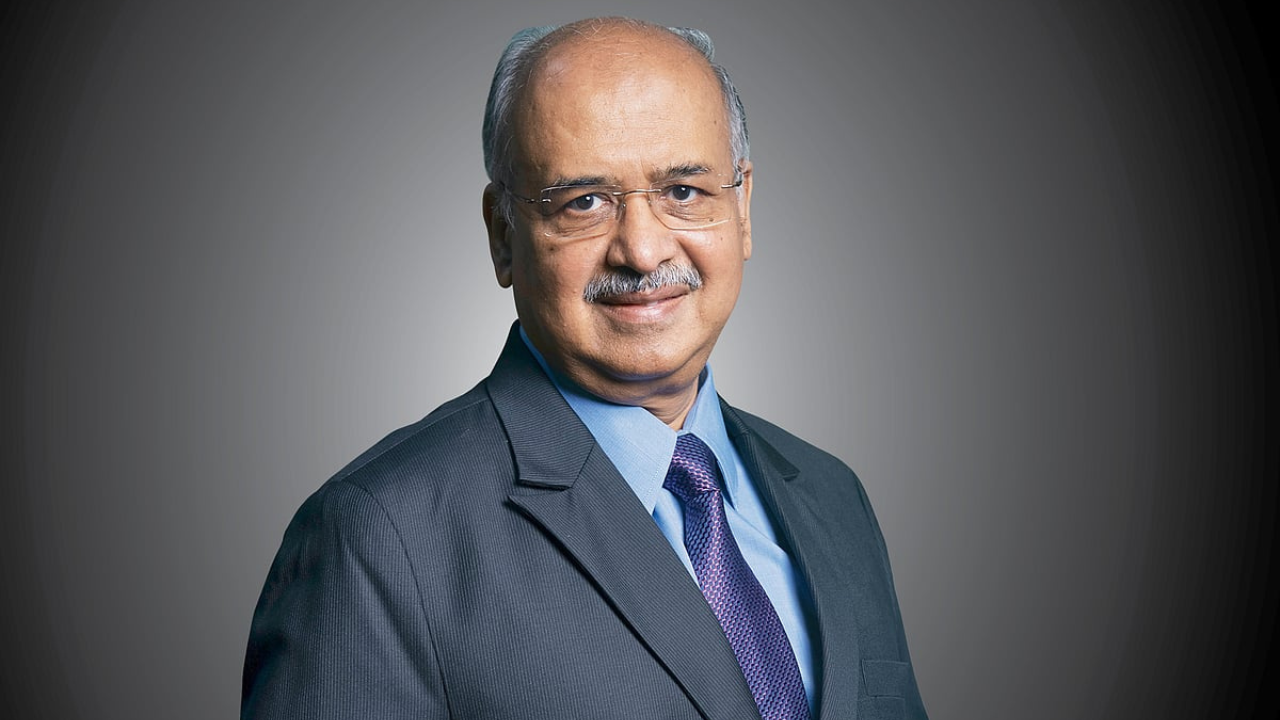
Dilip Shanghvi stands as one of India’s most influential figures in the pharmaceutical world, founding Sun Pharmaceutical Industries Ltd. (Sun Pharma), India’s largest drug maker. Hailing from a modest Gujarati Jain family, his journey from a small loan to building a global giant inspires millions across the nation.

In 2026, Shanghvi’s net worth reaches $24.9 billion (around ₹2.1 lakh crore), securing his spot as India’s 7th richest person, fueled by Sun Pharma’s robust growth. This article explores his life, achievements, family welfare efforts, and current endeavors in pharma and healthcare.

Early Life and Humble Beginnings

Born on October 1, 1955, in Amreli, Gujarat, Dilip Shanghvi grew up in a family running a wholesale pharmaceutical business in Kolkata. He completed his schooling at JJ Ajmera High School and earned a B.Com from Calcutta University.

In 1983, armed with a modest loan from his father, Shanghvi launched Sun Pharmaceutical Industries in Vapi, Gujarat, initially focusing on psychiatric drugs like Lithosun. Amid India’s License Raj era, his emphasis on quality and affordable medicines laid the foundation for future success.

Building Sun Pharma into a Global Powerhouse

The 1990s liberalization wave propelled Sun Pharma forward. The company expanded into cardiology, gastroenterology, and more, investing heavily in R&D by 1993.

Strategic acquisitions defined its growth: Caraco Pharma (1997), Taro Pharma (2007), and the landmark $4 billion Ranbaxy buyout in 2014, catapulting Sun Pharma to India’s top spot and the world’s 5th largest generics firm. Overcoming US FDA hurdles between 2014-2018 showcased resilience.

Recent moves include Ocular Technologies (2016), Concert Pharma (2023), and Checkpoint Therapeutics acquisition for $355 million in 2025. In Q3 FY26, Sun Pharma reported 15.1% revenue growth to ₹15,469 crore and 16% net profit rise to ₹3,369 crore, with global specialty sales at $423 million.

Current Role: Steering Future Growth

Since September 2025, Kirti Ganorkar serves as MD, while Shanghvi remains Executive Chairman, focusing on specialty portfolios and long-term strategies. Under his vision, specialty business now accounts for 20% of revenue.

Sun Pharma bolsters its field force for deeper Indian market penetration and eyes growth in US, emerging markets, and R&D. Shanghvi chairs Gujarat Biotechnology University and has served on IIT Bombay’s Board of Governors and RBI’s Central Board.

Net Worth and Financial Standing

As of February 2026, Forbes lists Shanghvi’s net worth at $24.9 billion, up 4.38% recently, primarily from Sun Pharma stakes. Q2 FY26 PAT hit ₹31,180 crore, reflecting strong performance.

Family and Philanthropic Welfare Efforts

Shanghvi is married to Vibha; son Aalok and daughter Vidhi are involved in Sun Pharma. Daughter-in-law Karishma heads CSR. The family upholds Jain values and devotion to Shrinathji.

The Shantilal Shanghvi Foundation, named after his father, champions healthcare and education. Highlights include Shantilal Shanghvi Eye Institute for eye care, cancer day-care centers, and Shikha Academy for underprivileged children. Vidhi’s Mann Talks advances mental health via tech solutions.

Accolades and Recognitions

Awarded Padma Shri in 2016, Shanghvi received Forbes Entrepreneur of the Year (2014), NDTV Business Leader (2015), and Moneycontrol Lifetime Achievement (2023). Honorary doctorate from Tel Aviv University (2019). His biography, ‘The Reluctant Billionaire’, published in 2019.

Contributions to India’s Pharma Sector

Shanghvi’s affordable generics have benefited millions globally. Sun Pharma’s revenue exceeds $5 billion, with innovations like Ilumya (2018). It supports Make in India, creating jobs and launching US cancer drug generics.

Future Plans and Legacy

Shanghvi prioritizes specialty drugs, acquisitions, and social impact via the foundation. His story motivates young entrepreneurs—from small starts to monumental success.

Mohan Yadav Lauds Budget 2026 for Empowering MSMEs and Promoting Green Growth

0
Mohan Yadav Lauds Budget 2026

The Madhya Pradesh CM terms the Union Budget a forward-looking plan aligning with India’s goal of self-reliance and sustainable development.

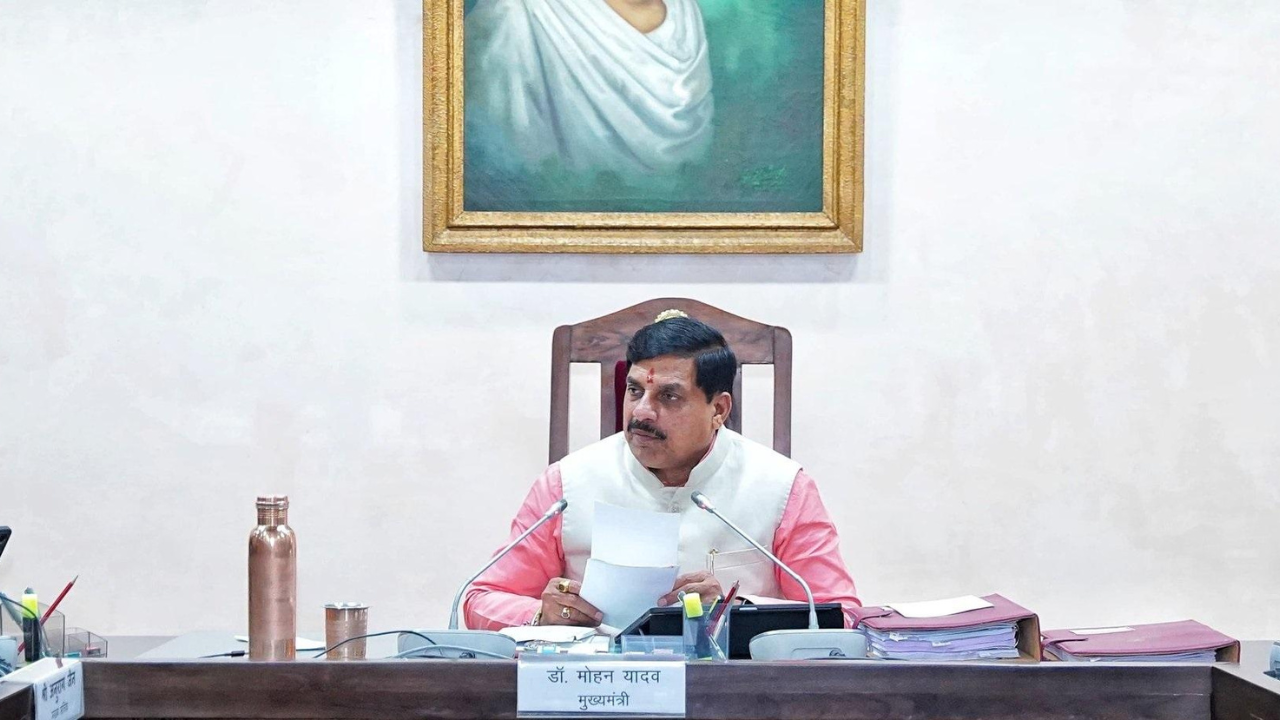
In a strong endorsement of the Union Budget 2026, Madhya Pradesh Chief Minister Dr. Mohan Yadav described the financial blueprint presented by the Central Government as a “Roadmap for a Developed India.” The Chief Minister appreciated the Union Budget’s inclusive approach, emphasizing key focus areas such as Micro, Small and Medium Enterprises (MSMEs), heavy industries, and India’s growing commitment to sustainable energy through the Green Hydrogen Mission.

Dr. Yadav, who has consistently championed industrial growth and entrepreneurship in Madhya Pradesh, said that this year’s Union Budget clearly reflects the Central Government’s vision of realizing the dream of Viksit Bharat by 2047. He emphasized that the initiatives announced will empower every section of society—from farmers and small entrepreneurs to industrial investors—by creating a robust foundation for economic growth and sustainable development.

Focus on MSME Strengthening

The Chief Minister particularly welcomed the series of policy measures aimed at supporting the MSME sector. He noted that MSMEs are the backbone of India’s manufacturing and employment ecosystem, contributing significantly to both GDP and exports. According to Dr. Yadav, the new budget’s provisions, including simplified credit access, technology upgradation incentives, and skill development schemes, will further energize this vital segment.

“The MSME sector plays a decisive role in employment generation and regional development. The new policies on credit facilitation, market access, and innovation support will help small enterprises scale up faster,” Dr. Yadav said.

He pointed out that Madhya Pradesh has already been proactive in creating an MSME-friendly environment through initiatives such as single-window clearance systems, cluster-based industrial development, and digital permit approvals. The alignment of state-level programs with the central government’s MSME schemes, he said, would multiply the benefits for entrepreneurs and investors alike.

The budget’s announcement of enhanced credit guarantees and technological interventions for MSMEs is expected to help millions of units modernize their operations, improve productivity, and generate greater employment opportunities, especially for youth and women in semi-urban and rural regions.

Boost for Heavy Industries and Manufacturing

Dr. Yadav also lauded the Union Government’s renewed emphasis on strengthening heavy industries, including manufacturing, defence production, and core engineering sectors. He noted that the budget’s continued push toward ‘Make in India’ and ‘Atmanirbhar Bharat’ aligns perfectly with Madhya Pradesh’s industrial policy goals.

The CM expressed optimism that new incentives for industrial corridors, advanced manufacturing parks, and infrastructure modernization will drive fresh investments into central India. He also highlighted that Madhya Pradesh is strategically positioned—with excellent connectivity and investor-friendly policies—to emerge as a hub for heavy industries, automobile production, renewable energy equipment manufacturing, and defence components.

“The industrial sector is the growth engine of a self-reliant India. Strengthening heavy industries means strengthening our industrial corridors, job creation, and the entire supply chain that supports small and medium enterprises,” he said.

The Chief Minister mentioned upcoming industrial projects in Pithampur, Mandideep, and Katni as examples of how the state is aligning itself with the national economic growth model. The state government, he said, will actively collaborate with the Centre to ensure faster implementation of industrial projects announced under the new budget framework.

Emphasis on Green Hydrogen and Energy Transition

Another major theme in Dr. Yadav’s reaction was the Centre’s strong emphasis on green hydrogen and renewable energy expansion. The Chief Minister referred to the Green Hydrogen Policy as a “transformational step” that will redefine India’s energy landscape, reduce carbon emissions, and open vast new investment opportunities.

He said that India has entered a new era of energy independence, where innovation and sustainability will walk hand in hand. The Union Budget’s proposal to scale up the National Green Hydrogen Mission, create green industrial clusters, and promote clean fuel adoption across sectors has been widely welcomed by states like Madhya Pradesh that are actively pursuing renewable energy expansion.

“The 2026 budget clearly recognizes that economic growth and environmental responsibility must move together. Green hydrogen will not only help India meet its climate goals but also create lakhs of new technical and engineering jobs across the nation,” Dr. Yadav remarked.

Madhya Pradesh, with its abundant natural resources, renewable energy capacity, and strategic central location, is already positioning itself as a hub for clean energy investments. The Chief Minister stated that new industrial policies and incentives being rolled out by his government will encourage private sector involvement in solar, wind, biogas, and hydrogen-based projects.

Support for Infrastructure, Skill Development, and Digital Empowerment

Dr. Yadav also touched upon the Union Budget’s focus on infrastructure modernization, skill development programs, and digital ecosystem expansion. He said that the Centre’s commitment to improving transport connectivity, logistics efficiency, and smart city infrastructure would accelerate both rural and urban development in Madhya Pradesh.

He particularly welcomed the allocation for highways, rail corridors, and industrial parks, noting that they would link the state’s growing industrial clusters with national supply chains. The Chief Minister also appreciated the government’s long-term vision for developing logistics parks and green freight corridors that will enable India’s manufacturing sector to compete globally.

In addition, he highlighted the importance of the skill development initiatives announced under the budget. With the emergence of new sectors such as electric mobility, artificial intelligence, and green energy technologies, he said, India needs a skilled workforce ready to meet global demands. Madhya Pradesh’s focus on vocational training and industry-linked education, he added, complements the Centre’s goal of creating a future-ready youth population.

“This budget reflects the government’s dedication to empowering our young population through skills, innovation, and digital access. It is a blueprint for both progress and empowerment,” Dr. Yadav said.

Moving Toward a Developed India

Concluding his remarks, Chief Minister Yadav congratulated Prime Minister Narendra Modi and Finance Minister Nirmala Sitharaman for presenting what he called a forward-looking, growth-oriented, and inclusive budget. He said that the 2026 Union Budget upholds the promise of transforming India into a fully developed nation by 2047—one that balances economic ambition with social welfare and environmental commitment.

The Chief Minister reiterated Madhya Pradesh’s readiness to fully cooperate with all national programs announced in the budget, ensuring that the benefits reach the last citizen in the development chain. By working closely with the Centre, Dr. Yadav affirmed, the state will play a pivotal role in advancing the national mission of Viksit Bharat.

Union Bank of India Backs Thane Half Marathon in Push for Fitness and Community Engagement

0
Thane Half Marathon

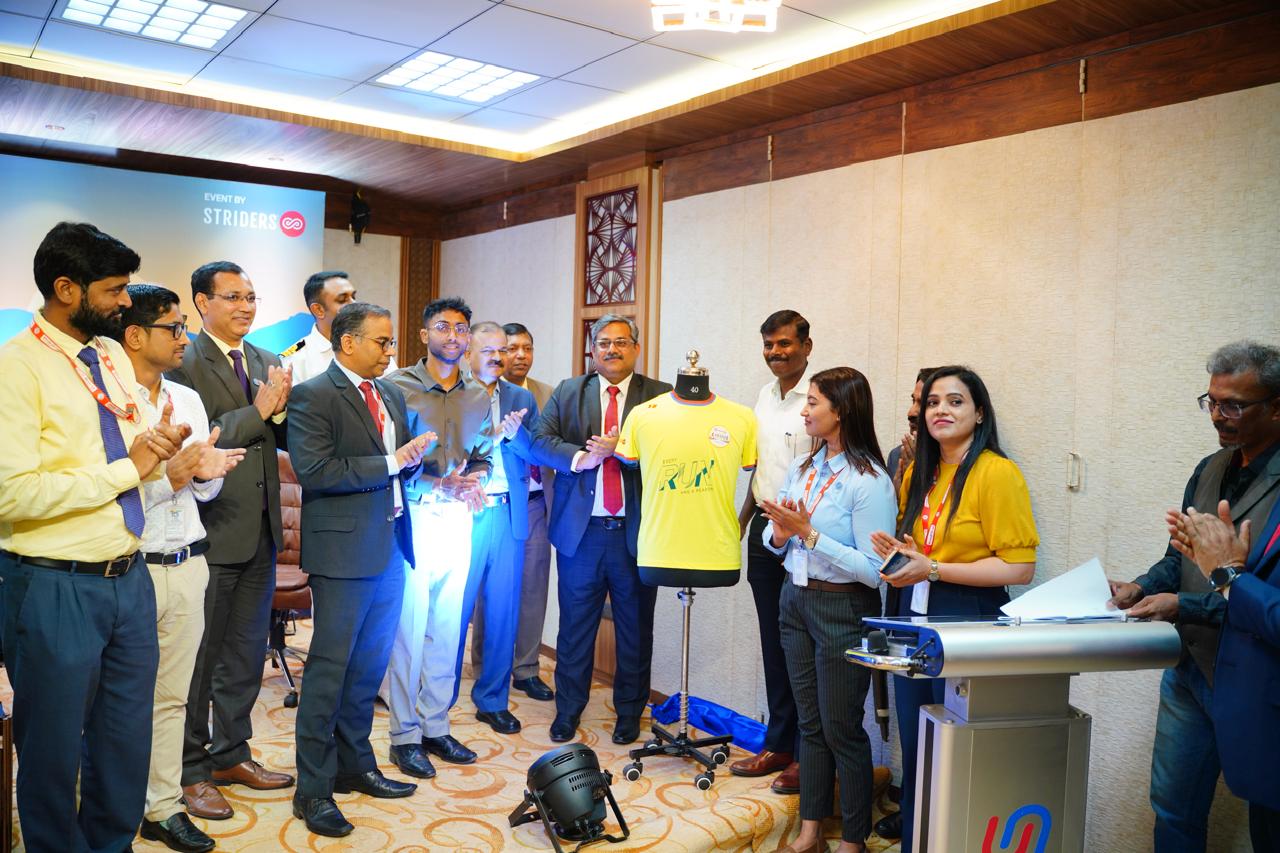
Striders is proud to announce the 12th Edition of the Thane Half Marathon, scheduled to be held on Sunday, 8th February 2026. Featuring race categories of 21K, 10K and 4K, the event continues to reaffirm its stature as one of Thane’s most prestigious and professionally managed distance running events. Over the past decade, the Thane Half Marathon has evolved into a flagship sporting platform that champions fitness, inclusivity and community participation, inspiring individuals across age groups to adopt an active and healthy lifestyle.

The 2026 edition marks a significant milestone with Union Bank of India coming on board as the Title Sponsor of the event. One of India’s leading public sector banks, Union Bank of India has a strong nationwide presence and a long-standing legacy of trust, stability and service excellence. As one of the country’s largest public sector banks, the Bank plays a key role in financial inclusion and nation-building. Its association with the Thane Half Marathon reflects a shared commitment to health, wellness, community engagement and sustainable development, extending beyond its core banking services.

Adding to the significance of the event, Mr. Milind Soman will be associated with the marathon as its brand ambassador. A well-known advocate of fitness and long-distance running, Mr. Soman has played an influential role in encouraging people across the country to adopt active and healthy lifestyles. His presence at the Union Bank of India Thane Half Marathon 2026 is expected to motivate runners to focus on fitness, discipline and mental resilience, while aligning strongly with the marathon’s core values of promoting long-term health and wellness through sport.

The 11th Edition of the Thane Half Marathon witnessed an impressive participation of over 15,000 runners, reflecting the event’s growing popularity and credibility. Building on this strong legacy, the 12th Edition is expected to attract enthusiastic participation from elite athletes, experienced amateurs, fitness enthusiasts and first-time runners, further strengthening its reputation as a professionally managed, inclusive and high-impact sporting event on the distance running calendar.

The Union Bank of India Thane Half Marathon 2026 encourages individuals across age groups to take a step towards an active lifestyle and experience the spirit of community through running.