

Home Blog Page 39

Maharashtra Gold Prices Surge as Diwali Nears Buyers Rush to Jewelery Markets

0
Maharashtra Gold Prices

As Diwali celebrations draw near, gold prices in Maharashtra have witnessed a sharp upswing, reflecting both the growing festive demand and global economic market trends. On October 16, 2025, the rate of 24-carat gold in the state surged to Rs 128,290 per 10 grams, while 22-carat gold reached Rs 117,599 per 10 grams. The spike in prices has been observed across major cities, including Mumbai, Pune, Nagpur, Nashik, and Aurangabad, marking one of the highest valuations in recent months.

Festive Demand Driving the Surge

Traditionally, the days leading up to Diwali witness a strong rise in gold buying as households and investors view the metal as a symbol of prosperity and good fortune. Jewellers across Maharashtra have reported a substantial increase in footfall and pre-bookings, particularly during the auspicious days of Dhanteras and Laxmi Puja.

According to local market experts, consumer sentiment remains robust despite the price escalation. Many buyers prefer purchasing small quantities in coins, ornaments, or lightweight jewelry, maintaining the long-standing tradition of buying gold during the festival season. The seasonal uptick is also seen as part of a larger trend where cultural and investment value align during Diwali.

Global Market Factors Influencing Indian Gold Prices

Gold prices in India often mirror international market movements. The current surge can be partly attributed to rising global gold values driven by multiple economic factors such as uncertainties in global trade, inflationary pressures, and fluctuating interest rates in major economies. As investors around the world seek safe-haven assets, gold continues to remain a preferred choice.

In addition, the weakening of the Indian rupee against the US dollar has further added to domestic gold price inflation. With central banks increasing their gold reserves globally and geopolitical tensions sustaining bullion prices at higher levels, Indian consumers are facing a costlier festive season.

Market analysts also point out that post-pandemic recovery trends, coupled with increased liquidity in the economy, have enhanced gold’s role both as a hedging instrument and a long-term investment.

City-Wise Gold Price Movement

In major Maharashtra cities, the October 16 figures show consistent price jumps across markets:

  • Mumbai: 24-carat gold – Rs 128,290 per 10 grams; 22-carat gold – Rs 117,599 per 10 grams
  • Pune: Marginally higher pricing due to local demand ahead of Diwali jewellery fairs
  • Nagpur and Nashik: Strong retail buying reported across gold showrooms
  • Aurangabad: Steady movement but notable for increased small ornament purchases

Jewellery associations in the state predict a further price variation of 1 to 1.5 percent as Dhanteras approaches, depending on global cues and trading patterns.

Gold as an Investment and Cultural Symbol

For generations, gold has held immense cultural and economic significance in Indian households. Beyond its ornamental appeal, it is considered a stable and reliable store of wealth. Financial advisors have reiterated that despite the high rates, systematic and planned purchases remain a good investment choice, particularly for long-term savings.

Many families across Maharashtra associate gold purchases during Diwali with prosperity, auspicious beginnings, and blessings of Goddess Lakshmi. This belief continues to sustain demand, irrespective of price fluctuations. Moreover, with digital and paper gold investment options becoming popular, even younger investors are entering the market, broadening the base of gold buyers this festive season.

Jewellers Adapt with Offers and Innovations

To balance rising prices and attract customers, jewellers are introducing innovative promotional offers, EMI schemes, and buyback assurances. Many leading jewellery chains across Maharashtra have also adopted digital platforms to allow customers to pre-book gold at locked-in rates, protecting them against daily fluctuations.

Retailers report that smaller jewellery designs and lightweight gold ornaments are gaining popularity as practical alternatives amid soaring prices. Several local jewellers also emphasize customized collection drives that combine traditional motifs with contemporary designs, appealing to both older and younger generations alike.

Economic Outlook and Future Trends

Experts believe that the current rally in gold prices could persist in the short term, especially if international market volatility continues. The Reserve Bank of India’s monetary stance, combined with global demand for gold as a reserve commodity, could influence future prices well into the next quarter.

While some economists expect minor corrections after the festive season concludes, sustained investor confidence and continued central bank buying may keep prices elevated through 2025. Investment advisors suggest that this period presents an opportunity for diversification, as gold retains its importance as a hedge against inflation and currency fluctuations.

Conclusion

The Diwali season of 2025 is shaping up to be one of the most dynamic gold-buying periods in recent years across Maharashtra. Despite soaring rates—Rs 128,290 per 10 grams for 24-carat and Rs 117,599 for 22-carat gold—the enthusiasm among buyers remains undiminished. With festive sentiments running high, jewellers anticipate a record display of consumer activity in both physical and digital formats.

Gadchiroli Becomes First in Maharashtra to Test Drone ‘Postmen’ for Remote Village Deliveries

0
Drone ‘Postmen’

In a pioneering move toward revolutionizing postal services in India’s remote regions, a pilot project introducing drone ‘postmen’ has been launched in Gadchiroli district of Maharashtra. The initiative marks a significant leap in India’s efforts to enhance communication and delivery infrastructure in villages often cut off by dense forests and hilly terrain. Through this project, the postal department aims to ensure faster, safer, and more reliable delivery of letters, parcels, government documents, and essential supplies to communities previously beyond easy reach.

Bridging Distances With Innovation

Gadchiroli, known for its challenging landscape and remote settlements, has long faced difficulties in maintaining consistent postal service coverage. Traditional delivery mechanisms, limited by road infrastructure and weather conditions, often resulted in delays that affected communication, welfare schemes, and administrative efficiency. Recognizing this challenge, the India Post Department, in coordination with Drone technology partners, designed this pilot initiative to bring aerial solutions to ground-level problems.

Equipped with GPS-based navigation, high-resolution cameras, and secure payload mechanisms, these drones can carry consignments weighing up to a few kilograms across long stretches of rural terrain. They complete deliveries that earlier took hours — in just a matter of minutes. The postal staff, trained in handling drone dispatch operations, monitor each flight from a control center that tracks real-time locations and ensures safety and compliance protocols.

How the Drone Postal System Works

Under the pilot setup, postal drones are deployed from designated hubs on the district periphery. Each drone follows a precise route covering specific villages mapped through digital coordinates. The deliveries range from postal letters, government notices, medicine packets, and educational materials to Aadhaar-related documents and welfare certificates.

Once a drone reaches its destination, it either lands or drops the parcel safely using a descent mechanism. Local postal agents or trained community representatives handle verification and distribution. The collected feedback during the pilot phase will be instrumental in refining operational efficiency, flight safety standards, and technical durability under varying weather conditions.

This integration of drone technology within public service marks one of India Post’s most innovative steps so far, embracing digital transformation to reach the nation’s remotest corners. The initiative also aligns with the government’s vision of “Digital and Inclusive Bharat”, where technology bridges geographical divides and empowers citizens regardless of location.

Benefits to Rural Communication and Governance

For villages in Gadchiroli, where monsoon floods and thick forests often make movement unpredictable, the arrival of drone postal services promises a new era of connectivity. Quick deliveries mean that residents can receive government notifications, examination results, pension documents, and correspondence from family members with unprecedented speed and reliability.

Health departments also see potential in leveraging this drone network for emergency dispatches of medicines, vaccines, and blood samples — cutting drastically the time taken to reach rural healthcare centers. Education institutions and panchayat offices stand to benefit too, enabling smoother document deliveries to and from district headquarters.

Officials from India Post highlighted that Gadchiroli serves as an ideal testing ground due to its mix of terrain challenges and enthusiastic local participation. The project, once evaluated successfully, may expand to other districts like Chandrapur, Nandurbar, and regions in Madhya Pradesh that share similar geographic barriers.

Voices Behind the Initiative

Senior postal officials stated that this pilot aims not only to modernize delivery but to strengthen the emotional and administrative link India Post maintains with rural citizens. One official remarked that drones represent “the future face of postal delivery — combining tradition with technology.”

Local residents welcomed the project with optimism, seeing it as a symbol of modern development reaching even the most remote villages. Farmers have expressed hope that faster correspondence can improve agricultural coordination and access to credit documentation. Students, meanwhile, see this as an inspiring model of how innovation can directly transform rural life.

Technology, Training, and Safety

The postal drones being used in Gadchiroli have undergone extensive trials to ensure optimal flight stability and data security. Every drone is equipped with an encrypted communication system between the airborne unit and the control operating base. The postal department has partnered with certified drone technology providers to manage the technical aspects of flight control, battery management, and payload distribution.

Postal staff from Gadchiroli division underwent specialized training sessions on remote operation, flight navigation, emergency response, and maintenance protocols. Safety has been prioritized, with each flight monitored under pre-approved weather conditions to prevent any risks to personnel or property.

The department also coordinated with the Directorate General of Civil Aviation (DGCA) to adhere to all drone operation guidelines under India’s Drone Rules, 2021, ensuring compliance with regulatory parameters for public service missions.

Towards a Larger Vision

This pilot project comes as part of India Post’s broader modernization drive, integrating technology with public service delivery. With ongoing digitization through initiatives like e-post, mobile money orders, and parcel tracking, the introduction of drone networks adds another transformative layer.

If successful, Gadchiroli’s model could soon inspire similar drone-based solutions across India — enabling faster document exchange between state offices, expanding India Post’s logistical capabilities in rural regions, and supporting emergency operations during floods or natural disasters.

By merging heritage with cutting-edge innovation, India Post illustrates how essential public services can evolve for the contemporary age — redefining connectivity not just in cities but in the heartlands that represent India’s diversity.

Nashik Faces Onion Price Collapse Farmers Seek Subsidy and Procurement Support

0
Nashik Faces Onion Price

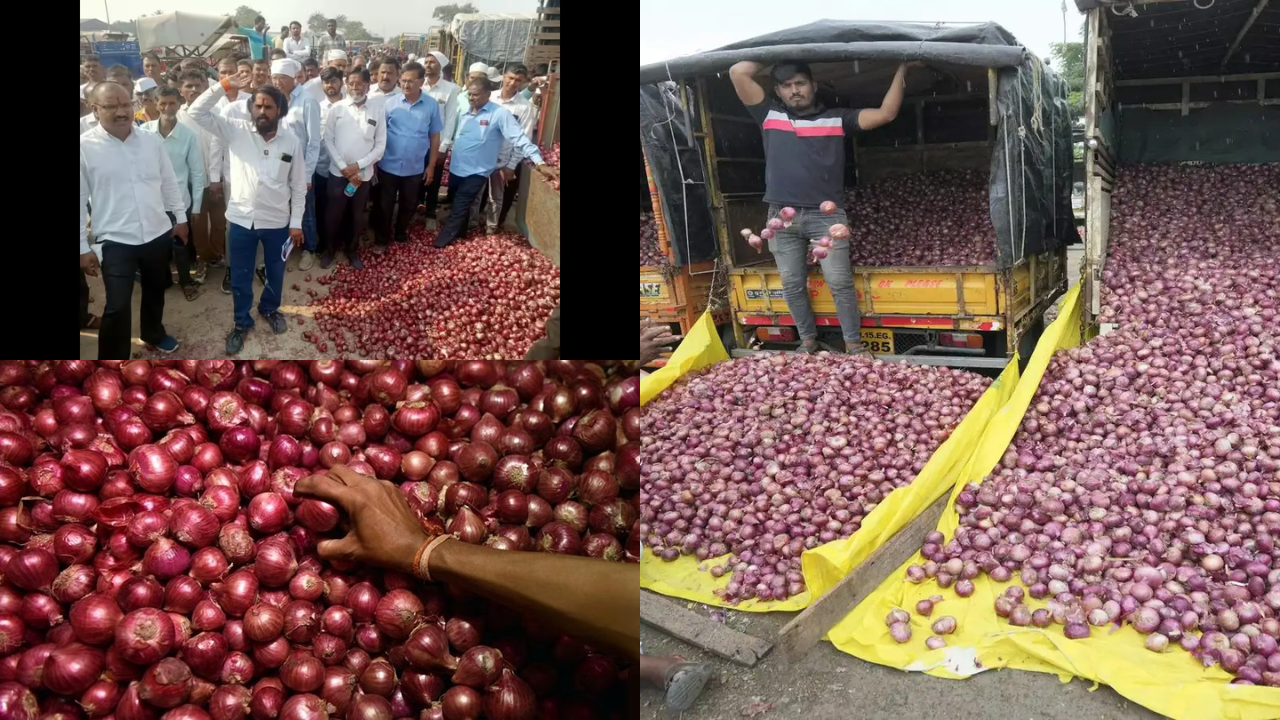
In a major setback for Maharashtra’s onion growers, prices of onions have seen a sharp fall across the Nashik Agricultural Produce Market Committee (APMC) yards due to a sudden surge in supply. The price crash has left thousands of farmers worried, prompting urgent appeals to the state government for subsidy intervention and procurement support.

According to officials of the Lasalgaon APMC — Asia’s largest onion market — wholesale onion prices have dropped drastically over the past week. Farmers who were earning around ₹2,000 per quintal a fortnight ago are now receiving less than ₹700–₹800 per quintal, a fall of nearly 60%. The steep decline comes amid a flood of fresh arrivals from local farms and neighboring districts, overwhelming buyers and storage facilities.

Harvest Glut Hits Farmers Hard

Nashik, known as the onion capital of India, contributes significantly to the country’s onion production. However, favorable monsoon conditions and an early harvest have resulted in a bumper yield this season. While production figures are being celebrated in agricultural circles, ground reality suggests a crisis situation for small and marginal farmers unable to recover production costs.

Farmers from Niphad, Chandwad, Sinnar, and Lasalgaon talukas told HappenRecently.com that the current market prices do not even cover transportation and labor expenses. “We worked hard throughout the season hoping for a decent return, but the rates have collapsed overnight. Many growers are forced to sell onions at throwaway prices,” said Pramod Shinde, a farmer from Chandwad.

Similar concerns have been raised by farmers’ groups and unions, who demand that the Maharashtra government initiate immediate procurement at minimum support prices (MSP) to prevent widespread financial distress.

Government Response Under Consideration

State agriculture officials have acknowledged receiving reports of the price fall from Nashik and adjoining regions. Preliminary assessments indicate an oversupply situation due to the overlapping of late kharif and early rabi onion arrivals. Government sources confirmed that discussions are underway to stabilize prices and protect farmer interests through intervention mechanisms such as subsidy support and procurement drives.

A senior official from the Department of Agriculture said, “We are aware of the situation in Nashik and are monitoring price trends closely. Possible measures include direct purchases through cooperative federations, financial aid for transportation to distant markets, and temporary storage subsidies.”

Farmers have urged both the state and central governments to announce a relief package, citing previous assistance provided during similar price crashes in 2019 and 2021. Representatives from local farmers’ organizations have warned that without timely intervention, many cultivators may face severe financial losses and be forced to abandon onion farming in the next season.

Impact on Market and Consumers

While the fall in wholesale prices has created distress among growers, retail consumers across Maharashtra may benefit from reduced onion costs in the coming weeks. Retail onion rates in urban centers such as Mumbai, Pune, and Nagpur are expected to decline to ₹15–₹20 per kg from the previous ₹30 levels. However, agricultural experts caution that the price drop may be short-lived if farmers reduce acreage in the next cycle due to profitability concerns.

Traders also note that the excess supply has burdened existing cold storage facilities in Nashik and nearby regions. The inability to store or transport surplus onions quickly is contributing to wastage and further price deterioration. Market intermediaries are urging the government to enhance cold chain infrastructure and logistics support to minimize losses.

Expert Views and Recommendations

Agriculture economists emphasize that a long-term policy framework is necessary to safeguard farmer incomes amid volatile onion price cycles. Experts recommend the introduction of dynamic procurement strategies, transparent market intelligence systems, and real-time data sharing between APMCs and the government.

Dr. Hemant Patil, an agribusiness analyst, stated, “Nashik’s recurring price fluctuations underline the urgent need for an integrated onion price stabilization policy. The government must balance import-export decisions, encourage diversification of crops, and support farmers with timely credit and insurance.”

There are also calls for the development of onion dehydration units and food processing clusters in Nashik to create value-added products and reduce dependency on volatile fresh produce markets. Establishing farmer-producer companies (FPCs) and connecting them directly with bulk buyers can also help mitigate market risks.

Farmers Await Swift Relief

As of Wednesday, October 15, many growers continued staging peaceful protests outside APMC yards in Lasalgaon and Niphad. They have appealed for immediate government procurement at ₹2,000 per quintal and subsidies for transportation to other markets across India. Local leaders and agricultural cooperatives have joined the momentum, urging authorities to act before the situation worsens.

Despite the price slump, the quality of onions from Nashik remains high this season, with uniform size and color. However, the sudden loss in market value threatens overall farm income in the region, which heavily depends on the onion crop as a primary livelihood source.

Agricultural experts predict that without swift government action and proper logistical support, many farmers could face mounting debts. The Nashik district administration is expected to submit a detailed report to the Maharashtra government this week highlighting the loss estimates and possible intervention strategies.

Government Approves Rs 31,628 Crore Flood Relief Plan to Help Farmers Recover Losses

0
Government Approves

In a major step toward supporting the farming community, the state government has announced a comprehensive relief package worth Rs 31,628 crore for flood-affected farmers across multiple districts. The initiative aims to provide immediate financial support, restore agricultural productivity, and rebuild rural livelihoods that have been severely impacted by the recent floods and adverse weather conditions.

The announcement reflects the government’s commitment to ensuring that no farmer is left behind in the recovery process. The package has been designed to cover crop losses, irrigation damage, livestock support, and rehabilitation measures for rural infrastructure such as farm roads, storage warehouses, and minor irrigation canals.

Relief for Flood-Hit Districts

According to official data, several districts in the state witnessed unprecedented rainfall and widespread flooding this season, leading to severe damage to standing crops, soil erosion, and destruction of essential agricultural assets. Districts in both the western and central regions reported extensive losses to paddy, cotton, soybean, and sugarcane fields — key crops that form the backbone of the state’s rural economy.

The Rs 31,628 crore assistance will be distributed in a phased manner, prioritizing the most affected farmers and regions. The relief measures will include direct compensation, interest-free loans, subsidies on seeds and fertilizers, and special insurance claim settlements to help farmers resume agricultural operations quickly.

Focus on Immediate Compensation and Long-Term Stability

Officials confirmed that a significant portion of the package will go toward direct cash transfers to farmers whose land and crops have been officially assessed as damaged. The administration is also coordinating with local authorities to ensure a transparent and time-bound disbursal process.

Beyond immediate compensation, the government plans to use the relief funds for sustainable recovery measures. This includes restoring soil fertility, strengthening embankments, repairing irrigation networks, and implementing advanced flood control infrastructure to mitigate future risks.

A senior state minister stated that this relief package represents “a holistic approach to rebuilding rural livelihoods and ensuring that farmers can regain financial stability after the unprecedented weather events.” He further emphasized that the government remains committed to agricultural resilience, climate adaptation, and disaster preparedness.

Technology-Driven Assessment and Disbursal

The state government has introduced digital monitoring tools to enhance efficiency and transparency in claim processing. Satellite imagery, drone surveys, and GIS-based data mapping have already been deployed to identify flood-affected areas and assess crop damage more accurately. This data-driven approach ensures that compensation reaches the right beneficiaries without delay or error.

Additionally, the Agriculture Department is collaborating with insurance companies under the Pradhan Mantri Fasal Bima Yojana (PMFBY) to expedite claim settlements for enrolled farmers. This coordination will help many farmers recover part of their losses through insurance claims while also receiving direct relief from the Rs 31,628 crore package.

Support for Livestock and Rural Infrastructure

The impact of floods goes beyond crop damage, affecting livestock, fodder availability, and farm assets. Recognizing this, the government has allocated a separate component within the package to support animal husbandry sectors. Veterinary camps are being set up in flood-hit districts to provide medical aid, vaccination, and replacement support for lost cattle.

Rehabilitation of rural infrastructure is another vital part of the initiative. The package includes funds for repairing village roads, culverts, storage godowns, and small irrigation projects. These efforts aim to restore normal agricultural operations and improve resilience in future farming seasons.

Empowering Farmers Through Institutional Cooperation

The relief package also highlights cooperation between multiple government departments, agricultural banks, and local bodies. District collectors have been instructed to form coordination committees comprising officials from the agriculture, irrigation, and revenue departments. These committees will oversee the relief distribution, grievance redressal, and progress reporting.

Farmers’ cooperatives and self-help groups are being encouraged to participate actively in the rehabilitation efforts, ensuring that the funds reach the grassroots level efficiently. The state is also seeking assistance from the central government to supplement the package and extend additional technical and financial support for rebuilding rural livelihoods.

Voices from the Ground

Initial reactions from farmer associations have been largely positive, with many welcoming the timely announcement of the relief package. Representatives have expressed hope that the funds will be disbursed efficiently and without administrative delays. Local leaders have also urged continuous government monitoring to ensure that relief reaches small and marginal farmers who are often the worst affected by natural calamities.

Farmers from districts like Nashik, Nagpur, Jalna, and Solapur — among the hardest hit — shared gratitude for the government’s responsiveness but also sought long-term planning for flood management, including improved drainage systems and crop insurance awareness programs.

A Commitment to Rural Renewal

With this Rs 31,628 crore package, the state government is reaffirming its commitment to the welfare of the farming community and the revival of the rural economy. By combining immediate financial aid with sustainable development measures, the government aims to help farmers rebuild their lives and strengthen their resilience against the increasing challenges posed by extreme weather conditions.

Officials have assured that the relief distribution will begin within weeks, ensuring quick recovery for affected families before the onset of the next cropping cycle. The government will continue to monitor implementation closely to maintain transparency and accountability throughout the process.

The comprehensive relief initiative not only brings hope to thousands of struggling farmers but also serves as a reminder of the government’s dedication to inclusive growth and disaster resilience in the agricultural sector.

Maharashtra Leaders Focus on Flood Recovery, Infrastructure Development, and Farmer Welfare

0
Devendra Fadnavis

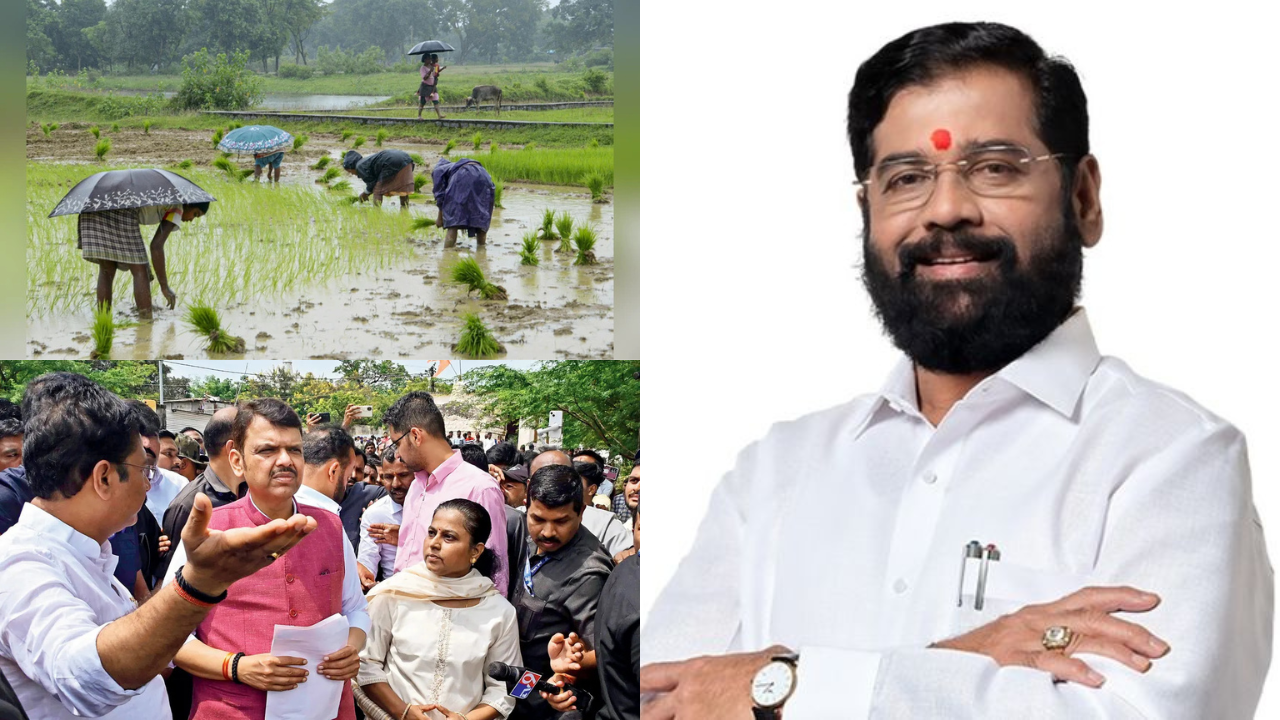
In the wake of persistent rainfall and flooding across several regions in Maharashtra, Chief Minister Devendra Fadnavis and Deputy Chief Minister Eknath Shinde continue to lead crucial coalition discussions focused on addressing immediate challenges while reinforcing the state’s long-term vision for growth, stability, and welfare. The leadership duo, representing key pillars of the Maharashtra government, is coordinating with local bodies, district officials, and farmer organizations to ensure timely action on infrastructure resilience and comprehensive relief initiatives.

The coalition leadership has convened multiple rounds of meetings with senior ministers and administrative officials to assess ongoing damage in flood-affected areas and accelerate support for displaced communities. Both Chief Minister Fadnavis and Deputy Chief Minister Shinde emphasized that the state’s priority remains safeguarding citizens’ lives, mitigating property losses, and restoring essential services disrupted by heavy rainfall over the past weeks.

CM Fadnavis, who reviewed the ground situation through virtual sessions with district collectors and on-site inspections, reiterated the government’s commitment to strengthening disaster management systems across Maharashtra. He directed immediate release of funds under the State Disaster Response Fund (SDRF) to assist affected talukas in Nashik, Ahmednagar, Nagpur, and Marathwada regions, where several villages have reported inundation and crop damage. Flood control mechanisms, such as river embankment reinforcement and drainage maintenance, were also highlighted as urgent interventions.

Deputy CM Eknath Shinde, meanwhile, underscored the coalition’s unified approach toward infrastructure renewal and relief coordination. During his recent review meetings in Mumbai and Thane, he stressed the importance of a synchronized state-wide effort between urban civic bodies and rural administration. “The people of Maharashtra must feel secure that the government stands shoulder-to-shoulder with them,” Shinde remarked, emphasizing rapid rehabilitation and flood-proofing strategies in both metropolitan and agricultural zones.

The coalition partners are also turning attention to long-term solutions. A special task force under the Maharashtra Infrastructure Development Council has been assigned to evaluate drainage and water retention systems, with focus on sustainable urban planning to prevent future disasters. The task force will submit recommendations for adaptive infrastructure by early November, aiming to strengthen the state’s resilience against extreme weather conditions increasingly linked to climate change.

Parallel to infrastructure responses, the coalition is actively coordinating farmer relief efforts, particularly in regions where standing crops—such as soyabean, cotton, and pulses—have been severely affected. CM Fadnavis announced an accelerated crop assessment drive through satellite mapping and field surveys to ensure that compensation reaches farmers within record time. The government also plans to simplify access to insurance claims under the Pradhan Mantri Fasal Bima Yojana and allocate additional financial support through the state’s Krishi Sanjeevani Abhiyan.

Deputy CM Shinde called upon banks and cooperative societies to cooperate in rescheduling loan repayment schedules for distressed farmers. He further instructed agricultural officers to maintain transparent communication channels with local farming communities, promising that no farmer would be left behind during this recovery process. Shinde affirmed that both coalitions—the Bharatiya Janata Party (BJP) and Shiv Sena (Shinde faction)—remain committed to the welfare of every sector, with agrarian stability forming the backbone of their governance agenda.

Maharashtra’s leadership continues to strike a balanced tone between immediate response and future readiness. In light of urban flooding challenges seen in cities like Mumbai and Pune, the state cabinet has also announced accelerated work on stormwater drainage upgrades, decentralized water conservation projects, and geo-tagging of vulnerable sites. CM Fadnavis directed municipal corporations to utilize real-time rainfall monitoring data to refine emergency protocols, ensuring swift intervention during red and orange alerts issued by IMD.

Energy and transport sectors also feature prominently in the ongoing coalition discussions. The leadership is reviewing integrated infrastructure initiatives such as elevated corridors, metro expansions, and smart drainage under urban improvement plans. With multiple districts simultaneously managing flood recovery and infrastructure augmentation, the state government seeks a synchronized execution model that minimizes environmental impact while maximizing public safety.

A government spokesperson confirmed that Chief Minister Fadnavis will chair a statewide review meeting later this week to finalize the second phase of compensation packages and infrastructure allocations. Deputy CM Shinde is expected to accompany him during visits to flood-hit regions in Marathwada, where community engagement sessions have been initiated to gather on-ground feedback. Both leaders have reiterated their collective commitment to inclusive governance, emphasizing that Maharashtra’s progress depends on the strength of its people and the responsiveness of its administration.

In the broader context, the coalition continues to exemplify cooperative federalism within the state framework, bridging political divides for public welfare. The discussions highlight the synergy between leadership vision and administrative execution—an approach that has helped Maharashtra weather multiple challenges over the past decade. As the state rebuilds from recent monsoon setbacks, the government’s blueprint remains anchored in resilience, transparency, and empowerment, ensuring that development continues unhindered and support reaches every corner swiftly.

The state leadership’s proactive stance underscores Maharashtra’s determination to turn adversity into opportunity. Through strategic coalition unity and citizen-focused solutions, CM Devendra Fadnavis and Deputy CM Eknath Shinde reaffirm their pledge to uphold a governance model that prioritizes relief, infrastructure modernization, and sustainable rural prosperity. As Maharashtra transitions from immediate monsoon management to long-term planning, its leadership stands resilient—focused not only on recovery but on shaping a future prepared to meet environmental and economic challenges head-on.

Madhya Pradesh Ranks Fourth in India for Ease of Doing Business Fast Approvals and Online Systems Drive Growth

0
Madhya Pradesh Ranks Fourth in India

Madhya Pradesh, one of India’s rapidly emerging states as a business destination, has once again earned notable recognition by securing the fourth position nationwide in ease of doing business rankings. This achievement underscores the state government’s relentless efforts to foster a pro-business environment through faster approvals, streamlined processes, and the implementation of effective digital systems for business registration and clearances.

In today’s competitive economic landscape, ease of doing business has become a critical factor influencing investment decisions and industrial growth. Madhya Pradesh’s climb into the top ranks is no accident but rather the fruit of strategic policy reforms and leveraging technology to break bureaucratic roadblocks, making the business ecosystem more transparent, efficient, and investor-friendly.

The Power of Faster Approvals

One of the most significant highlights contributing to Madhya Pradesh’s improved ranking is the expedited approval processes that the state government has implemented. Historically, delays and multiple procedural hurdles kept investors and entrepreneurs at bay, affecting the state’s potential for industrial growth. Recognizing these challenges, the government prioritized accelerating approvals without compromising on regulatory compliance.

Today, Madhya Pradesh has significantly reduced the average turnaround time for key clearances and permits. Business owners can expect faster responses from authorities, enabling them to commence operations or expand without enduring long waiting periods commonly faced in many other states. This agility in approvals not only saves valuable time but also reduces the costs of delays, fostering a competitive advantage.

Seamless Online Systems: The Single Window Solution

The cornerstone of Madhya Pradesh’s ease of doing business success lies in its proactive adoption of digital governance tools, most notably the single-window clearance system accessible through the MP Invest Portal. This cutting-edge platform integrates more than 90% of the state’s industrial services into a unified digital ecosystem, focusing on convenience, transparency, and efficiency.

From applying for industrial licenses to environmental clearances, labor registrations, and land allotment, businesses can complete numerous procedures online without the need for multiple visits to government offices. This all-encompassing portal eliminates redundant paperwork, mitigates human errors, and substantially reduces opportunities for corruption.

By leveraging this digital infrastructure, Madhya Pradesh has taken a leap forward in simplifying business registrations. The portal provides clear, real-time updates on each stage of the application process, enhancing accountability and maintaining state-level standards for speedy service delivery. This transparency has been an essential driver in boosting investor confidence and improving the overall business environment.

Policy Reforms and Governance

Behind the technological innovations lies a strong foundation of policy initiatives designed to cultivate a vibrant business ecosystem. The Industrial Investment Promotion Policy 2025 stands as a milestone in Madhya Pradesh’s journey towards achieving ease of doing business excellence. The policy has streamlined regulations, cut down red tape, and introduced investor-friendly norms aimed at boosting industrial investments across diverse sectors.

Furthermore, the state government has implemented a Public Service Guarantee Act, which legally binds authorities to deliver key public services, including business approvals, within a stipulated timeframe. This act instills discipline and accountability into administrative functions, ensuring that investors receive timely responses and predictable service standards.

The government’s focus also extends to developing robust infrastructure, facilitating skill development, and improving connectivity to create an all-encompassing environment where businesses of all scales can thrive. These converging elements position Madhya Pradesh as a premier business destination in central India.

Positive Impact on Business and Investment

Madhya Pradesh’s remarkable progress in easing business operations has already started to yield tangible benefits. The state is witnessing an influx of new ventures, expansions of existing industries, and growing investor interest from both domestic and international players. Sectors such as manufacturing, IT, agro-processing, and renewable energy are seeing increased activity, attributed directly to the friendly business climate engineered by these reforms.

Startups and SMEs, which often face the harshest challenges due to procedural delays and complex compliance requirements, are now finding Madhya Pradesh to be a supportive launchpad. The streamlined registration processes enable quick market entry, reducing the traditional barriers to entrepreneurship.

Commitment to Continuous Improvement

The government of Madhya Pradesh views the current ranking as a stepping stone rather than an endpoint. Continuous improvement is baked into the state’s approach, with ongoing efforts to introduce more automation, integrate stakeholder feedback, and expand the scope of digital services for businesses.

Plans are underway to further enhance the single-window clearance system, adding features such as AI-driven decision-making support and mobile app-based service access for greater ease and outreach. Additionally, the state aims to collaborate with industry bodies and chambers of commerce to regularly identify bottlenecks and co-create solutions that sustain Madhya Pradesh’s status as a business-friendly hub.

Conclusion

Madhya Pradesh’s rise to the fourth spot in India’s ease of doing business ranking is a commendable achievement that highlights the state government’s vision, commitment, and execution capabilities. By focusing on faster approvals, embracing digital systems like the single-window platform, and putting forth investor-centric policies, Madhya Pradesh is transforming itself into an attractive destination for entrepreneurs and investors alike.

This success story exemplifies how effective governance, combined with technology, can drive economic growth and create an environment where businesses not only survive but thrive. For anyone looking to invest or expand in India, Madhya Pradesh today represents a beacon of opportunity and a model for other states to emulate.

Madhya Pradesh MSME Conference 2025 Empowering Small Businesses and Startups

0
Madhya Pradesh MSME Conference

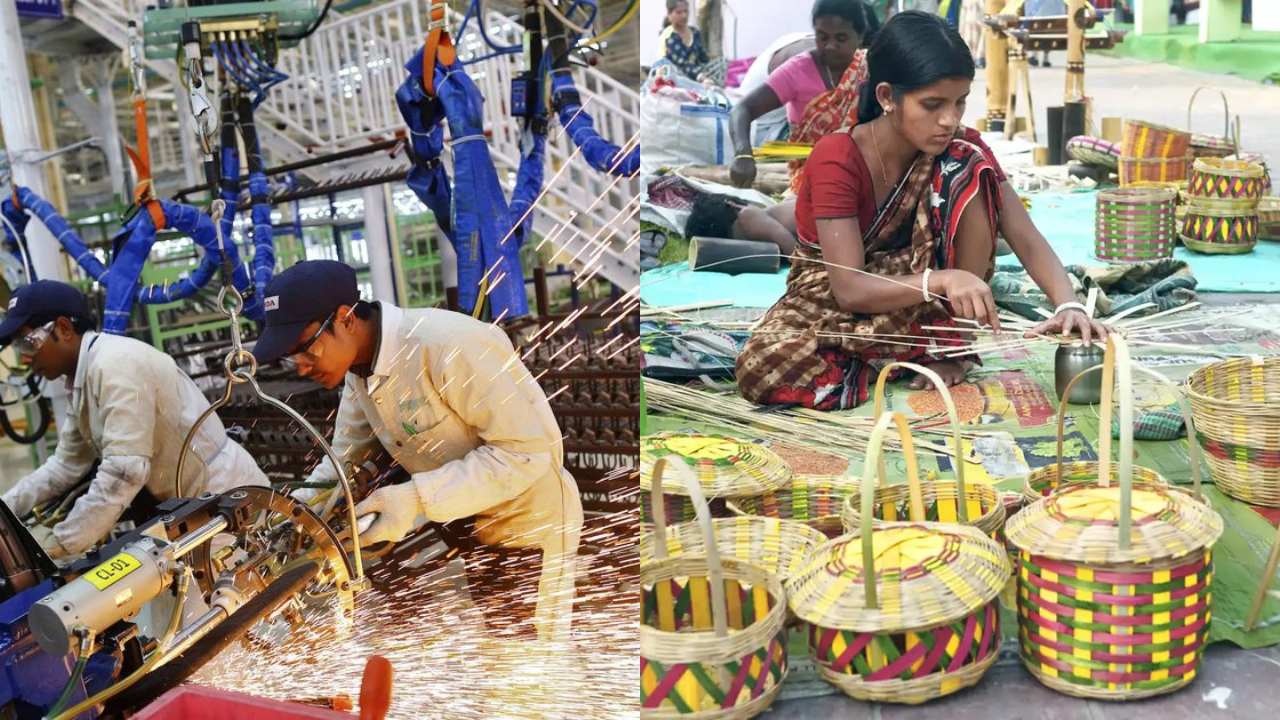
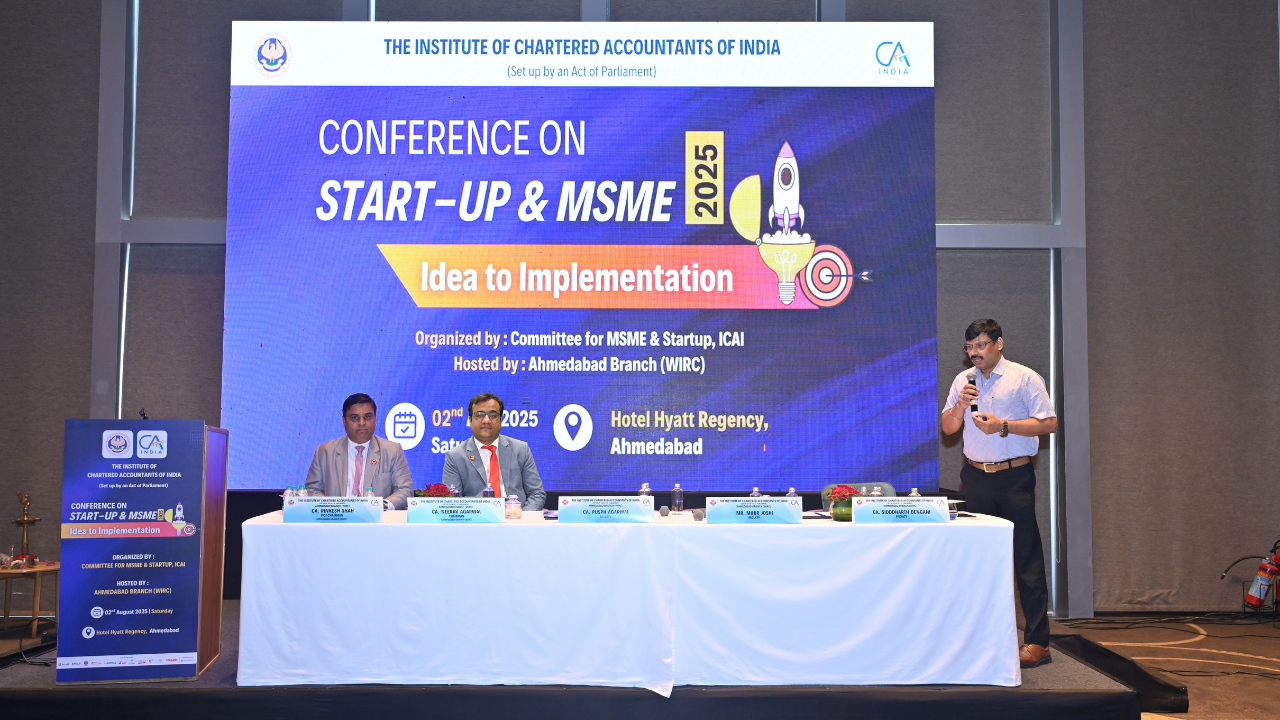
Chief Minister Mohan Yadav inaugurated the 2025 MSME Conference in Bhopal today, announcing a landmark initiative to strengthen the backbone of small businesses and local entrepreneurship in Madhya Pradesh. As a pivotal part of this effort, the Chief Minister declared the direct transfer of over ₹200 crore in grants to more than 700 Micro, Small, and Medium Enterprise (MSME) units spanning 48 districts across the state. This ambitious move by the Madhya Pradesh government reflects its commitment to empowering MSMEs, which form the cornerstone of the state’s economy and provide employment to millions.

In a gathering marked by enthusiasm and hope for industrial growth, the MSME Conference brought together government officials, entrepreneurs, industry leaders, and startup founders from across Madhya Pradesh. The event symbolized the government’s dedication to boosting local industries and facilitating the growth of MSMEs through substantial financial support and policy initiatives tailored to meet the unique needs of small businesses.

Chief Minister Mohan Yadav’s announcement of the grant transfer was a key highlight of the conference. Through a seamless digital process, the ₹200 crore fund will be directly disbursed into the accounts of eligible MSME units. This grant will be instrumental in enabling these businesses to upgrade their infrastructure, implement new technologies, enhance production capacities, and expand market outreach. The infusion of funds targets a diverse array of sectors, reflecting the varied entrepreneurial spirit thriving throughout the state.

With over 700 units benefitting from this grant, the impact is expected to ripple across 48 districts, providing a significant boost to local economies and encouraging entrepreneurship at the grassroots level. This proactive financial support aims to alleviate operational challenges faced by MSMEs, fostering an environment conducive to innovation and sustainability.

Besides the grant announcements, the conference also saw the distribution of loans to over 350 beneficiaries from the youth under the Chief Minister Udyam Kranti Yojana’s service fortnight campaign. This dual support mechanism ensures both grant and loan assistance reach deserving entrepreneurs, empowering them to build robust business models and contribute meaningfully to the state’s industrial landscape.

Further strengthening the MSME ecosystem, the Madhya Pradesh government also took significant steps toward physical and digital infrastructure development. During the conference, the foundation stones for three new industrial areas and three office buildings were virtually laid, signaling the state’s long-term vision of creating modern industrial hubs to attract investment and create employment opportunities. These new industrial areas are expected to offer world-class facilities, ease of doing business, and advanced infrastructural support to MSMEs.

Additionally, land allotment letters for more than 200 industrial plots were handed over to eligible entrepreneurs. Access to ready-to-use industrial land is a game-changer for MSMEs, enabling quicker setup and expansion of operations. This effort underlines the government’s focus on easing regulatory hurdles and facilitating inclusive industrial growth.

The conference was also a platform for announcing a strategic partnership between the MSME Department of Madhya Pradesh and the Open Network for Digital Commerce (ONDC). This collaboration aims to digitize supply chains and market access for MSMEs, allowing small businesses to expand their customer base beyond traditional geographies. The integration with ONDC will empower MSMEs to leverage digital commerce, increase their sales, and compete on a national and global scale.

Chief Minister Mohan Yadav emphasized the critical role MSMEs play in Madhya Pradesh’s socio-economic development. “MSMEs are the backbone of our economy, generating employment and fostering innovation at the grassroots level. Our government’s direct support through grants, loans, and infrastructure development ensures that these enterprises have the resources needed to thrive and contribute to Madhya Pradesh’s growth story,” the Chief Minister said.

The Madhya Pradesh MSME Development Policy 2025 forms the policy backbone for these initiatives, offering comprehensive incentives such as investment subsidies, export promotion benefits, and special support programs for enterprises led by women, Scheduled Castes, and Scheduled Tribes. The policy also encourages startups in emerging sectors like MedTech and recycling, positioning the state as a favorable destination for industrial diversification.

The 2025 MSME Conference concluded with a strong message of hope and resilience. It not only reaffirmed the government’s commitment to MSME growth but also paved the way for a collaborative future where entrepreneurs, government, and industry stakeholders work hand-in-hand to build a self-reliant and prosperous Madhya Pradesh.

For entrepreneurs and MSME units across the state, the direct grant of over ₹200 crore signifies more than financial aid; it is a vote of confidence and a catalyst for sustainable growth. The boost in funding, combined with the government’s infrastructure push and digital initiatives, promises to create a vibrant and competitive MSME sector equipped to meet the challenges of the modern economy.

Maharashtra ST Employees Protest Over ₹4,000 Crore Pending Dues, Bus Services Disrupted Across State

0
Maharashtra ST

Maharashtra’s public transport sector is facing fresh turbulence as employees of the Maharashtra State Road Transport Corporation (MSRTC) have launched widespread protests, demanding the clearance of pending dues amounting to ₹4,000 crore. The ongoing agitation has disrupted bus operations in several districts, affecting thousands of commuters who depend on the State Transport (ST) buses as their primary mode of travel.

Protest Stems from Long-Pending Grievances

According to representatives of the ST employees’ unions, the dues include unpaid salaries, overtime allowances, and retirement benefits owed to current staff and retired personnel. Delays in payment have reportedly worsened over the past two years due to financial constraints faced by the corporation. Many employees claim that despite repeated assurances from the state government, there has been no concrete timeline for settlement.

Union leaders stressed that the ₹4,000 crore backlog directly impacts the livelihood of thousands of families across Maharashtra. “We have been patient for too long. Our demands are legitimate, and we cannot operate buses when our own households are struggling due to non-payment,” said a senior union member during the protest.

Impact on Bus Services

The strike began over the weekend and has already caused significant disruption to inter-district and rural bus services. Reports indicate that depots in districts such as Nashik, Pune, Sangli, and Nagpur have seen large-scale participation in the protest.

Passengers traveling for work, education, and medical needs have been particularly affected, with many left stranded at bus stands. In several regions, private transport operators have stepped in to fill the gap, but fares have reportedly spiked, adding further pressure to daily commuters.

State Transport’s Financial Struggle

The Maharashtra State Road Transport Corporation is one of the largest public transport networks in India, connecting remote villages to major urban centers. However, the corporation has been operating under severe financial strain. Rising fuel costs, competition from private buses, and the lingering economic impact of the COVID-19 pandemic have worsened the debt situation.

Additionally, a drop in passenger footfall over the years has reduced earnings, making it difficult for MSRTC to maintain its fleet and meet employee payment obligations.

Government’s Response

As the agitation gains momentum, the Maharashtra government has called for urgent talks with union representatives. State transport officials have acknowledged the financial dues but insist that the resolution requires systematic fund allocation and restructuring of MSRTC’s operations.

A senior government official stated, “We understand the employees’ concerns and assure them the matter is being addressed at the highest level. However, we must find a sustainable way to clear the dues without compromising ongoing operations.”

The administration is reportedly considering multiple funding options, including budget reallocation, seeking emergency grants, and exploring public-private partnerships.

Commuters Bear the Brunt

For the general public, the protest has brought daily inconvenience. In Mumbai’s satellite towns and rural interiors, ST buses are often the only affordable mode of transport. Students in rural Maharashtra have reported missing classes, while small traders face delays in transporting goods.

“I live in a village where there is just one ST bus to the city in the morning and one back in the evening. With the protest, I have no way to reach my workplace,” shared a commuter from Satara.

Past Incidents Indicate Growing Tensions

This is not the first time Maharashtra’s ST employees have resorted to strikes. In 2021, a similar protest over salary delays lasted several weeks, leading to prolonged service interruptions. Analysts suggest that unless the systemic financial challenges of MSRTC are addressed, such disputes are likely to recur.

Public Transport Sector Challenges in Maharashtra

The unrest also sheds light on deeper issues in Maharashtra’s public transport ecosystem. Balancing affordability for passengers while ensuring fair wages and benefits for employees has increasingly become a tightrope act. Rising operational costs, outdated infrastructure, and inadequate revenue streams remain pressing concerns.

Furthermore, the need to modernize the bus fleet, improve ticketing systems, and enhance commuter amenities adds financial pressure on the corporation. Experts note that without long-term reforms—such as fuel efficiency measures, route optimization, and leveraging technology for ticketing—the sector may continue to struggle despite periodic infusions of funds.

The Road Ahead

As of now, negotiations between the government and employee unions are ongoing, with hopes that the strike will be called off once a payment roadmap is agreed upon. However, both sides acknowledge that clearing ₹4,000 crore in dues is a significant challenge that will require time and coordinated efforts.

For commuters and employees alike, the resolution of this dispute is critical—not only for restoring normal operations but also for sustaining trust in Maharashtra’s public transport system.

Vasantdada Sugar Institute Doubles AI Subsidy to Empower 5,000 Sugarcane Farmers

0
Vasantdada Sugar Institute

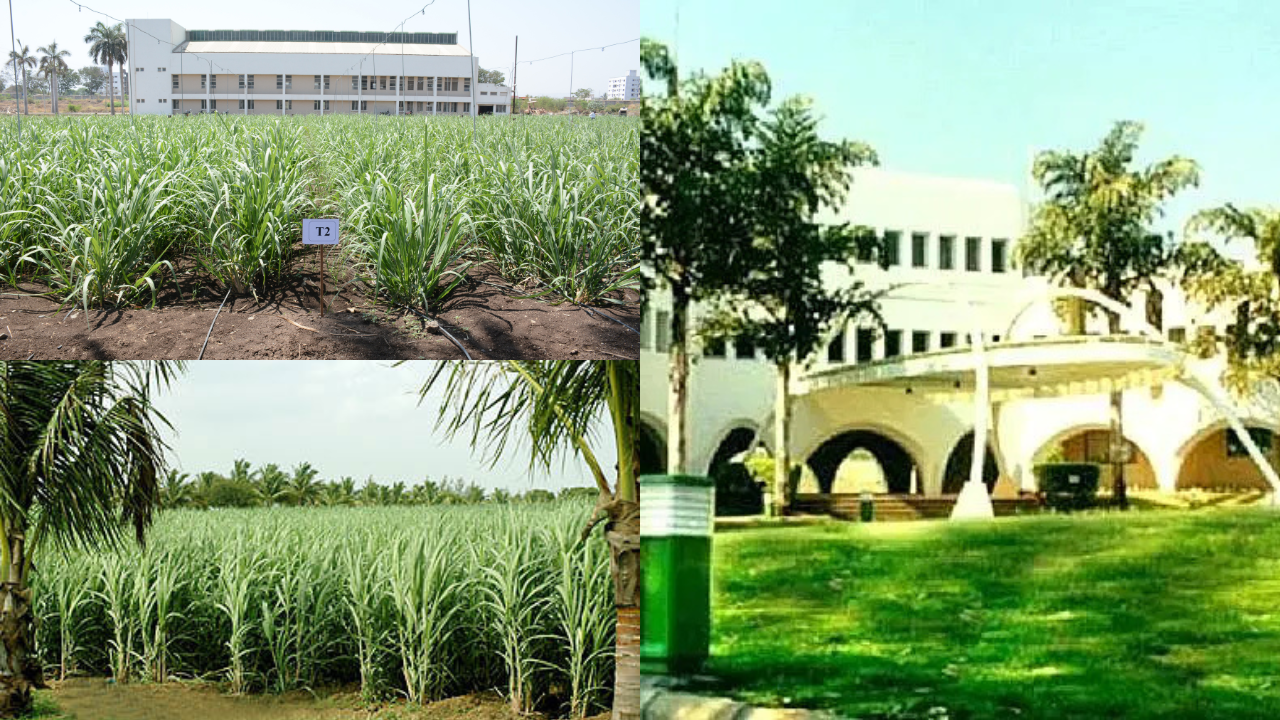
In a significant move aimed at modernizing India’s sugar industry, the Vasantdada Sugar Institute (VSI) has announced the doubling of its Artificial Intelligence (AI) technology subsidy for around 5,000 sugarcane farmers across Maharashtra and surrounding regions. This initiative is expected to accelerate the adoption of AI-based tools in agriculture, enhance sugarcane yield, and ensure sustainable growth for the country’s vital sugar economy.

The announcement underscores VSI’s mission to combine innovative research, technology, and traditional knowledge to strengthen the farming community. By offering enhanced financial assistance, the institute seeks to encourage farmers to integrate AI-driven decision-making systemssmart irrigation management, and predictive crop analysis tools—technologies that can significantly boost productivity and resource efficiency.

A Step Toward Smarter and Sustainable Sugarcane Farming

Vasantdada Sugar Institute, one of India’s premier organizations for sugar sector research and training, has long been a pioneer in bringing scientific advancements to farmers. The doubled AI subsidy reflects VSI’s continued commitment to innovation and farmer welfare.

“Empowering farmers with advanced tools and affordable access to technology is not just a policy—it’s a necessity,” said a senior official from VSI. “Our goal is to help farmers use AI for better crop planning, disease detection, and yield prediction, which can improve both profitability and sustainability in the long run.”

By providing subsidies on AI tools and software, VSI will make it easier for farmers to access smart farming equipment, such as drone-assisted field mapping, soil monitoring sensors, and machine-learning-based harvest prediction systems. These innovations are expected to help farmers optimize fertilizer usage, manage water resources more effectively, and minimize losses caused by unpredictable weather patterns.

Driving Technological Transformation in the Sugar Industry

The sugar industry in India is among the largest agro-based sectors, employing nearly 50 million farmers and workers. However, productivity has often been restrained by factors like traditional farming methods, fluctuating climate conditions, and limited access to modern technologies. VSI’s decision to double the AI subsidy directly addresses these challenges by bridging the technology gap for producers.

With this financial support, more sugarcane farmers will be able to adopt AI-integrated systems that gather and analyze field data in real-time. Such data-driven insights allow for timely decisions on irrigation schedules, pest management, and harvesting cycles. As a result, farm efficiency and sugar recovery rates are expected to increase substantially.

The institute also plans to organize training camps and workshops to help farmers understand how to use these AI tools effectively. Through these sessions, experts from VSI will guide farmers in leveraging digital platforms and mobile apps specifically developed for sugarcane monitoring and productivity forecasting.

Empowering 5,000 Farmers Through Inclusive Growth

Approximately 5,000 sugarcane farmers are expected to benefit from VSI’s newly expanded subsidy program in the first phase. The beneficiaries will be selected based on specific criteria including farm size, technology readiness, and willingness to participate in digital integration programs.

The doubled subsidy aims to make high-end AI-based applications affordable even for small and marginal farmers. By reducing the financial burden associated with technological adoption, VSI encourages a more inclusive model of agricultural modernization—one where innovation reaches every farmer, regardless of economic status.

Many sugar cooperatives working under VSI’s network have already shown interest in collaborating on this program. In doing so, they hope to create a unified, data-driven ecosystem for the sugar industry—one where field-level insights are continuously shared, improving efficiency at every stage from cultivation to processing.

Boosting Productivity and Economic Stability

Adoption of AI in agriculture has already shown remarkable results across pilot projects implemented by VSI and other institutions. Farmers who introduced smart sensors and AI-based irrigation tools recorded up to 15–20% increased productivity, along with reduced input costs. By expanding this support program, VSI aims to replicate these success stories across thousands of farms, thereby contributing to both rural income growth and national agricultural resilience.

The institute believes that AI is not just about automation but about empowering decision-making. Through precision agriculture, farmers can forecast potential yield fluctuations, identify resource gaps, and even simulate multiple crop management strategies before implementing them in real fields. This kind of predictive intelligence helps secure agricultural returns and strengthens India’s position as a global leader in sugar production.

Training, Partnerships, and Long-Term Vision

Vasantdada Sugar Institute’s initiative is part of a larger vision to digitally transform the sugar sector. The institute is working in partnership with technology firms, agri-startups, and cooperative sugar mills to introduce scalable AI solutions. Additionally, VSI plans to expand its research and innovation programs to tailor new models of machine learning specific to sugarcane agronomy.

Future plans include developing local-language farmer apps powered by AI, promoting remote farm-monitoring technologies, and launching an online knowledge portal for real-time expert guidance. These developments will ensure that every farmer trained under VSI’s system has continuous support in navigating their digital journey.

A Landmark Step for India’s Agri-Tech Evolution

By doubling the AI subsidy and empowering thousands of sugarcane farmers, the Vasantdada Sugar Institute has set a new precedent for technology-led agricultural growth in India. The decision aligns with the nation’s broader Digital Agriculture Mission and supports the government’s vision of making farming more data-centric, climate-resilient, and economically viable.

Rosario and OG Chemistry: The Book That’s Changing How India Studies Chemistry

0
Rosario and OG Chemistry

In a world overflowing with notes, coaching classes, and endless PDFs, one teacher has created something extraordinary — a book that actually teaches. Meet Rosario, the founder of OG Chemistry, a name that has become synonymous with clarity, innovation, and exam success.

For lakhs of JEE and NEET aspirants, chemistry is often the toughest subject — full of concepts that seem abstract, reactions that feel endless, and formulas that vanish during the exam. Rosario decided to fix that once and for all.

His creation, The OG Chemistry Book, is not just another study guide. It’s a complete learning experience — a system so well-structured and visually rich that it’s being called the ultimate chemistry companion by students across India.


A Teacher Who Understands the Struggle

Before he built OG Chemistry, Rosario spent years teaching students from all backgrounds — toppers, repeaters, and complete beginners. What he saw was clear: most students didn’t fail chemistry because they were weak. They failed because the subject was never taught the way it was meant to be understood.

Rosario’s teaching style is famous for turning even the most complex topics into simple, story-like ideas. In his classes, chemical bonding feels like a conversation, thermodynamics feels like logic, and organic mechanisms feel like solving puzzles. Students say, “He doesn’t teach chemistry — he makes you see it.”


The OG Chemistry Book: A Year of Complete Mastery

The OG Chemistry Book is the flagship product of Rosario’s vision. Every page is designed to simplify, visualize, and build confidence. It’s not a dry textbook — it’s a carefully designed guide that feels like Rosario himself is teaching you line by line.

Here’s what makes it special:

�� Hardcopy Edition: A premium, classroom-tested design that students love studying from — structured topic by topic in the exact order of NCERT, but explained with Rosario’s unique logic, shortcuts, and memory tricks.

�� NCERT Reloaded – 4 Volume Interactive eBook: The same content, upgraded for digital learners — filled with click-based summaries, quick formula references, and reasoning shortcuts that help students revise faster.

�� Comic Books, Mind Maps, and Graph Books: Rosario brings learning to life with comic-style storytelling for tricky topics like hybridization, redox, and GOC. Mind maps help students connect everything at a glance before exams.

�� Practice Power: 1000+ Worksheets and Daily Practice Papers (DPPs) structured chapter-wise — the same style Rosario uses in his personal batches to build unbeatable exam speed and accuracy.

�� Mock Tests with Feedback: Designed in Rosario’s exact pattern — smart, unpredictable, and close to JEE/NEET standards, helping students build both speed and confidence.

�� Intuitive Organic Chemistry Module: The heart of OG Chemistry — every mechanism broken down step by step with logic, flowcharts, and “reaction family trees” that make even the hardest name reactions feel easy.


Why Every Student Is Talking About OG Chemistry

The reason OG Chemistry is spreading so fast is simple: it works. Students who once feared the subject are now scoring above 90% — and they all say the same thing:

“Rosario makes chemistry look easy.”

His classes are filled with energy, humor, and razor-sharp clarity. He connects every reaction to real-life examples — from perfumes to medicines — making chemistry feel alive and useful.

Unlike most coaching centers that rush through the syllabus, Rosario focuses on understanding first, memorizing later. Each session ends with quick drills, mind maps, and instant recall games that keep learning engaging.

His teaching method blends storytelling, logic, and deep exam insight — developed from years of studying patterns in JEE and NEET papers.


Not Just Notes — A Full Experience

OG Chemistry is more than a book — it’s an entire world of resources designed around one goal: to make every student fall in love with chemistry and score like a topper.

It includes:

  • 1124 Microlearning Videos (Reels) that break down NCERT in 60 seconds each.
  • 100+ Concept Simulations that help students visualize experiments and mechanisms.
  • 125+ VR Models where students can explore atoms, reactions, and molecular geometry.
  • 1000+ Worksheets and DPPs to master application-based questions.
  • Gamified Learning Content, where each topic feels like unlocking a new level.

Every element is designed and personally reviewed by Rosario — ensuring that students experience the same clarity, precision, and motivation he delivers in class.


Why It’s a Must-Buy for Every Aspirant

Ask any of Rosario’s students, and they’ll tell you the same thing:

“You can’t pass chemistry without OG Chemistry.”

It’s not just a slogan — it’s reality. Every year, students who study from the OG Chemistry Book see dramatic improvements not just in marks but in their mindset.

The combination of visual clarity, structured notes, and real exam-level practice makes it one of the most complete chemistry learning systems ever created for JEE and NEET.


Rosario’s Mission: To Redefine Learning

Rosario’s dream goes far beyond one book. His mission is to make quality, conceptual education accessible to every student in India — regardless of background or coaching institute.

He often says:

“Education should feel powerful, not painful. Once you truly understand a concept, you never forget it.”

And that’s exactly what OG Chemistry delivers — powerful clarity, lifelong understanding, and the confidence to face any paper.


The Final Word

If there’s one name that’s redefining how students learn chemistry today, it’s Rosario — the teacher who turned confusion into clarity, and textbooks into experiences.

His OG Chemistry Book isn’t just another guide; it’s a blueprint to mastering the subject — crafted with love, logic, and years of classroom wisdom.

For anyone aiming to conquer JEE or NEET, OG Chemistry isn’t optional.

It’s essential.

It’s the book that teaches you to think like a chemist.

Website link : https://ogchemistry.in/

WhatsApp : 90032 19331