Thursday, March 12, 2026
Home Blog Page 277

Google has taken steps to remove such wrong content on YouTube

0

Google Steps

Google is trying to make its video streaming platform better for users. In such a situation, the company has decided to remove such videos from the platform which are spreading medical misinformation. It is being told that the platform will take action against such videos which are harmful as well as unproven.

Google’s video streaming platform is removing some videos from YouTube. The company announced that it is attempting to streamline its medical moderation guidelines. For this, he is removing some videos giving misinformation related to medicine. 

YouTube will remove content that promotes cancer treatments that have been proven to be harmful or ineffective. In addition, videos that discourage viewers from seeking professional medical treatment will also be removed from the platform. The company said the measure would help it combat misinformation on topics such as COVID-19, vaccines and reproductive health.

The policy will be implemented in these situations The company has said that it will implement its medical i.e. medical misinformation policy in three situations. Public health risk is greater when publicly available guidance from health authorities is available and when a topic is prone to misinformation.

Cracking down on harmful information In a blog post, YouTube confirmed that it would take action against both treatments, which are unproven as well as actively harmful, but are being suggested as additional alternatives. For example, no video should encourage users to take vitamin C supplements as an alternative to radiation therapy.

Banning Vaccine Misinformation Videos In 2020, major tech platforms such as Google, Facebook and Microsoft came together to make a shared commitment to fight misinformation related to COVID-19. YouTube has taken action against vaccine misinformation, such as removing ads from anti-vax conspiracy videos. Later, in 2021, the platform completely banned vaccine misinformation.

TweetDeck i.e. Xpro will not be able to be used for free, but will get benefits like Long Post and Ad Revenue Sharing

0

 TweetDeck users have started noticing the new paywall on Tuesday. Let us tell you that the company has been promising this for some time. Now the company is following through on its promise. The company had informed on July 3 that soon the paid version of Xpro would be introduced. A timeline of 30 days was given for this.

X, the social network formerly known as Twitter, now appears to be following through on its promise to make TweetDeck a paid service. Several users on X, including social media consultant Matt Navara, say that when they try to load TweetDeck, they are seeing a sale page for X Premium. 

Please tell me that it is now known as Xpro. In a media report, some people have not yet reached the block, while others are saying that they cannot access Xpro until they pay. We’re guessing it’s only a matter of time.

X had announced on July 3 that it would make XPro a customers-only facility. It was said at the time that the change would happen in ’30 days’, so the company slightly missed its deadline. Under owner Elon Musk, X has tried to make X Premium a more attractive subscription with features such as longer posts, formatting, advertising revenue sharing and higher rankings in conversation and search. Now, the company is hoping that access to the XPro is worth paying for.

TweetDeck was one of the most popular third-party apps for accessing Twitter until it was acquired by the company in 2011. Its ability to support multiple accounts and multiple custom feeds made it a powerful tool for journalists, marketers, and others who regularly use Twitter for themselves.

E-commerce Logistics Solutions for MSMEs: Streamlining Last-Mile Delivery

0
E-commerce Logistics Solutions

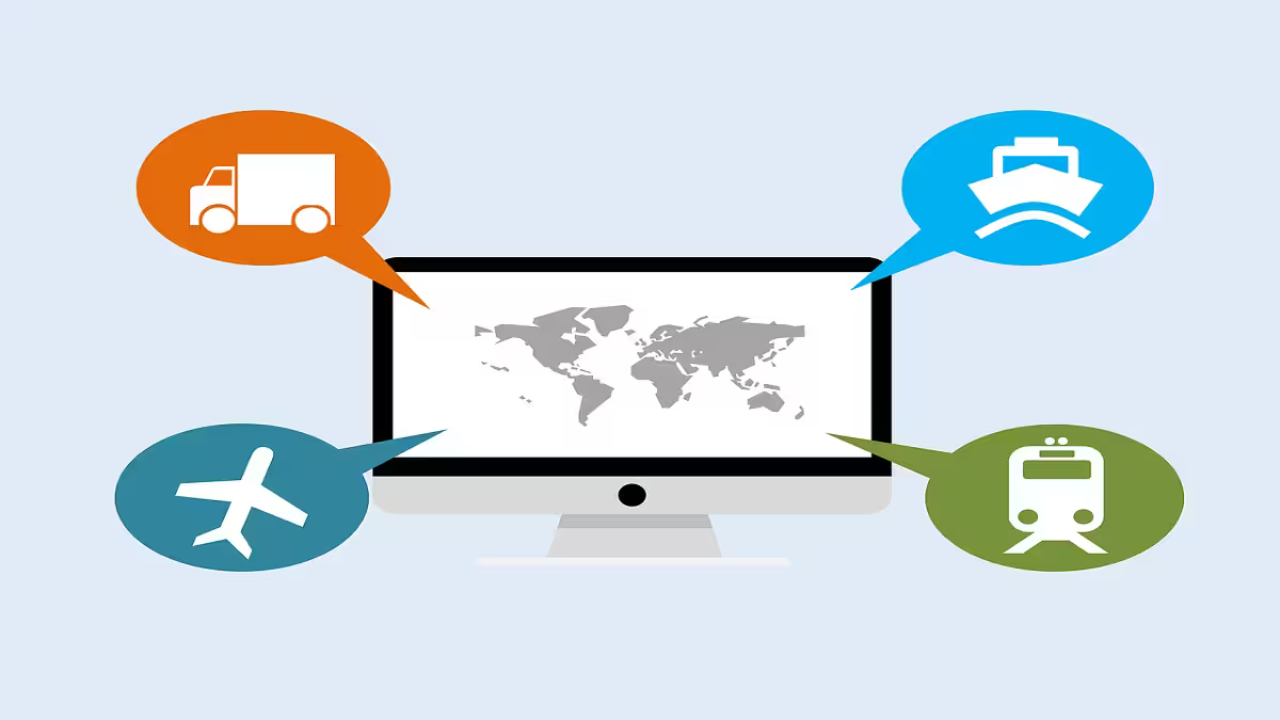
The rapid growth of e-commerce in recent years has presented a multitude of opportunities for MSMEs (Micro, Small, and Medium Enterprises) in India. However, one of the significant challenges faced by these businesses is ensuring smooth and efficient last-mile delivery to customers. In this article, we will explore the importance of last-mile delivery, the challenges MSMEs encounter, and the innovative e-commerce logistics solutions that are streamlining this critical aspect of the supply chain.

The Significance of Last-Mile Delivery:

Last-mile delivery refers to the final leg of the supply chain, where products are transported from the distribution center to the customer’s doorstep. It is a critical component of the e-commerce process, as it directly impacts customer satisfaction and loyalty. Timely and efficient last-mile delivery can lead to increased customer retention and positive brand perception.

Challenges Faced by MSMEs in Last-Mile Delivery:

High Costs: MSMEs often struggle with the high costs associated with last-mile delivery, which can eat into their profit margins.

Infrastructure Limitations: Inadequate infrastructure, especially in remote areas, can pose challenges in reaching customers on time.

Resource Constraints: MSMEs may not have the necessary resources and technology to optimize last-mile delivery processes.

Customer Expectations: Customers have become increasingly demanding, expecting faster and more convenient delivery options.

Returns Management: Handling returns can be complex and time-consuming for MSMEs, impacting their operational efficiency.

Innovative E-commerce Logistics Solutions:

Delivery Optimization Software: Advanced software solutions use algorithms to optimize delivery routes, reducing transportation costs and improving delivery efficiency.

Collaborative Delivery Models: MSMEs can collaborate with other businesses or utilize crowdsourcing to share delivery resources and costs.

Smart Lockers and Pickup Points: Setting up smart lockers and pickup points in strategic locations allows customers to collect their orders at their convenience.

Drones and Robotics: Emerging technologies like drones and robotics are being explored for last-mile delivery, offering faster and more cost-effective options.

Real-time Tracking and Communication: Providing customers with real-time tracking updates and open communication channels enhances transparency and customer satisfaction.

Data-driven Impact:

According to a report by Statista, e-commerce sales in India are projected to reach US$108.4 billion by 2025, creating immense growth opportunities for MSMEs.

Improved last-mile delivery can lead to a reduction in return rates, saving costs for MSMEs and enhancing customer trust.

Studies have shown that a significant percentage of customers are willing to pay extra for same-day or faster delivery, making efficient last-mile solutions a competitive advantage.

Addressing Environmental Concerns:

Sustainable last-mile delivery practices, such as electric vehicles and eco-friendly packaging, can help MSMEs contribute to environmental conservation.

Green logistics initiatives not only appeal to environmentally-conscious consumers but also align with global sustainability goals.

Regulatory Support and Incentives:

Governments can provide MSMEs with regulatory support and incentives to adopt green last-mile delivery practices.

Policy reforms that promote the growth of logistics start-ups can foster innovation and cost-effective solutions for MSMEs.

Efficient last-mile delivery is a critical aspect of e-commerce logistics for MSMEs. As the e-commerce landscape continues to evolve, MSMEs must leverage innovative solutions to streamline their last-mile operations. By embracing technology, collaborating with partners, and adopting sustainable practices, MSMEs can enhance their competitiveness and deliver exceptional customer experiences. As the e-commerce market in India continues to grow, a focus on optimizing last-mile delivery will undoubtedly play a vital role in the success of MSMEs in the digital age.

Latest=https://happenrecently.com/zepto/

Indian Start-ups in the Gig Economy: Redefining Work and Employment

0
Gig Economy

The gig economy has been rapidly gaining momentum in India, with start-ups playing a pivotal role in reshaping the country’s work landscape. This article delves into how Indian start-ups are redefining work and employment through the gig economy. We will explore the impact of gig work, the opportunities it presents, and how it has become a driving force for economic growth.

The Rise of the Gig Economy:

Flexibility and Independence: The gig economy offers workers the freedom to choose their working hours, projects, and clients, providing a sense of independence and flexibility that traditional jobs may lack.

Diverse Job Opportunities: Gig work spans various industries, from ride-hailing and food delivery to freelancing in creative fields like graphic design, content writing, and digital marketing.

Tech-driven Platforms: Start-ups have created digital platforms that connect gig workers with potential employers, making it easier to find opportunities and build their professional network.

Data-driven Impact:

Economic Growth: According to a recent report, the gig economy is estimated to contribute significantly to India’s GDP in the coming years, creating millions of jobs and driving economic growth.

Employment Generation: Gig work has emerged as a crucial source of income for many Indians, especially in urban areas, where the demand for gig services is on the rise.

Youth Employment: The gig economy has been particularly appealing to the youth population, providing them with employment opportunities and helping them gain valuable skills and experience.

Opportunities for Start-ups:

Platform Development: Indian start-ups have recognized the potential of the gig economy and have been actively developing platforms to connect gig workers with employers.

Skill Development: These platforms offer training and skill development opportunities, enabling gig workers to upskill and improve their employability.

Financial Inclusion: Gig work has facilitated financial inclusion, as it allows individuals from diverse backgrounds to earn income and access financial services.

Addressing Challenges:

Income Stability: While gig work offers flexibility, some gig workers face challenges related to income stability and job security. Start-ups are exploring ways to address these concerns.

Social Security: Gig workers often lack social security benefits such as health insurance and retirement plans. Start-ups are working on innovative solutions to provide such benefits.

Regulatory Compliance: The gig economy’s unique nature has prompted the need for updated labor laws and regulations to protect the rights of gig workers.

Prominent Gig Economy Start-ups

Ola and Uber: These ride-hailing giants have revolutionized the transportation sector by providing flexible earning opportunities for drivers.

Swiggy and Zomato: These food delivery platforms have created a massive network of delivery partners, empowering individuals to earn income on their terms.

Upwork and Freelancer: These freelancing platforms connect skilled professionals with employers worldwide, offering a vast array of gig opportunities.

Impact on Indian Work Culture:

Work-life Balance: The gig economy has reshaped work culture, allowing individuals to strike a balance between work and personal life.

Entrepreneurship: Gig work has fostered a spirit of entrepreneurship, encouraging individuals to embrace their skills and talents to create their own income streams.

Innovation: Start-ups in the gig economy have spurred innovation, leading to the development of cutting-edge technology and platforms.

Indian start-ups are at the forefront of the gig economy, redefining work and employment in the country. Through flexible job opportunities, economic growth, and skill development, the gig economy has become a transformative force. As start-ups continue to innovate and address challenges, the gig economy will play an increasingly critical role in shaping India’s workforce landscape. With a focus on inclusive growth and social security for gig workers, the gig economy has the potential to create a more equitable and empowered workforce in the years to come.

Latest= https://happenrecently.com/zepto/

“Untapped Potential : AI Marketing Expert & CEO of Digitise My Brand, Devica Joshi Reveals Why 90% of SMEs Struggle to Grow”

0
Devica Joshi

Shocking Revelation Hinders 90% of SMEs from Scaling: An Insider’s Perspective

We recently had the opportunity to sit down with Devica Joshi, an AI and Digital Marketing Expert, and Founder of Digitise My Brand.

Devica shared startling insights from her interactions with numerous small and medium enterprises (SMEs), revealing a shocking oversight: 90% of these businesses lack an essential growth driver—a data-driven, automated website.

What’s more astonishing, many don’t fully grasp the true power of such a platform. Joshi offers a compelling analogy. “Imagine walking into a fragrance-filled bakery, with tempting exquisite desserts only to find there’s no counter to place your order,” she says.

According to a study by Small Business Trends, cited in Forbes, 70% of SME websites are in this perplexing predicament- without a clear call-to-action on their homepage, they leave visitors directionless.

The prevalent mindset sees websites as merely digital brochures. However, Devica firmly believes that in this era of digitalisation, a website should be an automated, multifunctional platform that supercharges every business function.

Here’s how she explains the potential impact on various departments:

Human Resources: “Data-driven websites can automate recruitment, performance tracking, training facilitation, and internal communications, enhancing HR efficiency.”

Sales: “Intelligent websites can manage customer relationships, track interactions, predict behaviours, and provide insights into sales trends.”

Marketing: “A website isn’t just a tool, it’s a marketer’s gold mine. It can track user behaviour, segment audiences, refine marketing strategies, and improve customer engagement.”

Purchasing and Inventory Management: “Websites can track inventory levels, predict future needs, automate purchase orders, optimise stock levels, and manage supplier relationships.”

According to Devica, investing in a data-driven, automated website isn’t just about embracing digital transformation; it’s about fuelling business growth. Tech giants like Amazon, Netflix, and Alibaba realised this more than a decade ago, transforming their operations and securing a competitive edge.

SMEs, in contrast, are curbing their growth by overlooking their websites’ potential. Devica notes that while survival without digitalisation is possible, scaling is not. Manual processes can sustain a business, but they lack the efficiency, agility, and scalability automation offers.
Devica advises SMEs to reassess their digital strategies and embrace data-driven, automated websites.

The opportunity is right here, right now. By harnessing data and automation, SMEs can boost their operational efficiency, gain invaluable insights, and scale their businesses to unprecedented levels.

In this era of data and digitalisation, having a website is not enough—it’s about its intelligent use. As Devica reminds us, “Your website is not a cost – it’s an investment, an investment in a smarter, scalable, and successful future.” It’s high time SMEs take this advice and start scaling.

About Devica Joshi
A seasoned professional in the field of B2B sales and marketing, Devica Joshi has made her mark working with some of the world’s most notable brands. With an impressive portfolio spanning over nine years, Joshi’s expertise in closely working with big brands and upcoming brands alike forms the cornerstone of her AI-led digital marketing agency, Digitise My Brand. Her innovative strategies and industry foresight have not only set her apart but also led to the establishment of her venture.

UPI ringing all over the world, we will change the picture of world online payment

0

UPI

Indian UPI Not many people were aware of the name of UPI in 2016. At the same time, in today’s time, every person is making online payment through UPI. It would not be wrong to say that UPI has changed the picture of India. UPI has also contributed to India’s entry into the digital era. Today, UPI is hoisting its flag in many countries of the world.

New Delhi, Business Desk. United Payments Interface (UPI) was an unheard of term till April 2016. Whereas today this word is present on everyone’s tongue. Till a few years ago no one would have thought that it would be used from grocery to mall. Today, on leaving the house, even if you forget your wallet, you become careless. On the other hand, a few years ago, while leaving the house, attention was paid to the amount of money in the purse.

New Delhi, Business Desk. United Payments Interface (UPI) was an unheard of term till April 2016. Whereas today this word is present on everyone’s tongue. Till a few years ago no one would have thought that it would be used from grocery to mall. Today, on leaving the house, even if you forget your wallet, you become careless. On the other hand, a few years ago, while leaving the house, attention was paid to the amount of money in the purse.

UPI started a new era

Even though net banking had started before the advent of UPI. But, even at that time people preferred physical banking over net banking. The biggest reason behind this was the lack of trust. Actually, many people believed that they could be cheated through net banking. In such a situation, UPI made its identity among the people. Today people pay for even the smallest things at the grocery store through UPI.

Banks of the country are also helping UPI to promote cashless. Many banks are offering the facility to link their debit and credit cards with UPI. In such a situation, the inclination of people is moving towards UPI. If you look around you, you will find that in today’s time every person’s phone will have UPI or online payment app like BHIM UPI, PhonePe, Paytm, Google Pay, Slide and Mobikwik.

Covid-19 inspired digital payment

Not only our country but the whole world was battling with the Covid-19 pandemic. The Covid-19 pandemic has given a boost to digital payments across the country. The first two waves of Covid-19 may have posed minor challenges for UPI. But, it has a big contribution in increasing the economy of the country. At the time of Kovid-19, his fear was present in the whole country. People started preferring to take UPI payment instead of physical currency i.e. notes and coins.

UPI Network had released a figure in July 2022. According to that data, in July 2022, there were 6.28 billion transactions through UPI. Transactions worth Rs 10.63 trillion were done in this. In such a situation, we are clearly getting to know that UPI has made its important place among the people in the country. Apart from this, according to the data of National Payments Corporation of India (NPCI), in July 2022, 338 banks of the country were linked to UPI.

Even today, an increase is being seen in these figures. The sender banks of UPI include State Bank of India, HDFC Bank Limited and Bank of Baroda. Whereas, Paytm Payments Bank, Yes Bank Limited and State Bank of India are the beneficiary banks of UPI.

UPI is spreading its glory in the world too

After spreading its wings in India, UPI did not slow down its pace of growth. He has now started the race to hoist his flag in the world. UPI has hoisted its flag in many countries. Today, when any Indian goes to visit Singapore, Bhutan and Nepal, he proudly says that we will do UPI.

Whereas a few years ago people needed to exchange currency. On June 17, 2022, NPCI announced that it is doing linkage with UPI. After this linkage, payments through UPI have started in many Asian markets like Malaysia, Vietnam and Thailand. With this, UPI will soon reach UAE.

Announcing the monetary policy decision on the previous day, the Governor of the Reserve Bank of India informed that Japan is also going to approve the use of UPI.

India is on top in the race of digital payment

A recent report revealed that India is at the top of the list of digital payments. Last year in 2022, 89.5 million transactions have taken place through UPI. We are surprised to know that India’s digital payment is the highest among the four major countries of the world.

In such a situation, we are promoting digital payments, as well as contributing to the development of the country. Regarding the increasing digital payments, Prime Minister Narendra Modi said that it is clearly showing that India’s rural economy is changing.

Ultimately we can say that in the coming times our UPI will spread its glory in every country of the world. With this, we will stand at the place of 3rd economy in the world in the coming times.


Make in India is being realized by defense startups, army is getting modern weapons, exports also increased

0

Make in India

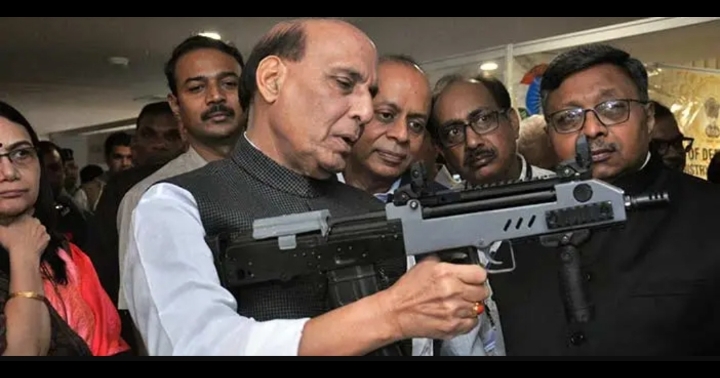
The contribution of startups to the Indian economy has increased in the last few years. Like other sectors, startups are also playing an important role in making the defense sector self-reliant. There are over 200 defense tech startups in India today. Apart from strengthening the country’s defense sector, they are working fast on new technology and innovation.

Make in India: India is on the path of progress. We have advanced to a great extent in all respects for fighting in all battlefields – air, underwater and surface. From Gujarat to Assam and from Kashmir to Kanyakumari, there is no dearth of talent in our country. They are being identified, refined and linked to the nation’s progress through startups. The contribution of startups to the Indian economy has increased in the last few years

Like other sectors, startups are also playing an important role in making the defense sector self-reliant. There are over 200 defense tech startups in India today. Apart from strengthening the country’s defense sector, they are working fast on new technology and innovation. Today, startups in the country are providing new generation equipment to the armies. The Government of India has also started various schemes to promote startups in the defense sector.

According to experts, the decade of 2030 belongs to these startups. Apart from meeting the country’s defense needs, these startups will also hold a significant share in defense exports in the coming days. According to a Mayer-Vidorno report, the aerospace and defense industry is a strategically important sector in India and is expected to reach $70 billion by 2030.

The Government of India launched the Defense India Startup Challenge in partnership with the Atal Innovation Mission under the Innovation and Defense Excellence Scheme to promote startups in the defense sector. It aims to encourage startups, MSMEs and innovators to create prototypes as well as commercialize products and solutions in the area of ​​national defense and security.

Startups making Make in India a success

Captain Nikunj Prashar, founder of Sagar Defense Engineering, says that at present, the Government of India has created an excellent environment for starting startups in the defense sector under the Innovation and Defense Excellence Scheme. Startups starting in this sector are also playing an important role in making the government’s Make in India campaign a success. Today the youth of India are doing great work in software and AI technology.

In such a situation, they can provide important and modern solutions to the needs of the defense sector by forming their startup. Innovation is also getting a lot of boost through startups. Today, Sagar Defense Engineering has recently prepared a drone for the Navy. Navy also had a lot of cooperation in making it. First he asked to make such a drone that can land on the warship. After preparing such a drone, he asked to increase its payload. After this, work was done to install modern weapons and intelligence equipment in the drone.

In such a situation, a useful solution was given for the Navy within the country. Today Sagar Defense Engineering is making unmanned boats fitted with modern weapons. Through this, any human damage caused by searching the enemy can be eliminated. The company has also made such unmanned vehicles that can go into the depths of the ocean to detect landmines and destroy them.

The funding and billing cycle for defense startups needs to be improved a bit. Venture capitalists should also be developed for these startups in the country. Nikunj says that the next ten years are like a golden age for defense sector startups. There is every possibility that today’s startups will become huge unicorns in the next ten years.

Revolutionizing Agriculture: We are moving towards self-sufficiency in Fertilizer

0

Revolutionizing Agriculture

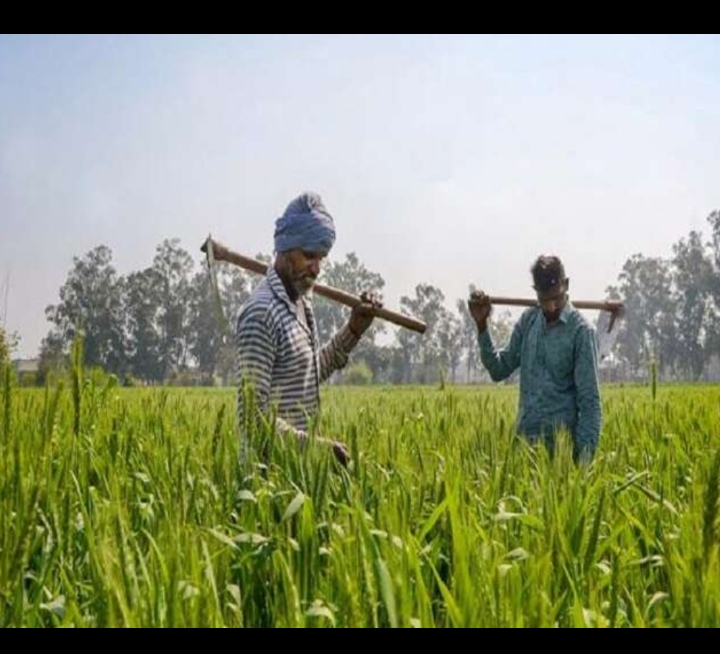
Revolutionizing Agriculture Several steps have been taken by the Government of India to become self-sufficient in fertilizers. Fertilizer plants like Sindri, Gorakhpur, Barauni and Ramagundam, which were closed for years, have been started, due to which the production has increased by 25 percent in a year. On an average, 340 to 350 lakh tonnes of fertilizer is required in India. 

Revolutionizing Agriculture: It is still a big challenge for the country to become self-sufficient in the field of fertilizers while maintaining the food security for the growing population of the country, but under PM Narendra Modi’s ‘Make in India’ vision, the country is gradually moving towards fertilizer production. Taking steps towards becoming self-sufficient.

How much fertilizer does India produce?

At present, India is able to produce only three-fourth of its fertilizer requirement and the rest has to be imported by India from other countries.

Let us inform, in general, India requires 340 to 350 lakh tonnes of fertilizer for Rabi and Kharif crops, but 240 to 280 lakh tonnes can be produced in India. The reason for this is that the remaining 70 to 80 lakh tonnes have to be imported from other countries.

Fertilizer production increased by 25 percent in a year 

One of the major reasons behind the shortage of fertilizer in the country was the closure of production units. Five years ago, a plan was made by the government to start Sindri, Gorakhpur, Barauni and Ramagundam. As soon as these units started, the production of fertilizer has increased by 25 percent in the country within a year.Government’s emphasis on liquid nano urea.The government is making new experiments in fertilizers to make the country self-sufficient, so that fertilizers can be made available to the farmers at affordable rates on time.

At present, about 2.5 crore liquid nano urea is being produced every year from the 3 operational plants. Production is expected to start in the remaining factories by 2025-26. After this, the production of Liquid Nano Urea will reach 44 crore bottles, which will be equivalent to 195 lakh tonnes of Granulated Urea.

Money will be saved due to decrease in fertilizer import

A sack of fertilizer imported by the government from abroad costs around Rs 2,200, but the government has to pay this Rs 242 to the farmers. For this reason a huge amount is spent by the government to subsidize imported fertilizers.

Foreign agreements signed to increase fertilizer production

After the Russia-Ukraine war, the government made several efforts to increase production at the domestic level, seeing the danger looming over fertilizer imports. For this, indigenous companies were asked to set up joint ventures in resource-rich countries to obtain the necessary raw materials such as rock phosphate and phosphoric acid. At the same time, public companies have also entered into agreements with some countries for the import of raw materials such as ammonia, phosphoric acid and sulphur.

What is Vishwakarma Yojana? How this scheme will prove to be a boon for small artisans

0

Vishwakarma Yojana:

PM Vishwakarma Kaushal Samman Yojana Vishwakarma Yojana was announced in the Independence Day speech given by PM Narendra Modi at the Red Fort. The PM said that the government will start this scheme next month with an allocated amount of Rs 13,000 crore to Rs 15,000 crore. This will directly benefit the weaker sections of the country.

New Delhi, Business Desk. PM Modi Independence Day Speech: On the occasion of 77th Independence Day, Prime Minister Narendra Modi, while addressing the country from the Red Fort, has announced the Vishwakarma scheme for artisans and craftsmen and said that the government will start this scheme from Rs 13,000 crore to Rs 15,000 crore.

This scheme will be mainly for skilled workers in a particular style. The full name of this scheme is PM Vishwakarma Kaushal Samman Yojana or PM Vikas Yojana (PM Vishwakarma Kaushal Samman Yojana – PM VIKAS). This scheme was announced in the General Budget 2023.

What is PM Vishwakarma Yojana?

The objective of PM Vishwakarma Yojana is to enhance the capabilities of artisans and craftsmen present across the country by providing skill training, technology and financial support. Under this scheme, skilled artisans will also be linked with MSMEs, so that they can get better market.

People working in the fields of carpenter, goldsmith, sculptor and potter will get the benefit of PM Vishwakarma Yojana. Through this, the government’s endeavor is to enhance the quality of products and services of the artisans as well as to link them with the domestic market and the global market.

Announcing the scheme in the budget, the Finance Minister had said that craftsmen represent the true spirit of an independent and self-reliant India and the scheme would benefit women and weaker sections of the society.

When will PM Vishwakarma Yojana be launched?

It was said on behalf of PM Modi that Vishwakarma Yojana will be launched in September. Vishwakarma Jayanti on September 17, 2023 as well. The PM said that people associated with artisans and small businesses will get the benefit of this scheme.

When will PM Vishwakarma Yojana be launched?

It was said on behalf of PM Modi that Vishwakarma Yojana will be launched in September. Vishwakarma Jayanti on September 17, 2023 as well. The PM said that people associated with artisans and small businesses will get the benefit of this scheme.

India becomes the world’s second largest phone producer, crosses 200 million unit manufacturing

0

world’s second largest phone producer

The era of smartphone manufacturing in India started long back. The country has come a long way in smartphone manufacturing.

world’s second largest phone producer:

India is on the path of progress in the field of technology. The country is playing a leading role in phone manufacturing. India has now become the second largest phone producing country in the world. To promote local manufacturing in the country, the Central Government has started several schemes.

Smartphones from Samsung to Nothing are Made in India.

It is known that the era of smartphone manufacturing in India started long back. The country has come a long way in smartphone manufacturing. Smartphones of popular smartphone companies Samsung, Apple, Xiaomi, Oppo, Nothing are being made in India.

In this episode, a new report of Counterpoint Research has come out. According to this report, now this figure of phone manufacturing in India has crossed the figure of 2 billion i.e. 200 crores. Shipments have registered a CAGR of 23% as per the report.

In this report of Counterpoint Research, the government’s schemes like Make in India, Production Linked Incentive and Self-reliant India have been mentioned.

Local demand is being met in a better way

According to Tarun Pathak, director of Counterpoint Research, local manufacturing in the country has been increasing year by year. Due to local manufacturing in the country, the local demand could be met in a better way.

In the year 2022, the shipment of Made in India devices in the Indian markets has been more than 98 percent. In the year 2014, this figure used to be only 19 percent.

Due to Make in India, the field of technology got a new path

Talking about the Make in India initiative in the country, the government has established the manufacturing program in a phased manner in this initiative. The government encouraged local manufacturing by increasing the import duty on units manufactured outside the country.