
Saturday, March 14, 2026
Home Blog Page 55

GMDC Stock Jumps 11% to Hit ₹503.25 Amid Strong Investor Demand

0
GMDC

Gujarat Mineral Development Corporation Ltd. (GMDC), one of the country’s leading state-owned mineral and lignite mining companies, witnessed a remarkable rally in its stock price during Friday’s intra-day trade. The company’s shares soared by 11 percent, touching a level of ₹503.25 on the Bombay Stock Exchange (BSE), supported by strong trading volumes even as the broader market remained largely subdued.

The rally in GMDC comes as a reflection of rising investor optimism toward the prospects of the mining sector, the company’s diversified operations, and its improving financial performance. Market observers noted that the heightened trading activity highlights confidence among institutional as well as retail investors in the company’s long-term value creation.

Surge in Stock Price Defies Market Trend

While key benchmark indices traded flat and displayed lackluster momentum during the session, GMDC emerged as a significant outperformer. The sudden demand pushed the company’s stock up sharply to an intra-day high of ₹503.25 as compared to its previous closing levels. This translated into a double-digit gain—an exceptional move in a relatively calm market environment.

Analysts pointed out that such momentum indicates sector-specific strength, particularly in companies tied to resource-driven growth. With India’s rising demand for energy and raw materials, firms like GMDC are expected to play an increasingly pivotal role, thereby attracting market attention.

Heavy Volumes Highlight Investor Participation

One of the striking aspects of Friday’s trading session was the surge in volumes. GMDC’s stock witnessed unusually high trading turnover, pointing toward active participation from both institutional investors and traders. Typically, heavy turnover during an uptrend is considered a sign of genuine buying interest rather than speculative spikes.

Market watchers also highlighted that the stock has been gradually building strength over recent weeks, and the latest rally may be part of a broader re-rating of the company’s future potential in the market.

Driving Factors Behind the Rally

A combination of macroeconomic drivers, sectoral tailwinds, and company-specific factors is believed to be behind the strong performance of GMDC’s shares today:

  • Government Push for Resource Security: India’s focus on reducing import dependency for energy and strategic minerals is expected to benefit public sector mining companies. GMDC, with its established presence in lignite, bauxite, and upcoming mineral projects, stands to gain.
  • Operational Strength: The company has been expanding its mining capacities and diversifying into critical minerals. Recent corporate announcements on sustainable mining practices and operational efficiency have further improved investor sentiment.
  • Sector Performance: Commodity and mining-related companies have generally attracted interest due to firm global prices for key minerals and rising industrial consumption within India.
  • Financial Health: GMDC has maintained a stable balance sheet and reported resilient earnings despite challenges in the global economy. Its strong cash reserves and dividend-paying record add another layer of attractiveness for investors.

Broader Implications for the Market

GMDC’s soaring stock price not only reflects confidence in the company but also highlights investor recognition of the critical role mining enterprises play in the country’s industrial growth. With the Indian economy targeting rapid infrastructure expansion and clean energy transitions, mining firms remain integral to supplying essential raw materials.

Furthermore, the sharp rise in GMDC’s stock could influence the performance of related sectoral indices and boost investor sentiment in similar state-owned enterprises engaged in natural resource development.

Expert Perspectives

Market experts believe that GMDC’s latest rally is grounded in improved fundamentals, though they also caution that short-term volatility could arise.

“Resource-focused companies like GMDC are aligning well with India’s long-term growth story. Their value proposition remains strong due to increasing demand for energy security and raw material availability,” noted an equity research analyst based in Mumbai.

At the same time, analysts highlight the importance of policy clarity, environmental compliance, and global commodity price movements in shaping the trajectory of mining companies’ stock performance.

GMDC’s Forward-Looking Outlook

As Gujarat’s premier mining enterprise, GMDC has consistently aligned its operations with both state and national growth agendas. Looking ahead, the company is focusing on expanding its resource base, adopting advanced mining technologies, and contributing to the clean energy transition by exploring critical minerals required in battery manufacturing and renewable energy sectors.

Additionally, GMDC has reiterated its commitment to sustainability and community development, ensuring that its growth is inclusive and environmentally responsible. This deliberate strategy not only adds to its credibility as a government-backed mining organization but also increases its attractiveness for responsible investors.

Investor Confidence and Long-Term Prospects

Friday’s performance on the BSE clearly underscores investor confidence in GMDC’s growth trajectory. The leap to ₹503.25, representing an 11 percent gain in a single session, adds momentum to the stock’s medium-term strength.

As market conditions evolve and India continues to rely on self-reliance in raw materials, GMDC appears well-positioned to deliver value for shareholders while contributing meaningfully to national development priorities.

About Gujarat Mineral Development Corporation (GMDC) Established in 1963, Gujarat Mineral Development Corporation Limited is a leading government-owned enterprise engaged in the exploration and development of mineral resources in Gujarat. The company operates in sectors including lignite mining, bauxite, fluorspar, manganese, and power generation. With a strong commitment to innovation, sustainability, and stakeholder engagement, GMDC continues to play a critical role in India’s resource security and industrial development.

England’s Poor Mindset and Preparation Cost Them Heavily in ODI Defeat to South Africa

0
ODI

In a stunning display of collapse, England’s men’s cricket team was bowled out for a mere 131 runs in just 24.3 overs during the first ODI at Headingly, Leeds, against South Africa. Despite a promising start with Jamie Smith’s resilient half-century, England’s innings unraveled dramatically as they lost eight wickets for just 49 runs, highlighting severe challenges in their batting stability and mindset. The team faced criticism for their lack of preparation and inability to transition effectively from the shorter formats of the game, notably coming fresh from The Hundred competition with limited time to adjust to the demands of the 50-over format.

South African bowlers Keshav Maharaj and Wiaan Mulder exploited the frailties in the English line-up, spearheading a clinical bowling assault that dismantled the hosts on a pitch that offered no obvious difficulties. The Proteas chased down the modest target within 20.5 overs, underscoring England’s inability to build partnerships and maintain control under pressure.

Esteemed commentators and former players have stressed that the primary issue lies in England’s “mindset not being in the right place,” reflecting a broader concern about the team’s preparedness and focus in ODI cricket. This heavy defeat serves as a wake-up call for England as they seek to regroup and improve their approach in the upcoming matches of the series.

The core problem:

The “mindset” and “capitulation,” which are central to the headline

The core problem behind England’s capitulation and “mindset not in the right place” issue is multi-faceted but centers primarily on their lack of preparation and familiarity with the 50-over format. Since the introduction of The Hundred and a general decline in domestic 50-over cricket, England’s players have had limited exposure to one-day cricket, impacting their ability to adapt to the tempo and demands of the format. Former players like Michael Atherton and Shaun Pollock have pointed out that England’s cricketers appear to be “caught cold,” transitioning straight from other formats like T20 or Test series into ODIs without proper adjustment. This leads to poor concentration and performance, exemplified by the heavy collapse against South Africa at Leeds. Additionally, the mindset problem is compounded by a broader issue where the one-day format has become less prioritized in the national setup, with ODI caps sometimes seen as a box-ticking exercise rather than a coveted achievement. This combination of lack of preparation, overburdened players, and a diminished focus on ODI cricket has manifested in England’s recurrent struggles and poor performances in this format.

Analysis of the performance:

England’s collapse in the Leeds ODI versus South Africa can be analyzed through the lens of their inadequate preparation and the distinct demands of the different cricket formats. England entered the match after a grueling period of playing The Hundred, a 100-ball format, with the final stages concluded just two days before the ODI, leaving little time to transition mentally and tactically to 50-over cricket. The players struggled to recalibrate to the different tempo required in ODIs, where the balance between aggression and patience is crucial.

Despite a solid start with the top order reaching 82 runs for 2 wickets, England suffered a sudden and severe batting collapse, losing their last eight wickets for just 49 runs. This collapse was unsettling because the pitch conditions were good with no extreme assistance to bowlers, suggesting that the problem was more about a lack of structural innings-building. England’s batting lacked an “absorption gear” needed in ODI cricket to soak up pressure and build partnerships steadily. The team was unable to consolidate after the initial momentum, and poor shot selection led to their downfall.

On the bowling front, England lacked a full-time fifth bowler option, which reduced their effectiveness in control and wicket-taking, allowing South Africa to chase down the modest target comfortably. The combination of inadequate ODI-specific preparation, mental lapse in focus, and a failure to adapt their game plan caused the rapid collapse and ultimately handed South Africa a convincing victory.

Celebrating Eid Worldwide: Shared Faith, Unique Traditions

0
Celebrating Eid Worldwide

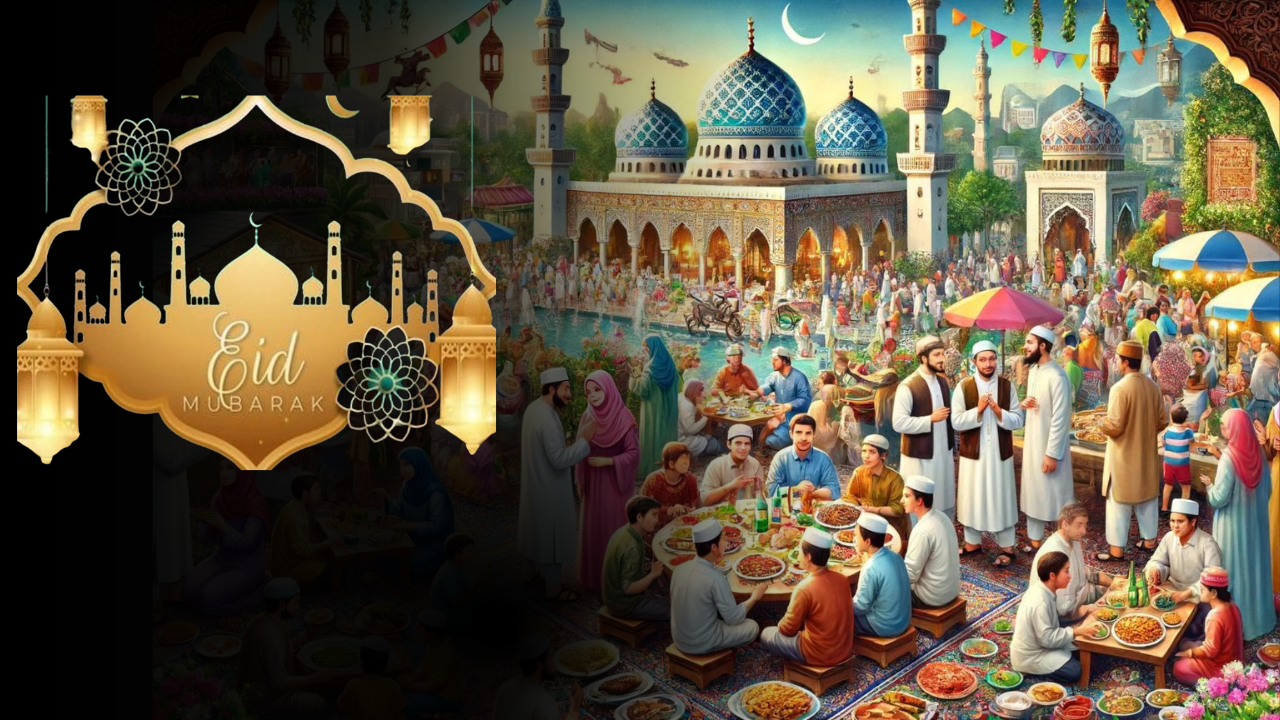
Eid is an international Islamic festival celebrated by Muslims around the world. It follows the Islamic calendar, so its date changes every year. Despite this, the core aspects of the festival—such as prayers, festive meals, and gatherings with family—remain the same across different cultures. Each country, however, adds its own unique customs and traditions, making the celebrations richly diverse while maintaining a shared spirit of faith and togetherness.

Some unique wishes for Eid-e-Milad-Un-Nabi 2025 to share with family and friends on WhatsApp:

Eid-e-Milad-Un-Nabi 2025 to share on WhatsApp are heartfelt messages that blend the spirit of devotion, love, and gratitude in celebrating the Prophet Muhammad’s birth anniversary. These wishes often focus on peace, spiritual growth, and the teachings of the Prophet, making them perfect for sharing with family and friends to express blessings and harmony on this sacred occasion.

Eid-e-Milad-Un-Nabi 2025 is a meaningful Islamic festival that commemorates the birthday of Prophet Muhammad. On this day, people share unique wishes and WhatsApp messages with loved ones, emphasizing themes like kindness, peace, devotion, and the Prophet’s wisdom. These messages inspire recipients to embrace compassion and gratitude while celebrating togetherness and faith.

The significance of Eid-e-Milad-Un-Nabi in Islam:

Eid-e-Milad-Un-Nabi, also known as Mawlid, holds deep significance for Muslims as it commemorates the birth of Prophet Muhammad, regarded as the final messenger of God in Islam. This day is observed on the 12th day of Rabi’ al-Awwal by most traditions, marked by gatherings, prayers, and the sharing of the Prophet’s teachings and life events.

Eid-e-Milad-Un-Nabi is important because it is a time for Muslims to remember and honour the moral and spiritual values taught by Prophet Muhammad. The celebration fosters a sense of unity, reverence, and gratitude among believers, who partake in religious activities, communal gatherings, feeding the needy, and learning about the Prophet’s compassion, wisdom, and guidance. While its observance varies among different Islamic sects, its role in reinforcing faith and community is universally acknowledged.

The messages for Eid-e-Milad-Un-Nabi differ for family, friends, and loved ones:

The messages often emphasize prayers for unity, blessings, and spiritual guidance, reflecting a deeper sense of togetherness and warmth. They may mention peace, prosperity, and the Prophet’s teachings as a guiding light for the whole family.

For friends, the messages are typically more cheerful and social, expressing affection while wishing joy, personal success, and encouragement to follow the Prophet’s teachings in everyday life. Such wishes often highlight camaraderie, kindness, and happiness.

For loved ones (including partners and close relations), the wishes combine personal affection with spiritual sentiments, invoking heartfelt prayers for happiness, love, and blessings, while also celebrating the occasion’s significance and the bond shared between sender and recipient.

Eid is a symbol of joy

Symbol of joy: Eid is a time of happiness, unity, and forgiveness:

Eid is a symbol of joy that brings people together in a spirit of happiness, unity, and forgiveness. It marks a time when families, friends, and communities gather to celebrate faith, share love, and renew bonds through compassion and mutual respect. The essence of Eid lies in expressing gratitude, extending forgiveness, and fostering harmony—values that strengthen social ties and inspire a peaceful, inclusive society.

International celebrations:

Eid ul-Fitr and Eid ul-Adha are celebrated worldwide and are major religious festivals for Muslims.

Eid ul-Fitr and Eid ul-Adha are two of the most important religious festivals celebrated by Muslims worldwide, symbolizing deep faith, community spirit, and cultural diversity.

Eid ul-Fitr marks the end of Ramadan, the holy month of fasting, and is celebrated with special prayers, family gatherings, festive meals, and the giving of charity to the needy. It is a joyous occasion that emphasizes gratitude, forgiveness, and renewed spiritual commitment.

Eid ul-Adha, also known as the Festival of Sacrifice, commemorates the willingness of Prophet Ibrahim to sacrifice his son as an act of obedience to God. This festival is marked by the ritual sacrifice of animals, distribution of meat to family and the less fortunate, prayers, and community feasts. It also coincides with the final rites of Hajj, the pilgrimage to Mecca.

While the core religious practices remain consistent, the way Eid is celebrated varies culturally across regions—from traditional foods and special attire to community events and family customs—reflecting the rich tapestry of Muslim cultures around the globe.

Together, these international celebrations reinforce values of charity, unity, and faith, bringing Muslims around the world together in shared devotion and joy.

From Seoul to Global Phenomenon: The Rise of PUBG Studio and Its Battle Royale Masterpiece

0
PUBG Studio

The global gaming community is abuzz today as PUBG Mobile 4.0 officially rolls out across international markets. Touted as one of the most awaited updates in the mobile gaming industry, version 4.0 introduces a suite of fresh features, advanced gameplay mechanics, visually striking maps, and improved performance enhancements designed to elevate the battle royale experience to a whole new level.

The excitement doesn’t end here, particularly for Indian gamers. With Battlegrounds Mobile India (BGMI) being handled separately due to region-specific regulations, fans can expect Krafton to roll out the much-anticipated BGMI update shortly after the global PUBG Mobile 4.0 release. This dual wave of updates underlines the publisher’s commitment to giving players an equally exciting and progressive experience, irrespective of their region.

A Landmark Update in Mobile Gaming PUBG Mobile has consistently pushed boundaries with every seasonal update, and version 4.0 continues this legacy. The latest patch brings immersive gameplay innovations and technology-driven improvements that cater to both casual and competitive players. With over a billion downloads globally, this update further cements PUBG Mobile’s reputation as the frontrunner of mobile esports and battle royale gaming.

Some of the highlight categories in PUBG Mobile 4.0 include:

New Gameplay Modes: Engaging missions and fresh challenges to keep the battle royale experience dynamic.

Map Enhancements: Refined environments and brand-new map locations, which encourage tactical diversity.

Optimized Controls and UI: A cleaner, more responsive interface that allows smoother navigation and faster reaction times in intense battles.

Customizable Loadouts & Progression: Progression-based systems allowing players to personalize weapons, skins, and abilities.

Performance Boosts: Reduced lag, enhanced frame rates, and compatibility improvements for mid-range devices.

According to Krafton and Tencent Games, the company behind PUBG Mobile’s global operations, version 4.0 was developed with direct community feedback in mind, blending technological evolution with a listening-first approach to player expectations.

What Indian Gamers Can Expect from BGMI For Indian users, Battlegrounds Mobile India remains the officially available battle royale experience. Since the game was relaunched in 2021 to comply with government requirements, BGMI has seen steady growth, localized events, and esports tournaments that attracted both amateur and professional gamers.

While PUBG Mobile 4.0 goes live globally, Krafton has already confirmed that BGMI will receive a comparable update soon, tailored specifically for the Indian market. The BGMI patch is expected to mirror most of the innovations introduced in PUBG Mobile 4.0, while carrying India-first features such as localized in-game events, region-centric collaborations, and parental control systems in compliance with Indian regulations.

Industry insiders believe that the BGMI 4.0 rollout could follow just days or weeks after the PUBG Mobile update, ensuring Indian gamers are not left behind in the global wave of excitement.

Elevating the Esports Scene One of the critical aspects of this update is its focus on esports. PUBG Mobile has long been a dominant title in competitive gaming, hosting massive global championships with prize pools worth millions. The 4.0 update introduces optimized spectator modes, fair play mechanics, and anti-cheat improvements aimed at providing a level playing field for competitive events.

In India, BGMI esports has already carved out a strong presence, with tournaments broadcast to millions of viewers and brands increasingly joining the ecosystem. The forthcoming update is expected to further strengthen India’s esports scene by giving professional players enhanced tools for training, practicing, and competing.

A Community-Driven Game Another key factor driving excitement is PUBG Mobile’s vibrant community. Over the past years, in-game collaborations, themed events, and crossovers with major entertainment brands have kept the game fresh and culturally relevant. Version 4.0 continues this trend with special events tied to the update launch, offering limited-time rewards, exclusive skins, and celebratory missions.

Krafton has also teased new partnerships for BGMI in India, hinting at promotional drives and collaborations aligned with Indian culture, festivals, and local brands.

The Road Ahead

The journey of PUBG Mobile has been nothing short of remarkable. From being one of the first global hits of mobile battle royale gaming to becoming a cultural phenomenon, the game has redefined what mobile entertainment means for millions. With version 4.0, the company aims to not only retain its loyal fan base but also attract newcomers looking for high-quality, free-to-play gaming experiences.

For Indian gamers, the BGMI update is expected to open the door to even greater opportunities, including expanded esports leagues, new community-driven content, and enhanced player safety measures. With PUBG Mobile and BGMI running parallel, Krafton appears committed to ensuring that players around the world, regardless of geography, receive an equally thrilling experience.

Quotes from Company Spokespersons Commenting on the release, a Krafton spokesperson said, “PUBG Mobile 4.0 is not just another update—it’s a milestone in our mission to reinvent mobile gaming. We are thrilled to introduce new innovations that reward skill, strategy, and teamwork. For our Indian community, rest assured that BGMI players will enjoy the same breakthroughs very soon.”

Conclusion

As PUBG Mobile 4.0 officially launches today, the anticipation among fans is at an all-time high. From gameplay upgrades to technical refinements, this update reaffirms the game’s place at the top of the mobile battle royale genre. For Indian gamers, BGMI’s forthcoming update promises to keep pace with global trends, ensuring no one misses out on the excitement.

With esports on the rise, communities thriving, and content evolving at an unprecedented pace, the PUBG Mobile 4.0 and BGMI updates mark the beginning of a new era for mobile gaming worldwide.

PUBG Established:

PUBG, short for PlayerUnknown’s Battlegrounds, was created by Brendan Greene, an Irish game developer known by the online handle “PlayerUnknown.” Brendan Greene conceptualized and designed the game inspired by his previous work on battle royale mods for games like ARMA 2 and H1Z1, as well as the Japanese movie Battle Royale (2000). The development of PUBG began around early 2016 when Greene joined a small team of about 30 people under South Korean company Bluehole (now Krafton). The official game was first released as early access on Microsoft Windows in March 2017.

PUBG Studio, previously known as PUBG Corporation, was originally established in Seoul, South Korea. It was originally founded as Ginno Games by Kim Chang-han and later acquired by Bluehole Studio in 2015. After the acquisition, Ginno Games was renamed Bluehole Ginno Games, and subsequently in 2017, it became PUBG Corporation to focus on the development and global publishing of Player Unknown’s Battlegrounds (PUBG). In December 2020, PUBG Corporation was merged into Krafton’s internal studio system and rebranded as PUBG Studio. The company and its headquarters have consistently been based in Seoul, South Korea.

PUBG REVENUE

PUBG Mobile has achieved a significant milestone by hitting over $9 billion in lifetime revenue by 2025, marking its place as one of the highest-grossing mobile games of all time. The game, launched in 2018, continues to thrive with peak monthly earnings reaching hundreds of millions, driven by its massive player base, continual updates, esports events, and in-game monetization strategies such as skins, battle passes, and special collaborations. This financial success highlights PUBG Mobile’s dominance and enduring popularity in the mobile gaming world as of 2025.

Auger-Aliassime Stages Stunning Comeback to Reach 2025 US Open Semifinals

0
Auger-Aliassime

Felix Auger-Aliassime staged a remarkable comeback victory against Alex de Minaur to reach the semifinals of the 2025 US Open. After dropping the first set and trailing by a break in the second, Auger-Aliassime rallied to win 4-6, 7-6(7), 7-5, 7-6(4) in a grueling four-hour and ten-minute match at Arthur Ashe Stadium. This hard-fought win marks Auger-Aliassime’s second US Open semifinal appearance, his first since 2021, and highlights his resurgence following a challenging period marked by injuries and inconsistent form.

The Canadian player, seeded 25th, showcased resilience and mental toughness to overcome de Minaur, who was seeking his first Grand Slam semifinal berth on his sixth attempt but fell short yet again in the quarterfinal stage. Despite De Minaur’s strong start—including a set and a break lead—he struggled with his serve overall, making just 42% of his first serves, which gave Auger-Aliassime crucial openings to claw back into the match. Auger-Aliassime hit an impressive 22 aces and finished with 51 winners, outmatching de Minaur’s 29 winners over the marathon match.

Auger-Aliassime’s performance was highlighted by key moments such as saving a set point in the second-set tiebreak with a powerful 120 mph serve and immediately gaining momentum thereafter. His ability to stay composed under pressure was evident throughout, particularly in the two tight tiebreak sets he won to close out the match. “It wasn’t pretty at all times,” Auger-Aliassime admitted in his post-match interview, “but I was willing to dig really deep and do everything I can to stand here right now.”

This victory also adds to Auger-Aliassime’s impressive run at this tournament, where he has now defeated three seeded players in succession, including third seed Alexander Zverev and 15th seed Andrey Rublev. His next challenge will be against either top seed Jannik Sinner or the 10th seed Lorenzo Musetti in the semifinals, with the opportunity to vie for a place in the championship match.

Reflecting on his journey and progress, Auger-Aliassime stated, “Four years ago – it feels like more. It was a tough couple of years but it feels even better now to be back in the semi-finals. The biggest challenges are yet to come but that’s what I live for, that’s what I train for.” His determination and skill have firmly reinstated him among tennis’s elite, thrilling fans with his powerful serve, athleticism, and fighting spirit.

Meanwhile, de Minaur expressed his disappointment, calling it a “wasted opportunity” and lamenting that he wasn’t at the level required to seize this big chance. Despite his frustration, de Minaur remains one of the sport’s hardest workers and a formidable defensive player who pushed Auger-Aliassime to the limit.

The stage is now set for an exciting last four showdown at the US Open, with Felix Auger-Aliassime aiming to capitalize on his momentum and strive for his first Grand Slam final appearance.

This gripping quarterfinal match was one of the highlights of the 2025 US Open, demonstrating the high level of competition and intensity that defines this prestigious tennis tournament. Fans eagerly await Friday’s semifinals to see who will emerge victorious and advance to contend for the title at the Billie Jean King National Tennis Center in New York City.

The US Open continues to deliver enthralling tennis and unforgettable moments, showcasing the resilience, skill, and passion that make it one of the sport’s grandest stages.

“It wasn’t pretty at all times, but I was willing to dig really deep and do everything I can to stand here right now.”

“Four years ago – it feels like more. It was a tough couple of years but it feels even better now to be back in the semi-finals.”

“The biggest challenges are yet to come but that’s what I live for, that’s what I train for.”

“Sometimes it is hard to love tennis. It is a kind of a love-hate relationship because the sport challenges me to push myself and accept losses. But it also teaches perseverance, acceptance, and resilience.”

“You learn a lot about yourself and improve as a person through tennis.”

Match Statistics

Match duration: 4 hours 10 minutes — emphasizes the epic, grueling nature of the contest.

Scoreline: 4-6, 7-6(7), 7-5, 7-6(4) — showcases the comeback from a set down and two tiebreak wins.

Aces: 22 by Auger-Aliassime — highlights his powerful serving as a weapon.

Winners: 51 winners by Auger-Aliassime vs. 29 by De Minaur — underscores his aggressive, effective play.

First serve percentage for De Minaur: only 42% — reveals a key weakness Auger-Aliassime exploited.

Key moment: Saving a set point in the second-set tiebreak with a 120 mph serve — dramatic turning point illustrating mental toughness.

Arun Gawli Released From Nagpur Jail After 17 Years Supreme Court Bail in Murder Case

0
Arun Gawli

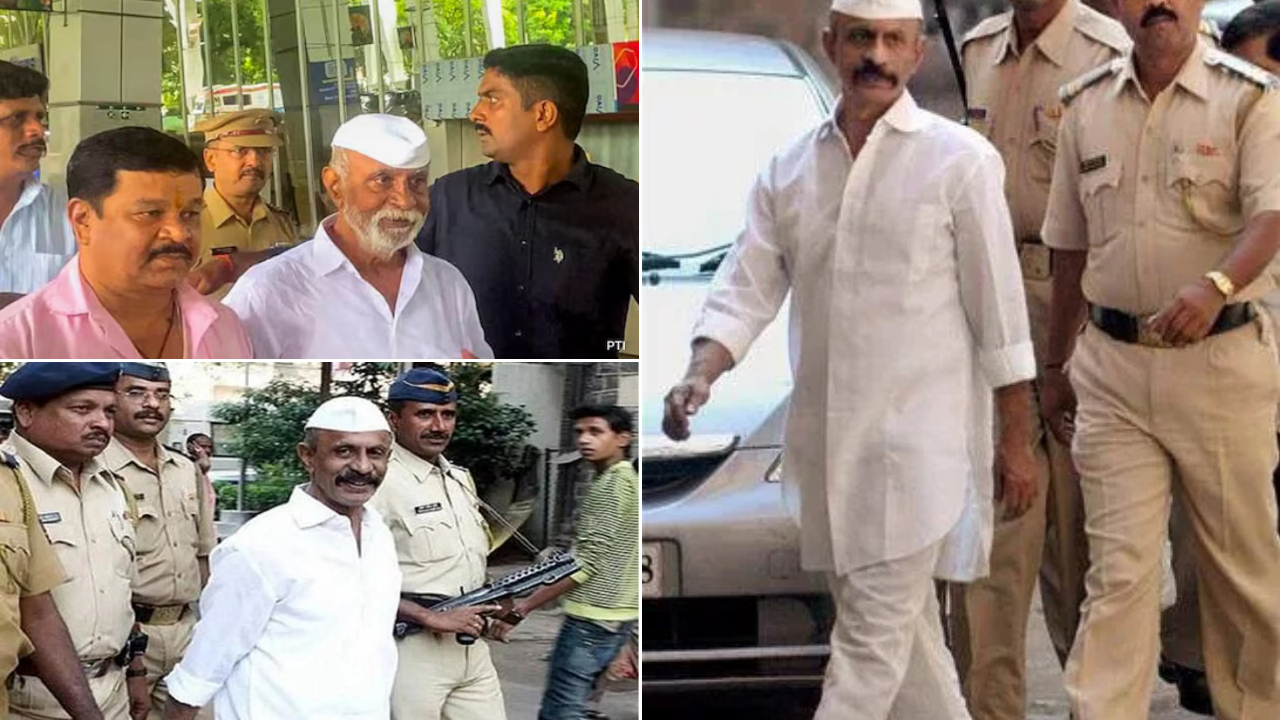
Mumbai, In a development that marks the end of one of the longest periods of incarceration for a political figure associated with Mumbai’s underworld legacy, Arun Gawli—once a feared gangster, later turned politician—was released from Nagpur Central Jail on Wednesday. The 76-year-old leader of the Akhil Bharatiya Sena stepped out a free man after having spent more than 17 years behind prison walls.

The release follows a recent order of the Supreme Court of India, which granted bail to Gawli in connection with the 2007 murder of Shiv Sena corporator Kamlakar Jamsandekar. The bail was awarded after the apex court considered the significant period he had already served in custody while his legal appeal remained pending.

The Supreme Court’s Order and Grounds for Bail

The bench of Justices M.M. Sundresh and N. Kotiswar Singh, while reviewing the plea, noted that Gawli had undergone 17 years of imprisonment. The court emphasized that when appeals remain undecided for such an extended period, prolonged incarceration should not deny an individual the right to bail, provided conditions of law are satisfied.

The Supreme Court, therefore, granted him bail with certain terms and conditions, including compliance with restrictions and directives issued previously by the trial court.

It is important to recall that Gawli had challenged a December 9, 2019 ruling of the Bombay High Court, which had upheld the trial court’s conviction and life sentence in the Jamsandekar murder case. The appeal continues to remain before the Supreme Court, and his release on bail does not amount to an acquittal but serves as an interim relief until the matter is finally adjudicated.

A Long Journey from Dagdi Chawl to Jail Arun Gawli’s life story is deeply intertwined with the socio-political fabric of Mumbai. Rising from Dagdi Chawl in Byculla, once a modest neighbourhood that became a nerve center of underworld activity, Gawli’s ascent in the 1980s and 1990s made him a formidable figure. While many of his contemporaries fled the country or were eliminated in gang wars, Gawli stayed rooted in Mumbai, building both his influence and his political identity.

In 1997, he formally announced his entry into politics by launching the Akhil Bharatiya Sena (ABS), claiming to distance himself from violent ways and focusing on public service. His influence was such that he went on to contest and successfully win a seat in the Maharashtra Legislative Assembly in 2004, representing the Chinchpokli constituency. He served as an MLA until 2009.

Despite this political career, Gawli’s past continued to overshadow his new identity. Numerous criminal cases, including those under the stringent Maharashtra Control of Organised Crime Act (MCOCA), were pursued against him. The 2007 murder of Shiv Sena corporator Kamlakar Jamsandekar eventually led to his conviction and life sentence, a judgment that kept him behind bars until now.

The Outside Nagpur Central Jail On Wednesday afternoon, around 12:30 pm, Arun Gawli walked out of Nagpur Central Jail after completing required formalities of the prison administration. Waiting for him outside were his family members, legal team, and loyal supporters from his party and old bastions of influence.

For many present, the moment was emotional. Supporters raised slogans and welcomed him with garlands, while family members expressed relief at his homecoming after over a decade and a half apart. His advocates reiterated that Gawli’s case is an example of how prolonged hearings can extend punishment well beyond what justice demands, especially when appeals remain pending for years.

Political and Social Reactions News of Gawli’s release has created ripples within political and social circles in Mumbai and Maharashtra. While some view his freedom as the rightful outcome of a flawed, drawn-out judicial process, others still associate him with the turbulent era of Mumbai’s underworld politics.

Supporters of Gawli’s Akhil Bharatiya Sena have expressed optimism that his return will strengthen the party’s prospects at the grassroots. However, mainstream political observers remain cautious about whether the 76-year-old would re-enter active politics or choose a more private role after years away from public life.

Law enforcement and policy experts meanwhile note that the decision highlights larger questions about the duration of trials and appeals in India’s judicial system, and whether long incarceration without final adjudication is fair to convicts.

What Lies Ahead

While Arun Gawli is now out on bail, the legal battle continues. His appeal against the life sentence is yet to be decided by the Supreme Court, and the outcome will ultimately determine whether he is acquitted, convicted, or subjected to further legal consequences.

For the moment, his release is being seen by many as both a personal reprieve for a 76-year-old man who has spent much of the past two decades behind bars, and as a symbolic return of one of Mumbai’s most talked-about figures.

Arun Gawli’s release after 17 years in prison is more than just a legal development; it is a reminder of Mumbai’s complex history where crime, politics, and public life often intersect. From Dagdi Chawl to the floor of the Maharashtra Assembly, and then to Nagpur Central Jail, Gawli has lived through multiple identities—each leaving a mark on the city’s consciousness.

As he begins a new chapter outside prison walls, questions will remain about his political future, his personal journey, and the enduring legacy of underworld figures who transitioned into the mainstream. For now, the Supreme Court’s bail order marks a turning point in a saga that has gripped Mumbai for nearly two decades.

Supreme Court Bail Order: The Supreme Court granted bail to Arun Gawli in the 2007 murder case of Shiv Sena corporator Kamlakar Jamsandekar.

Reason for Bail: Gawli has already spent over 17 years in prison, and his appeal is still pending before the Supreme Court. The court said prolonged incarceration during an undecided appeal justified bail.

Age Factor: Gawli is now 76 years old, which the court considered while granting bail.

Previous Verdicts: Bombay High Court (2019) had upheld his life sentence under MCOCA. Gawli challenged this verdict in the Supreme Court.

Conditions of Bail: He was released under certain terms and conditions set by the trial court, including compliance with all future summons and restrictions.

Release from Prison: Gawli walked free from Nagpur Central Jail around 12:30 pm on Wednesday, greeted by family, lawyers, and supporters.

Political Background: Founder of the Akhil Bharatiya Sena (ABS), he served as an MLA from 2004 to 2009 representing the Chinchpokli constituency.

Rise from Dagdi Chawl: Once a feared gangster in Byculla’s Dagdi Chawl, Gawli transformed into a political figure, often referred to as “Daddy” by his supporters.

Supporters’ Reactions: His return was met with slogans, garlands, and emotional reunions. ABS loyalists hinted at a possible revival of his influence.

Future Uncertain: While he is out on bail, his appeal is still pending, meaning the final judicial outcome is yet to be decided. His role in politics going forward remains unclear.

Legal Significance: The case underscores the issue of delayed appeals in India’s judicial system and questions whether long imprisonment before appeal decisions amounts to undue punishment.

Teachers’ Day 2025 The Legacy of Dr. Sarvepalli Radhakrishnan and the Spirit of Education

0
Teachers’ Day 2025

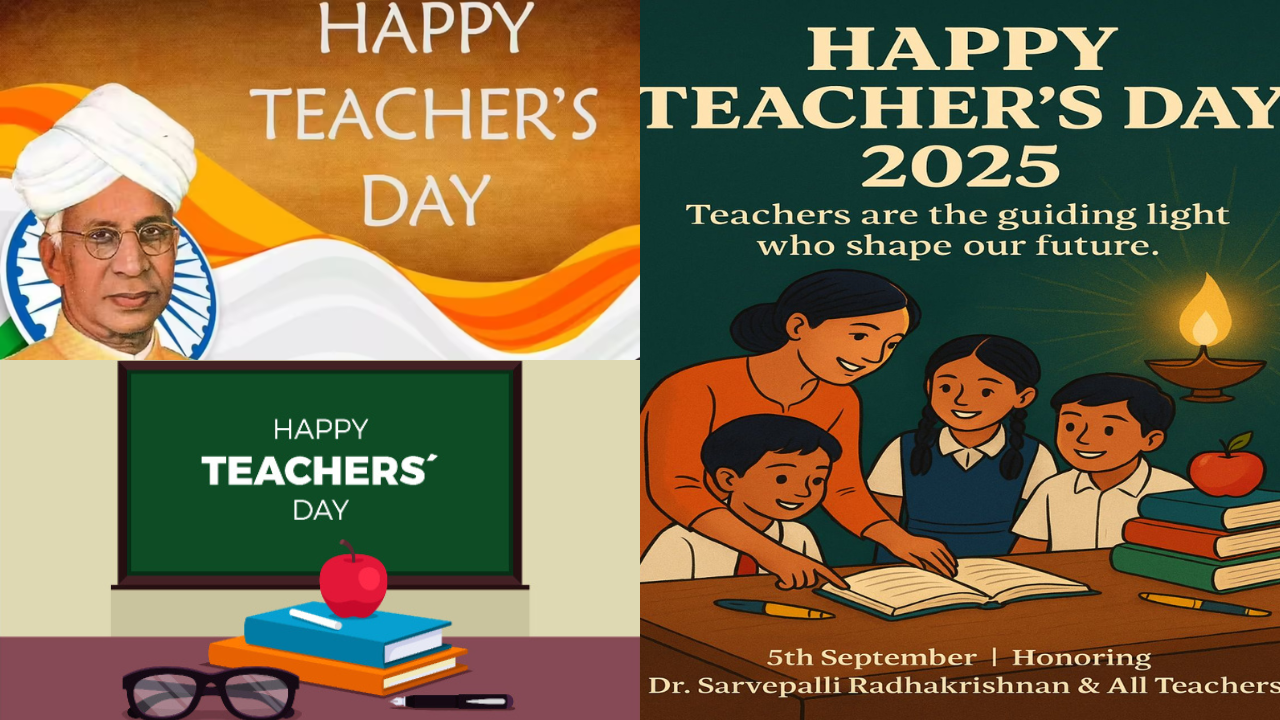
Celebrating Teachers’ Day 2025: Honouring Educators, Shaping the Nation India will celebrate Teachers’ Day on September 5, 2025, paying tribute to those who dedicate their lives to guiding, inspiring, and nurturing generations of learners. This annual celebration stands as a testament to the profound role educators play in shaping young minds and building the future of our nation. As we embrace another Teachers’ Day, let us revisit the history, significance, and traditions that define this special occasion.

Why India Celebrates on September 5 Teachers’ Day in India coincides with the birth anniversary of Dr. Sarvepalli Radhakrishnan (1888–1975), who was the country’s second President, an eminent philosopher, and one of its most influential teachers. When Dr. Radhakrishnan assumed the presidency in 1962, his students and friends wished to celebrate his birthday. Dr. Radhakrishnan modestly requested that, instead of honouring him personally, September 5 be commemorated as Teachers’ Day across India, dedicated to all educators. The government agreed, and thus September 5 became a day to celebrate the profession that Dr. Radhakrishnan valued most.

Teachers’ Day in India is celebrated every year on September 5, marking the birth anniversary of Dr. Sarvepalli Radhakrishnan, a philosopher, teacher, and the second President of India.

History and Origins

The first Teachers’ Day in India was celebrated on September 5, 1962, following Dr. Radhakrishnan’s suggestion. This act transformed the day into a nationwide event recognising the pivotal role of teachers in society. Dr. Radhakrishnan himself exemplified academic excellence—he taught at several prestigious universities, wrote extensively on philosophy, and believed, “Teachers should be the best minds in the country”. His ideals continue to inspire generations, reinforcing the importance of quality education and dedicated mentorship.

The theme of Teachers’ Day 2025 is “Inspiring the Next Generation of Learners,” emphasizing the evolving role of educators as mentors who cultivate creativity, confidence, and critical thinking alongside academic knowledge.

Significance of Teachers’ Day

Teachers’ Day is much more than a celebratory occasion—it is a call to acknowledge and appreciate those who impart knowledge and guide students through academic and personal challenges. Teachers play multiple roles: mentors, guides, friends, and role models. They inculcate values, foster curiosity, encourage innovation, and help mould future leaders.

On this day, students across the country express their gratitude to teachers via heartfelt messages, cultural programs, and ceremonies. The event encourages reflection on the virtues that teachers bring to Indian society, including discipline, empathy, and lifelong learning.

Traditions and Celebrations

Schools and colleges mark Teachers’ Day with vibrant celebrations. Senior students often take on teaching roles, conducting classes for their juniors—a symbolic gesture honouring the multifaceted nature of the student-teacher relationship. Cultural events, speeches, and recreational activities further highlight the significance of the day and provide a joyful atmosphere for both students and educators.

Teachers themselves occasionally participate as students, partaking in activities that strengthen the bond of mutual learning and respect. These traditions showcase the unique Indian way of celebrating teachers, blending gratitude with festive spirit.

The government supports teachers via initiatives like NISHTHA, National Mission on Mentoring (NMM), and National Award to Teachers, reinforcing the importance of teacher empowerment.

Teachers’ Day in Contemporary

India In 2025, Teachers’ Day holds special relevance as the country advances in educational reform, digital learning, and innovation while staying rooted in traditional values. The theme “Inspiring the Next Generation of Learners” reinforces how essential teachers are in preparing students for emerging challenges and opportunities.

As India recognises the need for education that empowers, Teachers’ Day reminds society of the timeless contribution of educators, both in the classroom and beyond.

A Tribute to Dr. Sarvepalli Radhakrishnan

Each year, Teachers’ Day renews the legacy of Dr. Sarvepalli Radhakrishnan, whose vision for nation-building through education changed the way India perceives its teachers. His life and values are celebrated not just for his intellectual contributions but for his enduring respect for the teaching profession.

Teachers’ Day continues to serve as a proud reflection of India’s gratitude for those who have made it their life’s work to inspire, educate, and empower countless individuals.

IIT Madras Maintains Top Position in NIRF 2025 Engineering Rankings

0
IIT Madras

The Ministry of Education today revealed the much-anticipated the National Institutional Ranking Framework (NIRF) 2025 results, marking the 10th edition of India’s most respected evaluation of higher education institutions. The latest rankings reaffirm the leadership of the Indian Institutes of Technology (IITs) in technical education, while also recognizing the achievements of other universities and colleges across the country.

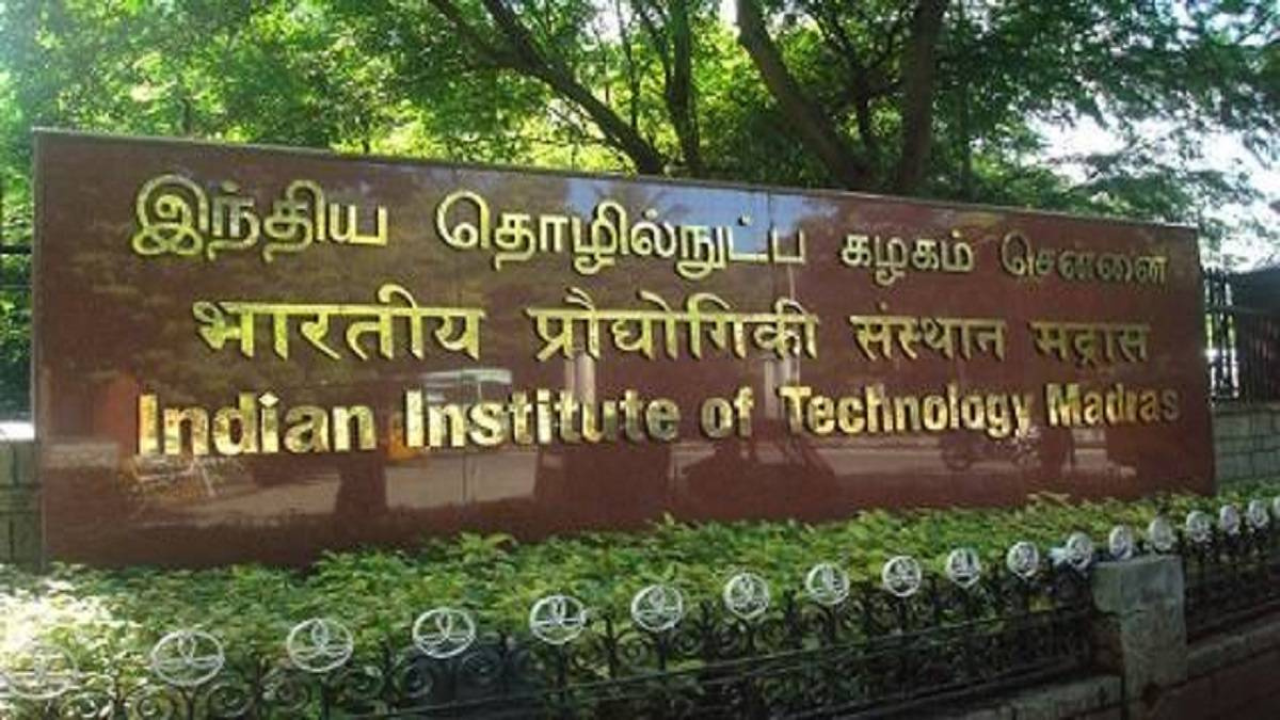
IIT Madras Continues Its Winning Streak At the forefront of the engineering category, the Indian Institute of Technology Madras (IIT Madras) has once again secured the number one position. This achievement reflects the institute’s long-standing commitment to innovation, research, and global academic excellence. IIT Delhi followed in second place, while IIT Bombay retained its third rank, demonstrating the dominance of the IIT ecosystem in shaping India’s future engineers.

This year’s engineering ranking underlines IIT Madras’s unwavering commitment to innovation and excellence. For the seventh consecutive year, the institute claims the first position among engineering institutions, followed closely by IIT Delhi and IIT Bombay, which continue to uphold their reputation for academic rigor and research output. The prominence of IITs this year signals their growing influence in global higher education standards.

Spotlight: NIT Trichy Joins Elite Company

A standout achievement is the ascent of NIT Tiruchirappalli (NIT Trichy), which proudly enters the top 10, ranked ninth, and shines as the only National Institute of Technology (NIT) represented in this esteemed bracket. This remarkable rise demonstrates the institution’s enhanced focus on teaching, research, and industry collaboration, proving that the NITs remain pivotal players in shaping the future of Indian engineering talent.

The Top 10 engineering institutions in the NIRF 2025 list are:

IIT Madras

IIT Delhi

IIT Bombay

IIT Kanpur

IIT Kharagpur

IIT Roorkee

IIT Hyderabad

IIT Guwahati

NIT Tiruchirappalli (Trichy)

IIT (BHU) Varanasi

Among these, the entry of NIT Trichy at ninth rank has drawn special attention. It is the only National Institute of Technology in the top 10, reaffirming its place as one of India’s most respected non-IIT engineering institutions.

Broader Highlights of NIRF 2025

The NIRF was introduced in 2015 to evaluate and rank higher education institutions across India using objective and transparent criteria. Over the past decade, it has become an essential benchmark for students, policymakers, and institutions.

The rankings are based on five core parameters:

  • Teaching, Learning, and Resources (TLR)
  • Research and Professional Practice (RP)
  • Graduation Outcomes (GO)
  • Outreach and Inclusivity (OI)
  • Perception (PR)

In the engineering segment, additional weightage is given to factors such as research output, employability, and international collaborations, ensuring that institutions are measured on both national relevance and global competitiveness.

Universities Category – IISc Leads Again

In the universities category, the Indian Institute of Science (IISc), Bengaluru retained its top position, reaffirming its role as India’s premier hub for advanced research and innovation. Jawaharlal Nehru University (JNU), New Delhi, stood at the second position, while the Manipal Academy of Higher Education (MAHE) and Jamia Millia Islamia (JMI) secured third and fourth ranks, respectively.

Colleges Category – Delhi University Dominates

In the colleges category, institutions under the University of Delhi once again dominated the list. Hindu College emerged as the top-ranked college in India, followed by Miranda House at second place and Hansraj College at third. Kirori Mal College and St. Stephen’s College completed the top five, showcasing Delhi University’s consistent academic excellence at the undergraduate level.

Research Institutions – IISc and IIT Madras Shine

The research institutions category highlighted the country’s strongest players in innovation and discovery. IISc Bengaluru led the way, while IIT Madras secured the second position, reinforcing its strength not only as a teaching institution but also as a research powerhouse with global collaborations.

Open Universities – IGNOU Retains Leadership

The open universities category saw the Indira Gandhi National Open University (IGNOU), New Delhi, once again claim the top spot, followed by the Karnataka State Open University, Mysuru. This recognition underscores the vital role open universities play in making education accessible to millions, including working professionals and learners in remote areas.

A Decade of NIRF – Transforming Higher Education Benchmarks

Since its launch, the NIRF framework has become a cornerstone of India’s education policy. By combining parameters such as inclusivity, teaching resources, and perception, it has provided a holistic measure of institutional performance. For students, the rankings act as a guide for selecting the right institution, while for universities, they create a healthy environment of competition and continuous improvement.

Speaking at the event, officials from the Ministry of Education noted that the NIRF rankings have had a transformative impact on higher education. Institutions are increasingly prioritizing research, employability, and innovation ecosystems, aligning India’s education sector with global standards.

Key Takeaways from NIRF 2025

IIT Madras continues its reign as India’s top engineering institute.

  • NIT Trichy breaks into the top 10, standing out among non-IIT institutions.
  • IISc Bengaluru dominates both universities and research categories.
  • Delhi University colleges secure the top five positions in the colleges category.
  • IGNOU leads in open universities, reinforcing its role in inclusive education.

The NIRF 2025 rankings offer a comprehensive picture of India’s higher education landscape. The performance of IITs and IISc highlights India’s growing strength in science, technology, and research. At the same time, the recognition of institutions like NIT Trichy, Jamia Millia Islamia, and Delhi University colleges reflects the breadth and diversity of academic excellence across the nation.

As India enters a new decade of global competition in higher education, the NIRF rankings will continue to serve as both a benchmark and a catalyst, encouraging institutions to innovate, expand inclusivity, and pursue excellence.

Gaming Ban Fallout: Mass Layoffs, Mega Gateway Sky8Pay Cripples, Fintech Grapples

0
Gaming Ban Fallout

New Delhi, September 3, 2025 – The blanket ban on realmoney online gaming, now a formal law, has triggered a cascading collapse across the gaming and fintech ecosystems. From gaming giants to payment processors, the shock has been swift and unprecedented.


1. Industry in Crisis: Shutdowns & Massive Job Losses

Major Platforms Hit Hard

  • Dream11, MPL, PokerBaazi, My11Circle, Zupee, WinZO, Probo, Games24x7, GamesKraft, 99Games, KheloFantasy, Adda52, and Paytm First Games have all halted realmoney gaming operations in compliance with the new law.
  • Dream11, allegedly India’s largest fantasy sports operator, lost 95% of its revenue overnight.

Layoffs and Human Impact

  • MPL is laying off about 60% of its India workforce—roughly 300 of 500 employees—a decision confirmed via internal communications.
  • Games24x7 and Baazi Games are cutting about 50% of their staff.
  • Thousands of professionals—over 2,000—are reported to be actively seeking new jobs, per staffing firm CIEL HR.
  • Across the industry, more than 200,000 jobs in over 400 companies are estimated to be at risk.
  • Families are being plunged into crisis; in one Mumbai account, an employee recalls being told “it took me 10 years to find some stability… now this kind of uncertainty is impossible to explain”.

Economic Fallout

  • Industry groups warn of potential revenue loss of around ₹20,000 crore annually in GST and taxes.
  • The broader ecosystem—advertising, content creation, tech services—faces significant downturns.
  • FDI valued up to ₹25,000 crore is under threat.

2. Sky8Pay’s Collapse: From HighVolume Gateway to TSP Pivot

At the heart of realmoney gaming payments stood Sky8Pay, the largest gateway handling up to ₹200 crore in daily transactions. The ban obliterated its core revenues, leading the company to make an immediate staff reduction of 80%, dropping from 450 to just 100 employees. Sky8pay is fully owned by Streamline Money.

Mr. Rishi Wadhwa, CEO of Sky8Pay, summed up their predicament:

“In less than a fortnight, our RMG volumes went from industry-leading highs to a trickle,” said Rishi Wadhwa, CEO, Sky8Pay. “At peak, Sky8Pay processed up to ₹200 crore a day for regulated platforms. The ban has forced us to right-size by 80% and retool as a TSP with banks so we can flag and block suspicious gaming transactions in real time while protecting genuine payments. It’s a painful reset, but we’re committed to helping the ecosystem transition responsibly.”

This shift means Sky8Pay now plans to work closely with banks as a Transaction Service Provider, focusing on flagging and blocking any suspicious realmoney gaming transactions.

Sky8Pay also aims to focus more on its existing clients from Utility, Ed. Tech & E-com marketplace sector as it has completely stopped processing payments and its services to Gaming companies.


3. Payment Gateways, Banks & Fintech: A Shock to the System

  • Realmoney gaming contributed between 15–20% of total volumes for many payment processors—and up to 40–50% for some.
  • Gateways like Razorpay, PayU, Cashfree, Paytm, Easebuzz, and PhonePe are now scrambling to fill the revenue void.
  • Some gateways, such as Razorpay and Cashfree, claim minimal impact due to diversified portfolios.
  • Yes Bank, however, faces the greatest exposure—estimated to have facilitated 60% of RMG flows via nodal accounts.
  • Experts warn volumes may migrate to unregulated grey channels, including offshore platforms and crypto, escalating compliance risks.

4. The Law, Penalties & Pushback

Regulatory Framework & Penalties

The Promotion and Regulation of Online Gaming Bill, 2025, passed in Parliament by late August and signed into law around August 22, imposes a categorical ban on all realmoney online games—including those based on skill or chance.

  • Operators or facilitators can face up to 3 years in prison and fines of ₹1 crore.
  • Advertising violations carry up to 2 years in jail and ₹50 lakh fine—repeat offences attract stiffer penalties and are non-bailable.
  • Importantly, banks and gateways are themselves subject to prosecution for processing or routing RMG payments.

Industry Pushback

  • The All India Gaming Federation (AIGF) and others petitioned Home Minister Amit Shah, warning of revenue and job losses totaling ₹20,000–23,000 crore annually, and potential player migration to illegal platforms.
  • Karnataka IT Minister Priyank Kharge slammed the ban as short-sighted, citing risks to jobs, innovation, and national security.
  • Gaming startup A23 has filed the first legal challenge in the Karnataka High Court, calling the ban unconstitutional for including skill-based games.

5. 29 August: Banks & FinTech Meet

On 29 August, a strategic meeting between banks and fintech players took place to align on enforcing the new regulations. Discussions focused on transaction monitoring, compliance retooling, and mechanisms to block or flag suspicious gaming-related transactions.

Representatives from major payment gateways and banking partners attended, laying groundwork for the pivot to regulated transaction flow oversight and implementing the role of TSPs like Sky8Pay.


6. Kerala’s Response: Clarifying Tax Landscape—not Defying Ban

While the central government’s law stands firm, Kerala is taking a parallel path focused on clarification rather than defiance.

The Kerala government has enacted an Ordinance to amend the State GST Act, explicitly detailing GST liabilities on online gaming, gambling, and horse racing. This move intends to remove legal ambiguity and ensure consistent taxation—but does not signal opposition to the realmoney gaming ban itself.


In Conclusion

India’s abrupt ban on realmoney gaming has reshaped the landscape in mere weeks. Established firms like MPL and Dream11 are laying off staff by the hundreds, while Sky8Pay—the linchpin of gaming payments—is shedding 80% of its workforce and reinventing itself as a TSP for banks. Payment ecosystems and fintech platforms are scrambling to adjust to a world without RMG flows, amid rising compliance risk. The law brings punitive measures, but also resistance—through legal challenges, industry petitions, and state-level policy interventions. As the dust settles, the path forward for India’s gaming and fintech sectors hangs in the balance.


Govt engagement continues

On September 1, IT Minister Ashwini Vaishnaw held the first post-ban meeting with gaming stakeholders, signalling continued engagement on user-money protection and an orderly transition to the new regime. Officials have also indicated openness to amendments that clarify categories and address edge cases.

GST Council 2025 What You Need to Know About Cheaper Goods and Services

0
GST Council 2025

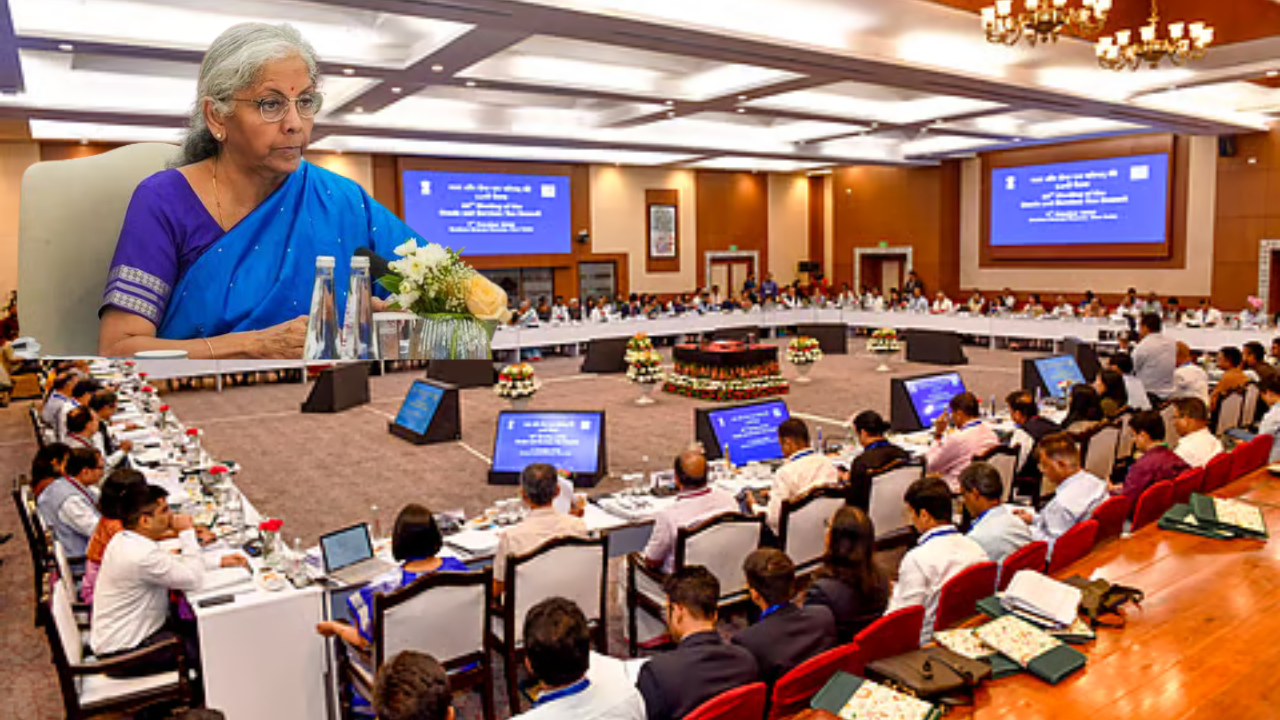
The 56th GST Council meeting, chaired by Finance Minister Nirmala Sitharaman, is a landmark event poised to bring significant changes to India’s Goods and Services Tax regime. Scheduled for 2025, this high-stakes gathering has generated widespread anticipation among traders, businesses, and consumers, as it may introduce a simplified two-slab GST system and reduced tax rates ahead of the festive season. These reforms are expected to herald the “Diwali gift” promised by Prime Minister Narendra Modi, aimed at boosting consumption, easing compliance, and rationalizing indirect taxes across sectors.

Simplification and Rationalization of GST Slabs Since its introduction in 2017, GST in India has operated with multiple tax slabs—currently 5%, 12%, 18%, and 28%. The Council is now considering rationalizing these into a simpler structure with two main slabs: 5% for essential goods and services, and 18% for standard goods. Additionally, a distinct “sin tax” slab of 40% will apply to select items such as tobacco and luxury automobiles, replacing the current cess system on luxury and sin goods.

The rationale behind the rate rationalization is to streamline the tax framework, minimize disputes, and reduce the compliance burden on businesses—especially MSMEs—while fostering greater simplicity and transparency. Experts predict this restructuring could significantly inflate domestic consumption by making a broad spectrum of goods more affordable and simplifying tax administration.

Items Likely to Become Cheaper The GST Council is expected to approve a raft of rate cuts affecting diverse consumer sectors:

Automobiles: Small cars with engines under 1200cc and motorcycles below 350cc are poised to see a reduction from 28% to 18%. Auto parts may also benefit from this cut.

Hospitality & Entertainment: Hotel stays (under Rs 7,500 per night) and movie tickets currently taxed at 12% may be trimmed to a 5% GST rate, making leisure activities more affordable.

Healthcare: Significant relief is anticipated for the healthcare sector. Cancer drugs might become exempt from GST altogether, while other medicines and essential medical supplies may see a rate drop from 12% to 5%. Health and life insurance products for individuals are also likely to be exempt.

Daily-Use Goods: Items such as paneer, pizza bread, various dairy products, fruit juices, coconut water, butter, cheese, pasta, and ice cream may either be exempted or shifted from 12% to 5%, reducing prices for everyday consumers.

Agriculture & Fertilisers: Inputs like sulphuric acid, nitric acid, and ammonia may have their tax slabs cut from 18% to 5%, which could benefit farmers by reducing input costs.

Textiles & Apparel: A sweeping cut is expected in textiles, with synthetic yarns, man-made fibres, carpets, and handicrafts moving from a 12% to a 5% tax bracket. However, clothing priced above Rs 2,500 may move up from 12% to 18%.

Green Technology: Solar cookers, part of sustainable energy initiatives, are likely to see GST cut from 12% to 5%.

Stationery & Toiletries: Stationery like erasers may become exempt, while notebooks, maps, and atlases could see GST reduced from 12% to 5%. Toiletries including toothpowders, shampoo, oils, and soaps are slated for a rate drop to 5%, with toothpaste moving down from 18% to 12%.

Miscellaneous: Umbrellas may also see a tax cut to 5%, and hotel room bookings may be more affordable with a reduction in the GST slab from 12% to 5%.

These changes mark a comprehensive effort to ease the tax burden on middle-class households and daily consumers, thereby increasing disposable incomes and stimulating market demand.

Items That May Cost More While the reforms are consumer-friendly overall, certain categories may experience increased taxes:

Luxury and Sin Goods: The tax on luxury automobiles and sin products such as tobacco and pan masala could jump to a 40% GST slab, a measure aimed at discouraging consumption of unhealthy or luxury items while enhancing government revenue.

Electric Vehicles (EVs): In a surprising twist, four-wheeled EVs priced between Rs 20 lakh and Rs 40 lakh could face an increase in GST from 5% to 18%, while luxury EVs above Rs 40 lakh may be subjected to the 40% sin tax. This move seeks to balance subsidies and revenues amid the growing EV market.

Coal and Energy Products: Coal, which currently attracts 5% GST plus cess, may be shifted to an 18% GST without cess, potentially increasing costs for power producers and impacting electricity tariffs.

Economic and Market Impact Industry experts believe that the GST slab rationalization and rate cuts could act as a powerful stimulus for consumption growth, particularly benefiting the middle class. By lowering taxes on essential goods and services, the reforms aim to increase affordability, stimulate demand, and support private investment. This is anticipated to create a ripple effect across sectors such as automobiles, textiles, pharmaceuticals, and FMCG.

The government acknowledges a possible revenue shortfall, estimated at around Rs 50,000 crore, but views the changes as a worthwhile tradeoff for boosting economic activity and improving the ease of doing business in India. The reforms are part of a broader strategy for “Next-Generation GST,” expected to bring structural changes and compliance simplifications, such as streamlined registration, pre-filled returns, and faster refunds.

Outlook and Implementation The outcomes of the two-day meeting could be implemented as early as the Diwali festive season 2025, aligning with Prime Minister Modi’s promise of a “Diwali gift” for traders and consumers. The GST Council’s consensus-driven approach ensures coordination between the Centre and states, reflecting cooperative federalism in tax policymaking.

In summary, the 56th GST Council meeting is set to usher in a historic reform phase, simplifying the tax structure and easing the overall tax burden on many goods and services, while maintaining higher levies on sin and luxury items to balance fiscal needs. These changes are expected to revitalize domestic consumption, ease compliance for businesses, and create a more straightforward and transparent GST regime in India.

Specific household items will see GST fall to 5 percent

Specific household items likely to see the GST fall to 5 percent under the proposed new GST regime include a broad range of commonly used daily essentials that currently attract 12 percent GST. These items are expected to become cheaper with the lower tax rate, benefiting middle and lower-income households.

  • Personal care products: Toothpowders, toothpaste, soaps, shampoo, hair oil, toothpowders, and toiletries such as oils and bath soaps.
  • Kitchen and cooking essentials: Pressure cookers, cookware and utensils made of aluminium or steel, small-capacity washing machines, electric irons, geysers, water filters (non-electric types), and kitchen utensils.
  • Food and beverages: Paneer, pizza bread, fruit juices, coconut water, butter, cheese, pasta, ice cream, nuts, and certain beverages such as non-aerated drinks.
  • Stationery and educational items: Notebooks, exercise books, geometry boxes, maps, charts, atlases, drawing and colouring books.
  • Household utility items: Umbrellas, sewing machines, bicycles, vacuum cleaners (low capacity, non-commercial), ceramic tiles (basic variants), and ready-mix concrete.
  • Apparel and footwear in specified price ranges: Readymade garments priced over Rs 1,000 and footwear priced between Rs 500 and Rs 1,000.
  • Healthcare essentials: Vaccines, certain diagnostic kits, Ayurvedic and Unani medicines, and other essential medical supplies.
  • Agricultural inputs and tools: Items like sulphuric acid, nitric acid, ammonia, and agricultural tools.

Everyday FMCG items are likely to move from 12% to 5%

  • Personal care products such as soaps, toothpowders, hair oils, shampoos, and toiletries.
  • Household cleaning and care items like detergents, dishwashing liquids, and surface cleaners.
  • Food and beverage items including paneer, pizza bread, fruit juices, coconut water, butter, cheese, pasta, and ice cream.
  • Dairy products such as milk, ghee, butter, and ice cream varieties.
  • Bakery items including bread and biscuits.
  • Processed foods and milling products such as maida (flour), besan, rawa, and other staples.

Certain beverages like non-aerated fruit juices and health drinks.