Saturday, June 27, 2026
Home Blog Page 54

MP Congress Chief’s House Attacked Power Cut, Office Ransacked

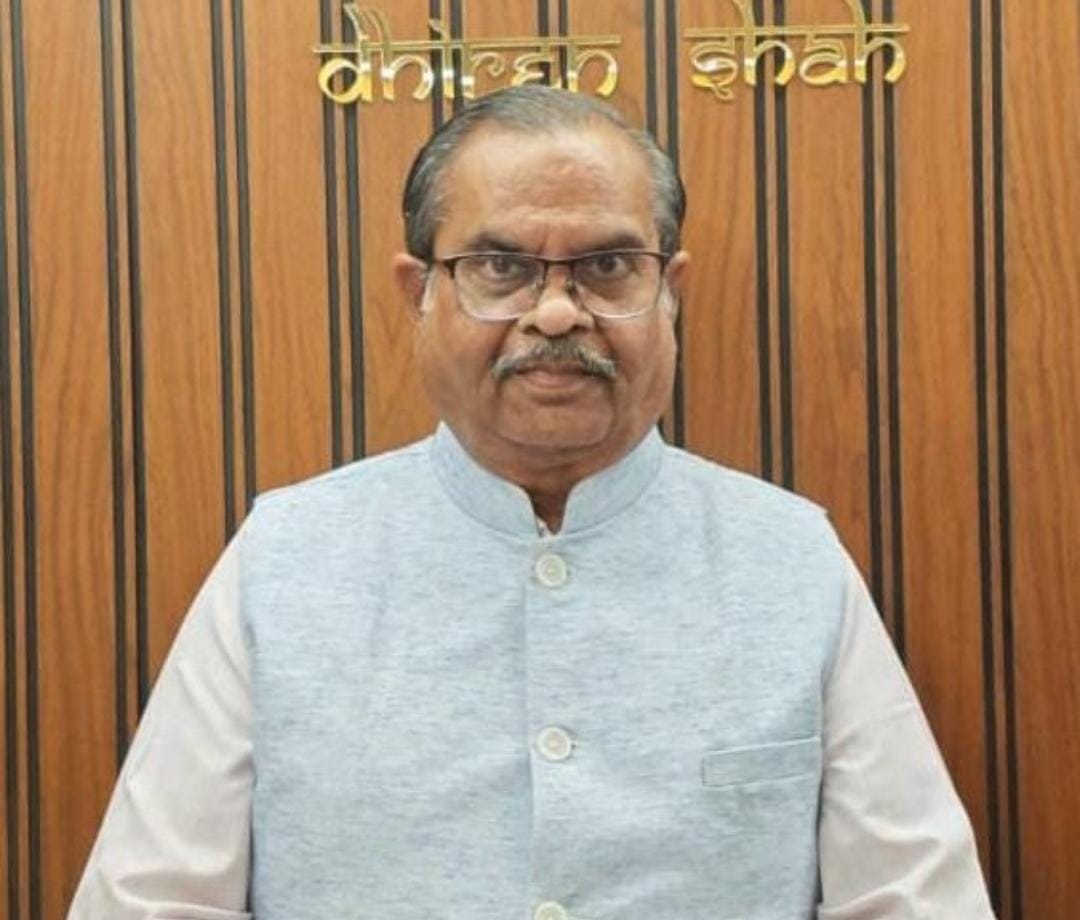
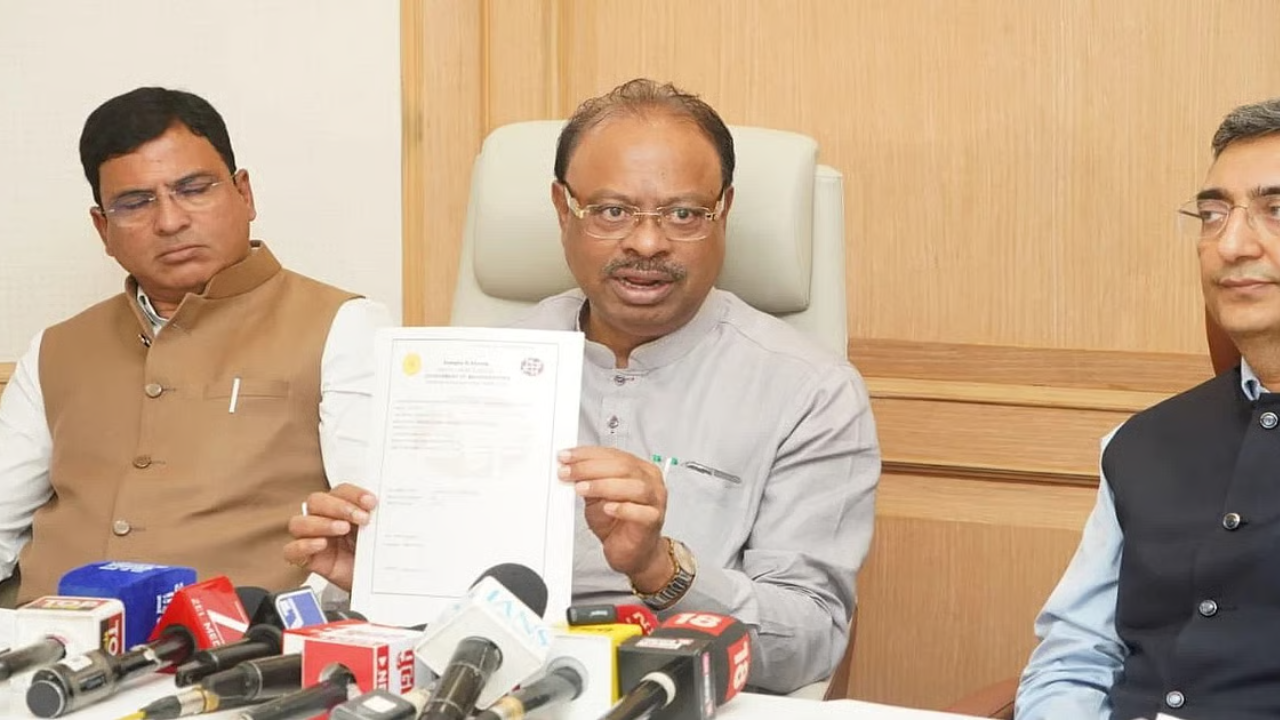
MP Congress Chief

In a shocking incident that has raised serious questions about political security in Madhya Pradesh, a group of unidentified masked men broke into the residence of the Madhya Pradesh Congress Chief late on Monday night. The intruders reportedly cut the electricity supply to the premises before aggressively ransacking the office located inside the house compound.

According to early reports, the brazen attack occurred at around midnight at the leader’s official residence in Bhopal. Members of the Congress party have described the incident as a “deliberate act of intimidation” targeting the state party’s leadership. The crime has stirred nationwide debate, with opposition leaders questioning the law-and-order situation in Madhya Pradesh and calling for an urgent probe.

The Incident in Detail

Eyewitness accounts suggest that the group of masked men forcefully entered the compound by scaling the boundary wall. Once inside, the attackers allegedly tampered with the power connection, plunging the residence into darkness. Within minutes, chaos ensued as the miscreants stormed the office chamber of the Congress Chief, vandalizing party records, damaging property, and scattering confidential files.

Preliminary assessments reveal that several official documents, electronic devices, and furniture were destroyed during the attack. Security personnel deployed at the house were caught off guard, as the power outage left CCTV cameras inoperative for the crucial duration of the break-in.

Although no casualties have been reported, the incident has sparked serious concerns about the security protocols available to senior political figures in the state. The MP Congress Chief, who was present at the residence during the incident, was reportedly unharmed, but members of his staff were left shaken.

Political Reactions

The break-in has drawn sharp criticism from the Congress party leadership at the national and state levels. In a press briefing, senior Congress leaders accused the ruling government of failing to ensure the safety of opposition leaders in Madhya Pradesh.

“The fact that criminals could break into the residence of the state’s top opposition leader, cut power, and ransack the office speaks volumes about the deteriorating law and order in Madhya Pradesh,” said a senior Congress spokesperson. He added that the party demands a high-level inquiry into the incident and greater security measures for its leaders.

On the other hand, the ruling party has condemned the attack and assured a full-scale investigation. The state Home Minister stated, “No one will be spared. The culprits behind this criminal plot will be identified and booked under the strictest sections of law. Political differences should never translate into personal attacks.”

Security Concerns Raised

This incident has reignited a long-standing debate on the security framework for political leaders, especially those in opposition in state assemblies. Experts point out that while Z-plus and Z-category security arrangements are provided to certain leaders, there are significant gaps in monitoring localized threats and in securing official residences.

Former police officials have highlighted that cutting off the power supply to a high-profile residence within city limits indicates a high level of planning and audacity on the part of the attackers. “This was not an ordinary burglary. The sequence of actions shows intent to intimidate as much as to damage property,” a retired security advisor said.

Impact on Political Climate

The timing of the incident is also crucial, as Madhya Pradesh gears up for local body elections in the coming months. Political observers believe that such violent episodes, if unchecked, could escalate tensions between rival parties and disturb the democratic atmosphere in the state.

The Congress party has announced statewide demonstrations to protest against what it calls the “systematic targeting of opposition leaders.” Posters and banners condemning the attack have already appeared across Bhopal and other districts of Madhya Pradesh.

Police Investigation Underway

Local police have registered an FIR under charges of trespass, vandalism, theft, and criminal intimidation. Forensic teams have been deployed to assess the extent of damage and collect evidence from the site. However, with the CCTV system down during the attack, investigators face a challenge in identifying the masked intruders.

The police have assured that surrounding CCTV footage from neighborhood buildings and street cameras will be reviewed to trace the movements of the suspects. Further, mobile tower data in the area at the time of the incident is also being examined.

A senior police official emphasized that this case will be treated with “utmost urgency” given its political sensitivity. “We are pursuing multiple leads and have deputed specialized teams to track down the perpetrators. We request citizens to remain calm and cooperate with the inquiry.”

Broader Implications

Beyond immediate political blame games, the attack underscores the vulnerabilities in safeguarding elected representatives and their properties. Political analysts warn that unchecked violence against leaders could set dangerous precedents, damaging democratic discourse.

Civil society members in Bhopal, meanwhile, have expressed alarm at the audacity of the incident. Several NGOs and rights groups have issued statements calling for stronger community policing, better street lighting, and higher accountability from state law enforcement agencies.

Investigations

As investigations continue, citizens and party members alike await clarity on the motive behind the attack. Was it an act of political vendetta, or the handiwork of criminal elements trying to exploit a lapse in security? Only a thorough probe will reveal the truth.

Until then, the brazen ransacking of the MP Congress Chief’s residence stands as a stark reminder of the challenges facing India’s democratic framework, where elected leaders remain vulnerable to acts of intimidation and violence.

New Human Milk Bank in Rewa Aims to Save Newborn Lives

Human Milk Bank in Rewa

Rewa, Madhya Pradesh — In a significant development for neonatal healthcare, the city of Rewa has inaugurated its second human milk bank to provide critical nutrition and medical support to newborns, especially premature and underweight infants. This initiative is designed to bridge gaps in maternal feeding while ensuring that every baby has timely access to the life-saving benefits of mother’s milk.

The milk bank, housed within a government hospital facility, is part of Madhya Pradesh’s continued efforts to improve healthcare infrastructure and reduce infant mortality rates. With Rewa being an important healthcare hub for the Vindhya region, the establishment of this bank is expected to benefit thousands of families seeking specialized neonatal care.

Addressing Healthcare Needs of Newborns

The rising demand for dedicated newborn healthcare has underscored the importance of human milk banks in India. Breast milk is considered the gold standard of nutrition for infants, offering not only vital nutrients but also antibodies that protect against infections. However, not every mother is able to breastfeed immediately due to medical complications, premature deliveries, or socioeconomic challenges.

This is where milk banks step in as a trusted intermediary. The newly inaugurated facility will collect, process, pasteurize, test, and store breast milk donated by lactating mothers. This milk is then made available to babies admitted in neonatal units, particularly those who are critically ill or whose mothers cannot provide milk for any reason.

Pediatric experts in Rewa have emphasized that the presence of a second milk bank in the district is a landmark achievement. They note that access to donated mother’s milk significantly improves survival rates among premature infants and reduces dependency on formula, which often falls short of meeting babies’ nutritional demands.

Rewa’s Growing Healthcare Network

Rewa is steadily emerging as a center for advanced medical facilities in Madhya Pradesh. The launch of the second milk bank is a step aligned with government guidelines and national strategies to strengthen infant healthcare. This will complement neonatal intensive care units (NICUs) already operational in local hospitals.

Healthcare officials noted that the first milk bank in Rewa had already demonstrated the transformative impact of human milk sharing programs. With increasing demand for donated milk from hospitals across the region, the establishment of a second bank was both a necessity and a priority.

Dr. Anita Singh, a pediatrician at Rewa District Hospital, remarked, “For families struggling with premature deliveries, donated breast milk becomes a lifeline. It is as close as possible to a mother’s own milk, and its benefits in boosting immunity, reducing malnourishment, and supporting growth are unmatched. This new bank will help us reach more children in need.”

Encouraging Milk Donation

The success of any milk bank depends on donations from mothers with surplus milk supply. As part of the facility’s launch, awareness campaigns have been announced to encourage lactating women to come forward as donors. Local health volunteers will play an active role in informing communities about the importance of milk donation and how it can save the lives of vulnerable newborns.

Sessions will also be held to address common concerns among donors, including hygiene, medical safety, and the pasteurization process that ensures donated milk is free from infections and completely safe for babies.

Government and Community Support

The initiative has received strong backing from both government authorities and local healthcare providers. Officials reinforced that the milk bank complements India’s broader vision of reducing infant and neonatal mortality under various child health programs.

Rewa’s public representatives also hailed the step as a marker of progress for the region. They highlighted that such efforts are essential in creating equitable healthcare systems, where even rural families in the Vindhya belt can access high-quality infant care.

Community leaders emphasized that alongside technological interventions, awareness and education will be crucial for ensuring widespread acceptance of milk donation. By normalizing the idea of sharing mother’s milk, they believe that more families will come forward to support this life-saving cause.

The Broader Healthcare Context

India has seen a steady expansion of human milk banks over the last decade. According to available data, hundreds of banks have been set up under both government and public-private initiatives, reflecting rising recognition of the role donor milk plays in saving lives. This latest opening in Rewa adds to that growing network, ensuring that even smaller cities have modern healthcare solutions that were previously limited to metropolitan centers.

This development is particularly important given the country’s high rates of preterm births. Studies show that access to human milk reduces the risk of life-threatening conditions such as necrotizing enterocolitis, sepsis, and respiratory illnesses among preterm infants. By opening more such facilities, regions like Rewa are contributing directly to national and global child health goals.

Looking Ahead

The opening of the second human milk bank in Rewa marks not just a medical advancement but also a shift in healthcare priorities toward preventive and nutritional care. Authorities have announced that data from the new bank will be closely monitored, with regular reports documenting the number of infants served, donations collected, and health outcomes achieved.

Plans are also underway to integrate the milk bank facility with digital health tracking systems, allowing for better coordination between hospitals, mothers, and donors. If successful, this model from Rewa could be scaled to other tier-2 and tier-3 cities across the country.

The local administration has affirmed its commitment to supporting the bank with upgraded equipment, trained staff, and awareness programs. They emphasized that saving the life of even one child through this initiative validates the entire effort.

Conclusion

With its second human milk bank now operational, Rewa has set a strong example in strengthening neonatal care in smaller Indian cities. By ensuring that fragile newborns receive nature’s best nutrition, this initiative will save lives, give parents hope, and demonstrate the power of community-driven healthcare models.

As India continues its march toward improving infant survival rates, the efforts made in Rewa stand as a testament to how local action can create national impact.

70 Lakh Acres of Crops Damaged by Rains, Govt Orders Immediate Survey

Government Moves Swiftly

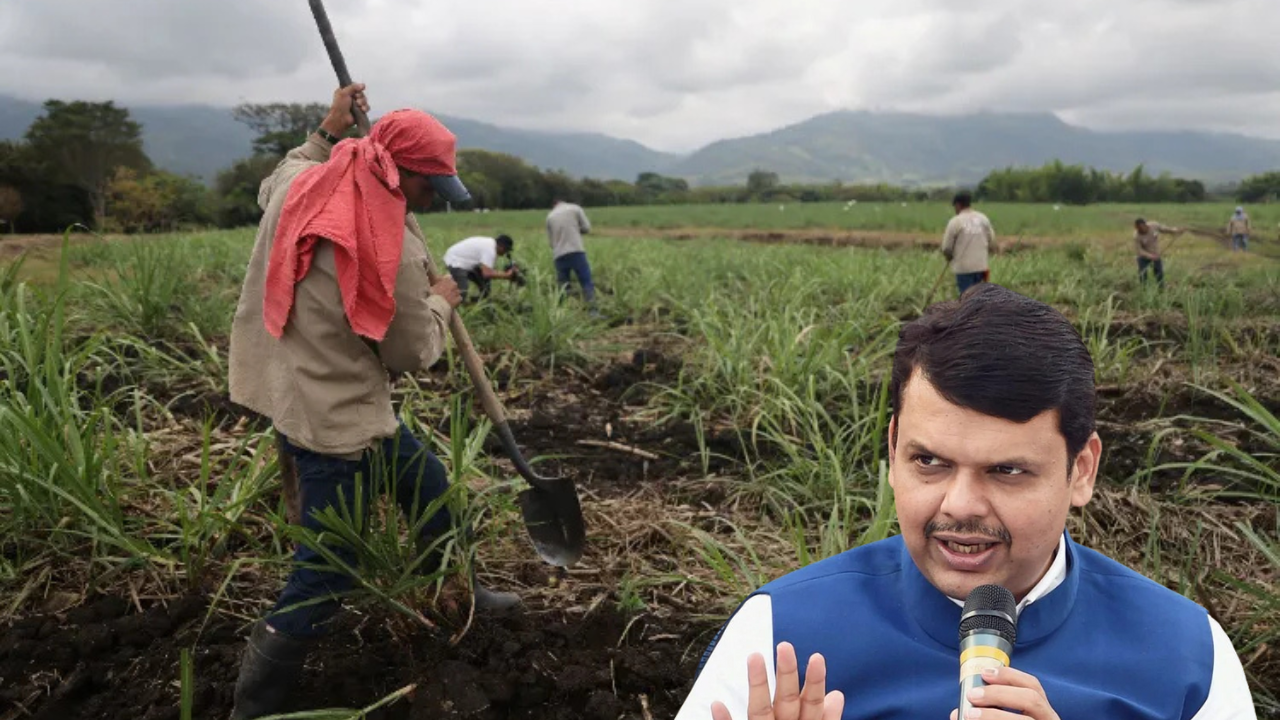
In a major setback for Indian agriculture, unseasonal and excessive rainfall over the past few weeks has led to widespread crop damage across several states. Preliminary estimates suggest that nearly 70 lakh acres of cultivated land have been affected, raising concerns for farmers, supply chains, and food security. In response, the Government of India has ordered an immediate survey of the losses to assess the scale of damage and ensure timely relief measures for affected farmers.

Extensive Crop Damage Across States

Reports indicate that states in central, western, and southern India have borne the brunt of the untimely showers. Standing crops such as paddy, soybean, cotton, pulses, maize, and groundnut have been hit hardest. In some regions, floods submerged large tracts of farmland, while in others, sudden downpours during harvesting season damaged produce ready for procurement.

According to early reviews, Madhya Pradesh, Maharashtra, Telangana, Andhra Pradesh, Karnataka, and parts of Uttar Pradesh have reported the most severe impact. Farmers in low-lying areas have been particularly vulnerable, with heavy waterlogging destroying crops in a matter of hours.

Government Moves Swiftly

Taking serious note of the crisis, the Union Agriculture Ministry has directed state agricultural departments to conduct urgent surveys. These surveys, to be carried out jointly by revenue and agriculture officials, will quantify the extent of crop loss and help determine compensation payable under state relief schemes and insurance programs.

A senior official from the ministry stated, “The government’s priority is to provide immediate support to farmers. Instructions have been issued to all states to complete surveys within days, not weeks, so that relief can be disbursed quickly.”

The Centre has also assured that sufficient funds are available under relief provisions, and that claims under the Pradhan Mantri Fasal Bima Yojana (PMFBY) would be expedited for insured farmers.

Farmers’ Concerns

For farmers, the rains have come as a huge blow, compounding the challenges already faced from fluctuating input costs and market uncertainty. Many had borrowed heavily ahead of the kharif season, and the sudden destruction of standing crops has left them staring at financial distress.

In Maharashtra’s Vidarbha region, cotton farmers have reported severe boll rot due to excess moisture. Paddy growers in eastern Uttar Pradesh and Chhattisgarh, who were close to harvesting, now fear much of their produce will go to waste. Meanwhile, soybean cultivators in Madhya Pradesh have claimed that the rains have brought down yield potential drastically.

Farmer unions, while welcoming the government’s directive for surveys, have urged for prompt ground-level action, noting that delays in compensation often worsen the distress. “We need quick verification and immediate compensation. Farmers cannot wait for months while official files move between departments,” one farmer leader said.

Possible Food Supply Concerns

The large-scale crop damage could also have wider economic implications. Agricultural experts believe that while India has robust food grain stocks, localized shortages of oilseeds, pulses, and certain vegetables might push up prices in the coming months. Cotton damage, in particular, may affect the textile supply chain, while a reduced soybean output could impact the edible oil markets.

Economists warn that the rural economy, which relies heavily on agricultural income, could face a temporary slowdown if the crisis is not addressed quickly. The government may have to increase procurement support and provide additional financial packages for vulnerable regions to stabilize the situation.

Political and Administrative Reactions

Several state chief ministers have written to the Prime Minister seeking additional relief packages and flexibility in utilizing disaster management funds. Opposition parties, meanwhile, have pressed for an urgent parliamentary discussion on crop losses and farmer relief.

In some states, district collectors have already issued advisories for farmers to record their losses and apply under crop insurance schemes. The government has also set up helplines where farmers can report damages, ensuring faster data collection and verification.

Expert Advice for Farmers

Agricultural universities have advised farmers to salvage whatever part of their crop can still be harvested. They have also suggested measures such as field drainage and drying of partially damaged crops to minimize further losses. Scientists have highlighted the need for climate-resilient agricultural planning, suggesting that unseasonal rainfall patterns could become more frequent due to climate change.

Government’s Next Steps

The Union Agriculture Ministry has indicated that after the survey reports are compiled, the Centre will release assistance under the State Disaster Response Fund (SDRF) as well as the National Disaster Response Fund (NDRF). Special relief camps and credit restructuring measures for affected farmers are also under consideration.

Meanwhile, the government has reassured citizens that overall food grain production targets for the year are unlikely to be seriously compromised. However, it has acknowledged that extensive state-level interventions are needed to prevent localized farm distress.

A Test of Resilience

This widespread crop damage comes at a time when policymakers have been emphasizing doubling farmer incomes and boosting rural growth. The current situation highlights the vulnerability of agriculture to weather extremes, while also underlining the importance of timely government intervention.

Protecting the livelihoods of millions of farmers, stabilizing food supplies, and ensuring quick compensation will remain the government’s immediate priorities in the coming weeks. Farmers’ welfare organizations, industry observers, and economists will continue to watch closely as survey reports emerge and relief measures unfold.

For the farmers affected, the hope remains that swift surveys, transparent compensation mechanisms, and supportive agricultural policies will help them recover from this devastating blow.

Navratri 2025 BEST Launches Extra Bus Routes for Mahalakshmi Temple Devotees

Navratri 2025

The Brihanmumbai Electric Supply and Transport (BEST) undertaking has announced the launch of special bus services to facilitate smooth and convenient travel for devotees visiting the iconic Mahalakshmi Temple during the auspicious Navratri festival. This special initiative has been introduced keeping in mind the massive footfall expected at the temple complex and surrounding areas, as lakhs of devotees arrive from different parts of Mumbai and nearby regions to offer prayers to Goddess Mahalakshmi during the nine days of Navratri.

Ensuring Safe and Hassle-Free Travel for Devotees

Navratri, one of the most celebrated festivals in India, attracts huge gatherings at temples across the country, and in Mumbai, the Mahalakshmi Temple is a prominent center of devotion. To manage the surge in visitors, BEST has designed special bus routes that will operate at regular intervals from important junctions of the city. These services aim to reduce traffic congestion, provide affordable commuting options, and encourage the use of public transport during the festival rush.

BEST officials confirmed that these buses will be available from early morning till late night, ensuring devotees have access to safe transport throughout the day. The frequency of the buses will be increased on peak days such as Ashtami and Navami, when footfall is at its highest.

Strategic Routes for Convenience

The special buses will connect key locations across the city, such as Mumbai Central, Dadar, Prabhadevi, Worli, and Byculla, directly to Mahalakshmi Temple. Additional services are planned from suburban areas like Andheri, Bandra, Ghatkopar, and Borivali to assist devotees traveling from the western and central suburbs. These dedicated routes will help reduce dependence on private cars and taxis while offering cost-effective travel options for visitors.

BEST has also tied up with local traffic police to ensure dedicated parking and easy flow of buses near the temple area. This step is expected to ease traffic jams and allow buses to run on time without unnecessary delays.

Accessibility and Digital Integration

In addition to special bus routes, BEST will provide real-time updates on schedules and availability through its official website and mobile app. Passengers can track the location of these special buses and plan their journeys accordingly. The buses will be equipped with digital boards displaying route information so devotees can easily identify services heading toward Mahalakshmi Temple.

To further enhance passenger convenience, BEST is encouraging commuters to adopt its mobile ticketing facility. Through the Chalo App, passengers can book tickets and passes digitally, reducing the need for physical cash transactions during the busy festive season. This move is aligned with Mumbai’s ongoing push toward digital, paperless travel.

Enhancing the Festive Spirit in Mumbai

Navratri in Mumbai is not just a religious celebration but a cultural event that brings communities together through dance, music, and devotion. The Mahalakshmi Temple, dedicated to the Goddess of wealth and prosperity, is one of the most visited temples during this time. With pujas, aarti rituals, and large-scale gatherings planned, devotees will now have a dependable transport option to reach the temple without the stress of traffic and parking difficulties.

A senior BEST spokesperson said, “We are proud to serve citizens during Navratri by providing special bus facilities to Mahalakshmi Temple. Our goal is to make travel safer, smoother, and more accessible for all devotees. By opting for public transport, citizens can avoid traffic congestion, save costs, and contribute toward a cleaner environment.”

Crowd Management and Safety Measures

Given the expected surge in crowds, BEST has coordinated closely with Mumbai Police and civic authorities to ensure safety. Extra personnel will be deployed at bus stops near the Mahalakshmi Temple to guide passengers and maintain order. Additionally, CCTV-monitored buses and enhanced security presence on major routes will guarantee safe travel for women, elderly citizens, and children.

The buses will also feature clean interiors and additional staff to help elderly and differently-abled passengers board easily. With extra emphasis on hygiene and safety, BEST has assured citizens that the special services will adhere to the highest standards of passenger comfort.

Citizens’ Response to the Initiative

The announcement of special Navratri buses has been widely welcomed by Mumbai citizens. Regular devotees of the Mahalakshmi Temple expressed relief that crowd navigation and traveling challenges will be reduced thanks to this initiative. Daily commuters across central and western suburbs see this move as both cost-effective and stress-free, particularly on days when traditional dandiya and garba events continue late into the night.

Strengthening Mumbai’s Public Transport Culture

With this initiative, BEST is reinforcing its role as more than just a transportation provider—it is establishing itself as a key community facilitator during festive occasions. At a time when traffic congestion, rising fuel costs, and pollution remain central challenges for Mumbai, BEST’s attempt to encourage greater use of buses during peak cultural events is a welcome step.

The service also complements Mumbai’s ongoing metro and suburban train networks by offering last-mile connectivity to Mahalakshmi Temple, which remains relatively crowded and difficult to access through private vehicles during festivals.

Looking Ahead

By launching these special bus services during Navratri, BEST has not only addressed the devotional sentiments of Mumbai’s citizens but also set the stage for similar expansions during other major occasions such as Ganesh Chaturthi, Diwali, and Christmas. As the city gears up for nine nights of devotion and celebration, this timely decision will ensure devotees focus on their prayers and festivities instead of logistical worries.

BEST has urged all citizens to make full use of the special Navratri buses, avoid private vehicles when possible, and celebrate the festival with joy, convenience, and responsibility.

Sina River Floods in Solapur, District Administration Launches Rescue Mission

Sina River Floods in Solapur

Solapur, Maharashtra The district administration in Solapur has launched a large-scale rescue operation after the Sina River overflowed its banks, leaving around 90 people stranded in the vicinity of the historic Sangoba Temple. The sudden rise in water levels, triggered by continuous rainfall in the region, has created a tense situation, prompting immediate action by local authorities, disaster response teams, and civic volunteers.

The Situation at Sangoba Temple

As of Tuesday morning, rising waters from the Sina River caught devotees, local residents, and passersby off guard near the Sangoba Temple area. The temple, a site of cultural and spiritual significance for many in Solapur, has now become the focal point of a major rescue effort. Early assessments suggest that flash flooding in low-lying areas around the riverbank caused people to be marooned without safe exit routes.

Eyewitnesses reported that water levels began to surge rapidly around midnight due to heavy upstream inflows, cutting off surrounding roads. This left large groups of residents, including women, children, and elderly individuals, trapped near the temple complex. Immediate distress calls were made to the district control room, following which rescue operations were activated at first light on Tuesday.

Rescue Operations Launched

The Solapur district administration, led by senior officials, has already mobilized the National Disaster Response Force (NDRF), State Disaster Response Force (SDRF), and local police units. Boats, ropes, and inflatable equipment are being deployed to ensure the safe evacuation of those caught in the floodwaters. Officials confirmed that helicopters from the Indian Air Force may be requested if the situation worsens or if accessibility by land and water becomes impossible.

“Priority has been given to evacuating vulnerable groups first, especially children, the elderly, and those with health issues. Our teams are working swiftly and will ensure the complete safety of all who are stranded,” said a senior Solapur district official overseeing the rescue mission.

Local hospitals and relief shelters have been put on standby to receive those rescued. Food packets, drinking water, blankets, and medical assistance are being prepared to provide immediate relief once people are safely evacuated from the danger zone.

Community Support in Action

In addition to official rescue teams, Solapur’s local community has stepped up to support relief efforts. Volunteers from nearby villages and social organizations have offered resources, boats, and manpower to assist stranded individuals. Residents have also opened their homes to provide temporary shelter for evacuees, showcasing the spirit of solidarity that often emerges during crises.

“The people of Solapur always stand united in times of difficulty. We are working alongside officials to ensure nobody is left behind,” shared a community leader from the flood-affected zone.

Weather Conditions and Warnings

The flooding is primarily attributed to continuous heavy rainfall across Maharashtra over the past several days. The Indian Meteorological Department (IMD) has issued warnings for moderate to heavy rainfall in the Solapur region, cautioning residents to avoid venturing near rivers, canals, or other water bodies. Authorities fear that if rains persist for the next 24 to 48 hours, further swelling of the Sina River is likely, which could affect additional settlements along the river’s path.

Farmers in surrounding rural belts have also reported damage to standing crops as water has submerged fields, potentially impacting the local agricultural economy in the upcoming season.

Administration’s Preparedness and Appeal

The district administration has emphasized both immediate rescue and preventive measures. Several evacuation points have already been marked, and drone surveillance is being used to track water flows and movement of stranded groups. Temporary shelters have been established in schools, community halls, and Panchayat buildings on higher ground.

Authorities are also making public announcements across flood-prone areas, urging citizens to remain alert, cooperate with officials, and evacuate voluntarily if directed to do so. “Do not delay relocation when authorities advise it. The priority right now is saving lives,” appealed the Solapur Collector in a press briefing.

Emergency helpline numbers have been circulated via local media and radio stations to ensure that those requiring urgent help can connect with the control room directly. Additional task forces have been directed to reach villages situated downstream, where water may spread in coming hours.

A Broader Concern: Flood Preparedness in Maharashtra

The incident at Solapur highlights the recurrent challenge of riverine flooding in Maharashtra during the monsoon season. The state has faced repeated instances of overflowing rivers in recent years, taking a toll on both rural and urban areas. Experts have once again stressed the importance of long-term flood control measures, including better embankment systems, improved drainage infrastructure, and early-warning mechanisms to minimize risks to human lives and livelihoods.

“Climate irregularities are leading to more intense rainfall episodes. We need to build a stronger disaster preparedness model at both the state and district levels,” said a disaster management expert from Pune, underlining the urgency of proactive planning.

Looking Ahead

As rescue operations continue into the afternoon, there remains cautious optimism that all 90 trapped individuals will be brought to safety. While immediate attention is on life-saving efforts, rehabilitation for affected families will soon become the next phase. Compensation packages, crop insurance claims, and reconstruction measures are expected once a full assessment of losses is carried out post-rescue.

For now, the spirit of resilience is guiding Solapur forward. With authorities, volunteers, and citizens working together, the focus is firmly on ensuring safety, extending relief, and preventing further casualties in the face of the Sina River’s fury.

From Legacy to Lifestyle: The Journey of Maana & Glow & Sip

Maana

Every brand has a beginning. For us, it began with love, legacy, and a vision to create something timeless.

Maana is more than just a company name—it is rooted in personal history and deep affection. Inspired by the name the founder lovingly called her grandmother, Maana represents warmth, trust, and values passed down through generations. It is this foundation of authenticity and care that shapes every business decision we make.

Our Business Model: Premium, Thoughtful, Expansive

Maana began its journey in the world of premium jewellery, creating designs that balance elegance with meaning. Each piece is crafted not just as an accessory but as an expression—timeless, high-quality, and made for the discerning individual who values both style and substance.

But our vision doesn’t stop there. Maana was always designed as a parent company—a home for multiple lifestyle ventures that bring beauty, wellness, and self-expression together.

Introducing Glow & Sip

Our next chapter begins with Glow & Sip, a brand that combines skincare and lifestyle rituals with the same premium approach that defines our jewellery. Just as jewellery elevates how you present yourself, skincare elevates how you care for yourself. Glow & Sip is built on the belief that beauty isn’t just external—it’s a daily ritual that nurtures confidence and joy.

Through Glow & Sip, we are shaping a lifestyle ecosystem that goes beyond products—it’s about creating experiences: Skincare rooted in science and simplicity Coffee-inspired rituals that energize the soul Community-driven events and pop-ups that bring people together A sustainable, elegant approach to modern living

Looking Ahead

Jewellery was our first step. Skincare and lifestyle are our next. As Maana grows, our mission remains constant: to craft premium, meaningful, and holistic experiences across categories, building a brand family that is as enduring as the values it was founded on.

Because Maana is not just about business—it’s about creating a legacy that blends heritage with innovation, memory with modernity, and luxury with mindfulness.

Website = https://www.glowandsip.in/

How Can 51 Stories in 51 Days Inspire Change in Mental Health, Sustainability, Cybersecurity & Women Empowerment at SAMVAAD Connect?

SAMVAAD

At Samvaad Connect, we believe conversations can transform societies. What began as a simple idea, to create a platform that builds awareness around social issues, has now blossomed into a movement. And one of our proudest milestones this year has been the achievement of featuring 51 inspirational stories in 51 days.

This wasn’t just a campaign; it was a celebration of resilience, creativity, and leadership. Each story highlighted individuals who, in their own way, are working towards building a better tomorrow. From professionals balancing careers with empathy, to artists driving change through sustainable practices, to women leading from the front, every voice added depth to our mission of creating a “Behtar Samaaj with Behtar Samajh.”

Our focus areas have always been clear- mental health, sustainability, cybersecurity, women empowerment, and social responsibility. And 2025 has been a remarkable journey of keeping these themes alive through events, workshops, and community outreach.

We began with our first panel on 18th April, addressing sustainability and cybersecurity, two issues central to our digital-first world. On 14th June, we hosted a powerful Mental Health Conference, where experts from psychology, law, coaching, music, and movement therapy shared perspectives on resilience and emotional well-being. Then, on 31st August, we brought together creators and thought leaders at the Influencers Meet, Gwalior, celebrating voices that shape change.

Between these flagship events, we were deeply engaged with the community. The Saugaat Exhibition became a powerful women empowerment movement at Rohtak, highlighting resilience and creativity. At Manav Rachna University (MRIIRS), Faridabad, we conducted a two-day awareness workshop for mental well-being, sensitizing young minds about balance and self-care. On 1st August, we covered the inauguration of the “Know Your Weaves” exhibition at the National Crafts Museum, New Delhi, followed by the National Handloom Day fashion show in Goa on 7th August, where tradition met modern expression, hosted by World Designing Forum.

We also dedicated awareness months to highlight specific themes, July– Mental Health in the Technology Domain (exploring workplace stress, digital burnout, and emotional balance in tech-driven lives). August– Mental Health Awareness in the Fashion Industry (spotlighting creativity, pressure, and well-being behind the glam), while September spotlighted Mental Health Awareness in the Classical Music Industry (focusing on emotional resilience, discipline, and expression through music). These initiatives not only opened up new conversations but also encouraged communities to embrace well-being as an integral part of professional and personal life.

The “51 Stories in 51 Days” series tied everything together. It gave us a chance to spotlight individuals who reflect the very values we stand for, courage, empathy, balance, and innovation. Every day brought forth a new narrative of hope, and every story reminded us that transformation begins with awareness. The overwhelming engagement we received proved that when voices are amplified, change becomes possible.

As we celebrate this milestone, we also look ahead. This is our first stepping stone. With every story we tell, every event we host, and every cause we amplify, we inch closer to a society where awareness leads to action, and action builds lasting change.

Connect with Samvaad Connect

We invite you to continue this journey with us. Follow our work on Instagram, YouTube, LinkedIn, Facebook, and visit our website: www.samvaadconnect.com. Like, share, and subscribe to amplify the voices we feature. We also welcome collaborations for podcasts, campus and corporate workshops, and digital content creation – from videos and blogs to thought-leadership campaigns. Together, we can expand the impact of meaningful conversations.

At Samvaad Connect, we remain committed to our vision of a “Behtar Samaaj with Behtar Samajh.” Here’s to many more stories, many more conversations, and many more reasons to keep the dialogue alive.

Saumya Dheeraj Tewari

Founder – SAMVAAD Connect | 9811901985

samvaadconnect@gmail.com

Maharashtra Scooters Declares ₹160 Interim Dividend Record Date Today

Maharashtra Scooters

Maharashtra Scooters has announced today, September 22, 2025, as the record date for its interim dividend for the financial year 2025-26. This means that shareholders holding the company’s shares as of the close of trading today will be eligible to receive the interim dividend declared by the company. The declared interim dividend is ₹160 per equity share of face value ₹10 each, which translates to a yield of 1600%, representing the highest-ever dividend declared by Maharashtra Scooters for its investors.

This interim dividend was approved by the board in a meeting held earlier this month and reflects the company’s strong financial position and confidence in its ongoing business prospects. The dividend payment or credit is scheduled to be executed on or around October 13, 2025, ensuring timely reward to its shareholders.

Maharashtra Scooters is a prominent company under the Bajaj Group umbrella, with Bajaj Holdings & Investment Limited being the promoter holding 51% stake. The company’s shares have shown remarkable performance, appreciating 95% in the last year and yielding 500% returns over a five-year horizon, underscoring the firm’s robust growth and investor confidence.

Historically, Maharashtra Scooters has maintained a consistent dividend distribution policy. For the previous financial year, the company paid a special dividend of ₹30 along with a final dividend of ₹30 per share in June 2025. In recent years, interim dividends of ₹110 were declared in September for both FY 2024 and FY 2023, alongside respectable final dividends. The current interim dividend of ₹160 per share for FY 2026 is a significant increase and marks an important milestone reflecting the company’s prosperous fiscal health.

For shareholders, the record date of September 22 provides clarity on eligibility. Those who own shares by end of today will be credited with the dividend on the dividend credit date near mid-October. This procedure aligns with standard market practices and facilitates transparent and efficient dividend distribution.

Maharashtra Scooters’ strong dividend strategy is supported by solid business fundamentals, benefiting from the Bajaj Group’s vast market presence in the automotive sector. The scooter maker continues to leverage innovation, expanding product ranges, and capitalizing on increasing demand for two-wheeler vehicles in both urban and semi-urban markets.

The company’s steady financial results and shareholder-friendly approaches have cemented trust among investors, making it a preferred stock in the consumer automobile market. Regular dividends and lucrative payout ratios reaffirm Maharashtra Scooters’ commitment to delivering shareholder value.

Investors keen on acquiring shares to benefit from this dividend should note that after the record date, the shares will trade ex-dividend, implying new buyers post-record date will not be eligible for the current interim dividend payout.

This interim dividend announcement adds to the positive sentiment around Maharashtra Scooters’ stock, which is actively traded on the exchanges and remains a key entity under BSE 500. The company’s upward trajectory in share price and consistent dividend payments highlight its resilience despite competitive pressures and market dynamics.

Maharashtra Scooters’ approach is a testament to its sustained profitability and strategic focus on shareholder wealth maximization. The interim dividend reflects the management’s optimistic outlook amid evolving market conditions and ongoing operational excellence.

Shareholders and market participants await the dividend payment date with anticipation, appreciating the company’s transparent and rewarding corporate governance. The Rs 160 per share payout today reinforces Maharashtra Scooters’ position as a rewarding investment in the Indian two-wheeler industry space.

HappenRecently.com will continue to track and update on Maharashtra Scooters’ financial moves, stock performance, and other key business developments to keep our readers informed with timely and reliable reports.

Nitin Gadkari’s Statement Triggers Fresh Dialogue on Reservation Policies

Nitin Gadkari

In a significant development in India’s political and social discourse, Union Minister for Road Transport and Highways, Nitin Gadkari, has once again made headlines with his candid remarks on the sensitive issues of reservation policies and honesty in governance. His latest statements have triggered widespread debate not only in political circles but also across civil society. Simultaneously, there has been an upsurge in demands from local political representatives and activists seeking greater accountability and transparency in India’s sporting bodies.

Gadkari’s Remarks: Straight Talk on Reservation and Honesty

Addressing a public gathering in Maharashtra earlier this week, Nitin Gadkari emphasized the importance of fairness and honesty in both governance and social justice. While reiterating his respect for the Constitution and the existing reservation framework, he underlined that political leaders should focus on uplifting marginalized communities in a manner that preserves social harmony rather than creating division. According to him, political decisions on reservation must be taken with sensitivity, responsibility, and above all, honesty in intent.

The Union Minister is known for his outspoken approach and pragmatic style of leadership. His statement carried a dual message — one that reaffirmed his acknowledgment of the historical significance of reservation, while simultaneously challenging leaders to ensure that policies are not misused for narrow political gains. In his words, governance must reflect integrity and a long-term vision, rising beyond short-term vote bank strategies. Such remarks have drawn sharp reactions, igniting debates within ruling and opposition parties alike.

Public Response and Debate

Gadkari’s comments have struck a chord with multiple stakeholders. Supporters appreciate his forthrightness and argue that this brand of honest conversation is much needed in Indian politics today. Critics, however, see his remarks as potentially stirring controversy in a politically sensitive area. Scholars and community leaders have called for a nuanced dialogue on how reservation policies can evolve to meet changing socio-economic challenges, such as urban-rural gaps, employability of youth, and equal access to opportunities.

Social media platforms have amplified these discussions, with hashtags related to his comments trending on Indian Twitter and sparking thousands of responses. Many users lauded Gadkari’s call for honesty, framing it as a reminder of political accountability in times when public trust remains fragile.

Parallel Debate: Accountability in Sporting Bodies

While Gadkari’s remarks on reservation continued to dominate national conversations, another parallel demand emerged at the state and local levels. Several local politicians and civil society groups have raised strong calls for more transparency and accountability in India’s sporting bodies.

The demand follows a series of recent controversies involving accusations of mismanagement, opaque decision-making, and lack of grassroots consultation in sports federations and associations. Local representatives argue that just as honesty and fairness are expected in political governance, these principles must extend to the administration of sports, which represents national pride and is tied deeply with aspirations of India’s youth.

Leaders across Maharashtra, Delhi, and Uttar Pradesh highlighted that structural reforms are needed in India’s sports federations to ensure merit-based selections, increased funding transparency, and equal opportunities for athletes from smaller towns and rural areas. Some activists have also suggested mandatory audits of sporting bodies and the introduction of stricter codes of conduct to prevent conflicts of interest.

Convergence of Themes: Integrity in Public Life

Though arising from different contexts, the two narratives — Gadkari’s remarks on honesty in governance and the demand for accountability in sporting institutions — converge on a broader theme: the need for integrity, fairness, and transparency in India’s public life. Observers highlight that both issues stem from a deep desire among citizens for institutions that inspire trust and operate for the common good.

Commentators note that in politics, Gadkari’s reputation as a “doer” gives added weight to his caution against opportunistic policies. Similarly, growing concerns regarding sporting bodies reflect the frustration of athletes, coaches, and fans who expect sports governance to be as professional and performance-oriented as the athletes themselves.

Reactions from Stakeholders

  • Political Reactions: Ruling party members defended Gadkari’s stance, calling it a reflection of responsible leadership. Opposition leaders, however, challenged him to take concrete policy action.
  • Civil Society: NGOs working on equality and empowerment urged policymakers to re-examine welfare policies in light of changing demographics and economic realities.
  • Sports Community: Athletes and former players have amplified the call for transparent governance in sports federations, pointing out that mismanagement impacts performance on global platforms.
  • Youth Voices: Student groups expressed hope that wider discussions on reservation would lead to updated frameworks focusing on employability and education alongside traditional metrics.

Looking Ahead

Analysts point out that India stands at a crucial junction where its growing economic and global stature must be supported by robust and transparent domestic institutions. From political decision-making to sports administration, citizens are increasingly demanding structures that are accountable, merit-driven, and resistant to undue political influence.

Union Minister Nitin Gadkari’s forthright remarks have, in many ways, opened the door for renewed discussions about how honesty and transparency can shape the future of governance. At the same time, calls to clean up sporting administration highlight citizens’ desire for fairness not only in politics but also in cultural and recreational spaces that symbolize India’s collective spirit.

As both debates continue to unfold, one theme is clear: whether in governance or in sports, India’s demand for integrity is growing stronger than ever.

Mumbai-Ahmedabad High-Speed Rail Achieves Key Progress, Phase One by 2027

Mumbai-Ahmedabad High-Speed Rail

 India’s most ambitious infrastructure initiative, the Mumbai-Ahmedabad High-Speed Rail (MAHSR) project, has successfully completed one of its most challenging engineering milestones—a critical tunnel segment—marking significant progress towards launching the country’s first bullet train service. Officials have confirmed that phase one of bullet train operations is on track to commence by December 2027, bringing India closer to its long-anticipated leap into high-speed rail connectivity.

The project, being executed by the National High-Speed Rail Corporation Limited (NHSRCL), is seen as a hallmark of new-age transportation that will transform mobility between Mumbai and Ahmedabad. With speeds expected to reach up to 320 km/h, the bullet train aims to cut the current travel time of seven hours to just about two hours, reshaping the way people commute and conduct business across the two states of Maharashtra and Gujarat.

A Pivotal Milestone in India’s First Bullet Train Initiative

The recently completed tunnel is not only an engineering marvel but also a symbol of the project’s momentum after years of planning, land acquisition hurdles, and technical evaluations. Spanning several kilometers, the tunnel forms a vital component of the alignment that connects Maharashtra to Gujarat, enabling seamless train operations along the high-speed corridor.

“This successful completion is a major step forward for the project. The tunnel will play a crucial role in ensuring seamless and safe passage for the upcoming bullet trains and reflects our commitment to achieving the highest standards of engineering and safety,” said an NHSRCL spokesperson.

Engineers revealed that advanced tunneling technology, including state-of-the-art Tunnel Boring Machines (TBMs) and specialized excavation methods, were deployed to counter challenges posed by the region’s complex geology. The tunnel work has been carried out under strict safety and environmental guidelines, ensuring minimal disruption to local ecosystems while adhering to global best practices.

December 2027: A Defining Moment for Indian Railways

The completion of this tunnel keeps the project aligned with its operational target of December 2027 for phase one. Once operational, passengers will experience ultra-modern facilities, enhanced comfort, and drastically reduced travel time. The first phase is expected to add significant momentum to India’s economic landscape by encouraging faster trade, smoother business connectivity, and tourism growth.

Government officials have emphasized that the MAHSR project is more than just a transport initiative—it is a transformative step toward achieving India’s vision of modern infrastructure. With support from Japan, which has provided financial assistance and technological backing through its Shinkansen expertise, the project represents a global partnership bringing world-class rail technology to Indian soil.

Economic and Social Transformation Ahead

The Mumbai-Ahmedabad bullet train is projected to create thousands of direct and indirect jobs, stimulate regional development, and boost the real-estate and hospitality sectors along its route. Additionally, the project has a strong emphasis on Make in India, with significant components being sourced and manufactured domestically.

Experts foresee that the bullet train will not only create economic opportunities but also bring profound social impact. The reduced travel time is expected to motivate more people to work in major economic hubs while living in nearby towns, balancing urban-rural development and reducing pressure on metropolitan infrastructure.

The project will also enhance India’s standing in global infrastructure rankings, reflecting the country’s aspirations to integrate high-speed, sustainable transport into its urban fabric.

Overcoming Challenges and Building the Future

The journey of the MAHSR project has not been without challenges. From land acquisition to environmental clearances and cost escalations, the futuristic venture has faced its share of obstacles. However, consistent cooperation between central and state governments, coupled with international collaboration, has ensured steady progress.

Industry analysts observe that keeping construction on schedule will be critical over the next two years, especially as more viaducts, stations, and depot facilities are completed. The decisive tunnel completion is widely seen as a confidence-boosting moment for contractors, policymakers, and stakeholders alike.

Looking Forward

As India inches toward its inaugural bullet train service, the excitement is palpable. December 2027 will not just mark the launch of a new train but the arrival of a new era in transport. The Mumbai-Ahmedabad corridor is expected to serve as a blueprint for future high-speed rail projects across the country, including proposed lines connecting Delhi, Varanasi, and Bengaluru.

With the tunnel milestone now achieved, the NHSRCL and its partners are preparing for the next challenging stages, including station construction, track laying, and trial runs. Each phase will bring the nation closer to experiencing its first true high-speed rail journey.

The successful launch of the bullet train will symbolize more than just modern infrastructure—it will stand as a testament to India’s determination to embrace innovation, foster sustainable growth, and offer citizens world-class mobility.

As commuters, businesses, and policymakers count down to December 2027, the dream of experiencing the bullet train is now closer to reality than ever before.