
Home Blog Page 50

TCS Powers India’s Semiconductor Future with Chiplet-Based Engineering Services

0
Semiconductor

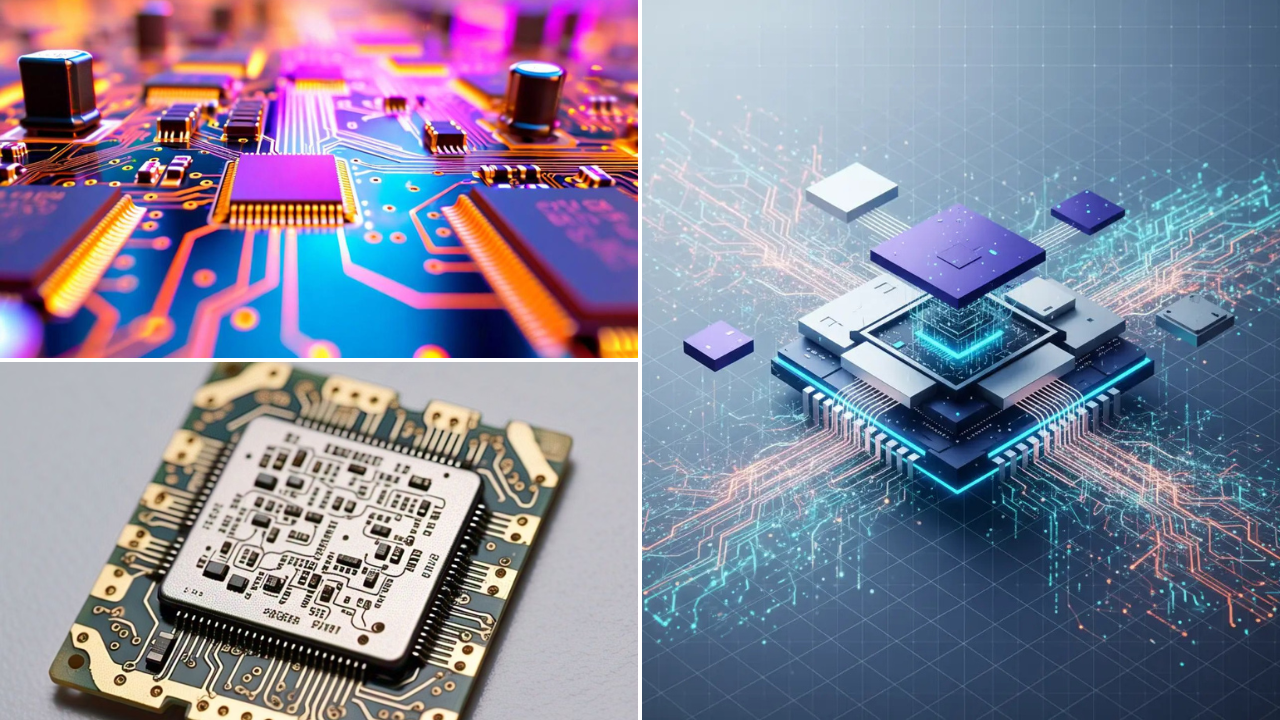
Tata Consultancy Services (TCS) has recently launched its innovative chiplet-based system engineering services, aiming to accelerate semiconductor design and boost technological advancements in India and globally. This new offering from TCS is positioned to help semiconductor companies develop faster, more powerful, and cost-efficient chips by leveraging chiplet technology, which is emerging as the next frontier in chip design amid the limits of traditional transistor shrinking.

Chiplets are smaller integrated circuits that can be combined or “mixed and matched” to form advanced multi-chip products with improved performance and scalability. Instead of relying solely on making bigger chips more densely packed with transistors—a practice that is becoming increasingly difficult and expensive—chiplet design allows semiconductor firms to flexibly integrate different chip components. This approach reduces costs, shortens development timelines, and supports next-generation applications such as artificial intelligence, cloud computing, electric vehicles, and connected devices.

TCS’s chiplet-based engineering services provide comprehensive solutions including chip design, verification against industry standards like Universal Chiplet Interconnect Express (UCIe) and High Bandwidth Memory (HBM), and advanced packaging technologies such as 2.5D and 3D interposers and multi-layer organic substrates. These advanced packaging technologies ensure superior signal integrity, lower latency, and compact form factors in multi-chip systems, which are critical for high-performance computing needs.

This launch aligns with India’s booming semiconductor market, which is expected to more than double from $45-50 billion in 2024-2025 to around $100-110 billion by 2030. This growth is powered by government initiatives such as the ₹76,000 crore India Semiconductor Mission, which is fostering domestic fabrication, design, and manufacturing capabilities to position India as a global semiconductor hub. India already hosts 20% of the world’s chip design engineers, and TCS’s new chiplet services are expected to further enhance the ecosystem by providing both Indian and international semiconductor companies access to world-class chip-to-system engineering expertise.

V Rajanna, President, Technology, Software and Services at TCS, emphasized the significance of the launch stating, “Semiconductors are the foundational technology driving digital innovation and powering differentiated experiences. TCS Chiplet-based System Engineering services will help semiconductor enterprises accelerate chiplet tapeout, driving flexibility, scalability, and faster time to market. Our extensive investments in next-gen technologies, contextual knowledge of the semiconductor industry, and strong track record in execution make us the preferred partner to drive innovation at scale.”

TCS has already demonstrated the value of its chiplet engineering approach through a recent collaboration with a leading North American semiconductor firm, simplifying heterogeneous chip integration and speeding up the launch of industry-leading AI processors. This real-world implementation showcases how the company’s expertise supports complex multi-chip designs that combine different chip types into efficient systems.

Through this move, TCS not only advances semiconductor innovation but also strongly supports India’s ambition of becoming a global leader in semiconductor design and manufacturing. The company’s broad portfolio of chip-to-system engineering services—now including chiplet-based system engineering—democratizes access to next-generation chip design methodologies, enabling a wider range of customers to develop cutting-edge chips with improved efficiency and performance.

By delivering faster turnaround times, scalable system designs, and cost-effective production, TCS’s chiplet-based services address major industry pain points related to traditional monolithic chip design. This innovation is timely, given the rapidly growing global semiconductor demand fueled by technologies such as AI, 5G, advanced automotive electronics, and IoT devices.

In conclusion, TCS’s chiplet-based system engineering services represent a significant step forward in semiconductor innovation, combining advanced technology, deep industry expertise, and alignment with national semiconductor goals. This initiative is poised to benefit semiconductor companies seeking to accelerate product development, reduce costs, and bring powerful new chips to market faster—in line with the escalating demands of today’s digital economy.

Japan’s Centenarian Population Nears 100,000 Women Make Up 88% of the Longest-Lived

0
Japan

Japan is on the cusp of reaching a historic demographic milestone, with its centenarian population projected to approach 100,000 in 2025. This year, the country celebrates its long-living citizens during the annual Respect for the Aged Day, and the government’s latest statistics highlight not only the rising number of centenarians but also the striking gender imbalance among them: nearly 88 percent are women.

A Graying Nation with Remarkable Longevity

Japan has long been known as one of the world’s leaders in life expectancy, thanks to its healthcare system, dietary habits, and social structures that promote active aging. According to figures released by the Ministry of Health, Labour and Welfare, there were approximately 97,000 centenarians across the country as of September 2025, putting the nation closer than ever to crossing the 100,000 threshold.

This trend reflects decades of continuous growth. Back in 1963, when the government first began tracking centenarians, the number stood at just 153. By the year 2000, the figure had surpassed 10,000. Now, barely two decades later, Japan’s centenarian population has multiplied nearly tenfold, making longevity one of the country’s most defining social characteristics.

Women Leading the Way

One of the most remarkable aspects of Japan’s longevity figures is the overwhelmingly female majority among centenarians. Roughly 88 percent of individuals aged 100 and over are women, a trend attributed to differences in health behaviors, biology, and lifestyle. Women in Japan typically maintain stronger social connections, consume lower amounts of alcohol and tobacco, and are more proactive in maintaining balanced diets and routine healthcare checkups compared to men.

Medical experts also point to genetic resilience and hormonal advantages that may contribute to women’s greater lifespan. As of 2025, Japanese women have a life expectancy of about 87 years—the highest globally—compared to 81 years for men. This gap suggests that the centenarian population will likely continue to be dominated by women in the foreseeable future.

Regional and Social Influences

Longevity in Japan is not uniform across all regions. Prefectures like Okinawa, Shimane, and Kochi are famous for having particularly high concentrations of centenarians. Okinawa, in particular, has been studied for decades as part of the so-called “Blue Zones”—areas of the world with some of the longest-living populations. Researchers attribute the Okinawan advantage to a plant-rich diet, active lifestyles well into old age, and strong community bonding practices.

Equally important are Japan’s societal systems that honor elderly citizens. Programs to ensure older adults remain socially active, as well as widespread respect for traditions like Respect for the Aged Day, help foster environments where seniors feel valued and integrated. In many rural areas, multigenerational households remain common, providing emotional support to the oldest family members.

Challenges of an Aging Society

While the rise in centenarians is a point of national pride, it also raises pressing social and economic issues. Japan’s low birth rate combined with increasing life expectancy creates a demographic imbalance that places strain on healthcare and pension systems. Government statistics show that nearly 30 percent of citizens are aged 65 or older, making Japan the most rapidly aging society in the developed world.

Caring for so many elderly citizens requires vast resources, from long-term care facilities to home-based healthcare programs. Policymakers are under constant pressure to balance providing adequate support for the aging population while ensuring younger generations are not overburdened with economic responsibilities. Japan has already adapted by promoting workplace reforms, adopting caregiving technologies such as robots and AI-based support systems, and encouraging healthy aging initiatives that allow seniors to remain independent for longer.

Lessons for the Rest of the World

Japan’s centenarian surge provides key lessons for other nations facing rising life expectancies. The country’s emphasis on preventive healthcare, balanced diets rich in fish, vegetables, and fermented foods, as well as its cultural attitude of respect for elders, all contribute to longevity. These factors may serve as a blueprint for healthier aging worldwide.

International researchers continue to study Japanese centenarians to better understand how public health policies, lifestyle habits, and genetics interplay in determining human lifespan. In recent global reports, Japan remains a benchmark for healthy living despite the challenges an aging society brings.

Celebrating Centenarians

Each year, Japan honors its centenarians with commemorative gifts as part of the Respect for the Aged Day celebrations. In recent years, the government shifted from giving large silver sake cups to more affordable but still symbolic alternatives due to the sheer growth in the number of recipients. Local communities often hold ceremonies to honor their oldest members, celebrating not only their age but also their contributions to society.

This year, among those recognized is Fusa Tatsumi from Osaka, who at 116 years old is currently the nation’s oldest living woman. Such milestones provide encouragement and admiration across the country, reinforcing the cultural value placed on long life.

Looking Ahead

Japan is expected to cross the 100,000 mark in centenarians within the next year or two if current trends persist. As life expectancy rises globally, Japan’s demographic realities offer a window into what many countries may soon experience. The nation continues to balance celebrating longevity with addressing the broader questions of sustainability and quality of life for its aging population.

For Japan, aging is not just a challenge but also a testament to progress in healthcare, social systems, and culture. With nearly nine out of ten centenarians being women, the country continues to highlight the power of resilience, lifestyle, and strong community ties in shaping the future of humanity’s lifespan.

CP Radhakrishnan Sworn In as India’s 15th Vice President A New Era Begins

0
CP Radhakrishnan

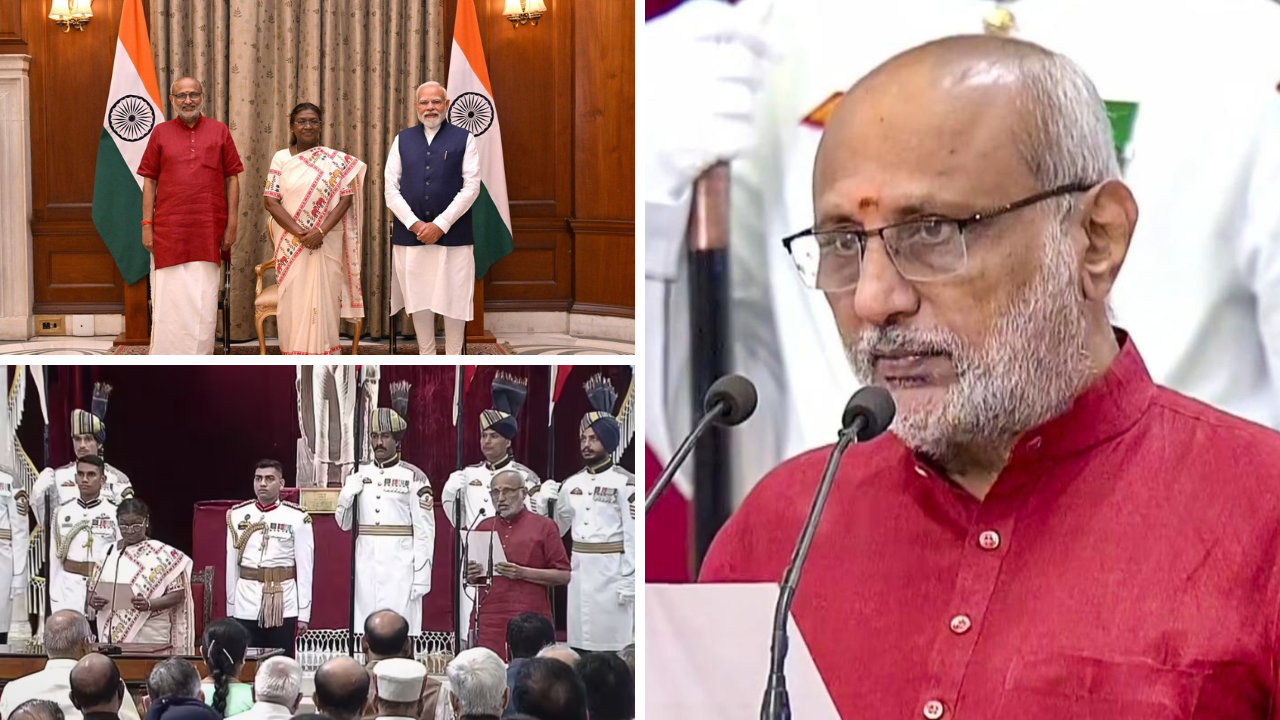
In a historic moment for Indian democracy, CP Radhakrishnan, a senior statesman and experienced parliamentarian, has officially assumed office as the 15th Vice President of India. The swearing-in ceremony was conducted at the Rashtrapati Bhavan on September 12, 2025, where President Droupadi Murmu administered the oath of office in the presence of Prime Minister Narendra Modi, members of the Union Cabinet, Chief Ministers, leaders of opposition parties, and distinguished guests from across the nation.

The occasion marks the beginning of a new era in the functioning of the Rajya Sabha, as the Vice President also serves as the ex-officio Chairman of the Upper House. With Radhakrishnan’s extensive political experience, his term is anticipated to bring a firm yet inclusive approach to parliamentary proceedings.

About CP Radhakrishnan

CP Radhakrishnan’s journey in public life spans several decades. A veteran leader from Tamil Nadu, he has been known for his organizational skills, oratory, and unwavering commitment to public service. Having entered active politics at a young age, Radhakrishnan steadily rose through the ranks, holding significant responsibilities both within his party and in legislative forums.

He represented Coimbatore in the Lok Sabha on multiple occasions, where he was widely respected for his insightful debates and constructive participation in key discussions. Throughout his career, he has been associated with issues concerning economic reforms, empowerment of marginalized communities, and strengthening India’s democratic institutions.

In addition to his legislative contributions, Radhakrishnan also served in organizational capacities that shaped policy direction and grassroots level engagement. His strong connect with people, especially youth and rural communities, has contributed to his statesman-like image. By becoming the 15th Vice President of India, he now steps into one of the highest constitutional positions in the country.

The Swearing-In Ceremony

The swearing-in ceremony at Rashtrapati Bhavan was marked by dignity and grandeur. The President read out the oath in the presence of senior dignitaries. The gathering included former Presidents, former Vice Presidents, Governors, Members of Parliament, judges of the Supreme Court, military chiefs, and eminent personalities from all walks of life.

The Prime Minister, in his message after the ceremony, congratulated CP Radhakrishnan and expressed confidence that under his guidance, the Rajya Sabha would reflect spirited debates, high standards of parliamentary conduct, and a vision for India’s progress. Leaders of opposition parties also extended good wishes, while emphasizing the crucial role of the Vice President in maintaining balance, fairness, and neutrality during parliamentary proceedings.

New Role and Challenges Ahead

As Vice President of India, Radhakrishnan will shoulder the responsibility of presiding over the Rajya Sabha, ensuring that debates remain constructive, members are given fair opportunity to voice their views, and the dignity of the House is upheld at all times. Given the diverse political landscape and frequent policy debates, his leadership will play a key role in fostering dialogue and consensus.

The position also involves representing India at various national and international forums, attending state functions, and assisting in the functioning of the highest offices of governance. With his rich background in legislative and political affairs, CP Radhakrishnan is expected to bring a seasoned perspective to these duties.

One of the major challenges that lie ahead will be maintaining harmony and discipline in the Rajya Sabha. As issues of national importance are debated, the Vice President’s impartiality, sense of judgment, and adherence to parliamentary traditions will be crucial. Observers believe that Radhakrishnan’s patience and negotiation skills will help in bridging political divides, thereby ensuring smoother functioning of the House.

Messages from Across the Nation

The assumption of office by Radhakrishnan has elicited wide appreciation across states and sectors. Politicians cutting across party lines have applauded his elevation to the second-highest constitutional office in the country. Social leaders have emphasized his long-standing dedication to inclusivity and grassroots development, while youth groups have celebrated his known commitment to education and empowerment initiatives.

State leaders from Tamil Nadu expressed particular pride in his rise, noting that his appointment symbolizes recognition of southern India’s contribution to the national political fabric. Industrialists and policy experts have also welcomed him, highlighting that his inclusive worldview will be valuable at a time when India is working towards becoming a global economic powerhouse.

Looking Ahead

With CP Radhakrishnan taking over as the Vice President, India stands at a defining moment. His tenure will coincide with crucial legislative sessions where reforms, social policies, and governance models will be debated. At a time of rapid global changes and domestic aspirations, stability within parliamentary institutions becomes critical.

Radhakrishnan brings a blend of experience, integrity, and leadership qualities to this high office. Citizens across the country will look forward to his stewardship as Chairman of the Rajya Sabha in ensuring democratic values are upheld, proceedings remain robust, and decision-making continues to reflect the aspirations of every Indian.

The Vice President’s role may often be ceremonial in nature, but its impact on the functioning of parliament makes it one of the most respected posts in the constitutional framework. For CP Radhakrishnan, this new responsibility marks both a culmination of his extensive political career and the beginning of a chapter that will significantly shape India’s democratic discourse.

As the nation witnesses this transition, the message is clear: the resilience of Indian democracy lies in its ability to provide opportunities to leaders committed to service, dialogue, and progress. With Radhakrishnan at the helm as the 15th Vice President of India, the road ahead promises to uphold the values of tradition while embracing the demands of the future.

Prime Minister Narendra Modi in Manipur Paving the Path for Peace and Development

0
Prime Minister Narendra Modi in Manipur

Prime Minister Narendra Modi will visit Manipur tomorrow, marking his first official visit to the state since the ethnic tensions and unrest that erupted more than a year ago. The high-profile visit is being closely observed across the country, not only for its political importance but also for its potential to address the humanitarian and developmental concerns faced by the people of Manipur.

Why PM Modi’s Manipur Visit Matters

The Prime Minister’s visit carries huge significance given the prolonged instability in the state. Manipur has been in the spotlight since violent clashes between different communities led to loss of lives, displacement of thousands, and disruption to economic and social life. This will be Narendra Modi’s first opportunity to directly address the people of Manipur, reaffirming the government’s commitment toward peace, rehabilitation, and sustainable development in the state.

For happenrecently.com readers, this development not only signals a key national political story but also sheds light on how the central government plans to restore stability in one of India’s most sensitive regions.

The Background of Manipur Unrest

The unrest in Manipur spiraled from ethnic differences, triggering months of violence that claimed many lives and forced thousands to flee their homes. Relief camps continue to shelter displaced families, while livelihoods, education, and economic activities have taken a hit. Although security forces have worked hard to bring calm to the region, complete peace still feels far away.

Analysts note that Modi’s presence in Manipur at this time underlines the urgency with which the government wants to pursue reconciliation. People expect his visit to provide assurance, accountability, and a roadmap for peace.

PM Modi’s Schedule in Manipur

Official sources confirm that Prime Minister Modi will land in Imphal on Sunday morning. His itinerary is packed with crucial engagements:

  • Meeting with State Leadership: The PM will meet Governor Anusuiya Uikey and Chief Minister N. Biren Singh to review the overall law-and-order situation.
  • Security Review: Discussions with army, paramilitary, and police officials on maintaining stability and preventing fresh violence.
  • Community Engagement: An interaction with ethnic community leaders aimed at fostering dialogue and trust among groups.
  • Relief Camp Visit: The PM will meet displaced families in relief camps to personally listen to their struggles.
  • Public Rally in Imphal: A large gathering where PM Modi is expected to announce fresh measures on rehabilitation, employment opportunities, infrastructure rebuilding, and education for displaced youth.

This visit is being described by officials as a turning point for Manipur’s recovery process, bringing assurance both to the people and to stakeholders invested in the region’s progress.

Key Announcements Expected

While no official announcements have been made ahead of the visit, government sources suggest that relief and rehabilitation packages are likely to be unveiled. Initiatives may focus on:

  • Rehabilitation of displaced families.
  • Scholarships and support for students affected by conflict.
  • Employment programs for youth.
  • Infrastructure rebuilding including roads, schools, healthcare facilities, and housing.
  • Promotion of industries and agriculture to revive the economy.

If rolled out, these measures could provide a strong foundation for long-term growth while also addressing the immediate struggles of people in relief camps.

Security Measures for the Visit

Given the sensitive context, extensive security arrangements have been made. Central and state forces have intensified deployment around Imphal and other key areas. Multiple road checkpoints, drone surveillance, and coordination between local police and paramilitary units are part of the arrangements.

Authorities have appealed to citizens for cooperation, requesting them to allow smooth conduct of the Prime Minister’s programs. Maintaining peace during the visit is being seen as essential for showcasing Manipur’s readiness to move towards stability.

Response From Communities in Manipur

Reactions to the PM’s visit have been mixed. While many citizens are hopeful that his presence will bring concrete solutions, others remain cautious. Civil society organizations have emphasized the importance of accountability and healing. Student groups want initiatives to support education and career prospects, while entrepreneurs are demanding steps to revive local trade and business.

Activists note that for displaced families, living in temporary shelters for over a year, the Prime Minister’s words and promises will only matter if they quickly translate into action.

Political Impact of the Manipur Visit

For the Bhartiya Janata Party (BJP), Manipur is a crucial state in its expanding political footprint across the Northeast. Modi’s visit comes at a time when opposition parties are strongly criticizing the government’s handling of the crisis. Political analysts believe that his direct presence could strengthen BJP’s image in the region, though opposition leaders argue that real healing requires more than symbolic gestures.

Protests and demonstrations by some opposition groups are expected during the visit, but the government has stressed that peaceful expression of concerns will be respected.

Looking Ahead: Manipur’s Path to Peace

For the people of Manipur, this visit is more than a political event—it is a moment of hope. Families in relief camps await reassurances, businesses expect revival, and communities seek unity after months of division. Prime Minister Modi’s words in Imphal will be closely analyzed to determine how the state moves forward.

India’s IT Sector on Edge as US Moves to Tax Outsourced Jobs Heavily

0
Tax Outsourced Jobs

In a move that has sent ripples across the global technology landscape, the United States has proposed a transformative piece of legislation that threatens the foundational dynamics of India’s information technology (IT) sector. The newly introduced Halting International Relocation of Employment (HIRE) Act, championed by US Republican Senator Bernie Moreno, seeks to impose a 25% tax on American companies that outsource jobs and IT services abroad. This proposal is seen as a direct challenge to India’s thriving IT outsourcing industry, potentially upending decades of growth and cooperation between Indian IT firms and their US clients.

India’s IT sector, valued at approximately $283 billion and contributing over 7% to the nation’s GDP, has been a mainstay of the global outsourcing market for more than three decades. Major corporations such as Apple, Cisco, American Express, Citigroup, FedEx, and Home Depot have long relied on Indian IT companies like Tata Consultancy Services (TCS), Infosys, Wipro, HCLTech, and Tech Mahindra for a broad range of services including software development, technology support, and business process outsourcing. More than 60% of India’s IT export revenue is tied to North American clients, underscoring the sector’s significant dependence on the US market.

The HIRE Act’s core objective is to curb the outsourcing trend by penalizing companies that hire foreign workers instead of Americans. It proposes not only a 25% tax on payments made to foreign outsourcing firms but also disallows tax deductions for these outsourced expenses. Revenues generated from this tax would be channeled towards domestic workforce development programs aimed at retaining and strengthening the US labor pool. This initiative reflects rising political and economic pressures in the US to protect local jobs amid inflation and concerns over trade imbalances.

While the bill is still in its early stages and faces hurdles before becoming law, industry analysts and experts warn that its mere proposal has already triggered caution among US firms. Many are reportedly delaying or renegotiating outsourcing contracts, assessing the potential cost implications and waiting for clarity on the legislative outcome. According to Jignesh Thakkar, compliance head at EY India, the cumulative effect of federal, state, and local taxes under the HIRE Act could push the effective taxation on outsourced payments up to 60%, drastically altering the economics of outsourcing deals.

This tax threat comes at a challenging period for India’s IT sector, which is grappling with slow revenue growth in its primary US market due to cautious tech spending and global economic uncertainties. Analysts anticipate that the proposed tax could deepen these pressures by making outsourcing from the US more expensive, thereby encouraging companies to either reduce dependence on Indian services or seek alternate arrangements.

The Indian IT community has expressed deep concern over the potential repercussions. Arun Prabhu, a partner at leading law firm Cyril Amarchand Mangaldas, noted that while the HIRE Act’s intention to boost American employment may be politically appealing, it introduces an artificial cost that reduces the global competitiveness and profitability of organizations relying on international IT services. The tax could have a cascading effect on employment, innovation, and overall business growth within India’s tech ecosystem, which employs millions of workers and drives a significant portion of the country’s export earnings.

Furthermore, the bill’s prohibition on claiming outsourcing expenses as tax-deductible could fundamentally change operational strategies for global companies with centralized technology hubs or Global Capability Centres (GCCs) in India. These GCCs have evolved from mere low-cost offshore offices into strategic innovation and support centers crucial for global operations, finance, research, and development. Increased tax burdens could prompt companies to rethink the structure and scale of their outsourcing engagements.

The proposed legislation reflects a broader geopolitical and economic trend where countries are increasingly focusing on protecting domestic employment and reducing external dependencies. US President’s senior trade adviser Peter Navarro has recently amplified calls for tariffs and taxation on outsourcing, emphasizing the government’s intention to safeguard American jobs from overseas displacement.

In response to the growing uncertainty, Indian IT firms are ramping up advocacy efforts and preparing for what could be a prolonged lobbying and legal battle should the bill advance. Industry leaders are urging US policymakers to reconsider the potential unintended consequences of the HIRE Act, emphasizing the mutually beneficial nature of the long-standing outsourcing partnership between the US and India.

As the debate over the HIRE Act continues, the Indian IT sector must navigate this turbulent phase by diversifying client portfolios, expanding digital and innovation capabilities, and reinforcing their value proposition beyond cost advantages. Indian IT companies are also exploring new markets and sectors to buffer against shocks from regulatory changes in their largest market.

In conclusion, the proposed US outsourcing tax through the HIRE Act poses a significant threat to the dynamics of the global IT outsourcing industry. While aimed at promoting domestic job growth in the US, the bill’s far-reaching implications include potential disruptions to India’s IT sector, threatening millions of jobs and impacting the country’s economic growth. Navigating this challenge requires collaborative dialogue and strategic adaptation by all stakeholders involved.

Indian Government Launches ₹100 Crore Fund to Boost Green Hydrogen Startups

0
Green Hydrogen Startups

The Indian government has officially launched a ₹100 crore scheme to drive startup-led innovation in green hydrogen, targeting a new era in clean energy and industrial transformation across the country. This landmark initiative, unveiled by Union Minister Pralhad Joshi at the Green Hydrogen R&D Conference in September 2025, provides substantial direct support to early-stage enterprises, with up to ₹5 crore available per project for pilot innovations in hydrogen production, storage, transport, and utilization.

Focus and Funding Structure

The core objective of the scheme is to catalyse the pace of research and technology deployment in the green hydrogen sector; a cornerstone of India’s National Green Hydrogen Mission (NGHM) launched in 2023. Under this initiative, start-ups can access robust funding for transformative projects, aiming to make India a global hub for clean hydrogen technology. The financial structure supports pilot projects that demonstrate high-impact potential, with a grant of up to ₹5 crore allocated to each selected innovation.

Key Announcements

Announcing the scheme, Minister Joshi emphasized the government’s commitment to “turning world-class ideas into practical solutions that will power industries, clean cities, generate lakhs of new jobs, and advance India’s climate goals”. The inaugural conference saw 25 Indian startups showcasing innovations — including cutting-edge electrolyser manufacturing, AI-powered hydrogen management systems, and novel bio-hydrogen solutions.

Integration with National Green Hydrogen Mission

The scheme aligns strategically with the National Green Hydrogen Mission, which boasts a total outlay of ₹19,744 crore and seeks to create a robust policy, regulatory, and infrastructure framework for the hydrogen ecosystem. NGHM’s broader aims include:

  • Production of five million metric tonnes of green hydrogen annually by 2030.
  • Commissioning of 125 GW renewable energy.
  • Investment mobilization of ₹8 lakh crore.
  • Creation of 600,000 new jobs.
  • Achieving 50 million tonnes per year in carbon emission reduction.

R&D and Industry Ecosystem

In addition to financial support, the government has ramped up dedicated R&D activities under the NGHM, with 23 research projects already funded in areas like safety, integration, hydrogen production from various sources, and applications across sectors. Collaborations with leading IITs, IISERs, CSIR labs, and private partners have been established to accelerate the translation of lab research into market-ready products. Internationally, India has engaged in joint development projects under the EU-India Trade and Technology Council, especially focused on hydrogen extraction from wastewater.

Regulatory Ease and Training

Recognizing the importance of enabling factors, the scheme provides regulatory waivers, transmission charge exemptions, and streamlined clearance processes for hydrogen projects. Other significant enablers include:

  • Standardization and certification aligned with over 140+ global benchmarks.
  • New hydrogen testing facilities at major ports and labs.
  • Certification of 5,600 professionals with hydrogen-specific qualifications.

Sectoral Applications and Demonstration Projects

India’s green hydrogen journey is already yielding visible results. Key demonstration projects include the country’s first port-based hydrogen pilot initiative at V.O. Chidambaranar Port (Tamil Nadu), ambitious hydrogen bus launches, and rapidly constructed refuelling stations. The steel and shipping industries have also initiated pilot programs for hydrogen-based decarbonization, marking the movement from strategy to large-scale action.

Private Participation and Value Chain Building

Large enterprises including NTPC, Reliance, and IOCL, along with MSMEs and new-age startups, are actively investing in hydrogen technology — supporting a thriving innovation ecosystem. With dedicated hydrogen hubs being set up at Kandla, Paradip, and Tuticorin ports, India is well-positioned to enhance its competitiveness as an exporter of green hydrogen and associated technologies.

Vision for the Future

This ₹100 crore scheme is expected to strengthen India’s reputation as a leader in clean technology and sustainable industry, propelling the nation towards its net-zero emissions targets ahead of schedule. With deep policy backing and a vibrant innovation culture, Indian startups are set to play a key role in the global hydrogen value chain.

Conclusion

The government’s bold commitment to hydrogen innovation opens a new chapter for India’s startup ecosystem. As the nation transitions from vision to practice, this scheme will foster pioneering technologies, green industry, and long-term economic opportunity. The world will be watching as Indian startups engineer the next breakthroughs in clean hydrogen and sustainable development.

Startup World Cup India 2025 A Global Startup Competition Debuts at IMC 2025

0
IMC 2025

The India Mobile Congress (IMC), one of Asia’s largest digital technology and telecommunications events, is set to make history this October by hosting the first-ever India edition of the Startup World Cup. Organized in collaboration with Pegasus Tech Ventures, this groundbreaking initiative is expected to bring the best of India’s startup ecosystem to a global stage, offering entrepreneurs a platform to showcase innovations, secure investments, and compete with world-class startups.

A Global Phenomenon Comes to India

The Startup World Cup, hosted annually by Pegasus Tech Ventures, is widely respected as one of the largest entrepreneurship competitions in the world. Each year, regional competitions are held across more than 50 countries, culminating in a global finale in the United States, where one winning startup earns a multi-million-dollar investment prize.

India’s debut as a host nation represents a significant milestone both for IMC and the country’s ever-growing startup ecosystem. With India now recognized as the third-largest startup hub globally—boasting more than 110 unicorns and thousands of high-growth firms—this is seen as a timely and transformative opportunity.

By hosting this competition, India will not only strengthen its global reputation as an innovation powerhouse but also provide its homegrown talent with direct access to international mentors, investors, and corporate leaders.

What to Expect at the Event

The Startup World Cup India edition will take place in October alongside the India Mobile Congress 2025, a three-day event themed around the future of AI, 5G, deep tech, and digital transformation. Key highlights of the competition will include:

  • Startup Pitches: Selected early-stage and growth-stage companies from across India will present their pitches live to a distinguished panel of judges comprising venture capitalists, corporate executives, and industry experts.
  • Mentorship Sessions: Participants will benefit from exclusive one-on-one mentoring and workshops aimed at enhancing fundraising strategies, business scaling, and global expansion.
  • Investor Networking: The event will bring together representatives from venture capital firms, angel networks, and multinational corporations actively seeking innovative ideas to invest in.
  • International Visibility: The winning startup from India will earn the chance to represent the country at the global finale of the Startup World Cup in Silicon Valley, competing for a grand prize of up to USD 1 million in funding.

Strengthening India’s Startup Ecosystem

The introduction of the Startup World Cup in India reflects the governments and private sector’s collective push to empower entrepreneurs. Backed by initiatives like Startup India and Digital India, the country has made rapid progress in building a climate that supports innovation-driven enterprises.

According to recent industry reports, India attracted over USD 20 billion in startup funding in 2024, with sectors such as fintech, AI, health tech, and clean energy witnessing record growth. By involving these players in a globally recognized competition, IMC aims to channel more international capital and partnerships into India’s entrepreneurial ecosystem.

Telecom, technology, and digital companies, including both domestic giants and multinational firms, are set to participate. Their involvement will ensure that startups have access not just to funds but also to cutting-edge technology and potential strategic alliances.

Key Leaders Speak

Announcing the launch, IMC organizers highlighted how the competition aligns with India’s broader goals of becoming a global hub for digital innovation. “Bringing the Startup World Cup to India is about opening new doors for our entrepreneurs,” said an IMC spokesperson. “This will be a bridge between Indian startups and global investors at a time when deep technology, AI, and next-gen connectivity are redefining industries.”

Representatives from Pegasus Tech Ventures also expressed excitement about expanding the competition into South Asia. “India is home to extraordinary startup talent and innovation,” said a Pegasus partner. “Through this platform, we aim to accelerate their journey and connect them with worldwide opportunities.”

Opportunities Beyond the Pitch

While the competition spotlights startups, its impact will extend much further. The India Mobile Congress is known to attract tens of thousands of participants each year, including policymakers, CEOs, innovators, and academics. The Startup World Cup will benefit from this diverse audience, exposing entrepreneurs to decision-makers and thought leaders who can influence the future of their businesses.

Moreover, the competition will be streamed across various digital platforms, allowing not only participants but also audiences across India’s startup community to engage, learn, and get inspired.

Why This Matters

For India, hosting the Startup World Cup is more than just a one-off event; it signals the country’s growing influence in the global innovation space. With its vast talent pool, supportive policy environment, and appetite for disruptive solutions, India is poised to play a pivotal role in shaping the businesses of the future.

For entrepreneurs, the competition offers unparalleled exposure, mentorship, and funding prospects. For investors, it represents a chance to discover promising ventures early and foster long-term collaborations. And for the broader tech ecosystem, it showcases India’s readiness to be at the forefront of the digital economy.

Event Details

  • Event: Startup World Cup – India Edition
  • Hosted by: India Mobile Congress in partnership with Pegasus Tech Ventures
  • Date: October 2025
  • Venue: Pragati Maidan, New Delhi
  • Theme: AI, 5G, Deep Tech, and Digital Transformation

Interested startups can submit applications through the official IMC portal. Shortlisted candidates will be announced later this month.

ITR Filing Deadline 2025 Official Due Date, Extensions & Penalty Details Explained

0
ITR

The deadline for filing Income Tax Returns (ITR) in India for FY 2024-25 (AY 2025-26) is 15th September 2025, following an extension from the original 31st July date. Most experts and government communications currently indicate no further extension is likely, and taxpayers are urged to file promptly to avoid penalties and interest.

ITR Filing Due Date: Latest Update

For FY 2024-25, the Central Board of Direct Taxes (CBDT) extended the ITR filing due date for non-audit cases from July 31 to September 15, 2025. This deadline includes individuals, HUFs, salaried taxpayers, and those using ITR Forms 1 to 4. It primarily covers people earning from salary, pension, rental income, capital gains, or other sources, and small businesses under the presumptive taxation schemes (Sections 44AD, 44ADA, 44AE).

Reasons for Extension and Demand for Further Relief

The extension to September 15 was granted due to late release of ITR forms, technical glitches in the e-filing portal, and widespread disruptions caused by adverse weather in parts of India. However, many taxpayers and professionals continue to face difficulties, including persistent portal issues and compressed filing timelines. Various associations, including the Institute of Chartered Accountants of India (ICAI), have appealed for an additional extension, citing ongoing problems with the IT portal, refund delays, and the late rollout of utilities required for filing.

Despite these appeals, government sources consistently state that a further extension is unlikely, as the CBDT already provided a 45-day grace period beyond the original deadline. As of mid-September, approximately 5.4 crore ITRs had been filed, a figure notably lower than the previous year’s count, partly due to these ongoing challenges.

What If The Deadline Is Missed?

If a taxpayer fails to file their ITR by September 15, 2025, the law imposes a late filing fee of up to ₹5,000 for incomes over ₹5 lakh, or ₹1,000 for lower incomes, under Section 234F of the Income Tax Act. From September 16 onwards:

  • Returns may still be filed as a belated return until December 31, 2025, but late fees and interest on unpaid taxes will apply.
  • If missed again, an updated return (ITR-U) may be filed within four years, i.e., up to March 31, 2030, though additional conditions and higher fees may be attached.
  • Taxpayers will not be able to carry forward certain losses (e.g., capital market losses) if the original deadline is missed.

Penalties and Fines

  • Section 234F: Late filing fee of ₹5,000 (over ₹5 lakh income) or ₹1,000 (other cases).
  • Section 234A: Interest at 1% per month (or part thereof) on any unpaid tax after the due date.
  • Late returns may also delay refunds, and certain deductions and loss claims may be forfeited.

Key Guidelines for Taxpayers

  • Prepare and keep handy required documents: PAN, Aadhaar, Form 16, Form 26AS, AIS, investment proofs, home loan certificates, and details of foreign assets or income (if applicable).
  • Choose the right ITR form as per income source.
  • File by the current deadline to avoid penalties and loss of tax benefits.

Possibility of More Extensions

As of the latest updates, the tax authorities have not announced any further extensions beyond September 15, 2025. While multiple professional bodies have requested such an extension, the likelihood remains low and any change will be officially notified.

Conclusion

The ITR deadline for FY 2024-25 is 15th September 2025 after a one-time extension. With further extensions appearing unlikely, taxpayers are strongly advised to file their returns immediately to avoid penalties and ensure compliance.

For the latest and fastest updates on tax compliance, visit happenrecently.com for breaking developments and actionable guidance on all finance and taxation matters.

My Honest SkinBrandBuilder Experience

0
SkinBrandBuilder

It all started with an Instagram ad. Here’s my honest review of the Skin Brand Builder Done-For-You service.

I’ll be real with you — I’d been dreaming about starting my own skincare line for years. But every time I sat down to actually do something about it, I’d get overwhelmed by all the moving pieces. The website design, finding suppliers, figuring out inventory… it felt impossible.

You know that feeling when you’re scrolling Instagram at 11 PM and see all these successful skincare brands? That was me every single night, thinking “God, I wish that could be me” before closing the app and going to bed.

The Instagram Ad That Changed Everything: Finding Skin Brand Builder

Then one random Tuesday evening, a SkinBrandBuilder ad showed up in my feed. “Done-For-You Brand Launch” — honestly, my first thought was “yeah right, another scam.” But something about their approach felt different. Instead of flashy promises, they were talking about real strategy and proof.

I sat there for probably 20 minutes debating whether to send them a DM. Finally, I just thought “screw it” and hit send.

My First Call with Daksh from Skin Brand Builder

Within a few hours, I was on a call with Daksh, their founder. I was expecting the typical pushy sales call, but it was nothing like that. He actually listened to what I wanted to build and didn’t make me feel stupid for being intimidated by the technical stuff.

He walked me through exactly how the Skin Brand Builder process would handle everything I was stressed about the website, the branding, and even connecting me with suppliers through their network so I wouldn’t have to buy a ton of inventory upfront. For the first time in years, starting my brand felt… possible.

The Done-For-You Process: What SkinBrandBuilder Delivered

The next few weeks were honestly magical. I’d wake up to updates from their team — “Here’s your logo design,” “Your website is coming along,” “We found the perfect supplier for your vision.”

It felt surreal watching my brand come together without me having to figure out Shopify or spend hours researching manufacturers. These people actually knew what they were doing, and suddenly I had a professional-looking business that I was genuinely proud of. The team at SkinBrandBuilder delivered exactly what they promised.

The Results: The Numbers Don’t Lie

We went live exactly one month after I started working with them. I remember sitting at my laptop, finger hovering over the “publish” button, terrified and excited at the same time.

Then the sales started rolling in.

I’m not kidding when I say I made over $5,500 in my very first month and averaging around $3,000 sales daily. Every time my phone buzzed with a new order notification, I literally jumped up and down. My partner probably thinks I’ve lost my mind, but I don’t care cause the skin brand builder system is actually working.

What Makes Skin Brand Builder Different?

Looking back, I think I know why it worked so well. First, everything they created looked actually professional. When customers landed on my store, they didn’t question if I was a “real” business. The supplier connection was also huge; I was so scared of getting scammed, but they connected me with people they’d already worked with.

And honestly? They actually stuck around after launch. When I had questions, the team was still there to help. That meant everything to a complete beginner like me.

My Final Recommendation: Is Skin Brand Builder Worth It?

Look, I’m sharing this review because six months ago, I was exactly where you might be right now wanting something so badly but feeling completely stuck.

If you’re tired of dreaming and ready to actually do this thing, I can’t recommend Skin Brand Builder enough. They turned my “someday” into “today,” and honestly, that’s priceless. Their system works, their team delivers, and if you’re serious about starting your skincare brand, this is the way to go.

Eco-Friendly Packaging and Vegan Materials Put NoStrain at the Forefront of Sustainable Fashion.

0
NoStrain

The footwear industry of India is shifting towards changing consumer values as sustainability and style have been gaining importance among people. NoStrain has emerged as a brand that facilitates the same change, providing feet with eco-friendly, stylish footwear. The firm has prioritized sustainability in its choice of materials and processes in all its products, targeting both men and women who prize comfort and conscience equally.

The makers of NoStrain stick to the idea of sustainability in their choice of materials. Cork sandals, sliders and slippers are made out of natural sources including vegan leather, sugarcane, and EVA. These materials can diminish the environmental imprint, as well as offer long-lasting comfort and lightweight wearability in everyday use. NoStrain is improving the way every footwear is manufactured by designing shoes with natural materials, a quality which the consumer will appreciate without compromising on style and convenience.

Besides the use of sustainable materials, the brand has also taken care of reducing environmental impact by means of its packaging. The company uses recycled paper boxes and cloth bags that have to be used again since the company is committed to being waste free. Customers have embraced these measures, realizing that NoStrain can be more than just footwear but a way of ultimate sustainability in day-to-day choices.

Other critical elements that the company has managed to have in tandem with its green mission include user-based services. Men and women sliders are comfortable, lightweight, and made of natural materials, and adjustable straps allow them to have a suitable fit. Cork footbeds guarantee a therapy that takes a load off of feet and joints. Sustainable fashion does not need to be compromised when it comes to comfort and functionality, as demonstrated by these design choices.

The fact that NoStrain pays attention to the durability of its products is another factor that indicates its sustainability strategy. Footwear will be durable and convenient to wash so that customers can afford to spend less but get more to wear. Eco-friendly material used in addition to durability enables the brand to have less consuming and waste impact on the fashion industry.

According to industry experts, the trend seen with NoStrain of conscious consumerism is on the rise. Shoppers are looking forward to brands that are environmentally responsible and still have high quality. By introducing a variety of appealing sustainable footwear that follows sustainable practices, NoStrain is becoming a forerunner that has a place in the new segment of the footwear industry.

The brand is also transparent regarding its frequently asked questions, where consumers can get answers to their questions concerning material choice, its durability, and how to maintain their products. This transparency instills confidence and fortifies the belief in NoStrain’s responsible practices. Customers are able to make informed purchasing choices and buy into a brand that reflects their values.

With sustainability increasingly becoming a key driver in consumer buying decisions, NoStrain is constantly on the lookout to use natural materials, clever design, and sustainable packaging. Bringing together all these principles in its collections, the company proves that footwear can be both stylish and environmentally friendly and serves as an example to the Indian footwear market.