
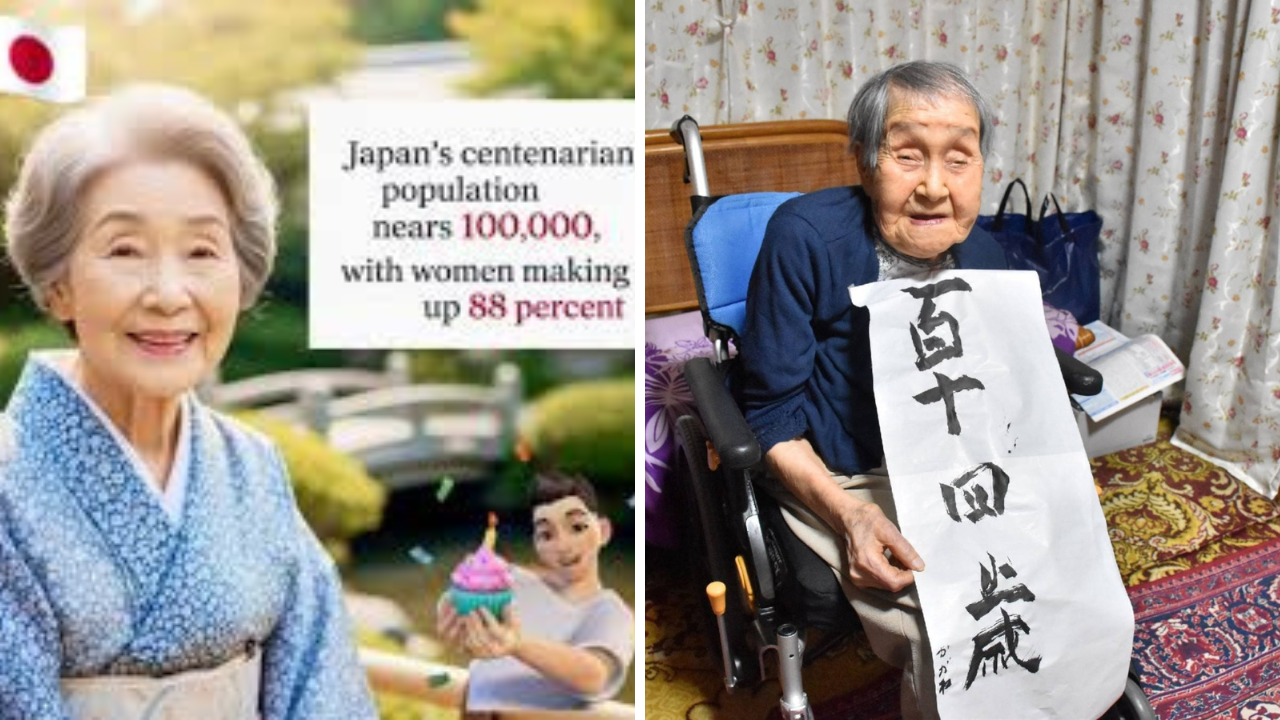
Japan is on the cusp of reaching a historic demographic milestone, with its centenarian population projected to approach 100,000 in 2025. This year, the country celebrates its long-living citizens during the annual Respect for the Aged Day, and the government’s latest statistics highlight not only the rising number of centenarians but also the striking gender imbalance among them: nearly 88 percent are women.
A Graying Nation with Remarkable Longevity
Japan has long been known as one of the world’s leaders in life expectancy, thanks to its healthcare system, dietary habits, and social structures that promote active aging. According to figures released by the Ministry of Health, Labour and Welfare, there were approximately 97,000 centenarians across the country as of September 2025, putting the nation closer than ever to crossing the 100,000 threshold.
This trend reflects decades of continuous growth. Back in 1963, when the government first began tracking centenarians, the number stood at just 153. By the year 2000, the figure had surpassed 10,000. Now, barely two decades later, Japan’s centenarian population has multiplied nearly tenfold, making longevity one of the country’s most defining social characteristics.
Women Leading the Way
One of the most remarkable aspects of Japan’s longevity figures is the overwhelmingly female majority among centenarians. Roughly 88 percent of individuals aged 100 and over are women, a trend attributed to differences in health behaviors, biology, and lifestyle. Women in Japan typically maintain stronger social connections, consume lower amounts of alcohol and tobacco, and are more proactive in maintaining balanced diets and routine healthcare checkups compared to men.
Medical experts also point to genetic resilience and hormonal advantages that may contribute to women’s greater lifespan. As of 2025, Japanese women have a life expectancy of about 87 years—the highest globally—compared to 81 years for men. This gap suggests that the centenarian population will likely continue to be dominated by women in the foreseeable future.
Regional and Social Influences
Longevity in Japan is not uniform across all regions. Prefectures like Okinawa, Shimane, and Kochi are famous for having particularly high concentrations of centenarians. Okinawa, in particular, has been studied for decades as part of the so-called “Blue Zones”—areas of the world with some of the longest-living populations. Researchers attribute the Okinawan advantage to a plant-rich diet, active lifestyles well into old age, and strong community bonding practices.
Equally important are Japan’s societal systems that honor elderly citizens. Programs to ensure older adults remain socially active, as well as widespread respect for traditions like Respect for the Aged Day, help foster environments where seniors feel valued and integrated. In many rural areas, multigenerational households remain common, providing emotional support to the oldest family members.
Challenges of an Aging Society
While the rise in centenarians is a point of national pride, it also raises pressing social and economic issues. Japan’s low birth rate combined with increasing life expectancy creates a demographic imbalance that places strain on healthcare and pension systems. Government statistics show that nearly 30 percent of citizens are aged 65 or older, making Japan the most rapidly aging society in the developed world.
Caring for so many elderly citizens requires vast resources, from long-term care facilities to home-based healthcare programs. Policymakers are under constant pressure to balance providing adequate support for the aging population while ensuring younger generations are not overburdened with economic responsibilities. Japan has already adapted by promoting workplace reforms, adopting caregiving technologies such as robots and AI-based support systems, and encouraging healthy aging initiatives that allow seniors to remain independent for longer.
Lessons for the Rest of the World
Japan’s centenarian surge provides key lessons for other nations facing rising life expectancies. The country’s emphasis on preventive healthcare, balanced diets rich in fish, vegetables, and fermented foods, as well as its cultural attitude of respect for elders, all contribute to longevity. These factors may serve as a blueprint for healthier aging worldwide.
International researchers continue to study Japanese centenarians to better understand how public health policies, lifestyle habits, and genetics interplay in determining human lifespan. In recent global reports, Japan remains a benchmark for healthy living despite the challenges an aging society brings.
Celebrating Centenarians
Each year, Japan honors its centenarians with commemorative gifts as part of the Respect for the Aged Day celebrations. In recent years, the government shifted from giving large silver sake cups to more affordable but still symbolic alternatives due to the sheer growth in the number of recipients. Local communities often hold ceremonies to honor their oldest members, celebrating not only their age but also their contributions to society.
This year, among those recognized is Fusa Tatsumi from Osaka, who at 116 years old is currently the nation’s oldest living woman. Such milestones provide encouragement and admiration across the country, reinforcing the cultural value placed on long life.
Looking Ahead
Japan is expected to cross the 100,000 mark in centenarians within the next year or two if current trends persist. As life expectancy rises globally, Japan’s demographic realities offer a window into what many countries may soon experience. The nation continues to balance celebrating longevity with addressing the broader questions of sustainability and quality of life for its aging population.
For Japan, aging is not just a challenge but also a testament to progress in healthcare, social systems, and culture. With nearly nine out of ten centenarians being women, the country continues to highlight the power of resilience, lifestyle, and strong community ties in shaping the future of humanity’s lifespan.