Home Blog Page 49

Dreamfolks Stops Domestic Lounge Access in India, Focuses on Global Services

0
Dreamfolks

Dreamfolks Services Ltd, a leading travel and lifestyle aggregator known for providing airport lounge access services across India, announced on September 16, 2025, that it has ceased all domestic airport lounge services in India with immediate effect. This landmark decision marks a major change in the domestic lounge access business landscape in India, driven by evolving industry dynamics and a shift in airport operators’ business models.

The company clarified in an official statement to the stock exchanges that while its domestic airport lounge services have been discontinued, its other domestic lifestyle offerings and international airport lounge operations will continue without disruption. Dreamfolks assured stakeholders that existing contracts with partner banks, card issuers, and other clients remain in force and that it is actively engaging with them to explore alternative value propositions.

Background and Context

Dreamfolks, founded in 2013, carved a niche by aggregating lounge providers and linking them with credit and debit card networks to enable seamless lounge access for travelers. At its peak, the company managed access to over 76 airport lounges across India and partnered with more than 20 major banks including HDFC Bank, ICICI Bank, Axis Bank, and SBI Card. Over the years, Dreamfolks enjoyed a dominant market share of almost 90% in the domestic airport lounge segment for card-based programs.

However, starting in 2024 and intensifying in 2025, the landscape began to shift dramatically. Several key lounge service providers, particularly entities operated by airport groups such as Adani Digital and Semolina Kitchens, as well as Encalm Hospitality which serves GMR airports, started terminating their agreements with Dreamfolks. This began with notices served to Dreamfolks for discontinuation of contracts effective by mid-September 2025, with some extensions up to November 2025.

Reasons Behind the Exit

The primary reason cited by the airport lounge operators for terminating relationships with Dreamfolks was the emergence of direct-to-consumer business models. Major airport operators like Adani Airports launched their own platforms to deal directly with banks and card issuers, effectively making intermediaries redundant. According to industry insiders, Adani Airports CEO Arun Bansal highlighted fintech platforms’ evolution as a key factor reducing reliance on aggregators like Dreamfolks.

Furthermore, there has been increasing pressure from airport operators who are expanding their own lounge access services and prefer to negotiate directly with banks, bypassing third-party aggregators. This move allows airport groups to retain greater control over lounge operations, customer experience, and revenue streams.

Dreamfolks has expressed concern over these developments, noting that the pressure from airport operators entering the lounge business has severely affected its commercial relationships. The company also disclosed filing a petition under the Arbitration and Conciliation Act to seek remedies related to contract terminations by Encalm Hospitality.

Financial and Market Impact

The termination of these contracts has had an immediate and significant material impact on Dreamfolks’ business operations and financials. Following this announcement, Dreamfolks’ shares plunged sharply, hitting a lower circuit limit of 5% and trading at around Rs 131 on the NSE and BSE, reflecting waning investor confidence. The company’s stock has declined by approximately 70% so far in 2025, marking a challenging phase.

Despite these setbacks, Dreamfolks is pivoting focus towards expanding its global airport lounge business and other domestic services outside the lounge access domain. The company is actively holding discussions with remaining clients to devise alternative offerings and maintain service continuity.

Customer Advisory and Future Outlook

Passengers who have enjoyed Dreamfolks-facilitated domestic lounge access through their bank credit cards or other membership programs are advised to check with their respective banks and card issuers for updates on lounge access eligibility and terms. Major banks such as HDFC Bank, SBI Card, and others are reported still to be linked to Dreamfolks for certain services, though disruption during the transition period is anticipated.

Industry experts suggest that the lounge access market in India is entering a phase of consolidation and transformation with private airport operators and travel service providers experimenting with new models. Customers can expect a mix of direct lounge access schemes, aggregator alternatives, and bundled lifestyle services emerging in the near term.

Dreamfolks remains committed to navigating this evolving landscape by enhancing its global footprint and innovating its service offerings. The company has promised transparent communication with stakeholders as negotiations progress and new terms take shape.

About Dreamfolks Services Ltd

Dreamfolks Services Ltd is a leading travel and lifestyle aggregator enabling airport lounge access and related services. Established in 2013, the company connects lounge operators in India and abroad to banks, card networks, and travelers, delivering seamless lounge experiences across multiple airports.

Vishwakarma Puja 2025 From Golden Lanka to Pushpak Vimaan, The Marvels of Lord Vishwakarma

0
Vishwakarma Puja

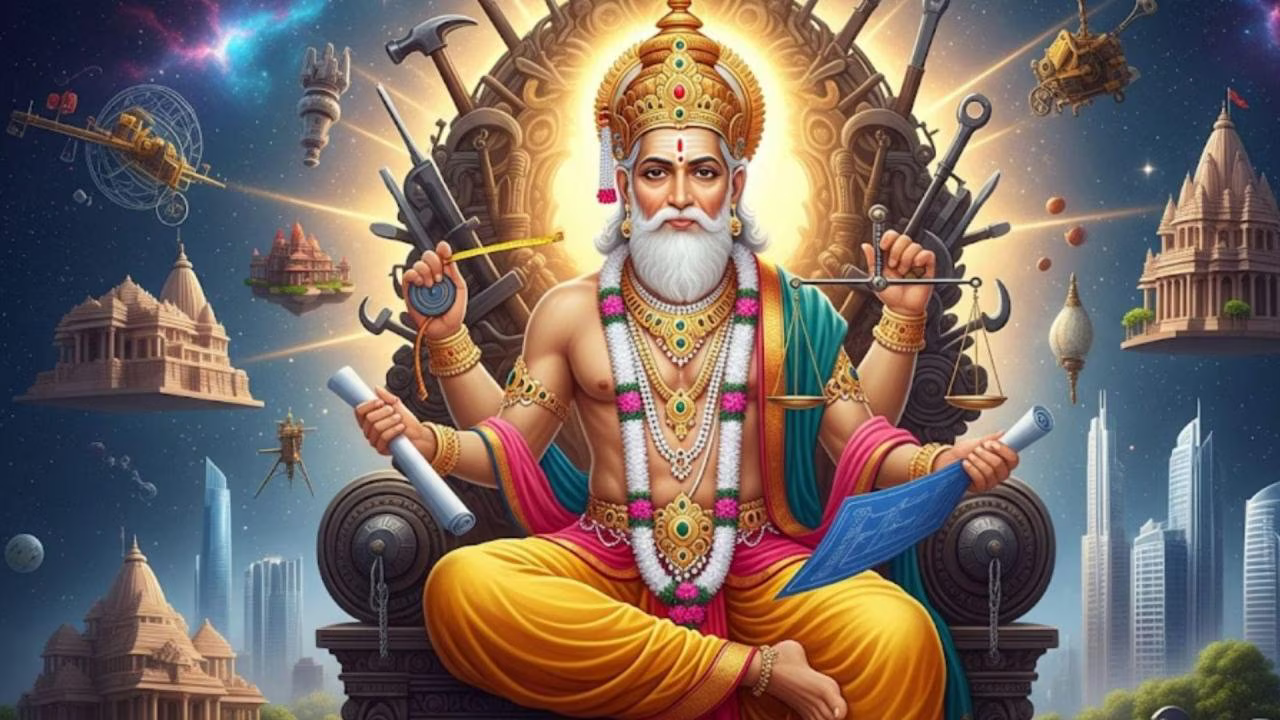
 India is celebrating Vishwakarma Jayanti with great devotion, reverence, and enthusiasm today. This annual occasion, also known as Vishwakarma Puja, is dedicated to Lord Vishwakarma – the divine architect, engineer, craftsman, and creator of extraordinary marvels in Hindu mythology. Worshipped as the deity of technical skills, craftsmanship, and invention, Lord Vishwakarma symbolizes innovation and creation in society.

Every year, this festival brings together artisans, architects, craftsmen, industrial workers, engineers, and technical professionals who see Lord Vishwakarma as their divine guide. This year’s occasion holds special significance as India continues to cement its place as one of the fastest-growing hubs of technology and industrial development globally.

The Legendary Creations of Lord Vishwakarma

According to Hindu scriptures, Lord Vishwakarma is described as the “Devashilpi” or the divine engineer of the universe. The fascinating marvels attributed to him go beyond imagination and are integral to Indian mythology and culture.

  • Golden Lanka: Hindu texts describe that the magnificent city of Lanka, crafted entirely of gold, was built by Lord Vishwakarma. This splendid city, known for its grand palaces, intricate architecture, and unbreakable fortifications, later came into the possession of King Ravana.
  • Pushpak Vimaan: One of the most remarkable creations, Pushpak Vimaan is said to be the first aerial chariot in mythology. It had the mystical ability to grow or shrink according to the number of passengers and symbolized innovation far ahead of its time.
  • Tripura – The Flying Cities of Asuras: Vishwakarma also designed three mighty floating cities for the demons, known as Tripura. These cities existed in the sky, on earth, and in the waters, making them almost indestructible until destroyed by Lord Shiva.
  • Dwaraka: The legendary city of Dwaraka, where Lord Krishna ruled, was crafted by Vishwakarma. Located on the western coast of India, Dwaraka represented advanced urban planning, robust security, and unmatched beauty.

These tales highlight that the artistic vision and engineering brilliance attributed to Lord Vishwakarma were unparalleled and continue to inspire generations even in modern times.

Celebration of Skill, Labor, and Innovation

Vishwakarma Puja carries social, cultural, and professional significance beyond the confines of religious rituals. On this day, workers, craftsmen, and professionals in industries, workshops, offices, and factories worship their tools, machinery, and instruments. It is a symbolic gesture of respect toward labor, innovation, and productivity.

From factories and industrial plants to construction sites and IT hubs, the spirit of Vishwakarma Puja brings together people from diverse backgrounds to honor the values of creativity, hard work, and technical excellence. Farmers and mechanics, engineers and artisans, all consider this occasion as their very own festival that acknowledges the dignity of labor and the spirit of innovation.

Government Initiatives Linked to Vishwakarma

The Government of India has also acknowledged the relevance of Vishwakarma Puja in today’s context. The Pradhan Mantri Vishwakarma Yojana, a flagship scheme launched for traditional artisans and craftsmen, stands as a tribute to the legacy of Lord Vishwakarma. This scheme empowers workers with financial assistance, training, and modern tools, enabling them to upgrade their skills while preserving traditional crafts.

Launched with the vision to enhance the capacity of India’s workforce and create sustainable livelihoods, this initiative underlines how the ancient spirit of Lord Vishwakarma’s craftsmanship continues to guide India’s march toward Atmanirbhar Bharat (self-reliant India).

Diverse Traditions Across India

The festival is celebrated in various forms across states, each region adding its own cultural touch to the celebration.

  • In West Bengal, Odisha, Assam, and Bihar, kite flying is an essential part of the festivities.
  • In North India, especially Uttar Pradesh and Delhi, the day is marked by rituals in industrial units and workplaces.
  • In South India, including Tamil Nadu and Karnataka, the festival is deeply associated with worship of technical tools and machinery used by workers and engineers.

Despite these regional variations, the essence of the festival remains the same: honoring skill, creativity, and hard work.

Relevance in Modern Times

In the modern era, as India makes major strides in fields like space exploration, digital innovation, and advanced engineering, Vishwakarma Puja takes on a symbolic meaning. The creations of Lord Vishwakarma — Golden Lanka, Pushpak Vimaan, Dwaraka, and Tripura — represent a deep-rooted tradition of merging imagination with technology, much like how India’s scientists and innovators are turning bold visions into reality today.

For young engineers, architects, and technologists, the festival is a source of visionary inspiration, reminding them that creativity and problem-solving have always been central to India’s culture. From designing complex machines to building future-ready smart cities, the spirit of Vishwakarma continues to guide innovation.

Beyond Devotion: A Cultural Identity

Lord Vishwakarma is not only revered as a deity but also as an embodiment of skill and ingenuity. His legacy reminds us that innovation must be a continuous process, one that connects tradition with progress. Vishwakarma Puja 2025 is, therefore, both a spiritual and intellectual celebration, paying tribute to the creators and innovators without whom society would not progress.

75 Years of PM Modi Leadership, Innovation, and National Inspiration

0
PM Modi

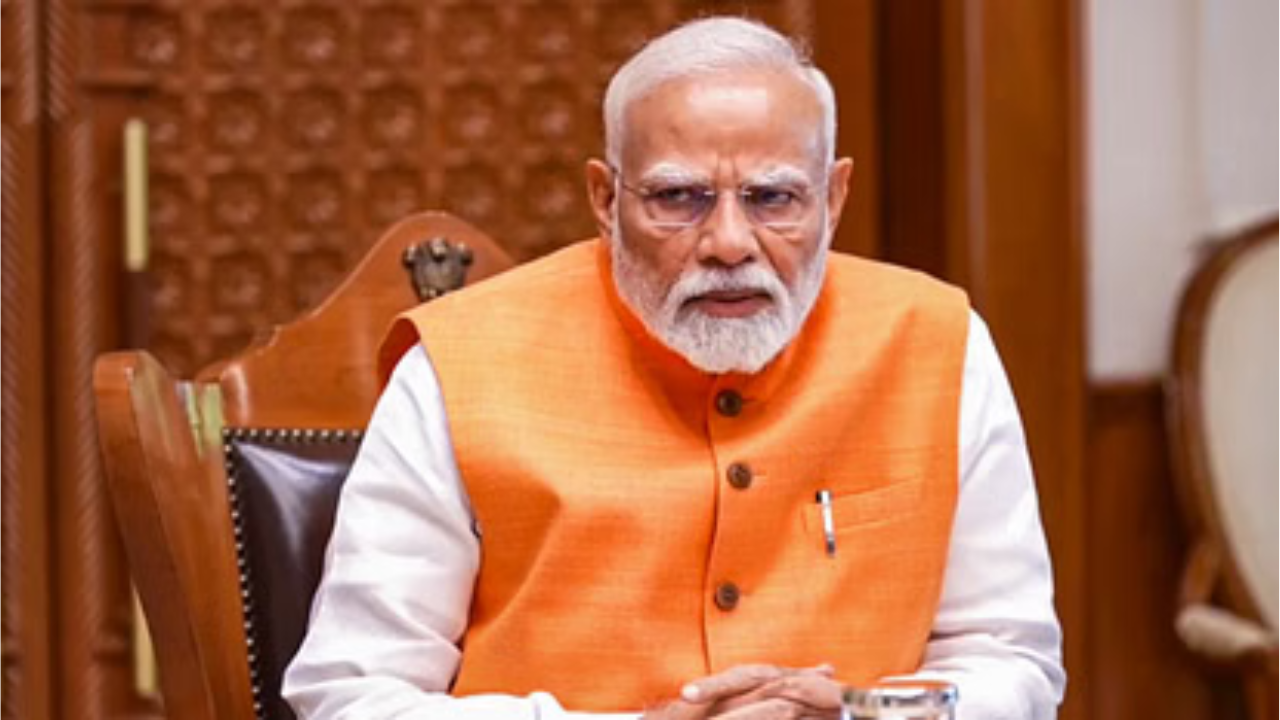
September 17, 2025, marks a significant milestone in India’s modern history, as the nation celebrates the 75th birthday of Prime Minister Narendra Modi, one of the country’s most influential and transformative leaders. Born in the small town of Vadnagar, Gujarat, on this day in 1950, Narendra Modi’s journey from humble beginnings to the office of Prime Minister stands as a testament to resilience, commitment to public service, and an unwavering vision for India’s progress.

Humble Beginnings and Rise to National Prominence

Prime Minister Modi’s story is deeply rooted in the ethos of India’s aspiring youth and working class. Raised in a family belonging to the Other Backward Class community, Modi’s formative years were marked by hard work at his father’s tea stall at Vadnagar railway station and an early exposure to community service through the Rashtriya Swayamsevak Sangh (RSS). His keen interest in debate and theatre during school laid the foundation for his powerful public speaking and outreach abilities. As a full-time RSS pracharak, Modi’s journey into public life began in earnest, eventually leading him to play pivotal roles within the Bharatiya Janata Party (BJP).

His vision and administrative acumen were soon recognized, and Modi was entrusted with key responsibilities within the BJP during the party’s formative years. In 2001, he was appointed Chief Minister of Gujarat, a post he held for over a decade. Under his leadership, Gujarat witnessed significant economic growth and infrastructure expansion, setting benchmarks for development models in the country.

Transformational Leadership as Prime Minister

Elected as Prime Minister in 2014, Narendra Modi ushered in an era of decisive governance and ambitious reforms. With his slogan “Sabka Saath, Sabka Vikas,” Modi prioritized inclusive development and sought to bridge the gap between rural and urban India. Landmark initiatives in digital governance, infrastructure modernization, and welfare delivery have been key hallmarks of his administration.

Modi’s repeated mandate in the 2019 elections reinforced public trust in his leadership. Despite facing one of the most challenging decades globally—with a pandemic and economic headwinds—he led India with pragmatic resolve. His government’s emphasis on Make in India, the Digital India campaign, Ayushman Bharat health insurance scheme, and the ambitious infrastructure corridors have repositioned India as a formidable economic force.

On the international stage, Modi’s dynamic diplomacy has elevated India’s standing, fostering strategic partnerships with global powers and championing causes of sustainability, peace, and economic growth. As Prime Minister, his policies have made a discernible impact, not only within India’s borders but also in international forums where he is recognized as a statesman with a deep commitment to global progress.

75th Birthday: National Service and Sewa Pakhwada

This year, Modi’s 75th birthday is being commemorated by the BJP and millions of citizens across India with a fortnight-long “Sewa Pakhwada” (service fortnight). The series of events launched today is intended to motivate acts of community service, with a strong focus on women’s and children’s health and nutrition. Prime Minister Modi is set to travel to Madhya Pradesh’s Dhar district today, kickstarting several nation-wide campaigns addressing the fundamental needs of underserved communities.

Senior leaders, including President Droupadi Murmu, vice president, sitting Chief Ministers, and political leaders from all parties, have joined citizens and party workers in wishing the Prime Minister good health and reiterating their appreciation for his tireless service. Special prayer meetings, social service activities, medical camps, and blood donation drives are being organized nationwide as part of the celebrations.

Widespread Impact: Recognizing the Modi Era

The Modi era is marked by an unprecedented mobilization of resources towards national priorities—be it in infrastructure, healthcare, education, or technology. The Prime Minister’s commitment to health initiatives, demonstrated through efforts like Swachh Bharat Abhiyan and Jal Jeevan Mission, has catalyzed grassroots participation and positively impacted millions of lives.

Today, at 75, Narendra Modi continues to inspire young Indians, who see in him the promise of an empowered and self-reliant nation. His ability to connect with people of all ages and backgrounds has remained a constant feature of his leadership. The overwhelming number of birthday wishes pouring in from across the country and the world reflects the trust and affection he has garnered over decades of dedicated service.

Looking Ahead: Onward with Vision

As Prime Minister Modi celebrates another milestone year, India stands poised on the threshold of further growth and transformation. With ambitious goals like Digital India, Atmanirbhar Bharat (self-reliant India), and a renewed focus on innovation and entrepreneurship, the vision set forth by Modi promises sustained progress in the years to come.

On this special day, HappenRecently.com extends heartfelt wishes to Prime Minister Narendra Modi, honoring not only the journey of a remarkable leader but also the spirit of service and nation-building that continues to inspire millions. His journey from Vadnagar to New Delhi is a powerful reminder that no goal is insurmountable through determination, integrity, and an abiding faith in the nation’s potential.

Driving India’s Digital Revolution: ISRO’s Role in Satellite Communication Infrastructure

0
Satellite

In a significant step toward transforming India’s digital ecosystem, the Government of India is preparing to roll out satellite-based communication (Satcom) services by January 2026. This landmark initiative, which has been in the works through policy reforms, public-private collaborations, and technological advancements, is expected to bridge connectivity gaps across the country, especially in rural and remote regions that face major challenges with traditional telecom infrastructure.

The move aligns with the government’s vision of building a digitally empowered society and a knowledge-based economy, a goal outlined under the Digital India program. By making Satcom services available nationwide, India will take a critical leap in ensuring that every citizen—regardless of geography—has access to reliable, high-speed, and affordable communication networks.

Why Satcom Services Are Crucial

Despite rapid growth in mobile penetration and broadband connectivity in urban areas, millions of Indians in far-flung villages, islands, deserts, and hilly terrains remain underserved. Fiber and terrestrial networks often become unviable in such locations due to high costs and difficult terrain. Satcom can provide coverage in these regions without requiring expensive ground infrastructure.

For example, students in remote villages can receive uninterrupted online education, farmers can get real-time weather and crop advisory updates, and healthcare providers can deliver telemedicine services in underserved areas. Moreover, in times of disasters when land-based networks are damaged, satellite systems prove resilient in keeping communication lines open.

Satellite communication (Satcom) services, and they are important for India

Satellite communication (Satcom) services use artificial satellites orbiting the Earth to transmit and receive communication signals between distant locations. Essentially, these satellites act as relay stations in space, enabling the transfer of telephone calls, internet data, television signals, and other forms of communication across vast geographic distances without relying entirely on terrestrial infrastructure.

In India, Satcom is especially important due to the country’s vast and diverse terrain, which includes remote villages, mountainous regions, islands, and desert areas where laying traditional cable or fiber-optic networks is challenging and costly. Satellite communication allows seamless connectivity in such hard-to-reach locations by bypassing ground infrastructure.

The Indian National Satellite System (INSAT), established in the 1980s, has been a backbone of India’s Satcom services. It supports a variety of applications such as telecommunications, television broadcasting, weather forecasting, disaster warnings, tele-education, and telemedicine. These satellite services have helped bridge the digital divide by enabling digital access in underserved rural and remote areas, supporting socio-economic development.

The importance of Satcom for India includes:

  • Providing reliable communication to remote and rural populations where terrestrial networks are limited or absent.
  • Supporting critical services like emergency response and disaster management by maintaining communication in times of crises when ground networks might fail.
  • Facilitating inclusive growth by enabling digital education, healthcare, internet access, and government services in underserved areas.
  • Boosting economic sectors such as agriculture, logistics, transportation, and media with enhanced connectivity.
  • Enabling India to expand its digital infrastructure more quickly and cost-effectively by complementing terrestrial communication networks.

Ongoing reforms and satellite launches by ISRO and private sector players, along with recent regulatory changes allowing new satellite communication licenses, are setting the stage for expanded and commercialized Satcom services in India by early 2026. This will further enhance India’s connectivity landscape, helping the country achieve its Digital India goals and cement its position as a space and digital communication leader.

Satcom services are a critical technological enabler in India for bridging connectivity gaps, supporting essential services, driving economic growth, and ensuring digital inclusion across the nation’s diverse geographies

ISRO play in providing infrastructure for Satcom services

ISRO (Indian Space Research Organisation) plays a central role in providing the infrastructure for satellite communication (Satcom) services in India. It is responsible for designing, developing, launching, and operating India’s communication satellites that form the backbone of Satcom services across the country.

Key roles ISRO performs in Satcom infrastructure include:

  • Satellite Constellation Development: ISRO operates the Indian National Satellite System (INSAT) and the GSAT series of geostationary satellites, which provide transponders for a variety of communication needs such as telecommunication, television broadcasting, radio networking, and internet services. These satellites enable coverage over the entire nation, including remote and inaccessible areas.
  • Providing Transponder Capacity: ISRO’s satellites carry transponders that enable voice, data, and video communication for government entities, telecom operators, broadcasters, banks, and private VSAT users. This helps establish and maintain reliable communication links, especially where ground infrastructure is limited.
  • Supporting Societal Applications: ISRO uses its satellite communication infrastructure for telemedicine, tele-education, disaster management, and e-governance programs, which improve access to critical services in rural and remote parts of India.
  • Launch Capabilities and Space Operations: ISRO designs and launches its own satellites using indigenous launch vehicles like GSLV and PSLV, maintaining operational control from launch to orbit placement. This ensures India’s self-reliance in Satcom infrastructure.
  • Enabling Next-Gen Satcom Technologies: With advancements in satellite technology, ISRO is working on high throughput satellites (HTS), multi-band transponders (covering C, Ku, and Ka bands), and integration with emerging technologies such as 5G/6G and IoT. This will improve bandwidth, latency, and coverage for Satcom services.
  • Public-Private Partnership Facilitation: ISRO, through government policies and the Department of Space, supports the growing private sector participation in Satcom via initiatives under IN-SPACe (Indian National Space Promotion and Authorization Centre), enabling faster deployment and innovation in Satcom services.

In essence, ISRO forms the technological and operational foundation for India’s satellite communication ecosystem by providing indigenous satellites, launch vehicles, ground control, and regulatory collaboration. It is pivotal to the government’s planned launch of commercial Satcom services in 2026, aiming to ensure nationwide and seamless connectivity.

Global Context and India’s Leap

Globally, countries like the United States and China have been aggressively expanding their satellite networks for both civilian and defense purposes. With private players such as SpaceX and OneWeb already operating in India through partnerships, the stage is set for robust competition and innovation in the Satcom segment.

India’s Space Research Organization (ISRO), known for its cost-effective and reliable launches, is expected to play a significant supporting role in providing the required satellite infrastructure. Moreover, the Department of Telecommunications (DoT) has been working on licensing frameworks, spectrum allocation, and regulatory support to facilitate the fast adoption of satellite internet.

Impact on Economy and Innovation

The launch of Satcom services will open up new opportunities for India’s startup ecosystem and established telecom operators alike. Industries such as logistics, aviation, and maritime transport stand to benefit significantly by gaining uninterrupted global tracking and connectivity.

For startups, especially those operating in AgriTech, EdTech, and HealthTech, satellite-based internet can offer transformative opportunities. Rural entrepreneurs can access reliable digital tools and markets, while large corporations can deliver services to last-mile customers. This will ignite entrepreneurship in rural India, unlocking economic growth and reducing the urban-rural digital divide.

Additionally, international analysts project India’s satellite broadband market to be worth billions over the next decade, creating job opportunities in satellite manufacturing, ground infrastructure development, and service delivery.

Local to Global Connectivity

Beyond domestic benefits, India’s entry into the global Satcom services market will enhance its position as a key technology and space power. By offering scalable, affordable solutions, India can extend satellite connectivity benefits to neighboring countries in South Asia and Africa, further strengthening foreign relations and soft power influence.

This global perspective aligns with India’s recent push to attract global investments in its space economy, which the government wants to expand from under $10 billion today to over $40 billion by 2040.

Preparing for Launch in January 2026

The government is aiming for a comprehensive rollout strategy, with pilot projects beginning in late 2025. These pilots will test the feasibility of satellite networks in challenging terrains like Ladakh, the Northeast, and the Andaman & Nicobar Islands.

By January 2026, the Centre expects to integrate Satcom services into mainstream communication channels, ensuring nationwide access. Collaboration with private telecom players, startups, and global satellite operators is seen as pivotal to hitting this deadline.

Experts believe that cost-effectiveness will be the determining factor in mass adoption. The government is expected to announce subsidies, universal service obligations, and public-private partnership models to make Satcom accessible for the public at affordable rates.

Voices from the Industry

Telecom experts and industry leaders have welcomed the announcement as a game-changing move. Analysts state that satellite networks will provide a “reliable backbone” for India’s 5G and forthcoming 6G rollout, ensuring seamless service in urban as well as hard-to-reach areas.

Entrepreneurs working on rural connectivity solutions expressed optimism, saying satellite services would solve persistent bottlenecks that have slowed the digital revolution in villages. Student groups, healthcare NGOs, and digital educators also welcomed the plan, saying the rollout will democratize access to information and resources.

Conclusion

The government’s decision to target a January 2026 launch for Satcom services reflects India’s ambition to modernize its communication landscape and offer inclusive digital growth. If executed effectively, it will not only transform telecommunications but also empower sectors such as education, healthcare, agriculture, and entrepreneurship.

By connecting the unconnected, India is all set to unlock the next chapter of its digital transformation, placing itself as a global leader in accessible, resilient, and future-ready communication solutions.


Pakistan Cricket Board Pushes ICC to Drop Pycroft Amid Controversy

0
Pakistan Cricket Board

The Pakistan Cricket Board (PCB) has formally demanded the removal of match referee Jeff Crowe’s counterpart Chris Pycroft from officiating international cricket matches, citing what it calls “persistent bias and questionable decision-making” during recent games involving Pakistan. The move has sparked heated debate within the cricketing fraternity, raising questions about officiating standards, transparency, and fairness in international cricket.

PCB’s Official Position

According to statements emerging from Lahore, senior PCB officials have expressed their frustration over Pycroft’s handling of multiple incidents during Pakistan’s recent international fixtures. The board claims that several unfair decisions have tilted the balance of crucial matches against Pakistan, leaving players, management, and fans aggrieved.

In its communication to the International Cricket Council (ICC), the PCB argued that Pycroft’s “repeated failures to uphold neutrality” hurt the credibility of the game. The board also highlighted alleged inconsistencies in disciplinary rulings: instances where Pakistani players received stricter penalties for conduct similar to, or even less severe than, that of players from other teams.

“The role of a match referee is to ensure fairness and uphold the spirit of cricket. Unfortunately, recent events have raised serious concerns about whether these principles are being followed,” a PCB spokesperson stated.

Recent Flashpoint Incidents

Reports suggest that the tipping point came during Pakistan’s Asia Cup 2025 games, where disciplinary decisions regarding player behavior and on-field appeals landed under scrutiny. Pakistan’s wicketkeeper-batter Rahmanullah Gurbaz was fined for “excessive appealing,” while opponents in similar situations were let off with mere warnings. The differing treatment did not go unnoticed by team management.

Additionally, Pakistani fast bowler Shaheen Shah Afridi’s reprimand for a minor on-field exchange drew attention, as footage from the same match showed players from the opposing side engaging in similar conduct without disciplinary action.

These incidents, according to the PCB, reflect a pattern of prejudice and double standards that undermine not just Pakistan’s performance but also the integrity of cricket as a whole.

Growing Support and Divided Reactions

The PCB’s demand has received mixed reactions from the global cricketing community. Some former players and commentators have voiced support for Pakistan’s stance, agreeing that inconsistent referee decisions have plagued tournaments in recent years. They argue that greater accountability is needed to maintain international cricket’s reputation.

Others, however, have cautioned against singling out individuals, suggesting that structural reforms in ICC officiating should be the focus rather than targeting specific referees.

Former Pakistan captain Ramiz Raja described the move as a “bold but necessary step,” insisting that Pakistan had raised legitimate grievances. “Cricket must be a contest on equal terms. If referees are not impartial, the contest becomes unfair before the first ball is bowled,” he remarked during a sports talk show.

By contrast, some analysts warn the situation could escalate tensions between PCB and ICC if not addressed diplomatically.

ICC’s Response Under Watch

As of now, the ICC has not issued a formal statement regarding the PCB’s demand. Sources within the organization, however, suggest that the matter will be discussed in the next Chief Executives’ Committee meeting. Cricket boards from other major nations will also weigh in, as the decision could set a precedent for how officials are reviewed and rotated in the future.

The ICC’s Code of Conduct for Match Officials emphasizes neutrality and strict adherence to regulations, but critics argue that accountability mechanisms remain weak. Unlike umpires, whose decisions are visible and immediately scrutinized, referees often work behind the scenes with little transparency in disciplinary rulings.

Domestic Outcry in Pakistan

Unsurprisingly, the demand for Pycroft’s removal has stirred intense reactions on social media and in Pakistani sports media circles. Fans have taken to online platforms, amplifying hashtags calling for fair officiating, while columnists stress that Pakistan should no longer tolerate what they see as “systemic biases.”

Several former cricketers, including Shoaib Akhtar, have urged the PCB to stand firm. “Enough is enough. If referees can’t be impartial, then players cannot give their 100% with confidence. This issue has been brewing for years,” Akhtar posted on his social accounts.

The Bigger Picture

The PCB’s move reflects a broader frustration with cricket governance. In an era where broadcasting rights and commercial stakes have transformed the game into a global business, decisions that affect match outcomes carry financial and reputational consequences. Any perception of bias can therefore undermine confidence in the sport as much as a poor umpiring call.

Analysts note that the debate over Pycroft’s role is not just about one individual but about the credibility of international cricket’s systems. Calls are growing louder for the ICC to introduce clearer performance reviews for referees, much like those applied to umpires, with consequences for consistent controversy or errors.

What Lies Ahead

Whether the PCB’s demand will succeed remains unclear. If ICC resists, the matter could lead to heightened tensions and potentially impact Pakistan’s participation in certain tournaments. The upcoming series against England and the ongoing Asia Cup discussions may become flashpoints where this issue resurfaces.

For now, the cricket world is waiting for the ICC’s official response. For Pakistan, however, the demand signals a clear message: match referees must be above suspicion, and accountability for decisions must be consistent across all teams.

If accepted, Pycroft’s removal could pave the way for stricter scrutiny of referees worldwide. If rejected, the controversy risks widening mistrust between players, boards, and the governing body.

CRED’s 18 Carat Gold Credit Card with IndusInd Bank Sets New Bar for Premium Rewards

0
CRED

Bengaluru, CRED, the visionary fintech platform led by Kunal Shah, has launched its much-anticipated 18-carat gold credit card in collaboration with IndusInd Bank, marking a striking fusion of exclusivity, innovation, and financial empowerment for India’s affluent and digitally savvy consumers. This launch introduces not just another credit card but a symbol of prestige, freedom, and lifestyle elevation rarely seen in the Indian market.

Introducing the Sovereign: An Exclusive 18-Carat Gold Credit Card

The new credit card, dubbed the “Sovereign,” is a bespoke creation engraved with intricate guilloché patterns on 18-carat gold, available exclusively to a highly curated invite-only society introduced by CRED. Designed to serve India’s elite, this card integrates art, craftsmanship, and financial utility into one seamless offering, promising an enhanced lifestyle experience that goes beyond typical financial transactions.

Kunal Shah, founder of CRED, unveiled the card with a strong emphasis on freedom of choice and flexibility in rewards programs. “Most credit cards today restrict users with loyalty tied to specific merchants and platforms,” he stated during the launch event in Bengaluru. “Sovereign challenges that norm by offering rewards that follow the user’s taste, not the terms of a few merchants. It’s about real freedom in rewards.”

The key benefits of CRED’s RuPay co-branded credit card with IndusInd Bank for the average consumer

The key benefits of CRED’s RuPay co-branded credit card with IndusInd Bank for the average consumer are:

  • Zero Joining Fee: The card comes with no joining fees, making it easy and cost-effective to start using.
  • Attractive Rewards: It offers 5% cashback on all e-commerce transactions online and 1% rewards on offline spends as well as UPI transactions made via CRED Scan and Pay.
  • Instant Redemption: Rewards points are equivalent to one rupee each and can be instantly redeemed across more than 500 CRED Pay merchants, products on the CRED Store, flights (powered by ixigo), and over 8 lakh hotels (powerful by Expedia).
  • Flexible Rewards: Unlike many co-branded cards limited to specific merchants, this card provides freedom to earn and redeem rewards across various categories, addressing consumer demand for exploration rather than lock-in to particular brands.
  • Digital Onboarding: The card features a fast, two-minute digital application and approval process, enhancing user convenience.
  • Lifestyle Focus: It targets the growing segment of affluent, digitally savvy consumers who prioritize lifestyle benefits alongside financial products.
  • Additional Perks: Users also get 1% rewards on offline payments and UPI spends, and the card includes benefits like fuel surcharge waivers on fuel purchases.

The CRED-IndusInd Bank Co-Branded RuPay Credit Card: For the Mass Affluent

Alongside Sovereign, CRED also announced a mass-affluent lifestyle credit card in partnership with IndusInd Bank and RuPay, aimed at capturing the growing segment of digital-first consumers who seek rewarding and flexible financial products. This co-branded card promises zero joining fees and a frictionless two-minute digital onboarding process, underscoring CRED’s commitment to simplicity and user convenience.

Cardholders can benefit from a rewarding 5% cashback on all e-commerce transactions along with 1% rewards on offline spends and payments made via UPI through the CRED Scan and Pay system. The rewards earned translate directly into rupees and can be instantly redeemed across an extensive network of over 500 CRED Pay merchants, more than 2,000 products in the CRED Store, as well as flight and hotel bookings powered by platforms like ixigo and Expedia.

Soumitra Sen, Country Head of Consumer Banking and Marketing at IndusInd Bank, emphasized the strategic significance of this partnership. “Co-branded credit cards are a cornerstone of our consumer banking strategy, and with CRED’s tech-first approach and strong user base, we are uniquely positioned to offer unparalleled value. Together, we are reshaping what premium credit means for India,” he added.

Market Insights and Consumer Trends Driving Innovation

CRED’s launch comes at a pivotal moment when the behavior of creditworthy consumers is shifting rapidly. The founder elaborated that currently 60-65% of card spending is through e-commerce, a significant leap from 25-30% just a few years ago. This change reflects millennials and Gen Z’s expansive exploration of brands, demanding more freedom without restrictive loyalty locks.

Furthermore, the partnership leverages CRED’s existing ecosystem, which boasts over 13 million monthly active users, many of whom are premium professionals accustomed to multiple credit cards. This helps CRED tailor its product offerings, providing niche perks such as higher reward rates, exclusive lounge access, integrated shopping and travel benefits, as well as access to curated investment opportunities.

CRED’s approach to rewards differ from traditional co-branded credit cards in the market

  • Freedom of Choice in Rewards: Unlike typical co-branded cards that lock users into specific merchants or brands for earning and redeeming rewards, CRED’s system offers flexibility. Rewards follow the user’s preferences rather than restricting them to a fixed set of partners, allowing more freedom to explore and redeem across a wide variety of merchants and categories.
  • Personalization and Data-Driven Offers: CRED uses advanced data analytics and AI to understand individual user behavior and tailor rewards accordingly, making the experience more relevant and engaging compared to one-size-fits-all traditional programs.
  • Gamification and Community Exclusivity: CRED incentivizes financial discipline by rewarding users for timely credit card bill payments and participation within an exclusive community of creditworthy members, building a sense of belonging that traditional credit cards usually lack.
  • Instant and Transparent Rewards: CRED allows instant redemption of reward points at numerous partner merchants and platforms, with many rewards converted directly into rupee value, making the benefits transparent and straightforward versus complex traditional point systems.
  • Lifestyle Integration: Beyond rewards, CRED blends financial products with lifestyle experiences, including premium clubs (like the Sovereign card community), cultural events, startup investment access, and exclusive travel perks, turning credit cards into a lifestyle tool rather than just a payment instrument.
  • Seamless Digital Experience: The onboarding, management, and reward redemption are designed to be frictionless and digital-first, aligning with how modern consumers prefer to interact with credit products, contrasting with the often cumbersome traditional processes.

Beyond Payments: A Deepening Financial Lifestyle Platform

Originally launched as a credit card bill payment platform, CRED has transformed into a diversified fintech ecosystem. Its services now include unsecured personal loans, secured loan products, auto insurance under the Cred Garage initiative, and gold investment options with physical delivery or conversion to ornaments in partnership with leading jewelers.

The Sovereign card membership further enhances this by offering rare global privileges including access to elite travel experiences, curated cultural events, startup investment syndicates, and even civilian spaceflight opportunities—turning a credit card into an invitation to a rarefied lifestyle club.

A Bold Vision for the Future

Despite market challenges, including a recent valuation adjustment, CRED continues its trajectory toward profitability and innovation. Kunal Shah remains optimistic, highlighting that the Sovereign gold card is a distinctive product unlikely to be replicated soon. “Take a good look because you will probably not see it again. Most people will not get it,” he remarked, drawing attention to the exclusivity and innovation embedded in this launch.

The 18-carat gold credit card co-created with IndusInd Bank is not just a luxury but an emblem of status and smart financial choices suited to India’s urban elite, digital natives, and future-forward consumers.

Google Gemini Nano Banana AI Saree Trend Stunning Retro Edits Meet Growing Privacy Concerns

0
Google Gemini Nano Banana AI Saree

Gemini Saree AI Trend

The internet is obsessed with the new Gemini Nano Banana AI saree trend, where users upload their photos into Google’s Gemini Nano model and instantly receive glamorous AI-generated images of themselves in sarees set against vintage-inspired backdrops. Instagram feeds have been flooded with these creative results, making the trend one of the biggest viral sensations of the week.

But what started as a lighthearted experiment has now raised serious concerns about user privacy.

Viral Instagram Video Turns The Trend ‘Creepy’

An Instagram content creator who joined the trend recently startled her audience by sharing a “creepy” detail about her AI-edited photo. In her video, she explained that while the generated picture looked elegant—complete with a saree and nostalgic background—it also included a personal physical detail that she did not expect.

The woman revealed that the Gemini-generated picture visibly recreated a mole on her body that was not highlighted or mentioned in her uploaded image prompt. “How Gemini knows I have mole in this part of my body? You can see this mole… this is very scary, very creepy… I am still not sure how this happened,” she expressed while urging users to be cautious.

Why The AI Saree Photo Shocked Viewers

The accurate depiction of her mole quickly alarmed viewers. While many people considered the Gemini-produced saree looks to be fun, this revelation demonstrated how AI tools can capture and replicate sensitive physical details that often go unnoticed.

Social media comments reflected a growing sense of unease. One user wrote that the situation felt like “digital surveillance,” while another warned, “AI sees more than we think it does.”

AI Privacy Concerns: What Users Should Know

This incident sparked a wave of online debate about how AI platforms process and retain user images. Privacy experts suggest that advanced AI platforms do not just apply filters but may analyze even the minute details of a face or body in order to generate hyper-real results.

Key concerns raised include:

  • Whether personal images are stored after uploading.
  • How AI models might use subtle identifiers like moles, scars, or skin patterns.
  • The risk of sensitive images being misused or accessed outside of user consent.

The woman’s warning message—“Please be safe with whatever you’re uploading on social media or AI platforms”—has struck a chord with thousands of viewers.

Expert Opinions on AI Image Processing

AI researchers note that generative tools like Gemini rely on deep neural networks trained to preserve detail. When fed with a user photo, the AI can automatically enhance and extrapolate data. This may explain how a small mole, already present but unnoticed, was emphasized in the final output.

However, experts warn that while this may not mean direct privacy violations, it highlights how advanced AI has become at detecting and re-creating real physical characteristics. Without clear user knowledge of how their content is stored or processed, concerns about safety remain valid.

Social Media Reaction to the Controversy

The incident has gone viral, with thousands of Instagram users double-checking their own Gemini saree images. Some have deleted their uploads altogether, fearing hidden details may also have been unintentionally exposed. Memes, warnings, and heated debates are currently circulating on platforms like Instagram Reels, X (formerly Twitter), and Reddit.

The event has transformed the AI saree trend from one of fascination to one of digital caution, raising questions about how much users should trust generative AI models in playful social experiments.

AI Trends and Digital Safety in India

India has been quick to embrace AI-powered creativity tools, but this controversy shows the growing need for awareness and safety rules. Experts have long warned that deepfake technologies and AI-driven filters could blur the line between harmless fun and potential misuse.

Government discussions around AI regulation are already underway, but this particular episode could accelerate demands for clearer guidelines on image privacy, transparency in data handling, and stricter consent policies.

Should You Join AI Viral Trends?

While generative AI tools can be fun and visually impressive, users are advised to:

  • Reconsider uploading personal close-up photos.
  • Avoid providing sensitive data to AI editing tools.
  • Understand privacy policies and how image data might be used.
  • Think twice before participating in viral challenges that involve personal images.

The Instagram user’s story is a strong reminder that what begins as an entertaining filter may leave behind lasting privacy risks.

The Gemini Nano Banana AI saree trend

The Gemini Nano Banana AI saree trend is a viral social media challenge where users upload their selfies to Google’s Gemini Nano Banana image-editing tool to transform their photos into retro, Bollywood-style portraits featuring elegant sarees and vintage backdrops. This AI-driven trend lets users customize their images by choosing saree styles, colors, and classic film-inspired settings, creating glamorous, stylized edits that evoke nostalgia for the 1970s-90s Bollywood era.

Anyone can participate by accessing the Gemini app’s Nano Banana feature, uploading a clear solo photo, and entering a descriptive prompt to generate their personalized saree look. The trend has gained massive popularity on Instagram as people recreate the timeless elegance of iconic Indian actresses and classical movie posters using just their photos and AI technology.

Woman call the Gemini AI saree trend “creepy”

A woman called the Gemini AI saree trend “creepy” because when she used the Gemini Nano Banana AI tool to generate her saree-themed photo, the AI edited image included a very personal and unprompted detail—a mole on her body that she had not highlighted or mentioned in the image she uploaded. She found it unsettling that the AI not only applied the saree and vintage backdrop but also accurately reproduced this subtle, private physical feature without any explicit input from her.

In her viral Instagram video, she questioned, “How Gemini knows I have mole in this part of my body? You can see this mole… this is very scary, very creepy.” She warned others to be cautious about what photos they upload to AI platforms, emphasizing privacy and safety concerns around how AI models might detect and retain hidden details from personal images. This incident sparked widespread reactions and discussions about AI privacy risks and data security on social media.

Conclusion: From Fun to Fear

The Gemini Banana AI saree trend went viral for its creative transformations but is now under scrutiny due to a woman’s shocking mole revelation in her AI-edited picture. While some argue it was a harmless result of detailed editing, the widespread reaction proves that users increasingly hesitate to trust AI platforms with private images.

As AI technology continues to advance, moments like this highlight the importance of digital caution, user awareness, and improved regulations. What may begin as a trend can sometimes uncover the darker realities of how AI truly sees us.

Royal Savoy Holidays Unveils Premium Luxury Vacation Membership: Redefining Holiday Club Membership in India

0
Royal Savoy

Uttar pradesh, India —13/09/2025

Royal Savoy Holidays, a pioneer in curated luxury travel experiences, proudly announces the launch of its Luxury Vacation Membership, a next-generation holiday program designed to elevate the way Indian travellers plan, enjoy, and cherish their vacations.

The membership has been crafted for families, couples, and explorers who seek more than just a trip. It promises luxury, convenience, and unmatched value, making Royal Savoy Holidays one of the strongest contenders for the Best Holiday Club Membership in India.

Transforming the Vacation Experience
Vacations are increasingly seen as essential for wellbeing and family bonding. However, travellers often face challenges such as high costs, unpredictable service, and time-consuming planning. The new Luxury Vacation Membership from Royal Savoy Holidays has been developed to overcome these barriers and deliver a seamless, enjoyable experience.
The membership provides access to a wide range of curated luxury properties in India and abroad. From serene beaches and mountain retreats to heritage stays and global destinations, members can enjoy carefully selected locations that offer comfort, safety, and premium amenities.
What Makes the Luxury Vacation Membership Special?
Unlike conventional travel packages, Royal Savoy Holidays’ program blends flexibility, affordability, and exclusivity. Members gain access to a carefully curated portfolio of luxury resorts, boutique stays, heritage hotels, and international escapes.
Key Benefits Include:
Access to Premium Destinations


Members enjoy priority bookings at handpicked resorts across India and abroad.

Beach retreats, hill stations, heritage properties, and international luxury stays are all included.

Personalized Travel Concierge

Dedicated teams ensure stress-free planning—airport transfers, excursions, dining, and wellness experiences are handled seamlessly.

Cost Savings & Transparent Pricing

Members benefit from significant discounts compared to retail hotel rates.

No hidden charges—every detail is clearly communicated.

Flexible Travel Options

Stay for weekends, week-long trips, or extended vacations.

Bookings can be easily modified to fit changing schedules.

Exclusive Member Perks

Complimentary spa treatments, dining credits, cultural tours, and activity passes.

Special upgrades and surprise inclusions designed to make every trip memorable.

Why Royal Savoy Holidays Stands Out as the Best Holiday Club Membership in India
Royal Savoy Holidays distinguishes itself as a leader in holiday club membership by focusing on three core principles:
Quality — Every destination in the network undergoes strict evaluation for service, comfort, and safety.

Flexibility — Memberships are structured to suit occasional travellers, families, and frequent holidaymakers alike.

Value — Members gain long-term benefits through savings, inclusions, and access to premium experiences.
This focus has positioned Royal Savoy Holidays as one of the most competitive options for those seeking the Best Holiday Club Membership in India.
Membership Tiers: Choose What Fits Your Lifestyle
Royal Savoy Holidays has introduced three flexible tiers to meet the needs of different travellers:
Silver Membership – Perfect for couples or individuals who take 1–2 trips a year. Affordable, with essential benefits.

Gold Membership – Ideal for families who enjoy multiple vacations annually. Includes priority upgrades and curated activities.

Platinum Membership – Tailored for frequent travellers and luxury enthusiasts. Offers unlimited flexibility, VIP upgrades, and international inclusions.

Each tier is designed to deliver maximum value while giving members the freedom to customise their experiences.
Early Launch Offers for Members
To celebrate the rollout of its Luxury Vacation Membership, Royal Savoy Holidays is offering limited-time incentives:
20% Discount on annual membership fees for early sign-ups.

Bonus Nights at select luxury resorts for Platinum Members.

Exclusive Referral Rewards, where both referrer and referee enjoy special travel credits.

Sustainable and Responsible Travel
The Luxury Vacation Membership also emphasizes sustainability. Partner properties are encouraged to adopt eco-friendly practices, reduce environmental impact, and support local communities. This ensures that members enjoy luxury holidays that are also responsible and meaningful.
A Step Towards a New Era of Travel in India
The launch of the Luxury Vacation Membership reflects the growing demand for curated and convenient travel solutions in India. With increasing interest in travel memberships, Royal Savoy Holidays aims to provide a structured solution that balances premium experiences with affordability.
As more families and professionals seek stress-free vacations, the concept of a holiday club membership is becoming a popular alternative to conventional bookings. Royal Savoy Holidays is well-positioned to lead this shift by offering a comprehensive program that focuses on trust, service, and long-term benefits.
Supporting Sustainable & Responsible Travel
Royal Savoy Holidays believes true luxury must also be ethical. The membership actively supports:
Eco-Friendly Resorts that practice waste reduction and renewable energy use.

Local Community Engagement through cultural tours, artisan support, and local hiring.

Carbon-Conscious Travel by encouraging eco-tourism and low-impact vacations.

This commitment ensures that members not only enjoy their holidays but also contribute positively to the environment and host communities.
About Royal Savoy Holidays
Royal Savoy Holidays is one of India’s fastest-growing luxury vacation providers. With a vision to make premium holidays accessible, convenient, and sustainable, the company has built a reputation for excellence in service, transparent pricing, and carefully curated partnerships.
From breathtaking Himalayan retreats to serene beaches in Goa and Kerala, from Rajasthan’s royal heritage to global luxury escapes—Royal Savoy Holidays has something for every traveller.
If you’re searching for the Best Holiday Club Membership in India, Royal Savoy Holidays invites you to become part of a community that values extraordinary journeys, personalised service, and unforgettable holidays.
Contact Information
Royal Savoy Holidays
 📍 Uttar Pradesh, India
 🌐 Website: https://royalsavoyholidays.com/
 📧 Email: info@royalsavoyholidays.com
 📞 Toll-Free: 01204566747
 

NoStrain Launches Sustainable Footwear Range for Men and Women in India.

0
NoStrain

The Indian footwear industry has been experiencing a trend of conscious consuming and more sustainable lifestyles. NoStrain has chosen to integrate itself as a brand that brings together comfort, style and responsibility in this ever changing carving out. Recently, the firm has introduced a wide line up of shoes and accessories for both genders with shoes characterized by materials that are environmentally friendly and with more focus on day to day comfortability.

A variety of cork, waterproof sandals, sliders, slippers and platform heels concepts are included in the NoStrain collection to fit as many tastes as possible. Every product category has hallmarks of the brand’s orientation to comfort and wear that lasts. Cork sandals for men are lined with vegan leather and suede lined cork footbeds that give you a relaxed feel all day. On the same note, cork sandals made for women emphasize lifting daily fashion without any trade-off in convenience.

One more relevant part of the portfolio is the slippers and the sliders. For men, the angular slippers are triple maintained with density soles that have a grip sole and soft insole that will guarantee durability and stability. The angular slipper feminine collection has the same characteristics plus feminine style. Both men and women can find sliders that can be proposed as lightweight shoes and comfortable using natural fabric and sugarcane. Such innovations demonstrate how NoStrain is trying to integrate fashion with environmentally friendly processes.

The Indian footwear industry has been experiencing a trend of conscious consuming and more sustainable lifestyles. NoStrain has chosen to integrate itself as a brand that brings together comfort, style and responsibility in this ever changing carving out. Recently, the firm has introduced a wide line up of shoes and accessories for both genders with shoes characterized by materials that are environmentally friendly and with more focus on day to day comfortability.

A variety of cork, waterproof sandals, sliders, slippers and platform heels concepts are included in the NoStrain collection to fit as many tastes as possible. Every product category has hallmarks of the brand’s orientation to comfort and wear that lasts. Cork sandals for men are lined with vegan leather and suede lined cork footbeds that give you a relaxed feel all day. On the same note, cork sandals made for women emphasize lifting daily fashion without any trade-off in convenience.

One more relevant part of the portfolio is the slippers and the sliders. For men, the angular slippers are triple maintained with density soles that have a grip sole and soft insole that will guarantee durability and stability. The angular slipper feminine collection has the same characteristics plus feminine style. Both men and women can find sliders that can be proposed as lightweight shoes and comfortable using natural fabric and sugarcane. Such innovations demonstrate how NoStrain is trying to integrate fashion with environmentally friendly processes.

Labwala Founder Mr. Prabhat Sharma: On a Mission to Build India’s Largest Diagnostic Network

0
Labwala Founder Mr. Prabhat Sharma

Every great journey begins with small steps, and the story of Labwala is no different.

Born in a humble middle-class family in Jaipur, Prabhat Sharma was raised in a home where education and values were deeply rooted. His mother and father, both teachers, shaped his early outlook on life with discipline, curiosity, and compassion. These qualities became the foundation of his personality and later the backbone of his entrepreneurial journey.

From childhood, he was never afraid to try experimental things. Whether it was science models, creative projects, or simply finding new ways of doing routine tasks, his inclination towards innovation was evident. Until 8th standard, he consistently achieved top ranks in academics, but as he grew older, his focus began to shift. While his academic performance slowed down a little, his participation in co-curricular activities and practical explorations gained momentum. Looking back, this shift played an important role in preparing him for the real world—where creativity and practical skills matter as much as grades.

 After completing higher secondary education, he chose to pursue a Diploma in Medical Lab Technology (DMLT). This decision set the foundation for his professional career in healthcare diagnostics. Unlike many students who wait for formal education to end before working, he decided to start early.

Parallel to his studies, he took up his first job as a lab technician trainee. Handling patient samples, observing diagnostic processes, and learning the discipline of healthcare laboratories gave him strong technical knowledge at a young age. This was the beginning of a career that would span over 16 years in the diagnostic industry.

From being a technician, he gradually moved into management roles. His leadership skills and understanding of both technical and business aspects helped him climb the ladder quickly. Eventually, he became a Sales Manager in a large diagnostic center, managing teams, clients, and operations. Over the years, he worked in senior roles in reputed healthcare companies, gaining expertise in business development, customer relations, and diagnostic operations.

Life changed dramatically in 2020 with the COVID-19 pandemic. Like many professionals, he faced uncertainty when he lost his well-settled corporate job. But instead of looking at it as an end, he saw it as a new beginning.

Along with a few colleagues who were also jobless, he decided to take a bold step. They launched Labwala, with the vision of making diagnostics more accessible, reliable, and patient-friendly.

The company began with a pioneering initiative—the home collection of COVID-19 RT-PCR samples. At that time, this service was first introduced in Rajasthan, filling a crucial gap in healthcare access during the crisis. The idea of bringing diagnostic services to the doorstep resonated strongly with people, and Labwala quickly gained trust.

What started as a small initiative during the pandemic soon transformed into a fast-growing healthcare enterprise.

  • 2021–2023 – Labwala expanded into three states, building a strong presence in diagnostic services.
  • By 2025 – Labwala had grown into a national brand, operating in 124 cities across 20 states in India.

Today, Labwala provides a wide range of diagnostic services including:

  • Blood Tests & Preventive Health Packages
  • Complete Full-Body Checkups with Home Sample Collection
  • Sonography, X-Ray, MRI, CT, and PET Scans
  • Specialized and advanced diagnostic tests

The company has built one of the largest phlebotomist fleets in India and established the strongest service partner network of reputed labs. This ensures quality and convenience for patients while maintaining nationwide reach.

Labwala is not just about collecting samples and delivering reports. For the first time in India, the company introduced Report Evalution—a unique value-added feature with full-body checkups. Instead of only sharing raw numbers and medical terms, Labwala goes a step further by including:

  • Personalized Diet Plans
  • Yoga & Lifestyle Recommendations
  • Insights into Possible Symptoms
  • Doctor Suggestions for further consultation
  • Reports available in 13 regional languages, making healthcare inclusive for all

This innovation bridges the gap between diagnostic reports and actionable healthcare guidance, empowering patients to understand and manage their health better.

The journey of Labwala is not just about business growth—it is about building a healthcare movement.

  • Vision: To be the Largest Diagnostic Services Network in India, providing cost-effective, reliable, and accessible diagnostic services to every common man.
  • Mission: To deliver healthcare with trust, affordability, and innovation, ensuring that people in every corner of India have access to world-class diagnostic services at their doorstep.

From being a young boy in Jaipur curious about experiments, to a top student till middle school, to a healthcare professional and finally an entrepreneur, Prabhat Sharma has walked a path full of challenges, learning, and growth. His 16 years of industry experience, resilience during the pandemic, and vision to serve society shaped Labwala into one of the fastest-growing diagnostic networks in India.

His story is not just about building a company; it is about turning adversity into opportunity, about showing that healthcare can be both affordable and inclusive, and about inspiring others to think beyond jobs and build solutions that truly make a difference.

For more information you can visit https://www.labwalahealth.com/