Saturday, June 27, 2026
Home Blog Page 48

Festive Season Demand Pushes Gold and Silver Rates Higher in Maharashtra

Gold and Silver

As the festive season begins across India, Maharashtra’s bullion markets are witnessing a significant surge in gold and silver prices, driven by strong festive demand and encouraging trends from global markets. The rising enthusiasm among consumers ahead of Navratri, Dussehra, and Diwali has sparked heightened trading activity across all major bullion hubs in the state, indicating renewed optimism in the precious metals sector.

Festive Demand Drives Sharp Price Increase

With the onset of the auspicious season, demand for gold and silver ornaments and investment bars has risen considerably. Retail jewellers in cities such as Mumbai, Pune, Nagpur, Nashik, and Aurangabad report brisk trade since the first week of October. Many customers have been advancing their purchases to avoid further price hikes expected in the coming weeks.

In Mumbai’s Zaveri Bazaar—one of India’s most prominent bullion trading centres—24-carat gold prices have climbed sharply over the last few days. Dealers attribute the rise to increased retail buying for festive occasions and strong global cues influenced by a softening U.S. dollar and rising inflation concerns. Similarly, silver prices have strengthened, driven by industrial and investment demand, along with rising interest from traditional buyers preparing for the upcoming Diwali and wedding season.

Positive Global Cues Amplify the Rally

Beyond domestic celebrations, global market movements have also contributed to the ongoing rally. International gold prices have firmed due to heightened geopolitical tensions, inflationary concerns, and shifting expectations regarding interest rate adjustments by major central banks. The precious metal continues to be viewed as a safe-haven asset, attracting investors amid uncertainty in global equity markets.

Analysts suggest that international spot gold prices recently reached multi-month highs, setting the tone for the Indian market. With the rupee trading weaker against the U.S. dollar, imported gold prices have become more expensive, further intensifying the local price rally. Silver, too, has seen its global value supported by renewed industrial demand, particularly in solar energy and electronics manufacturing.

Maharashtra’s Bullion Hubs Record Surge in Trade Volumes

Bullion associations across Maharashtra confirm that trading volumes have grown steadily throughout the first half of October. In Pune’s Laxmi Road, Nashik’s Saraf Bazaar, and Nagpur’s Itwari market, shopkeepers report a constant flow of customers purchasing jewellery, coins, and silverware. Many jewellers have introduced festive offers and zero-making charge schemes to attract buyers, spurring greater footfall.

Investment-grade gold coins and silver bars are also witnessing heightened interest. Financial experts note that many families in Maharashtra view the festive season as an auspicious time to diversify assets, often adding gold or silver to their investment portfolios. This cultural tradition continues to support the demand cycle, even during years of volatile pricing.

Rural Demand Adds Further Momentum

Maharashtra’s rural markets have also played a crucial role in sustaining gold and silver demand. With improved agricultural income following a favourable monsoon, farmers and rural households are participating actively in festive purchases. Bullion traders in regions such as Kolhapur, Satara, and Ahmednagar mention that demand from tier-2 and tier-3 towns has been particularly strong, contributing significantly to the statewide surge.

Experts believe that rural demand is expected to continue growing into November, especially with the wedding season approaching. Many families are preparing for traditional ceremonies, which often involve purchasing gold jewellery as gifts and long-term savings.

Jewellers Adapt to Digital and Retail Trends

The current festive surge is not limited to physical markets alone. Jewellers across Maharashtra are witnessing growing engagement through digital platforms, with many consumers opting to compare prices and designs online before making store visits. Leading retail chains have also reported increased online gold and silver sales through web portals and e-commerce platforms.

Industry insiders note that online jewellery purchases, supported by secure payment systems and transparent pricing, have become a significant driver of demand. Premium brands and well-known local jewellers are leveraging digital tools to reach younger customers who prefer convenient, authenticated transactions.

Analysts Expect Sustained Price Strength

Market analysts foresee sustained price strength through the remainder of the festive period. While short-term corrections cannot be ruled out, experts believe that global economic conditions, rising inflation pressures, and ongoing geopolitical developments will continue to support precious metal prices. Many also point toward continued investment interest in exchange-traded gold funds (ETFs) and sovereign gold bonds, which further strengthen overall demand.

“With the combination of festive sentiment, global uncertainties, and the upcoming wedding season, gold and silver prices are likely to remain firm in the near term,” says a bullion analyst based in Mumbai. “Maharashtra’s markets traditionally lead jewellery sales during this period, and this year’s early surge suggests an exceptionally strong season.”

Outlook for the Coming Weeks

As Diwali approaches, jewellers are optimistic about record-breaking sales volumes. Many expect footfall to rise further after Navratri, when buyers consider it most auspicious to purchase precious metals. Ongoing promotional campaigns, coupled with the demand for hallmark-certified jewellery, are enhancing confidence among consumers.

The silver market is projected to benefit particularly from rising industrial usage and gift-related purchases during Diwali. Retailers anticipate that smaller-ticket purchases, such as silver coins and utensils, will remain in high demand across both urban and rural Maharashtra.

Terra-Z: Redefining Digital Asset Ownership With Real-World Utility

Terra-Z

In a bold move set to reshape perceptions around blockchain investments, Terra-Z today announced the launch of a pioneering digital asset ecosystem that directly ties token ownership to verified physical land, marking a major technological leap in asset-backed crypto utility.

While most blockchain tokens attract attention for their speculative potential, Terra-Z takes a decisive stand for tangible value and long-term investor confidence. Each Terra-Z transaction activates a precise dual-burn system: 0.5% of tokens are instantly destroyed, while another 0.5% is removed from the primary asset pool, steadily shrinking the total supply until 50 million tokens have been burned, half of Terra-Z’s initial issuance. This mechanism builds lasting scarcity and directly incentivizes sustained holding among participants.

The platform’s 100 million token supply is strategically allocated for robust, fair growth. Distribution covers public sale, staking incentives, presale allotment, liquidity reserves, team rewards, community airdrops, emergency funds, and marketing initiatives. Terra-Z aims to balance early participation with sustainable development, crafting an environment where both newcomers and long-term contributors benefit.

Breaking new ground in the NFT space, Terra-Z introduces Real-World Asset (RWA) NFTs: each backed by genuine, geo-verified parcels of land. Token holders gain verifiable property rights that can be staked for incremental rewards, leased, transferred, or even physically visited, a shift in NFT utility from speculative digital art to real, accessible property assets.

“Our dual-burn and asset-backed NFT framework brings an unmatched level of transparency and substance,” a Terra-Z spokesperson said. “We are bridging the gap between digital value and real-world utility, setting a higher standard for blockchain investment.”

Staking within the Terra-Z ecosystem is fully automated and rewards active participation. Users earn a competitive 36% APY when staking tokens and receive additional bonuses for NFT holding, with distribution governed by smart contracts to ensure equity and clarity.

Furthering its commitment to social stewardship, Terra-Z dedicates a portion of transaction fees to eco-friendly initiatives. The platform’s eco-responsible ethos ensures that every digital transaction also supports sustainable development goals in the physical world.

Terra-Z stands as more than a crypto token, it is a territory, a community space where innovation meets accountability. By fusing deflationary supply management, land-backed NFTs, and sustainability pledges, Terra-Z raises the bar for asset-backed blockchain ventures.

About Terra-Z
Terra-Z is building the future of blockchain ownership, bringing together deflationary tokenomics, real-world land assets, and ecosystem health with a commitment to environmental sustainability. To learn more, visit terraz.io or follow Terra-Z across Twitter, Telegram, Discord, Instagram, and Facebook for ongoing updates.

To learn more, visit: https://terraz.io/ 

Titan Shares Jump 4% After Strong Q2 FY26 Results With 86% International Growth

Titan

Titan Company Limited witnessed a strong rally in its share price on Wednesday, soaring 4% after announcing impressive financial results for the second quarter of the fiscal year 2026. The iconic Indian lifestyle and jewelry brand reported significant growth across both domestic and international markets, reinforcing its position as a leading player in the luxury and lifestyle segment.

Strong Q2 FY26 Performance

For the quarter ended September 30, 2025, Titan reported an 18% year-on-year growth in domestic sales, driven by robust demand in its core businesses — jewellery, watches, and wearables. The company also delivered an exceptional 86% year-on-year growth in its international business, reflecting the impact of strategic expansion and strong brand resonance in global markets.

The quarter’s performance highlights Titan’s adeptness at tapping diverse consumer segments and leveraging festival season demand. In addition, innovative product launches, brand collaborations, and digital-first campaigns contributed substantially to sales momentum.

Market Reaction

On the Bombay Stock Exchange (BSE), Titan’s shares surged 4% intraday following the announcement of the results, signalling strong investor confidence in the company’s growth trajectory. Analysts cited the sharp rise in international revenues as a key factor boosting sentiment, noting that the expansion into overseas markets is beginning to yield significant returns.

Market experts expect Titan’s continued investment in retail expansion, omni-channel presence, and product innovation to sustain growth momentum in the coming quarters.

Growth Drivers in Domestic Market

The domestic sales growth of 18% was primarily driven by Titan’s jewellery segment, which remains the company’s largest revenue contributor. The festive season, coupled with wedding-related demand, propelled gold and diamond jewellery sales. Customer engagement campaigns, in-store experiences, and personalised shopping solutions further deepened brand loyalty.

Other segments such as watches, eyewear, and fragrances also saw healthy demand growth. Titan’s premium watch collections and smart wearable devices gained popularity among younger consumers, while the eyewear division leveraged its growing network of stores to cater to both fashion-conscious and health-focused customers.

International Expansion Success

The standout figure in Q2 FY26 was Titan’s international business, which recorded an unprecedented 86% year-on-year growth. The company’s overseas strategy involves targeting key diaspora-heavy markets, strengthening e-commerce presence, and opening flagship stores in global retail hubs.

Titan’s jewellery designs, rooted in Indian craftsmanship yet blended with contemporary aesthetics, have resonated strongly with international audiences. Collaborations with local influencers and participation in global trade shows have amplified brand visibility.

The company’s watch and accessories range has also found traction in foreign markets, positioning Titan as a competitive player in lifestyle retail beyond Indian borders.

Digital and Retail Strategy

A major contributor to this quarter’s success was Titan’s seamless integration of digital channels with traditional retail. The omni-channel strategy allows customers to browse online, book in-store appointments, and access exclusive collections at the click of a button.

Titan’s investment in data analytics and AI-driven customer engagement has enabled personalised recommendations, leading to higher conversion rates. The brand’s mobile app and website have emerged as significant revenue drivers, especially in the global retail environment.

Outlook for FY26

Looking ahead, Titan remains focused on consolidating its leadership position in both domestic and international markets. The ongoing expansion of retail stores, especially in Tier II and Tier III cities in India, is expected to further boost sales. For the international segment, the company is planning targeted growth in regions such as the Middle East, North America, and Southeast Asia.

Management has indicated continued investment in product innovation, sustainability-led initiatives, and brand storytelling. Titan’s emphasis on “craftsmanship meets modernity” is likely to remain the core brand proposition.

Statement from Management

Commenting on the Q2 FY26 performance, the company’s management stated:
“We are delighted with the exceptional growth achieved this quarter, especially the remarkable surge in our international business. Our domestic growth reflects the enduring trust and love our customers have for Titan. We remain committed to delivering world-class products and experiences across all our markets.”

Conclusion

Titan’s strong Q2 results have not only reinforced its market position but also showcased the brand’s ability to adapt to changing consumer behavior. With festive demand in full swing, an innovative product pipeline, and ambitious global plans, Titan appears well poised for sustained growth through FY26.

UK PM Keir Starmer in Mumbai for Global Fintech Fest India–UK Boost Vision 2035 Partnership

UK PM Keir Starmer

In a significant moment for global financial collaboration, United Kingdom Prime Minister Keir Starmer has arrived in Mumbai to attend the Global Fintech Fest 2025, marking a new phase in India–UK economic relations. The visit comes as part of an effort to advance the Vision 2035 partnership roadmap—an ambitious bilateral framework aimed at fostering deeper cooperation across trade, digital finance, and innovation.

The Global Fintech Fest (GFF), one of the world’s largest fintech conferences, serves as a premier platform for global leaders, policymakers, and industry innovators to discuss the future of financial technology. India’s rapid digital transformation, powered by initiatives like UPI and Aadhaar-enabled payment systems, has positioned the country as a global fintech leader. Against this backdrop, the presence of Prime Minister Starmer signals the UK’s commitment to expanding collaboration in the rapidly evolving fintech sector.

Strengthening India–UK Bilateral Relations

India and the United Kingdom have shared a long-standing economic relationship, which has evolved significantly in recent years with the growth of digital and financial innovation. The Vision 2035 roadmap between the two nations aims to enhance cooperation on trade, innovation, technology transfer, and sustainable development. During his visit, Prime Minister Starmer is expected to engage in high-level discussions with Indian government officials, business leaders, and fintech entrepreneurs to identify new opportunities for joint investment and innovation.

According to official sources, the bilateral talks in Mumbai will prioritize digital payments interoperabilitycross-border financial infrastructurefinancial inclusion, and cybersecurity collaboration. Both nations see fintech as a strategic pillar for economic growth and inclusive development. The dialogues will also explore ways to harmonize regulatory standards, making it easier for fintech startups from both nations to operate in each other’s markets.

The Vision 2035 Partnership Roadmap

The Vision 2035 roadmap was conceptualized to serve as a long-term strategic framework for India–UK relations. It emphasizes sustainable economic growth through science, innovation, and technology-driven partnerships. The roadmap outlines key cooperation areas including climate finance, green technology, artificial intelligence, and digital public infrastructure — all of which tie closely into the growing fintech ecosystem.

At the Global Fintech Fest, both countries are expected to announce initiatives promoting sustainable finance and digital inclusion. The UK delegation, led by Prime Minister Starmer, is joined by senior officials from the UK Treasury, major financial institutions, and fintech startups. They are expected to hold joint sessions with India’s finance ministry, NITI Aayog, and leading Indian fintech associations.

Global Fintech Fest 2025: A Platform for Collaboration

The Global Fintech Fest (GFF 2025), organized by the National Payments Corporation of India (NPCI), the Payment Council of India (PCI), and the Fintech Convergence Council (FCC), has brought together delegates from over 100 countries. The event highlights innovation in payments, lending, insurance, regtech, and sustainable finance.

Prime Minister Keir Starmer’s participation has amplified the global significance of this year’s summit. His attendance reflects the UK’s recognition of India’s leadership in the fintech domain, especially its success in promoting financial inclusion through technology.

In his expected address at the event, Starmer is likely to underscore the shared objectives of India and the UK in fostering a transparent, digitized, and inclusive global financial ecosystem. He is also anticipated to highlight the prospects of UK-India collaboration in regulatory technology (regtech), anti-money laundering systems, and cross-border digital identity verification.

Expanding Economic and Investment Ties

The economic relationship between India and the United Kingdom has deepened remarkably in the last decade. Bilateral trade currently stands at over £36 billion, with fintech emerging as one of the fastest-growing sectors contributing to this partnership. Several British fintech firms, including Revolut, Wise, and Monzo, have shown interest in entering or expanding within the Indian market, while Indian startups like Razorpay, Pine Labs, and Paytm are exploring cross-border opportunities in the UK.

The partnership discussions under Vision 2035 also aim to facilitate venture capital exchange, startup incubation programs, and joint skill development initiatives. The two nations are expected to collaborate on innovation hubs that will empower fintech entrepreneurs to pilot and scale technologies addressing financial inclusion challenges.

Focus on Sustainable and Inclusive Growth

Both India and the UK are focusing on the ethical and sustainable growth of fintech. Discussions during the Global Fintech Fest will emphasize leveraging financial technology to support green financing and climate transition goals. The UK’s expertise in climate finance and India’s track record in digital inclusion are expected to converge in new initiatives promoting sustainable economic development.

Experts believe that cooperation under Vision 2035 could serve as a model for global partnerships in the digital era, combining India’s scale and innovation capacity with the UK’s financial services expertise. The outcome of this visit is likely to yield tangible frameworks for investment, technology exchange, and talent collaboration, further cementing the India–UK alliance for the next decade.

Looking Ahead

The Mumbai visit by Prime Minister Keir Starmer is a pivotal moment in the India–UK partnership. As both nations navigate a rapidly changing global financial landscape, their shared commitment to innovation and inclusion will play a crucial role in shaping the future of fintech.

Maharashtra Flood Crisis Aurangabad, Beed Hit by Dam Water Release and Land Subsidence

Maharashtra Flood Crisis

Aurangabad and Beed districts in Maharashtra are grappling with the severe aftermath of heavy rains that battered the region over the past week, resulting in unprecedented water releases from major dams, forced evacuations, and alarming incidents of land subsidence across rural pockets. The situation has highlighted the vulnerability of the region’s infrastructure, strained disaster relief systems, and raised urgent questions about long-term preparedness in the face of intensifying weather events.

Torrential Rainfall Triggers Crisis

The intensity of rainfall witnessed in the Marathwada belt in the past 72 hours has been far above seasonal norms, causing water levels in key reservoirs such as Jayakwadi Dam in Aurangabad and Majalgaon Dam in Beed to surge beyond safe limits. In an attempt to manage inflows and protect dam structures, authorities carried out large-scale water releases—sending thousands of cusecs downstream into rivers and adjoining canals.

This planned release, though essential for dam safety, coincided with high monsoon inflows, leading to inundation of low-lying areas and forcing local administrations to evacuate hundreds of families residing near riverbanks. While advance warnings were issued, the sheer volume of water combined with continuous rainfall created challenging conditions for relief teams.

Evacuations Across Villages

In Aurangabad district, emergency response teams assisted by the State Disaster Response Force (SDRF) were deployed to villages along the Godavari and its tributaries. Dozens of families were relocated to makeshift shelters created in schools and community halls. Medical assistance camps have been set up to prevent waterborne disease outbreaks, and civic bodies are distributing food supplies to displaced residents.

Beed district has reported similar scenes, with the Bindusara and Sindphana rivers swelling beyond danger marks. Particularly vulnerable were households located near embankments weakened by soil erosion. The district administration has confirmed that over 1,200 people have been temporarily displaced, and efforts are underway to arrange rehabilitation support until floodwaters recede.

Land Subsidence Adds to Woes

Apart from flooding, a worrying phenomenon of land subsidence has emerged in both districts, especially in rural and semi-urban regions. Continuous saturation of soil from prolonged rain has destabilized certain patches, leading to cracks in agricultural land, road damage, and structural shifts in houses. Experts have linked this to a combination of waterlogging, poor drainage network maintenance, and underlying geological vulnerabilities.

In Aurangabad’s Paithan taluka, entire stretches of farmland have developed fissures, making them unsafe for cultivation until soil restoration is undertaken. In Beed’s Georai taluka, a cluster of households reported partial collapses, prompting engineers from the Public Works Department to investigate and advise on safety rebuilding options.

Government Response and Relief Measures

Maharashtra’s Chief Minister has taken cognizance of the crisis, directing district collectors to prioritize human safety over asset preservation. Instructions have been given for continuous monitoring of dam water levels, ensuring real-time communication with downstream villages through loudspeaker announcements and mobile alerts.

State-level relief grants are being sanctioned for immediate rehabilitation expenses, while the Public Health Department is deploying mobile medical units to affected sites. The Agriculture Department is beginning preliminary assessments of crop losses, with aim to fast-track compensation processing under crop insurance schemes.

Community Efforts and Volunteer Support

In this crisis, local communities have showcased resilience and solidarity. Volunteer groups from Aurangabad city and Beed’s youth clubs have been assisting in distributing clean drinking water, food packets, and essential medicines to displaced residents. Private transport operators have contributed vehicles for evacuation drives, while local NGOs are arranging counselling sessions for those traumatized by sudden displacement.

Social media platforms have become key channels for sharing flood alerts, locating missing persons, and coordinating resource supply with on-ground volunteers. Several local entrepreneurs are supporting relief efforts by donating materials such as tarpaulin sheets, blankets, and dry grain supplies.

Environmental and Infrastructure Concerns

The incident has reignited discussions over whether dam management protocols and downstream infrastructure are adequately equipped to handle such extreme rainfall events. While dam safety norms were followed, the cascading effect of large water releases points to the need for better floodplain zoning and river embankment reinforcement.

Experts have emphasized that land subsidence in rural Maharashtra is an emerging challenge, often overlooked until major damage occurs. Sustainable drainage improvement, soil compaction monitoring, and disaster-resilient construction practices could play a critical role in reducing future vulnerability.

Long-Term Measures in Consideration

Revenue department officials in Aurangabad and Beed have begun compiling reports to outline both short-term relief needs and long-term infrastructural upgrades. Among measures being considered are:

  • Establishment of additional rain gauge stations for hyper-local monitoring.
  • Investments in rural embankment fortification.
  • Introduction of flood-resilient agriculture practices to safeguard livelihoods.
  • Training programs for gram panchayats on immediate evacuation coordination.

These steps are expected to be incorporated into revised district disaster management plans for the 2026 monsoon season.

Human Stories from the Ground

Behind the numbers lie human stories of sudden upheaval. Farmers in Aurangabad who were preparing to harvest soybeans have seen crops drowned. In Beed, schoolchildren in affected villages speak of leaving classrooms mid-day to board boats ferrying them to safer grounds. Many residents recount the anxiety of spending nights listening to the sound of rushing waters, uncertain if embankments will hold.

Despite the grief, there is gratitude among locals for the timely action taken by joint teams of district administrations, police, and SDRF personnel, which has prevented greater loss of life.

Conclusion

The heavy rains in Aurangabad and Beed, coupled with dam water releases, mass evacuations, and land subsidence incidents, have tested the resilience of communities and the readiness of disaster management systems. As waters begin to recede and rehabilitation takes shape, the episode stands as a sharp reminder of the growing need for climate-adaptive infrastructure and robust rural disaster preparedness.

Tissue Culture Industry Seeks Certification Reforms Maharashtra Hospital Records Twin Birth Boom

Tissue Culture Industry

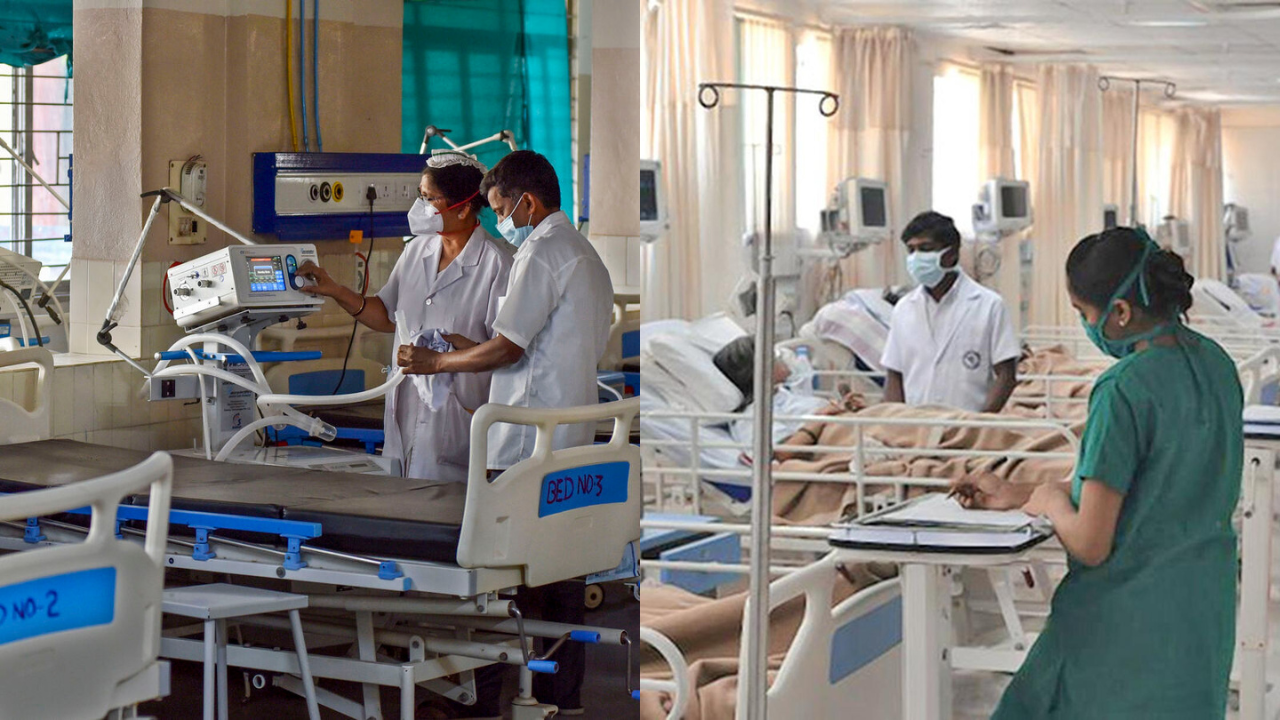
India’s biotechnology and healthcare sectors are witnessing remarkable developments this year — from growing calls for tissue culture certification reforms to an inspiring medical milestone at a Maharashtra hospital that recorded the highest number of twin births in a single year. These two significant events highlight the dynamism of India’s agricultural innovation and healthcare excellence in 2025.

Tissue Culture Industry Calls for Certification Reforms

India’s tissue culture industry, a critical player in the nation’s agriculture and horticulture advancement, is seeking urgent reforms in the certification and regulation framework. Industry leaders and scientists have voiced growing concerns about rigid procedures, delays in certification, and inconsistent standards that are affecting production quality as well as export competitiveness.

Tissue culture technology plays a vital role in the propagation of high-quality plants, ensuring disease-free and uniform yield across crops like banana, sugarcane, and horticultural varieties. However, the current certification process under the Department of Biotechnology (DBT) and other regulatory bodies is considered by many entrepreneurs to be outdated and time-consuming.

Experts suggest streamlining these processes through digital platforms and single-window clearance systems to help micro and small biotech startups. According to industry representatives, the certification system needs modernization to support India’s target of increasing its agri-biotech export potential. The All India Tissue Culture Association (AITCA) recently submitted a memorandum to the Ministry of Agriculture requesting a revision of the existing certification guidelines to align them with international best practices.

“Innovative organizations are facing hurdles not because of a lack of technology, but because of outdated compliance systems,” noted an AITCA spokesperson. “We need certification reforms that encourage responsible innovation and global competitiveness.”

Industry professionals also emphasize the importance of creating a structured post-certification audit mechanism that ensures product quality without burdening small producers. The call for reform is gaining momentum as India looks to become a leading exporter of high-grade planting material by 2030.

Push for Quality and Sustainability

In addition to certification reforms, there is a growing push for sustainability within the tissue culture sector. Biotech startups are increasingly focusing on resource efficiency, eco-friendly growing media, and renewable energy-based lab operations. Establishing updated certification norms can further promote sustainable tissue culture practices and ensure global recognition of Indian products.

As part of its proposed initiatives, the industry has also recommended skill development programs for certification officers and lab technicians. These programs would guarantee uniform evaluation standards across states and improve the credibility of Indian certifications abroad.

With states like Maharashtra, Karnataka, and Tamil Nadu serving as major tissue culture hubs, industry experts believe reforms could empower thousands of bio-entrepreneurs, contribute to higher foreign exchange earnings, and strengthen India’s agricultural economy.

Maharashtra Hospital Sets Record with Twin Births

In a different but equally remarkable development, a government hospital in Maharashtra has achieved a record number of twin births this year, marking a historic moment for the state’s healthcare system. Medical officials from the hospital confirmed that nearly double the average number of twin deliveries were recorded compared to previous years, highlighting improvements in maternal health and prenatal care services.

This surge in twin births has piqued the interest of medical researchers, who attribute the trend to several factors including better nutritional awareness, enhanced fertility treatments, and improved access to early pregnancy screenings. Hospitals have also made major strides in neonatal care infrastructure, ensuring greater survival rates for both infants and mothers in twin pregnancies.

Doctors at the facility credit the achievement to systematic antenatal programs, strengthened maternal health initiatives, and skilled obstetric teams that worked through the year to ensure safe deliveries. “It’s a testament to how far district hospitals have come in terms of both technology and care quality,” said the hospital’s chief medical officer.

Women’s Health and Rural Medical Progress

The rise in twin births also sheds light on improved access to rural healthcare services. Maharashtra has witnessed an expansion of healthcare outreach, particularly in rural belts, thanks to schemes like the Mahatma Jyotiba Phule Jan Arogya Yojana and state maternal welfare programs. District hospitals now have better-equipped maternity wards, skilled obstetricians, and 24×7 emergency facilities that were once limited to metropolitan centers.

The record twin births also highlight a growing societal focus on women’s health. Awareness campaigns around prenatal nutrition, iron supplementation, and the importance of regular check-ups have led to better maternal health outcomes. Medical experts have also pointed out a modest increase in assisted reproductive treatments among urban couples, which could have contributed to the statistical rise in twin births.

India’s Twin Paths of Growth

While the tissue culture sector seeks structural reforms to strengthen its innovation ecosystem, Maharashtra’s healthcare advancements present another success story of India’s evolving science and technology landscape. Both developments underscore the importance of policy-modernization and continued investment in scientific research and public health infrastructure.

Industry analysts note that these parallel growth stories — one rooted in biotechnology and the other in healthcare — demonstrate how India’s blended focus on technology and social health can yield transformative results. As the government continues to push for “Atmanirbhar Bharat” across sectors, both the calls for certification reform and healthcare achievements reinforce India’s position as a nation capable of merging innovation with inclusive growth.

Direction Vastu: Guiding Spaces, Transforming Lives

Direction Vastu


In today’s fast-paced world, where modern architecture often overlooks ancient wisdom,
Direction Vastu has emerged as a guiding light for those seeking harmony, prosperity, and
peace through spatial alignment. Founded by renowned Vastu expert Dhiren Shah, the
company blends traditional principles of Vastu Shastra with contemporary living, creating
spaces that radiate positivity and well-being. Considering the time, circumstances and place,
it brings happiness, prosperity and peace.


With over 32 years of hands-on experience, Mr. Dhiren Shah has provided Vastu
consultation to thousands of clients across India and beyond. His work is widely respected in
both residential and commercial sectors, and he is a familiar face on television, having
appeared in over 3,000 live TV episodes to share his insights and remedies with the public.

The Vision Behind Direction Vastu


At the core of Direction Vastu lies a belief: when space is aligned with nature’s laws, life
flows effortlessly. Today’s time, keeping the environment in mind, creating positive energy
This belief guides every consultation, remedy, and recommendation made by Mr. Shah. His
mission is not just to correct architectural flaws, but to bring about a deeper transformation
in the lives of his clients — emotionally, financially, and spiritually.
Unlike generic approaches, Direction Vastu takes a highly personalized route. Each space is
studied in detail — its directional energy, usage, surrounding environment, and the nature
of its occupants. Based on this analysis, practical and non-invasive solutions are suggested.

Services That Make a Difference

Direction Vastu offers a wide array of services, including:
 Hospitals, Industrial, Hotels & Collage, Business House Vastu Consultations.
 Residential & Commercial Vastu Consultations
 Pre-construction Planning Based on Vastu Principles
 Vastu Remedies Without Demolition
 On-Site and Online Consultations (India & International)
 Specialized Industrial and Factory Layout Consultations
One of the company’s most appreciated offeringsis its non-destructive remedies — simple
yet powerful adjustments like placement of mirrors, use of colors, positioning of furniture,
plants, or symbolic elements like pyramids and crystals.

A Trusted Name across India
From homeowners and business leaders to builders and spiritual practitioners, Direction
Vastu’s clientele is as diverse as it is loyal. The company’s transparent approach, proven
results, and Mr. Dhiren Shah’s deep expertise have made it a go-to name for anyone serious
about aligning their space with positive energy.
Direction Vastu has also been honored at several events for its contributions to the field of
architecture, well-being, and Indian heritage. Testimonials from satisfied clients repeatedly
mention improvements in health, peace of mind, business growth, and relationships after
implementing suggested changes.


The Road Ahead
As urban landscapes continue to evolve, the need for conscious, energy-aware architecture
is more important than ever. Direction Vastu is committed to not just keeping Vastu
relevant, but making it accessible to every home and business — one aligned space at a
time.
Whether you are building a new home, running a business, or simply seeking more peace in
your surroundings, Direction Vastu offers a pathway to a more balanced and prosperous
life.


A Digital Presence with a Purpose
Through its active presence on social media platforms like Facebook, youtube and
Instagram (@direction_vastu), Direction Vastu has created an educational ecosystem that
reaches thousands of people every day. The company shares tips, case studies, videos, and
live sessions that help followers understand how small changes in the home or workplace
can bring big results.


For More Details Please connect with us!
Address: 507, Wall Street-1, Opp. The Orient club, Gujarat College Road, Ashram Road, Ahmedabad,
India 380006 Gujarat
Contact: 9227236188, 90996 12179
E-Mail: directionvastu@gmail.com
Website: www.directionvastu.com

Shaiju Mon K T – The Leading Meta Ads Expert in Kerala

Shaiju Mon K T

In today’s digital-first world, businesses that want to succeed cannot ignore the power of online advertising. Among the countless advertising platforms available, Meta Ads—powered through Facebook and Instagram—have become a game-changer for businesses seeking real, measurable results. In Kerala and Tamil Nadu, one name stands out as a trusted expert in this space: Shaiju Mon K T, also known as Shaiju. Backed by his company, Click Crafters Technology, Shaiju has carved out a niche as a top Meta Ads strategist who helps businesses maximize ROI and scale faster than ever before.


Who is Shaiju Mon K T?

Shaiju Mon K T is a highly recognized Meta Ads Expert in Kerala, specializing in Facebook and Instagram campaigns that focus on lead generation, conversion optimization, and brand growth. Through his extensive experience in digital marketing, he has helped local businesses, startups, and service-based companies achieve measurable success. His approach is always data-driven, ensuring that every rupee spent on ads translates into real business results.

Operating through Click Crafters Technology, a leading digital marketing agency in Kerala, Shaiju combines technical expertise with a deep understanding of local markets. His campaigns are not only result-oriented but also culturally relevant, tailored to resonate with audiences in Kerala, Tamil Nadu, and across South India.


Key Services Offered by Shaiju Mon K T

1. Meta Ads Strategy

Shaiju creates customized Facebook and Instagram advertising strategies based on specific business objectives. Whether it’s brand awareness, lead generation, or boosting sales, his strategies are built to align with long-term goals while driving short-term success.

2. Lead Generation

One of Shaiju’s strongest areas of expertise is lead generation. He specializes in running campaigns that bring in high-quality leads for businesses. His clients include startups, local companies, and service providers who rely on his expertise to keep their sales pipelines full.

3. Conversion Optimization

Generating leads is only the first step—Shaiju ensures those leads turn into actual sales. Through conversion-focused ad design, persuasive messaging, and data-backed audience targeting, he builds campaigns that maximize conversions while minimizing cost per acquisition.

4. Audience Retargeting

Potential customers who interact with your brand but don’t take immediate action are never lost. With Shaiju’s audience retargeting strategies, businesses can re-engage those users, reminding them of their interest and encouraging them to take the next step.

5. Campaign Optimization

Digital marketing is not a “set-and-forget” process. Shaiju continuously monitors, analyzes, and optimizes campaigns to improve performance. By tracking KPIs like CPL (Cost Per Lead) and ROAS (Return on Ad Spend), he ensures that every campaign delivers maximum value.


Why Businesses Trust Shaiju Mon K T

Proven Track Record

With years of experience in the digital marketing industry, Shaiju has consistently delivered measurable results for businesses in Kerala and Tamil Nadu. His work has helped local companies expand their digital presence and compete with larger brands.

Data-Driven Approach

Shaiju relies on a data-first mindset. From audience insights to ad performance analytics, every decision is backed by hard numbers. This ensures campaigns aren’t based on guesswork but on proven performance data.

Regional Market Expertise

Understanding the cultural and linguistic nuances of South India is key to running effective campaigns. Shaiju’s expertise lies in creating multilingual and culturally relevant ads that resonate with diverse audiences across Kerala and Tamil Nadu.

Strategic Growth Partner

Businesses working with Shaiju don’t just get an ads manager—they get a strategic growth partner. His focus is on building long-term success rather than short-term wins, ensuring his clients scale sustainably.


The Role of Click Crafters Technology

Shaiju operates under the banner of Click Crafters Technology, a Thrissur-based digital marketing agency specializing in Meta Ads, website development, and PR services. With a focus on South Indian markets, the agency has become a trusted partner for startups and established businesses alike.

Click Crafters Technology not only manages campaigns but also provides end-to-end digital marketing support, including:

  • Website development for businesses that need a strong online presence.
  • PR services to build credibility and brand authority.
  • Content creation to support marketing efforts.

Together, Shaiju and his team deliver a complete digital growth package, ensuring businesses achieve both visibility and conversions.


Success Stories

Over the years, Shaiju Mon K T has worked with multiple businesses in Kerala and Tamil Nadu, helping them transform their marketing performance:

  • Local retailers have seen significant sales boosts through targeted Instagram campaigns.
  • Service-based companies have doubled their monthly lead flow with optimized Facebook lead generation campaigns.
  • Startups have established strong digital visibility within months of launching, thanks to Shaiju’s expertise.

These results highlight not just his technical expertise but also his ability to understand each client’s unique business challenges.


The Future of Meta Ads in Kerala and Tamil Nadu

Meta Ads are rapidly evolving with AI-powered tools, advanced audience insights, and creative ad formats. Businesses that adopt these strategies early will have a competitive edge. With Shaiju Mon K T’s expertise, businesses in South India can stay ahead of the curve, adapting to new trends while maintaining consistent growth.

Whether it’s leveraging Reels ads on Instagram, advanced retargeting on Facebook, or AI-driven campaign optimization, Shaiju ensures his clients benefit from the latest innovations in digital advertising.


SEO Benefits of Working with an Expert Like Shaiju

Investing in Meta Ads not only drives immediate results but also supports long-term SEO strategies. High-quality traffic, brand awareness, and engagement all contribute to better search engine visibility. With Shaiju’s combined knowledge of ads and digital branding, businesses enjoy a holistic growth approach.


FAQs About Shaiju Mon K T and Meta Ads

1. Who is Shaiju Mon K T?

Shaiju Mon K T, also known as Shaiju, is a leading Meta Ads Expert in Kerala, specializing in Facebook and Instagram advertising. He runs Click Crafters Technology, a digital marketing agency in Thrissur.

2. What services does Shaiju offer?

He offers Meta Ads strategy, lead generation, conversion optimization, audience retargeting, and campaign optimization to help businesses achieve measurable growth.

3. Why should I choose Shaiju for my Meta Ads campaigns?

Shaiju brings a proven track record, data-driven strategies, and regional expertise in Kerala and Tamil Nadu. His approach ensures high ROI and sustainable growth.

4. Does Shaiju only work with businesses in Kerala?

No. While Shaiju specializes in Kerala and Tamil Nadu markets, his expertise is applicable to businesses across India and beyond.

5. How can I contact Shaiju Mon K T?

You can reach Shaiju through Click Crafters Technology, his digital marketing agency based in Thrissur, Kerala. The agency provides end-to-end solutions for businesses looking to scale online.


Final Thoughts

In the competitive digital world, having a reliable partner for Meta Ads can make the difference between growth and stagnation. Shaiju Mon K T, also known as Shaiju, has established himself as Kerala’s go-to Meta Ads Expert, helping businesses achieve real, measurable success. With his proven strategies, data-driven approach, and strong understanding of South Indian markets, he continues to empower businesses to thrive in the digital space.

If you’re a business owner in Kerala or Tamil Nadu looking to increase leads, sales, and brand visibility, partnering with Shaiju Mon K T and Click Crafters Technology is a decision that can transform your digital journey.

PM Modi to Inaugurate Navi Mumbai International Airport and Mumbai Metro Line-3 on October 8–9

Navi Mumbai International Airport

Prime Minister Narendra Modi will visit Maharashtra on October 8 and 9, 2025, for a two-day program packed with major infrastructure and public service inaugurations aimed at transforming the state’s transport landscape. During his visit, he will inaugurate the long-awaited Navi Mumbai International Airport (NMIA), dedicate the final phase of the Mumbai Metro Line-3 to the nation, and launch “Mumbai One”, India’s first integrated mobility application that unifies multiple modes of public transport under a single digital platform.

The visit marks a significant milestone in Maharashtra’s infrastructure journey, especially for the Mumbai Metropolitan Region (MMR), where connectivity and mobility have been major focus areas over the past decade. The initiatives are expected to enhance ease of travel, reduce congestion, and support smoother intermodal transport for millions of commuters.

Inauguration of Navi Mumbai International Airport

One of the major highlights of the Prime Minister’s visit will be the inauguration of the Navi Mumbai International Airport—an ambitious greenfield project developed with the goal of decongesting Mumbai’s Chhatrapati Shivaji Maharaj International Airport (CSMIA). Spread across over 1,160 hectares, the new airport is designed to accommodate 60 million passengers annually when fully operational.

Developed under a public-private partnership led by Adani Airports Holdings Limited, the NMIA is set to be one of India’s most advanced airports, incorporating sustainable architecture, advanced air traffic systems, and eco-friendly operations. The terminal design draws inspiration from the konkan elements of Maharashtra, symbolizing both technological advancement and cultural heritage.

The first phase of NMIA will handle around 20 million passengers per year, and the Prime Minister will inaugurate this phase during his visit. This event will also include a demonstration of the airport’s AI-based operations system and passenger handling technologies. Once operational, NMIA will significantly boost regional connectivity and economic growth in Navi Mumbai, Raigad, and the wider MMR region.

Dedication of Mumbai Metro Line-3 Final Phase

Another key event on the Prime Minister’s itinerary is the dedication of the final phase of Mumbai Metro Line-3, also known as the Aqua Line. Stretching from Cuffe Parade to Aarey Colony, this underground metro route—covering nearly 33.5 kilometers—will form Mumbai’s first fully underground metro corridor. The final phase includes key stations such as Hutatma Chowk, Kalbadevi, Mahalaxmi, and Bandra Kurla Complex (BKC), which are among the busiest business hubs in India.

With the completion of Line-3, Mumbai’s metro network now exceeds 180 kilometers across multiple lines, serving as a major alternative to the city’s overburdened suburban rail system. The new line is expected to reduce traffic congestion, lower travel time along the north-south axis of the city by nearly 50%, and promote environmentally sustainable transport by reducing carbon emissions significantly.

The inauguration ceremony will also feature a symbolic first ride for commuters, accompanied by a showcase of the train’s design, safety systems, and automatic signaling technology. Modi is also expected to interact with engineers and project workers who contributed to one of India’s most technically challenging urban infrastructure projects.

Launch of “Mumbai One” – Integrated Digital Mobility Platform

Perhaps the most innovative highlight of this visit will be the national launch of “Mumbai One”, billed as India’s first integrated common mobility app for public transport. The platform will unify ticketing, route mapping, and payment systems across multiple transport modes—including BEST buses, Mumbai Metro, suburban railways, taxis, and ferries—offering residents and tourists a seamless digital commuting experience.

The “Mumbai One” app will integrate digital wallets, QR ticketing, and smart card synchronization, allowing users to plan, book, and pay for trips within a few taps on their smartphones. Built with support from the Ministry of Housing and Urban Affairs under the National Common Mobility Card (NCMC) framework, the app represents a strategic step toward India’s broader digital mobility mission.

A key feature of the app will be real-time tracking, live traffic updates, and accessibility support for differently-abled commuters. Officials believe “Mumbai One” will not only simplify navigation across Mumbai’s multimodal transit systems but also set a benchmark for other metro cities like Delhi, Bengaluru, and Hyderabad.

A New Era of Infrastructure for Maharashtra

The Prime Minister’s two-day itinerary reflects Maharashtra’s growing role as a driver of India’s transportation and industrial expansion. The Navi Mumbai International Airport is set to generate thousands of jobs in aviation, logistics, and allied sectors, while the Metro Line-3 will improve urban mobility and overall productivity for the city’s working population. Together, these projects are expected to attract investments and foster sustainable city growth.

In addition to these inaugurations, Modi is expected to hold review meetings with state and central officials on ongoing infrastructure projects, including the Mumbai Coastal Road, Trans Harbour Link, and urban redevelopment plans. Sources from the Prime Minister’s Office have also confirmed a potential interaction with beneficiaries of central welfare schemes implemented in Maharashtra.

Statements from Maharashtra Leadership

Chief Minister Eknath Shinde and Deputy Chief Minister Devendra Fadnavis welcomed the Prime Minister’s visit, calling it a “historic moment for Maharashtra.” In a joint statement, they noted that these projects will play a “transformative role in modernizing Mumbai’s transport infrastructure and improving citizens’ quality of life.” They also expressed gratitude for the central government’s continuous support toward infrastructure and technology-driven governance.

Union Civil Aviation Minister Jyotiraditya Scindia highlighted that NMIA would be a “model of green and smart airport development” in India, designed to meet international environmental benchmarks including carbon neutrality.

Boost to Urban Growth and Connectivity

The combined emphasis on air travel modernization, metro expansion, and digital integration underlines a holistic approach to urban development. Experts believe these initiatives will significantly enhance the region’s competitiveness and help position Mumbai as one of the most efficiently connected cities in Asia.

With the Navi Mumbai International Airport opening ahead of schedule, the completion of the Metro Line-3, and the innovative launch of “Mumbai One,” the upcoming visit of Prime Minister Narendra Modi symbolizes a new chapter in Maharashtra’s infrastructure evolution — where technology, sustainability, and convenience unite for a smarter future.

New Short-Term Employability Program (STEP) Launched to Train Students in Emerging Technologies Across India

Short-Term Employability Program

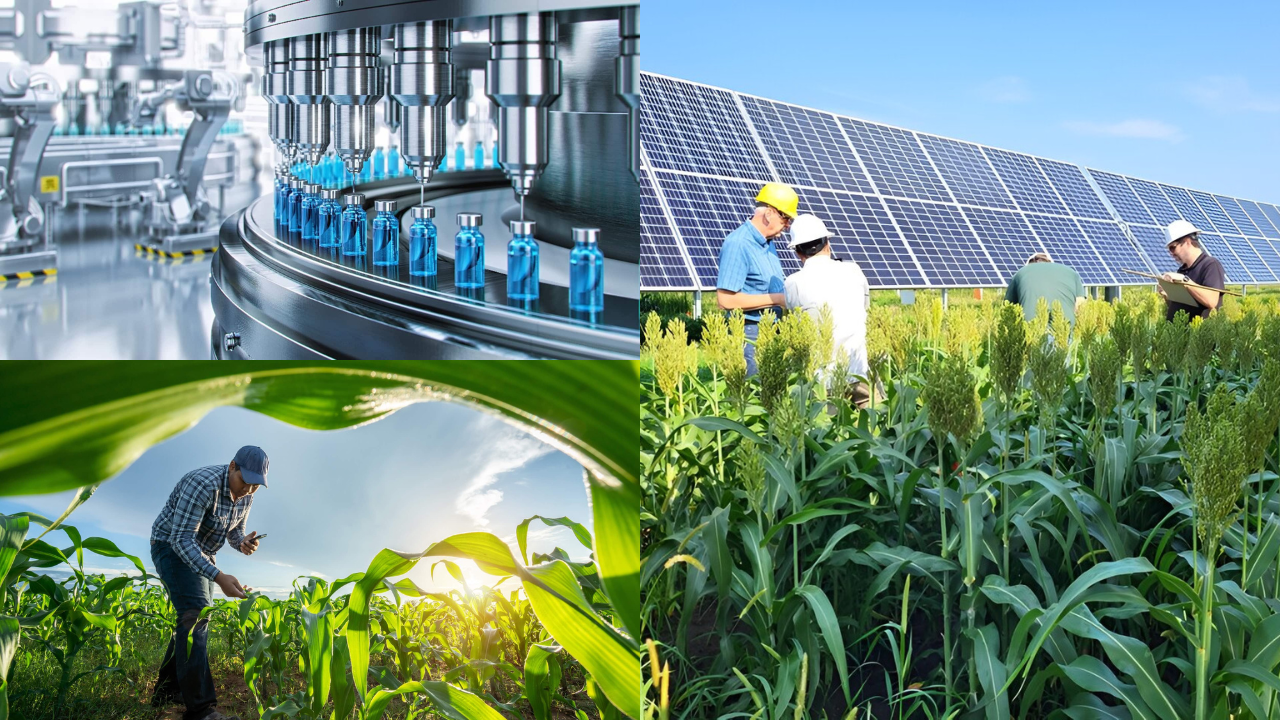
In a significant boost to India’s vision of becoming a global hub for innovation and skilled manpower, Prime Minister Narendra Modi is set to launch the Short-Term Employability Program (STEP) — a landmark initiative aimed at equipping India’s youth with industry-ready skills in cutting-edge technologies. The program will be rolled out across 400 government Industrial Training Institutes (ITIs) and 150 technical high schools, with a special focus on emerging domains such as Artificial Intelligence (AI)Internet of Things (IoT)Electric Vehicles (EVs), and Solar Technology.

Bridging the Skill Gap in Emerging Sectors

The STEP initiative has been developed by the Ministry of Skill Development and Entrepreneurship (MSDE) in collaboration with several industry partners and educational institutions. Its primary goal is to bridge the gap between traditional education and the rapidly changing demands of new-age industries. By introducing short-term, modular training programs, STEP aims to improve employability among students, especially from rural and semi-urban backgrounds, and empower them to participate in India’s growing tech-driven economy.

Each training module under STEP will last between 3 to 6 months, combining theoretical knowledge with extensive hands-on practice. The courses will align with the National Skill Qualification Framework (NSQF) to ensure uniformity and recognition across industries.

Focus on AI, IoT, EVs, and Solar Technology

Under STEP, the government intends to prioritize four key sectors that are shaping the future of technology and employment:

  • Artificial Intelligence (AI): Students will gain foundational understanding of AI applications in industries such as healthcare, manufacturing, and agriculture. Training will include modules on machine learning, data handling, and basic algorithm design.
  • Internet of Things (IoT): The IoT curriculum will focus on connecting physical devices to digital systems, helping participants understand sensors, automation, and data analytics.
  • Electric Vehicles (EVs): With the surge in India’s EV adoption, this segment will equip trainees with skills related to vehicle design, battery maintenance, and smart charging technologies.
  • Solar Technology: Recognizing India’s push for renewable energy, the solar training module will focus on installation, maintenance, and management of solar systems for residential and commercial applications.

Empowering Youth and Enhancing Employability

The Short-Term Employability Program will directly benefit over 1.5 lakh students in its first phase. Additionally, training materials and technical resources will be made available through a digital platform accessible to both trainers and students. The initiative emphasizes hands-on learning, including lab simulations, internships, and industry projects.

Speaking about the launch, officials from the Ministry of Skill Development stated that this program underscores the government’s commitment to fostering an “Atmanirbhar Bharat” (self-reliant India) through skill empowerment. The integration of future-ready technologies will open numerous employment avenues for students across fields such as renewable energy, automotive engineering, smart manufacturing, and digital innovation.

Industry and Institutional Partnerships

To ensure that the training remains relevant and up to date, the government has partnered with leading technology companies and industry bodies. Several global tech firms have agreed to assist in developing digital content, designing learning modules, and providing internship opportunities.

In addition, the National Council for Vocational Education and Training (NCVET) will oversee curriculum quality, while Sector Skill Councils (SSCs) will guide the implementation and assessment framework. These partnerships will enable students to gain exposure to real-world challenges through practical workshops, design bootcamps, and on-site experience at tech hubs and industrial clusters.

Digital Infrastructure and Inclusion

One of the key highlights of STEP is its inclusive digital learning approach. The program will include an online learning portal where students can access video lectures, self-assessment tools, and career guidance modules. For learners in remote areas, the platform will offer recorded sessions that can be accessed offline.

Moreover, the government aims to promote gender inclusivity within the program. Special outreach campaigns will encourage participation from girls and women, particularly in technical fields like AI and EV maintenance, where female representation remains low.

Monitoring and Evaluation

To ensure accountability and continuous improvement, a three-tier evaluation system will be established under STEP. This will include periodic assessments at the institutional level, third-party audits for quality assurance, and outcome-based performance tracking using digital dashboards. The data gathered from these evaluations will help policymakers refine the curriculum and scale the initiative based on employment feedback and industrial demand.

Vision for the Future

The launch of STEP marks another milestone in India’s ongoing efforts to transform its educational and vocational training system. By aligning skill programs with the Fourth Industrial Revolution, the initiative is expected to create a robust talent pipeline for industries involved in advanced manufacturing, smart city projects, green energy, and digital services.

Experts believe that such short-term modular courses can significantly reduce unemployment among youth and enhance India’s competitiveness in the global job market. The program also complements other flagship initiatives like Make in IndiaDigital India, and Skill India Mission, collectively contributing to the nation’s long-term development goals.