
Home Blog Page 45

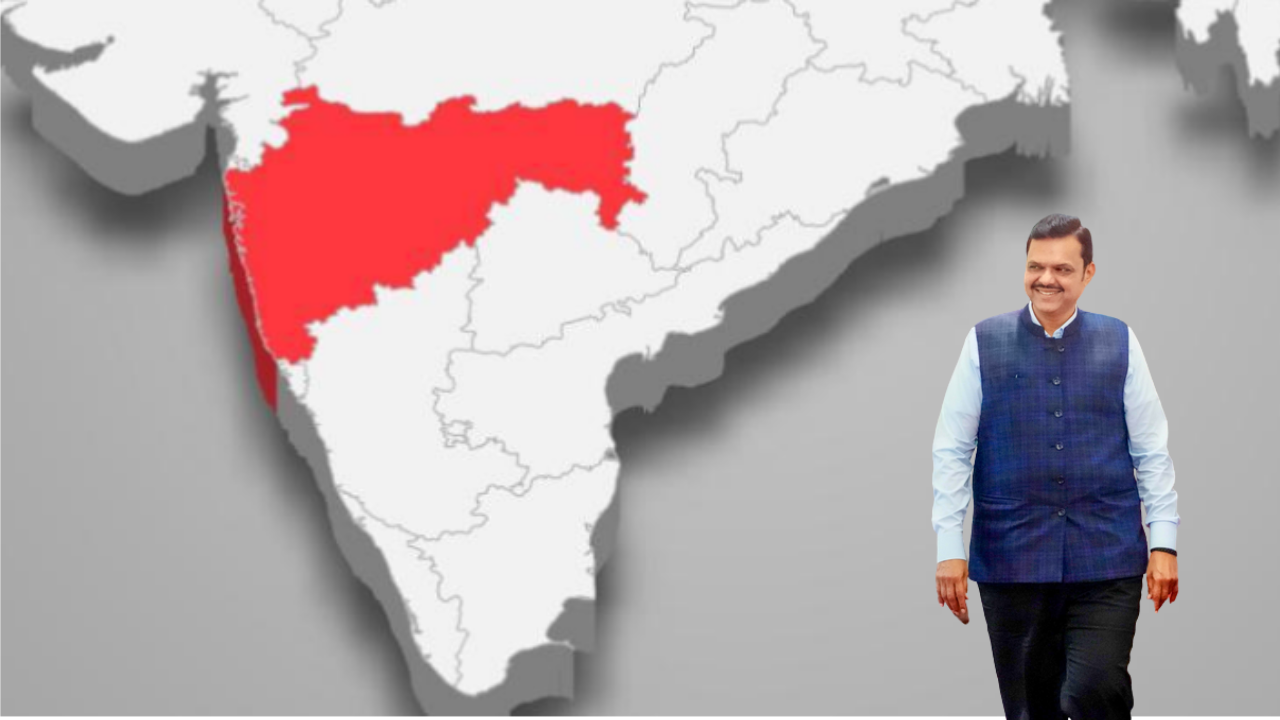
Maharashtra Govt Opens 13,000 Acres of MSRTC Land for Development

0
MSRTC Land

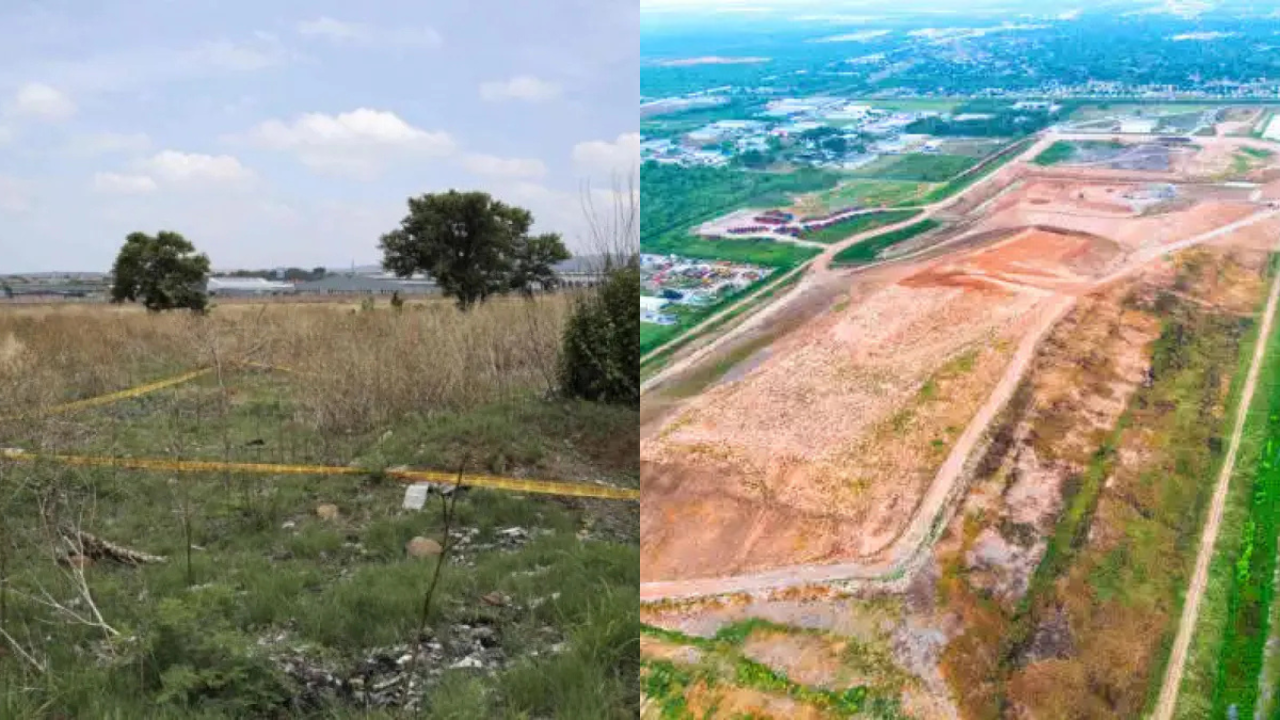
 In a landmark move to boost urban infrastructure, generate economic opportunities, and unlock the potential of underutilized land, the Maharashtra government has invited real estate developers to participate in commercial and residential projects across 13,000 acres owned by the Maharashtra State Road Transport Corporation (MSRTC). This initiative is set to be one of the largest land development drives in the state, offering significant opportunities for investors, builders, and citizens alike.

A New Era of Land Utilization

For decades, MSRTC has operated the state’s bus transport system, owning expansive parcels of land across districts for depots, workshops, and allied facilities. Many of these properties remain underutilized or strategically located in rapidly urbanizing areas, making them highly attractive for redevelopment. With the state’s push, these lands will now serve dual purposes—continuing to assist transportation infrastructure while also fostering new housing, offices, shopping complexes, and community projects.

The decision aligns with Maharashtra’s broader vision of urban renewal and sustainable growth. By transforming bus corporation lands into multi-use projects, the government not only creates avenues for private sector participation but also ensures that citizens benefit from modern housing, job creation, and enhanced public amenities.

Boosting Real Estate and Infrastructure Growth

Experts believe this step could provide a fresh lifeline to Maharashtra’s booming real estate sector. With land availability being a critical challenge in cities like Mumbai, Pune, Nagpur, and Nashik, the release of 13,000 acres for development could ease market pressures, offer larger projects, and attract long-term investment.

Developers now have the opportunity to design integrated townships, malls, residential complexes, technology parks, and urban hubs right in the heart of key city centers and semi-urban zones. Such developments are expected to boost housing supply, create commercial density, and attract both domestic and international real estate players.

Government’s Push for Public-Private Partnerships

The invitation extended by the state emphasizes a Public-Private Partnership (PPP) model that balances commercial viability with the larger public interest. Through this model, MSRTC will be able to generate a steady stream of revenue by leasing or co-developing land parcels, which can then be reinvested in state transport facilities, modernization of bus fleets, and passenger amenities.

According to officials, this approach ensures that the core function of MSRTC—providing affordable public transport—will not be compromised. Instead, revenue from commercial ventures will help subsidize passenger services and maintain efficiency in operations.

Economic and Employment Prospects

The initiative opens vast opportunities for job creation and skill development in Maharashtra. Real estate construction, allied infrastructure services, and commercial establishments emerging from these projects will generate thousands of direct and indirect employment opportunities. Moreover, the move is likely to stimulate allied industries such as cement, steel, IT services, retail, and hospitality.

The government expects this land unlocking strategy to contribute significantly to the state’s GDP by encouraging new investments and higher tax contributions. Urban planners also suggest that mixed-use projects built on these lands will foster self-sustaining communities, cutting down traffic congestion and improving the overall quality of life.

Addressing Housing Needs

The state’s rising population and urbanization rates have made affordable housing one of Maharashtra’s most pressing challenges. By opening up large land parcels for residential development, the government aims to address this shortfall. Developers are expected to integrate inclusive housing models, combining premium residences with mid-income and affordable categories, ensuring a wider reach for different income groups.

Officials also highlighted that sustainable construction would be a key priority. Green-certified projects, eco-friendly building materials, rainwater harvesting, and smart energy utilities are likely to be mandated in these future developments, aligning with Maharashtra’s sustainability goals.

District-Wide Impact

The 13,000 acres earmarked are spread across multiple districts. Areas around Mumbai Metropolitan Region (MMR), Pune, Aurangabad, Nagpur, Nashik, and other growing semi-urban centers promise immense development potential. Each district will likely see a tailored approach to land usage, depending on local demand patterns. While metropolitan areas may prioritize high-density residential and commercial complexes, tier-II and tier-III cities might witness industrial hubs, IT parks, and affordable housing clusters.

By ensuring balanced growth, the initiative will not only boost major cities but also extend opportunities to smaller regions, bridging the gap between urban and rural economies.

Industry Reactions

The announcement has already created a buzz in the real estate community. Developers from across India have expressed enthusiasm, noting that large-scale land availability in prime and emerging locations is extremely rare. While competition among developers is expected to be high, the government is likely to frame transparent bidding and selection policies to maintain fairness.

Industry experts also predict that global investment funds and foreign developers could explore joint ventures in Maharashtra, leveraging the sheer scale of this project. Analysts suggest that the timing is opportune as urban housing demand in Maharashtra continues to rise steadily post-pandemic.

A Catalyst for Modern Maharashtra

The state government’s call to real estate developers marks another strong step in Maharashtra’s efforts to remain India’s economic powerhouse. With infrastructure projects like Mumbai Trans-Harbour Link, upcoming metro networks, and Pune Ring Road shaping the future, this land development drive will act as a complementary force that adds vibrancy to the state’s overall growth journey.

By unlocking the unused potential of MSRTC’s land, the government has shown a pragmatic approach—one which maximizes resources while serving the public good. The coming years will determine how effectively this initiative transforms the urban and suburban landscapes of Maharashtra, but optimism is high, and stakeholders are keenly watching the developments unfold.
Ravindra Chavan Leads Launch of Atmanirbhar Bharat Sankalp Mission Across State

0
Ravindra Chavan

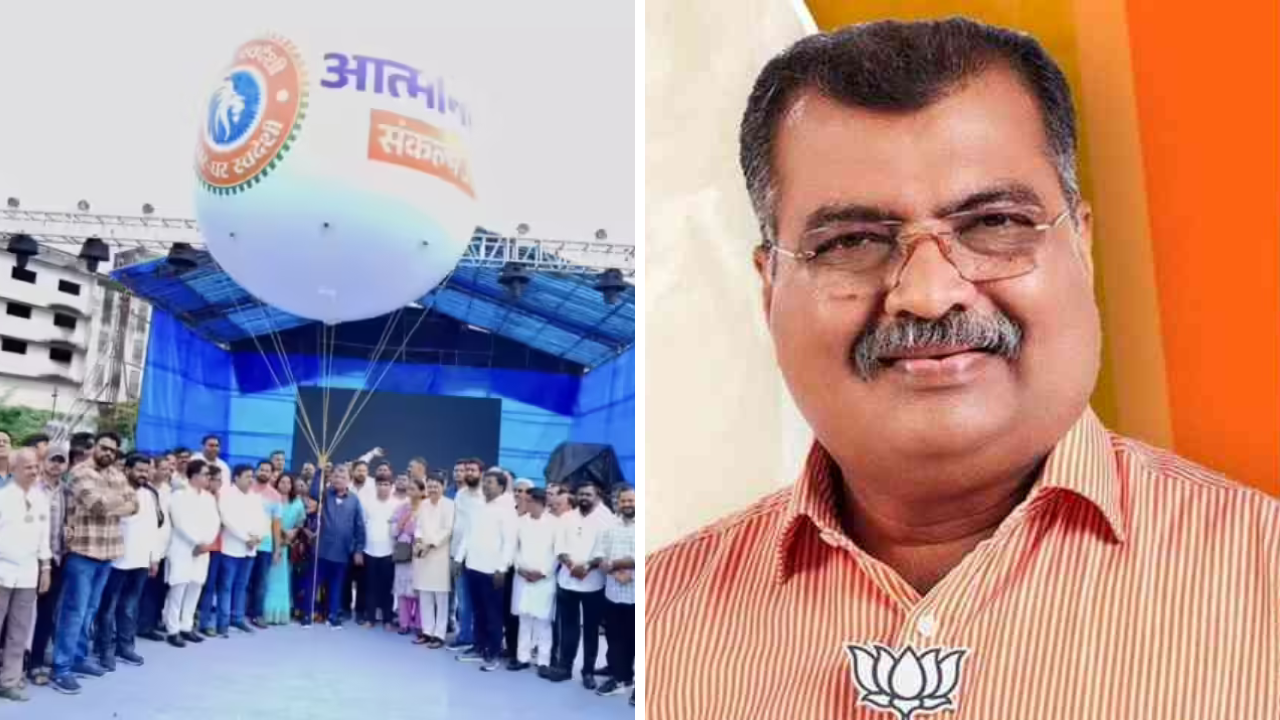
In a significant step towards strengthening grassroots participation in India’s self-reliance journey, Bharatiya Janata Party (BJP) President Ravindra Chavan today launched the Atmanirbhar Bharat Sankalp Abhiyan across Maharashtra. The campaign aims to spread awareness about the vision of a self-reliant India, empower local enterprises, and encourage citizens to prioritize indigenous products, services, and innovations.

The launch event, held in Mumbai, witnessed the participation of senior party leaders, community representatives, and entrepreneurs from different sectors. Addressing the gathering, Chavan highlighted that the mission was not just about economic growth, but about instilling pride in India’s talent, resources, and potential. According to him, the Atmanirbhar Bharat Sankalp Abhiyan is envisioned as “a people’s movement to create a resilient and self-sufficient India that thrives on its own strength and creativity.”

Transforming Vision into Ground Reality

Atmanirbhar Bharat — a vision first articulated by Prime Minister Narendra Modi — has become a nationwide movement focusing on manufacturing, technology, agriculture, and innovation. The Sankalp Abhiyan launched by Chavan will operate as a statewide awareness and action drive, bringing stakeholders together to take pledges, share success stories, and push forward practical initiatives in rural as well as urban Maharashtra.

Chavan emphasized that the campaign will directly reach households, educational institutions, and local markets through a combination of digital campaigns, door-to-door outreach, and district-level workshops. “We will ensure that every citizen understands the importance of economic nationalism and the role of local communities in building future-ready India,” he said.

Focus on Micro, Small and Medium Enterprises (MSMEs)

A major thrust of the initiative will be directed towards MSMEs, which form the backbone of Maharashtra’s economy. Chavan underlined the need to strengthen small industries by improving market linkages, promoting digital adoption, and offering training in modern business techniques. These enterprises, particularly in manufacturing clusters like Pune, Nashik, Kolhapur, and Nagpur, will benefit from new programs under the Abhiyan.

Entrepreneurs at the event welcomed the move and expressed optimism that the campaign would help them access wider opportunities. Several business associations conveyed their support and readiness to collaborate with the government and the BJP’s leadership in implementing local action plans.

Creating Awareness in Rural and Semi-Urban Areas

The Abhiyan also focuses on bridging rural-urban disparities. Recognizing the challenges faced in villages, Chavan reiterated that the campaign would encourage farmers, artisans, and self-help groups (SHGs) to adopt innovative practices and explore new markets. Special drives will target youth and women entrepreneurs, ensuring that communities at the grassroots level can contribute meaningfully to the state’s economy.

Workshops are planned to orient rural citizens towards using e-commerce platforms, government schemes, and cooperative models to maximize self-reliance. “Our goal is to make every village a hub of productivity and creativity, thereby fueling Maharashtra’s growth story,” Chavan stated during his speech.

Digital and Youth-Driven Campaigns

Recognizing the growing role of digital platforms, the Sankalp Abhiyan will heavily rely on social media campaigns, interactive videos, and mobile apps to connect with young Indians. College students and youth organizations will play an active part in spreading the message of self-reliance within campuses and communities.

As part of the statewide program, the BJP’s youth wing will organize entrepreneurship bootcamps, skill development initiatives, and innovation challenges to motivate the younger generation. “Maharashtra’s youth have the energy and creativity to lead the world in innovation. Through this campaign, we are giving them an organized platform,” Chavan remarked.

Alignment with Government Initiatives

The Atmanirbhar Bharat Sankalp Abhiyan will work in alignment with central and state government programs such as Make in India, Digital India, Skill India, Startup India, and PM Mudra Yojana. The campaign will also encourage citizens to use government portals like GeM (Government e-Marketplace) for promoting indigenous products and services.

In his remarks, Chavan stressed that Maharashtra will play a leadership role in showcasing the success of the Atmanirbhar Bharat initiative nationwide. He pointed out that with its strong industrial base, skilled workforce, and innovative spirit, Maharashtra can emerge as a model state for self-reliance.

Public Participation and Mass Movement

Party leaders stressed that unlike traditional political campaigns, the Abhiyan is designed to become a people’s movement. Citizens will be encouraged to take the Atmanirbhar Sankalp pledge at events, local meetings, and online platforms. In symbolic gestures, households and institutions are expected to display locally manufactured products, participate in awareness drives, and share personal success stories linked to Indian goods and services.

The BJP has planned a month-long series of events across Maharashtra, including exhibitions, startup showcases, farmer–producer group meetings, and cultural programs that celebrate India’s heritage of self-sufficiency.

Chavan’s Call to Action

Launching the Abhiyan, Ravindra Chavan called upon citizens to embrace a mindset of self-reliance not only in trade and products but also in thought and innovation. “Self-reliance is not isolation. It is about creating strength within so that India can engage with the world on its own terms. Our Sankalp is to empower every farmer, every worker, every entrepreneur to stand tall with pride as architects of a new India,” he said.

The campaign will officially roll out in districts starting this week and continue over the next several months, with feedback loops to measure its reach and effectiveness. By combining digital tools, ground-level engagement, and strong leadership, the BJP expects the initiative to inspire millions across the state.

As Maharashtra takes this bold step under Chavan’s leadership, the Atmanirbhar Bharat Sankalp Abhiyan is set to emerge as a mass movement driving self-reliance, local pride, and sustainable growth for India’s future.

CM Yadav Launches Gas Portal and Food Safety Program in Sagar

0
CM Yadav

The Hon’ble Chief Minister Yadav today inaugurated a series of forward-looking initiatives in Sagar, aimed at strengthening energy accessibility and ensuring food safety for citizens. Among the highlights were the launch of a city gas distribution portal and a comprehensive food service awareness program, both of which are expected to pave the way for sustainable development, consumer empowerment, and improved living standards across the state.

The dual initiatives form part of the state government’s continuing mission to blend innovation with public welfare, focusing on two critical areas – reliable energy distribution and assured food safety. With these projects, CM Yadav reasserted his administration’s vision of holistic development for both urban and rural communities of Madhya Pradesh.

Boosting Energy Security with Gas Distribution Portal

The newly launched City Gas Distribution (CGD) Portal has been conceived as a one-stop digital platform to streamline access to clean energy solutions in Sagar and adjoining areas. Designed with user-friendly features, the portal will allow households, businesses, and institutions to register for new gas connections, monitor supply status, lodge service requests, and receive real-time updates on distribution.

By centralizing data and integrating multiple service providers into a single interface, the platform seeks to reduce dependency on traditional energy sources while promoting eco-friendly alternatives. Officials noted that replacing conventional fuels with piped natural gas could significantly minimize carbon emissions and enhance operational safety for consumers.

Speaking on the occasion, CM Yadav remarked, “Energy security is not just about supply; it is about accessibility, transparency, and sustainability. The City Gas Distribution Portal ensures that clean fuel reaches every household efficiently, thereby reducing both health hazards from traditional fuels and the environmental footprint of energy usage.”

Industry experts present during the launch hailed the initiative as a game-changer in energy distribution at the district level. They highlighted how digitization would cut through administrative delays, improve accountability, and create new economic opportunities for service providers and small businesses aligned with the gas sector.

Food Service Awareness for Safer Communities

Parallel to energy reforms, the Chief Minister introduced the Food Service Awareness Program, a wide-ranging campaign designed to improve food safety standards and reduce risks associated with foodborne illnesses. With Sagar being a growing hub for education, tourism, and local industries, the government stressed the importance of ensuring that food services meet high-quality standards for consumers.

The program will focus on creating awareness among restaurant owners, food vendors, street hawkers, and packaged food suppliers. It will provide training workshops, certification programs, and online resources to ensure compliance with hygiene protocols and safety regulations.

CM Yadav emphasized, “Food security is not limited to availability – it is also about quality and trust. Our food awareness campaign equips service providers with knowledge and empowers consumers to make safer choices. A healthier population will naturally drive productivity and prosperity.”

The initiative is also expected to involve local colleges, voluntary organizations, and municipal authorities in spreading awareness through street plays, digital campaigns, and community inspections. By generating behavioral change and reinforcing accountability, the program aims to build long-term resilience in Madhya Pradesh’s food services sector.

People-Centric Development

Today’s announcements in Sagar reflect the government’s vision for people-centric development, integrating essential needs with technology-led solutions. By pairing clean energy with safe food practices, CM Yadav emphasized the importance of building communities that are not only sustainable but also secure in their everyday living.

Local citizens welcomed the move with enthusiasm. Several households that attended the public event expressed relief that gas services would now be easier to access and track digitally. Food vendors in the city markets also highlighted their interest in attending the first round of training workshops expected to begin next month.

Broader State Impact

While the initiatives were launched in Sagar, the government clarified that they are intended for phased expansion across all districts of Madhya Pradesh. The CGD portal will eventually integrate with state-level energy distribution systems, ensuring that both rural and urban families gain fair advantages.

Similarly, the food service awareness program is anticipated to form a baseline for statewide policy reforms on food hygiene and vendor licensing. Officials pointed out that the lessons learned in Sagar will guide the structured rollout for larger cities like Bhopal, Indore, and Jabalpur.

A Step Toward Sustainable Growth

The combination of energy and food-focused programs underscores the administration’s belief that fundamental services form the backbone of progress. Energy access drives industry, education, and daily living, while food safety directly impacts public health and societal confidence.

As part of his address, CM Yadav reiterated that these programs will gradually link with wider national goals under schemes related to energy self-reliance and health security. “When we combine sustainability with public welfare, we lay the foundation for growth that is inclusive and future-ready. Sagar will serve as an example of how innovation and responsibility must go hand in hand,” he asserted.

Looking Ahead

The launch of the city gas distribution portal and the food service awareness campaign sends a strong signal that Madhya Pradesh is committed to prioritizing both sustainability and security in its developmental roadmap. CM Yadav underlined that citizen feedback will remain central to modifying and improving these initiatives over time.

By choosing Sagar, a historically and economically significant district, as the launchpad for these reforms, the state government hopes to inspire rapid adoption and collaboration across communities. The focus remains clear: empower people, protect resources, and promote inclusive prosperity.

Chery Automobile IPO Jumps 11% on Hong Kong Debut, Raises HKD 9.1 Billion

0
Chery Automobile IPO

Chinese automaker Chery Automobile Co., Ltd. made a strong debut on the Hong Kong Stock Exchange today, with its highly anticipated initial public offering (IPO) surging 11% on the first day of trading. The IPO raised HKD 9.1 billion (approximately USD 1.16 billion), underscoring strong investor confidence in China’s fast-growing automotive and new energy vehicle (NEV) industry.

The listing marks one of the most significant public offerings by a Chinese car manufacturer this year in Hong Kong, signaling the city’s continuing importance as a global capital hub despite ongoing economic uncertainty and geopolitical headwinds.

A Milestone Moment for Chery

Founded in 1997 and headquartered in Wuhu, Anhui Province, Chery has long established itself as one of China’s most prominent automobile brands, well-regarded for affordability, export strength, and innovation in the electric and hybrid vehicle space. The company has steadily climbed to become a global competitor, not only selling extensively within China but also exporting to more than 80 countries and regions worldwide.

With this IPO, Chery is expected to accelerate its electrification strategy, expand global production capacity, and invest further in research and development (R&D) to remain competitive in the rapidly evolving automotive landscape.

Speaking on the milestone, a Chery spokesperson said, “Today’s successful IPO is both a reflection of our long-standing commitment to innovation and a vote of confidence from investors in Chery’s future. We aim to channel the raised capital into strengthening our position as a pioneer in intelligent and sustainable mobility solutions.”

IPO Performance and Market Response

Chery priced its IPO at the higher end of expectations, and market response was overwhelmingly positive. The stock surged 11% during its first trading session, outperforming most recent listings on the Hong Kong bourse. Analysts noted that the company’s NEV portfolio, global expansion plans, and consistent export performance played a key role in attracting institutional investors.

In total, the offering was oversubscribed multiple times, with strong participation from both domestic and international asset managers. Market experts say the robust demand highlights not only investor appetite for automotive and EV-focused companies but also growing confidence in Hong Kong’s IPO recovery amid challenging macroeconomic conditions.

Hong Kong’s IPO Market Gets a Boost

In recent years, Hong Kong has faced stiff competition from exchanges in Shanghai, Shenzhen, and even overseas markets like New York and London in attracting quality listings. Chery’s strong trading debut is thus being read as a vote of confidence in Hong Kong’s financial ecosystem.

Regulators and policy experts have been working to bolster the city’s competitiveness, making it more attractive to mainland companies seeking overseas capital. With Chery’s successful listing, other automotive and technology companies are expected to follow, further energizing the pipeline of IPOs.

Expansion Beyond China

Chery has been among China’s strongest car exporters, with a well-established footprint in Latin America, the Middle East, Africa, and Europe. The company has consistently ranked as one of the largest exporters of passenger vehicles from China.

The IPO proceeds are expected to be allocated toward:

  • Expanding production of electric and hybrid models in line with global carbon reduction goals.
  • Building overseas assembly plants to better serve emerging international markets.
  • Enhancing R&D with a focus on autonomous driving technologies and intelligent mobility systems.
  • Strengthening Chery’s supply chain in the face of global disruptions.

Industry analysts believe Chery is positioning itself to become a leading contender in the global EV race, competing with both established Western automakers and domestic Chinese giants like BYD and Geely.

Outlook for China’s Auto Sector

China is currently the largest automotive market in the world, and the government has been strongly supportive of the new energy vehicle sector. With subsidies, favorable regulations, and global demand for environmentally friendly cars rising, companies like Chery are set to benefit significantly in the coming decade.

Auto analysts also highlight that Chery’s competitive pricing strategy, combined with increasing quality standards, gives it an edge as international consumers seek reliable yet affordable EV alternatives.

On the domestic front, too, Chery’s models continue to appeal to China’s growing middle class, with rising demand expected in Tier-2 and Tier-3 cities.

Investor Sentiment

Following the successful listing, analysts in Hong Kong noted that Chery’s strong start reflects not just its market standing but also investor appetite for growth-driven Chinese companies. Despite global volatility, there is increasing recognition that China’s automotive sector remains on a strong growth trajectory, supported by technology-driven innovation and policy measures.

One Hong Kong-based market strategist said, “Chery’s IPO debut illustrates how well-positioned Chinese automakers are in the global transition toward sustainable transportation. This listing may inspire confidence in more Chinese firms to raise capital in Hong Kong.”

Conclusion

Chery Automobile’s debut on the Hong Kong Stock Exchange is more than just a corporate milestone—it is a moment of validation for China’s broader automotive ambitions and for Hong Kong’s capital markets. With HKD 9.1 billion raised and shares climbing 11% on day one, Chery has demonstrated both its own growth potential and the global appetite for investing in sustainable, innovation-driven mobility.

As the company moves forward with ambitious plans in electrification, global expansion, and intelligent vehicle R&D, investors will be closely watching if Chery can transform today’s IPO success into long-term market leadership.

For Hong Kong’s market, the IPO sends a clear message: the city remains an attractive destination for capital raising, particularly for companies in fast-growing strategic industries.

Flipkart’s Big Billion Days Sale Faces Heat Over iPhone 16 Cancellations

0
iPhone 16 Cancellations

Flipkart’s highly anticipated Big Billion Days sale, one of the largest e-commerce events in the country, has come under sharp criticism as thousands of customers who ordered the newly launched iPhone 16 have reported unexpected cancellations. The incident has sparked widespread disappointment among buyers who were eagerly waiting for Apple’s flagship product, raising concerns about transparency and customer experience in India’s fast-growing online shopping market.

Customer Expectations Shattered

The Big Billion Days sale, which has been promoted aggressively across digital platforms, television, and outdoor advertising, promised unmatched offers on top electronic brands, especially smartphones. With Apple products traditionally in high demand during festive season sales, customers had rushed to grab deals on the iPhone 16, which was launched earlier this month.

However, many customers began receiving emails and app notifications from Flipkart stating that their iPhone 16 orders had been “cancelled due to unforeseen reasons.” Reports suggest that large numbers of interested buyers had completed purchases within minutes of the sale going live, making the cancellations particularly upsetting for those who had already received order confirmations.

Social media platforms quickly lit up with angry reactions, with hashtags such as #FlipkartFailed and #iPhone16 trending on X (formerly Twitter). Customers shared screenshots of cancellation emails, accusing the e-commerce giant of misleading them with false order confirmations.

Flipkart’s Clarification

Responding to the growing outrage, Flipkart released a statement acknowledging that a section of customers experienced order cancellations due to “technical glitches and system errors related to stock allocation.” The company assured buyers that they were working closely with Apple and logistics partners to ensure that future orders were fulfilled “in a fair and transparent manner.”

Flipkart further claimed that select cancellations were unavoidable as demand had significantly outstripped supply. While the firm offered apologies and promised to refund the affected customers promptly, the explanation has done little to pacify disgruntled shoppers, many of whom have lost faith in the platform’s ability to handle high-value sales.

Competitive Pressures and Growing Scrutiny

The timing of this controversy is crucial. Flipkart’s Big Billion Days campaign directly rivals Amazon India’s Great Indian Festival sale, which is also offering massive deals on smartphones, gadgets, and appliances. With festive season e-commerce sales estimated to cross ₹90,000 crore in 2025, reliability and customer trust are key differentiators.

Industry analysts point out that while aggressive discounting strategies may attract customers, fulfillment challenges such as these can damage brand credibility in the long run. “The Indian consumer is becoming more discerning. Experiences like cancelled iPhone orders could push customers to competitors who are seen as more dependable,” said a retail market observer.

The Bigger Question on Transparency

Customer groups and consumer rights activists have also weighed in on the issue, asking whether e-commerce regulations are stringent enough to prevent such cases. Many buyers are demanding greater accountability from online platforms, particularly when payments are processed instantly but orders are later cancelled.

Experts suggest that e-commerce companies must implement better stock management strategies, clear disclaimers, and improved backend infrastructure to avoid over-promising during mega sales. The iPhone 16 debacle, they say, highlights not only operational shortcomings but also broader challenges in India’s booming online retail space.

Impact on Apple’s Brand in India

While the cancellations were not directly Apple’s fault, the incident has an indirect impact on the tech giant’s reputation among Indian customers. Apple has been working aggressively to expand its footprint in India, with the iPhone 16 launch seeing strong demand across physical Apple stores and online portals.

However, customer frustration could potentially impact Apple’s festive season performance on e-commerce platforms such as Flipkart. Industry sources suggest that Apple may demand stricter adherence to inventory guidelines in future sale partnerships to prevent reputational fallout linked to distributor mishandling.

Looking Ahead

The setbacks from this controversy pose important lessons for Indian e-commerce platforms. With increasing competition, better backend preparedness and customer-first practices will be critical to winning loyalty in the digital retail era.

For customers, the disappointments linked to iPhone 16 cancellations are not just about losing a great deal but also about questioning the reliability of platforms they trust with big-ticket purchases. Trust, once lost, can be difficult to rebuild.

Flipkart has promised that it is reviewing its backend sale processes to avoid future disruptions. Whether this assurance will be enough to win back customers remains to be seen as the Big Billion Days sale continues through the festive season.

Maharashtra Launches Rs 500 Cr Maha-Fund to Power Entrepreneurship

0
Maha-Fund to Power Entrepreneurship

Maharashtra, India’s economic powerhouse, has introduced its Startup, Entrepreneurship, and Innovation Policy 2025, marking a decisive push to strengthen its position as a global hub for innovation and enterprise. The ambitious policy aims to nurture 1.25 lakh entrepreneurs and 50,000 startups over the next five years, supported by financial assistance, cutting-edge incubation infrastructure, and knowledge-driven mentorship initiatives.

With this vision, the Government of Maharashtra is not only positioning the state as a magnet for capital inflows and talent but also reinforcing its reputation as the startup capital of India. The new policy builds on the rapid transformation of India’s entrepreneurial ecosystem, aligning Maharashtra’s strengths with global competitiveness.

Focus on Entrepreneurship and Innovation

The newly announced policy highlights the state’s mission to create an inclusive, innovation-driven economy by empowering aspiring entrepreneurs across sectors. By mapping the aspirations of young innovators and creating enabling platforms, Maharashtra plans to transform ideas into scalable businesses.

Key features of the policy include:

  • Capacity Building: Programs to train and develop 1.25 lakh entrepreneurs across urban and rural regions, ensuring opportunities reach beyond metro cities.
  • Startup Growth: Initiatives to establish 50,000 active startups by 2030, spanning diverse sectors from technology, agriculture, health, and renewable energy to creative industries.
  • Innovation-First Approach: Support for high-tech projects leveraging Artificial Intelligence, Data Analytics, Green Technologies, and next-generation mobility solutions.

Chief Minister [insert name if available] emphasized that the policy is designed to support both grassroots innovators and globally scalable enterprises, creating equal opportunities for enterprises from villages to cities.

Rs 500 Crore Maha-Fund for Financial Assistance

A major highlight of the policy is the introduction of the Maha-Fund, a Rs 500 crore dedicated financial corpus. This fund aims to provide seed funding, venture capital support, soft loans, and grants for startups across growth stages.

The Maha-Fund will focus on:

  • Early-stage investments for promising ideas.
  • Scaling support for startups with proven market traction.
  • Equity partnerships in high-growth ventures.
  • Special provisions for women entrepreneurs and socially impactful enterprises.

By reducing capital barriers and ensuring access to funding, the state expects to stimulate entrepreneurship even in non-traditional sectors.

Maharashtra Innovation City

In one of the most ambitious steps, the government announced the creation of ‘Maharashtra Innovation City’, a world-class ecosystem housing incubation hubs, research labs, knowledge centers, and collaborative workspaces.

Planned as the nerve-center of the state’s entrepreneurial activity, Maharashtra Innovation City will act as:

  • startup incubation hub, providing mentorship, prototyping facilities, and networking with investors.
  • A convergence point for academic institutions, corporates, and global accelerators, creating opportunities for knowledge exchange and partnerships.
  • A showcase of Maharashtra’s innovation potential across industries, including fintech, agritech, clean energy, biotechnology, and advanced manufacturing.

Designed with futuristic infrastructure, this innovation hub is aimed at making the state a beacon for entrepreneurship not just in India, but globally.

Mentorship and Ecosystem Support

Recognizing that entrepreneurs need more than just financial aid, the policy focuses heavily on mentoring programs and capacity-building initiatives. The government will launch structured mentorship frameworks where seasoned business leaders, investors, academicians, and successful founders will guide new startups.

Additionally, the state plans to build partnerships with global venture funds, universities, and incubators, enabling startups to access international markets, resources, and technologies. This ecosystem approach ensures that entrepreneurs receive the right mix of financial, strategic, and network support to thrive in an increasingly competitive environment.

Driving Inclusive Growth

While Maharashtra’s metropolitan centers like Mumbai and Pune have long served as hotspots for startups, the new policy emphasizes inclusivity for tier-two and rural regions. Programs tailored for rural entrepreneurship, agritech innovations, and grassroots enterprises will ensure the benefits of this policy reach every corner of the state.

By including women, youth from smaller towns, and underserved communities in the entrepreneurial journey, the government aims to create not just jobs, but sustainable livelihood opportunities.

Global Aspirations of Maharashtra

Maharashtra’s leadership stated that the policy is designed to make the state a global startup hub by aligning with international best practices. By attracting global investments, laying the foundation for research-driven industries, and creating thousands of high-skilled jobs, Maharashtra aims to claim a leading position in the international arena of innovation-driven economies.

Stakeholder Reactions

Industry leaders and entrepreneurs have applauded the move. Industry bodies expressed confidence that the Startup, Entrepreneurship, and Innovation Policy 2025 will build a strong pipeline of talent and enterprises, paving the way for Maharashtra’s long-term economic growth.

An emerging entrepreneur from Pune remarked, “Access to both mentorship and capital is a dream combination for early-stage startups. This policy gives life to innovators’ ambitions who are ready to take risks but need the right ecosystem.”

Looking Ahead

With this policy, the Government of Maharashtra is positioning the state as a launchpad for bold ideas and transformative enterprises. By 2030, the state envisions not only having nurtured thousands of startups but also creating lakhs of jobs, fueling regional development, and contributing significantly to India’s innovation-led growth story.

As the Startup, Entrepreneurship, and Innovation Policy 2025 unfolds, Maharashtra’s commitment to nurturing entrepreneurs promises to shape the state’s future, making it one of the most progressive innovation ecosystems in the world.

Design Destiny Interiors Emerges as a Rising Star in Bengaluru’s Interior Design Landscape.

0
Design Destiny Interiors

Being the innovation center in India, Bengaluru has been putting a steady footing not only on the technological front but also on the style and design front. Design Destiny Interiors Pvt. Ltd. has established itself as a potential and ambitious brand, changing the perception of living spaces among the increasing names in the world of interiors in the city. As its popularity spreads, the company has earned numerous awards, it has been presented in several venues, and its portfolio of products and services is creative and functional, making it one of the newcomers and leaders in full-home interior solutions within Bengaluru.

The company was established under the name Design Destiny Interiors Pvt Ltd, with its headquarters at the centre of Bengaluru in Karnataka. The company is headed by Managing Director Mrs. Kavya Kumar, who has continued to grow the brand from offering localized services to being known for high-end residential and commercial design projects. The company has a reputation that transcends its offices and reaches out to India and beyond through its presence on social media, with a following of more than 43,000 people on Instagram and a robust social media presence.

Design Destiny Interiors has established its place through the provision of end-to-end solutions which include conceptualization, space planning, and full implementation. Their portfolio is full of functional planning and upscale design based on modular kitchens, custom wardrobes, modern furniture solutions, and business spaces. Having internal design and implementation capability, clients can have a single-stop solution with creative options but without compromising quality control. This all-inclusive solution is also finding higher favor among the homeowners in Bengaluru, who seek both time-saving solutions and assurance of reliability when it comes to redesigning their spaces.

Customization is another key component of the company that has been used to build its strong reputation. Design Destiny, unlike other interior design brands in the market that specialize in standardized modular designs, focuses on customized designs to fit the needs of each client. This attention enables them to provide interiors that are not only attractive but also very practical, balancing lifestyle dreams with practicality. Their increased credibility is evidenced by the growing number of testimonials and positive reviews by clients around the city.

It has been followed by recognition. It received the title of Bengaluru’s Best Emerging Interiors and was also listed as a proud brand partner of the Karnataka Business Achiever Award 2025. Not only have these milestones confirmed their quality of work, but they have also placed them higher in the competitive interior design industry. Such awards are commonly considered to be important milestones for design companies, especially in a city where the demand for high-level interiors is at the highest level.

The interior design market in Bengaluru is changing fast, and young employees and house owners demand houses that may be both stylish and practical. Design Destiny Interiors has become one of the brands that knows what the city is about in this competitive environment. The company has bridged an essential gap between ambition and action by integrating sensibilities of contemporary design with regional knowledge of material sourcing and craftsmanship.

In addition to aesthetics, the company also presents itself as a productivity and innovation engine. The vision of designing spaces that inspire has been captured in its tagline which states that it is where ideas grow and productivity blooms. In either residential interiors that bring about a sense of comfort and warmth or commercial projects that bring about efficiency, the design philosophy in the studio has always put emphasis on purpose in addition to creativity.

With Bengaluru becoming a city that is increasingly design-conscious, companies such as Design Destiny Interiors are establishing their niche by balancing recognition with implementation and ambition with customer satisfaction. As the clientele increases, the range of operations expands, and the vision of interior design being accessible and aspirational grows, Design Destiny Interiors will become one of the most prominent participants in the interior design sphere of the city, representing the best that new-age Indian design companies can achieve.

80th UN General Assembly 2025 World Leaders Unite for Peace, Climate Action, and Sustainable Development

0
80th UN General Assembly 2025

The 80th Session of the United Nations General Assembly (UNGA) opened in New York on September 23, 2025, marking a significant milestone as world leaders, including President Donald Trump, convened to discuss pressing global challenges. The overarching theme for this session, “Better together: 80 years and more for peace, development and human rights,” reflects the Assembly’s commitment to international cooperation and multilateralism to tackle issues critical to global stability and prosperity.

The General Assembly’s high-level debate serves as a premier forum where Heads of State and Government present their perspectives on complex international matters. This year’s agenda prominently features discussions on global peace efforts, climate change mitigation, and the acceleration of Sustainable Development Goals (SDGs), which frame the global development agenda through 2030.

President Donald Trump addressed the Assembly early in the session, delivering a robust speech focused on national sovereignty, strengthening security, and confronting threats such as terrorism, unchecked migration, biological warfare, and challenges to cultural identity. His remarks underscored a vision of sovereign nations uniting to reject failed globalist approaches and prioritize tangible solutions to maintain peace and security worldwide. He criticized certain elements of the UN for counterproductive actions and emphasized the need for collective resolve to address global conflicts and human displacement crises. Trump also called for an end to the development of biological weapons and challenged the recognition of unilateral statehood that he viewed as destabilizing.

The 80th session also marks the 80th anniversary of the United Nations itself, a landmark occasion highlighted by high-level meetings commemorating the organization’s legacy. These meetings reflect on the achievements in maintaining peace, promoting development, and protecting human rights since the UN’s inception after World War II.

Climate change occupies a central focus during this session, with a dedicated Climate Summit convening world leaders to present new national climate plans. The summit aims to bolster commitments to the Paris Agreement targets, particularly the effort to limit global temperature increase to 1.5 degrees Celsius above pre-industrial levels. This is seen as critical in mitigating the adverse impacts of global warming and ensuring sustainable development worldwide.

Additionally, this year’s UNGA includes significant discussions on accelerating sustainable development through the financing of development initiatives. A Biennial Summit for a Sustainable, Inclusive, and Resilient Global Economy is taking place to review and strengthen multilateral collaboration aimed at achieving the SDGs, reinforcing efforts to eradicate poverty, reduce inequalities, and promote economic growth in a sustainable manner.

The session also addresses public health challenges, particularly noncommunicable diseases (NCDs) and mental health, reflecting a global pledge to reduce premature mortality and enhance well-being by 2030. Furthermore, the Assembly will launch a Global Dialogue on AI Governance, focusing on inclusive and responsible governance frameworks for emerging technologies.

Key highlights include participation from leaders addressing geopolitical crises such as the wars in Gaza and Ukraine, with calls for peaceful resolutions and humanitarian support. Notably, for the first time since 1967, a Syrian head of state is addressing the Assembly, illustrating the evolving diplomatic landscape and the UN’s role in fostering dialogue.

India is represented by External Affairs Minister Dr. S Jaishankar, reaffirming India’s ongoing commitment to the UN and its agendas for peace, development, and human rights. The event underscores the vital importance of multilateralism, where all 193 UN member states have an equal voice in shaping the global agenda.

As the world faces intertwined challenges of conflict, climate crisis, and development needs, the 80th UNGA session stands as a pivotal platform for nations to recommit to collaboration and innovative solutions. Through dialogue and cooperation, the Assembly aims to chart a course toward a more peaceful, sustainable, and equitable future for all peoples.

This year’s assembly reinforces the UN’s foundational purpose of preserving international peace and security, promoting social progress, better living standards, and human rights. The call to action resonates strongly with the realities of 2025, as nations unite better than ever, standing on 80 years of collective experience and resilience in pursuit of a safer and more prosperous world.

Ujjain Cancels 132 Fake Ration Cards in Major Anti-Corruption Move

0
Ujjain

In a decisive step towards maintaining transparency and checking fraud in the state’s public distribution system, the Ujjain administration has launched a widespread action against a ration card scam that had been troubling consumers and welfare authorities for months. As part of this anti-corruption initiative, the authorities cancelled 132 ration cards found to be fraudulent, ensuring that rightful beneficiaries are not deprived of government welfare schemes.

The move is being seen as a clear signal from the administration that corruption will not be tolerated, particularly in schemes aimed at ensuring food security for the poor and marginalized citizens. These steps are expected to restore faith in the implementation of government initiatives that directly impact the lives of people in both urban and rural communities of Ujjain district.

Investigation and Discovery of Irregularities

According to officials, the fraud came to light after discrepancies were observed in the records of beneficiaries under the Public Distribution System (PDS). Several ration cards were found to have been issued to ineligible individuals who did not qualify under the prescribed norms of government food security schemes.

A detailed inquiry revealed that certain duplicate cards were being used to draw subsidized rations, while in some cases, individuals with higher incomes—who fall outside the eligibility bracket—had managed to secure ration cards intended only for economically weaker sections. Such activities not only deprived genuine beneficiaries of their entitled food grains but also imposed an unnecessary burden on the state’s subsidized food system.

The thorough verification drive by teams from the Food and Civil Supplies Department, backed by the district administration, led to the identification of 132 fake and fraudulent ration cards. Officials emphasized that this is an ongoing scrutiny initiative, and more cancellations are likely if further irregularities come to light.

Protecting the Rights of Genuine Beneficiaries

The essence of such measures lies in ensuring fairness in access to food subsidies. Ujjain district officials noted that for years, fake cards and irregular practices had been weakening the foundation of welfare delivery. Many deserving families in rural villages often complained of rations being delayed or denied due to the diversion caused by fraudulent card holders. By cancelling these 132 cards, the administration has opened a path to redirect resources directly to those who actually need them.

Authorities also clarified that the cancellation will not affect legitimate beneficiaries. To build public confidence, citizens have been encouraged to verify their ration card details online or via local fair price shops. Additionally, a helpline has been set up to assist families in checking their eligibility and to register complaints if any deserving household is still left out of the welfare scheme.

Transparency and Accountability as Administrative Priorities

With corruption in the ration system being an age-old challenge for public distributors across India, the Ujjain action highlights the government’s emphasis on ensuring accountability. The administration’s coordinated drive is being hailed as a model for addressing systemic fraud through data-driven checks, field verification, and citizen participation.

Officials further announced that technological improvements are being integrated into the ration card verification system. The use of Aadhaar-based authentication and digitized beneficiary databases is expected to minimize duplication and misuse in future. Regular audits will also act as a deterrent for those trying to manipulate the system for personal gain.

Public Reaction and Local Impact

The decisive step has been welcomed by many locals, particularly those from rural backgrounds who depend heavily on subsidized food grains. Social activists and consumer rights groups of Ujjain have expressed satisfaction that the government is listening to grievances and acting quickly to cleanse the system. Many demanded regular monitoring, not just one-off cancellation drives, to ensure benefits reach the intended poor families every month without leakage.

In areas where cards have been cancelled, village committees and local leaders have been asked to assist genuine citizens in reapplying if they were mistakenly dropped. This approach, according to officials, will help avoid hardship during the transition period. Several beneficiaries who had long complained about ration diversion expressed hope that essential commodities such as wheat, rice, and pulses would now be available in full quota at fair price shops.

Broader Message Against Corruption

Observers believe the Ujjain action against ration card fraud is more than just an isolated crackdown. It sends a broader signal that the administration is committed to the fight against corruption across critical sectors. Welfare schemes, especially those related to nutrition, health, and food, form the backbone of social security for millions. Any irregularities in these can cause widespread discontent and directly impact vulnerable sections of society.

The cancellation of 132 cards might appear modest in scale, but it reflects a proactive stance toward ensuring equitable access to public resources. If sustained and replicated in other districts, such drives could significantly reduce leakages in the state’s welfare supply chains.

Way Forward

The Ujjain administration has outlined plans to maintain consistent checks, including quarterly reviews of ration card records, improved grievance redressal mechanisms, and greater citizen awareness about eligibility criteria. Technology, transparency, and community participation are likely to be the cornerstones of the government’s future reform strategy in the PDS sector.

For citizens, this development underscores the importance of vigilance. Authorities have urged families to avoid middlemen or agents and to directly engage with official channels to secure their entitlements. By strengthening accountability at every step—right from card issuance to the delivery of rations—the administration hopes to create a self-correcting system that benefits society at large.

As Ujjain takes this strong step against fraudulent practices, the move stands as an example for other regions grappling with similar issues. The city has demonstrated that sustained vigilance, public cooperation, and strict enforcement together can fight corruption, safeguard welfare schemes, and restore trust in governance.

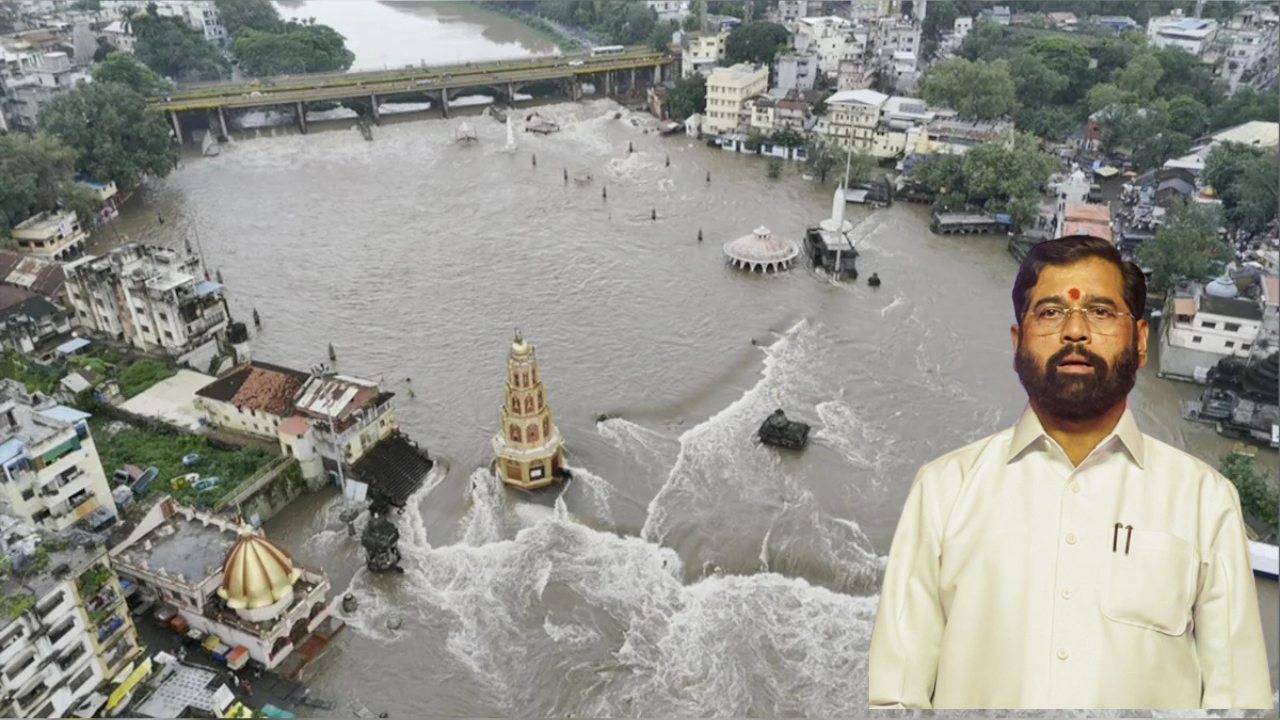
Maharashtra CM Eknath Shinde and Deputies Visit Flood-Hit Areas to Boost Relief

0
CM Eknath Shinde and Deputies

 In a determined response to the severe flood situation affecting the Marathwada region and parts of Maharashtra, Chief Minister Devendra Fadnavis along with Deputy Chief Ministers Eknath Shinde and Ajit Pawar are scheduled to personally visit the flood-hit districts today. Their visit marks a focused effort by the Maharashtra government to assess the damage firsthand, coordinate relief operations, and extend support to the affected communities, especially farmers facing massive crop losses amid this natural calamity.

Ground Situation and Impact

Heavy rains over the last few days have led to widespread flooding in districts including Latur, Dharashiv, Beed, and Parbhani. The Marathwada region has been particularly hard-hit, with water levels rising dangerously as several dams like Manjara, Lower Terna, and Tawarja opened their gates to release excess water. As a result, roads and highways such as the Latur-Zahirabad National Highway have been submerged, causing significant disruptions to connectivity and daily life.

Floodwaters have entered homes in several villages, including Wadner, Devgaon, and Shelgaon in Paranda taluka, prompting emergency evacuations. Approximately 200 residents have been relocated to safer shelters with assistance from district disaster management teams, the Indian Army, and the National Disaster Response Force (NDRF).

Tragically, the floods have claimed eight lives and injured several others. Beyond human casualties, the floods have inflicted severe damage on the agricultural sector. Over 33,000 hectares of crops have been destroyed in Dharashiv alone, leading to serious economic distress among farmers who rely on these farmlands for their livelihood. Entire fields have been washed away in some areas, causing erosion and loss that threatens to impact food production and rural incomes significantly.

Government Response and Relief Initiatives

The Maharashtra government has swiftly mobilized resources to manage the crisis. Deputy Chief Minister Eknath Shinde has been actively coordinating relief efforts, in close contact with district officials, disaster management teams, and rescue units. Immediate airlifting operations via helicopter with NDRF and State Disaster Response Force (SDRF) support are underway to evacuate stranded citizens from the worst affected areas.

The administration has empowered district collectors to quickly disburse compensation for damages related to deaths, livestock losses, and destruction of homes, ensuring affected families receive timely financial aid. Chief Minister Fadnavis has allocated a relief fund of Rs 2,215 crore supporting more than 31 lakh farmers across Maharashtra, with direct deposits already initiated to compensate for crop losses from the ongoing floods as well as previous heavy rains recorded between June and August 2025. Further assistance worth Rs 1,339 crore has been earmarked specifically for farmers in Marathwada impacted by recent flooding.

Political Leadership on the Ground

Today’s visits will see Chief Minister Devendra Fadnavis touring various locations in Latur, aiming to review the scale of damage and meet affected citizens. Deputy Chief Minister Eknath Shinde, who will visit Dharashiv district alongside Guardian Minister Pratap Sarnaik and Health Minister Prakash Abitkar, is keen on providing both relief and reassurance. Deputy CM Ajit Pawar will focus his visit on Dharashiv and Beed districts. In addition, Environment Minister Pankaja Munde and Agriculture Minister Dattaray Bharne will tour Jalna district to engage directly with farmers and assess crop damage.

All ministers of the Maharashtra government are expected to visit flood-affected areas in the coming days as part of a state-wide response to manage rescue, relief, and rehabilitation. The leadership has emphasized a hands-on approach, underlining that the government stands firmly with farmers and citizens impacted by the floods.

Commitment to Farmers and Future Steps

Deputy Chief Minister Shinde has reiterated the government’s commitment to stand shoulder to shoulder with the farming community through this crisis. He stressed that efforts are underway to finalize crop damage assessments swiftly so that compensation can be processed well ahead of the Diwali festival, offering some measure of economic relief during a critical time.

The state government is also in constant communication with the central authorities to secure additional funds and support to aid recovery efforts. While emergency funds from the state government are currently deployed in relief operations, a consolidated damage report will be submitted to the Union government to unlock further financial aid.

Community Coordination and Resilience

State ministers and officials maintain ongoing coordination with district authorities and disaster management forces including the NDRF, facilitating focused rescue missions and logistical support. With multiple teams deployed across the affected districts, efforts continue to restore normalcy by reopening roads, rehabilitating displaced families, and ensuring the supply of essential commodities.

The leadership appeals for public cooperation and vigilance while urging citizens to follow evacuation orders and safety advisories issued by the administration. Alongside the rescue and relief work, emphasis on long-term measures like flood management infrastructure and sustainable farming practices is expected to form part of Maharashtra’s broader strategy to mitigate the impact of future extreme weather events.


This visit by Maharashtra’s top leadership underscores the urgent priority given to flood relief and support for the hardest-hit population sectors. Through direct engagement, substantial financial aid, and coordinated rescue operations, the government aims to alleviate the hardships caused by the floods and rebuild resilience across the region.