
Wednesday, October 28, 2026
Home Blog Page 46

Project Cheetah Success First Indian-Born Female Chelah Gives Birth to Five Cubs

First Indian-Born Female Chelah

A historic moment has taken place at Kuno National Park in Madhya Pradesh. The first India-born female cheetah has given birth to five healthy cubs, marking a major achievement in the country’s ongoing cheetah reintroduction project. This milestone has brought new hope to India’s wildlife conservation efforts and highlighted the success of the ambitious project aimed at restoring the presence of cheetahs in Indian jungles after more than seven decades.

A Remarkable Step in India’s Conservation Story

According to forest officials, the mother cheetah, born in India under the reintroduction project, delivered the cubs earlier this week. The news was confirmed by the monitoring team stationed inside Kuno National Park, which has been closely tracking the health and progress of all cheetahs brought to India from Namibia and South Africa.

This is the first time that an Indian-born cheetah has successfully reproduced, proving that the animals have started adapting to local conditions. It also reflects that the ecosystem in and around Kuno National Park is now supporting the survival and growth of this species. Officials have said that both the mother and cubs are under careful observation and appear to be in good health.

The Journey of Project Cheetah

The cheetah reintroduction project, also known as Project Cheetah, was launched in September 2022 when the first batch of eight cheetahs arrived from Namibia. The aim was to reintroduce the species that had gone extinct in India in 1952 due to hunting and habitat loss. The project symbolizes one of India’s most ambitious wildlife restoration missions.

So far, over 20 cheetahs have been brought to Kuno National Park in Madhya Pradesh from Namibia and South Africa under this plan. The project has seen both challenges and milestones since its inauguration, but this latest birth marks a turning point. It shows that the species is not just surviving but beginning to thrive in India’s environment once again.

Birth Brings a Boost to Biodiversity Goals

The birth of five new cubs underlines the importance of sustained efforts in wildlife conservation. Experts believe that this event will encourage India’s biodiversity goals and inspire greater attention toward habitat restoration, prey management, and ecological balance.

Officials from the National Tiger Conservation Authority and the Ministry of Environment, Forest, and Climate Change expressed their satisfaction over this success. They said that the project’s positive outcomes are a direct result of India’s long-term planning, field management, and collaboration with international experts.

Conservationists also view this as an encouraging sign for rewilding programs across India. They believe that the Kuno model could be studied and replicated for reviving other species across different parts of the country.

International Attention on India’s Achievement

The news of the first India-born cheetah giving birth to five cubs has gained global attention. Wildlife researchers and environmental organizations worldwide have praised India for taking a leadership role in rewilding efforts.

Dr. Laurie Marker, a wildlife expert from Namibia who helped plan the cheetah relocation, said that this birth shows strong signs of adaptation. She emphasized that reproduction in the wild is the most important indicator of a successful wildlife translocation.

Similarly, local communities around Kuno National Park have expressed happiness over this development. Many residents, who have participated in awareness programs and forest-friendly livelihood initiatives, view this success as a reminder of how humans and wildlife can coexist when conservation is prioritized.

Ongoing Care and Monitoring

The Madhya Pradesh Forest Department has put special arrangements in place to ensure the safety of the newborn cubs. Constant camera surveillance, drone monitoring, and expert veterinary care are being used to keep a close watch on the mother cheetah and her cubs.

Forest rangers have been instructed to maintain minimal human interference near the cheetah’s habitat. Officials confirmed that the area where the cubs were born remains under strict protection, with regular patrols to prevent any disturbance. Once the cubs grow older, experts will decide when they can be released into a larger open area within the park to explore their surroundings freely.

Building a Future for Cheetahs in India

The cheetah project is not just about bringing back a species—it’s about restoring balance to India’s grassland ecosystem. Cheetahs play an important role in controlling herbivore populations, ensuring that grassland habitats remain healthy and sustainable. With successful births like this, Kuno National Park is becoming a living example of how science, government policy, and community involvement can come together to revive nature.

As the cubs grow, they will serve as a new generation of cheetahs born and raised on Indian soil. Their survival and health in the coming months will be crucial to evaluate the long-term success of Project Cheetah.

A Moment of National Pride

The birth of five cheetah cubs from an India-born mother has filled wildlife lovers across the country with pride. It stands as proof of India’s commitment to wildlife protection and habitat restoration. The Ministry of Environment has said that while challenges remain — including health monitoring, future breeding, and adequate prey availability — the positive developments so far show remarkable progress.
Hutatma Smruti Din Maharashtra Pays Tribute to Its Statehood Martyrs

Hutatma Smruti Din

State Martyrs Memorial Day, also known as Hutatma Smruti Din in public discourse, is linked with the Samyukta Maharashtra movement that demanded a separate Marathi-speaking state with Mumbai as its capital.​
During the 1950s, lakhs of people came out on the streets to press for this demand, and the movement saw intense protests, police action and the tragic loss of many lives.​

On 21 November 1955, a protest in south Mumbai turned into a turning point in this struggle.​
Police firing on demonstrators led to the death of more than a hundred protestors, and over time, 106 of them came to be officially remembered as martyrs of the Samyukta Maharashtra movement.​

Hutatma Chowk and the 106 martyrs

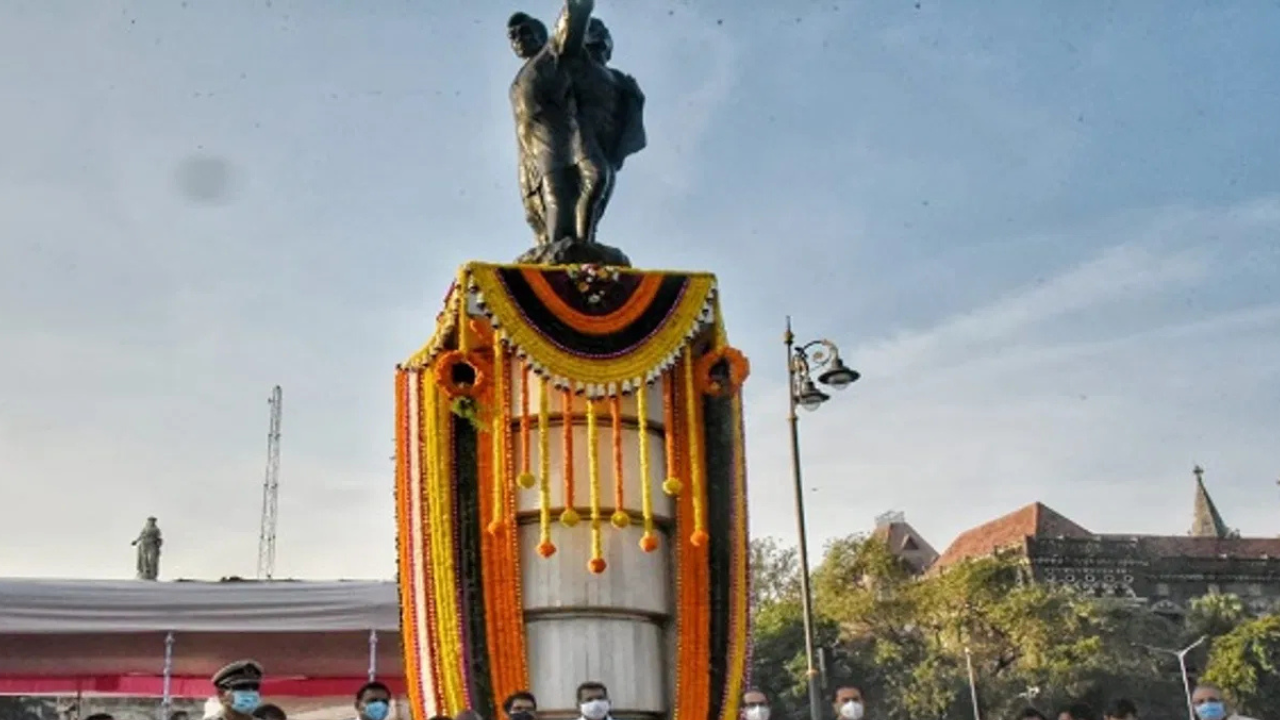
In the heart of south Mumbai stands Hutatma Chowk, near the iconic Flora Fountain, which has become the central memorial site for these martyrs.​
The square, earlier known simply by its old colonial-era name, was officially renamed Hutatma Smarak Chowk in 1961 in honour of those who laid down their lives for a unilingual Marathi-speaking state of Maharashtra.​

At this memorial, an eternal flame burns in memory of the martyrs, symbolising the unbroken spirit of their sacrifice.​
On the marble platform near the flame, the names of the martyrs are inscribed, serving as a permanent reminder of the human cost behind the creation of the modern state.​

The number 106 carries special emotional weight in Maharashtra, as it refers to the workers, students and ordinary citizens who lost their lives during the protests and subsequent police firing.​
Their sacrifice is remembered as a key factor that eventually led to the formation of Maharashtra with Mumbai as its capital on 1 May 1960.​

Observance on November 21

Every year on 21 November, State Martyrs Memorial Day is observed by the government, political leaders, social organisations and citizens across Maharashtra.​
The main state-level tribute usually takes place at Hutatma Chowk, where floral wreaths are laid at the memorial, the eternal flame is saluted and homage is paid to the martyrs.​

On this day, senior leaders, including the Chief Minister and other dignitaries, gather at the square to remember the martyrs with a formal ceremony.​
Two minutes of silence are often observed, and messages are issued urging people to uphold the values of unity, democracy and linguistic and cultural identity for which the martyrs fought.​

Apart from the official programme in Mumbai, various events are held in districts and towns across Maharashtra.​
Local leaders, students and citizens assemble at memorials, public squares and educational institutions to offer floral tributes, organise talks on the Samyukta Maharashtra movement and conduct awareness programmes about the history of the state.​

Significance for today’s generation

State Martyrs Memorial Day is not just a ritual of laying wreaths; it is a reminder of how people’s movements shape the map and identity of a region.​
The struggle for Samyukta Maharashtra shows how workers, farmers, students and common citizens came together, cutting across class and background, to demand a state that reflected their language and culture.​

For the younger generation, the story behind this day is also a lesson in civic awareness.​
Many young people in cities may not fully know why Maharashtra Day is celebrated on 1 May or why Hutatma Chowk holds such importance, and occasions like this help bridge that gap.​

By remembering the 106 martyrs, society is reminded that the rights and privileges enjoyed today, such as having a state that recognises Marathi language and culture at its core, did not come easily.​
They were won through years of agitation, sacrifice and, ultimately, bloodshed on the streets of Mumbai and other parts of the region.​

Role of Happen Recently and the media

Digital platforms and news portals like “Happen Recently” play an important role in keeping this history alive for readers across Maharashtra and beyond.​
By publishing stories, explainers and human-interest articles on days like State Martyrs Memorial Day, media organisations help connect present-day audiences with the struggles of earlier generations.​

Such coverage can highlight not only the political milestones but also the personal stories of families of martyrs, surviving participants of the movement and historians who have documented this chapter of Maharashtra’s history.​
This people-centric approach ensures that the martyrs are remembered not just as names on a stone plaque but as real individuals whose courage reshaped the destiny of the state.​

A day of tribute and resolve

On State Martyrs Memorial Day, Maharashtra bows its head in respect to the 106 martyrs whose sacrifice laid the foundation of the modern state.​
The eternal flame at Hutatma Chowk and the observances held across the state together send out a message that their contribution will never be forgotten.​

The day also renews a collective resolve to protect the values of justice, linguistic pride, cultural harmony and democratic protest that were at the heart of the Samyukta Maharashtra movement.

Maharashtra Directs Officials to Show Respect New Guidelines for Interactions with MLAs, Ministers

Maharashtra

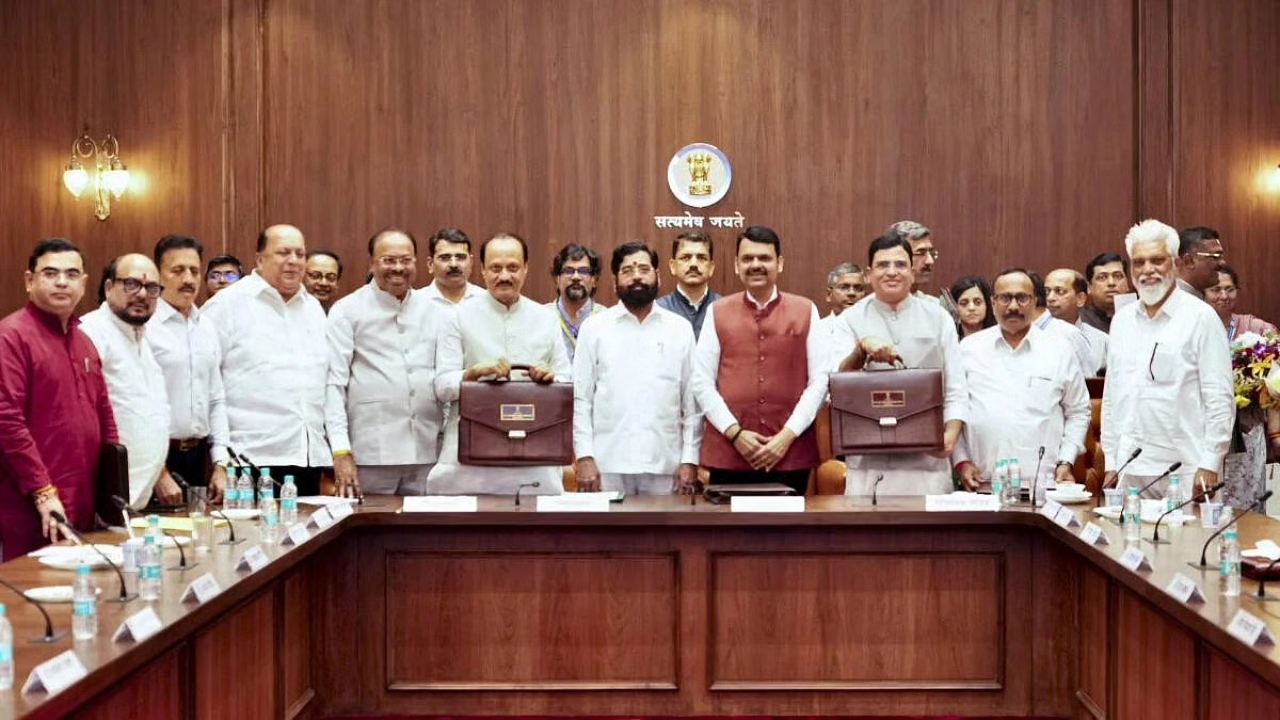
In a move aimed at improving administrative discipline and promoting respectful interactions, the Maharashtra government has issued new conduct guidelines for state officials. The latest directive instructs government employees to behave politely and stand up as a sign of respect when elected representatives, including ministers and Members of the Legislative Assembly (MLAs), enter government offices. The decision reflects the government’s attempt to restore decorum and formal courtesy in official environments.

According to the circular issued by the state’s General Administration Department (GAD), these new rules are designed to strengthen the relationship between government officials and public representatives. The government has emphasized that politeness and respect form the foundation of good governance and help maintain a positive working culture across departments.

Promoting a Culture of Courtesy in Government Offices

The revised guidelines apply to all levels of administrative functionaries—from secretaries and commissioners to lower-level clerks. Officials have been instructed to address elected representatives courteously, respond to their queries promptly, and ensure that any correspondence or administrative work related to them is handled with due priority.

The directive further adds that standing up when an MLA, MP, or minister enters a government office is an established form of respect in official settings, similar to practices followed in many government systems across India and abroad. This symbolic gesture, the government says, is not about hierarchy but about maintaining dignity and discipline in public service.

An official from the GAD said that the move was part of the state’s effort to enhance the image of the government machinery in the eyes of both the public and the elected representatives. The government believes that healthy communication and mutual respect between bureaucrats and political leaders are essential for smooth governance and better service delivery.

Background and Reason Behind the Directive

Over the years, several instances of friction between government officials and elected representatives have surfaced in Maharashtra. Cases where officials failed to respond to MLAs’ concerns or showed dismissive behavior have occasionally created administrative tension. In some districts, these incidents even disrupted development-related projects due to poor coordination between departments and representatives.

To address this growing concern, the Chief Minister’s Office (CMO) reportedly instructed the General Administration Department to issue formal behavior guidelines. The aim is to remind officials of their responsibility to maintain professionalism and demonstrate respect toward public representatives, regardless of personal opinions or political affiliations.

The circular states that government employees are expected to act with humility, honesty, and courtesy while dealing with elected officials or the general public. It highlights that good behavior is not only a sign of discipline but also a key part of citizen-centric governance.

Reaction from Political Circles and Public Response

The move has received a mixed response across political and administrative circles. Many elected representatives welcomed the decision, saying it would help improve coordination between officers and politicians. Several MLAs noted that officials often forget they are part of a public service system meant to assist and support citizen representatives in implementing development programs.

Some bureaucrats, however, have expressed caution. A few officials believe that focus should remain on efficiency and transparency rather than symbolic gestures. According to them, respect should be mutual and not limited to standing up or formal courtesies. “True respect comes from mutual trust, cooperation, and dedication to public welfare,” commented a senior officer requesting anonymity.

Experts note that such measures are not new in Indian administration. Similar conduct codes exist in the central government and other state services, emphasizing politeness, time-bound responsiveness, and disciplined correspondence. The difference this time lies in Maharashtra’s renewed emphasis on etiquette within office decorum, possibly indicating the government’s intent to curb instances of miscommunication or administrative delays.

Ensuring Accountability and Proper Implementation

The Maharashtra government has clearly stated that compliance with these conduct guidelines will be monitored at the departmental level. Heads of departments and divisional commissioners have been asked to ensure that all employees are aware of the new rules and follow them diligently. In case of any breach of conduct, appropriate disciplinary action may be taken under existing service regulations.

Training programs and orientation sessions may also be organized to sensitize officials about workplace behavior and communication skills. The government expects that a respectful office atmosphere will help bridge administrative gaps and lead to faster problem-solving for citizens approaching government offices for services.

Analysts believe that the timing of this directive also signals the government’s intent to project a more people-friendly administration. As Maharashtra continues to expand its developmental projects and infrastructure programmes, maintaining harmony between political and administrative wings has become essential.

Moving Toward a More Civil Administrative Culture

The state government’s focus on courtesy and discipline highlights a broader shift in governance philosophy — one that encourages cooperation, transparency, and professionalism. Restoring traditional values of respect and protocol, without compromising efficiency, could create a more people-centric governance model.

For citizens, these changes might result in smoother grievance redressal, faster approvals, and a friendlier experience at government offices. For officials, it’s a reminder of their duty to serve the public with empathy and dignity.

Building Future Finance Leaders ICAI’s Plan to Revolutionize Maharashtra School Curriculum

icai's

In a major move to strengthen the foundation of financial education in schools, the Institute of Chartered Accountants of India (ICAI) has proposed the introduction of commerce-related subjects in Maharashtra’s school curriculum from standard V to X. The initiative is aimed at creating early awareness about accounting, business, and financial management among students.

The ICAI, the country’s premier accounting body, believes that developing commerce education from an early age will not only broaden students’ understanding of economic concepts but also prepare them for professional courses like chartered accountancy in the future. As part of this initiative, the institute has also announced a scholarship fund of Rs 500 crore to support CA students from economically weaker sections, ensuring that financial constraints do not stop talented youth from pursuing their dreams.

Early Introduction of Commerce

Traditionally, subjects such as accounting, economics, and business studies are introduced to students only after standard XI, once they opt for the commerce stream. However, ICAI’s proposal aims to change this by making the subject accessible at the school level across Maharashtra.

According to ICAI officials, the idea is to make young students familiar with core commerce ideas like saving, budgeting, entrepreneurship, trade, and financial literacy through easy and interactive lessons. The curriculum, if implemented, will simplify these concepts for middle and secondary school students in a way that connects to their daily lives.

Experts believe that introducing commerce subjects at a young age will help students develop analytical thinking, decision-making ability, and money management skills. It will also help promote a culture of entrepreneurship among schoolchildren and encourage them to understand the value of ethical financial practices.

Rs 500 Crore Scholarship for Aspiring CAs

One of the highlights of ICAI’s new initiative is a massive Rs 500 crore scholarship fund targeted at students from economically weaker sections. This fund aims to provide financial assistance to those who wish to pursue the Chartered Accountancy (CA) course but lack the means to afford the fees.

Many students, especially from rural and semi-urban backgrounds, face challenges in continuing their CA studies due to financial hardship. ICAI’s scholarship plan is expected to bridge this gap by ensuring that deserving candidates do not drop out of the course midway due to monetary reasons.

The scholarship will cover a wide range of expenses, including registration charges, coaching class fees, and stipends during article training. The move aligns with ICAI’s broader mission of inclusivity and access to professional education, encouraging students from all economic backgrounds to aim for a career in accounting and finance.

Partnership with Maharashtra Education Department

To implement this proposal successfully, ICAI is likely to collaborate with the Maharashtra State Education Department. Discussions are expected to focus on designing course modules, preparing teaching materials, and training teachers who will handle the new commerce subjects.

The ICAI has a long history of working with educational institutions and state governments to promote commerce education. Similar initiatives in other states, such as Gujarat and Tamil Nadu, have already shown positive results, where schools introducing basic commerce lessons experienced increased student interest in business and economics subjects.

Officials from the ICAI mentioned that the proposed curriculum for Maharashtra schools will be designed to fit within the existing framework of the state board (MSBSHSE), without burdening students with additional academic load. The focus will be on practical learning through storytelling, real-life examples, and simple exercises.

Boost to Financial Literacy and Career Awareness

The introduction of commerce from standard V to X is expected to significantly boost financial literacy levels among students in Maharashtra. In today’s world, understanding money and managing finances are essential skills not only for business students but for everyone.

By learning about concepts such as saving, investment, trade, and taxes in school, children will become more confident and responsible in dealing with real-life financial situations later. Teachers and parents have also welcomed this proposal, calling it a forward-thinking step that matches the needs of the modern economy.

Moreover, exposure to commerce at an early age will give students a clearer view of the wide range of career opportunities in finance, accounting, auditing, taxation, banking, and entrepreneurship. It may also help break the long-held myth that commerce is a secondary choice compared to science or arts streams.

Empowering the Next Generation of Accountants

The ICAI’s combined efforts—introducing commerce in schools and providing a large-scale scholarship—signify a concrete step toward empowering the next generation of Indian accountants and finance professionals.

The institute’s vision goes beyond academic reform; it seeks to build a strong foundation of ethical and financially aware citizens who understand the value of transparency, accountability, and good governance.

By nurturing young minds through early commerce education and supporting deserving students financially, ICAI is paving the way for a more skilled and financially literate workforce in India.

Looking Ahead

If Maharashtra’s education authorities approve the proposal, the state could become a model for other regions to follow. The initiative holds the potential to transform the way financial education is perceived and taught at the school level.

As India continues to move towards a knowledge-based economy, such initiatives are timely and essential. With the ICAI’s expertise and commitment, this program could play a major role in shaping financially aware citizens and producing world-class professionals from every corner of the country.

The combination of early education and financial support underlines ICAI’s belief that talent should never go unnoticed due to financial barriers. The Rs 500 crore scholarship initiative and the plan to introduce commerce subjects in schools together mark a new chapter in India’s educational reforms, one that aligns learning with long-term career growth and economic progress.

Positive Momentum in Indian Stocks TCS Advances AI Services, VIP Industries Sells Mumbai Asset

Indian Stocks

 The Indian stock market started Friday’s session on a stronger note, supported by positive cues from global markets and investor optimism surrounding domestic corporate developments. Key blue-chip stocks, including Eicher Motors, Reliance Industries, and HDFC Bank, saw healthy gains as traders carried forward momentum from the previous sessions.

The overall sentiment in the market turned upbeat as investors responded positively to ongoing corporate announcements and strong earnings performances. The banking, IT, and auto sectors emerged as top-performing indices, reflecting improved business confidence across the economy.

Broader Market Highlights

The benchmark indices opened higher, with both the BSE Sensex and NSE Nifty trading in the green. Improved liquidity from institutional investors, coupled with easing global bond yields, boosted market enthusiasm. Auto and information technology counters outperformed, while select energy and metal stocks traded mixed on profit booking.

Eicher Motors stood out as one of the key gainers of the day. The company’s stock continued its upward trajectory as investors maintained confidence in the auto manufacturer’s export-focused strategy and new launches in the mid-size motorcycle segment. Analysts noted that growing international demand for Royal Enfield models has strongly supported the company’s revenue prospects going forward.

Reliance Industries  also supported market gains, registering a steady rise as reports emerged of its continued investments in new energy initiatives. The company’s strategic diversification into clean energy and digital ventures has consistently drawn investor attention. Market experts believe Reliance’s integrated growth approach across telecom, retail, and energy segments could provide long-term stability in its earnings profile.

HDFC Bank , one of the leading financial institutions in the country, added momentum with significant buying interest following optimism in the banking sector. Improved credit growth, declining non-performing assets, and strong retail loan demand have collectively boosted investor sentiment. Market analysts say HDFC Bank’s focus on digital transformation and expansion into rural markets will continue to strengthen its leadership position in the Indian banking industry.

Sectoral Insights and Institutional Activity

The auto index led sectoral gains as easing raw material prices and strong festive-season sales helped sustain buying interest. Financial stocks followed closely, reflecting robust balance sheets and a favorable credit environment. The IT index saw renewed strength driven by strong global demand for digital and AI-led solutions, benefiting key technology players.

On the institutional front, foreign portfolio investors (FPIs) were net buyers for the third consecutive day, signaling renewed confidence in India’s macroeconomic fundamentals. Domestic institutional investors (DIIs) also continued to accumulate positions in select mid-cap and large-cap sectors, adding further support to market stability.

Corporate Developments in Focus

Among major corporate announcements, Tata Consultancy Services  reported significant progress in its next-generation AI-led technology services. The company is focusing on integrating artificial intelligence with its core business solutions to help clients enhance efficiency and accelerate digital transformation. Analysts observed that TCS’s continued investment in research and development positions it well to leverage global demand for cognitive and automation-driven IT services.

The IT giant’s initiative reflects the broader industry trend of technology firms shifting toward smarter, high-margin service offerings powered by artificial intelligence and machine learning. Market participants expect this to create new revenue streams for the company while improving operating margins over time.

In another notable corporate move, VIP Industries  announced the sale of one of its non-core assets in Mumbai. The transaction, aimed at optimizing its asset portfolio and strengthening liquidity, aligns with the company’s long-term business restructuring strategy. Industry experts interpret the move as part of an effort to streamline operations and invest more aggressively in its core luggage and travel accessory business, which has seen increasing demand with the revival of tourism and business travel.

The sale is likely to enhance VIP Industries’ capital efficiency while allowing it to focus resources on expanding its product range and reaching new growth markets.

Broader Economic Context

The market’s positive movement comes amid steady economic indicators suggesting resilience in domestic demand. Recent data on industrial production and services output indicate consistent expansion, while inflation appears to be moderating after a period of volatility. Economists say these developments provide the Reserve Bank of India some flexibility to maintain a balanced policy stance during upcoming monetary reviews.

Consumer and investor confidence also remain high, aided by increased employment opportunities in urban centers and improving rural spending trends following a favorable monsoon season. Exports and manufacturing activities have shown moderate recovery, with the government’s continued emphasis on “Make in India” and infrastructure development providing further stimulus to key industries.

Global Sentiment and Outlook

Globally, Asian markets traded mostly higher on hopes of a stable U.S. interest rate path and continued economic recovery in China. European markets also opened positive, offering additional support to investor sentiment in emerging economies such as India.

Market strategists suggest that the near-term outlook for Indian equities remains constructive. A combination of strong corporate earnings, government capital expenditure, and improving global supply dynamics are expected to drive sustained growth in the coming quarters.

Analysts, however, warn that valuations in certain sectors remain elevated, warranting cautious optimism. They recommend investors focus on companies with robust fundamentals and diversified growth strategies while avoiding speculative segments.

Conclusion

As of Friday, the Indian market reflects a cautiously optimistic tone, with investors betting on steady growth across sectors. Major players like Eicher Motors, Reliance Industries, and HDFC Bank continue to capture market momentum, while technological advances from companies like Tata Consultancy Services and strategic realignments from firms such as VIP Industries signal evolving trends in corporate India.

ADEETYA MOHTA (NAGPUR) 100 COUNTRY WORLD TOUR ALL DREAMS CAME TRUE

ADEETYA MOHTA

In a world where challenges often overshadow clarity, Adeetya Mohta from Nagpur stands as a radiant source of strength, wisdom, and hope. Known globally as an International All-Rounder Counsellor and Social Worker, his journey of 33 years shines like pure light, guiding people with compassion, intuition, and a rare multidimensional brilliance. Adeetya represents a perfect balance of ancient knowledge, modern understanding, artistic creativity, and humanitarian values, making him a one-of-a-kind counsellor whose impact touches lives across India and beyond.

His extraordinary abilities include face reading, tarot, palmistry, energy and aura analysis, vibration reading, astrology, and kundali written suggestions. His counselling sessions are deeply insightful, often answering five key questions with utmost sincerity and clarity. For many, these twenty-minute personal sessions become life-changing experiences, filled with direction, healing, and emotional stability. His approach remains humble, transparent, and ethical, with a clear philosophy that resonates through his work: humble suggestions on request with no guarantee, because true guidance comes from honesty and purity of intention.

Adeetya’s spiritual expertise also extends to Vastu Shashtra and Feng Shui, helping transform homes and workplaces into spaces of harmony, peace, prosperity, and balance. His understanding of energy and environment has helped countless individuals regain confidence, emotional strength, and a sense of inner calm. His belief in divine principles, represented through auspicious symbols like Shubh, Labh, Swastik, and Om, reflects the positive vibrations he carries within himself.

Beyond metaphysical sciences, Adeetya is a true all-rounder, gifted with exceptional talents across multiple creative and professional fields. He is a jewellery designer, actor, RJ, VJ, performer, dancer, interior designer, landscaper, personal stylist, fitness coach, multi-cuisine chef, and a dedicated social worker whose service to humanity remains at the core of his identity. His versatility is like a polished diamond with many facets, each reflecting creativity, innovation, and passion. He strongly believes that creativity is another form of healing, and he channels this belief through every aspect of his multidimensional career.

Adeetya’s counselling philosophy is rooted in two powerful principles that he upholds with devotion: Karma pays with interest and one must celebrate life with respect, freedom, peace, and happiness. These guiding thoughts form the backbone of his interactions with individuals who seek clarity, guidance, or emotional strength. His best wishes message, Best Wishes Asever Forever, carries the warmth of his heart, reminding people that kindness, positivity, and blessings can create miracles.

He conducts his counselling with professionalism and respect, maintaining specific working hours from 2 PM to 5 PM and providing appointments only through prior scheduling. He also shares a complete counselling terms-and-conditions document before confirming any session, ensuring that every individual feels safe, prepared, and valued. Despite his global recognition, Adeetya chooses to remain an uncertified counsellor by personal choice, as he believes counselling is not a qualification—it is a calling of the soul.

What truly completes his identity is the meaning of his name. ADEETYA means sunshine, light, and life for the universe, and just as the universe is incomplete without the sun, his presence feels essential in the lives of those who seek guidance. He truly does justice to this divine name, radiating warmth, clarity, courage, and direction.

With his unwavering belief in human potential, his dedication to spreading positivity, and his heartfelt approach to offering solutions for any stage or struggle in life, Adeetya Mohta continues to shine as a humble yet powerful beacon of transformation with 16 yrs personal experience in our constitution of India judicial system wherein ADEETYA has personally appeared in-person and also handled several countless diversed various cases from honble trial courts to honble supreme court of India and got reliefs on merits since 2009 onwards, His journey from his heart to hearts is not just a caree, it is a blessing to the world from the universe, illuminating countless paths with light, personal experiences, world tour, wisdom, manifestation, hope and faith as faith and karmas can move mountains .

Cinematographer Sangram Mahapatra Gains National Recognition for Kokua, Announces Upcoming Projects

Sangram Mahapatra

Balangir, Odisha – 2025:
Emerging Odia cinematographer Sangram Mahapatra, known for his expressive visual craft and powerful storytelling, continues to rise in India’s independent film scene as his award-winning short film Kokua receives recognition at the Dada Saheb Phalke Award platform 2025.

Hailing from Bhainsa village in Balangir district and an alumnus of JITM College, Balangir, Mahapatra has built a strong creative journey through his work across short films, music albums, and concept-based visual projects. His dedication to authenticity and cinematic detail has earned him respect within the filmmaking community.

His breakthrough project, Kokua, is praised for its emotional depth, grounded narrative, and striking cinematography—solidifying his position as one of the most promising young creators from Odisha.

Upcoming Projects

Following the success of Kokua, Sangram Mahapatra is now involved in two highly anticipated independent projects:

🔹 Nigha – Upcoming short film
Directed by: Murli Prasad Sahu
Sangram contributes his visual expertise to bring this intense and concept-driven story to life.

🔹 Sur – The Last Note
By: Jogesh Raj & Vayura
Directed by: Sangram Mahapatra
A musical and emotional narrative, this film marks Sangram’s expanding role not only as a cinematographer but also as a director, showcasing his evolving creative versatility.

Industry Response

“Sangram is a dedicated visual craftsman. His signature detailing and storytelling sensibility reflect in every frame,” said members of his production team.

About the Artist

With multiple music videos, short films, and creative collaborations, Sangram Mahapatra is steadily emerging as a new voice in Odisha’s modern filmmaking landscape—carrying forward the vision of meaningful, independent cinema.

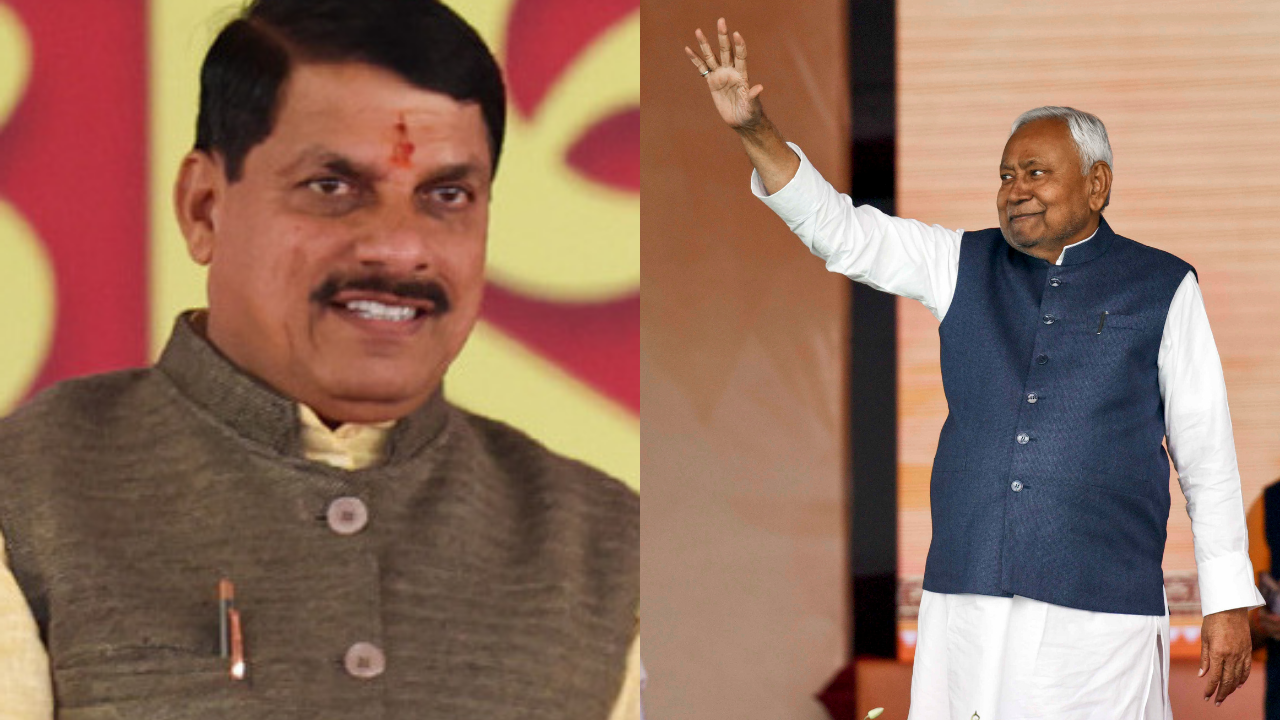
Mohan Yadav Joins Leaders at Nitish Kumar’s 10th Swearing-In, Signaling Political Unity

10th Swearing-In

Madhya Pradesh Chief Minister Mohan Yadav is once again making political headlines as he prepares to attend the oath-taking ceremony of Bihar’s Chief Minister Nitish Kumar. The event, marking Nitish Kumar’s 10th term as Chief Minister, is gaining national attention, and the presence of Mohan Yadav at the ceremony underscores a larger message of political engagement and alliance-building within India’s shifting political landscape.

The ceremony, expected to be attended by several political heavyweights, reflects Bihar’s political continuity under Nitish Kumar’s leadership, while also providing a stage for broader discussions among leaders from different states. Mohan Yadav’s attendance emphasizes Madhya Pradesh’s growing presence in national political circles and his own emergence as a significant leader within the Bharatiya Janata Party (BJP).

Strengthening Political Ties Across States

Mohan Yadav’s participation in the event is being interpreted as more than a simple gesture of respect or protocol. Political analysts view it as part of a broader strategy to strengthen inter-state relations within the party and reinforce coordination among the BJP-led governments across India. His attendance signals Madhya Pradesh’s active role in national dialogue and decision-making processes, especially in the run-up to key political events and elections.

Leaders from various states, particularly from BJP-ruled regions, are likely to utilize the occasion to discuss future strategies, governance models, and policy collaborations. Madhya Pradesh’s success in implementing several flagship central schemes, infrastructure upgrades, and development initiatives under Mohan Yadav’s leadership has positioned the state as an example of efficient governance. Many observers see this as a reason his presence at major political gatherings carries increasing significance.

Nitish Kumar’s Landmark 10th Oath-Taking Ceremony

Nitish Kumar’s 10th term as Bihar’s Chief Minister is historic, further cementing his reputation as one of India’s longest-serving state leaders. Known for his coalition politics, administrative reforms, and efforts to balance social and economic priorities, Nitish’s return to office reflects both continuity and resilience in Bihar’s political environment.

For the BJP and its national allies, such a milestone provides an important opportunity to demonstrate internal stability and regional cooperation. The presence of influential leaders like Mohan Yadav underscores unity within the party framework and signals the central leadership’s confidence in the administrative abilities of its key Chief Ministers.

Mohan Yadav’s Rising Role in the BJP’s National Landscape

Since assuming office as the Chief Minister of Madhya Pradesh, Mohan Yadav has maintained a steady focus on governance, infrastructure development, and youth empowerment. His governance style has often been described as practical and people-centric, focusing on long-term state growth through both urban modernization and rural empowerment.

Attending significant political ceremonies such as this one not only enhances his visibility at the national stage but also strengthens inter-state collaboration on key issues like education, digitalization, and investment promotion. Political experts suggest that Yadav’s growing influence within the BJP could translate into a greater role in shaping national-level policies that affect states like Madhya Pradesh and beyond.

Symbolism and Political Messaging

The presence of Chief Ministers from multiple states at the event also carries symbolism. It reflects the idea of cooperative federalism—leaders working together to build a shared political vision while maintaining regional diversity. For Mohan Yadav, being part of Nitish Kumar’s historic moment offers an opportunity to showcase Madhya Pradesh’s political harmony with other states while reinforcing the principles of unity and development under the party’s broader ideology.

Such interactions often extend beyond ceremonial participation. Behind the scenes, these events serve as informal platforms for exchanging ideas, sharing governance strategies, and discussing upcoming challenges such as employment generation, economic revival, and welfare delivery. The networks formed during such gatherings can influence future collaboration across sectors like agriculture, education, and industrial growth.

What This Means for Madhya Pradesh

For Madhya Pradesh, the Chief Minister’s engagement in national political events helps raise the state’s profile in inter-state and central-level discussions. It positions Madhya Pradesh as an active contributor to India’s overall progress rather than a spectator. Mohan Yadav’s leadership approach—rooted in regional tradition but open to innovation—fits well within the broader aim of expanding the state’s influence beyond its borders.

The event also offers an opportunity to attract new investments and partnerships. Bihar and Madhya Pradesh share cultural and social similarities, and both states are working on strengthening infrastructure, transport connectivity, and industrial corridors. Future collaborations spurred by such political interactions could translate into developmental benefits for both regions.

National Significance and Broader Impact

Beyond state politics, Mohan Yadav’s attendance at Nitish Kumar’s 10th oath-taking ceremony highlights the BJP’s emphasis on maintaining strong communication and coordination between its regional leaders. In an era where public perception and political partnerships matter more than ever, the symbolic presence of state leaders hints at unity and continuity within the organization’s national framework.

As political observers await the proceedings in Patna, all eyes will be on how key leaders interact and what messages emerge from this landmark event. The coming together of experienced leaders like Nitish Kumar and rising figures such as Mohan Yadav presents a picture of political coherence, stability, and shared commitment toward national growth.

Conclusion

Mohan Yadav’s attendance at the oath-taking ceremony goes beyond mere formality. It represents a convergence of political respect, inter-state cooperation, and strategic outreach. For Madhya Pradesh, it marks another step in projecting its leadership at a national level, while for India’s political scene, it reaffirms the importance of unity and collaboration among leaders steering the country’s development.

As Bihar marks Nitish Kumar’s 10th term, the presence of leaders like Mohan Yadav sets the tone for a renewed era of partnership-driven governance in India—where state leaders come together to shape not just their regions, but the nation’s future direction.

Maharashtra Sets to Simplify Property Ownership with Vertical Property Card

In a move that could redefine urban property ownership, the Maharashtra government has announced the introduction of the “Vertical Property Card” — a landmark initiative aimed at clearly defining land ownership shares for flat owners. This step is expected to make property transactions simpler, minimize disputes during redevelopment projects, and enhance transparency across the state’s real estate sector.

The Vertical Property Card will bring in a new era of digital clarity to the housing sector, especially in metropolitan cities like Mumbai, Pune, Thane, and Nagpur, where multi-storey apartment ownership is a significant part of urban life. Unlike the traditional property registration system that focused only on land parcels, the new system will digitally record details of individual flat ownership, ensuring that every flat owner’s share in the underlying land is clearly defined and traceable.

Purpose Behind the Vertical Property Card

For years, property transactions in Maharashtra have faced issues related to unclear ownership details, overlapping titles, and lengthy verification processes. In large housing societies or high-rise buildings, many residents often found it difficult to prove their precise ownership share when redevelopment or legal issues arose.

By implementing the Vertical Property Card system, the government seeks to change this. Each flat owner will be issued a digital card similar to the existing property card but vertically mapped to a specific apartment within a building. The details on the card will include the owner’s name, flat number, carpet area, share in the land, and other vital data extracted from the survey and land records.

The initiative aims to bring greater transparency between flat buyers, builders, and authorities. It will help streamline the property registration process, assist financial institutions in property-related verifications, and reduce legal disputes that often delay redevelopment projects for years.

How the New System Works

In a conventional property card system, ownership was horizontally mapped — referring only to plots of land and not the divisions within tall buildings. The Vertical Property Card introduces a digital mapping setup where each flat is identified in relation to the land parcel it stands on, much like separate floors and units in a 3D map.

This updated digital record will be linked with the property’s unique identification number (UID) under the state’s revenue department database. Once implemented fully, citizens will be able to view property card information online through integrated portals like Mahabhulekh and MahaOnline.

Under this initiative, the records will also be regularly updated to reflect property sales, transfers, redevelopments, or inheritance, ensuring that the land-sharing structure remains up to date at all times.

Benefits for Flat Owners and Developers

The Vertical Property Card will bring multiple benefits to property owners, developers, and law enforcement agencies:

  • Clarity in Ownership: Each flat owner’s share in land will be defined on paper, strengthening property rights and reducing confusion during resale or mortgage processes.
  • Simplified Transactions: Buyers and banks will have verified digital data while conducting transactions, saving time on record checks.
  • Transparency for Developers: Builders will have accurate land and apartment ownership records during redevelopment or society reconstruction projects.
  • Reduced Legal Disputes: Clear records will reduce conflicts over property boundaries, ownership claims, and redevelopment compensation.
  • Support for Smart Governance: Digital property mapping will help the government track property taxes, land use patterns, and urban development plans more effectively.

For the government, this initiative also ties into larger goals of urban digitalization, improving the ease of doing business, and building confidence among investors in Maharashtra’s property market.

Integration with Digital Land Record Reforms

The Vertical Property Card is part of Maharashtra’s broader land record modernization program under the national Digital India Land Records Modernization Programme (DILRMP). Through this project, the Revenue and Land Records Departments have already digitized millions of rural and urban property cards, 7/12 extracts, and maps.

By integrating with advanced GIS (Geographic Information System) technology, the new card system will bring visual precision to property identification. This means government departments, municipal authorities, and citizens will access coordinated data from a single digital source, reducing discrepancies between local body and land record offices.

Officials say the new system will first roll out in pilot cities such as Pune and Thane before expanding to other districts across Maharashtra. Once fully implemented, every new property registration will automatically generate a Vertical Property Card linked with the Sub-Registrar’s records.

A Step Toward More Organized Urban Development

The real estate sector in Maharashtra contributes significantly to the state’s economy, but lack of synchronized land documentation has often led to project delays. With this initiative, the government hopes to introduce a standardized digital framework that supports planned urban development and cleaner property transactions.

Industry experts and housing federations have widely welcomed the move. According to urban planners, the Vertical Property Card can act as a vital safeguard for homeowners in redevelopment cases, especially in old cooperative housing societies where multiple ownerships overlap. It aligns property data with the realities of vertical housing growth in modern cities.

The state government has stated that public awareness drives will soon be launched to educate citizens on how to access, verify, and use the Vertical Property Card for various purposes. These drives will explain how flat owners can link existing property details with the new digital system for better clarity and legal protection.

Conclusion

By recognizing that modern urban life is built vertically rather than horizontally, Maharashtra’s introduction of the Vertical Property Card marks a major policy innovation in property governance. It bridges the gap between physical property ownership and digital record management, establishing transparency and trust in real estate dealings.

As the initiative expands statewide, it promises to simplify homeownership for millions of citizens, provide a reliable foundation for redevelopment, and pave the way toward a more transparent, efficient, and future-ready real estate ecosystem in Maharashtra.

Mumbai’s Luma Fertility Raises $4 Million to Expand Clinics Across India

Luma Fertility

Mumbai-based fertility healthcare startup Luma Fertility has successfully raised $4 million in funding to accelerate its nationwide expansion and make quality fertility treatment more accessible to couples and individuals across India. The funding round marks a major step forward in India’s rapidly evolving reproductive health ecosystem, where advanced technology, clinical expertise, and patient-focused care are driving new hope for people struggling with infertility.

Breaking Barriers in Fertility Care

Founded in Mumbai, Luma Fertility aims to transform how fertility care is delivered by blending medical innovation with personalized treatment. The startup focuses on helping couples conceive using a combination of advanced fertility testing, modern IVF procedures, and emotionally supportive care.

With growing rates of infertility due to lifestyle and environmental factors, Luma Fertility believes that fertility treatment must go beyond clinical procedures and include emotional well-being, counseling, and holistic support. By establishing a chain of modern clinics equipped with experienced doctors, embryologists, and counselors, the company has already built a trusted presence in Mumbai and nearby cities.

The newly raised $4 million will be used to expand its physical footprint, enhance in-house technology, and strengthen the digital infrastructure that connects patients to personalized fertility solutions. Luma Fertility plans to open several new clinics in major metropolitan cities such as Delhi, Bengaluru, Pune, and Hyderabad over the next 18 months.

Investor Confidence and Growth Plans

According to company sources, the latest funding came from prominent investors who see immense potential in India’s fertility healthcare sector. Though the names of investors have not been disclosed publicly, the involvement of both domestic and international backers signals growing confidence in healthcare startups focused on reproductive medicine.

The fresh capital infusion will support Luma Fertility’s three key areas of growth: clinical expansion, technology-driven diagnostics, and patient education. The startup plans to invest significantly in building AI-based diagnostic tools that can help doctors design more accurate and customized treatment plans. This combination of technology and clinical precision aims to improve IVF success rates and reduce treatment time.

“Our mission is to make fertility care more transparent, compassionate, and affordable,” said a Luma Fertility spokesperson. “With this new funding, we can reach more couples across India who need support in their fertility journey and ensure that the experience is both medically effective and emotionally reassuring.”

Rising Demand for Accessible Fertility Solutions

India has witnessed a significant increase in demand for fertility treatments over the past decade. Factors such as delayed marriages, urban lifestyles, stress, and rising awareness of assisted reproductive technologies (ART) have contributed to the sector’s growth. Industry reports suggest that the Indian fertility market could surpass $3 billion by 2030, highlighting opportunities for specialized healthcare startups like Luma Fertility.

Luma Fertility’s approach stands out for its focus on patient education and transparency. Unlike traditional clinics that often provide limited information or follow one-size-fits-all treatment models, Luma uses data-driven diagnostics to tailor approaches for each individual. Patients receive detailed insights into their fertility timeline, hormone health, egg quality, and lifestyle adjustments that can support conception naturally or through medical assistance.

Building a Patient-Centered Ecosystem

Apart from expanding its physical presence, Luma Fertility is also developing a robust digital ecosystem. The startup plans to launch a mobile platform to help users track fertility goals, consult with doctors online, and access educational resources about reproductive health. This will enable patients to stay connected with experts even between in-clinic visits and foster long-term engagement with the brand.

The company is also focusing on building awareness programs and tie-ups with corporate wellness partners to make fertility-related health checks part of regular healthcare benefits. This move aligns with the growing recognition among employers that reproductive health is a key component of employee wellness.

Commitment to Accessibility and Affordability

Fertility treatment in India can often be expensive and financially draining for families. Luma Fertility aims to address this challenge by offering transparent pricing and financing options that make treatment more affordable. Partnerships with financial institutions and healthcare insurers are expected to help patients manage costs effectively without compromising on medical standards.

The startup also emphasizes ethical practices in fertility care, prioritizing medically justified treatments and clear communication. Patients are informed about every step of the process, from diagnosis to post-treatment support, which helps build trust and confidence.

Outlook for the Future

With the backing of its investors and a growing network of medical professionals, Luma Fertility is set to redefine fertility care standards in India. The startup’s clinics are designed not only as medical centers but also as safe, inclusive spaces where people can seek hope and expert guidance during an emotionally delicate phase of life.

By combining technology with empathy, Luma Fertility envisions bridging the gap between modern science and human connection. The company’s long-term plan includes expanding to Tier-2 cities, where access to fertility care remains limited. The team aims to bring world-class IVF and fertility services to emerging urban centers where awareness and affordability are major challenges.

Industry experts believe that Luma Fertility’s success story reflects the growing investor optimism in healthcare startups addressing specialized needs in India. As conversations around reproductive health become more open and inclusive, companies like Luma Fertility are set to play a crucial role in making fertility care more approachable and trusted.

With renewed funding, a strong mission, and an expanding footprint, Luma Fertility stands at the forefront of India’s next phase in fertility healthcare innovation — combining clinical excellence with digital innovation to help more families begin their parenthood journey.