Thursday, March 12, 2026
Home Blog Page 34

Farmers in Chhatrapati Sambhajinagar Suffer Crop Loss as Unseasonal Rain Devastates Fields

0
Unseasonal Rain Devastates

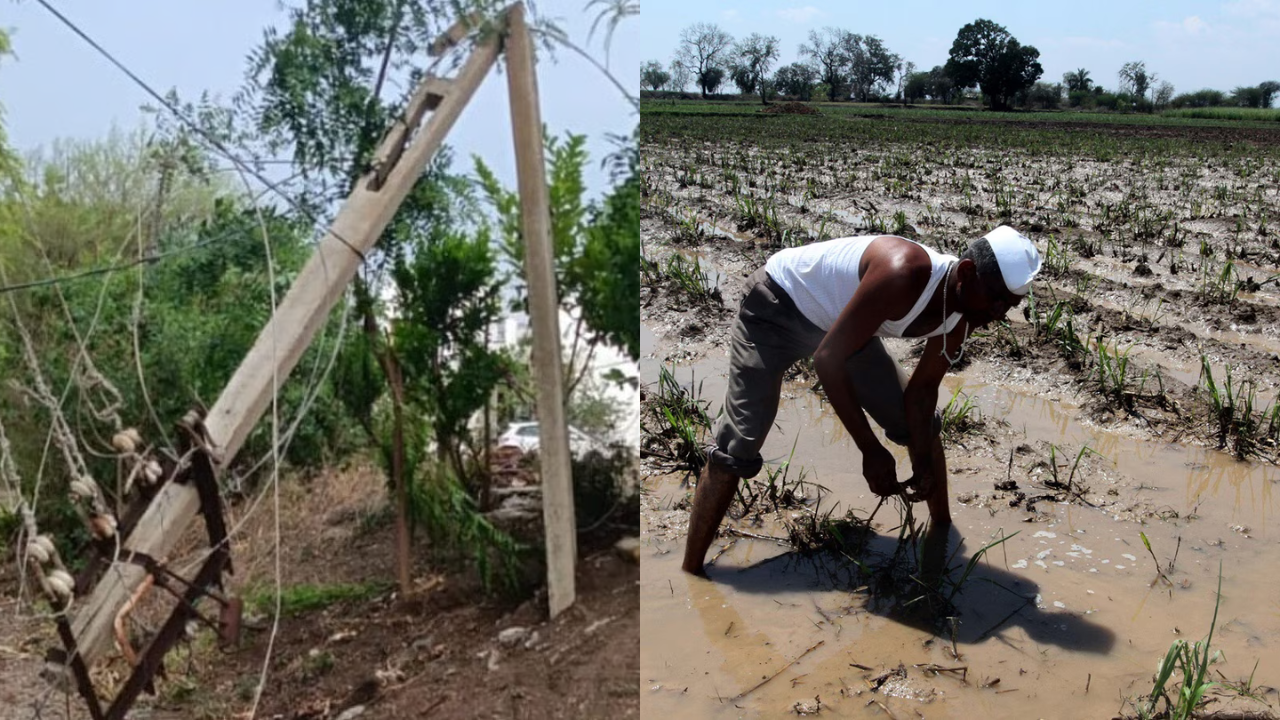
Chhatrapati Sambhajinagar – Unseasonal rainfall over the past several days has caused severe damage to standing crops across several regions of Chhatrapati Sambhajinagar district, leaving farmers in deep distress. Reports of farmer suicides have also begun to surface, highlighting the grim reality faced by rural communities as they battle the aftershocks of nature’s fury and financial hardship.

According to preliminary data from local agricultural offices, heavy rains accompanied by strong winds have flattened significant portions of kharif crops such as cotton, soybean, and tur. In several villages, standing sugarcane and onion fields have also been partially submerged, leaving farmers with little hope of recovery. Many of them had already been struggling with rising costs of seeds, fertilizers, and irrigation, and the fresh round of crop loss has pushed them deeper into debt.

Local farmers told Happen Recently that they had just begun harvesting cotton when the unseasonal rainfall struck. “Within a single day, our entire crop turned black with excess moisture and fungus. The cotton pods have fallen, and the seeds have rotted,” said a farmer from Vaijapur taluka. Others expressed similar anguish, adding that they had taken loans from cooperative societies and private lenders during the sowing season, expecting a stable yield this year after a fairly good monsoon start.

Tragically, reports have emerged of farmers taking extreme steps due to the losses. Authorities have confirmed several cases of suicide in rural areas of Chhatrapati Sambhajinagar district. Police officials said investigations are underway to determine the exact causes, but early findings indicate mounting financial pressure and loss of livelihood as major factors. Activists working in the region have urged the state government to immediately extend financial aid and mental health support to the affected families.

The Meteorological Department has noted that erratic weather patterns over the Marathwada region have become more common in recent years. While the monsoon officially withdrew in mid-October, sudden western disturbances have been bringing heavy post-monsoon showers unexpectedly. Agricultural experts warn that such conditions are likely to increase in frequency and intensity due to ongoing climate change.

District officials have begun survey work to assess the extent of the agricultural damage. The local administration has informed that revenue officials and agricultural officers are visiting affected villages to document crop loss and prepare compensation proposals. A senior district officer told Happen Recently that once the assessment report is submitted, a proposal for relief measures will be sent to the state government. “We are ensuring that the process is fast-tracked. Farmers should not have to wait months for assistance,” the official said.

Leaders of farmer organizations have demanded that the state and central governments release an immediate relief package for small and marginal farmers in the region. They also urged banks to waive interest on crop loans and delay repayment deadlines to prevent further distress. “Farmers are the backbone of our economy, yet they are repeatedly facing natural disasters with little institutional support. Without timely aid, rural Maharashtra will continue to suffer,” said one representative of a local farmer’s union.

Experts from the Vasantrao Naik Marathwada Agricultural University in Parbhani have suggested that long-term measures are needed to tackle the growing weather uncertainty. They emphasize the need for crop diversification, improved irrigation infrastructure, and better insurance coverage. “Government schemes for crop insurance are not reaching all eligible farmers. Many farmers are unaware of their benefits or face delays in claim settlements,” noted an agricultural scientist.

Meanwhile, the human toll continues to rise. Families of the deceased farmers told this publication that repeated crop failures and relentless debts had left them hopeless. Several widows and dependents are now left with loans to repay and no source of income. Social workers and non-governmental organizations in the district have begun mobilizing relief efforts, collecting funds, and providing psychological support to affected households.

In urban areas like Chhatrapati Sambhajinagar city, residents and local groups have organized food drives and donation campaigns. Religious institutions, student groups, and small business owners are also lending support. Volunteers say these small community-driven steps can provide temporary relief, but larger policy support will be needed to stabilize the situation.

Economists warn that widespread crop losses can have ripple effects on the local economy. Lower yields could impact cotton-related industries, food processing units, and allied rural employment sectors. The regional agriculture-based economy of Marathwada may further weaken, leading to migration from villages toward cities in search of daily wages.

As the state government assesses the scale of the disaster, observers are urging proactive governance. Timely disbursal of compensation, debt restructuring, and better crop insurance implementation are being cited as immediate priorities. Many also suggest setting up a dedicated crisis cell for climate-induced agricultural emergencies to coordinate between departments.

For now, hope rests on a return to stable weather and concrete action from policymakers. With the Rabi season approaching, farmers are eager to sow wheat, gram, and other crops, but uncertainty over rainfall, soil conditions, and financial availability remains high. Unless intervention reaches them quickly, another cycle of despair could unfold.

The ongoing crisis in Chhatrapati Sambhajinagar serves as yet another reminder of the vulnerability of India’s farmers amid changing climate conditions. Beyond immediate relief, this situation calls for long-term planning that strengthens farm resilience and ensures that the food producers of the nation are not left helpless in times of natural adversity.

Winter Health and Safety Tips: What You Need to Know for a Safe Winter

0
Winter Health and Safety Tips

Winter Health: Simple Precautions to Keep Your Family Safe

Winter brings a cozy charm to India, but it also brings a rise in colds, flu, and other health issues. As temperatures drop, especially in northern and hilly regions, it’s important to take some simple steps to protect yourself and your loved ones. Whether you’re in Maharashtra, Madhya Pradesh, or any other part of the country, these practical tips can help you enjoy a healthy and safe winter season.

Dress Warmly and Layer Up

One of the easiest ways to stay healthy in winter is to dress appropriately. Layering your clothes helps trap body heat and keeps you warm, even on chilly mornings and evenings. Wear sweaters, jackets, scarves, gloves, and socks, especially when stepping outside. For children and elderly family members, add an extra layer, as they lose body heat more quickly. Don’t forget to cover your head, neck, wrists, and ankles—these areas radiate heat and need extra protection.

Maintain Good Hygiene

Winter is the peak season for colds, flu, and other viral infections. Washing your hands frequently with soap and water is one of the best ways to prevent the spread of germs. Encourage children to avoid touching their eyes, nose, and mouth, and teach them to sneeze or cough into a tissue or their elbow. If soap and water aren’t available, use a hand sanitizer. Keeping your home clean and disinfecting frequently touched surfaces also helps reduce the risk of illness.

Stay Hydrated

It’s easy to forget to drink water in winter, but dehydration can still happen. Dry air and indoor heating can make your skin and throat dry, increasing the risk of colds and flu. Drink plenty of fluids, especially warm water, herbal teas, soups, and kadhas made with ingredients like tulsi, ginger, and ajwain. These not only keep you hydrated but also boost your immunity and help maintain body warmth.

Eat a Balanced Diet

Winter is the perfect time to enjoy seasonal fruits and vegetables like carrots, methi, amla, guava, and oranges. These foods are rich in vitamins and minerals that strengthen your immune system. Include warm soups, stews, and dishes with spices like turmeric and ginger, which have natural anti-inflammatory and warming properties. Avoid overindulging in fried or sugary foods, as they can weaken your immunity and make you more prone to illness.

Exercise and Stay Active

Regular physical activity helps boost your immunity and keeps your body warm. Even if it’s cold outside, try to get at least 30 minutes of exercise every day. Indoor workouts like yoga, stretching, or brisk walking are great options. If you enjoy outdoor activities, make sure to dress warmly and avoid overexertion. For children, encourage indoor play and safe outdoor activities with proper supervision.

Get Enough Sleep

A good night’s sleep is essential for a strong immune system. Make sure you and your family get 7-8 hours of sleep each night. A well-rested body is better equipped to fight off infections and recover quickly if you do get sick.

Take Care of Your Skin

Dry air can make your skin rough and itchy. Use a good moisturizer to keep your skin soft and hydrated. For children, apply a gentle moisturizer after baths and before bedtime. If you have sensitive skin, avoid harsh soaps and use lukewarm water for bathing.

Vaccination and Medical Checkups

Getting vaccinated against the flu and other winter illnesses is a smart move, especially for children, elderly family members, and those with chronic health conditions. Regular health checkups can help detect and prevent winter-related health issues early.

Safety Tips for Children and Elderly

Children and elderly people are more vulnerable to winter illnesses and accidents. Make sure children are dressed warmly and supervised during outdoor play, especially in areas with slippery surfaces. For elderly family members, ensure they stay warm indoors, drink plenty of fluids, and avoid going out in extreme cold. Use safe heaters and maintain proper ventilation to prevent indoor air from becoming too dry.

Conclusion

Winter can be a wonderful time of year, but it’s important to take simple precautions to stay healthy and safe. By dressing warmly, maintaining good hygiene, staying hydrated, eating a balanced diet, exercising regularly, and getting enough sleep, you can protect yourself and your family from common winter illnesses. Remember, small daily habits can make a big difference in your overall health and well-being.

Madhya Pradesh Government Strengthens Industrial Ties with Leading Indian Companies

0
Madhya Pradesh

The Government of Madhya Pradesh has intensified its focus on driving industrial expansion across the state by organizing a series of interactive sessions, industry conclaves, and business roadshows. These strategic initiatives are aimed at fostering partnerships with leading corporate houses and promoting fresh investments in key sectors.

As part of this progressive outreach, the state government has actively engaged with major Indian conglomerates such as Reliance Industries, Hindalco, Welspun, Larsen & Toubro (L&T), Sun Pharma, Godrej, UltraTech Cement, Bajaj Group, and several others. These companies have expressed strong interest in expanding their operations and establishing new industrial units within Madhya Pradesh’s rapidly developing economic landscape.

The government’s approach focuses on creating an investor-friendly environment while ensuring that industrial growth is inclusive and sustainable. By facilitating open dialogues and interactive sessions with top business leaders, the administration aims to position Madhya Pradesh as a leading investment destination in central India.

Proactive Industrial Outreach

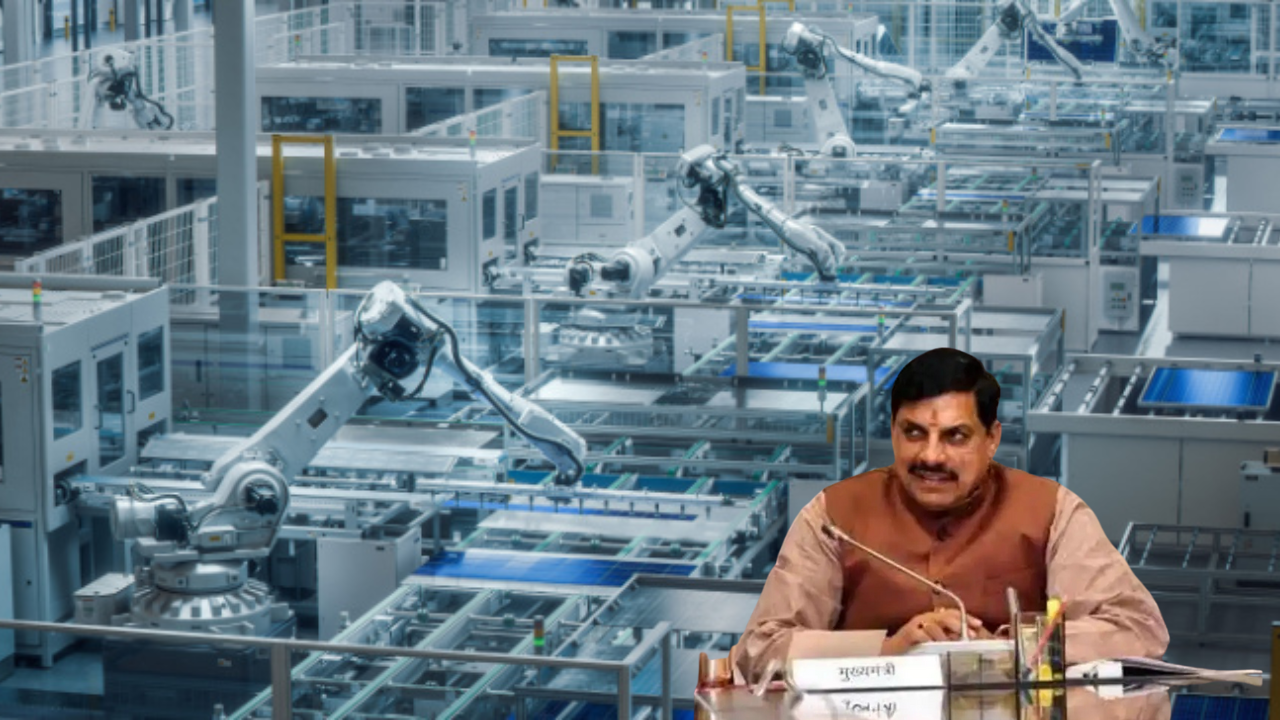
Under the leadership of Chief Minister Dr. Mohan Yadav, the state government has been prioritizing industrial development, infrastructure improvement, and employment generation. Over the past few months, the industries department, in collaboration with the Madhya Pradesh Industrial Development Corporation (MPIDC), has conducted multiple business conclaves and sector-specific roadshows in major cities, including Indore, Bhopal, Jabalpur, and Gwalior.

These events have served as dynamic platforms for industry leaders to interact directly with government officials, policy makers, and potential local partners. Such interactions have provided clarity on the state’s new industrial policies, incentive frameworks, and ease-of-doing-business reforms, all of which are designed to attract long-term investments.

Strong Interest from Leading Corporates

Several industrial giants have responded positively to the government’s invitation. Reliance Industries has shown interest in exploring new opportunities in logistics and renewable energy. Hindalco Industries is evaluating expansion possibilities in aluminum manufacturing, while UltraTech Cement is considering capacity enhancement in its existing plants across the state.

Welspun and L&T have also engaged in discussions focusing on infrastructure development, textile manufacturing, and green technologies. Similarly, Sun Pharma has expressed plans to explore pharmaceutical production expansion, contributing to the creation of skilled job opportunities and revenue growth.

Godrej Group, known for its diversified presence in manufacturing and real estate, has also shown enthusiasm for collaborating in new industrial projects, while Bajaj Group is studying investment options in the electric mobility and auto component sectors.

Focus on Investment Promotion and Policy Support

Industrial policy reforms have played a vital role in attracting corporate confidence. The Madhya Pradesh government recently introduced a series of measures to support large-scale industries as well as small and medium enterprises. These include simplified approval procedures, dedicated investor facilitation teams, fast-track land allotment processes, and special financial incentives for sectors such as renewable energy, textiles, and pharmaceuticals.

State officials have also emphasized that infrastructure improvement remains a top priority. Projects related to logistics parks, industrial corridors, and improved connectivity through highways and rail networks are being accelerated to enhance mobility and reduce operational costs for industries across the region.

Commitment to Sustainable and Inclusive Growth

While industrial expansion remains the main agenda, the Madhya Pradesh government has highlighted the importance of sustainability and environmental responsibility. New investments are being encouraged in sectors aligned with clean energy, circular economy practices, and water conservation.

Officials stated that the government is committed to balancing economic progress with ecological preservation by ensuring that upcoming projects adhere to green growth principles. Local communities are also expected to benefit through employment opportunities, skill development programs, and urban infrastructure upgrades.

Industry Leaders Applaud Madhya Pradesh’s Efforts

Business representatives attending the recent roadshows and conclaves have praised the proactive attitude of the state administration. Many participants acknowledged Madhya Pradesh’s strategic location, resource availability, and improving infrastructure as key drivers of its growing industrial appeal.

Executives noted that the state’s consistent engagement and transparent communication with corporate stakeholders have created high levels of trust. Several industry experts also mentioned that the state’s policy stability and streamlined administrative systems are helping to make Madhya Pradesh one of the top destinations for business expansion in India’s heartland.

Looking Ahead: Madhya Pradesh as a Rising Growth Hub

As the state continues on its path toward becoming a multi-sector industrial powerhouse, the government remains firm in its mission to connect global opportunities with local strengths. More roadshows, investor summits, and international outreach programs are expected in the coming months to showcase the state’s potential and attract fresh investments from both domestic and global enterprises.

The Madhya Pradesh government’s ongoing interactions with industry majors such as Reliance, Hindalco, Welspun, L&T, Sun Pharma, Godrej, UltraTech Cement, and Bajaj Group reinforce its dedication to building strong partnerships that will contribute to economic growth, job creation, and technological advancement.

With its investor-friendly policies, skilled workforce, and strategic connectivity, Madhya Pradesh is positioning itself as one of India’s fastest-growing industrial states. The momentum generated by these proactive engagements marks a significant step toward realizing the vision of a self-reliant and industrially vibrant Madhya Pradesh.

MPIDC Aims to Make Madhya Pradesh a Hub for Next-Gen Biomedical Innovation

0
Next-Gen Biomedical Innovation

MPIDC Pushes for Indigenous Innovation in Biomedical and Advanced Manufacturing

The Madhya Pradesh Industrial Development Corporation (MPIDC) is taking a bold step toward transforming the state into a hub for next-generation biomedical technologies and advanced manufacturing. In a move aimed at reducing India’s dependence on imports and strengthening the domestic research and development (R&D) ecosystem, MPIDC is currently in advanced talks with several leading companies specializing in cutting-edge fields such as next-gen biomedical materials, 3D printing inks for bio-cells, surgical robotics, and diagnostics electronics.

Building a Homegrown Ecosystem

India has long relied on imported technologies for critical sectors like healthcare and advanced manufacturing. However, the recent push by MPIDC signals a shift toward self-reliance and innovation. By collaborating with companies at the forefront of biomedical and advanced manufacturing, MPIDC aims to create a robust ecosystem that not only meets domestic demand but also positions Madhya Pradesh as a leader in these high-tech industries.

The focus areas include next-generation biomedical materials, which are essential for developing advanced implants, prosthetics, and tissue engineering solutions. These materials are designed to be more biocompatible, durable, and efficient than their traditional counterparts, offering significant improvements in patient outcomes.

Advancing 3D Printing in Biomedical Applications

One of the most exciting developments is the exploration of 3D printing inks for bio-cells. This technology allows for the precise printing of living cells and tissues, opening up new possibilities in regenerative medicine, drug testing, and personalized healthcare. By supporting companies working in this space, MPIDC is helping to bring these innovations from the lab to the clinic, potentially revolutionizing how medical treatments are developed and delivered.

Surgical Robotics and Diagnostics Electronics

Surgical robotics is another area where MPIDC is making significant strides. Robotic-assisted surgeries offer greater precision, reduced recovery times, and improved patient outcomes. By fostering partnerships with companies developing surgical robotics, MPIDC is ensuring that Madhya Pradesh remains at the forefront of medical technology.

Diagnostics electronics, including advanced imaging systems and portable diagnostic devices, are also a key focus. These technologies are crucial for early detection and treatment of diseases, making healthcare more accessible and effective. MPIDC’s efforts in this area are expected to lead to the development of affordable, high-quality diagnostic solutions that can be deployed across the country.

Reducing Import Reliance

The primary goal of these initiatives is to reduce India’s reliance on imported biomedical and advanced manufacturing technologies. By promoting local production and innovation, MPIDC is not only creating jobs and boosting the economy but also ensuring that critical medical technologies are available and affordable for all Indians.

Fostering a Robust R&D Ecosystem

To achieve these ambitious goals, MPIDC is working closely with academic institutions, research organizations, and industry partners to create a vibrant R&D ecosystem. This collaborative approach is essential for driving innovation and ensuring that new technologies are developed and commercialized efficiently.

Economic and Social Impact

The economic impact of these initiatives is expected to be significant. By attracting investment and fostering innovation, MPIDC is helping to create a thriving ecosystem that supports both startups and established companies. This, in turn, is expected to lead to the creation of high-skilled jobs and the development of new industries.

From a social perspective, the benefits are equally profound. By making advanced medical technologies more accessible and affordable, MPIDC is helping to improve healthcare outcomes and quality of life for millions of Indians. This is particularly important in rural and underserved areas, where access to advanced medical care is often limited.

Government Support and Policy Initiatives

The success of these initiatives is also supported by favorable government policies and incentives. The state government has introduced several measures to encourage investment in the biomedical and advanced manufacturing sectors, including tax breaks, subsidies, and streamlined regulatory processes. These policies are designed to make Madhya Pradesh an attractive destination for both domestic and international companies.

Future Prospects

Looking ahead, MPIDC’s efforts are expected to have a lasting impact on the biomedical and advanced manufacturing landscape in India. By fostering innovation, reducing import reliance, and creating a robust R&D ecosystem, MPIDC is paving the way for a brighter, healthier future for all Indians.

Conclusion

The Madhya Pradesh Industrial Development Corporation’s push for indigenous innovation in biomedical and advanced manufacturing is a significant step toward self-reliance and technological advancement. By collaborating with leading companies and fostering a vibrant R&D ecosystem, MPIDC is not only reducing India’s dependence on imports but also positioning Madhya Pradesh as a leader in these critical sectors. This initiative is expected to have far-reaching economic and social benefits, making advanced medical technologies more accessible and affordable for all.

Government Strengthens Support for MSMEs with New Schemes and Incentives

0
MSMEs

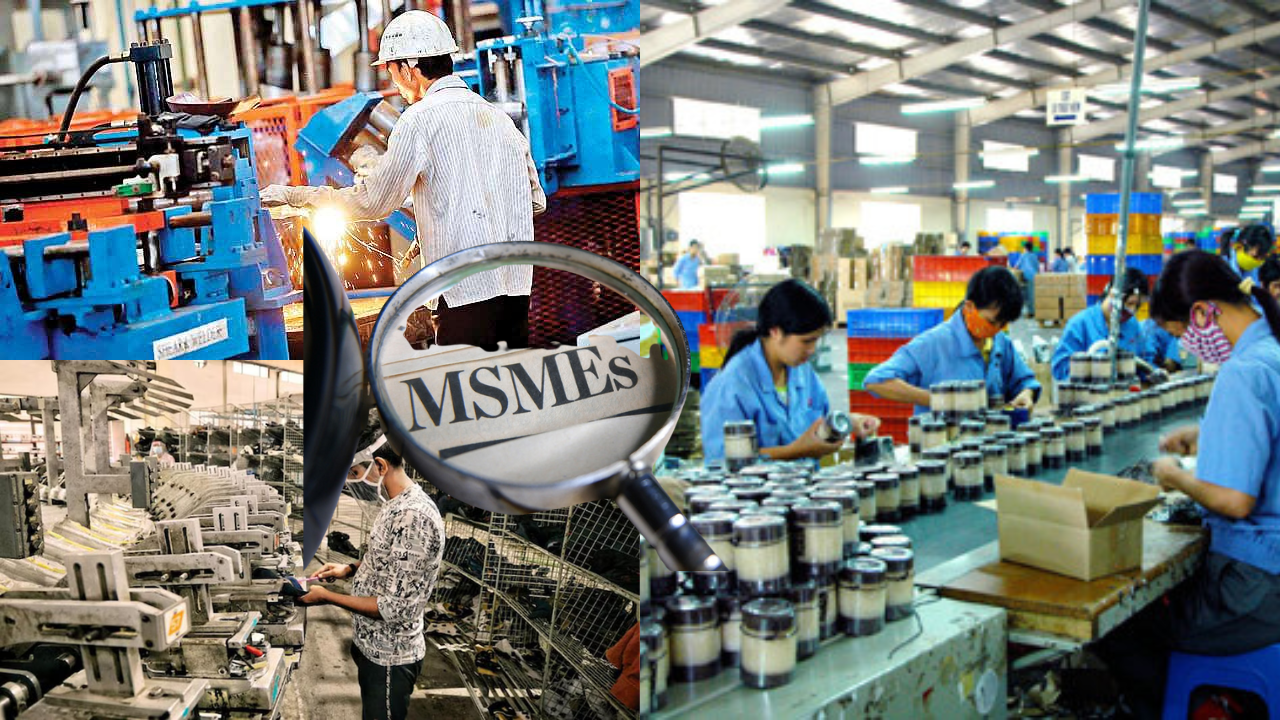
The Indian government remains committed to strengthening the backbone of the economy—micro, small, and medium enterprises (MSMEs)—by rolling out a series of targeted schemes and incentives. These initiatives are designed to boost entrepreneurship, create jobs, and ensure sustainable growth across sectors, especially in states like Maharashtra and Madhya Pradesh where MSMEs play a vital role in local economies.

Government’s Ongoing Support for MSMEs

Over the past few years, the government has introduced several programs aimed at easing the operational challenges faced by MSMEs. From financial assistance and credit guarantees to skill development and digital transformation, these schemes are helping small businesses overcome hurdles and scale up their operations.

One of the flagship initiatives is the Pradhan Mantri Mudra Yojana (PMMY), which provides collateral-free loans to micro-enterprises. Since its launch, the scheme has disbursed over ₹20 lakh crore to more than 40 crore beneficiaries, enabling small businesses to access much-needed capital for expansion and working capital needs.

Another major scheme is the Credit Guarantee Fund Trust for Micro and Small Enterprises (CGTMSE), which offers credit guarantees to banks and financial institutions, encouraging them to lend to MSMEs without demanding collateral. This has significantly improved credit flow to small businesses, especially in rural and semi-urban areas.

Digital Transformation and Skill Development

Recognizing the importance of technology in today’s business landscape, the government has also launched the Udyam Registration Portal. This platform simplifies the registration process for MSMEs, making it easier for entrepreneurs to access government benefits, subsidies, and support services. The portal also helps in tracking the growth and performance of MSMEs, enabling policymakers to design more effective interventions.

To further empower MSMEs, the government has initiated skill development programs such as the Pradhan Mantri Kaushal Vikas Yojana (PMKVY). These programs focus on training youth and workers in modern manufacturing techniques, digital tools, and management practices, ensuring that MSMEs have access to a skilled workforce.

Support for Women Entrepreneurs

The government has also prioritized the inclusion of women in the MSME sector. Schemes like the Mahila Udyam Nidhi and Stand-Up India provide financial assistance and mentorship to women entrepreneurs, helping them set up and grow their businesses. These initiatives have led to a significant increase in the number of women-led MSMEs, contributing to economic empowerment and gender equality.

State-Level Initiatives

In addition to national schemes, state governments are also playing a crucial role in supporting MSMEs. In Maharashtra, the Maharashtra State Innovation Society (MSInS) has launched several programs to promote innovation and entrepreneurship among small businesses. The state government has also set up MSME clusters in key industrial areas, providing infrastructure, common facilities, and technical support to local entrepreneurs.

Similarly, in Madhya Pradesh, the Madhya Pradesh MSME Development Corporation offers subsidies, training, and marketing support to small businesses. The state has also introduced the MP Startup Policy, which provides financial incentives, incubation support, and regulatory ease to startups and MSMEs.

Impact on Local Economies

The government’s support for MSMEs has had a positive impact on local economies, especially in rural and semi-urban areas. By providing access to finance, technology, and markets, these schemes have enabled small businesses to create jobs, generate income, and contribute to regional development.

For example, in Maharashtra, the MSME sector accounts for over 40% of the state’s industrial output and employs more than 10 million people. In Madhya Pradesh, MSMEs contribute around 30% to the state’s GDP and provide employment to millions of workers.

Challenges and the Way Forward

Despite the progress made, MSMEs continue to face challenges such as limited access to markets, high operational costs, and regulatory hurdles. To address these issues, the government is working on further reforms, including simplifying tax procedures, reducing compliance burden, and promoting digital payments.

There is also a growing focus on sustainability and green manufacturing. The government is encouraging MSMEs to adopt eco-friendly practices and invest in renewable energy, helping them reduce costs and contribute to environmental conservation.

Conclusion

The government’s continued support for MSMEs through various schemes and incentives is a testament to its commitment to inclusive and sustainable economic growth. By empowering small businesses, the government is not only creating jobs and boosting local economies but also laying the foundation for a resilient and innovative entrepreneurial ecosystem.

As MSMEs continue to play a crucial role in India’s development, it is essential to ensure that these initiatives reach the intended beneficiaries and address their evolving needs. With the right support and policy interventions, MSMEs can drive India’s economic transformation and contribute to a brighter future for all.

Maharashtra Launches Clean Energy Mission to Support Industries and Lower Electricity Bills

0
Maharashtra Launches Clean Energy Mission

Maharashtra, one of India’s most industrially advanced states, is taking significant steps toward becoming a leader in green and affordable energy. The state government has rolled out new initiatives aimed at reducing industrial electricity costs through large-scale investment in renewable energy infrastructure. This move is expected to help industries lower their production expenses and make Maharashtra more attractive to investors and manufacturers.

The government’s focus on green energy comes at a time when global markets are transitioning to sustainable production and cleaner technologies. By prioritizing renewable energy, Maharashtra aims not only to support economic growth but also to reduce its carbon footprint and strengthen energy security for the future.

A Step Toward Sustainable Industrial Growth

In recent years, industries across Maharashtra have faced challenges due to fluctuating electricity costs and rising energy demands. The need for a stable, affordable, and environment-friendly power supply has become essential for maintaining competitiveness. Recognizing this challenge, the state government has started investing heavily in solar, wind, and hybrid energy projects.

Officials from the state’s Energy Department confirmed that the long-term plan is to generate a major portion of Maharashtra’s industrial electricity through renewable sources. This shift is expected to benefit several industrial clusters in regions such as Pune, Nagpur, Nashik, and Aurangabad, which are hubs for manufacturing, technology, and automotive production.

Industry experts believe that cheaper power availability will reduce operational costs, giving a strong push to existing players and encouraging new industries to set up operations in Maharashtra.

Expanding Solar and Wind Projects

The Maharashtra Energy Development Agency (MEDA) and the Maharashtra State Electricity Distribution Company Limited (MSEDCL) are working together on multiple renewable projects. Solar parks are being set up in districts with high sunlight potential such as Jalgaon, Solapur, and Beed. The state is also expanding its wind energy capacity in coastal and upland regions, including Satara and Ratnagiri.

To support this transition, the government is offering incentives to private investors interested in participating in renewable energy projects. Policies are being simplified to attract both domestic and global players, ensuring faster approvals and smoother implementation.

The push for decentralized renewable energy generation, such as rooftop solar projects and small hydro units, is also gaining traction. This decentralized model is expected to reduce dependence on large fossil-fuel-based power stations and help industries become partially self-reliant in energy consumption.

Cutting Electricity Costs for Industries

One of the main goals of the new initiative is to lower electricity tariffs for industries. High power costs have been a major concern for manufacturers in recent years, often making operations less competitive compared to neighboring states. By tapping into low-cost renewable energy, Maharashtra can bring down its average industrial power rate and ensure long-term price stability.

The government is also considering flexible power purchase agreements that would allow industries to buy electricity directly from renewable producers through open-access systems. This will give industrial consumers more options and encourage greater efficiency.

A senior official from the Industry Department mentioned that lower energy costs can significantly boost small and medium enterprises (SMEs), which form the backbone of Maharashtra’s economy. Affordable power will reduce overhead costs, allowing these enterprises to invest more in production, innovation, and job creation.

Contribution to India’s Renewable Energy Goals

Maharashtra’s move aligns with India’s broader goal of achieving 500 gigawatts of renewable energy capacity by 2030. The state currently contributes a large share to the national manufacturing output, and the transition to clean energy will enhance its ability to meet both economic and environmental commitments.

Experts believe that if executed effectively, Maharashtra’s strategy could serve as a model for other industrial states. The combination of industrial modernization and environmental consciousness represents a balanced approach to long-term development.

Supporting Green Investments and Employment

Apart from lowering energy bills, the ongoing renewable energy projects are expected to create thousands of new jobs in manufacturing, maintenance, construction, and research sectors. The shift toward green technology will open new opportunities for local entrepreneurs and startups specializing in solar components, battery storage, and power distribution systems.

The government is also engaging with educational and technical institutions to design specialized skill development programs related to renewable energy. These programs aim to prepare the state’s workforce for emerging employment opportunities in the green energy sector.

Public and Private Sector Collaboration

The success of this ambitious plan depends heavily on public-private partnerships. The state government intends to work closely with private investors, industry associations, and global technology leaders to establish sustainable infrastructure and improve energy efficiency across industrial estates.

Discussions are already underway with major corporations for setting up large renewable plants under the Public-Private Partnership (PPP) model. This will ensure faster execution and reduce the financial burden on the state exchequer.

A Greener and More Competitive Future

Maharashtra’s green energy mission sends a strong signal about its commitment to sustainable growth. By reducing industrial electricity costs, the state is not only ensuring the economic prosperity of its industries but also contributing to India’s global image as a responsible, future-oriented economy.

As the renewable energy infrastructure grows, the benefits will reach both urban industrial centers and rural regions, promoting balanced development. The initiative promises a cleaner environment, more competitive industries, and a stronger economy – all built on sustainable foundations.

With its latest green energy drive, Maharashtra is setting itself on a clear path toward becoming the country’s most energy-efficient and eco-friendly industrial powerhouse.

Subcontract India – the confluence of Indian Engineering Brilliance

0
Indian Engineering Brilliance

OEMs, MSMEs, exporters, and global buyers to connect, create and collaborate

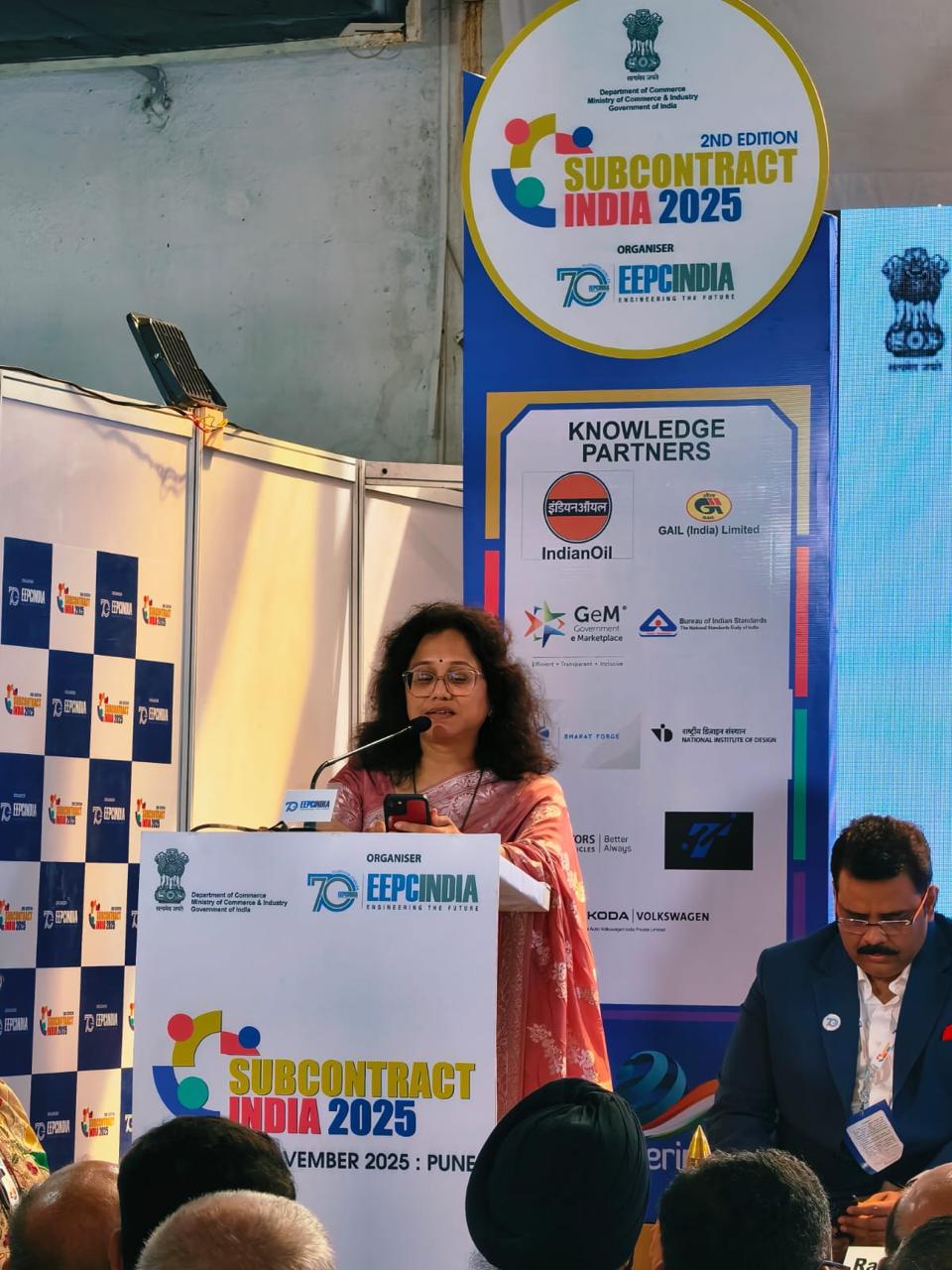
November 6, 2025:  Pimpri Chichwad, Pune  : The New Engineering Mantra in Pune  for three days – November 6-7-8 –– the second largest city in Maharashtra and one of the most  important automobile manufacturing hubs in India is SUBCONTRACT INDIA 2025!!

Presence of over 100 Indian engineering Exhibitors with a display of  close to 50 engineering product varieties  under seven key verticals – Industry Supplies and Services, Automobile, Oil and Gas, Industrial Machinery, Construction and Mining, Electricals, Medical Devices,  around 10 Foreign Delegates from USA, Canada, Cameroon, Burkina Faso; over 5000 Visitors and 9 Back to Back Knowledge Sessions with around 20  Experts from Indian and Overseas Industrial Giants , viz, GAIL and Indian Oil – Oil and Gas  Major, GeM – Indian e commerce leader , TATA Motors Toyota and Skoda – the Auto players; NID- design Institute; BIS – The National Standards Body, Bharat Forge– Engineering conglomerate have cumulatively made SUBCONTRACT INDIA –  the first integrated engineering show of the city!

Engineering is among  India’s biggest Industrial sectors adding meaningfully to the country’s employment and GDP and EEPC India’s effort to place domestic and overseas stakeholders on a single platform will surely assist in making these connections deeper– messaged Shri Deependra Singh Kushwah, IAS, Development Commissioner of Industries, Government of Maharashtra

Shri  B N Vishwas, Joint Director General of Foreign Trade, Pune; Smt Chitra Raste, Regional Head, EXIM Bank, Pune,were the Guests of Honour.

Shri Landge proclaimed Maharashtra continues to lead India’s journey towards becoming a global hub for engineering, manufacturing and technology – led growth

EEPC India has done a commendable job in taking the Indian Engineering sector to the World Stage and such endeavours would pave a long way in taking the nation forward – were the comments of  Shri Vishwas

MSMEs would get a window for enhanced market visibility and access to international market partaking at such domestic event stated  Smt Raste

We reaffirm our shared commitment to strengthening India’s global presence in subcontracting and engineering services, promoting innovation, sustainability, and inclusive growth hailed – Regional Chairman,(Western Region),EEPC India, Mr Anoop Marwaha and he added that  this event serves as a powerful platform for OEMs, MSMEs, exporters, and global buyers to connect, collaborate.

Mr Rakesh Shah, Past Chairman and Chairman Trade Promotions Committee ,EEPC India explained in FY 2023-24, Pune’s total exports amounted to INR 109148Cr which is around 20% of Maharashtra’s total exports during that period. Also, Pune district secured the highest amount of investment with INR 16651.48Cr – these factors have made Pune a very strategic location for conducting the Sub-contracting Show.

Shri Rohinton Engineer, Dy Regional Chairman (WR), EEPC India while delivering the Vote of thanks elaborated subcontracting is an important area of engineering industry providing significant operational and strategic advantages to engineering manufacturers including improvement in efficiency and quality. Such shows add to the business credibilty of a firm enabling Industry Validation and future business expansion and facilitating in making the participants more business aware.


I

A Proud Moment for India: PM Modi Honors Women’s Cricket Champions

0
PM Modi Honors Women’s Cricket Champions

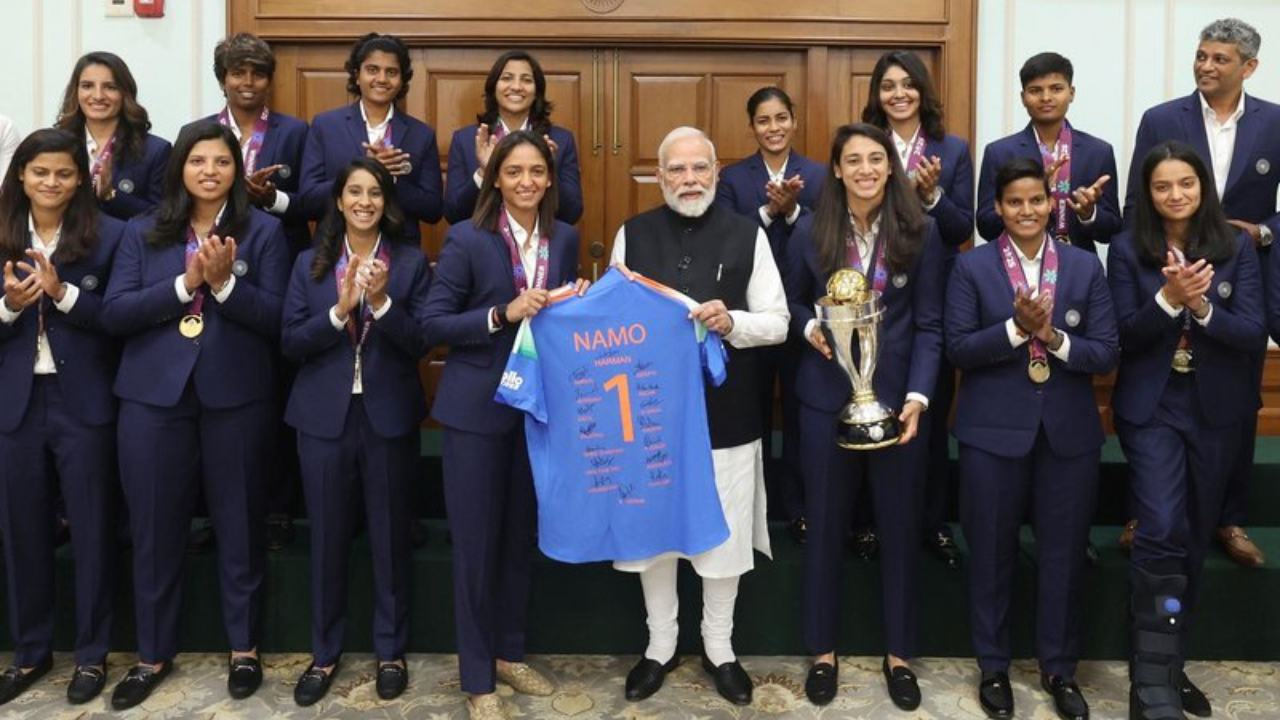
In a proud moment for the nation, Prime Minister Narendra Modi felicitated the Indian women’s cricket team for their remarkable World Cup victory, calling their achievement a “golden chapter” in Indian sports history. The players, who brought home the coveted trophy after an extraordinary campaign, were lauded not only for their sporting excellence but also for inspiring millions of young Indians to dream big and stay committed to fitness and national pride.

The event, held at the Prime Minister’s residence in New Delhi, was filled with emotion, pride, and gratitude. The entire squad, along with the coaching and support staff, attended the felicitation ceremony. Smiles, applause, and heartfelt words marked a celebration that reflected the spirit of unity and the growing strength of women’s sports in India.

Prime Minister Modi’s Special Message

Addressing the players, Prime Minister Modi praised their discipline, teamwork, and resilience throughout the tournament. He said that the women’s team had proved that determination and hard work always lead to success. The Prime Minister congratulated each member individually and shared how their performance had sparked a wave of enthusiasm among children and youth across the country.

He added that the victory would serve as a powerful source of motivation for young girls, encouraging them to take up sports and believe in their abilities. The Prime Minister emphasized that the team’s fighting spirit and composure under pressure symbolized India’s growing strength on the global sporting stage.

“Your success is not just about winning a trophy,” Modi remarked. “It is about winning hearts and inspiring the next generation to believe that no dream is too big, no challenge too tough.”

Celebration of a New Era in Indian Sports

The Indian women’s cricket team’s World Cup victory has been hailed as a defining moment for Indian cricket. Their journey was filled with passion, determination, and teamwork. From nail-biting finishes to dominant performances, every match told a story of courage and confidence. With each victory, the players captured the imagination of fans back home and gained admiration from cricket lovers around the world.

At the ceremony, the Prime Minister also highlighted the growing importance of fitness and sports culture in India. He noted that the government continues to focus on developing infrastructure, providing better training facilities, and creating equal opportunities for women in all sporting disciplines. He lauded the players for representing not only cricket but also the values of hard work, perseverance, and dedication that define India’s youth.

Team’s Gratitude and Reflections

Captain Harmanpreet Kaur, speaking on behalf of the team, expressed gratitude to the Prime Minister for his support and recognition. She said that the team was deeply moved by the encouragement from every corner of the country throughout the tournament.

“This victory belongs to the people of India,” she said. “We played with their hopes and dreams in our hearts. It means the world to us to bring this trophy home and make the nation proud.”

Other senior players shared their emotions about the journey. Many spoke about the challenges they faced, from long training sessions to tough matches, and how teamwork and support helped them overcome every obstacle. The players also talked about the growing interest of young girls in cricket, something they believe is one of the biggest achievements of their win.

The Growing Power of Women’s Cricket

India’s triumph at the Women’s World Cup has been seen as a turning point that will inspire larger investment, better infrastructure, and more recognition for women’s cricket in the country. The victory has already drawn record viewership and fan engagement, signaling a surge in popularity for women’s sports.

The Prime Minister acknowledged the changing landscape and said that the government would continue to support programs that promote women’s participation in sports. He mentioned the initiatives under “Khelo India” that provide a strong foundation for young athletes to train and compete at the highest level.

He also emphasized the importance of nutrition, mental health, and family support in the success of sportspersons, encouraging parents to motivate their children to play sports. “Our daughters are not behind anyone,” he said. “They are leading the way, showing the world what true determination looks like.”

Inspiring the Nation’s Youth

The felicitation ceremony ended with a special interaction between the players and the Prime Minister, where he asked them about their training routines, experiences during the tournament, and future goals. The players shared their insights and hopes to contribute more to India’s sporting future.

Modi concluded by saying that the victory of the women’s cricket team is not only about the triumph of skill but also a celebration of India’s women empowerment. Their journey, he said, reflects the new India where talent, dedication, and passion define success—in any field.

As the team’s celebrations continue across the country, fans are taking to social media to express their excitement and pride. Schools, colleges, and sports academies have already started organizing special events to honor the champions and promote the spirit of sportsmanship.

The World Cup win has become more than just a sports achievement—it has become a national celebration of strength, teamwork, and unity. The Indian women’s cricket team has written history, and their success will continue to echo through generations, reminding the world that when India’s daughters rise, the whole nation shines brighter.

Pramod Raghav — From Tech Success to Transforming Lives Through “Niswarth Kadam”

0
Pramod Raghav

Pramod Raghav is a highly respected and accomplished philanthropist, social entrepreneur, and visionary leader who has been making a profound impact on society through his tireless efforts and unwavering dedication. As the Chairman of “Niswarth Kadam”, a non-governmental organization (NGO) dedicated to serving the underprivileged and marginalized sections of society, Pramod Raghav has been instrumental in driving positive change and empowering communities.

A Successful Career and a New Chapter

Pramod Raghav’s journey is a testament to his entrepreneurial spirit and commitment to creating a better world. Having built a successful career in the IT industry, he made the bold decision to sell his company in the USA for a staggering $21 million and redirect his focus towards philanthropy and social work. This selfless act is a shining example of his dedication to giving back to society and making a meaningful difference in the lives of others.

“Niswarth Kadam”: A Beacon of Hope

Under Pramod Raghav’s visionary leadership, “Niswarth Kadam” has emerged as a beacon of hope for countless individuals and families in need. The organization has been working tirelessly to address some of the most pressing social issues, including education, healthcare, environmental conservation, and animal welfare. Through its various initiatives and programs, “Niswarth Kadam” has been able to touch the lives of thousands of people, providing them with the support and resources they need to improve their lives and create a brighter future.

Pramod Raghav’s Philanthropic Efforts

Pramod Raghav’s philanthropic efforts are multifaceted and far-reaching. Some of the key areas of focus for “Niswarth Kadam” under his leadership include:

Education & Skill Development: Establishing Bal Sanskar Kendras and learning centers that provide education, values, and life skills to children from economically weaker sections.

Healthcare Access for All: Conducting free health camps, supporting rural healthcare facilities, and managing the Manu Health Care Center in Ghuddor, Himachal Pradesh and offering free treatment, medicines, dental and oxygen services, and home visits for the elderly in surrounded remote villages.

Environmental Stewardship: Organizing cleanliness drives, plantation campaigns, and awareness programs on sustainability and reducing plastic waste.

Cow Welfare and Gaushalas: Extending dedicated support for Gaushalas (cow shelters), ensuring proper care, feeding, and medical attention for cows. The organization actively promotes cow protection and welfare as part of India’s cultural and spiritual ethos, fostering compassion for all living beings.

Preserving Culture and Heritage: Supporting the renovation of temples and the revival of Gurukuls, emphasizing traditional education, Sanatani values, and spiritual learning to safeguard India’s timeless heritage for future generations.

Community Welfare and Sharing: Running initiatives like ‘Neki Ki Deewar’ & ‘Drop Off Box’ where individuals donate clothes, toys, shoes, and daily essentials for those in need, reflecting the organization’s belief in collective compassion.

Awards and Recognition

Pramod Raghav’s outstanding contributions to philanthropy and social work have not gone unnoticed. He has received numerous awards and honors for his efforts, including the prestigious Delhi Ratna Award, Haryana Gaurav Award, Best NGO Award, and Times Power Icon Award. These accolades are a testament to his dedication and commitment to creating a positive impact in society.

A Legacy of Compassion and Service

Pramod Raghav’s legacy is one of compassion, service, and dedication to making a difference in the lives of others. Through his tireless efforts and unwavering commitment, he has inspired countless individuals to join him in his mission to create a better world. As a visionary philanthropist and social entrepreneur, Pramod Raghav continues to be a shining example of what it means to live a life of purpose and service to others.

OpenAI, Amazon Announce Record Partnership as India’s Exporters Embrace Asia and Europe

0
OpenAI

In a landmark development that underscores the growing importance of cross-sectoral collaboration in technology and global trade, OpenAI has announced a massive $38 billion strategic deal with Amazon. The partnership aims to accelerate artificial intelligence innovation, deployment, and infrastructure scaling worldwide.

At the same time, a significant shift is emerging in India’s export landscape, as Indian exporters begin redirecting their focus away from traditional U.S. markets. The pivot comes in response to tightening tariff policies and uncertain trade conditions, pushing them toward alternative destinations such as the United Arab Emirates (UAE), China, and the broader European Union (EU). Together, these two developments signal major transformations in both the global technology ecosystem and international trade networks.

OpenAI and Amazon Strategic Collaboration

The $38 billion partnership between OpenAI and Amazon is one of the most substantial technology deals of the decade. Industry insiders describe the move as Amazon’s major bid to strengthen its position in the fast-evolving world of artificial intelligence while providing the cloud infrastructure necessary for OpenAI’s future innovations.

Under the terms of the agreement, OpenAI will reportedly utilize Amazon Web Services (AWS) as a major component of its global AI cloud infrastructure. The deal will also enable both companies to jointly work on AI model optimization, data management solutions, and enterprise-level tools aimed at transforming industries such as healthcare, logistics, robotics, and education.

Executives at both companies hailed the partnership as a transformative step toward building a more connected, intelligent, and scalable AI ecosystem. OpenAI has steadily expanded its commercial footprint in the past two years, with initiatives focused on scaling advanced language models, improving safety mechanisms, and integrating generative AI tools into various workflows.

Amazon’s participation is seen as a key growth catalyst. By merging its cloud computing power with OpenAI’s AI expertise, Amazon is expected to strengthen its leadership in the global AI arms race against competitors like Google Cloud, Microsoft Azure, and other emerging players.

According to analysts, this deal highlights the deepening integration between AI research firms and cloud computing giants. It also demonstrates how the next phase of AI expansion will likely depend on high-performance infrastructure partnerships that combine innovation with scalability.

Global Market Implications

The deal has immediate implications for the global AI industry and tech-driven businesses. For startups and developers, the collaboration could mean faster access to enterprise AI tools and more advanced application programming interfaces (APIs). For cloud service users, it is likely to introduce updates in data security, storage efficiency, and machine learning deployment options through AWS platforms.

Economists point out that such large-scale agreements also have secondary effects on international trade and investment flows. As countries compete to attract high-value technology partnerships, regions such as the Middle East and South Asia are expected to benefit from AI infrastructure investments and related job creation.

Indian Exporters Pivot to New Growth Markets

While the global tech sector celebrates one of the biggest deals in years, India’s export community is undergoing a strategic realignment. The United States, traditionally the largest export destination for many Indian products, has recently introduced stricter tariff regulations and trade barriers. These constraints have prompted several Indian exporters—especially from sectors like textiles, pharmaceuticals, automobiles, and engineering goods—to find more accessible and profitable markets.

Exporters are now actively expanding their outreach to the UAE, China, and Europe, regions that offer more stable tariff regimes and growing consumer demand. Trade experts note that the India-UAE Comprehensive Economic Partnership Agreement (CEPA), signed earlier, continues to facilitate smoother trade flows and enhance competitiveness for Indian goods.

China, despite being a major competitor in manufacturing, is also emerging as a new destination for raw materials, chemicals, and specialized industrial products from India. Similarly, European markets are seeing increased interest from Indian exporters given shifts in supply chain preferences and diversification strategies post-COVID.

Policy and Economic Outlook

Trade analysts interpret this shift as part of a broader realignment driven by both opportunity and necessity. As global economic conditions evolve, Indian exporters are rethinking their dependence on any single market, especially one marked by unpredictable policy changes.

Some experts believe this diversification will ultimately strengthen India’s resilience against trade shocks. By building deeper ties with multiple regions, exporters can tap into varied consumer bases while reducing vulnerabilities caused by geopolitical tensions.

The government’s ongoing initiatives to promote Make in India, coupled with newer free trade agreements, are further encouraging businesses to broaden their global footprint. Sectors such as electronics, gems and jewelry, renewable energy equipment, and processed food are especially benefiting from this strategic pivot.

Industry Reactions

Leading business associations have welcomed both developments—the OpenAI-Amazon alliance and India’s shifting export strategy—as examples of global adaptability and innovation. According to the Confederation of Indian Industry (CII), India’s export sector has the potential to reach new growth peaks by leveraging emerging trade partnerships in Asia and Europe, while also aligning with the global digital transformation wave.

On the technology front, industry experts predict that OpenAI’s partnership with Amazon will accelerate the pace of AI adoption across industries. It may also lead to expanded collaboration between Indian technology firms and global players, especially in data services, IT integrations, and AI-driven process solutions.

The Bigger Picture

Together, these developments signify a concurrent transformation in global trade and technology ecosystems. The OpenAI-Amazon deal reinforces the importance of large-scale collaboration in driving AI progress, while India’s export reorientation exemplifies how agility and foresight can help economies thrive amid global shifts.

Both point toward a decade defined by connectivity—where digital intelligence, trade strategy, and international cooperation will shape the next chapter of global growth.