Monday, October 26, 2026
Home Blog Page 33

Arya Samaj Observes 99th Martyrdom Day of Swami Shraddhanand

Arya Samaj

New Delhi, December 25, 2025 – The Arya Samaj observed the 99th martyrdom day of Swami Shraddhanand with great fervor. On this occasion, the Arya Samaj launched a year-long nationwide campaign, ‘SwamiShraddhanand@99th’, highlighting his pioneering contributions to the upliftment of the downtrodden, orphans, and value-based education.

As part of the campaign, memorial programs, thematic lectures, and school-level activities were organized across the country through DAV institutions, Arya Samaj centers, and affiliated organizations.

Shri Harsh Malhotra, Minister of State for Corporate Affairs and Road Transport & Highways, Kapil Khanna, President, Vishva Hindu Parishad, Delhi, and Shri Praveen Khandelwal, MP from Chandni Chowk constituency, flagged off a grand procession from Balidan Bhawan, New Market to Ram Lila Maidan, which was attended by over 10,000 people.

The program was presided over by J K Khattar, and Shri Vinay Arya, General Secretary, Delhi Arya Samaj, said, “Swami Shraddhanand was not just a nationalist or an educationist, but a frontline social reformer who created real spaces for the most vulnerable sections of society to live with dignity, security, and self-respect.”

Swami Shraddhanand was assassinated on December 23, 1926, by an Islamic extremist, Abdul Rashid, in an attempt to thwart his efforts towards Hindu social reform and the Shuddhi movement.

COBSE Grants Membership to the Central Board of Open Schooling and Examination, New Delhi

COBSE


The Council of Boards of School Education in India (COBSE) has officially granted its membership to the Central Board of Open Schooling and Examination (CBOSE), New Delhi, marking an important milestone in the advancement of open and flexible education in India.

According to the official communication issued on 16 June 2021, the approval was granted by the Executive Committee of COBSE following a formal application submitted by CBOSE. This decision reflects COBSE’s commitment to strengthening credible and legally established education boards across the country.

COBSE grants membership only to boards and institutions that are lawfully established through an Act of Parliament, an Act of a State Legislature, or a valid Executive Order or Notification issued by the Central or State Government. Such institutions must adhere strictly to constitutional and statutory norms. Additionally, member boards are required to maintain a clearly defined legal framework, governance structure, academic regulations, and examination systems that align with nationally accepted standards.

The membership also signifies alignment with the National Education Policy (NEP) 2020, Government of India. COBSE mandates that all its member boards follow the guiding principles of NEP 2020, which emphasize equity, access, quality, flexibility, multidisciplinary learning, skill development, learner-centric pedagogy, and inclusive education. This ensures that the education system supports India’s long-term vision for academic excellence and social development.

As part of the membership process, CBOSE has been requested to submit the annual subscription fee for two years (2022–23), amounting to ₹80,000 plus 18% GST (₹94,400), payable via Demand Draft in favor of COBSE, Delhi.

This membership reinforces the credibility of the Central Board of Open Schooling and Examination and strengthens its role in providing accessible and quality education to learners across India.

For more information about COBSE, visit the official website:
https://www.cobseindia.co.in

All-India Delivery Strike Zepto, Amazon, Flipkart Riders Unite

All-India Delivery Strike

Calls for Better Incentives and Protections Shake Quick Commerce Platforms

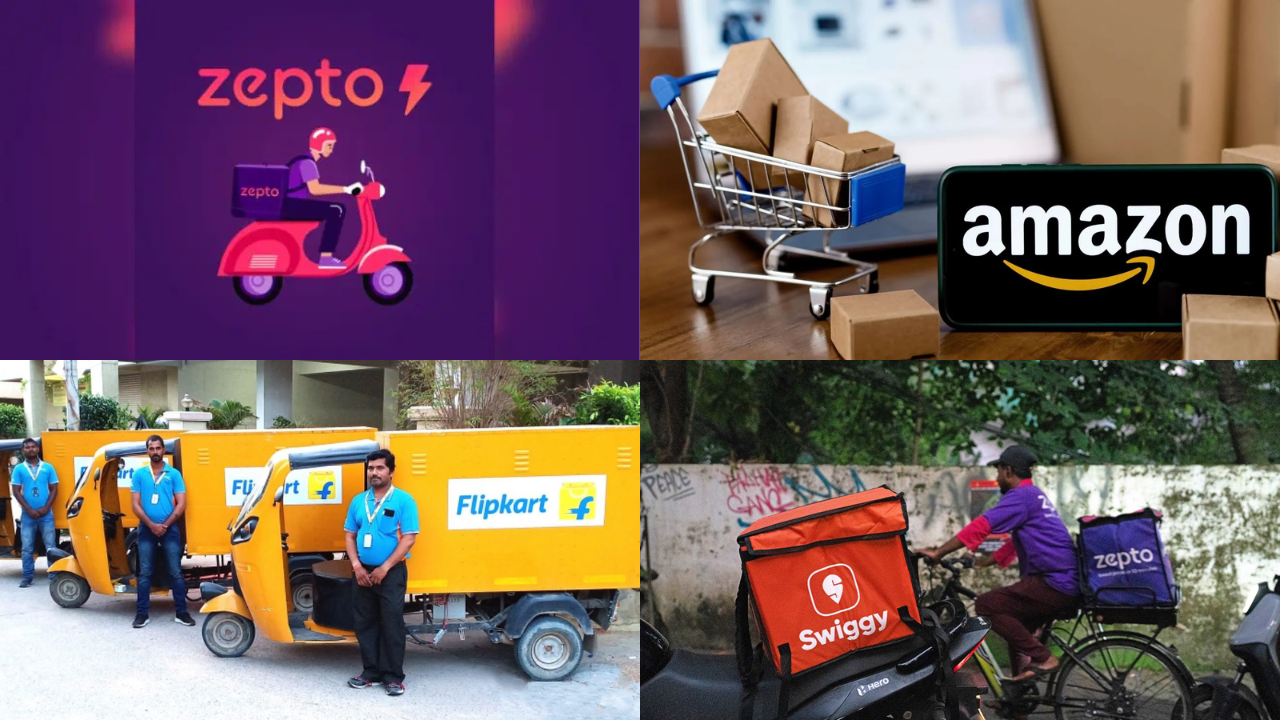
Delivery workers across India’s major food delivery and e-commerce platforms are set to go on a nationwide strike on December 25 and 31, 2025. The action targets Swiggy, Zomato, Zepto, Blinkit, Amazon, and Flipkart, with workers demanding better work hours, fair commissions, and improved safety measures. This coordinated protest during peak festive season highlights growing frustrations in the gig economy.​

Strike Details and Timing

The strike involves a two-hour work stoppage by delivery partners in major cities and tier-2 towns. Called by the Indian Federation of App-Based Transport Workers (IFAT) and Telangana Gig and Platform Workers Union (TGPWU), it aims to disrupt services temporarily to draw attention to core issues. Workers plan to halt operations from platforms like Swiggy Instamart, Zomato’s Blinkit, Zepto, and e-commerce giants Amazon and Flipkart, especially during high-demand Christmas and New Year’s Eve periods. Early reports from Gurgaon and the National Capital Region show delays and cancellations already impacting users.​

Key Demands from Workers

Gig workers seek transparent pay structures and an end to fluctuating incentives that have slashed real earnings. They demand withdrawal of risky “10-minute delivery” models, which force unsafe speeds and ignore traffic or weather hazards. Other requests include mandatory rest breaks, reasonable daily hours, accident insurance, and health coverage, plus fair work allocation without algorithmic biases. Unions also call for stopping arbitrary ID blocks and penalties without hearings, along with better grievance support in apps.​

Background on Gig Worker Struggles

India’s quick commerce boom has created millions of jobs but at a cost to delivery personnel. Platforms prioritize speed and profits, shifting risks to riders facing long hours, heat exposure, and low pay amid rising fuel costs. Past protests, like Blinkit strikes in Varanasi over heat risks and wage cuts, saw accounts blocked in retaliation, fueling broader anger. TGPWU President Shaik Salauddin stated workers endure “unchecked algorithmic control” without social security, urging government intervention for labor protections.​

Expected Impact on Services and Economy

The action could halt thousands of orders, affecting urban consumers reliant on instant deliveries for food, groceries, and essentials. Festive peaks amplify the pressure, with platforms facing revenue hits during year-end sales. Businesses depending on these services, from restaurants to kirana stores, may see delays, while customers report frustrations on social media. Unions warn of wider participation if demands go unmet, potentially escalating to full-day shutdowns.​

Unions’ Call for Government Action

Leaders from IFAT and TGPWU demand Central and state governments regulate platforms, enforce gig worker rights, and ensure collective bargaining. They push for social security like pensions and insurance, recognizing delivery partners as the “backbone” of last-mile logistics. “This strike is a call for justice, dignity, and accountability,” said Shaik Salauddin, criticizing platforms profiting at workers’ expense. Past events show such protests lead to partial concessions, but systemic change remains elusive.​

Platforms’ Past Responses and Challenges

Companies like Blinkit and Zepto have faced similar unrest before, often responding with temporary incentives or ID reinstatements after pressure. However, core issues like pay per kilometer (down from ₹50 to ₹15 in some cases) persist. Platforms argue flexibility suits gig work, but unions counter that “flexible” means exploitative, with no job security or welfare. As strikes unfold, executives may negotiate to minimize disruptions during holidays.

Peace Returns to Madhya Pradesh State Declared Free from Naxal Influence

Madhya Pradesh Naxal free

Government announces ambitious growth roadmap for ex-Naxalite regions to ensure lasting stability and prosperity.

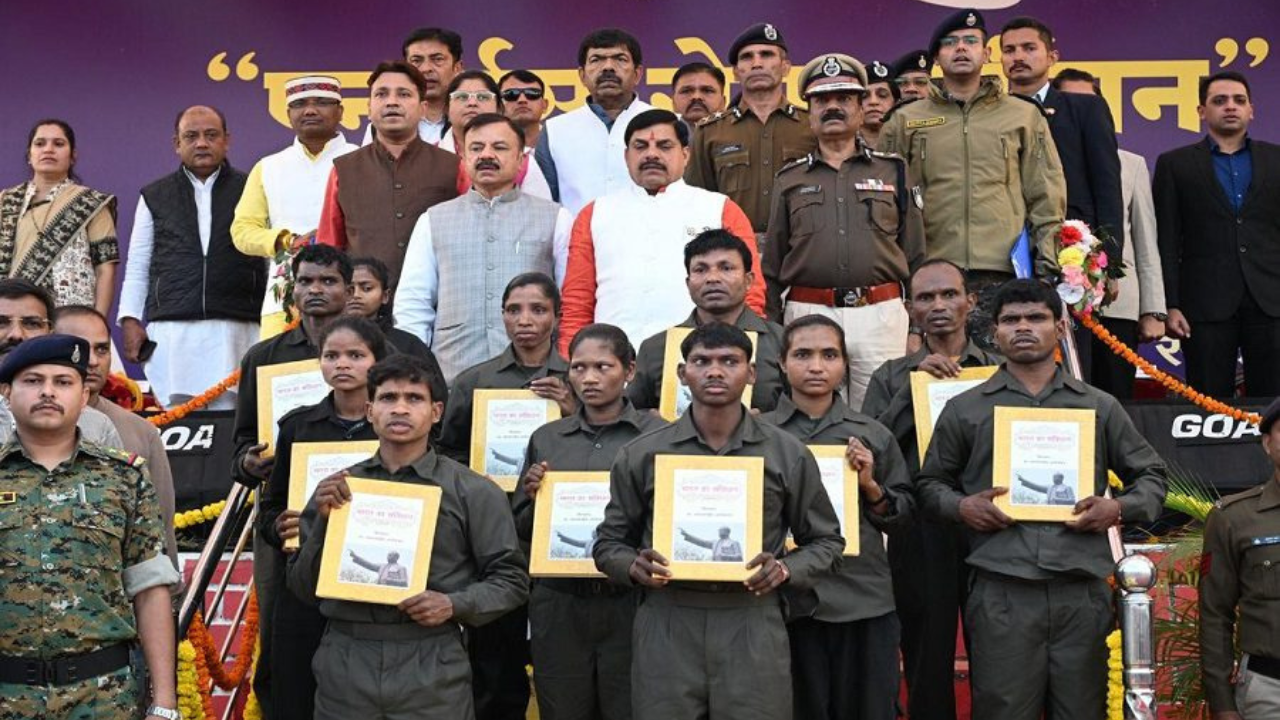
In a historic announcement at the close of 2025, Chief Minister Mohan Yadav declared that Madhya Pradesh is now officially Naxal-free, marking a decisive end to more than four decades of Maoist insurgency in certain pockets of the state. The announcement, made in Bhopal during the state’s year-end review, represents a major turning point in the internal security landscape of central India.

For years, districts such as Balaghat, Mandla, and Dindori were considered sensitive zones affected by left-wing extremism due to their proximity to the borders of Chhattisgarh and Maharashtra. However, through a combination of sustained security operations, grassroots development programs, and community outreach efforts, the state government has now succeeded in completely dismantling Naxal influence in these areas.

“Today, we can proudly say that Madhya Pradesh has achieved a milestone that once seemed impossible. Every part of our state is peaceful, secure, and on the path of inclusive development,” said Chief Minister Mohan Yadav while addressing state officials and media representatives.


A Historic Shift from Conflict to Development

The Chief Minister emphasized that the journey from conflict to peace was not just a security achievement, but also a victory for governance and development. Over the past few years, the state government, in coordination with central security agencies, implemented a comprehensive plan combining law enforcement measures with infrastructure and welfare schemes.

Efforts were made to improve accessibility in remote tribal regions through the construction of all-weather roads, expansion of electricity networks, and digital connectivity under BharatNet. Additionally, welfare programs focusing on education, healthcare, livelihood generation, and skill development were gradually introduced to rebuild public trust and strengthen state institutions.

As a result, incidents of violence have dropped sharply since 2021, with local youth increasingly participating in government-led initiatives and vocational projects. The symbolic dismantling of Maoist hideouts and the surrender of several cadres earlier this year strengthened the government’s claim of establishing lasting peace in the region.


Special Development Package for Ex-Naxalite Districts

To reinforce this achievement, the Yadav government has announced a special development package exclusively for Balaghat, Mandla, and Dindori, focusing on speeding up infrastructure growth, education, and employment opportunities. This initiative aims not only to sustain peace but to transform these regions into models of rural transformation.

According to official sources, the new package includes provisions for:

  • Construction of rural roads and bridges to enhance access to interior villages.
  • Expansion of educational infrastructure, including the establishment of new Ekalavya Model Schools, skill centres, and IT-enabled classrooms.
  • Special agriculture and forestry schemes encouraging sustainable livelihoods for tribal and forest-dependent communities.
  • Promotion of small and medium enterprises (SMEs) through microfinance and entrepreneurship training.
  • Creation of eco-tourism zones and community-based tourism projects drawing on the natural beauty and tribal heritage of the region.

Chief Minister Yadav emphasized that the government’s focus will now shift from security presence to development presence, ensuring that benefits of growth reach even the remotest communities. “Real peace is achieved when every citizen feels included in the progress story of the state. Our goal is to ensure that opportunities replace fear and that the younger generation in these areas gets access to education, jobs, and prosperity,” he stated.


Coordination Between Centre and State Agencies

The official declaration of Madhya Pradesh as Naxal-free was made possible through sustained coordination between state police, central reserve forces, and intelligence agencies. The deployment of advanced surveillance technologies, community policing, and awareness programs played a vital role in ending the extremist network’s influence.

Security officials have confirmed that no active Maoist presence now exists in the state. Routine patrolling will, however, continue for the next few months as a preventive measure. Special focus will be placed on strengthening border coordination with neighboring states like Chhattisgarh and Maharashtra, where isolated extremist activities still occur.


Empowering the People, Building the Future

The transformation of the Naxal-affected belts in Madhya Pradesh is also a story of people’s resilience and cooperation. Civil society groups, self-help organizations, and local youth have contributed significantly by participating in education drives, health campaigns, and agricultural reforms over the past few years.

The Yadav government acknowledges that community involvement will continue to be central to maintaining peace and accelerating progress. Programs promoting women’s empowerment, tribal entrepreneurship, and forest conservation will remain high on the priority list under the new package.

Experts see this development as a defining moment for Madhya Pradesh, strategically positioning it as one of the most stable and development-ready states in central India. Commenting on the announcement, political analysts noted that the state’s balanced blend of security measures and welfare initiatives could serve as a model for other states with similar challenges.


Toward a Peaceful and Progressive Madhya Pradesh

As Madhya Pradesh turns the page on four decades of insurgency, the focus is now firmly set on building a peaceful, prosperous, and self-reliant future. The government’s commitment to economic inclusion, sustainable livelihood programs, and modern infrastructure will determine how deeply this peace takes root in the coming years.

The declaration of a Naxal-free Madhya Pradesh stands not just as a political victory, but as a testament to collective determination and democratic resilience. With renewed confidence and a roadmap for growth, the state now looks forward to an era where every region — from the forests of Balaghat to the plains of Malwa — participates equally in the state’s development journey.

Tiger Marathon Nagpur 2025 Ignites Running Wave Across Maharashtra

Tiger Marathon Nagpur 2025

Local marathon series and athletics events keep Nagpur and Pune sportingly active till year-end, backed by Maharashtra Athletics Association’s busy December calendar.

Nagpur is emerging as one of Maharashtra’s most vibrant hubs for distance running and athletics, with the recently held Tiger Marathon Nagpur 2025 setting the tone for an action-packed sporting season towards the end of the year. Alongside this, the Maharashtra Athletics Association has lined up a busy December calendar of district and state-level meets, while Balewadi in Pune continues to host high-level national athletics competitions.​

Nagpur’s Tiger Marathon boosts running culture

The Tiger Marathon Nagpur 2025, held in December, brought together amateur runners, fitness enthusiasts and serious athletes on one common platform in the city. Designed as a community-centric event, it emphasised fitness, fun and competitive spirit, drawing participation from different age groups and running clubs across Nagpur and nearby regions.​

  • The event offered multiple race categories, including shorter fun runs and longer distance formats, making it accessible for beginners as well as experienced runners.​
  • Organisers promoted the marathon as a celebration of endurance and a way to position Nagpur as a major destination for quality running events in central India.​

For many local participants, Tiger Marathon Nagpur 2025 acted as both a fitness milestone and a motivational starting point for a more disciplined running journey. The strong response also encouraged organisers and partners to explore more running properties and series in the region through the year.​

Ongoing local runs and year-end marathon series

Soon after the Tiger Marathon, the city and surrounding areas have continued to witness a series of running events and marathon formats, keeping the momentum alive right up to the year-end. Various organisers, including private sports entities and local fitness groups, are curating 5K, 10K, half marathon and fun run events that cater to different levels of runners.​

  • Event discovery platforms list multiple upcoming runs in and around Nagpur, indicating consistent interest in road running among citizens.​
  • These events not only promote physical fitness but also create opportunities for tourism, local businesses, NGOs and sponsors to engage with the community in an organic way.​

This steady calendar of runs is helping create a culture where weekend races, training groups and timing-based challenges are becoming a regular part of urban life in and around Nagpur. For local authorities and organisers, it also provides a chance to promote road safety, environmental awareness and social causes through themed runs.​

Maharashtra Athletics Association’s December calendar

Beyond road running, traditional track and field remains a major focus in the state, with the Maharashtra Athletics Association finalising a structured competition calendar through the year. December is particularly busy, with several district-level and state-level athletics meets planned under the official framework of the association.​

  • According to the association’s events schedule, multiple units in Maharashtra conduct recognised competitions, talent identification meets and preparatory events feeding into bigger state and national championships.​
  • These competitions provide a pathway for school and college athletes, club-level talents and young prospects to qualify for higher-level meets and gain exposure on synthetic tracks and standardised venues.​

The December window is especially important because performances here often help athletes secure selection for national school games, federation events and other recognised championships in the athletics ecosystem. With rising interest in running and fitness, the bridge between road races and formal athletics structures is also getting stronger.​

National-level action at Balewadi, Pune

While Nagpur is bustling with marathon activity, Pune’s Shiv Chhatrapati Sports Complex at Balewadi continues to serve as one of India’s key hubs for track and field competitions. The multi-sport complex regularly hosts state, national and even international standard meets, supported by modern infrastructure and technical officials.​

  • Recent and scheduled events at Balewadi include major athletics championships and multi-discipline meets recognised by national bodies and state associations.​
  • The complex has become a regular venue for top-level competitions, offering athletes world-class facilities for sprints, middle-distance, long-distance, jumps and throws.​

During December, national-standard athletics events at Balewadi help Maharashtra athletes test themselves against strong competition from across India. For many youngsters and elite performers, competing here is a crucial step towards national rankings, selection trials and future international prospects.​

Growing ecosystem for runners and athletes

Taken together, the Tiger Marathon Nagpur 2025, the ongoing local running events, and the structured December calendar of athletics meets signal a strong, interconnected sports ecosystem in Maharashtra. Cities like Nagpur and Pune are emerging as twin centres of road running and track-and-field, respectively, offering opportunities at both grassroots and advanced levels.​

  • Recreational runners in Nagpur now have multiple events to look forward to across the season, while serious athletes benefit from formal competitions backed by the Maharashtra Athletics Association and national federations.​
  • With consistent investment in events, infrastructure and community engagement, Maharashtra is steadily reinforcing its reputation as a state that supports fitness, competitive sport and future champions in athletics and endurance disciplines.

Nagpur Assembly Echoes With Reservation Demands During Winter Session

Winter Session

Manoj Jarange Patil’s Maratha movement adds momentum to ongoing debate on OBC and Maratha quota issues.

The ongoing Winter Session of the Maharashtra Legislature in Nagpur has once again become the center of intense political activity. Proposal No. 293, currently under discussion in both the Assembly and the Council, has triggered a fierce debate between the ruling alliance and the opposition parties. As the deliberations continue, both sides are awaiting the government’s official response, which is expected to have far-reaching implications for the state’s socio-political landscape.

At the heart of the discussions lies a growing atmosphere of tension surrounding the twin issues of Maratha reservation and OBC reservation, both of which have dominated the state’s political discourse over the past few months. The agitation led by Maratha quota activist Manoj Jarange Patil, along with various community leaders and organizations, continues to keep the pressure on the government.

Intense Deliberations on Proposal No. 293

Proposal No. 293, though procedural in nature, has become a focal point for larger questions about social justice, inclusivity, and the state government’s stand on reservation allocations. Legislators from both sides seized the opportunity to express their concerns, revisit earlier promises, and demand clarity on the government’s policy stance.

Opposition leaders, including members of the Maha Vikas Aghadi (MVA), alleged that the current administration has failed to provide a satisfactory roadmap for implementing the reservation policies equitably. They accused the government of adopting a dual approach—promising justice to the Maratha community on one hand while causing confusion and insecurity among Other Backward Class (OBC) groups on the other.

Meanwhile, senior ministers from the state government defended their position, asserting that the administration remains fully committed to maintaining the constitutional balance between communities while ensuring that no group is deprived of its rightful benefits. They also emphasized that any decision on Maratha and OBC reservations must be backed by empirical data and stand the test of judicial scrutiny.

Manoj Jarange Patil’s Movement Adds Pressure

Outside the Assembly, the developments continue to be influenced by the ongoing movement spearheaded by social activist Manoj Jarange Patil. His agitation for Maratha reservation has drawn wide public attention and support, especially across rural Maharashtra. Patil’s insistence on legal recognition of the Maratha community as part of the OBC category has reignited the debate over caste-based classifications and the limits of affirmative action within the framework of the Indian Constitution.

His recent statements underscored his determination to continue the peaceful agitation until a clear policy decision is announced by the state government. “Our fight is not against any community but for justice and equality,” Jarange Patil reiterated during his latest public address, appealing to all communities to maintain harmony despite rising political rhetoric.

Government’s Balancing Act

The Maharashtra government finds itself in a politically delicate position — under pressure to address Maratha demands without alienating OBC groups that historically form a strong electoral base across the state. Sources from the legislative corridors suggest that the Chief Minister’s Office is evaluating multiple legal and administrative options to strike a balance.

Officials close to the issue mention that the government is considering forming a new committee to collect updated data on the socio-economic status of different communities. This data could become the foundation for a fresh recommendation to the central government or for state-level legislative adjustments designed to withstand legal challenges in court.

However, opposition parties argue that the state is buying time and avoiding decisive action ahead of the forthcoming local body and parliamentary elections. They claim that the government’s indecisiveness may escalate social tensions further.

Opposition’s Unified Stand

For the first time in months, the opposition camp appeared united inside the Assembly. Leaders from Congress, NCP (Sharad Pawar faction), and Shiv Sena (UBT) raised coordinated demands for an unambiguous government resolution addressing both Maratha and OBC concerns. Former ministers highlighted how repeated committee formations and delay tactics have only deepened mistrust among communities.

Senior Congress leader Balasaheb Thorat told reporters, “People are watching. Every session ends with promises, but the ground situation remains unchanged. The government must bring a concrete, time-bound policy rather than another assurance.”

Voices From the Treasury Benches

On the other hand, senior BJP and Shiv Sena (Shinde faction) ministers reaffirmed that the administration would bring a “legally sustainable solution.” They recalled that previous quota initiatives had been struck down by the Supreme Court, emphasizing the need to proceed cautiously.

Deputy Chief Minister Devendra Fadnavis stated that while the government understood the sentiment behind the Maratha community’s demands, any policy must hold up before the judiciary. “We will not let emotions cloud the legality of governance. The government stands with every community for progress and justice,” he said during the debate.

Awaited Government Response

As discussions on Proposal No. 293 carry on, the entire state is awaiting the government’s final statement. The issue has transcended party lines and entered the social mainstream, resonating deeply across districts like Beed, Jalna, and Osmanabad, where the reservation movement has witnessed strong participation.

Political observers believe that the outcome of this legislative debate will significantly influence the pre-election atmosphere in Maharashtra. A balanced, transparent, and inclusive policy response could defuse tensions, while further delay or ambiguity might fuel renewed protests and social unrest.

Renowned Banquet Chef Ajay Chauhan Introduces Signature “Achari Mushroom Tikka”

Chef Ajay Chauhan

Chef Ajay Chauhan, a renowned hospitality professional and Banquet Senior Chef de Cuisine at JW Marriott Kolkata, has yet again treated his culinary heritage by introducing another fine vegetarian dish to the list of his signature creations, the Achari Mushroom Tikka. Famous for its fusion of Indian traditional tastes and five-star restaurant sophistication, this latest recipe by Chef Chauhan demonstrates his profound knowledge of Indian cuisine and expertise in banquet-scale operations.

Achari Mushroom Tikka is based on traditional achari (pickle-style) tastes and has been crafted to suit upscale hospitality establishments. The dish is prepared using tender mushrooms marinated in a mouth-watering aromatic mix of thick curd, roasted gram flour, lemon juice, kasuri methi, ginger-garlic paste, and a well-balanced blend of Indian spices such as coriander, cumin, garam masala, and ajwain. The marinade is designed to be creamy yet robust, ensuring it does not overpower the original flavour of the mushrooms.

Once marinated, the mushrooms are skewered along with onion petals and bell peppers and grilled on a hot tawa, in an oven, or in a tandoor. The result is a delicately roasted tikka with a smoky aroma, crisp edges, and a soft, flavour-packed interior. The dish is finished with a light brushing of oil and a gentle sprinkle of chaat masala, and is served hot, making it ideal for luxury banquets, curated menus, and modern Indian dining experiences.

Chef Ajay Chauhan is currently serving as the Banquet Senior Chef de Cuisine at JW Marriott Kolkata, a position he has held since July 2024. He has built a distinguished career over the years with leading hospitality brands such as Shangri-La Colombo, Shangri-La Bengaluru, JW Marriott New Delhi Aerocity, Pullman and Novotel Aerocity, ITC Hotel The Maurya, ITC Welcome Hotel Dwarka, and Country Inn & Suites. With nearly 20 years of experience, he is widely respected for his leadership in kitchen operations, recipe development, hygiene standards, and staff training.

A specialist in Indian cuisine, Chef Chauhan is renowned for his ability to translate traditional flavours into scalable, consistent, and visually appealing dishes suitable for high-end hotels and international guests. His Achari Mushroom Tikka perfectly reflects this philosophy—rooted in authenticity, yet refined to align with modern luxury dining.

Through creations such as this, Chef Ajay Chauhan continues to strengthen his reputation as a chef who understands not only food, but also the ever-evolving demands of modern hospitality.

Visit for more : http://linkedin.com/in/ajay-chauhan-a66860b5

Why AriseSync Is Becoming the Default Digital Setup for Modern Professionals and Businesses

AriseSync

The way people discover businesses has changed, but the tools most professionals use have not kept up. Visiting cards are forgotten. Social links get buried. Websites exist, but rarely convert. In this gap between visibility and real outcomes, a new kind of digital setup is quietly gaining attention.

That setup is AriseSync.

AriseSync is not trying to replace everything. It focuses on one simple idea: give professionals and businesses a single digital presence that looks credible, works instantly, and produces measurable results.

Built for How People Actually Interact Online

Most decisions today are made in seconds. Someone opens a link, scans the page, and decides whether to act or leave. AriseSync is designed entirely around that moment.

Instead of long, unfocused pages or multiple links leading to different platforms, AriseSync creates one clear destination. Visitors immediately understand who you are, what you offer, and what they can do next.

That next step might be booking an appointment, sending an enquiry, starting a WhatsApp chat, saving contact details, browsing products, or placing an order. There is no confusion and no friction.

This focus on action is what separates AriseSync from traditional digital profiles.

A Powerful Digital Profile for Professionals

For service-based professionals, AriseSync works as a smart digital identity.

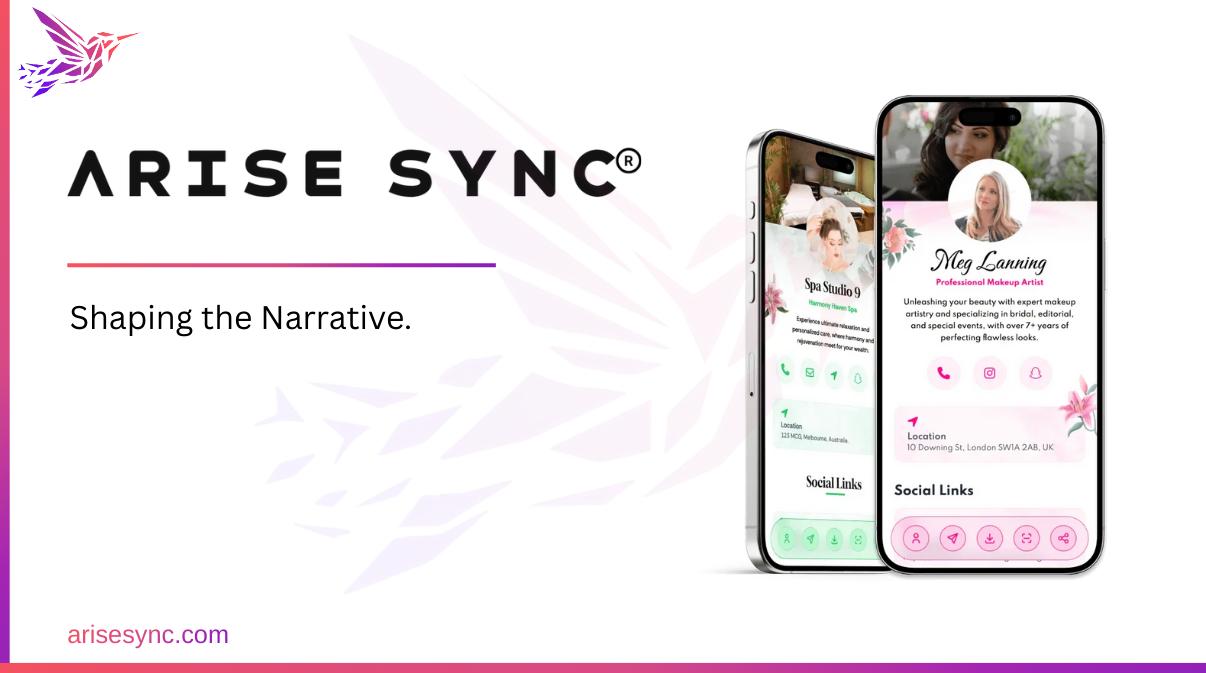
Doctors, lawyers, consultants, coaches, creators, and freelancers can showcase their services, share their availability, accept enquiries, and collect appointment requests from a single profile. Social media links, photo galleries, business hours, Google Maps location, payment details, and WhatsApp chat all sit in one clean interface.

Visitors can save contact details directly to their phone, making follow-ups easier and more natural. Personalized links and NFC cards allow professionals to share their profile instantly, both online and offline.

Instead of managing scattered touchpoints, professionals get one link that does real work.

A Full E-Commerce Store for Product-Based Businesses

For businesses that sell products, AriseSync becomes something entirely different.

It turns into a complete ecommerce website where customers can browse products, add items to the cart, make payments, and place orders. Categories, pricing, checkout, and order handling are built in from the start.

This makes AriseSync especially valuable for small brands, local sellers, and growing ecommerce businesses. There is no need to hire developers, install plugins, or manage complex systems. Everything needed to start selling is already there.

The store experience feels familiar to customers and simple for business owners. That balance is rare and powerful.

Built-In CRM That Keeps Everything Under Control

One of the biggest problems businesses face is not lack of leads, but lack of organization.

AriseSync solves this with a built-in CRM that tracks every enquiry, appointment request, contact form submission, and store order. Everything flows into a single dashboard.

Professionals can see who contacted them and for what service. Businesses can track customers, orders, and engagement history. No more searching through WhatsApp chats, emails, or spreadsheets.

This alone saves time, improves follow-ups, and prevents revenue from slipping through the cracks.

Search Visibility That Compounds Over Time

One of AriseSync’s most valuable advantages is discoverability.

Profiles and stores are search-engine indexable, meaning they can appear on Google for relevant keywords. Names, services, products, and business details become searchable.

Unlike social media links that fade quickly, search visibility grows stronger over time. An AriseSync profile does not stop working once shared. It continues bringing discovery, enquiries, and orders in the background.

For professionals and businesses alike, this turns a digital profile into a long-term asset rather than a temporary link.

Designed to Look Premium Without Extra Effort

First impressions matter, especially online. AriseSync’s industry-specific themes ensure that profiles and stores look professional from day one.

Pages load fast, work smoothly on mobile, and avoid unnecessary clutter. Visitors feel like they are interacting with a serious business, not a generic tool.

That perception builds trust quickly. And trust leads to action.

Flexible Plans That Grow With You

AriseSync makes it easy to start without pressure. A free trial allows users to explore real features and test real use cases.

As needs grow, plans scale logically. Professionals can start with simple profiles and later unlock advanced features. Businesses can move from basic listings to full ecommerce stores with unlimited products and enquiries.

You upgrade when the value is clear, not because you are forced to.

Why AriseSync Feels Like a Smart Move

AriseSync succeeds because it respects how modern business actually works.

It combines digital identity, lead capture, ecommerce, CRM, and search visibility into one clean system. It removes complexity without removing capability.

For professionals, it means more enquiries with less chasing. For businesses, it means selling online without technical stress. For both, it means having a digital presence that finally delivers results.

That is why more people are not just trying AriseSync, but choosing to build their digital presence on it long term.

Kailasam Global Trust: A Sacred Vision Bridging Spirituality, Service, and Sanātana Dharma

Kailasam Global Trust’s

In an era marked by rapid urbanization, material pursuits, and a growing spiritual disconnect, Kailasam Global Trust emerges as a timely and purposeful initiative dedicated to reviving India’s ancient spiritual wisdom while addressing pressing social needs. Registered in Tripunithura, Ernakulam (Kochi), Kerala, the Trust is rooted in the timeless values of Sanātana Dharma and envisions creating sacred spaces and service-driven ecosystems that harmoniously integrate spirituality, compassion, and community welfare.

Established as a public charitable trust, Kailasam Global Trust is founded on the belief that true spiritual growth must walk hand in hand with social responsibility. The Trust draws inspiration from India’s rich heritage of temples, ashrams, and community institutions that historically served not only as centers of worship but also as hubs of education, healing, and social upliftment.

A Spiritual Foundation with a Global Outlook

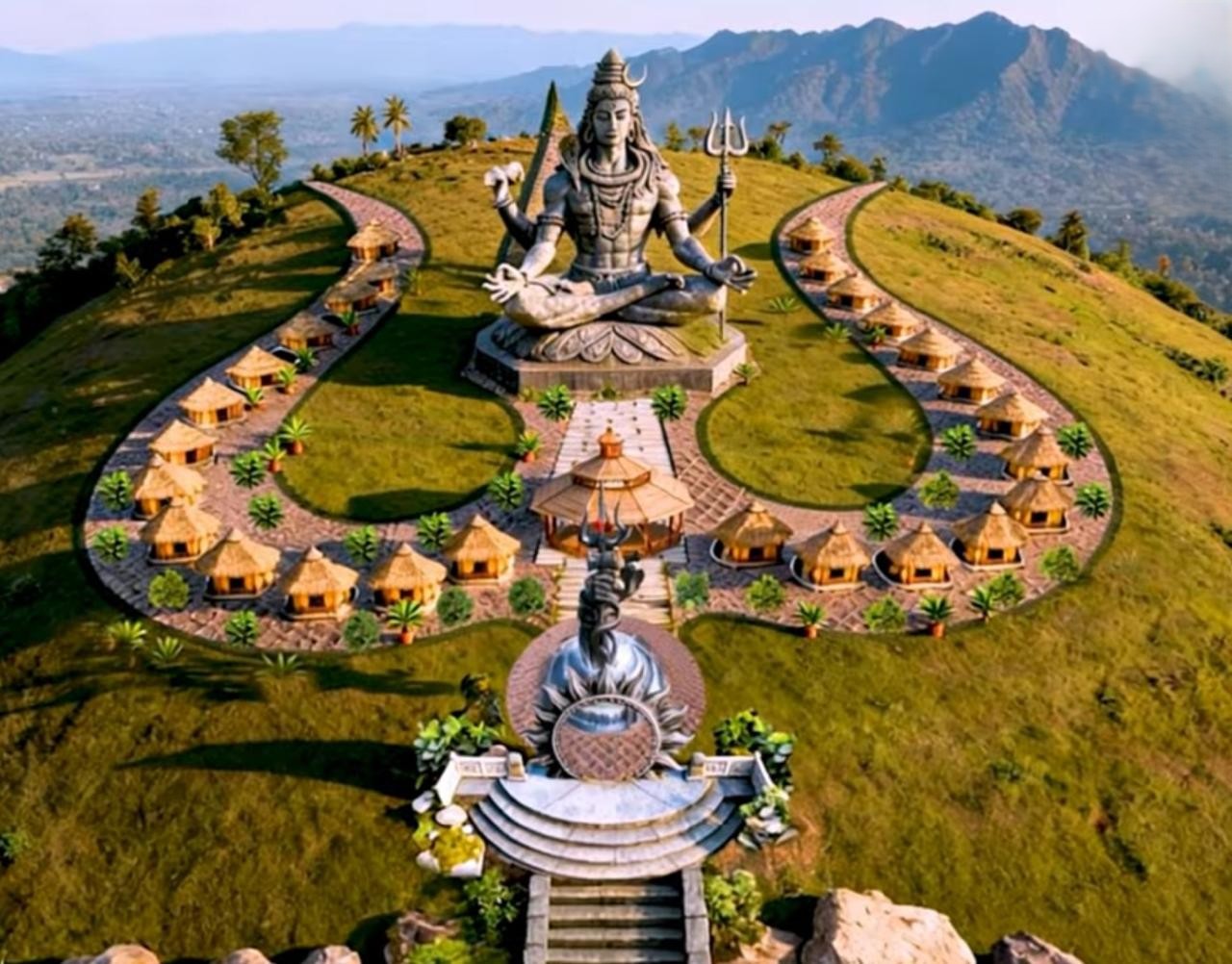
At the heart of Kailasam Global Trust lies its flagship vision: the development of the Kailasam Meditation Ashram, a serene spiritual retreat envisioned in the pristine mountain regions of Kerala. Designed as a sanctuary for self-discovery, meditation, and inner transformation, the ashram aims to welcome spiritual seekers from across India and around the world.

The project is conceived as more than a physical structure—it is a holistic spiritual ecosystem. With meditation halls, yoga spaces, sacred zones, and nature-aligned surroundings, Kailasam Meditation Ashram seeks to offer individuals an opportunity to reconnect with their inner self, rediscover timeless spiritual truths, and experience peace beyond material distractions.

An iconic spiritual landmark dedicated to Lord Shiva is also envisioned, symbolizing consciousness, balance, and universal harmony—values deeply embedded in the philosophy of Sanātana Dharma.

“Kailasam Global Trust was born from a simple yet powerful belief—that spirituality should not be confined to rituals alone, but must express itself through compassion, service, and responsibility toward society. Our aim is to create spaces where individuals can rediscover inner peace while contributing meaningfully to the world around them,” said Varun Parameshwaran Nair, Founder and Managing Trustee of Kailasam Global Trust.

Preserving Culture, Serving Humanity

While spirituality forms its core, Kailasam Global Trust is equally committed to social welfare and humanitarian service. The Trust’s objectives extend across multiple dimensions of public good, including:

Support for education, especially for underprivileged children and students from economically weaker sections

Assistance to orphanages and old-age homes, ensuring dignity and care for the most vulnerable

Welfare programs for the disabled, mentally challenged, blind, and hearing-impaired

Promotion of Indian art, culture, music, and heritage through cultural and charitable programs

Community outreach initiatives focused on healthcare, awareness, and sustainable living

By integrating service with spirituality, the Trust follows the age-old Indian principle that seva (service) is itself a form of worship.

Commitment to Ethical Governance

Kailasam Global Trust operates under a transparent and well-defined governance structure led by its founder and Managing Trustee, supported by a dedicated board of trustees. The Trust follows strict ethical standards, ensuring that funds received through donations, grants, and contributions are used solely for charitable, spiritual, and welfare-oriented objectives.

In keeping with its charitable ethos, trustees do not draw remuneration, reinforcing the Trust’s commitment to service over personal gain. Financial accountability, statutory compliance, and long-term sustainability remain core pillars of its operations.

A Platform for Collective Participation

The Trust actively welcomes participation from individuals, institutions, and organizations that share its vision. Through donations, volunteering, CSR partnerships, and collaborative spiritual initiatives, Kailasam Global Trust aims to become a collective movement rather than a standalone institution.

In the coming years, the Trust plans to expand its activities across India, creating multiple spiritual and service-oriented centers that promote mindfulness, harmony, and social balance.

A Vision Rooted in Timeless Wisdom

Kailasam Global Trust represents a powerful convergence of ancient wisdom and contemporary responsibility. From its base in Tripunithura, Ernakulam—one of Kerala’s historic spiritual and cultural centers—the Trust aspires to spread the message of Sanātana Dharma worldwide, helping people understand its relevance in modern life.

By preserving spiritual heritage, nurturing inner awareness, and extending compassionate service to society, Kailasam Global Trust seeks to create a lasting legacy—one that uplifts individuals while strengthening the moral and cultural fabric of the nation.

Doctor Prashant Dwivedi Meets BJP’s National Executive President Nitin Nabin

Doctor Prashant Dwivedi

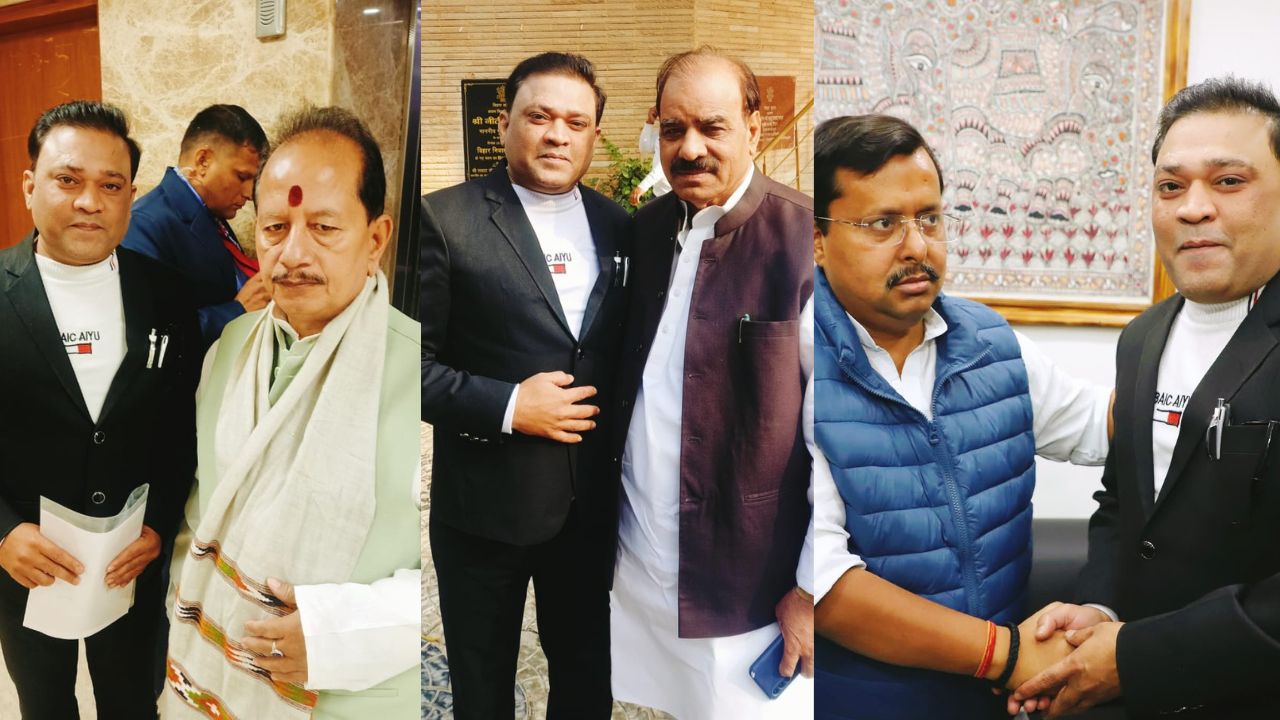
New Delhi, December 17, 2025 – Doctor Prashant Dwivedi, a prominent social worker, met with Nitin Nabin, the newly appointed National Executive President of the Bharatiya Janata Party (BJP), in Delhi today. During the meeting, Dr. Dwivedi congratulated Mr. Nabin on his new role and expressed gratitude to Prime Minister Narendra Modi for empowering youth and entrusting them with responsibilities¹ ² ³.

The meeting also saw discussions on the upcoming programs of the Bharat Manch, a social organization, and Dr. Dwivedi sought guidance from Bihar’s Deputy Chief Minister, Vijay Sinha. Additionally, he met with Jagdish Yadav, former Chairman of the Delhi Backward Classes Commission⁴ ⁵.

Dr. Dwivedi praised Mr. Nabin’s organizational experience and leadership, stating that it would undoubtedly elevate the BJP’s ideological journey to new heights. He emphasized that Bharat Manch is committed to working for the nation and society, collaborating with political and social stakeholders⁶ ⁷ ⁸.

During the meeting, Dr. Dwivedi also discussed upcoming programs with Deputy Chief Minister Vijay Sinha, highlighting the people’s support for the BJP in Bihar, which has contributed to the party’s strength and majority. He noted that political and social leaders are working together to serve the people, and Bharat Manch aims to contribute to this effort⁹.