Thursday, March 12, 2026
Home Blog Page 32

Empowering Nashik Youth The Rise of Startup Culture Through Innovation Events

0
Empowering Nashik Youth

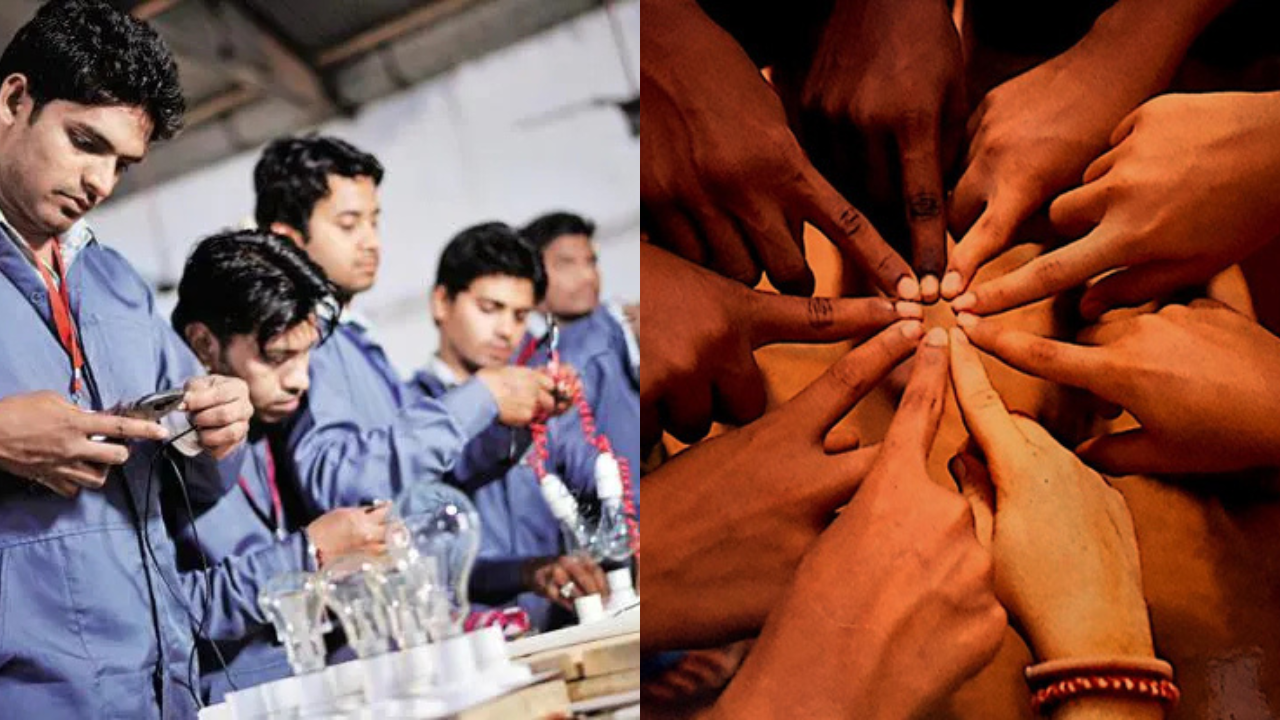
The city of Nashik is witnessing an exciting wave of entrepreneurial enthusiasm as high-impact workshops and innovation events actively inspire local youth to embrace startup ventures as promising career avenues. With ecosystem leaders playing vital roles as mentors and role models, Nashik’s emerging generation is being equipped with skills, knowledge, and practical exposure essential for success in the startup ecosystem.

The recent “Igniting Innovation” program, held at Gurudakshina Hall under the auspices of the Directorate of Skill Development, Employment and Entrepreneurship (DSDEEGC), Government of Maharashtra, stood out as a flagship event fostering this momentum. Over two days, this vibrant platform brought together students, aspiring entrepreneurs, startups, investors, and mentors, creating a collaborative environment to nurture innovation and startup growth.

A Platform for Youth to Explore Entrepreneurship

This program was designed with the goal of presenting entrepreneurship not just as a concept but as a viable, exciting, and attainable career option for Nashik’s youth. Activities ranged from deep-dive workshops, startup showcases, pitch competitions, to hackathons, giving participants hands-on opportunities to learn, network, and validate their business ideas.

Experts and seasoned entrepreneurs led interactive sessions covering vital themes such as startup planning, legal and ethical considerations, navigating government startup support schemes, and strategies for seed funding. This comprehensive approach enabled budding entrepreneurs to gain a sound understanding of the entrepreneurial journey from ideation to execution.

Mentorship: The Heart of the Movement

Strong mentorship emerged as a defining feature of the Nashik startup movement. Notably, Chartered Engineer and Startup India Mentor Shreekant Patil has been a driving force behind these initiatives. Shreekant actively engages with educational institutions across Nashik, offering guidance on MSME support, government schemes, incubation opportunities, and sustainable business practices.

His philosophy emphasizes continuous encouragement, technological empowerment, and seed funding as pillars for empowering Indian startups. These mentorship efforts focus on building an inclusive startup ecosystem by bridging the gap between government, industry, academia, and grassroots entrepreneurs.

Building a Sustainable Startup Ecosystem

Beyond single events, sustained efforts are underway to weave entrepreneurship into the fabric of Nashik’s educational and professional landscape. Institutions are launching entrepreneurship cells, innovation hubs, and incubation centers to provide ongoing support for startups. The collaborations between government bodies like DSDEEGC, industry associations (such as NIMA, MACCIA), and academia create a robust infrastructure that fosters innovation-driven growth.

Workshops such as “Entrepreneurship Awareness Programs,” startup pitch competitions, and national-level hackathons regularly engage students and young innovators. These not only enhance skills but also stimulate a culture that celebrates creativity, problem-solving, and resilience.

Impact on Nashik’s Youth and Economy

The entrepreneurial wave in Nashik is producing more than just business ventures; it is sparking a mindset shift among the youth. The narrative of conventional employment is gradually supplemented—and in some cases replaced—by the narrative of self-driven enterprise and innovation.

Participants in these events express newfound confidence and optimism about their potential to contribute to the local and national economy through startups. Moreover, the support ecosystem provides pathways for seed funding, networking with investors, and access to resources that were previously difficult to obtain locally.

Quotes From the Frontline

Shreekant Patil, a mentor and distinguished startup advocate, shares, “Through initiatives like ‘Igniting Innovation,’ we are sowing the seeds for a strong startup ecosystem in Nashik. Our goal is to host these programs multiple times a year to ensure continuous support through mentorship, technology access, and seed funding for emerging entrepreneurs.”

Participants also highlight the value of real-time feedback and interaction with mentors and investors. They find motivation in seeing successful startup stories unfold within their own community, reinforcing the belief that entrepreneurship is an achievable dream.

The Road Ahead

The journey of the Nashik startup ecosystem is only beginning. With sustained efforts emphasizing education, mentorship, innovation, and collaboration, Nashik is poised to become a hub for entrepreneurial activity in Maharashtra.

Upcoming events, workshops, and incubation opportunities promise to maintain the momentum, ensuring that youth from diverse backgrounds can harness their creativity and ideas into viable business ventures.

By fostering this culture of innovation and enterprise, Nashik is not just creating startups—it is building a future where young people lead with confidence, self-reliance, and a spirit of community-driven growth.
Madhya Pradesh Shivers as Cold Wave Intensifies Temperature Drops to 6°C in Bhopal and Indore

0
Madhya Pradesh Shivers as Cold Wave

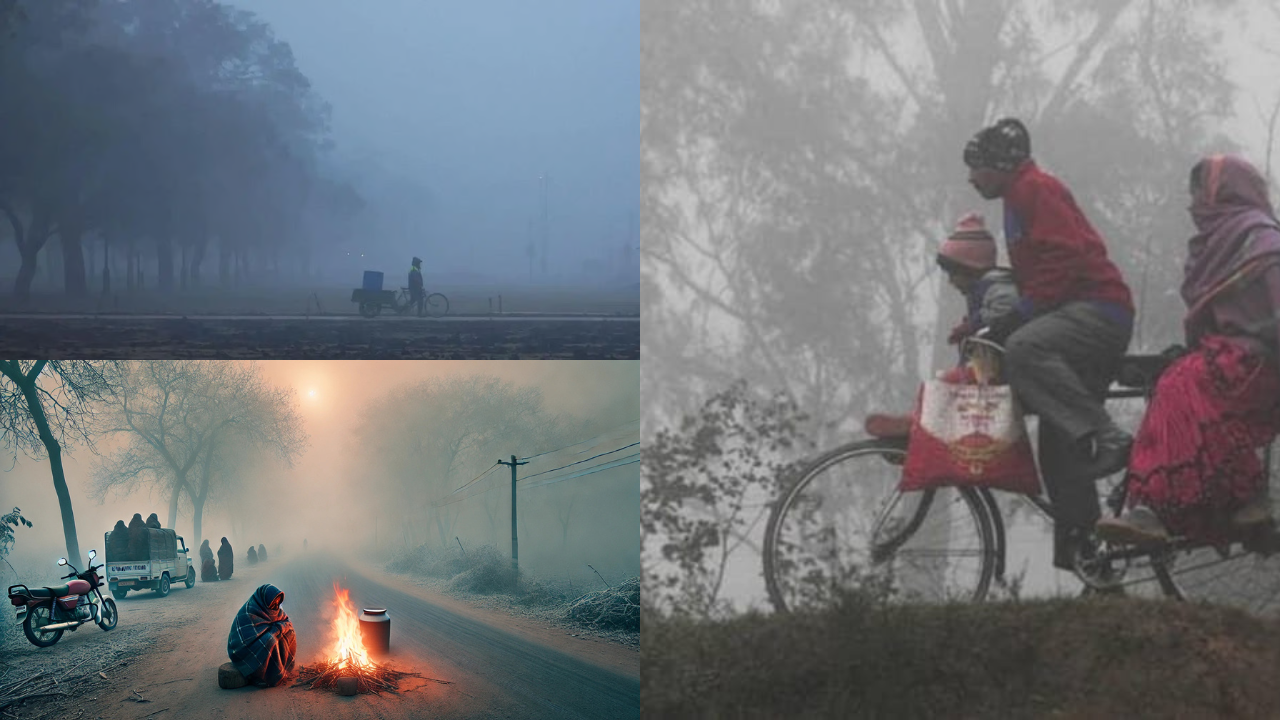
Madhya Pradesh is witnessing one of the harshest cold waves of the season, as biting winter chill sweeps across major parts of the state. According to the India Meteorological Department (IMD), temperatures have dropped significantly in several districts, with mercury levels plunging as low as 6 degrees Celsius in cities like Rajgarh, Bhopal and Indore. The weather department has also issued a cold wave alert for the next three days, urging people to take necessary precautions.

Sharp Temperature Drop Across the State

Over the past few days, the weather in Madhya Pradesh has changed drastically. Cold winds from the northern plains are blowing into central India, causing a rapid fall in night temperatures. In Bhopal, the minimum temperature hovered around 6.2°C, while Indore recorded close to 6.5°C. Similarly, Rajgarh and nearby districts reported temperatures between 5.8°C and 6°C, marking one of the coldest spells of this winter season.

Weather experts believe the current cold conditions are likely to persist for the next 72 hours. They attribute the dip in temperature to the combined effect of clear skies, dry winds and high pressure in the upper atmosphere, which enhances radiational cooling during the night.

IMD Issues Cold Wave Alert

The India Meteorological Department has issued a cold wave alert across various districts of Madhya Pradesh, including Bhopal, Indore, Chhindwara, Rajgarh, Vidisha, Gwalior, and Sagar. The alert will remain in effect for at least the next three days. The department has advised residents to stay indoors during early morning and late-night hours, wear warm clothing, and refrain from unnecessary travel to avoid exposure to cold wind.

Officials from the Regional Weather Office in Bhopal stated that if temperatures continue to drop, frost conditions might develop in parts of northern and western Madhya Pradesh. District administrations are coordinating with local authorities to ensure public safety, especially for vulnerable groups like children and the elderly.

Schools Adjust Timings Amid Cold Conditions

As the state continues to experience freezing mornings, several districts, including Chhindwara and adjoining regions, have decided to modify school timings. Morning sessions are now starting later than usual to protect children from cold exposure during early hours. Many schools have been instructed to begin classes after 9 AM instead of the usual 7:30 or 8 AM schedule.

District education officers have been directed to monitor the situation and make additional changes if the cold wave intensifies further. Parents have also welcomed the move, saying it will help children avoid health complications such as colds, coughs, and fever during the harsh weather.

Daily Life Affected Across Cities

The cold wave has gradually started impacting daily life in both urban and rural parts of Madhya Pradesh. Morning markets and roadside vendors are opening late as fewer people step out early. Street traffic in cities like Bhopal and Indore remains thin before sunrise, while tea stalls and warm food vendors are seeing a rise in customers throughout the day.

In rural areas, farmers are facing challenges due to frost formation and dry winds affecting crops. Agricultural officers have advised farmers to cover delicate crops like vegetables and nurture seedlings through irrigation to reduce frost damage.

Public parks, which usually bustle with morning walkers and joggers, remain nearly empty during early hours as the icy winds make outdoor activities uncomfortable. Warm clothing shops and local wool markets, on the other hand, are witnessing increased sales as residents stock up on sweaters, jackets and blankets.

Government and Health Advisories Issued

The Madhya Pradesh government has directed health departments at the district level to remain on alert and ensure that hospitals are ready to deal with cold-related illnesses. Officials have urged citizens, especially senior citizens and children, to avoid early morning and late evening outings.

Health experts recommend layering clothing instead of wearing single heavy garments to stay warm effectively. They also advise staying hydrated, eating hot meals, and maintaining room temperature indoors through safe heating methods during night hours.

Social welfare departments have started distributing blankets and warm clothing among homeless individuals and people living in slum areas of major cities. Local NGOs and volunteer groups have also joined hands to run night shelters, offering temporary refuge to those without adequate housing.

Forecast for Coming Days

Meteorologists predict that the cold wave will continue in most parts of Madhya Pradesh for at least the next three days, after which a slight rise in temperature might be observed. However, night temperatures are expected to stay below normal for the next week.

Light to moderate fog is also likely in the early hours in districts like Jabalpur, Seoni, and Raisen, which can reduce visibility for motorists. The IMD has issued advisories for drivers to be cautious while traveling during foggy mornings to prevent road mishaps.

Citizens Brace for Chilly Days Ahead

With the cold wave showing no signs of retreat, people across Madhya Pradesh are preparing for an extended winter spell. The biting cold has made warm beverages and woolen clothes the talk of the town. The early onset of winter this year has also prompted many families to make last-minute arrangements for room heating and insulation.

Authorities continue to monitor the situation closely, issuing timely bulletins to guide citizens and administrators. Meanwhile, the people of Madhya Pradesh brace themselves for a few more nights of shivering cold and fog-laden mornings as winter tightens its grip over the heart of India.

Maharashtra Launches E-Bond System to Speed Up Import-Export Trade

0
Maharashtra Launches E-Bond System

In a move aimed at speeding up trade-related processes and improving transparency, the Government of Maharashtra has officially launched the e-Bond system for import and export operations. The new digital initiative will replace the traditional stamp paper-based bond system, marking a major step towards paperless governance and ease of doing business in the state.

This initiative is expected to transform trade documentation and compliance procedures across ports, customs offices, and logistics hubs in Maharashtra, which has long been one of India’s leading centers for international trade. By adopting a fully digital process, businesses can now execute bond-related transactions in minutes instead of waiting for several days under the older manual system.

A Step Towards Digital Governance

The launch of the e-Bond system aligns with the central government’s broader vision of “Digital India” and “Ease of Doing Business.” Maharashtra, being one of the top states in terms of industrial output and trade volume, plays a crucial role in India’s export network—especially through the ports of Mumbai, Navi Mumbai, and Jawaharlal Nehru Port (JNPT).

Under the new e-Bond mechanism, traders and exporters can digitally prepare, sign, and submit bonds through an online portal integrated with customs and related departments. The system eliminates the need for physical stamp papers, which often caused delays, additional costs, and administrative errors in the process.

According to state officials, this reform will not only reduce paperwork but also improve security and traceability in customs-related transactions. The introduction of electronic documentation will help plug loopholes that previously existed in manual handling, bringing greater accuracy and reliability to trade bond processing.

Faster, Transparent, and Convenient

Traditionally, the process of submitting bonds for import or export transactions required traders to purchase stamp papers, get them physically signed, and submit them to authorities for approval. This could take several days and often involved coordination between multiple offices.

With the e-Bond system, the entire workflow is digitized. Traders can create bonds online through an authorized platform, validate them digitally, and receive approval electronically. This streamlined process not only saves time but also makes transactions traceable and easier to monitor for compliance.

Officials from the Department of Industries and the State Excise and Registration Department stated that the system will benefit thousands of importers and exporters operating in Maharashtra’s logistics and industrial sectors. It will also reduce the dependency on middlemen or documentation agents, making the system more transparent and trader-friendly.

Benefits for Businesses and the Economy

The implementation of the e-Bond system offers multiple advantages for the business community. Apart from reducing operational delays, it also cuts down costs related to stamp paper purchases, couriering of documents, and manual verification.

Furthermore, the new platform integrates securely with digital payment systems, enabling instant payment of applicable charges online. This ensures faster clearance of goods at ports and smoother coordination with customs authorities.

Industry experts believe that this will strengthen Maharashtra’s standing as a global trade hub and encourage more investments in the logistics and export sectors. The digital approach will also increase accountability and reduce the scope for human error, making trade operations more efficient and transparent.

Boost to Ease of Doing Business

The e-Bond system is part of Maharashtra’s continuous efforts to modernize trade facilitation processes. In recent years, the state has launched several digital initiatives focusing on self-certification, online license renewals, and paperless inspections for industries.

By enabling the digital execution of trade bonds, Maharashtra has joined a growing list of states promoting paperless, contactless documentation systems. The measure also aligns with India’s goal of rising in global ease-of-doing-business rankings, where faster customs clearance and efficient trade documentation are key indicators.

Government authorities have assured that existing traders will be provided with the required support and training to use the new system effectively. Dedicated help centers and online tutorials have been planned to guide users during the transition phase from traditional bonds to e-bonds.

Pilot Phase and Expected Expansion

Initially launched in select customs offices and trade zones, the e-Bond system is expected to gradually cover all major ports, free trade zones, and special economic zones (SEZs) in Maharashtra. Feedback from traders and customs agents during the pilot phase will be used to fine-tune the digital platform.

The government has also indicated that the system could later expand beyond import-export services to include other departments that rely on bond submissions, such as industrial licenses, excise operations, and infrastructure projects.

Officials highlighted that the introduction of the system was driven by feedback from the business community and trade associations, who had long requested a simpler, faster, and more secure process for bond registration and verification.

A Model for Other States

Maharashtra’s e-Bond initiative may serve as a national model for replicating similar systems in other states. The success of this digital transformation could pave the way for a unified online bond platform across India, creating a seamless national trade environment.

The initiative is expected to benefit both government departments and businesses by reducing manual effort, improving compliance monitoring, and ensuring that all trade-related records are digitally available for audit and verification.

With this launch, Maharashtra has reaffirmed its commitment to fostering a business-friendly and technology-driven environment. The e-Bond system is not just an administrative reform—it is a significant step toward a paperless, transparent, and efficient future for trade and commerce in the state.

Bamboo Industry Policy 2025 Aims to Build Modern, Sustainable Value Chain with MSME Support

0
Bamboo Industry Policy 2025

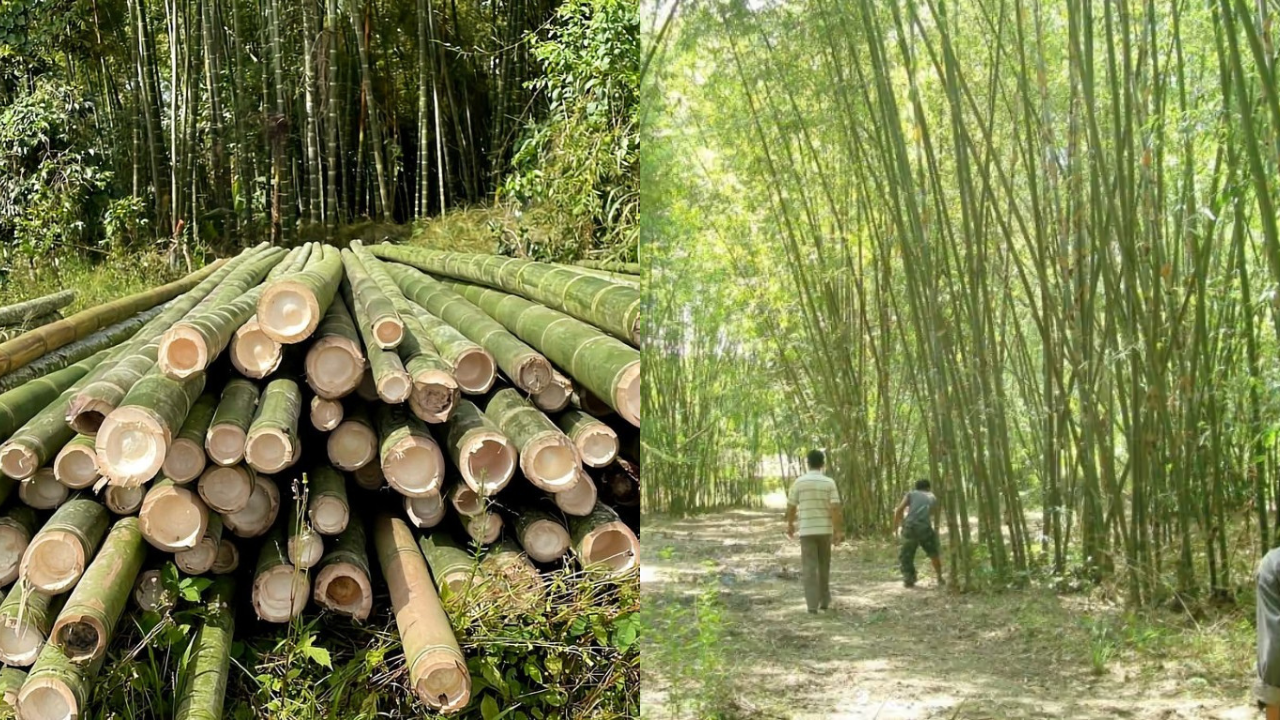
In a significant step toward sustainable growth and rural development, the state government has announced the Bamboo Industry Policy 2025, aiming to attract Rs 50,000 crore in investments and generate up to 5 lakh employment opportunities over the next five years. The ambitious policy focuses on promoting bamboo-based industries, setting up specialized clusters, and encouraging micro, small, and medium enterprises (MSMEs) to harness the potential of India’s rich bamboo resources.

The new policy will play a key role in transforming the bamboo sector into a modern, technology-driven industry that supports both rural livelihoods and environmental sustainability. The government has emphasized that the initiative is designed not just to promote bamboo as a raw material, but to create a value-added ecosystem with end-to-end support for entrepreneurs, craftsmen, and investors.

A vision for sustainable industrial development

Bamboo, often called “green gold,” has long been a part of India’s cultural and economic fabric. The state government’s new policy positions bamboo as a strategic raw material for industrial development, with a clear focus on circular economy principles. It aims to integrate traditional craftsmanship with modern manufacturing technologies such as machine processing, bio-engineering, and design innovation.

According to officials, the Bamboo Industry Policy 2025 aligns with national missions like Make in India and Atmanirbhar Bharat, encouraging domestic production and reducing import dependency for bamboo-based products such as furniture, flooring, packaging materials, and handicrafts.

Key highlights of the Bamboo Industry Policy 2025

The government has outlined several measures under the new policy, including institutional support, financial incentives, and infrastructure creation. Some of the major highlights include:

  • Investment target: The policy seeks to attract cumulative investments worth Rs 50,000 crore from both public and private sectors over the next five years.
  • Employment generation: An estimated 5 lakh job opportunities will be created across production, processing, design, marketing, and research sectors.
  • Bamboo clusters: The state will set up dedicated bamboo industrial clusters in key regions, enabling industries to access raw materials, logistics, and testing facilities in one integrated zone.
  • MSME support: Micro and small enterprises will receive special incentives, including subsidies on machinery, power tariff concessions, and low-interest loans.
  • Venture capital funding: The government plans to introduce a dedicated Venture Capital Fund to promote startup innovation in the bamboo value chain. This will support entrepreneurs working on sustainable product design, packaging, and technology-driven applications.
  • Skill development: Training programs will be launched in collaboration with technical institutes and design centers to enhance the skills of artisans and rural youth.
  • Technology adoption: Advanced bamboo processing technologies such as computer-aided design (CAD), 3D printing, and automated weaving will be introduced to improve quality, efficiency, and export competitiveness.

Boosting rural livelihoods and entrepreneurship

The policy places strong emphasis on empowering rural communities and self-help groups (SHGs) that depend on bamboo cultivation and craftmaking. The government will encourage contract farming and promote bamboo plantation on private and degraded lands through incentives and buyback arrangements.

This will help farmers and rural artisans generate higher incomes, while industries gain access to a stable and sustainable supply of raw material. The government also plans to link bamboo growers to cooperative structures and e-market platforms for transparent pricing and trade.

Officials believe that bamboo clusters will become engines of rural entrepreneurship, attracting small-scale manufacturing units, design studios, packaging companies, and export firms. Apart from domestic markets, the policy envisions expanding bamboo exports to regions like the Middle East, Europe, and Southeast Asia, where demand for eco-friendly building materials and organic products is rising.

Supporting innovation and sustainability

Innovation is central to the Bamboo Industry Policy 2025. The government will encourage institutions and research organizations to collaborate on developing new bamboo-based materials such as bio-composites, fiber boards, and biodegradable packaging. These eco-friendly alternatives can replace plastics and other non-renewable resources, helping industries meet global sustainability standards.

Additionally, the policy aims to promote bamboo usage in construction, furniture, interior design, and even energy generation. Pilot projects using bamboo biomass for bioenergy will be supported under green industry initiatives.

Institutional framework and ease of doing business

To ensure effective implementation, the government will establish a Bamboo Industry Development Board that will coordinate efforts between departments such as Industry, Forest, Agriculture, and Rural Development. The board will also create a single-window clearance system to facilitate faster approvals for bamboo-based projects.

Investors will benefit from simplified processes for land allocation, infrastructure financing, and environmental clearances. A robust monitoring system will track industry progress, investment flow, and employment outcomes.

Long-term impact and outlook

Experts say the Bamboo Industry Policy 2025 has the potential to transform the state into a national hub for bamboo-based industries. The initiative will not only create employment but also open doors for innovation-driven manufacturing, boost exports, and support the global transition to sustainable products.

By setting clear targets and providing comprehensive support, the government aims to position bamboo as a symbol of green growth and inclusive industrialization. The success of this policy could also serve as a model for other states to follow in developing eco-industrial sectors that balance economy and ecology.

As the first phase of implementation begins, investors, farmers, and entrepreneurs are optimistic that this new policy will turn the state’s vision of a modern bamboo economy into a reality — one that blends tradition with technology and growth with sustainability.

Soybean Prices Rise Across Maharashtra Ahead of PSS Procurement Season

0
Soybean Prices Rise

Soybean farmers across Maharashtra are witnessing a steady rise in market prices this month, a development that has sparked optimism in villages and trading markets ahead of the government’s upcoming Price Support Scheme (PSS) procurement season.

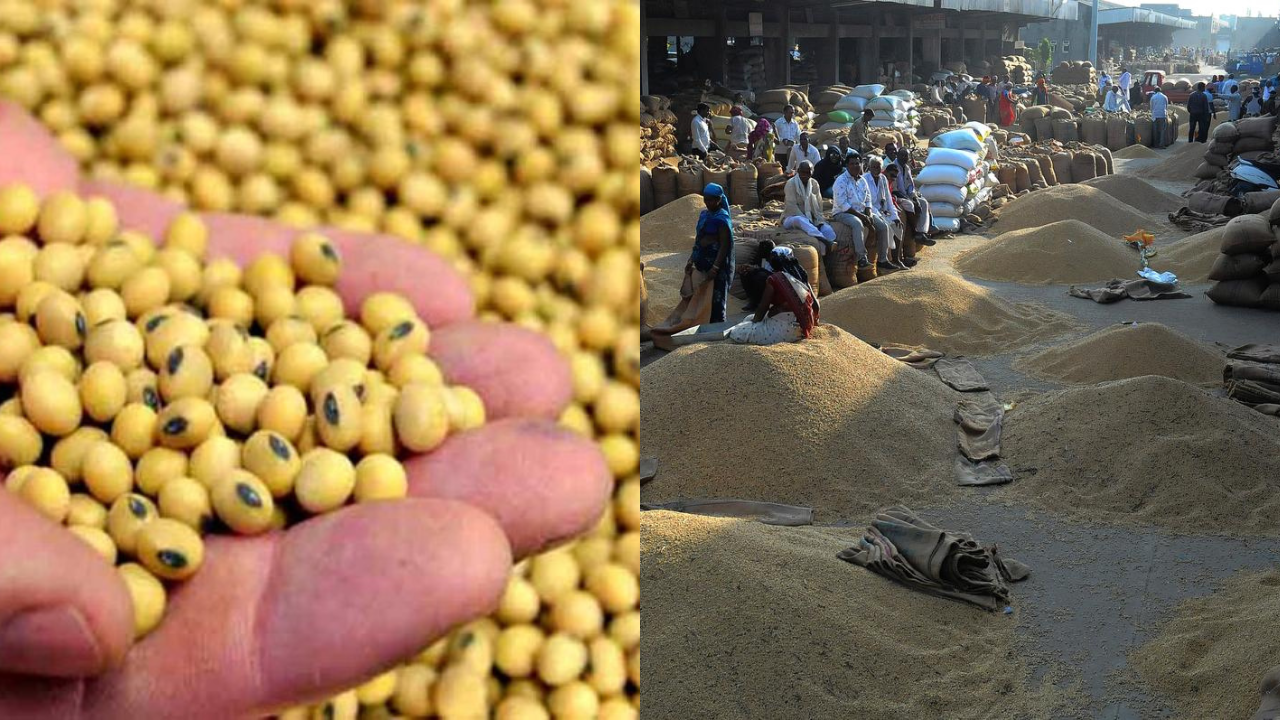
In major soybean-producing districts such as Amravati, Akola, Latur, Beed, and Washim, the recent upward movement in prices has created a positive buzz among both farmers and local traders. With procurement operations expected to begin soon under the assistance of agencies like NAFED, agricultural markets are already experiencing heightened activity as mandi arrivals and trade inquiries grow steadily.

Experts believe that this surge reflects multiple factors — from lower-than-expected production due to unseasonal rainfall during the sowing stage to rising demand from domestic oil mills and exporters. Farmers who held back produce after harvest are now benefiting from the market’s gradual strengthening.

Prices Strengthen Across District Markets

Soybean prices have firmed up in several major markets of Maharashtra, moving closer to the government’s Minimum Support Price (MSP). In Amravati and Akola, mandi rates have touched around Rs. 5,200 to Rs. 5,500 per quintal, while in Latur and Parbhani, quotes have climbed above Rs. 5,600. Traders say the sentiment remains strong as more buyers enter the market in anticipation of official procurement.

Many farmers have limited arrivals, choosing instead to wait for the PSS program to commence. This reduced immediate supply has helped support prices in the open market, while expectations of assured government procurement add a layer of confidence among growers.

An official from one of the local cooperative marketing societies noted that this year’s procurement is likely to start earlier than the previous season, ensuring timely support for farmers affected by erratic monsoon patterns. He added that centers across key regions are being equipped with weighing, grading, and payment mechanisms to ensure transparency and efficiency once purchases begin.

Farmers’ Relief After a Challenging Monsoon

For thousands of cultivators across Vidarbha and Marathwada, the steady recovery in prices has come as a welcome relief. This year, excessive rainfall in some phases and dry spells in others affected soybean yield and quality, leading to uncertainty after harvest. Many farmers had incurred high input costs on seeds, fertilizers, and pest management, making favorable market conditions crucial for their recovery.

Ramesh Pawar, a farmer from Washim district, shared that he had stored his produce for nearly four weeks after harvest, hoping that market prices would improve. “Soybean prices were low right after harvesting due to heavy arrivals, but now they are increasing daily. We expect the government to start procurement soon, which will help us get a fair price,” he said.

Analysts highlight that the state’s soybean production this year may see a moderate decline compared to last year, but the fall is being offset by stronger demand from crushing units in Madhya Pradesh and Gujarat. This inter-state movement of produce is also adding strength to wholesale rates.

Traders Anticipate a Busy Procurement Season

Local traders and commission agents in district mandis expect brisk business activity once the government’s procurement drive gains momentum. Many private buyers are also closely monitoring the MSP trends and export signals, especially with international soybean oil prices staying firm.

According to small traders in Akola and Hingoli, the current price trend indicates a balanced market where both farmers and buyers stand to benefit. “Procurement always improves liquidity in rural markets,” explained a trader, “And since farmers have already seen an improvement this month, PSS operations will further stabilize rates without sharp volatility.”

Agri-economists agree that a well-timed Price Support Scheme can act as a strong market stabilizer, protecting farmers from distress sales while keeping supply consistent for processors and millers.

Impact on Rural Economy and Future Outlook

The rise in soybean prices is likely to boost the rural economy across central and eastern Maharashtra in the coming weeks. As farmers secure better returns, local transportation, warehousing, and input service providers will also experience increased activity. This ripple effect often benefits small businesses and daily-wage workers connected to agricultural value chains.

Government officials have indicated that detailed announcements about procurement schedules, centers, and quantity limits will be released shortly. In the meantime, the current market momentum continues to lift confidence among rural households.

Economic observers suggest that the soybean trend could set a positive tone for the upcoming rabi sowing season as well. With earnings from Kharif crops gradually improving, many farmers are expected to reinvest in seeds, fertilizers, and land preparation for wheat and gram.

A Positive Turn for the Farming Community

The rise in soybean prices marks a welcome shift from the uncertainty that has clouded Maharashtra’s agricultural outlook in recent years. As the state prepares for the next phase of PSS procurement, both farmers and traders appear optimistic about steady returns and enhanced market stability.

Market observers note that consistent implementation of support schemes, coupled with transparent grading and digital payment systems, can help strengthen farmer confidence in institutional procurement. Such measures not only ensure fair prices but also promote long-term sustainability in agricultural trade.

Maharashtra Sugar Market Stays Stable Amid Need-Based Demand and Steady Supply

0
Maharashtra Sugar Market

Maharashtra’s sugar markets are witnessing a phase of steady prices, as domestic demand remains consistent and largely need-based. The stability in sugar prices across key wholesale markets reflects a balanced relationship between supply and demand, alongside favorable conditions in both production and trade.

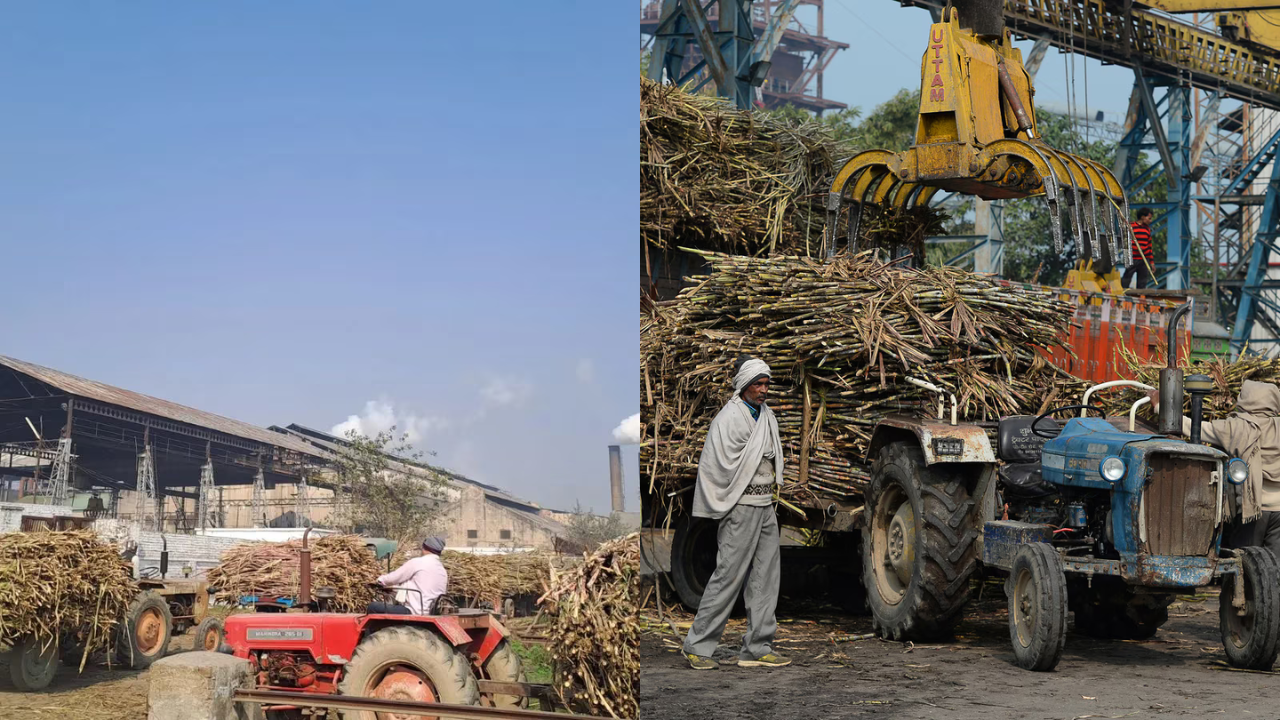
According to traders and industry sources, there has been no significant movement in the domestic sugar prices over the past few weeks. Buyers are continuing to purchase based on immediate requirements rather than stockpiling in bulk. This indicates a stable scenario in the state’s sugar trade, especially as the crushing season gains pace in key sugar-producing regions like Kolhapur, Pune, Ahmednagar, and Nashik.

Steady Market Sentiment

Market watchers note that sugar mills in Maharashtra have begun crushing for the current season with favorable weather conditions. The initial output and the supply flow from mills are adequate to meet the domestic demand. As a result, sugar prices continue to hover around previous levels without major fluctuations.

Wholesalers in Kolhapur and Pune report that the average price of S-30 grade sugar remains within the range of Rs 3,550 to Rs 3,600 per quintal, while M-30 grade sugar is quoted between Rs 3,620 and Rs 3,680 per quintal. Retail prices have also remained largely unchanged, ensuring stable costs for consumers and sweet manufacturers across the state.

Industry experts say the market stability is a good indicator of disciplined supply management by sugar mills and traders. The absence of panic buying or heavy speculation has contributed to a balanced market sentiment.

Crushing Season and Production Outlook

The 2025-26 sugar crushing season in Maharashtra began on a positive note with early reports of good cane availability and satisfactory recovery rates. With favorable rainfall patterns in many cane-growing districts earlier this year, the crop condition is considered healthy.

The Maharashtra State Cooperative Sugar Factories Federation has projected that around 200 sugar mills are expected to operate this season. Early indications suggest an output of more than 100 lakh tonnes, provided climatic conditions remain stable.

While the central government has been closely monitoring sugar stocks and exports, most of the current focus has been on ensuring stable domestic supply during the festival and post-festival period. This is particularly important as sugar consumption tends to spike during festive months in India.

However, even after the festival season, demand has remained steady rather than aggressive, helping keep prices from either rising sharply or falling significantly.

Consumption Trends and Export Restrictions

Domestic sugar consumption continues to be driven by the food processing and beverage sectors, which include confectionery, dairy, and soft drink manufacturers. Urban household consumption has also stayed stable, with no sudden shifts in buying behavior.

In terms of international trade, sugar exports from India remain under government regulation to prioritize domestic availability. The export policy, introduced to balance internal prices, limits the outward movement of sugar from domestic mills while keeping a close watch on domestic stock levels.

Traders believe that these export curbs have helped maintain sufficient availability within the Indian market, reducing price volatility that could have occurred with aggressive exporting. Despite some calls for export flexibility, the domestic stabilization policy has largely succeeded in keeping sugar affordable for consumers and industries alike.

Policy Measures Supporting Price Stability

Government policies related to fair and remunerative price (FRP) for sugarcane, minimum selling price (MSP) for sugar, and timely payments to farmers have collectively contributed to predictable pricing. The FRP ensures that farmers get a guaranteed minimum price for their cane, while the MSP prevents excessive undercutting in sugar sales by mills.

At the same time, the government’s consistent monitoring of stock release orders—ensuring an even and sufficient flow of sugar into the markets each month—has played a key role in avoiding sudden supply shortages.

Analysts point out that this alignment between production, policy, and demand has kept the market resilient, especially during times when other commodities have seen fluctuations.

Traders’ Outlook for Coming Weeks

Looking ahead, traders expect the sugar market to maintain its stability through the coming weeks. The steady pace of crushing and sufficient stocks in warehouses are likely to meet near-term requirements without any major price pressure.

If there are no abrupt changes in weather or policy, prices are expected to remain within the current range throughout November. Retailers in urban centers like Mumbai and Pune foresee stable household demand, while bulk buyers such as bakeries and restaurant chains are maintaining their usual procurement schedules.

Market insiders anticipate that a clearer trend may emerge by late December once the full impact of the season’s crushing output and government stock release plans are visible. Until then, the sentiment remains calm and predictable.

Overall Market Outlook

In summary, Maharashtra’s domestic sugar market continues to enjoy a rare period of stability marked by steady demand, healthy supply, and supportive government policies. The absence of sharp price swings is good news for both consumers and producers, offering a balanced environment for trade across the state’s major markets.

The coming months will be crucial in determining the sustainability of this steady trend. Weather conditions, export decisions, and the pace of sugarcane crushing across the state will play a defining role in shaping future price movements.

For now, industry participants agree that the Maharashtra sugar market is in firm balance—an encouraging sign for India’s overall sugar economy as it enters a new production season.

Sardar Sarabjeet Singh: Delhi’s Hero Bringing Hope Through Service and Humanity

0
Sardar Sarabjeet Singh

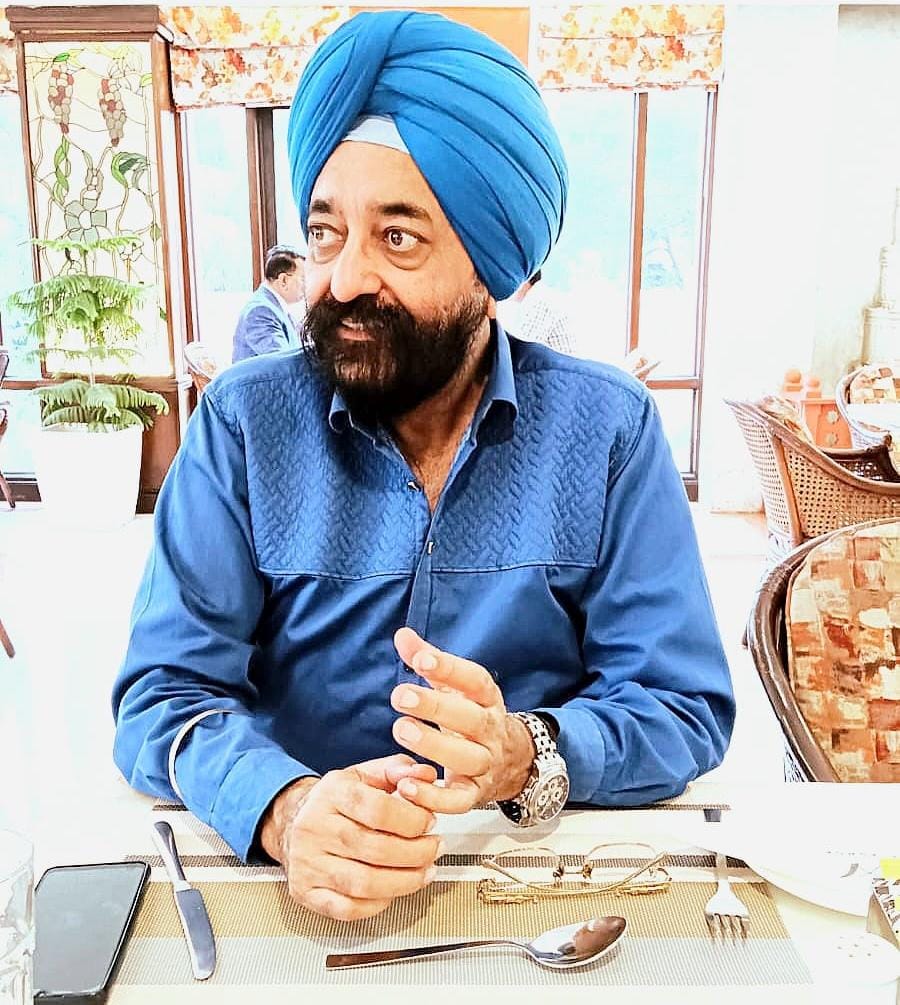
Delhi: Sardar Sarabjeet Singh is a personality who has dedicated his life to serving the needy and bringing people together. .

Free Ration and Food Distribution

Sardar Sarabjeet Singh has initiated several programs to provide free ration and food to the needy in Delhi. His efforts have resulted in hundreds of people receiving food daily, reducing hunger and malnutrition.

Education and Healthcare Services

Sardar Sarabjeet Singh also works for the education and health of poor children. He has organized several schools and health camps, providing education and healthcare services to needy children. He provides books, stationery, and other essential materials to children, enabling them to complete their education.

Promoting Unity and Harmony

Sardar Sarabjeet Singh’s efforts have promoted unity and harmony in society. His programs bring together people from different communities, strengthening the sense of unity and harmony.

Conclusion

Sardar Sarabjeet Singh’s work is an inspiration to society. His efforts have brought about a change in the lives of needy people. We should learn from his work and gain inspiration to do something for society.

Delhi Residents Praise Sardar Sarabjeet Singh’s Work

Residents of Delhi have praised Sardar Sarabjeet Singh’s work and described him as a true benefactor of society. His efforts have brought a new direction and hope to society.

Talent, Dedication & Recognition: Ruhi Singh Becomes the Spotlight of ‘Mastiii 4’

0
Ruhi Singh

Ruhi Singh is gearing up to make her mark in the comedy genre with her upcoming film, Mastiii 4, and it’s shaping up to be an exciting ride. The actress has been garnering attention for her impressive performances, and renowned director Anurag Kashyap has taken notice.

Anurag Kashyap recently praised Ruhi Singh, calling her a “brilliant actor” who has consistently worked on her craft. Kashyap has been following Ruhi’s journey, and his encouraging words have meant a lot to the actress.

“Anurag sir has always believed in me and encouraged me to keep pursuing my dream of becoming a mainstream Bollywood actor — even without any connections in the industry.”, Ruhi responded.

A Career of Substance

With a career spanning several years, Ruhi has established herself as a talented actress, known for her impressive performances in web series like “Runaway Lugaai” and “Chakravyuh”. Her dedication to her craft has earned her nominations and accolades, including a Filmfare award nomination for Best Actor. From her debut in Calendar Girls she has consistently impressed audiences with her performances.

Empowering Indian Comics

Ruhi is the brand ambassador of the Indian Comics Association (ICA) and passionate about promoting Indian comics and culture. Ruhi represented ICA at Waves 2025, showcasing her commitment to promoting Indian comics and culture. With her talent, passion, and dedication, it’s no surprise that she’s winning hearts and making a name for herself in the industry.

Upcoming Projects: Mastiii 4

Ruhi is currently gearing up for her upcoming film, Mastiii 4, a comedy franchise that promises to bring back the laughter and chaos that fans have come to expect. The film, directed by Milap Zaveri, features an ensemble cast, including Riteish Deshmukh, Vivek Oberoi, Aftab Shivdasani, and Arshad Warsi.

The film is set to release on November 21, 2025, and fans are eagerly waiting to see Ruhi Singh’s comedic timing on the big screen. With Mastiii 4, Ruhi Singh is all set to take her career to the next level. As Anurag Kashyap said, she is a brilliant actor, and we can’t wait to see her shine on the big screen.

Dubai Marina’s Most Anticipated New Year 2026 Cruise Unveils Limited VIP Packages  

0
Dubai Marina’s

Dubai Marina, Dubai, UAE – Launch the New Year 2026 with a legendary sea party experience when VisitDhowCruiseDubai.com reveals its VIP packages at the much-awaited New Year cruise along the center of the Dubai Marina. There are several curated spaces, and guests are welcome to enjoy the turn of the year the way it should be done: sailing under a canopy of fireworks and the glittering city skyline.

Departing at 8 PM on 31st December, the cruise will offer approx 4-6 hours of high-quality entertainment in a sleek traditional dhow, now enhanced with modern comfort and upscale features. There are highlights such as a welcome toast with champagne, live music, a multi-course international buffet with gourmet stations, and a front-row vantage of the midnight spectacle at sea. The guests will also have free mocktails, signature cocktails and a midnight cake cutting ceremony.

According to the statement of the Managing Director of VisitDhowCruiseDubai.com, “New Year’s Eve in Dubai is always a spectacular event, but we are rebranding the event this year. We have customized an exclusive VIP event that incorporates beauty, luxury as well as the exhilarating spirit of the waterfront party in Dubai Marina. There are a small number of seats and we recommend that one should make a reservation ahead of time so as to get the best view of the fireworks and reflections of the skyline at midnight.”

VIP package benefits include:

  • Private table for two, four or six in a dedicated zone with unobstructed views.
  • Premium welcomes drinks and personalized butler service.
  • Exclusive lounge access post-midnight for late‐night bites and dancing under the stars.
  • Priority boarding and valet pickup from Marina promenade.

Standard tickets are also available for the general deck area, with full access to food, entertainment and fireworks views—but VIP reservations guarantee an elevated experience in style and comfort.

Bookings are now open via https://visitdhowcruisedubai.com website, with a special early-bird offer until 15 November. Families, couples and groups of friends are all welcome; children’s menus and family-friendly zones are available.

The director again adds: “Whether you’re a Dubai resident or an international traveller making Dubai your destination for New Year, our cruise offers the perfect blend of magical ambiance, premium hospitality and a front row seat to the city’s iconic maritime celebration.”

About VisitDhowCruiseDubai.com

VisitDhowCruiseDubai.com is one of the leading cruise companies in Dubai that provides luxury dhow dining, sightseeing, and special-event cruises along Dubai Marina and Dubai Creek. The brand creates unforgettable waterfront events for both residents and visitors with a focus on service and experience excellence.

Media Contact

For media enquiries or to reserve your VIP table, please contact:

Visit Dhow Cruise Dubai

Office Address: Deira, Next to Flora Creek Hotel, Port Saeed – Dubai, UAE

Website: www.visitdhowcruisedubai.com

Email: info@visitdhowcruisedubai.com

Phone: +971 54 998 3082

Solar Defence & Aerospace Announces Major Manufacturing Unit in MIHAN, Strengthening Atmanirbhar Bharat Vision

0
Solar Defence & Aerospace

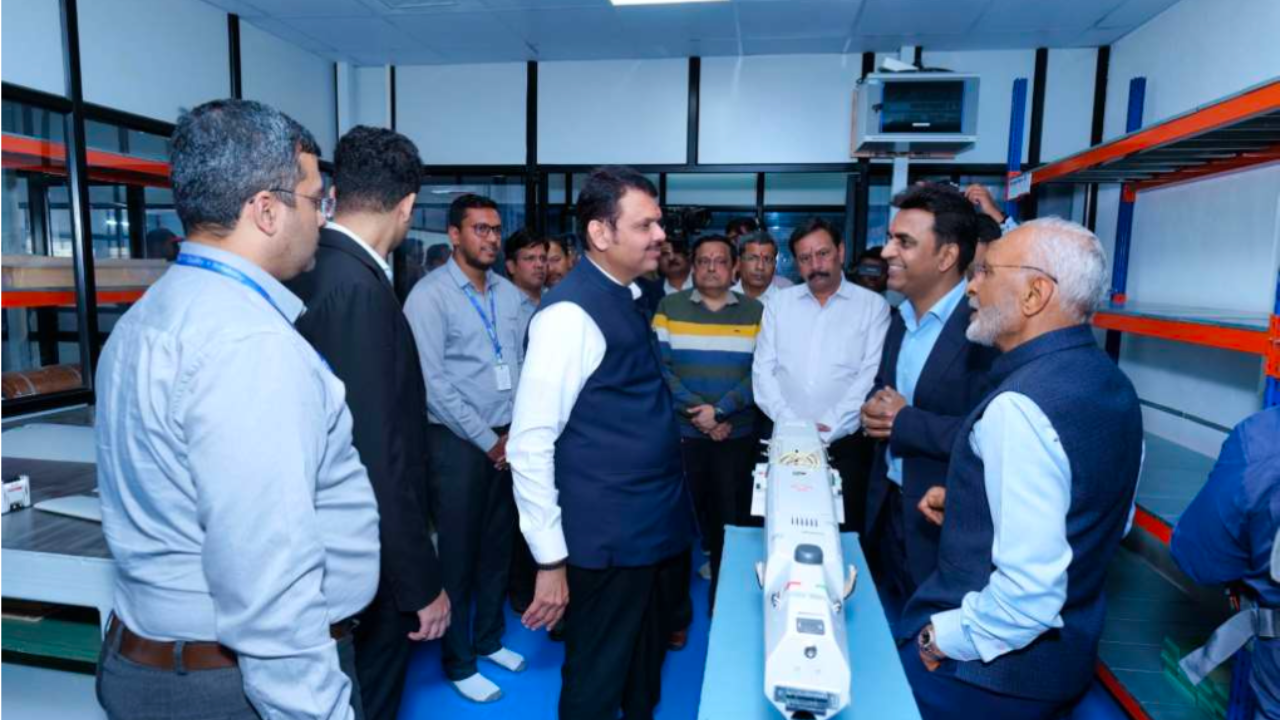
In a major boost to central India’s industrial and economic landscape, Solar Defence & Aerospace Ltd (SDAL) has announced plans to invest approximately ₹12,780 crore to establish a large-scale defence and aerospace manufacturing facility in the Multi-modal International Cargo Hub and Airport at Nagpur (MIHAN) Special Economic Zone (SEZ). This ambitious project is expected to transform Nagpur into a key hub for defence production, aerospace engineering, and high-technology manufacturing, while creating thousands of jobs for the local population.

The announcement marks one of the largest private-sector investments in Nagpur’s recent history, reflecting the growing importance of the MIHAN SEZ as a centre for industrial growth and strategic initiatives under India’s self-reliance vision in defence and aerospace.

A Strategic Step Towards Atmanirbhar Bharat

The proposed manufacturing unit by Solar Defence & Aerospace Ltd aligns closely with the Government of India’s Atmanirbhar Bharat Abhiyan and Make in India initiatives, which encourage domestic production and reduce dependence on imports in the defence sector. Through this project, SDAL aims to design, develop, and manufacture advanced defence equipment, aerospace components, and next-generation technologies for both domestic and international markets.

According to senior executives of SDAL, the upcoming facility will focus on producing a wide range of technologies including unmanned aerial systems (UAS), radar and surveillance systems, propulsion components, and specialised materials used in space and defence applications. The company has expressed confidence that the Nagpur unit will become a global benchmark for technology-driven, high-quality manufacturing in aerospace and defence.

Why MIHAN SEZ Was Chosen

The decision to set up the plant in the MIHAN SEZ underscores Nagpur’s growing potential as a preferred destination for industrial and infrastructure investments. The MIHAN project already hosts several multinational companies engaged in logistics, information technology, and aviation services. Its strategic location in the heart of India offers significant logistical advantages, including connectivity through air, road, and rail networks.

SDAL representatives highlighted MIHAN’s robust infrastructure, availability of skilled manpower, and proactive support from the Maharashtra government as key factors that influenced the company’s decision. The SEZ’s integrated ecosystem, proximity to the international airport, and the city’s developing industrial corridor create an ideal environment for setting up such a technically advanced manufacturing facility.

Thousands of Jobs and Skill Development Opportunities

One of the most promising aspects of the investment is the large-scale employment generation it promises. The manufacturing unit is expected to create thousands of direct and indirect job opportunities in and around Nagpur. Local youth, engineers, technicians, and skilled workers will benefit immensely from new openings in areas such as assembly, testing, aerospace design, electronics, and research and development.

In addition, SDAL plans to collaborate with local technical institutes and universities to set up training and research centers that will develop a skilled workforce tailored to meet industry demands. This will not only ensure sustainable employment but also enhance the region’s human capital and technical expertise.

Regional Economic Impact

Economists and industry analysts say that the ₹12,780 crore investment will have a ripple effect on the entire regional economy. Small and medium enterprises (SMEs) in Nagpur, particularly those engaged in component manufacturing and engineering services, are likely to see a surge in business opportunities. The establishment of ancillary units and suppliers will further fuel industrial growth and stimulate local entrepreneurship.

The boost in employment, coupled with the rise in local production capacity, will significantly contribute to the Gross District Domestic Product (GDDP) of Nagpur, making it one of the most industrially advanced cities in Maharashtra’s Vidarbha region.

State Government’s Support and Partnership

The Maharashtra government has expressed strong support for Solar Defence & Aerospace Ltd’s investment proposal. State officials have assured that all necessary approvals, clearances, and infrastructural facilities will be provided promptly to accelerate project implementation. The government’s proactive policies and streamlined procedures are designed to attract large-scale investments and position the state as a hub for defence and aerospace industries.

Industry experts believe that this collaboration between the state and private sector will promote long-term industrial sustainability, encourage innovation, and elevate Nagpur’s role in the national defence manufacturing chain.

A Major Milestone for Nagpur’s Growth

With this development, Nagpur is poised to emerge as one of the most significant defence manufacturing cities in India. The upcoming facility by Solar Defence & Aerospace Ltd is expected to attract further investments in allied sectors such as electronics, heavy machinery, and materials science. The city’s growing infrastructure, coupled with its strategic location at the geographical center of India, gives it a unique advantage to serve national and international markets efficiently.

Local leaders and trade associations have welcomed the move, stating that it will redefine Nagpur’s industrial identity and open new avenues for employment, innovation, and global collaboration.

Looking Ahead

The establishment of the SDAL plant in MIHAN SEZ will serve as a symbol of India’s rapid progress toward technological self-sufficiency and economic strength. The project reflects the government’s commitment to building a robust defence manufacturing ecosystem and underscores the growing confidence of domestic companies in India’s industrial policy framework.

Work on project planning, land acquisition, and initial design phases is expected to begin soon, with construction likely to start within the next fiscal year. Once operational, the unit will not only supply critical components for India’s defence forces but also contribute significantly to exports, enhancing the country’s reputation as a competitive player in the global aerospace industry.

With this landmark investment, Nagpur stands on the brink of a new industrial revolution — where innovation, skill development, and economic resilience come together to build a stronger, self-reliant India.