Thursday, March 12, 2026
Home Blog Page 31

Google Unveils Gemini 3 AI Mode Now Integrated Directly Into Search

0
Google Unveils Gemini 3

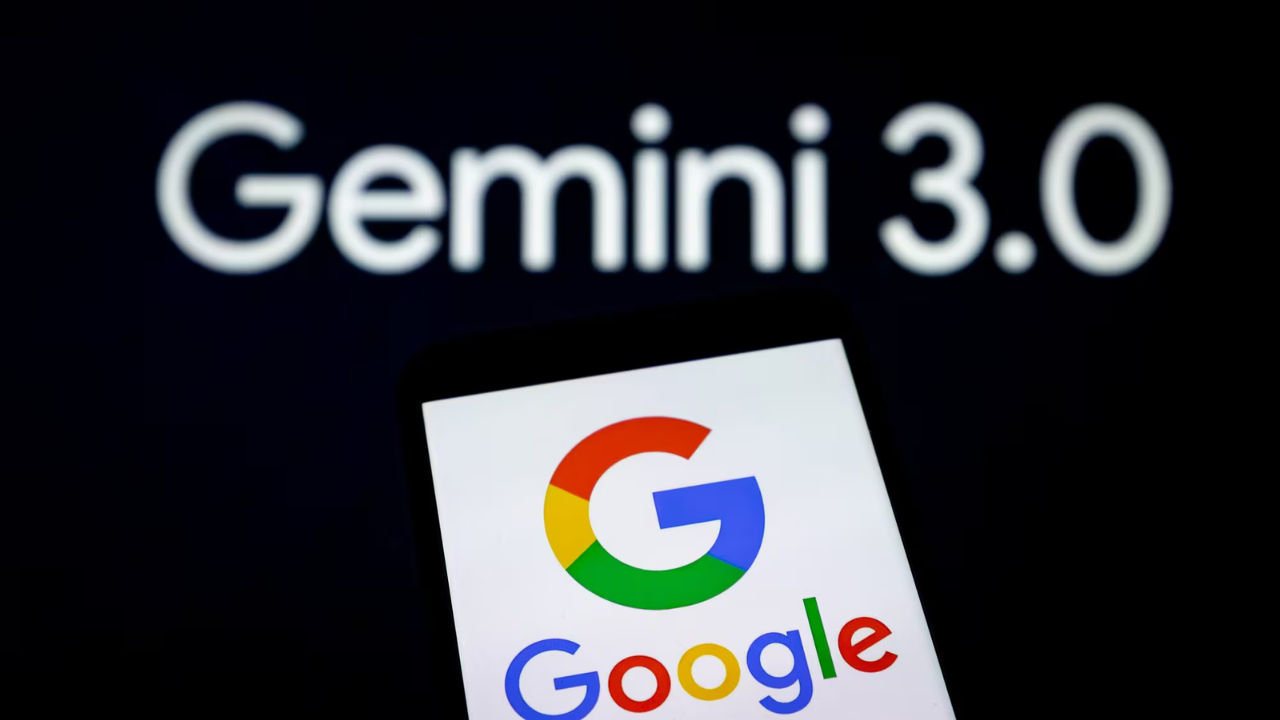
Google has officially launched Gemini 3, its most advanced artificial intelligence model to date, marking a major leap in the global AI competition. Unlike previous versions, Gemini 3 is deeply embedded into Google Search, allowing users to access powerful AI capabilities instantly with a new “AI Mode” toggle—without needing a separate app or service.

The update highlights Google’s strategic move to make artificial intelligence more seamless, accessible, and useful to everyday users. The company says Gemini 3 brings unmatched improvements in multimodal understanding, coding ability, and generative intelligence, representing its strongest response yet to rivals such as OpenAI’s ChatGPT.

Redefining Google Search With AI Mode

With the new AI Mode integrated directly into Google Search, users can activate or deactivate AI responses based on their needs. When enabled, AI Mode provides enhanced answers that combine text, images, links, and summaries, delivering context-rich information instead of plain search results.

This integration makes Gemini 3 not just another chatbot—it transforms Google Search into an intelligent assistant. According to the tech giant, its AI can analyze web data, interpret visuals, write code, and even provide creative suggestions—all within the familiar search interface.

“We want to bring the best of generative AI right where people already search,” said Google executives during the announcement. “Gemini 3 turns Search into a more powerful, conversational experience that truly understands your intent.”

A Leap In Multimodal and Coding Capabilities

Gemini 3 represents a breakthrough in multimodal understanding—meaning it can interpret and respond to information from multiple formats such as text, images, code, and audio. This helps users perform complex tasks like designing, coding, or content creation in a more natural and interactive way.

Developers have praised Gemini 3’s improved coding capabilities. It can now understand programming queries across different languages, offer suggestions, debug code, and generate optimized scripts within seconds. Its context handling has also been enhanced, enabling it to remember instructions and continue conversations intelligently.

Many early users note that Gemini 3’s responses feel more fluid and human-like, with better reasoning and fewer factual errors compared to earlier versions. These improvements make it a powerful tool not only for students and researchers but also for professionals working in software development, design, and content creation.

Competing Head-On With ChatGPT

By launching Gemini 3, Google has made it clear that it intends to reclaim leadership in the fast-moving AI race. Since OpenAI’s ChatGPT captured public attention, the competition among leading AI players—OpenAI, Google, Anthropic, and others—has intensified rapidly.

ChatGPT has often been considered the benchmark for conversational AI models, especially with its GPT-4 Turbo integration and integration into Microsoft’s ecosystem. However, Google’s move to embed Gemini 3 directly into its search platform could give it a massive strategic advantage. Google Search already handles billions of daily queries, so merging it with AI transforms how users engage with online information.

This direct integration eliminates friction and adds convenience, enabling users to explore AI-generated content without switching platforms or installing new tools. For Google, this could also strengthen its ad and data ecosystem, improving personalization and response accuracy.

A Step Toward Everyday AI

The unveiling of Gemini 3 signals Google’s broader vision: to make AI support part of daily digital experiences. From summarizing complex topics and drafting emails to planning trips or writing code, Gemini 3 aims to simplify tasks that normally require multiple apps or time-consuming browsing.

The company also emphasizes AI responsibility and safety. Google says Gemini 3 has been trained with stricter content filters, factual alignment methods, and bias-control mechanisms to ensure ethical and trustworthy AI interactions. This follows growing global discussions about AI regulation and user safety.

AI experts see this as part of a trend where large tech companies evolve from showcasing experimental chatbots to providing integrated, practical AI tools. “The goal now is not to impress, but to assist,” an analyst noted. “By merging Gemini with Search, Google is making AI less of a novelty and more of a necessity.”

What It Means For Users and Businesses

For everyday users, Gemini 3 in Search means faster, smarter, and more reliable assistance. Whether summarizing research papers, generating content ideas, or learning new skills, users can now do it directly through Google Search without external tools.

For businesses, especially those focused on digital operations, marketing, or tech innovation, the new AI capabilities open opportunities for content optimization, software development, and automation. Companies that adapt early to AI-integrated search may find new ways to connect with audiences through smarter SEO strategies and dynamic, AI-friendly web content.

Driving The Next Phase Of AI Innovation

Gemini 3’s debut marks another milestone in Google’s pursuit of intuitive, human-centered technology. The integration of AI Mode is expected to roll out gradually across markets and languages, ensuring a consistent experience worldwide. Google is also working on developer APIs and workspace features to extend Gemini 3 across Gmail, Docs, and other Google applications.

Experts believe this launch is only the beginning. With its advanced multimodal understanding and native presence inside the world’s largest search engine, Gemini 3 could redefine both how people interact with Google and how the web itself evolves in the AI era.

As the global AI landscape heats up, Google’s Gemini 3 stands as a strong signal: artificial intelligence is no longer a separate service—it’s becoming the core of how we search, learn, and create in the digital world.

Maharashtra’s Sprint Sensation Pradeep Mane Wins Gold at State School Athletics Competition

0
Pradeep Mane Wins Gold

Maharashtra’s young athletic talent continues to shine, with one of its promising stars, Pradeep Mane, making the state proud by securing the gold medal in the 200-meter Under-19 (U-19) event at the Maharashtra State School Athletics Meet. The victory not only marks an important milestone in Mane’s sporting journey but also underscores Maharashtra’s growing strength in nurturing young athletes who are ready to make their mark on national platforms.

The Maharashtra State School Athletics Meet, known for being one of the most competitive school-level sporting events in the state, brings together hundreds of talented athletes every year. This year too, the competition witnessed intense participation from across districts such as Pune, Nashik, Kolhapur, Mumbai, Aurangabad, Solapur, and Sangli. Among these bright young participants, it was Pradeep Mane who captivated both coaches and audiences with his exceptional sprinting performance.

A Remarkable Run Towards Gold

The 200-meter race, often described as the perfect mix of speed and endurance, demands both physical power and mental focus. Mane demonstrated remarkable balance of both, leading the track right from the starting gun to the finishing line. His strong technique, steady acceleration, and perfectly timed finish helped him clinch the top position, earning him loud cheers from spectators and admiration from competitors.

Speaking after his victory, a visibly elated Mane expressed his gratitude to his coaches, teachers, and family for their consistent support. “Winning gold in the state-level meet means a lot to me. It’s a result of continuous hard work and practice. I want to represent Maharashtra at the national level and one day make India proud,” he said.

Coaches and Mentors Celebrate the Achievement

According to his coach, Mane’s success is not a surprise but a reflection of his dedication and persistence. “Pradeep has always been disciplined both on and off the field. He trains with great focus every morning, and his mindset is very positive. What stands out about him is his humility and hunger to improve. This win is a well-deserved recognition of his continued effort,” said his athletics coach, adding that Pradeep is now preparing to represent Maharashtra in upcoming national-level school athletics championships.

Teachers from Mane’s school also praised his achievement, calling him a true role model for other students. “Pradeep has been balancing sports and academics very well. His journey shows that with determination and time management, students can excel in both. His gold medal win has motivated many other young athletes in our school,” said one of his teachers.

Highlighting Maharashtra’s Athletic Development

Maharashtra has long been known for producing talented sports personalities, especially in athletics, wrestling, and kabaddi. The state’s strong school and district-level sports infrastructure has helped discover and groom many emerging stars. Events like the Maharashtra State School Athletics Meet play a crucial role in identifying early talent and preparing them for bigger competitions at the national and international levels.

In recent years, the Maharashtra government and local sports associations have introduced several programs aimed at improving athletic coaching and providing better training facilities for youngsters. Many schools have started integrating sports more deeply into their daily routines, understanding its importance for discipline, fitness, and character building.

Pradeep’s achievement serves as an encouraging example of how such initiatives are bearing fruit. His gold medal win adds to a growing list of successes by young athletes from Maharashtra who are beginning to make an impact on the national stage.

Future Goals and Inspiration for Others

With this state-level victory, Mane has now set his sights on upcoming national athletics tournaments, where he hopes to represent Maharashtra and compete against the best runners from across the country. His dream is to don India’s colors in international competitions and contribute to India’s athletic success story.

Encouraging young talents like Mane is important not just for the future of sports in Maharashtra but also for promoting a culture of fitness and outdoor activity among students. School sports events have become key platforms for children to identify their interests and channel their energy positively.

Parents and local communities also play a vital role in nurturing these young talents. Support in the form of training time, proper nutrition, and guidance can go a long way in shaping talented athletes. Mane’s story is a reminder to parents across the state that with the right encouragement, children can achieve excellence beyond academics.

A Moment of Pride for the State

The entire sports fraternity in Maharashtra has applauded Mane’s golden performance. Authorities from the state’s school sports department congratulated him and promised continued support for emerging athletes through improved facilities and exposure opportunities.

As news of his victory spread, congratulatory messages poured in from local sports clubs, district officials, and well-wishers. Many referred to him as an “athlete to watch” in the coming years. His determination, combined with state-level support, could make him one of the next-generation stars from Maharashtra.

Pradeep Mane’s success is a reminder that the spirit of sports thrives in hard work, consistency, and passion. His gold medal win in the 200m U-19 category is not just a personal triumph but also a beacon of hope for aspiring athletes in schools across Maharashtra. If nurtured well, these young champions can go on to represent India on global tracks, bringing glory to the state and the nation.

For Maharashtra, this victory reinforces the importance of continuous investment in sports education, infrastructure, and training. With each new athlete like Mane, the state is building a stronger foundation for its future in athletics.

Farmers to Benefit as Government Launches Procurement of Jowar, Bajra Next Week, Rice from December

0
Farmers to Benefit

The government has announced that the procurement process for key food grains—jowar, bajra, and rice—will begin soon across the state, marking a major step to support farmers and strengthen the agricultural supply chain. According to official information, procurement of jowar and bajra will start from November 24, while rice procurement will be launched from December 1. District collectors have been directed to ensure all arrangements are made for a smooth and transparent procurement process.

This decision aims to protect the interests of farmers, ensure fair prices for their produce, and maintain stable availability of essential food grains in the public distribution system. The government has also emphasized timely payments, accurate weighing systems, and efficient transport arrangements as part of the preparations.

Support for Farmers Ahead of Rabi Season

The procurement schedule comes at a crucial time when farmers are preparing for the next crop cycle. With fluctuating market prices and varying demand, government procurement offers farmers a safety net by guaranteeing minimum support prices (MSP) for their produce. Jowar (sorghum) and bajra (pearl millet)—both vital coarse cereals—are staple crops in many parts of the state, cultivated mostly by small and marginal farmers.

Officials noted that the procurement centers will be set up in major producing districts to ensure accessibility. Farmers have been encouraged to register their details in advance to avoid last-minute delays. The administration is also deploying additional staff to handle the large quantities expected during the initial weeks of procurement.

Rice Procurement from December 1

After the start of jowar and bajra procurement, the next phase will focus on rice, beginning December 1. Paddy fields across the state have seen a good harvest this year due to favorable monsoon rains. The government expects a higher procurement volume compared to last year, ensuring that no eligible farmer is left out of the process.

To make the system more transparent, digital methods for record-keeping will be adopted at procurement centers. Farmers will receive receipts immediately upon the sale of their crops, and payments will be directly credited to their bank accounts. This step, officials say, will prevent middlemen or private traders from exploiting farmers during the procurement season.

Role of District Collectors and Local Administration

The government has issued strict guidelines to all district collectors to supervise operations personally. They are instructed to identify suitable procurement centers, ensure sufficient storage capacity, and arrange transport from collection points to godowns. Regular inspections will also be carried out to maintain transparency and efficiency.

In addition, coordination meetings have been held with officials of the food and civil supplies department, agriculture officers, and representatives of cooperative societies. The aim is to keep the entire process farmer-friendly and free from delays. Collectors have also been asked to establish help desks at every center to guide farmers and handle grievances promptly.

Encouraging Farmers to Participate

Farmers have been advised to clean and dry their produce properly before bringing it to the procurement centers. Awareness campaigns will be conducted through gram panchayats, local radio, and social media to inform farmers about the dates, locations, and procedures involved. Posters and banners are also being displayed in rural markets to make information easily accessible.

Agriculture officers are reaching out to farmer groups and cooperatives to ensure maximum participation. The government believes that transparent procurement not only benefits farmers directly but also contributes to the state’s food security objectives.

Ensuring Quality, Fair Weighing, and Timely Payment

Special arrangements are being made for testing and quality verification of jowar, bajra, and rice before procurement. Officials clarified that only fair quality produce will be accepted as per the prescribed quality standards. Procurement centers are also equipped with verified electronic weighing machines to guarantee accuracy in measuring produce.

The government further stated that payments will be processed within a fixed time frame after procurement. Instructions have been issued to ensure that every farmer receives payment directly into their account within a few days, reducing middlemen interference and maintaining transparency.

Strengthening the Agriculture Supply Chain

This annual procurement exercise is a vital component of the government’s broader agricultural policy. By ensuring timely procurement, the scheme helps stabilize rural incomes, prevents distress sales, and supports the distribution of subsidized grains through the Public Distribution System (PDS).

Officials emphasized that procurement efforts will also help balance food grain availability, reduce wastage, and encourage better planning for future food supplies. The state’s warehousing corporations and cooperative marketing federations have been directed to coordinate closely to manage grain storage effectively.

Government’s Appeal to Farmers

Authorities have urged all farmers cultivating jowar, bajra, and rice to take full advantage of the procurement drive. Farmers are encouraged to bring their produce to the authorized centers only, ensuring they benefit from the government-declared minimum support prices.

By initiating procurement at the right time, the government hopes to create a fair marketplace where farmers receive just compensation for their hard work. The upcoming months will play a crucial role in shaping a transparent and efficient procurement season, ultimately reinforcing the trust between farmers and the administration.

Maharashtra Becomes First State to Partner with NPCIL for Nuclear Power Development

0
NPCIL for Nuclear Power Development

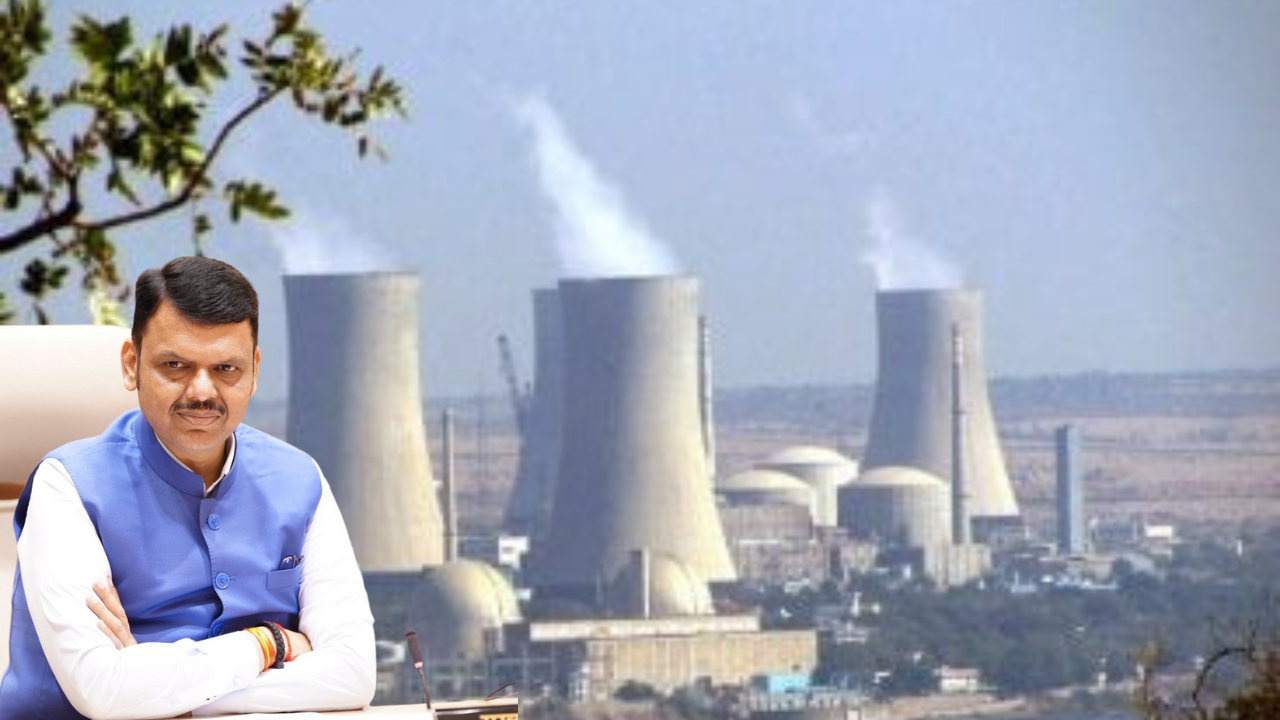
In a major step toward strengthening Maharashtra’s energy self-reliance and clean power generation goals, Maharashtra State Power Generation Company Limited (Mahagenco) has signed a Memorandum of Understanding (MoU) with the Nuclear Power Corporation of India Limited (NPCIL). This new partnership aims to collaboratively develop additional nuclear power projects across the state, contributing to the long-term sustainable energy development plan.

A Strategic Move Toward Energy Security

Maharashtra, one of India’s most industrially advanced states, requires consistent and reliable power to fuel its growing economy. Traditional energy sources like coal and natural gas have played a vital role in meeting power demand, but with increasing emphasis on sustainable and low-carbon energy, the state government is encouraging investments in renewable and nuclear energy.

This MoU between Mahagenco and NPCIL represents a vision to diversify Maharashtra’s energy portfolio. The collaboration will explore setting up new nuclear power plants, modernizing existing infrastructure, and adopting advanced reactor technologies to boost power generation efficiency.

Officials from both organizations expressed their commitment to ensure technological synergy and timely execution. The agreement aligns with India’s broader national objective of achieving net-zero emissions and advancing toward cleaner alternatives beyond fossil fuels.

Potential Project Locations and Capacity Expansion

Though exact details about the upcoming nuclear projects are yet to be disclosed, sources indicate that the partnership may focus on expanding existing nuclear sites such as Jaitapur in Ratnagiri district or identifying new feasible locations in Vidarbha and Marathwada regions. These areas already have infrastructural advantages and access to skilled manpower, making them ideal candidates for future projects.

Maharashtra currently houses important energy infrastructure projects, including thermal, hydro, and solar power plants. The integration of more nuclear power facilities will balance the state’s energy ecosystem and reduce dependency on coal-based plants.

By joining hands with NPCIL, Mahagenco aims to increase the state’s clean energy share significantly. Once operational, the new projects are expected to generate thousands of megawatts of additional power, helping Maharashtra meet both industrial and household electricity demands more efficiently.

Significance of the MoU

This new milestone underlines Mahagenco’s strategy to adopt modern and sustainable energy generation methods. NPCIL, being India’s premier public-sector nuclear energy developer under the Department of Atomic Energy, brings decades of technical expertise in reactor design, safety systems, and nuclear plant operation. Mahagenco, on the other hand, has deep experience in power generation and grid management.

Together, the two organizations aim to develop nuclear infrastructure that emphasizes safety, cost-effectiveness, and minimal environmental impact. The collaboration also opens up skill development opportunities for engineers, technicians, and researchers in the nuclear energy sector, thereby generating employment and advancing scientific capabilities in Maharashtra.

Clean Energy for a Sustainable Future

The collaboration resonates with India’s clean energy mission, which envisions a significant reduction in carbon emissions and expansion of nuclear and renewable energy capacity. Nuclear energy is regarded as one of the most reliable sources of large-scale, low-carbon power that can operate continuously, unlike solar or wind energy which depend on weather conditions.

For Maharashtra, this is particularly crucial, considering the state’s growing industrial base and urban population. Reliable nuclear power can strengthen grid stability and support renewable integration by ensuring continuous energy supply even during low renewable output periods.

Through this MoU, Mahagenco and NPCIL not only aim to contribute to Maharashtra’s energy security but also enhance India’s position as a global leader in sustainable nuclear power technologies.

Government Support and Policy Push

The Government of Maharashtra has shown consistent support toward large-scale power development projects. The Chief Minister and Energy Department have been pushing for policies that promote clean, green, and technologically advanced energy generation.

With central government backing, the collaboration between Mahagenco and NPCIL is expected to receive all necessary clearances quickly. The MoU also enables both organizations to explore funding opportunities through public-private partnerships, international collaborations, and technology transfer agreements.

Energy experts believe this development could be a model for other states looking to adopt nuclear energy as part of their clean energy transition. Once implemented, Maharashtra could become one of the leading states in India to achieve a balanced energy mix combining nuclear, solar, wind, and hydro power.

Future Outlook

Over the coming months, both organizations will work on detailed project reports, site assessments, environmental clearances, and financing options. The long-term plan includes capacity-building programs, safety training initiatives, and awareness campaigns to inform citizens about the benefits and safety of nuclear energy.

If executed successfully, these projects could play a defining role in achieving Maharashtra’s vision of sustainable industrial growth and uninterrupted energy supply. They also contribute to India’s broader energy transition goals for 2030 and beyond, aligning local progress with national interests.

As the demand for clean and reliable power continues to grow, this collaboration marks a transformative chapter in Maharashtra’s energy journey—paving the way for nuclear energy to become a cornerstone of the state’s development strategy.

Maharashtra Faces Intense Cold Wave Yavatmal Hits 9.6°C, Dapoli Dips to 8°C

0
Maharashtra Faces Intense Cold Wave

Cold Wave Grips Maharashtra, Yavatmal Records 9.6°C, Dapoli Shivers at 8°C

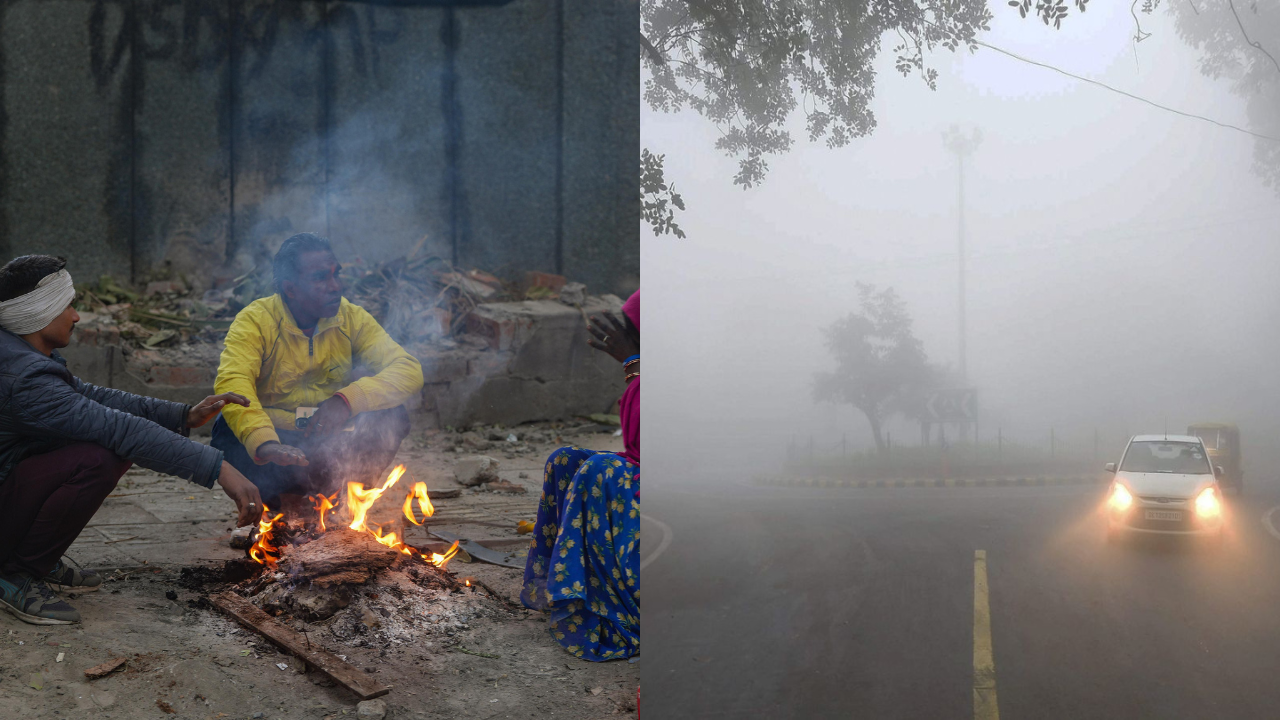
A fresh cold wave has gripped several parts of Maharashtra, with temperatures dropping sharply over the last few days. As winter sets in, many districts are reporting unusually low minimum temperatures, forcing people to bring out their sweaters, blankets and warm clothing earlier than usual this season.

According to local weather observations, Yavatmal in the Vidarbha region recorded a minimum temperature of around 9.6∘C9.6∘C, while Dapoli in Ratnagiri district saw the mercury drop even further to about 8∘C8∘C. These figures indicate that cold conditions are intensifying in both interior and coastal parts of the state.

Yavatmal Shivers Under Single-Digit Temperature

The Vidarbha belt is known for its hot and dry climate for most of the year, but the current cold spell has changed the weather pattern significantly. In Yavatmal, the minimum temperature dipping to 9.6∘C9.6∘C has surprised many residents, as such low readings are usually seen only during the peak winter weeks of December and January.

Local people reported that the chill in the early morning hours has increased noticeably. Many families are lighting small fires, using room heaters where available, and preferring to stay indoors during late night and early morning. The cold is being felt the most by senior citizens, children and those who leave for work in the early hours.

Farmers in and around Yavatmal have also started keeping a close watch on their crops. While a mild winter can sometimes be beneficial, a sudden and intense cold wave may affect sensitive crops, vegetables and flowers. Agricultural experts usually advise farmers to monitor weather forecasts and take protective steps, such as light irrigation or covering delicate crops, whenever there is a sharp dip in temperature.

Dapoli in Ratnagiri Sees Temperature Drop to 8°C

Interestingly, the coastal Konkan region is also witnessing a strong nip in the air. Dapoli in Ratnagiri district has recorded a minimum temperature of around 8∘C8∘C, which is quite low for a coastal area that usually enjoys relatively moderate winters due to the influence of the sea.

Residents of Dapoli said that mornings and late evenings have become significantly colder in the last few days. Tourists visiting the region are also experiencing this unexpected chill and are now seen wrapped in sweaters and shawls while enjoying the scenic beaches and hill points.

The fall in temperature is also changing local routines. Tea stalls and food vendors report increased demand for hot tea, coffee and snacks throughout the day. Markets and public places remain less crowded during the early morning as people wait for the sun to rise and the weather to turn slightly warmer.

Possible Reasons Behind the Cold Wave

Meteorologists often link such cold waves in Maharashtra to the movement of cold, dry winds from the northern parts of India, especially after western disturbances pass over the Himalayas. When these cold winds travel towards central and western India, they cause the night temperature to drop sharply.

Clear skies during the night can also contribute to lower minimum temperatures. With less cloud cover, the land loses heat more quickly, leading to a more intense chill by early morning. Both Vidarbha and Konkan appear to be under the influence of these conditions at present.

Weather experts usually monitor such patterns closely to understand how long the cold wave might last and whether the temperatures are likely to fall further in the coming days.

Impact on Daily Life and Administration

The ongoing cold wave is having a direct impact on people’s daily lives. In many towns and villages across these regions:

  • School-going children are being sent with extra layers of clothing.
  • Offices and shops are opening a little later than usual in some areas.
  • Morning walkers and joggers are reducing their outdoor activity time.

Health professionals often caution that such sudden temperature drops can increase the risk of seasonal illnesses like cold, cough, fever and respiratory problems, especially among vulnerable groups. People are usually advised to stay warm, drink hot fluids and avoid sudden exposure to cold air.

Local administrations in both Yavatmal and Ratnagiri districts may also issue public advisories if the cold wave persists, asking citizens to take basic precautions. In some places, arrangements like night shelters and distribution of warm clothes to the needy are made during prolonged cold spells.

Citizens Advised to Take Precautions

With winter intensifying across Maharashtra, citizens in Yavatmal, Dapoli and nearby regions are being urged to take simple but important precautions:

  • Wear layered clothing, especially during mornings and nights.
  • Keep infants, children and elderly people protected from direct cold winds.
  • Use blankets and warm bedding during sleep.
  • Avoid stepping out late at night or very early in the morning unless necessary.
  • Keep track of local weather updates and forecasts.

By following these basic measures, people can protect themselves and their families from the harsh effects of the cold wave.

Cold Wave Likely to Continue

As of now, there are indications that the cold conditions may continue for a few more days. If the northern winds remain active and skies stay clear, further dips in night temperature cannot be ruled out in parts of Vidarbha, Marathwada and Konkan.

For Maharashtra, this phase also marks the formal arrival of winter, and such weather patterns may repeat in December and January. Citizens, farmers, students and workers are therefore keeping a close watch on the daily temperature trends.

The sharp fall to 9.6∘C9.6∘C in Yavatmal and 8∘C8∘C in Dapoli has made it clear that winter has truly arrived in the state. As Maharashtra shivers under this cold wave, “Happen Recently” will continue to track the changing weather and its impact on people’s lives across regions.

Pune Municipal Polls Numerous Nominations Rejected Amid Election Commission Verification

0
Pune Municipal Polls

In Pune district, the scrutiny process for nominations filed in the upcoming local body elections has resulted in the rejection of a large number of applications. The rejection occurred during the verification stage, raising attention across political circles ahead of the high-stakes municipal polls.

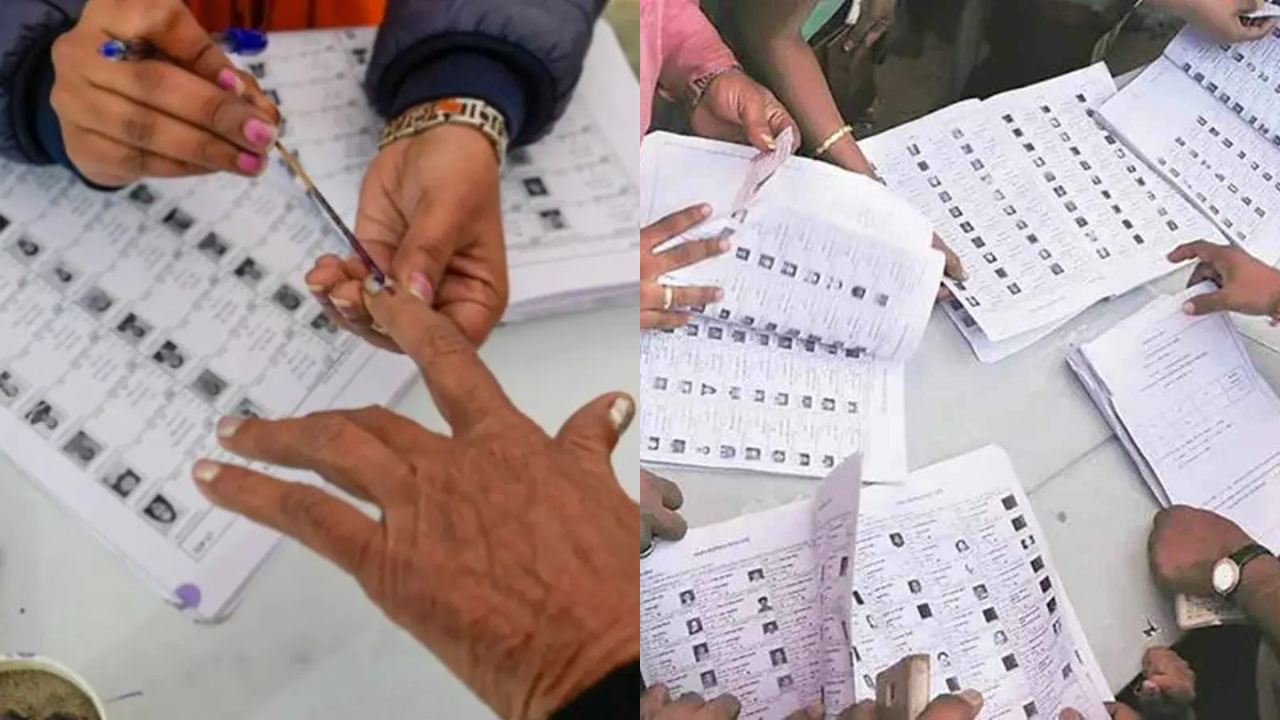
According to official election authorities, nomination forms were scrutinized for the elections to 14 municipal councils (nagarpanchayats) and 3 nagar panchayats across Pune district. In total, 26 applications were received for the post of municipal chairperson (mayor or council head), along with an impressive 2,618 applications for councilor positions. However, several of these nominations did not meet the criteria outlined by the Election Commission and were declared invalid.

Election Scrutiny Process Leads to Major Rejections

During the scrutiny phase, election officers examined each nomination form carefully to verify eligibility, residency, and completeness of supporting documents. Many candidates, particularly first-time contestants, reportedly faced challenges in submitting error-free applications. Missing documents, discrepancies in affidavits, and errors in mandatory declarations were cited as the main reasons behind the cancellations.

Officials confirmed that the entire process was done transparently and according to the guidelines issued by the State Election Commission. Candidates whose forms were rejected have been informed, and provisions exist to appeal against the decision within a stipulated timeframe.

Focus on 14 Municipal Councils and 3 Nagar Panchayats

The upcoming local body elections are considered politically significant for Pune district. These 14 municipal councils and 3 nagar panchayats serve as the administrative backbone for urban and semi-urban development across the region. They handle key functions such as water supply, sanitation, roads, urban planning, and local welfare schemes.

Political observers believe these elections will serve as a strong indicator of shifting public sentiment in the region, particularly as major political parties – including the ruling coalition and opposition fronts – intensify their campaigns. The disqualification of a large number of candidates is being viewed as a critical factor that could reshape local-level contest dynamics.

Candidates Face Tough Competition Ahead

For the chairperson position, competition is expected to remain high, with multiple candidates representing different political fronts and independent groups. With several nominations now disqualified, the political equation could tilt in favor of certain parties or alliances.

A large number of sitting corporators and newcomers had filed their nominations, reflecting wide interest in local administration. However, the significant number of form rejections is expected to narrow the field and make contests more direct.

Administration Ensures Transparent Election Process

District election officials emphasized that transparency remains the top priority throughout the election process. Adequate arrangements have been made to ensure free and fair elections, with continuous monitoring from the district administration. Guidelines regarding expenditure limits, code of conduct, and campaign ethics have been shared with all contesting candidates.

Authorities also clarified that technical errors or incomplete affidavits were uniformly addressed across all constituencies without any bias. They added that the rejection process is part of ensuring that only eligible candidates remain in the fray.

Political Reactions and Local Response

The mass rejection of forms has led to mixed reactions among political parties. Some local leaders have accused the administration of being overly strict, while others have welcomed the step as necessary to maintain electoral integrity.

Political analysts note that such rejections often create last-minute confusion in campaign planning, but also help in maintaining discipline among parties. Several candidates whose nominations were canceled are expected to challenge the decision before the returning officers or in court if necessary.

At the local level, voters have shown keen interest in the developments. Many residents believe that the scrutiny process, though rigorous, will help ensure that only credible candidates enter the ballot. Civic activists have also praised the Election Commission for enforcing its norms firmly.

Voter Awareness and Campaign Efforts Accelerate

As the election date draws closer, campaigning activity is intensifying across the municipal areas. Candidates are focusing on core issues such as water supply, waste management, road conditions, and local infrastructure. Young voters, especially in suburban councils, are emerging as a decisive factor in this year’s election.

Several NGOs and civic groups have also started awareness initiatives to encourage higher voter participation. The administration has scheduled voter education programs to familiarize citizens with the voting process, polling stations, and electoral procedures.

The Road Ahead for Pune District

The Pune district local body elections are expected to set the tone for upcoming regional and state-level political alignments. With the nomination scrutiny now concluded, the final list of eligible candidates will soon be published. The next phase will see campaign rallies, manifesto releases, and candidate outreach programs unfolding with full vigor.

Political analysts predict that this election season will reflect the pulse of the urban electorate, showcasing how local governance and development issues shape voter preferences.

In the coming days, attention will turn to public debates and promises made by the shortlisted candidates. As the district prepares for polling, the focus remains on ensuring that democratic processes are upheld with fairness, transparency, and robust citizen participation.

Beyond Medicine: The Artistic and Healing World of Dr. Kinjalk

0
Dr. Kinjalk

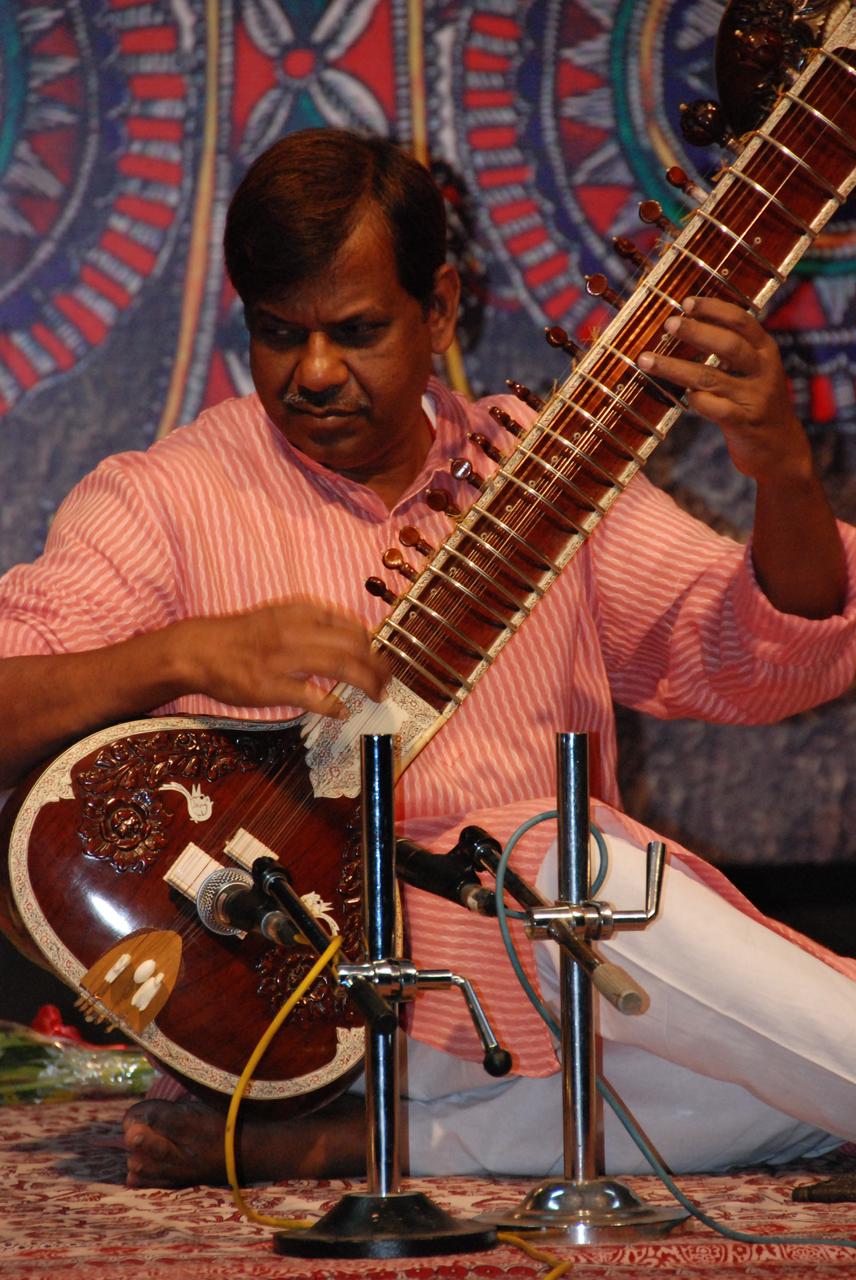
In an era seeking balance, depth and holistic perspectives, Dr Nishindra Kinjalk stands at the confluence of medicine, music, literature and therapeutic sciences. A Top-Grade Sitar Artist of Akashwani Delhi, Pandit Nishindra Kinjalk is also a pioneer in music therapy, a poet, and a senior consultant in internal medicine. With over four decades of patients care, he offers a rare example of how art and science can integrate to elevate human well-being.

The Making of a Maestro

His artistic foundation was shaped in childhood under the tutelage of his father, Pandit Ravindra Kinjalk, a renowned sitar artist and a music composer. Famous vichitra veena maestro Pandit Gopal Krishna of Maihar Senia Gharana, later trained him with the intricacies of dhrupad style of music composing. Afterwards, he learned the finer crafts of sitar playing from sitar maestro Pandit Uma Shankar Mishra, another legend of Maihar Senia Gharana. This journey of training, along with the soulful improvisation led Nishindra to get the coveted recognition by Prasar Bharati as a top-grade artist in sitar, conferring the title of a Pandit. At a time when classical form of music and arts grapple with dilution and commercial pressures, this honour sure bestows upon him a responsibility towards preservation, promotion and innovation of Indian music, and to act as an inspiration for future generations.
He also plays rare Indian musical instrument surbahar with equal dexterity, and, is an accredited surbahar artist at Akashwani Delhi
His sitar performances, marked by introspective alap, dhrupad style jod and veena style intricate rhythmic patterns in Jhala puts him in a league of purists of Maihar Gharana. His sitar playing maintains the purity in presenting a raga. His short compositions have the sublime hues of folk music from the eastern India. His rendering of kajari, dadra and vrijji dhun have got him high acclaim from the music lovers and the connoisseurs alike. He has to his credit the creation of new ragas, Ravi Kalyan, Vibhavari and Neelkauns; and a rhythmic cycle of eleven and a half beats named Kinjalk taal.
Immersed in the lineage of the premier school of Indian instrumental classical music, the Maihar Senia Gharana, a home to legends such as Ustad Allauddin Khan, Pandit Ravi Shankar, Ustad Ali Akbar Khan, Pandit Gopal Krishna, Pandit Nikhil Banerjee and Pandit Uma Shankar Mishra, Dr Kinjalk absorbed both, the intricate musical craftsmanship and the meditative philosophy that define this gharana.

Pioneering Music Therapy in India

Parallel to his music and medical career, he nurtured a deep interest in the therapeutic power of music. Long before music therapy entered the mainstream medical discourse in India, he was busy integrating raga-based interventions into patient care, guided by his unique dual identity as a clinician and as a classical musician.
His contribution took definitive shape in the form of a unique way of music therapy, the Kinjalk Mode of Music Application (KIMMA). This is an indigenous, structured, and research-driven approach to music therapy. Built on the foundations of raga architecture, psychoanalysis & emotional profiling of the subject, and the clinical relevance, KIMMA is used to support management of hypertension, diabetes, postoperative stress, insomnia, anxiety, learning difficulties, memory impairment, pain management, stress management and various other psychosomatic ailments including neurodegenerative disorders like alzheimer’s disease.
Through workshops, training, mentoring, academic talks, clinical collaborations and clinical research, Dr. Kinjalk has shaped the national conversation around music therapy, establishing himself as one of its pioneering voices. His work continues to influence physicians, psychologists, musicians, music therapists, and wellness practitioners across India and abroad. He also has a PhD in music with music therapy as his core research.

Crafting Emotions in Verse

A parallel stream of creativity flows through Dr. Kinjalk’s literary work. He has been writing poems, prose and essays since his student times. His books – Off the Soul, Symphony, and Lanterns of Silence, are all collections of poems and poetic prose. They reflect his contemplative voice and an artist’s sensitivity to silence, emotion, philosophy, and inner landscapes.
Off the Soul was his first declaration as a poet-philosopher, weaving themes of solitude, memory, nature and introspection. Symphony expanded his lyrical universe, offering meditative reflections on human experience. His latest work, Lanterns of Silence, has been widely appreciated for its depth, structural elegance, and its evocative journey through quietness, fragility, and illumination. Together, these works place him firmly within the tradition of physicians who write not just to communicate, but to ensure the pleasure of reading.

A Lifelong Commitment to Healing

His medical career began at one of the most prestigious institutions in India—Armed Forces Medical College (AFMC), Pune. The discipline, precision, and clinical grounding he received there, shaped his journey as a versatile person. He had training in the clinical skills of medicine from leading medical institutions in India. To name a few, these were St Stephen Hospital Delhi, Escorts Heart Institute Delhi, P D Hinduja Hospital Mumbai and Holy Family Hospital Delhi.
For more than forty years, he has treated patients with unwavering compassion and clarity with evidence based clinical medicine. His ability to listen patiently is sure a trait shaped as much by his musical training as by his clinical expertise. His reputation rests not only on skill, but on an ethical and empathetic approach to the patient care.

A Life That Inspires

Whether performing an intricate raga, designing a therapeutic intervention through KIMMA, writing a poem, or diagnosing and treating a complex medical case, Dr. Nishindra Kinjalk approaches every task with precision, sensitivity, and reverence. His life stands as an inspiring model of how music, medicine, and literature can intertwine, creating a richer, more humane version of healing

India’s first Menopause Awareness Film to Hit Theatres on 28 November

0
Menopause Awareness Film

A special awareness event was held today in Jalandhar city for the upcoming Hindi feature film “Me-No-Pause Me-Play,” a project that aims to highlight the reality of menopause in a relatable and respectful way.

For many women, menopause is a phase that brings physical and emotional changes, yet society often treats it like a topic to avoid. This film opens that conversation. Written and produced by Manoj Kumar Sharma, the story is adapted from his own book and brings honesty, humor and sensitivity to a subject that deserves far more attention.

The film is backed by Digifilming and Miro Films, and features a strong cast including Kamiya Punjabi, Deepshikha Nagpal, Manoj Kumar Sharma, Aman Verma, Sudha Chandran and Amemi Subah. Kamiya Punjabi shared that the film gives a new sense of respect to every stage of womanhood.

“Me-No-Pause Me-Play” blends light comedy with the deeper emotional experiences women face during menopause. It reminds audiences that this phase is not something to hide, but a chapter that deserves understanding and support.

The event in Jalandhar gave people an early look at the film’s message, encouraging families to talk openly about women’s health and break the silence around menopause.

The film releases on 28 November, and viewers are encouraged to watch it with their family and friends to support this important conversation.

Maharashtra Pays Tribute to Balasaheb Thackeray on His Memorial Day

0
Balasaheb Thackeray

People across Maharashtra are observing the memorial day of late Shiv Sena founder Balasaheb Thackeray with respect, remembrance, and renewed political energy. The day, known for reflecting the affection and admiration that millions of Maharashtrians still hold for the late leader, has once again brought together citizens, political leaders, and party workers across the state.

A Day of Tribute and Emotion

Every year, Balasaheb Thackeray’s memorial day turns into a moment of deep emotion for his followers. People from different cities including Mumbai, Pune, Nashik, Nagpur, and Aurangabad visit the Shivaji Park memorial in Dadar to pay their respects. Floral tributes, traditional prayers, and cultural activities mark the day, which symbolizes the enduring impact of Balasaheb’s leadership and ideology on Maharashtra’s social and political landscape.

Large crowds were seen in Mumbai since the morning, with people recalling the spirit of a leader who spoke fearlessly for the rights of Marathi people. Citizens shared memories of how Balasaheb’s speeches, strong leadership, and distinct personality shaped Mumbai’s identity during his lifetime. Families, political workers, and young admirers gathered near the memorial with saffron flags and photographs of Thackeray, reinforcing the emotional connect between the Sena founder and the people.

Political Activities Around the State

Apart from public gatherings, the day carries strong political significance. Across Maharashtra, Shiv Sena leaders, both from the Uddhav Thackeray-led faction and the Eknath Shinde-led group, organized prayer meetings, speeches, and community services to mark the day. Each group expressed their respect and recalled the late leader’s vision, often linking his legacy to their current political path.

In Mumbai, Chief Minister Eknath Shinde paid floral tributes at the memorial, recalling Balasaheb as a guiding figure in his life. He highlighted how the government continues to follow the principles set by the Sena founder, focusing on the welfare of common citizens and the progress of Marathi-speaking people.

Uddhav Thackeray, president of the Shiv Sena (UBT), visited the memorial along with his family. He addressed party workers, reminding them that Balasaheb’s ideology of Hindutva and Marathi pride remains the soul of the party. Uddhav urged supporters to remain united and continue working for public service, development, and state pride.

Political analysts noted that even though the two factions of Shiv Sena have taken different political directions, both continue to draw strength from Balasaheb’s name and vision. His leadership still forms the emotional backbone of the party’s identity, especially among older generations and loyal workers at the grassroots level.

Citizens Reflect on His Influence

Beyond politics, the general public continues to see Balasaheb Thackeray as a symbol of fearless leadership. Many people attending the memorial said they admired his honesty, sharp humor, and ability to connect with the common man. Business owners, laborers, artists, and youth shared stories of how his ideas inspired them to work for the betterment of the state.

Cultural programs in several cities showcased Balasaheb’s artistic side. Before entering politics, he was a cartoonist, and many local artists paid tribute by displaying sketches and illustrations inspired by his work. Schools and community groups also organized essay and debate competitions for students, helping the younger generation learn about his life and political journey.

Law and Order Preparations

Given the large gatherings in Mumbai and other districts, police and civic authorities made extensive arrangements to maintain order and ensure safety. Barricades were set up near Shivaji Park, and additional security personnel were deployed throughout the area. Mumbai Police reported that the event proceeded peacefully, with cooperation from citizens and volunteers.

Traffic management units diverted vehicles away from crucial routes in Dadar and neighboring areas to facilitate crowd movement. The Brihanmumbai Municipal Corporation maintained cleanliness drives and set up temporary medical assistance booths. Officials expressed satisfaction with the conduct of the program, noting the sense of discipline and devotion among attendees.

Leaders Across Parties Pay Homage

Apart from Shiv Sena leaders, politicians from other parties also extended their tributes. Leaders from the BJP, Congress, and Nationalist Congress Party recognized Balasaheb’s contribution to Maharashtra’s political evolution. They described him as a leader who built an independent political identity for the state and changed the way regional politics interacted with national issues.

Social media was active throughout the day with tribute messages from across India. Hashtags remembering Balasaheb trended on platforms like X (formerly Twitter) and Instagram, where politicians, celebrities, and citizens posted pictures and quotes dedicated to his memory.

Continuing Legacy

Balasaheb Thackeray’s influence on Maharashtra’s political narrative continues even today. Though he passed away in 2012, his ideas on self-respect, community service, and regional pride still guide political and cultural thinking. His vision for empowering the Marathi-speaking population, promoting youth participation, and protecting cultural values remains a strong point of discussion among citizens and leaders alike.

Party workers often say that remembering Balasaheb every year is not only about emotion but also about drawing inspiration to work on public welfare projects. Various groups organized blood donation camps, tree planting drives, and social awareness programs across the state, turning remembrance into action.

Even after more than a decade since his death, Balasaheb’s name continues to resonate in every political slogan, public meeting, and community initiative tied to the idea of Maharashtra’s identity. His legacy stands as a reminder of a powerful voice that shaped regional politics with unmatched courage and determination.

As Maharashtra remembers Balasaheb Thackeray today, the blend of respect, nostalgia, and political activity shows that his influence remains deeply rooted in the hearts of the people. His memory continues to inspire generations, making him not just a political figure but a symbol of leadership that transcends time.

Empowering Women Entrepreneurs Maharashtra Shines at Innovation Mahakumbh 2025

0
Empowering Women Entrepreneurs Maharashtra

The entrepreneurial landscape of India is witnessing a strong and inspiring transformation with the government’s aggressive push for women’s participation in business. This vision was clearly on display at the recently concluded ‘Innovation Mahakumbh 2025’ event in Mumbai, where women entrepreneurs accounted for an impressive 45% of all startup showcases. The event has become a powerful testament to the changing face of Indian entrepreneurship, shining a spotlight not just on innovation but also on the crucial role women are playing in the nation’s economic and technological advancement.

A Historic Platform for Women Entrepreneurs

‘Innovation Mahakumbh 2025’ brought together hundreds of startups and emerging businesses from across the country under one roof. What set this year’s edition apart was the remarkable surge in women-led ventures taking center stage. From technology and healthcare to retail and agribusiness, female founders and co-founders showcased new products, services, and business models poised to tackle some of India’s most pressing challenges.

Among the key highlights was the government’s reaffirmed commitment to building a robust and inclusive ecosystem. Top officials from central and state governments participated in panel discussions, mentorship sessions, and policy briefings aimed at nurturing even more women-led enterprises.

45% Women-Led Startups: Statistics That Inspire

An official report released during the event mentioned that almost 45% of the startups present had women in leadership roles, either as founders or co-founders. This statistic is not just encouraging; it sets a new benchmark for inclusivity in India’s startup ecosystem.

Such numbers dispel long-standing stereotypes associated with entrepreneurship and present a promising picture where female founders are emerging as game-changers and innovators. The momentum gained during ‘Innovation Mahakumbh’ underscored the fact that Indian women are no longer just participating—they are leading, disrupting, and redefining success.

Government Schemes Powering Female Founders

The government’s active support has played a decisive part in this shift. Flagship schemes like Stand Up India, Startup India, and Mahila Coir Yojana have laid a strong foundation for women empowerment in the startup sector. These programs provide financial assistance, mentor support, and opportunities for networking and collaboration. Additionally, several states, including Maharashtra and Madhya Pradesh, have introduced region-specific policies to further promote women entrepreneurship.

At ‘Innovation Mahakumbh 2025’, experts discussed simplifying access to credit, increasing women’s representation in investment committees, and expanding incubation networks to smaller towns and rural areas. As a result, not just metros but tier-2 and tier-3 cities are also witnessing a spike in the number of women-owned startups.

Women Setting New Trends in Business

The event was a showcase of vast talent, ambition, and resourcefulness. Female entrepreneurs introduced innovations ranging from AI-powered healthtech products, eco-friendly consumer goods, and smart education solutions to agri-tech models that support rural livelihoods. Some of the most talked-about startups at the event highlighted unique success stories:

  • A Bhopal-based founder who developed a platform for women’s health outreach in semi-urban Madhya Pradesh.
  • A Mumbai tech entrepreneur whose e-commerce solution supports artisans in Nagpur and Aurangabad, propelling local crafts to the global market.
  • Founders from Indore and Sagar highlighting digital solutions for affordable education and skill development.

Their stories were met with applause, further highlighting how Indian women are detecting market gaps, leveraging technology, and building sustainable ventures.

The Role of Mentorship and Networking

Attendees at ‘Innovation Mahakumbh 2025’ emphasized the importance of strong mentorship and an open entrepreneurial community. Women leaders shared personal journeys, navigating challenges ranging from fundraising and networking to work-life balance and social expectations.

Workshops during the event addressed topics like “Pitching for Impact,” “Accessing Global Markets,” and “Balancing Tradition and Innovation.” These sessions were aimed at equipping founders with practical skills and confidence.

Government and private sector leaders also announced new mentorship programs and pitch competitions, signaling more institutional support ahead.

Looking Ahead: A Promising Future

The vibrant spirit at Innovation Mahakumbh served as inspiration for the next generation of entrepreneurs. With 45% women-led startups in the spotlight, it’s clear that gender diversity is no longer a distant goal—it’s rapidly becoming India’s reality.

Industry observers say that the momentum generated by this event will likely set the pace for even greater achievements in the coming years. As more women step forward to innovate and lead, the benefits will be felt across society—generating employment, driving economic growth, and fostering an entrepreneurial culture grounded in equality.

Conclusion

‘Innovation Mahakumbh 2025’ stands as a milestone in India’s startup journey, marking a new era where women’s participation is not just encouraged but celebrated. With sustained policy action, continued collaboration, and a supportive ecosystem, India’s women entrepreneurs are set to play a defining role in shaping the country’s future.