
Friday, June 26, 2026
Home Blog Page 30

Heated Debates and Protests Mark Maharashtra Legislature’s Winter Session in Nagpur

Maharashtra Legislature’s Winter Session in Nagpur

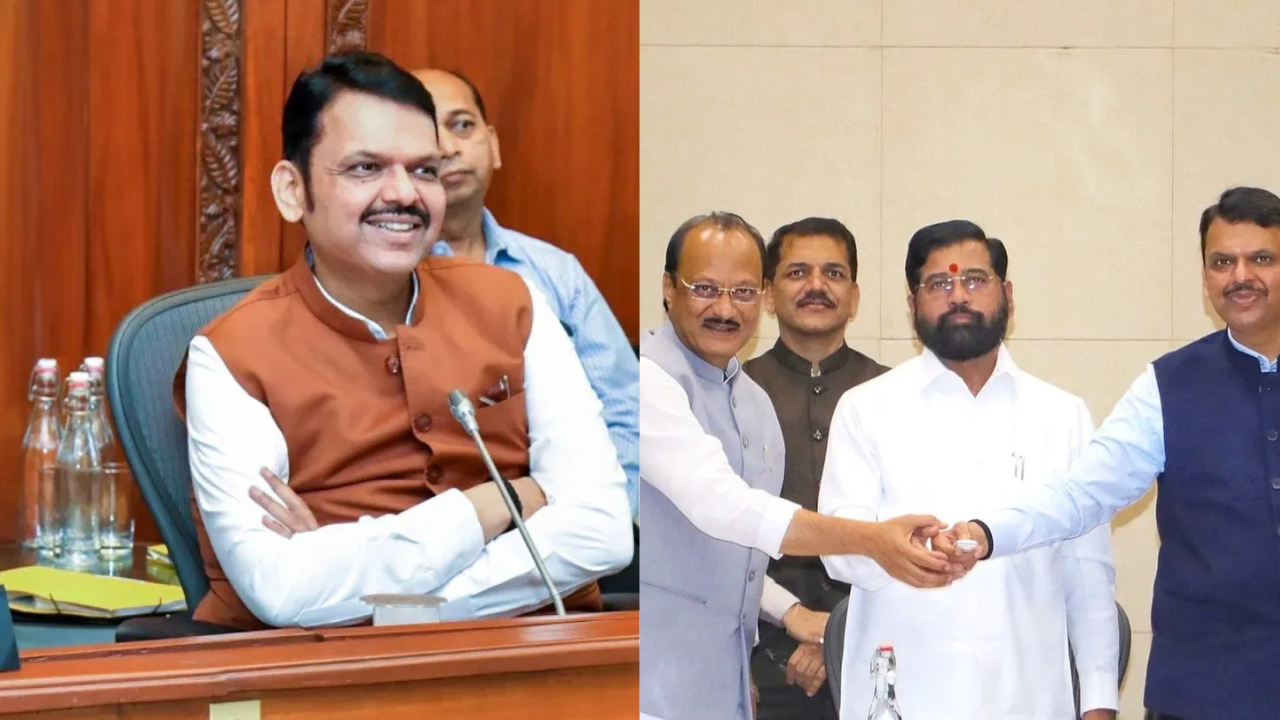
The Maharashtra Legislature’s winter session is in full swing in Nagpur, with Chief Minister Devendra Fadnavis assuring meaningful discussions on crucial issues including agriculture, farmers’ welfare, and the passage of 18 important bills. The session, which began earlier this week, has witnessed intense debates, opposition protests, and even some dramatic demonstrations inside and outside the Assembly premises.

The winter session—traditionally held in Nagpur, the second capital of Maharashtra—is scheduled to continue until December 14. Lawmakers from all parties have gathered to deliberate on development priorities, rural distress, and governance issues affecting millions across the state.

CM Fadnavis Emphasizes Focus on Farmers and Rural Development

Chief Minister Devendra Fadnavis, in his opening remarks, underlined the government’s commitment to address agricultural challenges and rural issues. He assured the House that the session would hold detailed discussions on the present condition of farmers, crop losses due to erratic rainfall, and the need for better irrigation and crop insurance schemes.

The Chief Minister highlighted that the government has prepared 18 bills for introduction and discussion during the winter session. These bills cover a range of subjects—from agriculture reforms and cooperative sector changes to urban infrastructure and administrative efficiency. Fadnavis stressed that the government is open to constructive suggestions from all parties to ensure that new laws reflect the needs of citizens.

Opposition Pushes for Farm Loan Waivers and Leader of Opposition Posts

On the other hand, opposition parties created a storm in the Assembly demanding immediate farm loan waivers for distressed cultivators. With several regions of Maharashtra still reeling under the effects of crop failure and fluctuating market prices, opposition leaders argued that farmers deserve urgent financial relief.

The opposition also raised the long-pending issue of appointing Leaders of the Opposition in both Houses. Their members staged strong protests over what they called a delay in recognizing these official opposition posts, which they said was necessary for maintaining democratic balance and accountability in the House.

Frequent sloganeering and walkouts marked the opening sessions, forcing temporary adjournments on multiple occasions as both sides stood firm on their positions.

Dramatic Protest Highlights Human-Animal Conflict in Maharashtra

Amid serious political debates, an unusual scene grabbed public attention when an MLA appeared dressed in a leopard costume inside the Assembly complex. The act was a symbolic protest aimed at highlighting the growing human-animal conflict in the state, particularly in forest-adjacent areas of Vidarbha and Marathwada.

The MLA stated that attacks by wild animals—especially leopards and tigers—have increased in rural belts, affecting farmers and villagers. The protest called for urgent policy intervention and compensation mechanisms for affected families. The dramatic demonstration drew widespread social media attention, turning into one of the most talked-about moments of the session.

Supplementary Demands and Budgetary Discussions Begin

On the first day of the winter session, the government tabled supplementary demands—additional financial provisions aimed at meeting immediate expenditure requirements of various departments. These demands are expected to cover sectors like rural development, education, healthcare, road infrastructure, and disaster relief.

The Finance Department has indicated that these allocations will help bridge current gaps in project implementations and ensure timely completion of ongoing development works before the end of the fiscal year.

Key Debates Expected Before Session Ends

As the session moves forward, several key issues are set to dominate the discussions:

  • Agriculture and crop insurance: Debates around compensation for farmers affected by droughts and floods.
  • Employment and industry: Policy measures to attract fresh private investment and generate jobs.
  • Urban and rural infrastructure: Status updates on flagship projects such as road improvement, irrigation canals, and smart city missions.
  • Wildlife management: A new framework for coordinating between the forest department and local communities to reduce animal attacks.
  • Legislative agenda: Detailed scrutiny of the 18 bills tabled for discussion, covering governance, financial management, and local body reforms.

CM Fadnavis reiterated that his government is determined to maintain transparency and accountability throughout the legislative process. He urged all parties to collaborate constructively, putting people’s welfare above political rivalry.

Session to Continue Until December 14

The winter session will continue until Saturday, December 14, after which all bills, resolutions, and financial matters are expected to be concluded. Given the wide public interest in agricultural and economic issues, this session is being closely watched by farmers’ associations, industry representatives, and policy analysts across Maharashtra.

Observers note that the current session could set the tone for several key reforms and decisions that will influence the state’s development agenda heading into 2026.

As the debates intensify, the message from both sides of the aisle is clear: Maharashtra’s growth story must include its farmers, villages, and working-class citizens. Whether through legislation or political consensus, the winter session in Nagpur is shaping up to be a decisive one for the state’s policy direction in the coming year.

Major Land Reform Government Eases Fragmentation Rules for Urban Landowners

Major Land Reform

Amendment to Land Revenue Code to help 60 lakh families and accelerate housing and redevelopment projects.

In a major step toward easing property management and promoting urban development, the State Government has officially amended the Land Revenue Code, simplifying the rules related to land fragmentation in urban areas. The reform, which could benefit over 60 lakh families, aims to streamline property ownership processes, reduce disputes, and unlock new opportunities for urban growth and redevelopment.

This decision marks one of the most significant changes in land-related regulations in recent years, especially for citizens living in municipal and city council areas. With cities expanding rapidly, the earlier restrictions under the old Land Revenue Code had become outdated, causing delays and difficulties in property transactions, redevelopment, and inheritance cases.

Key Highlights of the Amendment

Under the revised Land Revenue Code, the government has relaxed certain provisions related to the fragmentation of land holdings within municipal limits. This means property owners in urban areas will now find it easier to divide, transfer, or sell parts of their land without undergoing lengthy approval processes.

  • Simplified process: Residents can now carry out property partition or fragmentation without seeking multiple permissions from revenue and municipal authorities.
  • Urban-focused reform: The changes apply primarily to urban areas, ensuring that city dwellers, housing societies, and small plot owners gain flexibility in property management.
  • Target beneficiaries: Approximately 60 lakh families across the state are expected to directly benefit, especially those residing in cities like Mumbai, Pune, Nagpur, Nashik, Aurangabad, and Indore.
  • Promotion of redevelopment: The amendment is likely to accelerate housing and redevelopment projects, addressing space constraints and boosting real estate activity.

Addressing Long-Standing Issues

For years, urban landowners faced various hurdles due to strict rules that governed how small plots could be divided or sold. The old law aimed to prevent the creation of uneconomically small agricultural holdings in rural areas, but the same restrictions also applied to urban spaces, leading to confusion and delays.

As urban landscapes evolved, these rules created bottlenecks. House owners often struggled to partition their property among family members or redevelop older buildings. Real estate developers, too, found it challenging to consolidate or reorganize small plots for housing projects.

Recognizing these challenges, the state’s urban development and revenue departments worked jointly to update the code. The latest amendment ensures that urban property laws align better with present-day realities and housing needs.

A Step Toward Ease of Living

Officials from the state government described the reform as part of a broader initiative to promote the “Ease of Living” for citizens. By removing unnecessary layers of approval, the government hopes to make property-related processes faster, more transparent, and people-friendly.

A senior official from the Revenue Department said, “This is a landmark reform that brings much-needed flexibility to urban property management. It will particularly benefit middle-class families who own small plots or homes and have been waiting for clarity on land division and inheritance.”

The reform is also expected to encourage smoother redevelopment of old housing colonies, cooperative societies, and other urban clusters. Many of these communities were built decades ago and have become structurally weak or congested. With simpler land division rules, residents can now initiate redevelopment projects more easily, improving both living standards and property values.

Boost to Urban Planning and Real Estate Sector

Experts believe the amendment could prove transformative for the state’s real estate market. Easier land fragmentation rules will help unlock underutilized plots, bringing more land into circulation for housing and infrastructure projects.

Property developers and housing societies can now negotiate redevelopment projects more efficiently, as the process of consolidating or dividing land has become legally simpler. This, in turn, could attract more investments into the urban housing sector.

Urban planning experts also point out that this change will support the state’s larger goal of promoting planned urbanization. By simplifying land management, the government can encourage more formal development, reduce unauthorized construction, and ensure better resource use in growing cities.

Impact on Families and Citizens

For ordinary families, the most immediate benefit will be fewer bureaucratic hurdles. Earlier, landowners were required to seek approval from multiple authorities before selling or dividing smaller land parcels—an exercise that often took months or even years.

With the new amendment, such procedures are expected to become more transparent and efficient. Families can now divide property among members for inheritance, construct additional homes, or sell their share more conveniently.

Moreover, land titles and records will be updated more accurately, reducing disputes and confusion during transactions. The government also plans to digitize and link updated land records with online portals, ensuring citizens have easy access to their property details.

Government’s Commitment to Reform

The amendment to the Land Revenue Code reflects the government’s ongoing efforts to reform and modernize land governance. Over the past few years, the administration has introduced several initiatives to simplify land record management, promote digitization, and address property-related grievances.

By focusing on reducing red tape and improving transparency, the government aims to make urban life more convenient and efficient. Officials have also assured that safeguards will remain in place to prevent misuse of the law or unplanned fragmentation that could lead to haphazard development.

Looking Ahead

With this amendment coming into effect, experts expect a wave of positive outcomes—ranging from increased transparency in property dealings to faster completion of housing projects. For lakhs of families, this change brings long-awaited relief and empowers them with greater control over their land and homes.

The reform stands as an example of how smart policy updates can directly improve citizens’ lives while fostering growth, innovation, and investment in urban areas.

Nagpur Leopard Attack Raises Fresh Concerns Over Human-Wildlife Conflict

Human-Wildlife Conflict

Seven injured as leopard enters residential area; MLA protests in leopard costume over rising incidents across Maharashtra.

In a shocking incident that highlights the growing problem of man-wildlife conflict in Maharashtra, a leopard entered a densely populated residential area of Nagpur and injured seven people before being safely rescued by forest officials. The incident has once again drawn public and political attention to the increasing number of leopard attacks across the state, particularly in the Vidarbha region.

According to eyewitnesses, panic spread through the locality early in the morning when the leopard was first spotted wandering through the streets. Several residents tried to scare the animal away, but in the chaos, seven people sustained injuries — some of them serious. Forest officials and rescue teams were immediately called to the spot. After several tense hours, the leopard was finally tranquilized and captured safely, bringing an end to a terrifying ordeal for the residents.

Authorities have confirmed that all the injured individuals are receiving medical treatment and are out of danger. The rescued leopard has been transferred to a nearby forest reserve for medical examination and further observation before it is released back into the wild.

Growing Human-Leopard Conflicts in Urban and Rural Areas

Wildlife experts believe that growing human settlements and deforestation have been forcing leopards and other wild animals to stray into human habitats in search of food and water. Nagpur district, known for its proximity to forest zones like Pench and Bor, has seen an increasing number of such cases over the past few years.

Forest officials say that the shrinking forest cover and growing encroachment near buffer zones have disrupted the natural prey base of big cats. This compels them to venture into villages and even city outskirts, where they often prey on livestock like goats, cows, and dogs. The situation has become a cause of concern for both wildlife conservationists and local communities.

Environmentalists have repeatedly called for stronger measures to preserve forest corridors, reduce human encroachments, and improve compensation for villagers affected by such attacks. The latest Nagpur incident serves as a grim reminder of the need for swift and sustainable solutions.

Minister Ganesh Naik’s Unusual Proposal to Tackle Leopard Attacks

Amid rising public anxiety, Maharashtra Minister Ganesh Naik has put forward an unconventional idea to address the problem. Naik proposed releasing goats worth ₹1 crore into forest areas, arguing that providing adequate prey could discourage leopards from entering human settlements in search of food.

Speaking to reporters, the minister said that this approach might offer temporary relief to villagers living near forest boundaries. “If leopards find enough prey in the forest itself, the risk of them attacking people or livestock in rural areas will reduce,” he said.

While the innovative idea has gained attention, it has also sparked mixed reactions among experts. Wildlife specialists warn that artificially feeding predators or altering their prey populations could disrupt forest ecosystems. Instead, they recommend improving waste management near villages, strengthening forest boundaries, and increasing community awareness programs to handle leopard sightings safely.

MLA Protests in Leopard Costume in Maharashtra Assembly

The alarming rise in leopard attacks has also reached the Maharashtra Legislative Assembly. An MLA recently staged a dramatic protest inside the House dressed in a leopard costume to draw attention to the growing threat faced by rural families. The protest quickly went viral on social media, turning the issue into a statewide debate.

During the session, several lawmakers urged the government to take immediate steps to control the situation. They demanded increased funding for forest department personnel, quicker compensation for victims, and long-term wildlife management policies to prevent such incidents.

Political leaders also called for collaboration between the forest department, local administrations, and wildlife NGOs to develop scientific and sustainable solutions. Some legislators highlighted the need for rapid response teams in sensitive regions like Nagpur, Chandrapur, Nashik, and Ahmednagar — areas where leopards are frequently sighted near human settlements.

Forest Department’s Response and Future Measures

The Maharashtra Forest Department has assured citizens that it is taking the Nagpur incident seriously. Officials announced plans to install more camera traps and increase night patrols in vulnerable zones. Public awareness campaigns are also expected to educate residents on safety measures if they encounter wild animals.

Senior forest officers emphasized that human safety remains their first priority. “We request the public not to panic if they spot a leopard. Instead, inform the nearest forest office or the toll-free helpline. Our rescue teams are fully equipped to handle such situations,” one official said.

In addition, state authorities are working on long-term solutions including habitat restoration, construction of wildlife corridors, and community-based conservation initiatives. These steps aim to ensure peaceful coexistence between humans and wildlife — a balance that is becoming increasingly crucial in modern Maharashtra.

A Wake-Up Call for Urban and Rural Maharashtra

The Nagpur leopard attack serves as a wake-up call, reminding the state that wildlife conservation must go hand in hand with urban and rural planning. Protecting natural habitats, ensuring food sources for wildlife, and engaging local communities are essential steps if future tragedies are to be avoided.

As Maharashtra continues to grapple with the complex challenge of human-wildlife conflict, citizens, policymakers, and conservation experts alike are calling for unity, compassion, and scientific planning. Only with a joint effort can people and leopards coexist peacefully in the landscapes they share.

eSign Web Services: A Leading Partner in Digital Growth for Modern Brands

eSign Web Services:

The digital space has become one of the most influential growth arenas for modern businesses. Amid increased competition and rapid technological change, eSign Web Services has distinguished itself as a dependable and forward-thinking digital marketing partner. Established in 2007 by Ashwani Kumar Sharma, the agency has grown from a small entrepreneurial initiative into a globally respected digital marketing provider working across 25+ countries including the United States, the United Kingdom, Canada, Australia, the UAE, New Zealand and Singapore. With more than 2,700 brands supported to date, the agency continues helping businesses strengthen digital visibility and accelerate measurable growth.

A Founder-Led Vision Shaped by Determination

From its early days, eSign Web Services has been driven by curiosity, discipline and an understanding of how search engines shape customer decision-making. Founder Ashwani Kumar Sharma began with a hands-on approach, crafting strategies that were backed by research and testing. His early efforts focused on building trust and demonstrating results at a time when digital marketing was still perceived as experimental. This dedication helped establish a foundation for long-term stability and growth.

As the company evolved, so did its capabilities. The service portfolio expanded beyond SEO and adapted to industry shifts, emerging platforms and technological innovation. Today, that evolution continues as the agency integrates AI-supported processes across multiple service areas.

A Global Footprint With Local Market Intelligence

eSign Web Services now provides solutions across sectors including technology, ecommerce, legal practice, healthcare, education and consumer brands. The company prioritizes understanding local search intent, competition levels and audience behavior to tailor strategies that perform. This balance of global reach and localized execution positions the agency as a trusted partner for businesses at various growth stages.

Full Suite of Digital Services Crafted for Growth-Focused Brands

  • AI Powered Search Engine Optimization (SEO) supporting ranking improvements through the combined efforts of technical fixes, content signals and authority building
  • Pay Per Click Advertising using data-driven targeting and controlled bidding strategies to help maximize return on investment
  • Local SEO and Google Maps Optimization improving location-based search presence and map visibility
  • Social Media Marketing building brand personality and community engagement through tailored content strategies
  • Website Design and Development developing scalable, responsive and conversion-focused websites aligned to business goals
  • Content Marketing strengthening authority with search-aligned and user-focused content assets

Each offering is delivered through structured methodologies and AI-assisted systems to ensure consistency and measurable improvements.

Why Businesses Continue to Choose eSign Web Services

  • Outcome Focused Results tied to measurable targets including conversions, visibility and engagement
  • Flexible, No-Commitment Model with no binding contracts or hidden fees
  • Ethical Implementation Standards ensuring long-term ranking stability and platform compliance
  • Certified Digital Team with advanced knowledge in paid media, analytics and search technologies
  • Transparent Communication and Full Visibility into reporting and progress
  • Client-Centric Support Approach ensuring clarity and responsiveness across different time zones

Backed by 1,100+ verified online reviews, eSign Web Services has built a reputation for reliability, transparency and meaningful execution.

Purpose, Mission and Forward Focus

The mission of eSign Web Services is to empower brands with strategic, scalable and effective digital marketing. The vision is centered on innovation, client satisfaction and continuous development as a leading digital solutions provider. The company remains committed to adapting with market shifts and investing in new technologies that support business performance.

Conclusion

eSign Web Services continues to set benchmarks in ethical, strategic and results-driven digital execution. From its early foundation to its global presence today, the agency supports brands that want dependable results and measurable improvement. With a proven record, AI-based innovation and a dedicated expert team, eSign Web Services remains a trusted partner for future-focused brands.

To learn more about eSign Web Services and explore collaboration opportunities, visit www.esignwebservices.com.

From Bland to Beautiful: Transform Your Home in a Weekend with NakshatraOne Lifestyle Pvt. Ltd.

NakshatraOne Lifestyle Pvt. Ltd.

In today’s fast-evolving lifestyle market, home decor has become more than just beautification—it is a reflection of personal values, cultural identity, and emotional connection. NakshatraOne Lifestyle Pvt. Ltd., a rising and trusted name in the industry, is committed to bringing elegance, spirituality, and craft excellence into every Indian home. With a core focus on home decor, God idols, and religious products, the company blends traditional artistry with contemporary design to create meaningful pieces that elevate both living spaces and spiritual experiences.

A Vision Rooted in Culture and Craftsmanship

NakshatraOne Lifestyle Pvt. Ltd. was founded with a simple yet powerful vision:
to provide premium-quality decor and divine products that inspire peace, devotion, and aesthetic beauty.

In a world where mass-produced goods dominate the market, the company stands out for its commitment to authenticity. Each product is thoughtfully designed to embody India’s rich heritage, artistic legacy, and spiritual symbolism. Whether it’s a serene Buddha statue, a finely detailed God figure, or a handcrafted showpiece, customers can feel the essence of Indian cultural artistry in every piece.

Home decor That Defines Your Space

Home decor is more than just decoration; it creates an environment that reflects personality and enhances daily living. NakshatraOne Lifestyle offers an extensive range of decor items designed for modern homes, luxury apartments, offices, and gifting.

Thoughtfully Curated decor Selection

  • Premium showpieces that add elegance and sophistication
  • Handcrafted sculptures made with precision
  • Modern decor accents suitable for contemporary interiors
  • Traditional decor items that bring cultural warmth

Each decor product is made using high-quality materials and impeccable craftsmanship, ensuring long-lasting beauty and durability.

Divine God Figures That Inspire Devotion

God idols and religious statues hold a special place in Indian homes. They are not just decorative items—they represent faith, protection, blessings, and tradition. NakshatraOne Lifestyle specializes in producing exquisitely detailed God figures, perfect for home temples, office desks, gifting, and festive decor.

A Wide Range of Deity Collections

  • Lord Ganesha idols for wisdom and prosperity
  • Lord Krishna statues radiating love and harmony
  • Buddha figurines symbolizing peace and enlightenment
  • Lakshmi and Saraswati idols for wealth and knowledge
  • Hanuman, Shiva, and other revered deities

Every idol is crafted with devotion, ensuring the expressions, postures, and details feel spiritually uplifting. Whether customers seek traditional designs or modern minimalistic interpretations, the company provides options suited for all tastes and spaces.

Religious Products That Connect You to Your Roots

NakshatraOne Lifestyle Pvt. Ltd. also offers a broad variety of religious products that complement daily prayer rituals and spiritual traditions. These include puja decor items, devotional artifacts, spiritual gifting sets, and more.

The company understands the emotional value these items hold. That is why every product is curated with care to help customers create a peaceful and divine environment for meditation, prayer, and inner calm.

Quality That Sets Us Apart

Quality is the foundation of NakshatraOne Lifestyle. Every product goes through a strict inspection process to ensure premium finish, accurate detailing, and long-lasting durability.

What Makes Our Quality Stand Out

  • Superior materials such as resin, marble dust, metal, and premium finishes
  • Expert artisans with years of experience in religious and decor craftsmanship
  • Modern design team ensuring contemporary appeal
  • High-quality packaging for safe delivery and premium presentation

The company’s dedication to quality has helped build strong customer trust and loyalty across India.

Perfect for Gifting & Interior Styling

NakshatraOne Lifestyle products are widely appreciated for gifting on festivals, housewarmings, weddings, birthdays, corporate events, and religious occasions. Each item carries emotional meaning and cultural value, making it a thoughtful and memorable gift.

Interior designers also prefer NakshatraOne decor pieces for styling living rooms, entrance foyers, offices, hotels, meditation rooms, and spiritual corners. The designs complement both traditional and modern interior aesthetics.

A Growing Brand with Modern Values

NakshatraOne Lifestyle Pvt. Ltd. is not just a decor company—it is a brand that blends heritage, spirituality, and modern lifestyle. The company continuously evolves with market trends while maintaining the soul of its craftsmanship.

With a commitment to innovation, ethical business practices, customer satisfaction, and artistic excellence, NakshatraOne is rapidly becoming a trusted name for premium decor and divine products in India.

Our Promise to Every Customer

  • Elegance: Products that enhance your space
  • Spirituality: Idols that inspire peace and devotion
  • Quality: Durable, finely crafted, premium finish
  • Affordability: Value-packed pricing for every home
  • Authenticity: Designs rooted in Indian heritage

Every NakshatraOne product is more than a showpiece—it is a symbol of art, devotion, and lifestyle with Beautify Your Home, Bless Your Life.

For more information you can visit https://www.nakshatraone.com/

India US Trade Talks Begin in New Delhi

India US Trade

Focus on Tariff Digital Trade and Market Access

India and the United States have kicked off a new round of trade negotiations in New Delhi from December 10 to 12, marking an important step toward strengthening bilateral economic relations. The three-day talks are expected to focus on early-stage discussions around tariffs, digital trade, and services market access — areas that both sides view as key to unlocking future growth opportunities.

The discussions are being held under the framework of the India–US Trade Policy Forum (TPF), which serves as a key platform to address bilateral trade and investment issues. Senior officials from the Ministry of Commerce and Industry and the Office of the United States Trade Representative (USTR) are leading the delegations from both sides.

Background of the Meeting

This meeting comes at a strategic time, as both countries are looking to boost economic cooperation amid evolving global trade dynamics. India and the US have shared strong trade ties over the years, with bilateral goods and services trade crossing USD 200 billion in recent years. However, certain friction points remain, such as high tariffs on select goods, differences over digital data rules, and regulatory barriers in services.

According to official sources, these talks aim to find common ground early on so that more formal negotiations can progress smoothly in the coming months. The discussions are expected to set the stage for deeper engagement ahead of the next high-level TPF Ministerial meeting, likely to be scheduled for 2026.

Focus Areas of the Current Round

The three main pillars of the current talks—tariffs, digital trade, and services market access—reflect the evolving nature of both economies.

  1. Tariff-related discussions:
    The US has repeatedly flagged India’s relatively high import duties on certain products, particularly agricultural goods, medical equipment, and technology items. India, on its part, seeks fair access for its exports, especially textiles, pharmaceuticals, and engineering products. The Indian side is expected to advocate for a more balanced approach, highlighting its need to protect domestic industries while maintaining open and mutually beneficial trade.
  2. Digital trade:
    Digital trade has become a sensitive issue globally, and India–US relations are no exception. Washington is pressing for a more liberal digital environment that supports unrestricted cross-border data flows, while India seeks to safeguard its data sovereignty through local storage requirements and privacy protections. Officials expect this round to focus on finding a middle ground that promotes innovation and investment without compromising national interests.
  3. Services market access:
    India continues to push for greater mobility and access for its skilled professionals, particularly in the technology and IT services sector, where Indian companies play a major global role. Indian negotiators are expected to highlight the importance of fair visa policies and smoother approval processes for professionals working in the US, which remains a top destination for Indian tech talent. In turn, the US side may seek more transparent regulations for American service providers operating in India.

Strengthening Bilateral Trade Ties

India and the United States have long recognized each other as strategic trade partners. In the fiscal year 2024–25, bilateral trade in goods and services grew steadily, supported by strong private sector engagement and frequent government-level consultations. The ongoing talks underscore both nations’ desire to overcome past challenges and explore new opportunities, especially in emerging sectors such as renewable energy, semiconductor manufacturing, artificial intelligence, and digital services.

A senior Commerce Ministry official commented, “These talks are critical for setting the foundation of a more predictable and balanced trade relationship. Both sides understand the importance of addressing old issues while exploring areas where cooperation can accelerate economic growth on both ends.”

Outlook and Possible Outcomes

While no major agreements are expected in this initial phase, officials believe that even small steps toward resolving tariff and regulatory issues could build the trust needed for broader deals later. Trade experts suggest that the early-stage discussions could pave the way for a more comprehensive framework in the coming year, potentially touching on investment protection, green technology trade, and digital economy frameworks.

The US remains one of India’s largest trading partners, and both nations have expressed intent to deepen cooperation beyond traditional goods trade. With India emerging as a leading growth hub in Asia and the US seeking reliable partners amid shifting global supply chains, the ongoing talks could help redefine a more modern economic partnership.

Challenges Ahead

Despite optimism, several challenges persist. Differences over agricultural subsidies, e-commerce regulations, and data privacy rules continue to create friction. Moreover, geopolitical factors and the upcoming election cycles in both countries could influence the pace of negotiations.

Trade experts point out that while both sides have shown greater political will compared to previous rounds, tangible results will depend on sustained engagement and flexibility in key areas. The talks in New Delhi will therefore act as a testing ground for renewed trust and cooperation between the two democracies.

Conclusion

As the India–US trade talks proceed through the three-day schedule, there is cautious optimism on both sides. The early-stage discussions on tariffs, digital trade, and services are expected to lay the groundwork for deeper engagement in the months ahead. If successful, this fresh dialogue could strengthen the world’s two largest democracies’ economic partnership and open new pathways for cross-sector collaboration, investment, and growth.

The outcomes of the New Delhi discussions will be closely watched by industry leaders, policymakers, and business communities in both countries — hoping that this renewed effort will mark the beginning of a more balanced and forward-looking trade relationship.

India’s Venture Capital Revolution 2025 Highlights the Rise of Domestic Funds

Venture Capital Revolution 2025

India’s startup ecosystem continues to evolve at a remarkable pace, with domestic venture capital (VC) funds playing an increasingly vital role in the country’s entrepreneurial growth story. The year 2025 has brought a clear shift in funding patterns — Indian VCs are not only raising more capital but also deploying it strategically across key growth sectors such as fintech, deep tech, clean energy, and consumer Internet. This trend marks a maturing of the Indian investment ecosystem, driven by stronger confidence in the nation’s innovation landscape.

Domestic VCs Strengthen Their Footprint

According to industry data, domestic VC funds contributed nearly 45% of total startup funding in India during 2024, a significant rise from previous years when foreign capital dominated most startup investment deals. This change reflects the growing depth and confidence of local investors who understand India’s market dynamics, consumer behavior, and regulatory environment better than their global counterparts.

The momentum continued strongly into the first half of 2025, when approximately USD 6.8 billion in new domestic VC funds were launched. This capital influx has improved liquidity and funding access for early- and growth-stage startups alike. Indian funds are also now matching — and in some cases outperforming — global investors in terms of deal activity and ticket size.

Why Domestic Funding Matters

For years, the Indian startup story was powered largely by foreign venture capital — from Silicon Valley to Singapore. While global capital brought credibility and network access, it also came with challenges, including currency exposure, slower approval cycles, and a preference for quick exits over long-term scaling. Domestic capital, by contrast, offers greater stability and alignment with Indian founders’ long-term goals.

Local venture funds tend to stay invested longer, understand regional business cycles, and are more flexible with valuations or market adjustments. This willingness to invest with patience is becoming a key advantage for startups building sustainable business models rather than burning cash for short-term growth.

Key Sectors Attracting Domestic VC Interest

The steady rise of domestic venture capital has helped nurture innovation across diverse sectors of the Indian economy. Among the areas attracting strong investment attention in 2025 are:

  • Fintech and Digital Payments: With India’s fintech market expanding rapidly, domestic investors are backing startups focused on credit access, digital lending, and financial inclusion in Tier 2 and Tier 3 cities.
  • Climate Tech and EV Ecosystem: Startups focusing on electric vehicle infrastructure, sustainable materials, and carbon capture technologies are drawing renewed interest, especially as India targets net-zero goals.
  • Deep Tech and AI Solutions: Artificial intelligence, robotics, and cybersecurity startups are seeing rising deal activity, with homegrown VCs backing R&D-driven companies addressing both consumer and enterprise use cases.
  • HealthTech and AgriTech: As India emphasizes healthcare accessibility and agricultural efficiency, domestic investors have turned toward startups solving real-world local problems through innovation and technology.

This diversification demonstrates how Indian capital is increasingly supporting India-specific challenges, resulting in a more resilient and self-sustained entrepreneurial environment.

Institutional Backing and Policy Support

Government policy has played a key role in this transformation. Initiatives such as Startup IndiaSIDBI Fund of Funds, and IFSC GIFT City regulations have encouraged domestic institutional investors, including insurance companies, pension funds, and high net-worth individuals (HNIs), to participate in venture capital. Coupled with relaxed regulatory norms and tax incentives, 2025 is shaping up to be one of the most favorable years for Indian VC fundraising in recent memory.

Financial institutions and family offices are also stepping up, diversifying their portfolios into venture capital as part of their long-term investment strategy. Several new domestic VC fund launches in early 2025 — including sector-specific funds focused on sustainability, AI, and manufacturing — underscore this institutional confidence.

Broader Impact on the Startup Ecosystem

The rapid rise of domestic venture funds is not only improving capital access but also reshaping the overall startup pipeline. More young entrepreneurs from small cities and state capitals are gaining confidence to launch ideas, knowing that local investors are open to backing regionally grounded business models.

Moreover, domestic VCs are connecting more closely with incubators, accelerators, and academic institutions to mentor early-stage founders. This ecosystem collaboration ensures that innovative projects do not get lost for lack of early funding. As a result, India is witnessing the rise of smaller, locally focused VC firms that bring sectoral expertise and hands-on support to entrepreneurs beyond the big metropolitan centers.

Looking Ahead: Toward a Self-Reliant Startup Capital Model

As India pushes forward with its “Make in India” and “Digital India” missions, the parallel growth of domestic venture capital is strengthening the foundation of economic self-reliance. The next stage of evolution will likely see increased collaboration between Indian and international funds, co-investment deals in high-potential startups, and the creation of global champions born out of Indian innovation.

Experts believe that by 2026, domestic funds could account for more than 50% of total startup funding, making India one of the few major startup hubs where internal capital powers majority innovation. This would mark a historic shift toward funding independence — a sign of maturity for one of the world’s most vibrant startup ecosystems.

High Security Measures in Nagpur After Operation Sindoor

High Security Measures in Nagpur

Police and intelligence agencies step up vigilance around key government locations

The city of Nagpur has been placed under a high-security alert following intelligence reports of a possible response from the Pakistan-based terrorist organization, Jaish‑e‑Mohammad (JeM), after the recently concluded military strike known as Operation Sindoor. Acting swiftly on these inputs, the law enforcement and intelligence agencies have taken preventive steps, turning the city into a high‑security zone to ensure the protection of key government installations and the safety of citizens.

Tight Security Around Key Government Areas

According to official sources, a multi-layered security cordon has been created around the Maharashtra Vidhan Bhavan (State Assembly), the Chief Minister’s residence ‘Varsha’, and major government offices in the Civil Lines area. Police personnel from multiple units, including the Anti‑Terrorism Squad (ATS), Quick Response Teams (QRTs), and local intelligence officers, have been deployed in and around these sensitive zones.

Checkpoints have been strengthened on main roads leading to the Assembly and Secretariat, and surveillance cameras have been recalibrated for 24/7 live monitoring. Sniffer dogs and bomb detection squads are being used to inspect vehicles entering these restricted zones.

Nagpur Police Commissioner Dr. Ravindra Kadam stated, “This is purely a precautionary step following central intelligence alerts. There is no need for panic, but citizens are requested to remain vigilant and report any suspicious activity immediately.”

Operation Sindoor and the Possible Threat

Operation Sindoor — a recent counter‑terror operation carried out by Indian security forces — is believed to have targeted a significant JeM network near the border. The success of the operation reportedly dealt a critical blow to the group’s structure, leading intelligence agencies to anticipate reactionary threats.

While the government has not disclosed operational details of Operation Sindoor, defense sources confirmed that it was aimed at neutralizing extremist cells responsible for earlier infiltration attempts and terror plans. Following this, various sensitive cities across India, including Nagpur, have been placed under heightened security monitoring.

An official from the Ministry of Home Affairs (MHA) told Happen Recently, “Some intercepted communications and electronic intelligence suggest the possibility of retaliatory action by JeM affiliates. The security alert is part of a national‑level preventive strategy to minimize any potential risk.”

Cities on Alert, Coordination Between Central and State Agencies

Apart from Nagpur, other key urban centers such as Mumbai, Delhi, Jammu, and Chandigarh are also under increased surveillance. In Nagpur, the focus has been on government infrastructure, public places, transport hubs, and crowded markets.

The Central Industrial Security Force (CISF) and Railway Protection Force (RPF) have intensified patrolling at Nagpur Railway Station, Dr. Babasaheb Ambedkar International Airport, and major city bus terminals. QR codes and identity checks are being conducted at random intervals to ensure safety inside the premises.

A senior police officer further mentioned, “We are maintaining continuous coordination with central intelligence units and the Indian Air Force communication base located near Nagpur. Any movement or threat call is being cross-verified through multiple channels before taking on-ground action.”

Security for Political and Administrative Leadership

The office of Maharashtra Chief Minister Eknath Shinde has also tightened security arrangements following the advisory. The Chief Minister is scheduled to attend several meetings in Nagpur this week as part of the ongoing winter session of the State Assembly, and the police are ensuring route barricading and controlled access to legislative premises.

Special security passes with RFID tracking have been introduced for journalists, staff members, and authorized personnel entering the Assembly complex. Emergency response drills are also being conducted within the Vidhan Bhavan campus to prepare staff and security guards for any untoward scenario.

Police Urge Public Cooperation

The Nagpur Police have urged city residents to remain calm but alert. Public advisories have been issued requesting citizens to avoid spreading rumors, refrain from taking photographs of security arrangements, and immediately contact the nearest police control room if they notice abandoned bags, unclaimed vehicles, or suspicious movement.

Helpline numbers (100, 112, and the Nagpur Control Room direct line) are being actively monitored, and additional personnel have been assigned to handle intelligence tips and emergency calls.

Citizens are also encouraged to use the ‘Nagpur Police Mitra’ mobile app to report incidents digitally. The app allows users to share GPS locations and images directly with police monitoring teams.

Balancing Security and Normal Life

Despite the alert, city life in Nagpur has not come to a standstill. Educational institutions and businesses remain open, though security checks at public places like malls, cinema halls, and parks have intensified. Traffic flow around Civil Lines, Seminary Hills, and Kasturchand Park has been diverted temporarily during peak hours.

Commissioner Kadam reassured residents that the police are fully prepared to handle any situation. “Our aim is to maintain both security and public normalcy. The people of Nagpur have always cooperated responsibly during such times, and their support once again will help us keep the city safe,” he said.

Nationwide Vigil and Next Steps

As India continues to monitor cross-border intelligence following Operation Sindoor, security experts have emphasized that timely alerts like this one are part of a larger proactive defence strategy. By increasing vigilance in tier‑1 and tier‑2 cities, authorities aim to deter potential threats before they can materialize.

Central agencies are expected to review the situation over the coming days, and any updates will be communicated through official channels.

Nagpur Hosts Maharashtra Legislature’s Winter Session from December 8 to 19

Legislature’s Winter Session


Focus on financial bills, public welfare policies, and developmental discussions across Maharashtra.

The Maharashtra Legislature has commenced its crucial winter session in Nagpur, scheduled to take place from December 8 to December 19, 2025. This annual session is one of the most significant political and legislative events in the state, bringing together Members of the Legislative Assembly (MLAs) and Members of the Legislative Council (MLCs) to discuss and decide on matters of public importance.

The winter session in Nagpur holds special political and administrative importance, as it traditionally serves as a platform for deliberating on public welfare policies, state finances, and new government initiatives. This session is expected to focus on Supplementary Demands, the Appropriation Bill, and several key government business matters, which are essential for ensuring smooth fiscal management and policy execution in the state.

Focus on Financial and Legislative Priorities

One of the central items on the agenda for this session is the presentation and discussion of Supplementary Demands for Grants. These are additional budgetary allocations requested by various departments to cover expenditures that were not included in the original budget estimates presented earlier in the financial year. The approval of these supplementary demands allows the state government to fund ongoing development projects and meet unforeseen financial requirements.

Alongside this, the Appropriation Bill will also be tabled for discussion and passage. This bill is a critical component of the state’s financial management, authorizing the government to withdraw funds from the Consolidated Fund of the State to meet its expenditure obligations. Together, both measures reflect the government’s approach toward maintaining fiscal discipline while addressing current administrative and developmental needs.

Important Government and Policy Discussions Expected

Apart from financial legislation, the session is expected to see heated debates and extended discussions on various public issues, including agriculture, employment, infrastructure development, and law and order. Opposition parties have already indicated that they will corner the government on matters such as farmer distress, inflation, fuel prices, and job creation, while the ruling coalition plans to highlight its developmental achievements and policy initiatives aimed at improving public welfare.

The government is also expected to present updates on ongoing projects in Vidarbha and Marathwada, including irrigation schemes, infrastructure expansion, and industrial investment in the region. These discussions are particularly significant given that Nagpur, being the winter capital of Maharashtra, plays a symbolic as well as strategic role in ensuring balanced state development.

Nagpur Comes Alive for the Legislative Session

Every year, the winter session transforms Nagpur into the temporary political capital of Maharashtra. All major political leaders, bureaucrats, and media outlets gather in the city to cover crucial debates and announcements. The city experiences heightened administrative activity, with enhanced preparations to support the logistical requirements of the session.

Government offices, administrative staff, police personnel, and media representatives make extensive arrangements to ensure smooth proceedings. The Vidhan Bhavan, Nagpur, becomes the focal point of policy action and political dialogue during these two weeks.

Expected Bills and New Announcements

While the Appropriation Bill and Supplementary Demands remain the financial highlights, several new bills and amendments are anticipated to be introduced during the session. Possible legislative subjects include rural development, health reforms, digital governance, and updates to existing laws to align with central government policies.

Moreover, the session may witness policy announcements related to agriculture subsidies, farmer loan waivers, and welfare measures for marginalized communities. The government is also expected to discuss the progress of the ongoing Marathi Language promotion initiative, urban transport upgrades, and environmental conservation programs across key districts.

Opposition Ready to Raise Public Issues

Opposition parties, including the main rival alliances, have outlined an aggressive strategy for this session. Their focus areas reportedly include the rising cost of essential commodities, irregularities in certain government tenders, and issues concerning unemployment among youth. They are also likely to demand clarity on the state’s position over central policies and their impact on Maharashtra’s economy.

Such debates form the cornerstone of a democratic legislative process, ensuring transparency, accountability, and constructive dialogue between the ruling and opposition benches.

Importance of the Nagpur Session for Maharashtra

The Nagpur winter session isn’t merely an annual constitutional obligation; it’s a cornerstone of Maharashtra’s democratic and administrative tradition. Over the years, many landmark policies, financial reforms, and public welfare initiatives have been debated and launched during this session.

For the people of the state, the session serves as a reminder that policymaking is a dynamic and continuous process, requiring careful scrutiny and participation from elected representatives. As the government addresses pressing issues and introduces fiscal measures, citizens look forward to policies that promote balanced growth across urban and rural regions.

Looking Ahead

As the session continues until December 19, all eyes remain on the outcomes of the legislative debates and the decisions that will shape Maharashtra’s development path in 2026. Observers expect that the state government will use this opportunity to outline its fiscal priorities, strengthen public programs, and reassure citizens of economic stability and progress.

The coming days are expected to bring important decisions, budgetary approvals, and spirited discussions that will set the tone for Maharashtra’s governance in the new year.

Anganwadi Sisters to Help Women Complete eKYC Under Ladki Bahin Yojana

Ladki Bahin

Door-to-door verification drive launched to remove obstacles and ensure faster benefits for eligible women.

To make sure every eligible woman and girl receives timely benefits under the Ladki Bahin Yojana, the local administration has decided to begin a door-to-door eKYC (Electronic Know Your Customer) verification drive with the help of Anganwadi sisters. This important step aims to remove ongoing difficulties faced by beneficiaries who have been unable to access funds due to incomplete or incorrect digital verification.

The Ladki Bahin Yojana, a welfare initiative designed to empower and support girls and women, has faced delays in some areas because many applicants were unable to complete eKYC updates on time. With this new move, the government is making it easier for women, especially those from rural and low-income families, to verify their details quickly and start receiving their entitled benefits.

Addressing Challenges Faced by Beneficiaries

Administration officials revealed that a large number of women registered under the Ladki Bahin Yojana were struggling to complete their eKYC due to lack of internet access, digital knowledge, or technical support. Many beneficiaries were unaware of the process or found it confusing and time-consuming.

To tackle this issue effectively, the administration decided that Anganwadi sisters will personally visit homes in villages and urban wards. They will guide beneficiaries through the verification steps, ensuring that no eligible woman is left behind due to paperwork or digital limitations.

This simple yet impactful initiative is expected to remove long-standing obstacles and make the Ladki Bahin Yojana more inclusive and efficient.

Role of Anganwadi Sisters

Anganwadi sisters are known for their deep-rooted relationship with local communities. They interact closely with women and children daily through various programs related to health, nutrition, and early education. Building on this trust, the administration has assigned them the additional responsibility of assisting with eKYC verification for the Ladki Bahin Yojana.

These dedicated workers will be equipped with mobile devices and official software to complete Aadhaar-linked verification directly from beneficiaries’ homes. They will also help resolve common issues such as mismatched data, missing Aadhaar links, or incorrect bank account details.

This decision not only benefits beneficiaries but also empowers Anganwadi sisters by expanding their role in digital governance and welfare delivery.

Ensuring Transparency and Timely Support

Officials have emphasized that eKYC verification is not just a formality but a crucial step to ensure transparency in fund distribution. Through this, the system confirms the authenticity of beneficiaries and ensures that aid reaches the correct person directly into her bank account.

The Ladki Bahin Yojana is among the key welfare schemes launched to support girls and women through financial incentives, education aid, and empowerment initiatives. With the eKYC process now simplified, eligible women can expect funds and benefits to reach them regularly without manual delays.

Community Response and Impact

The decision has received positive feedback from citizens. Women in both rural and semi-urban areas have expressed relief that the government has taken steps to simplify the process. Many shared that although they registered for the scheme months ago, they had not received any payments because their eKYC was pending.

For them, this door-to-door assistance is a welcome relief. Beneficiaries say the presence of familiar Anganwadi sisters gives them confidence and ensures their data is being handled securely and correctly.

Local community leaders have also praised the administration’s approach, noting that it reflects a people-first governance model where welfare programs are made more accessible and user-friendly.

Digital Inclusion Through Local Efforts

This initiative blends technology with a grassroots approach. While eKYC is a digital process designed for accountability, its success depends on accessibility. By bringing trained workers into communities, the government is bridging the digital gap that often prevents people from benefiting from such schemes.

Anganwadi sisters are also educating beneficiaries about the importance of updating their Aadhaar cards, maintaining active bank accounts, and keeping their mobile numbers linked for OTP authentication — all key steps for successful eKYC completion.

District officials mentioned that awareness camps are also being planned alongside the door-to-door visits to help more women complete the verification quickly.

Benefits After eKYC Completion

Once the eKYC is completed, beneficiaries under the Ladki Bahin Yojana will start receiving their financial aid directly into their bank accounts through Direct Benefit Transfer (DBT). This will ensure transparency and eliminate middlemen or manual errors.

Apart from the financial benefits, completion of eKYC will also allow women to easily access other government schemes linked to health, education, and livelihood development. The administration believes that proper documentation will help women make full use of multiple welfare initiatives.

A Step Toward Empowerment

The involvement of Anganwadi sisters in this process highlights the government’s commitment to women’s empowerment through community participation. These workers are the backbone of rural and semi-urban outreach efforts, and their role in digital processes marks a new phase in inclusive governance.

By simplifying eKYC through door-to-door help, the administration not only strengthens the execution of the Ladki Bahin Yojana but also promotes awareness about digital tools among women. As a result, they become more confident in managing their documents, bank accounts, and welfare entitlements.

Conclusion

The new eKYC assistance drive under the Ladki Bahin Yojana is more than just a technical correction. It represents an inclusive governance effort — one that values the needs of common citizens and works to ensure that social benefits truly reach those who deserve them.

With the support of trained and trusted Anganwadi sisters, the administration expects that verification issues will be resolved quickly, and every eligible beneficiary will soon enjoy the full benefits of the Ladki Bahin Yojana. This step combines compassion, community connection, and technology — creating a stronger foundation for women’s welfare and empowerment in the region.