Thursday, March 12, 2026
Home Blog Page 29

DMER Maharashtra Strengthens Medical Education and Tertiary Healthcare

0
DMER Maharashtra

The Directorate of Medical Education and Research (DMER) Maharashtra continues to take strong steps toward improving the quality of healthcare services and medical education across the state’s government institutions. With a focus on both recruitment drives and digital policy reforms, the department aims to enhance the overall efficiency, transparency, and accessibility of tertiary healthcare in Maharashtra.

DMER, which supervises government medical colleges, teaching hospitals, and related institutions, has been working to address key challenges such as shortage of medical staff, modern infrastructure needs, and digital transformation. These efforts are part of Maharashtra’s broader healthcare modernization plan to ensure that public health institutions offer better facilities, upgraded medical education, and improved patient care.

Major Recruitment Drive Underway

One of the most important initiatives by DMER is its large-scale recruitment drive across government medical colleges and hospitals. Over the past year, the department has been filling vacant positions for doctors, professors, nurses, and support staff to strengthen teaching and clinical services.

The recruitment is being conducted through a transparent online process to ensure merit-based selection. According to DMER officials, several rounds of recruitment have already been completed, and the department expects to fill thousands of posts in the coming months. This includes faculty members for various specializations in government medical colleges and paramedical professionals for hospitals.

With an increasing demand for skilled professionals in government healthcare, DMER’s recruitment efforts not only create employment opportunities but also improve patient care outcomes. The addition of new faculty members will help medical colleges meet the standards set by the National Medical Commission (NMC) while enhancing the quality of medical training offered in Maharashtra.

Digital Policy Reforms for Better Governance

Along with recruitment, DMER Maharashtra is implementing several digital reforms to bring transparency, accountability, and efficiency to its operations. The directorate is integrating digital platforms for processes such as admissions, staffing, academic management, and hospital administration.

Online systems are now being used for medical education admissions through centralized portals, ensuring fair and real-time allocation of seats. Similarly, hospital records, staff attendance, and patient services are gradually being digitized to improve data accuracy and operational transparency.

The goal is to create a unified digital ecosystem that connects all government medical colleges and hospitals under DMER. This would allow seamless communication, centralized monitoring, and efficient policy implementation across institutions.

Officials have also highlighted plans to introduce data-driven decision-making using health analytics and digital dashboards. These tools will help evaluate performance, manage resources, and identify areas that need improvement, especially in tertiary healthcare institutions that handle complex medical cases.

Strengthening Tertiary Healthcare Infrastructure

Tertiary care hospitals play a critical role in Maharashtra’s healthcare system, offering specialized treatments, advanced diagnostic facilities, and medical education. To improve their functioning, DMER is focusing on upgrading infrastructure, equipment, and teaching standards at government medical colleges.

Several hospitals under DMER’s supervision are being modernized with new medical technologies, diagnostic machines, and specialized treatment units. This modernization aims to ensure that patients in both urban and rural Maharashtra have access to advanced healthcare without the need to travel long distances.

The department’s emphasis on infrastructure development is also aligned with its goal of improving the learning environment for medical students. Modern labs, simulation centers, and smart classrooms are helping future doctors gain practical and research-oriented training.

Collaborative Reforms and Future Vision

DMER’s reforms are part of the Maharashtra government’s larger vision to make quality healthcare accessible and affordable for all citizens. The department is also collaborating with national agencies, health universities, and technology partners to strengthen its programs.

The focus areas for the coming years include faculty development, research promotion, digital health training, and expansion of super-specialty services in government medical colleges. By adopting digital tools and reform-driven strategies, DMER aims to build institutions that can serve as centers of excellence in medical education and tertiary healthcare.

Officials have stated that a skilled workforce, strong digital infrastructure, and efficient governance are the three pillars of Maharashtra’s healthcare transformation. The department’s proactive approach reflects its commitment to nurturing both medical talent and healthcare delivery systems that can match global standards.

Public Health and Student Impact

For the people of Maharashtra, these reforms are expected to result in better healthcare delivery, shorter waiting times, and improved access to government medical facilities. Patients in smaller towns and rural areas will especially benefit as government hospitals are being strengthened with adequate manpower, upgraded facilities, and specialized services.

For medical students and professionals, the reforms translate into more learning opportunities, better mentorship, and exposure to advanced technologies in medical education. The implementation of transparent recruitment and digital monitoring ensures that both teaching and learning standards remain high.

Commitment to Quality and Accessibility

Through continuous policy improvements and dedicated leadership, DMER Maharashtra is showing that public health and education reform can go hand in hand. By building stronger institutions, investing in technology, and empowering healthcare professionals, the directorate aims to make Maharashtra a leading state in medical education and tertiary healthcare.

The department continues to invite medical professionals and young aspirants to contribute to its mission of improving healthcare services and advancing medical learning. With ongoing reforms, DMER hopes to create a sustainable, transparent, and inclusive system that benefits both patients and medical students across the state.

Historic Tiger Airlift Pench Tigress Finds New Home in Rajasthan’s Ramgarh Vishdhari Reserve

0
Pench Tigress

The decision to bring a tigress from Pench to Ramgarh Vishdhari is part of a larger tiger translocation and population‑strengthening plan approved by the National Tiger Conservation Authority and the Union environment ministry. Rajasthan has been working for the last few years to build Ramgarh Vishdhari as a strong tiger habitat and connect it with other tiger landscapes in the state.

Ramgarh Vishdhari is Rajasthan’s newest tiger reserve and the 52nd tiger reserve of India, spread over core and buffer areas in Bundi and nearby regions. It forms an important wildlife corridor between Ranthambhore and Mukundra Hills Tiger Reserves, helping tigers move safely and maintain genetic diversity.

First airlifted tigress from another state

This operation will be Rajasthan’s first interstate tiger translocation by air and only the second helicopter‑based tiger airlift in the state. The first such airlift took place in 2008, when a male tiger was flown from Ranthambhore to Sariska within Rajasthan to revive the local tiger population.

In the new plan, a healthy tigress from Pench National Park in Madhya Pradesh will be tranquilised and transported in a helicopter to Ramgarh Vishdhari. Senior officials from the Rajasthan Forest Department and Mukundra Hills landscape will coordinate with Madhya Pradesh forest teams to complete the capture, health checks, collaring and safe loading of the tigress.

Scientific and conservation goals

Experts say the main aim of this relocation is to strengthen the tiger population at Ramgarh Vishdhari and improve genetic diversity in Rajasthan’s tiger reserves. At present, Ramgarh Vishdhari houses a small but growing tiger population, including individuals that have already been moved from Ranthambhore and Sariska and have adapted to the new habitat.

Pench National Park in Madhya Pradesh has a strong and well‑managed tiger population, and some tigresses have been moving outside the core area due to space pressure. Moving one suitable tigress to Rajasthan helps reduce local crowding in Pench while supporting a newer tiger landscape at Ramgarh Vishdhari.

How the airlift will be carried out

According to officials, the tigress will first be identified based on age, health and behaviour, and then fitted with a GPS‑VHF radio collar before translocation. Once tranquilised, she will be placed in a specially designed crate that allows proper ventilation and minimum movement during the flight.

The helicopter, likely an armed‑forces or government‑supported aircraft, will complete the journey between Pench and Ramgarh Vishdhari in a few hours to reduce stress on the animal. In Ramgarh, a prepared helipad site near the reserve and a secure route to the enclosure area have already been planned by the local forest authorities.

Soft‑release and monitoring in Ramgarh

On arrival, the tigress will not be released directly into the open forest but will first be kept in a soft‑release enclosure inside Ramgarh Vishdhari Tiger Reserve. This controlled environment will help her slowly adjust to the climate, prey base and new surroundings while veterinarians and forest staff monitor her movements and health round the clock.

After a suitable acclimatisation period and behavioural assessment, the forest department will open the gates of the enclosure and allow the tigress to move into the wild area of the reserve. Even after release, her radio collar will continuously send location signals to the monitoring team so that her movement, territory formation and interaction with other tigers can be tracked scientifically.

Part of a larger tiger expansion plan

The Pench–Ramgarh Vishdhari airlift is only the first phase of a broader inter‑state tiger augmentation plan for Rajasthan. As per the approved project, a total of several tigresses will be brought in phases from Madhya Pradesh and Maharashtra to Ramgarh Vishdhari and Mukundra Hills in the coming years.

Future stages include sourcing tigresses from Kanha, Bandhavgarh, Pench and Tadoba to further stabilise Rajasthan’s tiger populations and reduce inbreeding. With new tigers arriving and habitat management improving, Ramgarh Vishdhari is also expected to boost eco‑tourism and nature‑based livelihoods for local communities in the Bundi region.

Significance for Rajasthan and India

This upcoming airlift of a tigress from Pench to Ramgarh Vishdhari is being seen as a landmark in India’s modern wildlife management efforts. It shows how states can cooperate across borders to manage wide‑ranging species like tigers, keeping both ecological science and local realities in mind.

For Rajasthan, the operation marks a new chapter after its earlier success in reviving Sariska with tigers from Ranthambhore and building Ranthambhore as a global symbol of tiger recovery. For the country, it adds another example of active, science‑based conservation under the broader legacy of Project Tiger, which has turned India into the world’s largest secure habitat for wild tigers.

As the tigress from Pench prepares to begin a new life in Ramgarh Vishdhari, wildlife lovers, conservationists and local communities will be closely watching this journey that symbolises hope for both Rajasthan’s forests and India’s tiger future.

Cricketer Smriti Mandhana Delays Wedding to Focus on Father’s Recovery

0
Smriti Mandhana

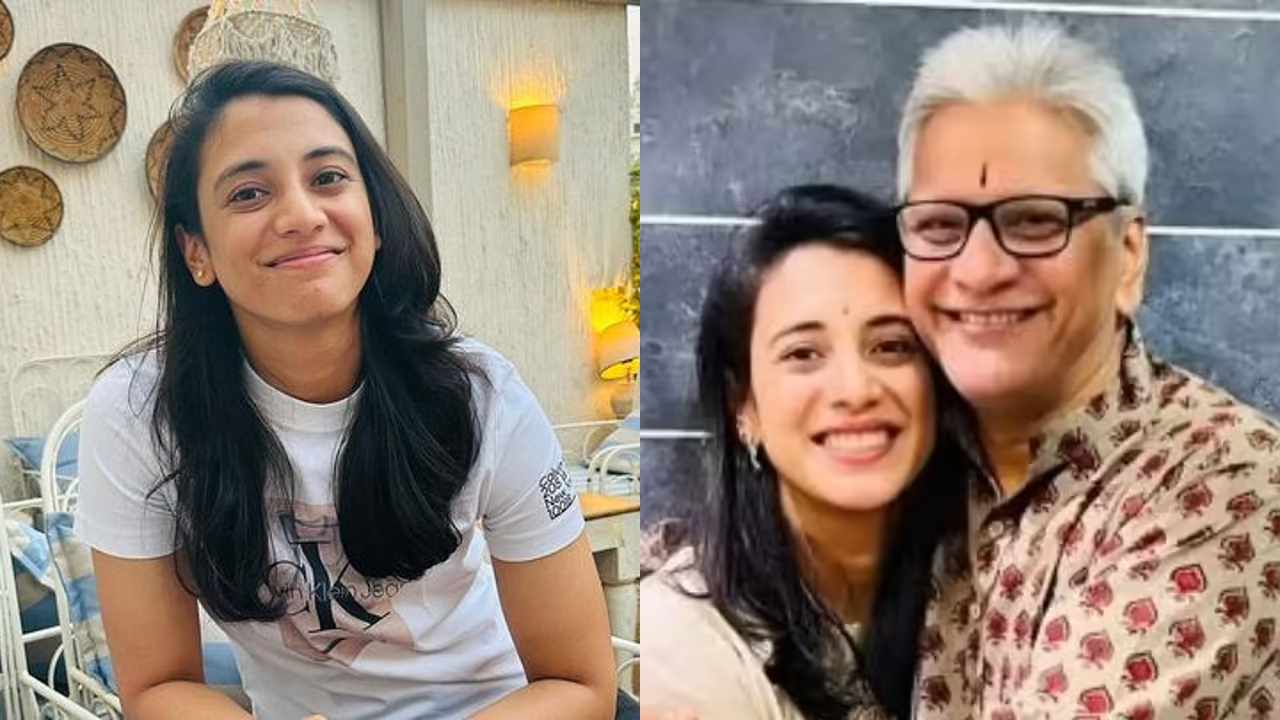
In a deeply emotional turn of events, the highly anticipated wedding of Indian women’s cricket star Smriti Mandhana with music composer Palash Muchhal has been postponed indefinitely. The joyous celebrations, which had begun with vibrant pre-wedding rituals in Mandhana’s hometown of Sangli, Maharashtra, came to an unexpected halt following a sudden medical emergency involving her father.

Smriti Mandhana, known for her stellar performance as the vice-captain of the Indian women’s cricket team and her significant contribution to India’s recent World Cup triumph, had been preparing to tie the knot with Palash Muchhal. The wedding was scheduled for November 23, 2025, and was to be a close-knit event attended by family and friends, marked by traditional ceremonies and festive celebrations.

However, just hours before the ceremony, Smriti’s father, Srinivas Mandhana, experienced severe chest pain with symptoms resembling a heart attack, leading to his immediate hospitalization in Sangli. According to Dr. Naman Shah, director at Sarvhit Hospital where Srinivas Mandhana was admitted, he showed signs of angina—a condition linked to coronary heart disease—and his cardiac enzymes were slightly elevated. He is currently under observation in the Intensive Care Unit, receiving continuous medical care.

The sudden illness of her father understandably placed Smriti’s personal joy on hold. Her manager confirmed that, prioritizing her father’s health and well-being, Smriti made the heartfelt decision to indefinitely postpone the wedding until her father recovers fully. The tennis star and her family appealed to the public and media to respect their privacy during this difficult time.

Alongside this emotional episode, Smriti’s fiancé Palash Muchhal also experienced health issues—a viral infection that required brief hospitalization. Fortunately, he has since recovered and returned to Mumbai to rest. This sequence of health-related setbacks has understandably overshadowed the wedding plans and pre-wedding festivities that had been underway.

The couple had garnered widespread attention and admiration not only for their individual achievements but also for their touching love story. Palash Muchhal’s very public and heartfelt proposal at the DY Patil Stadium in Navi Mumbai, where he proposed immediately after India’s victorious World Cup campaign, had gone viral on social media, marking a celebrated milestone in their relationship.

Social media had been abuzz with updates and glimpses of the wedding preparations, from the Haldi and Mehandi ceremonies to friendly cricket matches played between the bride’s and groom’s teams, symbolizing their unity and blending of passions. These moments had deepened the bond fans felt with the star cricketer beyond the cricketing world, showing a warm and personal side of Smriti.

This unforeseen postponement is a poignant reminder of how health and family come first, even amidst life’s happiest occasions. Smriti Mandhana’s decision reflects her commitment and love toward her family, particularly her father, whose recovery is now the primary focus.

The entire sporting community and fans have expressed their support and wishes for Srinivas Mandhana’s swift recovery. Messages pouring in from fellow cricketers, celebrities, and supporters emphasize the solidarity and compassion the sports fraternity stands for in times of personal crisis.

As of now, there is no new date fixed for the wedding, as the couple and their families await the results of further medical tests and hope for a positive prognosis for Mr. Mandhana. The postponement, though disappointing, underscores the importance of health and family bonds over celebrations.

Smriti’s journey in cricket has often been about perseverance and grace under pressure, qualities she now embodies as she stands by her father during his critical time. Her fans know her not just as an awe-inspiring cricketer but as a compassionate daughter and a devoted person.

Happen Recently will continue to follow this story with sensitivity and provide updates as the situation develops. In this moment of uncertainty, the best wishes of an entire nation remain with Smriti Mandhana and her family for strength and healing.

Motilal Oswal Spotlights Max Healthcare and Reliance Industries as Top Stock Picks for This Week

0

Motilal Oswal Financial Services Ltd, a leading name in stock market research and recommendations, has flagged Max Healthcare Institute Ltd and Reliance Industries Ltd as the top stock picks for the week beginning November 24, 2025. These stocks have caught the brokerage’s attention owing to their strong quarterly performances and promising growth outlooks in their respective sectors.

Max Healthcare’s Strong Performance and Growth Plans

Max Healthcare has impressed investors and analysts alike with its robust results in the latest quarter. The company reported revenue growth of over 20% year-on-year, coupled with significant improvement in earnings before interest, taxes, depreciation, and amortization (EBITDA). This performance is notable in a healthcare industry that is swiftly evolving due to increasing demand for quality medical services.

The company is aggressively expanding its hospital network, aiming to double its bed capacity within the next four to five years. This growth will be supported through a mix of new hospital constructions, acquisitions, and lease-based expansions. Already, existing units have delivered strong volume growth, and the company is optimizing its patient mix to improve profitability further. Such strategic moves have given Motilal Oswal confidence in Max Healthcare’s ability to sustain a strong 14% revenue growth rate annually over the next three years.

This expansion and focus on operational efficiency position Max Healthcare as a compelling opportunity for investors looking to tap into India’s expanding healthcare market. The company is well poised to meet growing healthcare needs and benefit from the long-term sectoral growth trend.

Reliance Industries: Balanced Growth from Multiple Segments

Reliance Industries has once again demonstrated resilient business operations, showing a steady rise in earnings this quarter. The company recorded a 5% increase in consolidated EBITDA from the previous quarter, driven primarily by a strong recovery in its retail segment and stable performance in the telecommunications sector via Reliance Jio.

As one of India’s largest conglomerates, Reliance’s diversified interests in energy, retail, digital services, and petrochemicals offer it multiple engines of growth, making it a steady choice for investors seeking exposure to multiple booming sectors simultaneously. The company’s continued strategic investments and focus on efficiency keep it well-positioned for sustained financial performance.

What This Means for Investors

Motilal Oswal’s top stock picks highlight where the brokerage sees strong value and growth potential in the coming months. Max Healthcare’s clear expansion path and improving financial metrics make it a strong contender in the fast-growing healthcare industry, while Reliance Industries offers a more diversified growth story that balances risk and opportunity across sectors.

For investors on the lookout for high-quality stocks with visible growth prospects and strong quarterly results, these picks present promising opportunities. Whether focusing on the rising healthcare needs through Max Healthcare or tapping into the broad-based growth of Reliance Industries, these companies provide compelling cases for inclusion in investment portfolios for the near term.

HUL’s Kwality Wall’s Demerger Set for December

0
HUL’s Kwality Wall

Hindustan Unilever (HUL)  is set to officially separate its ice cream business, Kwality Walls, into a standalone company. The demerger will become effective from December 1, 2025, with December 5, 2025, as the record date for eligible shareholders to receive shares in Kwality Wall’s (India) Limited (KWIL). Under the new structure, Magnum Ice Cream Company will own 61.9% of KWIL, while the remaining shares will be held by the public and institutional investors. This move is expected to unlock value for shareholders and allow Kwality Walls to pursue a dedicated growth strategy in the fast-growing Indian ice cream market. Popular brands like Cornetto, Magnum, Feast, and Creamy Delight will now operate under the new entity, with plans to expand further in the coming years.

TCS Faces US Court Ruling in DXC Trade Secrets Case

Tata Consultancy Services (TCS)  is grappling with the aftermath of a recent US court decision. The Fifth Circuit Court of Appeals has upheld a damages award of $194.2 million against TCS in the long-running trade secrets case involving DXC Technology Company (formerly Computer Sciences Corporation). While the court has vacated the earlier injunction that barred TCS from using certain DXC materials, the financial penalty remains intact. The lower court in Texas has been asked to reassess the injunction, meaning TCS may face further legal scrutiny. This development is likely to keep TCS in the spotlight for investors and industry watchers in the coming weeks.

Marico’s Digital Brands Cross ₹1,000 Crore ARR Milestone

Marico  has announced that its digital-first brands, including Beardo, Pure Sense, True Elements, and Studio X, have crossed the ₹1,000 crore annual recurring revenue (ARR) mark. The company’s digital and food portfolios are now major contributors to its overall growth, with management expecting these brands to account for at least 25% of Marico’s India business in the next three years. CEO Saugata Gupta highlighted that digital brands like Beardo and Plix are already turning profitable, while True Elements and Just Herbs are on track to reach break-even soon. Marico aims to grow from a ₹10,000 crore to a ₹20,000 crore company by 2030, with digital and premium personal care driving much of the expansion.

HG Infra Engineering Secures ₹1,415 Crore Metro Rail JV Project

HG Infra Engineering (HGINFRA)  has emerged as a key player in Maharashtra’s infrastructure space after winning a major contract. In a joint venture with Kalpataru Projects International, HG Infra has secured a ₹1,415 crore order from the Maharashtra Metro Rail Corporation for the design and construction of a 20.527 km elevated metro viaduct for the Thane Integral Ring Metro Project. HG Infra holds a 40% stake in the JV, with Kalpataru holding the remaining 60%. The project is expected to be completed within 36 months and will significantly enhance urban mobility in the region. This contract is a major boost for HG Infra, which has seen its shares surge in early trade today following the announcement.

Urban Land Fragmentation Law Repealed in Maharashtra

0
Urban Land Fragmentation Law

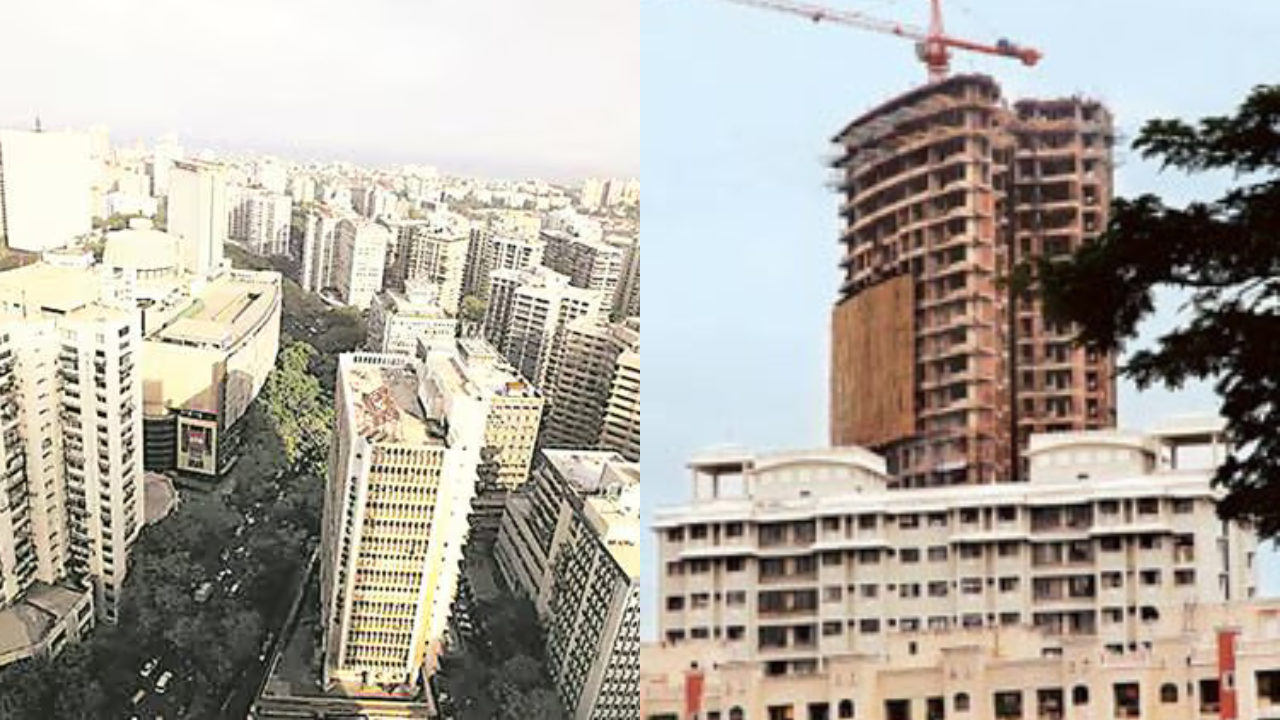
In a landmark move aimed at simplifying land ownership and easing restrictions for urban families, the Maharashtra government has repealed the Prevention of Fragmentation and Consolidation of Holdings Act, 1947, for urban areas across the state. This decision is expected to benefit nearly 49 lakh landholding families, bringing long-awaited relief to citizens and property developers alike.

The Act, which was originally introduced to prevent the division of agricultural land into smaller, uneconomical portions, had over time become a source of major hurdles for people living in developing urban zones. Many landowners and homebuyers faced difficulties in registering, selling, or transferring land parcels because of its stringent provisions. With this repeal, the government has not only updated an outdated law but also opened the door for smoother land transactions in cities and towns.

A Step Toward Urban Modernization

According to government officials, the decision was made after detailed consultations with local administrations, legal experts, and urban development authorities. The repeal applies strictly to areas that fall under municipal corporations, councils, and other statutory urban jurisdictions.

In simple terms, this means that land located within urban boundaries will no longer be governed by the conditions of the Fragmentation and Consolidation Act. The government intends to regularize previous transactions that were considered invalid or violated the provisions of the Act. Such steps will provide landowners with a clear legal status and reduce conflicts that often arise during land transfers or development approvals.

Officials from the state’s revenue department stated that a detailed procedure for the regularization process will be announced soon. This mechanism is expected to include clear guidelines for applicants, record verification steps, and timelines for approval. Citizens have been assured that transparency and efficiency will remain key priorities in implementing the policy.

Benefits for Landowners and Developers

For the past several decades, the Fragmentation Act caused significant legal and procedural challenges. Land parcels that were divided or sold in prohibited ways were often declared invalid, causing uncertainty in ownership records. Because of this, even genuine buyers faced trouble while purchasing or constructing on such lands.

Now, with the repeal in force in urban areas, these restrictions will be lifted. Property owners can finally get their transactions validated and regularized. This not only strengthens ownership rights but also adds confidence to the real estate market.

Real estate developers, too, have welcomed the move. Many had long argued that the old Act was no longer relevant for today’s urban landscape, where planning regulations and zoning laws already ensure orderly urban growth. Builders and housing societies see this as a positive step that will enable smoother project approvals and faster development of housing and infrastructure.

Relief for Families

Around 49 lakh landholding families in urban Maharashtra are set to benefit directly from this policy change. For thousands of families struggling for years to get property titles cleared or registered, this announcement is a big relief.

In several cities, especially those on the edge of rapid urbanization such as Pune, Nashik, Nagpur, and parts of Mumbai Metropolitan Region, many properties were stuck in legal technicalities because of the old law. The repeal now clears the path for ownership transfer, redevelopment, and other legal use of land, reducing financial stress and uncertainty for ordinary citizens.

Expert Opinions on Repeal

Land and urban policy experts have largely supported the state government’s decision, calling it a timely reform that reflects Maharashtra’s growing urban profile. Urban economist Shailesh Deshmukh mentioned that while fragmentation laws served an important purpose in post-independence India when agriculture dominated the economy, the scenario has now changed.

“Today, over 50 percent of Maharashtra’s population lives in urban areas. The law’s purpose was to prevent excessive division of agricultural land. It makes no sense to apply it to cities where land use is already governed by urban planning frameworks,” he said.

Legal professionals have also pointed out that regularizing past transactions will greatly reduce court cases and disputes that often emerge between families over fragmented plots. By giving them legal clarity, the government could also improve property tax and record maintenance systems.

Economic and Administrative Impact

The repeal is also expected to boost property transactions and revenue collection for the state. With earlier restrictions gone, more land parcels will become eligible for sale, redevelopment, and registration. This could lead to a surge in property registrations and investment in housing sectors, especially in growing townships and city suburbs.

For the administration, the major task now is to design a transparent process for regularization. Officials plan to create an online application and verification system that allows citizens to submit documents easily. The revenue department is also preparing to train officers and staff to handle the large volume of applications expected once the notification is fully operational.

Looking Ahead

This historic land policy decision by the Maharashtra government signals a progressive approach toward balancing governance with the needs of modern urban India. It recognizes that laws framed during an agricultural economy cannot remain unchanged in an era dominated by urban expansion and digital land records.

Citizens are now waiting for the detailed procedures to be announced. Once implemented, the regularization of earlier transactions will provide both economic relief and a sense of legal stability to millions. With clearer ownership rights, better records, and renewed trust in the system, Maharashtra’s land management landscape is set for a significant transformation.

In the coming months, the state’s urban centers are expected to witness a renewed pace in property development, infrastructure creation, and market confidence—all of which will contribute to Maharashtra’s vision of sustainable and inclusive growth.

Project Cheetah Success First Indian-Born Female Chelah Gives Birth to Five Cubs

0
First Indian-Born Female Chelah

A historic moment has taken place at Kuno National Park in Madhya Pradesh. The first India-born female cheetah has given birth to five healthy cubs, marking a major achievement in the country’s ongoing cheetah reintroduction project. This milestone has brought new hope to India’s wildlife conservation efforts and highlighted the success of the ambitious project aimed at restoring the presence of cheetahs in Indian jungles after more than seven decades.

A Remarkable Step in India’s Conservation Story

According to forest officials, the mother cheetah, born in India under the reintroduction project, delivered the cubs earlier this week. The news was confirmed by the monitoring team stationed inside Kuno National Park, which has been closely tracking the health and progress of all cheetahs brought to India from Namibia and South Africa.

This is the first time that an Indian-born cheetah has successfully reproduced, proving that the animals have started adapting to local conditions. It also reflects that the ecosystem in and around Kuno National Park is now supporting the survival and growth of this species. Officials have said that both the mother and cubs are under careful observation and appear to be in good health.

The Journey of Project Cheetah

The cheetah reintroduction project, also known as Project Cheetah, was launched in September 2022 when the first batch of eight cheetahs arrived from Namibia. The aim was to reintroduce the species that had gone extinct in India in 1952 due to hunting and habitat loss. The project symbolizes one of India’s most ambitious wildlife restoration missions.

So far, over 20 cheetahs have been brought to Kuno National Park in Madhya Pradesh from Namibia and South Africa under this plan. The project has seen both challenges and milestones since its inauguration, but this latest birth marks a turning point. It shows that the species is not just surviving but beginning to thrive in India’s environment once again.

Birth Brings a Boost to Biodiversity Goals

The birth of five new cubs underlines the importance of sustained efforts in wildlife conservation. Experts believe that this event will encourage India’s biodiversity goals and inspire greater attention toward habitat restoration, prey management, and ecological balance.

Officials from the National Tiger Conservation Authority and the Ministry of Environment, Forest, and Climate Change expressed their satisfaction over this success. They said that the project’s positive outcomes are a direct result of India’s long-term planning, field management, and collaboration with international experts.

Conservationists also view this as an encouraging sign for rewilding programs across India. They believe that the Kuno model could be studied and replicated for reviving other species across different parts of the country.

International Attention on India’s Achievement

The news of the first India-born cheetah giving birth to five cubs has gained global attention. Wildlife researchers and environmental organizations worldwide have praised India for taking a leadership role in rewilding efforts.

Dr. Laurie Marker, a wildlife expert from Namibia who helped plan the cheetah relocation, said that this birth shows strong signs of adaptation. She emphasized that reproduction in the wild is the most important indicator of a successful wildlife translocation.

Similarly, local communities around Kuno National Park have expressed happiness over this development. Many residents, who have participated in awareness programs and forest-friendly livelihood initiatives, view this success as a reminder of how humans and wildlife can coexist when conservation is prioritized.

Ongoing Care and Monitoring

The Madhya Pradesh Forest Department has put special arrangements in place to ensure the safety of the newborn cubs. Constant camera surveillance, drone monitoring, and expert veterinary care are being used to keep a close watch on the mother cheetah and her cubs.

Forest rangers have been instructed to maintain minimal human interference near the cheetah’s habitat. Officials confirmed that the area where the cubs were born remains under strict protection, with regular patrols to prevent any disturbance. Once the cubs grow older, experts will decide when they can be released into a larger open area within the park to explore their surroundings freely.

Building a Future for Cheetahs in India

The cheetah project is not just about bringing back a species—it’s about restoring balance to India’s grassland ecosystem. Cheetahs play an important role in controlling herbivore populations, ensuring that grassland habitats remain healthy and sustainable. With successful births like this, Kuno National Park is becoming a living example of how science, government policy, and community involvement can come together to revive nature.

As the cubs grow, they will serve as a new generation of cheetahs born and raised on Indian soil. Their survival and health in the coming months will be crucial to evaluate the long-term success of Project Cheetah.

A Moment of National Pride

The birth of five cheetah cubs from an India-born mother has filled wildlife lovers across the country with pride. It stands as proof of India’s commitment to wildlife protection and habitat restoration. The Ministry of Environment has said that while challenges remain — including health monitoring, future breeding, and adequate prey availability — the positive developments so far show remarkable progress.

Hutatma Smruti Din Maharashtra Pays Tribute to Its Statehood Martyrs

0
Hutatma Smruti Din

State Martyrs Memorial Day, also known as Hutatma Smruti Din in public discourse, is linked with the Samyukta Maharashtra movement that demanded a separate Marathi-speaking state with Mumbai as its capital.
During the 1950s, lakhs of people came out on the streets to press for this demand, and the movement saw intense protests, police action and the tragic loss of many lives.

On 21 November 1955, a protest in south Mumbai turned into a turning point in this struggle.
Police firing on demonstrators led to the death of more than a hundred protestors, and over time, 106 of them came to be officially remembered as martyrs of the Samyukta Maharashtra movement.

Hutatma Chowk and the 106 martyrs

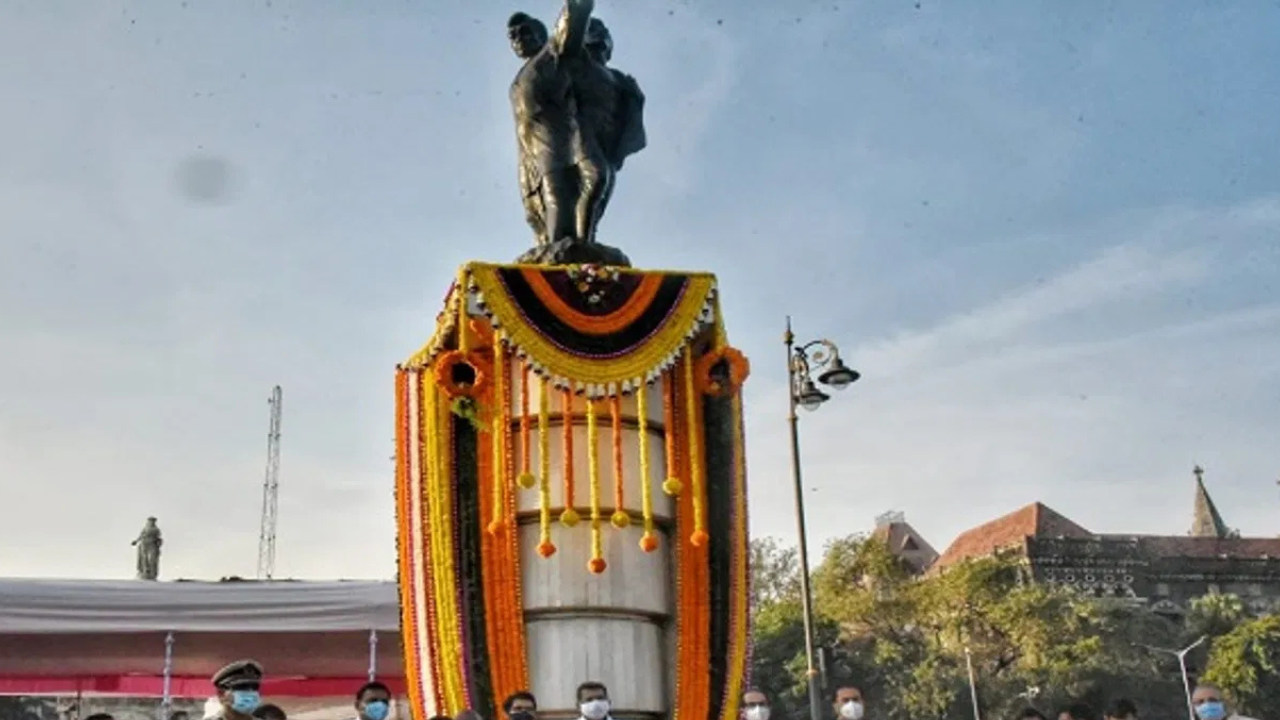
In the heart of south Mumbai stands Hutatma Chowk, near the iconic Flora Fountain, which has become the central memorial site for these martyrs.
The square, earlier known simply by its old colonial-era name, was officially renamed Hutatma Smarak Chowk in 1961 in honour of those who laid down their lives for a unilingual Marathi-speaking state of Maharashtra.

At this memorial, an eternal flame burns in memory of the martyrs, symbolising the unbroken spirit of their sacrifice.
On the marble platform near the flame, the names of the martyrs are inscribed, serving as a permanent reminder of the human cost behind the creation of the modern state.

The number 106 carries special emotional weight in Maharashtra, as it refers to the workers, students and ordinary citizens who lost their lives during the protests and subsequent police firing.
Their sacrifice is remembered as a key factor that eventually led to the formation of Maharashtra with Mumbai as its capital on 1 May 1960.

Observance on November 21

Every year on 21 November, State Martyrs Memorial Day is observed by the government, political leaders, social organisations and citizens across Maharashtra.
The main state-level tribute usually takes place at Hutatma Chowk, where floral wreaths are laid at the memorial, the eternal flame is saluted and homage is paid to the martyrs.

On this day, senior leaders, including the Chief Minister and other dignitaries, gather at the square to remember the martyrs with a formal ceremony.
Two minutes of silence are often observed, and messages are issued urging people to uphold the values of unity, democracy and linguistic and cultural identity for which the martyrs fought.

Apart from the official programme in Mumbai, various events are held in districts and towns across Maharashtra.
Local leaders, students and citizens assemble at memorials, public squares and educational institutions to offer floral tributes, organise talks on the Samyukta Maharashtra movement and conduct awareness programmes about the history of the state.

Significance for today’s generation

State Martyrs Memorial Day is not just a ritual of laying wreaths; it is a reminder of how people’s movements shape the map and identity of a region.
The struggle for Samyukta Maharashtra shows how workers, farmers, students and common citizens came together, cutting across class and background, to demand a state that reflected their language and culture.

For the younger generation, the story behind this day is also a lesson in civic awareness.
Many young people in cities may not fully know why Maharashtra Day is celebrated on 1 May or why Hutatma Chowk holds such importance, and occasions like this help bridge that gap.

By remembering the 106 martyrs, society is reminded that the rights and privileges enjoyed today, such as having a state that recognises Marathi language and culture at its core, did not come easily.
They were won through years of agitation, sacrifice and, ultimately, bloodshed on the streets of Mumbai and other parts of the region.

Role of Happen Recently and the media

Digital platforms and news portals like “Happen Recently” play an important role in keeping this history alive for readers across Maharashtra and beyond.
By publishing stories, explainers and human-interest articles on days like State Martyrs Memorial Day, media organisations help connect present-day audiences with the struggles of earlier generations.

Such coverage can highlight not only the political milestones but also the personal stories of families of martyrs, surviving participants of the movement and historians who have documented this chapter of Maharashtra’s history.
This people-centric approach ensures that the martyrs are remembered not just as names on a stone plaque but as real individuals whose courage reshaped the destiny of the state.

A day of tribute and resolve

On State Martyrs Memorial Day, Maharashtra bows its head in respect to the 106 martyrs whose sacrifice laid the foundation of the modern state.
The eternal flame at Hutatma Chowk and the observances held across the state together send out a message that their contribution will never be forgotten.

The day also renews a collective resolve to protect the values of justice, linguistic pride, cultural harmony and democratic protest that were at the heart of the Samyukta Maharashtra movement.

Maharashtra Directs Officials to Show Respect New Guidelines for Interactions with MLAs, Ministers

0
Maharashtra

In a move aimed at improving administrative discipline and promoting respectful interactions, the Maharashtra government has issued new conduct guidelines for state officials. The latest directive instructs government employees to behave politely and stand up as a sign of respect when elected representatives, including ministers and Members of the Legislative Assembly (MLAs), enter government offices. The decision reflects the government’s attempt to restore decorum and formal courtesy in official environments.

According to the circular issued by the state’s General Administration Department (GAD), these new rules are designed to strengthen the relationship between government officials and public representatives. The government has emphasized that politeness and respect form the foundation of good governance and help maintain a positive working culture across departments.

Promoting a Culture of Courtesy in Government Offices

The revised guidelines apply to all levels of administrative functionaries—from secretaries and commissioners to lower-level clerks. Officials have been instructed to address elected representatives courteously, respond to their queries promptly, and ensure that any correspondence or administrative work related to them is handled with due priority.

The directive further adds that standing up when an MLA, MP, or minister enters a government office is an established form of respect in official settings, similar to practices followed in many government systems across India and abroad. This symbolic gesture, the government says, is not about hierarchy but about maintaining dignity and discipline in public service.

An official from the GAD said that the move was part of the state’s effort to enhance the image of the government machinery in the eyes of both the public and the elected representatives. The government believes that healthy communication and mutual respect between bureaucrats and political leaders are essential for smooth governance and better service delivery.

Background and Reason Behind the Directive

Over the years, several instances of friction between government officials and elected representatives have surfaced in Maharashtra. Cases where officials failed to respond to MLAs’ concerns or showed dismissive behavior have occasionally created administrative tension. In some districts, these incidents even disrupted development-related projects due to poor coordination between departments and representatives.

To address this growing concern, the Chief Minister’s Office (CMO) reportedly instructed the General Administration Department to issue formal behavior guidelines. The aim is to remind officials of their responsibility to maintain professionalism and demonstrate respect toward public representatives, regardless of personal opinions or political affiliations.

The circular states that government employees are expected to act with humility, honesty, and courtesy while dealing with elected officials or the general public. It highlights that good behavior is not only a sign of discipline but also a key part of citizen-centric governance.

Reaction from Political Circles and Public Response

The move has received a mixed response across political and administrative circles. Many elected representatives welcomed the decision, saying it would help improve coordination between officers and politicians. Several MLAs noted that officials often forget they are part of a public service system meant to assist and support citizen representatives in implementing development programs.

Some bureaucrats, however, have expressed caution. A few officials believe that focus should remain on efficiency and transparency rather than symbolic gestures. According to them, respect should be mutual and not limited to standing up or formal courtesies. “True respect comes from mutual trust, cooperation, and dedication to public welfare,” commented a senior officer requesting anonymity.

Experts note that such measures are not new in Indian administration. Similar conduct codes exist in the central government and other state services, emphasizing politeness, time-bound responsiveness, and disciplined correspondence. The difference this time lies in Maharashtra’s renewed emphasis on etiquette within office decorum, possibly indicating the government’s intent to curb instances of miscommunication or administrative delays.

Ensuring Accountability and Proper Implementation

The Maharashtra government has clearly stated that compliance with these conduct guidelines will be monitored at the departmental level. Heads of departments and divisional commissioners have been asked to ensure that all employees are aware of the new rules and follow them diligently. In case of any breach of conduct, appropriate disciplinary action may be taken under existing service regulations.

Training programs and orientation sessions may also be organized to sensitize officials about workplace behavior and communication skills. The government expects that a respectful office atmosphere will help bridge administrative gaps and lead to faster problem-solving for citizens approaching government offices for services.

Analysts believe that the timing of this directive also signals the government’s intent to project a more people-friendly administration. As Maharashtra continues to expand its developmental projects and infrastructure programmes, maintaining harmony between political and administrative wings has become essential.

Moving Toward a More Civil Administrative Culture

The state government’s focus on courtesy and discipline highlights a broader shift in governance philosophy — one that encourages cooperation, transparency, and professionalism. Restoring traditional values of respect and protocol, without compromising efficiency, could create a more people-centric governance model.

For citizens, these changes might result in smoother grievance redressal, faster approvals, and a friendlier experience at government offices. For officials, it’s a reminder of their duty to serve the public with empathy and dignity.

Building Future Finance Leaders ICAI’s Plan to Revolutionize Maharashtra School Curriculum

0
icai's

In a major move to strengthen the foundation of financial education in schools, the Institute of Chartered Accountants of India (ICAI) has proposed the introduction of commerce-related subjects in Maharashtra’s school curriculum from standard V to X. The initiative is aimed at creating early awareness about accounting, business, and financial management among students.

The ICAI, the country’s premier accounting body, believes that developing commerce education from an early age will not only broaden students’ understanding of economic concepts but also prepare them for professional courses like chartered accountancy in the future. As part of this initiative, the institute has also announced a scholarship fund of Rs 500 crore to support CA students from economically weaker sections, ensuring that financial constraints do not stop talented youth from pursuing their dreams.

Early Introduction of Commerce

Traditionally, subjects such as accounting, economics, and business studies are introduced to students only after standard XI, once they opt for the commerce stream. However, ICAI’s proposal aims to change this by making the subject accessible at the school level across Maharashtra.

According to ICAI officials, the idea is to make young students familiar with core commerce ideas like saving, budgeting, entrepreneurship, trade, and financial literacy through easy and interactive lessons. The curriculum, if implemented, will simplify these concepts for middle and secondary school students in a way that connects to their daily lives.

Experts believe that introducing commerce subjects at a young age will help students develop analytical thinking, decision-making ability, and money management skills. It will also help promote a culture of entrepreneurship among schoolchildren and encourage them to understand the value of ethical financial practices.

Rs 500 Crore Scholarship for Aspiring CAs

One of the highlights of ICAI’s new initiative is a massive Rs 500 crore scholarship fund targeted at students from economically weaker sections. This fund aims to provide financial assistance to those who wish to pursue the Chartered Accountancy (CA) course but lack the means to afford the fees.

Many students, especially from rural and semi-urban backgrounds, face challenges in continuing their CA studies due to financial hardship. ICAI’s scholarship plan is expected to bridge this gap by ensuring that deserving candidates do not drop out of the course midway due to monetary reasons.

The scholarship will cover a wide range of expenses, including registration charges, coaching class fees, and stipends during article training. The move aligns with ICAI’s broader mission of inclusivity and access to professional education, encouraging students from all economic backgrounds to aim for a career in accounting and finance.

Partnership with Maharashtra Education Department

To implement this proposal successfully, ICAI is likely to collaborate with the Maharashtra State Education Department. Discussions are expected to focus on designing course modules, preparing teaching materials, and training teachers who will handle the new commerce subjects.

The ICAI has a long history of working with educational institutions and state governments to promote commerce education. Similar initiatives in other states, such as Gujarat and Tamil Nadu, have already shown positive results, where schools introducing basic commerce lessons experienced increased student interest in business and economics subjects.

Officials from the ICAI mentioned that the proposed curriculum for Maharashtra schools will be designed to fit within the existing framework of the state board (MSBSHSE), without burdening students with additional academic load. The focus will be on practical learning through storytelling, real-life examples, and simple exercises.

Boost to Financial Literacy and Career Awareness

The introduction of commerce from standard V to X is expected to significantly boost financial literacy levels among students in Maharashtra. In today’s world, understanding money and managing finances are essential skills not only for business students but for everyone.

By learning about concepts such as saving, investment, trade, and taxes in school, children will become more confident and responsible in dealing with real-life financial situations later. Teachers and parents have also welcomed this proposal, calling it a forward-thinking step that matches the needs of the modern economy.

Moreover, exposure to commerce at an early age will give students a clearer view of the wide range of career opportunities in finance, accounting, auditing, taxation, banking, and entrepreneurship. It may also help break the long-held myth that commerce is a secondary choice compared to science or arts streams.

Empowering the Next Generation of Accountants

The ICAI’s combined efforts—introducing commerce in schools and providing a large-scale scholarship—signify a concrete step toward empowering the next generation of Indian accountants and finance professionals.

The institute’s vision goes beyond academic reform; it seeks to build a strong foundation of ethical and financially aware citizens who understand the value of transparency, accountability, and good governance.

By nurturing young minds through early commerce education and supporting deserving students financially, ICAI is paving the way for a more skilled and financially literate workforce in India.

Looking Ahead

If Maharashtra’s education authorities approve the proposal, the state could become a model for other regions to follow. The initiative holds the potential to transform the way financial education is perceived and taught at the school level.

As India continues to move towards a knowledge-based economy, such initiatives are timely and essential. With the ICAI’s expertise and commitment, this program could play a major role in shaping financially aware citizens and producing world-class professionals from every corner of the country.

The combination of early education and financial support underlines ICAI’s belief that talent should never go unnoticed due to financial barriers. The Rs 500 crore scholarship initiative and the plan to introduce commerce subjects in schools together mark a new chapter in India’s educational reforms, one that aligns learning with long-term career growth and economic progress.