
Wednesday, March 11, 2026
Home Blog Page 289

From Dreams to Reality: The Journey of a Middle-Class Girl to Doctor, Author, Investor, and Businessperson

0
DR PREETI LIFE STORY

DR PREETI LIFE STORY


Life is to learn and live thats why whatever is happening , happening to make you a winner.
From a young age, Dr Preeti possessed an unwavering determination to create a positive impact on the world, despite the obstacles that lay in her path. Her journey to success has been marked by resilience, hard work, and an unshakeable belief in herself.

Dr Preeti’s passion for medicine ignited during her formative years. Growing up, she witnessed her community’s healthcare challenges and felt a deep desire to make a difference. Inspired by the doctors who worked tirelessly to heal and alleviate suffering, Dr Preeti set her sights on becoming a physician.

With limited financial resources, Dr Preeti’s parents supported her dreams wholeheartedly. They encouraged her to pursue scholarships and grants, and Dr Preeti’s relentless efforts paid off. She secured a seat in a renowned goverenment medical school, where she embarked on her journey to become a doctor.

Throughout her medical studies, Dr Preeti’s commitment to excellence and compassion for her patients shone brightly. She excelled academically, immersing herself in clinical rotations and research opportunities. Dr Preeti’s dedication and empathy earned her the respect and admiration of her mentors and peers.

While building her career, she also embarked on a personal journey. She met her life partner, a supportive and ambitious individual who shared her passion for making a difference. Together, they built a loving family and became parents to two beautiful children

However, Dr Preeti’s journey took a turn when she became a mother. Balancing the responsibilities of motherhood with her medical career was no small feat. Determined not to sacrifice her dreams, Dr Preeti found the strength to overcome these challenges. With the support of her loved ones and an unwavering determination, she continued to pursue her passion for medicine while embracing her newfound role as a mother.

She began to explore opportunities beyond medicine. She recognized the potential to impact lives on a larger scale through entrepreneurship. The journey of entrepreneurship presented her with a new set of challenges. She faced financial hurdles, encountered setbacks, and navigated the complexities of building a business.

Yet, armed with her resilience and unwavering determination, she weathered the storm and forged ahead. She assembled a team of talented individuals who shared her vision, and together they worked tirelessly to build a network and became a successful entrepreneur.
While learning a lot in life she started writing and explored one more dimension of herself. She published her first book “POLISH UR DIAMOND”.

Now her 3 books are on the market giving help to many people in exploring life.
She embraced the multifaceted roles of doctor, author, entrepreneur, and mother. With grace and determination, she balanced her professional and personal responsibilities. Dr Preeti became a shining example of what it meant to be a full-time earning mother, defying societal expectations and proving that women could excel in multiple domains simultaneously.
As a full-time earning mother, Dr Preeti faced the challenge of balancing her professional and personal responsibilities. However, she refused to let societal expectations limit her potential. She became an advocate for working mothers, championing flexible work arrangements and promoting gender equality in the workplace.

Coming from a middle-class family, money is always a centre to manage and while her journey she learned a lot about it and started sharing with colleagues and helping them to endure their life in terms of money in a much better way.She shares this skill with people who are serious to make changes in the finances of their life, by her courses.

Her story became an inspiration to countless individuals worldwide. People looked up to her as a role model—a symbol of what could be achieved with determination, hard work, and a burning desire to create a positive impact.

Dr Preeti’s influence extended beyond her immediate sphere, touching lives and fostering a community of dreamers and achievers.

Today, Dr Preeti continues to balance her roles as a doctor, author, entrepreneur, investor, and full-time earning mother.


Latest = https://happenrecently.com/angel-investing/

Angel Investing: Empowering Start-ups with Early-Stage Capital

0
Angel Investing

Angel investing has emerged as a vital source of early-stage capital for start-ups, fostering innovation and driving entrepreneurial growth. In this article, we delve into the significant role of angel investors in supporting start-ups, providing valuable insights and data-driven evidence on how these visionary individuals fuel the success of budding ventures.

The Power of Angel Investing:

Angel investors, also known as private investors or seed investors, play a crucial role in kickstarting the entrepreneurial ecosystem. Their investments provide critical early-stage capital that often proves challenging to secure from traditional sources. According to the Center for Venture Research, angel investors funded over 60,000 start-ups in the United States in 2020 alone, injecting more than $25 billion into the economy. This highlights the substantial impact angel investing has on fostering innovation, job creation, and economic growth.

Seed Capital for Innovation:

Start-ups, especially those in their nascent stages, face numerous hurdles in securing financing. Angel investors bridge this funding gap by providing seed capital to turn innovative ideas into viable businesses. Their early-stage investments fuel product development, market testing, and initial operations, enabling entrepreneurs to transform their visions into reality. By supporting promising start-ups with early-stage capital, angel investors become catalysts for disruptive innovation across industries.

Mentorship and Guidance:

Beyond financial support, angel investors bring a wealth of knowledge, experience, and industry connections to the table. Many angel investors are successful entrepreneurs themselves, having navigated the challenges of building businesses from the ground up. Their mentorship and guidance can prove invaluable to start-up founders, offering strategic advice, sharing lessons learned, and helping to navigate complex business landscapes. This mentorship fosters the growth and development of entrepreneurs, increasing their likelihood of success.

Market Access and Network Expansion:

Angel investors often have extensive networks in various industries. Their connections provide start-ups with access to key players, strategic partners, and potential customers. By leveraging their networks, angel investors help start-ups fast-track market access, secure partnerships, and gain valuable insights into target markets. This access to resources and industry expertise can significantly accelerate the growth trajectory of start-ups, setting them on a path to success.

Risk Mitigation and Portfolio Diversification:

Angel investors recognize the inherent risks involved in investing in early-stage ventures. However, they also understand the potential rewards. By diversifying their investment portfolios across multiple start-ups, angel investors spread their risk and increase their chances of hitting upon a highly successful venture. This approach allows them to support innovative ideas while mitigating the potential downside associated with individual investments. Additionally, angel investors often provide ongoing support and follow-on funding to promising start-ups, further minimizing risk and maximizing potential returns.

Creating an Entrepreneurial Ecosystem:

Angel investing plays a crucial role in building and nurturing a vibrant entrepreneurial ecosystem. By providing early-stage capital and mentorship, angel investors contribute to the growth of start-ups, job creation, and economic development. They foster a culture of innovation, empower aspiring entrepreneurs, and create a network of successful founders who, in turn, become angel investors themselves, perpetuating the cycle of support and growth.

Angel investing is a driving force behind the success of start-ups, offering crucial early-stage capital and mentorship to fuel entrepreneurial growth. Through their investments, angel investors foster innovation, job creation, and economic development. Their expertise, networks, and guidance empower start-up founders, increasing their chances of success. As the entrepreneurial ecosystem continues to evolve, the role of angel investors remains vital in nurturing and propelling the next generation of disruptive ventures. By supporting start-ups with early-stage capital, angel investors contribute to a thriving innovation landscape that benefits society as a whole.

Latest= https://happenrecently.com/zepto/

Venture Capital Financing: Partnering with Investors for Rapid Growth

0
Venture Capital Financing

Venture capital financing has emerged as a game-changer for startups and high-growth companies seeking rapid expansion. In this article, we explore the value of venture capital funding as a catalyst for growth, providing valuable insights and data-driven evidence on how partnering with investors can propel businesses to new heights.

The Power of Venture Capital:

Venture capital (VC) firms play a vital role in fueling innovation and driving economic growth. According to the National Venture Capital Association, VC-backed companies account for approximately 20% of the U.S. GDP and have created millions of jobs. This highlights the significant impact venture capital financing can have on the growth and success of entrepreneurial ventures.

Access to Capital:

One of the most compelling advantages of venture capital financing is the access it provides to substantial financial resources. Startups often face challenges securing traditional bank loans due to limited assets or track records. Venture capital fills this gap by providing capital based on the potential of the business and the strength of its team and technology. This infusion of funds allows companies to accelerate product development, expand their operations, and penetrate new markets with greater agility.

Strategic Guidance and Expertise:

Beyond financial support, venture capital firms offer invaluable strategic guidance and industry expertise. Their seasoned investors bring a wealth of knowledge and experience, helping entrepreneurs navigate challenges and make informed decisions. These mentors often have extensive networks, opening doors to valuable partnerships, customers, and key stakeholders. With the guidance of venture capital investors, companies can leverage their resources and expertise to drive rapid growth.

Market Validation:

Venture capital funding serves as a stamp of approval for startups. When a reputable VC firm invests in a company, it signals to the market that the business has significant potential. This validation not only instills confidence in customers and partners but also attracts subsequent rounds of funding from other investors. The credibility gained through venture capital financing can be a crucial factor in attracting top talent, securing strategic partnerships, and positioning the company as an industry leader.

Accelerated Growth and Scaling:

Venture capital funding is synonymous with rapid growth and scaling opportunities. Startups that secure VC backing often experience exponential growth, allowing them to quickly capture market share and outpace competitors. The infusion of capital, along with the guidance and network of investors, enables companies to scale their operations, hire top talent, invest in research and development, and execute aggressive marketing and sales strategies.

Mitigating Risks and Building Resilience:

Venture capital firms not only provide capital but also share the risks inherent in early-stage ventures. By partnering with investors, entrepreneurs can access a safety net of expertise, resources, and support. In addition, venture capital financing allows companies to withstand market downturns and economic uncertainties. The guidance and financial backing of VC firms can help navigate through challenging times, ensuring the business remains resilient and poised for long-term success.

Venture capital financing offers an extraordinary opportunity for startups and high-growth companies to accelerate their growth trajectory. Beyond capital, venture capital firms bring expertise, guidance, and a vast network of connections that can be instrumental in propelling businesses to new heights. The stamp of validation from reputable investors paves the way for market penetration, customer acquisition, and subsequent rounds of funding. By embracing venture capital, entrepreneurs can leverage the power of strategic partnerships to achieve rapid growth, mitigate risks, and build a resilient foundation for long-term success.

Latest= https://happenrecently.com/zepto/

SWAG NGO FOUNDATION AWARDS 2023 : FEEL THE POWER Of Humanity and Kindness!

0
SWAG NGO FOUNDATION AWARDS 2023

SWAG NGO Foundation AWARDS (SNF) 2023 were held in ECHO klub, Mumbai, on the evening of 7th July 2023.

These Awards were held to commemorate the memory of Mohini Kaul in whose name these awards were presented. Supported by her daughter, Naina Pandita (Marketing Director of SWAG), the SWAG NGO Foundation Awards 2023 were given to family and friends:

▪️Who Hold A Beautiful Heart
▪️Are part of our SWAG FAMILY
▪️Have FED the Hungry Humans & Animals with Kindness

The winners received a personalized SNF trophy signed by the Founder Director, Celebrity Shabbir Ali, a Mug and Cap.

A Walk For A Cause, too, was also organized where one got a chance to walk on the ramp as SHOWSTOPPER with the Supermodel, Shabbir Ali himself.

On this occasion, The Foundation also celebrated the birthday of Shabbir Ali.

For more information on our work or to join our cause call us on:

9821028460
9867224656
8383988096

Our website
http://swagbyshabbirali.com

To DONATE
https://razorpay.me/@swagngofoundation

Collaborative Business Models: Embracing Partnerships for Future Growth

0
Business Models

In today’s rapidly evolving business landscape, the key to sustained success lies in embracing collaborative business models that foster partnerships and enhance operational efficiency. By joining forces with strategic partners, companies can tap into a wealth of expertise, resources, and opportunities, paving the way for accelerated growth and improved efficiency. In this article, we delve into the power of collaborative business models and explore how they can drive innovation, optimize operations, and unlock new avenues for success.

The Power of Collaboration:

Collaboration has proven to be a catalyst for innovation and growth across industries. According to a study conducted by the Boston Consulting Group, companies that engage in collaborative partnerships experience a 17% increase in annual revenue growth compared to those who operate solely on their own. This significant boost in growth stems from the synergistic benefits that arise when diverse skill sets, knowledge, and networks are combined.

Enhancing Operational Efficiency:

Efficiency lies at the heart of any successful business operation. Collaborative business models offer a unique opportunity to optimize processes, streamline operations, and reduce costs. By partnering with organizations that specialize in different areas, companies can leverage their strengths, share resources, and eliminate redundancies. For instance, a technology firm collaborating with a logistics company can benefit from streamlined supply chains, faster delivery times, and reduced overhead costs.

Data-Driven Decision Making:

In today’s data-driven world, access to accurate and comprehensive information is paramount. Collaborative business models enable companies to pool their data resources, gaining valuable insights and a more holistic understanding of their target markets. By leveraging shared data, companies can make informed decisions, identify emerging trends, and respond swiftly to customer needs. This not only enhances operational efficiency but also fosters innovation and competitiveness.

Unlocking New Market Opportunities:

Collaborative partnerships open doors to new market opportunities that may have been difficult to access independently. By combining forces with complementary businesses, companies can enter new geographic regions, tap into niche markets, and explore innovative business models. For instance, a technology startup collaborating with an established industry leader gains access to their established customer base, distribution networks, and market expertise, accelerating their market penetration and growth.

Mitigating Risks and Increasing Resilience:

In an increasingly uncertain business environment, collaboration can help mitigate risks and increase resilience. By diversifying their partnerships and networks, companies can navigate unforeseen challenges more effectively. Sharing resources, knowledge, and expertise among partners creates a support system that allows businesses to adapt and respond to disruptions swiftly.

Building a Collaborative Ecosystem:

To foster successful collaborative business models, companies must cultivate a culture of trust, transparency, and mutual benefit. Creating a collaborative ecosystem involves identifying the right partners, aligning objectives, and establishing clear communication channels. Regularly evaluating the partnership’s performance and addressing any challenges or conflicts ensures its sustainability and success.

Collaborative business models have emerged as a powerful driver of operational efficiency and future growth. By embracing partnerships, companies can unlock new avenues for innovation, optimize their operations, and tap into a wealth of resources and opportunities. Collaborative ecosystems built on trust and mutual benefit foster resilience and enable businesses to thrive in an increasingly competitive landscape. As we look to the future, it is clear that collaboration is not just an option but a necessity for companies aspiring to achieve long-term success. Embrace collaboration and unlock the full potential of your business.

Latest= https://happenrecently.com/zepto/

Key Elements of a Successful Indian Start-up: Building a Strong Foundation

0
Indian Start-up

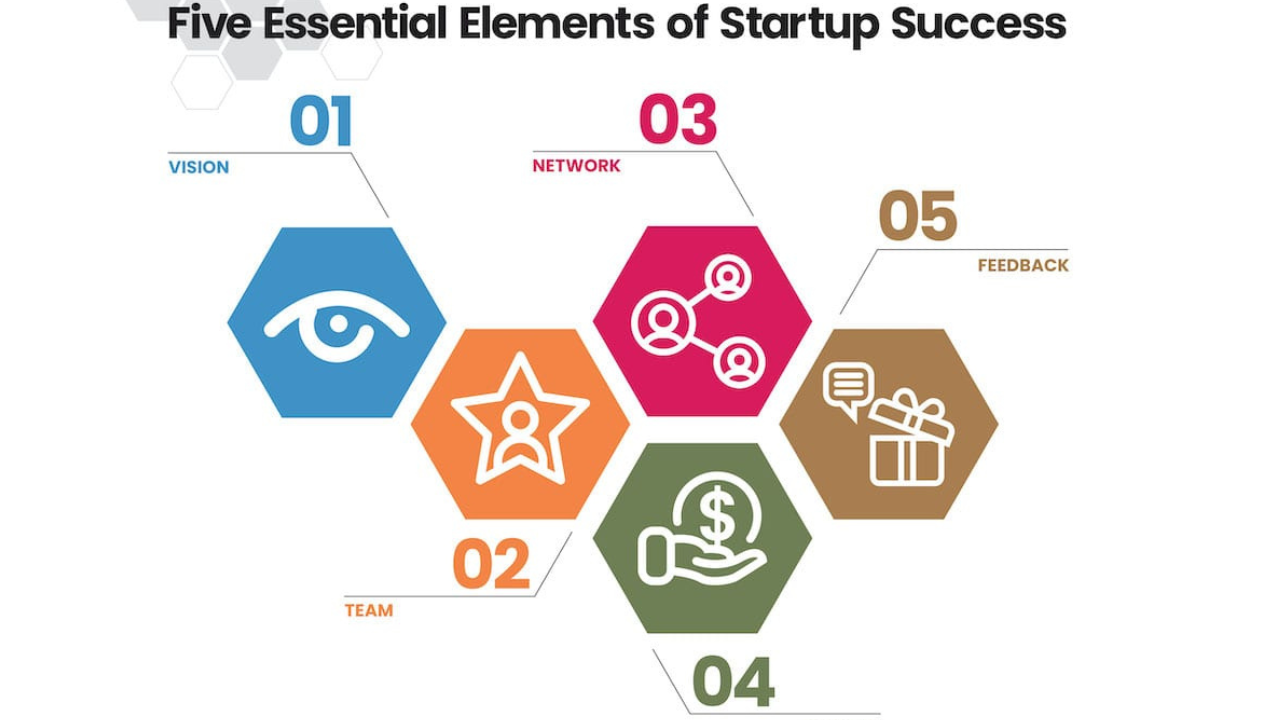
In recent years, India has witnessed a surge in start-up culture, with entrepreneurs driven by innovation, ambition, and the desire to make a significant impact. However, the journey from an idea to a successful start-up is not an easy one. It requires careful planning, strategic execution, and the incorporation of key elements that form the foundation of a thriving business. In this article, we will explore the essential elements that contribute to the success of an Indian start-up, providing valuable insights and data to guide aspiring entrepreneurs.

Innovative Idea with Market Potential

At the core of every successful start-up lies a unique and innovative idea that addresses a significant problem or fulfills an unmet need in the market. Identifying a gap in the market and developing a product or service that resonates with customers is crucial. According to a report by Nasscom, start-ups focusing on deep technology, fintech, health tech, and e-commerce have gained significant traction in India, highlighting the potential of these sectors.

Market Research and Validation

Thorough market research is essential to validate the viability of the start-up’s idea. This involves conducting surveys, analyzing market trends, and gathering customer feedback to ensure there is a demand for the product or service. Start-ups should also assess the competitive landscape and identify their unique selling proposition (USP) to differentiate themselves from existing players.

Scalable Business Model

A successful Indian start-up should have a scalable business model that allows for growth and expansion. Scalability ensures that the start-up can handle an increasing customer base and adapt to changing market dynamics. Investors are more likely to support start-ups with a scalable business model as it demonstrates long-term potential and profitability.

Strong Team and Leadership

Building a strong and cohesive team is critical for the success of a start-up. Entrepreneurs should assemble a team comprising individuals with complementary skills, expertise, and a shared vision. According to a study by CB Insights, 23% of start-ups fail due to not having the right team. Effective leadership is equally important, as it sets the tone, provides guidance, and fosters a culture of innovation, resilience, and collaboration.

Access to Funding and Resources

Securing adequate funding is often a major challenge for start-ups. Indian entrepreneurs can leverage various sources of funding, including angel investors, venture capitalists, government schemes, and crowdfunding platforms. Additionally, start-ups can benefit from incubators, accelerators, and co-working spaces that provide access to resources, mentorship, and networking opportunities.

Focus on Customer Experience

In today’s customer-centric business landscape, prioritizing the customer experience is paramount. Successful start-ups invest time and effort in understanding their target audience, delivering exceptional products or services, and providing excellent customer support. By establishing a strong brand identity and building customer loyalty, start-ups can create a sustainable customer base.

Agility and Adaptability

Start-ups operate in a dynamic environment characterized by rapid technological advancements and evolving consumer preferences. Agility and adaptability are crucial elements for success. Start-ups should be open to feedback, willing to iterate and pivot when necessary, and quick to embrace emerging trends and technologies. This flexibility allows them to stay ahead of the competition and seize new opportunities.

Building a successful start-up in India requires a combination of vision, strategy, and execution. By incorporating the key elements mentioned above, entrepreneurs can lay a strong foundation for their ventures. Innovative ideas, market validation, scalable business models, strong teams, access to funding, customer focus, and agility are vital components that contribute to the success of an Indian start-up.

It is important to remember that while these elements are essential, perseverance, resilience, and continuous learning are equally critical. The start-up journey is filled with challenges and obstacles, and entrepreneurs must remain committed to their vision and adapt to the ever-changing business landscape.

Furthermore, fostering a culture of innovation and collaboration within the start-up is essential. Encouraging employees to think creatively, share ideas, and experiment with new approaches can lead to breakthrough innovations and solutions. Collaboration with industry experts, mentors, and other start-ups can also provide valuable insights and networking opportunities.

Government support and favorable policies play a significant role in fostering a conducive environment for start-ups in India. Initiatives like “Startup India” and various incubation programs have been instrumental in providing assistance, funding, and mentorship to budding entrepreneurs. By leveraging these resources, start-ups can accelerate their growth and navigate the challenges more effectively.

Moreover, data-driven decision-making should be a cornerstone of every successful start-up. Collecting and analyzing relevant data can provide valuable insights into customer behavior, market trends, and performance metrics. Start-ups can leverage data analytics tools and technologies to gain a competitive edge, optimize their operations, and make informed strategic decisions.

To illustrate the impact of these key elements, let’s consider the success story of a notable Indian start-up. Zomato, the food delivery and restaurant discovery platform, started as a simple idea to provide users with a comprehensive database of restaurants. With a scalable business model, relentless focus on customer experience, and strategic expansion, Zomato has become a household name in India and has expanded to several international markets.

Zomato’s success can be attributed to its innovative idea, market research, and validation. The company recognized the growing demand for food delivery services and capitalized on the emerging smartphone penetration in India. Through strategic partnerships, investments in technology, and a strong team, Zomato built a robust platform that caters to millions of users and offers a seamless dining experience.

Furthermore, Zomato’s ability to adapt and evolve with changing market dynamics has been instrumental in its success. The company expanded its services beyond food delivery and ventured into cloud kitchens and online grocery delivery, diversifying its revenue streams and staying ahead of the competition.

In conclusion, building a successful start-up in India requires a holistic approach that encompasses innovative ideas, market validation, scalability, strong leadership, access to funding, customer focus, agility, and a data-driven mindset. Entrepreneurs must remember that the start-up journey is a continuous learning process, and perseverance is key to overcoming challenges and achieving long-term success. By embracing these key elements and leveraging the available resources and support, Indian start-ups can lay a strong foundation for growth, innovation, and impact in the business world.

Latest= https://happenrecently.com/zepto/

Skill Development and Training Programs for Indian MSMEs: Empowering the Workforce

0
Skill Development

In the fast-paced and competitive world of today, it is crucial for Micro, Small, and Medium Enterprises (MSMEs) in India to stay ahead by nurturing a skilled and competent workforce. Skill development and training programs play a pivotal role in empowering the workforce of MSMEs and driving their success. These programs not only enhance the employability of individuals but also contribute significantly to the overall growth of the organization. In this article, we will explore the importance of skill development and training programs for Indian MSMEs and discuss how they can transform the nation’s workforce.

Boosting Employability

Skill development and training programs equip individuals with the necessary skills and knowledge required to excel in their respective fields. By offering such programs, Indian MSMEs can significantly enhance the employability of their workforce. When employees are well-trained and possess the required skills, they become more efficient, productive, and adaptable to changing market demands. This, in turn, leads to increased job satisfaction, reduced turnover, and ultimately, improved organizational performance.

According to recent studies, MSMEs that invest in employee training experience higher productivity gains of up to 23% compared to those that do not provide adequate training opportunities. These statistics emphasize the need for MSMEs to prioritize skill development and training programs to unlock the full potential of their workforce.

Addressing Skill Gaps

Skill gaps remain a persistent challenge for Indian MSMEs. Many industries face a shortage of skilled workers, resulting in an imbalance between job requirements and the skills possessed by the available workforce. Skill development and training programs serve as a valuable solution to bridge this gap. By identifying the specific skills needed within their industry, MSMEs can design and implement training initiatives that address those gaps directly.

Furthermore, government initiatives like the Skill India Mission have been instrumental in providing training to millions of people across various sectors. These programs not only train individuals in specific job skills but also instill a sense of entrepreneurship, enabling them to contribute to the growth of MSMEs and the economy as a whole.

Improved Competitiveness

In today’s global economy, the success of MSMEs heavily relies on their ability to compete effectively. Skill development and training programs provide MSMEs with a competitive edge by equipping their workforce with the latest industry knowledge, technology proficiency, and soft skills. By investing in continuous learning and development, MSMEs can ensure that their employees stay updated with the latest trends and advancements in their respective fields.

According to a report by the International Labour Organization (ILO), countries with a higher proportion of trained workers have greater productivity levels and are more likely to attract foreign investment. By developing a skilled workforce, Indian MSMEs can position themselves as desirable partners for international collaborations and expand their market presence.

Skill development and training programs are essential for the growth and success of Indian MSMEs. These programs not only enhance the employability of individuals but also address skill gaps and improve overall competitiveness. By investing in their workforce, MSMEs can unlock the full potential of their employees, leading to increased productivity, job satisfaction, and organizational growth.

To ensure the effectiveness of these programs, it is crucial for MSMEs to collaborate with training institutes, industry experts, and government bodies. By fostering partnerships and leveraging the available resources, MSMEs can create a sustainable ecosystem for skill development and empower their workforce to thrive in the rapidly evolving business landscape.

As we move forward, it is essential for policymakers, industry leaders, and educational institutions to work together to create a conducive environment for skill development and training programs. By doing so, we can empower the Indian MSME workforce and pave the way for a prosperous and competitive future.

Remember, investing in skill development and training programs is not just a responsibility of the MSMEs themselves; it is a collective effort that involves the government, educational institutions, and society at large. Here are a few steps that can be taken to further strengthen skill development initiatives for Indian MSMEs:

Government Support: The government plays a vital role in creating an enabling environment for skill development. It should continue to invest in programs like the Skill India Mission and provide incentives to MSMEs that actively participate in skill development initiatives. Additionally, policies and regulations should be streamlined to encourage collaboration between MSMEs and training institutions.

Industry-Academia Collaboration: Collaboration between industries and educational institutions is crucial to bridge the gap between theoretical knowledge and practical skills. MSMEs can actively engage with universities, colleges, and vocational training centers to design curriculum, offer internships, and provide real-world exposure to students. This partnership will ensure that the skills being imparted align with industry requirements.

Technology Integration: The rapid advancement of technology has transformed industries, and MSMEs need to adapt to stay competitive. Skill development programs should focus on providing training in emerging technologies such as artificial intelligence, data analytics, and digital marketing. By integrating technology into training initiatives, MSMEs can equip their workforce with the skills needed to thrive in the digital era.

Continuous Learning and Upskilling: Learning should be viewed as a lifelong journey, and MSMEs should encourage a culture of continuous learning and upskilling. Offering opportunities for employees to attend workshops, seminars, and industry conferences can keep them updated with the latest trends and best practices. Online learning platforms and mobile applications can also be utilized to provide flexible and accessible training resources.

Mentorship and Coaching: Establishing mentorship and coaching programs within MSMEs can greatly enhance the skill development process. Experienced employees can mentor new recruits, providing guidance, support, and knowledge transfer. This not only helps in skill development but also fosters a sense of camaraderie and collaboration within the organization.

Recognition and Rewards: Recognizing and rewarding employees for their participation in skill development programs can create a positive and motivating work environment. MSMEs can introduce certification programs, career advancement opportunities, and performance-based incentives to encourage employees to actively engage in training initiatives.

Collaboration and Knowledge Sharing: MSMEs should collaborate with industry associations, chambers of commerce, and other organizations to share best practices, experiences, and resources. This collaborative approach will promote a collective learning environment and help MSMEs overcome common challenges related to skill development.

In conclusion, skill development and training programs are indispensable for the growth and success of Indian MSMEs. By investing in the development of their workforce, MSMEs can empower employees, bridge skill gaps, and enhance overall competitiveness. A strong collaboration between MSMEs, government bodies, educational institutions, and other stakeholders is essential to create a robust ecosystem for skill development. Together, we can unlock the true potential of Indian MSMEs and create a skilled workforce that will drive the nation’s economic growth in the years to come.

Latest= https://happenrecently.com/zepto/

Navigating the Future of Indian MSMEs: Opportunities and Challenges

0
Indian MSMEs

The Micro, Small, and Medium Enterprises (MSMEs) sector in India has been a significant contributor to the country’s economy, playing a vital role in employment generation, innovation, and economic growth. As we look ahead, it becomes crucial to understand the opportunities and challenges that lie ahead for Indian MSMEs. This article explores the future of Indian MSMEs, highlighting the potential opportunities and addressing the challenges they may face.

Growth Potential:

Indian MSMEs have immense growth potential, driven by factors such as a large consumer market, technological advancements, and government initiatives. The rising demand for innovative products and services presents a great opportunity for MSMEs to scale their operations and expand their market presence. With the advent of digital technologies, MSMEs can leverage e-commerce platforms to reach a wider audience and explore new markets.

Access to Finance:

Access to finance has been a longstanding challenge for MSMEs in India. Lack of collateral, high interest rates, and complex lending procedures often hinder their growth. However, the introduction of various government schemes and initiatives, such as the Credit Guarantee Fund Trust for Micro and Small Enterprises (CGTMSE) and the Stand-Up India scheme, aims to enhance financial inclusion and provide easier access to credit for MSMEs. By leveraging these opportunities, MSMEs can secure the necessary funds for expansion and innovation.

Adoption of Technology:

Technological advancements have the power to revolutionize the MSME sector in India. Embracing digital transformation and adopting cutting-edge technologies such as cloud computing, artificial intelligence, and the Internet of Things (IoT) can help MSMEs streamline their operations, enhance productivity, and improve customer experiences. Moreover, the government’s Digital India initiative has created an ecosystem conducive to digital adoption, enabling MSMEs to leverage technology for growth and efficiency.

Skilling and Talent Development:

One of the key challenges faced by MSMEs is the availability of skilled talent. Bridging the skill gap and nurturing a skilled workforce is crucial for the future success of MSMEs. The government has launched various skill development programs like the Skill India Mission, which aims to provide training and upskilling opportunities to the workforce. MSMEs can collaborate with training institutions, invest in employee development, and foster a culture of continuous learning to attract and retain top talent.

Market Competition and Globalization:

As the Indian economy becomes increasingly integrated with the global market, MSMEs face both opportunities and challenges. While globalization opens doors to new markets and potential collaborations, it also intensifies competition. MSMEs need to focus on product differentiation, innovation, and building strong partnerships to stay ahead in the competitive landscape. Leveraging e-commerce platforms and exploring export opportunities can further enhance their market reach and competitiveness.

The future of Indian MSMEs holds immense potential for growth, innovation, and economic development. By embracing technological advancements, accessing finance through government initiatives, fostering skill development, and adapting to the evolving market dynamics, MSMEs can navigate the challenges and capitalize on the opportunities that lie ahead. The government’s continued support and industry collaborations are crucial in creating an enabling environment for the sustained growth and success of Indian MSMEs.

In conclusion, the future of Indian MSMEs is bright, with abundant opportunities for growth and innovation. By harnessing the power of technology, accessing finance, nurturing talent, and embracing global market trends, MSMEs can thrive in the dynamic business landscape. It is essential for MSMEs to stay agile, adapt to change, and leverage the available resources to secure a prosperous future and contribute to the overall economic development of India.

Latest= https://happenrecently.com/zepto/

Career Counseling Lecture by Dr. Pratik Inspires and Empowers Students at Swami Vivekananda Vidyamandir

0
Dr. Pratik
Dr. Pratik

Dombivili, On 14th July, Dr. Pratik, an esteemed educator and alumnus of Swami Vivekananda Vidyamandir, delivered an extensive three-hour career counseling lecture at his alma mater. The lecture, aimed at empowering students to make informed career choices, covered various essential aspects of career planning and development.

During the lecture, Dr. Pratik captivated the audience with his insights and expertise on the following topics:

How to Choose Your Career by Yourself: Dr. Pratik guided students on exploring their interests, aptitudes, and passions to make informed career choices. He emphasized the importance of self-reflection and provided practical strategies for self-assessment and career exploration.

Conceptual Study: Dr. Pratik highlighted the significance of building a strong foundation through conceptual study. He shared effective study techniques and time management strategies to help students grasp complex subjects and excel in their academic pursuits.

How to Make Effective Notes: Recognizing the importance of note-taking in the learning process, Dr. Pratik provided valuable tips and techniques for creating comprehensive and organized study notes. He emphasized the role of notes as a tool for revision and reinforcement.

Study Abroad and Policies: Dr. Pratik addressed the growing interest in studying abroad and discussed various aspects such as eligibility criteria, scholarship opportunities, and visa procedures. He provided insights into the policies and requirements of studying in foreign universities.

Importance of Extracurricular Activities in Career: Dr. Pratik emphasized the significance of participating in extracurricular activities and developing well-rounded skills. He highlighted how involvement in sports, arts, clubs, and community service can enhance personal growth, leadership abilities, and career prospects.

Importance of Respecting Teachers/Gurus: Dr. Pratik emphasized the value of respecting teachers and mentors. He shared personal anecdotes and inspiring stories to underscore the impact of respectful relationships and the role of mentors in guiding students towards success.

The impact of Dr. Pratik’s lecture was evident as students were mesmerized by his insights and motivational guidance. Following the lecture, there was an overwhelming response from the students, who eagerly sought Dr. Pratik’s autograph. The atmosphere was filled with excitement and admiration as each student received a patient and gracious autograph from Dr. Pratik.

Expressing his gratitude, Dr. Pratik extended his heartfelt appreciation to the school principal, the school board members, and all his teachers who had played a significant role in shaping his educational journey.

Dr. Pratik’s career counseling lecture at Swami Vivekananda Vidyamandir exemplified his commitment to empowering students and guiding them towards a successful future. By sharing his expertise and personal experiences, Dr. Pratik has inspired a generation of students to make informed career choices and pursue their dreams with confidence.

For more content visit= https://happenrecently.com/

Exploring the Business Structure of Indian MSMEs: A Closer Look

0
Indian MSMEs

The Micro, Small, and Medium Enterprises (MSMEs) sector in India has emerged as a crucial contributor to the country’s economic growth. With its significant role in employment generation, innovation, and entrepreneurship, understanding the business structure of Indian MSMEs becomes essential. This article delves into the various aspects of MSMEs’ business structure, providing valuable insights and shedding light on their significance in the Indian economy.

Definition and Classification:

MSMEs are categorized based on their investment in plant and machinery or equipment for manufacturing enterprises and investment in equipment for service enterprises. The classification is as follows:

Micro Enterprises: Investment up to Rs. 1 crore

Small Enterprises: Investment between Rs. 1 crore and Rs. 10 crore

Medium Enterprises: Investment between Rs. 10 crore and Rs. 50 crore

Role in Employment Generation:

MSMEs play a crucial role in employment generation, providing opportunities to millions of people across the country. According to data, the MSME sector contributes significantly to employment, employing more than 110 million individuals. This sector is known for its ability to create jobs at both urban and rural levels, contributing to inclusive growth.

Contribution to GDP:

The MSME sector is a key driver of India’s GDP growth. It contributes around 29% to the country’s GDP, showcasing its substantial impact on the overall economy. The growth and development of MSMEs are closely linked to the country’s economic progress, making it a crucial sector to focus on.

Challenges Faced by MSMEs:

Despite their significant contribution, MSMEs face several challenges that hinder their growth and sustainability. These challenges include limited access to finance, technological constraints, inadequate infrastructure, lack of skilled labor, and compliance-related burdens. Addressing these challenges is essential to unleash the full potential of MSMEs.

Government Initiatives and Support:

Recognizing the importance of MSMEs, the Indian government has implemented various initiatives and policies to support their growth and development. Initiatives such as the “Make in India” campaign, Digital India, and the Atmanirbhar Bharat Abhiyan aim to boost the MSME sector by providing access to finance, improving ease of doing business, encouraging innovation, and promoting entrepreneurship.

The business structure of Indian MSMEs is a vital component of the country’s economic landscape. These enterprises contribute significantly to employment generation, GDP growth, and overall development. However, they face numerous challenges that require attention and support from various stakeholders. By addressing these challenges and providing a conducive environment for MSMEs to thrive, India can unleash the true potential of this sector and propel the nation towards sustainable economic growth.

In conclusion, the Indian MSME sector deserves careful consideration and support. Recognizing its immense potential and addressing the challenges it faces will pave the way for a robust and inclusive economy. By fostering an enabling environment for MSMEs to flourish, India can unlock a new era of innovation, job creation, and entrepreneurial success.

Latest= https://happenrecently.com/zepto/