Wednesday, March 11, 2026
Home Blog Page 284

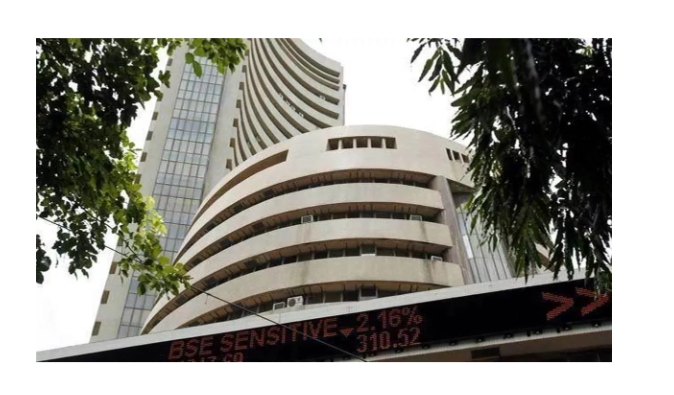
Foreign portfolio investors started selling after three months, withdrawal of more than 2 thousand crores in August

0

Foreign portfolio investors

After three months of continuous buying, foreign portfolio investors (FPIs) started selling in Indian markets. FPIs sold shares worth Rs 8545 crore during the last seven trading sessions. Whereas in August i.e. in the last four trading sessions, there has been a withdrawal of Rs 2034 crore. Know what is the reason for withdrawal. Read the full news.

After three months of continuous buying, foreign portfolio investors (FPIs) have now started selling in the Indian markets. During the last seven trading sessions, FPIs sold shares worth Rs 8,545 crore.

FPI withdraws more than 2 thousand crores

FPIs pulled out Rs 2,034 crore from equity markets in the four trading sessions in August. VK Vijayakumar, chief investment strategist at Geojit Financial Services, says that FPIs have withdrawn from Indian markets due to the rise in US 10-year bond yield (interest rate). Foreign investment in emerging markets may decrease if the interest rate of these bonds remains above 4 percent.

Selling may continue

According to Vijayakumar, with US bond yields remaining high, FPIs may continue selling or stay away from buying. According to data from the National Securities Depository Limited (NSDL), FPIs have invested a total of Rs 1,37,603 crore in the domestic equity markets in the last three months.

FPIs are buying in this area

FPIs are continuously buying in auto, capital goods and financial sector sectors. Apart from this, changing the investment strategy, FPIs have also started buying shares in the IT sector. Due to this, the stocks of IT companies have also registered strength in recent times.

According to Siddharth Khemka, head of retail research at Motilal Oswal, equity markets have seen some respite after three consecutive days of selling pressure. The main reason for this has been the rapid growth in the service activities of the country.

Google Maps VS Apple Maps: From navigation to traffic information

0

Google Maps VS Apple Maps:

Google and Apple provide map facilities to their users. These platforms of Google and Apple work differently from each other. The restaurant information for dining on Google Maps does not provide advanced options such as take away offers, food price information. At the same time, Apple users also get this information for dining with Apple Maps.

For Android users, the facility of Google Maps is useful for the information of the routes. Similarly, Apple users get the facility of Apple Maps for information about unknown routes.

On both the platforms, users get the facility of navigation and almost similar features. Despite this, both these platforms do different things for the users. In this article, we are trying to understand the difference between these two platforms of Google and Apple.

navigation

First of all, talking about navigation, on Google Maps, the user gets the facility of multidimensional view feature to see the surrounding location.

walking

On Google Maps, users get the facility of arrows for navigation while walking. This feature is available with the Live View feature on Google Maps for destinations.

traffic

The user gets the facility of traffic updates on the Maps platform of both Google and Apple. Traffic update information can be taken live during realtime ie traveling. However, the facility of 3D road level feature is also offered for better convenience to the Apple users.

dining out

On Google Maps, users get details of restaurant name, address and phone number in the information of nearby restaurants for dining. At the same time, Apple users also get information about advance options like take away offers, food price, range in restaurant information for dining.

ITR Refund: If you did not get the refund of income tax, then where to complain

0

ITR Refund

Income Tax Refund If you have not filed the return yet, then you can file the return by 31 December 2023. All the taxpayers who have filed ITR are waiting for their tax refund. Through this article, know that if you do not get the refund then where should you complain?

ITR Refund: It is mandatory to pay tax on time to the Government of India. If any person’s annual income is more than Rs 2.5 lakh, then he must file ITR. Still last chance to file ITR. Those taxpayers who have not filed the return can file the return till 31 December 2023. Right now many taxpayers are waiting for the refund of income tax.

According to the Income Tax Department, 3.44 crore ITRs have been processed so far. Tax refund will be sent to all these taxpayers by the Income Tax Department. The refund is received by the taxpayer after 7 to 120 days of filing the return. Sometimes there is a delay in getting the tax refund.

Refund comes late due to these reasons

Tax refund gets delayed if wrong bank account details are filled.

Many more documents are required to get the refund.

Even if we give wrong information for a refund, there is a delay in getting a refund.

Apart from this, even if there is a difference between TCS and TDS, the process of refund is under process.

What to do if refund is not received

If you haven’t received your tax refund, the first thing you should do is check your mail. Many times the Income Tax Department mails the taxpayer to get additional information. If no mail is received then you should check your ITR status. Through the status, you can know whether your refund has expired. Once the refund expires, you should apply for refund re-issue. Whereas, if you are getting ‘Returned’ show in the status, then you can send a request for refund reissue on the e-filing portal.

complain here

If the refund does not come within 30 days after filing the return, then the first thing you should do is to check the status of the ITR. If you have not been given any reason, you can file a complaint at incometax.gov.in. Apart from this, you can also contact the Income Tax Department’s helpline number (toll free) 1800-103-4455. You can contact this number from 8 am to 8 pm on working days. You can also file a complaint on    the e-filing portal

M-Cap: 7 out of top-10 companies lost Rs 1 lakh crore from market cap, SBI suffered more loss

0

M-Cap:

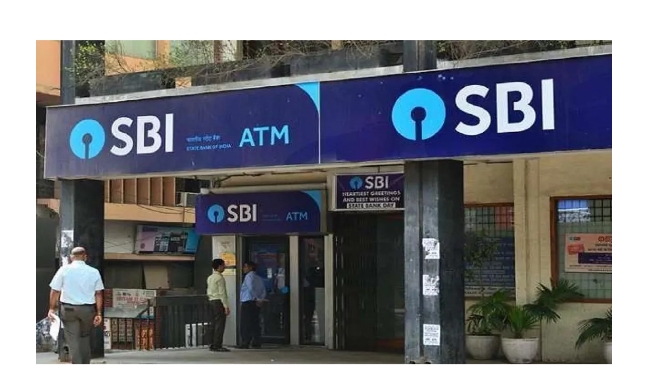
Share Market of This Week The ups and downs in the stock market continued last week. Market valuation of 7 out of 10 most valuable companies declined by Rs 1 lakh crore in the last week. State Bank of India (SBI) suffered the most in this. Let us know in detail about this week’s top-10 firms. 

Stock Market Investors Wealth: The combined market valuation of seven of the top 10 most valued companies declined by Rs 1,09,947.86 crore last week. State Bank of India has suffered the most in this. There has been a huge decline in the stock of the company. Last week, the BSE benchmark declined 438.95 points or 0.66 per cent.

Among the top-10 pack, Reliance Industries, ICICI Bank, Hindustan Unilever, ITC, State Bank of India, Bharti Airtel and Bajaj Finance were laggards, while Tata Consultancy Services (TCS), HDFC Bank and Infosys saw market valuation gains.

Evaluation of Top-10 Firms

State Bank of India ‘s valuation declined by Rs 38,197.34 crore to Rs 5,11,603.38 crore. State Bank of India shares fell nearly 3 per cent on Friday after the company’s first quarter earnings failed to please investors. The market capitalization (MCap) of ICICI Bank declined by Rs 17,201.84 crore to Rs 6,79,293.90 crore.

ITC’s valuation declined by Rs 16,846.18 crore to Rs 5,66,886.01 crore and Bajaj Finance declined by Rs 14,366.34 crore to Rs 4,32,932.18 crore. The mcap of Reliance Industries declined by Rs 11,806 crore to Rs 16,98,270.74 crore and that of Hindustan Unilever declined by Rs 9,069.42 crore to Rs 5,98,299.92 crore.

Bharti Airtel’s valuation declined by Rs 2,460.74 crore to Rs 4,97,908.56 crore. However, the mcap of TCS rose by Rs 31,815.45 crore to Rs 12,59,555.25 crore. Infosys added Rs 15,791.49 crore, taking its valuation to Rs 5,72,062.52 crore. The mcap of HDFC Bank rose by Rs 7,080.63 crore to Rs 12,47,403.26 crore.

Ranking of Top-10 Firms

Reliance Industries remains the most valuable company in the country. It was followed by TCS, HDFC Bank, ICICI Bank, Hindustan Unilever, Infosys, ITC, State Bank of India, Bharti Airtel and Bajaj Finance.

Environmental and Social Responsibility for Start-ups and MSMEs: Nurturing a Sustainable Future

0
Start-ups and MSMEs

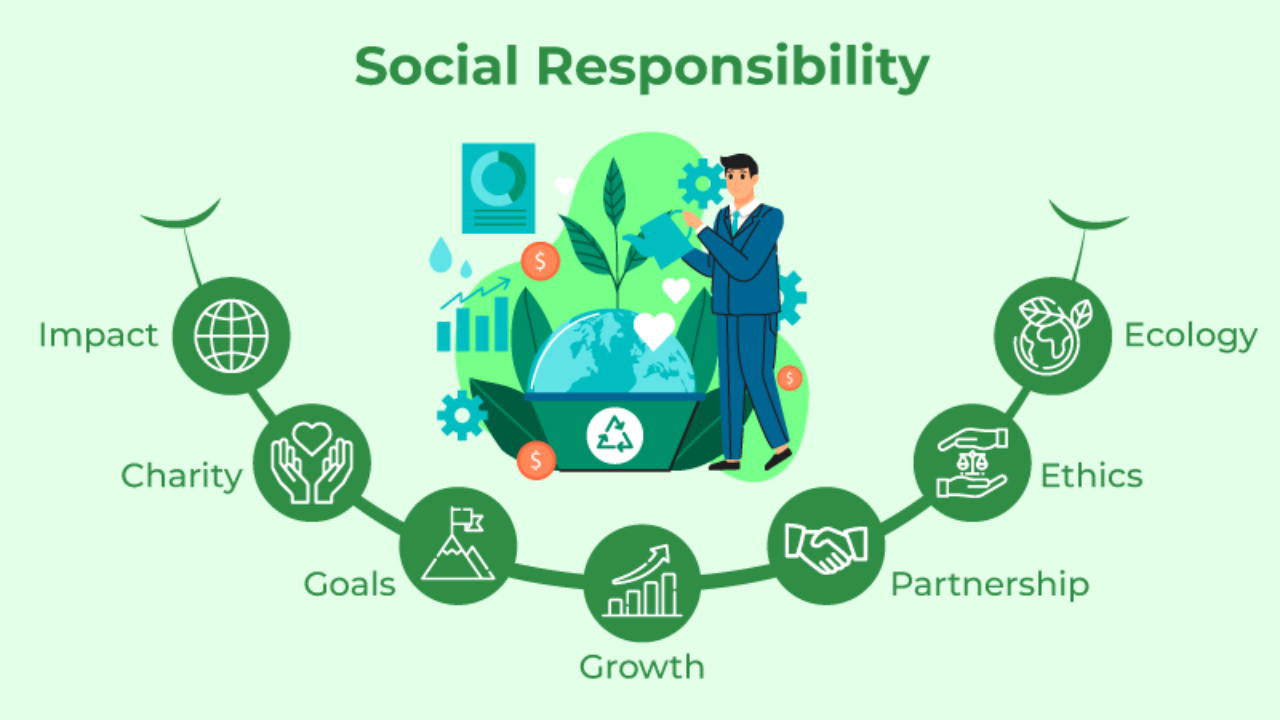
In an increasingly interconnected world, the focus on environmental and social responsibility has gained paramount importance. As global challenges such as climate change and social inequality loom large, the role of businesses, especially start-ups and Micro, Small, and Medium Enterprises (MSMEs), in promoting sustainability and social welfare cannot be overstated. Embracing environmental and social responsibility not only benefits society but also contributes to the long-term success and reputation of these businesses.

The Imperative of Responsible Business Practices

The United Nations Sustainable Development Goals (SDGs) outline a vision for a sustainable and equitable future for all. It calls for collective action from governments, businesses, and individuals to address pressing global issues. Start-ups and MSMEs, being key drivers of innovation and economic growth, have a crucial role to play in achieving these goals.

Environmental Responsibility: A Path to Greener Practices

1. Sustainable Operations:

Start-ups and MSMEs can adopt sustainable practices in their day-to-day operations, such as reducing energy consumption, minimizing waste, and utilizing eco-friendly materials. Embracing renewable energy sources and adopting circular economy principles can significantly reduce their carbon footprint.

2. Green Product Development:

Incorporating sustainability into product design is essential. Businesses can create eco-friendly products and services that promote responsible consumption and contribute to environmental conservation.

3. Carbon Neutrality and Offsetting:

Start-ups and MSMEs can strive for carbon neutrality by offsetting their emissions through various initiatives like tree plantation drives and supporting renewable energy projects.

4. Supply Chain Sustainability:

Assessing and collaborating with suppliers who follow sustainable practices can create a domino effect in promoting environmentally responsible behavior throughout the supply chain.

Social Responsibility: Nurturing Inclusive Growth

1. Ethical Employment Practices:

Start-ups and MSMEs must prioritize fair wages, employee welfare, and equal opportunities. By promoting diversity and inclusivity, they can build a positive workplace culture and foster employee loyalty.

2. Community Engagement:

Engaging with local communities and addressing their needs can lead to mutual growth and trust. Contributing to social causes and supporting local development projects can enhance a company’s reputation as a responsible corporate citizen.

3. Philanthropy and Giving Back:

Businesses can allocate a portion of their profits for philanthropic activities, supporting education, healthcare, and other social initiatives to uplift underprivileged sections of society.

4. Customer Empowerment:

Responsible businesses prioritize customer satisfaction, ethical marketing, and data privacy, fostering strong and long-lasting relationships with their clientele.

The Business Case for Responsibility

Beyond fulfilling moral obligations, embracing environmental and social responsibility also brings substantial benefits to start-ups and MSMEs:

1. Enhanced Brand Reputation:

Responsible businesses are perceived more favorably by consumers, leading to increased brand loyalty and customer retention.

2. Attraction of Investors and Talent:

Investors and employees are drawn to companies that align with their values. Demonstrating social and environmental responsibility can attract top talent and potential investors.

3. Risk Mitigation:

By anticipating and addressing social and environmental risks, businesses can protect themselves from potential legal, reputational, and financial risks in the future.

4. Access to New Markets:

As consumers and governments worldwide prioritize sustainability, businesses with responsible practices can access new markets and gain a competitive advantage.

The journey towards environmental and social responsibility is not an option but a necessity for start-ups and MSMEs in today’s world. By integrating sustainable practices into their core operations and embracing social initiatives, these businesses can make a significant impact on the well-being of society and the planet. Moreover, by nurturing a culture of responsibility, they lay the foundation for a more resilient and prosperous future.

As start-ups and MSMEs embrace their role as change-makers, they contribute not only to the attainment of global sustainability goals but also to their own long-term growth and success. The journey towards environmental and social responsibility is an investment that yields dividends not just for businesses, but for the entire planet and its people.

Latest= https://happenrecently.com/zepto/

Overcoming Regulatory Hurdles: Simplifying Compliance for Indian Start-ups and MSMEs

0
Overcoming Regulatory Hurdles

In the vibrant landscape of Indian start-ups and Micro, Small, and Medium Enterprises (MSMEs), regulatory compliance has long been a daunting challenge. The complex and ever-evolving regulatory framework often becomes a stumbling block for these businesses, hindering their growth and innovation potential. However, the winds of change are blowing, and concerted efforts are being made to streamline compliance processes, empowering start-ups and MSMEs to thrive in the entrepreneurial ecosystem.

The Regulatory Landscape: Navigating the Maze

India’s regulatory environment has historically been characterized by a multitude of laws, rules, and procedures, making it difficult for businesses to understand and adhere to the myriad compliance requirements. From company registrations and tax filings to environmental clearances and labor laws, the compliance burden can be overwhelming for start-ups and MSMEs with limited resources.

According to a World Bank report, it takes an average of 118 days to start a business in India, highlighting the bureaucratic hurdles that entrepreneurs face during the initial stages of their venture. Additionally, the cost of compliance and the risk of penalties in case of non-compliance act as deterrents for many start-ups and MSMEs.

Simplifying Compliance: A Boon for Start-ups and MSMEs

Recognizing the importance of fostering a conducive business environment, the Indian government has taken significant steps to ease the compliance burden on start-ups and MSMEs. The following are some initiatives and reforms that are transforming the regulatory landscape:

1. Start-up India Initiative:

Launched in 2016, the Start-up India initiative aims to promote entrepreneurship and support start-ups through various incentives and benefits. It offers simplified compliance processes, self-certification, and a single-point registration system, making it easier for start-ups to navigate the regulatory maze.

2. MSME Facilitation Council:

The Micro, Small, and Medium Enterprises Development (MSMED) Act provides for the establishment of MSME Facilitation Councils, which are dedicated platforms for addressing delayed payments and other grievances faced by MSMEs. This mechanism helps MSMEs resolve disputes expeditiously and ensures timely payments, improving their financial health.

3. Goods and Services Tax (GST):

The introduction of GST in 2017 brought about a significant reform in the indirect tax system, unifying multiple taxes into a single tax regime. GST has simplified the tax compliance process for businesses, eliminating the cascading effect of taxes and promoting ease of doing business.

4. Digital Initiatives:

The government’s push towards digitalization has resulted in various online portals and platforms that enable businesses to complete compliance procedures efficiently. Online registration, e-filing of tax returns, and digitized documentation have reduced the administrative burden for start-ups and MSMEs.

5. One Nation, One Ration Card:

The implementation of the One Nation, One Ration Card system allows MSMEs with employees working across state borders to access subsidized food grains through a single ration card, simplifying the process of providing welfare benefits to workers.

The Impact and the Road Ahead

The simplification of regulatory compliance has yielded tangible benefits for Indian start-ups and MSMEs. According to a report by NASSCOM, India witnessed a 12% growth in the number of start-ups in 2020, despite the challenges posed by the pandemic. The ease of doing business and the supportive regulatory environment played a crucial role in fostering this growth.

Moreover, simplified compliance has encouraged more entrepreneurs to take the plunge into the start-up ecosystem, leading to increased job creation, innovation, and economic growth. By easing the compliance burden, the government has unlocked the true potential of start-ups and MSMEs, allowing them to focus on their core business activities and drive value for their stakeholders.

However, there is still a long way to go. Continued efforts to further streamline compliance processes, reduce red tape, and ensure effective implementation of reforms are essential to create a truly conducive business environment for start-ups and MSMEs. Furthermore, the government and relevant authorities must remain open to feedback and suggestions from businesses to address any pain points that may arise in the compliance journey.

The simplification of regulatory compliance for Indian start-ups and MSMEs is a game-changer, empowering entrepreneurs to overcome hurdles and chart a path of growth and success. With progressive reforms, digitalization, and a supportive ecosystem, the Indian business landscape is witnessing a transformation that bodes well for the nation’s economic growth and prosperity.

As regulatory reforms continue to evolve, the dream of a business-friendly India becomes more attainable. By working hand in hand, the government, industry stakeholders, and entrepreneurs can pave the way for a thriving entrepreneurial ecosystem that fuels innovation, creates jobs, and propels India towards becoming a global economic powerhouse.

Latest= https://happenrecently.com/zepto/
Book review on “Perspectives on Teacher Education”

0
Perspectives on Teacher Education

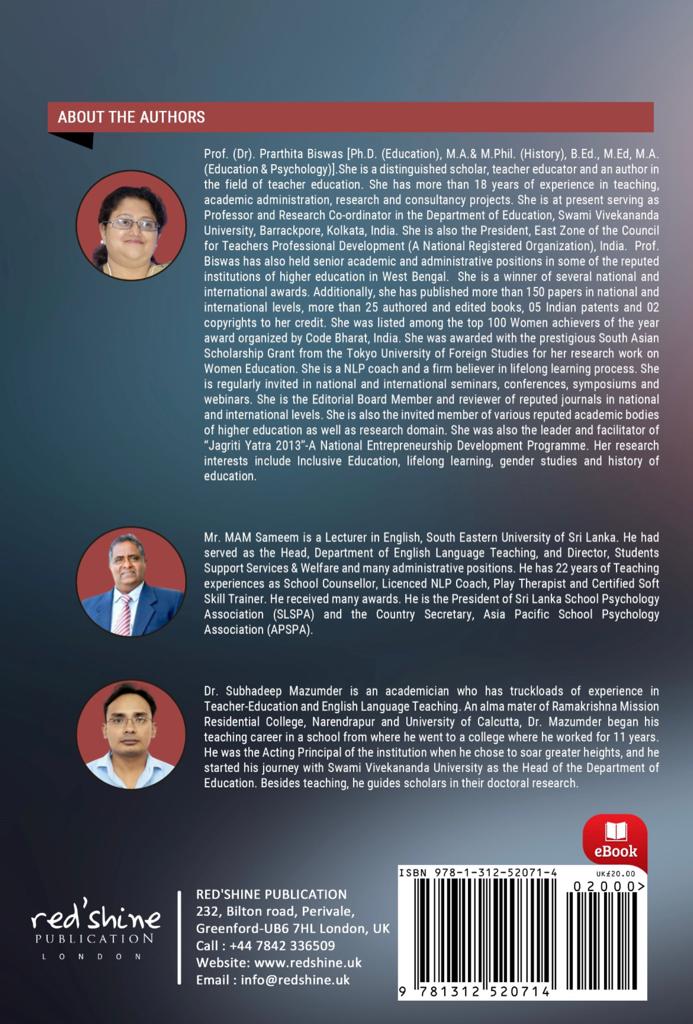
Published by : red’shine PUBLICATION,London,UK

  • Authors :
  • Prof. Dr. Prarthita Biswas, Professor, Department of Education, Swami Vivekananda University, Barrackpore, West Bengal, India;
  • Mr. MAM Sameem, Department of English Language Teaching, Faculty of Arts and culture, South Eastern University of Sri Lanka, Sri Lanka
  • Dr. Subhadeep Mazumder, Assistant Professor& HoD, Dept. of Education, Swami Vivekananda University, Barrackpore, West Bengal, India 

“Perspectives on Teacher Education” published by red’shine PUBLICATION,London,UK is an academic book that explores various viewpoints and approaches to the field of teacher education.

The book covers a wide range of topics, including:

Historical Development: An overview of the historical evolution of teacher education, from its origins to its current state, and how it has adapted to changing educational needs.

Philosophical Foundations: Examination of the philosophical underpinnings of teacher education, exploring different educational theories and their implications for teaching practices.

Pedagogical Approaches: Discussions about various teaching methods, strategies, and best practices for preparing future educators, as well as how to effectively teach diverse groups of learners.

Curriculum and Assessment: Consideration of the design of teacher education programs, including what content should be covered, how it should be taught, and how to assess aspiring teachers’ competence.

Teacher Identity and Professional Development: Exploring the process of becoming a teacher, the development of a teacher’s professional identity, and ongoing professional development throughout a teaching career.

Challenges and Innovations: Addressing the challenges faced in teacher education, such as the incorporation of technology in classrooms, the need for culturally responsive teaching, and preparing teachers for inclusive education.

Global Perspectives: Analysing teacher education in different countries and regions, comparing approaches, and considering how cultural and contextual factors influence teacher preparation.

Policy and Governance: Examining the role of government policies and regulations in shaping teacher education systems and the implications for the teaching profession.

Research in Teacher Education: Reviewing the latest research in the field of teacher education, including studies on the effectiveness of various approaches and the impact of teacher preparation on student outcomes.

The goal of “Perspectives on Teacher Education” would be to provide readers with a comprehensive and multifaceted understanding of the challenges, practices, and opportunities in the domain of teacher education. It can be valuable for educators, policymakers, researchers, and anyone interested in the field of education and professional development of teachers.

  • This book is available for sale at: https://store.pothi.com/book/prof-dr-prarthita-biswasmam-sameemdr-subhadeep-mazumder-perspectives-teacher-education/

For more content visit= https://happenrecently.com/

Most cyber attacks happen on government agencies and public sector, information found in the report

0

cyber attacks happen on government agencies and public sector

Cyber ​​security is becoming a big threat in India as well as in other countries. Since the advent of AI, scammers are devising new ways every day to cheat people. Not only this, the government and the public sector are also not untouched by this. A new report has found that government agencies and public service have suffered the most cyber attacks.

Cyber ​​attacks are increasing day by day. Be it India or any corner of the world, nothing has remained untouched by it. There has been a huge increase in such cyber attacks on government agencies.

Yes, BlackBerry Ltd.’s latest quarterly Global Threat Investigation Report claims that there has been a 40 percent increase in cyber attacks targeting government agencies and the public service sector.

Attack on public services as well

Ismael Valenzuela, vice president of Threat Research and Intelligence at BlackBerry, said that governments and public services, such as public transit, electricity, water services, schools and non-profit organizations, stand as unfortunate bullseyes for cybercriminals and other threat actors. , whose attacks seek to cause maximum destruction and who often encounter little resistance.

cyber intelligence is needed

Valenzuela said that with limited resources and immature cyber defense programs, these organizations are struggling to defend against the dual threat of both countries and cybercriminals. Now, more than ever, they need access to actionable cyber intelligence to guide and strengthen their security strategies, while simultaneously protecting the essential services, institutions and trust on which our societies thrive.

These are some important points

The report shows an increase in cyber attacks per minute. In the past 90 days, BlackBerry prevented more than 1.5 million attacks. Threat actors deployed an average of 1.7 new malware samples per minute, a 13 percent increase from an average of 1.5 new samples per minute in the previous reporting period. This highlights the work of attackers diversifying their tooling to bypass defensive controls.

The report claims that the healthcare and financial services industries are the most targeted. In healthcare, the convergence of valuable data and critical services presents an attractive target for cybercriminals. As ransomware groups continue to target organizations in these industries with information-stealing malware, the report highlights the importance of keeping patient data secure and protecting the delivery of essential medical services.

mobile malware threat

The report also warned of an increase in mobile malware. The report noted that financial services institutions continue to face threats through the rise of mobile banking malware targeting smartphone-focused commodity malware, ransomware attacks and a growing trend of digital banking services.

Plastic’ will be made from hemp stalks, there will be no harm to the environment; IIT Mandi startup developed technology

0

IIT Mandi startup developed technology:

Saving their crops from wild destitute animals has become a mountain-like challenge for the farmers at present. Wild and destitute animals do not harm the cannabis crop. People are using plastic bags up to 100 microns. The seed for this comes from abroad. By making biodegradable plastic from hemp stalks, the dependence of foreign countries on plastic grains will end. This will also reduce the cost.

The stalk of cannabis will not be useless now. This will make biodegradable plastic. Environment will get support. Employment opportunities will be created. The dependence of biodegradable plastic on foreign countries will end. Cannabis leaves and seeds were used to make medicine. The stalks of the plants were thrown or burnt. Now the whole plant of cannabis will be useful.

Leaves and seeds will make medicine like before. The fiber will make cloth and the remaining stalk will make biodegradable plastic. The Indian Institute of Technology (IIT) Mandi startup has developed the technology to make biodegradable plastic from stalks. Ukhi India Pvt Ltd, Faridabad, Haryana, was given financial assistance of Rs 25 lakh by IIT Mandi this year under startup.

There will be no need to use pesticides and water 

Like cotton, the production of hemp does not require seeds, fertilizers, pesticides and water. Cannabis grows naturally across the country. In the production of cotton, insecticides are used on a large scale. Due to this hundreds of farmers die every year in the country.

The production of one kilogram of cotton requires 4000 to 5000 liter

fours of water. There has already been a drastic decline in groundwater levels across the country. Cultivation of cannabis is also possible with rain water.

four times more fiber

The hemp plant produces four times more fiber than cotton. This will gradually end the dependence on cotton for making cloth. It takes six to eight months for the cotton crop to be ready. The cannabis plant gets ready in four months.

Five to six tonnes of hemp stalks are produced in one bigha. Saving their crops from wild and destitute animals has become a mountain-like challenge for the farmers at present. Wild and destitute animals do not harm the cannabis crop.

Grain is imported from abroad to make plastic

People are using plastic bags up to 100 microns. The seed for this comes from abroad. By making biodegradable plastic from hemp stalks, the dependence of foreign countries on plastic grains will end. This will also reduce the cost.

This is how biodegradable plastic will be made

Cannabis stalks contain lipids and cellulose. Micro particles of stalks are made by machine. Then polylactic acid (PLA) is added to it to form granules and biodegradable plastic is prepared from it. Feed additive PLA is also made from agricultural products. Ordinary plastic takes several years to decompose, while biodegradable plastic made from hemp will break down within 180 days.

SBI WeCare vs SBI Amrit Kalash, which is a profitable deal for FD investors

0

SBI WeCare vs SBI Amrit Kalash SBI We Care and SBI Amrit Kalash are special FD schemes. SBI We Care is for senior citizens. In this, 7.5 percent interest is being given by the bank. Both normal and senior investors can invest in SBI Amrit Kalash FD. In this, general investors are getting 7.1 percent interest and senior investors are getting 7.6 percent interest.

Many special FD schemes are being run by the country’s largest government bank SBI. In some of these FDs, investors are getting very attractive interest. Today we are going to talk about SBI We Care and SBI Amrit Kalash in this article.

SBI We Care FD interest rate

SBI We Care FD scheme has been launched for senior citizens. In this, any senior citizen can get FD for 5 to 10 years. The benefit of this scheme is being given on fresh deposits and renewables till September 30, 2023. At present, 7.50 percent interest is being given on SBI We Care FD.

Interest rate on SBI Amrit Kalash FD

The 400-day ‘Amrit Kalash’ FD was launched by SBI in February. On this FD, general investors are getting 7.1 percent interest and senior citizens are getting 7.6 percent interest. Investors can invest in this FD till 15 August.

Interest on SBI FD

Interest ranging from 3 percent to 7.1 percent is being given by SBI on FDs ranging from 7 days to 10 years. Additional interest of 50 basis points is being given to senior citizens.

7 days to 45 days on FD – 3 percent

-4.5 percent on FDs from 46 days to 179 days

-5.25 percent on FDs from 180 days to 210 days

On FDs from 211 days to less than one year – 5.75 percent

On FDs from one year to less than two years – 6.8 percent