Thursday, March 12, 2026
Home Blog Page 27

Maharashtra Election Commission Postpones Local Body Polls in Baramati and Fursungi-Uruli Devachi

0
Maharashtra Election Commission

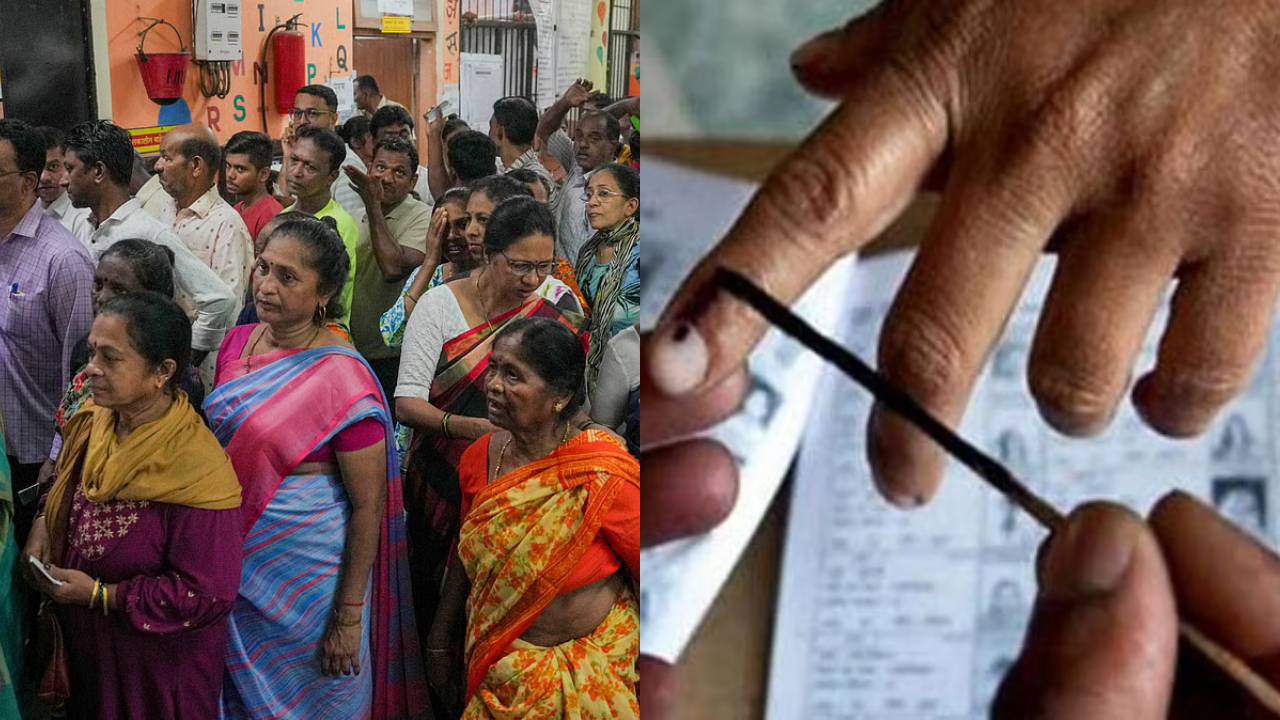
The Maharashtra State Election Commission (SEC) has announced the postponement of certain local body elections across the state, including key areas like Baramati and Fursungi-Uruli Devachi near Pune. This decision, which comes after recent administrative and legal reviews, has become a major topic of discussion in the Pune division.

According to the official communication from the State Election Commission, the new polling dates have been revised to ensure smooth conduct of elections and to address certain logistical and administrative issues raised by local authorities. The announcement has drawn strong reactions from political leaders, civic groups, and residents who had been preparing for the elections in these municipal regions.

Administrative Reasons Behind the Postponement

Officials from the State Election Commission said the decision to postpone the local body elections was not taken lightly. They pointed out that several areas under the Pune division—including Baramati and Fursungi-Uruli Devachi—were recently reorganized administratively, leading to changes in ward boundaries and voter lists.

Due to these recent developments, the Commission felt that conducting elections on the original schedule would be difficult. Accurate voter rolls and administrative clarity are essential before polling can take place. The delay, therefore, is aimed at ensuring that every eligible voter gets the opportunity to participate fairly in the democratic process.

The Election Commission also mentioned that updated notifications regarding the fresh polling dates will soon be issued, allowing sufficient time for candidates and voters to prepare under the revised schedule.

Strong Reactions from Political Circles

The postponement has triggered political debates across the Pune district. Baramati and Fursungi-Uruli Devachi are considered politically active regions, with strong presence of major political parties including the Nationalist Congress Party (NCP), Bharatiya Janata Party (BJP), Shiv Sena (Shinde faction), and the Congress.

Political observers believe that this decision could influence campaign strategies and local alliances. Some local leaders have welcomed the move, saying that it would help correct administrative irregularities before citizens cast their votes. Others, however, have expressed disappointment, calling the postponement a setback for democratic participation.

A senior leader from Pune said the Commission’s decision will give parties more time to connect with voters at the local level. Meanwhile, some opposition members have raised concerns that repeated delays could weaken public enthusiasm and affect voter turnout when elections finally happen.

Focus on Fursungi and Uruli Devachi

Among the affected areas, Fursungi and Uruli Devachi have drawn particular attention. These localities, which were merged with the Pune Municipal Corporation (PMC) in 2021, have been awaiting their first civic polls under the new jurisdiction. Many residents in these areas feel that the delay could postpone much-needed local development projects and civic improvements.

Local citizens have been vocal about the importance of electing representatives who understand the unique challenges of newly merged areas, such as infrastructure development, waste management, and water supply. With the postponement, these civic concerns remain unresolved for now.

Residents have urged the authorities to ensure that the revised election process is transparent and timely, as local governance directly affects their everyday lives.

Reaction from Baramati

In Baramati, a politically significant region often in the spotlight of state politics, the postponement has sparked curiosity and discussion. While the region has a rich political legacy, residents are eager to see how the revised election schedule might affect emerging local leaders and independent candidates.

Political analysts note that Baramati’s voters are quite active and engaged, and a delay of even a few weeks could change the political dynamics. Several local organizations have already started awareness drives to keep citizens informed about the upcoming changes in the election schedule.

SEC’s Official Communication

In its release, the State Election Commission clarified that the postponement was made following careful assessment of ground realities, administrative procedures, and coordination with district collectors. The Commission also reiterated its commitment to ensuring fair, peaceful, and transparent elections across Maharashtra.

The SEC has urged all political parties and citizens to cooperate with the revised schedule. It has also directed local election officers to make all voter lists, boundary maps, and polling station details publicly available once revised.

Public Reactions and Next Steps

On social media, citizens from Pune, Baramati, and surrounding areas have actively discussed the postponement, with many asking for clear communication about the new polling and counting dates. Some residents appreciate the decision, believing it will prevent confusion during the voting process. Others, however, express concern that delays could slow down civic decision-making and local governance.

Local NGOs and voter groups have appealed to the public to stay updated through official sources and avoid misinformation. They also emphasized that postponement should not discourage voter participation once elections resume.

The Election Commission’s move mirrors similar actions taken in other states in the past when administrative or logistical reasons required schedule adjustments. Experts say such measures, while sometimes controversial, are often necessary to uphold the fairness of the election process.

Conclusion

The revised election schedule for Baramati, Fursungi, Uruli Devachi, and other municipal areas in Maharashtra is expected to be announced in the coming days. Until then, political parties are recalibrating their campaign plans, while citizens remain attentive to further updates from the State Election Commission.

This new development marks another significant turn in Maharashtra’s ongoing civic and political journey. While the postponement has invited mixed opinions, all eyes are now on the fresh polling dates and how smoothly the Election Commission manages the upcoming phase of local governance.
Maharashtra Government Orders Probe Into Alleged Multi-Crore Navi Mumbai Land Scam

0
Navi Mumbai Land Scam

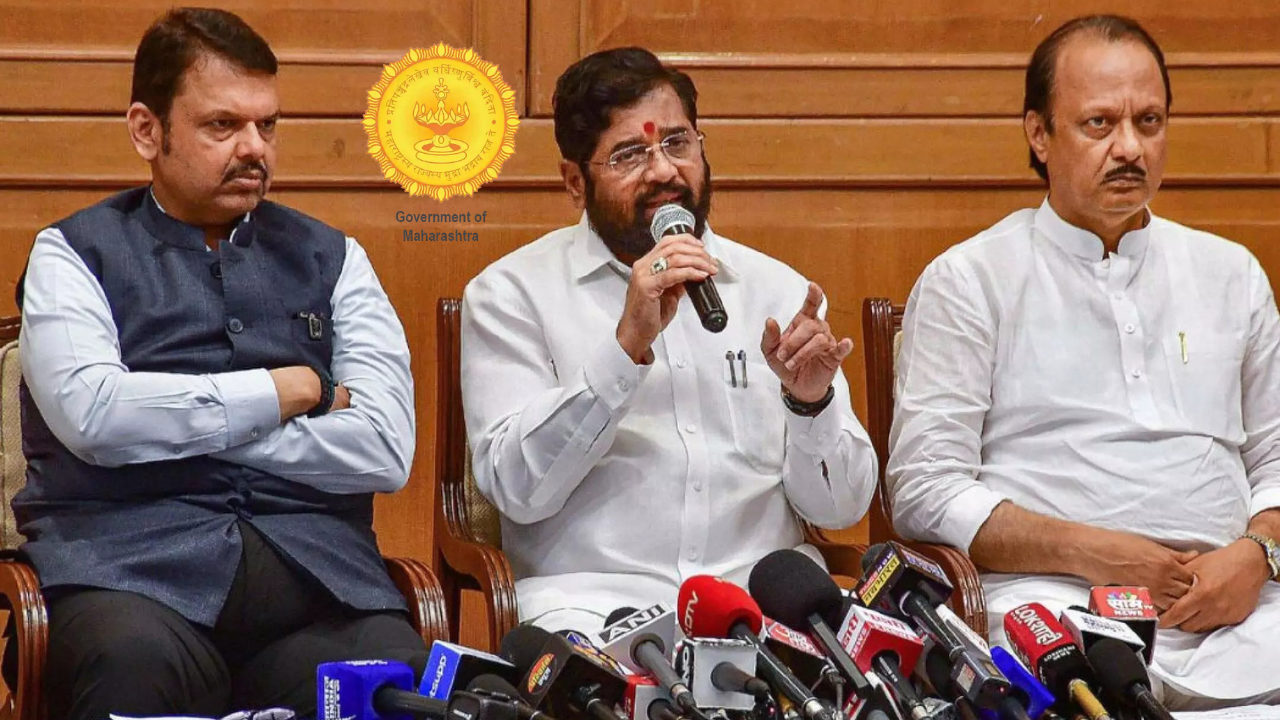
The Maharashtra government has announced a detailed inquiry into allegations of a multi-thousand-crore land scam in Navi Mumbai. The investigation was ordered after serious claims surfaced regarding irregularities in land allocation and property transactions. Deputy Chief Minister Devendra Fadnavis has set up a special panel to look into these allegations and ensure transparency in the process.

According to official sources, the inquiry committee will examine all documents, approvals, and deals related to the disputed land parcels. The move comes amid growing political attention after opposition leaders raised the matter in legislative discussions. The allegations point toward large-scale misuse of land meant for public and developmental purposes, now allegedly diverted for private gains. Fadnavis, who also oversees the Home Department, has assured that legal action will be taken if wrongdoing is proven.

Background of the Allegations

The controversy began after reports surfaced claiming that certain plots in Navi Mumbai were sold or transferred at undervalued prices, leading to a massive financial loss to the state exchequer. Some of these plots are linked to government-controlled development areas and were initially allotted under public-interest categories such as housing, infrastructure, or social amenities.

Opposition parties, including members from the Congress and NCP, demanded that the government initiate an independent probe. They alleged that a sitting MLA, identified as Shirsat, had a role in facilitating or benefiting from the irregular land deals. The amount involved is believed to run into several thousand crore rupees, prompting widespread public interest in the issue.

Government’s Response and Action Plan

Deputy CM Devendra Fadnavis addressed the matter promptly, directing senior officials to establish an investigation panel. The committee will include members from the Revenue Department, Urban Development Department, and law enforcement agencies. Their primary task will be to verify the authenticity of land records, identify possible violations, and find out whether any rules were bypassed during land transfers.

Fadnavis stated that the government was committed to ensuring that all land transactions remain transparent. He said that misuse of public property will not be tolerated, regardless of the political position or influence of those involved. The investigation, he added, would focus entirely on facts and legal evidence, not on political motives or pressure.

Reactions From Political Circles

The opposition welcomed the probe but demanded regular updates and more transparency. Senior Congress leaders stated that the inquiry should not end as a “paper exercise,” stressing that all culprits must face strict punishment if guilt is proven. Some leaders from the Shiv Sena (UBT faction) also alleged that such scams highlight the loopholes in the city’s land management policies.

Meanwhile, supporters of MLA Shirsat have called the allegations false and politically motivated. They claimed that Shirsat has always worked for Navi Mumbai’s development and has no direct involvement in the land deals under question. The MLA, according to media reports, may release an official statement soon clarifying his position.

Navi Mumbai’s Real Estate and Public Land Issues

Over the years, Navi Mumbai has been one of Maharashtra’s fastest-growing urban hubs. Large-scale infrastructure projects such as the Navi Mumbai International Airport and Mumbai Trans Harbour Link have increased land value significantly in the region. As a result, land ownership and transfer disputes have become common, often leading to legal battles and government interventions.

Experts say that due to rapid urban expansion, land-related irregularities can occur if checks and balances are not strictly maintained. Urban development officials have repeatedly highlighted the need for digital land record management and public access to prevent scams. The latest inquiry is expected to bring these concerns into focus again.

Ensuring Transparency and Public Trust

The state government’s decision to initiate a detailed probe is seen as a step toward building public trust in its governance. Fadnavis emphasized that no individual, regardless of position, will be spared if found guilty. He added that Maharashtra’s development goals can only be achieved when public resources are used responsibly and transparently.

Sources indicate that the inquiry committee will have a set timeline to submit its first report. Based on preliminary findings, further legal action and criminal investigations could follow. The panel is expected to review land allotment documents, registration records, valuation reports, and zoning approvals connected with the alleged scam.

Broader Implications for Urban Development

The outcome of this investigation will likely have a wider impact on urban planning policies in Maharashtra. It may prompt reforms in land allocation systems, stricter oversight on development authorities, and possible legislative changes for preventing misuse.

Transparency advocates believe that if the probe successfully uncovers the truth and enforces accountability, it could strengthen public confidence in government institutions. The state’s handling of this case will also set an example for future urban management initiatives.

What Happens Next

The investigation panel, led by senior officials, is expected to start work immediately. Once early-stage inquiries are complete, the findings will be shared with the Maharashtra Home Department. Depending on the evidence, the case could be forwarded to the Anti-Corruption Bureau or other legal agencies for deeper scrutiny.

Residents of Navi Mumbai are watching developments closely, as many of them have been affected by previous disputes over property rights and land-use decisions. The government’s assurance of a transparent investigation has given some hope that the matter will reach a fair conclusion.

The coming weeks will be crucial as the state administration begins collecting facts and documents. The inquiry’s progress will determine not only the future of those accused but also the credibility of Maharashtra’s land governance system.

Dr. Sarabjit Singh Pays Tribute to Guru Teg Bahadur on 350th Martyrdom Day

0
Dr. Sarabjit Singh

New Delhi, November 24 – Dr. Sarabjit Singh paid tribute to Guru Teg Bahadur on his 350th martyrdom day. On this occasion, he said that it is our duty to spread the ideals and teachings of Guru Teg Bahadur to the people. He appealed to the people to adopt the principles of Guru Teg Bahadur in their lives and follow his ideals.

Dr. Sarabjit Singh organized a langar (community meal) for the people and distributed health kits to 350 people. He said that Guru Teg Bahadur’s martyrdom has taught us that we should always be prepared to protect our religion and humanity.

Remembering Guru Teg Bahadur’s martyrdom, Dr. Sarabjit Singh said that he had dedicated his life to protecting religion and humanity. His martyrdom has inspired us and encouraged us to follow his ideals.

On this occasion, Dr. Sarabjit Singh said that Guru Teg Bahadur’s teachings are still relevant today and we should work towards maintaining peace and harmony in society by following his ideals. He appealed to the people to adopt Guru Teg Bahadur’s ideals in their lives and work towards bringing positive change in society.

Dr. Sarabjit Singh offered flowers and paid tribute to Guru Teg Bahadur’s picture. A large number of people were present on this occasion, who remembered Guru Teg Bahadur’s martyrdom and took a pledge to follow his ideals.

PRECITECH – Precision Engineering, Machine Tools & Machining Technology Show One Source for Complete Manufacturing Solutions – Precision | Quality Machines | Machining Technology | Networking Platform

0
PRECITECH

Elevating India’s engineering landscape with cutting-edge technology, innovation, and collaboration in precision engineering and advanced manufacturing.
✅ Industry Leaders ✅ Networking Opportunities ✅ Live Demonstrations ✅ Business Growth
PUNE, February 4–5–6, 2026
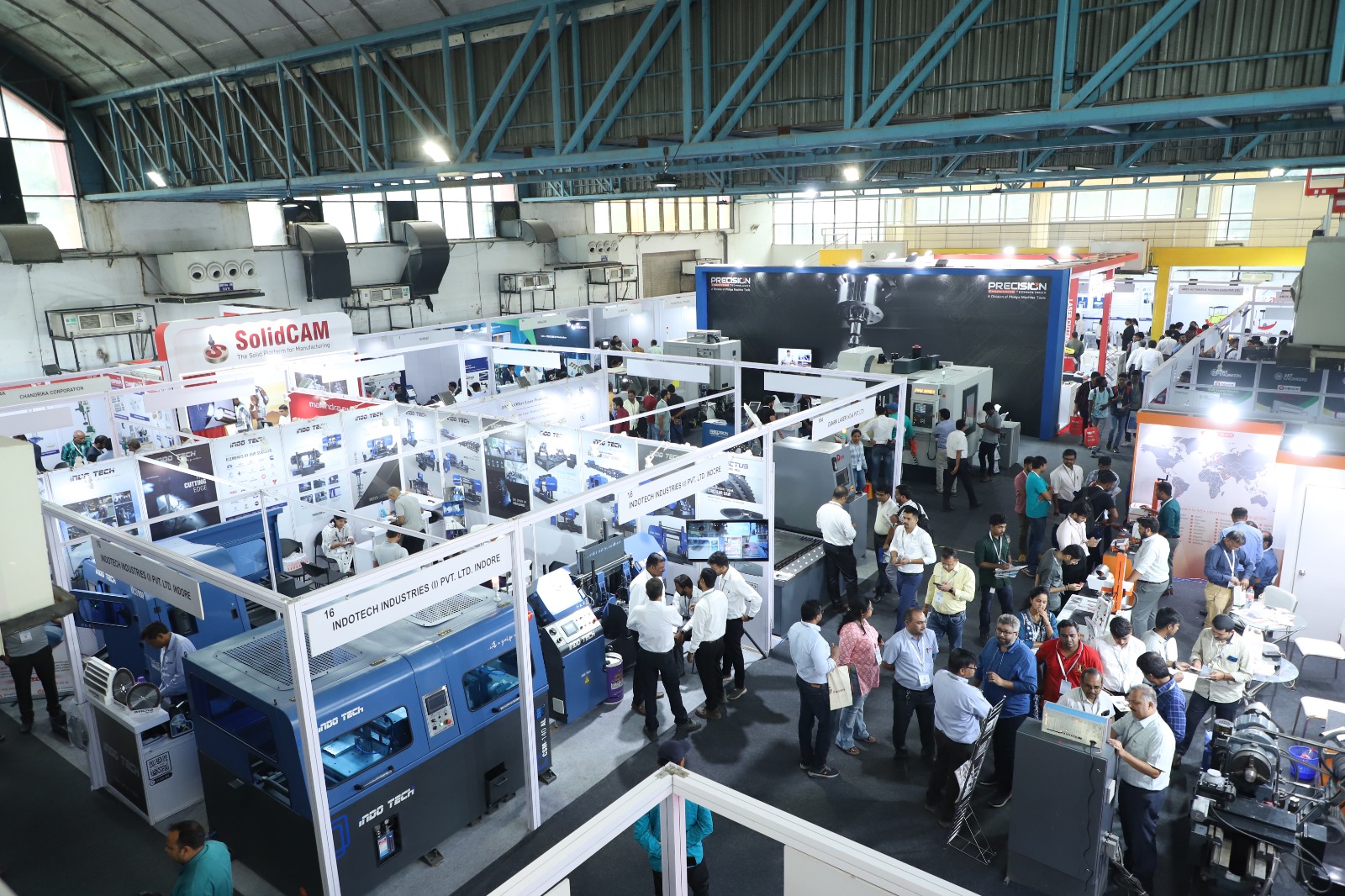
The stage is set for PRECITECH – The Precision Engineering, Machine Tools & Machining Technology Show,
the premier event dedicated to innovation, precision, and excellence in advanced manufacturing.
This flagship platform will unite leading manufacturers, technology providers, engineers, researchers, and industry professionals to explore cutting-edge solutions shaping the future of precision engineering and smart manufacturing.
Venue: AUTOCLUSTER Exhibition Centre, PCMC, Pune
Dates: February 4–5–6, 2026
Time: 10:00 AM – 6:00 PM (Business Networking Hours: up to 4:00 PM)
PRECITECH will showcase the latest in machine tools, CNC technologies, metrology solutions, additive manufacturing, product finishing, and high-precision machining innovations.
The event is designed to foster collaboration and knowledge exchange across the entire manufacturing ecosystem—from MSMEs and start-ups to global industry leaders.
Supported by Leading Industry Associations

  • ARAI – Automotive Research Association of India
  • SME Chamber of India
  • AMSI – Additive Manufacturing Society of India
  • ICTMA – Indian Cutting Tools Manufacturers Association
  • CICU – Chamber of Industrial & Commercial Undertakings, Ludhiana
  • IDMI – Institute of Design, Manufacturing and Innovation (MSME)
    These strategic associations ensure a strong connection with India’s industrial and technology ecosystem, reinforcing PRECITECH’s role as a central hub for industry networking and collaboration.
    A Vision for Innovation
    “PRECITECH is more than an exhibition; it’s a catalyst for innovation and collaboration,” said Mr. Dewang Shah, Director, CKD BUSINESS TECHNOLOGY.
    “With over three decades of experience and more than 75 successful exhibitions organized, our team has consistently set new benchmarks in India’s engineering and machine tools exhibition landscape. Our deep industry connections – spanning machine tool manufacturers, machining solution providers, and end-users – have enabled PRECITECH to evolve into a powerful networking and knowledge-sharing platform for quality manufacturers.
    As digital manufacturing, precision machining, and automation continue to advance rapidly, PRECITECH showcases India’s growing strength as a hub for high-quality, technology-driven manufacturing.”
    Teamwork: The Real Strength Behind Every Success
    In manufacturing, machines may shape the metal, but it’s the people who shape the results.
    Every commitment we make is more than a delivery – it’s the outcome of seamless teamwork across departments. From planning to execution, every stage depends on collaboration. Precision from one hand strengthens the next.
    At CKD BUSINESS TECHNOLOGY, teamwork isn’t just a value—it’s our philosophy.
    When planning, design, strategy, marketing, sales, and procurement unite:
    ✅ Customer satisfaction becomes a certainty
    ✅ Efficiency rises
    ✅ Deliveries happen—before time
    Key Highlights of PRECITECH 2026
    Comprehensive Exhibition
    Featuring advanced machine tools, precision components, metrology instruments, 3D printing & additive manufacturing, product finishing, and industrial automation systems.
    Live Demonstrations & Product Launches
    Hands-on displays of next-generation machining and automation technologies.
    Industry Dialogues & Technical Sessions
    Insightful discussions on precision manufacturing, sustainability, and smart factory integration.
    Networking Platform
    Enabling partnerships among OEMs, MSMEs, service providers, and technology innovators.
    Connecting Ideas, Innovations, and Industries
    PRECITECH continues to build on its legacy of connecting ideas, innovations, and industries.
    The event acts as a bridge between traditional engineering excellence and smart manufacturing technologies, driving the transformation toward Industry 4.0.
    With participation from across India and overseas, PRECITECH 2026 will offer a dynamic environment to explore new opportunities, discover global trends, and gain actionable insights into quality manufacturing and process optimization.
    For exhibitors and visitors alike, PRECITECH 2026 promises to be the definitive destination for those committed to precision, productivity, and progress.
    About PRECITECH: Shaping Tomorrow’s Precision, Today
    PRECITECH is a dedicated trade platform focused on precision engineering, advanced machining, and manufacturing technologies. The event brings together industry experts, innovators, and stakeholders to foster collaboration, promote quality manufacturing, and accelerate technological advancement within the precision engineering sector.
    Join the movement.
    Connect | Collaborate | Innovate.
    Let’s drive precision forward.
    www.ckdindia.org

Sheopur Set for Major Growth with New Education, Health, and Power Projects

0
Sheopur

Sheopur district is all set to witness a wave of new development projects this week, marking another step forward in improving education, healthcare, and infrastructure across tribal and rural regions. Several key facilities, including a tribal boys’ hostel in Sesipura, a new nursing college building in Sheopur, a 50-bed Ayush hospital, and multiple new power substations in nearby villages, are scheduled to be inaugurated soon.

These projects reflect the government’s ongoing commitment to ensuring balanced development, better healthcare services, and modern education opportunities for tribal and rural communities. The upcoming inaugurations are expected to create new opportunities for students, improve healthcare delivery, and strengthen electricity infrastructure in hard-to-reach areas of the district.

Education and Hostel Facilities for Tribal Students

One of the most awaited projects is the newly constructed tribal boys’ hostel in Sesipura. The hostel aims to provide secure accommodation and a supportive environment for students from tribal families pursuing their education in nearby schools and colleges. For many tribal children in the region, access to educational institutions often involves traveling long distances or staying away from home without proper facilities.

The new hostel will help solve that challenge. With modern amenities, structured support, and a safe environment, it is expected to encourage more parents to send their children to school and reduce dropout rates among tribal boys. Education officials believe that projects like this will play a key role in bridging educational gaps and improving literacy rates in rural areas.

The focus on educational infrastructure doesn’t stop there. A brand-new nursing college building in Sheopur is also set for inauguration. This college will serve as a significant addition to the healthcare education system in the region. It will create new opportunities for local youth, especially young women, to pursue careers in nursing and allied health services.

The new facility includes classrooms, laboratories, and training halls designed to meet modern standards in medical education. With better infrastructure and faculty support, the nursing college aims to train skilled nursing professionals who can serve in hospitals and healthcare centers across the state. It is also expected to boost local employment and empower women through professional education.

Improved Healthcare with 50-bed Ayush Hospital

Another major highlight of the development drive is the inauguration of a 50-bed Ayush hospital. The hospital will provide traditional and alternative healthcare services, including Ayurveda, Yoga, Unani, Siddha, and Homeopathy treatments, under one roof.

The Ayush facility will cater to both preventive and curative health needs, offering affordable and natural treatment options for people from different parts of Sheopur district and nearby villages. With rising interest in traditional systems of medicine and holistic wellness practices, the hospital is expected to attract a large number of patients seeking alternative and integrative healthcare solutions.

Local health authorities say that the hospital will not only serve as a treatment center but also function as a hub for awareness programs and community wellness initiatives. Special health camps, yoga sessions, and herbal medicine awareness drives will be held regularly to promote healthy living and preventive care.

Power Infrastructure for Rural Electrification

The inauguration event will also include the launch of new power substations in multiple villages of Sheopur district. These substations are designed to provide stable and uninterrupted electricity to rural households, farms, and small industries.

Reliable power supply has been a major challenge in several tribal and interior parts of Sheopur. The new substations aim to solve those issues by enhancing voltage stability, reducing power loss, and supporting local irrigation and small-scale industries. With better electricity infrastructure, farmers will be able to run water pumps efficiently, and local entrepreneurs can expand their businesses with reliable energy access.

Officials stated that the power projects align with the broader vision of strengthening rural infrastructure and ensuring that every household receives quality electricity under government electrification schemes. The improved power network will also help enhance educational and healthcare delivery in these villages, as institutions will be able to operate smoothly without interruptions.

A Step Toward Inclusive Development

Local leaders and residents have welcomed these projects, calling them a big step toward balanced growth and improved living conditions in Sheopur district. The tribal hostel, nursing college, Ayush hospital, and power substations together represent a multi-sectoral approach to development—focusing on education, health, and infrastructure.

Government representatives highlighted that such initiatives are part of efforts to uplift tribal and rural communities by bridging infrastructure gaps and creating opportunities closer to home. They also emphasized the role of local participation in maintaining and effectively running these facilities after their inauguration.

The combination of healthcare and education development with improved electricity access is expected to transform rural life. Students will benefit from better hostels and colleges, patients will receive more treatment options locally, and farmers will gain from stable electricity supply—all of which contribute to an improved quality of life in the region.

Community Response

Residents from various villages have expressed optimism about these projects, seeing them as signs of progress and government attention to regional needs. Many local youth have shared hopes that the nursing college and Ayush hospital will create new career paths and generate employment opportunities.

The upcoming inauguration is expected to draw local leaders, officials, healthcare professionals, teachers, and villagers together in celebration of these achievements. The collective anticipation underlines a shared belief that with continuous effort and inclusive policies, rural districts like Sheopur can achieve rapid socio-economic growth in the coming years.

Government Tightens Monitoring of Jal Jeevan Mission, Focus on Maharashtra’s Rural Coverage

0
Jal Jeevan Mission

The Government of India has reviewed the nationwide progress of the Jal Jeevan Mission (JJM) and raised concerns over irregularities and delays reported in several states. The review meeting, held earlier this week, put special emphasis on ensuring transparency, speedy execution, and proper monitoring of tap water connections in rural households. Maharashtra’s rural water supply coverage and implementation standards also came under focus during this national review.

The Jal Jeevan Mission, launched in 2019 under the Ministry of Jal Shakti, is one of the most significant initiatives aimed at providing safe and adequate drinking water to every rural household in India through individual tap connections. The central government has been regularly reviewing the Mission’s progress to ensure that all states meet their targets within the given timelines.

Centre Flags Slow Progress and Implementation Issues

During the latest review, officials from the Ministry of Jal Shakti examined the status of ongoing projects, fund usage, and completion timelines across multiple states. The Centre noted that while several states have made commendable progress, a few continue to lag behind in terms of project execution, data accuracy, and quality standards of implementation.

Sources in the ministry revealed that certain irregularities were found during physical audits and monitoring exercises. These include delayed project execution, incomplete reporting on installed tap connections, and lack of real-time data updates from field units. The Centre has warned that such lapses could lead to financial penalties or reduction of central assistance if corrective steps are not taken immediately.

Maharashtra’s Rural Water Coverage Under Scrutiny

In Maharashtra, rural water supply remains a key development priority. The state government has achieved remarkable improvements in setting up new rural tap connections in recent years, but the latest national review has increased the pressure to maintain accuracy, transparency, and sustainability of these water systems.

As per the official data shared earlier this year, more than 95 percent of rural households in Maharashtra have access to tap water under the Jal Jeevan Mission. However, field verification teams have reported inconsistencies in some districts related to water quality monitoring, regular maintenance, and data reporting.

The Centre’s review highlighted that rural areas in certain parts of Marathwada, Vidarbha, and northern Maharashtra still face challenges in maintaining regular and safe water supply despite having installed infrastructure. Groundwater depletion and inadequate local management are among the key concerns the state has been asked to address.

Penalty Mechanism for Non-Compliance

In a significant move, the Ministry of Jal Shakti has decided to introduce a stricter accountability mechanism for states that fail to meet monitoring and reporting norms under the Jal Jeevan Mission. States showing irregularities in fund utilization or misreporting progress data could face penalties, reduced central grants, or delayed project clearances.

Officials stated that states will now be required to submit verified data supported by GPS-tagged photographs, third-party audits, and water quality test results. The Centre believes that stricter compliance will help maintain uniform standards nationwide and prevent misuse of central funds.

At the same time, states performing well will be rewarded with additional funding support for infrastructure development, capacity building, and technology adoption. The focus, according to officials, is not merely on numbers but also on long-term sustainability of water resources and consistent service delivery to rural families.

Government’s Push for Quality and Monitoring

The review emphasized that providing tap water is not just about physical infrastructure but also about ensuring sustained water quality and functionality. The Ministry urged states to accelerate field testing through water quality laboratories and mobile testing kits at the village level.

Maharashtra has been appreciated for introducing digital initiatives such as real-time monitoring dashboards and Gram Panchayat–level data collection. However, the Centre has directed the state to strengthen on-ground supervision and citizen reporting mechanisms to detect malfunctioning or non-functional systems quickly.

The Jal Jeevan Mission also encourages village-level water and sanitation committees to take ownership of local water schemes. These committees are responsible for regular monitoring and reporting of water availability, purity, and system maintenance. The Centre reiterated that active community participation plays a vital role in ensuring the transparency and success of the mission.

The Road Ahead

Officials from both the Centre and states agreed that the next few months will be crucial in ensuring that all pending projects are completed on time. The mission’s goal is to achieve universal coverage and ensure every household in India has access to clean drinking water by the end of 2024–25.

For Maharashtra, which has a large rural population spread across varied geographic and climatic regions, the challenge is to ensure equitable and sustainable water delivery, especially in drought-prone districts. The state government is expected to submit its updated progress and compliance report in the next review cycle.

Experts believe that stricter monitoring, transparent reporting, and greater accountability will not only help improve project outcomes but also reinforce public trust in government-led water programmes. Regular follow-ups and real-time assessments will be essential to maintain the progress achieved so far under the Jal Jeevan Mission.

As the Centre steps up oversight and enforces new accountability norms, Maharashtra and other states are expected to respond with stronger systems, improved reporting, and faster grassroots-level action. Ensuring clean and sustainable water for rural communities remains both a developmental necessity and a shared responsibility under this landmark national mission.

Maharashtra aims to become India’s top hub for Global Capability Centres

0
Global Capability Centres

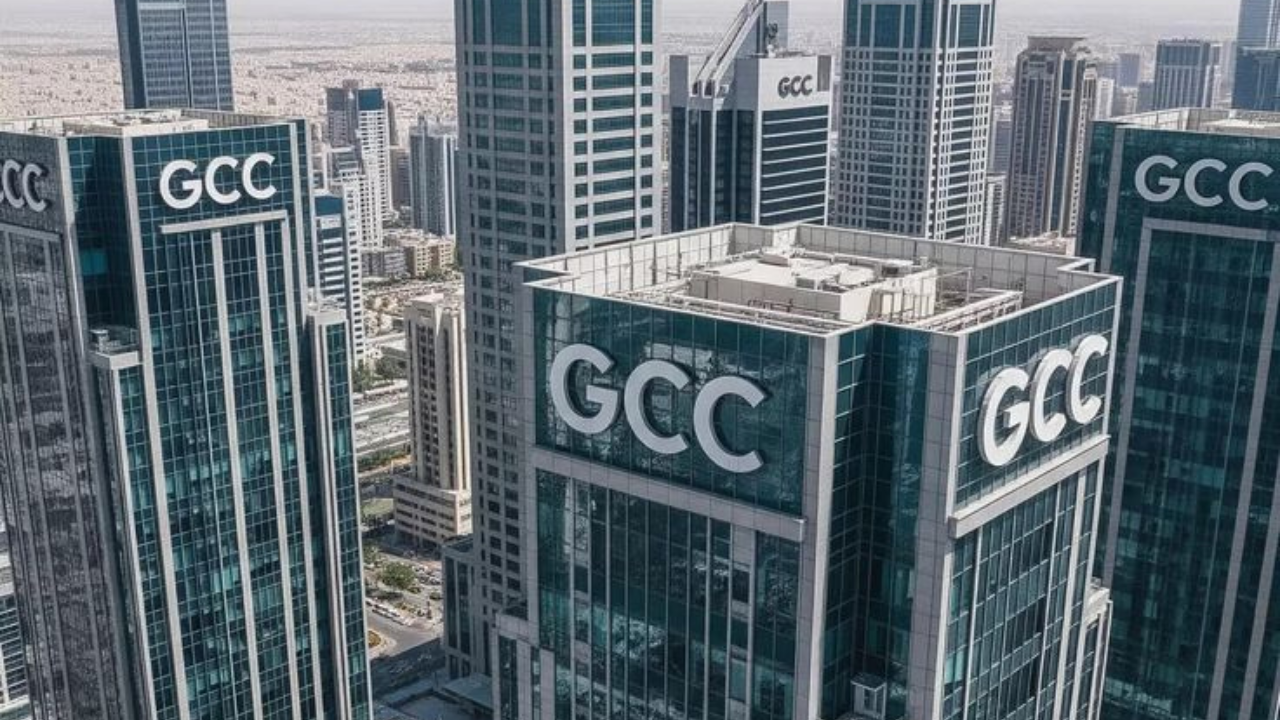
Maharashtra is setting its sights on becoming India’s leading destination for Global Capability Centres (GCCs) through a major policy push focused on infrastructure, incentives, and talent. The state government has begun working on a dedicated framework designed to attract multinational companies to set up and expand their capability centres across key cities such as Mumbai, Pune, and Nagpur.

This new initiative positions Maharashtra in direct competition with southern states like Karnataka, Telangana, and Tamil Nadu, which have long dominated India’s GCC landscape. With a growing pool of skilled professionals, top-tier educational institutions, and expanding infrastructure, Maharashtra aims to create an ecosystem where global companies can operate with ease and efficiency.

Aiming to Become India’s GCC Hub

Over the past decade, Global Capability Centres have played a crucial role in making India a global hub for innovation, research, and technology. These centres serve as offshore setups for large global corporations, handling everything from software development and analytics to finance and operations.

Recognizing their importance to India’s economy, the Maharashtra government is preparing a comprehensive policy framework that focuses on three key areas — high-quality infrastructure, simplified business processes, and a future-ready talent pool. Officials say the plan is to make Maharashtra the first choice for companies looking to establish or expand their GCC operations in India.

Infrastructure and Investment Plans

The new framework is expected to focus heavily on improving infrastructure and connectivity. The state government plans to promote specialized IT parks and innovation clusters in key districts. Cities like Pune and Navi Mumbai, already known for strong tech ecosystems, are likely to benefit the most. Upcoming metro and expressway projects further strengthen Maharashtra’s positioning by ensuring smooth connectivity between business hubs and residential areas.

In addition, the government is expected to offer a range of fiscal incentives, such as tax benefits, land support, and easier lease terms for large investors. These measures aim to complement the existing IT policy and bring more predictability and transparency to investment procedures.

State industries officials have also highlighted plans to create single-window clearances and digital platforms to speed up approvals and reduce bureaucratic delays. The goal is to ensure that investors find Maharashtra not only business-friendly but also efficient in execution.

Strengthening the Talent Ecosystem

One of Maharashtra’s biggest advantages lies in its talent base. With a large number of engineering and management institutions producing thousands of graduates every year, the state has a strong supply of skilled professionals ready to work in technology, finance, and analytics.

To improve employability and bridge skill gaps, the government is planning partnerships with leading universities and industry bodies. Focus areas include training in emerging technologies such as artificial intelligence, data science, cloud computing, and cybersecurity. These efforts are expected to align local talent with the needs of global firms and ensure continuous availability of skilled human resources.

Competing with Southern States

For years, Bengaluru, Hyderabad, and Chennai have been preferred destinations for GCCs due to their early start in the IT and R&D sectors. However, Maharashtra believes that its strategic location, world-class infrastructure, and diverse economic base give it a competitive edge. Mumbai, being India’s financial capital, already hosts several global financial service centres. Pune, on the other hand, has become a significant technology and innovation hub with numerous leading IT and manufacturing companies.

The new GCC-friendly policy aims to build on these strengths and create a seamless ecosystem that integrates financial services, technology, and advanced research capabilities. Officials hope that by offering better facilities and ease of doing business, Maharashtra can attract a new wave of GCC investments and create large-scale employment opportunities.

Promoting Inclusive Growth

The policy is also expected to promote inclusive development by extending GCC opportunities beyond traditional metros. Emerging cities like Nagpur, Nashik, and Aurangabad are being considered for future development as knowledge and innovation hubs. This decentralized growth approach can help spread economic benefits across different regions of the state.

In addition, sustainability and green practices are likely to be key elements in the new policy. The government intends to promote eco-friendly infrastructure and encourage the development of smart campuses that combine technology with energy efficiency.

Industry Reactions and Economic Outlook

Industry experts have welcomed Maharashtra’s renewed focus on GCCs. According to reports from industry associations, over 1,600 GCCs currently operate in India, employing more than 1.5 million professionals. The next wave of GCC growth is expected to come from sectors such as banking, retail, automotive, and healthcare, all of which have a strong presence in Maharashtra.

Business leaders believe that with the right policy framework and consistent government support, Maharashtra can easily attract a major share of new global investments in this segment. The move could also significantly contribute to the state’s GDP and create thousands of direct and indirect jobs.

A Future-Ready Maharashtra

As the state builds its roadmap for this initiative, the larger vision is clear — to make Maharashtra not just a preferred investment destination but a global leader in innovation-driven industries. The upcoming GCC policy, backed by smart infrastructure, strong governance, and a rich talent base, reflects Maharashtra’s determination to stay ahead in the global competition.

By turning its focus toward Global Capability Centres, Maharashtra is not only boosting its technology and service sectors but also creating a platform for sustainable, knowledge-based economic growth. This forward-looking step could mark the beginning of a new chapter in Maharashtra’s journey as one of India’s most advanced and business-friendly states.

Maharashtra Signs Major MoUs to Boost Investment and Job Creation

0
MoUs

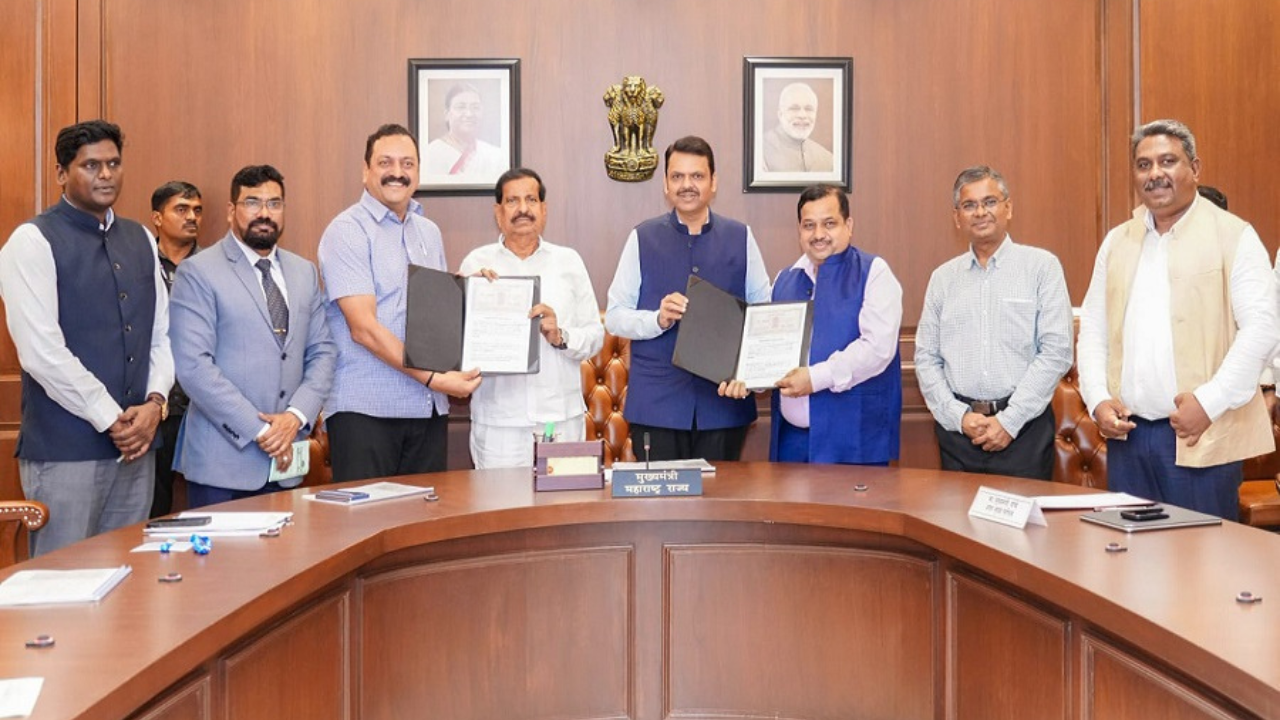
The Maharashtra government has made a major move to boost the state’s economy by signing several Memorandums of Understanding (MoUs) with leading companies across key sectors including electronics, steel, and renewable energy. These agreements, announced in recent days, signal a strong commitment to attracting investment, creating new jobs, and positioning Maharashtra as a preferred destination for business and innovation.

Major Investments and Job Creation

The new MoUs are expected to bring in investments worth tens of thousands of crores, covering a wide range of industries. Companies from both India and abroad have shown keen interest, attracted by Maharashtra’s robust infrastructure, skilled workforce, and business-friendly policies. The government has been actively reaching out to potential investors, hosting roadshows and industry summits to showcase the state’s potential.

One of the highlights is the electronics sector, which has seen a surge in interest from global manufacturers. With the central government’s push for electronics manufacturing under the PLI (Production Linked Incentive) scheme, Maharashtra is emerging as a hub for electronic goods production. The new MoUs in this sector are set to create thousands of jobs, both direct and indirect, and are expected to boost local supply chains and ancillary industries.

Steel Sector Gets a Boost

The steel industry, a traditional backbone of Maharashtra’s industrial landscape, is also witnessing renewed momentum. The MoUs in this sector include plans for expanding existing facilities as well as setting up new greenfield projects. These investments will not only increase production capacity but also help in adopting cleaner and more efficient technologies. The government is encouraging the use of sustainable practices, including the integration of renewable energy sources in steel manufacturing processes.

Renewable energy has been another focus area. Maharashtra is rapidly scaling up its solar and wind power capacity, and the latest MoUs reflect this ambition. Companies have committed to setting up large-scale solar parks and wind farms, which will contribute to the state’s energy security and help meet climate goals. The renewable energy projects are also expected to generate employment opportunities in rural and semi-urban areas, providing a much-needed boost to local economies.

Job Opportunities Across Sectors

The most significant impact of these investments will be felt in job creation. The government estimates that the new projects will generate tens of thousands of new jobs across different skill levels. From entry-level positions to specialized roles in engineering, manufacturing, and management, there will be opportunities for a wide range of professionals. The government is also working closely with educational institutions and training centers to ensure that the workforce is equipped with the necessary skills to meet the demands of these new industries.

Government’s Pro-Industry Approach

Maharashtra’s approach to attracting investment has been proactive and pragmatic. The government has streamlined approval processes, offered incentives, and created special economic zones to facilitate smooth project implementation. Officials have emphasized the importance of ease of doing business, and efforts are underway to further improve the regulatory environment. The state’s infrastructure, including ports, airports, and highways, is being upgraded to support the growing industrial activity.

Focus on Sustainability and Innovation

Sustainability is a key theme in the government’s strategy. The new MoUs include provisions for adopting eco-friendly technologies, reducing carbon emissions, and promoting circular economy practices. The government is encouraging companies to invest in research and development, fostering innovation in clean energy, waste management, and resource efficiency. This focus on sustainability is not only good for the environment but also makes Maharashtra more attractive to global investors who prioritize responsible business practices.

Impact on Local Communities

The benefits of these investments are expected to extend beyond the industrial sector. Local communities will see improvements in infrastructure, healthcare, and education as companies contribute to corporate social responsibility initiatives. The influx of new businesses will also stimulate demand for housing, retail, and services, creating additional economic opportunities.

Looking Ahead

The recent spate of MoUs marks a new chapter in Maharashtra’s industrial development. With a strong pipeline of projects and a supportive policy environment, the state is well-positioned to achieve sustained growth and prosperity. The government remains committed to building a vibrant ecosystem that encourages entrepreneurship, innovation, and inclusive development.

Conclusion

Maharashtra’s latest push to attract investment through strategic MoUs is a clear signal of its ambition to be a leader in India’s industrial landscape. The focus on electronics, steel, and renewable energy, coupled with a commitment to job creation and sustainability, is set to transform the state’s economy and improve the lives of millions. As these projects take shape, Maharashtra is poised to emerge as a model for balanced and inclusive growth.

Maharashtra Government Proposes to Rename IIT Bombay as IIT Mumbai

0
Rename IIT Bombay

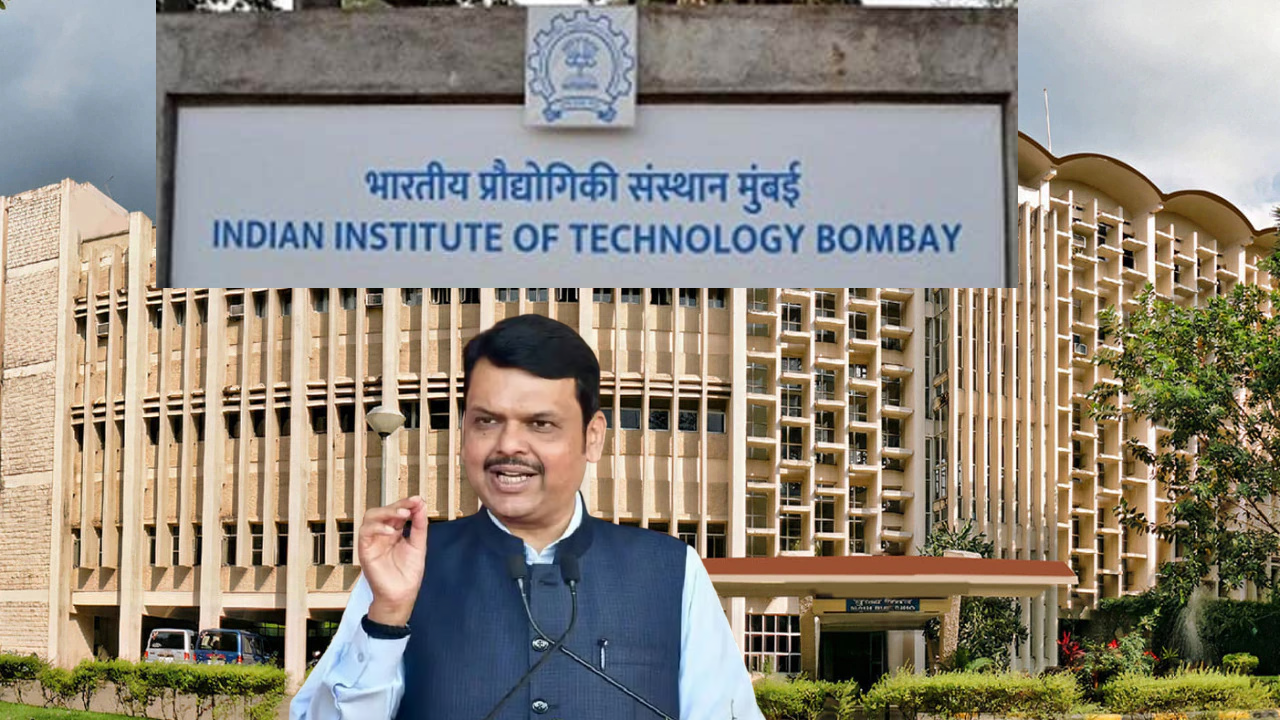
Maharashtra Chief Minister Devendra Fadnavis has announced that the state government will soon send a formal proposal to the central government and Prime Minister to rename the Indian Institute of Technology (IIT) Bombay as IIT Mumbai. The decision, he said, is intended to align the institute’s official name with the city’s identity and history.

During a recent public event, Fadnavis said the name “IIT Bombay” reflects an older, colonial-era identity of the city. Since Bombay officially became “Mumbai” in 1995, many institutions and places in the state have gradually adopted the new name. According to the Chief Minister, the time has come for the state’s premier educational institution to reflect that change too.

A Move Rooted in Cultural Identity

The proposed change is not just administrative but symbolic. For many in Maharashtra, “Mumbai” represents the cultural and linguistic heritage of Marathi speakers and the spirit of the city itself. “When the city’s name has changed officially, our top academic institutions should carry that identity forward,” Fadnavis said while addressing the audience.

State officials say the government will soon write to the Union Ministry of Education, requesting an official notification to rename the institute. The letter is also expected to be addressed to the Prime Minister’s Office for final approval. If approved, the name IIT Mumbai will replace IIT Bombay across all national records, documents, and educational references.

Expected Reactions and Debates

The proposed renaming is likely to spark a fresh wave of debate across academic and political circles. While some people welcome the move as a matter of regional pride and alignment with current nomenclature, others believe the existing name holds historical and international recognition that should be preserved.

IIT Bombay, founded in 1958, is one of India’s oldest and most prestigious technology institutes. Its alumni community spans across the globe, and many believe that “IIT Bombay” has become a brand known for excellence, innovation, and top-ranked education. Renaming it, some alumni say, might affect its identity in global academic networks.

However, proponents argue that institutions must evolve with time and reflect national and regional sentiments. Just like the Bombay Municipal Corporation became the Brihanmumbai Municipal Corporation (BMC), and Bombay University became the University of Mumbai, IIT Bombay should follow the same path.

Official Process and Timeline

Once the state government submits the proposal, the central education ministry will review it and consult with relevant administrative authorities. The proposal must also go through IIT’s internal governing body for consideration before any formal renaming is approved.

The process could take several months as changes would affect a wide range of academic, administrative, and legal records, including research papers, degree certificates, logos, and website domains.

A senior state official mentioned that the government is prepared to assist with all procedural steps to ensure a smooth transition if the Centre approves the proposal. “Our goal is not to disturb the academic work but to ensure that the institution’s identity matches the city it represents,” the official added.

IIT Community’s Reaction

Initial reactions among IIT Bombay students and faculty have been mixed. Some students expressed pride at the idea, saying that “IIT Mumbai” feels more authentic to the city they live in. Others are concerned that frequent name changes may confuse international collaborators and digital databases.

Many professors have suggested that discussions with faculty and alumni should be held before the final decision. They believe that such consultation will help balance cultural emotions with institutional reputation and global perception.

Several alumni groups have already initiated online discussions about the move. While some welcome the idea under the slogan “Mumbai spirit, global excellence,” others prefer that the historic “IIT Bombay” tag remain untouched to preserve its branding consistency worldwide.

Political and Public Responses

Political analysts see this move as part of a larger trend of restoring local identity to places and institutions that still carry colonial-era names. Similar proposals have been made in other parts of India in recent years, including the renaming of cities, roads, and government institutions.

In Maharashtra, where regional identity holds strong political value, the decision may also have social and emotional significance. Many citizens believe this step reinforces local pride and acknowledges Marathi cultural heritage.

At the same time, public sentiment is expected to vary. Some residents of Mumbai see both names—Bombay and Mumbai—as deeply connected. Many feel that while “Mumbai” symbolizes local pride, “Bombay” evokes nostalgia linked to the city’s history, cosmopolitan ethos, and international image.

Looking Ahead

If the name change is approved, IIT Bombay will officially become IIT Mumbai, marking a new chapter in its distinguished history. This would also bring consistency with other top institutions in the city, such as the University of Mumbai and Mumbai Port Trust, which have already adopted the new name.

The Chief Minister has emphasized that this is not a political decision but a cultural correction. “We respect IIT Bombay’s global reputation. This step will only strengthen its bond with the city and its people,” he said.

Experts believe that beyond nomenclature, the focus should remain on maintaining IIT’s legacy of academic excellence, research innovation, and contribution to India’s technological growth. The renaming may serve as a reminder of how deeply rooted the institute is in the heart of Mumbai—India’s financial and cultural capital.

As the proposal reaches New Delhi for review, the discussion over IIT Bombay versus IIT Mumbai is set to capture national attention. Whether seen as a symbolic gesture or a matter of identity, the decision will mark an important moment in Maharashtra’s ongoing journey to preserve and promote its heritage.

Women Empowerment Cell showcases the poster and trailer of ‘Me No Pause Me Play’ at PEC Festival

0
PEC Festival

The PEC Festival put a strong spotlight on women’s health this year. As part of the program, the Women Empowerment Cell introduced the poster and trailer of the upcoming Bollywood movie Me No Pause Me Play. The film is written and produced by Manoj Kumar Sharma and aims to bring menopause into everyday conversation, a topic that is often ignored or misunderstood.

The poster reveal was followed by a special screening of the trailer inside the auditorium. Students, teachers, and guests watched it with full attention. Me No Pause Me Play is a heartwarming and empowering story of women navigating life’s transitions, rediscovering their strength, and redefining identity beyond age, delivering a powerful message of awareness and acceptance around menopause Kamya Punjabi Deepshikha Nagpal Manoj Kumar Sharma and other well-known actors who bring depth to the subject.

During the interaction, the team spoke about why menopause needs more awareness, especially among young people who may not fully understand what women go through during this stage. They explained the emotional changes, physical symptoms, and the social silence that often surrounds it. Many students said that the session helped them look at the topic with more empathy.

Participants also shared that seeing a mainstream film address this issue feels refreshing. The trailer received an enthusiastic response, with several students saying they are looking forward to watching the movie with their families.

The Women Empowerment Cell added that events like this help build understanding across generations and encourage open, supportive conversations about women’s health.