Wednesday, March 11, 2026
Home Blog Page 20

70 Years of Maharashtra Assembly State Announces “Industry Year” and “Agriculture Year” Roadmap

0
70 Years of Maharashtra Assembly

Historic session celebrates seven decades of democracy as government sets vision for economic transformation.

In a moment of great historical and political significance, the Maharashtra Legislative Assembly recently commemorated 70 years since its first session was held. The State Assembly passed a remembrance resolution marking this milestone, reflecting on seven decades of democratic discourse, legislative progress, and people-centric governance in India’s most commercially vibrant state.

The special occasion was observed during the winter session of the Assembly, with participation from leaders across the political spectrum. The day was not merely ceremonial — it was also an opportunity for introspection and renewed commitment toward the state’s future growth. Through the remembrance proposal, the Assembly acknowledged the institution’s longstanding contribution to policymaking, socio-economic development, and the strengthening of democratic traditions.

A Look Back at 70 Years of Legislative Legacy

Since the first session in 1955, the Maharashtra Assembly has stood as the cornerstone of representative democracy for the state’s nearly 12 crore citizens. Over the decades, it has been instrumental in shaping major laws, welfare schemes, and economic policies that have propelled Maharashtra to the forefront of India’s development journey.

The 70-year commemoration served not only to revisit past achievements but also to underline the collective responsibility of current lawmakers to uphold transparency, progress, and inclusivity. Several members took this opportunity to appreciate the foundational work of previous governments, while also focusing attention on the evolving challenges facing Maharashtra — especially in the fields of employment, industry, agriculture, and technology.

Speaking on the occasion, senior legislators emphasized how the Assembly’s deliberations have directly influenced the lives of millions, from urban industrial hubs like Mumbai and Pune to rural regions dependent on agriculture. The remembrance proposal symbolized gratitude toward the democratic process itself and toward the representatives who have dedicated their service to the state’s growth.

Maharashtra to Observe 2025 as “Year of Industry”

Marking the start of a new economic chapter, the state government reiterated its earlier announcement to dedicate the upcoming year, 2025, as the “Year of Industry.” The government plans to introduce a series of initiatives aimed at boosting investment, accelerating industrialization, and supporting small and medium enterprises (SMEs) that serve as the backbone of the state’s economy.

Officials stated that the initiative will focus on promoting industrial growth through policy reforms, infrastructure development, ease-of-doing-business measures, and digital transformation. Industrial sectors like manufacturing, electronics, renewable energy, and automobile production are expected to receive special attention under this renewed vision.

Maharashtra, being India’s leading industrial hub, contributes nearly 15% to the national GDP. By labeling 2025 as the “Year of Industry,” the government aims to re-energize post-pandemic industrial growth and foster sustainable economic opportunities across both established urban centers and emerging districts.

The state’s Industries Department is likely to launch several investor-friendly campaigns encouraging local entrepreneurship and foreign direct investment (FDI). Industrial corridors such as Nagpur–Mumbai Super Communication Expressway, Pune–Aurangabad growth belt, and the expanding logistics hubs in Vidarbha and Marathwada are expected to play a central role during this period.

Government Declares 2026 as “Year of Agriculture”

Alongside industrial advancement, the state government has also renewed its pledge to prioritize rural progress by observing 2026 as the “Year of Agriculture.” This decision reflects Maharashtra’s dual focus on empowering both sectors that form the foundation of its economy — industry and agriculture.

Under the “Year of Agriculture,” special programs will be rolled out to strengthen irrigation facilities, digitalize farm practices, and expand crop insurance coverage. The government has signaled its intent to modernize the agriculture supply chain, connecting farmers directly to markets through technology-driven platforms.

Chief Minister and other cabinet members highlighted that agriculture continues to be the lifeline of millions of rural families, and it deserves focused initiatives that enhance productivity, sustainability, and income security. The move also aligns with the government’s broader “Rural Prosperity Vision 2030,” which envisions inclusive development across all districts of Maharashtra.

Bridging Industry and Agriculture for Balanced Growth

By dedicating consecutive years to two fundamental pillars of the economy, Maharashtra has signaled a balanced development strategy. The year 2025 will focus on rapid industrial expansion and innovation, setting the stage for a more prosperous Maharashtra, while 2026 will build on this momentum to channel resources, technology, and innovation into agriculture.

Experts believe that this sequential focus will help the state create a symbiotic relationship between industrial output and agricultural wellbeing. For instance, the growing push for agro-processing industries and rural micro-enterprises is expected to link village economies directly with global supply chains.

Economic analysts view this policy roadmap as a clear attempt to foster comprehensive state development — where industry fuels employment and infrastructure, and agriculture ensures inclusive growth and sustainability.

Historical Reflection, Future Vision

The Assembly’s decision to pass a remembrance resolution on the 70-year mark, coupled with these key economic announcements, showcases the government’s intent to honor its democratic past while building a roadmap for the future. Lawmakers expressed hope that these initiatives will usher in a new era of growth that resonates with the aspirations of every citizen.

Maharashtra’s legacy has always been built on visionary leadership and people-driven progress. As the state prepares to enter the “Year of Industry” in 2025 and the “Year of Agriculture” in 2026, the government’s message is clear — the next chapter of Maharashtra’s development will be one of innovation, inclusivity, and opportunity for all.
OpenAI Launches GPT‑5.2 The Next Leap in AI Intelligence

0
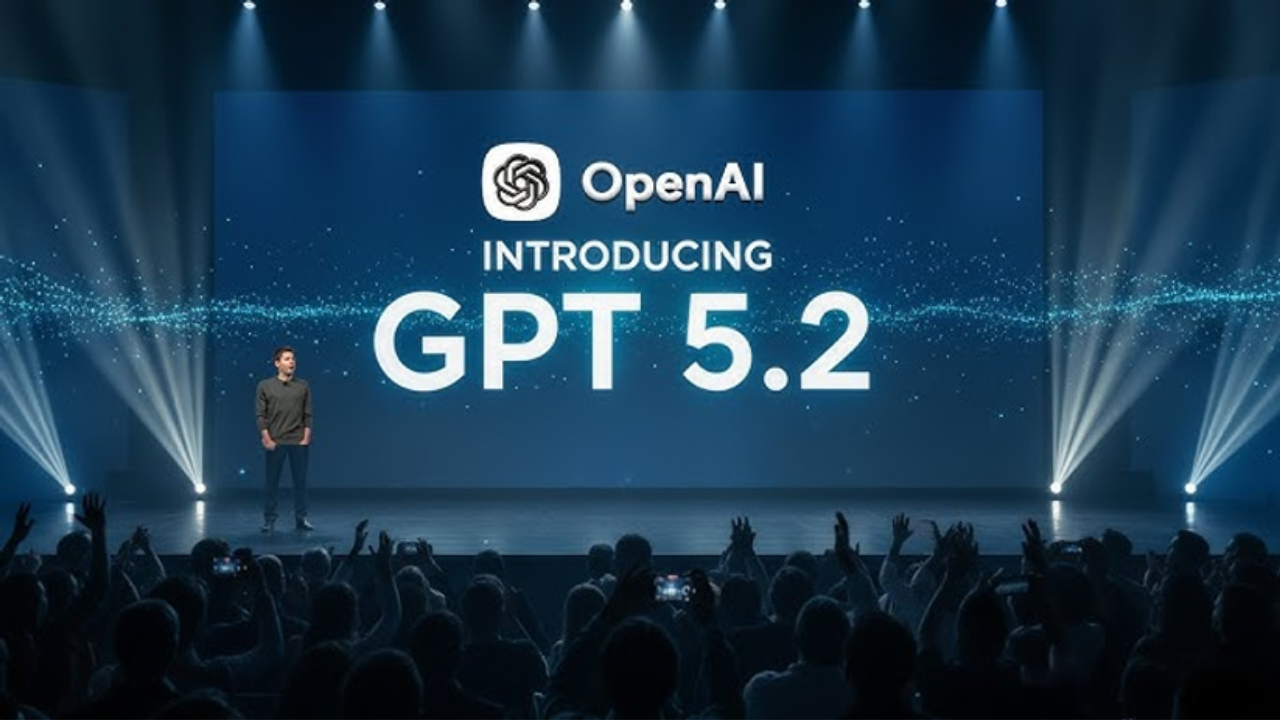
OpenAI Launches GPT‑5.2

With 256k‑token context, fewer hallucinations, and better coding, GPT‑5.2 sets a new benchmark for large language models.

The global artificial intelligence (AI) landscape is witnessing another major leap as OpenAI officially unveils its latest and most powerful generative language model, GPT‑5.2. This release marks a significant advancement in large language model (LLM) technology, pushing the boundaries of context understanding, response accuracy, and developer efficiency.

The announcement has generated strong interest worldwide, including within India’s rapidly growing tech and startup ecosystem, where AI adoption is accelerating across industries such as edtech, fintech, SaaS, and digital government initiatives.

A Smarter AI Built for Real‑World Precision

GPT‑5.2 comes packed with several game‑changing upgrades designed to enhance performance across creativity, enterprise automation, and coding support. The most striking improvement is the model’s ability to process ultra‑long context windows — stretching up to 256,000 tokens. This means GPT‑5.2 can now handle entire books, massive codebases, or long research documents in a single session without losing track of context or coherence.

According to OpenAI’s internal testing, GPT‑5.2 delivers up to 38% fewer hallucinations compared to its predecessor. In simple terms, this refers to a drastic reduction in factual errors or made‑up information that AI models sometimes produce. The refined accuracy ensures more reliable outcomes, especially in areas like scientific research assistance, coding, business analysis, and educational content creation.

Upgraded Coding and Developer Tools

One of the most anticipated features of GPT‑5.2 is its enhanced code generation capability. Developers will find the new model faster, more accurate, and better at understanding complex programming tasks. OpenAI reports considerable gains in code consistency, debugging, and multi‑language programming support, making GPT‑5.2 a versatile AI partner for software engineers.

The model’s improved reasoning capabilities also allow it to break down large problems into smaller, logical parts, resulting in cleaner and more efficient code output. Early testers noted boosts in productivity when integrating GPT‑5.2 into workflows for app development, automation scripts, and AI‑powered software testing.

Setting New Benchmarks in Context and Consistency

Long context handling has long been a challenge in language models, where systems often lose relevance after processing lengthy inputs. GPT‑5.2 reduces that gap dramatically. Its 256k‑token context window enables smoother conversations, contextual memory, and accurate text continuation — a notable advantage for professionals working on long‑form documents, legal contracts, research compilations, or creative manuscripts.

This is not just a technical upgrade — it’s a foundational shift. With such capacity, GPT‑5.2 can now operate as a virtual knowledge companion, comprehending and recalling vast streams of information seamlessly within a single interaction.

Revolutionizing the AI Market Landscape

The launch of GPT‑5.2 arrives at a time when the global AI ecosystem is evolving faster than ever. With major players like Google, Anthropic, Meta, and Mistral competing in the LLM arena, OpenAI’s stride reaffirms its leadership position. Industry watchers predict that the new release could trigger the next wave of AI‑driven applications across search, enterprise software, creative workflows, and personalized digital experiences.

Notably, OpenAI has continued to refine its moderation systems and user privacy frameworks in GPT‑5.2, aiming to ensure safer and more responsible AI deployment. Transparency and user control remain key focus areas, especially as enterprises integrate AI deeper into decision‑making and automation.

Implications for India’s Tech and Startup Ecosystem

In recent years, India has emerged as one of the largest users and developers of AI‑based solutions. The release of GPT‑5.2 is expected to resonate strongly with Indian startups, research communities, and digital innovation programs that rely on generative AI.

Sectors such as agriculture tech, healthcare analytics, e‑commerce, and public services are likely to benefit from the model’s extended context and improved reliability. For instance, startups can now feed large datasets, policy documents, or multilingual content for faster analysis and smarter output.

Moreover, India’s central and state‑level initiatives encouraging AI adoption — like the Digital India and AI for All programs — are providing fertile ground for integrations of models like GPT‑5.2. Developers using this latest version could soon power advanced chat assistants, predictive systems, automated customer support, and insight‑driven analytics tools catering to both urban and rural needs.

Transforming User Experience Through Smarter AI

OpenAI’s steady progress with each GPT version has focused not only on model strength but also on usability. GPT‑5.2 delivers faster responses, smoother conversation flow, and refined tone adaptability — understanding human intent better than ever. Users can switch smoothly between casual dialogues, technical tasks, and analytical queries without loss of relevance or tone accuracy.

For general users, the upgrade means more precise answers, contextually rich summaries, and deeper engagement during everyday interactions. Creative professionals — including writers, marketers, and educators — can leverage GPT‑5.2 to brainstorm, generate content drafts, and automate repetitive writing processes confidently.

A New Phase for Responsible AI Development

OpenAI’s GPT‑5.2 doesn’t just raise performance standards; it also reinforces the company’s commitment to ethical AI use. The new model incorporates improved filters, bias‑reduction mechanisms, and user feedback loops designed to refine system outputs over time.

The company continues to collaborate with governments, research institutions, and corporate stakeholders to build frameworks ensuring that generative AI remains secure, productive, and inclusive. This direction aligns closely with India’s ongoing efforts to promote trustworthy AI systems and digital governance transparency.

Looking Ahead

As the AI race intensifies, GPT‑5.2 represents OpenAI’s vision of a more connected, context‑aware, and dependable digital future. The model’s unprecedented efficiency and broader understanding capacity could inspire innovations across domains — from smarter search engines to intelligent education platforms.

For millions of developers, businesses, and content creators around the world, GPT‑5.2 marks another milestone in how humans and machines collaborate to think, create, and solve real‑world challenges together.

OpenAI’s latest breakthrough reminds the world that the future of technology is not just about speed or scale — it’s about intelligence with purpose.

World Designing Forum Hosts 8th National Designer Awards 2025 in Lucknow; SAMVAAD Connect Covers Landmark Celebration of Fashion, Craft & Culture

0
SAMVAAD Connect

Lucknow | 11- 12 December 2025

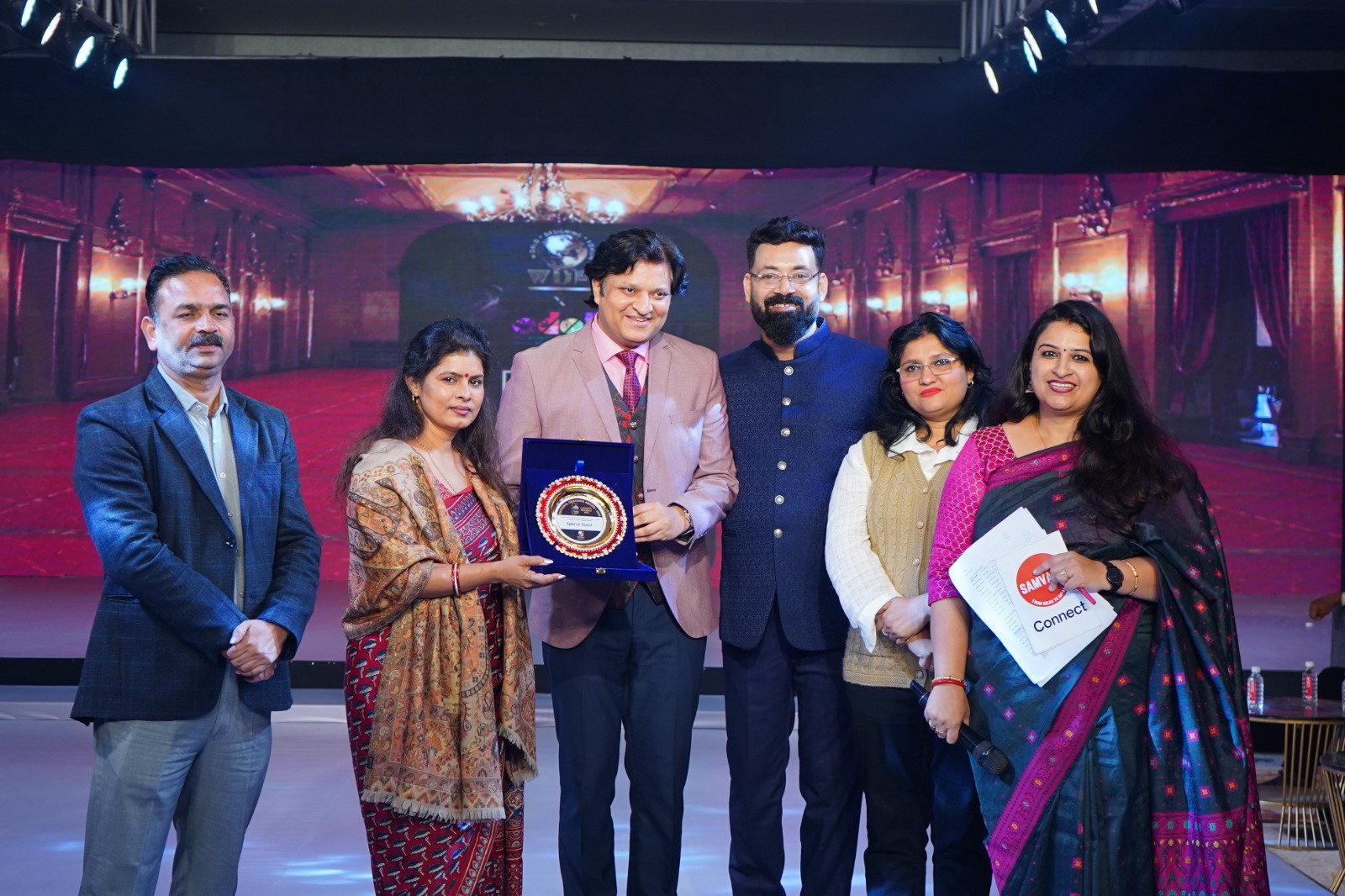
The World Designing Forum (WDF) successfully organized the 8th National Designer Awards (NDA) 2025 on 12th December 2025 at The Aviyaan Resorts, Lucknow, marking a significant milestone in India’s fashion, handloom, and design ecosystem. The prestigious event was officially covered by SAMVAAD Connect, which featured the entire journey, bringing together government officials, eminent personalities, fashion designers, models, and fashion enthusiasts from across the country.

The celebrations commenced with the 6-Hour One district One product Design Challenge, supported by the Government of Uttar Pradesh, supported by MSME, which set the tone for innovation and sustainability. Nearly 40 fashion designers from across India were selected and divided into 10 collaborative teams, challenged to create ready-to-wear garments from scratch within six hours, using ODOP-inspired materials. The initiative reflected a strong commitment towards sustainability, craftsmanship, and creative collaboration.

The following day unfolded with exclusive podcasts featuring participating designers, offering deeper insights into their creative journeys, followed by a national-level fashion show, where professional models walked the ramp showcasing the selected designers’ creations. The ramp presentation powerfully highlighted India’s diverse textiles, contemporary silhouettes, and sustainable fashion narratives.

The event was graced by the esteemed presence of:

Designers were honoured under three categories—Upcoming, Emerging, and Established Designers, recognizing excellence and innovation at every stage of the fashion journey.

A special moment of the evening was the Samman of eminent Indian personalities, including Padma Shri Naseem Bano Ji, the legendary craftswoman behind Anokhi Chikankari, Lucknow. She remains the only craftswoman of her kind globally, preserving and promoting this intricate art form. Shri Rajeshwar Singh Ji, Member of Legislative Assembly of Uttar Pradesh was also honoured, represented by Ms. Anita Tiwari from his office due to his prior engagements.

SAMVAAD Connect received special appreciation for its comprehensive coverage and contribution to amplifying meaningful cultural narratives. Mr. Dheeraj Tewari, Founder of SAMVAAD Connect, was conferred with a Special Guest Award in recognition of his efforts in creating platforms that bridge dialogue, design, and social awareness.

The event’s success was further strengthened by the invaluable support of partners and collaborators. Mr. Akash S. Rathore, General Manager, The Aviyaan, was thanked for exceptional hospitality and venue support. Mr. Jitendra Singh from Jawed Habib Academy was appreciated for consistent support in fashion show makeup and grooming. Mr. Anurag Sharma from Jack Sewing Machines was acknowledged for providing flawless, technologically advanced machines that enabled the successful execution of the ODOP Challenge. Shri Pushpendra S. Parihar from PSP Events played a pivotal role in bringing the entire vision to life through seamless event management.

In a special SAMVAAD withShri Ankush Anami, CEO, World Designing Forum, he shared his passion for uniting fashion, handloom, and Indian culture on one platform. He emphasized that crafts like Zardozi, Banarasi, and Chikankari, which have traditionally remained confined to geographical boundaries, deserve global recognition. Belonging to Uttar Pradesh himself, Shri Anami reiterated his commitment to promoting UP’s rich cultural heritage worldwide, an intent that led to the conceptualization and successful collaboration of the ODOP Design Challenge.

The 8th National Designer Awards 2025 emerged as a grand success, celebrating creativity, sustainability, cultural heritage, and collaborative innovation, setting a new benchmark for India’s design and fashion ecosystem.

Contact for more details- samvaadconnect@gmail.com | 981101985

Follow us at- https://www.youtube.com/@SAMVAADConnect

Pratik Kapuriya Indian Actor and Film Director & Digital Marketing Expert in All Over India.

0
Pratik Kapuriya

Pratik Kapuriya is an Indian actor and emerging film director known for his grounded personality, natural screen presence, and growing popularity among young audiences across India. Recognized for his dedication to cinema and storytelling, he represents a new generation of artists committed to authenticity and meaningful creative expression, his live currently in Ahmedabad, Gujarat.

Born on February 11, 2001, in Khambha (Gir), Gir Somnath, Gujarat, Pratik developed an early fascination with films, visual storytelling, and performance. From a young age, he showed strong curiosity toward acting and direction, gradually shaping his path in the Indian entertainment industry.

Popularly known by his nickname “Rubal Star,” Pratik Kapuriya pursued acting with a sincere focus on understanding character depth, emotional expression, and narrative flow. Alongside acting, he has actively explored Indian film direction, gaining insight into scene composition, storytelling structure, and on-screen realism. His work reflects relatability, emotional connection, and simplicity, qualities that strongly resonate with younger audiences.

Pratik completed his education up to the 12th Science at The Plazma International school, Talala (Gir). Raised in a humble family environment, his father Bharat Kapuriya, a farmer, and his mother Chandrika Kapuriya, a homemaker, instilled in him values of humility, respect, and discipline. These values are evident in both his personal life and professional journey.

Widely appreciated for his friendly and approachable nature, Pratik Kapuriya is known for warmly interacting with fans, taking selfies, and giving autographs whenever approached. His respectful behavior and down-to-earth attitude have played a significant role in building strong goodwill and popularity, particularly among India’s youth.

Beyond his work in cinema, Pratik is also the Founder of Miracle Ads Zone, a digital marketing agency, where his brother Himanshu Bharatbhai Kapuriya serves as Co-Founder. While involved in entrepreneurship, Pratik’s primary focus remains on acting and film direction, where he continues to grow as an artist.

Pratik Kapuriya’s journey reflects the spirit of contemporary Indian cinema, rooted in humility, driven by passion, and closely connected to the aspirations of the younger generation.

As Rubal Star, Pratik Kapuriya is recognized for his approachable personality and grounded nature. Admired for his natural charm and beauty since childhood, he continues to captivate fans across India with his talent, humility, and popularity among youth and film audiences.

Name: Pratik Kapuriya
Nickname / Screen Name: Rubal Star
Date of Birth: February 11, 2001
Birthplace: Khambha (Gir), Gujarat, India
Height: 5′ 8″ (1.73 m)
Occupation: Actor, Film Director, Entrepreneur
Founder: Miracle Ads Zone
Co-Founder: Himanshu Bharatbhai Kapuriya
Personality Traits: Humble, friendly, approachable, popular with youth

Ultra Nano Shield Strengthens Its Presence in Automotive Surface Protection with Advanced PPF Technology.

0
Ultra Nano Shield

With its sophisticated line of Ultra Nano Shield premium paint protection film (PPF) and window film offerings, Ultra Nano Shield is becoming a prominent player in the car protection market with its offerings targeting contemporary cars. With the growing demand of car owners trying to maintain factory finishes and ensure the high-value cars do not wear on a daily basis, the brand will be marketed as a high-value product that leads in durability, clarity, and long-term performance.

The Ultra Nano Shield premium paint protection film is a transparent Paint Protection Film that is designed using high-grade thermoplastic polyurethane. This hi-tech material composes an invisible coating over painted surfaces of a vehicle that assists in preventing stone chips, small scratches, chemical stains, UV rays, and environmental damages. The film will be geared to keep the original appearance and sheen of the paint without changing the design and colour of the vehicle.

One of the most important aspects of the Ultra Nano Shield premium paint protection film is the ability to heal itself. The uppermost layer of the film is developed using elastomeric polymers integrated within the thermoplastic polyurethane structure, so that minor scratches and swirl marks can be removed in the presence of heat or sunlight. This technology assists cars to maintain a smooth and perfect outlook despite the common use in adverse road and weather situations.

There are various types of films in different levels of thickness between 7.5 mil to 8.75 mil with varying depths of impact resistance and durability. The higher-grade versions of Ultra Nano Shield premium paint protection film, developed using advanced thermoplastic polyurethane, offer greater tear strength and warranties of up to 12 years depending on the product, which shows that the brand is concerned about the durability and performance of the product over time.

The films of Ultra Nano Shield are also improved with anti-UV and hydrophobic nano coatings. Such coatings inhibit yellowing and oxidation in the thermoplastic polyurethane-based paint protection film, besides enhancing the water repellency, thereby making vehicles easier to clean and maintain. Water drops, dust, and dirt are less likely to stick to the surface, which aids in keeping the look and the protection efficiency intact.

Besides providing exterior protection through Ultra Nano Shield premium paint protection film, the company also provides ceramic automotive window films to enhance comfort and safety in the cabin. These films save much infrared heat and block as much as 99 percent of the harmful ultraviolet rays, which protect the interiors and the occupants of the vehicle against excessive exposure to the sun, reducing glare during driving.

Ultra Nano Shield products are manufactured to international standards of quality and are backed by operational presence across the globe, including the United States and South Korea. As demand for sophisticated car protection products continues to grow, the brand is further increasing its presence in the automotive care market by integrating thermoplastic polyurethane material science, innovation, and premium placement.

Protective films such as Ultra Nano Shield premium paint protection film and ceramic window films are also becoming regarded as necessities and not luxuries, as automotive finishes have become more specialized and expensive to repair. The emphasis of Ultra Nano Shield on high-tech thermoplastic polyurethane material and extended safeguarding is indicative of a wider trend whereby consumers are more interested in taking car maintenance into their own hands and safeguarding surfaces.

Veerangana Durgavati Tiger Reserve to Become MP’s Next Cheetah Home

0
Veerangana Durgavati Tiger

State cabinet nod signals a new era for cheetah reintroduction and sustainable tourism in central India.

In a major step toward strengthening wildlife conservation and eco-tourism, the Madhya Pradesh state cabinet has given in-principle approval to develop Veerangana Durgavati Tiger Reserve as the state’s third cheetah habitat. This landmark move is expected to open new avenues for wildlife tourism, forest conservation, and local employment.

With this decision, Madhya Pradesh continues to maintain its status as the “Tiger State” of India and now also aims to become a leading hub for cheetah conservation and rewilding efforts across the country.

Strategic move for wildlife conservation

The decision to designate Veerangana Durgavati Tiger Reserve as a cheetah habitat is in line with India’s ambitious plan to reintroduce and expand the population of Asiatic cheetahs, which were declared extinct in the country in 1952. After the successful reintroduction of cheetahs at Kuno National Park in Sheopur district and Gandhi Sagar Wildlife Sanctuary, the government is now preparing to add a third habitat to ensure better distribution, genetic diversity, and natural breeding.

The Veerangana Durgavati Tiger Reserve, located across Damoh and Narsinghpur districts, is known for its rich forests, hilly terrains, and diverse fauna. The state government believes that its geographical and ecological conditions are well suited for hosting cheetahs, making it an ideal site for long-term conservation.

Officials from the Forest Department have already started ecological assessments and feasibility studies to identify suitable zones within the reserve for cheetah adaptation. Once all technical approvals are completed, the reserve will undergo necessary modifications such as prey-base enhancement, habitat strengthening, and rewilding training for cheetahs before their relocation.

Boost to eco-tourism and local economy

The development of the Veerangana Durgavati Tiger Reserve as a cheetah habitat is expected to transform the region into a new hotspot for wildlife tourism in Madhya Pradesh. With visitors already flocking to tiger reserves like Kanha, Bandhavgarh, and Pench, the introduction of cheetahs in Veerangana Durgavati will create a fresh attraction for domestic and international tourists alike.

Boosted tourism will bring positive ripple effects for nearby communities. Local residents, especially those from tribal areas surrounding the reserve, are likely to benefit through employment opportunities in eco-tourism, forest management, guide services, and cottage industries. Homestay programs, local handicraft markets, and nature-based tourism models are also expected to develop as part of the broader eco-tourism plan.

According to recent data from the Madhya Pradesh Tourism Board, wildlife tourism contributes significantly to the state’s rural economy. Each new reserve or conservation project directly generates hundreds of jobs in forest villages, while indirectly boosting transport, hospitality, and local trade.

Environmental impact and conservation benefits

Beyond tourism, the project aims to strengthen the ecological balance of the region. Cheetahs, being top predators, play an important role in maintaining healthy populations of herbivores and preventing overgrazing. Their presence helps restore degraded ecosystems and maintain biodiversity.

The reserve will also implement modern forest conservation practices, including scientific wildlife monitoring, improved anti-poaching measures, and participation of local communities in managing eco-sensitive zones. The government’s vision focuses not only on bringing cheetahs back but also on preserving the interconnected ecosystem that supports their survival.

In addition, the project will facilitate research collaborations between wildlife scientists, forest officers, and conservation NGOs. These joint efforts will help gather data on cheetah movement, breeding, and adaptation, contributing valuable insights to India’s overall cheetah reintroduction program.

Government’s vision for Madhya Pradesh’s wildlife sector

Madhya Pradesh already holds a prestigious record of having the highest tiger population in India. The creation of multiple cheetah habitats further strengthens its reputation as the country’s leading state in wildlife protection and management.

Chief Minister and senior officials have expressed optimism that this initiative will mark a new milestone in India’s conservation history. The government has ensured that local participation and environmental responsibility will remain at the heart of the project.

Forest officials highlighted that infrastructure development, including eco-sensitive tourist facilities, forest patrol systems, and visitor awareness centers, will be implemented with strict adherence to environmental standards. This balanced approach aims to ensure that tourism growth does not come at the cost of ecological health.

A model for sustainable development

Experts believe that the Veerangana Durgavati cheetah habitat project could become a model for sustainable wildlife tourism in central India. With proper planning, the region can simultaneously protect its natural heritage and create long-term economic opportunities for local populations.

Environmentalists and wildlife enthusiasts across the country have welcomed the state’s decision, calling it a visionary step toward ecological restoration and responsible tourism. The combination of tiger and cheetah reserves in the same state strengthens Madhya Pradesh’s central role in India’s broader wildlife management strategy.

Once fully operational, the Veerangana Durgavati Cheetah Habitat is expected to attract significant attention, both nationally and internationally, for its integration of conservation, community, and commerce — the three pillars of truly sustainable development.

Conclusion

The approval of Veerangana Durgavati Tiger Reserve as Madhya Pradesh’s third cheetah habitat marks more than just an administrative decision — it represents a forward-looking vision to harmonize wildlife protection, tourism growth, and community welfare. As preparations begin for its transformation, the project promises to set an inspiring example of how conservation can coexist with economic progress.

With cheetahs soon to grace the forests of Damoh and Narsinghpur, Madhya Pradesh is once again proving that protecting nature can also mean empowering people.

Road Revolution in Vidarbha Nitin Gadkari Launches ₹2,980 Crore Projects in Nagpur

0
Nitin Gadkari

Infrastructure upgrades to transform regional logistics, reduce travel time, and strengthen Nagpur’s role as a central transport hub.

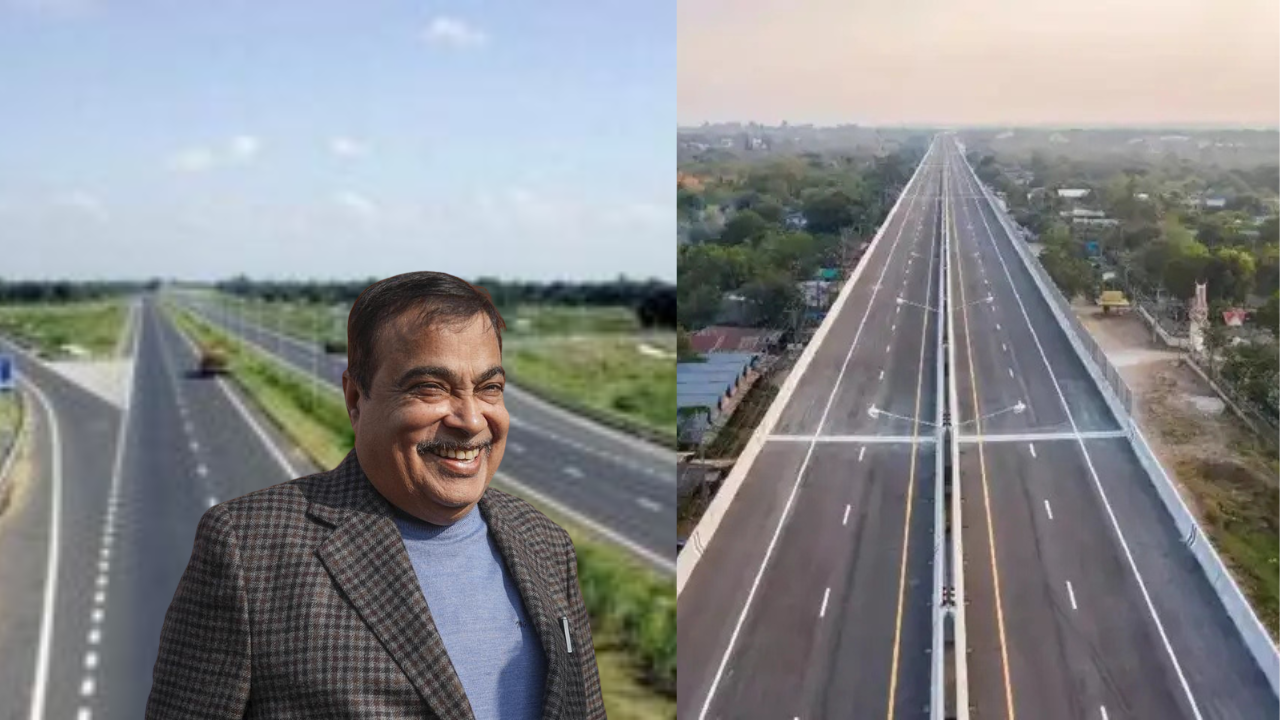
Union Minister for Road Transport and Highways, Nitin Gadkari, inaugurated a series of key road and infrastructure projects worth ₹2,980 crore in Nagpur on Monday, marking a major boost to central India’s transport network. The event took place just hours before the announcement of local body election dates in Maharashtra, giving it both developmental and political significance.

Addressing a large gathering of officials, engineers, and local citizens, Gadkari said that these projects would transform connectivity, reduce travel time, and promote economic development across the Nagpur region and surrounding districts. The inauguration included a mix of new highway stretches, widening of existing routes, flyovers, bypasses, and modern amenities supporting national highways and rural connectivity.

Boost to Connectivity and Local Economy

According to Gadkari, the ₹2,980 crore investment will primarily aim to improve road infrastructure under the National Highways Authority of India (NHAI) and other related agencies. The new projects are expected to strengthen Nagpur’s position as a central logistics hub—often called the “Zero Mile City” due to its geographical location at the center of India.

“These new roads and flyovers are not just about better travel—they are about saving time, reducing logistic costs, and accelerating business opportunities in the Vidarbha region,” Gadkari emphasized. He also mentioned that improved connectivity will help industries like agriculture, manufacturing, and logistics grow faster, creating employment for local youth.

Key Projects Inaugurated

The ceremony covered multiple infrastructure initiatives in and around Nagpur, including national and state highway improvements. Among the important developments were:

  • Expansion and modernization of key highway corridors connecting Nagpur with surrounding districts such as Wardha, Bhandara, and Chandrapur.
  • Construction of new bypass roads and flyovers to reduce city congestion and streamline vehicle flow.
  • Upgradation of rural roads under the Pradhan Mantri Gram Sadak Yojana (PMGSY) to ensure better last-mile connectivity.
  • Development of road safety measures, including smart traffic management systems, dedicated pedestrian zones, and improved signage.
  • Infrastructure for sustainable transport, such as new bridges and culverts designed with eco-friendly materials.

Officials from the Maharashtra Public Works Department (PWD), National Highways Authority of India, and local administration attended the event. They praised the timely execution and coordination between central and state agencies in completing these major road projects.

Gadkari Highlights Vision for “Green Roads” and Sustainability

Known for his commitment to eco-friendly road construction, Gadkari also highlighted new initiatives aimed at environmental sustainability. He said that future projects in Vidarbha will incorporate “green roads,” which use alternative materials such as waste plastic and fly ash, reducing carbon emissions during construction.

He further announced that electric vehicle (EV) charging infrastructure will be added along major highways, encouraging the adoption of electric mobility. “Our goal is to make 60 percent of highway construction based on green technology by 2030. This is not just about roads—it’s about sustainable nation-building,” he said.

Political Context and Development Push

The timing of the inauguration, just hours before the Election Commission’s announcement of local body elections in Maharashtra, drew attention from political observers. While opposition parties described the event as a “pre-election show,” government officials clarified that the projects had been planned and funded well in advance and were part of ongoing development efforts under the Ministry of Road Transport and Highways.

Despite the political undertone, the public reception in Nagpur remained overwhelmingly positive. Locals expressed optimism that smoother roads and better connectivity will attract new businesses and tourism to the region. Traders, transporters, and industrialists present at the event echoed the sentiment that infrastructure growth will directly benefit the economy of Nagpur and neighboring districts.

Future Roadmap for Vidarbha Region

Gadkari, who has represented Nagpur in Parliament for several terms, reaffirmed his long-term vision for transforming Vidarbha into a model of infrastructure-led growth. He outlined plans for additional highway projects, expressways connecting key industrial belts, and logistics parks that would reduce cargo handling costs.

He also mentioned the ongoing works of the Nagpur–Mumbai Samruddhi Mahamarg, one of India’s most ambitious expressway projects, connecting Nagpur to the state capital in just eight hours. Gadkari said that such projects will not only enhance trade routes but also expand investment opportunities in agriculture processing, warehousing, and tourism across central Maharashtra.

Closing Remarks

The event concluded with the symbolic flag-off of several newly completed road sections, witnessed by senior officials and local residents. Gadkari reiterated the government’s commitment to improving road safety and expanding India’s national highway network to 200,000 kilometers by 2030. He thanked the engineers, workers, and agencies involved in completing the projects on schedule, despite challenges such as adverse weather conditions and land acquisition issues.

With the commissioning of ₹2,980 crore worth of infrastructure projects, Nagpur stands poised for significant growth in connectivity, trade, and urban development. The city continues to play a central role in India’s expanding network of highways and smart mobility initiatives—reflecting Gadkari’s broader vision of infrastructure-driven progress for the nation.

Bombay High Court Takes Tough Stand on Mumbai’s Toxic Air

0
Mumbai’s Toxic Air

Judges question government and BMC over inaction and demand concrete steps to protect public health.

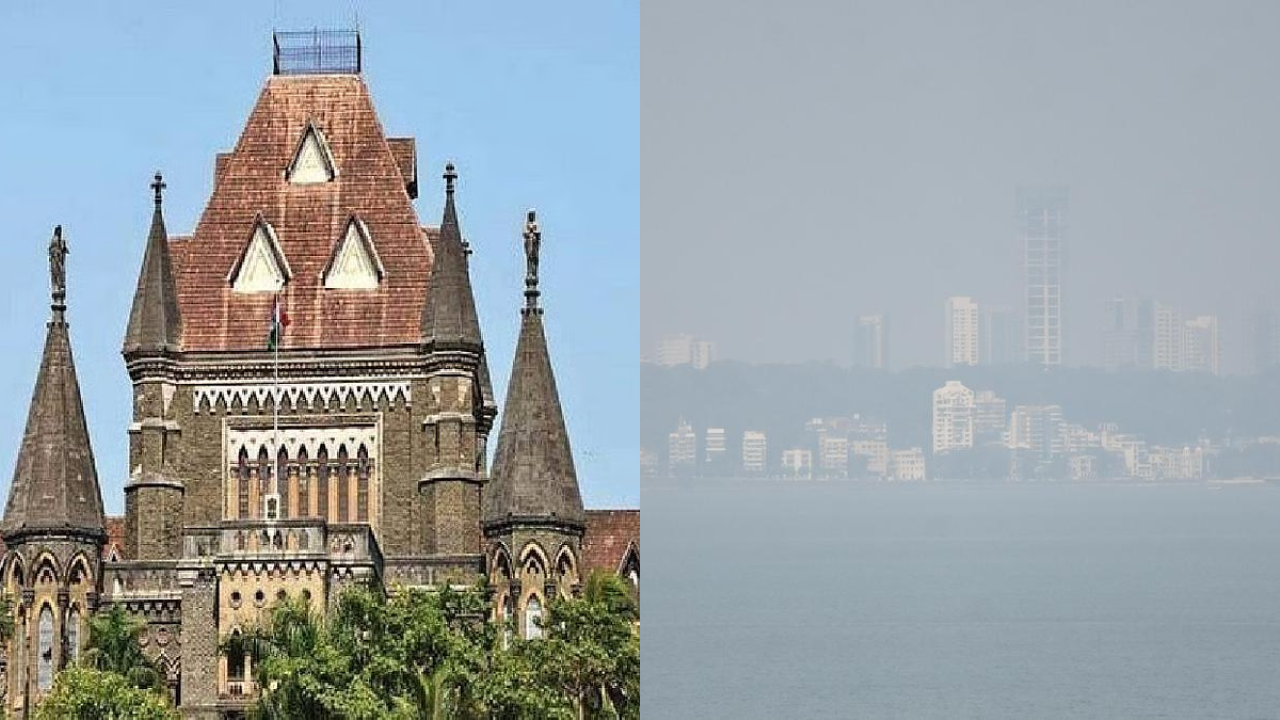
The Bombay High Court has taken serious note of the growing air pollution levels in Mumbai and nearby metropolitan areas, expressing strong displeasure over the government’s inaction in tackling the city’s toxic air. The court directed the Maharashtra government and the Brihanmumbai Municipal Corporation (BMC) to take urgent and practical measures to control rising pollution and safeguard public health.

Hearing a petition on worsening air quality in the city, the High Court bench said that citizens could not be made to “suffer silently amid rising pollution” and called for immediate, time-bound action plans to curb the alarming levels of particulate matter choking Mumbai’s skyline.

Court’s Statement Reflects Public Anxiety

The bench remarked that the situation had reached a “critical stage,” comparable to some of the most polluted urban centers globally. It noted that despite repeated warnings from environmental experts, enforcement of pollution control measures in Mumbai had been inadequate.

The court questioned both the state authorities and the BMC about the steps taken so far to regulate construction dust, industrial emissions, and vehicular pollution — the three main contributors to the city’s deteriorating air quality. It further observed that public complaints and warnings were “consistently ignored” and that it was unacceptable for a global metropolis like Mumbai to suffer such poor air conditions.

Directives to BMC and State Government

The High Court instructed both the state government and the municipal corporation to present a clear, measurable action plan within a specific timeline. The plan must include immediate, short-term, and long-term measures focusing on the following key areas:

  1. Strict control of construction dust – suspension of unchecked construction activities, mandatory covering of construction sites, and on-site dust control mechanisms.
  2. Vehicular emission management – stringent checks on polluting vehicles, promoting electric mobility, and improving public transportation efficiency.
  3. Industrial emission regulation – enforcement of emission norms, adoption of cleaner fuels, and periodic inspection of factories and small-scale industries.
  4. Green zone development – intensified citywide tree plantation drives, especially near highways, coastal areas, and residential zones.
  5. Citizen health protection measures – real-time updates on air quality, installation of air purifiers in hospitals, schools, and public spaces, and greater awareness campaigns.

The bench warned that failure to implement these directives would attract legal consequences, reminding the authorities that “public health is a fundamental right under Article 21 of the Constitution.”

Mumbai’s Air Pollution: A Growing Crisis

Mumbai, known for its sea breeze and coastal geography, was once considered relatively better off in terms of air quality compared to other Indian metros like Delhi. However, in recent years, the city has witnessed a steep rise in pollution levels due to rapid urbanization, unregulated construction, industrial activities, and vehicular emissions.

According to the Central Pollution Control Board (CPCB), Mumbai’s Air Quality Index (AQI) has frequently remained in the “poor to very poor” category this season, with pollutants such as PM2.5 and PM10 far exceeding safe limits. Experts argue that the city’s geography, coupled with seasonal weather changes and unchecked construction work, traps dust and toxic particles, aggravating health risks for millions.

Public health experts have repeatedly warned that prolonged exposure to polluted air can lead to severe respiratory illnesses, heart conditions, and other chronic diseases. Children and the elderly, in particular, face heightened vulnerability.

Civic and Government Response

Following the High Court’s observations, senior officials from the BMC and Maharashtra Pollution Control Board (MPCB) assured that immediate measures are being taken to comply with the court’s order. The civic body reportedly plans to increase surveillance on construction activities, ensure stricter environmental audits, and expand the number of road-sweeping and anti-smog machines operating in the city.

A senior state official mentioned that the government would soon announce a comprehensive air quality management plan similar to those implemented in other major cities. The plan aims to coordinate efforts among multiple departments, including transport, housing, urban development, and public health.

Environmental activists have welcomed the High Court’s proactive stance, calling it a wake-up call for policymakers. Several organizations working on urban sustainability issues stressed that only continuous monitoring and transparent enforcement would ensure real change. They urged the state to prioritize clean energy, public transportation, and waste management reforms.

Citizens’ Voice and Awareness

As the crisis deepens, Mumbai residents have increasingly voiced their concern on social media, demanding that the government take stronger steps to ensure breathable air. The city’s growing environmental consciousness is visible in the rise of community-led initiatives for tree planting, beach cleaning, and use of green alternatives.

Social activists have urged citizens to cooperate by reducing vehicle useavoiding open burning of waste, and supporting eco-friendly construction practices. The collective participation of both the government and citizens is being seen as crucial to turning the tide against the pollution crisis.

The Way Forward

The Bombay High Court’s intervention marks an important step toward holding local authorities accountable for urban environmental management. With the court’s emphasis on urgency, both the Maharashtra government and BMC now face the challenge of delivering visible results within a limited time frame.

Experts believe that consistent monitoring, strict implementation, and public participation will determine whether Mumbai can reverse its current air pollution trend. As the financial capital of India, the city’s ability to provide a clean and safe environment will reflect not just governance efficiency but also the health and quality of life of its 20 million residents.

Design-Led D2C Startup EDT Raises $1.4 Million from Sauce VC

0
D2C Startup

The brand focuses on combining style, sustainability, and smart innovation to transform everyday cookware and home appliances.

India’s fast-growing D2C consumer appliances market has a new player attracting investor attention. EDT, an emerging design-driven consumer brand, has announced raising $1.4 million (around ₹12 crore) in a pre-seed funding round led by early-stage venture capital firm Sauce VC. The fresh capital will help the brand expand its cookware and home appliances portfolio, strengthen its design capabilities, and build a strong distribution footprint across India.

EDT: A Modern Brand with a Design-First Approach

Founded with the vision to bring innovation, function, and aesthetic appeal together in everyday household products, EDT positions itself as a next-generation home appliances and cookware brand for the modern Indian consumer. The company aims to bridge the gap between traditional utility-focused appliances and today’s demand for stylish, efficient, and sustainable home essentials.

EDT’s core philosophy revolves around ‘Design That Works’, which emphasizes not only sleek looks but practical benefits tuned for Indian households. The startup’s early product focus includes kitchen essentials, smart cookware, and compact home appliances that elevate convenience while maintaining premium design appeal.

Funding Led by Sauce VC, Early Support for Disruptive Consumer Brands

The latest $1.4 million pre-seed round was led by Sauce VC, an investor known for backing some of India’s most exciting new-age consumer brands. Over the years, Sauce VC has supported brands such as The Whole Truth, Mokobara, and Bare Anatomy, and it continues to invest in founders who combine creativity with strong product thinking.

Sauce VC’s participation signals strong confidence in EDT’s mission to redefine how Indian households interact with daily-use appliances. According to sources familiar with the development, this round also saw participation from select angel investors and experts from the consumer goods ecosystem.

Speaking about the investment, a representative from Sauce VC said, “EDT brings a refreshing design-first perspective to an otherwise functionality-driven industry. With increasing preference for well-designed, high-quality consumer appliances in India, we believe EDT is well-positioned to tap into this evolving demand.”

India’s Home Appliance Market: A Growing Opportunity

India’s home appliance and cookware market has witnessed strong growth over the past few years, fueled by rising disposable incomes, urbanization, and the surge in online purchase behavior. According to industry reports, the Indian consumer appliances market is expected to reach $25 billion by 2028, growing at a steady pace driven by the Direct-to-Consumer (D2C) revolution.

Younger households, especially in urban areas, are now looking for appliances that combine style, sustainability, and smart utility, making design-driven brands like EDT particularly relevant. This trend opens new possibilities for brands that focus on premium product design, sustainable manufacturing, and digital-first retailing.

Plans for Expansion and Product Innovation

With the new funding, EDT plans to expand its product line across multiple categories. The company intends to introduce a range of innovatively designed cookware, small kitchen gadgets, and energy-efficient appliances designed for compact homes. In addition, a portion of the funds will go into expanding R&D and product design teams, aiming to develop India-centric solutions with a global outlook.

EDT is also focusing on building a strong online presence through its own e-commerce platform, while exploring selective partnerships with major marketplaces. The brand intends to remain true to the D2C model, ensuring direct engagement with consumers, personalized marketing, and higher control over brand experience.

The company’s spokesperson shared, “Our goal is not just to sell products, but to bring design excellence into people’s daily routines. The funding will enable us to build thoughtfully designed cookware and appliances that resonate with the aspirations of modern Indian households.”

Combining Sustainability with Design

Another key focus area for EDT is sustainability and responsible manufacturing. The brand aims to reduce plastic usage and incorporate recyclable materials in its product designs. It also plans to partner with local suppliers and manufacturing units to create a more sustainable supply chain and minimize its environmental footprint.

By doing so, EDT aims to appeal to environmentally conscious consumers who are increasingly prioritizing ethical and sustainable purchases. In India’s evolving lifestyle and home decor segments, this hybrid mix of ethics, design, and usability is turning out to be a winning formula.

Future Roadmap: Building a Design-Led Indian Brand

Looking ahead, EDT aims to position itself as one of India’s top design-led home appliance brands, joining the ranks of emerging Indian startups that combine functional innovation with visual appeal. The brand plans to use this pre-seed round as a stepping stone to raise a larger seed or Series A round in the coming quarters as it scales product launches and expands distribution.

With design, innovation, and direct consumer engagement forming the pillars of its strategy, EDT is set to carve out a distinct identity in the rapidly growing cookware and home appliance space.

Conclusion

In a market dominated by established international and local players, EDT’s entry at this stage marks an exciting evolution—a blend of design, function, and sustainability tailored for new-age Indian homes. The successful $1.4 million pre-seed fundraise led by Sauce VC underscores investor belief in the brand’s potential to transform how Indian consumers view kitchen and home appliances—from just everyday tools to meaningful design experiences.

As the D2C wave continues to reshape India’s consumer landscape, brands like EDT are proving that thoughtful design and a consumer-first mindset can turn even the most routine household categories into spaces of creativity, innovation, and growth.

Exercitoo Raises ₹25 Lakh in Seed Funding at ₹8 Crore Valuation to Expand MSME Automation Solutions

0
Exercitoo

Jaipur, India – Exercitoo, a Jaipur-based registered tech automation and SaaS startup focused on empowering Micro, Small, and Medium Enterprises (MSMEs, has raised ₹25 lakh in seed funding at a valuation of ₹8 crore. The funding round, completed in 2025, marks a significant milestone for the startup as it transitions from early product development to broader market adoption.

Founded in 2024, Exercitoo was established with a clear mission: to make automation accessible, affordable, and practical for Indian MSMEs. Led by founder Sunil Saharan, the startup develops AI-powered automation tools that help small and medium businesses streamline daily operations, reduce manual workloads, and improve efficiency—without requiring advanced technical expertise.

Purpose of the Funding

The newly raised seed capital will be primarily used to strengthen Exercitoo’s product and technology infrastructure. A major portion of the funding will be allocated toward hiring and collaborating with professional programmers to build faster, more reliable, and scalable automation solutions.

In addition to product development, Exercitoo plans to expand its reach by onboarding more MSMEs across diverse sectors. This expansion will allow the company to establish a strong feedback loop with real businesses, helping the team gain deeper insights into day-to-day operational challenges faced by MSMEs.

The company emphasizes a feedback-driven development approach as a core part of its growth strategy. Rather than building tools in isolation, Exercitoo aims to co-create solutions alongside MSME users, ensuring that every feature addresses a real and practical business problem.

What Exercitoo Does

Exercitoo operates as a tech automation and SaaS platform designed specifically for MSMEs. Its solutions enable businesses to automate routine tasks such as workflow management, repetitive operational processes, internal coordination, and other time-consuming activities.

Many MSMEs in India continue to rely on manual processes, spreadsheets, and disconnected tools. Exercitoo seeks to simplify this landscape by offering easy-to-use automation tools that require minimal setup, low upfront costs, and no dedicated IT teams. The startup positions itself as a practical automation partner rather than a complex enterprise software provider.

From Idea to MVP

Exercitoo has successfully completed its Minimum Viable Product (MVP) stage, with the core platform already built, tested, and validated by early users. With the MVP phase behind it, the company’s current focus is on scaling its customer base, refining product features, improving system performance, and ensuring the platform can support growing demand.

The move from MVP to market expansion is a crucial phase for any startup, and the seed funding provides Exercitoo with the resources needed to strengthen its technical foundation while remaining closely aligned with user needs.

Founder’s Vision

Founder Sunil Saharan’s vision for Exercitoo is rooted in the belief that automation should not be limited to large enterprises. He sees immense potential within India’s vast MSME ecosystem, where millions of businesses seek growth opportunities but are often constrained by inefficient processes and limited access to modern technology.

By building automation tools specifically designed for MSMEs, Exercitoo aims to bridge this gap. The company believes that even small gains in efficiency can significantly impact profitability, scalability, and long-term business sustainability for small enterprises.

Looking Ahead

With fresh seed capital in place, Exercitoo is entering its next growth phase. The company plans to deepen its automation and AI capabilities, collaborate with experienced developers, and continuously enhance product quality. Expanding its MSME customer base will remain a priority, enabling real-time feedback and continuous improvement of its platform.

Exercitoo’s long-term goal is to become a trusted automation partner for MSMEs across India, helping them compete and thrive in an increasingly digital and fast-paced business environment.

As MSMEs continue to seek practical, cost-effective technology solutions, Exercitoo’s focus on simplicity, real-world value, and feedback-driven development positions it strongly for steady and sustainable growth in the years ahead.