Monday, May 25, 2026
Home Blog Page 19

Green Chocy Positions Responsible Café Culture at the Center of Its Rapid Growth Story

Green Chocy

Bhubaneswar, Odisha- Green Chocy has built its growth around a principle that cafés should serve more than beverages. Founded in 2023 in Bhubaneswar, the café brand has steadily expanded while promoting a responsible and mindful café culture. Within two years, the company has crossed a valuation of over ₹2 crore, supported by strong outlet performance and growing customer trust.

From its early days, Green Chocy focused on creating a clean, welcoming space centered on chai and coffee. Rather than following trends that prioritize speed over substance, the company adopted a long-term view of customer relationships. Its cafés are designed to encourage comfort and conversation, offering an atmosphere that appeals to students, professionals, and families alike.

A defining aspect of Green Chocy’s identity is its emphasis on responsible practices. The brand does not associate with harmful by-products and actively promotes a cleaner café environment. Guided by its “No Plastic, More Organic” philosophy, Green Chocy encourages sustainable choices across operations wherever possible. This approach reflects the company’s belief that growth and responsibility must move together.

Green Chocy’s menu philosophy also reflects this mindset. Ingredients are selected with care, focusing on freshness and hygiene. Beverages are prepared using modern equipment to ensure consistency, while traditional flavors are preserved to maintain authenticity. By balancing quality with affordability, the company has been able to attract repeat customers and maintain steady daily footfall across outlets.

The brand’s strong per-outlet performance, with business reaching up to ₹1 lakh per day at key locations, highlights how customer trust translates into commercial success. Green Chocy’s ability to maintain this performance without premium pricing has made it stand out in an increasingly crowded café market.

Founder Pradeep Kumar Nayak, aged 26, has played a central role in shaping Green Chocy’s values. Starting from zero, he built the company with a focus on discipline, consistency, and ethical decision-making. His leadership emphasizes that responsible business practices are not a limitation, but a foundation for long-term sustainability.

Green Chocy’s growth has been largely organic, driven by word-of-mouth, repeat visits, and increasing digital visibility. The brand has built a strong presence across social platforms, allowing customers to connect with the café beyond physical locations. This engagement has strengthened the sense of community around the brand and reinforced customer loyalty.

The company’s franchise-led expansion model further supports its responsible approach. Franchise partners are guided through standardized processes, staff training, and operational frameworks that prioritize quality and service. This structure helps ensure that every outlet reflects Green Chocy’s core values while remaining commercially viable for partners.

As Green Chocy continues to expand, its leadership remains focused on preserving the culture that defined its early success. Rather than pursuing rapid scale at the cost of identity, the company aims to grow thoughtfully, ensuring that each new outlet delivers the same warmth, quality, and care that customers associate with the brand.

With a clear philosophy, consistent execution, and a growing customer base, Green Chocy is positioning itself as a café brand built on trust, responsibility, and everyday connection.

For more information, visit https://www.greenchocy.com
Instagram: https://instagram.com/greenchocy
Facebook: https://facebook.com/greenchocy

How Offline Marketing and Seller & Merchant Onboarding Agencies Are Driving Scalable Customer Acquisition in India – With Industry Examples

fulcrumresources

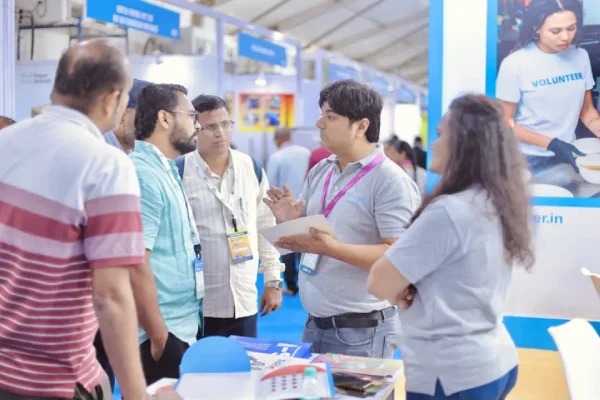
As India’s digital economy accelerates, companies across industries are realizing that sustainable growth cannot depend only on online advertising. While digital channels help create awareness, real customer acquisition, trust-building, and long-term engagement often happen on the ground—through face-to-face interaction, assisted onboarding, and local market presence.

This shift has led to increased reliance on professional offline marketing agencies, seller and merchant onboarding agencies, and customer acquisition agencies that combine field execution with digital systems.

Across marketplaces, fintech, education, logistics, home services, and B2B platforms, brands are increasingly adopting hybrid growth strategies, blending offline execution with technology-driven tracking and analytics.


Smart Marketing Solutions for Digital Startups

Digital startups today face challenges such as high acquisition costs, low trust among users, and a large percentage of inactive or unverified sign-ups. Smart marketing is no longer about choosing online or offline—it is about using both together effectively.

For example, Udaan, a B2B commerce platform, scaled rapidly by deploying large on-ground seller acquisition teams across Indian cities. Instead of relying only on digital ads, field teams onboarded retailers directly, educated them, and assisted with app usage—leading to faster adoption and higher transaction volumes.

A professional customer acquisition agency focuses on onboarding real, active, and revenue-generating users, not just generating leads.


Onboarding Work Experience: The Foundation of Scale

Onboarding is the backbone of every scalable platform. Agencies with deep field experience deliver structured onboarding that includes:

  • Seller and merchant acquisition
  • Service provider onboarding
  • Customer and user onboarding
  • KYC, documentation, and compliance
  • Assisted registration and activation
  • Product listing, catalog setup, and pricing
  • Training and continuous engagement

This approach reduces churn and improves user quality significantly.


Categories Served – With Industry Examples

1. Marketplaces & E-commerce Platforms

Marketplaces require consistent onboarding of quality sellers to grow supply.

Example:
Amazon India and Flipkart both invested heavily in offline seller onboarding programs. Field teams visited local businesses, explained marketplace benefits, assisted with GST registration, product listing, and logistics setup—enabling rapid seller adoption beyond metro cities.

An experienced seller or merchant onboarding agency supports:

  • Seller identification and outreach
  • Platform pitching and education
  • Product and catalog onboarding
  • Assisted go-live and activation
  • City-wise expansion

2. Online Business Directories

Online directories succeed only when listings are accurate and verified.

Example:
Justdial scaled its directory by deploying offline teams that physically visited businesses, verified details, created listings, and educated merchants on visibility benefits. This ensured high data accuracy and user trust.

Offline marketing agencies help with:

  • Local merchant visits
  • Business listing creation
  • Verification and trust-building
  • Category-wise expansion

3. Payment & Fintech Applications

Merchant onboarding is critical in fintech.

Example:
Paytm built one of India’s largest merchant networks through aggressive offline onboarding. Field executives onboarded kirana stores, installed QR codes, completed KYC, and trained merchants—driving massive transaction growth.

A specialized seller or merchant onboarding agency supports:

  • Merchant acquisition
  • KYC and compliance
  • QR / POS setup
  • Training and ongoing support

4. On-Demand Service Platforms

On-demand platforms depend on service providers as much as customers.

Example:
Urban Company scaled by onboarding electricians, plumbers, beauticians, and technicians through offline sourcing, skill verification, training, and documentation—ensuring service quality at scale.

Offline onboarding ensures:

  • Provider sourcing and screening
  • Area-wise deployment
  • Quality control and training

5. Utility Platforms & Service Providers

Utility platforms require mass adoption and trust.

Example:
JioFiber relied on on-ground teams to acquire customers, verify addresses, explain plans, and assist with installation—driving rapid regional penetration.

A customer acquisition agency designs:

  • City-wise campaigns
  • Local awareness drives
  • Assisted onboarding and activation

6. Education & Learning Platforms

Education platforms rely heavily on trust and personal interaction.

Example:
Byju’s initially scaled by deploying counselors and field teams who visited homes and institutions, explained learning programs, and assisted with enrollment.

Offline marketing supports:

  • Institution onboarding
  • Student registration drives
  • Trainer and educator onboarding
  • Community engagement

7. Content Creator & Distribution Platforms

Content platforms grow through creator adoption.

Example:
ShareChat expanded its creator ecosystem by conducting offline creator meets, regional workshops, and agency onboarding programs—driving localized content creation.

Offline strategies include:

  • Creator outreach
  • Platform education
  • Local creator community building

8. Home Maintenance Service Providers

Local services require trust and availability.

Example:
Platforms like HouseJoy and NoBroker Services onboarded plumbers, electricians, and technicians through offline verification, training, and area-wise deployment.

Key focus areas:

  • Technician onboarding
  • Compliance and background checks
  • Local service availability

9. Car & Bike Service Centers

Automotive services rely on local relationships.

Example:
GoMechanic scaled its partner workshops by onboarding garages through field teams, setting pricing, and integrating service workflows.

Offline onboarding supports:

  • Workshop acquisition
  • Service listing and pricing
  • Local promotions

Seller & Merchant Onboarding Team Models

To support different growth stages, agencies offer flexible workforce structures:

  • Dedicated Teams – full-time, brand-aligned
  • Outsourced Payroll Models – reduced HR burden
  • Temporary Staff – city launches & pilots
  • Student Internship Programs – cost-effective outreach
  • Pay-Per-Onboarding Models – performance-based
  • Gig & Freelancer Teams – scalable execution
  • Part-Time Local Executives – hyperlocal coverage

Why Brands Choose Fulcrum as Their Offline Marketing Partner

Fulcrum Resources Infinity Pvt Ltd was founded with a vision to bridge the gap between brands and consumers on the ground. Over the past 10+ years, Fulcrum has delivered structured offline and hybrid acquisition programs across India.

Key Reasons Brands Trust Fulcrum

✔️ 10+ years of field marketing expertise
✔️ PAN-India execution across metros, towns, and rural areas
✔️ Trained manpower network ready to scale
✔️ Custom campaign planning for startups and enterprises
✔️ Real-time monitoring and reporting tools
✔️ Cost-effective yet high-impact campaigns


Pan-India Presence

Fulcrum operates across 40+ cities, including:
Mumbai, Delhi NCR, Bengaluru, Hyderabad, Chennai, Pune, Ahmedabad, Kolkata, Jaipur, and Chandigarh.


Conclusion

As Indian markets become more competitive and localized, offline-led customer acquisition has emerged as a decisive growth advantage. Companies that combine a strong offline marketing agency, an experienced seller or merchant onboarding agency, and a results-driven customer acquisition agency are able to scale faster, acquire verified users, and build lasting trust.

Fulcrum Resources Infinity Pvt Ltd continues to help brands connect, convert, and grow—on the ground, where real business happens.


About Fulcrum Resources Infinity Pvt Ltd

�� Website: https://fulcrumresources.net
�� Email: info@fulcrumresources.net
�� Phone: +91-8484099961

�� Learn more:
https://fulcrumresources.net/seller-acquisition-for-an-e-commerce/

Niswarth Kadam Organises Hygiene & Health Awareness Programme for Underprivileged Women

Niswarth Kadam

Niswarth Kadam, a leading NGO working at the grassroots level, organised a Sanitary Pad Distribution and Health & Hygiene Awareness Programme for underprivileged women living in the slum cluster of Sector-50. The initiative aimed to promote dignity, menstrual hygiene, and health awareness among women who often live in vulnerable conditions due to lack of information and resources.

Dr. Pramod Raghav, Founder of Niswarth Kadam, said,

“Hygiene and health are fundamental rights of every woman. As a society, we must work together to strengthen awareness, equality, and dignity for women, especially those from marginalised communities.”
He further emphasized that educating women about personal hygiene and health is essential for their empowerment and overall progress in life.

Members of Niswarth Kadam shared that the programme helped break hesitation and silence around menstrual health among women residing in slum areas. Through open interaction and counselling, the initiative focused on dispelling myths related to menstruation and reinforcing the importance of hygiene, health, and self-respect.

The programme received encouraging support from the local community, reflecting a growing awareness and acceptance of discussions around women’s health. Niswarth Kadam reiterated its commitment to creating a healthier and more inclusive society by continuously working towards awareness, education, and empowerment of women.

India 2026 Outlook Economy Poised for Stable and Sustained Growth

India 2026 Outlook

Fiscal discipline, policy support, and corporate resilience set the tone for India’s balanced economic expansion in 2026.

India enters 2026 with a strong sense of optimism as the economy continues to demonstrate resilience amid global challenges. Despite a turbulent international environment in 2025 marked by geopolitical tensions and evolving trade dynamics, India managed to sustain growth through timely fiscal measures and supportive liquidity conditions. This stability is now laying the foundation for a more balanced and sustained growth phase in the new year.

A Year of Adjustment Setting the Stage for Stability

The year 2025 was a phase of consolidation for the Indian economy and markets. Equity markets, which had adjusted to elevated valuations and external uncertainties, are now better placed for long-term growth. Earnings growth through the year largely kept pace with nominal GDP, reflecting the strength of India’s domestic fundamentals even as global capital flows remained subdued.

Key government initiatives — including direct tax reliefs and the rationalization of the Goods and Services Tax (GST) — helped improve visibility on medium-term growth prospects. On the monetary front, policy support ensured smooth liquidity transmission across the financial system, sustaining credit growth and supporting investment activity. These developments built a stronger base for the Indian economy to move into 2026 with confidence.

While foreign capital inflows remained below historical averages, the domestic economy’s resilience stood out. The progress made in fiscal management, institutional reforms, and macroeconomic stability positions India as one of the most promising emerging markets heading into the new year.

Balanced Macro Setup and Fiscal Strength

As India embarks on 2026, its macroeconomic environment appears increasingly supportive. The country’s favourable demographic profile continues to be a major structural advantage, providing a durable foundation for long-term growth. A young, growing workforce and rising consumption are expected to keep domestic demand buoyant.

Institutionally, India’s governance framework—spanning the executive, legislature, and judiciary—remains robust. This ensures continuity and accountability in policymaking, which is crucial for maintaining investor confidence and long-term policy stability.

Fiscal consolidation efforts are progressing at a steady pace. The government continues to balance the goals of macroeconomic stability and growth-focused spending. Even as fiscal deficits narrow gradually, capital expenditure on infrastructure, manufacturing, and digital transformation remains a priority area. Together, these efforts aim to create a sustainable growth model that attracts both domestic and global investment.

Externally, India’s balance of payments remains manageable. Services exports and remittances continue to provide a strong cushion against a modest trade deficit in goods. As global growth stabilizes, India’s export-oriented sectors—especially IT services, pharmaceuticals, and engineering goods—may benefit from improving demand conditions.

Inflation and Corporate Health Bolster the Outlook

After a phase of moderate price pressures in 2025, inflation in 2026 is expected to normalize in tandem with improving economic activity. This creates a healthier nominal GDP environment, giving both consumers and businesses the confidence to spend and invest. The Reserve Bank of India’s policy stance remains supportive of growth, ensuring that adequate liquidity continues to flow through the system.

Another encouraging factor is the significant improvement in corporate balance sheets. Indian companies have entered 2026 with reduced leverage, better cash generation, and stronger profitability compared to previous cycles. This improved financial health gives businesses greater capacity to invest in expansion and innovation—marking the beginning of a new private capital expenditure cycle.

Growth Drivers and Key Sectors to Watch

Several catalysts are expected to drive growth in 2026. A potential improvement in the global geopolitical landscape and greater clarity in trade relations with major economies could boost investor sentiment and capital inflows. The delayed effects of fiscal and monetary measures implemented over the past two years are also likely to become more visible, supporting both consumption and investment momentum.

Economists anticipate a revival in nominal GDP growth over the next few years. This should translate into stronger corporate revenues and a gradual recovery in earnings growth, which has so far trailed overall GDP performance. Recent company reports already indicate early signs of stabilization. Sectors such as financial services, materials, energy, and domestic cyclical industries—like construction and manufacturing—are likely to lead the next phase of corporate earnings expansion.

In addition, India’s sustained push toward renewable energy, electric mobility, and digital infrastructure is creating significant opportunities for long-term investors. The government’s continued commitment to “Make in India” and production-linked incentive (PLI) schemes are expected to accelerate manufacturing growth and boost employment generation.

Markets Enter a Bottom-Up Phase

Indian equity markets are now entering a phase where stock selection will play a more critical role than broad thematic investing. Over the past decade, market leadership has rotated—from consumption-led sectors to business-to-business (B2B) and manufacturing-driven themes. As valuations across most sectors remain elevated, investors will need to focus more on business fundamentals than short-term narratives.

In this environment, companies with strong governance standards, durable competitive advantages, and disciplined capital allocation strategies are likely to outperform. Valuation discipline, too, will remain key as markets become more selective and fundamentals-driven.

The Road Ahead for 2026

Overall, India’s economic outlook for 2026 looks promising yet balanced. The combination of fiscal prudence, policy support, manageable inflation, and improving corporate health creates an environment conducive to sustainable growth. While global uncertainties persist, India’s domestic strength, structural reforms, and demographic momentum continue to offer a compelling growth story.

Indore Water Contamination CM Mohan Yadav Holds Officials Accountable, Issues Show-Cause Notices

Indore Water Contamination

State government reviews corrective steps, submits report to High Court, and launches a statewide clean water drive.

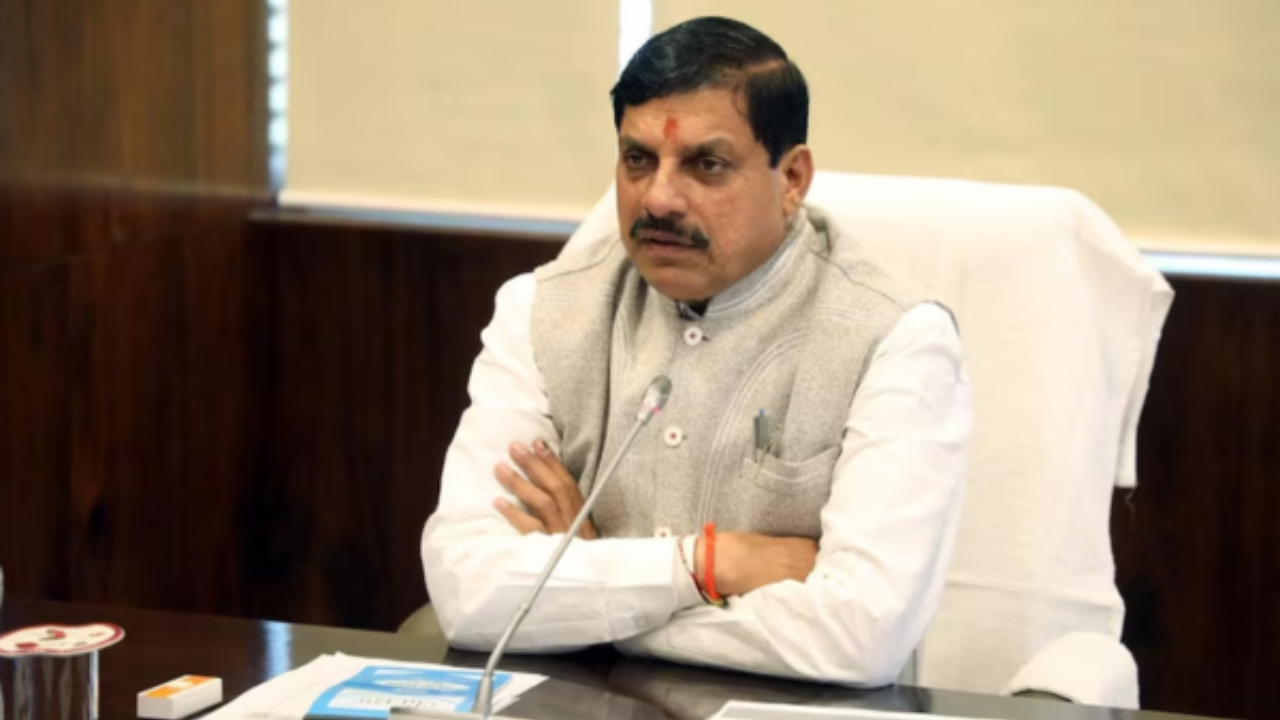
Madhya Pradesh Chief Minister Mohan Yadav has reviewed the ongoing action and corrective steps taken by government departments following the recent contaminated drinking water incident in Indore. The Chief Minister expressed serious concern over the issue and directed officials to ensure that such negligence does not recur in any part of the state.

During the high-level review meeting, CM Yadav instructed the issuance of show-cause notices to senior officers, including the Indore Municipal Corporation Commissioner and the Additional Commissioner, over lapses in maintaining water quality. The Chief Minister also ordered the immediate withdrawal of the charge of water distribution works from the In-Charge Superintending Engineer responsible for the affected areas.

According to the Chief Minister’s directions, strict action will be taken against any officials found guilty of negligence in ensuring clean drinking water for citizens. He emphasised that providing safe and potable water is a fundamental responsibility of the administration, and those who fail to fulfil it will face disciplinary consequences.

Review of Corrective Measures Across Madhya Pradesh

Following the incident, which occurred in Indore’s Bhagirathpura area, the state government has initiated a comprehensive review of water supply systems across multiple regions. CM Yadav stated that the government is not limiting its corrective steps to Indore alone but extending inspections and infrastructure improvements to other districts of Madhya Pradesh as well.

He said that instructions have been issued to senior officials in the Urban Development and Public Health Engineering Departments to prepare a time-bound action plan for ensuring clean water supply throughout the state. The plan will include thorough inspections of water treatment plants, cleanliness assessments of water pipelines, and checking for possible leakages or contamination points.

The Chief Minister reiterated that continuous monitoring mechanisms must be strengthened at the municipal level. He also urged departments to encourage public participation through awareness programmes regarding water conservation, safety, and proper maintenance of residential water storage systems.

Government Submits Status Report to High Court

Meanwhile, the Madhya Pradesh government has submitted a detailed status report to the Indore Bench of the Madhya Pradesh High Court concerning the contaminated water incident in Bhagirathpura. The report outlines the measures undertaken by the state administration and local bodies in response to the contamination case.

The High Court has scheduled a detailed hearing on the report on January 6, 2026. The government has assured the court that immediate steps were taken to resolve the contamination issue, restore clean drinking water, and initiate accountability measures against responsible officers.

As part of these measures, the state administration deployed technical teams and engineers to identify the exact source of contamination. Water samples from different localities were tested, and affected pipelines were flushed and disinfected to restore safety levels.

Reshuffle in Indore Municipal Administration

In connection with the incident, the General Administration Department of Madhya Pradesh has issued an order for administrative reshuffling within the Indore Municipal Corporation. According to the order, one officer from the Corporation has been removed from his post with immediate effect, while three others have been given new departmental postings.

Additional Commissioner Rohit Sisodia has been transferred from the Indore Municipal Corporation and posted as Under Secretary in the Farmer Welfare and Agriculture Development Department. This move is part of the government’s efforts to bring accountability and fresh oversight in the municipal department.

At the same time, Akash Singh, Prakhar Singh, and Ashish Kumar Pathak have been appointed as new Additional Commissioners in the Indore Municipal Corporation. The state government expects the new officers to ensure transparent administration, better water supply management, and timely response to citizens’ grievances.

Chief Minister Calls for Statewide Vigilance

Chief Minister Mohan Yadav has directed all district collectors and urban local body heads to adopt a proactive approach to monitoring water quality. He said that every district must maintain strict vigilance over water treatment plants, filtration systems, and water storage units. Routine testing and quality reports should be made mandatory to prevent contamination incidents.

The Chief Minister has also asked concerned departments to maintain coordination among municipal corporations, the public health engineering department, and local utilities. “Every household in Madhya Pradesh deserves clean and safe drinking water. It is the duty of every official to ensure this basic necessity reaches people without compromise,” CM Yadav said during the review meeting.

He instructed that any case of water contamination, leakage, or supply disruption must be reported and rectified immediately. Furthermore, he proposed a mechanism for citizens to directly lodge complaints or share information about water quality issues via online platforms or helplines.

Ensuring Long-Term Reforms

Beyond immediate corrective actions, the state government is planning structural reforms to avoid future incidents. A proposal has been made to upgrade old water supply pipelines, introduce advanced monitoring sensors at critical water junctions, and strengthen coordination with local bodies for periodic inspection drives.

The Chief Minister emphasized that preventive maintenance is key to ensuring long-term sustainability. The government is expected to allocate additional budgetary support for upgrading drinking water infrastructure across cities and rural areas.

With Indore often recognized for its outstanding civic performance, the Chief Minister underlined that such incidents tarnish the city’s clean and smart image. He said that rebuilding public trust through transparent and timely government action is now a top priority.

The Madhya Pradesh government has reiterated its commitment to protecting public health and ensuring access to safe drinking water for every citizen. The administration continues to monitor the situation in Indore and expects a conclusive report from the High Court hearing scheduled later this week.

Sindhudurg Airport Gets DGCA Nod for 24×7 Operations

Sindhudurg Airport

New IFR certification enables round-the-clock flights, boosting tourism and regional connectivity in Maharashtra’s Konkan region.

In a major boost to regional air travel in Maharashtra, Sindhudurg Airport in the scenic Konkan region has received approval from the Directorate General of Civil Aviation (DGCA) to operate round the clock. This move marks a new chapter for the airport and is set to greatly enhance connectivity and convenience for residents as well as visitors to this coastal district.

According to a statement by IRB Infrastructure Developers, the private operator managing the airport, the DGCA certification allows 24×7 operations under Instrument Flight Rules (IFR). This means aircraft can now take off and land even in low visibility or adverse weather conditions, significantly improving the reliability of flight schedules.

Milestone for IRB Infrastructure Developers

The development marks a key milestone for IRB Infrastructure Developers Ltd, one of India’s leading infrastructure companies. The company stated that the certification includes approval for satellite-based Required Navigation Performance (RNP) procedures, which enable precise navigation even in challenging conditions. The airport also features a backup navigation aid, ensuring safety and operational continuity.

RNP stands for Required Navigation Performance, which indicates the level of accuracy and capability required for an aircraft to fly within a specific corridor of airspace or route. This advanced navigation technology minimizes delays and helps manage fuel efficiency, making operations smoother and more economical.

With the DGCA’s approval, Sindhudurg Airport has joined an important league of regional airports in India that are equipped to handle all-weather, 24-hour operations, enhancing Maharashtra’s aviation infrastructure.

Boost to Konkan’s Tourism and Economy

The DGCA nod is expected to have a lasting impact on the Konkan region’s tourism, trade, and connectivity. Known for its picturesque coastline, historic forts, and lush greenery, the Sindhudurg district attracts tourists throughout the year. Improved airport operations will now make the region more accessible to travelers from across India.

Currently, passengers visiting popular Konkan destinations such as TarkarliMalvan, or Vijaydurg Fort often rely on long road journeys or rail travel. The new capability for 24-hour flight operations will reduce travel time significantly, making the region more attractive for weekend tourism and business visits alike.

Tourism stakeholders and local businesses have welcomed the DGCA decision, calling it a game changer for Konkan. Aviation connectivity will not only bring more tourists but also open new opportunities for local industries, hospitality, and logistics services.

Upcoming Mumbai-Sindhudurg Route

Adding to the momentum, the Mumbai-Sindhudurg flight route under Maharashtra’s Regional Connectivity Scheme (RCS) is expected to commence operations in the coming months. Once launched, this air service will link Sindhudurg directly to Mumbai, providing passengers with a fast and comfortable travel option.

Officials from IRB Infrastructure Developers expressed optimism about the upcoming commercial operations. “The 24×7 DGCA certification with IFR clearance positions Sindhudurg Airport as a reliable hub for both tourism and business travel. We expect the new Mumbai-Sindhudurg air route to further strengthen regional development,” the company said in its statement.

The Regional Connectivity Scheme, also known as UDAN (Ude Desh ka Aam Nagrik), aims to make air travel affordable and widespread by connecting smaller towns to major cities. The inclusion of Sindhudurg in this network will ensure wider accessibility for both domestic and international travellers planning to explore the natural beauty of Maharashtra’s western coast.

Passenger Growth and Future Plans

Since its operational launch, Sindhudurg Airport has recorded close to 11,000 passenger movements, reflecting growing interest from travelers and airlines alike. With the new DGCA clearance, the airport is expected to see a sharp rise in traffic, particularly during the festive and holiday seasons.

IRB Infrastructure Developers has also confirmed plans to scale up airport facilities to accommodate larger aircraft and more frequent flight services. The company aims to work with the state government and aviation partners to expand flight connectivity to other major cities such as Pune, Bengaluru, and Hyderabad in the near future.

Strengthening Maharashtra’s Aviation Network

Sindhudurg Airport’s 24-hour certification aligns with Maharashtra’s broader goal of strengthening regional air connectivity under the Maharashtra State Regional Connectivity Scheme. The state government has been focusing on developing smaller airports across the state — including Shirdi, Nashik, Gondia, and Nanded — to ensure better access for both tourism and trade.

The newly enabled IFR and RNP navigation systems make Sindhudurg Airport a critical link in this network. It sets an example of how advanced aviation technology can empower regional growth while ensuring passenger safety and operational efficiency.

A Step Toward Inclusive Regional Development

Experts believe this development will boost employmenttourism revenue, and infrastructure investments in the Konkan belt. Improved air access can also encourage business expansion, cargo handling, and perishable goods transport, benefiting local farmers and entrepreneurs.

As air connectivity improves, Sindhudurg has the potential to emerge as one of western India’s preferred destinations for eco-tourism, seaside getaways, and heritage exploration. The DGCA’s clearance is not just a technical certification — it’s a catalyst for regional transformation that promises speed, safety, and accessibility.

With 24×7 operations, advanced navigation systems, and new flight routes in the pipeline, Sindhudurg Airport is all set to redefine the travel experience in the Konkan region. Travelers, investors, and locals alike can now look forward to a future where Maharashtra’s coastal beauty is just one short flight away.

Green Chocy Positions Responsible Café Culture at the Center of Its Rapid Growth Story

Green Chocy

Bhubaneswar, Odisha- Green Chocy has built its growth around a principle that cafés should serve more than beverages. Founded in 2023 in Bhubaneswar, the café brand has steadily expanded while promoting a responsible and mindful café culture. Within two years, the company has crossed a valuation of over ₹2 crore, supported by strong outlet performance and growing customer trust.

From its early days, Green Chocy focused on creating a clean, welcoming space centered on chai and coffee. Rather than following trends that prioritize speed over substance, the company adopted a long-term view of customer relationships. Its cafés are designed to encourage comfort and conversation, offering an atmosphere that appeals to students, professionals, and families alike.

A defining aspect of Green Chocy’s identity is its emphasis on responsible practices. The brand does not associate with harmful by-products and actively promotes a cleaner café environment. Guided by its “No Plastic, More Organic” philosophy, Green Chocy encourages sustainable choices across operations wherever possible. This approach reflects the company’s belief that growth and responsibility must move together.

Green Chocy’s menu philosophy also reflects this mindset. Ingredients are selected with care, focusing on freshness and hygiene. Beverages are prepared using modern equipment to ensure consistency, while traditional flavors are preserved to maintain authenticity. By balancing quality with affordability, the company has been able to attract repeat customers and maintain steady daily footfall across outlets.

The brand’s strong per-outlet performance, with business reaching up to ₹1 lakh per day at key locations, highlights how customer trust translates into commercial success. Green Chocy’s ability to maintain this performance without premium pricing has made it stand out in an increasingly crowded café market.

Founder Pradeep Kumar Nayak, aged 26, has played a central role in shaping Green Chocy’s values. Starting from zero, he built the company with a focus on discipline, consistency, and ethical decision-making. His leadership emphasizes that responsible business practices are not a limitation, but a foundation for long-term sustainability.

Green Chocy’s growth has been largely organic, driven by word-of-mouth, repeat visits, and increasing digital visibility. The brand has built a strong presence across social platforms, allowing customers to connect with the café beyond physical locations. This engagement has strengthened the sense of community around the brand and reinforced customer loyalty.

The company’s franchise-led expansion model further supports its responsible approach. Franchise partners are guided through standardized processes, staff training, and operational frameworks that prioritize quality and service. This structure helps ensure that every outlet reflects Green Chocy’s core values while remaining commercially viable for partners.

As Green Chocy continues to expand, its leadership remains focused on preserving the culture that defined its early success. Rather than pursuing rapid scale at the cost of identity, the company aims to grow thoughtfully, ensuring that each new outlet delivers the same warmth, quality, and care that customers associate with the brand.

With a clear philosophy, consistent execution, and a growing customer base, Green Chocy is positioning itself as a café brand built on trust, responsibility, and everyday connection.

For more information, visit https://www.greenchocy.com
Instagram: https://instagram.com/greenchocy
Facebook: https://facebook.com/greenchocy

Why Eat Beetroot Every Day? Unlock Body Superpowers

Beetroot

From heart health to exercise gains, explore nitrates’ magic and easy ways to add this super root to your routine.

In today’s fast-paced world, simple dietary tweaks can transform health, and beetroot stands out as a vibrant, affordable powerhouse. HappenRecently.com spotlights how incorporating this crimson root vegetable daily delivers profound benefits for blood pressure, energy, digestion, and more, backed by science. As wellness trends surge in 2026, beetroot emerges as an accessible superfood for families, athletes, and professionals seeking natural vitality.

Beetroot, or Beta vulgaris, isn’t just a salad staple – it’s loaded with nitrates, betalains, fiber, vitamins C and B9 (folate), and minerals like potassium and manganese. A modest 100-gram serving clocks in at 44 calories, offering low-fat nutrition that fits any diet. These compounds work synergistically: nitrates morph into nitric oxide to dilate vessels, easing blood flow; betalains act as potent antioxidants to neutralize free radicals.

Foremost, beetroot shines in cardiovascular care. Daily intake lowers blood pressure effectively – studies confirm drops in systolic (up to 6.2 mmHg) and diastolic (5.2 mmHg) readings, slashing heart disease and stroke risks. Folate fortifies blood vessels, while potassium balances fluids. For urban Indians battling hypertension amid stressful lives, a glass of beetroot juice morning ritual proves game-changing, as recent trials affirm.

Athletes and fitness enthusiasts rave about its performance edge. Nitrates boost muscle oxygen delivery, enhancing stamina by 15-20% in endurance activities like running or cycling. Research from 2024 shows improved aerobic capacity and reduced muscle soreness post-exercise. Whether you’re a gym-goer in Mumbai or a hiker in the Himalayas, daily beetroot fuels longer, stronger sessions without synthetic supplements.

Digestion gets a major upgrade too. With 4 grams of fiber per 100 grams, beetroot sweeps the gut, curbing constipation and nurturing good bacteria. Short-chain fatty acids from fiber breakdown bolster immunity and cut inflammation. This is vital for India’s rising gut health concerns, where processed foods dominate – think smoother mornings and fewer bloating episodes.

Anti-inflammatory betalains extend perks to skin, brain, and beyond. They tame markers like TNF-α and CRP, potentially warding off chronic issues including certain cancers. Enhanced cerebral blood flow sharpens focus and reaction time, ideal for students and executives. Women post-menopause benefit from its nutrient density, while liver and kidney protection emerges from oxidative stress reduction.

Incorporating beetroot daily is effortless and organic. Roast whole for salads, grate into raitas, blend into smoothies, or sip fresh juice – no cooking strips nitrates if minimally processed. Indian kitchens already embrace it in borani or patodi; amp it up with carrots and ginger for amplified detox. Start small: one beetroot daily yields results in weeks, per clinical insights.

Stock Market Today Key Shares to Watch Vodafone Idea, Maruti Suzuki, RailTel, Hyundai India

Stock Market Today

Muted global cues, but domestic triggers likely to move the market on the first trading day of 2026.

Indian stock markets are expected to begin the new year on a cautious yet positive note. Early trends from GIFT Nifty on January 2, 2026, indicated a flat-to-positive start, with the index trading around 26,314. The mood remains subdued globally as most markets reopened after holiday closures. However, stock-specific actions are likely to dominate the first trading day of the year, with major companies such as Vodafone Idea, RailTel Corporation, Maruti Suzuki, Hyundai India, Indian Bank, HUDCO, and others in focus.

Vodafone Idea under pressure after tax penalty notice

Shares of Vodafone Idea may come under selling pressure after the telecom company received a notice from the Office of the Additional Commissioner, CGST, Ahmedabad South. The order proposes a hefty penalty of ₹637.9 crore, along with additional tax and interest, citing alleged discrepancies in tax payments and excessive input tax credit claims.

Given the company’s ongoing financial challenges and focus on raising capital to fund 5G rollout, this development could weigh on investor sentiment in the near term.

Hyundai India reports steady sales growth

On a brighter note, Hyundai Motor India started the new year with a positive update. The company reported total vehicle sales of 58,702 units in December 2025, marking a 6.6% year-on-year increase. Domestic sales stood at 42,416 units, reflecting strong local demand, while exports continued to play a key role in driving growth.

The numbers underline Hyundai’s consistent performance in India’s competitive passenger vehicle market, supported by strong customer response to its SUV lineup and electric models.

HUDCO sees strong loan approvals in Q3

The Housing and Urban Development Corporation (HUDCO) remained active in supporting India’s housing and infrastructure push. During the third quarter of the current fiscal, the company sanctioned loans worth over ₹46,000 crore. For the April–December 2025 period, the total sanctioned amount touched ₹1,39,151 crore — a strong reflection of rising demand for infrastructure and housing finance.

HUDCO’s robust project pipeline and government-backed growth initiatives continue to enhance its long-term outlook.

Devyani International to merge with Sapphire Foods

In a major consolidation move in India’s quick service restaurant (QSR) space, Devyani International announced plans to merge with Sapphire Foods India. This merger will bring popular brands like KFC and Pizza Hut under one listed entity.

Since both companies operate these brands across different regions, the merger is expected to streamline operations, optimize costs, and create a stronger, unified entity in the growing QSR segment. Market analysts expect investors to keep a close watch on this development as it could reshape the competitive landscape for food service companies in India.

Maruti Suzuki records highest-ever annual sales

India’s largest carmaker, Maruti Suzuki, ended 2025 on a high, posting its highest-ever sales in a calendar year. The automaker continues to lead the passenger vehicle segment despite rising competition in the SUV category.

The company’s consistent performance amid shifting consumer preferences underscores its strong brand presence, extensive distribution network, and wide product range. Analysts expect Maruti’s strong sales momentum to support its financial performance in the upcoming quarters.

Aurobindo Pharma expands through acquisition

Aurobindo Pharma added strength to its domestic portfolio by acquiring the branded non-oncology prescription formulations business of Khandelwal Laboratories Private Limited through its wholly owned subsidiary, Auro Pharma Ltd.

This acquisition is a strategic move to enhance Aurobindo’s foothold in India’s branded formulations segment, complementing its diversified product basket and expanding its market presence across therapeutic areas.

Indian Bank continues growth momentum

Indian Bank reported a robust set of numbers for the December quarter (Q3 FY26). The bank’s total business rose 13.4% year-on-year to ₹14.30 lakh crore, while gross advances increased 14.5% to ₹6.40 lakh crore.

These healthy growth figures reflect the bank’s consistent credit expansion and strong operational performance. With solid fundamentals and improving asset quality, Indian Bank remains one of the better-positioned public sector lenders in the current environment.

RailTel bags ₹567 crore digital health project

Infra stock RailTel Corporation of India also made headlines after securing a ₹567 crore order from the Assam Health Infrastructure Development & Management Society. The project aims to develop and maintain a Hospital Management Information System (HMIS) across the state.

The ambitious project, to be completed by January 2032, significantly boosts RailTel’s long-term order book and reinforces its position as a key player in India’s digital infrastructure mission.

Olectra Greentech begins new EV plant operations

In the electric mobility sector, Olectra Greentech announced the commencement of commercial production at Phase I of its new greenfield EV manufacturing facility in Hyderabad. Operations started on December 31, marking a big step forward for the company in scaling its electric bus and commercial vehicle manufacturing capabilities.

The move strengthens Olectra’s position in India’s fast-growing electric mobility ecosystem and supports the government’s broader clean transport push.

Market outlook

With GIFT Nifty hinting at a flat-to-positive open, Indian equities may start the session on a steady note on January 2. Global cues remain muted after holiday trade, meaning domestic developments and company-specific news will likely dictate market moves.

Investors are expected to track key updates from companies like Vodafone Idea, RailTel, Maruti Suzuki, and Hyundai India closely, as these firms set the tone for the first market session of 2026.

Madhya Pradesh’s Mega Makeover Begins in 2026

Madhya Pradesh

Over ₹3,000 crore road projects, AIIMS Cancer Unit, new medical colleges, and solar expansion to power state development.

BHOPAL (Madhya Pradesh): The year 2026 is set to mark a turning point for Madhya Pradesh with a strong lineup of major infrastructure, healthcare, railway, energy, and development projects. From six-lane highways to world-class cancer care, the state is gearing up for a period of rapid progress and improved quality of life for citizens.

The government has rolled out a new vision focusing on public welfare, private collaboration, and modernization. Several projects are scheduled to start or finish this year, boosting connectivity, healthcare access, education, tourism, and green energy generation.

Modern Healthcare Expansion Across the State

Healthcare will see a major boost in 2026 as new medical institutions and advanced treatment facilities come up across Madhya Pradesh. Two private medical colleges will be established at Katni and Panna under the Public Private Partnership (PPP) model. Foundation stones have also been laid for medical colleges in Dhar and Betul, aiming to expand both education and healthcare reach — especially in underserved tribal regions.

Under this model, private players will invest in construction and operations while using government land. These colleges will be attached to existing district hospitals to ensure practical training and local service delivery. Ayushman Bharat cardholders will continue to receive treatment benefits, while others will be charged market rates. With this, MBBS seats and specialist care availability will grow significantly, strengthening the medical ecosystem of the state.

At Gandhi Medical College (GMC), Bhopal, a Centre of Excellence for Orthopaedics worth ₹97 crore will become operational in 2026. The facility will offer advanced treatments such as limb reconstruction, joint replacement, spine and sports injury surgery, and pelviacetabular reconstruction.

The GMC will also see the opening of a Regional Institute of Respiratory Diseases specializing in TB, COPD, asthma, and other pulmonary issues. Cancer care facilities at GMC are also being upgraded with new PET-CT scanners and Linear Accelerator systems to reduce waiting times and provide faster, integrated treatment.

AIIMS Bhopal’s First Centralised Cancer Block

Madhya Pradesh will finally get its first dedicated cancer block at AIIMS Bhopal by 2026. This centralised facility will integrate all cancer care services — including diagnosis, chemotherapy, surgery, radiation, targeted therapy, stem cell treatment, and counselling — under one roof.

Equipped with advanced technologies like Gamma Knife and PET-CT scanners, the new unit aims to drastically cut diagnosis waiting periods, which currently extend from six months to a year for certain tests. This milestone facility will not only improve critical patient care but will also make AIIMS Bhopal one of India’s leading oncology hubs.

Roads, Flyovers, and Faster Highways

Infrastructure development continues to be a key focus area for the Madhya Pradesh government. A 45-km six-lane greenfield Indore–Ujjain Highway will be completed by December 2026. Designed as an access-controlled, signal-free road, it will feature two flyovers, two railway overbridges, and several underpasses. The project will reduce travel time between the two cities to less than 30 minutes — a significant boost ahead of the Simhastha Kumbh Mela.

Similarly, a 200-km Jabalpur–Dindori four-lane highway is also on track for completion in December 2026. This will improve connectivity across central and eastern Madhya Pradesh, facilitating faster movement of goods, tourism, and regional growth.

Meanwhile, in Bhopal, two new six-lane flyovers are reshaping city travel. The Bairagarh Flyover, under construction at a cost of ₹305 crore, will ease heavy traffic flow, while another ₹305 crore, 850-metre-long flyover at Khajuri (11 Mile Junction) will help decongest the busy Bhopal Bypass–Indore corridor — benefiting nearly two to three lakh daily commuters.

Bundelkhand and Railways on Fast Track

To fast-track industrial and tourism development, the ambitious Bundelkhand Vikas Path project worth ₹3,357 crore will transform the region into an economic corridor linking major highways. The corridor will serve as a lifeline for trade, logistics, and connectivity in the Bundelkhand area, forming part of the larger state plan to launch multiple Pragati Paths by 2026.

On the railway front, two new Vande Bharat services — Bhopal–Lucknow and Bhopal–Patna — will roll out in 2026. The Bhopal–Lucknow route will operate as a day train with chair car and executive coaches, while Bhopal–Patna will be introduced as India’s first sleeper-category Amrit Bharat train, offering First AC, Second AC, and Third AC berths.

From January 1, 2026, the Bhopal Railway Division will also introduce a new timetable affecting 25 trains, including services to Rewa, Jodhpur, and Pune. The schedule changes are aimed at improving punctuality and operational efficiency.

Solar Power Surge for a Greener MP

In a significant step toward energy sustainability, Madhya Pradesh plans to double its green energy capacity from 7,203.5 MW to 15,000 MW by 2026. The expansion will include 4,186 MW of solar and 3,646 MW of wind energy capacity.

Building on the success of the Rewa Ultra Mega Solar Park, the upcoming Morena Solar Park will add advanced energy storage systems to ensure power supply beyond daylight hours, reinforcing the state’s commitment to renewable energy.

Government Reforms and Work Culture

Alongside these infrastructure and development pushes, the state has also introduced a new government holiday calendar starting January 1, 2026. Under the five-day work week, there will be 238 working days and 127 holidays, aligning the state workforce with modern administrative practices while improving work-life balance.

Looking Ahead

With major investments in roads, healthcare, railways, green energy, and education, 2026 is set to be a transformative year for Madhya Pradesh. The roadmap reflects a powerful combination of public-private partnership, technological advancement, and citizen-focused governance — signaling bigger gains and a brighter future for the heart of India.