
Wednesday, March 11, 2026
Home Blog Page 17

Nagpur Assembly Echoes With Reservation Demands During Winter Session

0
Winter Session

Manoj Jarange Patil’s Maratha movement adds momentum to ongoing debate on OBC and Maratha quota issues.

The ongoing Winter Session of the Maharashtra Legislature in Nagpur has once again become the center of intense political activity. Proposal No. 293, currently under discussion in both the Assembly and the Council, has triggered a fierce debate between the ruling alliance and the opposition parties. As the deliberations continue, both sides are awaiting the government’s official response, which is expected to have far-reaching implications for the state’s socio-political landscape.

At the heart of the discussions lies a growing atmosphere of tension surrounding the twin issues of Maratha reservation and OBC reservation, both of which have dominated the state’s political discourse over the past few months. The agitation led by Maratha quota activist Manoj Jarange Patil, along with various community leaders and organizations, continues to keep the pressure on the government.

Intense Deliberations on Proposal No. 293

Proposal No. 293, though procedural in nature, has become a focal point for larger questions about social justice, inclusivity, and the state government’s stand on reservation allocations. Legislators from both sides seized the opportunity to express their concerns, revisit earlier promises, and demand clarity on the government’s policy stance.

Opposition leaders, including members of the Maha Vikas Aghadi (MVA), alleged that the current administration has failed to provide a satisfactory roadmap for implementing the reservation policies equitably. They accused the government of adopting a dual approach—promising justice to the Maratha community on one hand while causing confusion and insecurity among Other Backward Class (OBC) groups on the other.

Meanwhile, senior ministers from the state government defended their position, asserting that the administration remains fully committed to maintaining the constitutional balance between communities while ensuring that no group is deprived of its rightful benefits. They also emphasized that any decision on Maratha and OBC reservations must be backed by empirical data and stand the test of judicial scrutiny.

Manoj Jarange Patil’s Movement Adds Pressure

Outside the Assembly, the developments continue to be influenced by the ongoing movement spearheaded by social activist Manoj Jarange Patil. His agitation for Maratha reservation has drawn wide public attention and support, especially across rural Maharashtra. Patil’s insistence on legal recognition of the Maratha community as part of the OBC category has reignited the debate over caste-based classifications and the limits of affirmative action within the framework of the Indian Constitution.

His recent statements underscored his determination to continue the peaceful agitation until a clear policy decision is announced by the state government. “Our fight is not against any community but for justice and equality,” Jarange Patil reiterated during his latest public address, appealing to all communities to maintain harmony despite rising political rhetoric.

Government’s Balancing Act

The Maharashtra government finds itself in a politically delicate position — under pressure to address Maratha demands without alienating OBC groups that historically form a strong electoral base across the state. Sources from the legislative corridors suggest that the Chief Minister’s Office is evaluating multiple legal and administrative options to strike a balance.

Officials close to the issue mention that the government is considering forming a new committee to collect updated data on the socio-economic status of different communities. This data could become the foundation for a fresh recommendation to the central government or for state-level legislative adjustments designed to withstand legal challenges in court.

However, opposition parties argue that the state is buying time and avoiding decisive action ahead of the forthcoming local body and parliamentary elections. They claim that the government’s indecisiveness may escalate social tensions further.

Opposition’s Unified Stand

For the first time in months, the opposition camp appeared united inside the Assembly. Leaders from Congress, NCP (Sharad Pawar faction), and Shiv Sena (UBT) raised coordinated demands for an unambiguous government resolution addressing both Maratha and OBC concerns. Former ministers highlighted how repeated committee formations and delay tactics have only deepened mistrust among communities.

Senior Congress leader Balasaheb Thorat told reporters, “People are watching. Every session ends with promises, but the ground situation remains unchanged. The government must bring a concrete, time-bound policy rather than another assurance.”

Voices From the Treasury Benches

On the other hand, senior BJP and Shiv Sena (Shinde faction) ministers reaffirmed that the administration would bring a “legally sustainable solution.” They recalled that previous quota initiatives had been struck down by the Supreme Court, emphasizing the need to proceed cautiously.

Deputy Chief Minister Devendra Fadnavis stated that while the government understood the sentiment behind the Maratha community’s demands, any policy must hold up before the judiciary. “We will not let emotions cloud the legality of governance. The government stands with every community for progress and justice,” he said during the debate.

Awaited Government Response

As discussions on Proposal No. 293 carry on, the entire state is awaiting the government’s final statement. The issue has transcended party lines and entered the social mainstream, resonating deeply across districts like Beed, Jalna, and Osmanabad, where the reservation movement has witnessed strong participation.

Political observers believe that the outcome of this legislative debate will significantly influence the pre-election atmosphere in Maharashtra. A balanced, transparent, and inclusive policy response could defuse tensions, while further delay or ambiguity might fuel renewed protests and social unrest.

Renowned Banquet Chef Ajay Chauhan Introduces Signature “Achari Mushroom Tikka”

0
Chef Ajay Chauhan

Chef Ajay Chauhan, a renowned hospitality professional and Banquet Senior Chef de Cuisine at JW Marriott Kolkata, has yet again treated his culinary heritage by introducing another fine vegetarian dish to the list of his signature creations, the Achari Mushroom Tikka. Famous for its fusion of Indian traditional tastes and five-star restaurant sophistication, this latest recipe by Chef Chauhan demonstrates his profound knowledge of Indian cuisine and expertise in banquet-scale operations.

Achari Mushroom Tikka is based on traditional achari (pickle-style) tastes and has been crafted to suit upscale hospitality establishments. The dish is prepared using tender mushrooms marinated in a mouth-watering aromatic mix of thick curd, roasted gram flour, lemon juice, kasuri methi, ginger-garlic paste, and a well-balanced blend of Indian spices such as coriander, cumin, garam masala, and ajwain. The marinade is designed to be creamy yet robust, ensuring it does not overpower the original flavour of the mushrooms.

Once marinated, the mushrooms are skewered along with onion petals and bell peppers and grilled on a hot tawa, in an oven, or in a tandoor. The result is a delicately roasted tikka with a smoky aroma, crisp edges, and a soft, flavour-packed interior. The dish is finished with a light brushing of oil and a gentle sprinkle of chaat masala, and is served hot, making it ideal for luxury banquets, curated menus, and modern Indian dining experiences.

Chef Ajay Chauhan is currently serving as the Banquet Senior Chef de Cuisine at JW Marriott Kolkata, a position he has held since July 2024. He has built a distinguished career over the years with leading hospitality brands such as Shangri-La Colombo, Shangri-La Bengaluru, JW Marriott New Delhi Aerocity, Pullman and Novotel Aerocity, ITC Hotel The Maurya, ITC Welcome Hotel Dwarka, and Country Inn & Suites. With nearly 20 years of experience, he is widely respected for his leadership in kitchen operations, recipe development, hygiene standards, and staff training.

A specialist in Indian cuisine, Chef Chauhan is renowned for his ability to translate traditional flavours into scalable, consistent, and visually appealing dishes suitable for high-end hotels and international guests. His Achari Mushroom Tikka perfectly reflects this philosophy—rooted in authenticity, yet refined to align with modern luxury dining.

Through creations such as this, Chef Ajay Chauhan continues to strengthen his reputation as a chef who understands not only food, but also the ever-evolving demands of modern hospitality.

Visit for more : http://linkedin.com/in/ajay-chauhan-a66860b5

Why AriseSync Is Becoming the Default Digital Setup for Modern Professionals and Businesses

0
AriseSync

The way people discover businesses has changed, but the tools most professionals use have not kept up. Visiting cards are forgotten. Social links get buried. Websites exist, but rarely convert. In this gap between visibility and real outcomes, a new kind of digital setup is quietly gaining attention.

That setup is AriseSync.

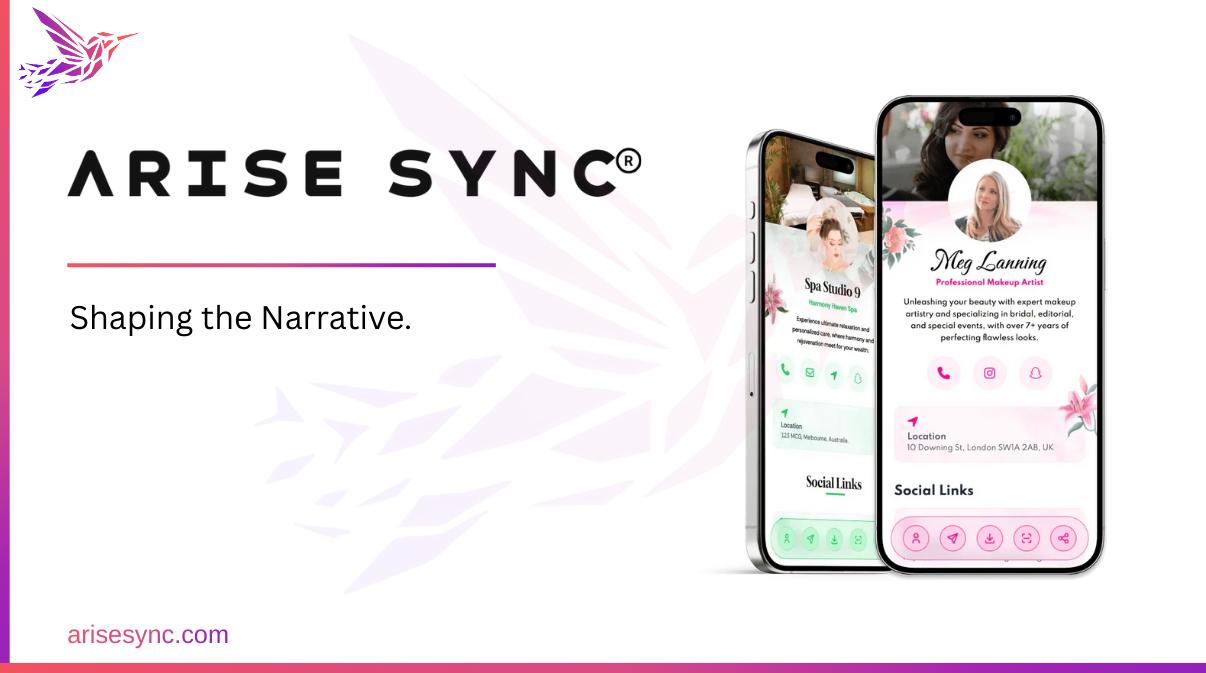
AriseSync is not trying to replace everything. It focuses on one simple idea: give professionals and businesses a single digital presence that looks credible, works instantly, and produces measurable results.

Built for How People Actually Interact Online

Most decisions today are made in seconds. Someone opens a link, scans the page, and decides whether to act or leave. AriseSync is designed entirely around that moment.

Instead of long, unfocused pages or multiple links leading to different platforms, AriseSync creates one clear destination. Visitors immediately understand who you are, what you offer, and what they can do next.

That next step might be booking an appointment, sending an enquiry, starting a WhatsApp chat, saving contact details, browsing products, or placing an order. There is no confusion and no friction.

This focus on action is what separates AriseSync from traditional digital profiles.

A Powerful Digital Profile for Professionals

For service-based professionals, AriseSync works as a smart digital identity.

Doctors, lawyers, consultants, coaches, creators, and freelancers can showcase their services, share their availability, accept enquiries, and collect appointment requests from a single profile. Social media links, photo galleries, business hours, Google Maps location, payment details, and WhatsApp chat all sit in one clean interface.

Visitors can save contact details directly to their phone, making follow-ups easier and more natural. Personalized links and NFC cards allow professionals to share their profile instantly, both online and offline.

Instead of managing scattered touchpoints, professionals get one link that does real work.

A Full E-Commerce Store for Product-Based Businesses

For businesses that sell products, AriseSync becomes something entirely different.

It turns into a complete ecommerce website where customers can browse products, add items to the cart, make payments, and place orders. Categories, pricing, checkout, and order handling are built in from the start.

This makes AriseSync especially valuable for small brands, local sellers, and growing ecommerce businesses. There is no need to hire developers, install plugins, or manage complex systems. Everything needed to start selling is already there.

The store experience feels familiar to customers and simple for business owners. That balance is rare and powerful.

Built-In CRM That Keeps Everything Under Control

One of the biggest problems businesses face is not lack of leads, but lack of organization.

AriseSync solves this with a built-in CRM that tracks every enquiry, appointment request, contact form submission, and store order. Everything flows into a single dashboard.

Professionals can see who contacted them and for what service. Businesses can track customers, orders, and engagement history. No more searching through WhatsApp chats, emails, or spreadsheets.

This alone saves time, improves follow-ups, and prevents revenue from slipping through the cracks.

Search Visibility That Compounds Over Time

One of AriseSync’s most valuable advantages is discoverability.

Profiles and stores are search-engine indexable, meaning they can appear on Google for relevant keywords. Names, services, products, and business details become searchable.

Unlike social media links that fade quickly, search visibility grows stronger over time. An AriseSync profile does not stop working once shared. It continues bringing discovery, enquiries, and orders in the background.

For professionals and businesses alike, this turns a digital profile into a long-term asset rather than a temporary link.

Designed to Look Premium Without Extra Effort

First impressions matter, especially online. AriseSync’s industry-specific themes ensure that profiles and stores look professional from day one.

Pages load fast, work smoothly on mobile, and avoid unnecessary clutter. Visitors feel like they are interacting with a serious business, not a generic tool.

That perception builds trust quickly. And trust leads to action.

Flexible Plans That Grow With You

AriseSync makes it easy to start without pressure. A free trial allows users to explore real features and test real use cases.

As needs grow, plans scale logically. Professionals can start with simple profiles and later unlock advanced features. Businesses can move from basic listings to full ecommerce stores with unlimited products and enquiries.

You upgrade when the value is clear, not because you are forced to.

Why AriseSync Feels Like a Smart Move

AriseSync succeeds because it respects how modern business actually works.

It combines digital identity, lead capture, ecommerce, CRM, and search visibility into one clean system. It removes complexity without removing capability.

For professionals, it means more enquiries with less chasing. For businesses, it means selling online without technical stress. For both, it means having a digital presence that finally delivers results.

That is why more people are not just trying AriseSync, but choosing to build their digital presence on it long term.

Kailasam Global Trust: A Sacred Vision Bridging Spirituality, Service, and Sanātana Dharma

0
Kailasam Global Trust’s

In an era marked by rapid urbanization, material pursuits, and a growing spiritual disconnect, Kailasam Global Trust emerges as a timely and purposeful initiative dedicated to reviving India’s ancient spiritual wisdom while addressing pressing social needs. Registered in Tripunithura, Ernakulam (Kochi), Kerala, the Trust is rooted in the timeless values of Sanātana Dharma and envisions creating sacred spaces and service-driven ecosystems that harmoniously integrate spirituality, compassion, and community welfare.

Established as a public charitable trust, Kailasam Global Trust is founded on the belief that true spiritual growth must walk hand in hand with social responsibility. The Trust draws inspiration from India’s rich heritage of temples, ashrams, and community institutions that historically served not only as centers of worship but also as hubs of education, healing, and social upliftment.

A Spiritual Foundation with a Global Outlook

At the heart of Kailasam Global Trust lies its flagship vision: the development of the Kailasam Meditation Ashram, a serene spiritual retreat envisioned in the pristine mountain regions of Kerala. Designed as a sanctuary for self-discovery, meditation, and inner transformation, the ashram aims to welcome spiritual seekers from across India and around the world.

The project is conceived as more than a physical structure—it is a holistic spiritual ecosystem. With meditation halls, yoga spaces, sacred zones, and nature-aligned surroundings, Kailasam Meditation Ashram seeks to offer individuals an opportunity to reconnect with their inner self, rediscover timeless spiritual truths, and experience peace beyond material distractions.

An iconic spiritual landmark dedicated to Lord Shiva is also envisioned, symbolizing consciousness, balance, and universal harmony—values deeply embedded in the philosophy of Sanātana Dharma.

“Kailasam Global Trust was born from a simple yet powerful belief—that spirituality should not be confined to rituals alone, but must express itself through compassion, service, and responsibility toward society. Our aim is to create spaces where individuals can rediscover inner peace while contributing meaningfully to the world around them,” said Varun Parameshwaran Nair, Founder and Managing Trustee of Kailasam Global Trust.

Preserving Culture, Serving Humanity

While spirituality forms its core, Kailasam Global Trust is equally committed to social welfare and humanitarian service. The Trust’s objectives extend across multiple dimensions of public good, including:

Support for education, especially for underprivileged children and students from economically weaker sections

Assistance to orphanages and old-age homes, ensuring dignity and care for the most vulnerable

Welfare programs for the disabled, mentally challenged, blind, and hearing-impaired

Promotion of Indian art, culture, music, and heritage through cultural and charitable programs

Community outreach initiatives focused on healthcare, awareness, and sustainable living

By integrating service with spirituality, the Trust follows the age-old Indian principle that seva (service) is itself a form of worship.

Commitment to Ethical Governance

Kailasam Global Trust operates under a transparent and well-defined governance structure led by its founder and Managing Trustee, supported by a dedicated board of trustees. The Trust follows strict ethical standards, ensuring that funds received through donations, grants, and contributions are used solely for charitable, spiritual, and welfare-oriented objectives.

In keeping with its charitable ethos, trustees do not draw remuneration, reinforcing the Trust’s commitment to service over personal gain. Financial accountability, statutory compliance, and long-term sustainability remain core pillars of its operations.

A Platform for Collective Participation

The Trust actively welcomes participation from individuals, institutions, and organizations that share its vision. Through donations, volunteering, CSR partnerships, and collaborative spiritual initiatives, Kailasam Global Trust aims to become a collective movement rather than a standalone institution.

In the coming years, the Trust plans to expand its activities across India, creating multiple spiritual and service-oriented centers that promote mindfulness, harmony, and social balance.

A Vision Rooted in Timeless Wisdom

Kailasam Global Trust represents a powerful convergence of ancient wisdom and contemporary responsibility. From its base in Tripunithura, Ernakulam—one of Kerala’s historic spiritual and cultural centers—the Trust aspires to spread the message of Sanātana Dharma worldwide, helping people understand its relevance in modern life.

By preserving spiritual heritage, nurturing inner awareness, and extending compassionate service to society, Kailasam Global Trust seeks to create a lasting legacy—one that uplifts individuals while strengthening the moral and cultural fabric of the nation.

Doctor Prashant Dwivedi Meets BJP’s National Executive President Nitin Nabin

0
Doctor Prashant Dwivedi

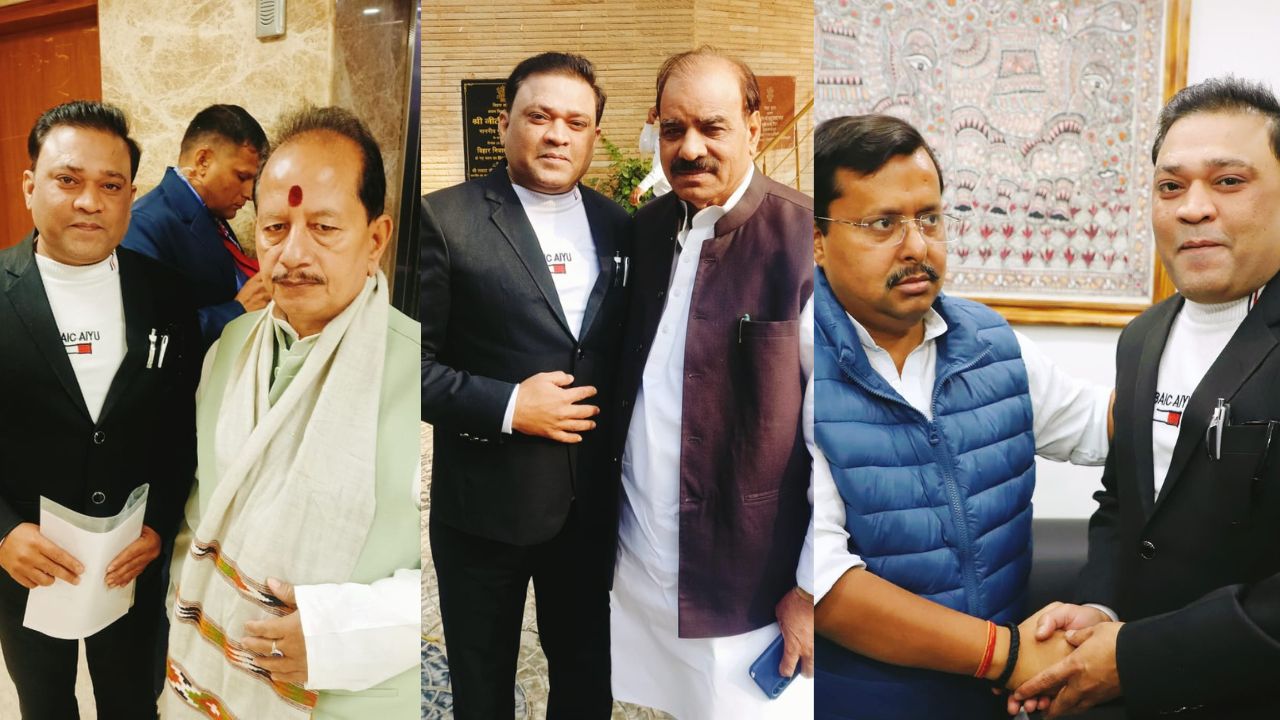
New Delhi, December 17, 2025 – Doctor Prashant Dwivedi, a prominent social worker, met with Nitin Nabin, the newly appointed National Executive President of the Bharatiya Janata Party (BJP), in Delhi today. During the meeting, Dr. Dwivedi congratulated Mr. Nabin on his new role and expressed gratitude to Prime Minister Narendra Modi for empowering youth and entrusting them with responsibilities¹ ² ³.

The meeting also saw discussions on the upcoming programs of the Bharat Manch, a social organization, and Dr. Dwivedi sought guidance from Bihar’s Deputy Chief Minister, Vijay Sinha. Additionally, he met with Jagdish Yadav, former Chairman of the Delhi Backward Classes Commission⁴ ⁵.

Dr. Dwivedi praised Mr. Nabin’s organizational experience and leadership, stating that it would undoubtedly elevate the BJP’s ideological journey to new heights. He emphasized that Bharat Manch is committed to working for the nation and society, collaborating with political and social stakeholders⁶ ⁷ ⁸.

During the meeting, Dr. Dwivedi also discussed upcoming programs with Deputy Chief Minister Vijay Sinha, highlighting the people’s support for the BJP in Bihar, which has contributed to the party’s strength and majority. He noted that political and social leaders are working together to serve the people, and Bharat Manch aims to contribute to this effort⁹.

Ethika’s “HR to CEO” Workshop Highlights the Role of Employee Energy in Business Success

0
Ethika’s

Bengaluru (Bellandur) | December 20

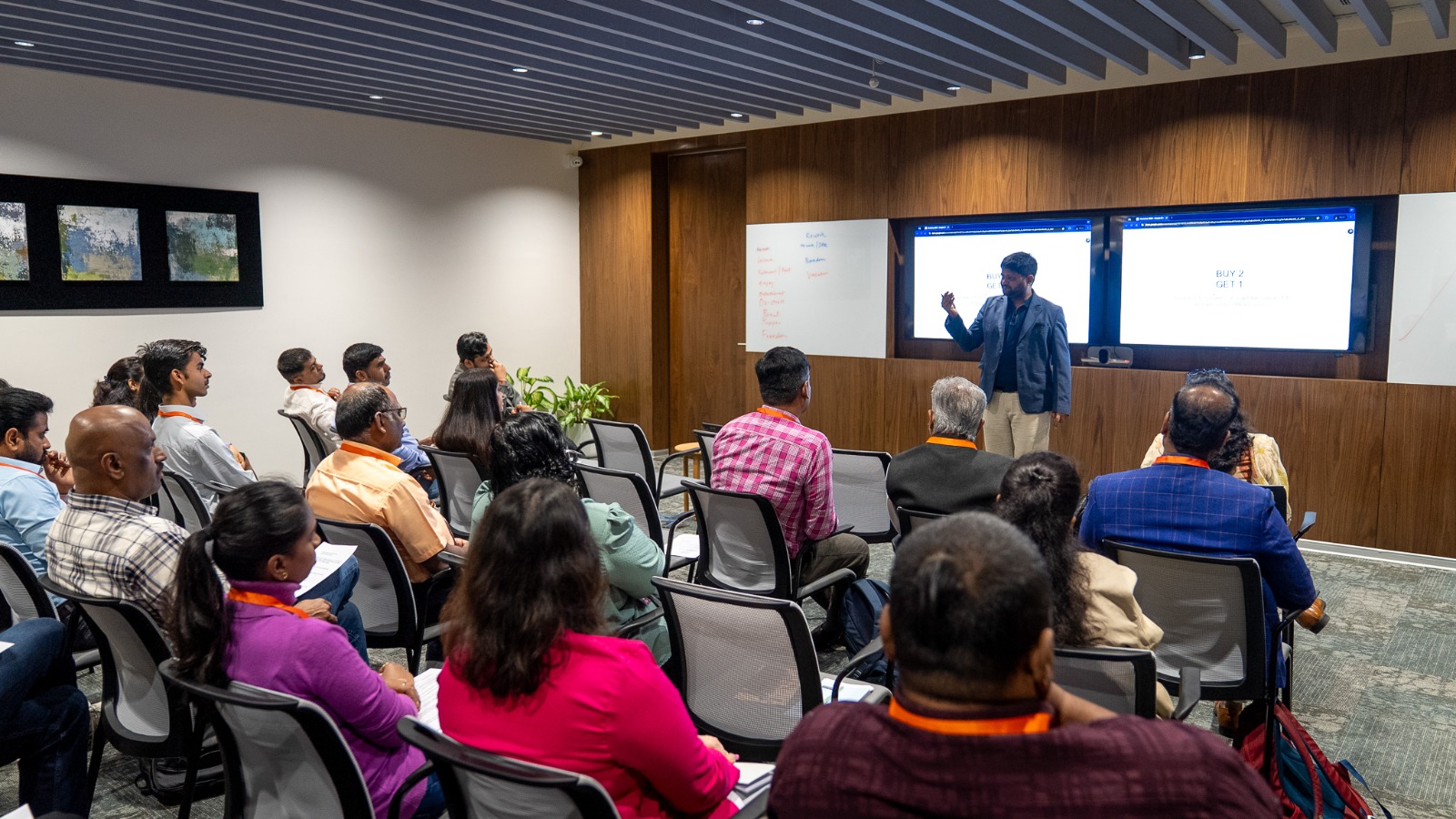
In today’s workplaces, organisations are increasingly recognising that performance is not driven by systems alone, but by the energy and engagement of employees. As businesses face constant change, the ability to sustain employee motivation has become a strategic priority. This perspective was explored at the “HR to CEO” workshop conducted by Ethika Insurance Broking Pvt. Ltd. in Bellandur, Bengaluru.

The workshop focused on redefining HR’s role in shaping employee experience and organisational outcomes. Rather than positioning HR as a support function, the session examined how HR can act as a strategic driver of employee energy and productivity.

The session was led by Susheel Agrawal, who introduced the concept of HR as a Chief Energy Officer, responsible for maintaining the emotional and motivational climate of the organisation.

“When employee energy is high, performance follows. When it drops, even the best systems struggle,” Agrawal observed.

Understanding Employee Energy

Participants discussed how employee energy is influenced by everyday workplace experiences. Factors such as workload balance, clarity of expectations, recognition, and leadership behaviour play a critical role in shaping how employees feel at work.

The workshop highlighted that HR is uniquely positioned to influence these factors through policy design, communication frameworks, and engagement initiatives.

By focusing on employee energy, HR can proactively address burnout and disengagement before they affect performance.

Linking Energy to Business Outcomes

A central theme of the workshop was the connection between employee energy and business outcomes. Participants explored how low energy manifests in delayed decision-making, reduced collaboration, and higher attrition.

The concept of Return on Happiness (ROH) was introduced as a way to measure the impact of employee experience on productivity. Rather than viewing happiness initiatives as optional, the workshop positioned them as strategic investments.

Participants shared examples where improvements in engagement led to tangible business benefits, including higher efficiency and stronger retention.

HR’s Role in Sustaining Engagement

The workshop also examined HR’s role in sustaining engagement over time. Participants discussed how one-time initiatives often fail to create lasting impact if not supported by consistent practices.

HR professionals were encouraged to adopt a long-term approach—embedding engagement into performance systems, leadership behaviour, and organisational processes.

By doing so, HR can help organisations maintain stable performance even during periods of change.

Redefining Success for HR

The session concluded with reflections on how HR success should be measured. Participants agreed that HR’s effectiveness lies not only in compliance or execution, but in its ability to influence energy, engagement, and outcomes.

The “HR to CEO” workshop reinforced a growing realisation across industries: HR’s strategic value lies in its ability to connect employee experience with business success.

Through this initiative, Ethika Insurance Broking Pvt. Ltd. continued to advance conversations around the evolving role of HR in modern organisations.

“Heroine Sangita konar attend The Dark Drunch Brand party with Aryan Khan in kolkata “

0
Sangita konar

Recently, Coffee House Movie Famous Heroine Sangita Konar was invited to attend The DARK DRUNCH BRAND event with Shahrukh khan’s Son Aryan Khan, which is held in Kolkata at the prestigious The Westin Hotel. The city is about Global Star Heroine Sangita Konar and Aryan Khan.

Sangita Konar Starring Bengali Film Coffee House is Released in all over West Bengal on 29thAugust 2025, successfully running 6thweek in Cinema Halls. Now It is a Super Hit Movie. Audience liked Heroine Sangita Konar’s glamorous looks, acting. Sangita Konar Starring Coffee House Movie gets huge response from audience. Audience Says Heroine Sangita Konar’s acting looks like Priyank Chopra, Deepika Padukone. Sangita Konar is the next Priyanka Chopra, Deepika Padukone in Bollywood.

Coffee House Movie title song sung By Bollywood Singer Vinod Rathod. For Shahrukh Khan’s first movie Vinod Rathod sung a song, same way for Sangita Konar’s First Movie “CoffeeHouse” Vinod Rathod sung a song. Vinod Rathod makes Sharukh Khan Super star, the same way Vinod Rathod makes Sangita Konar Super Star Heroine.

Sangita Konar Starring “Coffee House” Movie screening at Prestigious Roop Kala Kendra SaltLake Kolkata On 19thSeptember 2025.Sangita Konar Starring ” Coffee House” Movie Promotion From Prestigious Sree Bhumi Durga Puja Pandal 2025 Kolkata. Fire Bridge Minister Mr Sujit Bose , supported Heroine Sangita Konar for promotion of Coffee House Movie from SreeBhumi Durga Puja Pandal 2025 Kolkata.

Coffee House Movie drawing inspiration from the legendary Manna Dey’s song “ Coffee Houser sei addata Aj Aar Nei”. Coffee House Movie Heroine is Sangita Konar, she is a Canadian Supermodel and Beauty Queen. In the movie her character name is Sujata.

Sangita Konar , an award winning International Actress/ Super Model/ Beauty Queen from Canada., is making headlines with her powerful presence in the film, known for her elegance, talent and global appeal.. Sangita Konar plays the central role of “ Sujata” in the film.

Sangita Konar, she is Canada based International Actress, Super Model and Beauty Queen Canada. . She started her acting modeling career internationally from Canada. As a Cover Model she has been featured in India, Canada, USA, France, Netherlands, Denmark Based International Fashion Magazine Worldwide. She has been featured in USA New York Times Square. Sangita Konar has received the “ Global Star Of the Year 2024” Award . She has also received the American Award “ American Inspiring Personality Women Of the Year “ Award. For outstanding international achievement worldwide. Sangita Konar is not just Heroine, she is a Global Star.

Coffee House Movie Title song sung by famous Bollywood singer Vinod Rathod. Vinod Rathod traveled to kolkata to record the song. Actress Nusrat Jahan promotes to Heroine Sangita Konar.

Heroine Sangita konar, she did an excellent performance in the movie. This Coffee House film is being widely anticipated not just for its story line but also for its cinematic homage to a song that holds a special place in Bengali culture. Coffee House Film is poised to become one of the most talked about Bengali Films of the Year. With a promising story ,a nostalgic theme and strong performances, Coffee House is Poised to make a mark in regional cinema while appealing to a global audience.

India Strengthens Economic Front Google’s AI Push and PM MITRA Parks Power Growth

0
PM MITRA Parks

Maharashtra leads regional progress as markets remain steady amid global and holiday trends.

India’s business and economic landscape is entering a crucial phase, with major developments unfolding across technology, manufacturing, textiles, and state-level investment plans. From Google’s fresh push into AI research to the Union Government’s approval of PM MITRA textile parks, and from resilient stock market sessions during the holiday season to Maharashtra’s aggressive investment targets, multiple growth engines are now working together.

These combined moves underline a clear message: India is positioning itself as a global hub for innovation, manufacturing, and long-term capital inflows, even as economic pressures and fiscal challenges remain.

Google backs India’s AI research ambitions

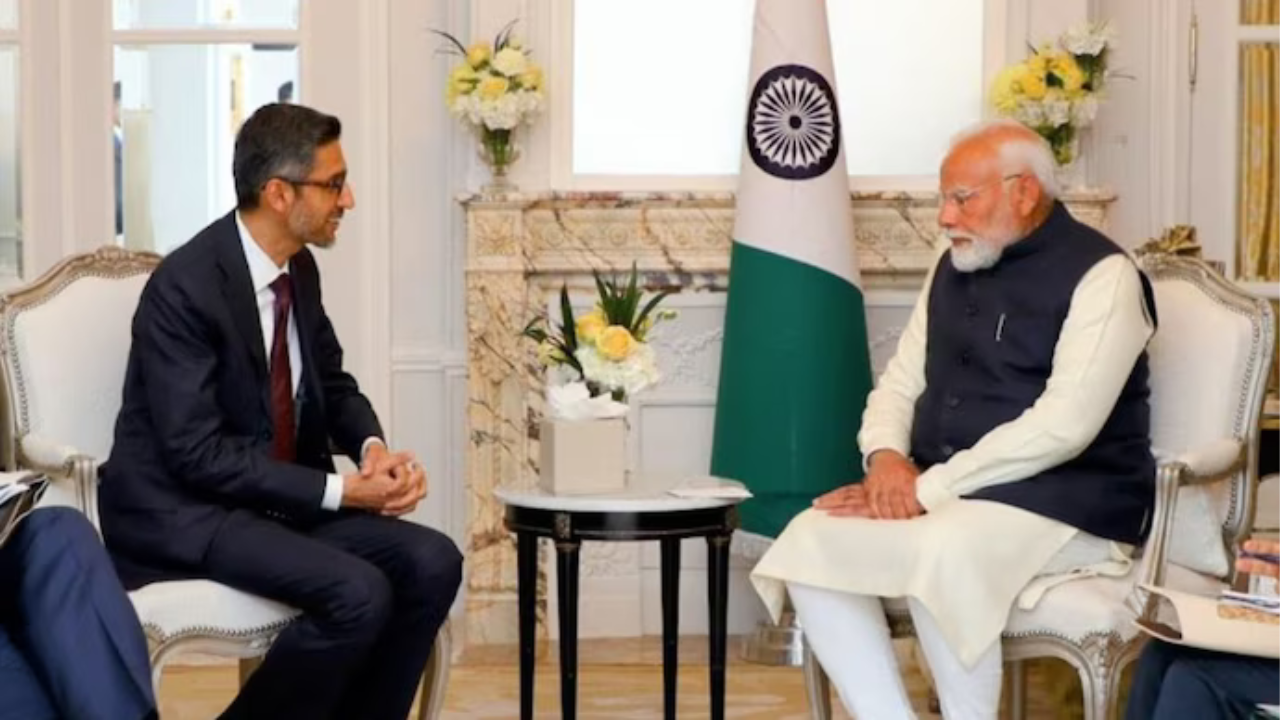
In a significant boost for the country’s digital economy, Google has announced fresh funding support for artificial intelligence (AI) research in India. This move aligns with the government’s broader vision to make India a global AI and digital innovation hub.

The funding is expected to support:

  • Advanced AI research labs and academic partnerships
  • Startup ecosystems working on AI-driven solutions
  • Applied AI projects in areas like healthcare, agriculture, education, and small business productivity

With India already home to one of the world’s largest developer communities and a rapidly growing digital consumer base, Google’s investment signals strong global confidence in the country’s talent and market potential. It also helps Indian researchers and startups access world-class tools, cloud infrastructure, and collaboration opportunities.

For India, this AI push is not just about technology. It is also about job creation, skilling, and building export-ready digital products that can compete globally. Over the next few years, AI-driven solutions are likely to play a key role in improving efficiency across sectors, from public services to private enterprises.

PM MITRA textile parks get green signal

On the manufacturing side, the central government’s approval of PM MITRA (Mega Integrated Textile Region and Apparel) Parks is another big development. The scheme aims to create large integrated textile and apparel hubs across the country, bringing together the entire value chain—from spinning, weaving, and dyeing to printing and garment manufacturing—within a single ecosystem.

The PM MITRA parks are designed to:

  • Attract large domestic and foreign investments in textiles
  • Generate direct and indirect employment for lakhs of people
  • Reduce logistics costs and improve global competitiveness
  • Promote exports of high-quality textile and apparel products

By clustering key activities at one location and offering modern infrastructure, these parks are expected to help India compete with major textile exporting countries. They also open new opportunities for MSMEs, ancillary units, and local suppliers connected to the textile value chain.

For states, hosting a PM MITRA park can become a major driver of regional industrial development, especially in districts with strong textile traditions or available land and labor.

Markets trade steady amid holidays

Even as the festival and year-end holiday season leads to shorter trading weeks and lower volumes in some sessions, Indian financial markets have continued to remain active and closely watched. Investors are balancing several factors at once:

  • Global cues on interest rates and inflation
  • Foreign institutional investor (FII) flows
  • Domestic economic data and corporate earnings
  • Policy signals from the central and state governments

While there may be muted participation on certain days due to holidays, the broader trend shows continued interest in Indian equities, especially in sectors like banking, capital goods, infrastructure, technology, and consumption.

For retail investors and traders, this period is also a time to review portfolios, rebalance allocations, and prepare for the next calendar year. Market experts are closely tracking how domestic growth stories, government capex, and private sector investments will translate into earnings momentum in the coming quarters.

Maharashtra pushes ahead with investment targets

Against this national backdrop, Maharashtra remains one of the most active and ambitious states on the economic front. Despite facing financial pressures and competing priorities, the state government is pushing ahead with clear investment and industrialization goals, with several districts targeting fresh capital inflows.

The focus areas for Maharashtra’s investment drive include:

  • Manufacturing clusters and industrial corridors
  • Infrastructure projects such as roads, logistics hubs, and ports
  • IT and IT-enabled services, fintech, and startups
  • Renewable energy, electric mobility, and green projects

District-level administrations are increasingly being encouraged to identify sector-specific strengths and pitch themselves as attractive destinations for investors. This includes offering faster clearances, improved connectivity, and better coordination between departments.

For Maharashtra, sustaining its position as a top investment destination is crucial. The state contributes a significant share to India’s GDP and tax revenues, and it hosts major financial, industrial, and services hubs. However, rising expenditure needs, infrastructure demands, and social sector commitments put pressure on its finances.

Balancing fiscal discipline with growth-oriented spending is the key challenge. By pushing for private investments and public–private partnerships, Maharashtra aims to generate jobs, expand its tax base, and upgrade its infrastructure without relying solely on borrowing.

A converging growth story

Taken together, these developments show a converging growth story for India:

  • Global tech giants like Google are betting on India’s AI future.
  • Central schemes like PM MITRA are building the foundation for manufacturing-led growth.
  • Financial markets are navigating volatility while still reflecting confidence in the India story.
  • Leading states like Maharashtra are aggressively chasing investments even under fiscal pressure.

For businesses, startups, investors, and job seekers, this is a period of both opportunity and transformation. The coming months will be crucial in determining how quickly these policies and announcements convert into on-ground execution, new factories, expanded labs, and real jobs.

Rahul Gandhi Meets German Think Tank, Discusses India’s Democratic Future

0
India’s Democratic Future

During his Europe visit, the Congress leader engaged in a detailed dialogue on India’s economy, youth challenges, and global partnerships.

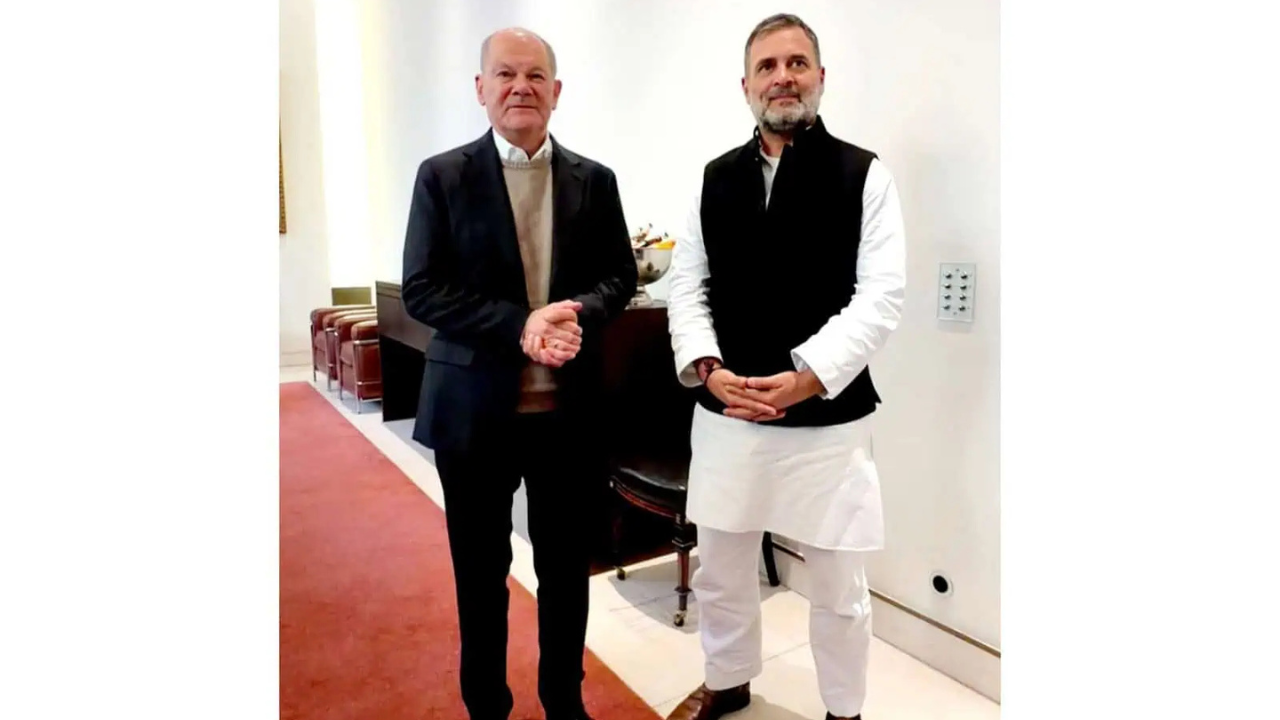
In a significant development during his ongoing visit to Europe, Congress leader Rahul Gandhi held meetings with a prominent German think tank, engaging in in-depth discussions about India’s democratic values, economic challenges, and global positioning in a rapidly changing world. The meeting marks another effort by the senior Congress leader to connect India’s political and developmental trajectory with international experts and policy communities.

A Thoughtful Discourse in Germany

Rahul Gandhi, known for his global outreach and continued engagement with international institutions, met members of a reputed policy think tank in Germany earlier this week. While the specific name of the organization has not been publicly disclosed, sources indicate it specializes in political economy, governance reforms, and sustainability studies.

According to attendees, the conversation covered India’s evolving political landscape, economic inclusivity, youth empowerment, and the importance of protecting democratic institutions. Gandhi reportedly highlighted the challenges faced by India’s middle class, farmers, and small businesses amidst global economic shifts and automation-driven transitions.

“The world is watching India closely. Our choices today will define not just our growth, but also our democracy’s strength in coming decades,” Gandhi was quoted as saying during his address to the experts.

Focus on Democratic Values and Global Cooperation

The Congress leader emphasized that India’s global influence relies not only on economic growth but also on the strength of its democratic framework and diversity. He urged international partners to view India as both a strategic and moral force in a world where democratic principles are being tested.

In his discussion, Rahul Gandhi called for renewed cooperation in education, climate transition, and digital governance between India and the European Union. He stated that as India continues to grow as an economic power, its partnerships with European nations will play a vital role in balancing development with social justice and environmental sustainability.

His remarks reflect a continued effort to position India within a global value system rather than purely as an economic participant. Gandhi reportedly argued that countries like Germany could play a key role in knowledge-sharing that benefits both societies.

Highlighting Youth and Employment Concerns

One of the major segments of the discussion centered on India’s youth population, which Gandhi described as its “biggest strength and most urgent responsibility.” He noted that India’s economic strategy must focus more on generating real employment, rather than relying solely on indicators like stock market performance or GDP.

“True progress must be measured by opportunity and dignity, not just numbers,” he reportedly remarked.

Experts at the think tank echoed similar concerns about youth unemployment rates across emerging economies and discussed possible collaborative programs between German institutions and Indian educational setups to foster skill exchange.

Engagement Beyond Borders

This meeting forms part of Rahul Gandhi’s broader international outreach, which has included visits to the United States, the United Kingdom, and several European countries over the past few years. These global interactions have consistently focused on dialogues about democracy, technology, social justice, and sustainable growth.

Political observers believe such interactions strengthen Gandhi’s image as a forward-looking leader whose approach extends beyond partisan politics. His global dialogues often contrast with his domestic critics’ perception, as they portray him as someone interested in learning from international systems and applying those lessons to India’s policy framework.

Congress party sources say this visit aims to build awareness among global think tanks about India’s current internal challenges and to explore shared strategies on issues like digital privacy, agricultural transformation, and equitable growth.

Broader Implications for Indian Politics

Back home, Rahul Gandhi’s meeting in Germany has garnered attention from political analysts, with many interpreting it as part of his consistent outreach ahead of key political developments in 2026. Congress leaders have welcomed his visit as a sign of proactive diplomacy from the opposition, seeking ideas beyond national boundaries.

They argue that international conversations help broaden India’s political imagination and can inspire fresh policy thinking at a time when domestic debates often remain limited to election-centered narratives.

Meanwhile, social media has seen mixed reactions — Congress supporters have praised his initiative to raise India’s issues globally, while critics have questioned the outcomes of such visits. Nonetheless, the event continues to generate discussion across the political spectrum.

Looking Ahead: A Visionary Exchange

As Rahul Gandhi wraps up his Europe leg, his meeting with the German think tank stands as an example of how intellectual diplomacy is becoming increasingly important in contemporary politics. Rather than focusing merely on trade or defense, such meetings underline the significance of exchanging ideas and values that define a nation’s development model.

Experts view this as a positive direction for Indian politics — where leaders engage in dialogue not only within the country but also on global platforms that shape policy and governance trends.

Ultimately, Gandhi’s interaction in Germany represents his continuing attempt to connect Indian realities with global perspectives, blending domestic leadership with international insights. His outreach aims to underline that India’s story — its democracy, economy, and diversity — belongs as much to the world’s conversations as it does to its domestic debates.

India Post Goes Digital Pay Installments, Track Parcels, and Send Money Orders Online

0
India Post

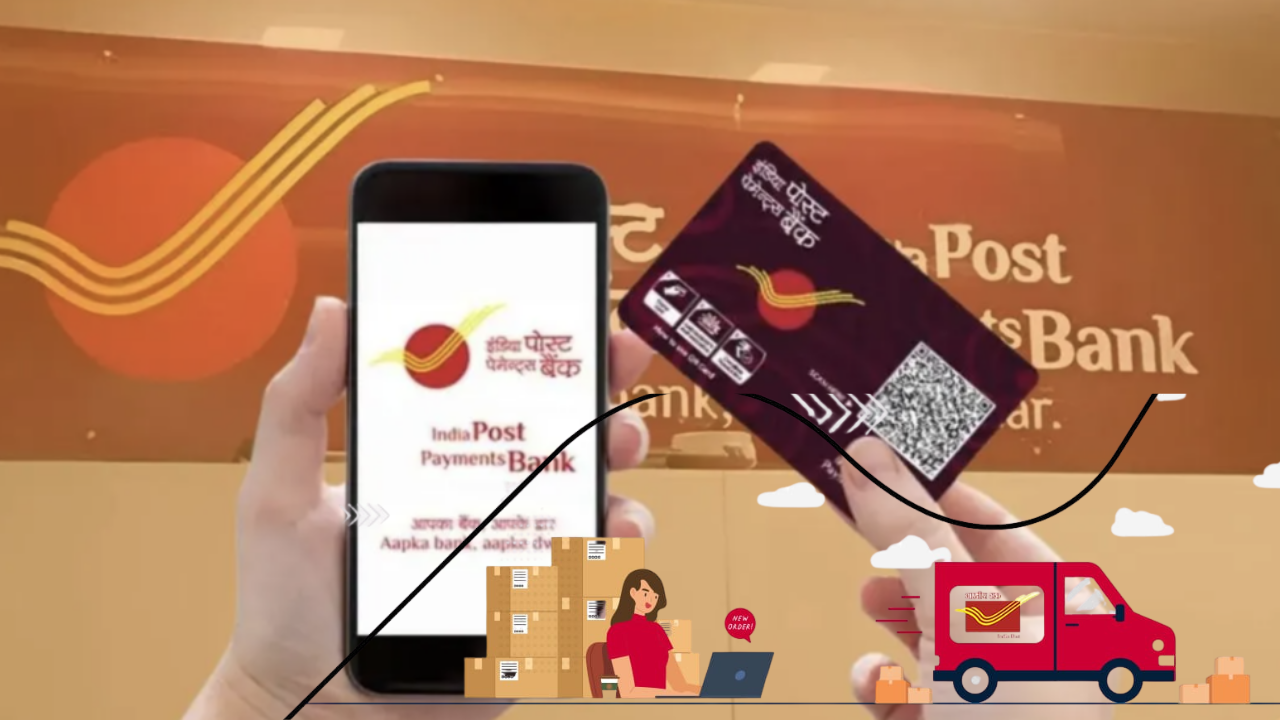
India Post introduces smarter digital services through its mobile app and website, empowering citizens with faster, easier, and more secure access to postal and banking solutions.

In a major step toward digital empowerment and convenience, India Post has introduced a range of new mobile and online services that make it easier for citizens to manage their daily postal and financial needs. Now customers can easily pay installments, track parcels, and send money orders directly through India Post’s digital platforms — all from the comfort of their homes.

As India continues to accelerate its Digital India mission, this initiative marks a significant improvement in how postal services adapt to modern technology while preserving reliability and trust built over more than 160 years.

India Post Goes Digital for Every Citizen

Earlier, many India Post customers had to visit their local post office to access services such as installment payments or money order transfers. Recognizing the need for faster and more accessible options, India Post has upgraded its mobile app and official website to offer seamless digital services.

Through the India Post Mobile App — available on Android and iOS — users can manage various postal and financial transactions:

  • Pay Post Office Installments: Citizens who have Recurring Deposit (RD), Sukanya Samriddhi Yojana (SSY), or other savings account schemes under India Post can now pay their monthly installments directly from the app. This ensures timely deposits without visiting post offices physically.
  • Track Parcels in Real-Time: India Post’s tracking system allows users to track their courier or parcel delivery status easily by entering a tracking ID. The system shows detailed movement updates — from booking, dispatch, and transit, to delivery.
  • Send Digital Money Orders: The traditional money order service, once limited to handwritten forms, is now available online. Customers can send money safely across India within minutes using digital money order services.

Simplifying the Experience for Every User

The newly updated India Post App and online platform provide a user-friendly design, especially for people living in rural and semi-urban areas. The interface is available in multiple Indian languages, helping individuals who are not comfortable with English operate the platform smoothly.

The service process is straightforward — after registering with a mobile number, users can access all available services under one dashboard. Whether you want to check your savings balance, open a new RD account, transfer funds, or locate the nearest post office, the entire process takes just a few taps.

For parcel tracking, India Post’s tracking portal has also been integrated with SMS and email alerts, allowing users to get real-time delivery notifications. The transparency offered in this digital service significantly builds trust among customers and small businesses relying on postal deliveries.

Boosting Small Business and E-Commerce Connectivity

India Post’s digital transformation is a game-changer for small businesses and online sellers, who depend on reliable logistics. Entrepreneurs operating on platforms like Amazon, Meesho, or Flipkart often face challenges with shipment tracking, delays, or payment processing.

With the new India Post application, small business owners can:

  • Track every shipment in real time.
  • Provide tracking links to customers for better transparency.
  • Set up recurring payment reminders for postal deposit schemes.
  • Use India Post’s Business Parcel service for affordable, nationwide shipping.

This development supports the Government of India’s vision of strengthening local entrepreneurship and home-grown e-commerce ventures. Affordable shipping through India Post continues to be a backbone for small traders, artisans, and micro-enterprises across rural India.

Secure and Verified Payments

Security is another core highlight of India Post’s upgraded platform. The digital payment gateway is powered by India Post Payments Bank (IPPB), allowing customers to pay their savings account installments or send money using UPI, debit card, or net banking.

Each transaction is end-to-end encrypted and verified through two-factor authentication, ensuring protection against fraud. Once a payment is processed, customers receive an instant digital receipt and confirmation on both SMS and email.

Connecting Every Corner of India

What makes India Post’s service revolution especially meaningful is its reach across the country. From big cities like Mumbai, Delhi, and Bengaluru to remote villages in the Northeast and Himalayas, India Post has one of the largest delivery networks in the world.

With more than 1.5 lakh post offices — including over 1.3 lakh in rural areas — the integration of digital solutions ensures that citizens in every corner of India benefit equally. The combination of physical reach and digital innovation makes India Post one of the most inclusive service networks in the country.

Promoting Financial Literacy and Digital Awareness

In addition to upgrades in services, India Post and IPPB have launched several awareness campaigns focused on financial inclusion and digital literacy. These initiatives educate citizens about the importance of timely savings, investment opportunities in government-backed schemes, and digital safety while using postal apps.

Workshops, outreach programs, and local awareness camps are being held across districts to ensure more citizens can access and understand these upgraded digital services. This aligns with Prime Minister Narendra Modi’s vision for a “Digital Bharat” — where every citizen has easy access to transparent financial and communication systems.

A Step Toward a Smarter India

The new India Post App and online services are not just a digital upgrade, but a step toward creating a connected and empowered nation. They bring convenience, trust, and transparency — elements that reflect the evolution of India’s most traditional yet dependable communication network into a modern digital service provider.

As technology continues to shape our daily lives, India Post’s adoption of app-based installment payments, parcel tracking, and digital money orders stands out as an example of how heritage institutions can adapt and thrive in the digital era.