
In a move that has caught the attention of India’s startup ecosystem and lifestyle enthusiasts alike, Aman Gupta has unveiled his brand-new venture, OFF/BEAT, on the occasion of his birthday. The announcement has already generated strong curiosity online, with fans and followers wondering what this fresh launch is all about.
Known for his dynamic presence in the entrepreneurial space and his sharp understanding of youth-driven markets, Aman Gupta’s decision to introduce OFF/BEAT on such a personal milestone has added an emotional and strategic layer to the reveal. Birthdays often symbolise new beginnings, and this one seems to mark the start of yet another ambitious chapter in his journey.
What Is OFF/BEAT All About?
While the finer details of OFF/BEAT are still under wraps, the brand name itself has sparked conversations. The word “offbeat” suggests something unconventional, creative, and different from the mainstream. It hints at bold thinking, originality, and a departure from the ordinary — qualities that perfectly align with Aman Gupta’s public persona.
Industry observers believe that OFF/BEAT could be positioned as a youth-focused lifestyle brand, possibly tapping into fashion, culture, music, or digital-first experiences. The branding seen in the teaser visuals carries a modern, vibrant aesthetic, dominated by bold pink tones and sharp typography. This strongly indicates a brand that aims to resonate with Gen Z and millennials — a demographic that values individuality and self-expression.
Strategic Timing on a Special Day
Launching a brand on one’s birthday is more than just symbolic. It is a smart personal branding move. By choosing this date, Aman Gupta has seamlessly blended his personal milestone with a professional announcement, ensuring maximum engagement from his fanbase and business community.
In India, where entrepreneurs are increasingly becoming household names, such personal-brand-driven launches create deeper connections. Followers don’t just see a business update; they feel part of a journey. The emotional angle makes the announcement more relatable and shareable, giving OFF/BEAT a strong organic push right from day one.
Social Media Buzz and Speculation
Within hours of the reveal, social media platforms began buzzing with speculation about OFF/BEAT’s offerings. Is it a disruptive D2C brand? A creative content platform? A fashion-forward label? Or something entirely unexpected?
The mystery surrounding the brand is clearly intentional. By not revealing too much at once, the team behind OFF/BEAT has created anticipation. This suspense-driven marketing approach works particularly well in today’s digital landscape, where curiosity fuels conversations and engagement.
The “mystery” element attached to OFF/BEAT has become one of its strongest early marketing tools. Instead of a traditional launch filled with details and product listings, this approach invites the audience to guess, discuss, and wait eagerly for the big reveal.
A Reflection of Evolving Indian Entrepreneurship
The launch of OFF/BEAT also reflects a broader shift in Indian entrepreneurship. Today’s founders are not limiting themselves to one industry or vertical. They are building personal brands that allow them to experiment, diversify, and connect directly with consumers.
Indian consumers, especially the younger generation, are increasingly drawn to brands that stand for individuality and authenticity. If OFF/BEAT lives up to its name, it could carve out a niche by celebrating non-conformity and creative expression.
The design language seen so far suggests a contemporary, urban vibe. This could indicate that OFF/BEAT is positioning itself as a lifestyle statement rather than just a product-based brand. In a market crowded with conventional offerings, standing out requires a bold identity — and OFF/BEAT seems to be embracing exactly that.
What Could Be Next?
As anticipation builds, all eyes are now on the official detailed announcement. Industry insiders expect more clarity in the coming days, possibly revealing product categories, collaborations, or a launch event. Given Aman Gupta’s track record of understanding consumer behaviour, expectations are high.
If executed strategically, OFF/BEAT could quickly become one of the most talked-about new brands in India. The combination of strong personal branding, mystery-driven marketing, and youth-centric positioning has already set the stage for a powerful debut.
Final Thoughts
Aman Gupta’s OFF/BEAT launch is not just another brand announcement — it is a carefully crafted moment blending celebration, strategy, and suspense. By choosing his birthday to unveil this new venture, he has ensured that the spotlight remains firmly on both the entrepreneur and his latest creation.
As the Indian startup ecosystem continues to evolve, launches like OFF/BEAT demonstrate how personal branding, storytelling, and digital engagement are becoming central to business success. Whether OFF/BEAT turns out to be a fashion label, a creative platform, or something entirely unexpected, one thing is certain: it has already captured the nation’s curiosity.
The mystery is building, the buzz is real, and the market is watching closely. OFF/BEAT may just redefine what it means to launch a brand in India’s dynamic entrepreneurial landscape
Aman Gupta Drops New Brand OFF/BEAT on His Birthday, Sparks Buzz Across Startup and Lifestyle Circles

Where Neuroscience Meets Energy Healing: Miindtraa Elevates Standards with Neurochakra Quantum Healing

MUMBAI, INDIA — February 28, 2026 — As the global alternative healing sector grapples with questions of credibility, consistency, and scientific grounding, Miindtraa School of Healing & Training is introducing a new paradigm through its proprietary Neurochakra Quantum Healing (NQH™) system. Co-developed by Dr. Amaey A. Parekh — a licensed Counseling Psychologist, certified Theta Healer, NLP Expert, and MDS Prosthodontist — and Pankaj S. Nikam, a certified NQH™ Healer and professional facilitator with deep cross-modality experience, NQH™ represents a first-of-its-kind synthesis of modern psychology, neuroscience, energy healing, and quantum field principles. Together, Dr. Parekh and Nikam bring complementary authority to the system: clinical scientific rigor and practitioner-level experiential mastery in equal measure.
At a time when wellness consumers are increasingly discerning and demand evidence-informed approaches, NQH™ occupies a distinctive position: it is neither purely clinical therapy nor loosely defined spirituality. Instead, it is a structured, teachable, and measurable system that draws from both traditions with equal rigor — a deliberate design choice that both founders regard as central to its integrity.
The Architecture of NQH™
NQH™ operates through four integrated pillars, each grounded in a specific scientific or psychological discipline. The first pillar, Neuro Rewiring, applies principles of neuroplasticity and subconscious reprogramming to help clients collapse limiting belief systems at their cognitive root. Drawing on research into alpha-theta brainwave states, practitioners guide clients into a receptive mental state before introducing Quantum Mind Programming (QMP) techniques to overwrite entrenched identity blocks.
The second pillar, Chakra Activation, bridges the ancient Indian system of energy centers with contemporary understandings of the autonomic nervous system. Rather than treating chakra work as abstract metaphysics, NQH™ maps specific emotional states — shame, fear, grief, guilt — to corresponding energy centers and uses quantum field principles to clear the energetic charge associated with those states. Crucially, this method requires practitioners to work within the quantum field rather than using their own personal energy, directly addressing the burnout and energy drain that frequently affects unstructured healers.
The third pillar, Emotion Mastery, integrates clinical psychology with somatic and energetic release methods. Using the proprietary Emotional Resilience Technique (ERT), developed and refined by both Dr. Parekh and Nikam across thousands of client sessions, practitioners combine therapy-style dialogue with energetic processing to prevent the emotional looping that commonly undermines healing outcomes. The fourth pillar, Quantum Manifestation, employs timeline navigation and identity anchoring techniques informed by quantum physics concepts such as superposition and observer effect, enabling clients to embody future-state identities rather than merely visualizing them.
Two Founders, One Unified Framework
The dual authorship of NQH™ is central to its design integrity. Dr. Amaey Parekh’s background as a Counseling Psychologist and MDS Prosthodontist provides the system with its clinical and neurological scaffolding. His training across more than 16 modalities — including Theta Healing, NLP, Hypnotherapy, EFT, Pranic Healing, and Inner Child work — allowed him to map the structural limitations of each before distilling their most effective elements into the NQH™ framework.
Pankaj Nikam brings an equally essential dimension to the co-creatorship. As a certified NQH™ Healer and lead program facilitator, Nikam’s contribution is rooted in deep experiential practice. Having trained extensively across multiple modalities and worked directly with hundreds of clients and student practitioners, he shaped the delivery architecture of NQH™ from the inside out — ensuring the system’s protocols are not only theoretically sound but genuinely transformative in the room. Together, Dr. Parekh and Nikam have applied the NQH™ methodology across more than 5,000 client engagements and over 40 corporate wellness programs.
IPHM Accreditation and Professional Recognition
NQH™ is the only healing system in India that integrates neuroscience, chakra psychology, quantum physics, and clinical psychology within a single IPHM-accredited framework. The International Practitioners of Holistic Medicine (IPHM) accreditation provides global professional recognition to graduates of the NQH™ Healer Accelerator, enabling them to practice with institutional credibility across India and internationally.
The system’s structured nature makes it uniquely teachable. Unlike experiential-only healing traditions that require years of informal apprenticeship, NQH™ is codified into repeatable protocols that can be learned within a structured 120-day certification program — enabling practitioners to achieve professional competence within a defined timeframe, and to build practices that reflect the same standard of science and soul that Dr. Parekh and Nikam have set.
Full details on the scientific foundations of NQH™ and the certification pathway are available at: https://nqhhealeracceleratorpage.miindtraa.com
About Miindtraa
Miindtraa School of Healing & Training is India’s first science-backed emotional, energetic, and consciousness transformation academy, co-founded by Dr. Amaey A. Parekh and Pankaj S. Nikam. Headquartered in Mumbai, Miindtraa offers IPHM-accredited certification programs anchored in its proprietary system, NQH™ (Neurochakra Quantum Healing). With over 5,000 lives transformed, 200+ certified practitioners trained, and 40+ corporate wellness programs delivered, Miindtraa is redefining what professional healing education looks like in India and globally.
Website: https://miindtraa.com | Program Page: https://nqhhealeracceleratorpage.miindtraa.com
HayFixr Launches Smart Digital Platform to Modernize Home Maintenance Services

Kochi, India — The home maintenance industry is undergoing a digital transformation as HayFixr officially launches its technology-driven platform designed to simplify how homeowners access reliable repair and maintenance professionals.
With increasing urbanization and a growing reliance on digital solutions, homeowners are seeking faster, more transparent ways to book essential services such as plumbing, electrical repairs, air conditioning maintenance, carpentry, appliance servicing, and general home improvements. HayFixr aims to meet this demand through a centralized digital marketplace that connects customers with verified technicians.
Addressing a Common Homeowner Challenge Finding skilled and trustworthy service professionals has long been one of the biggest challenges for homeowners. Traditional methods often rely on word-of-mouth referrals, local directories, or unverified online listings, leading to inconsistent service quality and pricing uncertainty.
HayFixr introduces a structured ecosystem that replaces informal service discovery methods with a professional, technology-enabled booking system. Through its mobile and web applications, users can browse service categories, select providers based on ratings and profiles, schedule appointments, and track technician progress in real time.
The platform integrates service confirmations, digital communication, and secure online payments, offering a seamless user experience from booking to job completion.
Verified Technicians and Transparent Processes A core feature of the HayFixr platform is its structured verification system. Before onboarding, technicians undergo identity verification and service category validation. Customers can access detailed technician profiles that include ratings, previous service history, and verified customer reviews.
Additionally, users can receive estimated service pricing before confirming bookings, addressing one of the most common concerns in the home maintenance sector — unexpected costs.
By combining verification, ratings, and pricing transparency, HayFixr seeks to build trust between homeowners and service professionals.
Digital Infrastructure for Efficiency The platform integrates multiple service management tools into a unified system. Customers can:
Search and filter services by category and location
Schedule appointments based on availability
Track technician arrival and job progress
Complete secure digital payments
Provide service ratings and feedback
Industry observers suggest that digital platforms capable of centralizing these functions have the potential to modernize traditionally fragmented service sectors.
As on-demand services continue to expand globally, HayFixr’s model reflects a broader shift toward structured digital marketplaces in everyday service industries.
Modernizing the Home Services Sector The global home services industry has historically operated in a decentralized manner. By introducing digital workflows, structured onboarding, and centralized management tools, HayFixr aims to bring professionalism and scalability to the sector.
The company believes that technology-driven ecosystems will shape the future of home maintenance services by improving reliability, efficiency, and overall customer satisfaction.
With its official launch, HayFixr positions itself as part of a growing wave of digital innovation reshaping essential service industries worldwide.
India-Canada ₹17,000 Crore Uranium Deal Signed: A Major Boost to India’s Nuclear Energy Future

In a significant development for India’s clean energy ambitions, a ₹17,000 crore uranium supply agreement has been signed between India and Canada. The landmark deal, valued at approximately C$2.6 billion, will see Canadian mining giant Cameco Corp supply 11,000 tonnes of uranium reactor fuel to India between 2027 and 2035. The agreement marks a major step forward in strengthening India’s nuclear power capacity and deepening strategic energy cooperation between the two nations.
The long-term uranium supply contract is expected to play a crucial role in supporting India’s expanding nuclear power programme. With the country aiming to increase the share of non-fossil fuel energy sources in its overall energy mix, securing reliable uranium imports has become a strategic priority.
Strengthening India’s Clean Energy Goals
India has been actively working towards enhancing its clean energy portfolio to reduce dependence on coal and cut carbon emissions. Nuclear energy, which offers stable and low-carbon power generation, forms a vital part of this strategy. However, India’s domestic uranium reserves are limited, making international partnerships essential for sustained growth in nuclear power generation.
Under this new agreement, Cameco Corp will supply 11,000 tonnes of uranium concentrate to fuel Indian nuclear reactors over an eight-year period starting in 2027. The steady supply will ensure uninterrupted operations of India’s pressurised heavy water reactors and upcoming nuclear facilities.
Energy experts believe that this uranium deal will provide much-needed stability in fuel supply, allowing India to plan long-term reactor expansions without concerns over raw material shortages.
A Strategic India-Canada Partnership
The uranium deal also reflects improving trade and diplomatic ties between India and Canada. Over the past decade, both countries have worked to revive civil nuclear cooperation following earlier restrictions.
Canada is one of the world’s largest uranium producers, known for its high-quality reserves and advanced mining expertise. By partnering with Cameco, India gains access to reliable and globally competitive uranium resources.
The agreement is expected to further strengthen bilateral economic relations and create opportunities for future collaboration in clean energy technologies, critical minerals, and sustainable development.
Supporting India’s Nuclear Expansion Plans
India currently operates multiple nuclear power plants across states such as Maharashtra, Tamil Nadu, Gujarat, and Rajasthan. The government has ambitious plans to expand nuclear power capacity significantly over the next decade to meet rising electricity demand.
With rapid urbanisation, industrial growth, and digital transformation driving electricity consumption, ensuring consistent base-load power is critical. Unlike renewable energy sources such as solar and wind, nuclear power provides continuous generation without dependency on weather conditions.
The ₹17,000 crore uranium supply agreement offers long-term visibility for India’s nuclear operators, helping them optimise reactor performance and improve output efficiency.
Economic and Environmental Impact
Beyond energy security, the uranium deal has broader economic and environmental implications. Reliable nuclear fuel supplies reduce the risk of power shortages and support industrial growth. Stable electricity generation also encourages foreign investment by improving infrastructure reliability.
From an environmental standpoint, nuclear power remains a low-carbon energy source. As India works towards its climate commitments under global environmental frameworks, strengthening nuclear capacity contributes to lowering greenhouse gas emissions.
The agreement aligns with India’s focus on achieving energy independence while balancing economic growth and environmental sustainability.
A Forward-Looking Energy Vision
Industry analysts view the India-Canada uranium deal as a forward-looking move designed to secure critical resources well in advance. By locking in supply from 2027 to 2035, India demonstrates strategic planning in its energy policy.
The long duration of the contract signals confidence in nuclear power as a long-term pillar of India’s energy architecture. It also highlights the country’s commitment to diversifying energy sources while maintaining strong global partnerships.
As the global energy landscape undergoes rapid transformation, reliable access to fuel resources becomes increasingly important. The ₹17,000 crore uranium agreement ensures that India remains well-positioned to meet future electricity demands while advancing clean energy goals.
Conclusion
The signing of the ₹17,000 crore uranium deal between India and Canada marks a milestone in bilateral cooperation and energy security. With 11,000 tonnes of reactor fuel set to be supplied over eight years, the agreement strengthens India’s nuclear power ambitions and supports its transition towards a cleaner, more sustainable energy future.
As India continues its journey towards becoming a global economic powerhouse, securing dependable energy resources will remain central to its development strategy. This uranium partnership stands as a testament to India’s proactive approach in shaping a resilient and future-ready energy ecosystem.
Snabbit Is Turning Instant House-Help Into Neighbourhood Infrastructure, Redefining Urban Living in India
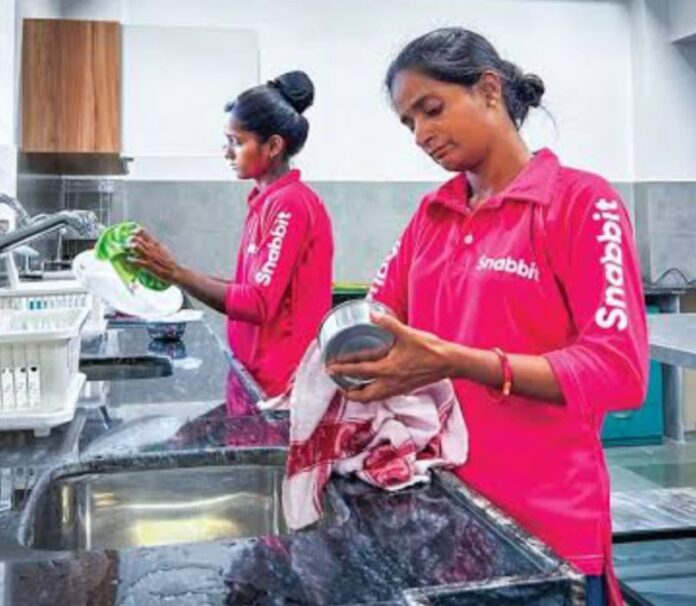
India’s fast-paced urban lifestyle has created a growing demand for reliable, on-demand home services. From last-minute cleaning needs to emergency household repairs, modern families are constantly seeking convenience without compromising trust and quality. Addressing this rising demand, Snabbit, a fast-emerging home services startup, is transforming the concept of instant house-help into what it calls “neighbourhood infrastructure.”According to the latest industry insights, Snabbit’s model goes beyond being just another home services platform. The company is building a hyperlocal ecosystem where trained professionals are available within neighbourhood clusters, enabling faster response times, stronger trust, and consistent service delivery. This shift from gig-based availability to structured local presence is what sets Snabbit apart in India’s competitive home services market.A New Approach to On-Demand House HelpFor years, Indian households have relied on informal networks or large aggregator apps to find house help, cleaners, and maintenance workers. However, these systems often struggle with issues like inconsistent quality, last-minute cancellations, lack of accountability, and safety concerns.Snabbit aims to address these challenges by embedding service professionals directly within neighbourhoods. Instead of assigning workers from far-off locations, the platform ensures that trained personnel operate within defined local zones. This “neighbourhood-first” approach not only reduces waiting times but also builds familiarity between service providers and residents.In practical terms, this means that a family in Bengaluru, Mumbai, Delhi NCR, or Pune could book instant house-help for cleaning, kitchen assistance, or minor repairs and expect prompt service from someone who already operates in their locality. Over time, this familiarity builds trust — something extremely valuable in Indian households.Turning Convenience into InfrastructureThe idea of converting house-help into neighbourhood infrastructure is a bold and forward-thinking strategy. Infrastructure traditionally refers to roads, electricity, and water supply — essential services that form the backbone of daily life. By positioning instant house-help as infrastructure, Snabbit is essentially saying that home services are no longer a luxury; they are becoming a basic urban necessity.With dual-income families becoming the norm and work-from-home culture still prevalent across many sectors, Indian households require flexible support systems. Whether it’s help during festive seasons, emergency deep cleaning before guests arrive, or routine household assistance, the demand is consistent and growing.Snabbit’s infrastructure-like model aims to ensure predictability. Instead of depending on availability fluctuations common in gig platforms, the company focuses on structured workforce management, training modules, and consistent local supply.Empowering India’s Service WorkforceAnother significant aspect of Snabbit’s growth story lies in workforce empowerment. India’s domestic work sector is largely unorganised, with limited access to structured training, financial security, or career progression.By formalising the ecosystem, Snabbit offers training, standardised service protocols, and digital booking transparency. This professionalisation not only enhances customer experience but also improves income stability and dignity for service workers.For many urban service professionals, hyperlocal deployment means reduced travel time and transportation costs. It also allows them to build repeat clientele within a single locality, strengthening long-term earning potential.Building Trust in Urban IndiaTrust plays a critical role in the home services sector, particularly in India where households are cautious about allowing new individuals into their homes. Snabbit’s neighbourhood model naturally fosters a safer environment, as workers become familiar faces in the community.Moreover, digital booking records, verified profiles, and service tracking add an additional layer of transparency. For families with elderly members or children at home, this structure brings peace of mind.Scaling Across Indian CitiesAs India’s urban population continues to expand, especially in Tier 1 and Tier 2 cities, the need for organised home services is expected to grow exponentially. Market analysts predict that the home services sector in India will witness strong double-digit growth in the coming years, driven by rising disposable incomes and lifestyle changes.Snabbit’s hyperlocal infrastructure strategy positions it well to scale efficiently. Instead of spreading resources thin across wide geographies, the company focuses on saturating neighbourhood clusters before expanding outward. This controlled expansion ensures service quality is maintained while building strong community-level presence.The Future of Instant House-Help in IndiaSnabbit’s vision aligns closely with India’s evolving urban aspirations — convenience, reliability, and safety. By treating house-help as neighbourhood infrastructure rather than temporary gig work, the startup is redefining how urban Indians view domestic assistance.If this model continues to gain traction, it could reshape the entire home services industry in India. The blend of technology, structured workforce management, and hyperlocal deployment presents a sustainable path forward.As Indian cities become busier and households seek smarter solutions for daily living, Snabbit’s innovative approach could well mark the beginning of a new chapter in organised home services. In a country where community still matters, building neighbourhood-level infrastructure for instant house-help may be exactly the solution urban India has been waiting for.
Nasreen Kashmir Premium Kashmiri Saffron, Walnuts & Authentic Himalayan Treasures Redefine Natural Luxury

In a time when consumers across India are actively searching for purity, authenticity, and traditional wellness products, Nasreen Kashmir is emerging as a trusted name in the premium dry fruits and spice segment. Dedicated to bringing the finest agricultural treasures from the valleys of Kashmir to homes across India and international markets, the brand stands for quality, heritage, and natural excellence.
Known worldwide for its fertile land, snow-fed rivers, and pristine climate, Kashmir has long been celebrated for producing some of the most sought-after spices, dry fruits, herbs, and oils. Nasreen Kashmir aims to preserve this rich legacy by sourcing directly from local farmers and ensuring that customers receive products in their purest and freshest form.
Bringing the Legacy of Kashmir to Modern Households
Kashmir’s agricultural heritage dates back centuries. The region’s unique climate and nutrient-rich soil create the perfect environment for cultivating high-grade saffron, walnuts, almonds, and medicinal herbs. Nasreen Kashmir bridges the gap between traditional farming practices and modern quality standards, delivering authentic Himalayan produce to health-conscious consumers.
By working closely with local cultivators, the brand ensures direct sourcing without unnecessary intermediaries. This approach not only maintains product authenticity but also supports the livelihood of farmers in the region. Every package reflects careful harvesting, traditional processing methods, and strict quality control.
Premium Kashmiri Saffron – The Crown Jewel
Among its wide product range, Premium Kashmiri Saffron stands out as the pride of Nasreen Kashmir. Often referred to as “red gold,” Kashmiri saffron is globally admired for its deep crimson strands, intense aroma, and powerful flavor. Sourced primarily from the famous saffron fields of Pampore, this high-grade Mongra saffron is known for its superior quality.
Rich in antioxidants, saffron is valued not just for its culinary appeal but also for its potential wellness benefits. It is traditionally used to enhance immunity, uplift mood, and add a royal touch to sweets, biryanis, and milk preparations. Nasreen Kashmir ensures that its saffron is lab-tested for purity, delivering maximum potency and freshness.
Finest Kashmiri Walnuts, Almonds & Rare Delicacies
Kashmir’s cool climate and mineral-rich soil make it ideal for growing premium walnuts and almonds. Nasreen Kashmir offers naturally grown, handpicked walnuts known for their high oil content and crunchy texture. Their almonds are nutrient-dense, rich in vitamin E, and appreciated for their distinctive taste.
Beyond these popular dry fruits, the brand also provides a carefully curated range of Himalayan specialties, including:
- Kashmiri Acacia Honey
- Premium Kashmiri Chilli
- Snow Mountain Garlic
- Rare Morel Mushrooms
- Authentic Shilajit
- Organic Himalayan Herbs
Each product carries the essence of the Himalayan landscape and reflects the purity associated with Kashmiri agriculture.
Cold-Pressed Oils & Traditional Wellness Products
Expanding beyond spices and dry fruits, Nasreen Kashmir also caters to the growing demand for natural wellness solutions. The brand offers cold-pressed oils such as walnut oil, apricot oil, and almond oil. Extracted using traditional methods without harmful chemicals, these oils are widely used for skincare, haircare, and overall wellness.
Another standout offering is Kashmiri Rose Gulkand, a traditional delicacy made from fresh rose petals. Known for its cooling properties and digestive benefits, gulkand remains a favorite in many Indian households. Nasreen Kashmir ensures that every jar retains the authentic aroma and flavor of Kashmiri roses.
Why Nasreen Kashmir is Gaining Popularity
With increasing awareness around organic and chemical-free products, Indian consumers are prioritising quality over quantity. Nasreen Kashmir addresses this demand by focusing on:
- 100% authentic Kashmiri sourcing
- Direct partnerships with local farmers
- Lab-tested purity standards
- No artificial additives or harmful chemicals
- Nationwide delivery and international shipping
The brand’s transparency and consistent quality have helped it build long-term customer trust. In a competitive market filled with blended or low-grade products, Nasreen Kashmir stands out for its commitment to authenticity.
Supporting Sustainability & Local Communities
Sustainability lies at the heart of Nasreen Kashmir’s operations. By promoting ethical farming practices and supporting small-scale farmers, the brand contributes to preserving Kashmir’s agricultural heritage. Each purchase indirectly supports rural communities and encourages sustainable cultivation methods.
As global demand for natural and organic products continues to grow, brands that combine tradition with responsible sourcing are gaining prominence. Nasreen Kashmir exemplifies this balance by maintaining the purity of its offerings while adapting to modern quality expectations.
A Trusted Destination for Himalayan Excellence
For consumers seeking premium Kashmiri saffron, high-quality walnuts, organic herbs, or cold-pressed oils, Nasreen Kashmir is steadily becoming a preferred choice. The brand blends tradition, purity, and reliability, delivering products that truly represent the richness of the Himalayan region.
As India embraces healthier lifestyles and natural alternatives, Nasreen Kashmir is well-positioned to lead in the premium segment. With its focus on authenticity, farmer partnerships, and uncompromised quality, the brand continues to bring the timeless treasures of Kashmir to doorsteps across the country.
In a market where trust matters most, Nasreen Kashmir is redefining what it means to experience genuine Himalayan luxury. For more information you can Instagram
Keto New by Herbsa Care Emerges as a Viral Weight Management Supplement, Gains Nationwide Trust
In India’s rapidly expanding health and wellness sector, one name that is creating significant buzz across social media platforms is Keto New by Herbsa Care. From Instagram reels to Facebook testimonials and YouTube discussions, the product has steadily captured the attention of fitness-conscious consumers looking for structured weight management and metabolism support solutions.
As conversations around healthy living, fitness goals, and balanced lifestyles continue to trend online, Keto New has positioned itself as one of the most talked-about nutraceutical products in its category. Its rising popularity reflects the growing demand among Indians for convenient and reliable wellness supplements that complement modern lifestyles.
Rising Demand for Weight Management Support in India
Over the past few years, awareness around weight management, metabolism health, and overall wellness has grown significantly in India. With busy schedules, desk-bound jobs, and changing food habits, many individuals are actively searching for products that support their health goals while fitting into their daily routines.
Keto New, developed by Jaipur-based nutraceutical company Herbsa Care, is designed to support weight management and help boost metabolism as part of a healthy lifestyle plan. The product’s surge in demand is closely linked to the increasing number of Indians turning to social media for health inspiration, fitness transformations, and real-life recommendations.
Social proof has played a major role in Keto New’s rise. Consumers across various platforms are sharing their experiences, progress stories, and feedback, contributing to the product’s viral growth. This organic engagement has significantly strengthened consumer trust and brand recognition.
Social Media Virality Drives Brand Visibility
One of the key factors behind Keto New’s rapid growth is its strong presence on digital platforms. Short-form video content, before-and-after testimonials, and customer reviews have helped the product reach a wider audience. As more users discuss their wellness journeys, Keto New continues to trend among fitness-focused communities.
In today’s digital age, consumers often rely on peer recommendations before making purchase decisions. Keto New has benefited from this trend, with customers actively recommending the product within their networks. The ongoing discussions have transformed Keto New from a new entrant into a recognizable name in the weight management supplement market.
The viral momentum also highlights how digital conversations are influencing buying behaviour in India’s nutraceutical industry. As people share their journeys online, confidence in products backed by real user experiences naturally increases.
Herbsa Care: The Company Behind the Success
Behind the growing popularity of Keto New is Herbsa Care, a Jaipur-based nutraceutical company that has been operating for the past four to five years. The company was founded by Anas Chouhan, with Suraj Karnani serving as Co-Founder. Together, they have focused on building wellness solutions that align with the needs of modern Indian consumers.
Herbsa Care has steadily strengthened its presence in the competitive health supplement market by prioritizing quality standards, consistent supply, and customer satisfaction. The company’s strategic marketing approach, combined with a robust distribution network, has enabled Keto New to reach customers across various regions of India.
As demand increased due to social media visibility, Herbsa Care ensured product availability and maintained customer support systems. This balance between digital growth and operational efficiency has played a crucial role in sustaining long-term consumer trust.
Award Recognition Enhances Credibility
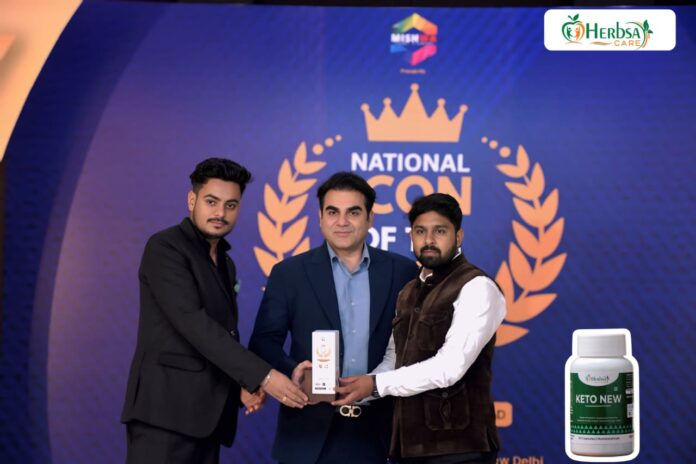
Further boosting the product’s reputation, Keto New by Herbsa Care was recently honoured with the “Best Nutra Product of the Year” award by Bollywood actor and producer Arbaaz Khan. The recognition has added an additional layer of credibility to the brand and reinforced its growing popularity in the wellness segment.
Industry observers note that such recognitions often strengthen public confidence, especially when combined with strong consumer feedback. For Keto New, the award has helped position the product as more than just a trending supplement — it has become a recognized name within India’s nutraceutical landscape.
The Future of Keto New in India’s Wellness Market
The Indian nutraceutical market continues to expand, driven by increased health awareness and lifestyle changes. Products that combine consumer trust, social media engagement, and consistent availability are more likely to sustain long-term growth.
Keto New’s journey reflects this evolving dynamic. Its rapid rise through organic digital conversations, coupled with structured brand management by Herbsa Care, highlights how modern wellness brands are being built in India today.
As more Indians prioritise fitness, balanced diets, and active living, the demand for supportive supplements is expected to remain strong. With growing recognition, viral digital presence, and nationwide customer engagement, Keto New by Herbsa Care appears well-positioned to continue its upward trajectory in the competitive weight management supplement category.
In a market driven by awareness and authenticity, Keto New’s story demonstrates how trust, visibility, and consumer feedback can collectively shape a successful wellness brand in India. For more information you can visit https://herbsacare.com/
Dr. Sambhaji Patil Skin Care Specialist in Panvel – Trusted Clinic for Advanced Cosmetic Dermatology
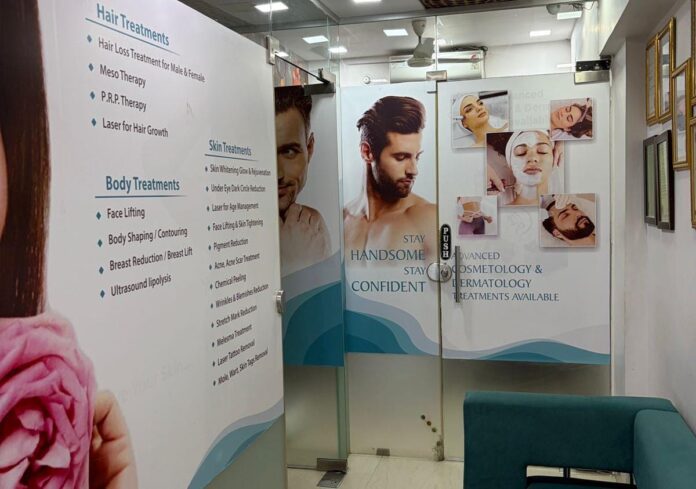
In the heart of Navi Mumbai, the skin and hair care landscape is being redefined by a professional who has carved a niche for himself through expert care, ethical practices, and state-of-the-art treatments. Dr Sambhaji Patil Skin Care Clinic has rapidly become one of the most trusted skin care destinations in the region, thanks to the leadership of Dr. Sambhaji Patil, a highly qualified dermatologist, cosmetologist, and trichologist dedicated to transforming skin and hair health for thousands of patients.
Who is Dr. Sambhaji Patil?
Dr. Sambhaji Patil is the Chief Consultant Dermatologist and founder of Dr. Sambhaji Patil Skin Care Clinic, with clinics strategically located in Nerul and Panvel, Navi Mumbai. With nearly a decade of clinical experience, he brings a blend of medical expertise and aesthetic sensibility to the practice. He holds clinical qualifications in dermatology and has continually updated his training to keep pace with the latest advancements in skin science and treatment methodologies.
Known for his ethical approach and patient-centric care, Dr. Patil has successfully helped more than 5,000 patients regain confidence and improve their skin and hair conditions. His holistic understanding of clinical dermatology and cosmetic treatments has positioned him as one of Navi Mumbai’s most respected skincare experts.
State-of-the-Art Skin and Hair Treatments
At the core of the clinic’s service offering is a wide range of medical and cosmetic treatments that address common and complex skin concerns with precision and safety. The clinic combines world-class technology, advanced equipment, and evidence-based medical practices to deliver effective outcomes at affordable prices.
Some of the most sought-after treatments available at the clinic include:
- Acne and Acne Scar Treatments – Targeted solutions for active acne and minimizing scar marks
- Pigmentation and Skin Brightening – Advanced therapies to even skin tone and reduce pigmentation
- Laser Hair Reduction – Safe and long-term hair reduction using cutting-edge laser technology
- Hair Loss and Hair Growth Treatments – Customized plans to address hair thinning and scalp health
- Body Sculpting and Obesity Management – Treatments designed to improve body contour and manage weight-related concerns
- Cosmetic Procedures – Including skin tightening, chemical peels, microdermabrasion, and mole or tattoo removal
By integrating medical dermatology with cosmetic enhancement, Dr. Sambhaji Patil’s clinic provides a one-stop solution for individuals looking to improve both their health and appearance.
Patient Experience and Community Trust
Patients consistently rate the clinic highly for professionalism, hygiene, and compassionate care. User reviews highlight Dr. Patil’s approachable manner and the dedicated support staff who ensure a smooth and comfortable treatment experience. Many clients note the clear improvement in their conditions and express satisfaction with personalized guidance tailored to their skin and hair needs.
This trust is supported by the clinic’s focus on delivering treatments backed by medical expertise rather than quick cosmetic fixes. Dr. Patil’s emphasis on ethical practice and honest consultation has helped build a loyal and growing patient base in Navi Mumbai and surrounding areas.
Clinic Locations and Accessibility
To ensure accessibility for diverse patient needs, Dr. Sambhaji Patil Skin Care Clinic operates from two key locations:
- Panvel Clinic: Plot 125/A/4, Neelkanth Darshan CHS, A Wing, First Floor, Above VLCC, Opposite Vijay Sales, Panvel, Maharashtra 410206
- Nerul Clinic: F2, Second Floor, Devdarshan Apartment, B-3/2, Aadi Shankracharya Marg, Above VIP Showroom, Sector 11, Nerul East, Navi Mumbai, Maharashtra 400706
Both clinics are equipped to provide personalized consultations and treatments with comfortable facilities and modern equipment, making it convenient for patients from all parts of Mumbai, Navi Mumbai, and beyond.
Why Choose Dr. Sambhaji Patil Skin Care Clinic?
In a market crowded with quick-fix cosmetic centers and impersonal services, this clinic stands out due to:
- Medical Expertise and Experience: Professional leadership by Dr. Sambhaji Patil with a strong clinical foundation and up-to-date skills.
- Comprehensive Treatment Range: From clinical dermatology to cosmetic enhancements, the clinic covers all major skin and hair concerns.
- Ethical and Affordable Care: Focus on delivering effective treatments without unnecessary procedures, all at competitive pricing.
- Patient-First Philosophy: Customized care plans, clear communication, and compassionate support.
Looking Ahead
As dermatology and cosmetic science evolve, Dr. Sambhaji Patil Skin Care Clinic remains committed to embracing the latest advancements while maintaining its core values of ethical practice, safety, and patient satisfaction. With rising awareness around skin and hair health, the clinic aims to expand its reach further and continue providing trusted care to more communities across Maharashtra.
For individuals seeking scientifically grounded, result-oriented skin and hair treatments backed by experienced professionals, Dr. Sambhaji Patil Skin Care Clinic remains a top destination in Navi Mumbai. For more information you can visit Dr. Sambhaji Patil Skin Care Panvel Clinic
Sacred School of Business: Emerges as a Career-Focused Management Institute with Industry-Integrated PGP in Sales & Marketing

Noida, February 2026: In a rapidly evolving job market where employers increasingly prioritise skills, execution ability and measurable performance over traditional academic degrees, the Sacred School of Business (SSB) is carving a distinctive identity in India’s professional education landscape. With its flagship Post Graduate Program (PGP) in Sales & Marketing, the Noida-based institution is positioning itself as a career accelerator for young graduates aiming to enter high-growth corporate roles.
Founded in 2019 and headquartered in Noida, Sacred School of Business was established with a clear objective: to bridge the long-standing gap between classroom education and real workplace expectations. At a time when employability has become a major concern among graduates and recruiters alike, SSB’s structured, employment-linked model offers a practical and outcome-driven alternative.
A PGP Designed for Career Acceleration
The PGP in Sales & Marketing at Sacred School of Business is structured as a six-month professional program that blends classroom learning with direct corporate integration. Unlike conventional management courses that focus heavily on theoretical frameworks, SSB’s model places execution, confidence-building and workplace readiness at the centre of the curriculum.
The program begins with intensive foundational training in sales strategy, marketing execution, business communication and professional conduct. Students participate in live assignments, case-based learning sessions and direct interactions with industry professionals. This approach ensures that theoretical concepts are consistently reinforced through practical application.
A defining feature of the PGP is its seamless transition into full-time employment with partner companies. After the classroom phase, participants move into corporate roles across sectors such as healthcare, FMCG, banking and insurance, IT sales, education, logistics, real estate, automobile and e-commerce. During this stage, students earn a salary while gaining hands-on exposure, allowing them to build both income stability and professional credibility simultaneously.
Employment Continuity and Placement Accountability
One of the key differentiators of Sacred School of Business is its emphasis on employment continuity rather than delayed placements. Career preparation is not treated as a separate final-stage activity but is embedded throughout the learning journey.
Students receive structured guidance in interview readiness, resume positioning, recruiter engagement and salary negotiation techniques. This continuous placement preparation ensures that learners are equipped not only to secure job offers but also to perform and grow within their organisations.
Alumni outcomes from recent batches indicate placements in roles such as Sales Manager, Business Development Executive, Operations Lead and Account Manager. Graduates have secured positions across diverse industries, reflecting the adaptability of the sales and marketing skill set. Compensation outcomes range from early-career professional packages to higher growth-track roles, reinforcing the program’s career-focused intent.
Leadership Vision Driving Practical Education
The vision behind Sacred School of Business has been strongly shaped by its leadership. Founder and CEO Sanjeev Singh has consistently emphasised the importance of learning that leads directly to earning. His philosophy of integrating education with employability has influenced both curriculum design and employer partnerships.
Supporting this execution is Sudhanshu Shekhar, whose background in sales strategy, market execution and business development has strengthened alignment between training outcomes and real hiring needs. Together, the leadership team has positioned SSB as a performance-driven institution rather than a theory-centric academic body.
Institutional Backing and Credibility
Sacred School of Business operates as an IIM Bodh Gaya–incubated and government-funded initiative, enhancing its institutional credibility and long-term scalability. This backing supports structured quality assessment, industry engagement and responsible expansion of its placement network.
By focusing on measurable career outcomes and employer trust, SSB distinguishes itself from short-term, enrollment-driven education models. Its approach positions the PGP in Sales & Marketing as a structured talent pipeline for organisations seeking performance-ready professionals.
Reflecting a Broader Shift in Indian Education
As India’s workforce increasingly moves toward performance-based hiring and skill validation, professional education models are being evaluated on tangible employment outcomes rather than academic prestige alone. Sacred School of Business reflects this broader transformation by embedding practical exposure, paid industry experience and accountable placement support into its flagship program.
From its base in Noida, the institution continues to expand corporate collaborations and industry partnerships, responding to the growing demand for skilled sales and marketing professionals. In doing so, Sacred School of Business is steadily emerging as a case study in career-first management education in India.
With its integrated learning-to-employment structure, leadership-driven vision and strong institutional backing, Sacred School of Business is redefining how emerging professionals can accelerate their careers in today’s competitive corporate environment.
NovaX AI Positions Itself as a Long-Term AI Infrastructure Initiative in India’s Technology Landscape

NovaX AI, established by Mr. Divyansh Shukla, is positioning itself not merely as a chatbot application but as a long-term artificial intelligence infrastructure initiative built within India’s growing technology sector.
Artificial intelligence has transitioned into foundational digital infrastructure across industries. Businesses, students, and independent creators increasingly rely on AI tools for structured reasoning, content generation, research assistance, and workflow automation.
NovaX AI’s development model focuses on integration depth rather than isolated features. The platform combines conversational intelligence, analytical reasoning, image generation capabilities, and contextual astrology insights into a cohesive system.
Unlike infrastructure-heavy AI firms investing in proprietary model training pipelines, NovaX AI leverages scalable API integrations. This approach reduces computational overhead while preserving system flexibility.
Strategic objectives include:
Enhancing contextual reasoning depth Strengthening user-focused AI interaction Improving system reliability Gradual backend optimization Responsible scaling aligned with operational stability
As digital adoption continues expanding across India, structured AI systems designed for sustainable integration may contribute meaningfully to the country’s evolving AI infrastructure narrative.