
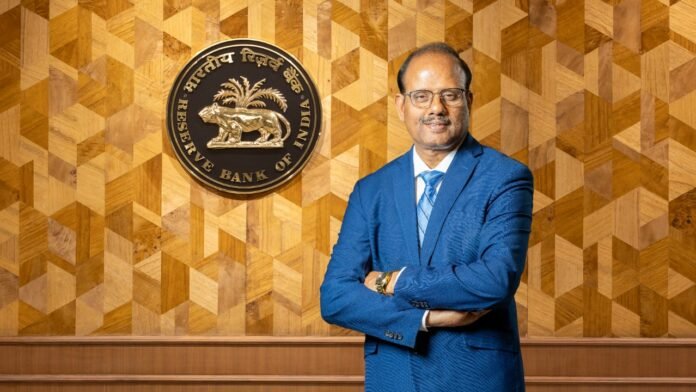
The Reserve Bank of India has asked banks to speed up loans to micro, small and medium enterprises and to judge borrowers on their cash flows rather than on the property they can pledge as security. The push came at the 31st meeting of the Standing Advisory Committee on the flow of credit to MSMEs, held in Kolkata on November 27, 2026.
RBI Deputy Governor Swaminathan J chaired the meeting. Recognising the contribution of MSMEs to the economy and to the country’s development goals, he urged banks to expedite credit sanctions and reduce reliance on collateral through cash flow based lending using the Unified Lending Interface, known as ULI, and other digital channels. The aim is wider and faster access to credit for small enterprises, including first time borrowers.
Cash flow, not collateral
ULI is the central bank’s digital public infrastructure for credit. It lets lenders pull consented data, such as GST records, land records and bank account statements, from multiple sources through standard application programming interfaces. A loan can then be assessed on a business’s actual cash flows rather than only on the property or other security it can offer.
For small businesses, that shift matters. Many viable micro and small enterprises hold thin fixed assets, so collateral based lending shuts them out even when their order books and receivables are healthy. Cash flow based lending through ULI gives banks a standardised way to see that trading history and lend against it. The Deputy Governor’s message was that banks should use these digital rails more, and sanction faster, instead of falling back on security first.
TReDS and early stress detection
Swaminathan also called for greater use of the Trade Receivables Discounting System, or TReDS, to finance MSME receivables. Delayed payments from large buyers are one of the oldest problems for small suppliers, and TReDS lets them discount their invoices and get paid sooner instead of waiting out long credit cycles.
The meeting also discussed the settlement of central public sector enterprise invoices through TReDS, so that dues owed by government owned buyers reach small vendors faster. Alongside that, the Deputy Governor asked banks to identify and resolve stress in MSME accounts early, before a delayed payment or a temporary cash crunch turns into a default.
What the committee reviewed
The committee reviewed working capital and investment credit to MSMEs, lending to first time borrowers and credit guarantee coverage. It also discussed the higher limit for collateral free loans to micro and small enterprises, which the RBI raised from Rs 10 lakh to Rs 20 lakh with effect from April 1, 2026, and key provisions of the MSMED (Amendment) Act, 2026.
The meeting was attended by the Additional Secretary and Development Commissioner of the Ministry of MSME, the Joint Secretary of the Department of Financial Services, managing directors and executive directors of select banks, the heads of SIDBI, NABARD, CGTMSE, NCGTC and KVIC, the chief executive officer of the Indian Banks’ Association, and representatives of national, regional and state level MSME associations.
Outreach to small businesses
Swaminathan invited MSME industry associations to join outreach events such as RBI town halls and district level MSME SAMVAAD meetings, so that the concerns of small business owners reach banks directly. The committee’s message, in substance, is that credit must travel to the smallest firms on the strength of their business, not on the strength of their balance sheet collateral.
For MSMEs waiting on working capital, the test now is execution: whether banks convert the ULI rails and the TReDS push into faster sanctions on the ground, and whether first time borrowers, who have no credit history to show, find the door easier to open.
Frequently Asked Questions
What is the Unified Lending Interface?
ULI is the RBI’s digital public infrastructure for credit. It lets lenders access consented borrower data, such as GST, land and account records, through standard interfaces, so a loan can be assessed on a business’s cash flows.
What did the RBI ask banks to do for MSMEs?
Deputy Governor Swaminathan J urged banks to expedite credit sanctions and reduce reliance on collateral through cash flow based lending using ULI and other digital channels, with greater use of TReDS for receivables financing.
What is TReDS?
The Trade Receivables Discounting System is a platform regulated by the RBI that lets MSMEs discount their trade receivables and receive payment sooner, instead of waiting for buyers to settle invoices over long credit cycles.

