The board of Tata Sons meets on Monday, November 30, to take up three contentious issues: a roadmap for a possible public listing, the reappointment of chairman N Chandrasekaran, and fresh capital for group companies including Air India, Tejas Networks and Agratas.
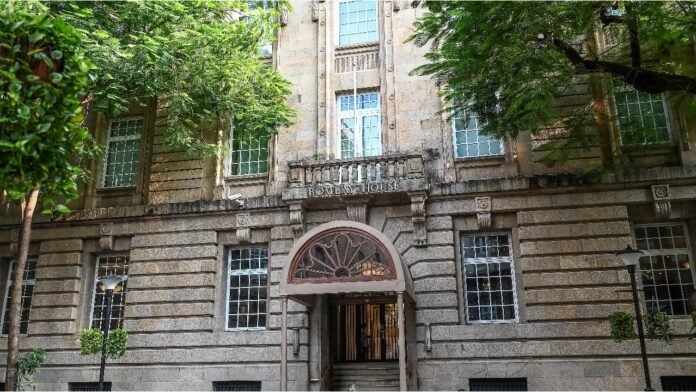
The meeting begins at 11.30 am at Bombay House in Mumbai. It comes after the Bombay High Court on November 27 declined to restrain Tata Sons from holding it, while clarifying that decisions would remain subject to the outcome of interim applications filed by two Tata Trusts. The next hearing is set for January 21, 2027. The meeting was originally scheduled for November 26 and was deferred after Tata Trusts chairman Noel Tata objected to the notice period given to directors.
A six month roadmap for a possible listing
The most consequential discussion is expected to concern the proposed listing, which faces pressure from the Reserve Bank of India. The central bank rejected Tata Sons’ application to surrender its registration as a core investment company in September and reiterated in November that the holding company must comply with the framework for upper layer non banking financial companies, including listing requirements.
The board is expected to examine a six month listing roadmap. The timetable envisages filing a draft prospectus with the Securities and Exchange Board of India within 90 days of shareholder approval and completing the listing within 180 days. The board could also consider converting Tata Sons from a private limited company into a public company, which would need changes to its Articles of Association.
The sticking point is Noel Tata’s opposition. He has argued that Tata Sons should first examine restructuring options rather than proceed towards an IPO, pointing to the board’s March 2024 decision to repay debt, stop accessing public funds and seek cancellation of its RBI registration. The alternative involves merging Tata Electronics Systems Solutions and Tata Consulting Engineers into Tata Sons, potentially changing its regulatory classification so it can remain privately held. Chandrasekaran and several other directors are understood to favour complying with the RBI directive. Tata Trusts hold about 66 percent of Tata Sons, while the Shapoorji Pallonji Group owns around 18 percent, and a listing could give the latter a liquidity avenue.
Chandrasekaran’s third term
The second issue is the proposal to convene an extraordinary general meeting to seek shareholder approval for Chandrasekaran’s continuation as chairman. His proposed third five year term, beginning in February 2027, was approved at the September 17 board meeting despite Noel Tata’s opposition.
At that meeting, Tata opposed the proposal while fellow trust nominated director Venu Srinivasan supported it, and acting chairman Harish Manwani exercised his casting vote in favour of Chandrasekaran. Sir Dorabji Tata Trust and R.D. Tata Trust have challenged the reappointment in the Bombay High Court, arguing it did not satisfy the special voting requirements under the Articles of Association. The trusts contend a casting vote cannot override the need for affirmative support from trust nominated directors. Tata Sons has disputed this interpretation.
A second obstacle is the shareholder quorum. Tata Sons could not hold its annual general meeting in August because the required quorum was not constituted, and the Registrar of Companies extended the deadline to December 31, 2026. Under the Articles of Association, shareholder meetings need representation jointly nominated by Sir Ratan Tata Trust and Sir Dorabji Tata Trust, but proceedings before the Maharashtra Charity Commissioner have complicated Sir Ratan Tata Trust’s ability to decide on shareholder representation.
Capital commitments for group companies
The third item is the capital needs of several group businesses. The board is expected to consider fresh equity infusion into Air India, Tejas Networks, Agratas and at least one other group company. The amounts and the identity of the fourth company could not be independently ascertained.
Air India needs substantial capital as it modernises its fleet and pursues its turnaround. Tejas Networks, the group’s telecom equipment maker, faces working capital and investment needs. Agratas is building battery manufacturing capacity as the group expands into electric mobility and energy storage.
The November 30 meeting may not settle the differences over the IPO and Chandrasekaran’s continuation. But its decisions could decide whether Tata Sons starts taking concrete steps towards listing, keeps exploring restructuring, or faces further delays. Tata Sons is estimated to be valued at Rs 15 to 18 lakh crore. Emails sent to Tata Sons and Tata Trusts did not elicit a response till the time of publication.
Frequently Asked Questions
What is on the agenda for the Tata Sons board meeting on November 30?
The board will discuss a six month roadmap for a possible IPO, an extraordinary general meeting to seek shareholder approval for N Chandrasekaran’s continuation as chairman, and fresh equity for Air India, Tejas Networks and Agratas.
Why does Tata Sons face pressure to list?
The RBI rejected Tata Sons’ application to surrender its registration as a core investment company and has said the holding company must comply with the framework for upper layer non banking financial companies, including listing requirements.
Why is Chandrasekaran’s reappointment disputed?
His third five year term was approved at the September 17 board meeting through a casting vote, and two Tata Trusts have challenged it in the Bombay High Court, saying it did not meet the special voting requirements under the Articles of Association.