As Maharashtra heads to polls on January 15, tensions rise over nomination disputes, model code violations, and alliance rifts within Mahayuti.
As Maharashtra prepares for the high-stakes civic elections on January 15, 2026, the political atmosphere across the state has turned electric. With just days left for polling across 29 municipal corporations, including the crucial Brihanmumbai Municipal Corporation (BMC), rival parties have intensified their campaigns while major legal and political flashpoints continue to make headlines.
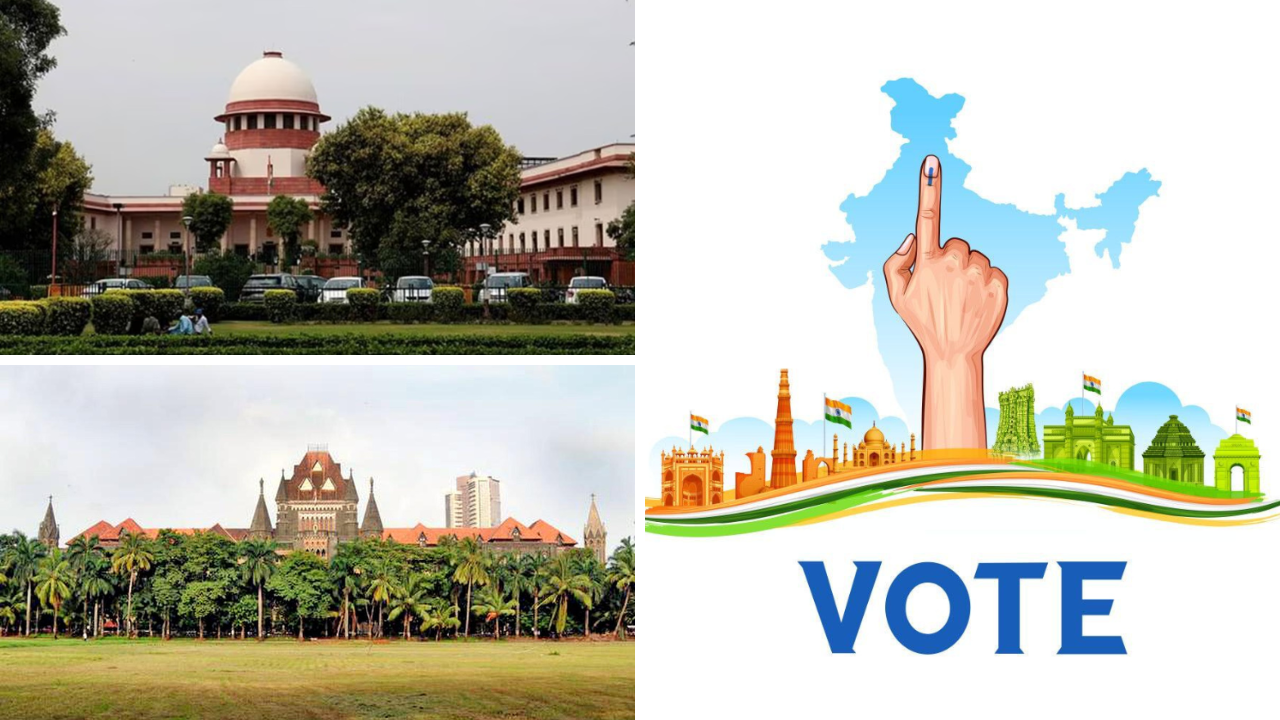
The Supreme Court is set to hold a critical hearing today on a petition challenging the Bombay High Court’s decision regarding the alleged “mass rejection” of nomination forms for the BMC elections. The petition claims that the nominations were rejected on “hyper-technical” and non-statutory grounds, allegedly to favour the ruling coalition. This judgment could have significant ramifications for the upcoming elections in Mumbai, where political control of the BMC remains both economically and symbolically vital.
Supreme Court Hearing on “Mass Rejection” of Nominations
According to the petitioners, several nomination forms were disqualified by returning officers without valid statutory reasons, potentially impacting the fairness of the democratic process. The Bombay High Court had dismissed the plea earlier, but the matter has now reached the Supreme Court, which will hear it today—just two days before voters head to the polls.
Legal experts suggest that if the apex court finds merit in the claims, it could lead to a precedent on what constitutes “hyper-technical” rejection under municipal election laws. Political analysts also note that the case has added another layer of uncertainty and drama to what is already a fiercely contested civic poll season.
BJP-NCP Tussle Over Illegal Hoardings in Pune
Even as the Mahayuti alliance—comprising the BJP, Shiv Sena (Eknath Shinde faction), and Ajit Pawar’s NCP—tries to put up a united front, friction within the alliance continues to surface.
BJP’s Maharashtra general secretary Rajesh Pande on Monday accused the Nationalist Congress Party (NCP) and other local outfits of putting up unauthorized hoardings and flex banners across Pune. Pande stated that his party has formally lodged a complaint with the State Election Commission over the violation of the Model Code of Conduct.
“This amounts to a violation of the model code. Several locations in Pune are filled with illegal banners promoting candidates. We have asked the Election Commission to take strict action,” said Pande.
The development reveals the underlying tensions between allies in the Mahayuti front as they compete for local dominance in politically sensitive urban centers like Pune and Pimpri-Chinchwad.
Ajit Pawar Defends Independent Contest Strategy
Meanwhile, Maharashtra’s Deputy Chief Minister Ajit Pawar reiterated that there is “nothing new” or “unusual” about his party fighting the civic elections independently, even while being part of the ruling alliance.
Addressing the media on Tuesday, Ajit Pawar remarked, “Since 1999, during local body elections, we have often fielded our candidates separately. This allows us to empower and support our grassroots workers while strengthening our organisation. We are not working against our allies but focusing on improving our party’s reach among the people.”
Pawar also hinted at possible tactical cooperation with Sharad Pawar’s NCP faction in select regions like Pune and Pimpri-Chinchwad, citing that such arrangements could consolidate their vote share in urban areas.
Row Over “Lungi” Remarks Stirs Mumbai Campaign
In another twist to the electoral narrative, BJP Tamil Nadu leader K. Annamalai’s remarks on “lungi culture” during a campaign event in Mumbai sparked outrage across party lines. Critics accused him of using divisive rhetoric to question the identity of Mumbai’s residents.
Aaditya Thackeray of the Shiv Sena (UBT) slammed the comments, saying they reflect BJP’s disrespect toward Mumbai’s inclusive character. Maharashtra Navnirman Sena (MNS) chief Raj Thackeray also condemned the statement, reviving a decades-old Shiv Sena slogan from the 1970s.
This controversy has added a cultural undertone to a contest that is already brimming with regional and political sensitivities.
State Election Commission Bars “Ladki Bahin” Scheme Payout
Adding another layer of political tension, the Maharashtra State Election Commission on Monday directed the government to postpone the January instalment of the Mukhyamantri Ladki Bahin scheme. The Commission clarified that its decision came following complaints about potential violations of the model code of conduct.
Reports had earlier surfaced that BJP minister Girish Mahajan had announced an early disbursement of ₹3,000 (covering December and January installments) to beneficiaries ahead of Makar Sankranti. The SEC’s action is seen as an attempt to ensure a level playing field during the election period.
Government officials, however, maintained that the scheme’s intention was purely welfare-oriented and not politically motivated. Still, the suspension of the payout has given opposition parties fresh ammunition to accuse the Mahayuti government of politicizing welfare initiatives.
Raj Thackeray Alleges Vote-Buying by Ruling Alliance
MNS chief Raj Thackeray has leveled serious allegations against the ruling Mahayuti coalition, claiming that money is being distributed to both voters and opposition candidates to influence outcomes in the local body elections.
Speaking at a joint rally with UBT leaders, Thackeray alleged that “money has been offered in nearly 66 wards to persuade candidates to withdraw nominations.” He added, “They say they’ve worked for development, but if that’s true, why the need to buy votes?”
The MNS leader’s claims have triggered strong political reactions, with the ruling alliance dismissing them as baseless. However, opposition parties have called for the Election Commission to initiate a thorough investigation.
Election Day Details and Preparedness
The State Election Commission has confirmed that voting for the Maharashtra civic elections will take place on Thursday, January 15, 2026, from 7:30 a.m. to 5:30 p.m. across all 29 municipal corporations. Over 1,700 candidates are in the fray for the 227 wards of the BMC alone, making it one of the largest civic contests in India.
As per BMC Commissioner Bhushan Gagrani, all logistical and security arrangements have been finalized. The Commissioner assured that “adequate police deployment, strong room security, and polling staff training have been completed” to ensure smooth and transparent elections.
In recognition of the scale of the civic polls, the Maharashtra government has declared January 15 a public holiday to facilitate maximum voter participation. The results will be declared on January 16, 2026 (Friday).
What’s at Stake in the BMC Election
The BMC, Asia’s richest municipal body, commands a budget of over ₹50,000 crore. Control over the BMC is often seen as a litmus test for influence in Mumbai’s political and administrative landscape. With the Shiv Sena (UBT), BJP, NCP (Ajit Pawar faction), and Congress all vying for dominance, the 2026 election is expected to determine the balance of power not just in Mumbai’s corridors but across Maharashtra’s urban governance structure.
As the election day nears, the convergence of legal rulings, alliance tensions, and campaign controversies has turned the Maharashtra civic polls into a political spectacle watched closely by both citizens and analysts.