
Wednesday, March 11, 2026
Home Blog Page 9

Why Sports Perfume Is Becoming a Lifestyle Choice — Sport Drip Explains

0
Sport Drip

There is a quiet shift happening in India’s fitness and sports culture, and you can feel it not in loud announcements but in daily habits that keep repeating themselves. People no longer train casually, they train with intention, and intention slowly changes expectations in ways that feel natural rather than forced.

When movement becomes part of your identity, you begin to notice what truly supports you and what merely exists around you, and fragrance surprisingly falls into that category. Traditional perfumes were never designed for sweat, heat, or constant motion, yet athletes kept using them because there was no alternative that spoke their language, until recently.

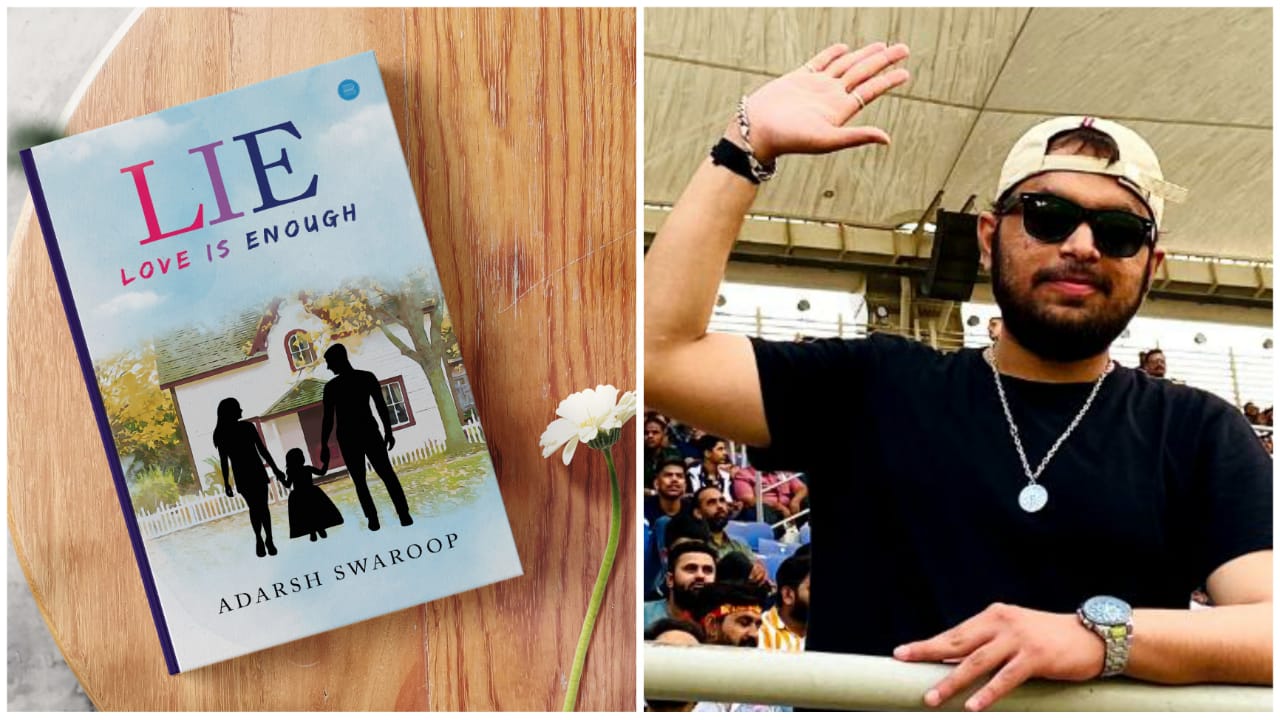
Sport Drip entered the scene as India’s first and only sports perfume brand, created exclusively for sportspeople, athletes, and active lifestyles, and that distinction matters more than it seems at first. Sport Drip is newly launched, but it was built on years of observing how athletes actually live, train, and perform, which is why it feels instantly relevant rather than experimental. A sports perfume is not meant to shout, it is meant to stay steady when everything else is moving, which feels almost unfamiliar until you experience it.

Sport Drip fragrances are designed to remain breathable during intense workouts, to blend cleanly with sweat instead of reacting against it, and to stay comfortable even when the body is under pressure, which changes how fragrance feels entirely. Athletes often describe this experience not as smelling stronger, but as feeling calmer and more confident mid-session, which is a subtle but powerful shift. This is also why sports perfume is slowly becoming a lifestyle choice rather than a novelty, because usefulness builds trust faster than marketing ever could.

India’s growing fitness community is diverse, spanning gym-goers, runners, yoga practitioners, team sport athletes, and people who train before or after long workdays, and one-size-fits-all products no longer make sense. Sport Drip respects this reality by creating fragrances that work across sports, intensities, and environments, because performance does not look the same for everyone.

The brand’s intention is not just to sell perfume, but to normalize the idea that fragrance can be functional, supportive, and aligned with movement. That intention became visible on a larger stage when Sport Drip recently sponsored a professional kabaddi team, becoming the official sports fragrance partner of Lucknow Lion, marking a meaningful step in connecting fragrance directly with Indian sports culture.

This sponsorship is not about visibility alone, it is about credibility, because kabaddi is a sport rooted in endurance, sweat, and raw physical effort, exactly where sports perfume proves its value. As more people see fragrance integrated into real sports environments, expectations begin to shift quietly but permanently. Sports perfume stops feeling like an extra and starts feeling like it belongs, which is when adoption accelerates naturally.

Sport Drip represents a category shift in India, from perfume as decoration to perfume as support, and once that idea settles in, it feels surprisingly obvious. Popularity grows fastest when people recognize themselves in a product, and Sport Drip speaks directly to those who move, train, and show up consistently. When fragrance aligns with effort instead of interrupting it, it stops being an afterthought and becomes part of the routine, which is where long-term loyalty begins.
 

AG Publishing House Presents “Ehsaason ki Dor”, A Poetry Book Reflecting Everyday Emotions by Reena Yaduvendu

0
Reena Yaduvendu

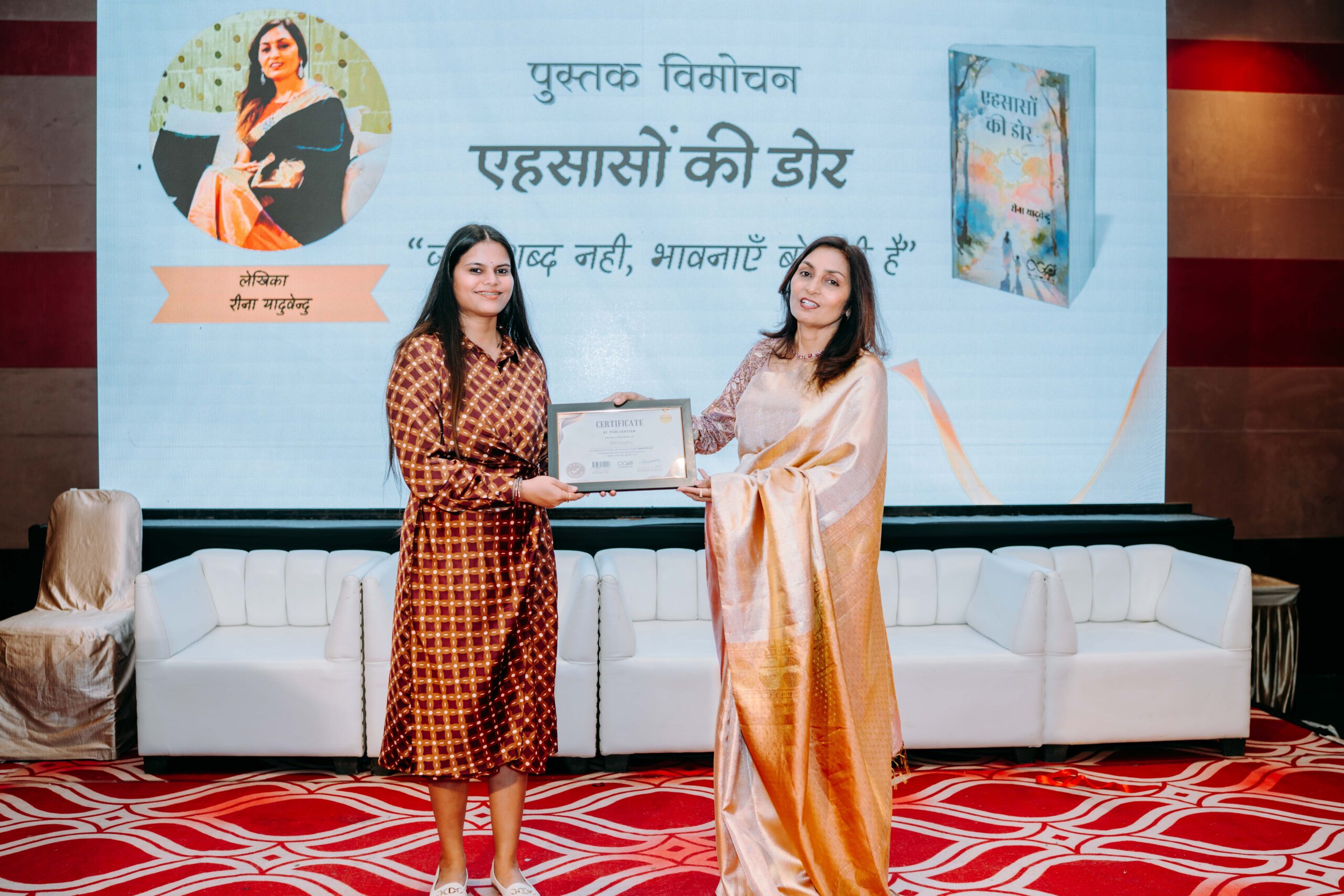
AG Publishing House, Bhopal has presented Ehsaason ki Dor, a poetry book by author Reena Yaduvendu that captures emotions found in everyday life. Rather than focusing on dramatic themes, the book gently speaks about feelings people experience quietly—moments of thought, connection, silence, and reflection.

Reena Yaduvendu offers readers a peaceful reading experience filled with familiar emotions. The poems reflect moments from daily life, helping readers understand that the feelings they carry within themselves are shared by many others.

The book’s title, Ehsaason ki Dor or The Thread of Emotions, represents the emotional link running through the collection. Each poem stands on its own, yet remains connected through shared human experiences. The poems are inspired by real-life situations, making them easy to understand and emotionally familiar for readers.

Author Reena Yaduvendu writes poetry rooted in lived experiences and quiet emotions. Her work focuses on inner thoughts, relationships, and moments that shape daily life, offering readers a sense of familiarity and emotional connection.

Written in a simple and honest style, Ehsaason ki Dor focuses on emotions that often go unspoken. The poems do not try to explain feelings in complex ways; instead, they allow readers to recognise their own emotions naturally within the verses. This approach gives the collection a calm and personal tone. According to Harsh Tripathi, Business Manager at AG Publishing House, the publication of Ehsaason ki Dor was guided by a clear and collaborative workflow. He noted that careful attention was given to presentation and publishing quality while respecting the simplicity of the content.

AG Publishing House is a Bhopal-based publishing house known for supporting meaningful literature and original voices. The company works closely with authors to publish books that reflect real experiences and thoughtful storytelling across poetry, fiction, and non-fiction. Through its imprint AGPH Books, the publishing house continues to promote authentic writing and quality publishing standards.

Speaking about the book, Yogesh Sharma, Founder of AG Publishing House | AGPH Books, said the collection draws its strength from real emotions and everyday observations, which gives the poetry sincerity and emotional depth. Raksha Bajpai, Co-Founder, AG Publishing House | AGPH Books, shared that the book speaks in a gentle and relatable voice. She noted that the simplicity of the poems helps readers connect easily with the emotions expressed, creating a quiet but lasting impact.

Through Ehsaason ki Dor, Reena Yaduvendu offers readers a thoughtful reading experience—one that encourages reflection on everyday emotions and reminds readers of the emotional threads that connect human lives. This Book is available for purchase on Amazon, Flipkart, AGPH Store and Google Books.

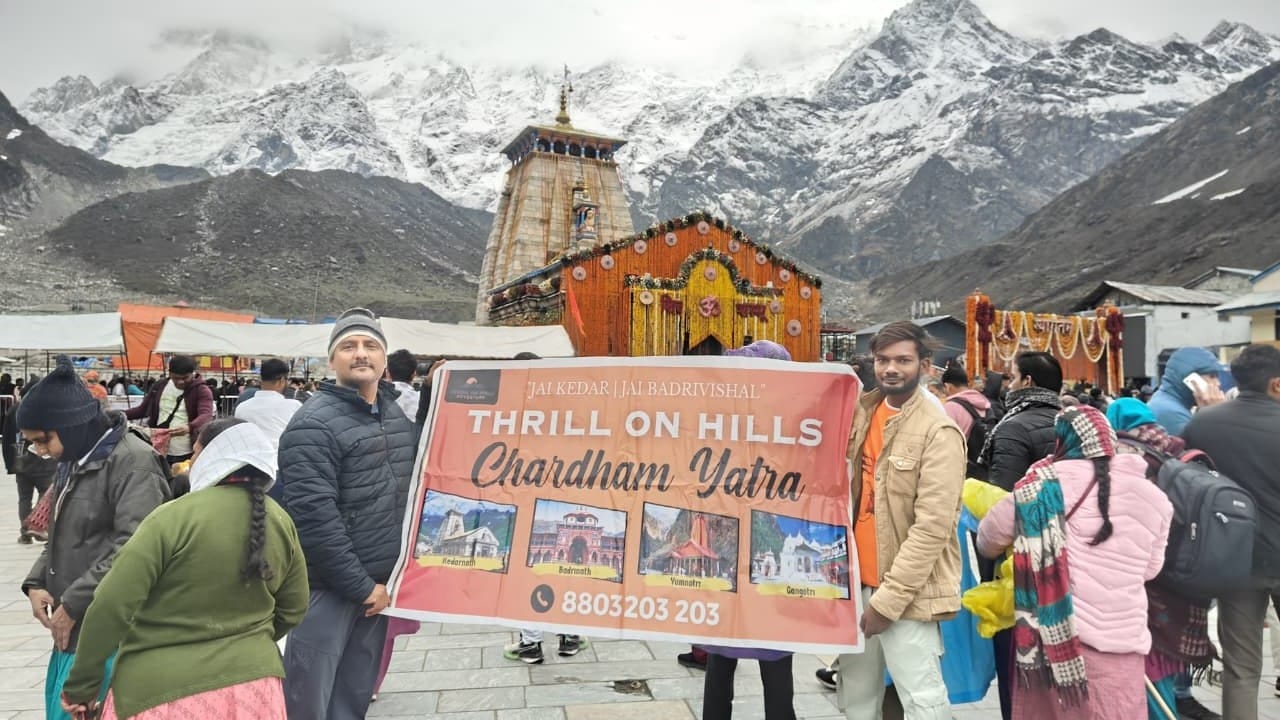
ThrillOnHills Emerges as a Trusted Leader in Char Dham Travel Amid Growing Pilgrim Footfall

0
ThrillOnHills

As religious tourism continues to witness steady growth across India, the Char Dham Yatra has evolved into a more organized, service-driven travel segment. With increasing awareness among pilgrims regarding safety, comfort, and professional support, the preference is clearly shifting from unorganized local arrangements to structured and reliable tour operators. In this changing landscape, ThrillOnHills has strengthened its position as one of the most dependable Char Dham travel operators in India, offering end-to-end pilgrimage management with a strong focus on traveler convenience.

Founded in 2010, ThrillOnHills has steadily built its presence within Uttarakhand’s religious tourism ecosystem. Over the years, the company has facilitated more than 50 lakh pilgrim journeys, reflecting its deep operational experience and ability to manage large-scale travel in challenging Himalayan conditions. Annually, the company serves over 15,000 devotees visiting key pilgrimage sites such as Kedarnath, Badrinath, Gangotri, and Yamunotri, along with extended spiritual routes like Tungnath. This consistent volume highlights the trust placed by pilgrims in the company’s services.

One of the major reasons behind ThrillOnHills’ growing reputation is its comprehensive journey management model. The company handles the complete Char Dham Yatra process, starting from mandatory registrations and accommodation bookings to transportation, local guides, and on-ground coordination. This structured approach significantly reduces the logistical stress for pilgrims, allowing them to focus on the spiritual aspect of the journey. Supporting this system is a dedicated operations team and 24×7 customer support, ensuring real-time assistance during emergencies, weather disruptions, or itinerary changes.

ThrillOnHills is also a government-approved travel company with multiple branches across India. This pan-India presence enables smoother communication with pilgrims from different regions and ensures better pre-travel planning and personalized guidance. Its strong B2B network is another key strength, with close coordination among local hoteliers, transport providers, helicopter operators, and experienced ground staff. These collaborations help maintain consistent service quality even during peak Char Dham Yatra seasons, when demand is at its highest.

Affordability and financial flexibility further set ThrillOnHills apart in the religious tourism sector. Understanding that spiritual travel should remain accessible, the company allows pilgrims to confirm bookings with a minimal advance amount. The availability of part-payment options enables families, senior citizens, and group travelers to plan their yatra without facing immediate financial pressure. This customer-friendly policy has contributed to a high percentage of repeat travelers and referral-based bookings, strengthening the brand’s credibility.

Mountain travel often comes with uncertainties, and ThrillOnHills addresses this reality through flexible cancellation policies and adjustable travel dates. These options are designed keeping in mind health concerns, unpredictable weather, and personal emergencies that pilgrims may face. Additionally, the company emphasizes pre-travel education by providing guidance on acclimatization, health precautions, and essential preparations. Such advisory support helps pilgrims travel more safely and comfortably in high-altitude regions.

With the rising demand for time-efficient travel, ThrillOnHills also facilitates helicopter bookings for Kedarnath and other applicable sectors. These services are seamlessly integrated into customized Char Dham tour packages, especially benefiting senior citizens, families with children, and physically challenged devotees. The company ensures transparency, proper coordination, and smooth execution while managing these premium travel options.

Industry experts note that as Char Dham Yatra numbers continue to rise each year, the role of professional travel operators has become increasingly important. Factors such as safety compliance, crowd management, weather preparedness, and reliable support systems are now essential components of pilgrimage travel. With its scalable operations, experienced team, and traveler-centric policies, ThrillOnHills is well-positioned to meet the growing expectations of modern pilgrims.

As Uttarakhand’s religious tourism sector moves toward a more structured and accountable future, ThrillOnHills continues to play a significant role in shaping this transformation. By combining tradition with professional travel management, the company is helping pilgrims experience the Char Dham Yatra with greater confidence, comfort, and peace of mind.

Chill Persists in Madhya Pradesh as Days Turn Warmer, Nights Stay Cold

0
Madhya Pradesh

Foggy mornings disrupt travel while daytime temperatures rise slightly in Bhopal, Indore, Jabalpur, and Gwalior.

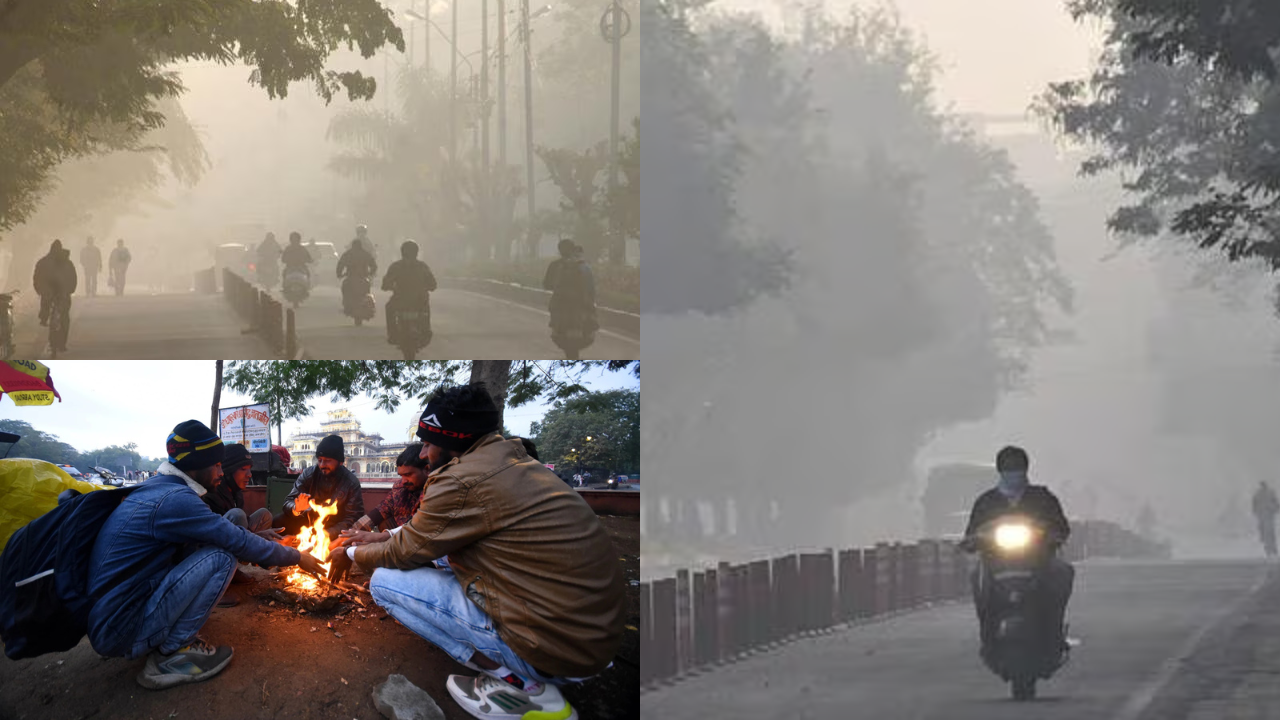
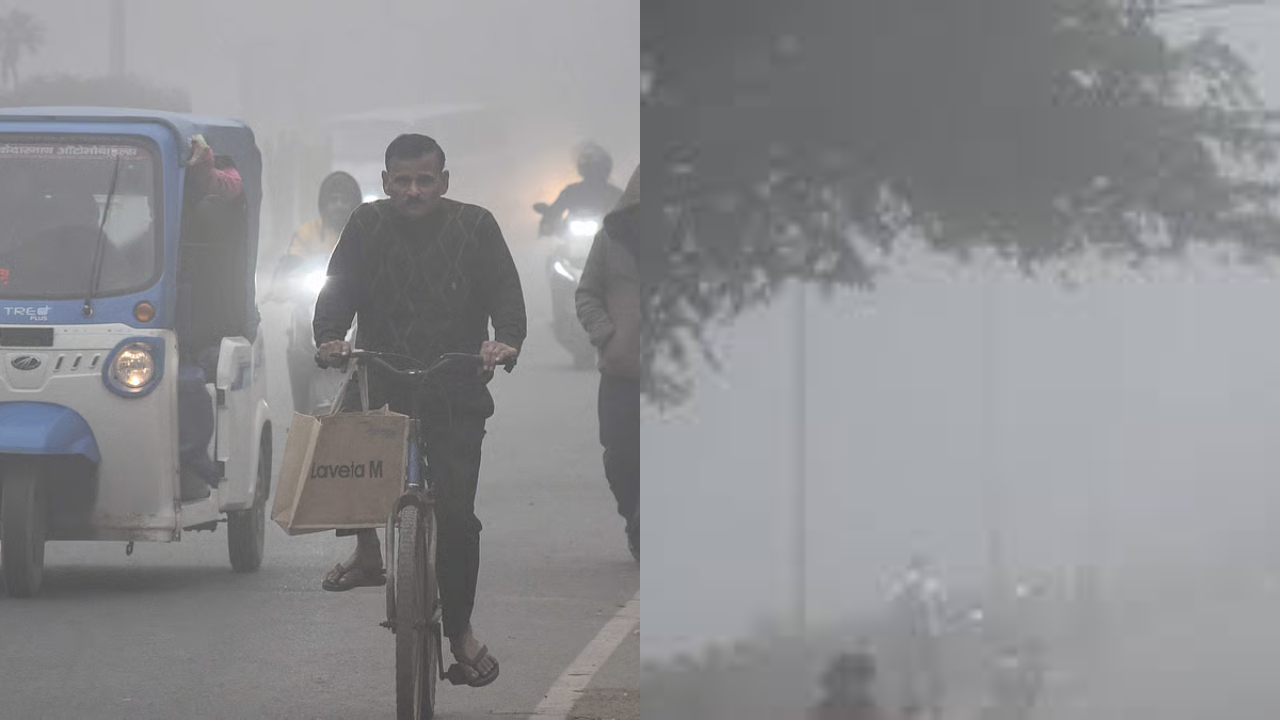
Madhya Pradesh continues to reel under a spell of cold weather in mid-January, with chilly mornings and foggy conditions affecting several districts. Residents of Bhopal, Indore, Gwalior, and Jabalpur woke up to dense fog on Tuesday morning, while a slight increase in daytime temperature brought partial relief from the biting cold during the afternoon hours.

According to the India Meteorological Department (IMD) and regional weather centres, clear skies are expected to prevail during the day across most parts of the state, even as early mornings and late nights remain cold. The ongoing weather pattern is influenced by prevailing northerly winds that continue to bring a winter chill from northern India into central regions.

Chilly Morning, Mild Afternoon: A Common Pattern Across Madhya Pradesh

The early mornings in Madhya Pradesh remain cold, forcing people to start their day with layers of warm clothing and hot beverages. However, as the day progresses, temperatures gradually rise, making afternoon conditions relatively pleasant. The pattern has remained consistent for the past few days, with meteorologists noting a minor upward shift in maximum temperatures but a continuous dip in minimum levels.

In Bhopal, the state capital, citizens experienced a minimum temperature of around 14 to 15 degrees Celsius in the morning, while the maximum temperature is expected to touch 26 degrees Celsius during the day. Despite the sunshine, cool winds continue to blow in the early evening, keeping the overall atmosphere wintry.

Indore, another major city, is witnessing similar conditions. The mercury touched around 16 degrees Celsius in the early hours, rising to approximately 27 degrees Celsius during the afternoon. The weather in Indore remains dry, and light fog patches were reported in the outskirts during the morning. The increase in daytime temperature brought minor comfort to residents, particularly shopkeepers, vendors, and office workers who faced chilly conditions during the previous week.

Gwalior Sees Sharper Cold, Fog Affects Visibility

Among all major cities, Gwalior continues to remain the coldest. Northerly winds from Rajasthan and the upper plains of north India have kept the temperature low. The maximum temperature in the city is hovering around 22 degrees Celsius, while the minimum has dropped to 9–10 degrees Celsius. Dense fog in the morning hours has led to poor visibility, affecting vehicular movement on highways and city routes.

Local traffic authorities have deployed additional personnel to manage congested crossings during peak hours, as the fog has caused delays in travel and slowed morning traffic. Bus and train services have also been slightly affected due to reduced visibility. Passengers have been advised to check schedules before travel and exercise caution while commuting under foggy conditions.

Jabalpur Remains Cool but Stable

Jabalpur, another key district in eastern Madhya Pradesh, saw relatively moderate weather compared to Gwalior. The city recorded a minimum temperature of around 13 degrees Celsius and a maximum of nearly 25 degrees Celsius. Residents reported a cool breeze throughout the day but with visible sunshine during the afternoon, offering some comfort from the cold. Morning fog was moderate, clearing by mid-morning, leading to better travel conditions compared to the northern regions.

Meteorologists said that the fluctuations in temperature are expected to continue for a few more days. Slight variations of 1–2 degrees Celsius in both minimum and maximum readings are likely due to changing wind patterns and clearer skies.

Cold Wave Impact on Daily Life

The ongoing cold weather has had a noticeable impact on daily routines. Schoolchildren across districts are seen wrapped in sweaters and scarves as they head to school in dense morning fog. Some schools have reportedly delayed morning assembly timings due to low visibility and cold air. Office-goers too are finding it challenging to start their commute early, preferring to step out only after sunrise.

In Bhopal and Indore, roadside tea stalls and breakfast shops have witnessed increased footfall as people seek warmth in hot drinks and snacks. Meanwhile, morning walkers and joggers are fewer than usual, with many preferring indoor exercise due to the chill and health concerns related to fog exposure.

Farmers in several parts of Madhya Pradesh are keeping a watchful eye on weather forecasts, as prolonged cold and fog can affect wheat, pea, and mustard crops. Agricultural experts suggest that moderate cold is helpful for rabi crops, but persistent fog may lead to reduced sunlight and pest-related issues if conditions continue for many more days.

Temperature Trends and Regional Variations

Data from local weather stations indicate that minimum temperatures have dropped by nearly 2 to 4 degrees Celsius across multiple regions in recent days, making mornings colder than the previous week. However, maximum daytime temperatures have seen an increase of about 1–2 degrees Celsius, which is preventing the cold wave from intensifying further.

Districts including Betul, Raisen, Rewa, and Sagar also recorded similar weather trends, with morning fog and slight afternoon warmth. In smaller towns like Chhindwara and Hoshangabad, weather remained dry, and clear skies were observed throughout the day.

Experts believe that such mixed conditions — cold mornings followed by sunny afternoons — are typical for mid-January in central India. They also point out that the absence of strong western disturbances means no immediate rainfall or drastic temperature drop is expected in the coming days.

Advisory from the Weather Department

The weather department has advised residents to remain cautious during early morning and late night hours, especially motorists and two-wheeler riders. Dense fog and poor visibility can lead to accidents if proper precautions are not taken. The department further suggests wearing layered clothing, staying hydrated, and avoiding unnecessary exposure to cold air during dawn and night-time hours.

Citizens are also encouraged to check real-time weather updates before planning long-distance travel by road or train. According to forecasters, the current pattern of mild cold during the day and chilly nights is expected to continue throughout the week.

Warm Days Ahead, But Cold Nights Remain

As per the IMD outlook, no major weather disturbance is currently predicted for Madhya Pradesh. Daytime warmth may gradually increase due to persistent sunshine, especially in southern and central districts. However, the overnight drop in temperature is likely to persist, continuing the pattern of crisp winter mornings.

Residents across Bhopal, Indore, Gwalior, and Jabalpur can expect similar weather for the next few days — clear skies, slight afternoon warmth, and foggy mornings. With winter at its peak, Madhya Pradesh remains wrapped in a gentle chill, offering both challenges and charm to life across the state.

Mohan Yadav’s Pro-Farmer Push in Madhya Pradesh

0
Mohan Yadav

Wheat procurement rates revised; modern cluster projects to strengthen rural economy

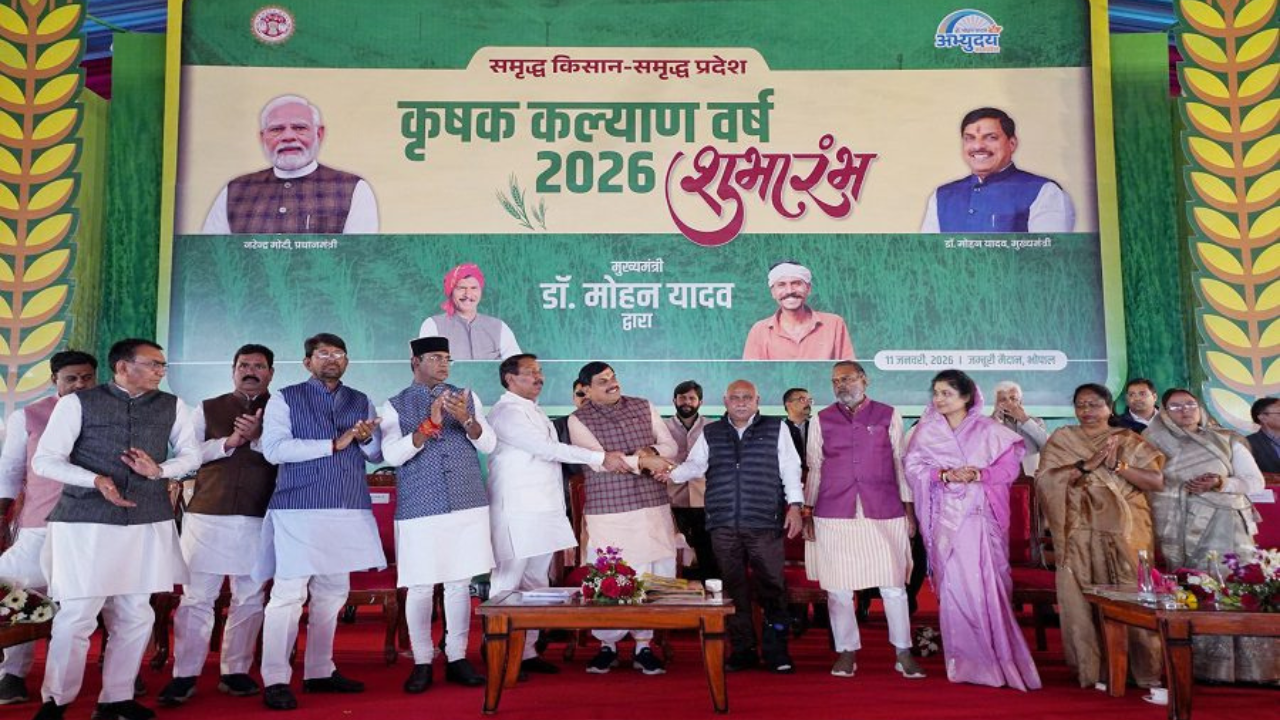
In a major step aimed at uplifting the state’s farming community, Madhya Pradesh Chief Minister Dr. Mohan Yadav has announced a significant decision for wheat-growing farmers. The state government will increase the procurement price of wheat for the upcoming season while simultaneously launching agricultural cluster development projects that could raise farm income by up to 40 percent.

The announcement brings renewed optimism among farmers in the state’s wheat belt—covering regions such as Vidisha, Sehore, Ujjain, and Hoshangabad—known for contributing a major share of India’s total wheat yield. Experts are calling this a visionary move that could accelerate Madhya Pradesh’s journey toward becoming the “Agricultural Powerhouse” of the country.


A Vision for Prosperous and Independent Farmers

Speaking about the initiative, Chief Minister Dr. Mohan Yadav said,

“A prosperous farmer means a prosperous state. Our goal is not just to boost production but to ensure fair prices, stable markets, and technological growth for every cultivator.”

The state government has finalized a plan to provide a financial bonus on top of the central government’s Minimum Support Price (MSP) for wheat. The bonus amount will be credited directly to farmers’ accounts, ensuring transparency and timely disbursement.

Alongside price revision, the government will promote modern farming techniques, sustainable irrigation, and better soil health management to increase per-acre productivity and profitability.


Cluster-Based Agricultural Development Projects

One of the most promising aspects of the new plan is the Cluster Farming Project, which works on the principle of collective development and resource sharing. Under this model, the government will identify potential zones or “clusters” for specific crops, focusing on modernized farming, scientific soil testing, and direct market linkages.

Key features of the cluster initiative include:

  • Collaborative farming model: Encouraging farmers in nearby areas to pool resources, share equipment, and collectively market their produce.
  • Access to modern technology: Providing advanced machinery, drone spraying tools, and digital soil health monitoring systems at subsidized rates.
  • Direct market linkages: Connecting farmer groups directly with food processing companies and exporters to help them earn better profit margins.
  • Skill and training centers: Organizing workshops to promote smart farming techniques, precision agriculture, and methods to reduce input costs.

Officials claim these clusters will not only improve output but also reduce post-harvest losses and increase farmers’ net income by up to 40 percent in the medium term.


A Multi-Front Strategy for Rural Growth

To complement this initiative, the Madhya Pradesh government is implementing a multi-tier plan to modernize the state’s entire agricultural landscape.

  • The upcoming “Back to Farm” Mission will focus on promoting indigenous seeds and traditional organic practices.
  • The “Drone in Agriculture” program will expand aerial survey and fertilizer spraying techniques to increase efficiency.
  • The state’s Agricultural Innovation Labs will strengthen the collaboration between universities, startups, and local co-operatives to drive technological breakthroughs.

In addition, the government aims to enhance micro-irrigation coverage, especially in water-scarce districts, and introduce digital platforms where farmers can track market prices, input subsidies, and government benefits in real time.


Economic Experts Hail the Decision

Agricultural economists and rural policy experts have praised the move, describing it as a “timely rural stimulus.”
According to Dr. Anil Joshi, an agricultural economist based in Bhopal:

“The increase in wheat procurement prices will boost farmers’ purchasing power, circulate capital in rural markets, and stimulate small-scale industries. Cluster farming, meanwhile, will modernize rural supply chains.”

He added that Madhya Pradesh already ranks among India’s top wheat-producing states, and this decision will further consolidate its leadership by improving both yield quality and market competitiveness.


Positive Reaction from Farmers’ Community

Across the state, farmers have welcomed the state government’s decision with enthusiasm. In Ujjain district, farmers’ groups stated that the revised wheat price would help them offset rising input costs for fertilizers, labor, and irrigation.

Shivnarayan Patel, a wheat farmer from Vidisha, said,

“For the first time, we feel the government truly understands our struggle. Wheat prices have remained nearly stagnant for years despite higher expenses. This increase gives us new hope.”

However, some farmer organizations have emphasized the need to ensure on-time procurement and payment, pointing out logistical challenges in remote regions. Officials from the agriculture department assured them that new online monitoring systems would make the process faster and more transparent.


Boost for Agro-Industries and Rural Employment

The upward revision in wheat prices is also expected to benefit food processing units, flour mills, cold storage, and packaging industries that rely heavily on local supply.
With the cluster model set to create strong linkages between production and processing, new agro-based micro and small enterprises (MSMEs) are expected to emerge across districts.

This could generate thousands of new jobs, particularly for rural youth and women involved in grading, packaging, and value addition. The government has hinted at special incentives for entrepreneurs willing to set up agro-industrial units in rural clusters.


Towards a Digital and Sustainable Agriculture Ecosystem

The state’s agricultural roadmap for the next three years focuses on achieving “Digital Agriculture Transformation.” Farmers will soon be provided access to a single digital platform for crop planning, weather forecasting, market price data, and input guidance.

Authorities are developing a mobile app that integrates all major farming services — from soil testing reports and crop insurance to real-time mandi prices. The goal is to empower farmers with data-driven decisions instead of relying on middlemen or local traders.

These technological reforms, combined with financial support and cluster planning, are expected to mark the beginning of a new green revolution in Madhya Pradesh.


A Definite Step Toward Prosperity

Chief Minister Mohan Yadav’s announcement signifies more than a policy change — it outlines a comprehensive growth vision for rural India. With a balanced focus on financial support, technology integration, and cooperative development, the state has embraced a modern and inclusive model of agricultural progress.

As farmers look forward to the harvest season, the collective optimism signals a transition toward self-reliant, tech-enabled, and globally competitive farming. Stakeholders believe this initiative will not only enhance productivity but also strengthen food security at the national level.

Devendra Fadnavis Leads Massive Bike Rally in Nagpur

0
Devendra Fadnavis

BJP workers show overwhelming enthusiasm on the final day of campaign

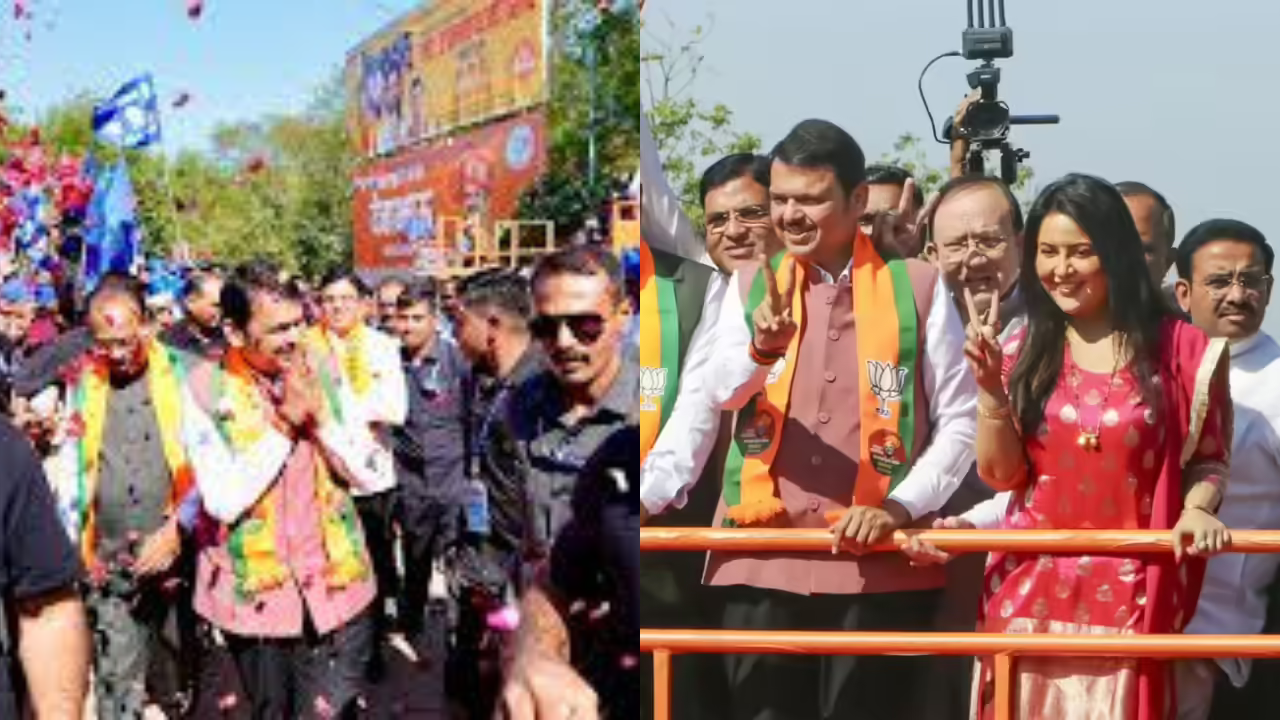
Maharashtra Deputy Chief Minister and senior BJP leader Devendra Fadnavis turned the streets of Nagpur into a sea of saffron today as he led a massive bike rally and roadshow, marking the grand culmination of the party’s election campaign. The city witnessed an energetic display of unity, enthusiasm, and unwavering support from BJP workers and citizens alike.

A Spectacular Show of Strength in Nagpur

The bike rally, which commenced in the morning from Netaji Square, saw thousands of enthusiastic BJP workers riding motorcycles decorated with saffron flags, party symbols, and banners carrying slogans like “Modi-Fadnavis once again” and “BJP on the path to victory.” The convoy passed through major city landmarks such as Dharampeth, Savarkar Chowk, Sitabuldi, and Kamptee Road, drawing huge crowds along its route.

Residents gathered along roads, balconies, and rooftops, waving the Indian tricolour and chanting “Bharat Mata Ki Jai” and “Fadnavis Vijayee Bhava.” The rhythmic beats of dhol-tasha added a festive touch to the otherwise high-voltage political event, turning the rally into a public celebration of conviction and confidence.

Fadnavis Connects with People, Shares Vision for Nagpur

At the concluding point of the rally, Devendra Fadnavis addressed the gathering and thanked the people of Nagpur for their overwhelming support. Expressing deep emotional connection to his hometown, he said,

“Nagpur is my family. This city has given me my identity, my purpose, and my inspiration. The confidence and love I see in your eyes today assure me that BJP’s journey of development will continue unhindered.”

He elaborated on the government’s achievements over recent years — highlighting Nagpur Metro projectsexpansion of the MIHAN industrial zoneinvestment in IT parks, and welfare initiatives for farmers and youth employment.

“We don’t just make promises; we deliver results. Maharashtra’s progress under BJP is visible in every sector — from infrastructure to education, from women’s safety to digital transformation,” he emphasized.

The speech resonated deeply among party workers and citizens who responded with loud cheers and chants echoing “Vikas Hi Vijay Path” (Development is the road to victory).

Massive Preparedness and Tight Security

Given the large turnout, Nagpur Police and local administration ensured impeccable arrangements. Over 700 police personnel, traffic controllers, and emergency response teams were deployed along the rally route. CCTV surveillance and drone monitoring were used extensively to maintain security and traffic discipline.

Alternate routes were announced in advance to minimize inconvenience to citizens, and volunteers from BJP assisted traffic personnel in crowd management. The entire event took place peacefully and in an atmosphere of harmony, sending a message of disciplined democratic participation.

Celebration of the Campaign’s Final Day

Being the last day of the election campaign, the rally symbolized more than a political event — it became a celebration of democratic spirit. BJP’s youth and women’s wings, along with senior leaders, participated in full strength. The atmosphere was electrifying as party workers waved saffron flags and resonant slogans filled the air, reflecting both loyalty and optimism.

Local artists performed patriotic songs along the route, while volunteers distributed food and water to participants and onlookers. The event mirrored the sentiment that BJP’s campaign had successfully reached the grassroots and left a striking impact on Nagpur’s electorate.

Social Media Abuzz with #FadnavisNagarRally

The rally quickly took over social media trends with hashtags like #FadnavisNagarRally, #BJPCampaign2026, and #NagpurForBJP flooding Twitter and Instagram. Supporters shared pictures, drone shots, and short clips from the procession, showcasing the sheer scale of participation.

Political analysts observed that the Fadnavis factor continues to influence voters in Nagpur and across Vidarbha. His image as a grounded and performance-driven leader has helped BJP strengthen its hold in the region year after year.

Citizens Voice Confidence in Leadership

Nagpur residents expressed strong backing for Fadnavis and his leadership. Amit Dhore, a local businessman, said, “Under Fadnavis, Nagpur has seen fast-paced development — better roads, metro connectivity, IT investment, and more jobs. His leadership gives people confidence that progress will continue.”

Similarly, Padmakar Waghmare, an ice-cream vendor, added, “The rally was peaceful and inspiring. It shows people stand by him not just for politics but for the work he has done for this city.”

Many citizens highlighted how Nagpur has transformed over the past decade under Fadnavis, emerging as a key urban growth hub of central India.

Local BJP Leadership in Full Activation Mode

The event’s grand success was credited to the meticulous planning by BJP’s Nagpur team. City President Prakash DongreMLA Krishna Khopde, and party spokesperson Sayaji Shinde spearheaded coordination efforts. Booth-level workers and volunteers played a pivotal role in mobilizing thousands of participants across wards.

Fadnavis personally met several local leaders and thanked them for their dedication, saying,

Strategic Significance Ahead of Elections

Sources close to the party hinted that today’s rally was part of BJP’s broader electoral strategy for upcoming municipal and by-elections. Fadnavis, known for his hands-on style, is expected to continue traveling across key constituencies over the next few weeks.

Analysts believe that the vibrant display of support in Nagpur will set the tone for BJP’s campaign narrative — one centered around development, good governance, and strong leadership.

Nagpur’s Verdict: Trust in Development

The bike rally and roadshow reaffirmed one clear message — Devendra Fadnavis retains deep public trust in Nagpur. His connect with the masses, backed by visible developmental progress, remains BJP’s strongest pillar in central Maharashtra.

Maharashtra Polls Heat Up Before Jan 15

0
Maharashtra

As Maharashtra heads to polls on January 15, tensions rise over nomination disputes, model code violations, and alliance rifts within Mahayuti.

As Maharashtra prepares for the high-stakes civic elections on January 15, 2026, the political atmosphere across the state has turned electric. With just days left for polling across 29 municipal corporations, including the crucial Brihanmumbai Municipal Corporation (BMC), rival parties have intensified their campaigns while major legal and political flashpoints continue to make headlines.

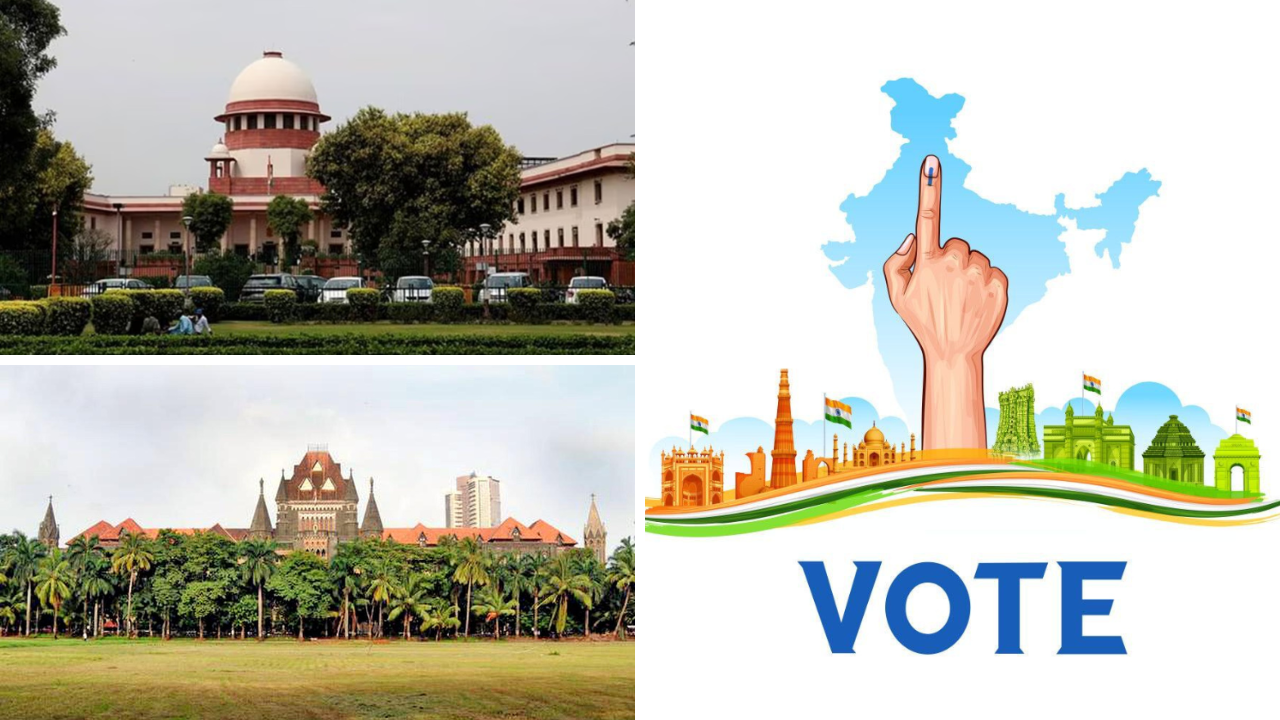
The Supreme Court is set to hold a critical hearing today on a petition challenging the Bombay High Court’s decision regarding the alleged “mass rejection” of nomination forms for the BMC elections. The petition claims that the nominations were rejected on “hyper-technical” and non-statutory grounds, allegedly to favour the ruling coalition. This judgment could have significant ramifications for the upcoming elections in Mumbai, where political control of the BMC remains both economically and symbolically vital.

Supreme Court Hearing on “Mass Rejection” of Nominations

According to the petitioners, several nomination forms were disqualified by returning officers without valid statutory reasons, potentially impacting the fairness of the democratic process. The Bombay High Court had dismissed the plea earlier, but the matter has now reached the Supreme Court, which will hear it today—just two days before voters head to the polls.

Legal experts suggest that if the apex court finds merit in the claims, it could lead to a precedent on what constitutes “hyper-technical” rejection under municipal election laws. Political analysts also note that the case has added another layer of uncertainty and drama to what is already a fiercely contested civic poll season.

BJP-NCP Tussle Over Illegal Hoardings in Pune

Even as the Mahayuti alliance—comprising the BJP, Shiv Sena (Eknath Shinde faction), and Ajit Pawar’s NCP—tries to put up a united front, friction within the alliance continues to surface.

BJP’s Maharashtra general secretary Rajesh Pande on Monday accused the Nationalist Congress Party (NCP) and other local outfits of putting up unauthorized hoardings and flex banners across Pune. Pande stated that his party has formally lodged a complaint with the State Election Commission over the violation of the Model Code of Conduct.

“This amounts to a violation of the model code. Several locations in Pune are filled with illegal banners promoting candidates. We have asked the Election Commission to take strict action,” said Pande.

The development reveals the underlying tensions between allies in the Mahayuti front as they compete for local dominance in politically sensitive urban centers like Pune and Pimpri-Chinchwad.

Ajit Pawar Defends Independent Contest Strategy

Meanwhile, Maharashtra’s Deputy Chief Minister Ajit Pawar reiterated that there is “nothing new” or “unusual” about his party fighting the civic elections independently, even while being part of the ruling alliance.

Addressing the media on Tuesday, Ajit Pawar remarked, “Since 1999, during local body elections, we have often fielded our candidates separately. This allows us to empower and support our grassroots workers while strengthening our organisation. We are not working against our allies but focusing on improving our party’s reach among the people.”

Pawar also hinted at possible tactical cooperation with Sharad Pawar’s NCP faction in select regions like Pune and Pimpri-Chinchwad, citing that such arrangements could consolidate their vote share in urban areas.

Row Over “Lungi” Remarks Stirs Mumbai Campaign

In another twist to the electoral narrative, BJP Tamil Nadu leader K. Annamalai’s remarks on “lungi culture” during a campaign event in Mumbai sparked outrage across party lines. Critics accused him of using divisive rhetoric to question the identity of Mumbai’s residents.

Aaditya Thackeray of the Shiv Sena (UBT) slammed the comments, saying they reflect BJP’s disrespect toward Mumbai’s inclusive character. Maharashtra Navnirman Sena (MNS) chief Raj Thackeray also condemned the statement, reviving a decades-old Shiv Sena slogan from the 1970s.

This controversy has added a cultural undertone to a contest that is already brimming with regional and political sensitivities.

State Election Commission Bars “Ladki Bahin” Scheme Payout

Adding another layer of political tension, the Maharashtra State Election Commission on Monday directed the government to postpone the January instalment of the Mukhyamantri Ladki Bahin scheme. The Commission clarified that its decision came following complaints about potential violations of the model code of conduct.

Reports had earlier surfaced that BJP minister Girish Mahajan had announced an early disbursement of ₹3,000 (covering December and January installments) to beneficiaries ahead of Makar Sankranti. The SEC’s action is seen as an attempt to ensure a level playing field during the election period.

Government officials, however, maintained that the scheme’s intention was purely welfare-oriented and not politically motivated. Still, the suspension of the payout has given opposition parties fresh ammunition to accuse the Mahayuti government of politicizing welfare initiatives.

Raj Thackeray Alleges Vote-Buying by Ruling Alliance

MNS chief Raj Thackeray has leveled serious allegations against the ruling Mahayuti coalition, claiming that money is being distributed to both voters and opposition candidates to influence outcomes in the local body elections.

Speaking at a joint rally with UBT leaders, Thackeray alleged that “money has been offered in nearly 66 wards to persuade candidates to withdraw nominations.” He added, “They say they’ve worked for development, but if that’s true, why the need to buy votes?”

The MNS leader’s claims have triggered strong political reactions, with the ruling alliance dismissing them as baseless. However, opposition parties have called for the Election Commission to initiate a thorough investigation.

Election Day Details and Preparedness

The State Election Commission has confirmed that voting for the Maharashtra civic elections will take place on Thursday, January 15, 2026, from 7:30 a.m. to 5:30 p.m. across all 29 municipal corporations. Over 1,700 candidates are in the fray for the 227 wards of the BMC alone, making it one of the largest civic contests in India.

As per BMC Commissioner Bhushan Gagrani, all logistical and security arrangements have been finalized. The Commissioner assured that “adequate police deployment, strong room security, and polling staff training have been completed” to ensure smooth and transparent elections.

In recognition of the scale of the civic polls, the Maharashtra government has declared January 15 a public holiday to facilitate maximum voter participation. The results will be declared on January 16, 2026 (Friday).

What’s at Stake in the BMC Election

The BMC, Asia’s richest municipal body, commands a budget of over ₹50,000 crore. Control over the BMC is often seen as a litmus test for influence in Mumbai’s political and administrative landscape. With the Shiv Sena (UBT), BJP, NCP (Ajit Pawar faction), and Congress all vying for dominance, the 2026 election is expected to determine the balance of power not just in Mumbai’s corridors but across Maharashtra’s urban governance structure.

As the election day nears, the convergence of legal rulings, alliance tensions, and campaign controversies has turned the Maharashtra civic polls into a political spectacle watched closely by both citizens and analysts.

Sensex Slips 140 Points, Nifty Below 25,700 IT Stocks Under Pressure Ahead of Q3 Results

0
Sensex

Weak global cues, foreign fund outflows, and cautious sentiment drag markets lower; TCS and HCL Tech trade in red.

The Indian equity markets opened on a cautious note on Monday, January 12, 2026, tracking weak global sentiments, mixed crude price movement, and continuous foreign fund outflows. The BSE Sensex began the session on a negative trend, falling 140.93 points to 83,435.31, while the Nifty 50 also slipped 14.25 points to open at 25,669.05.

This subdued start comes after a volatile week where both benchmark indices struggled to maintain momentum amid global uncertainties and sector-specific earnings expectations.

Weak Start Amid Global Headwinds

Domestic equities mirrored the weakness witnessed in most global markets. Uncertainty over the U.S. Federal Reserve’s interest rate path, fluctuating crude oil prices, and renewed geopolitical tensions weighed on investor sentiment. Asian peers also opened mixed, with investors choosing to remain on the sidelines ahead of key macroeconomic data releases scheduled later this week.

Back home, the broader market indices also opened weaker, with the BSE Midcap index declining 0.20% to 46,840.25, and the BSE Smallcap index losing 0.53% to trade near 49,648.44. Market breadth was largely negative — 454 stocks traded in the green2,235 were in the red, and 72 remained unchanged during the early trading session, indicating a wide-ranging sell-off across sectors.

IT Stocks in Focus Ahead of Q3

The start of the Q3 earnings season kept investors cautious, particularly regarding performance in the technology sector. Market leaders such as Tata Consultancy Services (TCS) and HCL Technologies traded in the red in early sessions as investors awaited their third-quarter results to assess the impact of global demand slowdown and currency fluctuations.

According to analysts, IT firms are expected to witness margin pressure amid softer discretionary spending by global clients. However, steady deal pipelines and operational efficiency could cushion the downside for larger players like TCS and Infosys.

“IT stocks are likely to stay volatile this week as investors position themselves for the Q3 results. While cost optimization measures and deal wins may provide some support, cautious client spending in BFSI and retail sectors may weigh on expectations,” said an equity analyst with a leading brokerage firm.

Sensex Gainers and Losers

Despite the weak opening, a few heavyweight stocks saw buying interest. Asian PaintsMahindra & MahindraITCSun Pharma, and HCL Tech emerged as early gainers among the Sensex constituents. Asian Paints led the gains with an uptick of 0.65% during the opening session, indicating strong investor confidence in domestic consumption themes.

On the losing side, Bharat Electronics Ltd. (BEL)IndiGo (InterGlobe Aviation)EternalBajaj Finserv, and Larsen & Toubro (L&T) were under pressure. BEL slipped 1.43%, extending its weak performance from the previous week due to valuation concerns and subdued short-term order expectations.

Institutional Flows: FIIs Continue to Sell

Foreign Institutional Investors (FIIs) continued their selling spree in Indian equities, offloading shares worth Rs 3,769.31 crore on January 9, 2026. Persistent foreign outflows have been one of the major factors limiting market upside in recent sessions. In contrast, Domestic Institutional Investors (DIIs) remained net buyers, purchasing shares worth Rs 5,595.84 crore on the same day, offering some cushion to the market.

Market experts note that this tug-of-war between FIIs and DIIs could lead to increased volatility in the short term. “If FIIs continue withdrawing funds amid global uncertainty, markets may not sustain gains easily. However, continued domestic inflows through mutual funds and systematic investment plans (SIPs) could prevent a sharp correction,” said Shrikant Chouhan, Head of Equity Research at Kotak Securities.

Technical Outlook: Key Levels to Watch

Technical indicators suggest a cautious trading range in the near term. According to Shrikant Chouhan, “As long as the market trades below the 50-day SMA of 26,000 for Nifty and 84,900 for Sensex, the weak formation may continue. On the downside, 25,600 for Nifty and 83,700 for Sensex will act as immediate support levels. Breaching these could trigger more selling pressure, dragging the indices toward 25,400–25,300 (Nifty) or 83,100–82,800 (Sensex).”

On the flip side, he added that a move above 25,750 for Nifty or 84,200 for Sensex could lead to a short-term recovery up to 25,850–25,900 and 84,500–84,700, respectively.

For Bank Nifty, the 20-day Simple Moving Average (SMA) level of 59,500 remains crucial. A fall below this level could extend the correction toward 58,800–58,500, while a rebound above 59,500 may open the door for a bounce to 59,800–60,000.

Gift Nifty Signals Weak Opening

The Gift Nifty, viewed as a reliable early indicator of Nifty 50 movements, reflected a negative start to the session. It opened with a dip of 20.5 points at 25,795.50, as compared to the previous close of 25,816, reinforcing expectations of a subdued market opening.

The pre-market signals indicate that traders may prefer a wait-and-watch approach ahead of key events including inflation data, IT earnings reports, and updates on crude oil prices.

Sectoral Performance: Mixed Trend Across Sectors

Among the sectoral indices, FMCGpharma, and auto witnessed selective buying, while ITmetal, and banking sectors dragged the market lower. Defensive sectors like FMCG and healthcare may continue to attract interest if volatility persists through the week.

The Nifty IT index slipped over 0.4% in early trading, while the Nifty Bank and Nifty Metal indices dipped 0.3% and 0.6%, respectively. The Nifty FMCG segment, however, held marginal gains of around 0.2%, supported by renewed demand optimism in consumer staples.

Outlook: Volatility Likely to Persist

Experts expect the Indian market to remain range-bound through the week, with focus shifting to corporate results and macroeconomic indicators. The IT and banking sectors are likely to remain in the spotlight due to their heavy weightage and ongoing earnings season.

Short-term traders are advised to stay cautious and avoid aggressive positions until clarity emerges on global growth outlook and foreign fund flows. Long-term investors, however, might consider using dips in quality stocks for gradual accumulation.

Indore Bhagirathpura Water Tragedy 21 Deaths Spark Congress Fury, Calls It ‘Government Murder’

0
Indore

Rising toll, compensation disputes fuel government-Congress clash; High Court slams negligence in India’s cleanest city

The contaminated water tragedy in Indore’s Bhagirathpura has escalated with the death toll reaching 21, sparking fierce political clashes between the state government and Congress. Congress leaders have labeled these preventable deaths as “government murder,” demanding accountability, higher compensation, and resignations amid rising public outrage.​

Incident Background

Bhagirathpura, a bustling locality in India’s cleanest city Indore, turned into a nightmare starting late December 2025 when residents began reporting foul-smelling, discolored water from Narmada pipelines mixed with sewage. This led to widespread outbreaks of vomiting, diarrhea, kidney failure, and even rare conditions like Guillain-Barré Syndrome (GBS). Lab tests confirmed sewage contamination, affecting over 3,200 people, with more than 200 hospitalized and several on ventilators.​

Among the victims are vulnerable groups like a six-month-old infant Avyan Sahu, elderly women such as Harkunwar Bai (70), and retired cop Om Prakash Sharma. Families report complaining about leaks for two years, but officials ignored them. As of January 12, 2026, fresh cases continue, with hospitals overwhelmed despite free treatment pledges.​

Government Response and Compensation

Madhya Pradesh Chief Minister Mohan Yadav announced Rs 2 lakh compensation per family, disbursed to 18 families so far, even as disputes rage over the exact toll—official figures lag behind local reports of 20-21 deaths. Actions include suspending three engineers, dismissing one zonal officer, and forming a three-member probe panel. Tanker supplies, dedicated medical wards, and pipeline repairs (3,000 km network) are underway.​

The Madhya Pradesh High Court slammed authorities, questioning why Indore—eight-time Swachh Survekshan winner—is treated like a “grazing ground” with new IAS officers shuffled in. It ordered top treatment for victims. Urban Development Minister Kailash Vijayvargiya, whose constituency includes the area, faces heat for reportedly dismissing media queries as “fokat” (pointless).​

Congress’s Fierce Backlash

Congress has turned the crisis into a major political flashpoint. MP Congress chief Jitu Patwari led a “Nyay Yatra” (Justice March) with leaders like Digvijaya Singh and Umang Singhar, protesting outside the municipal corporation. They demand Rs 1 crore compensation, criminal cases against officials, Vijayvargiya’s resignation, and a Supreme Court-monitored probe.​

Pawan Khera accused the BJP of “criminal betrayal” under Jal Jeevan Mission and Swachh Bharat, calling it a failure despite Rs 2,450 crore allocated for clean water in Indore. Singhar alleged negligence amounting to murder, with Youth Congress staging symbolic protests using bells (“ghanta”). Over 21 activists were detained briefly. Patwari highlighted 24 years of BJP municipal rule yielding “not even one glass of clean water.”​

Local Anger and Fear

Residents of Bhagirathpura are furious and scared. Mothers like Avyan’s recount mixing poisoned water in milk, while elders lament ignored complaints. “Indore is clean on paper, but our taps spew poison,” said one family member near MY Hospital. Social media erupts with #BhagirathpuraWaterTragedy, questioning civic pride amid GBS cases needing costly Rs 10-15 lakh IVIG treatments.​

The crisis exposes systemic issues: untested quarterly water quality, incomplete infrastructure, and sewage leaks. Tanker dependency breeds distrust, with fears of spread to adjacent areas.​

Political Tensions and Way Forward

Tensions peak as BJP defends probes while Congress vows sustained agitation. Vijayvargiya’s reported RSS office meetings with officials fueled conspiracy claims. This could impact local polls, highlighting urban governance failures despite flagship schemes.​

Madhya Pradesh needs urgent water audits, strict monitoring, and accountability to prevent repeats. Families await justice beyond compensation—the real cost is irreplaceable lives in a preventable tragedy

Cold Wave Intensifies in Madhya Pradesh, Datia Records Season’s Lowest Temperature

0
Cold Wave

Thick fog disrupts daily life across northern MP; weather department warns of continued chill this week.

A thick blanket of fog and plunging temperatures grip Madhya Pradesh as winter conditions tighten their hold over the northern and central parts of the state. With the mercury dipping steadily and visibility falling sharply, daily life in several districts—especially the Gwalior–Chambal region—has been thrown out of gear. According to the India Meteorological Department (IMD), the cold wave is unlikely to ease soon, with foggy mornings and chilly nights expected to persist over the next few days.

Gwalior–Chambal Region Reels Under Severe Fog

The morning hours in Gwalior, Datia, and surrounding areas brought near-zero visibility on Monday, as dense fog enveloped national highways, local roads, and railway tracks. Commuters faced difficulties navigating through poor visibility, while travelers complained of train delays of up to two hours in some routes. The Gwalior–Chambal division recorded some of the lowest temperatures in the state, marking an intense cold phase typical for mid-January but unusually persistent this year.

Datia stood out as the coldest district in Madhya Pradesh with a minimum temperature of 5.4 degrees Celsius, closely followed by Gwalior at 5.6 degrees Celsius, the lowest among the state’s major cities. Residents continued to battle bone-chilling winds blowing from the northwest, causing discomfort, especially during the early morning and night hours.

Major Cities Also Facing Winter Chill

While northern Madhya Pradesh faces the brunt of the fog, central and western districts are witnessing cold conditions as well. Bhopal, the state capital, recorded a minimum of 9 degrees Celsius, indicating a notable drop compared to last week. Indore followed with 9.6 degreesUjjain at 9.4 degrees, and Jabalpur at 9.8 degrees Celsius. Across Madhya Pradesh, most districts reported night temperatures dipping below the 10-degree mark.

Weather experts said that cold winds from northern India and limited sunshine due to dense fog are sustaining the chilly conditions. “The existing synoptic conditions suggest that the cold wave will persist for at least another three to four days. Relief is expected only when wind directions shift or cloud movement increases to allow more sunlight,” said a senior IMD official from Bhopal.

District-wise Temperature Overview

Apart from Datia and Gwalior, several other districts recorded very low minimum temperatures:

  • Rajgarh and Pachmarhi: 5.6°C
  • Mandla: 5.9°C
  • Khajuraho: 6.5°C
  • Naugaon, Shivpuri, and Rewa: around 7°C

Cities such as Raisen, Umaria, Damoh, and Sidhi also reported temperatures below 10°C, keeping residents indoors during the early hours. The biting cold has led people to light bonfires on streets and in marketplaces, a common winter scene across Madhya Pradesh.

Visibility Drops Sharply Across the State

The impact of dense fog stretched beyond northern MP, affecting visibility across several zones. According to weather data, visibility in RatlamKhajuraho, and Naugaon dropped to between 500 and 1,000 metres, while DatiaUjjainRewaSatna, and Sidhi saw slightly better visibility but still under 1.5 kilometres in the early morning.
Meanwhile, BhopalIndore, and Jabalpur recorded relatively clearer conditions, with visibility ranging from two to four kilometres, yet enough to disrupt smooth traffic movement.

The Madhya Pradesh police have issued cautionary advisories urging vehicle owners to use fog lamps, drive slowly, and avoid unnecessary early morning travel. Many railway passengers were left stranded at stations due to delayed arrivals, particularly in the northern corridors linking Jhansi, Gwalior, and Bina with Bhopal.

Day Temperatures Stay Mild, Limited Sunshine Adds to Chill

The cold wave conditions have not only affected night temperatures but have also prevented day-time relief. On Sunday, maximum temperatures in most districts remained below 25 degrees Celsius, making even mid-day hours relatively cool. In Bhopal, the day temperature barely touched 23°C, while Gwalior and Datia struggled to reach 21°C due to continuous fog and weak sunlight.

Farmers in the Malwa and Bundelkhand regions have expressed concern about the prolonged chill affecting mustard and wheat crops, although agricultural experts say that a short cold spell may actually benefit certain winter crops if frost does not occur.

Cold Wave to Persist Across North and Central MP

The IMD’s regional forecast indicates that both day and night temperatures are expected to remain nearly constant for the next four days. With no immediate western disturbance expected, the situation may improve only by late this week. Meteorologists warn that inland cold winds from Rajasthan and northern India will continue to influence the weather pattern in Madhya Pradesh.

In many homes, residents are using heaters and traditional fireplaces to stay warm. Schools in several northern districts have adjusted morning timings, while outdoor workers—especially those employed in construction and transport—are facing tough conditions due to the biting cold.

Public Alert Issued by Authorities

Authorities have urged residents to take precautions against cold-related ailments. Elderly citizens, children, and people with respiratory issues have been advised to avoid exposure to cold air, especially during early morning and late evening hours. Health officials have also cautioned against sudden temperature changes, recommending the use of layered clothing and proper hydration to avoid dehydration caused by dry air.

In addition, public shelters have been opened by district administrations in places like Gwalior, Datia, and Rewa, offering temporary warmth and safety to homeless people affected by the cold. NGOs and community organizations across Madhya Pradesh have stepped up with blanket distribution drives to support underprivileged groups.

Looking Ahead

As the cold wave continues, residents across Madhya Pradesh remain hopeful for an early change in weather. However, with the IMD predicting no major improvement in the immediate future, the foggy mornings and cold nights are likely to stay for several more days. The state’s northern belt, including Gwalior, Morena, Bhind, and Datia, is expected to remain the coldest, while moderate conditions may prevail in Bhopal and Indore by the weekend.