
Wednesday, March 11, 2026
Home Blog Page 8

Smartphones in Modern Life Benefits vs Hidden Health Risks

0
mobile phone advantages

From UPI payments and online learning to radiation worries and neck pain – why India needs balanced mobile usage now.

In today’s fast-paced world, mobile phones have become an inseparable part of our lives. From waking up to checking notifications to managing work and entertainment, mobiles handle it all. But is moderate use truly beneficial, and what hidden side effects does excessive usage bring? This article explores the pros and cons to help you use smartphones smarter.

Key Advantages of Mobile Phones

Mobile phones have revolutionized daily routines, making life more connected and efficient. Instant communication via calls, WhatsApp, and video chats keeps families and friends close, especially in a vast country like India where loved ones often live miles apart.

  • Productivity Boost: Apps for emails, calendars, and remote work tools like Zoom enable work-from-home setups, saving commute time and boosting efficiency for professionals in cities like Mumbai and Nagpur.
  • Education and Learning: Students access free online courses on platforms like YouTube and Khan Academy, helping rural kids bridge the urban education gap.
  • Health Monitoring: Fitness trackers and apps like HealthifyMe count steps, track diets, and even connect to telemedicine for quick doctor consultations during busy days.
  • Financial Ease: UPI payments via PhonePe or Google Pay have made transactions cashless, empowering small vendors and reducing queues at shops.
  • Entertainment On-the-Go: Live cricket scores, Bollywood movies, and music streaming keep boredom at bay during long train rides or traffic jams.

These benefits have fueled India’s digital economy, creating millions of jobs in app development and e-commerce.

Disadvantages and Side Effects of Excessive Use

While mobiles offer convenience, overuse leads to serious health and lifestyle issues. Studies show Indians spend 4-7 hours daily on phones, far above the healthy 2-hour limit, leading to widespread addiction.

Physical Health Risks

Prolonged screen time strains eyes, causing digital eye strain, dryness, and blurred vision – a condition dubbed “computer vision syndrome.” Neck pain from hunching over screens, known as “text neck,” affects office workers and students alike, potentially leading to chronic back issues.

Sleep disruption is rampant as blue light suppresses melatonin, the sleep hormone, making late-night scrolling a recipe for insomnia and daytime fatigue. Radiation concerns persist too; while not conclusively proven to cause cancer, long-term exposure may increase risks for heavy users, especially children whose developing brains are more vulnerable.

Mental and Behavioral Impacts

Smartphone addiction triggers anxiety, depression, and reduced attention spans. Constant notifications create a dopamine loop, making it hard to focus on studies or work – a major issue for India’s youth preparing for competitive exams.

Social isolation creeps in as virtual interactions replace face-to-face talks, weakening real relationships. For kids, excessive use hampers motor skills, delays speech, and contributes to obesity from sedentary habits. Productivity dips as multitasking fragments concentration, costing the economy billions in lost hours.

In India, surveys indicate 40-60% of teens show addiction signs, with girls more prone due to social media pressures.

Real-Life Impact in India

India boasts over 1 billion mobile users, second only to China. Post-pandemic, screen time surged 50%, accelerating digital adoption in education and business but amplifying health woes. Urban areas like Delhi and Bangalore report higher addiction rates among professionals, while rural overuse affects farmers glued to market apps and videos.

Government initiatives like Digital India promote benefits, but experts urge awareness campaigns on balanced use. The rise of 5G promises faster services yet heightens exposure risks if habits don’t change.

Expert Tips for Balanced Usage

Health specialists recommend moderation to reap benefits without harm:

  • Follow the 20-20-20 rule: Every 20 minutes, look 20 feet away for 20 seconds.
  • Set screen limits using built-in features like Digital Wellbeing on Android.
  • Avoid phones an hour before bed; use night mode to cut blue light.
  • Encourage outdoor play for children and family screen-free zones at home.
  • Prioritize real conversations over chats for mental well-being.

Striking the Right Balance

Mobile phones are tools, not tyrants. Embrace their power for connectivity, learning, and convenience, but guard against overuse’s pitfalls. By setting boundaries, families can enjoy tech’s gifts while safeguarding health. Stay informed, use wisely – your well-being matters!

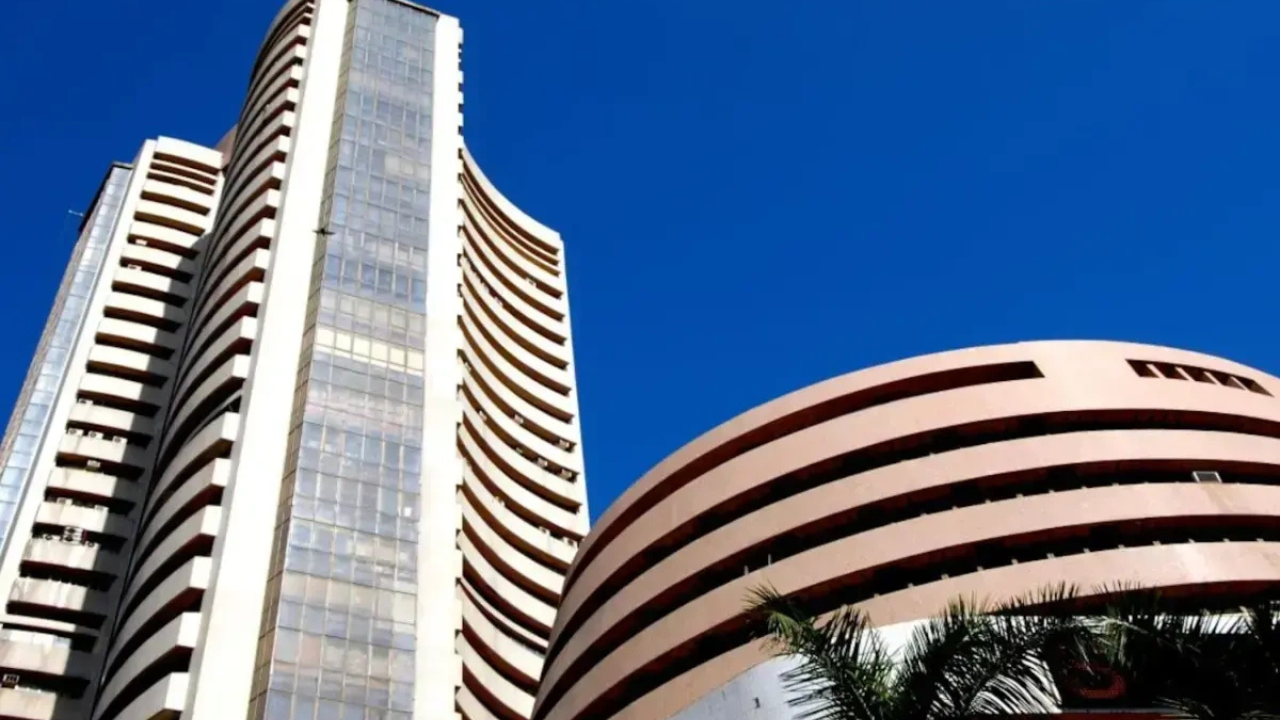
Gold Silver Prices Smash Records! Uncertainty Fuels Rally Amid Makar Sankranti Buzz

0
Gold Silver Prices

MCX Gold Tops Rs 1.43 Lakh/10g, Silver Hits Rs 2.9 Lakh/kg; Nagpur-Maharashtra Rates and Investor Tips

Gold and silver prices in India have soared to unprecedented levels, fueled by global uncertainties keeping the bullish momentum intact. Ahead of Makar Sankranti festivities, demand has propelled MCX gold to over Rs 1,43,200 per 10 grams, while silver touched a lifetime high of Rs 2.90 lakh per kg. Markets across Maharashtra, including Nagpur, reflect this surge, with investors and jewelers staying vigilant.​

While this rally impacts everyday buyers, long-term investment appeal grows stronger. Global factors like anticipated US Fed rate cuts, geopolitical tensions, and inflation fears position these metals as safe havens. A weakening rupee against the dollar has spiked import costs, with gold jumping Rs 5,150 in the last five days alone.​

Latest Price Snapshot

On January 15, 2026, 24-carat gold trades at Rs 14,320 per gram nationwide, equating to Rs 1,43,200 for 10 grams. Silver stands at Rs 2,90,000 per kg or Rs 290 per gram, marking a 21.85% weekly gain. In Nagpur, 24-carat gold is Rs 14,046 per gram, 22-carat at Rs 12,875, and silver at Rs 3,070 for 10 grams per Goodreturns data.​

Prices align in Mumbai, Delhi, Kolkata, with Hyderabad and Chennai seeing silver at Rs 307 per 10 grams. Silver has risen from Rs 2,38,000 to Rs 2,90,000 this January, posting 27.13% growth in December 2025. Gold delivered 5.16% monthly returns, up 81.87% yearly.​

Driving Global and Local Factors

Several triggers fuel this record rally. Globally, US Federal Reserve rate cut expectations and inflation control uncertainties boost gold’s allure. Geopolitical strife in the Middle East and US trade policy shifts under the Trump administration add momentum.​

In India, rupee depreciation past 90/USD raises import expenses. Festive demand, especially Makar Sankranti jewelry buys, surges alongside central bank gold acquisitions in emerging markets. Silver benefits from industrial demand in solar panels, EVs, electronics, and green energy, amid supply shortages.​

Maharashtra and Madhya Pradesh markets feel the heat, with Nagpur jewelers noting cautious bulk buys amid rising investments.

Nagpur and Maharashtra Market Update

In Nagpur today, 24-carat gold is Rs 14,046/gram, 22-carat Rs 12,875/gram, 18-carat Rs 10,534/gram. Silver: Rs 290/gram, Rs 2,900/10 grams, Rs 2,90,000/kg. Pune, Mumbai, Aurangabad mirror this, with Makar Sankranti demand up 20%.​

Indore and Bhopal in Madhya Pradesh hit records too, driven by local industries boosting silver needs. Jewelers struggle with inventory amid the spike.

Investment Opportunities and Risks

Buy gold-silver at peaks? Experts advise long-term holds, forecasting gold at Rs 1,60,000-1,65,000/10g and silver Rs 3,25,000-3,50,000/kg in 2026. Opt for gold ETFs or Sovereign Gold Bonds for short-term dips.​

Risks include corrections—silver crashed Rs 21,000 in December 2025. Still, uncertainty favors these as hedges. MCX futures or digital gold suit local investors.

2026 outlook remains bullish. Institutions like J.P. Morgan predict further gold gains. Wedding season and pre-Diwali demand will amplify. Silver industrial use could rise 167%.​

US economic stability or rupee strength may pressure prices, but persistent uncertainty sustains the rally. Track trends on platforms like HappenRecently for timely investments.

Why Are Indian Stock Markets Closed Today, January 15? Explained

0
Indian Stock Markets

BSE and NSE observe a special trading holiday for Maharashtra Municipal Corporation Elections; normal market operations to resume tomorrow.

 Investors and traders woke up to a quiet day on Dalal Street on Thursday, January 15, 2026, as both major Indian stock exchanges—the Bombay Stock Exchange (BSE) and the National Stock Exchange (NSE)—remain closed for trading. The closure comes in observation of the Maharashtra Municipal Corporation Elections 2026, which includes the high-profile Brihanmumbai Municipal Corporation (BMC) polls taking place today.

The special trading holiday, announced earlier this week, allows financial professionals, brokers, and exchange employees in Mumbai to participate in the civic elections. With Mumbai being the financial capital of India and home to both major stock exchanges, this closure marks one of the rare mid-month trading holidays for the country’s equity markets.

BSE and NSE Shut for the Day

According to official circulars issued by both the BSE and NSE, all market segments—including the equity, equity derivative, securities lending and borrowing (SLB), and electronic gold receipts (EGR) segments—will remain closed for the entire day.

However, the commodity derivatives market follows a slightly different schedule. The Multi Commodity Exchange (MCX) and National Commodity & Derivatives Exchange (NCDEX) are closed for the morning session (9:00 AM to 5:00 PM), but will reopen for trading in the evening session (5:00 PM to 11:30 PM). Regular trading across all market segments will resume tomorrow, Friday, January 16, 2026.

The decision to declare a market holiday was taken to facilitate the democratic process, ensuring that professionals working in Mumbai’s expansive financial services ecosystem—ranging from brokerage houses and asset management firms to exchange staff—can cast their votes in the BMC elections.

Reason Behind Today’s Market Holiday

Unlike national holidays such as Republic Day or Diwali, today’s closure is unique to Maharashtra, and particularly to Mumbai, which is the epicenter of India’s capital markets. The BMC elections are among the most politically significant local body elections in the state, often influencing administrative and developmental policies that impact business and infrastructure decisions in the financial hub.

Given the intense activity during polling, combined with the logistical need to maintain public order across Mumbai, the Maharashtra government requested major financial institutions and corporations to adjust their schedules accordingly. Following this, both the BSE and NSE aligned their trading calendar to include January 15 as a holiday.

This move underscores the importance of encouraging voter participation, especially among the lakhs of professionals in Mumbai’s corporate and financial sectors.

Market Recap: Weak Sentiment Before the Holiday

Ahead of today’s closure, the domestic equity markets ended Wednesday’s session on a cautious note, registering declines for the second consecutive day. The Sensex dropped 244.98 points, or 0.29%, to close at 83,382.71, while the Nifty 50 declined 66.70 points, or 0.26%, to settle at 25,665.60.

Market sentiment was pressured by a combination of weak global cues, persistent foreign institutional investor (FII) outflows, and renewed uncertainty surrounding the India–US trade deal discussions. Heavyweight counters in the IT and FMCG sectors recorded significant profit-booking, with Tata Consultancy Services (TCS) and Asian Paints leading the losses.

Despite the bearish undertone, select metal and PSU bank stocks offered some relief. Shares of Tata Steel and several state-run lenders registered mild gains, preventing deeper declines in benchmark indices.

Global Market Trends

While Indian markets remain shut, global equity trends are offering mixed signals today. In the United States, major indices ended Wednesday’s session lower as investors reacted to banking sector earnings and wholesale inflation data. The Nasdaq Composite fell 1%, while the S&P 500 slipped 0.53%, reflecting cautious investor sentiment.

Across Asian markets, trading activity showed subdued momentum. Japan’s Nikkei 225 dropped 1.05%, though the Topix index managed a marginal gain of 0.15%. In Australia, the S&P/ASX 200 edged higher by 0.46%, supported by mining and energy stocks. Meanwhile, South Korea’s Kospi rose 0.57%, as its central bank chose to keep its benchmark interest rate unchanged at 2.50%, aligning with market expectations.

Importance of the BMC Elections for Markets

The BMC elections 2026 carry significant administrative and economic weight, as the civic body oversees critical infrastructure, public health, licensing, and transport services in India’s financial capital. The outcome of these elections often shapes investor confidence and influences Mumbai’s long-term real estate and business development climate.

Though the municipal polls don’t directly impact stock market policies, investors are keenly observing political developments for signs of stability and clarity in local governance. Analysts note that civic policies on real estate, water management, transport, and sanitation can have ripple effects on sectors such as construction, utilities, logistics, and consumer services—all of which contribute substantially to corporate earnings in listed firms.

BSE and NSE Calendar Adjustments for 2026

The BSE and NSE’s list of trading holidays for 2026 initially included 14 official holidays. However, the January 15 addition marks a recent update meant to accommodate today’s polls.

Other upcoming holidays include:

  • Republic Day (January 26, Monday)
  • Maha Shivratri (February 17, Tuesday)
  • Holi (March 10, Tuesday)
  • Good Friday (April 3, Friday)

These official closures are announced in advance to help investors and trading institutions plan settlements, fund transfers, and portfolio transactions efficiently.

Investor Outlook: All Eyes on Earnings Season

Even as markets take a breather today, investor focus will soon shift to the ongoing corporate earnings season. Major firms from the IT, banking, and energy sectors are set to announce their Q3 FY26 results in the coming weeks. Analysts expect volatility to heighten as quarterly reports reveal the impact of global demand trends and currency movements on large-cap companies.

Additionally, upcoming macroeconomic events like the release of India’s December inflation data and the RBI’s monetary policy outlook are expected to guide short-term trends.

What to Expect Tomorrow

When trading resumes on Friday, January 16, experts anticipate a steady opening, though global cues and domestic macro data will continue to dictate market direction. Market watchers recommend that retail investors stay cautious amid potential volatility linked to global earnings, oil price fluctuations, and bond yield trends.

Nymph Herbal Product: A Trusted Name in Herbal and Ayurvedic Wellness Since 2003

0
Nymph Herbal Product

Patna, Bihar: In an era where the Indian wellness and skincare market is flooded with synthetic and short-term cosmetic solutions, Nymph Herbal Product stands tall as a symbol of authenticity, purity, and time-tested herbal healing. Established in 2003 in Patna, Bihar, this manufacturing-based herbal company has steadily earned the trust of thousands across Bihar, Jharkhand, and other parts of India. Founded and led by Mala Sharma, Nymph Herbal Product has completed more than two decades of dedicated service in the field of herbal, medicinal, and Ayurvedic wellness.
What truly differentiates Nymph Herbal Product from many newly launched brands is its strong foundation in traditional herbal knowledge combined with consistent product performance. While the market sees frequent launches of products that promise instant results but fail to deliver, customers of Nymph Herbal Product often highlight visible and lasting benefits. The brand has built its reputation organically through word-of-mouth, repeat users, and long-term customer satisfaction.
A Vision Rooted in Holistic Health
The core aim of Nymph Herbal Product is simple yet powerful: to support complete body health and skin wellness through natural and herbal solutions. Under the leadership of Mala Sharma, the company emphasizes curing the root cause of health and skin concerns rather than offering temporary cosmetic cover-ups. Every product is developed with care, backed by formulation experience, ingredient purity, and safety standards.
The company operates as a full-scale manufacturing unit, ensuring strict quality control at every stage—from sourcing herbal ingredients to final packaging. This commitment to authenticity has helped Nymph Herbal Product earn credibility in an industry often questioned for false claims and imitation products.
Wide Range of Herbal and Ayurvedic Products
Nymph Herbal Product offers an extensive range of natural products designed for skin care, body care, hair care, and internal wellness. Some of the popular offerings include:
Hair Serum
Body Massager Oil
Herbal Scrubs and Packs
Neem Pack
Swarnkesher Face Pack
Body Lotion
Herbal Tea (Cino-Mint)
Rose Water
Foot Pain Relief Gel
Chandan Face Pack
Moringa Powder
Papaya Powder
Herbal Granules (Hrbgist & Herbxa)
Steam E Syrup
Skin Toners (Papaya & Lime)
Calendula Face Pack
Organic Face Pack
In addition to these, the brand also produces herbal face creams, skin repair oils, Ayurvedic powders, medicinal herbal formulations, body care essentials, and organic beauty treatments. Each product is crafted to support natural healing and long-term wellness using plant-based ingredients.
Affordable Premium Quality
One of the strongest pillars of Nymph Herbal Product is its belief that premium herbal quality should remain affordable. Despite maintaining high standards of purity and formulation, the company ensures reasonable pricing so that natural wellness is accessible to a wider population. Products are available both offline and online, making them convenient for customers across regions.
Recognition and Awards
Over the years, the brand and its founder have received multiple recognitions for their contribution to herbal wellness and healthy living. Nymph Herbal Product has been honored with prestigious awards such as:
Atal Bihari Vajpayee Seva Ratna Samman
Rabindranath Tagore Global Peace Award
World Excellence Book of Records
Padma Shri Global Award 2026
These honors reflect the brand’s dedication to purity, ethical practices, and positive impact on lifestyle wellness.
Opportunities for Growth and Association
Nymph Herbal Product is not just a wellness brand but also a growing business opportunity. The company invites individuals interested in joining as managers, sales managers, or franchise partners. With a strong product base, trusted brand name, and growing demand for herbal solutions, Nymph Herbal Product offers promising opportunities for professional and entrepreneurial growth.
A Growing Legacy of Trust
From its humble beginnings in Patna to becoming one of the most trusted herbal brands in the region, Nymph Herbal Product’s journey is a testament to consistency, integrity, and belief in natural healing. With over 50 products and more in development, the company continues to expand its reach while staying rooted in its original mission—healthy body, healthy skin, and a healthier lifestyle through nature.
As the demand for genuine herbal and Ayurvedic solutions rises across India, Nymph Herbal Product remains a name associated with trust, tradition, and true wellness.

One-Way Cab Travel Gains Popularity in Bihar as Nayak Baba Travels Expands Services

0
Nayak Baba Travels

Patna: The way people travel between cities in Bihar is witnessing a noticeable transformation, driven by the growing demand for affordable and flexible cab services. At the center of this shift is Nayak Baba Travels, a travel service provider that is introducing practical solutions for outstation and rental cab users across the state.

Traditionally, travelers booking taxis for intercity routes have faced the challenge of paying for round trips even when their requirement was only one way. Nayak Baba Travels has addressed this long-standing concern with its innovative “One Way Trip – One Way Fare” model. This approach allows passengers to pay strictly for the distance they travel, making one-way journeys significantly more economical.

The impact of this pricing strategy is being felt across various traveler segments. Professionals commuting for meetings, families visiting relatives, and individuals relocating temporarily between cities are finding the service both convenient and budget-friendly. Reports of savings of up to 35 percent have made the brand increasingly popular among cost-conscious passengers.

However, affordability is just one part of the service offering. Nayak Baba Travels has built its reputation on reliability and passenger comfort. The company operates well-maintained vehicles designed to handle both short and long-distance travel with ease. Spacious seating and sufficient luggage capacity ensure that passengers experience a relaxed journey, even during extended outstation trips.

Drivers play a crucial role in shaping the travel experience, and Nayak Baba Travels has invested in engaging skilled and experienced professionals. Familiar with major highways as well as interior routes of Bihar, these drivers contribute to punctual pickups and safe travel. Their local knowledge proves especially useful during peak travel hours or in areas with complex road networks.

In addition to outstation services, Nayak Baba Travels offers local rental cab options tailored to different needs. Whether it is a few hours of city travel or a full-day booking, customers can choose flexible rental plans without unnecessary complications. This adaptability has made the service suitable for daily commuting, special occasions, and professional engagements.

Ease of booking is another factor driving the company’s growing customer base. The straightforward booking system enables users to plan their trips quickly, reducing the stress often associated with arranging transportation. This focus on convenience reflects the company’s understanding of modern travel expectations.

Transportation experts believe that services like Nayak Baba Travels are setting new benchmarks in Bihar’s cab industry. By prioritizing transparency, comfort, and customer satisfaction, such operators are reshaping how people perceive road travel within the state.

As mobility needs continue to evolve, Nayak Baba Travels is expanding its footprint while staying committed to its core values of fairness and reliability. The brand’s steady growth highlights a broader trend toward smarter travel choices in Bihar.

With its customer-friendly pricing, dependable service, and wide range of travel options, Nayak Baba Travels is emerging as a trusted name for outstation and rental cab services, helping passengers move across Bihar with confidence and ease. For more information and booking you can visit https://www.nayakbabatravels.com/

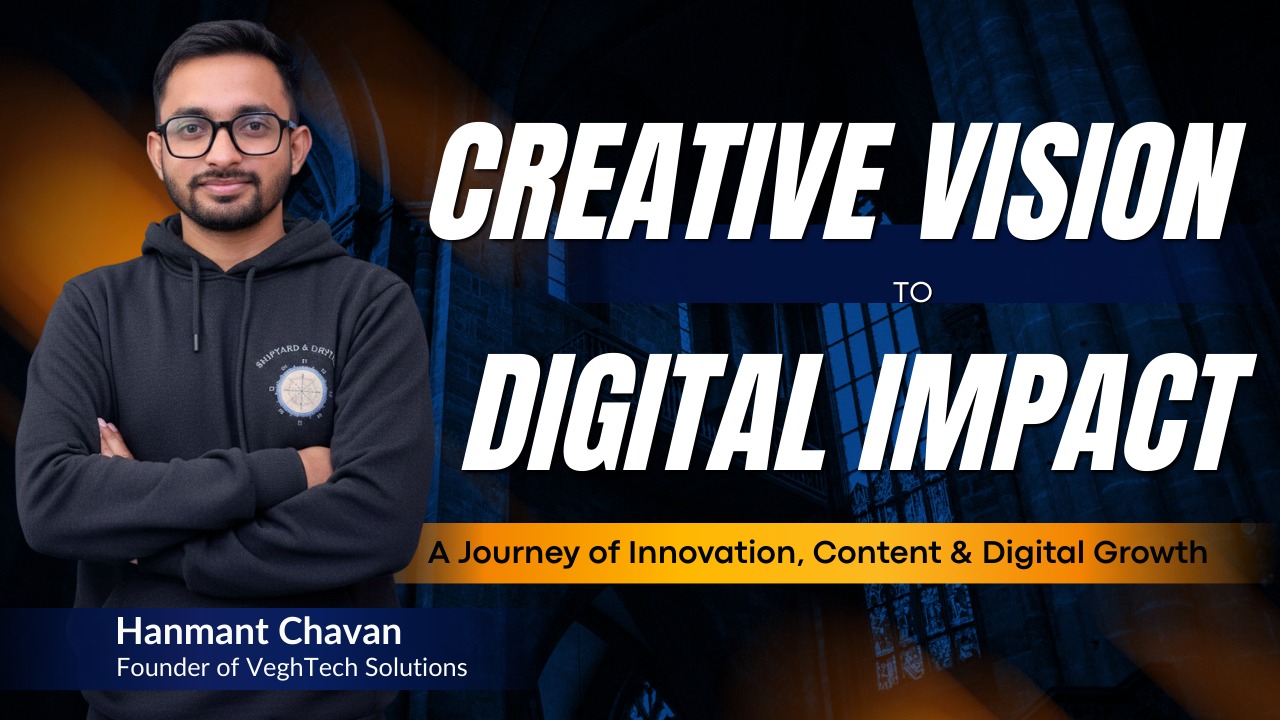
Hanmant Chavan: From Creative Vision to Global Digital Impact with VeghTech Solutions PVT LTD

0
VeghTech Solutions PVT LTD


In today’s fast-moving digital economy, success belongs to those who can blend creativity with strategy and passion with performance. Hanmant Chavan is one such founder whose journey reflects the power of early curiosity, consistent learning, and content-driven thinking. As the founder of VeghTech Solutions PVT LTD, Hanmant has built a results-focused digital enterprise that today serves businesses across the globe.

Early Curiosity and the Spark of Entrepreneurship

Hanmant Chavan’s entrepreneurial mindset developed at a very young age, driven by curiosity about how the internet connects people, brands, and opportunities. Rather than following a strictly conventional path, he chose to explore the digital world hands-on—learning through experimentation, failures, and continuous improvement.

At just 16 years old, Hanmant launched his YouTube channel, Ishwara Music. Through this platform, he combined music, storytelling, and digital distribution, gaining real-world exposure to content creation and audience engagement. Several of his music videos crossed millions of views, teaching him a critical lesson early on: content has the power to scale influence globally.

His passion for storytelling extended beyond music. Hanmant went on to write a novel titled Karma Hee Bhagya, a work that reflects themes of destiny, effort, and personal responsibility. Writing the book strengthened his belief that content—whether artistic or strategic—is the backbone of digital success. This realization became a defining pillar of his entrepreneurial philosophy.

Engineering Roots and an Academic Foundation

Hanmant comes from a strong engineering background, having completed his engineering degree from MET Bhujbal Knowledge City, Nashik. During his college years, he actively wrote numerous blogs and articles on technology, innovation, and emerging sectors for academic platforms and college initiatives.

His interest in business strategy led him to further pursue an MBA from the same institute, equipping him with structured knowledge of management, marketing, and organizational growth. This blend of engineering logic and management insight helped him approach digital marketing not just creatively, but strategically.


The Birth of VeghTech Solutions PVT LTD

With hands-on experience in content, technology, and business strategy, Hanmant founded VeghTech Solutions PVT LTD with a clear mission: to help businesses grow using transparent, data-driven, and result-oriented digital strategies.

Today, VeghTech Solutions proudly serves 300+ clients worldwide, helping startups, entrepreneurs, and enterprises achieve measurable digital growth. The company positions itself not as a service vendor, but as a long-term growth partner.

Comprehensive Digital Services

VeghTech Solutions PVT LTD offers a wide range of end-to-end digital and technology services, including:

Pay-Per-Click (PPC): Driving instant, targeted traffic and qualified leads through performance-focused advertising campaigns.
Search Engine Optimization (SEO): Improving search visibility and attracting high-quality organic traffic with sustainable SEO strategies.
Email Marketing: Nurturing leads and retaining customers through personalized, automated email campaigns.
Social Media Marketing: Building brand awareness, engaging audiences, and converting followers into loyal customers.
Web & Mobile App Development: Creating scalable, secure web and mobile applications tailored to business needs.
Data Analytics & Insights: Transforming raw data into actionable insights using advanced analytics and custom dashboards.

A Founder with Vision and Integrity

Hanmant Chavan believes true leadership lies in empowering people and building systems that last. He promotes a culture of continuous learning, innovation, and accountability within VeghTech Solutions.

Conclusion

The founder story of Hanmant Chavan is a powerful example of how early creativity, strong education, and content-first thinking can evolve into a global digital enterprise. Through VeghTech Solutions PVT LTD, he continues to help businesses worldwide grow with clarity, confidence, and performance-driven digital strategies. For more information you can visit https://veghtechsolutions.com/

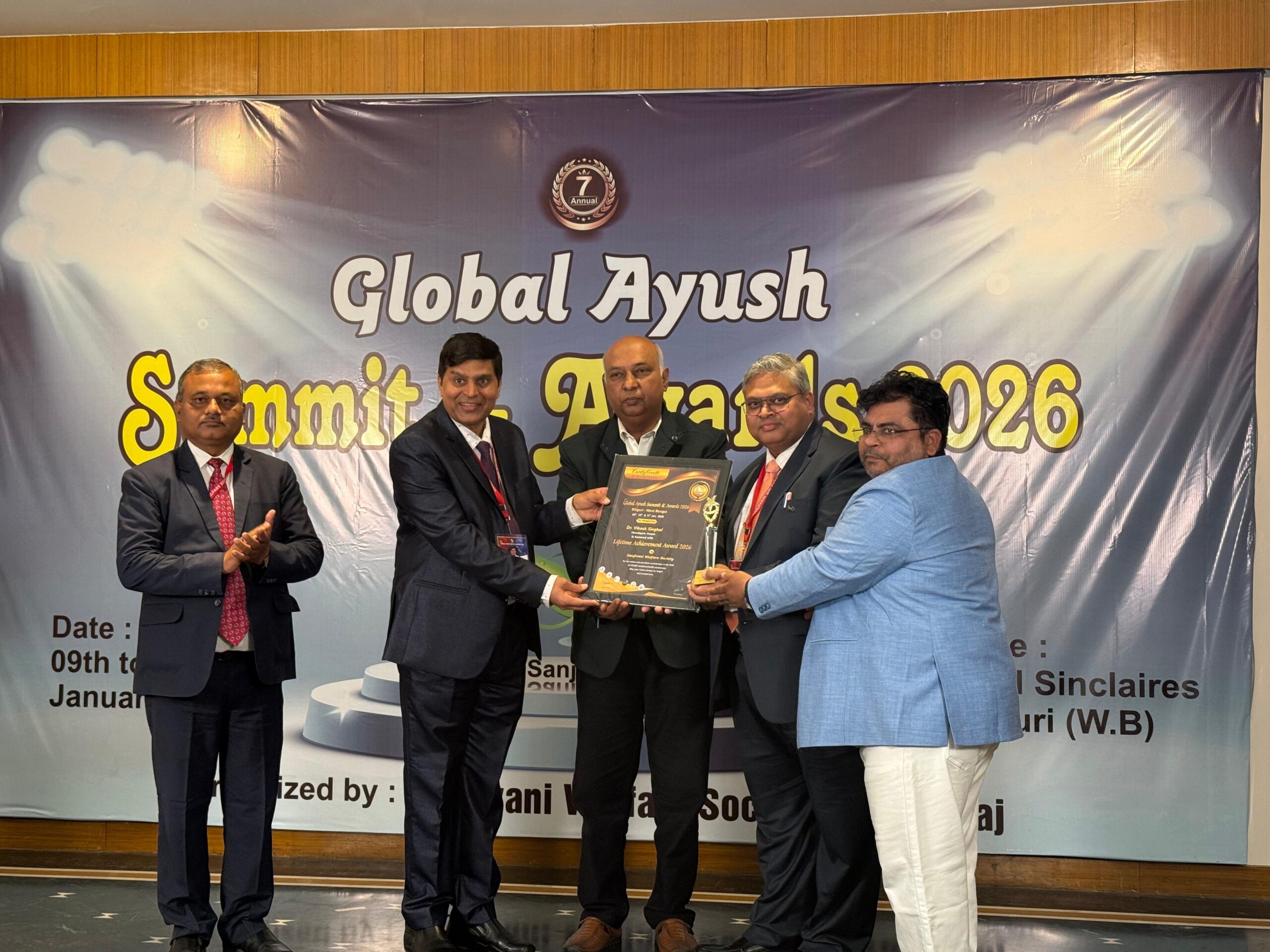
Global Ayush Summit 2026 in Siliguri Concludes With CCRH-Backed Academic Sessions, International Delegates, and Chronic Osteomyelitis Case Presentation by Dr. Vikas Singhal

0
Dr. Vikas Singhal

Siliguri, West Bengal (India) | January 2026 — A three-day Global Ayush Summit 2026 concluded in Siliguri after hosting a packed programme of scientific talks, clinical case discussions, and award recognitions. The summit was organised as a hotel-based conference and drew participation from the AYUSH Department, with CCRH (Central Council for Research in Homoeopathy) involved in the academic proceedings. Delegates from multiple countries attended, reflecting the event’s growing international footprint within the AYUSH and homeopathy community.

The summit featured Dr. A.K. Dwivedi as the Chief Guest, with Dr. Soni attending as Guest of Honour. Dr. Vikas Singhal (Chandigarh) was also invited as a Guest of Honour and delivered a focused academic session on chronic osteomyelitis, supported by a detailed case presentation and learning-oriented clinical documentation.

Focus Session: Chronic Osteomyelitis Case Study and Long-Term Follow-Up

During his presentation, Dr. Singhal discussed post-operative chronic osteomyelitis with emphasis on structured case-taking, imaging correlation, and consistent follow-up—an approach intended to help clinicians communicate complex timelines clearly and responsibly.

As presented in the case details shared at the event, the patient was a 19-year-old boy from Tinsukia, Assam, who underwent surgical fixation of the left femur (nailing and plating). The clinical history noted that the fixation hardware was not removed on time, contributing to infection in surrounding tissues and later the bone. The patient was diagnosed on 23 April 2019 with osteomyelitis of the femur at Assam Medical College & Hospital, Dibrugarh (Assam).

In the same session, Dr. Singhal briefly reviewed conventional management of osteomyelitis, commonly involving surgical debridement and antibiotics, while noting that relapse can be a concern in chronic cases. He also pointed out that certain orthopaedic interventions—including plating, nailing, and grafting—may be associated with post-operative infection risks (as referenced in his conference material).

Case Summary Presented at the Summit

The case summary shared during the talk described a boy diagnosed in 2019 with post-operative chronic osteomyelitis in the left femur, with imaging indicating infection extending toward the knee joint. The patient later received treatment at Dr. Singhal Homeo Clinic, Chandigarh.

The clinical presentation highlighted an individualized homeopathic plan based on symptom totality, background evaluation, and repertorization. As documented in the case summary presented, Calcarea carbonicum was prescribed initially, followed by Silica, with Sulphur used intermittently between main medicines. The case report shared at the summit recorded complete recovery by April 2025, following long-term management and follow-up tracking.

Medical note: Chronic osteomyelitis is a serious condition that requires qualified medical evaluation. Conference case presentations are intended for professional education and discussion and should not be interpreted as universal outcomes or a substitute for individualized medical advice.

Awards, International Participation, and Closing Programme on January 11

Beyond the academic sessions, the event also included award recognitions for clinical contribution and service. Attendees reported strong participation across regions, with several award recipients honoured in front of an international audience of practitioners and guests.

The summit concluded with a closing programme on 11 January, which included a group photograph and a formal dinner, providing an opportunity for speakers, guests, and delegates to connect beyond the lecture setting and continue professional dialogue informally.

Why This Matters for AYUSH and Homeopathy Education

As healthcare increasingly values documentation, long-term follow-up, and evidence-informed communication, forums like the Global Ayush Summit 2026 (Siliguri) are being used to share real-world clinical learning—especially for complex, chronic conditions where patients and practitioners often seek clarity, continuity, and responsible guidance.

Maharashtra Startup Ecosystem Stands Tall Mumbai-Pune Funding Strong, No New Deals Today

0
Startup Ecosystem

Robust growth fueled by Startup Policy 2025, MATRIX initiative, and MahaFund backing entrepreneurs statewide

Maharashtra’s Startup Revolution Roars On: Mumbai-Pune Funding Fireworks Continue, But Today’s News Stays Quiet

Mumbai, January 14, 2026: Picture this – Maharashtra, India’s undisputed startup king, buzzing with energy as Mumbai’s fintech wizards and Pune’s tech trailblazers rake in funding left, right, and center. The ecosystem here is rock-solid, powered by smart policies and eager investors. Yet, on this crisp Wednesday, no blockbuster new funding rounds or industry bombshells hit the headlines. Don’t worry, though – the momentum is unstoppable!​

This isn’t a slowdown; it’s the calm before the next big wave. With over 50,000 registered startups – the highest in India – Maharashtra is scripting a success story that inspires every young entrepreneur from Nagpur to Nashik. The secret sauce? The Startup, Entrepreneurship and Innovation Policy 2025, a game-changer approved by the state cabinet.​

The Unbeatable Mumbai-Pune Duo

Mumbai, the financial heartbeat of India, and Pune, the Oxford of the East turned startup haven, are where dreams get funded. Pune alone hosts 69 standout startups eyeing massive growth in 2026, with $175 million already poured into insurtech and healthtech gems. Think Turtlemint revolutionizing insurance or Haptik chatting up AI magic – these are homegrown heroes.

Mumbai’s not lagging. IIT Bombay’s Technology Innovation Hub just wrapped ATMAN 3.0, handing ₹6 crore seed funding to six HealthTech innovators. Bluecopa’s fresh $7.5 million Series A? Pure fintech fire! No new deals today, but the pipeline is overflowing. Why? Investors love the vibe – reliable talent, world-class infra, and quick exits.​

These cities aren’t just spots on a map; they’re launchpads. Funded stars like Paytm (Pune roots) and global players prove it.

Policy Power-Up: Fueling the Fire

Chief Minister Devendra Fadnavis is all in on this revolution. The 2025 Policy targets 50,000 startups and 1.25 lakh entrepreneurs with goodies like the ₹500 crore MahaFund for easy loans and mentorship. MATRIX, the shiny new initiative, promises 200+ incubators for AI, robotics, green energy – generating ₹1 lakh crore revenue and jobs galore. Women get 10% quota – talk about inclusive growth!​

Enter Maharashtra Innovation City: 300 acres of pure innovation near Navi Mumbai, with AI labs and co-working hubs. Add MoUs with Finland for global tech swaps, and you’ve got a recipe for world domination. IPR reimbursements up to ₹5 lakh? International expo support to ₹20 lakh? Startups are spoiled for choice.​

Today’s quiet? It’s strategic. Funding flows steadily, not in daily drama.

Real Wins, Real Stories

Pune’s startup scene is electric – 100+ top companies per F6S rankings, from SaaS to deep tech. Mumbai’s space tech and fintech are skyrocketing. Maharashtra State Innovation Society’s Startup Yatra events? Networking goldmines!​

Challenges exist – talent poaching, regulations – but Maharashtra Business Summit 2026 looms with mega MoUs. Expect 1 lakh new jobs soon.​

Pro Tips to Ride the Wave

  • Hunt Mentors: Dive into MSINS Startup Week for game-changing advice.
  • Grab Funds: MahaFund and MATRIX apps are open – don’t sleep on them!
  • Network Hard: Demo Days at Innovation City = investor magnets.
  • Shield Ideas: Snag that IPR reimbursement pronto.

Why Maharashtra Wins Big

No today’s headlines doesn’t dim the shine. Central boosts like Startup India’s SISFS add firepower. Women-led ventures at 45%? Youth driving deep-tech? This is India’s future, brewed in Maharashtra.

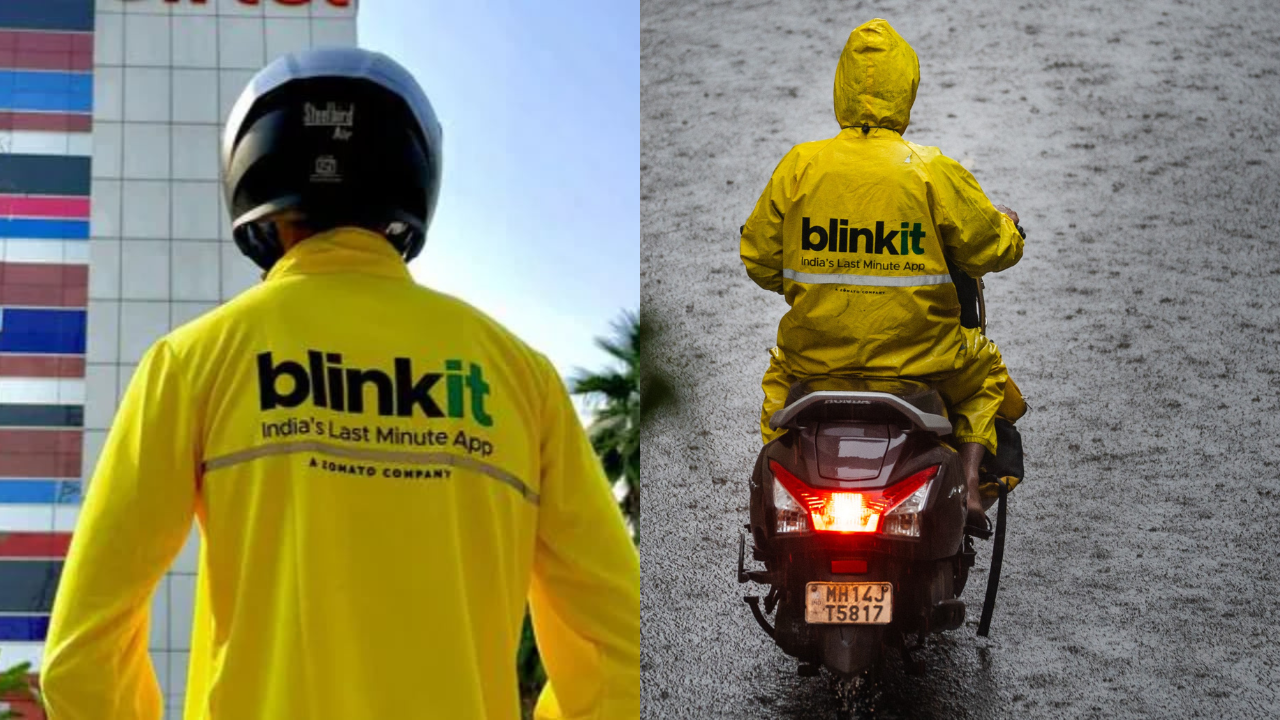
Blinkit Ditches 10-Min Delivery

0

Government Steps In for Gig Workers’ Safety

In a landmark move prioritizing the safety and well-being of India’s hardworking delivery partners, quick-commerce giant Blinkit has swiftly dropped its iconic “10-minute delivery” branding following direct intervention from Union Labour Minister Mansukh Mandaviya. Other major players like Zepto, Swiggy Instamart, and Zomato have assured the government of similar updates to their marketing in the coming days, marking a pivotal shift in the hyper-competitive quick commerce landscape.​

This development comes at a time when gig workers’ voices have grown louder amid nationwide strikes and parliamentary debates, underscoring the human cost behind ultra-fast delivery models that have revolutionized urban shopping in India.​

Government Steps In for Delivery Partner Safety

Union Labour Minister Mansukh Mandaviya convened a crucial meeting with representatives from Blinkit, Zepto, Zomato, and Swiggy to tackle mounting concerns over rigid delivery timelines that were pushing workers into risky situations. Sources confirm the minister emphasized eliminating strict time-bound promises to safeguard delivery personnel from undue pressure, especially during harsh weather or peak traffic hours.​

Blinkit acted first, revamping its core tagline from “10,000 plus products delivered in 10 minutes” to a more humane “30,000 plus products delivered at your doorstep.” This change across all platforms reflects a broader commitment to worker security without compromising service efficiency.​

The intervention aligns with labour laws that prohibit exposing workers to hazardous conditions, a stance welcomed by unions like the Indian Federation of App-Based Transport Workers (IFAT) and Telangana Gig and Platform Workers’ Union (TGPWU).

Nationwide Gig Worker Strikes Spark Change

The timing of this policy pivot is no coincidence, arriving weeks after massive strikes by gig workers on December 25 and December 31, 2025—peak festive days that amplified their protests. Nearly 40,000 delivery partners from platforms including Swiggy, Zomato, Zepto, Blinkit, Amazon, and Flipkart halted operations in cities like Mumbai, Delhi, Hyderabad, Bengaluru, and beyond, demanding fair wages, safer conditions, and an end to exploitative algorithms.​

Unions accused quick commerce firms of slashing earnings through incentive cuts while enforcing impossible deadlines that led to reckless riding, accidents, and health issues. “The 10-minute model forced dangerous road behaviour and extreme stress,” noted IFAT’s Shaik Salauddin, hailing the government’s “timely intervention.”​

These actions disrupted 50-60% of deliveries, sending a strong message that India’s nearly one crore gig workers—often migrant youth supporting families—deserve dignity over deadlines.​

Parliamentary Push for Gig Worker Rights

Adding political weight, AAP Rajya Sabha MP Raghav Chadha raised the “pain and misery” of gig workers during a recent Parliament session, calling them the “invisible wheels of the Indian economy.” He highlighted how quick commerce unicorns rake in billions yet leave riders overworked, underpaid, and risking lives in rain, heat, or fog for customer orders.​

Chadha demanded regulations for app-based businesses, including social security, fair pay, and an end to “cruelty like 10-minute delivery.” His Hindi intervention resonated widely: “Yeh log robot nahi hain; yeh kisi ke pita, pati, bhai ya beta hain.” This advocacy has bolstered the push for protections under the Code on Social Security, 2020.​

Quick Commerce Boom and Its Hidden Costs

India’s quick commerce sector has exploded since 2021, with Blinkit leading at 45-46% market share, followed by Zepto (21-29%), Swiggy Instamart (25-27%), and others. Gross order values soared—Blinkit’s hit ₹9,421 crore in FY25, up 134%—fueled by dark stores in metros and Tier-2 cities, promising groceries, gadgets, and more in minutes.​

Yet, this growth masked perils: Bengaluru alone saw 27 accidents involving delivery riders in three years, with nationwide reports of traffic chaos, footpath encroachments, and stress-related ailments. Police in cities like Bengaluru now mandate ID checks, GPS tracking, and safety training for platforms.

The 10-minute race not only endangered riders but also road users, prompting calls for aggregator accountability amid lax gig economy laws.​

Social Security Code: A Step Forward for Gig Economy

The Code on Social Security, 2020—fully enforced from November 21, 2025—finally recognizes gig and platform workers, mandating aggregators contribute 1-2% of turnover to a welfare fund for life insurance, disability cover, health, maternity benefits, and old-age protection. A National Social Security Board will oversee schemes via EPFO and ESIC.​

While central notification is done, states handle implementation, with some drafting rules. This framework ends the “regulatory limbo,” ensuring platforms like Blinkit fund rider welfare instead of passing all risks to them.​

What Lies Ahead for Quick Commerce in India

Dropping time guarantees won’t halt quick commerce’s momentum—analysts predict sustained growth through category expansion into beauty, electronics, and appliances, plus deeper penetration in non-metros. Platforms may shift to “hyperlocal” or “lightning-fast” messaging, focusing on reliability over rigid clocks.​

For consumers, expect efficient deliveries without the guilt of pressuring riders. Stocks of listed peers like Zomato and Swiggy could benefit from perceived sustainability, with valuations holding strong.​

Ultimately, this change humanizes a sector built on speed, balancing innovation with insaniyat. As Minister Mandaviya noted, deadlines yield to dignity—ensuring India’s gig heroes pedal safer paths to progress. Gig workers, platforms, and the public stand to gain from this balanced approach, fostering a more equitable digital economy.

Anuran Das & Rohan Naik: Building SalesClosers Into India’s Global Sales Talent Powerhouse With a ₹500 Crore Vision

0
Anuran Das & Rohan Naik

At a time when India’s workforce is rapidly integrating with global markets, Anuran Das and Rohan Naik, the founders of SalesClosers, are quietly redefining how Indian professionals participate in the international sales economy. Their professional upskilling and sales training venture, currently valued at an estimated ₹100 crore, is on a clearly defined trajectory to reach ₹500 crore by 2030—not as a race for scale, but as a long-term institutional mission.

Rohan Naik: Strategic Growth With Global Relevance

With over 13 years of experience in sales and marketing and more than a decade of leadership exposure in major financial institutions, Rohan Naik brings a structured, evidence-driven approach to scaling SalesClosers. According to him, moving from ₹100 crore to ₹500 crore is not an aggressive leap, but a methodical evolution built on operational strength, leadership alignment, and data-backed decision-making.

Rohan believes that the future of sales lies in performance-based, outcome-driven models, especially as global companies increasingly adopt borderless hiring. Under his strategic leadership, SalesClosers is actively exploring expansion into the US and European markets, responding to the growing demand for trained, execution-ready sales professionals who can deliver measurable results.

He outlines the company’s five-year roadmap around three core pillars—market expansion, diversification, and execution excellence. Strengthening sales and marketing engines, entering new geographies, and optimizing enterprise partnerships will fuel growth, while investments in scalable systems, leadership talent, and technology will ensure long-term sustainability. He also confirms that a utility crypto token is in development, aimed at integrating SalesClosers more deeply into the global digital economy.

For Rohan Naik, achieving a ₹500 crore valuation is not merely a financial milestone—it represents institutional credibility, global relevance, and long-term trust.

Anuran Das: Creating Monetizable Skills for a Global Workforce

Anuran Das, co-founder of SalesClosers, brings a powerful practitioner’s perspective to the platform. Having trained over 2,50,000 professionals across various industries, Anuran has long believed that traditional coaching and certification models fail to deliver real economic outcomes.

SalesClosers, according to Anuran, was built to bridge this gap by focusing exclusively on monetizable, industry-specific sales roles such as sales setters, closers, and business development professionals—roles that directly connect learners to income-generating global opportunities.

He emphasizes that SalesClosers operates as a business-focused learning ecosystem, where mentorship, peer accountability, and execution-led training are embedded into the learning journey. The goal is simple yet ambitious: ensure that skill development translates into measurable career growth and global employability.

Anuran is equally firm on maintaining ethical standards, mentor credibility, and learning quality as the company scales. For him, SalesClosers is not a short-term venture but an institution designed to earn long-standing global trust.

A Shared Vision Beyond Revenue

Together, Anuran Das and Rohan Naik position SalesClosers as more than a company—it is a movement transforming how Indian talent contributes to global revenue ecosystems. Both founders stress that financial discipline, governance, and brand integrity matter more than headline growth figures.

By aligning teams around a shared five-year vision, leveraging technology, and staying adaptive to evolving global markets, SalesClosers aims to become a future-ready global enterprise—one that empowers Indian professionals to compete, earn, and lead on the international stage.

As SalesClosers moves steadily toward its ₹500 crore milestone, its founders are not just scaling a business; they are shaping the future of India’s participation in the global sales economy.