Wednesday, March 11, 2026
Home Blog Page 5

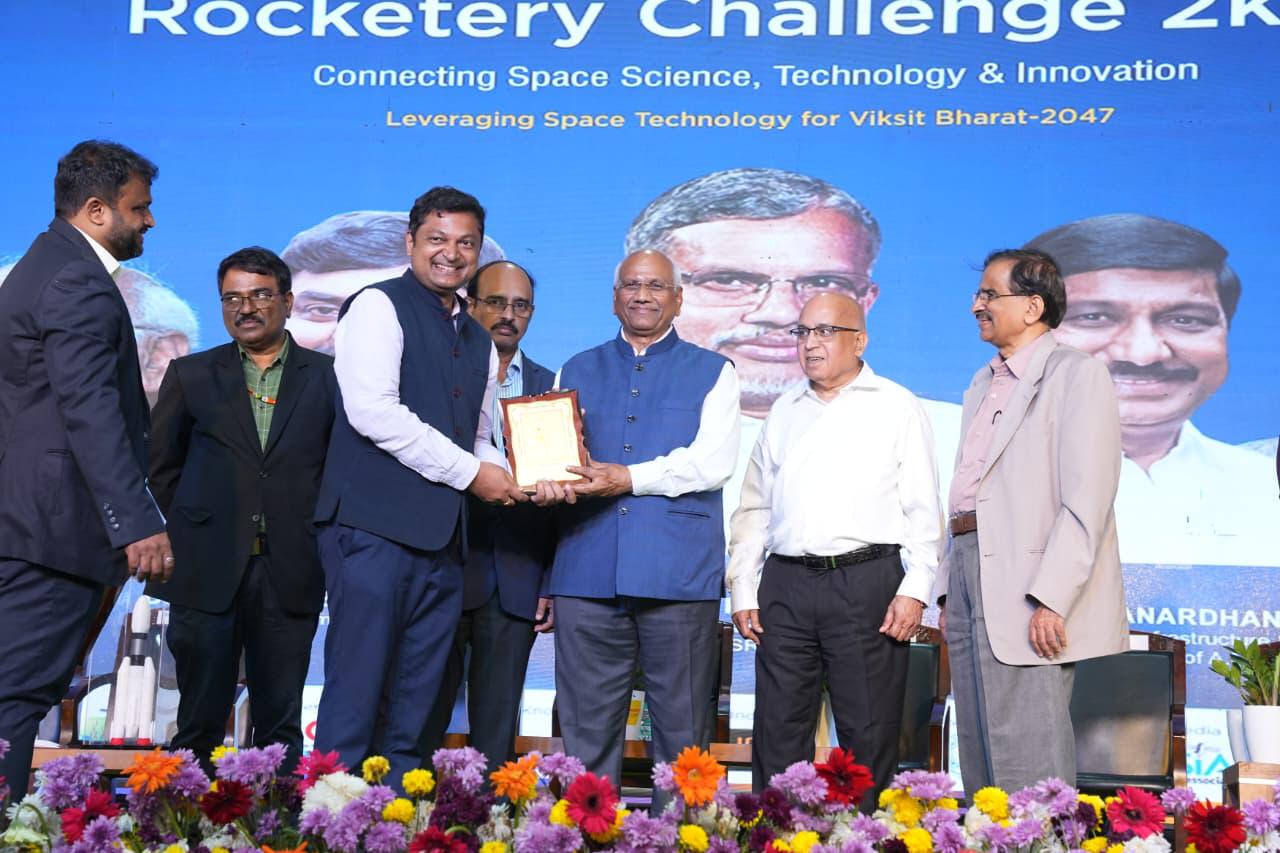
Science City of Andhra Pradesh Hosts India’s First Student Rocket Challenge Outside ISRO at Guntur

0
Student Rocket Challenge with ISRO Mentorship Support

Guntur, Andhra Pradesh: The Science City of Andhra Pradesh successfully hosted the South India Rocket Challenge on 23rd January 2026 at Vignan University Guntur, marking a historic milestone as India’s first-ever large-scale student rocket challenge conducted outside the Indian Space Research Organisation (ISRO). The event was technically designed and executed by Muskan Aerospace, with Spacekidz India serving as Co-Mentor for the challenge.

The initiative brought together school and college students from across South India, offering them hands-on exposure to real-world rocketry. Under the structured mentorship framework jointly delivered by Muskan Aerospace and Spacekidz India, more than 1,000 school teams participated in the Hydro Rocket Challenge, while over 250 college teams competed in the Chemical Rocket Challenge.

Speaking at the event, Mr Venkateswarlu Kesineni, CEO, Science City of Andhra Pradesh, said,

“The South India Rocket Challenge represents a significant step in advancing experiential science education. Hosting India’s first student rocket challenge outside ISRO reflects our commitment to creating platforms where students can engage with advanced scientific concepts through practical learning.”

As the technical execution partner, Muskan Aerospace managed the complete end-to-end execution of the event, including student orientation and training, technical documentation, safety protocols, launch operations, evaluation parameters, and coordination with expert mentors and institutions.

Dr. Brajesh, Founder, Muskan Aerospace, stated,

“Our objective was to create a safe, structured, and scalable platform where students could experience rocketry the way aerospace professionals do. This challenge proves that high-end technologies like rocketry can be successfully democratized for students when guided by the right framework.”

Dr Seshagiri Rao V, Mentor & Former Space Scientist ISRO, stated,

“It is inspiring to see such a large number of students actively designing and launching rockets. This initiative shows that with proper mentorship and safety standards, students can meaningfully engage with advanced aerospace concepts at a young age.”

Spacekidz India, as Co-Mentor, contributed expert guidance in rocket design principles, propulsion concepts, stability analysis, and launch methodologies, strengthening the technical depth of the program.

The event also featured interactions with scientists, aerospace professionals, and academicians, inspiring students to explore careers in space science and technology. Stringent safety measures were followed throughout the program, ensuring a secure and disciplined learning environment.

With the successful hosting of the South India Rocket Challenge, Science City of Andhra Pradesh reaffirmed its role as a catalyst for scientific innovation, while Muskan Aerospace, supported by Spacekidz India, demonstrated the impact of collaborative mentorship in nurturing India’s next generation of aerospace innovators.

From Corporate Experience to People Leadership: Vayura HR & Advisors Sets New Standard in HR Solutions

0
Vayura HR & Advisors

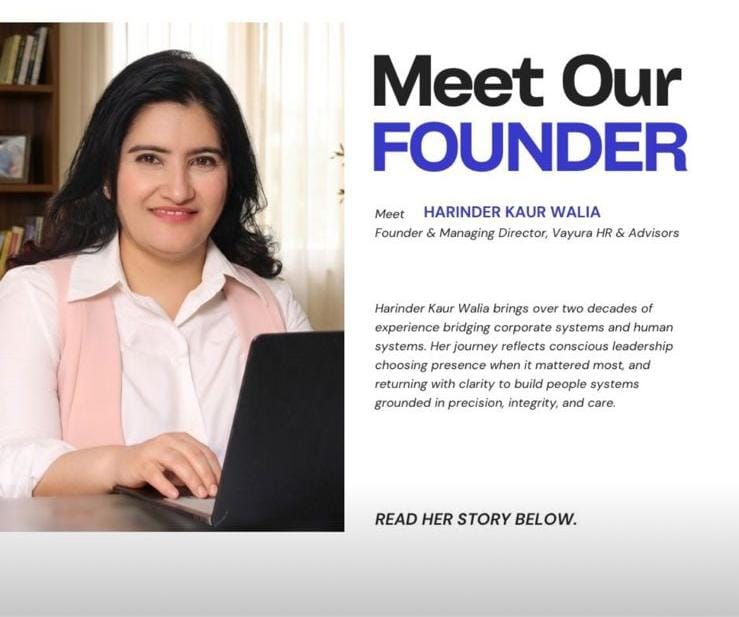
In a business culture that celebrates constant motion, some journeys stand out for their clarity of timing and purpose. The story of Harinder Kaur Walia, Founder and Managing Director of Vayura HR & Advisors Pvt. Ltd., is one such journey. It is not about stepping away from ambition. It is about reshaping ambition with intention, maturity, and lived experience.

Harinder did not leave her professional identity behind when motherhood arrived. She chose to give her full presence to her family at a time when it mattered most. With more than two decades of experience in structured corporate environments, she understood performance, systems, and accountability. Yet, she also understood that leadership is not only exercised in boardrooms. It is also practiced in everyday choices of care, responsibility, and patience.

This perspective later became the foundation of Vayura HR & Advisors, a company built not out of urgency, but out of wisdom.

When life opened a new chapter, it did not come with pressure or noise. It came gently. Harinder returned to work not with the need to prove anything, but with the desire to serve. Baking became her first expression of this return. What began as an act of love soon became a way of contributing to the community. Through her involvement with Robin Hood Academy, her work reached children and families, turning something simple into something meaningful.

But her professional calling was always rooted in people systems.

Having spent decades inside corporate structures, she had seen what many organizations silently struggle with. Fragmented HR processes. Payroll uncertainty. Compliance confusion. Teams growing without strong foundations. Leadership trying to scale without the right support systems. These observations shaped a clear realization. Businesses do not fail because of lack of ambition. They struggle because their people frameworks are weak.

That realization gave birth to Vayura HR & Advisors.

The company was founded with a belief that HR should not be treated as an afterthought. People systems deserve the same care and discipline as financial systems. Today, Vayura HR & Advisors positions itself as a women-led 360 degree HR solutions company that blends structure with empathy and precision with integrity.

Its services span payroll management, compliance advisory, HR strategy, and organizational development. The firm works with startups, growing enterprises, and established organizations to build reliable frameworks that support long-term growth. What sets it apart is not just what it offers, but how it approaches leadership. Quietly. Clearly. Consistently.

As a women-led 360 degree HR solutions company, the organization also carries a deeper message. It reflects the possibility of returning to leadership with clarity after life’s pauses. It speaks to women who stepped back to raise families and are now ready to lead again. Experience does not fade. It transforms. Focus does not disappear. It deepens.

This is why Vayura HR & Advisors is not presented as a comeback venture. It is a continuation of purpose in a new form.

The company’s philosophy is rooted in balance. Performance does not need to come at the cost of humanity. Structure does not need to remove compassion. Leadership does not need to be loud to be effective. These values shape every client relationship and every solution designed by the firm.

In a fast-moving economy, businesses often chase speed. But sustainable organizations are built on clarity. Vayura HR & Advisors stands for that clarity. It helps companies replace confusion with structure and anxiety with confidence. It believes that when people systems are strong, growth becomes natural rather than forced.

As a women-led 360 degree HR solutions company, its vision extends beyond business outcomes. It is about redefining how leadership is seen. Motherhood did not end ambition. It refined it. Femininity did not mean fragility. It meant timing, resilience, and perspective.

Today, the launch of Harinder Kaur Walia as the founder of Vayura HR & Advisors is not just a professional announcement. It is a statement that leadership can evolve without losing depth. That careers can pause without losing direction. And that organizations can grow without losing their human core.

In honoring this journey, Vayura HR & Advisors also honors every woman who stepped back with love and now steps forward with purpose. It reminds the business world that true people leadership is built not only on policies and processes, but on lived understanding.

For more information you can visit Vayura HR & Advisors, its HR advisory services, and its people-first approach to organizational growth.

Super Pyrolysis Gasoline (SPG): NIT Agartala Converts Plastic Waste into Cleaner, High-Performance Fuel

0
Super Pyrolysis Gasoline (SPG):

Agartala, February 02, 2026: As India pushes ahead with E20 petrol blending and enforces periodic bans on plastic products, a major scientific development from the Northeast suggests that a more effective solution may already be within reach—one that simultaneously addresses fuel quality, plastic pollution, and economic sustainability.

Researchers at National Institute of Technology Agartala (NIT Agartala) have demonstrated that common post-consumer plastic waste can be converted into a high-octane gasoline that not only matches but outperforms conventional petrol currently sold at fuel stations. The fuel, produced entirely from discarded plastics, delivers higher efficiency, cleaner emissions, and full compatibility with existing vehicles.

India’s transition to E20 petrol, which contains 20 per cent ethanol, is widely presented as a step towards cleaner mobility. However, ethanol blending has well-known limitations, including reduced mileage, lower energy density, concerns over long-term engine compatibility, and increasing pressure on agricultural land and water resources. The fuel developed at NIT Agartala avoids these compromises altogether. It is derived from waste plastics rather than crops, retains the full energy content of petrol, and functions as a direct replacement without requiring any engine modification.

The researchers processed polyethylene and polypropylene—the most common components of household plastic waste—into what they describe as Super Pyrolysis Gasoline (SPG). Extensive testing shows that SPG achieves an octane rating of 103, higher than both regular and premium petrol. When tested in a modern turbocharged petrol engine, the fuel demonstrated smoother combustion, improved thermal efficiency, and reduced fuel consumption compared to commercially available petrol. Crucially, the research did not stop at laboratory analysis. The plastic-derived fuel was validated in real engine conditions, where it consistently delivered better performance while cutting emissions of carbon monoxide, unburnt hydrocarbons, nitrogen oxides, and fine particulate matter by up to 30 per cent. With sulphur content reduced to almost zero, the exhaust profile comfortably meets current emission standards.

Beyond fuel performance, the implications for plastic waste management are significant. Despite bans and restrictions, plastic continues to accumulate in landfills, drains, and rivers due to enforcement challenges and limited recycling capacity. This research reframes plastic waste not as an unavoidable pollutant, but as a recoverable carbon resource. Every litre of SPG represents plastic diverted from dumping or burning and converted into a useful transportation fuel.

Economic viability further strengthens the case. According to the researchers, the estimated production cost of plastic-derived gasoline is around ₹25–28 per litre—substantially lower than prevailing petrol prices. Unlike ethanol blending, which depends on subsidies and agricultural inputs, plastic-to-fuel conversion utilises an existing waste stream that already imposes a cost on municipalities. This opens up the possibility of decentralised waste-to-fuel facilities, particularly in urban and semi-urban regions.

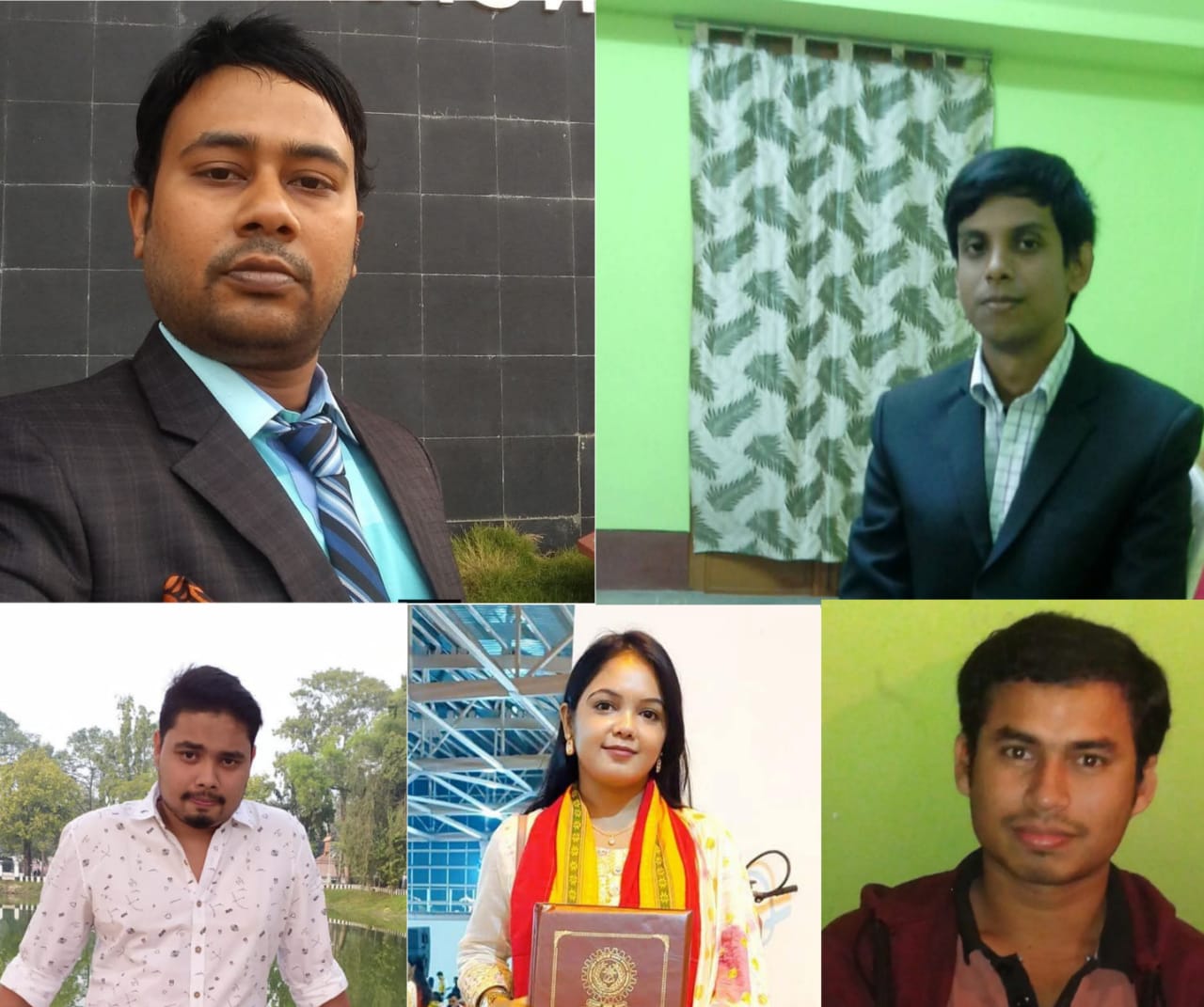
The research has been carried out by Diptanu Dey, Raj Chakraborty, Punam Das, and Diptanu Das of NIT Agartala, in collaboration with Pronob K. Ghosh, a former alumnus of the institute who is currently based in Bangladesh. Their findings have been published in an international peer-reviewed energy journal after detailed evaluation of fuel chemistry, catalyst stability, engine performance, emissions, storage behaviour, and economic feasibility.

At a time when India is searching for practical, scalable solutions to both pollution and energy security, this work presents a compelling alternative. Rather than viewing plastic bans and fuel blending mandates as separate challenges, the study points towards an integrated pathway—one that turns plastic waste into a cleaner, higher-quality petrol.

The science, the researchers argue, is already proven. The remaining question is whether policy and industry are ready to recognise that some of the country’s most persistent waste could also be part of its fuel future.

For more information you can visit Super Pyrolysis Gasoline (SPG) Research Paper

Maharashtra’s Mega Growth Boost ₹5,000 Cr Per Hub for Mumbai-Pune-Nagpur

0
Mega Growth Boost

Unlocking Infra Dreams and Jobs Galore in India’s Economic Power Trio

In a landmark announcement during the Union Budget 2026-27, Finance Minister Nirmala Sitharaman unveiled the “Growth Hub” model, allocating up to ₹5,000 crore per hub over the next five years to supercharge infrastructure and industrial projects in key metropolitan regions. Maharashtra emerges as a top beneficiary with three hubs—Mumbai Metropolitan Region (MMR), Pune Metropolitan Region (PMR), and Nagpur Metropolitan Growth Hub—poised to transform into engines of national growth. This strategic funding, backed by NITI Aayog, promises to elevate these regions’ GDP, create lakhs of jobs, and position Maharashtra at the forefront of India’s Viksit Bharat vision.

Growth Hub Model: A Game-Changer for Urban India

The Growth Hub initiative represents a paradigm shift in urban economic planning, moving beyond traditional infrastructure to holistic development strategies. Pioneered by NITI Aayog, it identifies high-potential city-regions and provides sustained funding to unlock their economic drivers like logistics, manufacturing, tech innovation, and tourism. For Maharashtra, this means ₹15,000 crore collectively over five years, directly targeting bottlenecks in infra and industry to achieve double-digit GDP growth.

Chief Minister Devendra Fadnavis hailed it as a “booster dose” for the state, emphasizing how MMR, PMR, and Nagpur were developed in collaboration with NITI Aayog. The model draws from successful pilots in MMR and Pune, where master plans aim to rival global cities by fostering integrated townships, AI hubs, and green corridors. With high-speed corridors like Mumbai-Pune and Pune-Hyderabad in the pipeline, these hubs will enhance connectivity and GDP multipliers across Maharashtra and beyond.

Mumbai Metropolitan Region: Powering Global Ambitions

As India’s financial powerhouse, MMR—spanning Mumbai, Thane, Navi Mumbai, and beyond—targets a GDP leap from $140 billion to $300 billion by 2030 under NITI Aayog’s blueprint. The ₹5,000 crore infusion will accelerate “platinum” projects like the Atal Setu (Mumbai Trans Harbour Link), integrated logistics parks at Kharbav, and tourist hubs at Gorai, Alibaug, and Madh. Golden initiatives, including the Goregaon-Thane tunnel and coastal road metro, will decongest the region and boost public transport capacity by 200,000 passengers daily.

MMRDA’s Economic Master Plan, now supercharged by Growth Hub funds, focuses on financial districts at BKC and Wadala, AI valleys akin to Silicon Valley, and medi-cities. Recent MoUs worth $20 billion with SBG Group for MMR logistics underscore investor confidence, promising 4.5 lakh jobs and supply chain resilience. For Mumbaikars, this translates to world-class housing at NAINA sites, river rejuvenation, and sustainable urbanization, making MMR a magnet for global FDI.

Pune Metropolitan Region: Tech and Innovation Epicenter

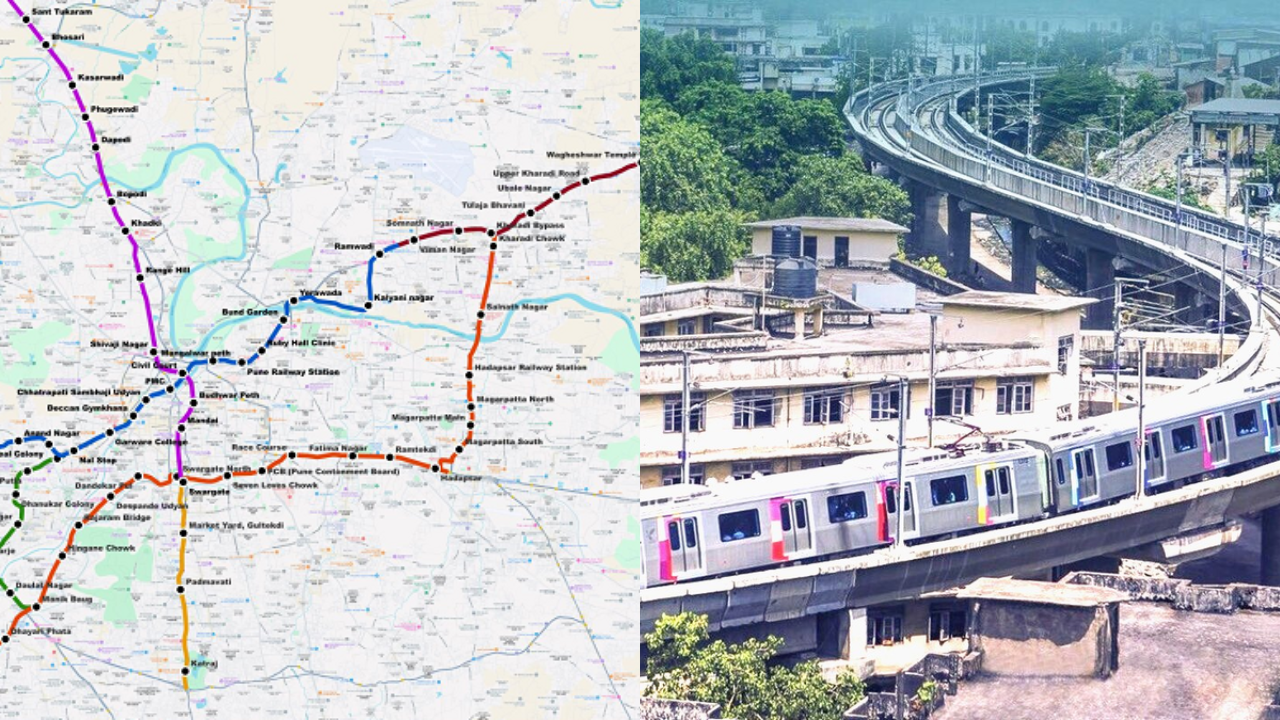
Pune’s 6,914 sq km metropolitan area, encompassing PMC, Pimpri-Chinchwad, and surrounding municipalities, eyes an ₹80,000 crore master plan to emerge as a global leader in tech, manufacturing, education, and AI. The ₹5,000 crore allocation will fuel ring roads (83 km), 589 km of road upgrades, river rejuvenation of Mula-Mutha and Pavana-Indrayani, and 17 traffic decongestion projects.

Union Minister Murlidhar Mohol highlighted how this will create massive employment while preserving Pune’s cultural heritage alongside cutting-edge infra like new airports and integrated townships. With MIDC industrial parks and upcoming Educity-inspired universities, PMR is set to generate ₹3 lakh crore in economic value, competing on the world stage. Local industries in automotive, IT, and pharma stand to gain from enhanced airport links and high-speed corridors, driving Maharashtra’s 16% national GDP share higher.

Nagpur: Central India’s Logistics Powerhouse

Nagpur, India’s geographic heart, leverages the MIHAN (Multi-Modal International Cargo Hub and Airport at Nagpur) project as its Growth Hub cornerstone. The ₹5,000 crore boost will expand the Dr. Babasaheb Ambedkar International Airport, SEZ with IT giants like TCS and Infosys, and a Health City featuring AIIMS and National Cancer Institute. Multi-modal connectivity—air, rail, road—positions MIHAN for ₹5,000 crore revenue by 2035, generating thousands of jobs in logistics, textiles, pharma, and engineering.

Government sources call it a “gamechanger” for Vidarbha, attracting investors to logistics parks, metro expansions, and expressways. With ₹2,581 crore already invested in MIHAN, the funding will bridge regional imbalances, foster green practices, and elevate Nagpur to a national economic node. CM Fadnavis noted its role alongside MMR and PMR in statewide prosperity.

Economic Impact: Jobs, Investments, and Viksit Bharat

This ₹15,000 crore tri-hub push is projected to unlock billions in private investments, mirroring MMR’s $150 billion aspiration. Employment generation could exceed 10 lakh jobs across sectors, from manufacturing clusters to AI startups, aligning with India’s $5-35-45 trillion economy goal by 2047. Infra upgrades like high-speed rails and logistics parks will cut logistics costs, boost exports, and enhance competitiveness.

For Maharashtra’s 11 crore-plus population, it means better urban amenities, skill hubs, and inclusive growth, reducing migration pressures on Mumbai. Experts predict 8-10% annual logistics surge, with global players like JICA and Sembcorp committing to low-carbon parks. The initiative complements state efforts like MIDC’s 50+ industrial parks and SEZs at Hinjawadi and SEEPZ.

Challenges and Path Forward

While promising, execution hinges on timely projectization, land acquisition, and public-private synergies. Environmental sustainability, skill development for youth, and equitable benefits for smaller towns within hubs are key focuses. Committees under MMRDA, PMRDA, and MADC will oversee implementation, with NITI Aayog providing templates from pilots.​

Stakeholders urge fast-tracking river projects, housing schemes, and digital infra to maximize ROI. As Fadnavis envisions a “third Mumbai” blending AI with infra, these hubs embody Maharashtra’s roadmap to a $1 trillion economy.

This Growth Hub funding isn’t just money—it’s a blueprint for India’s urban future, with Mumbai-Pune-Nagpur leading the charge. For businesses, entrepreneurs, and citizens, the next five years promise unprecedented opportunities in the heart of progressive Maharashtra.

Sunetra Pawar Creates History as Maharashtra’s First Woman Deputy CM

0
Sunetra Pawar

A new chapter unfolds in Maharashtra politics as Sunetra Pawar takes oath, blending legacy with women’s empowerment.

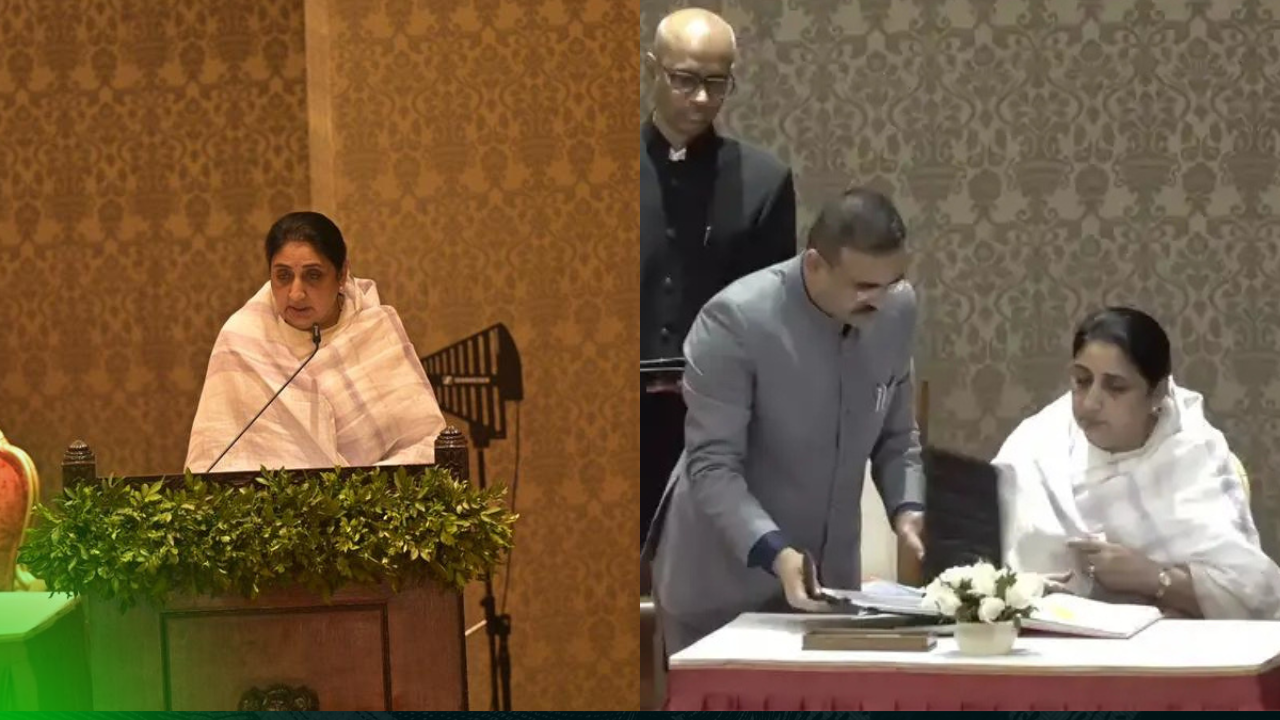
In a historic political development for Maharashtra, Sunetra Ajit Pawar has been sworn in as the first woman Deputy Chief Minister of the state. Her appointment marks a proud moment not only for the Pawar family but also for millions of women across Maharashtra who see this as a powerful symbol of empowerment, leadership, and political inclusion.

This elevation of Sunetra Pawar signals a significant chapter in the state’s evolving political landscape—one that reflects both continuity of legacy and a strong stride toward gender balance in high office.

A Legacy of Service and Leadership

Sunetra Pawar, the wife of Ajit Pawar, Deputy Chief Minister and senior Nationalist Congress Party (NCP) leader, has been an influential presence in Maharashtra’s sociopolitical scene for years, though largely working behind the scenes. Her official entry into the top administrative circle was long anticipated, given her contributions to public welfare, women’s empowerment, and rural development in western Maharashtra.

Born in a family rooted in cultural and social awareness, Sunetra Pawar has been recognized for her composed persona, philanthropic outlook, and dedication to grassroots initiatives. She co-founded and actively led several programs under the Sharad Pawar Rural Development Foundation, focusing on issues such as water conservation, education for girls, and sustainable agriculture.

From Public Service to Public Office

While political observers have followed the Pawar family’s moves closely, Sunetra Pawar’s transition from social service to active politics gained traction after the 2019 assembly elections. At that time, speculation had suggested she might enter the political arena, especially as the power dynamics within the Nationalist Congress Party were changing.

Her appointment now as Deputy CM signifies both trust and acknowledgment of her political maturity. Many insiders view it as a calculated yet meaningful expansion of the Pawar legacy, long rooted in the agricultural and political heartland of western Maharashtra.

A Milestone for Women in Politics

With this appointment, Maharashtra joins the ranks of states like Tamil Nadu, West Bengal, and Uttar Pradesh, where women have held powerful positions in government. However, in Maharashtra’s case, no woman had ever held the title of Deputy Chief Minister before Sunetra Pawar.

Leaders across party lines have welcomed the announcement, calling it a step toward creating a more inclusive political environment. Chief Minister Eknath Shinde, during the oath ceremony, said that her elevation adds “balance, dignity, and a people-first touch to the administration.”

From a policy perspective, this move is also seen as a strategic step to strengthen women’s representation in governance, encouraging young women across Maharashtra to aspire to leadership roles.

The Symbolism Behind the Appointment

Observers believe Sunetra Pawar’s new role carries both symbolic and strategic significance. Symbolically, it reflects the Pawar family’s deep roots in Maharashtra politics, continuing the political stature established by Sharad Pawar, the veteran leader and founder of the NCP.

Strategically, her inclusion in the state cabinet could appeal to diverse voter sections—urban women professionals, rural women self-help groups, and youth advocates supporting equal representation in politics. It also signals Ajit Pawar’s growing influence within the Maharashtra government after the realignment of the state’s power blocs.

Political analysts have described this move as one that combines legacy, leadership, and long-term vision—a hallmark of Pawar family politics. By stepping into an executive role, Sunetra Pawar ensures that women are no longer limited to supporting roles but are active decision-makers shaping Maharashtra’s progress.

Public Image and Popular Connect

Those who have interacted with Sunetra Pawar describe her as soft-spoken yet decisive, pragmatic yet compassionate. Over the years, she has built a strong presence in public welfare spaces, especially in education, healthcare, and rural women empowerment.

Her initiatives in the Baramati region include programs encouraging girls’ education, maternal health awareness, and entrepreneurship training for women. These efforts gained widespread appreciation, elevating her reputation as a leader who understands the grassroots realities of Maharashtra.

In the political landscape often dominated by male voices, her image offers refreshing authenticity. She is often seen visiting villages without fanfare—an approach that resonates deeply with voters who value humility and accessibility in leaders.


A Reflection of Changing Times

The rise of Sunetra Pawar as Maharashtra’s first woman Deputy Chief Minister is part of a broader wave of transformation in Indian politics. Women leaders are no longer confined to symbolic or token roles; they are emerging as key power centers capable of steering governance agendas and influencing national narratives.

Her appointment aligns with India’s push for 50% representation of women in local governance, reinforcing the fact that inclusivity at the top levels can inspire participation across the system.

Social commentators point out that her leadership could bring a more empathetic governance model—one that emphasizes family welfare, rural development, and sustainable community programs, areas often linked to women’s leadership perspectives globally.

Political Reactions and Public Response

Following the announcement, tributes and congratulations poured in from across the political spectrum. Members of both the ruling and opposition parties lauded the decision, calling it historic and progressive.

In her first statement as Deputy CM, Sunetra Pawar expressed gratitude for the faith placed in her by the party leadership and the people of Maharashtra. She reaffirmed her commitment to serving every section of society, especially women, farmers, and youth.

Social media platforms, too, witnessed a surge of celebratory messages. Many users praised her quiet strength and years of social service, while others highlighted that this marks the beginning of a new chapter for women leaders in Maharashtra politics.

The Road Ahead

As Sunetra Pawar assumes office, she carries both expectation and responsibility on her shoulders. Citizens across Maharashtra will look to her to deliver real change—improved welfare policies, effective administrative reforms, and a governance model that blends compassion with pragmatism.

Her leadership will be closely watched, particularly in sectors like rural development, women’s welfare, and education, where she already has deep experience. If she can translate her social initiatives into impactful government policies, she may redefine what it means to lead as a woman in Maharashtra politics.

For now, her rise stands as a testament to perseverance, vision, and the power of inclusion. Maharashtra has witnessed many firsts, but the day Sunetra Pawar took oath as the state’s first-ever woman Deputy Chief Minister will remain etched in history as a significant step forward for both the state and for women’s leadership in India.

Solar Shine on Maharashtra Massive ₹30 Lakh Cr Green Deals from Davos

0
Solar Shine on Maharashtra

From Farmer Power Grids to Innovation City – Jobs and Sustainability Take Off

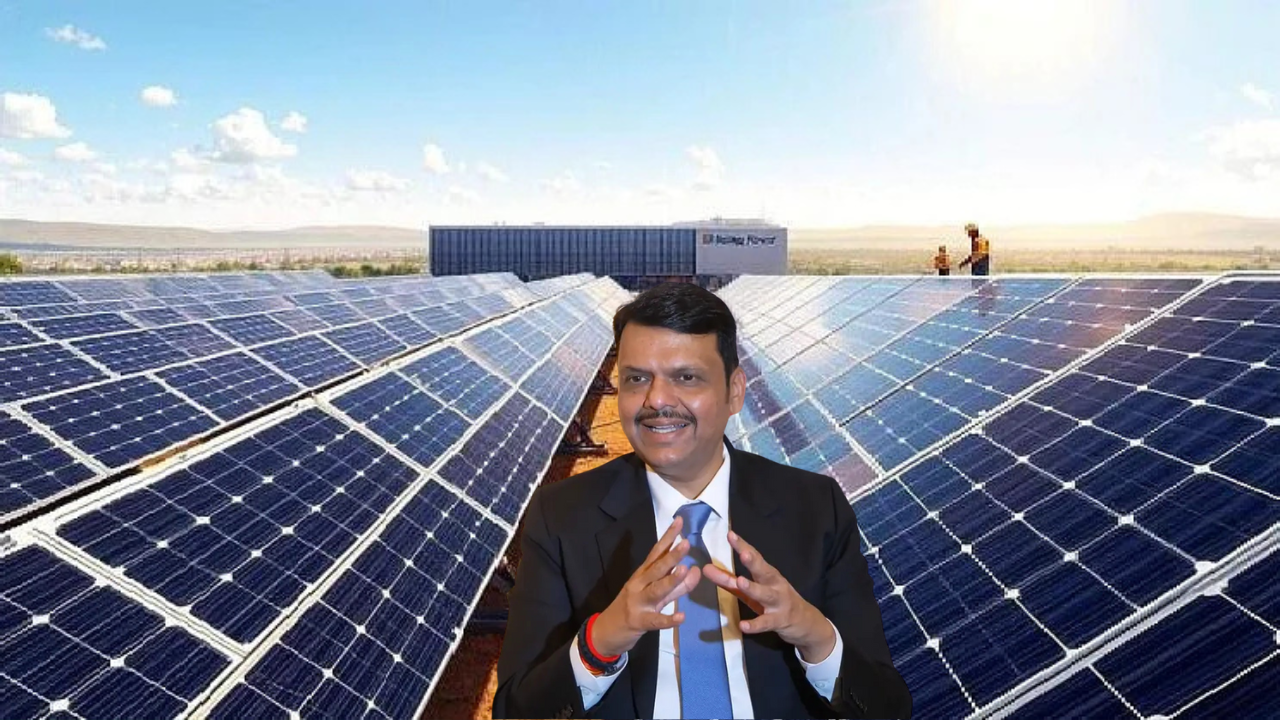
Maharashtra is charging ahead as India’s green energy powerhouse, fueled by blockbuster deals worth nearly ₹30 lakh crore sealed at the World Economic Forum (WEF) in Davos 2026. Chief Minister Devendra Fadnavis announced these initial agreements, spotlighting solar, renewables, and cutting-edge industrial projects that promise lakhs of jobs and a groundbreaking “Innovation City.”​

Davos Triumph: Massive Green Investments Locked In

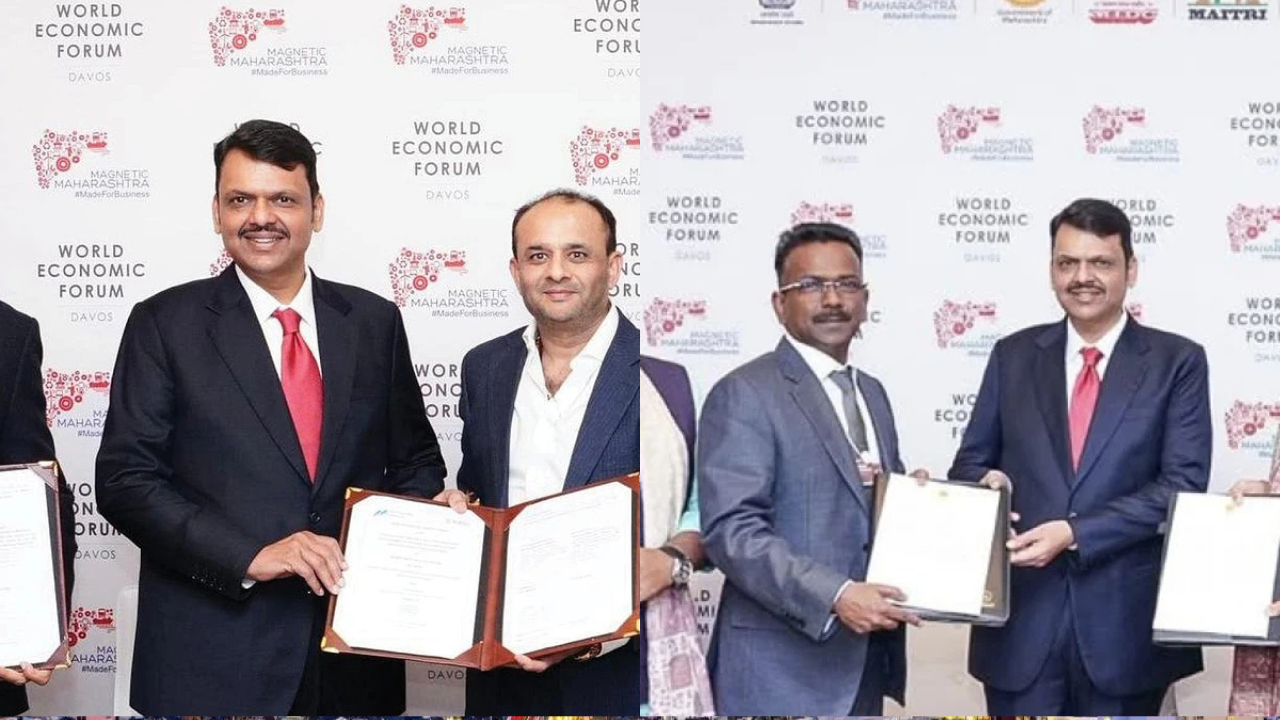
At Davos, Maharashtra stole the show with Memorandums of Understanding (MoUs) totaling around ₹30 lakh crore, a lion’s share flowing into green and new-age sectors like solar power, renewable energy, and sustainable industries. Reports highlight that about 83% of these commitments involve foreign direct investment (FDI), underscoring global confidence in the state’s progressive policies. On Day 1 alone, 19 MoUs worth ₹14.5 lakh crore were inked across renewables, data centres, green steel, and more, setting the stage for explosive growth.

Key players like Yoki Green Energy Pvt. Ltd. signed a ₹4,000 crore MoU for renewable projects in Palghar and the Mumbai Metropolitan Region (MMR), eyeing 6,000 direct jobs. Adani Group and Essar Renewables also jumped in with big renewable bets, aligning with Maharashtra’s push for round-the-clock clean power, especially for electric vehicles and green mobility. These deals aren’t just numbers—they’re a blueprint for Maharashtra to hit 52% renewable energy in its power mix by 2030, saving billions in costs while slashing carbon emissions.

Solar Surge: Asia’s Largest Farmer-Focused Network

Maharashtra’s solar story is the real headliner, with Asia’s—and potentially the world’s—largest decentralized solar program already powering farmers with 16 GW capacity by year-end. Under the Mukhyamantri Saur Krushi Vahini Yojana (MSKVY) 2.0 and PM Surya Ghar Scheme, the state has solarized agricultural feeders, delivering daytime power at just ₹3 per unit. This has housed 60% of India’s solar pumps, cut diesel dependence, and is projected to save $10 billion in power purchase costs over five years.

CM Fadnavis showcased this at Davos, earning applause from the International Solar Alliance, with ministers from Zimbabwe and others eyeing it as a global model. Over ₹65,000 crore in private investments are fueling 16,000 MW of solar parks near substations, reducing losses and boosting farm productivity in drought-hit areas like Marathwada and Vidarbha. By March 2026, the full rollout will transform agriculture, create 700,000 jobs statewide, and position Maharashtra as a green energy leader.

Innovation City: Mumbai’s High-Tech Green Hub Takes Shape

Adding sparkle to the green narrative, Maharashtra unveiled plans for India’s first “Innovation City” near Navi Mumbai International Airport—a 100-acre plug-and-play haven for AI, quantum computing, data centres, and renewables. Tata Sons committed $11 billion (₹91,000 crore) for core infrastructure, including massive data centres powered by small modular reactors (SMRs). This state-of-the-art urban-industrial concept will decongest Mumbai, foster circular economy practices, and attract global innovators.

The city aligns perfectly with green goals, integrating sustainable aviation fuel, EV ecosystems, and biotech under one roof. CM Fadnavis noted talks with Indian and Russian nuclear firms for SMRs to meet data centre demands, thanks to the new SHANTI Bill. Slated to break ground in 6-8 months, it promises thousands of high-skill jobs and positions Maharashtra as Asia’s innovation epicentre.

Regional Boost: Jobs and Growth Across Maharashtra

These Davos wins are spread statewide, ensuring balanced development. Konkan gets ₹3.5 lakh crore, Nagpur division ₹2.5 lakh crore, Marathwada ₹55,000 crore, and backward Vidarbha 13% of total investments—covering Nashik, Dhule, and more. North Maharashtra hubs like Nashik and Ahmednagar will see agro-tech and food processing boom, while MMR and Palghar lead renewables.

Expect 30 lakh jobs overall, from solar technicians in rural belts to AI experts in urban hubs. Carlsberg’s ₹500 crore food sector MoU adds 750 jobs, Lodha’s data parks scale to ₹1.3 lakh crore with 16,000 roles. This green job wave will empower youth, women, and farmers, driving inclusive growth.

National Vision, Local Impact: PM Modi’s Green Push

Maharashtra’s feats echo PM Narendra Modi’s vision for a Viksit Bharat, with renewables at the core. The state boasts a 75% MoU conversion rate from last Davos, proving its execution prowess through single-window clearances and land banks. India pitched $300-350 billion in clean energy at WEF, but Maharashtra’s slice is transformative—₹82,000 crore savings, massive emission cuts, and energy security.

For farmers in Maharashtra’s sun-drenched fields—from Nashik’s vineyards to Solapur’s cotton belts—this means reliable power, higher yields, and extra income from surplus solar sales. Industries gain cheap green power, EVs charge sustainably, and cities breathe cleaner air.

Path Forward: Sustainability Meets Prosperity

As work kicks off on these projects, Maharashtra eyes leadership in green steel, sustainable aviation, and circular economies. Challenges like grid integration and skilled manpower are on radar, with training under green skill initiatives. The Davos momentum, backed by 400+ global investors, signals a brighter, greener future.

This isn’t just investment—it’s a revolution blending dharma with development, powering dreams from villages to skyscrapers. Maharashtra’s green leap will inspire India and the world, proving sustainability and prosperity go hand-in-hand.

Devendra Fadnavis Showcases Maharashtra as ‘Gateway of India’ at Davos

0
Davos

Chief Minister Devendra Fadnavis leads global investor push as 19 MoUs signed in key sectors during World Economic Forum 2026.

Maharashtra has reinforced its position as India’s leading investment destination by signing 19 Memorandums of Understanding (MoUs) worth an unprecedented ₹14.50 lakh crore on the very first day of the World Economic Forum (WEF) 2026, being held in Davos, Switzerland.

The announcements were made in the presence of Chief Minister Devendra Fadnavis and Industries Minister Dr. Uday Samant, marking one of the most significant global investment commitments secured by any Indian state in recent years.

19 MoUs Across Diverse Sectors

According to an official government statement, the MoUs span key sectors including green energy, food processing, steel manufacturing, information technology (IT) & IT-enabled services (ITeS), data centers, electric vehicle (EV) manufacturing, shipbuilding, and digital infrastructure. Collectively, these projects are expected to generate around 15 lakh new employment opportunities across the state.

Chief Minister Fadnavis expressed confidence that these agreements would accelerate Maharashtra’s economic growth and reaffirm its role as the “Gateway of India” for global investors. “Maharashtra continues to attract a large share of India’s FDI because we offer a business-friendly ecosystem, skilled workforce, and modern infrastructure. These agreements are not just numbers—they reflect global trust in Maharashtra’s future,” he said at the MoU signing event in Davos.

Driving the Next Phase of Growth

The new wave of investments reflects Maharashtra’s shift toward a sustainable, technology-driven growth model. The state, which has long been an economic powerhouse contributing nearly 15% to India’s GDP, is now positioning itself as a leader in emerging sectors such as renewable energy, electric mobility, data economy, and advanced manufacturing.

Dr. Uday Samant, Minister of Industries, highlighted that the agreements at Davos form only the beginning of a larger investment campaign. “These 19 MoUs are the result of months of global outreach, policy alignment, and investor engagement. In the next two days, we expect more partnerships to emerge in high-value technology domains such as Artificial Intelligence, Quantum Computing, FinTech, and advanced digital infrastructure,” he said.

Focus on Green and Digital Transformation

A major portion of the investments—nearly 40%—are directed toward green energy, renewable technologies, and sustainable manufacturing solutions. This aligns with Maharashtra’s long-term vision of achieving net-zero emissions by 2070, in tune with India’s national climate goals.

The green energy projects will include large-scale solar and wind parks, hydrogen fuel production facilities, and EV battery manufacturing hubs across Nagpur, Pune, and Nashik districts. These initiatives are also expected to boost local supply chains and create significant employment in Tier-II and Tier-III cities.

In addition, several MoUs target data centers and digital infrastructure, with leading global technology companies showing interest in establishing cloud and AI-based service hubs in Mumbai, Navi Mumbai, and Pune. State officials believe these projects will help Maharashtra become the data and digital capital of South Asia.

Maharashtra’s Competitive Edge

Maharashtra’s ability to attract large-scale investments at global forums like WEF stems from its proactive industrial policies and strong governance framework. The state government has streamlined regulatory processes under the “MahaVikas 2030” plan—focusing on single-window clearances, incentives for renewable and tech industries, and infrastructure upgrades.

The Chief Minister emphasized that Maharashtra’s industrial ecosystem benefits from well-developed logistics networks, large ports such as Mumbai and Jawaharlal Nehru Port Trust (JNPT), world-class road and rail connectivity, and a deep pool of engineering and management talent.

“The world sees Maharashtra not just as a market but as a hub of innovation. We are collaborating with global leaders to create a resilient, future-ready economy that provides inclusive growth for all sections of society,” said Fadnavis during his address at the India Pavilion in Davos.

Job Creation and Regional Development

The ₹14.50 lakh crore investment package is projected to generate more than 15 lakh jobs, both direct and indirect, over the next five years. According to industry estimates, over 60% of these jobs will arise in manufacturing and allied sectors, while the remaining share will come from services, technology, and logistics.

The state’s industrial clusters in Aurangabad, Pune, Nagpur, and Nashik are expected to benefit the most. In particular, new EV and battery manufacturing units will come up in the Pune-Chakan belt, while green hydrogen and solar energy projects are planned for Vidarbha and Marathwada.

“This investment will bring inclusive regional development. Our focus is on generating local employment while enhancing Maharashtra’s manufacturing competitiveness,” Dr. Samant added.

Building Confidence Among Global Investors

Industry observers view Maharashtra’s signing spree as a clear sign of investor confidence amid the ongoing global economic transformation. India’s overall participation in WEF 2026 has been marked by strong engagement from public and private sectors, with several states presenting their growth agendas to investors.

An official delegation from Maharashtra held bilateral meetings with global CEOs, investment fund representatives, and industry leaders from Europe, Japan, and the United States. Many investors commended Maharashtra’s consistency in policy reforms, ease of doing business, and digital infrastructure expansion.

Upcoming Announcements in High-Tech Sectors

Over the next two days at Davos, Maharashtra plans to finalize additional MoUs in cutting-edge domains such as Artificial Intelligence, Quantum Computing, FinTech, logistics automation, and advanced shipbuilding technologies. These investments are likely to further boost the value of total commitments beyond ₹15 lakh crore by the end of the forum.

The Chief Minister noted that Maharashtra’s participation at Davos is part of a broader plan to position the state as a technology and sustainability leader in the Asia-Pacific region. “We are not just showcasing Maharashtra’s achievements but building future-ready partnerships that align with global innovation trends,” he said.

Reinforcing India’s Global Economic Footprint

Maharashtra’s performance at Davos adds momentum to India’s growing global investment footprint. As the state with the largest economy in India and the financial capital Mumbai at its heart, Maharashtra’s proactive approach continues to attract global attention.

The combination of industrial clarity, clean governance, and global partnerships underlines Maharashtra’s renewed confidence as it prepares for its next growth leap. The signing of 19 MoUs worth ₹14.50 lakh crore marks a milestone moment—one that positions Maharashtra at the forefront of India’s economic transformation in 2026 and beyond.

When Youth Enters Governance with Purpose, Nations Rise: The Vision of Durgesh Yadav

0
Durgesh Yadav

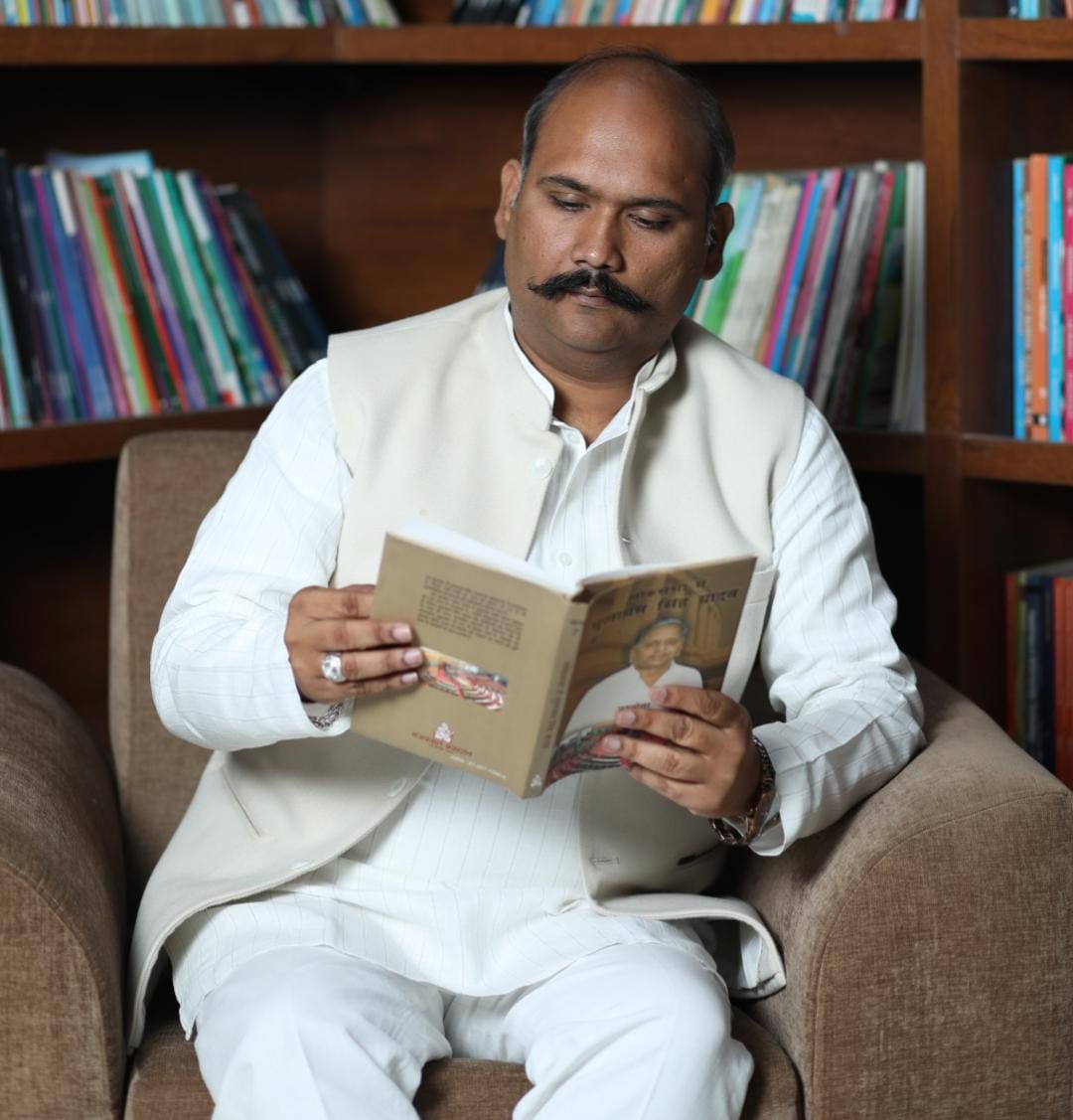
At a time when India stands at a decisive turning point, Durgesh Yadav, a thoughtful and emerging leader of the Samajwadi Party, is consistently raising a question that goes beyond party lines and electoral cycles:

Can India truly become a developed nation if its youth remains distant from good governance and sensible politics?

According to Durgesh Yadav, the answer is a clear and firm no. Development, he believes, is not merely about infrastructure or GDP figures—it is about the quality of leadership and the consciousness of the generation that shapes it.

Youth at the Core of Durgesh Yadav’s Political Thought

India is a young nation, and Durgesh Yadav sees this not just as a demographic advantage but as a moral responsibility. He often emphasizes that when educated, socially aware youth avoid politics, decision-making falls into the hands of those who may not represent the aspirations of a modern India.

For Durgesh Yadav, youth participation is not about aggression or symbolism—it is about informed leadership, ethical governance, and long-term vision.

“If educated youth does not step into governance today, tomorrow’s policies will be decided without their consent,” Durgesh Yadav firmly believes.

From Developing to Developed: A Mental Shift Led by Youth

Durgesh Yadav repeatedly stresses that the journey from a developing to a developed nation begins with a shift in mindset. A developed India, according to him, must stand on:

  • Transparent and accountable governance
  • Policy-making rooted in ground realities
  • Social justice with economic opportunity
  • Politics driven by education, not emotion

He believes that youthful and educated politics is not an option anymore—it is an urgent national necessity.

Politics with Purpose, Not Position

What distinguishes Durgesh Yadav’s political stand is his clarity of intent. He openly states that his commitment is not driven by personal ambition or political advantage. His motivation comes from a larger belief—that India is one family, and politics must serve this family with honesty and empathy.

For Durgesh Yadav, leadership is not about ruling over people but standing with them, listening, and acting responsibly.

This philosophy strongly aligns with the foundational values of the Samajwadi Party, which has always stood for equality, social justice, and inclusive growth—values that Durgesh Yadav seeks to carry forward with a modern, youth-centric approach.

A Direct Message from Durgesh Yadav to India’s Youth Through his words and actions, Durgesh Yadav sends a clear message to young Indians:

  • Learn how governance works before rejecting it
  • Replace political apathy with informed participation
  • Choose responsibility over convenience
  • Enter politics not for power, but for purpose

He believes that the real strength of Indian democracy will emerge when young minds enter public life with clean intentions and educated perspectives.

Conclusion: Leadership for a New India

The future of India will not be written only in policy documents—it will be written by leaders who dare to think beyond elections. Durgesh Yadav represents a growing voice within Indian politics that calls for maturity, education, and ethical commitment in leadership.

When youth stands up for good governance,

when politics becomes a service, and when leaders think of India as one family—

a developed India stops being a dream and becomes a destiny.

🇮🇳 Durgesh Yadav’s vision is not about tomorrow’s politics—it is about tomorrow’s India.

Durgesh Yadav: One Nation, One Family, One Responsible Generation

To connect with Durgesh Yadav you can visit Instagram

R45 Holidays Achieves Major Milestone, Serving Over 7,000 Happy Travellers Across the Globe

0
R45 Holidays

Founded on April 14, 2024, Route45 Holidays (R45 Holidays) has, within a remarkably short span, emerged as one of the fastest-growing international travel brands catering to Indian travelers.The company has achieved a significant milestone by successfully serving over 7,000 happy customers across six continents, an impressive accomplishment for a travel company that has been operational for less than a year. Headquartered in the United Kingdom with rapidly expanding operations across India and Europe, Route45 Holidays is redefining the way Indian travelers experience international holidays.

Driven by a clear vision to make global travel affordable, experiential, and accessible without compromising on quality, Route45 Holidays positions itself as a full-service international travel solutions provider. Unlike traditional travel agencies that focus primarily on bookings, the company offers end-to-end services including group tours, customized international holidays, honeymoon packages, corporate travel planning, and experiential travel programs designed for families, professionals, and adventure enthusiasts.

In a short period, Route45 Holidays has built an impressive global footprint by partnering with over 290 trusted travel partners across Asia, Europe, Africa, North America, Oceania, and the Middle East. This strong international network enables the company to deliver seamless inbound and outbound travel services while maintaining consistent service quality across destinations. Every itinerary is thoughtfully curated with professional local guides, immersive activities, and well-designed schedules, allowing travelers to truly connect with each destination rather than engage in rushed sightseeing.

A key differentiator for Route45 Holidays is its emphasis on experience-based travel as a core philosophy. The company prioritizes comfort, cultural exposure, and meaningful travel moments—an approach that has resonated strongly with Indian travelers who increasingly seek personalized and value-driven international experiences. As a result, the company’s customer base grew rapidly, crossing the 7,000-traveller milestone within months of its official launch.

Among its most popular offerings are affordable luxury Bali holiday packages, which have gained strong traction among Indian tourists. These packages combine premium island stays with competitive pricing, making luxury travel accessible to a broader audience. Beyond island destinations, Route45 Holidays also offers comprehensive international itineraries across Australia, New Zealand, Europe, Africa, and the Middle East, appealing to travelers seeking flexibility, exploration, and adventure.

With a strong commitment to transparency and customer satisfaction, Route45 Holidays clearly communicates inclusions and exclusions across all packages, covering aspects such as airfare, visa charges, peak-season pricing, and personal expenses. This honest communication has played a crucial role in building customer trust, loyalty, and repeat bookings, strengthening the company’s position in India’s outbound tourism market.

Visionary Leadership at the Helm

At the core of Route45 Holidays’ rapid growth is Vasu Chandran, Managing Director, whose vision and leadership have shaped the company since its inception in April 2024. With a strong focus on service quality, transparency, and long-term customer relationships, he has guided the company to achieve the milestone of serving 7,000 travellers across the world . His leadership has been instrumental in establishing global partnerships, building operational strength, and positioning Route45 Holidays as a credible and reliable international travel brand.

Speaking about the company’s journey, Vasu Chandran says, “From the very beginning, our goal has been to create international travel experiences that are affordable, trustworthy, and truly enriching for Indian travellers.”

Leadership Team Driving Global Operations

Mr. Vignesh – Europe & America Operations Head

Overseeing operations across Europe and the Americas, Mr. Vignesh plays a crucial role in strengthening Route45 Holidays’ global execution capabilities. He is responsible for managing international travel partners, ensuring smooth on-ground coordination, and maintaining high service standards across long-haul destinations. His expertise has helped the company deliver seamless travel experiences while building strong and reliable global partnerships.

“Operational precision and strong global partnerships are essential to delivering consistent international travel experiences,” he notes.

As the Operations Head for Southeast Asia and India, Mr. S. Rangadurai focuses on regional expansion and operational efficiency. Since the company’s launch, he has been instrumental in streamlining processes, strengthening regional networks, and ensuring that Route45 Holidays’ services align with global standards while meeting the expectations of Indian travellers. His leadership has supported the company’s rapid and sustainable growth across key markets.

“Execution and efficiency are what turn travel plans into memorable journeys,” says Mr. Rangadurai.

Mrs. Roshini Harikrishnan – India & South India Operations Head

Handling India and South India operations, Mrs. Roshini Harikrishnan plays a vital role in ensuring meticulous planning and flawless execution of travel itineraries. Her customer-focused approach and attention to detail have helped maintain high levels of traveler satisfaction. From pre-travel coordination to on-ground support and post-travel follow-ups, she ensures that every journey reflects Route45 Holidays’ commitment to quality and reliability.

Consistency in planning and execution is the foundation of customer trust,” she explains.

Mrs. Usha Subramani – South India Sales Manager

Driving sales and customer engagement across South India, Mrs. Usha Subramani has been instrumental in expanding Route45 Holidays’ presence in the region. With a strong understanding of customer needs and market trends, she has helped position the brand as a preferred choice for affordable luxury and experience-based international travel. Her relationship-driven approach has contributed significantly to repeat customers and strong word-of-mouth growth.

“Route45 Holidays has earned trust by delivering honest pricing, personalized service, and memorable travel experiences,” says Mrs. Usha Subramani

A Vision for 2030

With a long-term vision of becoming one of the most preferred global holiday brands by 2030, R45 Holidays continues to focus on service quality, affordability, and highly personalized travel experience. Crossing the milestone of 7,000 travellers within a year stands as a testament to the company’s strong momentum, innovative approach, and growing influence in India’s outbound tourism landscape. As international travel continues to rebound, R45 Holidays appears well-positioned to play a defining role in shaping the future of experiential travel for Indian tourists.

Corporate Hijack Allegations: Listed Healthcare Major, Two Startups Locked in Legal Battle

0
Corporate Hijack Allegations

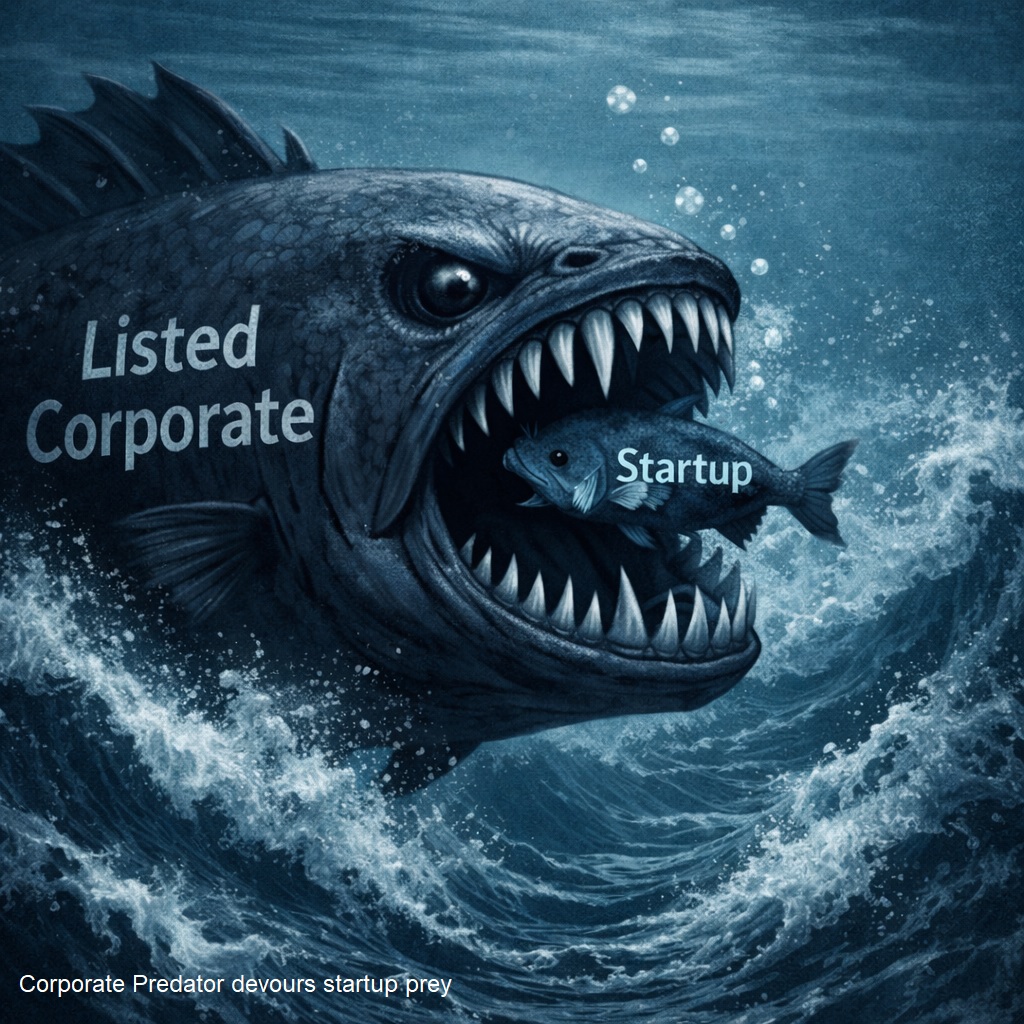
A high-stakes legal dispute between a listed healthcare services major and two healthcare startups has triggered fresh debate around corporate governance, founder vulnerability, and the risks startups face when control over technology and data shifts hands.

According to court filings and sources familiar with the matter, Mediventurz Pvt. Ltd. and Hospikash Goodfin Pvt. Ltd.—two closely linked startups operating in the healthcare technology and finance space—have initiated criminal, commercial, and injunction proceedings against MediAssist Healthcare Services Limited, its subsidiary Paramount Health Services & Insurance TPA Private Limited, Paramount Healthcare Management Pvt. Ltd., and certain associated individuals.

The case is being closely watched within India’s startup ecosystem, particularly as founders navigate an already challenging funding and operating environment.

The startups’ business model

Mediventurz Pvt. Ltd. functioned as the core technology company, developing and owning hospital information systems, digital platforms, system integrations, and access architecture used by healthcare providers.

Hospikash Goodfin Pvt. Ltd. operated as the financial services arm, offering patient finance and healthcare-linked financial products that leveraged Mediventurz’s technology and hospital integrations.

Together, the two companies positioned themselves as an integrated technology-plus-finance solution for hospitals—where control over systems, data, and access was central to the business model itself.

Allegations in the litigation

According to the pleadings, the startups allege that their businesses were effectively taken over in a single coordinated action, without a fair-value acquisition.

The filings claim that control allegedly shifted across critical elements of the business, including core staff, proprietary technology systems, hospital clients, vendor relationships, operational data, and infrastructure. The startups contend that this resulted in an abrupt collapse of operations, rendering both companies non-functional almost overnight.

A key turning point cited in the pleadings is the alleged collusion of one of the startups’ co-founders and directors, Ms Ruchi Gupta, with the defendant entities. The startups argue that this collaboration enabled the alleged transfer of control and access, leading to irreversible damage to business continuity and enterprise value—issues now under judicial examination.

Evidence cited

The litigation refers to what the startups describe as extensive documentary evidence, including internal email correspondence that allegedly details both the planning and execution of the disputed actions.

The filings also rely on third-party confirmations from vendors and clients, which the startups cite as independent corroboration of their claims. These materials are currently before the court for review.

Parties named

The defendant companies named in the case include MediAssist Healthcare Services Limited, Paramount Health Services & Insurance TPA Private Limited, and Paramount Healthcare Management Pvt. Ltd.

The pleadings also name directors and senior executives, including Mr Nayan Shah, founder-promoter of the Paramount Group, who are alleged to have held key decision-making or supervisory roles during the relevant period. The startups claim that the defendants acted in coordination to hollow out their businesses.

Current status

The dispute is progressing through multiple legal forums, including criminal proceedings, commercial suits, and applications seeking injunctive relief. Courts are presently examining the pleadings, documents, and the reliefs sought by the parties.

Legal observers note that disputes involving control over technology platforms, systems, and data are typically scrutinised closely—particularly where the question is whether a business changed hands through a fair-value transaction or through non-consensual means.

Why the case matters

Beyond the courtroom, the case has struck a nerve among startup founders and operators. Many see it as highlighting a structural risk: when partnerships evolve into operational dependence, control over systems and data can become a leverage point through which a business may be effectively taken over—without a formal acquisition or purchase.

As India’s startup ecosystem grapples with capital constraints and power imbalances, the dispute has revived uncomfortable questions about whether businesses can be absorbed through control rather than through negotiated, market-based transactions.

No comments from parties

All parties named in the litigation declined to comment for this report, citing that the matter is currently before the court. The complainant companies, Mediventurz Pvt. Ltd. and Hospikash Goodfin Pvt. Ltd., acting through their majority shareholder Mr Vivek Pawar, also declined to comment beyond stating that the matter is sub judice.

Further hearings are awaited.

A larger question for founders

As startups face an increasingly unforgiving environment, the case raises a blunt question many founders now ask quietly: when partnerships blur into dependence, does a company change hands through a fair-market deal—or through what feels like a corporate theft by control rather than by purchase?