Home Blog Page 48

KAIVA: A Brand Shaped by Purpose and Perseverance

0
KAIVA

KAIVA emerged from a single, profound vision: to redefine health and beauty by delivering products that enhance natural beauty while upholding authenticity and transparency. The brand’s journey began during a time when the industry was overwhelmed by superficial marketing and synthetic-heavy formulas. KAIVA set out to change that narrative.

Early Aspirations

Driven by the desire to create trustworthy, botanically-based products, KAIVA was founded on the principle of genuine care for what goes into every bottle. The initial days were marked by hard lessons, such as setbacks with external manufacturers and losses from uncompromising quality standards. Each challenge became a stepping stone toward building a brand that values real results over empty promises.

The Founder: Shiwa Singhwal

At the heart of KAIVA is its founder, Shiwa Singhwal, whose entrepreneurial spirit took shape during college days. Shiwa’s own search for authentic, natural beauty products—and frustration with what was available in the market—inspired the creation of KAIVA. It was this drive for transparency and quality that led Shiwa to transition from small-scale experiments as a student to building a brand with its own in-house manufacturing unit. His hands-on leadership continues to shape KAIVA, ensuring that the brand’s core values of integrity and innovation are never compromised.

Filling an Industry Gap

KAIVA recognized a significant gap in the FMCG sector, noticing that many brands focused on appearance rather than ingredient integrity. KAIVA’s response was to prioritize rigorous research and development, investing in innovative formulations and the highest quality, naturally derived raw materials.

Building In-House Excellence

Instead of relying on third parties, KAIVA established its own manufacturing unit to ensure end-to-end control over product quality. The brand’s approach eliminated unnecessary intermediaries, which allowed for:

  • High Standards: Every product undergoes strict quality checks.
  • Ethical Sourcing: KAIVA is committed to cruelty-free, ethically chosen, and globally sourced botanical ingredients.
  • Competitive Pricing: Without third-party markups, real value is passed directly to customers.

Challenges and Resilience

The path to success was anything but not easy. Long hours, constant learning, and adapting through adversity forged KAIVA’s character. Each hurdle reinforced the brand’s push for excellence and unwavering dedication to purity.

Growth and Impact

Within just three years, KAIVA set new benchmarks, breaking its own global sales records and building a loyal, diverse customer base. The brand’s commitment to value, quality, and transparency resonated with beauty lovers of all ages.

Staying True to Core Values

KAIVA’s identity is reflected in every aspect of its operation:

  • Botanical Focus: A dedication to using premium plant-based ingredients over chemical alternatives.
  • Innovation Through R&D: Investment in research takes priority over celebrity endorsements or flashy campaigns.
  • Authenticity at Heart: The brand lets its products and customer satisfaction speak louder than any marketing claim.

KAIVA’s ongoing journey highlights the impact of purpose-driven entrepreneurship, the importance of standing by quality, and the belief that authenticity builds lasting trust. It is a home-grown brand that leads with integrity, inspires resilience, and continues to set new standards for the industry.

When Diplomacy Meets Over Coffee: CD Foundation’s Decade-long Journey Inspires Global Bridges

0
CD Foundation

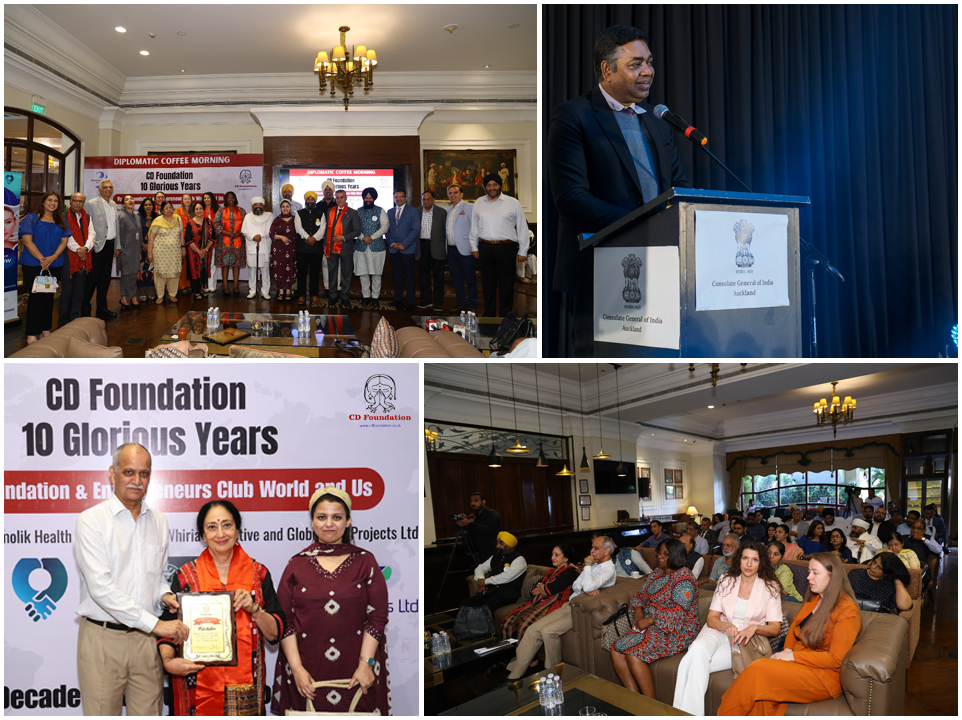
New Delhi, September 2025 — It wasn’t a conference room, but a coffee table that brought the world together on Friday morning at the Eros Hotel, New Delhi. Against the aroma of freshly brewed coffee and the warmth of Indian hospitality, diplomats, partners, and cultural leaders gathered to celebrate a rare milestone: ten years of CD Foundation’s cultural diplomacy.

Founded in 2015 by Charu Das, Founder & Director, CD Foundation began as a small idea — a neutral, people-first space for embassies and communities to meet beyond politics. A decade later, it has blossomed into an internationally recognized platform spanning 45+ countries, proof that “soft power” can be stronger than any hard negotiation.

A Gathering of Nations

The Diplomatic Coffee Morning turned into a mini-United Nations in New Delhi, with dignitaries from Bangladesh, Belarus, China, Indonesia, Iran, Iraq, and Zambia among the attendees. Their presence not only lent gravitas but also reaffirmed the Coffee Morning’s reputation as a hub of genuine dialogue and exchange.

The event opened with a traditional lamp-lighting ceremony followed by a short film capturing CD Foundation’s journey — from Delhi’s embassy corridors to international festivals and partnerships shaping global conversations.

Voices of Influence

Dr. Amrendra Khatua, Former Secretary, Ministry of External Affairs, set the tone, reminding the audience that “where politics falters, culture succeeds.” His words were echoed by H.E. Mr. Oday Hatim Mohammed of Iraq and Mrs. Phalecy Mwenda Yambayamba of Zambia, who emphasized the shared future that diplomacy-through-culture could nurture.

The event’s global spirit was further amplified through a virtual address from H.E. Dr. Madan Mohan Sethi, Consul General of India in Auckland. His remarks spotlighted the India–New Zealand bridge of trade, tourism, and culture, underlining how cultural diplomacy carries real economic weight. Adding a local yet international flavor, Ms. Mahia Williams of the Whiria Collective (New Zealand) spoke of Māori–Indian collaborations not as symbolic, but as living exchanges.

Partnerships with Purpose

Beyond diplomacy, the Coffee Morning also recognized healthcare and humanitarian champions. Dr. Amit Luthra of Amolik Health Care highlighted India’s emerging role in medical diplomacy, while United Sikh drew attention to its relief efforts in flood-hit Punjab — a reminder that people-to-people diplomacy extends to those who need it most.

Looking Ahead

The celebration was not just about looking back but also about unveiling the future. Upcoming initiatives include:

  • India–UK Festival (Manchester & Leeds, November 2025)
  • Delegations to China (late 2025)
  • Reciprocal Festivals in India (early 2026)

Each marks a continuation of CD Foundation’s mission: to turn connections into collaborations.

A New Beginning at Ten

As the morning ended, there was no sense of closure — only continuity. Ten years may mark a milestone, but for CD Foundation, it is just the first chapter of a much bigger global story waiting to be written.

For more information you can visit https://www.cdfoundation.co.in/

Bay Area Teen Analyzes Omicron Mutations to Advance Future Vaccines Through the YRI Fellowship

0
Sai Sri Pranathi Pasuparthi

The COVID-19 pandemic shook the world, upending daily life, overwhelming healthcare systems, and demonstrating just how quickly a virus can mutate. Even as vaccines were developed at record speed, the emergence of new variants revealed a sobering reality: pathogens like SARS-CoV-2 evolve constantly, and a single set of vaccines may not be enough to stay ahead.

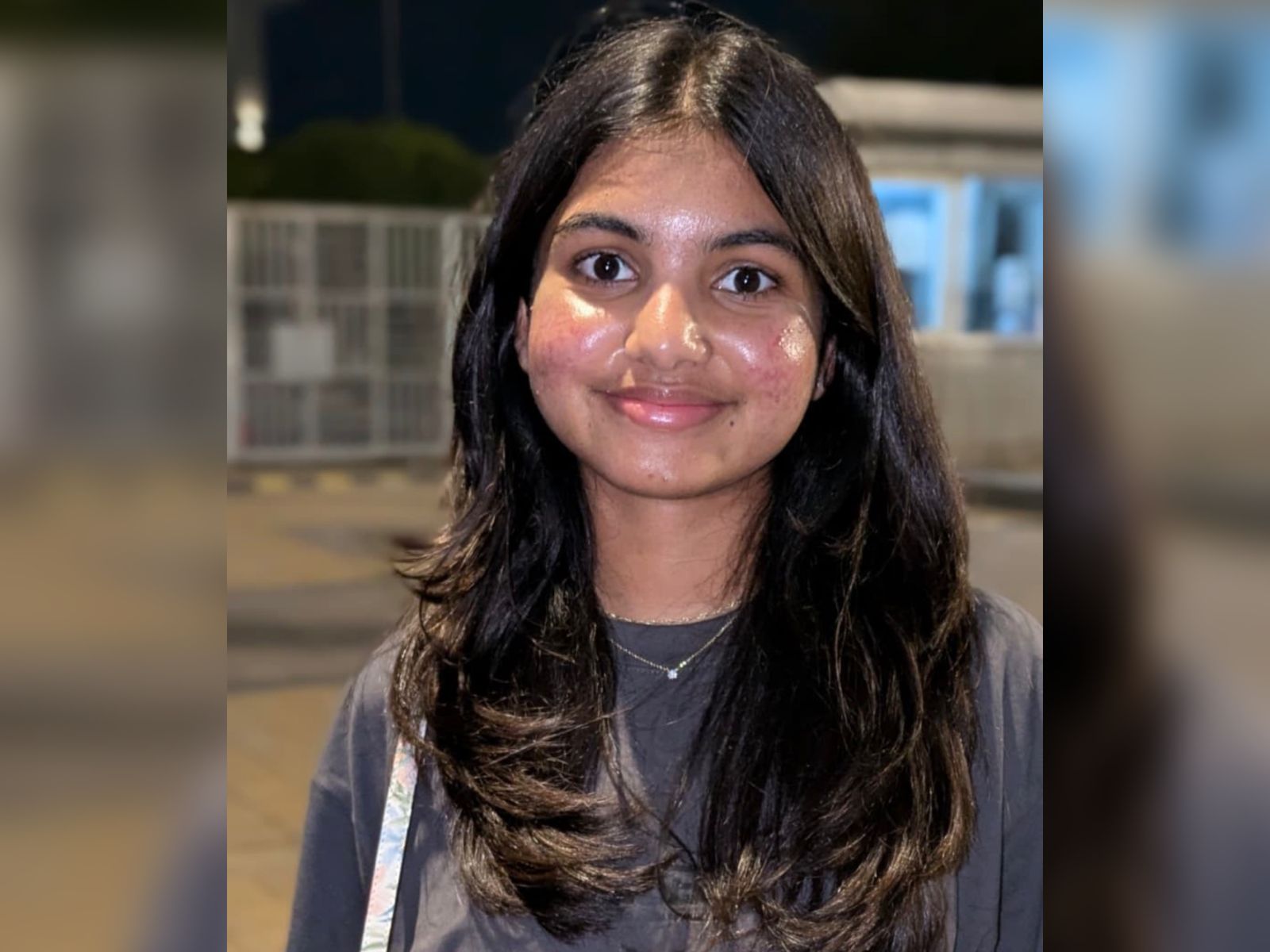
For Sai Sri Pranathi Pasuparthi, a high school sophomore from the Bay Area, this global challenge became the inspiration for her groundbreaking research during the YRI Fellowship. Rather than simply reflecting on the pandemic’s impact, Sai decided to take action exploring how genomic surveillance and evolutionary biology could help the world prepare for future mutations and design more adaptable vaccines.

Her project, “Epidemiological and Evolutionary Insights into Omicron Variant Mutations through Genomic Surveillance,” focuses on one of the most infamous COVID-19 variants: Omicron. Known for its unusually high number of mutations, Omicron spread rapidly around the globe, reducing the effectiveness of existing vaccines and raising urgent questions about the virus’s evolutionary trajectory.

Sai’s research dives into these questions. By analyzing genomic data from the Covariant Database, she studied how and why Omicron mutates. Her findings revealed that the Spike Protein region the part of the virus responsible for entering human cells mutates the most frequently. The reason, she explains, is that the immune system heavily targets this region. To survive, the virus is forced to evolve constantly, modifying its Spike Protein to evade immune defenses.

This insight has major implications for global health. If scientists can predict which regions of the virus are most likely to mutate in the future, they can design vaccines that are not only reactive but anticipatory capable of protecting against tomorrow’s variants, not just today’s.

“After seeing the devastating impact of COVID-19 on schools, work, and daily life, I wanted to contribute to solutions that make vaccines more effective,” Sai explained. Her words reflect the motivation driving a new generation of scientists: not just curiosity, but lived experience. Like millions of students worldwide, Sai saw her school and community disrupted, and she wanted to ensure future crises could be mitigated.

The YRI Fellowship gave Sai the mentorship and resources to turn that motivation into research. Guided by Dr. Shashank Mishra, she bridged epidemiology and vaccine science, learning how to combine raw genomic data with evolutionary theory to extract actionable insights. For a student just 15 years old, this meant stepping into a field usually reserved for graduate students and professional researchers.

Her project doesn’t stop at academic curiosity it has clear, practical significance. Vaccine developers and policymakers are increasingly interested in genomic surveillance systems that can track viral evolution in real time. Sai’s analysis contributes to this field by highlighting the mutation dynamics of the Spike Protein and emphasizing the need for vaccines that account for its constant evolution.

Beyond her scientific work, Sai leads a multidimensional life. She participates in her school’s Model UN club, where she hones skills in diplomacy and debate, and she enjoys cooking, dancing, working out, and music. But her deepest passion lies in medicine and public health, where she sees herself continuing to innovate. This balance between academic excellence, extracurricular leadership, and creative expression reflects the Fellowship’s philosophy: the best researchers are not just technically skilled, but also globally minded and human-centered.

Sai’s research also underscores the broader purpose of the YRI Fellowship: to empower students to turn real-world crises into opportunities for scientific innovation. The program pairs high schoolers with PhD-level mentors, holds them to rigorous research standards, and equips them to produce work that is not only academically competitive but also globally relevant.

In Sai’s case, the pandemic became more than a disruption it became a catalyst for discovery. By asking why Omicron mutates the way it does, she is contributing to one of the most important conversations in global health: how humanity can outpace viral evolution through smarter, more flexible vaccines.

Her journey is also a reminder of the untapped potential of young researchers. At just 15, she is already contributing insights that may help inform the future of vaccine design. With continued mentorship and opportunities, students like Sai are proving that the next generation of scientists doesn’t need to wait for graduate school to make an impact.

Sai’s project is a perfect example of what the YRI Fellowship stands for: transforming curiosity into contribution, and giving students the platform to tackle challenges that define our world.

Learn more about how the YRI Fellowship is giving young researchers like Sai the tools to take on global challenges at yriscience.com.

Celigo Revolutionizing Enterprise Automation and Integration

0
Celigo

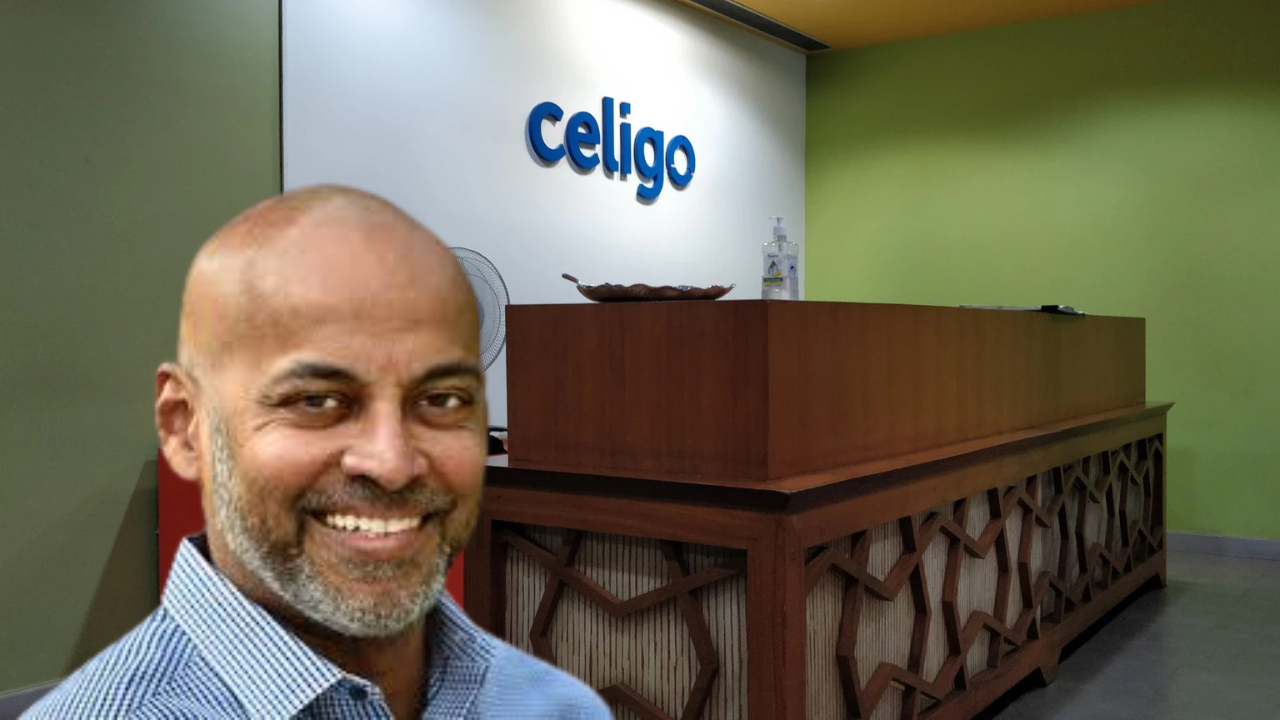
The founder of Celigo is Jan Arendtsz, who is also the CEO of the company. He is a veteran with over 25 years of experience in software product development, business development, sales, customer success, and marketing. Jan Arendtsz founded Celigo with the vision of simplifying how companies integrate, automate, and optimize business processes across enterprises. Before Celigo, he was a Director at NetSuite, where he launched their integration platform. Celigo was established in 2011, though Jan had the initial idea as early as 2004 and ran a consultancy before formally starting Celigo.

Celigo’s role is to provide an intelligent automation platform and integration platform as a service (iPaaS) that helps businesses automate and connect various cloud applications, on-premises systems, and databases. The platform allows both technical and non-technical users to build and manage integrations that streamline business processes end-to-end. Celigo specializes in dismantling data silos, optimizing workflows, and enabling business agility through seamless data synchronization across various systems. It supports industries such as e-commerce, finance, supply chain, marketing, IT, and more, offering pre-built connectors and reusable automation building blocks. The company’s platform is known for reducing complexities in integration and increasing operational efficiency through AI-driven error resolution and automation.

Celigo, a leading name in the integration and automation space, has announced its renewed focus on delivering enterprise-grade automation solutions to help businesses scale faster and operate with greater efficiency. With organizations across sectors prioritizing digital transformation, Celigo’s robust integration platform as a service (iPaaS) is emerging as a preferred choice for enterprises looking to manage data, optimize workflows, and enhance overall productivity.

Celigo’s core vision has always revolved around enabling companies to automate their business processes through intelligent integrations. In today’s fast-changing digital landscape, where applications are multiplying rapidly, the challenge of connecting different tools and systems seamlessly has become more urgent. Celigo addresses this demand by offering an intuitive platform that empowers both IT teams and business users to build, customize, and maintain integrations with minimal technical complexity.

Driving the Future of Enterprise Automation

Over the years, the usage of cloud-based applications has skyrocketed across departments such as finance, operations, sales, marketing, supply chain, and human resources. However, with the growing number of applications comes the challenge of data silos. Many organizations struggle with scattered information, duplicate entries, and manual handoffs, which affect decision-making and business agility.

Celigo positions its platform as a solution to dismantle these silos, ensuring a unified flow of data across business applications. By combining advanced automation features with enterprise-grade scalability, Celigo allows companies to streamline end-to-end workflows while reducing inefficiencies. Leaders in industries such as e-commerce, SaaS, logistics, manufacturing, and professional services have already adopted Celigo’s integration-first approach to achieve measurable results.

Global Expansion and Market Presence

Headquartered in San Mateo, California, Celigo has steadily expanded its presence in key global markets, including India. With the Indian economy witnessing a surge in startups and mid-sized enterprises scaling their operations digitally, Celigo is positioning itself as a strategic partner for companies seeking sustainable automation. The brand is actively investing in regional support, sales, and partnerships to cater to growing demand in markets like Asia-Pacific and Europe.

The company’s growth trajectory also reflects the increased adoption of automation within large enterprises. By enabling IT departments to minimize repeated coding requirements and empowering business users to independently build workflows, Celigo helps organizations balance speed with governance.

Customer-Centric Innovation

A defining strength of Celigo lies in its customer-first approach. Instead of offering one-size-fits-all integrations, Celigo provides pre-built application connectors while maintaining the flexibility for organizations to customize workflows to their exact needs. This balance between simplicity and adaptability ensures that businesses of any scale—startups or large conglomerates—can adopt automation at their own pace.

Recent innovations by Celigo include introducing advanced monitoring and error-handling capabilities that give businesses real-time visibility into their workflows. With AI-backed suggestions and analytics-driven insights, Celigo allows companies to predict bottlenecks, optimize processes, and minimize disruptions.

Partnerships and Ecosystem Development

Recognizing that no enterprise operates in isolation, Celigo has actively strengthened its partner ecosystem. By collaborating with system integrators, technology consultants, and managed service providers, Celigo ensures a seamless rollout of integration projects across industries. These partnerships allow enterprises to go beyond simple point-to-point connections and embrace full-scale process automation across multiple departments.

Moreover, Celigo continues to maintain strong alignment with leading SaaS applications such as NetSuite, Salesforce, Shopify, and Workday, among others. This compatibility addresses some of the most common customer needs—sales-to-finance reconciliation, inventory synchronization, HR data management, and omnichannel commerce flow.

Empowering Businesses in India

As Indian enterprises expand their digital footprint, issues such as data fragmentation, manual reconciliations, and operational delays have become pressing challenges. Celigo’s arrival in the Indian market is timely and transformative. The company is offering native integration tools tailored to the needs of fast-growing Indian businesses. For instance, e-commerce retailers struggling with order-to-fulfillment processes, or logistics players requiring real-time shipment data flows across multiple platforms, can leverage Celigo’s solutions to handle complexity at scale.

Celigo also plays a critical role in helping IT managers optimize resources. By enabling department-level employees to handle integrations without placing the entire burden on IT, the platform eliminates bottlenecks while promoting innovation within organizations.

The Road Ahead

Looking forward, Celigo is committed to expanding its thought leadership in the automation space. With artificial intelligence now reshaping how enterprises approach data and workflows, Celigo is exploring AI-driven integration intelligence and predictive automation to further simplify the landscape. Its focus on scalability, adaptability, and user-friendliness has placed it in a strong position to meet future enterprise requirements.

As companies worldwide aim to harness the power of automation, Celigo stands out with its unwavering vision: to empower organizations to connect their applications, automate their business processes, and unlock agility for long-term success. Whether it is a startup streamlining its workflows or a global enterprise architecting a digital-first future, Celigo is setting new standards in enterprise automation.


World Athletics 2025 Neeraj Shines, Nadeem Battles to Stay in Contest

0
Neeraj Chopra

In a thrilling development at the ongoing World Athletics Championships, India’s Olympic champion Neeraj Chopra once again proved his class by qualifying comfortably for the men’s javelin throw final. In contrast, Pakistan’s top javelin thrower Arshad Nadeem had a much tougher outing, struggling through qualification before finally managing to seal his place in the final round. The gripping narrative of South Asia’s two biggest athletics stars, who have captured the imagination of millions, is once again at the forefront of global sporting headlines.

Neeraj Chopra Shines with Confidence

Neeraj Chopra, who has consistently delivered strong results across international tournaments, looked supremely confident as he stepped onto the field for the qualification round. Known for his impeccable technique and composure under pressure, Chopra wasted no time in making his mark. On his very first attempt, he threw the javelin past the automatic qualification mark, securing his berth in the final in emphatic fashion.

The reigning Olympic gold medalist, World Championships silver medalist, and Diamond League champion has firmly established himself as one of the sport’s biggest names. Chopra continues to impress fans around the world, showing his ability to rise to key occasions and handle expectations with remarkable ease.

For Indian athletics, Neeraj’s qualification comes as yet another moment of pride. His consistency has been instrumental in transforming the narrative of track and field sports in the country, inspiring a new generation of athletes who now believe that India can compete and win at the highest levels of global sport.

Arshad Nadeem’s Struggles in Qualifiers

While Chopra sailed smoothly through the round, it was a far different story for Pakistan’s Arshad Nadeem. Widely regarded as Chopra’s rival and one of the top javelin throwers in the world, Nadeem came into the competition with high hopes after his impressive past outings on the international stage. However, things did not go as planned.

Nadeem’s throws lacked rhythm and consistency in the opening attempts, and he found himself under pressure as the qualification round progressed. With each failed attempt to cross the automatic mark, the tension mounted. But to his credit, Nadeem dug deep and persevered. Displaying commendable resilience, he managed to pull together a throw that was good enough to place him among the finalists, though without the comfort and dominance usually expected from the Pakistani star.

His qualification, though not straightforward, sets the stage for an intriguing final. The contrast of Chopra’s effortless qualification and Nadeem’s hard-fought entry has only added more drama to what promises to be an epic showdown.

Renewed Rivalry Between Chopra and Nadeem

The Chopra-Nadeem rivalry has become one of the most followed storylines in world athletics. Both athletes have consistently been among the top performers in global competitions and share a similar journey of rising from humble beginnings in South Asia to becoming flagbearers for their nations.

Sports fans from India and Pakistan have been particularly engrossed in their contests, often seeing their battles as a continuation of the historic sporting rivalry between the two countries. While Neeraj Chopra has already secured Olympic and Diamond League titles, Arshad Nadeem remains hungry to clinch his own moment of global glory after narrowly missing out in past competitions.

The upcoming final is expected to attract millions of viewers across the region, eager to witness another chapter in this celebrated rivalry.

Broader Impact on South Asian Sports

The success of Chopra and Nadeem on such a high-profile global stage highlights the remarkable progress of South Asian athletes in a sport once dominated by European and North American stars. Their performances serve as inspiration not just in India and Pakistan but across the region, encouraging young talents to take up athletics.

Neeraj Chopra, in particular, has become a household name in India, breaking barriers and pushing athletics to the mainstream. His achievements have created a ripple effect, with improved facilities and greater investment in sports infrastructure across the country. Similarly, Nadeem’s accomplishments have ignited enthusiasm in Pakistan, where athletics is gradually gaining recognition within a cricket-centric sporting culture.

Javelin final approaches

As the men’s javelin final approaches, anticipation is at an all-time high. Neeraj Chopra enters the contest as one of the favorites, not only because of his recent form but also due to his psychological edge stemming from consistent victories and stability on the field. Arshad Nadeem, while facing challenges in qualification, cannot be underestimated, as he has proven capable of rising to the occasion when it matters most.

The showdown promises to be more than just an athletic contest. For many, it symbolizes the shared sporting aspirations of a region marked by rivalries but united in admiration when its stars shine on the world stage. Every throw in the final will be closely followed, analyzed, and celebrated by millions of fans, journalists, and sports experts alike.

Conclusion

The World Athletics Championships has once again put Neeraj Chopra and Arshad Nadeem in the global spotlight. Chopra’s seamless qualification highlights his elite status, while Nadeem’s hard-fought entry underscores the challenges and unpredictability of high-level competition. As the final looms, the world waits eagerly to see if Neeraj will add another chapter of glory to his career or if Nadeem will seize the moment to carve out a defining triumph.

Regardless of the outcome, the presence of both athletes in the final is a testament to their dedication and talent. For India and Pakistan, and indeed for South Asia as a whole, this is a moment to celebrate sporting excellence and the growing stature of athletes from the region on the world stage.

Disney Springs Heist Straight Out of a Movie Scuba Diver Gets Away

0
Disney Springs Heist

Orlando, Florida – In an incident that sounds more like a Hollywood script than a real-life crime, law enforcement officials in Florida are investigating a bizarre after-hours robbery at Disney Springs that ended with the culprit vanishing underwater in full scuba gear. The crime, which took place earlier this week, lasted only two minutes but has left investigators, security experts, and local businesses stunned by its boldness and unusual execution.

The Heist at Disney Springs

According to the Orange County Sheriff’s Office, the suspect reportedly broke into Disney Springs after the popular entertainment, dining, and shopping hub had closed for the night. Once inside, the man targeted a cash collection point, managed to secure a modest amount of money, and then executed an unexpected escape plan. Instead of fleeing by vehicle or on foot, the suspect slipped into scuba diving gear and plunged into the nearby waters, swimming away with the loot.

Witness accounts are scarce given the timing of the burglary, but surveillance footage and physical evidence at the scene confirm the short, precise, and calculated nature of the crime. Sources indicate that the entire heist—from entry to escape—took no longer than two minutes. For investigators, the brevity of the incident and the unusual escape method present unique challenges.

Law Enforcement Investigation

The Orange County Sheriff’s Office quickly launched an investigation into the case, reviewing hours of surveillance tapes, interviewing staff, and searching surrounding waterways. Officials believe the robber may have had prior knowledge of the cash-handling system inside Disney Springs, as well as intimate familiarity with the layout of the property.

“This was not the work of an amateur. The suspect clearly knew what he wanted, where to find it, and how to get away without drawing attention,” a spokesperson for the Sheriff’s Office commented. “What sets this crime apart is the use of scuba diving equipment, something we rarely, if ever, encounter in cases like this.”

Authorities are considering several leads, including the possibility of an insider tip or a carefully pre-planned reconnaissance effort. The sheriff’s office emphasized that while the amount stolen has not been disclosed, the suspect now faces multiple charges including burglary, grand theft, and trespassing once apprehended.

Disney’s Response to the Incident

Officials from Disney have not publicly commented in detail on the crime but have assured visitors and employees that security measures are being reinforced. Disney Springs, one of the most visited tourist destinations in the region, is known for its high pedestrian traffic and vibrant entertainment scene.

“Ensuring the safety and security of our guests is our top priority,” a Disney spokesperson said briefly when asked about the incident. Although no guests were present during the late-night robbery, the bizarre nature of the heist has sparked questions about nighttime surveillance procedures and perimeter security at such a prominent and high-value property.

The company is expected to work closely with Orange County investigators to ensure that vulnerabilities exploited during the burglary are tightened to prevent similar incidents in the future.

A Crime Straight Out of a Movie?

What makes this case particularly fascinating to the public is its resemblance to fictional heists often portrayed in films and television series. The image of a robber donning scuba gear and disappearing into the depths of Disney Springs’ surrounding waters adds a surreal dimension to the already unusual crime.

Local law enforcement sources noted that while waterborne getaways have occasionally been documented in the past, they are exceedingly rare and dangerous. Risks such as limited oxygen supply, nighttime navigation, and the possibility of entanglement make such escape methods unpredictable. Yet, in this case, early evidence suggests the suspect came well-prepared.

“This type of daring escape is not only unusual—it borders on the cinematic,” said a local criminologist interviewed by media. “We don’t often see real criminals take a storyline from Ocean’s Eleven or a spy film and make it a reality.”

Community Reaction

The incident has drawn significant attention online, with social media erupting in both amazement and skepticism. Many have joked about the “scuba bandit of Disney,” while others have raised serious concerns about whether large entertainment complexes are truly secure against creative criminals.

Residents of Orlando and regular visitors to Disney Springs have expressed shock at the scale of planning behind the crime. Local business owners nearby fear the heist may embolden similar attempts at their establishments, adding pressure on authorities to resolve the case swiftly.

Tourism experts, however, noted that such an unusual incident is unlikely to dent Orlando’s image as a safe and family-friendly destination. “This is clearly a one-off crime, not a reflection of overall safety in the area,” one tourism consultant explained.

What Happens Next?

As the Orange County Sheriff’s Office continues its hunt for the scuba-clad burglar, the bizarre heist remains under intense public scrutiny. Investigators are combing through security camera recordings, interviewing employees for possible leads, and working to track any underwater escape routes the culprit may have used.

Authorities have urged the public to come forward with any information related to suspicious activity near Disney Springs on the night of the robbery. Given the unusual method of escape, officials hope that a break in the investigation will soon bring resolution to the case.

Meanwhile, Disney is expected to review its cash management and perimeter security systems, especially around areas connected to waterways. For local residents and global followers of bizarre crime stories, the incident will likely remain one of the most unusual robberies central Florida has ever seen.

The Destination Panner Introduces Flexible and Affordable Holiday Packages for Travelers Across India

0
The Destination Panner

       Lucknow, India – May 2025: A fresh chapter in Indian tourism has begun with the arrival of The Destination Panner, a travel company founded by Archana Yadav, daughter of Mr. Mahesh Chand Yadav and Mrs. Usha Yadav. With her MBA background, deep-rooted passion for travel, and determination to make journeys more accessible, Archana has created a platform that is redefining the way people plan their holidays.

Her journey towards this achievement has been both inspiring and challenging. From the very beginning, Archana loved to travel and discover new places, often describing herself as a true hodophile. This passion was matched with her professional ambition, but like many entrepreneurs, she had to face the ups and downs of building something from the ground up. Financial constraints, a competitive industry, and the struggle to earn travelers’ trust were all part of her early days. Yet, with resilience, family support, and an unwavering vision, she overcame these hurdles to launch a company that puts travelers at the heart of every journey.

The Destination Panner stands apart because of its philosophy. Instead of offering rigid, predesigned packages, the company focuses on flexible and personalized experiences that cater to different kinds of travelers, whether they are families seeking quality time together, couples looking for exclusivity, solo explorers in search of adventure, or corporate teams planning retreats. Every journey is carefully curated to ensure that travelers not only visit a place but also connect with it on a deeper level. This commitment to authenticity is matched with a dedication to sustainability and cultural respect, making each trip both enjoyable and responsible.

Affordability is another cornerstone of the company. Right from its launch, The Destination Panner introduced attractive packages such as the Ayodhya Tour (1N/2D) priced at just ₹7,499 and the Ayodhya Tour ex-Bangalore (2N/3D) at ₹22,999. These packages reflect Archana’s vision of making travel accessible to a wider audience without compromising on service or quality. The company has already attracted thousands of satisfied tourists, built partnerships with reliable hotels and transport providers, and established a reputation for delivering value.

Archana believes that travel should not be complicated or superficial. For her, every journey must bring peace of mind, joy, and lasting memories. She emphasizes that the road to building this company was filled with challenges, but each obstacle only strengthened her resolve to create experiences that matter. Today, with more than 50 destinations, an impressive 4.9-star Tripadvisor rating, and growing recognition in the industry, The Destination Panner is proving to be a trusted and innovative name in Indian tourism.

As the company expands, it continues to uphold its promise of flexibility, affordability, and personalization. More than just organizing trips, The Destination Panner is dedicated to creating meaningful journeys that allow people to explore the world with ease, respect, and joy. It is this philosophy that makes the brand a shining example of how travel can be both accessible and transformative.

Poonawalla Fincorp Surges 15%, Hits 52-Week High on Promoter Stake Hike

0
Poonawalla Fincorp

Shares of Poonawalla Fincorp Limited rallied sharply in today’s intraday trading, surging nearly 15% to reach a fresh 52-week high. The robust price action comes amid reports that promoters of the company have increased their stake, a move that has boosted investor confidence and sparked a wave of buying interest on Dalal Street.

Market watchers noted that the stock opened on a strong note and gathered momentum through the day, outperforming benchmark indices and becoming one of the most actively traded counters in the financial services space. By the closing bell, Poonawalla Fincorp had not only registered double-digit gains but also firmly cemented itself among the top gainers in the non-banking financial companies (NBFC) segment.

Promoter Stake Hike Drives Optimism

According to disclosures made to the exchanges, the promoters of Poonawalla Fincorp have marginally increased their holding in the company through open market transactions. This strategic move is being seen as an expression of long-term confidence in the growth trajectory of the NBFC, which has been focused on expanding its retail lending portfolio across India.

Industry experts view promoter stake hikes as a strong positive signal, reflecting management’s belief in the company’s fundamentals and valuation. In Poonawalla Fincorp’s case, the development has led analysts to repaint a bullish outlook for the stock amid expectations of sustained earnings growth, improved margins, and strong asset quality.

“Promoters increasing their stake in a financial services company indicates that they are aligned for the long haul. It instills confidence among investors that despite market uncertainties, the management is committed to expanding business operations and improving shareholder value,” said an independent market strategist.

Investor Sentiment Turns Bullish

The ripple effect of the promoter action was visible across trading floors, with volumes in Poonawalla Fincorp witnessing a steep rise compared to daily averages. Market participants noted that institutional and retail investors alike flocked to the counter, betting on continued momentum in the stock.

Brokerage firms were quick to highlight the sharp turnaround, with many upgrading their views on the counter. Technical analysts also pointed out that the breakout above resistance levels sets the stage for further upward movement if the company continues to deliver on growth expectations.

Business Growth and Future Roadmap

Poonawalla Fincorp has been making steady progress in widening its retail lending footprint, with a special focus on consumer loans, personal finance, and small business credit. The company has capitalized on India’s growing appetite for retail credit while keeping non-performing assets under check.

For the financial year gone by, Poonawalla Fincorp reported healthy growth in net profit along with improvement in asset quality ratios. Its digital-first approach, customer-centric offerings, and robust risk management framework have differentiated the NBFC in a competitive landscape. With India’s credit demand expanding rapidly, analysts expect the company to continue scaling up its loan book while maintaining profitability.

“The ongoing emphasis on diversified loan offerings, technology-driven operations, and prudent asset liability management is positioning Poonawalla Fincorp among the more resilient NBFCs in the sector. With promoter alignment reflected through stake increase, the outlook appears increasingly optimistic,” said a senior analyst tracking the sector.

Broader Market Context

The financial services space has been buzzing with activity as NBFCs ride on rising retail demand, digital adoption, and favorable macroeconomic conditions. While tightening regulations and market volatility remain challenges, strong players such as Poonawalla Fincorp have managed to build credibility among investors.

The Sensex and Nifty indices traded on a mixed note today, but Poonawalla Fincorp’s exceptional surge stood out as one of the highlights of the session. Market participants see the company’s performance as an indicator of growing investor appetite for quality mid-cap financial stocks.

Road Ahead for Investors

Looking ahead, analysts suggest that the stock could continue to attract attention if the company sustains its financial performance in coming quarters. The promoter stake hike is being interpreted as a steadying factor, especially in times when markets remain skittish over global economic uncertainties, inflationary pressures, and interest rate outlooks.

For retail investors, the NBFC’s proven track record of earnings growth and its digital-forward strategy could serve as long-term positives. However, experts advise a cautious approach, noting that valuations may already be pricing in part of the growth expectations after the recent rally.

Conclusion

Poonawalla Fincorp’s sharp 15% surge and new 52-week high underscore the power of promoter confidence in driving market sentiment. With a clearly defined growth roadmap, expanding lending operations, and investor trust on the rise, the company has managed to position itself among the top-performing financial stocks on Dalal Street.

The latest stake hike by promoters not only strengthens the company’s governance credibility but also signals alignment with shareholder interests. For investors seeking exposure to India’s fast-evolving NBFC sector, Poonawalla Fincorp’s strong fundamentals and renewed momentum could prove highly significant in shaping future opportunities.

As the market continues to evaluate the broader financial services space, today’s rally reinforces that investor sentiment remains strongly tied to promoter action and clarity of vision in the competitive NBFC environment.

World’s Oldest Artificial Mummification Linked to Southeast Asian Communities

0
Artificial Mummification

A groundbreaking study led by an interdisciplinary team of scientists across Asia has revealed that artificial mummification – the process of deliberately preserving human remains after death – was being practiced in Southeast Asia nearly 5,000 years earlier than previously documented. This research significantly rewrites the history of mortuary traditions, suggesting that the global timeline of human cultural innovations in death rituals needs a major update.

The study, based on archaeological sites across regions of present-day Southeast Asia, indicates that ancient communities employed unique preservation techniques that combined gentle heating and smoking of the dead. This form of preservation, strikingly different from well-known Egyptian mummification practices, demonstrates the diversity and ingenuity in early human approaches to mortality and remembrance.

Findings of the Study

The team’s research highlights how communities in tropical and humid climates—where natural preservation of human remains is nearly impossible—developed specialized methods to extend the life of their dead. Using advanced forensic and bioarcheological analysis, the researchers identified subtle evidence of carbonization and thermal treatment on skeletal remains. These traces suggest that funerary groups carefully exposed bodies to smoke and controlled heat, likely in a ritualized setting.

Unlike embalming with resins or linen wrappings, as in ancient Egypt, these Southeast Asian practices relied on environmental control and expertise in fire management. By suspending or positioning bodies over slow-burning fires or enclosed smoking structures, families were able to dry out soft tissues, reduce bacterial activity, and inhibit decomposition.

“The discovery indicates intentionality and ritual sophistication,” said one of the lead scientists involved in the study. “This isn’t an accidental preservation by fire; it reflects deliberate cultural effort to slow decay and to extend connections with the deceased.”

A Timeline Shift of 5,000 Years

Until now, Egypt—often regarded as the cradle of mummification—was thought to have initiated these practices around 2,600 BCE. However, the Southeast Asian evidence suggests human communities were applying artificial preservation techniques as far back as 7,000 years ago. This pushes the origin of artificial mummification back by at least five millennia.

The findings not only place Southeast Asia in a new light but also underline that the human instinct to care for, preserve, and ritualize the dead was a universal phenomenon. Rather than a practice restricted to one civilization, mummification emerges as part of a broader human effort to cope with loss, honor ancestors, and strengthen continuity across generations.

Cultural Implications

The methods identified offer remarkable insights into the symbolic worlds of early Southeast Asian societies. In cultures where ancestor veneration and spiritual continuity played central roles, keeping the body intact—through techniques like smoking—may have been critical for community cohesion.

Heating and smoking may also have carried symbolic associations: fire’s purifying role, smoke as a vehicle between worlds, and dried bodies as a bridge between the living and ancestral realms. Such interpretations open doors to further anthropological studies on how early people understood life, death, and the afterlife.

“Mortuary practices were never just about the body,” explained another researcher. “They were about memory, belief, social structure, and the need to hold on to relationships. This study reveals Southeast Asia’s unique contribution to the broader tapestry of human ritual life.”

Importance of Preservation Techniques

From a scientific perspective, these findings challenge traditional assumptions about the limitations faced by tropical societies. It was often assumed that preservation was virtually impossible in humid climates, leading to the belief that large-scale mummification traditions could not exist outside arid zones such as Egypt or South America. This research dismantles that assumption, showing that early innovators creatively adapted to difficult environments with remarkable effectiveness.

Moreover, identifying these techniques helps archaeologists reinterpret older discoveries where fragmentary remains may not have been recognized as artificially preserved. It opens new avenues for understanding burial sites and their significance across Asia.

A Shared Human Heritage

The study also encourages a more global view of innovation. While Egyptian and Andean mummies became iconic in world history, other regions clearly developed parallel methods, though often overlooked. By recognizing the Southeast Asian tradition, scientists highlight the interconnectedness of humanity’s search for meaning in mortality.

These findings encourage a rebalancing of narratives that have often centered only on the Mediterranean and Andean worlds. Southeast Asia, long regarded primarily as a crossroads of migration, is now revealed as a place where mortuary and cultural innovation flourished independently on a vast timescale.

Looking Ahead

The research team plans further excavations and analysis in Vietnam, Thailand, and the Philippines, where similar burial features hint at the widespread presence of these practices. There is hope that preserved remains, burial chamber structures, and associated artifacts may help refine understanding of ritual sequence, symbolism, and chronology.

The new discoveries also present opportunities for collaboration between Asian archaeologists and the wider global community. They highlight the importance of conservation, as many archaeological sites remain vulnerable to development pressures, looting, or climate change. Preserving these sites ensures that future knowledge about humanity’s earliest rituals can be safeguarded for generations to come.

Conclusion

The revelation that artificial mummification traditions may have originated in Southeast Asia 5,000 years earlier than previously known is a major milestone in archaeology. By using techniques of heating and smoking their dead, ancient communities displayed ingenuity, spiritual dedication, and cultural distinctiveness that add a new layer to humanity’s shared heritage.

For the world, this discovery reminds us that the journey of human innovation and ritual expression has never been the story of one culture alone. Instead, it reflects the creativity of many societies across continents, each contributing meaningfully to the larger human experience.

Australia Launches World-First Vaccine to Save Endangered Koalas

0
World-First Vaccine

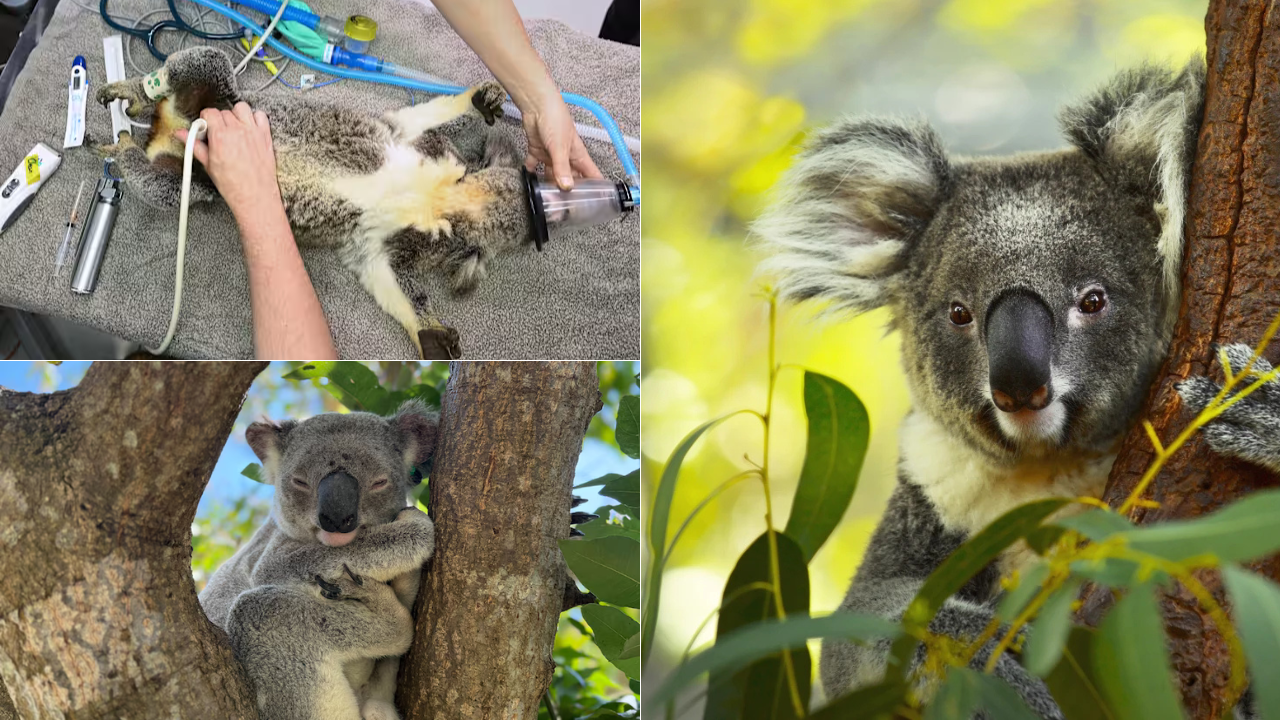
In a historic breakthrough for wildlife conservation, Australia has approved the world’s first vaccine designed to protect koalas from chlamydia, a disease that has endangered the survival of the iconic marsupial species. The landmark decision marks a turning point in global animal health and conservation efforts, giving new hope to one of Australia’s most beloved species facing population decline.

A Significant Step for Conservation

Koalas, native to Australia and regarded as a national symbol, have faced numerous challenges in recent decades including habitat loss, climate change, bushfires, and rising disease rates. Among these threats, chlamydia has emerged as one of the deadliest, significantly impacting population numbers. The disease, caused by the pathogen Chlamydia pecorum, has spread widely across eastern Australia and is estimated to infect up to 50% of wild koala populations in certain regions.

Chlamydia in koalas can lead to blindness, infertility, urinary tract infections, and in severe cases, death. These health challenges reduce reproductive success and place immense pressure on already declining populations. Conservationists have long identified a medical intervention as a critical necessity, and the new vaccine provides that long-awaited solution.

The World’s First Vaccine for Koalas

The newly approved vaccine is the result of more than a decade of research by Australian scientists, veterinarians, and wildlife health specialists. The vaccine works by stimulating the koala’s immune system to resist infection from chlamydia, reducing both the severity and transmission of the disease.

Field trials conducted across Queensland and New South Wales proved highly promising. In vaccinated koalas, infection levels dropped significantly, and researchers observed improvements in overall health and reproductive rates. The results gave regulators the confidence to formally approve the vaccine for broader use.

“This is a world-first achievement for wildlife medicine,” said Professor Peter Timms, one of the lead researchers behind the project. “We now have a safe and effective tool that can help save koalas from the devastating impact of chlamydia and give them a fighting chance at survival.”

A Response to Declining Populations

Australia’s koala population has been under severe stress in the past two decades due to widespread deforestation, habitat fragmentation, and the impacts of devastating bushfires, such as the Black Summer fires of 2019-2020, which killed or displaced thousands of koalas. Adding to this pressure, chlamydia infections have caused local populations to crash.

According to national wildlife surveys, some populations in Queensland and New South Wales have declined by as much as 60% in the last two decades. The approval of this vaccine arrives as a timely intervention, offering a chance to stabilize and rebuild numbers in areas hardest hit by the disease.

Australia’s Minister for the Environment, Tanya Plibersek, welcomed the approval and said it would play a critical role in the government’s broader Koala Conservation Strategy. “The koala is an irreplaceable part of Australia’s biodiversity and identity. By endorsing this vaccine, we are committing to science-driven solutions that protect and restore our precious wildlife.”

Implementation Plan

The rollout of the vaccine will initially target wildlife hospitals, rescue centers, and high-risk koala populations in the wild. Veterinarians and conservationists will work closely to monitor vaccinated koalas and ensure the program scales effectively across regions where infection rates are most severe.

The delivery plan includes partnerships between federal and state governments, wildlife organizations, and local communities. Authorities have also confirmed funding support for large-scale vaccination drives over the next five years. This will involve administering the vaccine to rescued, rehabilitated, and released koalas, alongside managing wild populations through a catch-and-release vaccination strategy.

Hope for a Global Wildlife Health Model

Beyond Australia, scientists believe this achievement could inspire the development of similar vaccines for other species suffering from infectious diseases. It also positions Australia as a global leader in using advanced science to protect biodiversity.

International wildlife experts have praised the initiative, noting that disease management is often overlooked in conservation programs. They argue that safeguarding animal health is just as important as habitat protection if species are to thrive long term.

“This is more than just a victory for koalas—it sets a precedent for the way we fight wildlife diseases globally,” said Dr. Rebecca Johnson, a conservation biologist. “We are entering a new era where vaccines can be essential tools for endangered species survival.”

Public and Community Involvement

Local communities and conservation volunteers are expected to play a vital role in the success of the vaccination rollout. Many community-led organizations across Queensland and New South Wales have already expressed their support, with campaigns being planned to raise awareness and mobilize resources.

Wildlife advocacy groups are urging Australians to get involved by supporting rehabilitation centers, donating to conservation programs, and participating in tree-planting projects that expand koala habitats. Experts emphasize that while the vaccine addresses a major health concern, broader conservation efforts like habitat restoration and climate change mitigation remain equally vital for the species’ long-term future.

A Landmark Moment for Australia and its Wildlife

The formal approval of the world’s first koala chlamydia vaccine is seen as one of the most significant wildlife conservation decisions in modern history. It represents a fusion of scientific innovation, community dedication, and government commitment.

For generations, koalas have symbolized the natural beauty of Australia. With the approval of this vaccine, there is renewed hope that future generations will continue to see these gentle animals thriving in their native eucalyptus forests.

As the first doses are prepared for widespread distribution, the world watches closely, inspired by Australia’s pioneering step to preserve one of its most iconic species from the brink of danger.