
Home Blog Page 44

Godavari River Nears Danger Mark in Nashik, Authorities on Alert

0
Godavari River Nears Danger Mark

The Godavari River in Nashik has risen sharply in recent days due to heavy rainfall across Maharashtra, bringing water levels close to the designated danger mark. Authorities have intensified safety measures, initiated continuous monitoring, and prepared contingency evacuation plans to ensure the safety of residents in low-lying areas. The rising levels of the Godavari have sparked fresh concerns about potential flooding in the city, which has historically faced challenges during monsoon surges.

Heavy Rainfall Pushes River Levels Higher

The monsoon showers over the past several days have significantly increased inflows into reservoirs feeding the Godavari River. Water discharged from upstream dams, including Gangapur Dam, has further contributed to the swelling flow in Nashik. Officials from the Water Resources Department confirmed that the river is nearing the red-alert mark, prompting swift action from the district administration.

Meteorological updates suggest that rainfall across north and western Maharashtra remains moderate to heavy. This has caused inflows in rivers and dams to surge. Given Nashik’s geographical location and its dense urban settlement along riverbanks, precautionary measures are being prioritized to protect lives and property.

Administration on High Alert

Local authorities, including the Nashik Municipal Corporation (NMC), the District Collector’s Office, and the Disaster Management Cell, have moved into high alert mode. Teams are actively surveying vulnerable areas such as Panchavati, Anandwalli, and the riverfront stretch that often faces inundation risks.

The administration has also issued advisories cautioning residents against venturing near the river and informing them about potential evacuation centers. Efforts are under way to mark high-risk zones and deploy quick response teams for emergencies. Motorized rescue boats, temporary shelters, and medical assistance units are being arranged to handle worst-case scenarios.

Speaking to reporters, District Collector officials urged citizens to remain vigilant. “The water levels in the Godavari River are rising faster than expected due to heavy rainfall upstream. We have initiated all necessary safety protocols and will not hesitate to evacuate families in flood-prone areas if required,” officials stated.

Evacuation Readiness and Community Safety

The Disaster Management Department has identified several schools, community halls, and government buildings that can function as makeshift shelters in case evacuation becomes mandatory. Volunteers from local NGOs and social groups have also joined hands with the administration to provide relief, food supplies, and essential medicines.

The police department, along with fire and rescue services, is coordinating to maintain communication across localities and ensure readiness in responding to emergencies. Loudspeaker announcements, SMS alerts, and social media channels are being used to keep residents regularly updated.

In addition to evacuation plans, the health department has issued warnings against waterborne diseases, which tend to spread rapidly during floods. Medical teams have been kept on standby, with adequate stocks of clean drinking water, chlorine tablets, and ORS packets.

Learning from Past Floods

This is not the first time Nashik has faced such a crisis. In previous years, particularly during the 2019 and 2021 monsoons, the Godavari’s rise led to partial inundation of riverbank localities. Those incidents caused significant damage and disruption, leading to stronger preparedness strategies in the years since.

Authorities have worked on improving flood management infrastructure, including embankments, enhanced water gauge monitoring systems, and coordination with dam authorities. These lessons are now being tested as the city braces itself for potential flooding again.

Impact on Daily Life

While the majority of Nashik continues with daily routines, many residents near the river are taking voluntary precautions. Shops and vendors close to the riverbed have begun relocating, and residents in lower-lying homes are securing valuables in anticipation of evacuation.

Local transportation has also been affected, as bridges and river-crossings are being closely monitored for safety. Areas witnessing waterlogging after heavy showers are under joint inspection by civic officials to prevent congestion and accidents.

Meanwhile, schools and colleges in areas identified as vulnerable are considering temporary closures depending on the water situation over the next 24 to 48 hours. Businesses near the riverfront have been advised to follow safety protocols and prepare for potential disruption.

Political and Civic Engagement

Elected representatives and civic leaders have visited affected zones to reassure residents that the government is fully prepared to act. Relief funds and emergency financial support have also been earmarked for those who may suffer damages during the crisis.

Opposition leaders have urged authorities to strengthen long-term flood control plans, pointing to increasing climate uncertainties that have led to heavier-than-expected rainfall patterns in recent years.

What Citizens Should Do

Authorities have appealed to citizens to stay calm and follow official guidelines. Essential precautions include:

  • Avoiding unnecessary movement near riverbanks.
  • Heeding messages and evacuation orders from the administration.
  • Ensuring availability of personal documents, medicines, and emergency kits.
  • Staying updated with weather and water level advisories through trusted channels.

Residents are reminded that cooperation with authorities is critical in minimizing risks during such natural events.

Looking Ahead

With the coming days expected to bring more rainfall across Maharashtra, the situation around the Godavari will remain critical. Continuous supervision of dam discharges, water levels, and rainfall will determine the next steps in Nashik’s emergency management plan.

While the city hopes the water levels stabilize without major evacuations, the administration’s preparedness reflects a proactive approach to safeguarding public safety.

Authorities emphasize that infrastructure can be rebuilt, but lives cannot be replaced. As Nashik stands cautious in the face of a swelling Godavari, the priority remains clear: protecting communities and mitigating risks until the rains subside.
Bhopal Hosts Summit on Metro Green City and Urban Transformation

0
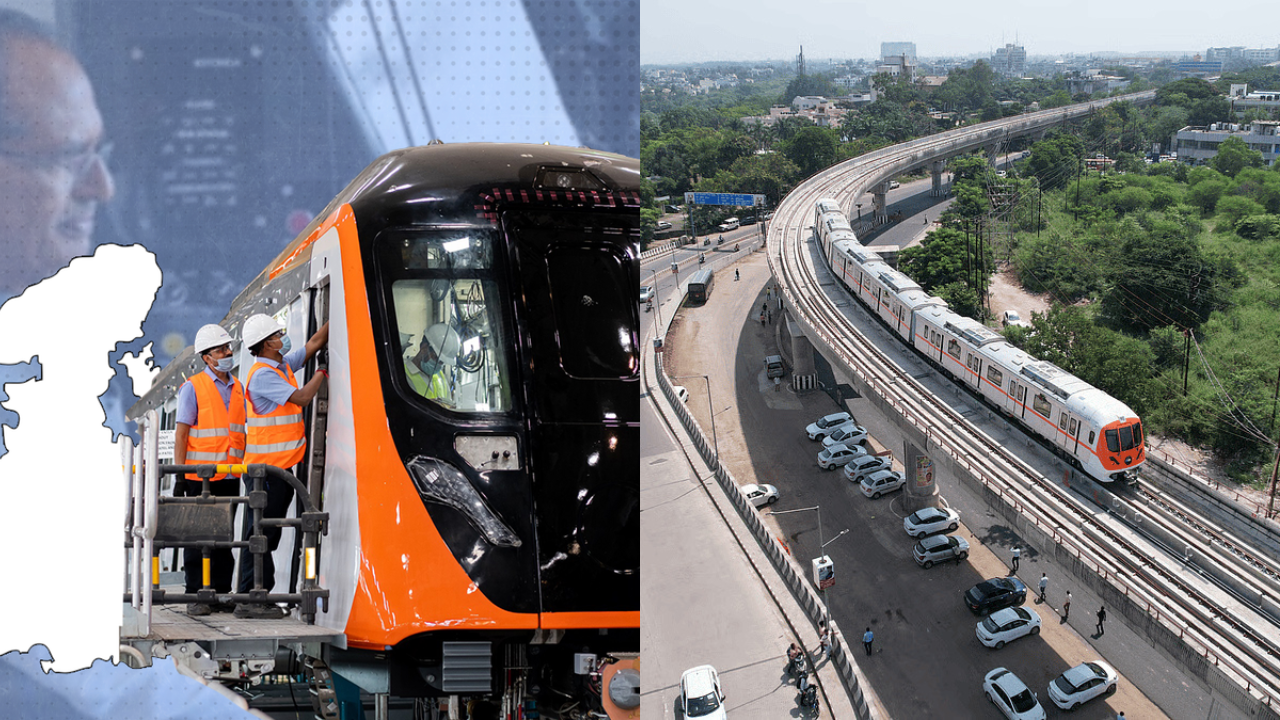
Bhopal Hosts Summit on Metro Green City

The Urban Transformation Summit, held in the heart of Madhya Pradesh’s capital city Bhopal, brought together government leaders, urban planners, policy experts, industry representatives, and development stakeholders to deliberate on India’s rapidly transforming urban landscape. The summit emphasized how modernization through urbanization can act as a key driver in shaping India’s ambition of becoming a $2 trillion urban economy while promoting the concept of sustainable “Metro Green City” development.

The event, hosted in Bhopal – a city already recognized for its blend of heritage and modernization – became a platform to ideate strategies that balance growth and sustainability. The discussions covered a broad spectrum of themes, from infrastructure development and smart mobility solutions to environmental conservation and inclusive urban governance.

Urbanization as the Engine of Growth

Speakers at the summit pointed out that India is witnessing one of the fastest rates of urbanization in the world, with cities contributing significantly to GDP and employment generation. The delegates emphasized how the government’s urban missions, digital governance initiatives, smart city programs, and infrastructure drive align with the goal of strengthening India’s economy through vibrant metropolitan development.

The focus was laid on fostering innovation in urban planning, introducing technology-driven civic management, and ensuring that cities do not merely expand in size but evolve into engines of sustainable and balanced growth.

“As India transitions towards becoming one of the world’s largest economies, urban transformation is no longer an option but a necessity. The cities of tomorrow must be eco-friendly, technologically advanced, and socially inclusive,” said a keynote speaker at the summit.

Bhopal as a Model for Metro Green City Development

The choice of Bhopal as the host city was significant. Known for its lakes, greenery, and heritage, Bhopal has been an early adopter of the Smart City Mission and urban renewal initiatives. After successfully implementing smart transport, digital IT frameworks for governance, and environmental sustainability measures, the city symbolizes the balance between conservation and modernization.

During the summit, policymakers highlighted how Metro Green City development could reshape India’s urban future. The concept integrates rapid mass transit systems with green cover expansion, renewable energy adoption, and sustainable waste management systems. Metro access would not just improve mobility but also reduce urban carbon footprints, making cities more livable for future generations.

Building a $2 Trillion Urban Economy

Another key theme at the summit revolved around India’s vision of building a $2 trillion economy powered by its urban centers. Experts outlined how urban transformation, if executed inclusively, could significantly boost GDP by integrating smart technology, enhancing connectivity between rural and urban clusters, and creating employment in modern industries.

Policy discussions also looked into direct and indirect employment opportunities to be generated through infrastructure investment in housing, roads, energy systems, and digital connectivity. By creating resilient supply chains and high-quality urban infrastructure, India can nurture both domestic and foreign investment.

Key Strategies Emphasized at the Summit

Several critical strategies were highlighted during the panel discussions and workshops of the Urban Transformation Summit:

  • Sustainable Infrastructure: Adoption of renewable energy sources, energy-efficient buildings, and clean technology integration into construction and urban planning.
  • Urban Mobility: Development of reliable, safe, and eco-friendly public transport systems, including metro expansion and intelligent traffic management.
  • Green Spaces and Climate Action: Increasing green zones, lake conservation, and urban forestry to maintain ecological balance within expanding cities.
  • Digital Smart Cities: Leveraging AI, IoT, and data-driven governance for better urban planning, waste management, water distribution, and citizen services.
  • Inclusive Urban Growth: Ensuring affordable housing, skill-building initiatives, and equitable distribution of resources for all socio-economic groups.

Collaboration Between Government and Industry

The summit also showcased discussions around the importance of collaboration between state governments, the private sector, international organizations, and citizen groups. Leaders urged for participatory planning where communities actively engage in shaping their urban neighborhoods.

Industry representatives spoke on deploying cutting-edge technologies in waste-to-energy projects, solar-powered metro stations, electric vehicle adoption, and integrated township models. Such projects not only accelerate economic prosperity but also enhance living standards for millions.

Urban Future for Madhya Pradesh and Beyond

Chief officials from Madhya Pradesh highlighted ongoing and upcoming projects that align with the green city framework, including Bhopal Metro progress, renewable energy corridors, and digitization in urban governance systems. Madhya Pradesh, with its strategic central location, aspires to become a model for other Indian states in leading the urban transformation movement.

Panel discussions further highlighted how medium-tier cities, especially in heartland India, would become growth engines alongside existing metros like Delhi, Mumbai, and Bengaluru. This urban rebalancing will decentralize development, preventing overburdening of mega-cities and creating prosperity in new regions.

The Road Ahead

The Urban Transformation Summit concluded with a strong consensus that India’s journey to becoming a leading global economy requires accelerated urban modernization. From ambitious metro rail projects to climate-friendly housing, the blueprint of India’s urban future is centered on progress and sustainability.

Urban experts also underlined the importance of consistent policy implementation, technological innovation, and financial investment to meet the growing demands of urban populations. The summit ended with optimism and clarity—India’s cities of tomorrow will need to harmonize modernization with ecological stewardship, economic innovation with social inclusivity.

The deliberations in Bhopal signal a defining moment in charting India’s urban trajectory: building green, smart, and inclusive cities that not only propel economic growth but also make a lasting positive impact on people’s quality of life.

MPSC Civil Services Prelims 2025 Rescheduled to November 9 Due to Weather

0
MPSC Civil Services Prelims 2025

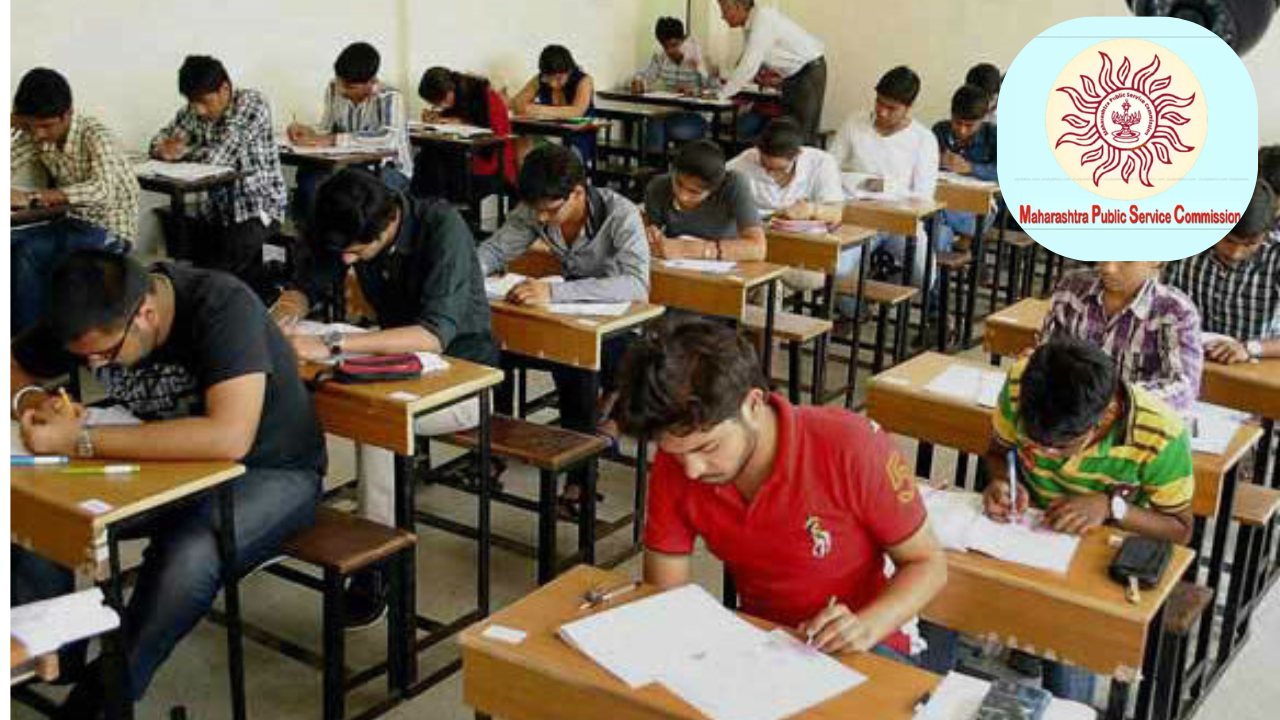
The Maharashtra Public Service Commission (MPSC) has officially announced the postponement of the much-awaited Civil Services Preliminary Examination 2025. Originally scheduled to be held in the first week of October, the exam will now take place on November 9, 2025, in view of the worsening weather conditions across several districts of Maharashtra.

This decision comes after extensive consultations with state authorities, examination centers, and weather experts. The MPSC emphasized that the health, safety, and convenience of lakhs of aspirants remain their top priority. The revised date aims to ensure smooth logistics while providing candidates ample time to prepare without disruptions caused by adverse weather.

MPSC’s Official Statement

In a press release, the Maharashtra Public Service Commission stated, “Considering the severe weather conditions and difficulties faced by aspirants in reaching exam centers, the Commission has decided to reschedule the Civil Services Preliminary Examination 2025 to November 9. Detailed guidelines, updated admit cards, and further instructions will be made available on our official website soon.”

The Commission further urged aspirants to regularly check the official website of MPSC for verified updates and avoid relying on unconfirmed sources or social media rumors.

Why the Exam Was Postponed

Heavy and unpredictable rainfall across Maharashtra in recent weeks has led to flooding in low-lying areas, transport disruptions, and power cuts. Districts such as Nashik, Pune, Satara, and Nagpur reported road blockages and waterlogging, making travel unsafe. Several examination centers in semi-rural areas also faced accessibility challenges.

To prevent chaos and to prioritize the well-being of aspirants—many of whom travel long distances—the Commission aligned its decision with recommendations from local authorities.

Candidate Reactions

For aspirants preparing for one of the toughest competitive exams in the state, the announcement brought mixed emotions. While some expressed relief and gratitude for the Commission’s safety-first approach, others felt concerned about the extended uncertainty impacting their preparation schedules.

  • Many candidates viewed the postponement positively, noting that the extra weeks would provide more preparation time.
  • Some aspirants preparing alongside jobs or family responsibilities expressed concern about adjusting their schedules once again.
  • Coaching institutes in cities like Pune, Mumbai, and Aurangabad quickly updated their revision timetables to align with the new exam date.

Impact on Aspirants and Preparation

The MPSC Civil Services exam is a crucial opportunity for thousands of candidates aspiring to join the Maharashtra administrative services. Each year, lakhs of aspirants apply for the preliminary exam, out of which only a fraction qualify for the mains.

The change in examination date may alter preparation strategies. Experts suggest focusing on revision schedules, practicing mock tests, and maintaining consistency despite the extended study period. Aspirants are also encouraged to focus on mental well-being during this prolonged preparation phase.

Coaching faculty have advised candidates to treat the extra weeks as an opportunity:

  • Revise core subjects such as polity, history, geography, and economics thoroughly.
  • Take at least two additional full-length mock tests each week until the new exam date.
  • Track current affairs updates leading up to November for enhanced readiness.

Instructions for Candidates

The Maharashtra Public Service Commission will soon release updated admit cards to reflect the new dates. Candidates must:

  • Re-download and carry fresh admit cards ahead of the exam.
  • Regularly monitor the MPSC portal for authentic notifications.
  • Travel well in advance on the exam day to address any weather-related disruptions.
  • Follow all exam-related health and safety protocols implemented at centers.

Government and Administrative Support

The state government has extended full support to the Commission in managing logistics and communication. District collectors and local administrations have been directed to ensure safe movement of candidates on the revised exam date. Emergency helplines may also be activated closer to the rescheduled day to assist students in flood-affected regions.

Union and state ministers have also welcomed the MPSC’s decision, reiterating that safeguarding aspirants’ health and ensuring fairness in examinations remain critical priorities.

Looking Ahead

While the unexpected postponement may have disrupted immediate plans, the decision underscores the importance of safety in large-scale public examinations. Maharashtra has a history of weather-related exam rescheduling, and stakeholders believe the proactive announcement will help minimize anxiety among candidates.

The MPSC assured candidates that no further delay is expected, as weather forecasts beyond mid-October appear favorable. The Commission has appealed to aspirants to continue their preparation with renewed confidence for the November 9 examination.

Key Takeaways for Candidates

  • New Date Announced: MPSC Civil Services Preliminary Exam to be held on November 9, 2025.
  • Reason for Delay: Severe and unpredictable weather conditions in several districts of Maharashtra.
  • Updated Admit Cards: Fresh admit cards will be released on the MPSC website prior to the exam.
  • Preparation Opportunity: Extended timeline provides more time for focused studies and revision.

Final Word from MPSC

The Maharashtra Public Service Commission reassured all aspirants that the decision is in their best interests. Candidates are reminded to remain committed to their preparation journey, stay informed through official channels, and avoid panic over false information circulating elsewhere.

Sharad Pawar Urges Maharashtra Govt to Speed Up Flood Relief for Farmers

0
Sharad Pawar

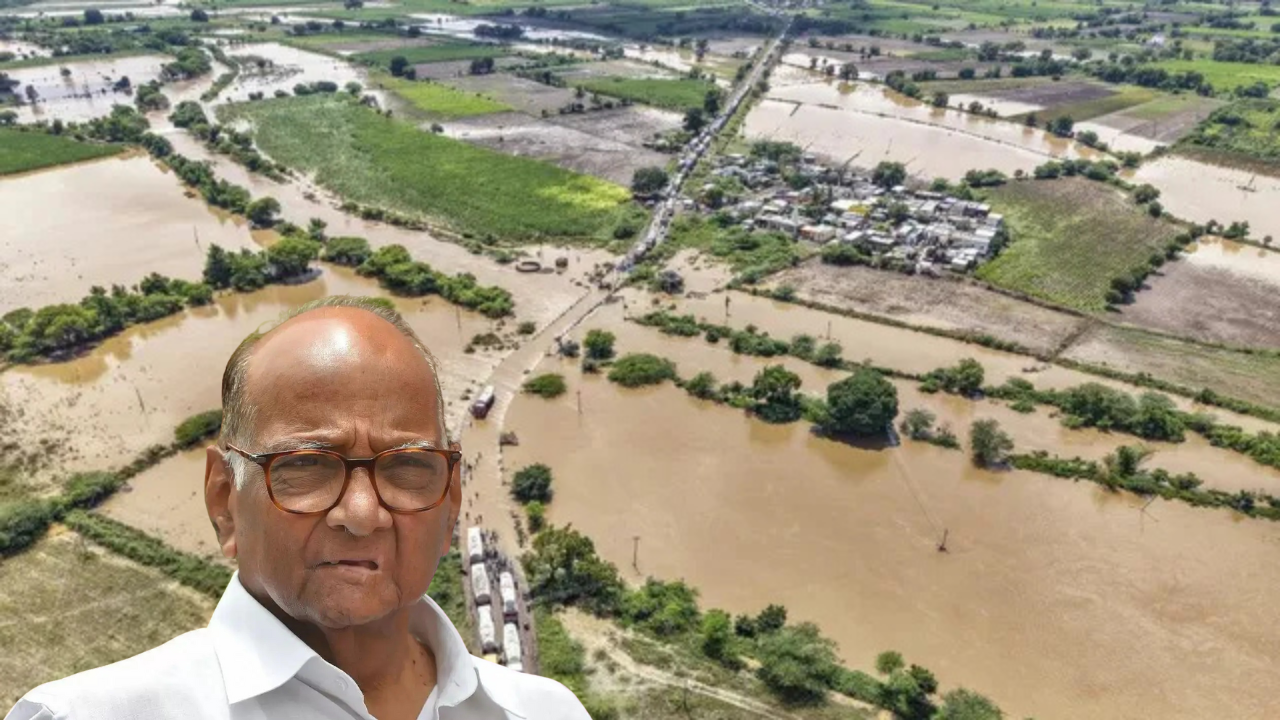
Former Union Agriculture Minister and Nationalist Congress Party (NCP) chief Sharad Pawar has appealed to the Maharashtra government to intensify its ongoing flood relief operations, emphasizing the urgent need for swift damage assessment and timely compensation to affected farmers across the state.

The recent floods, triggered by incessant rainfall in several districts of Maharashtra, have left a trail of severe damage to crops, agricultural lands, and rural infrastructure. Thousands of farmers have been left helpless, awaiting state support and financial relief to revive their livelihoods.

Pawar called on the state leadership to immediately deploy additional manpower and resources to ensure that farmers’ grievances are addressed without delay. According to him, mere announcements and surveys will not help unless ground-level assessments are carried out rapidly with transparency, and compensation is disbursed efficiently to those who have suffered losses.

Pawar Highlights Farmers’ Plight

Addressing reporters on Friday, Sharad Pawar expressed concern over the plight of farmers whose kharif crops have been destroyed due to excessive flooding. “Agriculture is the backbone of our rural economy, and when farmers face devastation due to natural calamities, the government has a moral responsibility to act with urgency. Immediate deployment of additional officers and manpower is crucial for damage assessment, otherwise farmers will be left waiting indefinitely for compensation,” Pawar emphasized.

He further noted that several villages remain cut off due to waterlogging and damaged roads, making it difficult for officials to access farms and record crop losses. In such cases, he urged the administration to make use of modern technology, including satellite imagery and drone surveys, to speed up the process.

Call for Transparent Compensation Mechanism

Pawar reiterated his demand to ensure a transparent compensation mechanism free of bureaucratic hurdles. He insisted that farmers should not be forced to run from pillar to post for relief payments. Highlighting the delays historically seen in disaster compensation distribution, Pawar said, “Relief funds must directly reach farmers’ accounts with minimum interference. The longer we delay, the deeper the distress gets.”

Farmer organizations across Maharashtra have welcomed Pawar’s intervention, stating that timely compensation is the only way to prevent farmer migration from rural areas and safeguard future agricultural productivity.

Maharashtra’s Flood Impact

According to preliminary state government estimates, districts such as Kolhapur, Sangli, Satara, and Nashik have recorded extensive damage, with thousands of hectares of farmland submerged under floodwaters. Major crops like sugarcane, soybean, maize, paddy, and vegetables have been badly affected, leading to fears of both crop loss compensation claims and potential price escalation in the state’s urban markets.

Local authorities have confirmed that hundreds of homes and cattle shelters have also been damaged, worsening the challenges faced by farming households. Relief camps have been set up in several districts, but farmers complain that support is not being distributed evenly and survey teams are overstretched.

Sharad Pawar’s Recommendations for Relief Acceleration

Pawar outlined several key recommendations during his address to the government:

  • Mobilize additional officers and ground staff across badly affected districts to fast-track surveys.
  • Deploy drones and use satellite imagery for real-time crop loss verification.
  • Ensure compensation payments directly into farmers’ bank accounts through digital transfers.
  • Establish village-level help centres to register grievances swiftly.
  • Provide advance relief amounts to farmers to stabilize immediate needs like seeds, food, and cattle feed.

“These measures, if implemented sincerely, can make a real difference for the farming community struggling to recover from this disaster,” Pawar noted.

Political and Public Reaction

Sharad Pawar’s strong stance comes at a time when the Maharashtra government is facing mounting pressure to respond comprehensively to the flood crisis. Opposition leaders have accused the ruling coalition of being slow in offering aid, while farmer associations have staged protests in multiple districts demanding urgent compensation.

Analysts believe Pawar’s statement carries weight given his extensive experience in agriculture policy and governance. As a former Agriculture Minister of India, Pawar has long been hailed as a veteran voice for the farming community, and his appeal adds momentum to the broader demand for effective relief measures.

Meanwhile, state government officials have reassured the public that survey teams are on the ground and compensation announcements will follow once assessments are complete. However, administrative challenges and manpower shortages remain pressing hurdles.

Ground Reality for Farmers

Despite reassurances, many farmers remain skeptical about the speed of government response. Farmers in parts of Satara and Kolhapur have reportedly been waiting for survey officers to visit their fields for over a week, with no official records of their crop damage yet.

A sugarcane farmer from Sangli shared, “Floods have destroyed almost my entire crop. Without immediate compensation, it will be impossible to repay debts or prepare for the rabi season. We need action, not paperwork.”

Such testimonies are echoing across flood-hit regions, underscoring Sharad Pawar’s call for greater manpower deployment in relief and assessment missions.

Looking Ahead

As Maharashtra continues its recovery efforts, attention will now be on whether the state government accelerates its relief distribution process. Sharad Pawar’s intervention has once again brought farmers’ challenges into focus, pressing authorities to act with urgency and empathy.

With agriculture forming the cornerstone of Maharashtra’s rural economy, timely support to farmers will not only ensure survival for thousands of families but will also play a decisive role in stabilizing the state’s food supply and economic resilience.

Maharashtra Flood Alert Schools Shut in Nanded and Latur Amid Torrential Rains

0
Maharashtra Flood Alert

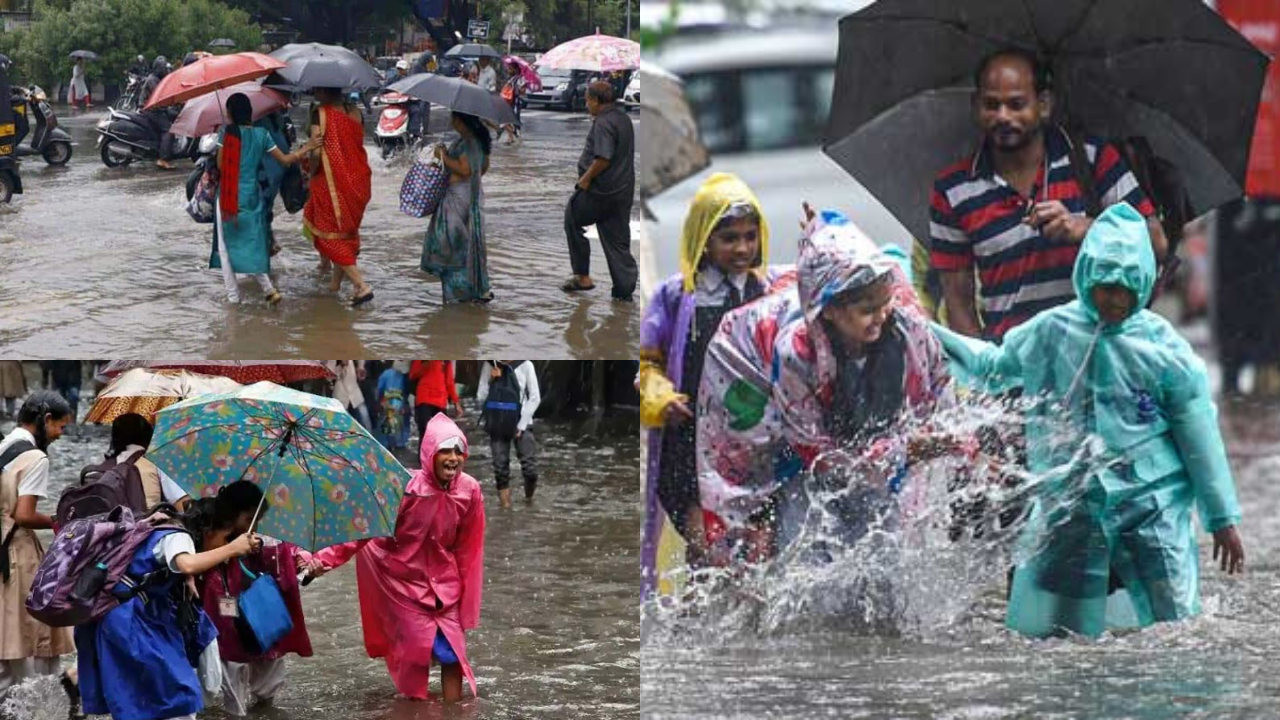
Maharashtra is witnessing a fresh wave of intense monsoon activity as heavy rainfall over the past few days has disrupted normal life in several districts. Authorities in Nanded, Latur, and adjoining regions have declared holidays for schools and colleges to ensure the safety of students and staff. With rivers flowing above warning levels and major irrigation projects filled to capacity, concerns about flooding and public safety are growing across the Marathwada region.

According to the official district administrations, precautionary holidays have been declared after multiple low-lying areas reported waterlogging, disrupted transport routes, and rising risks due to overflowing canals and rivers. Emergency services have been placed on high alert to respond to any untoward incidents.

Schools and Colleges Shut as Precautionary Measure

Heavy rainfall during the past 48 hours has submerged large portions of roads and farmland, leaving several localities cut off. In response, the district collectors of Nanded and Latur issued immediate orders to close schools and colleges until conditions improve.

Authorities pointed out that ferrying students through flooded roads or swollen river bridges can be hazardous, and hence, academic institutions will remain shut until further review.

Parents and residents have welcomed the decision, saying safety must come before routine schedules. Meanwhile, online lessons and alternative methods are being encouraged where possible, though many rural schools are facing connectivity issues because of intermittent electricity supply and poor network availability due to the rain.

Irrigation Projects at Full Capacity

The intense spell of rain has caused major irrigation reservoirs, canals, and dams to fill up rapidly. Key projects such as the Vishnupuri Barrage near Nanded and other medium-scale reservoirs in the region have reached 100% live storage levels. While this ensures adequate water for drinking and agriculture in the upcoming months, it also raises immediate concerns about excess releases and sudden flooding downstream.

Officials have confirmed that controlled discharges are being carried out from several irrigation projects to maintain safety margins and reduce overflowing threats. Villagers residing near the catchment areas have been asked to remain alert, and disaster management teams are conducting awareness drives to ensure prompt evacuation if needed.

Rivers Crossing Warning Levels

Adding to the worries, rivers like Godavari, Manjara, and Lendi have crossed their warning levels at certain monitoring stations. The swelling rivers, fed by heavy rainfall in upper catchment areas, have already inundated nearby agricultural lands and low-lying settlements.

The Meteorological Department has issued a red alert for heavy to very heavy rainfall in Marathwada and parts of Vidarbha. Citizens have been cautioned to remain indoors wherever possible and avoid unnecessary travel. Flood-prone villages are being continuously monitored, and disaster response units are on standby to move people to safer shelters if water levels continue to rise.

Administration on High Alert

The district administrations of Nanded and Latur, along with adjoining areas like Parbhani, Beed, and Osmanabad, are maintaining close coordination with the State Disaster Management Authority (SDMA) and irrigation officials. Senior officers are continuously reviewing the situation, ensuring that rescue equipment, boats, and relief centers are fully prepared to handle emergencies.

Police departments have also been instructed to control overcrowding near bridges and riverbanks. Regular patrolling is being carried out, especially in flood-sensitive zones, to restrict risky movement.

Meanwhile, municipal authorities are working to drain flooded roads in city areas, though continuous rainfall has slowed down clearance efforts.

Impact on Public Life

Daily life in several rural and semi-urban areas has taken a hit. Transportation on inter-district roads has been badly affected, with state transport buses running on curtailed schedules. In agricultural belts, standing crops of soybean, tur, and maize are facing submergence, giving rise to fears of crop damage.

Local traders and markets have reported low attendance, while power disruptions are adding to the inconvenience in many villages. Health departments have issued advisories against waterborne diseases that tend to spread in flood conditions.

Relief and food packets have been distributed in some pockets where flooding has cut off access. Residents have been urged to store essential commodities and follow official guidelines until the situation stabilizes.

Authorities Appeal for Cooperation

District collectors of both Nanded and Latur have appealed to the public to stay calm and cooperate with administration efforts. They have urged citizens to avoid venturing near swollen rivers, reservoirs, and flooded roads. Fishermen and farmers especially have been asked to restrict movement in waterlogged areas.

Officials reiterated that though the situation remains under control, persistent heavy rain could worsen conditions, making community vigilance crucial in the coming days.

Outlook Ahead

With the Indian Meteorological Department forecasting more rainfall in the next 48 hours, authorities are preparing for possible worsening of the situation. The filling up of reservoirs and rising rivers indicate that Maharashtra’s Marathwada belt may continue facing challenges from waterlogging and flooding.

At the same time, experts note that the abundant water storage in dams will help in ensuring drinking water supply and irrigation security for the next season. However, in the short term, structural safety and effective dam management will be key to preventing large-scale disasters.

Conclusion

The unfolding scenario in Nanded, Latur, and neighboring districts highlights the dual nature of the monsoon – a source of future water security but also a trigger for immediate flood risks. With academic institutions closed, emergency teams on alert, and rivers swelling above danger levels, the focus now rests on coordinated administration and community support.

The situation will continue to be closely monitored as Maharashtra braces for more rainfall in the days ahead.

Celebrating Excellence and Elegance Vibhuti Awards, Jewelux Jewellery Expo, and Rokde Jewellers Return in Nagpur

0
Vibhuti Awards

Nagpur is abuzz with anticipation as the city hosts landmark events that highlight excellence, elegance, and heritage. With the prestigious Vibhuti Awards 2025 set for October 11, the Jewelux jewellery expo sparkling over this weekend, and the grand reopening of Rokde Jewellers’ iconic Mahal branch after 25 years, the Orange City is celebrating achievements and milestones across every sphere.

Honouring Excellence: Vibhuti Awards 2025

The Vibhuti Awards 2025, presented by Nagpur Today, are poised to honor the city’s most distinguished achievers—those who have propelled Nagpur’s growth and transformed its identity across sectors. This annual ceremony recognizes individuals and organizations excelling in business, innovation, culture, sports, media, and community service.

Nominations for the awards are now open, welcoming self-nominations and recommendations from residents, professionals, and entrepreneurs. Participants are encouraged to submit detailed applications highlighting their notable contributions and achievements, supported by relevant documents.

The Vibhuti Awards boast an impressive line-up of categories:

  • Nagpur’s Pride
  • Women Entrepreneur Award
  • Architect of the Future (Real Estate)
  • Visionary Developer
  • Commendable Entertainer (RJs, DJs)
  • Sportsperson of the Year
  • Innovation in Business
  • Cultural Contribution (Theatre, Music, Emerging Artists)
  • Food & Hospitality (Chef of the Year, Trendsetting Food Experience)
  • Health & Wellness
  • Media & Communication (News, Digital Influencer, Journalism)
  • Tech Innovation (IT Company, Startup of the Year)
  • Lifestyle
  • Community & Social Impact (NGO, Green Initiative, Social Entrepreneurship)
  • Education Excellence.

A distinguished jury panel brings expertise from administration, healthcare, culinary arts, journalism, and social service, ensuring that every award is decided through a fair and prestigious process. Led by Dr. Bhushan Kumar Upadhyay (Retd. IPS), Dr. Anup Marar, Chef Vishnu Manohar, Mr. Pradip Maitra, and Mrs. Vandana Sharma, the panel aims to recognize exceptional stories while inspiring future leaders.

The organizers envision the awards as a platform to spotlight Nagpur’s incredible talent. “Nagpur is home to remarkable individuals whose work inspires their peers and communities. The Vibhuti Awards are a way of celebrating those who make a difference,” say the team behind this initiative.

A Sparkling Weekend: Jewelux Jewellery Expo

Coinciding with this wave of celebration, Nagpur welcomes the Jewelux jewellery expo on September 27 and 28, a destination for lovers of elegance and fine craftsmanship. The expo takes place at Hotel Centre Point, from 11 am to 8 pm on both days, promising an immersive experience for jewellery enthusiasts and buyers.

Jewelux is renowned as a premier B2C exhibition where tradition meets innovation. Visitors can browse breathtaking collections in gold, diamonds, and precious stones, engage directly with leading jewellers, and discover trending designs that reflect both timeless artistry and modern sophistication. It is a must-visit for connoisseurs seeking exclusive creations or for those simply wishing to enjoy Nagpur’s vibrant jewellery culture.

The expo demonstrates the city’s ever-evolving taste for luxury, bringing together celebrated names in the jewellery industry. From bespoke bridal sets to contemporary minimal designs, Jewelux showcases dazzling options for every occasion.

Rekindling Heritage: Rokde Jewellers’ Mahal Branch Reopens

Adding to the city’s excitement, the iconic Mahal branch of Rokde Jewellers returns in a grand new avatar after a 25-year hiatus. Spanning a sprawling 16,000 sq. ft., this “Vidarbha’s Biggest Jewellery Showroom” blends grandeur with legacy, marking a new chapter for one of Nagpur’s most revered jewellery brands.

The Mahal branch, a beacon of trust since 1947, has stood as an emblem of tradition and fine craftsmanship for generations. Now, with its reopening, customers can expect an enhanced shopping experience, world-class customer service, and access to the latest in gold and silver jewellery. The relaunch is celebrated with exclusive offers—up to 60% off on gold and silver making charges—drawing both loyal patrons and new customers into the fold.

This historic moment is more than the unveiling of a showroom; it’s a symbol of resilience, nostalgia, and renewal. Rokde Jewellers continues its cherished legacy, offering timeless designs and exquisite pieces revered across the region.

Nagpur Shines in October

As the city prepares for the Vibhuti Awards on October 11, hosts the Jewelux expo this weekend, and celebrates the reopening of Rokde Jewellers’ landmark showroom, Nagpur stands tall as a beacon of achievement and culture. These diverse events ignite community pride, unite industry leaders, and celebrate the spirit of innovation while honoring historical roots.

India to Gain from Taiwan’s Growing Semiconductor and Electronics Exports

0
Semiconductor and Electronics Exports

Taiwan is ramping up its technology exports to India, with a strong focus on semiconductors, chips, and advanced electronics — a move that is expected to significantly enhance India’s manufacturing capabilities and reinforce its growing position in global technology supply chains. As international demand for electronic components and chips continues to climb, the closer trade partnership between India and Taiwan could prove to be a game-changer for both economies.

Rising Global Demand Driving Collaboration

Over the last decade, global consumption of electronics and semiconductors has skyrocketed, driven by advancements in smartphones, artificial intelligence, cloud computing, 5G infrastructure, and the growing electric vehicle (EV) ecosystem. Taiwan, home to some of the world’s top semiconductor foundries and electronics manufacturing hubs, has been actively diversifying its export destinations beyond the United States, China, and Europe.

India, with its rapidly expanding digital economy and government-backed push for domestic manufacturing through schemes such as Make in India and the Production Linked Incentive (PLI) program, has emerged as a strategic partner. By boosting tech exports to India, Taiwan aims to not only meet rising demand but also integrate its supply lines with India’s fast-developing industrial ecosystem.

Strengthening India’s Electronics Manufacturing

Industry analysts suggest that Taiwan’s decision to step up chip and electronics exports to India will provide a critical boost to sectors such as:

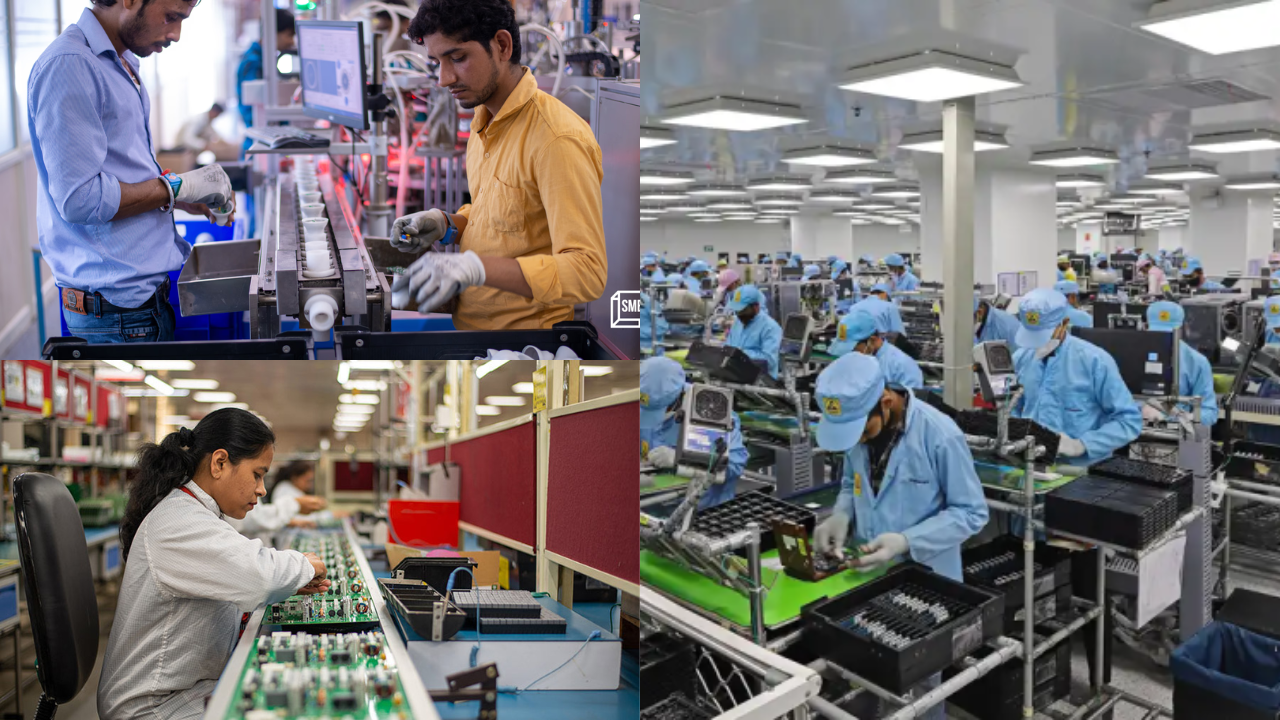
  • Smartphone and consumer electronics manufacturing: India has positioned itself as a leading smartphone assembly hub for global brands. Access to advanced Taiwanese components can strengthen India’s assembly-to-manufacturing journey.
  • Automotive and EV industries: Chips and semiconductors are central to vehicle electrification, automation, and smart mobility solutions, where India seeks global competitiveness.
  • Telecom and 5G rollouts: With the upcoming stage of 5G expansion and early research in 6G, high-quality Taiwanese chips will be vital for network equipment and devices.
  • AI and data centres: As India emerges as a digital services hub, demand for chips powering cloud computing and AI-driven applications is soaring.

By tying up with Taiwanese suppliers, Indian firms will be able to scale operations more efficiently while reducing dependency on China, thereby strengthening supply chain resilience.

Government Push for High-Tech Partnerships

The Government of India has long recognized the strategic importance of semiconductors and electronic hardware in its vision for an Atmanirbhar Bharat (self-reliant India). Massive investments are already being channelled into setting up semiconductor fabrication units (fabs), display manufacturing hubs, and electronics clusters in states like Gujarat, Karnataka, and Tamil Nadu.

By increasing exports to India, Taiwan is aligning with this vision. Industry insiders also highlight the possibility of Taiwan supporting India with technology transfer, skill development, and R&D collaborations, which would ensure that the trade partnership evolves into a long-term, strategic alliance rather than remaining transactional.

A senior official from India’s Ministry of Electronics and IT noted, “The expansion of trade with Taiwan is not just about volumes, it is about building resilient and trusted value chains. In a world where supply chain disruptions can halt entire industries, this partnership will be transformative.”

Mutual Benefits for India and Taiwan

The collaboration is not one-sided. While India gets access to high-quality chips and electronics, Taiwan also benefits from India’s enormous and rapidly expanding consumer base, policy support for foreign investments, and lower manufacturing costs in certain segments. Taiwanese companies, facing cost pressures at home and geopolitical uncertainties, see India as the ideal location for scaling production and hedging risks.

At the same time, India’s young engineering workforce and growing tech talent pool provide an attractive proposition for Taiwanese firms seeking partnerships in innovation, design, and R&D. Joint ventures, technology parks, and startup collaborations are already on the cards.

Building Resilient Tech Supply Chains

The global shift in technology supply chains is pushing countries to reduce dependency on single markets. The pandemic exposed vulnerabilities, showing how over-reliance on a few geographies for semiconductors and electronics could create ripple effects worldwide.

With India joining forces with Taiwan, the two nations are contributing to building a multipolar, resilient global supply chain ecosystem. Companies in India will have greater access to reliable chip supplies, while Taiwan secures a strong trade partner in South Asia. For sectors like IT hardware, consumer electronics, mobility, and smart devices, this shift could lead to lower costs, faster innovation cycles, and better availability of products for consumers.

Industry Voices and Analyst Expectations

Market analysts project that Taiwan’s tech exports to India could grow by over 30% annually in the next 3–5 years, riding on strong bilateral engagement, trade agreements under discussion, and growing demand across India’s industrial landscape.

Commenting on the development, a prominent technology consultant said, “Taiwan’s expertise is unmatched in chip manufacturing, and India’s potential lies in scaling global products at competitive costs. The fusion of these two strengths will naturally catapult both nations into a leadership role in the global tech economy.”

Looking Ahead

As Taiwan prepares to send higher volumes of chips and electronics to India, the partnership is expected to result in:

  • Increased job creation in India’s electronics and manufacturing sectors.
  • Greater investments from Taiwanese firms in Indian industrial clusters.
  • Acceleration of India’s ambition to become a global semiconductor hub.
  • A stronger role for India in shaping future innovations in AI, mobility, and telecom.

For Taiwan, the linkage serves as a safeguard against economic volatility, positioning it as a leading partner beyond traditional Western and East Asian markets.

Conclusion

The Taiwan-India partnership in chips and electronics is much more than a trade deal. It reflects a strategic, future-oriented decision by both countries to collaborate on building resilient and reliable technology ecosystems that can serve rising demand worldwide. As global competition over semiconductors heats up, this alliance highlights India’s growing importance as a manufacturing base and Taiwan’s central role in meeting world demand.

With shared vision and cooperation, the partnership promises to redefine not only bilateral trade but also the very architecture of global supply chains.

Market Volatility Drags Bank of Maharashtra Shares Lower

0
Bank of Maharashtra

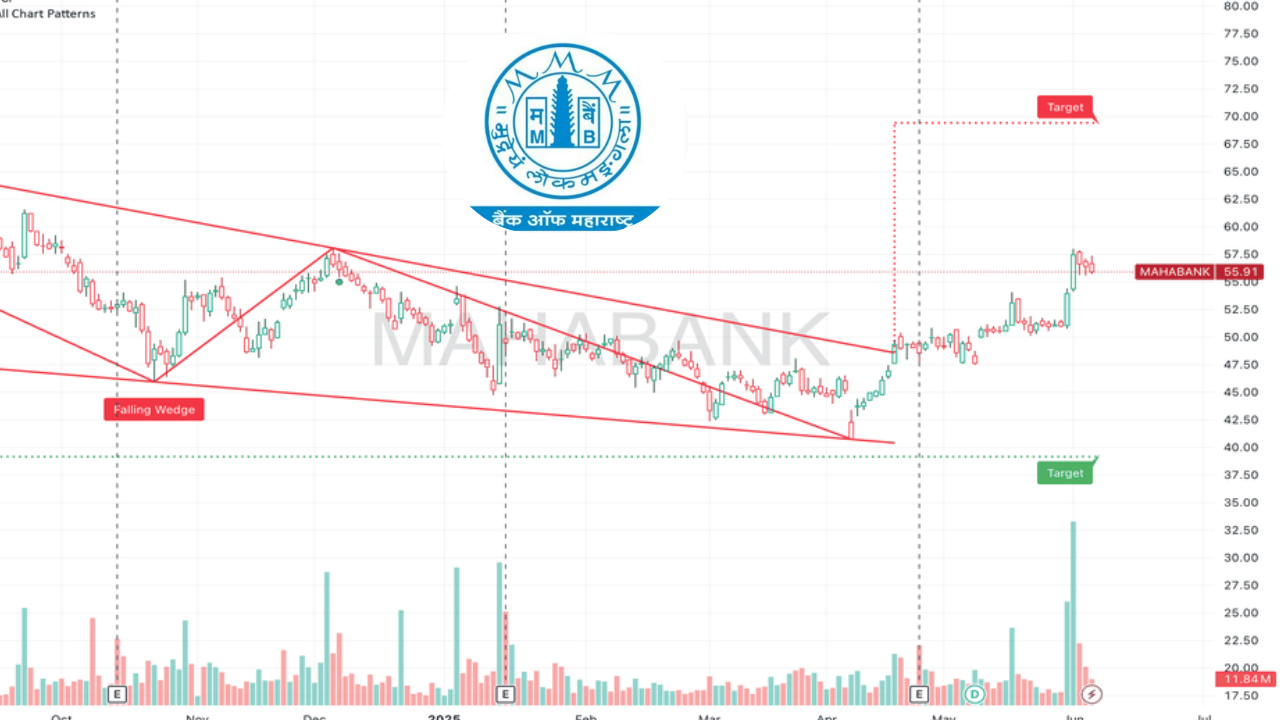
 The Bank of Maharashtra continues to face sustained selling pressure in the equity market as its stock recorded a decline for the fifth consecutive session on Friday. The downtrend reflects ongoing market volatility and broader challenges confronting the public sector banking sector, despite a recent month-long rally in the Nifty PSU Bank index that had raised investor optimism.

Decline Extends to Fifth Day

The Bank of Maharashtra’s stock extended its losing streak today, with investors witnessing persistent weakness despite overall improvement in sentiment towards public sector banks over the last one month. Analysts note that the stock’s recent slide is part of a corrective phase influenced by cautious investor behavior in the face of rising global uncertainties and mixed domestic cues.

This downward trend is not isolated to the Bank of Maharashtra alone. Several PSU bank counters have experienced selling pressure in recent sessions, tempering optimism generated earlier in September when the Nifty PSU Bank index posted consecutive weeks of gains backed by robust credit growth and improving asset quality numbers.

Market Volatility Hits PSU Banks

The decline in Bank of Maharashtra stock highlights the uneven performance across the PSU banking space. The broader market has been weighed down by volatility triggered by fluctuating global crude oil prices, lingering concerns over U.S. Federal Reserve rate actions, and geopolitical uncertainty that continue to influence investor outlook worldwide.

For the PSU banking segment, cyclical corrections are common after periods of heightened buying. In September, optimism had been largely driven by expectations of steady loan growth, recapitalization support, and improving profitability in the public sector banking system. However, profit booking by institutional and retail investors appears to be dampening the gains of the past two weeks.

Analyst Insights on the Current Trend

Market experts believe the Bank of Maharashtra’s correction is reflective of broader sector adjustments rather than company-specific weaknesses. Analysts highlight the following key factors:

  • Profit Booking: After a month-long rally in PSU banking stocks, several investors are now booking profits to lock in gains ahead of the upcoming earnings season.
  • Market Uncertainty: Volatility in global financial markets continues to impact investor sentiment in India, limiting risk appetite in cyclical sectors including banking.
  • PSU Stock Sensitivity: Public sector banks are known to be more sensitive to macroeconomic triggers as investor confidence is closely tied to government policies, fiscal announcements, and broader credit demand.

However, some experts maintain a cautiously optimistic outlook, noting that the normalization of asset quality and improved capital adequacy ratios across PSU banks remain strong fundamentals that could lend support to valuations in the medium term.

Nifty PSU Bank Index Performance

While the Bank of Maharashtra’s stock has declined, the Nifty PSU Bank index had shown a remarkable rally in the past month, led by strong participation from leading players such as State Bank of India, Canara Bank, and Bank of Baroda. The index gained momentum after better-than-expected quarterly loan disbursal figures and improved net interest margins were reported by several PSU lenders.

This suggests that while short-term volatility is dragging down individual counters like Bank of Maharashtra, the broader PSU banking cycle retains its growth potential. Market watchers expect Q2 FY26 results to play a decisive role in setting the tone for PSU bank stocks in the coming quarter.

Bank of Maharashtra’s Market Position

As one of India’s leading public sector banks with a wide customer base and established presence, the Bank of Maharashtra has displayed resilience in its financial performance in recent quarters. The lender recorded steady growth in loan book size, supported by increased demand for retail and small-business lending. In addition, the bank has maintained a healthy capital adequacy ratio, aligning with regulatory requirements.

Despite current weakness in stock price, industry experts believe the bank’s fundamentals remain intact. With India’s economy projected to sustain a strong growth trajectory in FY26, credit demand is expected to support PSU banks, including the Bank of Maharashtra.

Investor Outlook

For investors, the recent correction in Bank of Maharashtra stock presents both caution and opportunity. Market advisors suggest that long-term investors with a focus on fundamentals may view the ongoing dip as a consolidation phase, while short-term traders should remain cautious due to heightened volatility and global headwinds.

The coming quarter will be crucial in determining future trends. Positive earnings announcements, structural reforms in the PSU banking sector, and further government policy support could provide triggers for recovery. On the other hand, if global macroeconomic conditions remain weak, selling pressure may persist in the near term.

Conclusion

The Bank of Maharashtra’s fifth consecutive session of decline underscores the challenges facing the PSU banking space amid uncertain market conditions. While the Nifty PSU Bank index continues to reflect positive fundamentals in the medium term, current volatility has weighed on investor confidence.

Madhya Pradesh MSMEs Struggle with Growth Slowdown and Closures

0
Madhya Pradesh MSMEs Struggle

 The micro, small, and medium enterprise (MSME) sector in Madhya Pradesh, long known as the backbone of the state’s industrial and employment ecosystem, is witnessing a challenging phase. Over the past two years, the sector has registered a significant dip in growth rates, with new business registrations slowing down and a growing number of enterprises shutting their doors.

Industry observers and government data highlight a concerning trend that threatens both local employment opportunities and the state’s economic vibrancy.

Decline in New MSME Registrations

According to recent industry insights, Madhya Pradesh has seen fewer new businesses being established in the MSME category compared to the robust expansion phase witnessed five to six years ago. While earlier years saw enthusiastic registrations driven by state support programs and national initiatives like Make in India and Startup India, the last two years have marked a downturn.

Experts attribute the decline to multiple factors, including rising input costs, slower demand in certain sectors, difficulties in accessing formal credit, and stiff competition from larger corporates. Additionally, delays in payment cycles and limited access to new technology have dampened the entrepreneurial spirit, discouraging many potential small business owners from entering the market.

Increase in Business Shutdowns

Perhaps more worrying is the increase in shutdowns among existing MSMEs. Many enterprises in sectors such as textiles, food processing, handicrafts, and small-scale manufacturing are finding it difficult to sustain operations amid rising operational costs and post-pandemic recovery struggles.

Reports from local chambers of commerce suggest that hundreds of small units, especially in semi-urban and rural industrial belts of Indore, Gwalior, and Jabalpur, have been forced to close shop in the last two years. Business owners point to cash flow difficulties, lack of skilled workforce, and policy bottlenecks as major reasons behind closures.

Impact on Employment

The MSME segment has always been a crucial job provider, especially for youth and semi-skilled workers across Madhya Pradesh. A slowdown in the sector has a direct bearing on employment. With fewer new ventures starting and several existing ones winding down, job opportunities have become scarce. Daily wage workers, artisans, and small-scale technicians are some of the worst affected groups.

Analysts warn that if left unaddressed, this could contribute to rising unemployment in the state, particularly among rural youth who heavily depend on small industries for livelihood.

Challenges Faced by MSMEs

Several interconnected challenges are fueling the crisis in Madhya Pradesh’s small business sector:

  • Credit Access: Despite financial schemes being announced, many MSMEs continue to face hurdles in obtaining timely and adequate loans. Lengthy procedures and collateral requirements discourage smaller entrepreneurs from seeking bank funding.
  • Rising Input Costs: The increase in raw material costs, energy tariffs, and logistics expenses has significantly impacted profit margins, making it harder for MSMEs to remain competitive.
  • Delayed Payments: One of the most pressing issues for MSMEs is delayed payments from larger corporations and even government contracts, which disrupts cash flows and forces units into operational stress.
  • Technology and Innovation Gaps: Many small businesses lack the resources to adopt new technology or modernize processes, which affects efficiency and product quality.
  • Limited Market Reach: Inadequate exposure to e-commerce and digital platforms restricts the ability of small businesses to expand customer bases beyond local markets.

Government Response and Future Roadmap

The Madhya Pradesh government has acknowledged the slowdown and underlined the need for stronger policy measures to support the MSME ecosystem. Initiatives such as ease of doing business reforms, subsidies for technology adoption, and financial relief packages have been announced, but experts say the execution on the ground remains patchy.

Business leaders are urging the state to improve infrastructure in industrial corridors, ensure faster disbursement of credit, and create a single-window system for approvals and clearances to ease bureaucratic delays.

Additionally, there is growing emphasis on building capacity for digital adoption. Providing training in e-commerce, online marketing, and digital payments could enable small businesses to expand their market reach and reduce dependence on traditional sales channels.

The Way Forward

Industry veterans believe that Madhya Pradesh’s MSME sector still holds strong potential if immediate steps are taken to re-energize it. Revival will require a three-pronged approach:

  1. Financial Strengthening – Ensuring easier access to loans, faster payment cycles, and reduced compliance burdens.
  2. Skill Development – Training programs to equip workers with relevant skills in manufacturing, services, and digital tools.
  3. Technology Adoption – Providing affordable platforms for small businesses to innovate, digitize, and compete in larger markets.

If effectively implemented, these changes could help restore confidence among entrepreneurs, draw new investors into the small business space, and create fresh avenues of employment.

Conclusion

The slowdown in Madhya Pradesh’s MSME sector is an urgent concern that requires collective action from policymakers, financial institutions, and industry bodies. While the past two years have been tough, the resilience of entrepreneurs in the state remains unmatched. With timely interventions and a supportive ecosystem, the sector can bounce back and continue being the driving force behind the state’s economic progress.

Startup, Entrepreneurship & Innovation Policy 2025 Maharashtra’s Big Push for Innovation

0
Maharashtra’s Big Push

The Government of Maharashtra has unveiled its ambitious Startup, Entrepreneurship, and Innovation Policy 2025, a transformative initiative designed to position the state as India’s leading hub for innovation, entrepreneurial growth, and employment generation. With a five-year vision, the policy aims to nurture 1.25 lakh new entrepreneurs and 50,000 startups across diverse sectors, reinforcing Maharashtra’s role as a driver of India’s growing innovation economy.

Building a Future-Ready Startup Ecosystem

At the core of the new policy is the government’s commitment to creating a future-ready startup ecosystem that can compete globally. Recognizing the vast potential of entrepreneurship to generate employment, attract investments, and accelerate GDP growth, the Maharashtra government has outlined a strategic roadmap combining financial support, incubation infrastructure, research collaboration, and policy innovations.

The policy also reflects the government’s focus on inclusivity, ensuring that grassroots entrepreneurs, women founders, and deep-tech innovators receive the required support to scale their ventures.

Key Initiatives Under Startup, Entrepreneurship, and Innovation Policy 2025

  • 300-Acre Innovation City: Maharashtra will establish a sprawling “Innovation City” over 300 acres, envisioned as a world-class hub bringing together startups, incubators, accelerators, research institutions, and multinational investors. The Innovation City will provide cutting-edge infrastructure, co-working spaces, testing labs, and collaborative platforms to help entrepreneurs scale quickly.
  • Rs 500 Crore CM Maha Fund: A landmark Chief Minister’s Maha Fund worth Rs 500 crore has been launched to support budding entrepreneurs from grassroots and semi-urban regions. The fund will ensure access to early-stage capital and reduce entry barriers for entrepreneurs from diverse social and economic backgrounds.
  • Focus on Women and Deep-Tech Startups: In line with Maharashtra’s commitment to gender inclusivity and advanced innovation, the government will create sector-agnostic venture funds with dedicated pools for women-led startups, disruptive technologies, and deep-tech solutions. From artificial intelligence and biotech to clean energy and space-tech, entrepreneurs pioneering in emerging fields will be strategically supported.
  • Incubation and Mentorship Support: To strengthen the state’s innovation pipeline, incubation centres across universities and Tier-II cities will be expanded. Startups will gain access to mentorship programs, expert guidance, research partnerships, and training on financial literacy and market access to improve long-term sustainability.
  • Loan Assistance Based on Work Orders: The policy introduces a unique loan assistance scheme where startups can secure credit from financial institutions based on confirmed work orders. This mechanism will improve liquidity and accelerate project execution, especially for early-growth ventures and MSME-linked startups.

Encouraging Investments and Global Collaborations

Maharashtra is already home to thriving startup clusters in Pune, Mumbai, and Nagpur, and through this policy, the government envisions amplifying its global outreach. The Innovation City is planned to be developed on the lines of leading global startup hubs such as Silicon Valley and Singapore, fostering international collaborations and attracting foreign direct investment.

With global investors increasingly shifting focus towards Indian startups, Maharashtra’s integrated framework of financial aid, tax facilitation, incubation ecosystems, and international partnerships will further enhance ease of doing business and attract cross-border capital.

Driving Grassroots and Regional Innovation

One of the standout features of the policy is its emphasis on regional and grassroots entrepreneurship. Beyond metropolitan hubs, the state aims to push innovation into rural and semi-urban geographies by equipping aspiring local entrepreneurs with funding support, capacity-building workshops, and digital infrastructure.

This decentralization of innovation is expected to fuel employment creation and uplift communities, transforming Maharashtra’s interior districts into contributors to India’s startup growth story.

Government’s Vision for Inclusive Growth

Speaking at the launch, state representatives emphasized that the Startup, Entrepreneurship, and Innovation Policy 2025 is not just an economic measure but also a social mission. By enabling women, youth, and marginalized communities to pursue entrepreneurship, the government hopes to build long-term economic resilience and inclusive growth.

The policy also integrates key dimensions of sustainable development. Startups working in sectors such as clean energy, climate-tech, agritech, and circular economy will be prioritized for funding, reflecting Maharashtra’s vision to align innovation with its green development goals.

Impact on Employment and Economy

With Maharashtra already contributing a significant share to India’s GDP, the new policy is projected to further accelerate growth by:

  • Creating lakhs of direct and indirect jobs through startups and allied industries.
  • Attracting both domestic and foreign investments into emerging sectors.
  • Unlocking new streams of intellectual property, research, and patents.
  • Positioning Maharashtra as a global hub for startups comparable to international innovation centers.

Experts believe that successful implementation of the policy will not only achieve the target of 50,000 startups in the next five years but also generate a robust multiplier effect for the state’s economy.

Maharashtra’s Roadmap for 2025 and Beyond

The Startup, Entrepreneurship, and Innovation Policy 2025 underlines Maharashtra’s proactive approach towards future opportunities. By balancing large-scale urban infrastructure like the Innovation City with grassroots-level funding and incubation support, the initiative builds a holistic ecosystem.

Digital-first reforms, strong mentorship linkages, and policies that align finance with innovation are expected to make Maharashtra one of the most attractive destinations for startups in Asia.

Conclusion

With this bold and inclusive policy, Maharashtra is laying the foundation for the next generation of entrepreneurs and innovators who will shape not only the state’s but also India’s economic destiny. By 2030, the state envisions not just reaching its numerical targets but also cultivating a culture of entrepreneurship where innovation thrives, talent is nurtured, and global collaborations flourish.