
Home Blog Page 43

The BTech Employability Myth: What’s Really Wrong?

0
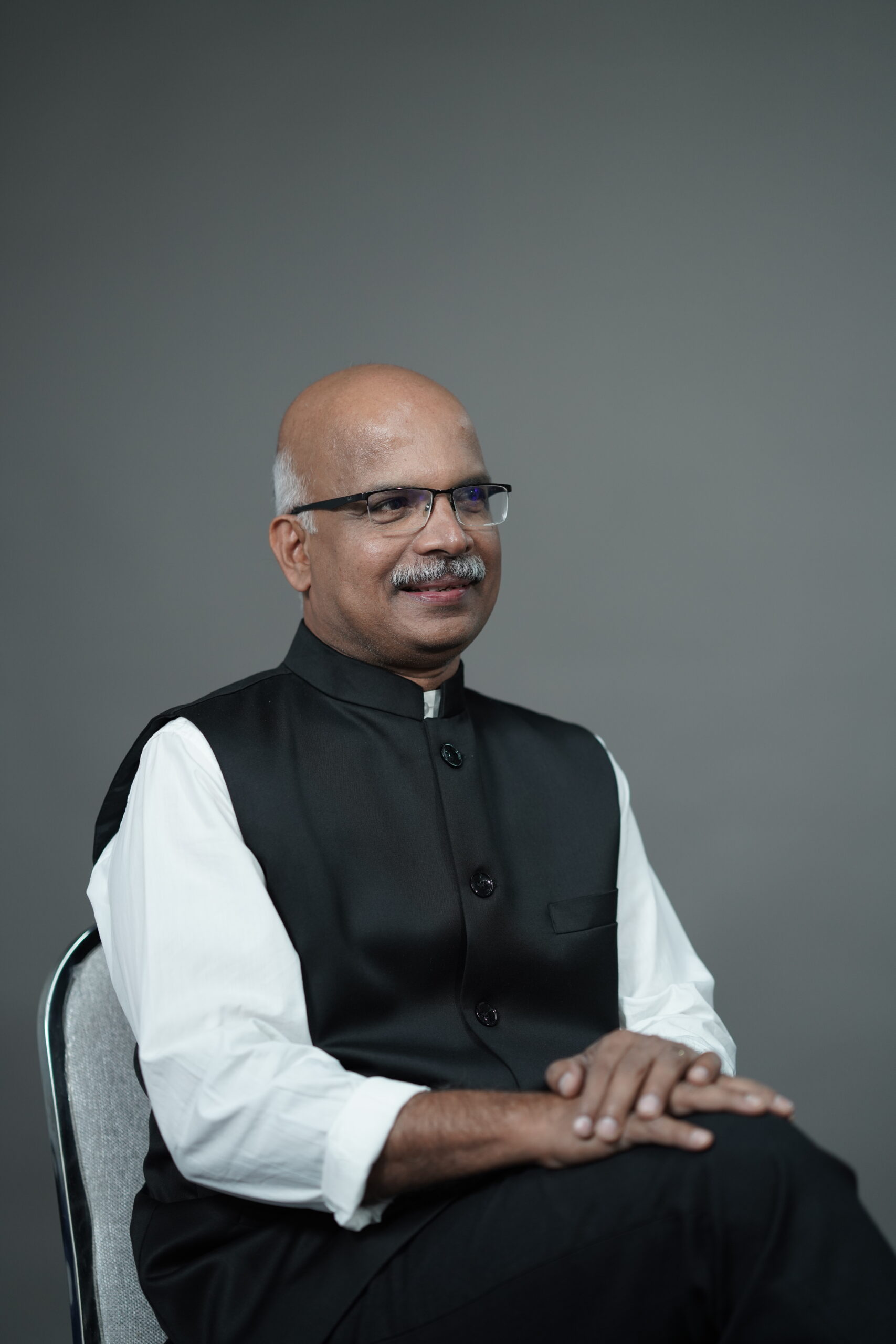
Dr. Saji Balakrishnan

The belief that most BTech graduates are “unemployable” has become a widely accepted narrative, often repeated by industry leaders and the media. But is this really the whole truth? In this article, Dr. Saji Balakrishnan challenges the “BTech unemployability” myth and explores the deeper realities shaping graduate outcomes. He argues that while technical skills are important, the real issues lie in mismatched expectations, lack of career clarity, inadequate exposure to industry practices, and weak soft skills. Rather than blaming the degree itself, the focus must shift towards preparing students with the right mix of academic grounding, practical skills, and career planning. Drawing on decades of experience in both academia and industry, Dr. Saji provides a balanced perspective on what’s really wrong—and how students, colleges, and parents can work together to unlock the true potential of engineering education in India, especially in Kerala, where the demand for skilled engineers is rapidly growing.


The “Unemployable Engineer” Narrative

Across India—including Kerala—it is often claimed that a large percentage of BTech graduates are unemployable. Reports and headlines point to figures suggesting that only a small fraction of engineering graduates secure meaningful employment. This narrative, while widely circulated, is an oversimplification.

According to Dr. Saji Balakrishnan, the degree itself is not the issue. Instead, it is the way students approach engineering education and the gaps in guidance that create these outcomes. The BTech curriculum offers a strong technical foundation, but without clarity, exposure, and employability skills, many students fail to connect their education to industry needs.


The Real Challenges Facing B.Tech Graduates in Kerala

1. Mismatched Expectations

Many students in Kerala enroll in engineering without a clear idea of what the profession entails. Their expectations are shaped by societal perceptions rather than personal strengths, leading to disengagement during their course.

2. Lack of Career Clarity

Unlike specialized professional programs, engineering offers multiple pathways. Without structured guidance, students struggle to identify which domain or sub-domain suits their interests and personality.

3. Inadequate Industry Exposure

In Kerala, internships and real-world projects are often limited or poorly integrated into the academic experience. This creates a disconnect between what students learn and what employers expect.

4. Weak Soft Skills

Communication, teamwork, adaptability, and problem-solving are as critical as technical knowledge. Many graduates lack these skills, which significantly reduces their employability.


A Balanced Perspective

Rather than labeling graduates as “unemployable,” Dr. Saji emphasizes that the real issue lies in the missing link between academics and employability. Engineering education provides the knowledge, but structured mentoring, psychometric assessments, and exposure to industry practices are needed to transform knowledge into a career pathway.


Example from Province Academy’s Mentoring Journey

At the Province Academy of Career Education in Kerala, Dr. Saji and his team developed the Employability Blueprint—a fully online mentoring course designed for BTech students.

One such case involved a student who was struggling with low confidence and unclear career direction. Despite completing her degree, she was unsure which domain within computer science suited her best. Through the Employability Blueprint, she underwent the five-dimensional, psychometry-based Career Domain Identification Test (C-DIT), along with structured mentoring, to identify her best-matching specialization within Computer Science

As a result, she identified her best match in Cyber Security, prepared accordingly, and successfully secured her first job in a multinational tech company. This transformation highlighted that the problem was never her degree, but rather the lack of clarity and preparation before entering the job market.


The Way Forward for Kerala B.Tech Students

For Kerala to fully unlock the potential of its engineering graduates, all stakeholders must play their part:

  • Students must take ownership of their career planning early.
  • Colleges in Kerala must integrate employability-focused programs, not just technical training.
  • Parents must encourage exploration and provide emotional support instead of pressuring students into mismatched domains.

By combining academic grounding, industry exposure, and career mentoring, the employability gap can be bridged effectively.


Conclusion

The notion that BTech graduates are “unemployable” is a myth that overshadows the true problem—a lack of structured career guidance and employability skills. With decades of experience in both industry and academia, Dr. Saji Balakrishnan from Kerala shows that the solution lies in building clarity, confidence, and capability in students.

Through programs like the Employability Blueprint, Province Academy is proving that with the right mentoring, even confused students can thrive in careers aligned with their strengths. Engineering education is not broken; what’s missing is the bridge between learning and meaningful employment.


Explore More About Dr. Saji and Province Academy

  1. 🎥 Video Introducing Province Academy: Watch Here
  2. 📺 YouTube Channel: Dr Saji Balakrishnan – @saji_balakrishnan
  3. 🔗 LinkedIn: Connect with Dr. Saji Balakrishnan
  4. 🌐 Institution Website: www.provinceacademy.org

Frequently Asked Questions (FAQs)

1. Why do so many BTech graduates in Kerala struggle to find jobs?
The main reasons are lack of career clarity, limited industry exposure, and weak soft skills—not the degree itself.

2. What is the Employability Blueprint by Province Academy in Kerala?
It is a fully online mentoring program designed by Dr. Saji Balakrishnan to help B. Tech students identify their strengths, choose the right sub-domain, and build employability skills so that they become industry-ready and secure their first job quickly.

3. How does Province Academy’s approach differ from traditional training programs in Kerala?
Unlike traditional training programmes, Province Academy uses psychometric tools, structured mentoring, and domain-specific guidance to align students’ personalities with their career choices. This approach helps students pursue the careers that best suit them.

4. Can employability really be improved during the final years of BTech in Kerala?
Yes. With systematic mentoring, students can enhance both technical and soft skills, making themselves more employable before graduation.5. Who can benefit from the Employability Blueprint program?
Any BTech student or graduate in Kerala—or across India—who feels confused about career direction, lacks confidence in interviews, or wants to secure the right job fit can benefit from the program.
Utpal Datta: From Assam’s Cinematic Heart to the National Stage

0
Utpal Datta

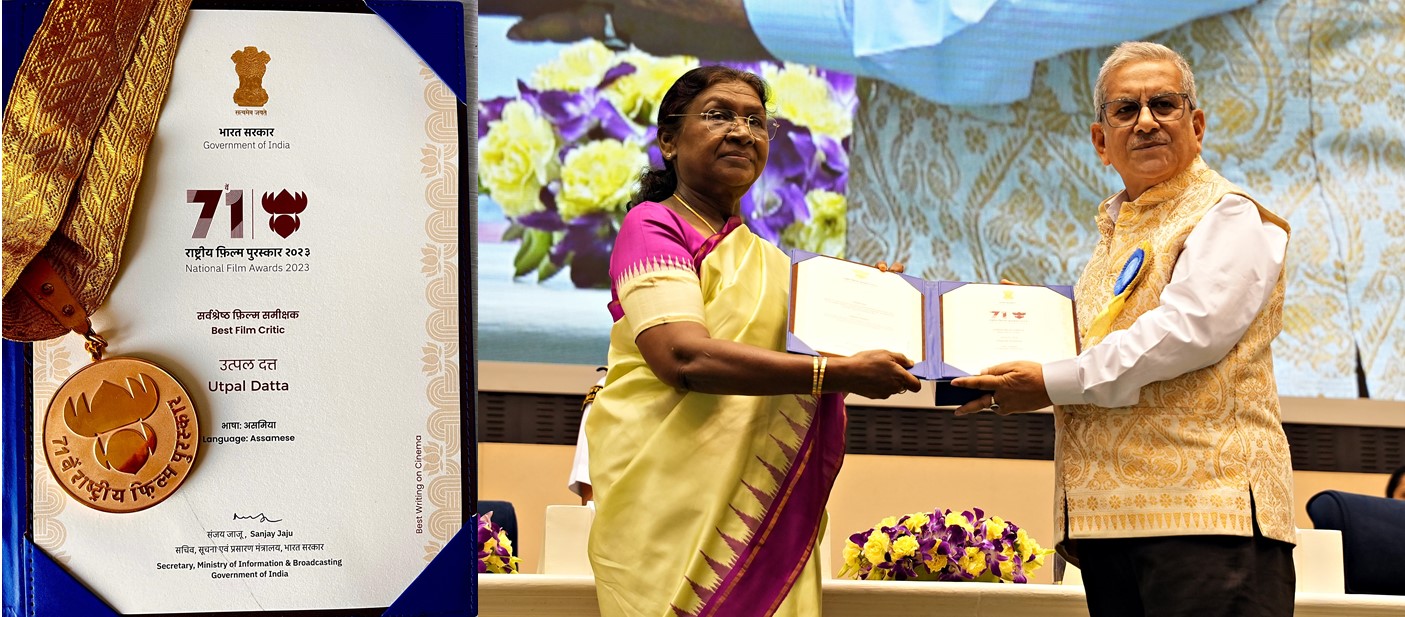
Subham Pancheswar, Mumbai | The Vigyan Bhawan at New Delhi was lit with ceremony and anticipation on that September afternoon. As his name was called, Utpal Datta walked towards the dais, the hall echoing with applause. The President of India, Droupadi Murmu, handed him the Golden Lotus—the Swarna Kamal for Best Film Critic. For a brief moment, time seemed to pause: a son of Assam, carrying decades of dedication to cinema, stood in the national spotlight. It was his second award in the same category, but the emotion was no less profound.

“Any individual award is a personal award, even the Swarna Kamal. But when people celebrate it with me, it grows into something larger—almost a public award. I feel it recognises not just my work but the long and often unspoken journey of Assamese writing on cinema,” he would later reflect.

From Guwahati to the National Scene

Born and raised in Assam, Datta’s early engagement with cinema was not through the glitter of Bombay but through the quieter lanes of Guwahati, where cinema was a cultural mirror rather than mere spectacle. Over the years, he has worn many hats—critic, filmmaker, author, radio professional, and teacher—but his commitment has always been towards treating cinema as art and as a reflection of society.

In his college days, he often lamented the lack of academic resources on cinema in Assamese. This absence became a lifelong motivation. He would later go on to edit the first Assamese book on cinema, a pioneering step that signalled his larger mission: to give film appreciation a literary and academic foundation in his region.

Writing as Criticism, Criticism as Literature

Datta’s writing is where his intellectual and artistic sides meet. In August alone, he brought out two new books—one in Assamese and one in English—both reinforcing his deep engagement with film as text, as art, and as social commentary.

The Assamese book studies the screenplays of Dr. Bhabendra Nath Saikia, a filmmaker Datta feels has been unjustly underrated. “He was the only filmmaker, besides M. T. Vasudevan Nair, who consistently made films from his own stories and screenplays. Analysing his work through the three-act structure, I attempted to demonstrate how he both adhered to and defied the form. More importantly, I wanted to argue that the screenplay itself deserves recognition as a literary genre,” he explains.

His English anthology, Decoding Films, published by Tridev Publisher, ranges widely: an essay on how Satyajit Ray’s personal memories and experiences resurfaced in his films, a meditation on Wong Kar-wai’s Chungking Express, and incisive critiques of lesser-known but powerful independent films across India. “The soul of India, I believe, is best heard in regional films made out of passion,” he says. The book has drawn appreciation from across the spectrum—Polish filmmaker Ewa Bukowska penned the preface, while figures such as Rahul Rawail, Anant Mahadevan, Dr. Sanchari Basu Chaudhury, and Dr. S. J. Bhuyan praised its critical depth. The book is available in online platforms worldwide.

The Critic as Teacher

Today, Datta divides his time between writing and teaching. At Assam down town University, he teaches film appreciation to a generation of students who are discovering cinema beyond entertainment. “When I was a student, there were hardly any resources. That is why I now focus on writing books specifically for undergraduates and postgraduates. My main destination is fixed as a film-writer,” he says.

He is currently working on a new book that examines the craft of screenwriting and stage play writing—designed as a resource for postgraduate students of cinema. His academic focus is balanced by his creative pursuits: he continues to plan film projects, including one exploring Assam’s cultural traditions.

A Voice for Assamese and Indian Cinema

In discussing cinema today, Datta’s perspective is both local and global. “Digital platforms have democratised access, giving regional films a global stage. Assamese cinema, once isolated, is now reaching audiences worldwide. Rima Das’s Village Rockstars and Bhaskar Hazarika’s Aamis drew international attention largely through OTT. These platforms allow creative freedom, making room for socially relevant stories that might never have reached the big screen,” he notes.

At the national level, he sees diversity as the hallmark of 21st-century Indian cinema. “Stories from the margins are claiming visibility. This is the best moment for regional cinema to step confidently into wider cultural dialogues,” he asserts.

Beyond Criticism: A Filmmaker’s Touch

While known primarily as a critic, Datta is also a filmmaker in his own right. His directorial ventures have earned him the State Film Award for Best Director twice, establishing him not just as a commentator but as a practitioner of the medium. His dual perspective—as someone who both critiques and creates—adds a unique depth to his writings.

Anchored in Assam, Resonating Beyond

At the heart of it all, Datta remains firmly rooted in Assam. His work, however, resonates far beyond the region, speaking to broader questions about art, culture, and society. Whether through his books, his teaching, or his films, he has consistently championed the idea that cinema is more than spectacle—it is literature, philosophy, memory, and mirror.

As he continues to write, teach, and create, one thing is clear: Utpal Datta’s journey is not only his own. It is also the story of Assamese cinema’s long march towards recognition, and of regional voices finding space on the national and global stage.

For Datta, every award, every book, and every film is part of a larger project—to keep cinema alive not just as entertainment, but as serious art and cultural reflection. And as Indian cinema diversifies in the digital age, voices like his ensure that smaller stories from the corners of the country are not just heard, but remembered.

https://amzn.in/d/f4t0GOn

Digital Marketing Aspirants Step Into Industry-Ready Careers at Digi Edu Learning’s Certification Event

0
the Digi Edu Learning

Faridabad, India – [26 Sep 2025 ] – Digi Edu Learning, an esteemed institute of digital education, is pleased to know that the students of the 4+2 of the Advanced Digital Marketing Program with Internship have achieved results. The recognition ceremony was held in honor of graduates who have successfully completed the program and are now entering into industry-ready careers with confidence, creativity, and state-of-the-art skills.

Success in the Celebration of the 4+2 Digital Marketing Program

4 months of intensive training followed by 2 months of internship turned out to be the trademark product of Digi Edu Learning, which is expected to make novice interns turn into digital marketing specialists.

During the recognition event, the students received applause due to their efforts and outstanding results in such modules as SEO, Google Ads, social media campaigns, content strategy, email marketing, and marketing analytics. The event also brought out the vision of Digi Edu Learning to close the divide between learning in the classroom and industry requirements.

Preparing Students to Live in a Digital-First World

The 4+2 program curriculum extends much more than the textbook theory. It focuses on practical exposure, through which students can do:

  • Net active work on the live digital marketing projects with quantifiable results.
  • Conduct actual campaigns on such platforms as Google, Instagram, LinkedIn, and Facebook.
  • Study and use advanced tools like SEMrush, HubSpot, Canva, Google, and Analytics, to Meta Ads Manager.
  • Develop and bring to the recruiters a portfolio of campaigns.
  • The two-month internship experience with clients in the industry will provide that.

This is because each and every graduate will be industry-relat-reAnalytics, Analytics on the first day, not just with the certifications but also with job-course-ready experience.

Success Stories: Making Learning into Careers

The milestones of career achievement of some graduates were also observed during the event:

  • Within 60 days of completing the course,one student was able to get a 6-figure package in a leading digital agency.
  • Several students started their freelance enterprises, which served startups and SMEs in both India and overseas.
  • Some of the graduates were offered paid internships and entry-level courses, and entry-level positions early enough before their certification.
  • Through the stories, it was highlighted that the programs offered by Digi Edu Learning translate directly to real career advancement.

Voices of Inspiration

One of the graduates shared their experience and said:

 My outlook was transformed with the help of the 4+2 Digital Marketing Program. I was not only taught the manner in which I could run campaigns, but also the formulaic analysis of campaign outcomes and campaign development. The internship helped me to have the confidence to go to interviews and begin my digital marketing career.

Another student added:

 The trainers of the Digi Edu Learning are not teachers, but mentors. They taught me step by step and preconditioned me to actual challenges. Today, I am proud to have obtained employment that I had never thought I would have previously to this program.

Recognition and Increasing Demand in the Industry

Another point that the recognition event made is the increasing need for digital marketing professionals. As the digital advertising market in India is estimated to grow to a value of INR 500 billion within the next two years, firms are on a mission to recruit certified digital marketers to spearhead the market.

Those industry experts who were present at the event highlighted the crucial role of Edu Learning in providing job-ready talent to fill this requirement. According to recruiters, Digi Edu graduates were highly praised for their practical skills, flexibility, and ability to contribute literally on the first day.

Why the 4+2 Digital Marketing Program Stands Out

The 4 + 2 Digital Marketing Program offered by Digi Edu Learning has gained a reputation for being one of the most effective programs in the industry because of:

  • In-depth course in 80-plus modules of online marketing.
  • Real-life- assignments and case studies.
  • 2-month internship with live exposure to clients.
  • Placement support and interview preparation at 100 percent.
  • One-on-one training with seasoned trainers and industry experts.

Devotion to Student Development.

In an event speech, Sahil Goyal, Co-founder of Digi Edu Learning, said:

We are proud of the achievements of our students. The 4+2 plan is not merely the certificate-earning-on-one-earning thing, but career creation. Each success story is an indicator that an experience of learning, mentoring, and commitment can generate miraculous results.

About Digi Edu Learning

Digi Edu Learning is a top institution of skill-based education in India, and it provides specialized courses in digital marketing, SEO, social media marketing, website designing, graphic designing, data science, English speaking, and so on. Digi Edu Learning, with its emphasis on practical learning and real-time internships, and assistance in place, prepares students to be job-ready professionals in the current competitive digital economy.

Digi Edu Learning has educated over 5,000 students and recruited 150+ recruiters and has had a 90 percent placement rate over the years, among other reasons, making it one of the most reliable brands in the education sector.

In order to discover the programs of Digi Edu Learning, visit: www.digiedulearning.com

 Digi Edu Learning

 📧 Email: info@digiedulearning.com

 📞 Phone: +91-9211304067

 🌐 Website: www.digiedulearning.com

 📍 Address: 2nd Floor, J-142 DLF, Sector 10 on 9-10 Dividing Road, Faridabad

CM Maha Fund and Innovation City Maharashtra’s Big Push for Startups and Jobs

0
CM Maha Fund

In a major step towards strengthening the entrepreneurial ecosystem and driving infrastructure-led growth, the Government of Maharashtra has unveiled two ambitious initiatives — the Rs 500 crore “CM Maha Fund” to support grassroots entrepreneurship and the development of a 300-acre “Innovation City” planned near the upcoming Navi Mumbai International Airport. Both projects underline the state’s vision of positioning Maharashtra as a hub for innovation, startups, and inclusive economic growth.

CM Maha Fund: Empowering Grassroots Entrepreneurs

The CM Maha Fund has been created with a financial outlay of Rs 500 crore, specially designed to nurture entrepreneurship among youth, women, and marginalized communities, while encouraging localized business solutions across rural and semi-urban regions. The state government emphasized that innovation and entrepreneurship should no longer be restricted to large cities, and the fund will serve as a tool to bridge this gap.

Officials confirmed that the CM Maha Fund will provide seed capital, mentorship, incubation support, and access to networks for thousands of aspiring entrepreneurs across Maharashtra. The fund also aims to partner with financial institutions, industry associations, and universities to build an enabling ecosystem that connects innovative ideas with sustainable growth opportunities.

Chief Minister Eknath Shinde highlighted that the initiative falls in line with Make in Maharashtra and StartUp India objectives. He noted that the scheme will particularly encourage startups working in sectors such as agriculture innovations, fintech, green energy, healthcare technology, and rural supply chain solutions.

“The CM Maha Fund is not just an investment in startups, it is an investment in people’s dreams and the future of Maharashtra. We want to ensure that talent from villages and small towns receives the same opportunities as those in metros,” a senior government official stated.

Industry experts welcomed the move and predicted that this fund could trigger the rise of hundreds of small and medium-scale enterprises, particularly in Tier-II and Tier-III cities. By focusing on grassroots entrepreneurship, the state intends to broaden financial inclusion and create widespread employment opportunities in non-traditional sectors.

Innovation City Near Navi Mumbai

Parallel to the financial support system, Maharashtra has announced a large-scale infrastructure project with the creation of a 300-acre Innovation City near the Navi Mumbai International Airport. Envisioned as a knowledge and technology-driven smart hub, the Innovation City will attract startups, global corporations, research institutions, and digital-first businesses.

Planned as a futuristic township, the Innovation City will integrate co-working spaces, incubators, business accelerators, R&D centers, smart residential clusters, convention halls, and green mobility systems. The strategic location near Navi Mumbai Airport ensures strong connectivity not only with Mumbai but also with global investors and markets.

Authorities clarified that the Innovation City will serve as a platform for aerospace technologies, biotechnology, renewable energy, AI-driven solutions, and digital commerce. Apart from global industries, the project will prioritize affordable infrastructure for early-stage startups, ensuring access to modern facilities without prohibitive costs.

The Maharashtra Industrial Development Corporation (MIDC) has been tasked with overseeing the project, which is expected to be completed in phases over the next five years. The city will generate thousands of jobs, spur demand for ancillary industries, and create a hub for investors seeking high-growth opportunities in India’s economic capital.

Combined Impact on Growth and Jobs

The dual approach of financial empowerment through the CM Maha Fund and physical infrastructure creation via Innovation City is expected to boost Maharashtra’s startup ecosystem significantly. While the fund aims to unlock untapped entrepreneurial potential across grassroots levels, the new township near Navi Mumbai Airport aims to attract international collaborations and investments.

Experts suggest that these initiatives could also reduce migration pressures on Mumbai by creating growth corridors and new urban hubs around Navi Mumbai. Additionally, the synergy between innovation financing and dedicated infrastructure hubs is expected to create ripple effects in employment creation, skill development, and technology adoption across the state.

The projects arrive at a time when Maharashtra continues to hold the top position as India’s business destination, contributing nearly 15% to the national GDP. The state government reiterated that these initiatives fall under its long-term development roadmap, which emphasizes balanced growth between metropolitan areas and rural regions.

Strong Private Sector Participation

Government sources mention that partnerships with venture capital firms, private equity funds, and multinational players are being explored to expand the financial reach of both initiatives. Several major technology companies have already expressed interest in setting up offices and research units in the proposed Innovation City.

Similarly, financial support under the CM Maha Fund will encourage risk-taking among budding entrepreneurs who may otherwise find it difficult to raise early-stage capital. Startups that demonstrate strong scalability, sustainable impact, and innovation-driven solutions will receive priority under the scheme.

A Vision for Maharashtra’s Future

With the new announcements, Maharashtra is sending a strong message that it aims to emerge not just as an economic powerhouse of India but as a global innovation hub. The state government underscored that fostering a climate of entrepreneurship is key to creating self-reliant communities, expanding indigenous industries, and ensuring sustainable economic progress.

Both the CM Maha Fund and the Innovation City near Navi Mumbai reflect how the state is embracing a forward-looking agenda — one that blends finance, infrastructure, and opportunity to empower individuals and industries alike.

Empowering Innovation Maharashtra Startup, Entrepreneurship and Innovation Policy 2025

0
Empowering Innovation

The Government of Maharashtra has officially launched the Startup, Entrepreneurship and Innovation Policy 2025, a landmark initiative designed to transform the state into a leading hub for startups and innovation-driven enterprises. With an ambitious vision, the policy aims to support 1.3 lakh entrepreneurs and recognize 50,000 startups over the next five years, propelling Maharashtra’s position in the national and global startup ecosystem.

Strengthening Maharashtra’s Startup Ecosystem

Maharashtra already holds its reputation as the country’s financial and industrial powerhouse. With the rollout of the Startup, Entrepreneurship and Innovation Policy 2025, the state is now intensifying its focus on fostering entrepreneurship, technology-driven solutions, and employment generation.

Officials from the Department of Industries highlighted that this policy has been designed to provide end-to-end support for startups, ranging from incubation and funding to international market access. The initiative particularly emphasizes inclusivity, ensuring that entrepreneurs from Tier-II and Tier-III cities, as well as rural areas, can participate in the wave of innovation sweeping across the state.

Key Goals of the Policy

The newly announced policy has set clear and measurable targets for the next five years:

  • Extending direct or indirect benefits to 1.3 lakh aspiring entrepreneurs across Maharashtra.
  • Formally recognizing and nurturing 50,000 startups operating in diverse domains such as technology, agriculture, healthcare, manufacturing, and green energy.
  • Facilitating greater access to funding through government-supported venture capital, seed fund schemes, and credit guarantee programs.
  • Enhancing collaboration between academia, research bodies, and industry partners to support innovation-led enterprises.
  • Encouraging women entrepreneurs, youth innovators, and rural talent by integrating special financial packages, training programs, and mentorship initiatives.

According to government representatives, the policy builds on the state’s earlier entrepreneurial support frameworks, setting higher benchmarks and aligning with the vision of making India a $5 trillion economy.

Driving Employment and Innovation

One of the most significant impacts of the Maharashtra Startup Policy 2025 is its direct contribution to job creation. By empowering entrepreneurs and supporting new ventures, the policy is expected to generate thousands of employment opportunities across sectors. Startups working in emerging areas such as artificial intelligence, cleantech, biotechnology, fintech, and agritech are projected to benefit immensely through state-backed incubation centres and innovation grants.

The ecosystem will also foster collaboration between startups and government departments. Through innovation challenges and problem statements floated by the state, young companies will have the chance to provide solutions for pressing urban and rural issues in areas including waste management, water conservation, rural health access, and smart mobility.

Inclusive Approach: Bridging Urban and Rural India

The policy places a significant emphasis on ensuring balanced growth across Maharashtra. Startup support has traditionally been concentrated in urban hubs like Mumbai, Pune, and Nagpur. However, under the new framework, resource centres, incubation hubs, and entrepreneur training programs will be extended to smaller towns and rural districts.

This measure is designed to help bridge the gap between urban and rural innovation. Agriculture-based startups, particularly in Vidarbha, Marathwada, and Konkan regions, will have direct access to market linkages, technology adoption platforms, and funding avenues. Women entrepreneurs in rural Maharashtra will be supported with targeted mentorship initiatives that combine traditional skills with modern startup outlooks.

Partnership with Industry and Academia

The Maharashtra government has signaled that collaboration with leading academic institutions, industries, and global partners will be crucial to achieving program goals. By strengthening university-based incubation programs and encouraging industry leaders to mentor young startups, the state hopes to build a strong innovation pipeline.

Entrepreneurs will also benefit from programs connecting them with international investors and markets, opening opportunities for Maharashtra-based startups to scale globally.

Statements from Key Leaders

Addressing the launch, senior officials from the Government of Maharashtra stated that this policy is a bold step toward making the state the preferred destination for startup founders and innovators. They emphasized that Maharashtra has always led the country in industrial development, and now it seeks to replicate the same leadership in the entrepreneurial domain.

“The Startup, Entrepreneurship and Innovation Policy 2025 will ensure that every aspiring entrepreneur in Maharashtra, regardless of their location, background, or resources, finds an equal chance to succeed and contribute to future economic growth,” said a top government representative.

Long-Term Vision

The Maharashtra Startup, Entrepreneurship and Innovation Policy 2025 aligns closely with national policy frameworks and global competitiveness goals. With the central government encouraging initiatives such as Startup India and Digital India, Maharashtra’s new policy strengthens the foundation for entrepreneurs at the state level.

The long-term vision includes developing Maharashtra as one of Asia’s most dynamic startup destinations, capable of attracting large-scale investments, talent, and innovation-driven enterprises. The cumulative impact on the economy will be immense—not just in terms of GDP growth and employment, but also in improving the overall quality of life through technology-driven solutions.

Conclusion

With the launch of this comprehensive policy framework, Maharashtra has made a clear commitment to supporting the next generation of entrepreneurs and innovators. By setting ambitious goals—supporting 1.3 lakh entrepreneurs and recognizing 50,000 startups in five years—the state is moving to solidify its position as India’s startup powerhouse.

For aspiring entrepreneurs, industry partners, and investors, the Maharashtra Startup, Entrepreneurship and Innovation Policy 2025 represents a golden opportunity. It is not just about fueling business, but about creating an innovation culture that will define Maharashtra’s economic growth for decades to come.

Farmers Demand Relief Amid Soybean Losses and Poor Market Conditions

0
Soybean Losses

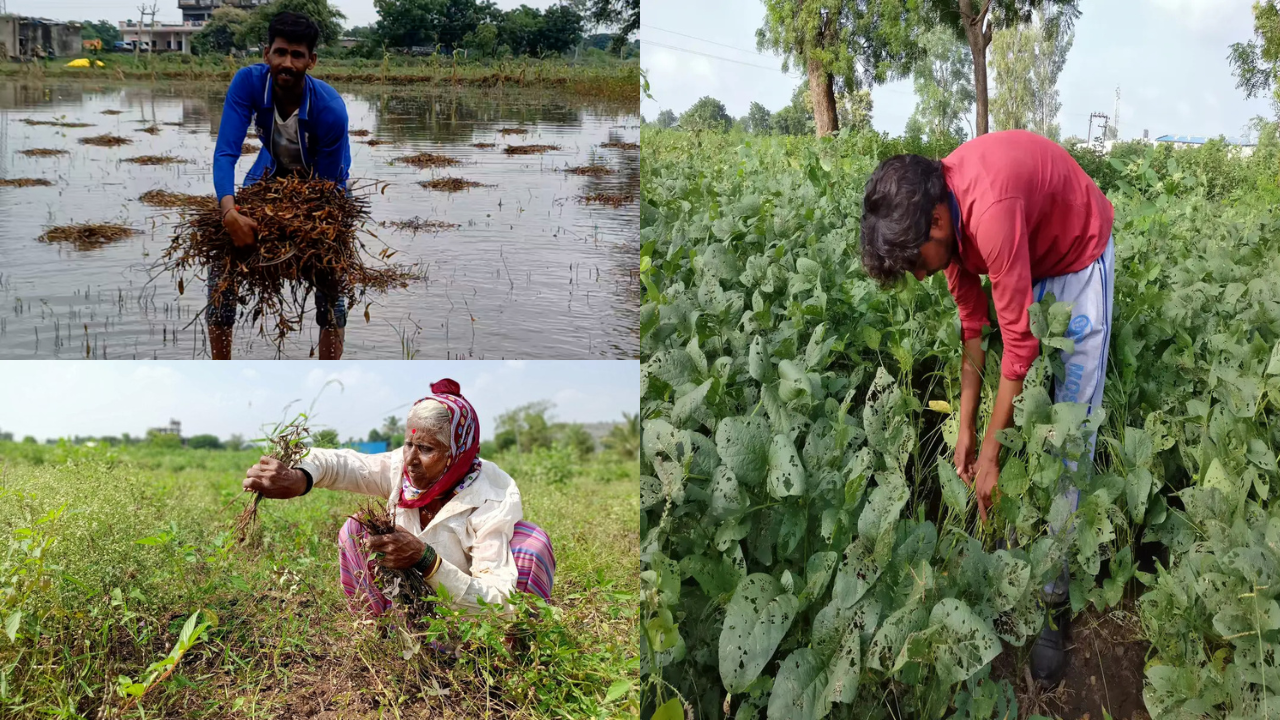
Farmers across several soybean-producing regions of India have intensified their protests after significant crop losses caused by erratic weather and poor wet market conditions. With mounting pressures from input costs, declining crop prices, and lack of adequate support measures, farmer unions are now pressing state and central governments for immediate financial relief and long-term structural reforms.

The protests, which began at a local scale in soybean-growing belts of Maharashtra and Madhya Pradesh, have now started spreading to other agricultural states. Farmers argue that heavy rainfall during critical harvesting periods has led to massive damage in soybean crops, directly impacting both their income and the broader agrarian economy.

Impact of Soybean Crop Losses

Soybean, a vital oilseed and pulse crop in India, plays a major role in the livelihoods of lakhs of farmers. India is one of the largest soybean producers globally, with central Madhya Pradesh, Maharashtra, and Rajasthan accounting for most of the cultivation. This season, however, farmers report that unseasonal rains and excessive soil moisture created conditions for crop destruction and fungus infections, leaving fields unharvestable in many parts.

According to farmer associations, nearly 30-40% of soybean yield has been adversely impacted in the last few weeks, though independent assessments are still underway. In addition to weather-related losses, low demand in wet markets and depressed market prices are compounding the financial stress of farmers.

“The losses have been devastating. We had invested heavily in seeds, fertilizers, and pesticides, and now the crop is rotting in the fields because the rains did not stop on time,” said a farmer from Vidarbha who participated in demonstrations. “The current market rates are not even covering our input costs.”

Wet Market Conditions and Farmer Distress

Apart from climatic uncertainties, the condition of agricultural wet markets has also emerged as a pressing challenge. Farmers complain that mandis are not offering remunerative prices for their produce due to oversupply, lack of processing support, and competition from imports. In several districts, soybean prices have fallen far below the Minimum Support Price (MSP), leaving cultivators dependent on distressed sales.

Agricultural experts suggest that weak infrastructure in rural markets, lack of storage facilities, and inadequate procurement mechanisms are exacerbating the crisis. In some regions, the disruptions in transportation due to late monsoon rains further delayed the movement of crops to mandis, intensifying the distress.

Growing Farmer Protests

Angered by the mounting burden, farmer unions have moved to organize statewide demonstrations, rallies, and sit-ins. Their demands include:

  • Compensation for soybean crop losses due to excessive rainfall.
  • Assured procurement of soybean at or above MSP.
  • Establishment of better storage, processing, and mandi infrastructure.
  • Financial aid packages for small and marginal farmers facing debt.
  • Long-term measures for crop insurance reforms and climate-resilient farming.

“Farmers are facing an unprecedented situation. The government must announce immediate relief for soybean cultivators and prevent them from sliding further into debt. If support is not extended, thousands of farming families will be forced toward distress migration,” said a union leader addressing a rally in Bhopal.

Government Response and Possible Interventions

The Ministry of Agriculture has acknowledged the reports of crop damage and has instructed state administrations to conduct surveys and send proposals for compensation. Early discussions indicate the possibility of relief under the Pradhan Mantri Fasal Bima Yojana (PMFBY) and the State Disaster Relief Funds (SDRF).

Officials have also hinted at reviewing procurement mechanisms to ensure farmers receive prices close to MSP in the coming weeks. However, farmer leaders argue that insurance disbursals are often delayed, and compensation announced in previous years has either been inadequate or failed to reach beneficiaries on time.

Analysts believe that without urgent intervention, India’s soybean market could witness long-term instability, affecting both edible oil supply and rural employment.

Broader Implications for Rural Economy

The crisis in soybean cultivation is also raising concerns about its ripple effects across the rural economy. Soybean is not just a cash crop but also pivotal in the production of oil, cattle feed, and processed food items. With losses mounting, India may experience higher dependence on imports for edible oil, leading to inflationary pressures.

Furthermore, the loss of farmer income can significantly reduce rural consumption demand, affecting industries linked with agriculture. Policy experts argue this highlights the importance of diversifying crop insurance schemes, investing in irrigation, and promoting climate-smart agriculture.

Voices from the Ground

Several farmers interviewed in wet market areas of Maharashtra’s Amravati and Madhya Pradesh’s Sehore echoed similar grievances. While some complained about the absence of government procurement centers at the right time, others highlighted the high cost of borrowing from private lenders.

“In every season, we risk our lives and savings on agriculture, but one spell of untimely rain is enough to destroy everything. If the government does not stand with us now, the future of soybean farming will be very bleak,” said another farmer.

The Road Ahead

The coming weeks will be critical for the government as farmer protests gain traction. With assembly elections around the corner in some states, responses to farmer concerns could also impact the political narrative. The broader agricultural community is watching closely whether authorities will announce a substantial relief package or structural reforms addressing climate change adaptation, digital market infrastructure, and assured procurement.

Government Announces Diwali Gift Under Ladli Behna Scheme for 5 Lakh Women

0
Ladli Behna Scheme

 In a significant move ahead of the festive season, the government has announced a special Diwali package under the popular Ladli Behna Scheme, aimed at strengthening social and financial security for women. The latest decision extends direct financial assistance to nearly 5 lakh women beneficiaries, ensuring that households across Madhya Pradesh and other beneficiary regions have additional support during the festive season.

The Ladli Behna Scheme has been one of the most impactful state-led welfare initiatives in recent years, designed to empower women through direct financial transfers. With this new special Diwali gift, the government has reinforced its commitment to women’s empowerment, creating not only festive cheer but also confidence in long-term social security measures for women.

About the Ladli Behna Scheme

Launched with the vision of uplifting women from economically weaker sections, the Ladli Behna Scheme provides monthly financial assistance to eligible women. The scheme has seen tremendous success, with lakhs of families benefitting from the consistent financial support. By easing financial burdens, it also enhances access to basic needs, healthcare, and education for children in women-headed households.

Over time, the program has evolved, incorporating periodic additional support from the government during major festivals and critical times. The latest Diwali-centric announcement marks another milestone in the scheme’s journey, highlighting the government’s sensitivity to both cultural values and socio-economic realities.

A Festive Boost for Women Beneficiaries

The Diwali season is traditionally associated with festivities, family gatherings, and household expenses that often put financial stress on families. By announcing additional direct benefit transfers (DBTs) for more than 5 lakh women, the government seeks to reduce this pressure, ensuring that no family is left out of celebrating the festival with dignity.

Reports suggest that this special financial aid will be credited directly into the bank accounts of beneficiaries, ensuring transparency and avoiding delays. This ensures that women have the means to purchase essentials, invest in small festive savings, and carry out family obligations without economic strain.

Women-Centric Empowerment and Financial Inclusion

Financial empowerment of women through government schemes has been a key agenda in India’s larger development framework. The Ladli Behna Scheme, since its inception, has specifically emphasized that direct transfers to women ensure better household utilization, as studies have revealed that women often prioritize spending on health, education, and family welfare.

By focusing on direct financial inclusion, the scheme has not only helped families cope with rising living costs but has also gradually contributed to women’s financial literacy and independent decision-making. The additional Diwali benefit will further strengthen this trend, allowing women to exercise greater financial control during an important cultural time.

Voices From Beneficiaries

Early reactions from beneficiaries across Madhya Pradesh highlight how impactful the scheme continues to be. Women from rural as well as semi-urban regions have expressed gratitude, noting that such timely financial assistance provides them the confidence to meet household expenses, clear small debts, and balance festive demands.

One beneficiary from Sehore remarked that she planned to use the Diwali assistance to buy clothes and sweets for her children. Another woman from Jabalpur said the additional transfer would help her family light their house during Diwali without worrying about borrowing money.

Such heartfelt stories reflect how schemes like Ladli Behna directly touch lives, turning policy into tangible progress at the grassroots level.

Political and Social Significance

The continuity of the Ladli Behna Scheme, coupled with special festival-related benefits, carries deep political and social resonance. For the government, it showcases commitment to inclusive welfare, highlighting that women are at the heart of policy-making.

Leaders have emphasized that the scheme promotes balanced economic participation and strengthens women’s role in society. At a broader level, it points towards India’s ongoing push for social justice, rural development, and gender-focused governance.

The Diwali announcement also sets the stage for further interest in how welfare schemes can adapt to cultural calendars, making policy more relatable and impactful for citizens.

Future Expansion and Policy Directions

Officials hinted that the reach of the Ladli Behna Scheme may continue to expand in the coming months, covering more women in need. There is also discussion of linking the scheme with parallel welfare initiatives such as healthcare subsidies, pro-women educational scholarships, and rural employment assistance.

This integration would make the scheme more robust, covering multiple aspects of empowerment beyond financial transfers alone. The long-term vision seems to be not just providing periodic financial assistance, but building self-reliant communities of women equipped with skills, resources, and decision-making authority.

Conclusion

As households prepare for Diwali 2025, the announcement of a special financial gift under the Ladli Behna Scheme has ignited a wave of positivity across Madhya Pradesh. For more than 5 lakh women beneficiaries, this is not just an additional sum of money, but a symbolic recognition of their contribution to families, communities, and the nation.

The scheme continues to stand as a beacon of women-centric policy, providing economic relief when it matters most. With this move, the government has ensured that Diwali remains a festival of light and joy for every family, irrespective of economic standing.

The Ladli Behna Scheme, with its Diwali extension, once again proves that empowering women empowers society. It offers a glimpse of how inclusive governance and thoughtful policy design can bring smiles to millions of households during India’s most cherished festival.

Govt Revives Old Pension Scheme, Announces 55% DA Hike for 4.5 Lakh Pensioners

0
Old Pension Scheme

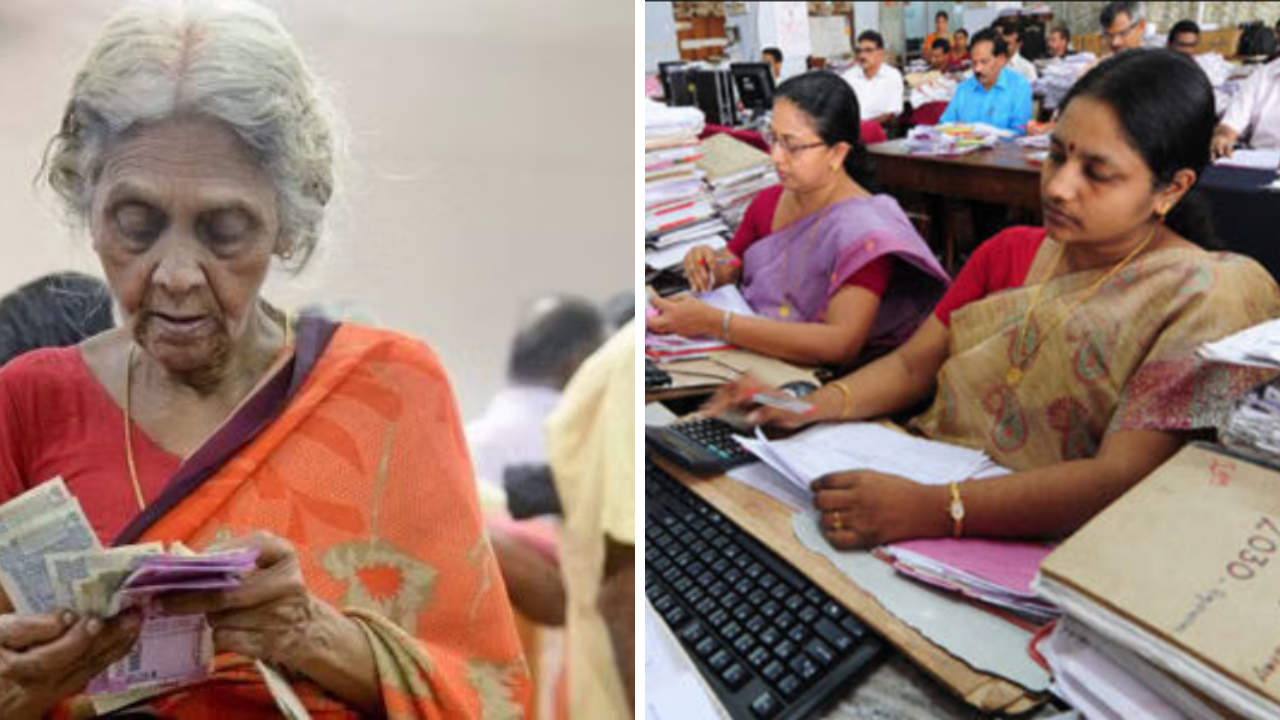
In a major announcement that will directly benefit lakhs of retired state employees, the government has decided to partially revive the Old Pension Scheme (OPS) and extend a 55% hike in Dearness Allowance (DA) to around 4.5 lakh state pensioners. The much-awaited declaration has been widely described as a ‘festival gift’ for pensioners across the country, ahead of the festive season.

A Relief Amid Rising Inflation

For lakhs of retired employees, this development comes as a significant relief at a time when inflation and increased living costs have been affecting households. Dearness Allowance, an essential component of retired employees’ income, is designed to counterbalance the rising prices of commodities and services. With a steep rise of 55%, pensioners who had been demanding parity and financial security under the Old Pension Scheme will now feel substantial support.

The announcement brings immediate cheer, particularly to those dependent entirely on pensions for survival. Experts believe that this move will not only uplift beneficiaries directly but will also have a ripple effect on rural and semi-urban economies where retired employees reside in significant numbers.

Scope of Beneficiaries

The partial implementation of the Old Pension Scheme aims to provide financial stability to around 4.5 lakh state pensioners. These beneficiaries will now see a sharp increase in their monthly pension amounts, giving them greater purchasing power. Many associations representing pensioners have described this move as “justice long awaited.”

While the revival is not universal and limited to defined categories, the government’s step is seen as acknowledgement of the increasing demand from employees and retirees who had been urging for the return of OPS against the limitations posed by the New Pension Scheme (NPS).

Officials Call It a ‘Festival Gift’

Senior government officials described the decision as a goodwill measure during the festive season—the time of year when financial burdens often intensify due to household expenses, religious observances, and social commitments. By aligning the DA hike announcement with upcoming festivals, the government has positioned it as both a welfare measure and a morale booster for pensioners and their families.

Reactions from Pensioner Associations

Several state-level pensioner associations welcomed the move. Leaders of these organizations expressed satisfaction with the “prompt recognition of their needs” and added that the 55% DA hike will directly stabilize the income of retirees struggling with inflationary pressures.

At the same time, some groups indicated that the revival should go beyond partial measures and eventually cover all categories of retirees. They highlighted that a holistic implementation of OPS would ensure complete social security to government employees who dedicated decades of their service to the nation and states.

Economic Impact of the DA Hike

The financial implications of such a large-scale increase in DA are substantial for state governments. However, experts believe that injecting additional income into the hands of lakhs of pensioners will fuel local demand, encourage festive spending, and indirectly support small businesses, traders, and services. With the festive season ahead, retail markets in both cities and towns are expected to see healthier consumption patterns.

Economists describe this as a welfare-driven stimulus that complements broader growth policies. Enhanced pension outflows by governments inevitably benefit consumer-driven industries such as retail, healthcare, and housing, which form the backbone of the Indian economy.

A Political and Social Message

The decision to revive OPS, even partially, carries political undertones as several states governed by different political parties have been demanding the rollback of the New Pension Scheme. Implementation ahead of upcoming elections in a few states is also being perceived as a strategic message by the government, emphasizing sensitivity to social and financial concerns of retired citizens.

The move reflects broader trends across India where the Old Pension Scheme has become a key subject of debate between political parties, employee unions, and governments. With 4.5 lakh pensioners directly benefiting from the hike, the announcement can significantly influence the public perception of welfare-driven governance.

Historical Context: OPS vs NPS

The Old Pension Scheme ensured that retired employees received guaranteed pension amounts linked to their last drawn salary, along with regular Dearness Allowance revisions. This system was gradually replaced with the New Pension Scheme (NPS), which tied pension benefits to market-linked returns.

While the NPS was introduced to create a sustainable pension system for the government, retirees and employees have long argued that the uncertainty of NPS reduces income security post-retirement. This partial revival of OPS suggests a willingness on the part of the government to balance fiscal considerations with the social demands of retired employees.

Calls for Wider Execution

Although this step has been celebrated, leaders of trade unions and government employees’ bodies suggest that a full rollback of NPS in favor of OPS is necessary to truly safeguard financial stability for future retirees. They argue that partial measures may ease the current burden but do not offer complete guarantees for those who are yet to retire under the NPS regime.

Whether today’s decision sets a precedent for wider reforms remains to be seen, but it has certainly rejuvenated discussions on pension fairness, fiscal sustainability, and the balance between welfare and economic reform.

Conclusion

The partial revival of the Old Pension Scheme and the announcement of a 55% Dearness Allowance hike is more than just financial relief—it is a symbolic recognition of the role pensioners play in shaping society. With nearly 4.5 lakh state pensioners set to benefit, the measure provides timely security during the festive season. Seen both as a welfare initiative and a political statement, the announcement rekindles the OPS vs NPS debate while ensuring immediate support to those who need it most.

Namo Shetkari Mahasamman Nidhi Yojana Disburses ₹1,892 Crore in Maharashtra

0
Namo Shetkari Mahasamman Nidhi

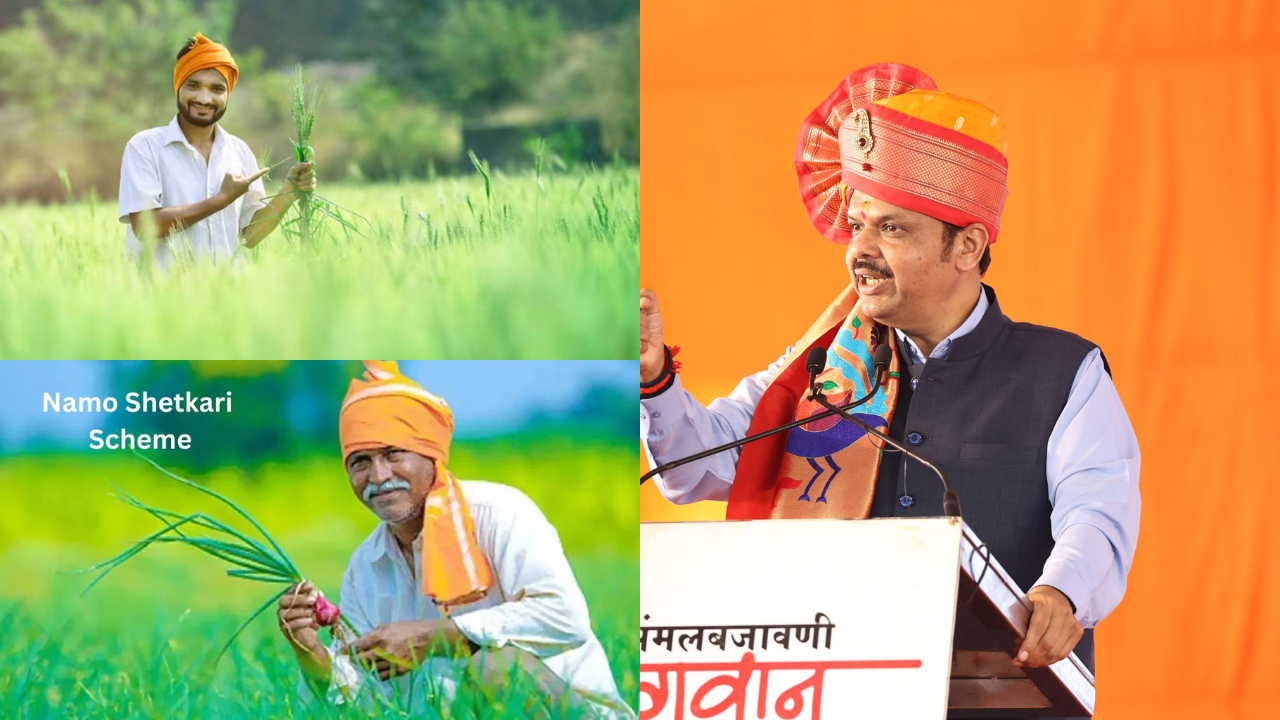
Maharashtra’s flagship Namo Shetkari Mahasamman Nidhi Yojana, designed on the lines of the central government’s PM-Kisan scheme, has reached a major milestone with the disbursement of over ₹1,892 crore to more than 91 lakh farmers across the state. The initiative, aimed at empowering farmers and ensuring regular income support, has significantly boosted the financial security of cultivators, reinforcing the state’s commitment towards agricultural welfare.

A Mirror of PM-Kisan with a Maharashtra Identity

The Namo Shetkari Mahasamman Nidhi Yojana was launched to supplement the Pradhan Mantri Kisan Samman Nidhi (PM-Kisan) scheme at the state level. While PM-Kisan provides ₹6,000 annually to farmers in three installments, the Maharashtra government’s version ensures additional direct benefit transfers (DBT) to reinforce farmer support. The objective is to bring Maharashtra’s agricultural community into the center of developmental planning and reduce their dependency on credit cycles.

According to government officials, the scheme has not only provided crucial financial relief but is also helping farmers plan their cropping cycles, purchase quality seeds, fertilizers, and invest in modern equipment. By aligning seamlessly with PM-Kisan, the state ensures that a holistic safety net is created for farmers.

The Scale of Disbursement

As per the latest data, more than 91 lakh farmer beneficiaries in Maharashtra have received assistance so far under the Namo Shetkari scheme. The cumulative disbursement has crossed ₹1,892 crore, directly reaching the bank accounts of registered farmers through DBT.

This wide-scale financial outreach highlights the government’s focus on eliminating middlemen and ensuring that state funds directly reach cultivators without any leakage. The robust integration of Aadhaar-based identification and improved transparency in the process has led to faster disbursals and minimized scope for irregularities.

Officials have emphasized that the scheme is not merely about the quantity disbursed but about the timely delivery of funds, especially before sowing cycles, which allows farmers to make crucial agricultural investments at the right time.

A Push for Aatmanirbhar Shetkari

Agriculture remains the backbone of Maharashtra’s economy, and the welfare of over 1.5 crore farming families is closely tied to the state’s development trajectory. The Namo Shetkari Yojana is part of a broader vision to cultivate the idea of an “Aatmanirbhar Shetkari” (self-reliant farmer).

  • The scheme empowers farmers with assured annual income support.
  • It supplements other state schemes like crop insurance, irrigation projects, and soil health initiatives.
  • By giving financial steadiness, the scheme enables cultivators to adapt to challenges like unpredictable weather, rising input costs, and market fluctuations.

Farmer leaders across districts have welcomed the disbursement milestone, noting that financial aid at the right time encourages cultivators to move beyond subsistence towards sustainability.

Bridging the Rural-Urban Divide

The Namo Shetkari Mahasamman Nidhi Yojana also supports the larger aim of reducing the rural-urban income gap by empowering farming families. Unlike short-term subsidies, direct income transfers provide farmers with the autonomy to spend the aid based on their specific needs—whether that is mechanization, purchase of seeds, or household requirements linked to farm stability.

The scheme also places Maharashtra among the leading states in adopting technology-backed DBT models for welfare. Transparent payments boost trust in government policies and encourage more farmers to voluntarily register under welfare initiatives without fear of bureaucratic delays.

Voices from the Ground

Farmers in Vidarbha, Marathwada, Western Maharashtra and Konkan regions have shared that these funds have provided timely help, especially when dealing with weather uncertainties. One cotton farmer from Akola mentioned that the direct transfer allowed him to purchase pesticides without taking loans from private moneylenders. Similarly, sugarcane cultivators in Western Maharashtra stressed that direct aid is helping cover rising labor and input costs.

Agricultural economists also believe that the scheme can reduce the mounting rural debt burden by steadying incomes and supplementing agricultural credit.

Government’s Commitment to Farmer Welfare

The Maharashtra government has reiterated its commitment to doubling down on farmer-centric policies. With the disbursement of ₹1,892 crore already completed, officials expect the beneficiary base to expand further as more farmers complete the registration process.

State ministers have highlighted that this financial support works in sync with other flagship projects such as:

  • Expansion of micro-irrigation schemes for water efficiency.
  • Implementation of crop insurance coverage under the Pradhan Mantri Fasal Bima Yojana (PMFBY).
  • Promotion of organic and sustainable farming practices.

Together, these efforts represent a multi-pronged approach: not just supporting farmers with direct funds, but also investing in infrastructure and services that reduce risks faced by cultivators.

Looking Ahead

The successful distribution under the Namo Shetkari Mahasamman Nidhi Yojana represents an important step forward towards strengthening Maharashtra’s agricultural economy. Moving forward, the scheme’s integration with digital land records, Aadhaar authentication, and real-time grievance redressal systems is expected to make transfers even smoother, ensuring that no eligible farmer is left out.

As Maharashtra continues to modernize agriculture, schemes like Namo Shetkari will serve as a financial backbone, empowering farmers to embrace technological advancement while maintaining traditional farming wisdom. The journey from financial hardship to empowerment is a long one, but initiatives like this create strong building blocks for future growth.

Conclusion

The Namo Shetkari Mahasamman Nidhi Yojana’s impact is evident in the lives of over 91 lakh farmers who have benefitted from the ₹1,892 crore disbursement. Beyond numbers, the scheme symbolizes a renewed social contract between the state and its farmers—one based on trust, empowerment, and shared progress.

By reinforcing the central PM-Kisan with a state-level push, Maharashtra has placed itself as a leader in farmer welfare, setting an example for other states to follow. For farmers, it represents not just a financial package but the assurance that their contribution to the state’s economy is recognized, valued, and supported with concrete action.

Maharashtra Govt, Lodha Developers Sign ₹30,000 Cr MoU for Green Data Centre Park in Palava

0
Green Data Centre Park

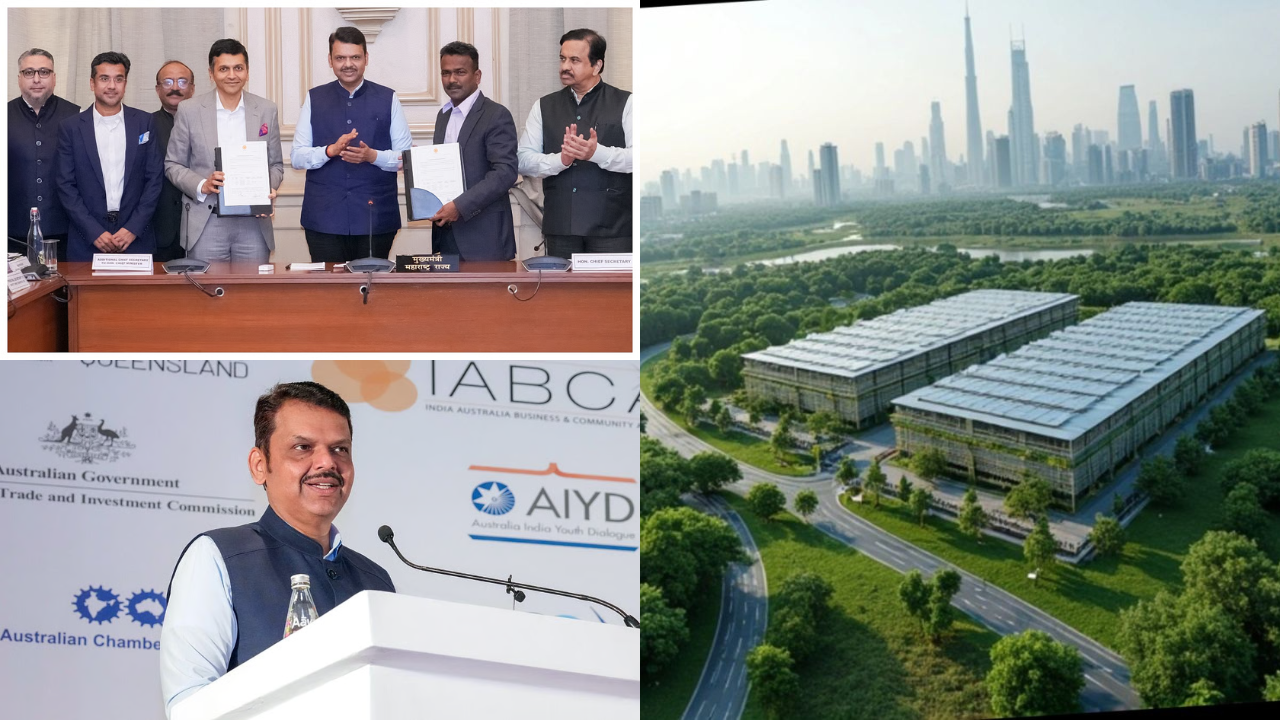
The Maharashtra government has taken a major step forward in its vision to position the state as India’s leading digital and technology hub. In a landmark announcement, the government signed a Memorandum of Understanding (MoU) with Lodha Developers Limited to develop a ₹30,000 crore Green Integrated Data Centre Park at Palava, near Mumbai. This investment is expected to significantly boost the digital infrastructure ecosystem, generate large-scale employment opportunities, and attract global investors to India’s financial capital.

Driving Maharashtra’s Digital Future

The Green Integrated Data Centre Park at Palava will be among the largest technology-led infrastructure projects in India. Envisioned as a sustainable and future-ready development, the project will cater to the rising demand for advanced data storage, cloud computing services, and global digital connectivity.

The Maharashtra government has been aggressively pushing its agenda of creating an innovation-driven economy. The state has consistently ranked at the top for attracting FDI inflows in India, and this mega project further strengthens its vision of becoming a global digital gateway. With Mumbai already serving as a financial and technology hub, the addition of a massive data centre park in Palava will complement the city’s growing reputation as a digital-first business destination.

Sustainable and Green Focus

A key highlight of this MoU is the project’s emphasis on sustainability. Lodha Developers, one of India’s largest real estate and infrastructure companies, has committed to making the integrated data centre park eco-friendly, energy-efficient, and aligned with global green standards. The project will utilize renewable energy sources, incorporate advanced cooling technologies, and minimize environmental impact through efficient design practices.

The focus on sustainability places this initiative at par with international green data centres, ensuring that Maharashtra not only boosts its IT infrastructure but also contributes to India’s net zero goals. This comes at a time when global tech giants are increasingly favoring regions that can offer both robust digital capabilities and a green energy ecosystem.

Economic Impact and Job Creation

The ₹30,000 crore mega investment is expected to create thousands of direct and indirect job opportunities in Maharashtra. The construction phase of the project will employ a large workforce, while data centre operators, cloud service providers, IT engineers, logistics, and allied industries will benefit once the facility becomes operational.

Government officials highlighted that the project would generate auxiliary business opportunities, including telecom services, IT hardware manufacturing, facility management, energy supply chains, and logistics support. The integrated park will likely attract multinational companies, startups, and research organizations, thereby reinforcing Maharashtra’s leadership in India’s technology sector.

Palava’s Strategic Advantage

Palava, a rapidly emerging smart city near Mumbai, was carefully chosen as the location for this mega infrastructure investment. Its proximity to Mumbai, excellent connectivity to international airports, seaports, and industrial corridors makes it a highly strategic site for digital infrastructure development.

The choice of Palava also supports Maharashtra’s decentralized development policy, which aims to promote industrial and technological hubs across regions instead of over-concentrating investments within Mumbai and Pune. The project is expected to transform Palava into a global digital township, encouraging modern urban development and digital innovation.

Government’s Commitment to Ease of Doing Business

Maharashtra has consistently topped national rankings for Ease of Doing Business, and the signing of this MoU once again demonstrates the state government’s proactive approach in facilitating large-scale investments. Through fast-track approvals, investor-friendly policies, and robust collaboration with private developers, Maharashtra has built an ecosystem where global corporations and leading Indian enterprises feel confident about long-term investments.

Officials also noted that projects like the Green Integrated Data Centre Park will support the rollout of AI, smart manufacturing, fintech, 5G services, and digital governance initiatives, aligning well with India’s digital transformation goals.

Visionary Step for India’s Data Economy

The exponential growth of India’s digital economy has increased the demand for advanced data centres. With cloud computing, fintech platforms, AI-driven services, and streaming industries growing at breakneck speed, reliable and scalable data infrastructure has become an absolute necessity.

The Lodha Developers’ initiative, supported by the Maharashtra government, is not only expected to serve Indian enterprises but also position Mumbai as a preferred destination for global IT and cloud service providers. The project’s scale, sustainability focus, and location advantage make it one of the most significant data centre developments in Asia.

Statements from Stakeholders

Commenting on the project, senior officials from the Maharashtra government expressed optimism about the transformative impact on the state’s digital landscape. “Our partnership with Lodha Developers marks a new milestone in creating a robust infrastructure backbone that will power India’s digital future,” one official said.

Executives from Lodha Developers echoed the sentiment, highlighting the company’s expertise in building world-class infrastructure projects. The spokesperson emphasized that the data centre park would integrate global best practices in sustainability, energy efficiency, and digital innovation.

Looking Ahead

The agreement between the Maharashtra government and Lodha Developers reaffirms the state’s ambition of building a future-ready, green, and globally competitive digital infrastructure. As the Palava Green Integrated Data Centre Park comes to life, it is set to reshape the economic, technological, and industrial landscape of Maharashtra.

The signing of this MoU is a strong indication that India’s growth story is increasingly being defined by cutting-edge infrastructure, environmental sustainability, and digital connectivity. For Maharashtra, it signals not just a large investment but also a massive opportunity to lead the country into the next phase of the digital revolution.