

Home Blog Page 42

Maharashtra Gold Market Insight Competitive Gold Rates in Nagpur, October 3, 2025

0
Maharashtra Gold Market

 Gold continues to hold a significant place in the hearts and portfolios of Indians, especially in Maharashtra, a state renowned for its prosperous economy and rich cultural affinity to gold jewelry and investment. Today, residents and investors in Maharashtra and its cities, including Nagpur, are keeping a close eye on the latest gold rates to make informed purchasing decisions.

As of today, the gold rate in Maharashtra stands at ₹5,615 per gram for 22 carat gold and ₹6,125 per gram for 24 carat gold in Nagpur, reflecting localized pricing trends influenced by market demand, purity standards, and regional taxes. The national average rate for 24 carat gold is roughly ₹117,630 per 10 grams, translating to ₹11,763 per gram, which is higher compared to the localized prices in Nagpur. This price difference is often attributed to supply chain logistics, importer margins, and regional tax variations.

Maharashtra’s gold market remains vibrant, driven by strong consumer demand from urban centers such as Mumbai and Pune, along with significant rural purchasing power in districts like Jalgaon, often referred to as the ‘Golden City’ for its exquisite gold craftsmanship. The preference for 22 carat gold jewelry in Maharashtra is prevalent given its ideal mix of purity and durability for everyday wear, while 24 carat gold is favored by investors and for making coins and bars.

Market experts note that the gold prices in Maharashtra and Nagpur continue to reflect global gold performance combined with local economic factors. Overnight international gold prices, currency exchange fluctuations, and policy changes impact the daily rates seen by buyers. On this day, Nagpur’s 22 carat gold price at ₹5,615 per gram is competitive amid the slightly higher national average, making it an opportune moment for buyers eyeing quality jewelry at affordable rates.

Investors who focus on gold bars and coins tend to look at the 24 carat purity to ensure maximum gold content and resale value. The rate of ₹6,125 per gram in Nagpur for 24 carat gold offers a realistic benchmark for bullion transactions and long-term investment planning. These prices align with India’s strong position as one of the largest gold consumers globally.

The festival and wedding season in Maharashtra often spark an uptick in gold buying, which significantly influences price fluctuations. Jewelers in Nagpur and other cities see increased footfall, and consumers are urged to stay updated with daily gold rate changes for timely decisions. The importance of checking carat-specific pricing is paramount due to the notable differences between gold purities affecting the cost and durability of jewelry products.

Comparing Maharashtra’s gold prices on a national level reveals interesting insights into regional variations. Metropolitan areas like Mumbai show moderately higher rates reflecting larger demand and premium urban market conditions. Conversely, Nagpur provides more competitive pricing that benefits local buyers and investors. Across India, gold prices for 24 carat gold generally hover around ₹11,763 per gram, aligning closely with market trends observed in Nagpur.

Industry analysts point out that while gold is a traditional safe haven investment, today’s rates also factor in inflation trends, geopolitical dynamics, and changes in government import duties. Maharashtra’s gold market remains resilient under these factors, supported by robust consumer confidence and steady demand.

For consumers and investors looking to purchase gold today in Maharashtra, understanding the nuances between 22 carat and 24 carat gold is essential. While 22 carat gold offers a perfect balance of aesthetics and wearability, 24 carat gold, though softer, is mainly preferred for investment and savings purposes. The rates in Nagpur are a valuable indicator of the current market scenario and provide a baseline for comparative shopping within the state.

The government of Maharashtra has implemented measures to regulate gold trading and ensure transparency in pricing to protect consumer interests. Buyers are advised to transact through trusted jewelers and verify purity certifications while staying informed about up-to-date gold rates.

To summarize, today’s gold rate scenario in Maharashtra and Nagpur provides both buyers and investors with strategic opportunities. With 22 carat gold priced attractively at ₹5,615 per gram and 24 carat gold at ₹6,125 per gram in Nagpur, consumers can participate in gold purchasing activities with confidence. The national average for 24 carat gold remains around ₹117,630 per 10 grams, underscoring stable price trends across India.
Nagpur Becomes First Indian City to Issue E-Passports, Hosts ATC Conference, and Gears Up for Festivals

0
Nagpur

 In a landmark development that has put Nagpur firmly on India’s innovation map, the city has become the first in the country to issue e-passports, marking a historic leap in travel convenience and security for its citizens. Alongside this, Nagpur is currently hosting the prestigious ATC Guild India Conference, attracting industry professionals and aviation experts, while also gearing up for the much-anticipated festive season with preparations underway across the city.

These three parallel developments – technological advancement in public services, hosting of a national-level aviation event, and cultural vibrancy through festivals – together reinforce Nagpur’s growing stature as a hub of progress, connectivity, and tradition.

Nagpur Leads the E-Passport Revolution

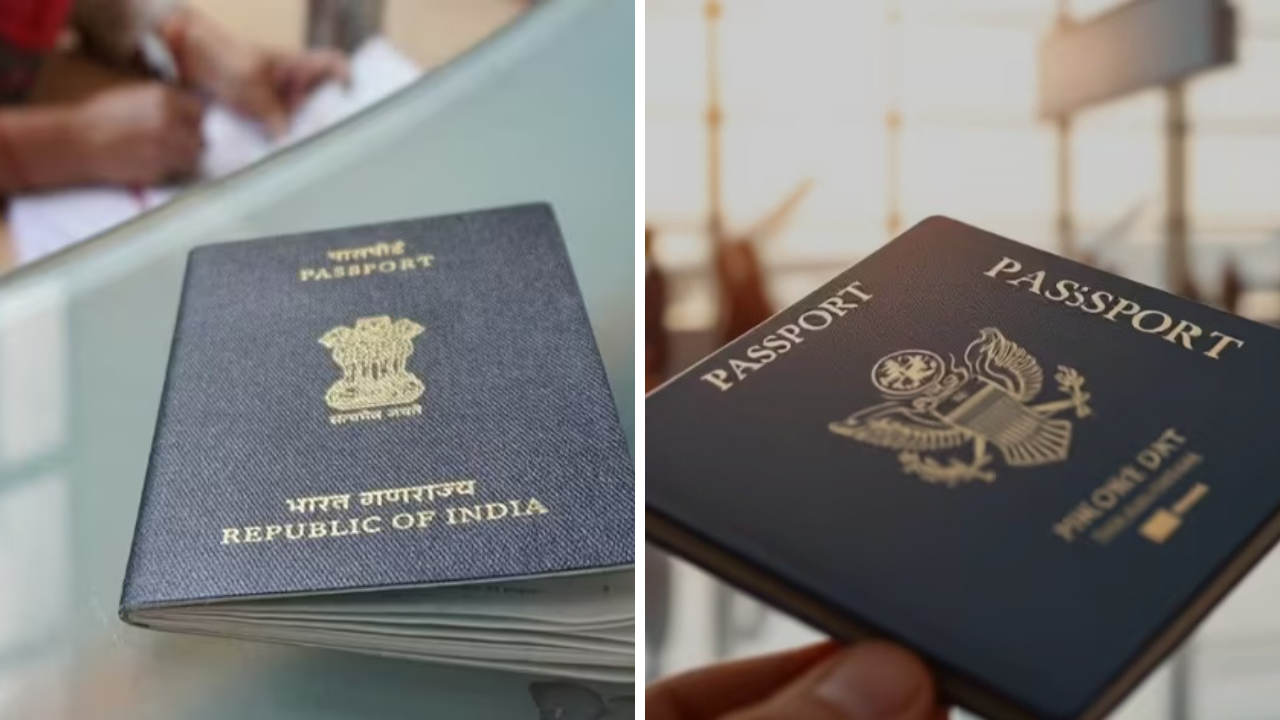
With the rollout of e-passports, Nagpur has etched its place in history as the first Indian city to provide this cutting-edge service. The new digital passport system is embedded with an electronic microchip containing the holder’s biometric and personal details, ensuring enhanced verification measures and minimizing risks of forgery or misuse.

The initiative promises to drastically improve the travel experience for citizens by reducing queues during immigration processes, speeding up passenger clearance, and aligning India with international standards of travel documentation. By being the first city to adopt e-passports, Nagpur has positioned itself at the forefront of India’s digital governance journey, reflecting both the government’s commitment to modernization and the city’s readiness to embrace futuristic solutions.

Officials highlighted that the service has been designed to prioritize both security and user convenience. With the biometric integration, Indian travelers, especially those traveling frequently abroad, will notice faster immigration checks and greater trust from international authorities. Citizens of Nagpur have already started availing themselves of this facility, sparking excitement and pride in the city’s pioneering role.

Prestige of Hosting the ATC Guild India Conference

Adding yet another feather to its cap, Nagpur is currently hosting the ATC Guild India Conference, a key national gathering for air traffic controllers and aviation professionals. The conference aims to deliberate on vital topics such as innovative aviation technologies, expansion plans for air connectivity in India, and strategies to enhance operational safety and management in the skies.

As aviation experts, policymakers, and delegates gather in Nagpur, the city is abuzz with discussions on how India can balance rapid growth in air traffic with cutting-edge technology and efficient regulatory mechanisms. The timing of the conference is particularly relevant, given the government’s push to expand airport infrastructure and strengthen India’s aviation ecosystem.

For Nagpur, often called the geographical center of India, hosting this prestigious event not only boosts its national importance but also showcases its ability to serve as a platform for critical dialogues that have far-reaching implications. Local stakeholders, including Nagpur airport authorities and regional development boards, are actively engaging with national aviation leaders, further enhancing the city’s profile in India’s aviation map.

City Prepares for Major Festival Celebrations

While these developments position Nagpur as a leader in technology and aviation, the city is equally alive with preparations for the upcoming festive season. With Navratri, Diwali, and other major festivals around the corner, markets are buzzing, roads are being illuminated with festive lights, and cultural events are being organized to bring communities together.

Festival preparations in Nagpur hold special significance this year, as residents look forward to celebrating traditions with renewed energy following the challenges and restrictions of previous years. Shops are witnessing increased footfall, artisans are showcasing handicrafts, and food stalls are gearing up with seasonal delicacies. Local administration is also making arrangements to ensure smooth traffic flow, enhanced public safety, and sanitation during the festive period.

The enthusiasm across the city reflects not just a religious or cultural devotion but also an affirmation of community spirit, resilience, and unity. For citizens, this festive mood stands as an important reminder of Nagpur’s cultural heritage alongside its technological and administrative progress.

Nagpur: India’s Symbol of Progress

Taken together, these three developments underline the multifaceted journey of Nagpur as a dynamic urban center. On one hand, it is pioneering national reforms like e-passports, symbolizing efficiency and security in governance. On the other, it is hosting conferences of global relevance like the ATC Guild India meet, promoting thought leadership and professional excellence. And in parallel, it is nurturing rich traditions and cultural practices through the energy of its festive season.

The synergy between technological innovation, professional leadership, and community culture makes Nagpur a model for how cities in India can evolve holistically. Citizens and experts alike acknowledge that Nagpur’s proactive adaptation to global standards, coupled with its local vibrancy, marks it as a city to watch in India’s ongoing developmental trajectory.

As the first e-passport gets stamped, as aviation professionals share transformative ideas, and as families light diyas for Diwali, Nagpur shines today as a city of both progress and togetherness – embodying the spirit of a modern yet culturally rooted India.

PM Mitra Park in Dhar to Create Jobs and Boost Textile Industry in MP

0
PM Mitra Park in Dhar

Madhya Pradesh is rapidly transforming into a major destination for investment, industrial development, and employment generation. With ambitious projects like the Prime Minister Mega Integrated Textile Region and Apparel (PM Mitra) Park being established in Dhar district, the state is positioning itself as a driving force in India’s vision of becoming a global manufacturing hub. The project, backed by the central government’s focus on infrastructure-led development, is expected to bring massive opportunities for industries, entrepreneurs, and workers across the region.

Madhya Pradesh: A Growing Industrial Landscape

Over the past decade, Madhya Pradesh has strengthened its position as the “Heart of India” not only in geographical terms but also in the field of industry and infrastructure growth. The state government has actively collaborated with the Union Government to attract investments in sectors such as textiles, agriculture-based industries, information technology, pharmaceuticals, renewable energy, and food processing.

The state offers a strategic geographical advantage, well-connected logistics corridors, and policies designed to support industrial ease of doing business. With abundant land, skilled labor, and sector-specific incentives, Madhya Pradesh is increasingly attracting domestic companies and foreign investors looking for opportunities in central India.

PM Mitra Park in Dhar: A Game-Changer

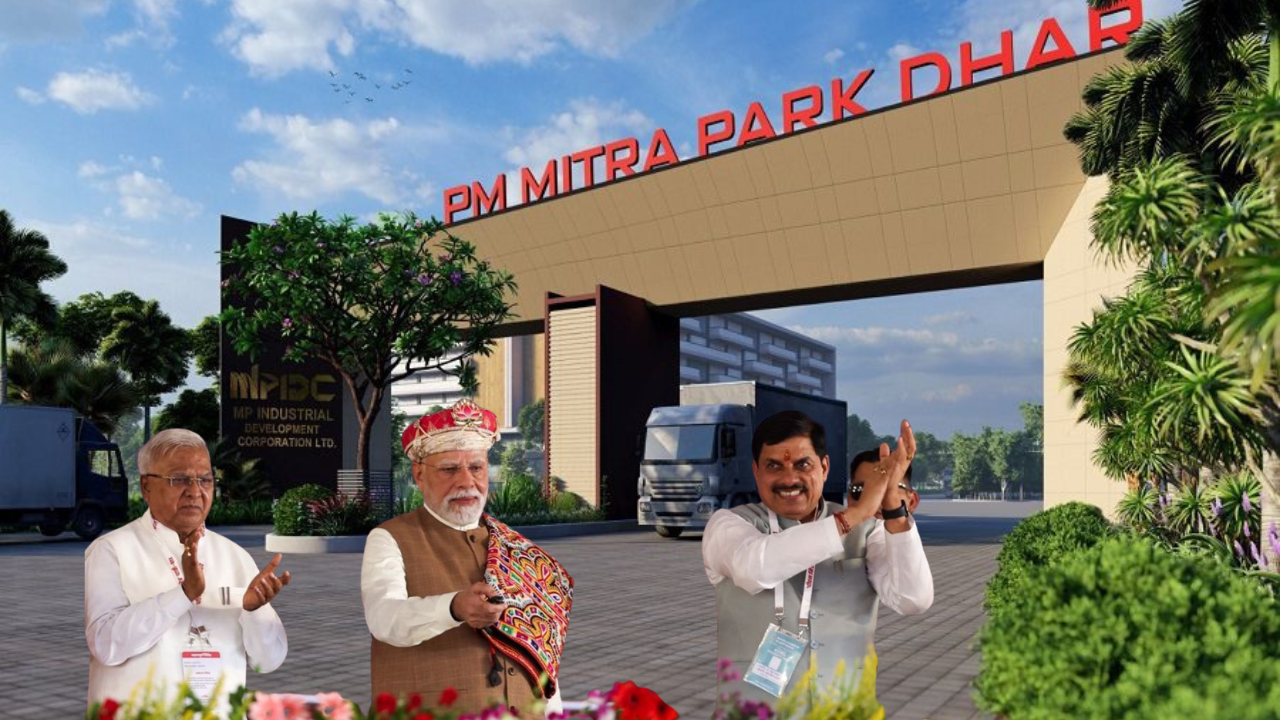
Among the many projects, the upcoming PM Mitra Park in Dhar stands out as a transformative initiative under the Government of India’s flagship program for strengthening the textile and apparel sector. Dhar was chosen strategically due to its connectivity, skilled workforce, and existing textile ecosystem in nearby hubs like Indore.

The park will integrate the entire textile value chain — from spinning, weaving, processing, dyeing, finishing, and garment production — under one robust ecosystem. This will not only cut down logistic costs but also enhance productivity and export competitiveness. With world-class infrastructure, common utilities, and sustainability-focused planning, the PM Mitra Park aims to create a globally competitive textile manufacturing hub in Madhya Pradesh.

Employment and Economic Opportunities

One of the most significant benefits of the PM Mitra Park is its potential to generate large-scale employment. According to initial government estimates, the project could create over one lakh direct and indirect jobs, opening doors of opportunity for skilled, semi-skilled, and unskilled workers in the state. Rural youth, women entrepreneurs, and small-scale businesses will be direct beneficiaries of this development.

The park will boost ancillary industries such as packaging, logistics, and raw material supply chains, providing opportunities for local small and medium enterprises (SMEs). The multiplier effect of the project is also expected to enhance income levels, increase demand for housing, and spur service-sector growth in nearby towns and cities.

Strengthening the Textile Sector

Madhya Pradesh already enjoys a strong base in the textile industry, with Indore, Pithampur, and Ujjain emerging as regional hubs for manufacturing and exports. With the PM Mitra Park in Dhar, the state is all set to consolidate its reputation as a textile powerhouse. This project will not only support large investors and industries but also benefit micro, small, and medium units that are a backbone of the textile value chain.

By offering dedicated infrastructure support, modern research facilities, training centers, and eco-friendly waste management, the park is designed to meet the needs of the global textile industry, keeping sustainability at its core.

Investor-Friendly Policies

Both the central and state governments have announced investor-friendly policies to attract businesses to the Dhar park and other industrial clusters of Madhya Pradesh. The state’s “Industrial Promotion Policy” emphasizes simplified procedures, fast-track approvals, and subsidies on capital investment, employment generation, and power consumption.

The focus on creating industrial corridors, logistics parks, and skill development centers is paving the way for holistic growth. Special incentives for export-oriented industries and green manufacturing practices are ensuring that Madhya Pradesh meets both economic and environmental goals.

Boost to Regional Development

The PM Mitra Park is not just an infrastructure project; it is an enabler of regional growth. Dhar, which has traditionally been dependent on agriculture and small industries, will witness a major transformation in its social and economic landscape. New opportunities in education, skill development, healthcare, and infrastructure will directly benefit local communities.

Moreover, the connectivity of Dhar with Indore — a hub for industries, business services, and airports — will ensure that the project develops into a truly integrated industrial ecosystem. Local farmers will also find new opportunities as cotton and raw material demand rises, thereby strengthening the rural economy.

A Step Towards Atmanirbhar Bharat

The initiative aligns with the government’s vision of Atmanirbhar Bharat by empowering local industries, reducing dependence on imports, and boosting textile exports. Madhya Pradesh’s strides in industrialization are expected to contribute significantly to India’s global trade competitiveness, especially in the textile and apparel sector.

As the PM Mitra Park comes to life in Dhar alongside other industrial projects across the state, Madhya Pradesh is poised to emerge as a powerhouse in India’s manufacturing journey. By creating jobs, fostering entrepreneurship, and strengthening industrial ecosystems, the project is turning the state into an attractive destination for investors.

Conclusion

Madhya Pradesh is setting the stage for a new wave of economic development with forward-looking policies and ambitious infrastructure projects. The PM Mitra Park in Dhar is not just about building a textile hub; it is about shaping the future of central India as a leader in industrial growth. With opportunities for employment, investment, and innovation, the state is well on its way to becoming one of the most dynamic industrial destinations in India.

Indore Celebrates Shastra Poojan with AI Chatbot Launch and Swachhata Campaign

0
Indore Celebrates Shastra Poojan

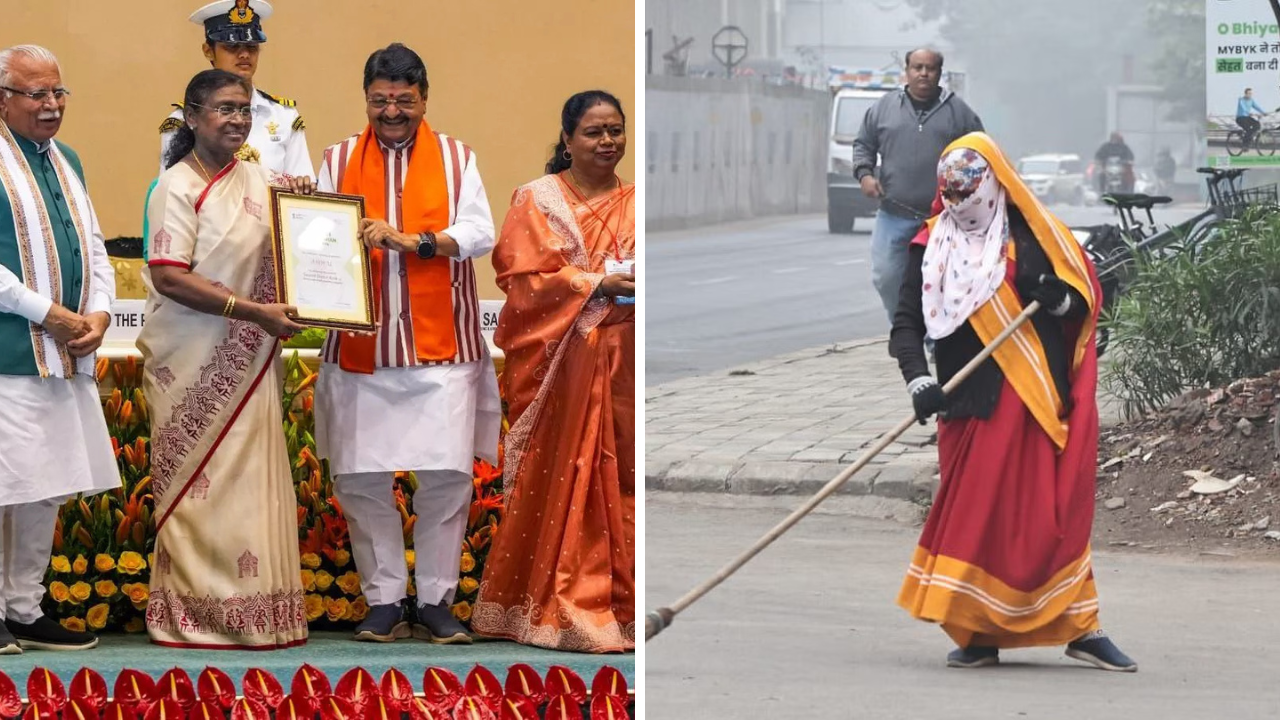
In a remarkable blend of tradition and modern innovation, Indore witnessed a grand Shastra Poojan ceremony that not only upheld centuries-old cultural values but also marked the inauguration of a cutting-edge AI chatbot board, alongside active participation in a city-wide cleanliness campaign. The event highlighted how heritage, technology, and social responsibility can converge, setting a new benchmark for public engagement in the region.

A Festival of Culture and Devotion

The Shastra Poojan, a tradition deeply rooted in Indian society, was organized with fervor in Indore, commemorating the symbolic worship of arms and instruments. Citizens, community leaders, and dignitaries gathered to participate in rituals that represent safeguarding of values, perseverance, and resilience. The ceremony took place with offerings of prayers, chanting of mantras, and blessings by spiritual leaders, ensuring that the essence of cultural pride remained central throughout the event.

Organizers emphasized that this year’s Shastra Poojan aimed not only at preserving tradition but also at aligning cultural practices with contemporary aspirations. “The celebration is more than a ritual; it is a reminder of our collective responsibility to safeguard our nation’s ethics while embracing progress,” remarked one of the conveners.

Inauguration of AI Chatbot Board

Alongside the rituals, the day held special significance with the launch of an AI-powered chatbot board, the first of its kind for civic engagement in the city. Designed to make communication more accessible, the chatbot board aims to assist citizens by providing instant information and guidance on public services, awareness campaigns, and city updates.

Technology experts present at the event highlighted how the board could serve as a one-stop platform for information, particularly in improving citizen-government interaction. The introduction of such a digital tool during a cultural ceremony is a step that reinforces Indore’s image as one of India’s most forward-looking smart cities.

The AI chatbot board is expected to play a transformative role, especially for young entrepreneurs, students, and residents who require real-time answers on policies, local programs, and administrative services. Authorities shared that the initiative will be expanded progressively for wider reach and integration with digital governance systems.

Participation in Cleanliness Campaign

Following the inauguration, several groups, including volunteers, school students, community members, and dignitaries, actively participated in a Swachh Bharat-inspired cleanliness campaign. Streets around the venue were cleaned as part of the coordinated drive, echoing Indore’s consistent achievement as India’s cleanest city for several years in a row.

Banners promoting the message of “Clean City, Healthy City” were displayed, and awareness sessions were conducted to influence households and youth about waste segregation, recycling, and sustainable living. The commitment of participants demonstrated how tradition and responsibility towards modern civic duties can go hand in hand.

Indore’s civic officials recognized the campaign as yet another step toward strengthening people’s participation in ensuring a sustainable urban environment. They urged residents to continue their efforts long after the campaign, emphasizing that public cooperation is essential to maintaining the city’s reputation as a leader in cleanliness.

A Symbol of Indore’s Balanced Growth

The day’s sequence of events—from traditional Shastra Poojan to technological innovation with AI, and finally to community service through cleanliness drives—showcased Indore as a city perfectly balancing heritage with progress. Leaders at the event shared that such holistic initiatives should become a model for other cities across Madhya Pradesh and India.

Indore, already recognized for its vibrant culture, food heritage, and urban development initiatives, continues to stand out as a hub where citizens engage actively in both preserving traditions and embracing modern reforms. Events like these underline its growing influence as both a cultural and a smart city model.

Citizens’ Reactions

Attendees expressed pride and enthusiasm over participating in such a diverse initiative. Many noted how witnessing the merging of a spiritual ceremony with technology and social service activities left a lasting impression. “It was inspiring to be part of something that respects the past while investing in the future,” said a local participant. Students and youth, in particular, were enthusiastic about the AI chatbot board, calling it a helpful innovation to ease access to resources and learning opportunities.

Looking Ahead

Organizers revealed plans to conduct similar events in the future with wider community inclusion. Focus will be placed on integrating AI-driven solutions for education, startups, and citizen engagement, coupled with more campaigns around cleanliness, sustainability, and civic responsibility. Officials stressed that the Indore model could pave the way for promoting awareness on how cultural pride and modern-day progress can reinforce each other.

As India continues to strive toward its digital transformation goals, while safeguarding its rich traditions, Indore’s initiative sets a glowing example of how communities can thrive by celebrating heritage, adopting innovation, and nurturing civic responsibility—all within the span of a single ceremony.

Dasara Melava 2025 Uddhav Thackeray and Shiv Sena Factions Face Off at Shivaji Park

0
Dasara Melava 2025

The political landscape of Maharashtra once again turned its focus on the grand Dasara Melava rallies, one of the most awaited annual events on the state’s political calendar. This year’s gatherings brought renewed attention as former Chief Minister Uddhav Thackeray and both Shiv Sena factions held parallel events at iconic locations, most notably at Shivaji Park, reinforcing the symbolic significance of the day. The tradition of the Dasara rally has long been associated with Shiv Sena’s strength and unity, dating back to Bal Thackeray’s speeches that set the political tone for the party every year. But with the split that shook Maharashtra politics in 2022, these rallies now symbolize not just tradition but also the fierce battle for ideological and political supremacy.

Historical Significance of Dasara Melava

The Dasara Melava has been a central point for Shiv Sena politics since the party’s inception. Traditionally organized at Shivaji Park in Mumbai, the gathering was used by Bal Thackeray to outline the party’s agenda and galvanize its supporters. Over the decades, the rally evolved into a larger-than-life event, drawing lakhs of attendees and serving as a platform for key announcements and strategies. Post-split, the rallies have acquired even greater importance as citizens, party workers, and observers look to decode policies, alliances, and electoral strategies from the speeches delivered.

Uddhav Thackeray’s Shivaji Park Address

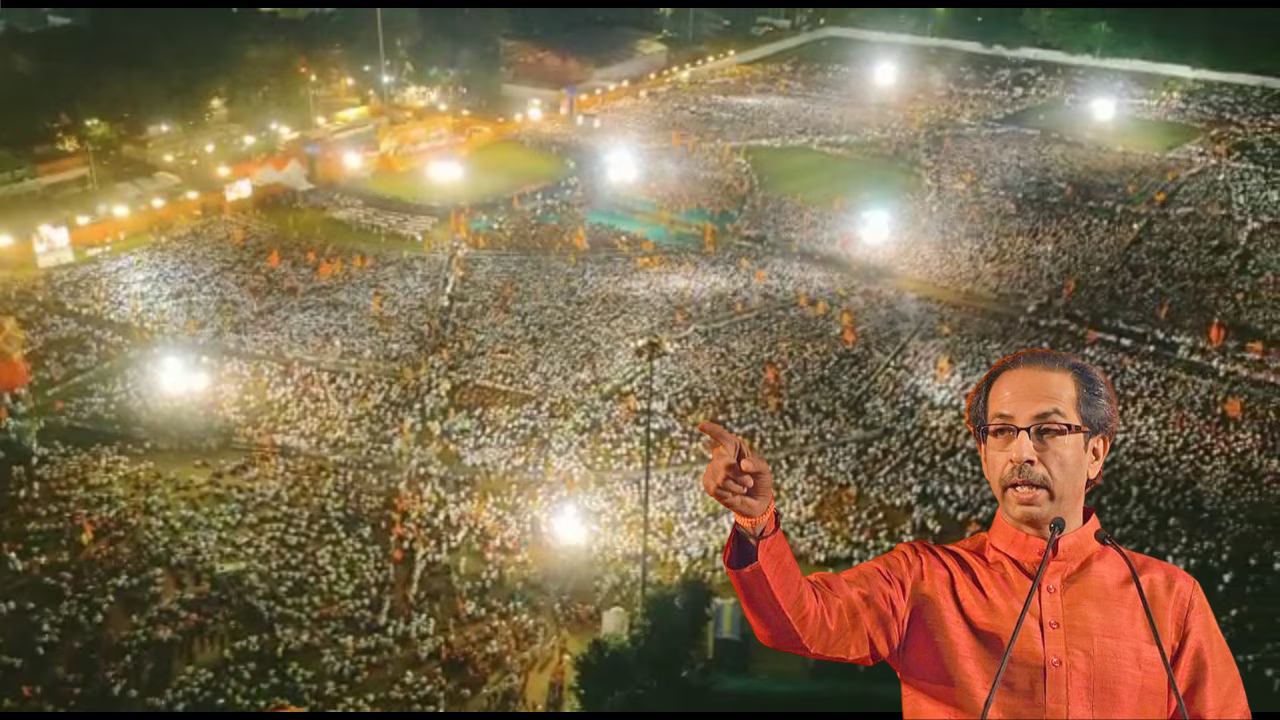
Uddhav Thackeray, leading the Shiv Sena (Uddhav Balasaheb Thackeray) faction, continued his family’s legacy by addressing supporters at Shivaji Park. The venue, steeped in Shiv Sena’s legacy and political nostalgia, was flooded with saffron flags, slogans, and large crowds of enthusiastic karyakartas who saw Uddhav’s address as a reaffirmation of his leadership. His speech highlighted the political challenges of Maharashtra, critiqued the ruling alliance, and positioned his party as a protector of regional identity and democratic principles. Uddhav Thackeray underscored issues like farmers’ distress, unemployment, and governance concerns in the state. He also attempted to build momentum for upcoming local and national elections, emphasizing unity within his faction while reminding party workers of the original Shiv Sena values founded by Bal Thackeray.

Parallel Rally by the Eknath Shinde Faction

On the other hand, the Shiv Sena led by Eknath Shinde, currently aligned with the NDA, also organized its own Dasara Melava at an equally significant venue with massive participation. Shinde’s rally focused on projecting the faction as the “true heirs of Balasaheb’s Hindutva ideology”, stressing developmental politics coupled with ideological firmness. The Shinde group used the occasion to highlight government schemes, infrastructure projects, and welfare initiatives brought under their leadership, seeking to position themselves as not only ideologically strong but also administratively effective. The rallies reflected the deep-rooted competition between both factions, with both camps attempting to claim the legacy of Bal Thackeray while addressing their respective supporter bases.

The Battle for Symbolism and Legacy

The Dasara rallies this year clearly underlined the struggle for symbolism that continues to dominate Maharashtra politics. Shivaji Park, traditionally associated with Shiv Sena’s birth and growth, has become a matter of prestige and ownership between the two sides. While Uddhav Thackeray’s faction tries to project itself as the “original Sena,” closely tied to cultural and emotional grounds, the Shinde camp emphasizes its government support and recognition as the ruling faction. For supporters, the Dasara Melava remains more than just a rally—it embodies loyalty, tradition, and the vision of Shiv Sena’s founder. This makes the parallel rallies not only political contests but also emotional battles for identity and authenticity.

Broader Political Impact

The rallies also assume particular importance with Maharashtra gearing up for key local body elections and the 2026 Lok Sabha polls looming on the horizon. These events are seen as mood indicators, giving insights into ground-level sentiment and mass mobilization strength. Both factions put their organizational capabilities on display through turnout, event management, and enthusiasm generated around speeches. The rallies draw national attention as well, since Maharashtra remains a pivotal state in India’s political arithmetic. Alignments and rivalries formed here often shape broader coalitions and parliamentary outcomes.

Security, Crowd Management, and Enthusiasm

Given the mammoth scale and political sensitivity of the rallies, security arrangements were extremely tight at Shivaji Park and other rally venues. Mumbai Police ensured crowd control measures, with CCTV monitoring, traffic diversions, and emergency response teams deployed. Despite heavy arrangements, the enthusiasm of cadres remained high, with slogans, banners, and cultural programs adding energy to the events. Spectators noted that even decades after its inception, the Dasara Melava continues to maintain its magnetic pull over Shiv Sena workers and supporters.

Looking Ahead

As both Uddhav Thackeray and Eknath Shinde vie for the loyalty of Shiv Sena voters, the Dasara Melava rallies highlighted the intensity of Maharashtra’s political battles. The symbolic significance of Shivaji Park, coupled with powerful addresses from leaders, set the stage for an unfolding chapter in state politics. Observers believe these rallies are not just about current issues but also about shaping future narratives in Maharashtra’s politics. With elections near, each word delivered at these rallies will echo in campaign trails and public debates in the months to come.

The 2025 Dasara Melava rallies thus reinforced Shiv Sena’s legacy while underlining the evolving realities of Maharashtra’s political battleground. Both factions may differ in strategies and alliances, but the passion of their cadres proves that the Sena spirit remains alive, ensuring that the Dasara rally will continue to be a centerpiece of Maharashtra politics for years.

Govt Holiday Announced in Mumbai as Disaster Response Strengthened

0
Govt Holiday Announced in Mumbai

The city of Mumbai has declared a public holiday for government offices today, while disaster management teams remain on high alert following precautionary measures taken by authorities in view of safety concerns. The announcement comes as civic bodies and emergency services brace for possible challenges triggered by recent regional developments and weather-related concerns.

The move is aimed at ensuring public safety and easing the operational burden on civic infrastructure. By declaring a one-day holiday for all state-run offices, authorities are seeking to reduce crowding, minimize commuter movement, and ensure that emergency services are prioritized during this crucial period.

Decision to Safeguard Public Interest

According to officials, the decision was taken late on Wednesday night after reviewing potential risks that could affect the city. Leaders from the state government, Brihanmumbai Municipal Corporation (BMC), and local disaster management cell held multiple rounds of consultations before arriving at the conclusion that a temporary closure of government offices would be the safest choice.

“This is a precautionary step for the welfare of the citizens. Our priority is safety, and we do not wish to expose government employees or the public to unnecessary challenges. Disaster management and emergency response teams are fully activated to respond to any situation,” a senior civic official stated.

Disaster Management on High Alert

The Mumbai Disaster Management Unit has intensified its preparedness, putting rescue teams, control rooms, and communication channels into 24×7 operational mode. Specialized teams equipped with advanced technology, life-saving tools, and emergency medical facilities are reportedly on standby across strategic points in the city.

Authorities have also set up temporary shelters and relief centers to accommodate residents in case of evacuation needs. The police and fire brigade have been instructed to remain vigilant, and coordination with hospitals has been strengthened to handle any emergencies.

Transportation and Commuter Advisory

In addition to the government office closure, Mumbai’s transport authorities are issuing advisories for commuters. While suburban trains and buses continue to operate, citizens have been urged to avoid unnecessary travel. Schools, colleges, and private offices have been advised to take independent decisions, though many institutions have opted for closure or remote working arrangements.

“Reducing public movement is essential so that our disaster response teams can access affected areas without difficulty. Citizens are requested to remain calm and follow official instructions through verified channels,” the Mumbai Police stated in a public advisory.

Public Response and Precautionary Measures

The announcement of a holiday has received mixed reactions from Mumbaikars. While some welcomed the decision as a much-needed precautionary step, others expressed concern about the disruption to routine administrative work. However, residents widely acknowledged the importance of prioritizing safety over convenience, particularly in a city as densely populated as Mumbai.

Citizens are being advised to:

  • Avoid venturing outdoors unless necessary.
  • Stock essential supplies but not resort to panic buying.
  • Stay connected to official updates through social media channels and local news outlets.
  • Maintain emergency contact numbers and first-aid supplies at home.

Local NGOs and volunteer organizations have also joined hands with civic authorities to provide support in case of crisis. Relief workers are preparing to distribute food, water, and medical kits in areas that may face disruption.

Political and Administrative Reactions

Political leaders across parties have welcomed the decision, underscoring the need for unity in challenging times. State government representatives reiterated that this was a purely precautionary step and not a sign of panic. They also highlighted the efficiency of the city’s disaster management system, which has been enhanced significantly over the past decade.

Opposition leaders, while supporting the move, urged the government to ensure smooth coordination so that public services like health and transport are not adversely impacted. Some activists also requested clear communication regarding the expected duration of the high alert status.

Mumbai’s Crisis Preparedness

Mumbai has a long history of facing challenges ranging from heavy rains and cyclones to infrastructure disruptions. Over the years, the city has built one of the fastest and most efficient civic response structures in the country. Authorities emphasized that current measures are part of ongoing reforms to make disaster management more proactive and citizen-focused.

Recent investments in upgrading early warning systems, digital command centers, and multi-agency coordination portals are now being put to practical use. The government hopes these steps will prevent incidents and help respond swiftly to unexpected developments.

Looking Ahead: Citizens Urged to Stay Cautious

Officials clarified that the situation is under monitoring and that updates will be communicated promptly to the public. The holiday for government offices is being treated as a day for readiness rather than as an indication of danger. Citizens are urged not to circulate misinformation and to trust only official government communication channels.

With Mumbai’s administration, police, and disaster units closely coordinating, officials remain hopeful that preventive strategies will minimize risks and ensure public safety. Emergency numbers, disaster helpline details, and advisory messages are being circulated widely to reach maximum residents.

Maharashtra Businesses Get 24×7 Operations Approval, Except Bars and Hookah Parlors

0
Maharashtra Businesses Get 24x7 Operations Approval

In a major relief for traders, business owners, and the retail community, the Maharashtra government has officially announced that all shops and commercial establishments in the state can now remain open 24 hours a day. The new rule applies across Maharashtra and is aimed at boosting economic activity, supporting business growth, and reducing the scope of unnecessary harassment caused by earlier restrictions. However, liquor outlets, bars, and hookah parlors have been exempted from this relaxation and will continue to follow existing operating hour regulations.

The state government’s decision follows rising complaints from shopkeepers and traders who said they were facing ambiguity in the interpretation of rules governing business operations. Many alleged that vague provisions in the earlier law were being misused by certain authorities, leading to unnecessary penalties and harassment. Responding to these concerns, the government has taken a proactive step to give more clarity, flexibility, and freedom to business owners while ensuring that public order is maintained.

A Progressive Step for Maharashtra’s Economy

Officials stated that by allowing shops and establishments to function round-the-clock, Maharashtra will not only align itself with other global cities but also significantly strengthen its economy. Mumbai, often described as the financial capital of India, has a vibrant nightlife and a dynamic service industry dependent on flexible working hours. The decision to allow 24×7 operations is expected to create opportunities for employment, boost consumer convenience, and improve competitiveness among businesses.

The retail sector, particularly in metropolitan areas like Mumbai, Pune, Nagpur, and Nashik, is set to benefit tremendously. With malls, shops, and restaurants being permitted to keep their doors open without time-bound restrictions, customer retention and sales volumes are expected to grow, especially in late-night segments.

Exceptions in the New Policy

While the relaxation covers almost all types of businesses, the government has clarified that liquor shops, bars, and hookah parlors will continue to remain under existing restrictions. The decision is taken keeping in mind public safety and law-and-order considerations around late-night alcohol consumption and related activities. Officials emphasized that the move is designed to boost legitimate commerce and enhance consumer convenience but not to encourage unhealthy practices.

Relief for Traders and Shopkeepers

Small traders and local shop owners have welcomed the decision wholeheartedly. Many said they often suffered because of differing interpretations of closing time rules, which resulted in fines and the risk of license action. With this clarity, they now have the option to operate according to customer demand and manage their business hours without fear of arbitrary enforcement.

The Federation of Retail Trade Associations in Maharashtra commended the move, calling it a “landmark reform” that removes outdated restrictions on commerce and promotes ease of doing business in the state.

Employment and Consumer Benefits

The shift toward 24-hour operations is expected to create a ripple effect on job creation. Additional shifts will require more staff, thereby generating employment opportunities, especially for youth in urban centers. For consumers, the flexibility brings increased convenience, allowing late-night shopping, extended dining hours, and access to essential services beyond traditional timings.

Experts also pointed out that foreign tourists and business travelers visiting Maharashtra will experience a more seamless stay, as vital services and shopping areas will remain accessible throughout the day and night.

Government’s Vision for Growth

State ministers highlighted that this decision is part of Maharashtra’s broader vision to stay competitive as a global business hub. Allowing shops and businesses to remain open 24×7 reflects international practices seen in cities like New York, Dubai, London, and Singapore. By modernizing its commercial policies, Maharashtra aims to attract more investment, enhance urban convenience, and maintain its position as India’s financial powerhouse.

At the same time, the government has assured that law enforcement agencies and local municipal bodies will coordinate to ensure that necessary security, sanitation, and compliance mechanisms are in place for night-time business operations.

Ensuring Public Safety and Order

Officials have underlined that while giving freedom to businesses, public safety will not be compromised. Strong monitoring, adequate policing, and proper lighting in marketplaces will be ensured. Hospitality services such as hotels and coffee shops have been included in this benefit, but rules for alcohol-serving outlets will continue to remain under strict regulation.

Trader and Industry Reactions

Reactions from industry leaders have been largely positive. Trade bodies see this move as Maharashtra’s bold step toward becoming a true 24×7 economy. Restaurateurs, retail chains, pharmacy owners, and e-commerce-linked storefronts expressed optimism, noting that flexible operating hours could significantly enhance their ability to serve a wider customer base.

Meanwhile, citizens in major cities welcomed the decision, expressing that round-the-clock access to shops, groceries, restaurants, and essential services will improve convenience while reducing last-minute rush anxiety caused by early store closures.

Conclusion

The Maharashtra government’s decision to allow shops and establishments to remain open 24 hours a day marks a major reform in business regulation. Excluding liquor outlets, bars, and hookah parlors ensures that public safety remains a priority while the rest of the business community gains flexibility and convenience. By balancing economic growth, modern urban needs, and social responsibility, Maharashtra has taken a progressive step toward becoming a true global hub where commerce thrives around the clock.

Ladki Bahin Yojana Aadhaar of Women and Husbands Required for Eligibility

0
Ladki Bahin Yojana

 The Government of Madhya Pradesh has officially begun the e-KYC (electronic Know Your Customer) compliance process for its flagship “Ladki Bahin Yojana”, a welfare scheme designed to provide monthly financial support to women across the state. Starting this month, beneficiaries are mandated to complete Aadhaar-based authentication, with the added requirement that their husbands’ Aadhaar details must also be linked to the scheme for continued eligibility.

The initiative aims to streamline direct benefit transfers (DBT), curb irregularities, and ensure that welfare assistance reaches the intended female beneficiaries without duplication or misuse.


Background of the Ladki Bahin Scheme

The Ladki Bahin Yojana is one of Madhya Pradesh’s most ambitious social welfare programs launched to empower women, particularly those from low-income households. Under the scheme, eligible women receive a fixed monthly financial grant directly in their bank accounts to support household expenses, education of children, and basic livelihood needs.

Over the past year, the scheme has grown in popularity, with lakhs of women registered as beneficiaries across urban and rural areas. By introducing an Aadhaar-linked e-KYC process, the state government hopes to reinforce transparency and strengthen accountability within the program.


Aadhaar Linking With Husbands: Key Requirement

In a significant policy update, the government has emphasized that to continue receiving benefits under the Ladki Bahin Yojana, women must complete Aadhaar verification not only for themselves but also for their spouses.

Officials from the State Women and Child Welfare Department explained that the measure is intended to:

  • Prevent duplicate registrations under different family heads.
  • Ensure authenticity of family income criteria by cross-verifying Aadhaar of both husband and wife.
  • Promote household-level financial clarity, preventing misuse of benefits.

State officials clarified that this requirement will not disqualify widows, separated women, or single women beneficiaries. In such special cases, Aadhaar verification will be required only for the woman applicant herself.


e-KYC Process for Beneficiaries

Beneficiaries are expected to complete their e-KYC within the given time frame this October. The state government has set up multiple channels to simplify the process:

  • Online KYC through Aadhaar login: Beneficiaries can visit the official portal and authenticate their details with an OTP received on their Aadhaar-linked mobile number.
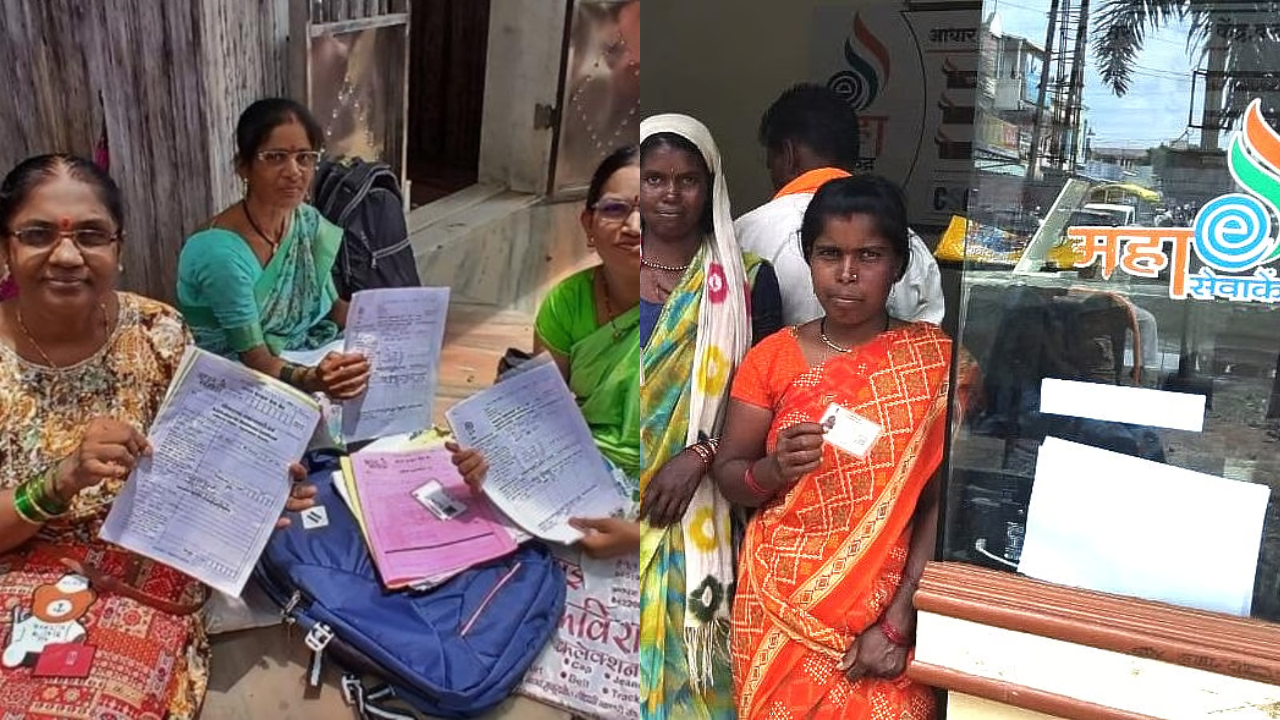
  • CSC Centers and Gram Panchayat offices: Rural beneficiaries can approach nearby Common Service Centers or panchayat offices where operators will assist them with biometric Aadhaar authentication.
  • District Welfare Offices: Urban residents may also complete the process at designated district and block-level offices.

Women beneficiaries have been advised to keep their Aadhaar numbers, bank account details, and husbands’ Aadhaar cards (where applicable) ready for successful verification.


Timeline and Deadlines

Authorities have set October 31, 2025 as the tentative deadline for completing the e-KYC exercise. Beneficiaries who fail to complete Aadhaar-linked verification by the stipulated date may face temporary suspension of monthly financial credits under the scheme until compliance is completed.

Local bodies and ward officers have been instructed to conduct information campaigns to ensure maximum awareness and participation within a short period. Door-to-door awareness drives and help centers in rural parts of Madhya Pradesh are also being launched.


Government’s Statement

State Women and Child Welfare Minister, speaking at the launch of the e-KYC initiative, said, “The Ladki Bahin scheme has been a lifeline for women across Madhya Pradesh. With Aadhaar-linked transparency and the new e-KYC requirements, we are ensuring that support reaches only genuine beneficiaries. The additional Aadhaar linking with husbands will make the process more reliable and eliminate misuse of public resources.”

She further assured that exceptions for widows and single women would be processed smoothly to safeguard their benefits without causing distress.


Beneficiary Response

While many registered women have welcomed the e-KYC initiative as a step toward transparent governance, there are also concerns among some rural households about technical challenges. Limited internet access, digital illiteracy, and lack of awareness could slow adoption in interior villages.

To overcome this, the government has announced mobile KYC vans that will visit rural clusters and tribal areas. These vans will be equipped with biometric devices and Aadhaar servers to facilitate on-the-spot verification.

Beneficiaries from previous phases of the scheme emphasized that timely completion of KYC gave them confidence in continued financial assistance. “It is very helpful for household needs. If e-KYC makes the system stronger, we are ready to follow the rules,” said Rekha Bai, a beneficiary from Sehore district.


Impact and Future Scope

The move is expected to enhance efficiency in the state’s direct benefit transfers and ensure the Ladki Bahin scheme reaches genuine households. Analysts note that linking Aadhaar details of both spouses could also help the government in developing household-based welfare databases for future schemes.

The enhanced e-KYC framework may also set a precedent for other Indian states implementing similar welfare programs aimed at women’s empowerment and socio-economic security.

Technology integration such as Aadhaar authentication, biometric checks, and digital transparency is increasingly becoming the backbone of social welfare governance in India.


Conclusion

The rollout of the Aadhaar-linked e-KYC compliance for the “Ladki Bahin Yojana” marks a new phase in the Madhya Pradesh government’s women-centric welfare efforts. By ensuring both beneficiary and spousal Aadhaar details are verified, the state hopes to reinforce transparency, prevent misuse, and channel benefits directly to deserving women.

Maharashtra Electricity Distribution Company Launches Pilot to Restructure Customer Service Offices

0
Maharashtra Electricity Distribution Company

The Maharashtra State Electricity Distribution Company Limited (MSEDCL), popularly known as Mahavitaran, has today launched an ambitious pilot project aimed at restructuring its customer service offices throughout the state. This strategic initiative promises to enhance the quality of customer service, improve operational efficiency, and bring electricity distribution services closer to consumers in Maharashtra.

As the primary electricity distribution utility serving over 2.7 crore consumers in one of India’s most industrially and economically vital states, MSEDCL continually strives to deliver quality service that meets the expectations of its diverse customer base. With this pilot restructuring, MSEDCL aims to modernize its subdivisions and branch offices that handle consumer queries, complaints, billing, payments, and service requests across urban and rural areas of Maharashtra.

Key Features of the Pilot Restructuring Project

The pilot project involves a comprehensive redesign of the organizational structure and accessibility of Mahavitaran’s customer service offices. The company is focusing on decentralizing its operations by creating more consumer-friendly points of service, streamlining existing workflows, and leveraging digital tools to reduce waiting times and improve responsiveness.

Among the hallmarks of the restructuring are:

  • Consolidation and optimization of existing subdivisions and branch offices to ensure wider geographical coverage with enhanced service facilities.
  • Introduction of digital kiosks and self-service terminals at selected offices, allowing consumers to pay bills, lodge complaints, and track service requests faster.
  • Enhanced training programs for frontline customer service staff to handle queries with greater efficiency and professionalism.
  • Extended hours of operation in pilot offices to accommodate consumer needs outside standard work hours, including weekends and holidays.
  • Integration of voice and digital helpline support with physical offices to create a seamless multi-channel customer service experience.

Consumer Benefits and Expected Impact

This pilot initiative is targeted at reducing the hassle consumers face when visiting electricity offices or resolving service-related issues. Maharashtra’s consumers will benefit from:

  • Reduced queues and quicker resolution of billing and maintenance requests.
  • Streamlined grievance redressal through a single-window system linking physical offices and digital platforms.
  • Access to better informed frontline staff who can provide accurate and swift assistance.
  • Flexible service availability beyond traditional timings, thus increasing convenience for working consumers.
  • Improved transparency and communication regarding power supply schedules, outages, and restoration updates.

Commenting on the launch, a senior official from MSEDCL said, “Modernizing our customer service offices is critical in our ongoing efforts to provide world-class electricity distribution services to the people of Maharashtra. This pilot restructuring project is designed with the consumer at its center and aligns with the company’s commitment to empower customers with timely, accessible, and hassle-free service.”

Pilot Implementation and Future Plans

Starting from October 1, 2025, the pilot restructuring will be rolled out in selected subdivisions across different zones of Maharashtra. This phased approach will allow MSEDCL to gather feedback, monitor performance indicators, and fine-tune the model for a statewide rollout.

The company has announced that based on the pilot’s success, the restructured model will be expanded to cover the entire state by mid-2026, with the goal of transforming all customer service offices into efficient service hubs equipped with the latest technology and customer support practices.

MSEDCL has also emphasized the importance of consumer awareness and encourages all electricity consumers to engage with the new system. Information about office locations, digital tools, helpline numbers, and common service workflows will be widely disseminated across multiple channels including social media, local news, and direct communications.

Contact and Support Services

MSEDCL continues to provide 24×7 toll-free helpline numbers for customer support. Consumers can reach out to the centralized customer care at 1912 or 1800-233-3435 for assistance. Additionally, the company’s online portals and mobile apps are regularly updated to provide real-time service information, bill payments, and complaint registrations.

For any queries related to the restructuring project or services, consumers can contact MSEDCL’s customer care email at customercare@mahadiscom.in or visit the official website.

Conclusion

The launch of the pilot restructuring project of customer service offices by the Maharashtra State Electricity Distribution Company marks a significant step towards enhancing consumer experience and operational excellence in the electricity distribution sector. By blending technology with human touchpoints and optimizing service delivery mechanisms, MSEDCL aims to build enduring trust and satisfaction among Maharashtra’s electricity consumers.

As Maharashtra progresses towards a smarter, more sustainable energy future, efforts like these to improve the distribution network’s face to the public are timely and essential. This initiative reaffirms MSEDCL’s commitment to powering Maharashtra not just with electricity, but with service quality that empowers its citizens.

Rain Pauses Across Maharashtra, More Showers Ahead in Marathwada and Vidarbha

0
Rain Pauses Across Maharashtra

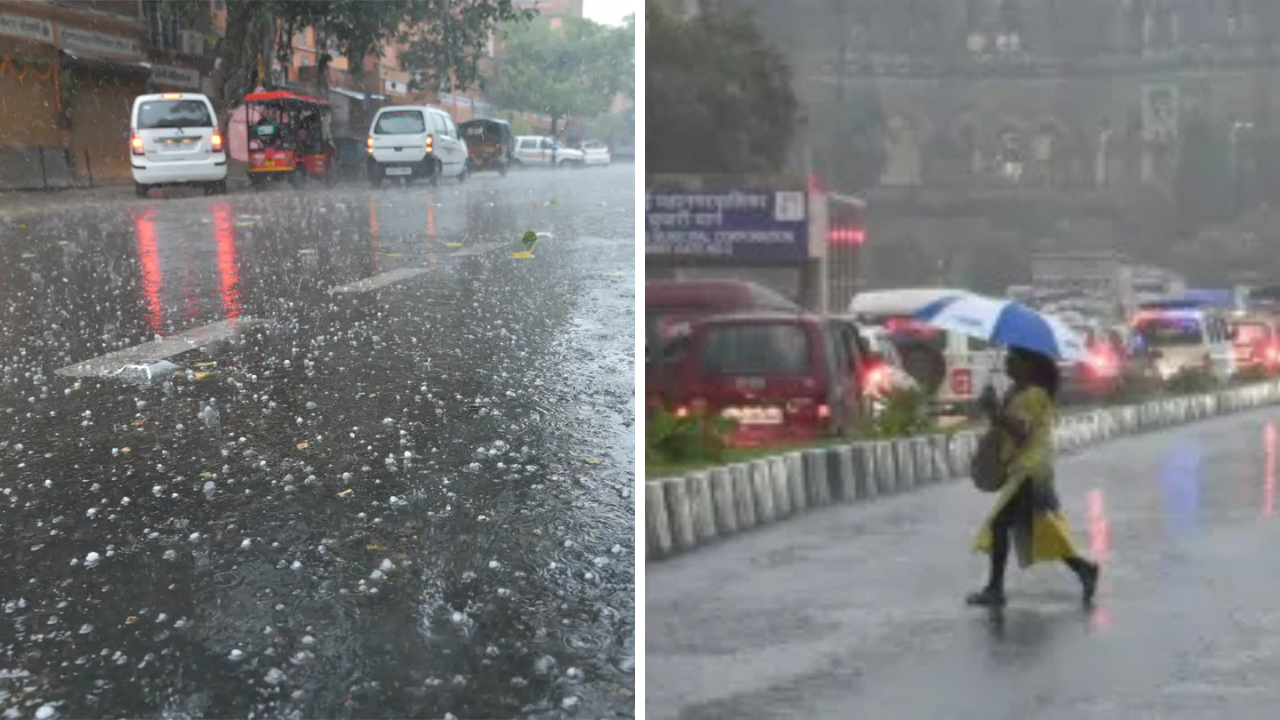
After weeks of relentless downpours that battered many regions across Maharashtra, a brief pause in heavy rainfall has brought temporary respite to residents. However, the India Meteorological Department (IMD) has forecast that light to moderate showers will continue in parts of the state until October 3, particularly in the Marathwada and Vidarbha regions. Relief and rehabilitation work remains ongoing in flood-affected districts as authorities strive to restore normalcy.

Temporary Relief Across the State

Over the past few days, large parts of Maharashtra have witnessed reduced rainfall activity, offering crucial relief to flood-hit communities. For farmers, transport operators, and daily wage earners, this pause has created a much-needed window for urgent recovery work.

In districts like Jalna, Beed, and Aurangabad in Marathwada, and Nagpur, Yavatmal, and Chandrapur in Vidarbha, the water levels of swollen rivers have begun to recede. Village roads that were cut off due to waterlogging are gradually opening up, enabling movement of relief supplies.

State authorities, however, have cautioned citizens not to assume the monsoon is over, noting that moderate showers are still likely across eastern and central Maharashtra until the first week of October.

IMD Forecast: More Showers Until October 3

According to the latest IMD bulletin, the rainfall activity is expected to persist in isolated to scattered form in Marathwada and Vidarbha through October 3. Weather scientists attribute this spell to a low-pressure area developing over the Bay of Bengal, with moisture-laden winds affecting central Indian states including Maharashtra.

While Mumbai, Pune, and western Maharashtra may see only light drizzles in some areas, eastern parts could receive moderate rainfall, keeping agriculture-related challenges in focus.

The IMD has also issued advisories for farmers to avoid water-intensive practices for the next few days and delay harvesting wherever possible.

Flood-Affected Regions Focus on Relief

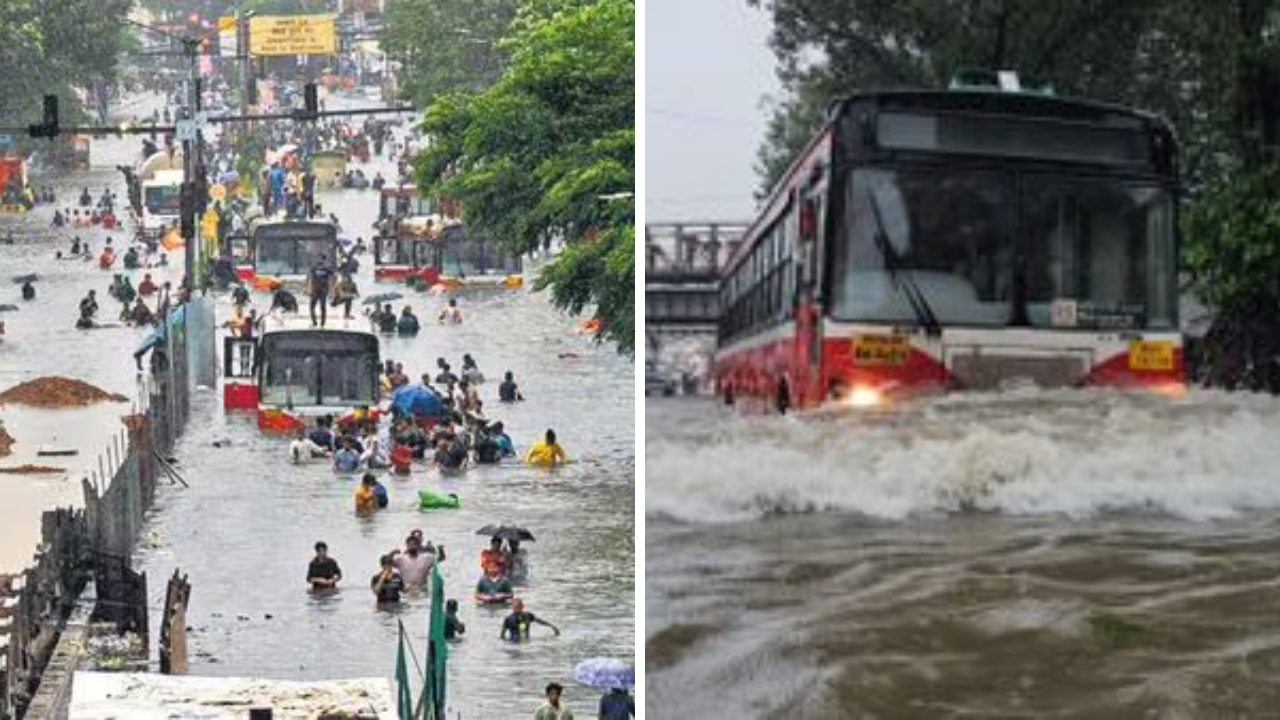
Even as rains ease in many districts, the scars of last week’s flash floods remain visible. Several villages in Kolhapur, Sangli, and Nashik had faced severe waterlogging after torrential showers overloaded rivers like Panchganga, Godavari, and Krishna.

Relief camps run by district administrations continue to house families displaced by the damage. Teams of the National Disaster Response Force (NDRF), along with local volunteers, are still assisting stranded populations in vulnerable pockets.

Chief Minister Eknath Shinde held a review meeting with officials earlier this week, directing them to fast-track damage assessment and distribution of compensation. He also appealed to district authorities to give priority to rebuilding damaged roads, bridges, and irrigation channels critical for both villagers and farmers.

Farmers Await Rabi Preparations

The monsoon pause has been both a relief and a source of anxiety for Maharashtra’s agrarian community. In Vidarbha, which has a significant cotton and soybean belt, many farmers have been able to save their standing crops thanks to the slightly drier spell over the past two days. However, concern lingers about crop damage due to the earlier deluge.

In Marathwada, where water scarcity is a recurrent challenge, reservoirs have filled significantly this season, boosting prospects for the upcoming rabi sowing. Agricultural experts suggest that moderate rain till October 3 may actually aid soil moisture retention, provided there are no excessive showers.

Officials from the state agriculture department noted that district-level teams are closely monitoring crop conditions and coordinating with farmers. Special advisories on pest control and crop insurance claims are also being circulated.

Urban Challenges and Infrastructure Response

In urban centers like Mumbai, Thane, and Pune, civic authorities utilized the lull in rains to expedite drainage clearance, pothole repairs, and restoration of waterlogged zones. Several daily commuters welcomed the reduced rainfall, reporting smoother transport conditions on Tuesday and Wednesday.

Mumbai Metropolitan Region Development Authority (MMRDA) officials said that while flooding hotspots like Sion, Kurla, and Andheri receded significantly, preparedness measures remain in place in case of further rainfall.

Meanwhile, power supply companies in Nashik and Nagpur have launched drives to restore supply in flood-hit pockets where substations and wires were damaged.

Government and NGO Efforts

The state disaster control cell confirmed that over 12,000 people were shifted to safer locations last week. Relief material including food grains, medicine, and potable water continues to be dispatched to affected areas.

Several non-governmental organizations have stepped in to distribute clothing, sanitary supplies, and ration kits. Community kitchens run by local groups in Sangli and Beed districts are serving hundreds of meals daily for those still unable to return home.

State Health Department teams remain alert to prevent the outbreak of vector-borne diseases such as dengue, chikungunya, and malaria, which often rise in post-flood conditions. Mobile clinics have been deployed in rural Vidarbha to ensure quick medical care reaches vulnerable populations.

Citizens Urged to Remain Cautious

Authorities have reiterated safety advisories to citizens, urging them to avoid venturing near overflowing rivers, barrages, and waterlogged low-lying areas. With isolated showers likely until October 3, caution has been advised for both rural farmers working in fields and urban commuters travelling daily.

Meteorologists expect rainfall activity to taper off more visibly by the end of this week, marking the gradual withdrawal of the southwest monsoon in Maharashtra.