
Thursday, March 12, 2026
Home Blog Page 30

Positive Momentum in Indian Stocks TCS Advances AI Services, VIP Industries Sells Mumbai Asset

0
Indian Stocks

 The Indian stock market started Friday’s session on a stronger note, supported by positive cues from global markets and investor optimism surrounding domestic corporate developments. Key blue-chip stocks, including Eicher Motors, Reliance Industries, and HDFC Bank, saw healthy gains as traders carried forward momentum from the previous sessions.

The overall sentiment in the market turned upbeat as investors responded positively to ongoing corporate announcements and strong earnings performances. The banking, IT, and auto sectors emerged as top-performing indices, reflecting improved business confidence across the economy.

Broader Market Highlights

The benchmark indices opened higher, with both the BSE Sensex and NSE Nifty trading in the green. Improved liquidity from institutional investors, coupled with easing global bond yields, boosted market enthusiasm. Auto and information technology counters outperformed, while select energy and metal stocks traded mixed on profit booking.

Eicher Motors stood out as one of the key gainers of the day. The company’s stock continued its upward trajectory as investors maintained confidence in the auto manufacturer’s export-focused strategy and new launches in the mid-size motorcycle segment. Analysts noted that growing international demand for Royal Enfield models has strongly supported the company’s revenue prospects going forward.

Reliance Industries  also supported market gains, registering a steady rise as reports emerged of its continued investments in new energy initiatives. The company’s strategic diversification into clean energy and digital ventures has consistently drawn investor attention. Market experts believe Reliance’s integrated growth approach across telecom, retail, and energy segments could provide long-term stability in its earnings profile.

HDFC Bank , one of the leading financial institutions in the country, added momentum with significant buying interest following optimism in the banking sector. Improved credit growth, declining non-performing assets, and strong retail loan demand have collectively boosted investor sentiment. Market analysts say HDFC Bank’s focus on digital transformation and expansion into rural markets will continue to strengthen its leadership position in the Indian banking industry.

Sectoral Insights and Institutional Activity

The auto index led sectoral gains as easing raw material prices and strong festive-season sales helped sustain buying interest. Financial stocks followed closely, reflecting robust balance sheets and a favorable credit environment. The IT index saw renewed strength driven by strong global demand for digital and AI-led solutions, benefiting key technology players.

On the institutional front, foreign portfolio investors (FPIs) were net buyers for the third consecutive day, signaling renewed confidence in India’s macroeconomic fundamentals. Domestic institutional investors (DIIs) also continued to accumulate positions in select mid-cap and large-cap sectors, adding further support to market stability.

Corporate Developments in Focus

Among major corporate announcements, Tata Consultancy Services  reported significant progress in its next-generation AI-led technology services. The company is focusing on integrating artificial intelligence with its core business solutions to help clients enhance efficiency and accelerate digital transformation. Analysts observed that TCS’s continued investment in research and development positions it well to leverage global demand for cognitive and automation-driven IT services.

The IT giant’s initiative reflects the broader industry trend of technology firms shifting toward smarter, high-margin service offerings powered by artificial intelligence and machine learning. Market participants expect this to create new revenue streams for the company while improving operating margins over time.

In another notable corporate move, VIP Industries  announced the sale of one of its non-core assets in Mumbai. The transaction, aimed at optimizing its asset portfolio and strengthening liquidity, aligns with the company’s long-term business restructuring strategy. Industry experts interpret the move as part of an effort to streamline operations and invest more aggressively in its core luggage and travel accessory business, which has seen increasing demand with the revival of tourism and business travel.

The sale is likely to enhance VIP Industries’ capital efficiency while allowing it to focus resources on expanding its product range and reaching new growth markets.

Broader Economic Context

The market’s positive movement comes amid steady economic indicators suggesting resilience in domestic demand. Recent data on industrial production and services output indicate consistent expansion, while inflation appears to be moderating after a period of volatility. Economists say these developments provide the Reserve Bank of India some flexibility to maintain a balanced policy stance during upcoming monetary reviews.

Consumer and investor confidence also remain high, aided by increased employment opportunities in urban centers and improving rural spending trends following a favorable monsoon season. Exports and manufacturing activities have shown moderate recovery, with the government’s continued emphasis on “Make in India” and infrastructure development providing further stimulus to key industries.

Global Sentiment and Outlook

Globally, Asian markets traded mostly higher on hopes of a stable U.S. interest rate path and continued economic recovery in China. European markets also opened positive, offering additional support to investor sentiment in emerging economies such as India.

Market strategists suggest that the near-term outlook for Indian equities remains constructive. A combination of strong corporate earnings, government capital expenditure, and improving global supply dynamics are expected to drive sustained growth in the coming quarters.

Analysts, however, warn that valuations in certain sectors remain elevated, warranting cautious optimism. They recommend investors focus on companies with robust fundamentals and diversified growth strategies while avoiding speculative segments.

Conclusion

As of Friday, the Indian market reflects a cautiously optimistic tone, with investors betting on steady growth across sectors. Major players like Eicher Motors, Reliance Industries, and HDFC Bank continue to capture market momentum, while technological advances from companies like Tata Consultancy Services and strategic realignments from firms such as VIP Industries signal evolving trends in corporate India.


ADEETYA MOHTA (NAGPUR) 100 COUNTRY WORLD TOUR ALL DREAMS CAME TRUE

0
ADEETYA MOHTA

In a world where challenges often overshadow clarity, Adeetya Mohta from Nagpur stands as a radiant source of strength, wisdom, and hope. Known globally as an International All-Rounder Counsellor and Social Worker, his journey of 33 years shines like pure light, guiding people with compassion, intuition, and a rare multidimensional brilliance. Adeetya represents a perfect balance of ancient knowledge, modern understanding, artistic creativity, and humanitarian values, making him a one-of-a-kind counsellor whose impact touches lives across India and beyond.

His extraordinary abilities include face reading, tarot, palmistry, energy and aura analysis, vibration reading, astrology, and kundali written suggestions. His counselling sessions are deeply insightful, often answering five key questions with utmost sincerity and clarity. For many, these twenty-minute personal sessions become life-changing experiences, filled with direction, healing, and emotional stability. His approach remains humble, transparent, and ethical, with a clear philosophy that resonates through his work: humble suggestions on request with no guarantee, because true guidance comes from honesty and purity of intention.

Adeetya’s spiritual expertise also extends to Vastu Shashtra and Feng Shui, helping transform homes and workplaces into spaces of harmony, peace, prosperity, and balance. His understanding of energy and environment has helped countless individuals regain confidence, emotional strength, and a sense of inner calm. His belief in divine principles, represented through auspicious symbols like Shubh, Labh, Swastik, and Om, reflects the positive vibrations he carries within himself.

Beyond metaphysical sciences, Adeetya is a true all-rounder, gifted with exceptional talents across multiple creative and professional fields. He is a jewellery designer, actor, RJ, VJ, performer, dancer, interior designer, landscaper, personal stylist, fitness coach, multi-cuisine chef, and a dedicated social worker whose service to humanity remains at the core of his identity. His versatility is like a polished diamond with many facets, each reflecting creativity, innovation, and passion. He strongly believes that creativity is another form of healing, and he channels this belief through every aspect of his multidimensional career.

Adeetya’s counselling philosophy is rooted in two powerful principles that he upholds with devotion: Karma pays with interest and one must celebrate life with respect, freedom, peace, and happiness. These guiding thoughts form the backbone of his interactions with individuals who seek clarity, guidance, or emotional strength. His best wishes message, Best Wishes Asever Forever, carries the warmth of his heart, reminding people that kindness, positivity, and blessings can create miracles.

He conducts his counselling with professionalism and respect, maintaining specific working hours from 2 PM to 5 PM and providing appointments only through prior scheduling. He also shares a complete counselling terms-and-conditions document before confirming any session, ensuring that every individual feels safe, prepared, and valued. Despite his global recognition, Adeetya chooses to remain an uncertified counsellor by personal choice, as he believes counselling is not a qualification—it is a calling of the soul.

What truly completes his identity is the meaning of his name. ADEETYA means sunshine, light, and life for the universe, and just as the universe is incomplete without the sun, his presence feels essential in the lives of those who seek guidance. He truly does justice to this divine name, radiating warmth, clarity, courage, and direction.

With his unwavering belief in human potential, his dedication to spreading positivity, and his heartfelt approach to offering solutions for any stage or struggle in life, Adeetya Mohta continues to shine as a humble yet powerful beacon of transformation with 16 yrs personal experience in our constitution of India judicial system wherein ADEETYA has personally appeared in-person and also handled several countless diversed various cases from honble trial courts to honble supreme court of India and got reliefs on merits since 2009 onwards, His journey from his heart to hearts is not just a caree, it is a blessing to the world from the universe, illuminating countless paths with light, personal experiences, world tour, wisdom, manifestation, hope and faith as faith and karmas can move mountains .

Cinematographer Sangram Mahapatra Gains National Recognition for Kokua, Announces Upcoming Projects

0
Sangram Mahapatra

Balangir, Odisha – 2025:
Emerging Odia cinematographer Sangram Mahapatra, known for his expressive visual craft and powerful storytelling, continues to rise in India’s independent film scene as his award-winning short film Kokua receives recognition at the Dada Saheb Phalke Award platform 2025.

Hailing from Bhainsa village in Balangir district and an alumnus of JITM College, Balangir, Mahapatra has built a strong creative journey through his work across short films, music albums, and concept-based visual projects. His dedication to authenticity and cinematic detail has earned him respect within the filmmaking community.

His breakthrough project, Kokua, is praised for its emotional depth, grounded narrative, and striking cinematography—solidifying his position as one of the most promising young creators from Odisha.

Upcoming Projects

Following the success of Kokua, Sangram Mahapatra is now involved in two highly anticipated independent projects:

🔹 Nigha – Upcoming short film
Directed by: Murli Prasad Sahu
Sangram contributes his visual expertise to bring this intense and concept-driven story to life.

🔹 Sur – The Last Note
By: Jogesh Raj & Vayura
Directed by: Sangram Mahapatra
A musical and emotional narrative, this film marks Sangram’s expanding role not only as a cinematographer but also as a director, showcasing his evolving creative versatility.

Industry Response

“Sangram is a dedicated visual craftsman. His signature detailing and storytelling sensibility reflect in every frame,” said members of his production team.

About the Artist

With multiple music videos, short films, and creative collaborations, Sangram Mahapatra is steadily emerging as a new voice in Odisha’s modern filmmaking landscape—carrying forward the vision of meaningful, independent cinema.

Mohan Yadav Joins Leaders at Nitish Kumar’s 10th Swearing-In, Signaling Political Unity

0
10th Swearing-In

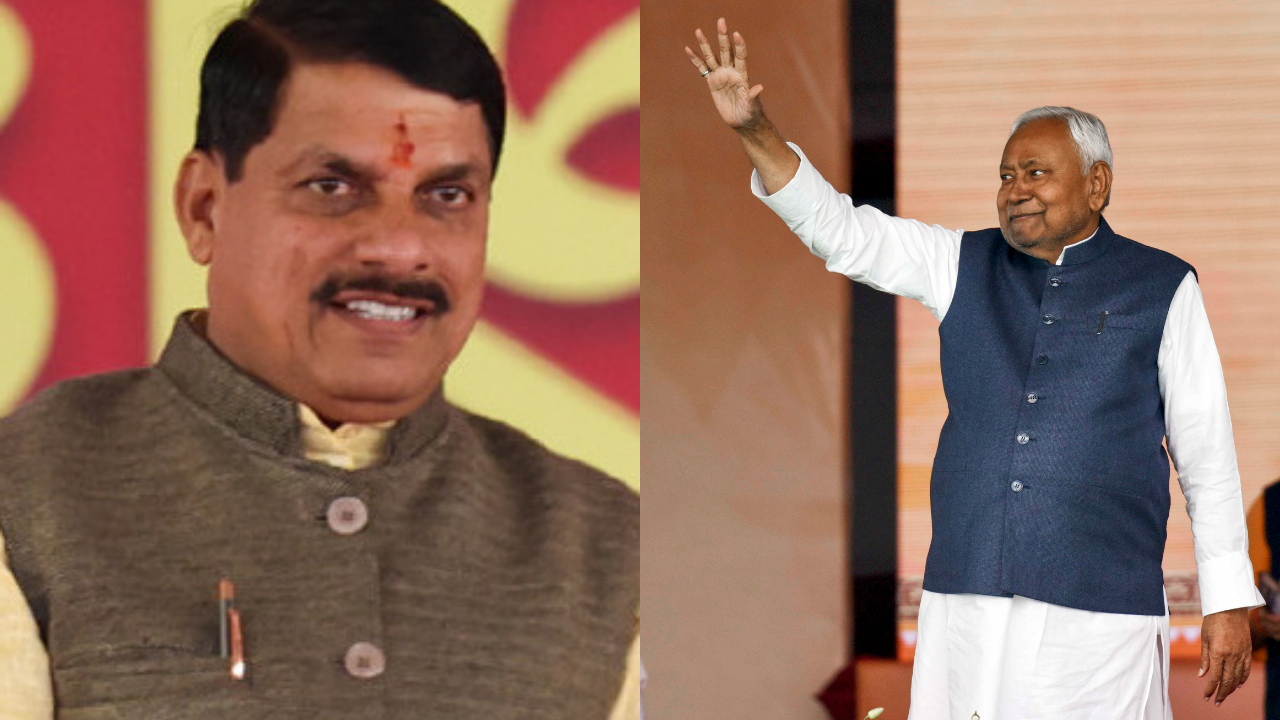
Madhya Pradesh Chief Minister Mohan Yadav is once again making political headlines as he prepares to attend the oath-taking ceremony of Bihar’s Chief Minister Nitish Kumar. The event, marking Nitish Kumar’s 10th term as Chief Minister, is gaining national attention, and the presence of Mohan Yadav at the ceremony underscores a larger message of political engagement and alliance-building within India’s shifting political landscape.

The ceremony, expected to be attended by several political heavyweights, reflects Bihar’s political continuity under Nitish Kumar’s leadership, while also providing a stage for broader discussions among leaders from different states. Mohan Yadav’s attendance emphasizes Madhya Pradesh’s growing presence in national political circles and his own emergence as a significant leader within the Bharatiya Janata Party (BJP).

Strengthening Political Ties Across States

Mohan Yadav’s participation in the event is being interpreted as more than a simple gesture of respect or protocol. Political analysts view it as part of a broader strategy to strengthen inter-state relations within the party and reinforce coordination among the BJP-led governments across India. His attendance signals Madhya Pradesh’s active role in national dialogue and decision-making processes, especially in the run-up to key political events and elections.

Leaders from various states, particularly from BJP-ruled regions, are likely to utilize the occasion to discuss future strategies, governance models, and policy collaborations. Madhya Pradesh’s success in implementing several flagship central schemes, infrastructure upgrades, and development initiatives under Mohan Yadav’s leadership has positioned the state as an example of efficient governance. Many observers see this as a reason his presence at major political gatherings carries increasing significance.

Nitish Kumar’s Landmark 10th Oath-Taking Ceremony

Nitish Kumar’s 10th term as Bihar’s Chief Minister is historic, further cementing his reputation as one of India’s longest-serving state leaders. Known for his coalition politics, administrative reforms, and efforts to balance social and economic priorities, Nitish’s return to office reflects both continuity and resilience in Bihar’s political environment.

For the BJP and its national allies, such a milestone provides an important opportunity to demonstrate internal stability and regional cooperation. The presence of influential leaders like Mohan Yadav underscores unity within the party framework and signals the central leadership’s confidence in the administrative abilities of its key Chief Ministers.

Mohan Yadav’s Rising Role in the BJP’s National Landscape

Since assuming office as the Chief Minister of Madhya Pradesh, Mohan Yadav has maintained a steady focus on governance, infrastructure development, and youth empowerment. His governance style has often been described as practical and people-centric, focusing on long-term state growth through both urban modernization and rural empowerment.

Attending significant political ceremonies such as this one not only enhances his visibility at the national stage but also strengthens inter-state collaboration on key issues like education, digitalization, and investment promotion. Political experts suggest that Yadav’s growing influence within the BJP could translate into a greater role in shaping national-level policies that affect states like Madhya Pradesh and beyond.

Symbolism and Political Messaging

The presence of Chief Ministers from multiple states at the event also carries symbolism. It reflects the idea of cooperative federalism—leaders working together to build a shared political vision while maintaining regional diversity. For Mohan Yadav, being part of Nitish Kumar’s historic moment offers an opportunity to showcase Madhya Pradesh’s political harmony with other states while reinforcing the principles of unity and development under the party’s broader ideology.

Such interactions often extend beyond ceremonial participation. Behind the scenes, these events serve as informal platforms for exchanging ideas, sharing governance strategies, and discussing upcoming challenges such as employment generation, economic revival, and welfare delivery. The networks formed during such gatherings can influence future collaboration across sectors like agriculture, education, and industrial growth.

What This Means for Madhya Pradesh

For Madhya Pradesh, the Chief Minister’s engagement in national political events helps raise the state’s profile in inter-state and central-level discussions. It positions Madhya Pradesh as an active contributor to India’s overall progress rather than a spectator. Mohan Yadav’s leadership approach—rooted in regional tradition but open to innovation—fits well within the broader aim of expanding the state’s influence beyond its borders.

The event also offers an opportunity to attract new investments and partnerships. Bihar and Madhya Pradesh share cultural and social similarities, and both states are working on strengthening infrastructure, transport connectivity, and industrial corridors. Future collaborations spurred by such political interactions could translate into developmental benefits for both regions.

National Significance and Broader Impact

Beyond state politics, Mohan Yadav’s attendance at Nitish Kumar’s 10th oath-taking ceremony highlights the BJP’s emphasis on maintaining strong communication and coordination between its regional leaders. In an era where public perception and political partnerships matter more than ever, the symbolic presence of state leaders hints at unity and continuity within the organization’s national framework.

As political observers await the proceedings in Patna, all eyes will be on how key leaders interact and what messages emerge from this landmark event. The coming together of experienced leaders like Nitish Kumar and rising figures such as Mohan Yadav presents a picture of political coherence, stability, and shared commitment toward national growth.

Conclusion

Mohan Yadav’s attendance at the oath-taking ceremony goes beyond mere formality. It represents a convergence of political respect, inter-state cooperation, and strategic outreach. For Madhya Pradesh, it marks another step in projecting its leadership at a national level, while for India’s political scene, it reaffirms the importance of unity and collaboration among leaders steering the country’s development.

As Bihar marks Nitish Kumar’s 10th term, the presence of leaders like Mohan Yadav sets the tone for a renewed era of partnership-driven governance in India—where state leaders come together to shape not just their regions, but the nation’s future direction.

Maharashtra Sets to Simplify Property Ownership with Vertical Property Card

0

In a move that could redefine urban property ownership, the Maharashtra government has announced the introduction of the “Vertical Property Card” — a landmark initiative aimed at clearly defining land ownership shares for flat owners. This step is expected to make property transactions simpler, minimize disputes during redevelopment projects, and enhance transparency across the state’s real estate sector.

The Vertical Property Card will bring in a new era of digital clarity to the housing sector, especially in metropolitan cities like Mumbai, Pune, Thane, and Nagpur, where multi-storey apartment ownership is a significant part of urban life. Unlike the traditional property registration system that focused only on land parcels, the new system will digitally record details of individual flat ownership, ensuring that every flat owner’s share in the underlying land is clearly defined and traceable.

Purpose Behind the Vertical Property Card

For years, property transactions in Maharashtra have faced issues related to unclear ownership details, overlapping titles, and lengthy verification processes. In large housing societies or high-rise buildings, many residents often found it difficult to prove their precise ownership share when redevelopment or legal issues arose.

By implementing the Vertical Property Card system, the government seeks to change this. Each flat owner will be issued a digital card similar to the existing property card but vertically mapped to a specific apartment within a building. The details on the card will include the owner’s name, flat number, carpet area, share in the land, and other vital data extracted from the survey and land records.

The initiative aims to bring greater transparency between flat buyers, builders, and authorities. It will help streamline the property registration process, assist financial institutions in property-related verifications, and reduce legal disputes that often delay redevelopment projects for years.

How the New System Works

In a conventional property card system, ownership was horizontally mapped — referring only to plots of land and not the divisions within tall buildings. The Vertical Property Card introduces a digital mapping setup where each flat is identified in relation to the land parcel it stands on, much like separate floors and units in a 3D map.

This updated digital record will be linked with the property’s unique identification number (UID) under the state’s revenue department database. Once implemented fully, citizens will be able to view property card information online through integrated portals like Mahabhulekh and MahaOnline.

Under this initiative, the records will also be regularly updated to reflect property sales, transfers, redevelopments, or inheritance, ensuring that the land-sharing structure remains up to date at all times.

Benefits for Flat Owners and Developers

The Vertical Property Card will bring multiple benefits to property owners, developers, and law enforcement agencies:

  • Clarity in Ownership: Each flat owner’s share in land will be defined on paper, strengthening property rights and reducing confusion during resale or mortgage processes.
  • Simplified Transactions: Buyers and banks will have verified digital data while conducting transactions, saving time on record checks.
  • Transparency for Developers: Builders will have accurate land and apartment ownership records during redevelopment or society reconstruction projects.
  • Reduced Legal Disputes: Clear records will reduce conflicts over property boundaries, ownership claims, and redevelopment compensation.
  • Support for Smart Governance: Digital property mapping will help the government track property taxes, land use patterns, and urban development plans more effectively.

For the government, this initiative also ties into larger goals of urban digitalization, improving the ease of doing business, and building confidence among investors in Maharashtra’s property market.

Integration with Digital Land Record Reforms

The Vertical Property Card is part of Maharashtra’s broader land record modernization program under the national Digital India Land Records Modernization Programme (DILRMP). Through this project, the Revenue and Land Records Departments have already digitized millions of rural and urban property cards, 7/12 extracts, and maps.

By integrating with advanced GIS (Geographic Information System) technology, the new card system will bring visual precision to property identification. This means government departments, municipal authorities, and citizens will access coordinated data from a single digital source, reducing discrepancies between local body and land record offices.

Officials say the new system will first roll out in pilot cities such as Pune and Thane before expanding to other districts across Maharashtra. Once fully implemented, every new property registration will automatically generate a Vertical Property Card linked with the Sub-Registrar’s records.

A Step Toward More Organized Urban Development

The real estate sector in Maharashtra contributes significantly to the state’s economy, but lack of synchronized land documentation has often led to project delays. With this initiative, the government hopes to introduce a standardized digital framework that supports planned urban development and cleaner property transactions.

Industry experts and housing federations have widely welcomed the move. According to urban planners, the Vertical Property Card can act as a vital safeguard for homeowners in redevelopment cases, especially in old cooperative housing societies where multiple ownerships overlap. It aligns property data with the realities of vertical housing growth in modern cities.

The state government has stated that public awareness drives will soon be launched to educate citizens on how to access, verify, and use the Vertical Property Card for various purposes. These drives will explain how flat owners can link existing property details with the new digital system for better clarity and legal protection.

Conclusion

By recognizing that modern urban life is built vertically rather than horizontally, Maharashtra’s introduction of the Vertical Property Card marks a major policy innovation in property governance. It bridges the gap between physical property ownership and digital record management, establishing transparency and trust in real estate dealings.

As the initiative expands statewide, it promises to simplify homeownership for millions of citizens, provide a reliable foundation for redevelopment, and pave the way toward a more transparent, efficient, and future-ready real estate ecosystem in Maharashtra.

Mumbai’s Luma Fertility Raises $4 Million to Expand Clinics Across India

0
Luma Fertility

Mumbai-based fertility healthcare startup Luma Fertility has successfully raised $4 million in funding to accelerate its nationwide expansion and make quality fertility treatment more accessible to couples and individuals across India. The funding round marks a major step forward in India’s rapidly evolving reproductive health ecosystem, where advanced technology, clinical expertise, and patient-focused care are driving new hope for people struggling with infertility.

Breaking Barriers in Fertility Care

Founded in Mumbai, Luma Fertility aims to transform how fertility care is delivered by blending medical innovation with personalized treatment. The startup focuses on helping couples conceive using a combination of advanced fertility testing, modern IVF procedures, and emotionally supportive care.

With growing rates of infertility due to lifestyle and environmental factors, Luma Fertility believes that fertility treatment must go beyond clinical procedures and include emotional well-being, counseling, and holistic support. By establishing a chain of modern clinics equipped with experienced doctors, embryologists, and counselors, the company has already built a trusted presence in Mumbai and nearby cities.

The newly raised $4 million will be used to expand its physical footprint, enhance in-house technology, and strengthen the digital infrastructure that connects patients to personalized fertility solutions. Luma Fertility plans to open several new clinics in major metropolitan cities such as Delhi, Bengaluru, Pune, and Hyderabad over the next 18 months.

Investor Confidence and Growth Plans

According to company sources, the latest funding came from prominent investors who see immense potential in India’s fertility healthcare sector. Though the names of investors have not been disclosed publicly, the involvement of both domestic and international backers signals growing confidence in healthcare startups focused on reproductive medicine.

The fresh capital infusion will support Luma Fertility’s three key areas of growth: clinical expansion, technology-driven diagnostics, and patient education. The startup plans to invest significantly in building AI-based diagnostic tools that can help doctors design more accurate and customized treatment plans. This combination of technology and clinical precision aims to improve IVF success rates and reduce treatment time.

“Our mission is to make fertility care more transparent, compassionate, and affordable,” said a Luma Fertility spokesperson. “With this new funding, we can reach more couples across India who need support in their fertility journey and ensure that the experience is both medically effective and emotionally reassuring.”

Rising Demand for Accessible Fertility Solutions

India has witnessed a significant increase in demand for fertility treatments over the past decade. Factors such as delayed marriages, urban lifestyles, stress, and rising awareness of assisted reproductive technologies (ART) have contributed to the sector’s growth. Industry reports suggest that the Indian fertility market could surpass $3 billion by 2030, highlighting opportunities for specialized healthcare startups like Luma Fertility.

Luma Fertility’s approach stands out for its focus on patient education and transparency. Unlike traditional clinics that often provide limited information or follow one-size-fits-all treatment models, Luma uses data-driven diagnostics to tailor approaches for each individual. Patients receive detailed insights into their fertility timeline, hormone health, egg quality, and lifestyle adjustments that can support conception naturally or through medical assistance.

Building a Patient-Centered Ecosystem

Apart from expanding its physical presence, Luma Fertility is also developing a robust digital ecosystem. The startup plans to launch a mobile platform to help users track fertility goals, consult with doctors online, and access educational resources about reproductive health. This will enable patients to stay connected with experts even between in-clinic visits and foster long-term engagement with the brand.

The company is also focusing on building awareness programs and tie-ups with corporate wellness partners to make fertility-related health checks part of regular healthcare benefits. This move aligns with the growing recognition among employers that reproductive health is a key component of employee wellness.

Commitment to Accessibility and Affordability

Fertility treatment in India can often be expensive and financially draining for families. Luma Fertility aims to address this challenge by offering transparent pricing and financing options that make treatment more affordable. Partnerships with financial institutions and healthcare insurers are expected to help patients manage costs effectively without compromising on medical standards.

The startup also emphasizes ethical practices in fertility care, prioritizing medically justified treatments and clear communication. Patients are informed about every step of the process, from diagnosis to post-treatment support, which helps build trust and confidence.

Outlook for the Future

With the backing of its investors and a growing network of medical professionals, Luma Fertility is set to redefine fertility care standards in India. The startup’s clinics are designed not only as medical centers but also as safe, inclusive spaces where people can seek hope and expert guidance during an emotionally delicate phase of life.

By combining technology with empathy, Luma Fertility envisions bridging the gap between modern science and human connection. The company’s long-term plan includes expanding to Tier-2 cities, where access to fertility care remains limited. The team aims to bring world-class IVF and fertility services to emerging urban centers where awareness and affordability are major challenges.

Industry experts believe that Luma Fertility’s success story reflects the growing investor optimism in healthcare startups addressing specialized needs in India. As conversations around reproductive health become more open and inclusive, companies like Luma Fertility are set to play a crucial role in making fertility care more approachable and trusted.

With renewed funding, a strong mission, and an expanding footprint, Luma Fertility stands at the forefront of India’s next phase in fertility healthcare innovation — combining clinical excellence with digital innovation to help more families begin their parenthood journey.

Mumbai’s Rising Startups Zepto, Sleep Co, Pilgrim & More

0
Mumbai's Rising Startups

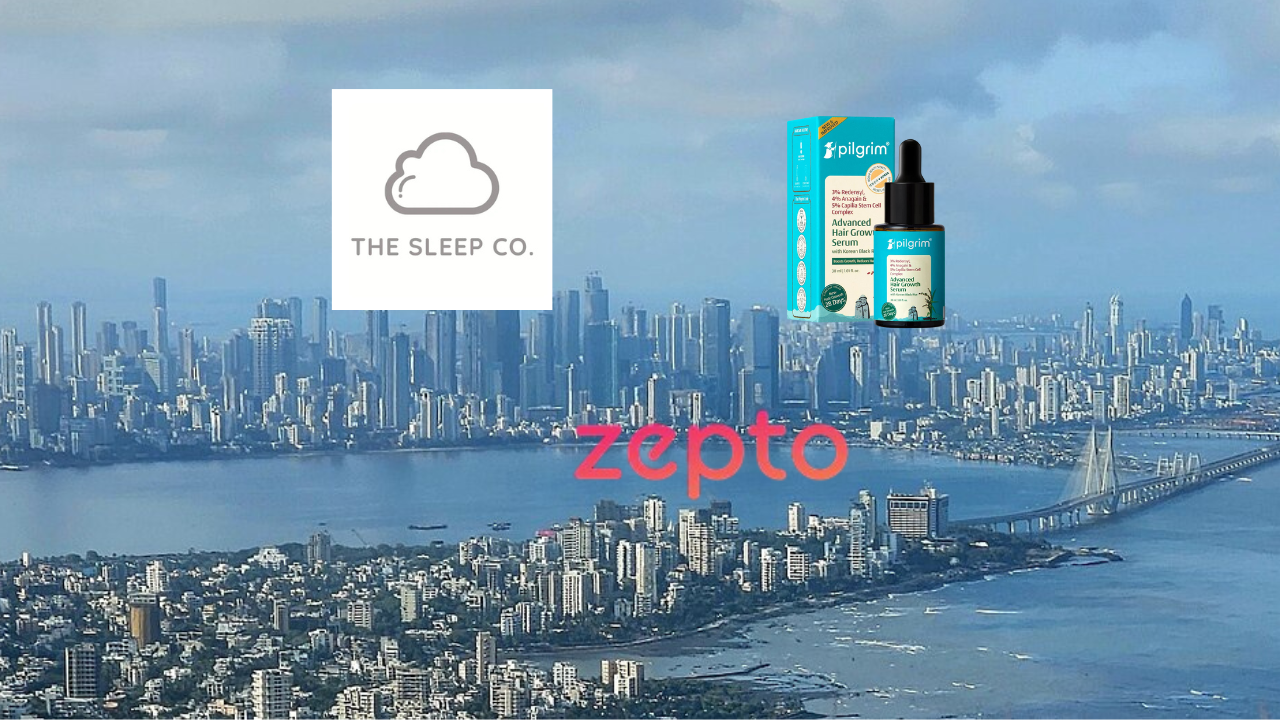
The financial capital of India, Mumbai, is witnessing an unparalleled surge in startup activity. Over the past few years, a new generation of homegrown companies has emerged, each redefining industries in its own way. Startups like Zepto, The Sleep Company, Pilgrim, Traya, Snabbit, and Neysa are turning heads for their bold ideas, customer-centric solutions, and remarkable business growth.

Zepto: Redefining Quick Commerce

Quick commerce has become a household term, and Zepto is leading this change from the heart of Mumbai. Founded by young entrepreneurs, Zepto promises to deliver groceries and daily essentials within minutes. Leveraging hyperlocal warehousing, state-of-the-art logistics, and AI-driven demand forecasting, Zepto has set a new benchmark in urban convenience. Its relentless focus on speed, variety, and quality is resonating with India’s fast-paced urban lifestyle, making “delivery in 10 minutes” a new normal for many Mumbaikars.

The Sleep Company: Comfort Tech Pioneer

In the comfort technology sector, The Sleep Company stands out with its science-backed mattresses and ergonomic products. The company’s patented SmartGRID technology is designed around Indian sleep patterns, offering unparalleled comfort for a growing base of health-conscious consumers. By blending research with indigenous manufacturing, The Sleep Company has transformed how Indians view sleep – elevating it from a basic necessity to an essential wellness investment.

Pilgrim: Direct-to-Consumer Skincare and Wellness

Pilgrim has successfully tapped into the direct-to-consumer (D2C) wave, providing high-quality healthcare and skincare solutions. With an emphasis on natural ingredients, global beauty rituals, and technology-driven personalization, Pilgrim has built a loyal community that values authenticity and transparency. The startup’s digital-first approach, innovative product launches, and strong engagement via social media have made it a standout player in an increasingly crowded space.

Traya: Tech-Enabled Health Solutions

When it comes to health-tech, Traya is setting a new standard by blending Ayurveda, nutrition, and modern medical science to address chronic health issues. Its flagship offering focuses on holistic hair wellness, using a proprietary combination of diet, lifestyle assessments, and personalized solutions. Traya’s approach is rooted in evidence and powered by technology, ensuring users can access tailored support and see real results without stepping outside their homes.

Snabbit: Hyperlocal Home Services

Mumbai’s bustling life often leaves its residents in need of reliable home services – a gap Snabbit fills effortlessly. This hyperlocal platform connects users with verified professionals for cleaning, repairs, beauty services, and more, all with the touch of a button. With a keen focus on trust, safety, and quality, Snabbit has become a go-to for urban dwellers seeking efficiency in their daily chores. Its growth mirrors a wider shift towards on-demand services, making life in the city more manageable and stress-free.

Neysa: Pioneering AI and Cloud Infrastructure

In the high-tech zone, Neysa is rapidly emerging as a leader in the artificial intelligence and cloud infrastructure domain. Neysa’s India-first AI cloud platform empowers businesses of all sizes to harness advanced analytics, machine learning, and scalable computing power without prohibitive costs. By offering next-gen infrastructure capabilities, Neysa is democratizing digital transformation for Indian enterprises, supporting them to stay agile in an increasingly data-driven world.

A Thriving Startup Climate

The rise of these startups paints a promising picture for Mumbai’s innovation ecosystem. City-based accelerators, angel investors, and proactive government initiatives have paved the way for entrepreneurial talent to thrive. With robust infrastructure, access to capital, and a cosmopolitan consumer base, Mumbai has become a magnet for ambitious founders and creative problem-solvers.

Industry experts say the success of these companies lies in their ability to fuse world-class technology with a deep understanding of Indian consumers. Whether it’s Zepto’s fast-paced deliveries, The Sleep Company’s wellness approach, or Neysa’s AI-driven solutions for businesses, each startup reflects Mumbai’s unique blend of speed, adaptability, and resourcefulness.

Future Outlook

As 2025 draws to a close, the momentum in Mumbai’s startup sector shows no signs of slowing down. Companies like Zepto, The Sleep Company, Pilgrim, Traya, Snabbit, and Neysa are not only driving economic growth but also inspiring a new generation of entrepreneurs to dream big. With innovation at their core and customers at the center, these startups are set to shape the future of business in India for years to come.

For local consumers, investors, and aspiring founders, Mumbai’s rapid-fire startup ecosystem offers both inspiration and opportunity – reinforcing the city’s reputation as India’s true startup powerhouse.

Raj Bhavan Mumbai’s Jal Vihar and Jal Bhushan Glow Blue for UNICEF World Children’s Day

0
Raj Bhavan Mumbai

In a symbolic gesture that highlights commitment to child rights and social awareness, the iconic buildings ‘Jal Vihar’ and ‘Jal Bhushan’ inside Raj Bhavan, Mumbai, were illuminated in vibrant blue light on the occasion of UNICEF’s World Children’s Day. The event, marked globally every year on November 20, celebrates the United Nations’ Convention on the Rights of the Child and emphasizes creating a better, safer world for every child.

The illumination of the two historic structures served as a visual tribute to the importance of equality, protection, education, and opportunity for children across India. The Raj Bhavan initiative reflected the government’s commitment to social responsibility, combining heritage, technology, and governance with compassion and community awareness.

A Message of Hope and Inclusion

The glowing blue facade of Jal Vihar and Jal Bhushan drew attention to the message of inclusion — urging citizens, leaders, and organizations to ensure that every child thrives, no matter their background. According to UNICEF, World Children’s Day is not only a celebration but also a reminder of the work still needed to guarantee every child’s rights to health, education, and dignity.

This year’s theme focused on empowering young voices and using innovation and technology to address children’s issues such as digital learning, mental well-being, and protection from online risks. The symbolic lighting at Raj Bhavan was more than an aesthetic display; it represented the connection between policy, social purpose, and a forward-looking vision for child development.

Speaking about the initiative, officials at Raj Bhavan mentioned that the illumination was part of an international campaign encouraging institutions and landmarks to “Go Blue” in solidarity with children. This global movement has seen famous monuments across the world—from the Empire State Building to the Eiffel Tower—lit up in blue as a mark of commitment to children’s welfare.

Raj Bhavan’s Blend of Tradition and Technology

Raj Bhavan Mumbai, the official residence of the Governor of Maharashtra, carries rich historical significance and has always stood as a symbol of leadership, service, and inclusivity. The decision to light up Jal Vihar and Jal Bhushan fuses this legacy with modern values.

The adoption of energy-efficient LED lighting technology for the illumination also underlines the state’s focus on sustainability and eco-conscious practices. The gleaming blue hue represented not only compassion for children but also a message of environmental awareness that complements the broader goals of sustainable governance.

Maharashtra’s Role in Supporting Child Welfare

In recent years, Maharashtra has taken several steps toward improving child welfare indicators. From initiatives promoting girl child education to schemes offering nutritional support and health infrastructure, the state government aligns closely with UNICEF’s global call to action.

Officials working with UNICEF India have frequently noted Maharashtra’s progress in improving access to education and digital resources, especially in rural and tribal regions. The illumination of Raj Bhavan adds another layer to this ongoing effort—an artistic reminder combined with administrative will.

As part of World Children’s Day, various activities across Mumbai and other cities included school events, art competitions, social media campaigns, and outreach programs aimed at raising awareness about children’s rights. NGOs, local authorities, and citizens joined forces to amplify the visibility of the cause, encouraging everyone to play a part in building a child-friendly society.

Connecting Governance with Humanity

The visual grandeur of Jal Vihar and Jal Bhushan glowing in blue symbolized the balancing act between modern governance and humanity. Technology-driven administrations today are not limited to infrastructure or digital policy—they also seek to nurture human growth and inclusivity.

By participating in an international campaign like UNICEF’s World Children’s Day, Raj Bhavan demonstrated how public institutions can use their influence and visibility to drive meaningful communication around social causes. The blue lighting, therefore, became more than illumination—it became dialogue, reflection, and a symbol of hope.

Over the years, World Children’s Day has gained momentum as not only an observance day but also a platform for children and youth to express their perspectives. Across India, schools and universities joined UNICEF campaigns by organizing discussion panels, student delegations, and short film screenings. The Mumbai event harmonized these global aspirations with local significance, showing that Maharashtra continues to stand at the forefront of social awareness movements.

Citizens Encouraged to Participate

Raj Bhavan officials encouraged citizens to take inspiration from the event and contribute to building a positive environment for children in their communities. Small actions such as supporting local schools, helping underprivileged children with learning materials, or spreading awareness on child health can collectively make a large impact.

Social media platforms also played an important role in spreading awareness, as images of the illuminated buildings quickly went viral under hashtags promoting World Children’s Day. Netizens appreciated the beauty and symbolism of the gesture, congratulating the state administration and UNICEF for their collaboration.

A Global Promise, A Local Commitment

World Children’s Day originated from the adoption of the UN Convention on the Rights of the Child in 1989, which remains one of the most widely accepted human rights treaties in history. India continues to reaffirm its pledge toward upholding these rights through national policies and state-led efforts.

By lighting up Jal Vihar and Jal Bhushan in blue, Raj Bhavan Mumbai reinforced the idea that every child deserves a voice, a safe home, and a chance to dream. The gesture encapsulated a universal truth — that progress is sustainable only when the youngest citizens are empowered and protected.

As the blue light shimmered across the walls of Raj Bhavan, it carried a silent promise — a promise of hope, equality, and a brighter future for every child in Maharashtra and beyond.

Emotion-Packed Tamil Feature Kannagi Nagar Set for December 5 Release Under Rajeev Menon Studios

0
Rajeev Menon Studios

Chennai, India – The Tamil film industry will welcome a powerful new project this winter as Kannagi Nagar, produced by Dr. Rajeev Madhavan Menon, prepares for its grand release on December 5. The film is backed by Rajeev Menon Studios with distribution by Premaalaya Studios.

Directed by Dheena, Kannagi Nagar blends love, suspense, and psychological drama. The film tells the story of two tsunami-affected children, Kutty and Meena, who grow up together in the Kannagi Nagar community. A shocking kidnapping incident pushes Kutty into emotional turmoil, leading him on a path of revenge. Later discovering that Meena is alive in Thailand, his desperate attempt to reunite with her ends tragically, bringing the film to a powerful conclusion.

The cast includes Gautham in the lead role as Kutty, Deepa Umapathi as Meena, Muthuraj as Dharma, Bala Singh as Vaathiyaar, and Ko. Raviraj portraying a young social worker. The film features music by Thenisai Thendral Deva, cinematography by Mohammed Farhan, and editing by Marish and K. Manikandan.

With a 3.5-crore production budget and a duration of 1 hour 47 minutes, Kannagi Nagar highlights strong social themes and the emotional fragility of youth exposed to trauma. Dr. Rajeev Madhavan Menon notes that the film seeks to raise awareness about the struggles faced by children living in high-stress environments.

Produced in Tamil and presented in color, Kannagi Nagar is set to resonate with viewers looking for intense, meaningful storytelling rooted in real-world issues.

“SAMRAT Launched: Akshar Naidu Kalyani and Anushka Chakravarthy to Lead a Powerful New-Age Student Political Drama”

0
Akshar Naidu Kalyani

Swaaksha Pictures, Brundhavanam Art Pictures, and Blue Ocean Pictures are proudly announcing the launch of their new bilingual film “SAMRAT”, which will be made in both Hindi and Telugu.

The film features the young and talented actor Akshar as the hero. He has previously impressed audiences with his performance in “2va Gadhi”, which is soon going to release on OTT. “Samrat” marks his second major film, where he will be seen in a powerful role as a rising student leader.

The heroine of the film is the beautiful and charming Anushka Chakravarthy, a model making her debut as the female lead with this project.

The film is directed by Himanshu, known for his strong storytelling approach. The project is produced by Swathi and Krishna Chaitanya, who shared that “Samrat is a perfect blend of commercial entertainment with a deep-rooted story that revolves around student politics and youth empowerment.” The film includes romance, action, campus politics, drama, and all major commercial elements.

Co-Producer: Navneet Singh DOP: Jaymil Khalas Music: Top music director S. N. Naazeer Executive Producer: Amith Story: Akshar (Hero of the film) Dialogues: Dharani Kota Screenplay: Veera & Nitish Assistant Director: Nitish

“Samrat” will feature 6 songs, intense action sequences, and strong commercial angles, promising a full entertainment package for the audience. According to producer Swathi, the film will be a complete feast for action lovers, youth, and romantic film audiences.

The shooting of the film will commence soon. “SAMRAT” is set to bring a powerful story filled with passion, youth energy, and impactful emotions to the screen.