Friday, June 5, 2026
Home Blog Page 245

The quality and quantity of jobs are alarming.

The quality and quantity of jobs are alarming in India’s economy

Efforts must be made to improve the quality of jobs, not the quantity, as India transitions to a middle-income economy.

This is the right season to adjust GDP growth. Several agencies have revised India’s GDP forecast for 2023-24 to 6.2% to 6.7%. India remains one of the bright spots in the context of major economies like China, the UK and Europe slowing down or heading towards recession. On the other hand, preliminary estimates indicate that India’s GDP in the second quarter will grow by about 6.5% thanks to the decent recovery in the first quarter. While continued sales during the year-end holidays will stimulate domestic private consumption, the continued increase in public investment spending as well as the potential for a jump-start in the private investment cycle will remain, with growth momentum maintained throughout the remainder of operations.

Although we expect positive growth, job creation remains a major concern. The overall unemployment rate rose from 7.09% in September to 10.05% in October, the highest monthly rate since May 2021, according to CMIE special forecasts. The data comes just weeks after the Prime Minister announced that employment has reached a new high and unemployment is at its lowest levels in six years. His comments, ahead of a busy election season, were confirmed by official data last month, which showed the unemployment rate falling to a six-year low of 3.2% between May-July 2022 and June 2023. This is a sharp change after the Periodic Labor Force Survey (PLFS) revealed for the first time that unemployment was at its highest levels in four decades in 2017-18. As growth returns, the benefits of development are expected to accrue equally to villages and towns, but as CMIE data for October showed, rural unemployment was higher last month than in urban areas.

As the PLFS data themselves confirm, the share of low-quality jobs has increased alongside the rise in informal employment. A large number of male non-agricultural workers continue to work in informal jobs alongside women. Manufacturing has the potential to create much-needed high-quality jobs, but this potential has not been realized for decades. Even if we are fortunate to have increased production capacity, thanks to technological developments and increased automation, the amount of jobs created may not be significant. For a large developing country like India, a certain number of unemployed people is inevitable. Whether or not this issue becomes a decisive issue in the elections, efforts must be made to improve the quality of jobs rather than quantity as India transitions to a middle-income economy.

For more information visit at https://happenrecently.com/zepto/?amp=1

Diwali’s Impact in India

Diwali, known as the Festival of Lights, is one of the most significant and widely celebrated festivals in India. While it primarily has religious and cultural significance, it also plays a substantial role in the economic landscape of the country. Diwali contributes to economic growth in several ways, impacting various sectors and businesses. In this essay, we will explore the economic aspects of Diwali and how it affects different segments of the Indian economy.

One of the most apparent economic impacts of Diwali is the boost it provides to the retail industry. In the weeks leading up to the festival, the demand for consumer goods, including clothing, electronics, and home appliances, surges significantly. Retailers offer attractive discounts and promotions, attracting a large number of customers. The increase in consumer spending during this period contributes significantly to the revenue of both small and large businesses. It also leads to the creation of temporary job opportunities in the retail sector, helping to reduce unemployment.

Moreover, the real estate market experiences a surge in activity during the Diwali season. Many individuals and families consider this festival an auspicious time to purchase new homes or invest in properties. Builders and developers often launch new projects and offer special deals to capitalize on this sentiment. The resulting growth in the real estate sector not only generates revenue but also encourages infrastructure development and urbanization, which can have long-term economic benefits.

Another key economic aspect of Diwali is the impact on the tourism industry. Many people travel to their hometowns or tourist destinations to celebrate Diwali with their families. This results in increased demand for transportation, hospitality, and local businesses in these areas. Hotels, restaurants, and transportation companies experience a surge in bookings and visitors, leading to improved revenues. Furthermore, the influx of tourists stimulates the local economy by increasing sales for small businesses and artisans in the region.

In the agricultural sector, Diwali is associated with the harvest festival of “Pongal” in some parts of India. Farmers celebrate the festival by offering their first harvest to the gods and expressing gratitude for a bountiful yield. This not only has cultural significance but also economic implications. A successful harvest and good weather during the festival season can lead to increased income for farmers. The surplus production is sold in the market, driving down food prices and contributing to food security.

Additionally, the manufacturing industry sees a surge in production during the Diwali season. The demand for decorative items, idols, firecrackers, and traditional clothing skyrockets. This boost in manufacturing generates employment opportunities in factories and workshops, particularly for skilled and unskilled labor. The economic stimulus from increased production extends to the transportation and logistics sectors, as goods are shipped and distributed across the country.

It’s important to note that while Diwali has several positive economic impacts, it also has some negative consequences. The bursting of firecrackers during the festival leads to air and noise pollution, which can have adverse effects on public health and the environment. The healthcare sector may see an increase in patients with respiratory problems, and the government may need to invest in pollution control measures. Additionally, the financial burden of buying gifts and celebrating lavishly during Diwali can lead to increased personal debt for some individuals and families.

In conclusion, Diwali, the Festival of Lights, has a profound economic impact in India. It stimulates consumer spending, boosts the retail and real estate sectors, and benefits various industries, including tourism and manufacturing. It plays a crucial role in driving economic growth and creating job opportunities. However, it is essential to address the environmental and financial challenges associated with the festival to ensure sustainable economic growth and well-being for everyone. As India continues to modernize and evolve, Diwali’s economic significance is likely to grow, making it an integral part of the country’s economic landscape.

For more information visit at https://happenrecently.com/zepto/?amp=1
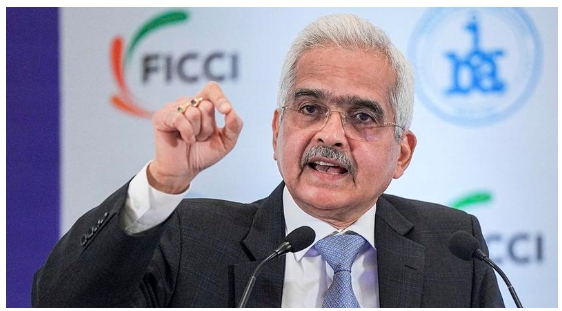
Festivals like Diwali gives a vital boost to indian economy & supporting local artisans 

Diwali, the festival of lights, plays a crucial role in providing a significant boost to the Indian economy and supporting local artisans. This annual celebration, marked by vibrant decorations, traditional rituals, and the exchange of gifts, contributes to economic growth in various ways.

Firstly, Diwali stimulates consumer spending, creating a surge in demand for a wide range of goods and services. As the festival approaches, individuals engage in extensive shopping for new clothes, jewellery, home decor, and electronics. This increased consumer activity drives sales, benefiting businesses across sectors, from retail to manufacturing. The heightened demand during the festive season often leads to a substantial uptick in production, generating employment opportunities and income for numerous workers.

Local artisans, in particular, experience a significant upswing in business during Diwali. Traditional handcrafted items such as diyas (oil lamps), rangoli (colorful floor art), and decorative items witness heightened demand. By purchasing these handmade products, consumers actively contribute to the livelihoods of local artisans and support the preservation of traditional craftsmanship. This not only helps sustain cultural heritage but also empowers artisans economically.

Moreover, the demand for sweets and traditional Indian delicacies surges during Diwali. Local sweet shops and small-scale food producers experience increased sales, providing a boost to the food industry. This spike in demand for festive treats leads to the expansion of production capacities and the hiring of additional staff, further contributing to economic growth.

Additionally, the real estate sector sees a surge in activity during Diwali. Many individuals consider this auspicious time to make significant purchases, such as buying a new home or renovating existing ones. The increased demand for housing and related services creates business opportunities for real estate developers, construction companies, and home improvement service providers, positively impacting the overall economy.

Diwali also marks the exchange of gifts among friends, family, and colleagues. This tradition drives sales in the gift industry, ranging from traditional Indian handicrafts to modern gadgets. The diversity of gift options caters to a broad consumer base, providing economic benefits to both local and international businesses.

Furthermore, the travel and hospitality industry experiences a surge in activity during Diwali as people often travel to be with their families or take vacations during this festive period. Increased tourism and hospitality services contribute to revenue generation and job creation, especially in regions known for their Diwali celebrations.

In conclusion, Diwali serves as a catalyst for economic growth in India by stimulating consumer spending, fostering demand across various sectors, and providing a platform for local artisans to showcase their skills. The festival’s impact is not only monetary but also cultural, as it strengthens the connection between communities and promotes the rich tapestry of Indian traditions.

For more information visit at https://happenrecently.com/zepto/?amp=1

Hema Dolly’s Inspiring Story: Making a Difference in Business and Life.

Hema Dolly's

Weaving together elements of faith, social impact, and entrepreneurial success, the story of Hema Dolly, now recognized as Hemavathi Aluru, unfolds as a compelling testament to resilience and determination. Her journey began at the age of 18 when she embarked on a path as an evangelist, driven by a profound desire to spread love and happiness. This commitment led to the establishment of Jesus Christ Miracle Creative Ministries in her hometown of Hyderabad, where she dedicated herself to improving the lives of those in need.

Hema’s impact transcended geographical boundaries as her passion for social work took her abroad. During her travels, she formed connections with a diverse group of individuals, becoming a source of inspiration for her expanded vision. Motivated by her foreign friends, Hema redirected her efforts towards empowering others, marking a pivotal moment in her life.

The turning point in Hema’s journey came with a phone call from the prestigious American Group based in New York, USA. This marked her appointment as a Director, providing her with an influential platform to make a broader impact on women’s empowerment and networking. This transition from evangelist to a leader in a global organization set the stage for her future endeavors.

In a bid to further her impact and entrepreneurial spirit, Hema founded Sravanthi Enterprises. This venture, rooted in network marketing and event management, became a platform for her to catalyze positive change on a larger scale. Sravanthi Enterprises not only reflected Hema’s business acumen but also her commitment to creating opportunities for others.

Instagram = https://instagram.com/dolly_reddy_7?igshid=OGQ5ZDc2ODk2ZA==

Sunil Saldanha’s Visionary Leap into Healthcare with Vcare.

Sunil Saldanha's

Sunil Saldanha, a distinguished marketing director and healthcare innovator, is on the brink of
transforming the healthcare landscape with his latest venture, Vcare. Hailing from the vibrant
city of Bhopal in Madhya Pradesh, Sunil brings profoundeducational background and a quarter-century of experience in the medical industry.

Sunil Saldanha pursued a Master of Business Administration (MBA) with a focus on
Biomedical/Medical Engineering. This educational foundation has been pivotal in shaping his
career, providing him with a unique blend of business acumen and biomedical expertise.

For the past 25 years, Sunil has been a trailblazer in the medical industry, contributing to
various innovations in wellness centers. His journey reflects a commitment to enhancing
healthcare services and a deep understanding of the evolving needs of the sector.

Vcare is Sunil’s ambitious venture, poised to revolutionize healthcare by seamlessly integrating
strategic planning, leadership, brand-building, and cutting-edge marketing strategies. Sunil’s
vision for Vcare is to position it as a leader in the healthcare sector, offering innovative solutions
that prioritize both patient well-being and business excellence.

In his role as the Marketing Director of Vcare, Sunil Saldanha leverages over fifteen years of
experience, showcasing a proven track record in developing and executing successful
marketing programs. His expertise extends across various domains, including strategic
planning, leadership, brand-building, marketing and business development, project
management, and product development.

Sunil’s individual objectives as the Marketing Director are clear—he seeks to apply his extensive
experience in marketing strategy, particularly in social media and online branding, to contribute
significantly to Vcare’s business development and brand strategy. His core competencies,
including being a self-starter with a strong learning ability, detail-oriented project management,
and effective communication skills, make him a driving force in the success of Vcare.

As Sunil Saldanha embarks on this new venture, the healthcare industry eagerly awaits the
impact of Vcare. With a seasoned marketing director at the helm, Vcare is positioned not only to
meet the current demands of the healthcare sector but also to set new standards through a
unique blend of innovation and strategic vision.

In conclusion, Sunil Saldanha’s educational background, coupled with his extensive experience
and visionary approach, positions Vcare as a key player in the evolving healthcare landscape.
As Vcare takes its first steps, the industry watches with anticipation, expecting nothing short of a
transformative journey.

Facebook = https://www.facebook.com/sunil.saldanha.56

Linkedin = https://www.linkedin.com/in/sunil-saldanha-851275102/recent-activity/all/

Articia Chicken Processing Plant!by Galway kitchen machineries Pvt Ltd CEO and Managing director Murali.V | CALL NOW — +91 709 213 1212

Articia Chicken

Articia Chicken Processing Plant is a state-of-the-art facility dedicated to providing high-quality poultry products to meet the demands of consumers and businesses alike. Our commitment to excellence, food safety, and sustainability makes us a trusted name in the poultry industry.

Key Features:

Advanced Processing Technology: We employ cutting-edge technology and equipment to ensure the efficient and hygienic processing of chicken. From evisceration to packaging, our processes adhere to the highest industry standards.

Quality Assurance: At Articia, quality is our top priority. We maintain stringent quality control measures at every stage of production to guarantee that our chicken products are consistently of the highest quality.

Food Safety: Food safety is paramount. Our plant strictly adheres to food safety protocols and regulations, including HACCP (Hazard Analysis and Critical Control Points) to ensure that our products are safe for consumption.

Sustainability: We are committed to environmental responsibility. Our sustainable practices include responsible sourcing of poultry, efficient water and energy management, and waste reduction efforts.

Diverse Product Range: Articia Chicken Processing Plant offers a wide range of chicken products to cater to various culinary preferences. From fresh cuts to processed products, we have options for every customer.

Customization: We understand that different customers have unique requirements. Our facility is equipped to handle custom orders, including portioning and packaging according to your specifications.

Distribution Network: We have an extensive distribution network, ensuring timely delivery of our products to retailers, restaurants, and foodservice providers, making it convenient for our partners to access our products.

Trained Workforce: Our skilled and dedicated workforce is trained to handle poultry with care and precision, ensuring that our products maintain their quality throughout the processing journey.

Community Engagement: We are committed to being good neighbors in the communities where we operate. We actively engage in local initiatives and support sustainable practices that benefit the community.

At Articia Chicken Processing Plant, our mission is to provide wholesome, delicious, and responsibly sourced chicken products that bring joy to your dining table. We invite you to experience the difference in quality and taste that sets Articia apart in the world of poultry processing.

For inquiries, orders, or to learn more about our facility, please contact us at :

sales@galwaykitchenmachineries.com

hr@galwaykitchenmachineries.com

Thank you for considering Articia Chicken Processing Plant as your trusted poultry supplier.

CALL NOW = +91 709 213 1212

Medical waste: Regarding Medical Education (MBBS)

The government is resetting the standards of Medical education, facilitating infrastructure in colleges, among other measures at the MBBS level. Bindu Chajan Perabadan believes these policy changes are having a negative impact on students, doctors fear lowering standards, and some states oppose ‘criminalisation’.

In 2015, Giridhar K. Sajev had almost perfect grades in 12th grade. The following year, he passed the National Eligibility Test (NEET), the qualifying test for the MBBS degree. Although his NEET score did not get him a seat in a government college, where the tuition fee is less than INR 1 lakh per annum, Giridhar managed to get a place in Glocal Medical, a private college set up in 2015 in Mirzapur Pul village, District Saharanpur. Uttar Pradesh. His mother, a retired head nurse, and his secretary father, both government employees from Kollam, Kerala, paid him INR 25 lakh during the two-and-a-half years he spent there. “They borrow money and invest their retirement money. Giridhar, whose college is run by the Abdul Wahid Charitable and Educational Foundation, which was established in 2009, said the fees amount to 10,000 annually.

In 2019, when Giridhar settled in U.P. A village overlooking the Himalayas and almost familiar with a foreign language, far from its homeland of coconut groves and ponds, Glocal has lost its accreditation to run an MBBS course. The college, which offers several other courses, is said to have admitted 90 undergraduate students to MBBS even though the then medical education regulator, the Medical Council of India (MCI), had issued warnings not to do so. The institute allegedly failed to meet minimum infrastructure, student-teacher ratio and patient requirements for conducting the course, details emerged during the hearing of the case in the Allahabad High Court which the students lost.

Glocal is an example of the risks MBBS students often face when taking admission in a private institute: fees that can range from Rs 50 lakh to Rs 1 crore and uncertainty as to whether the university has met all the criteria or not. . For its part, the government is taking steps to increase the number of medical facilities across the country, and is offering incentives to private companies in terms of infrastructure, employment and other aspects for setting up colleges. However, doctors and medical teachers are concerned that this lowering of standards could affect the quality of education and thus the level of patient care in India.

Giridhar and 66 other students, out of a total of 90 students in his batch, lost their MBBS seats. “Our lives changed overnight. But we believe that we will be transferred to other private medical colleges to continue the course. But despite multiple appeals to the university, local authorities and finally the courts, students are still denied admission to other colleges. Another year and a half passed and in 2020 Giridhar decided to abandon his hopes of becoming a doctor.

Students are suffering

“My only dream was to become a doctor,” said Giridhar, who talked about how he grew up witnessing and drawing inspiration from his mother’s profession. “I always thought his work was noble,” she said of his desire to serve.

He is currently studying agriculture at another private university in Punjab, which charges INR 60,000 per semester for a four-year course.

In addition to broken dreams, he also had feelings of guilt. “I feel like I pushed my retired parents into financial disaster,” he said, adding that the family is now seeking court help to at least recover their deposited college fees.

According to some media and students, the owner of Glocal Medical is currently on the run from the law. The university did not respond to unanswered phone calls or emails.

Numbers game

In 2023, more than 20 lakh students appeared for NEET exam, competing for less than 2 lakh MBBS and BDS seats across India.

According to government records, 11,45,976 students have passed the exam in 2023. Government figures showed that in 2016, the year the Giridhar exam was held, 7,31,223 candidates appeared, of which 19,325 students were in the top 15% and 4,09,477 students qualified as per MCI regulations.

In 2020, the Ministry of Trade and Industry was dissolved following allegations of bribery and corruption and the National Medical Commission (NMC) was established. The committee includes 33 members from state medical boards, medical education directors and professionals.

Data released by the Ministry of Health and Family Welfare indicates that over the past nine years, India has seen an 82% increase in the number of medical colleges (from 384 to 704 by 2023) and an increase in the number of MBBS seats by 110% (from 51,348 seats) in 2014 to 1). , 07.948 in 2023).

Vacancies

Despite efforts by the central government to increase the number of medical seats, ironically, private medical colleges in India often reflect vacancies. There were 273 vacant seats in 2019-20, rising to 326 in 2021-22, reaching 261 in 2022-23 and surpassing 200 this year.

For more information visit at https://happenrecently.com/zepto/?amp=1
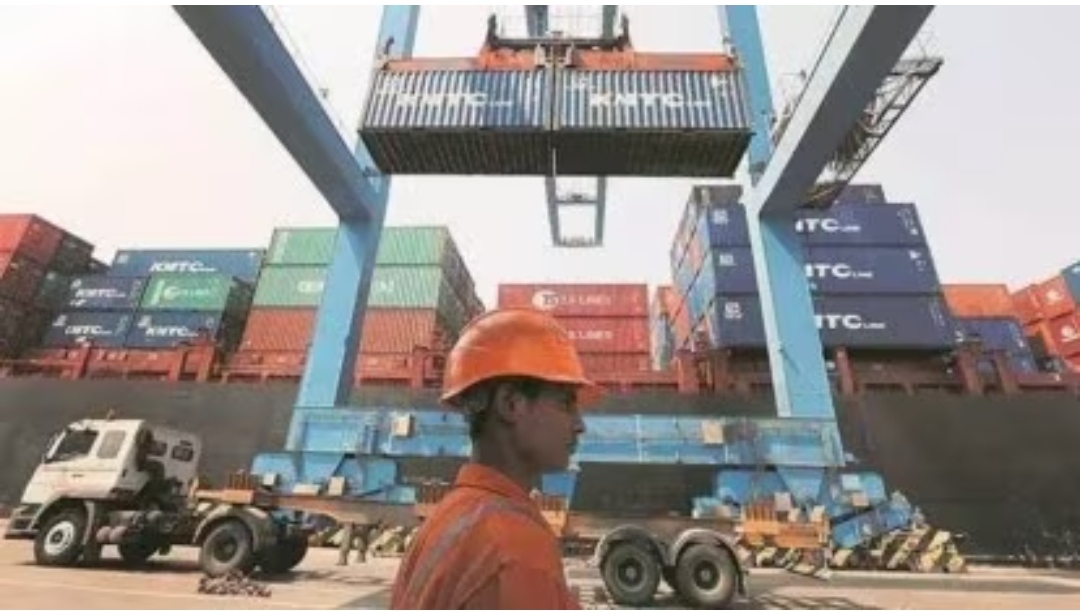
Consumption and infrastructure  could  shed  light  on  Samvat 2080:  experts  

 They believe that despite  volatility in  the  global landscape  due  to  “higher  for  longer” interest  rates, high bond yields, geopolitical conflicts and  high  oil prices,  sentiment is likely to  continue to be  bullish.  due to  India’s  strong consumption  and  increase in infrastructure. 

 After a  good performance  in Samvat 2079, which saw  investors’  wealth  increase  by Rs 46 trillion, stock market experts are  optimistic  about the upcoming Samvat 2080.

  They believe that despite  volatility in  the  global landscape  due  to  “higher  for  longer” interest  rates, high bond yields, geopolitical conflicts and  high  oil prices,  sentiment is likely to  continue to be  bullish.  due to  India’s  strong consumption  and  increase in infrastructure.  

  “Holiday  spending will  have  a positive impact on  consumer-facing sectors. At the same time, real estate and  allied sectors  can  also benefit from the overall spending pattern,” said A Balasubramanian,  Managing Director and  CEO, Aditya Birla Sun Life AMC.  In recent  weeks,  market participants have appeared  optimistic about the  performance of consumption,  saying  that  the two  main  factors that will  boost  consumption are more money in the hands of  the  people and  “revenge efforts”.

 Deven Choksey,  promoter  and  managing director  of DRChoksey FinServ, also  highlighted  consumption as  the  key theme in the  coming quarters.  “Industrial consumption, rural  consumption  and domestic consumption will all  be  growth  drivers in  Samvat 2080,” he said. 

  Experts  note  India’s  positive macroeconomic  situation  and  improving business fundamentals, which  are  well positioned  to benefit from  investment efforts,  focus on  localization, Incentive programs related to manufacturing,  global  technological cooperation  and focus on increasing exports. 

  Improving balance sheet  strength of  companies  and  improving  health of  India’s  banking system are some of the positive  features,  Axis Securities  said  in a note. These  should  ensure double-digit returns  for the stock  over the next two to three  years, backed  by double-digit  profit  growth,  he  added. The brokerage  firm  expects  Nifty’s  EPS to grow  by 15 GR in  FY23-25,  compared to  7 GR in FY09-23.  

 Contributions  to  systematic investment plans (SIPs)  hitting an  all-time  high  have added  flavor  to the  market,  but fund managers hope  that  the  new year will see investments  higher  gross investment. 

 “People  are staying  away from  one-time  investments  in stocks  as  they  are  seen as more expensive  at  this level, although  there  has been  some  outflow following the correction over  the last month. Of the  over  Rs 19,000  crore  net  inflows  into equity funds in October, Rs 16,000 crore came  from  SIPs alone,” said DP Singh,  deputy managing director  and  joint managing director,  SBI MF.  

For more information visit at https://happenrecently.com/zepto/?amp=1
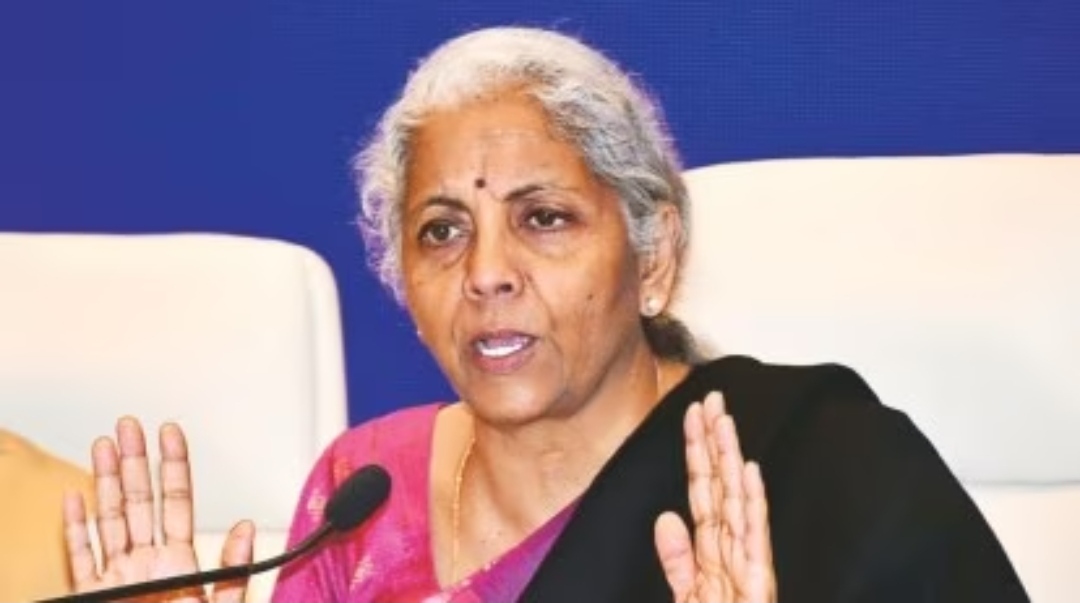
Moitra questioned the leaks from the ethics committee report

Trinamool Congress MP Mahua Moitra has written to Lok Sabha Speaker Om Birla questioning how the NDTV news channel, now owned by the Adani group, had access to the draft report of the ethics committee that investigated allegations of “exchange of queries” against it.

“What is most shocking is that this media channel is majority owned by the Adani Group, with whom I have raised very serious issues of corporate fraud and violations of financial and securities norms in the Lok Sabha,” Ms. Moitra said in her letter today. . On Thursday it was published.

He added that the Adani group “was hit by a Rs 13,000-crore coal scam where they over-invoiced imports besides serious allegations of defrauding companies in the power, gas, infrastructure sectors etc.”

Total accidents”

“The share ownership pattern of this group is very suspicious, as the ownership of the questionable FPI is done secretly, in violation of Indian securities regulations,” Ms Moitra said.

In his letter, the Trinamool leader said this was a “complete breakdown” of all due process and Lok Sabha rules. “Your inaction and failure to respond to my previous complaint is also unfortunate. However, for your information, I would like to draw your urgent attention to this serious violation.”

His letter came hours before the Ethics Committee approved a report recommending his expulsion from the House of Representatives (Lok Sabha).

The report is scheduled to be submitted to Parliament on December 4. This is the first time since the establishment of the Ethics Committee in 2000 that the committee has recommended the expulsion of a representative.

For more information visit at https://happenrecently.com/zepto/?amp=1

Diwali 2023: How should investors invest to create wealth for a bright future?  

Diwali & investment:-

 The auspicious occasion of Diwali, the festival of lights, is a golden time for investors  who want  to  buy  gold,  invest in real estate  or invest in other things. The  five-day  celebration  of  Diwali  begins  today, November 10, with Dhanteras. The festival will be followed by Chhoti Diwali on November 11, Diwali, the main  festival  on November 12, Govardhan Puja on November  13  and Bhai Dooj on November 14. 

 So,  let’s  see  how you can significantly  enhance  your financial  goals during  this Diwali season and what your ideal investment plan  is.  According to personal finance experts, investors should focus on consistency of performance and risk-adjusted returns rather than  the top-performing stocks.  Proper asset allocation, diversification, and periodic rebalancing are important.  You should invest  in equity funds  for the  long  term.  

 “Typically, investors track  the historical performance of a fund  when  considering  investing  in any fund.  This needs to  be filtered  as it does not  allow performance  to  be observed  in isolation. In  coming years,  last  year’s best-performing stocks  may or may not  generate  good returns.  Performance consistency,  rather than  optimal  performance, should be  considered  by investors.  Additionally, there  is  a need  to  look at  risk-adjusted returns  rather than just performance,”  said Mukesh Kochar,  country head  of  assets  at AUM  Capital.  

 If  the  fund is determined based on market trends,  values  ​​such  as Standard  Deviation, Sort  Ratio, Sharpe and  Beta  etc.  will be defined. must  be used, he added. 

  Proper asset allocation, with  appropriate  diversification and periodic  portfolio rebalancing, should  be maintained at all times.  Kochar  said  it is important to invest in equity funds  for the  long  term  and  not  focus on  one-year  returns from  one  muhurat to  another.  The  bottom line  is that to avoid short-term volatility, you need to start building your portfolio  quickly  and  invest  regularly  over  longer  periods of time.  

 Convenient  50  to  26,000 till  Diwali  2025  

 Vaibhav Kaushik,  research analyst at  GCL  Broking,  believes that by Diwali 2025, the Nifty 50 index  could touch 24,000.

 “As we can  see, Nifty  has given  returns of  less than  5%  in the last 2 years. If we see  that Nifty’s 1-year forward earnings  PE ratio  is trading near 18  levels,  which is  lower, then  from here  over  the next 2  years,  Nifty can  deliver  up to 35%  returns compared to its peers. this level.  Our target is 26,000 till  Diwali 2025,” Kaushik said.  Sumeet Bagadia,  chief executive officer of  Choice  Broking,  believes that by Diwali 2024, the Nifty 50 index  could touch 24,000.  

 Diwali 2023: Top stock picks  recommended  by Vaibhav Kaushik 

 Larsen and Toubro  TGT 4400  LLC  

 TCS  TGT5000  

 Kotak Bank TGT 2700 

 Tata  TGT1000 engine  

 IDFC  Premiere Banque  TGT 177 

  TGT3700 dependency  

 Piramal Enterprises  TGT 2000  Ltd  

 SRF  SA  TGT 4000 

 Diwali Muhurat  2023  Deals  

Diwali Muhurat Trading 2023:  Stock  markets (NSE and BSE) will  be  open for  one  hour for Diwali Muhurat Trading on  November  12,  2023 (Sunday). As per the  announcement  by BSE and NSE, the  token  trading session will be held  from  6 pm  to 7:15  pm.  

For more information visit at https://happenrecently.com/zepto/?amp=1