
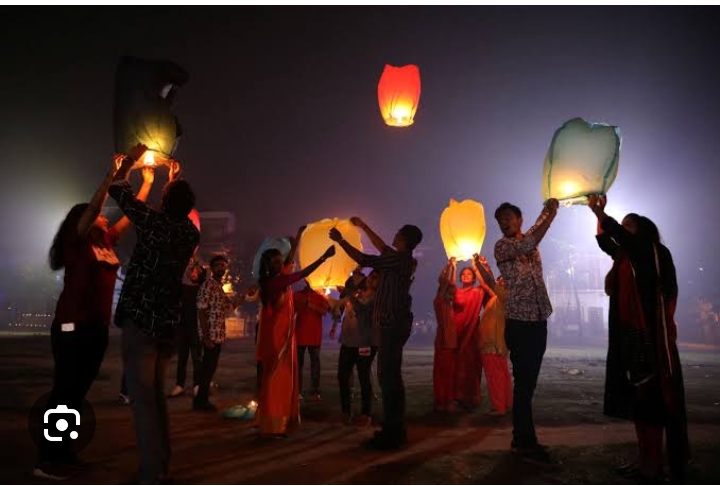
Diwali, known as the Festival of Lights, is one of the most significant and widely celebrated festivals in India. While it primarily has religious and cultural significance, it also plays a substantial role in the economic landscape of the country. Diwali contributes to economic growth in several ways, impacting various sectors and businesses. In this essay, we will explore the economic aspects of Diwali and how it affects different segments of the Indian economy.
One of the most apparent economic impacts of Diwali is the boost it provides to the retail industry. In the weeks leading up to the festival, the demand for consumer goods, including clothing, electronics, and home appliances, surges significantly. Retailers offer attractive discounts and promotions, attracting a large number of customers. The increase in consumer spending during this period contributes significantly to the revenue of both small and large businesses. It also leads to the creation of temporary job opportunities in the retail sector, helping to reduce unemployment.
Moreover, the real estate market experiences a surge in activity during the Diwali season. Many individuals and families consider this festival an auspicious time to purchase new homes or invest in properties. Builders and developers often launch new projects and offer special deals to capitalize on this sentiment. The resulting growth in the real estate sector not only generates revenue but also encourages infrastructure development and urbanization, which can have long-term economic benefits.
Another key economic aspect of Diwali is the impact on the tourism industry. Many people travel to their hometowns or tourist destinations to celebrate Diwali with their families. This results in increased demand for transportation, hospitality, and local businesses in these areas. Hotels, restaurants, and transportation companies experience a surge in bookings and visitors, leading to improved revenues. Furthermore, the influx of tourists stimulates the local economy by increasing sales for small businesses and artisans in the region.
In the agricultural sector, Diwali is associated with the harvest festival of “Pongal” in some parts of India. Farmers celebrate the festival by offering their first harvest to the gods and expressing gratitude for a bountiful yield. This not only has cultural significance but also economic implications. A successful harvest and good weather during the festival season can lead to increased income for farmers. The surplus production is sold in the market, driving down food prices and contributing to food security.
Additionally, the manufacturing industry sees a surge in production during the Diwali season. The demand for decorative items, idols, firecrackers, and traditional clothing skyrockets. This boost in manufacturing generates employment opportunities in factories and workshops, particularly for skilled and unskilled labor. The economic stimulus from increased production extends to the transportation and logistics sectors, as goods are shipped and distributed across the country.
It’s important to note that while Diwali has several positive economic impacts, it also has some negative consequences. The bursting of firecrackers during the festival leads to air and noise pollution, which can have adverse effects on public health and the environment. The healthcare sector may see an increase in patients with respiratory problems, and the government may need to invest in pollution control measures. Additionally, the financial burden of buying gifts and celebrating lavishly during Diwali can lead to increased personal debt for some individuals and families.
In conclusion, Diwali, the Festival of Lights, has a profound economic impact in India. It stimulates consumer spending, boosts the retail and real estate sectors, and benefits various industries, including tourism and manufacturing. It plays a crucial role in driving economic growth and creating job opportunities. However, it is essential to address the environmental and financial challenges associated with the festival to ensure sustainable economic growth and well-being for everyone. As India continues to modernize and evolve, Diwali’s economic significance is likely to grow, making it an integral part of the country’s economic landscape.
For more information visit at https://happenrecently.com/zepto/?amp=1