Thursday, March 12, 2026
Home Blog Page 24

New Pharmacy College Permission Denied: DTE Rejects Proposal

0
New Pharmacy College Permission Denied

The Directorate of Technical Education (DTE) has submitted a detailed proposal to the Maharashtra State Government recommending that permission should not be granted to a newly proposed New Pharmacy College. According to official sources, the DTE emphasized several regulatory and quality concerns behind its decision, focusing on maintaining academic standards and infrastructure norms across technical institutions in the state.

As part of the state’s ongoing evaluation process for new colleges, the DTE reviewed various applications seeking approval for establishing engineering, pharmacy, and technical education institutes for the upcoming academic year. Among these, New Pharmacy College’s proposal was found to be non-compliant with essential technical and infrastructural guidelines required under Maharashtra’s education policy.

Inspection and Findings

During inspection and verification, DTE officials reportedly found multiple shortcomings in the proposed college’s documentation and institutional setup. As per the information shared, the committee observed deficiencies related to land ownership proof, building safety compliance, laboratory standards, and faculty recruitment plans.

An internal report mentioned that the college failed to meet basic requirements prescribed by the All India Council for Technical Education (AICTE) and the Pharmacy Council of India (PCI), both of which play a key role in approving pharmacy education programs. The DTE underlined that these parameters ensure quality education and student safety, making them non-negotiable during the approval process.

Proposal Sent to State Government

Following the review, the Directorate of Technical Education formally sent its recommendation to the State Government, highlighting that permission for New Pharmacy College should not be granted at this stage. The recommendation, now under the consideration of the Maharashtra Higher and Technical Education Department, is expected to be discussed in the upcoming policy review meeting.

Officials from the department said that the state government takes such recommendations seriously, particularly when they concern educational quality and future employability of students. The final decision will likely be announced after reviewing the DTE’s findings, compliance reports, and policy frameworks.

Government’s Focus on Quality Education

In recent years, the Maharashtra Government has been tightening regulations to ensure that technical and pharmacy colleges maintain high academic and infrastructure standards. Authorities have repeatedly stressed that granting permission to new institutions comes with the responsibility of ensuring they can deliver quality education and adequate facilities from day one.

A senior DTE official commented (on condition of anonymity) that several private institutions across the state often rush for approval without completing basic infrastructural readiness or appointing qualified teaching staff. This, according to the official, leads to subpar student experiences and declining academic outcomes. Therefore, denying permission in such cases is part of maintaining the long-term credibility of the state’s education sector.

Response from Local Stakeholders

The DTE’s recommendation has prompted discussions among educationists and local residents in the area where Navya Pharmacy College was proposed. Some stakeholders expressed disappointment, arguing that the college could have created new educational and employment opportunities in the region. Others, however, supported the DTE’s stand, stating that it is better to delay permission than compromise on academic quality.

Local representatives of educational societies also stated that the decision highlights the need for transparent planning, full compliance with technical guidelines, and stronger project management by institutions seeking approval for new colleges.

Background on Pharmacy Education in Maharashtra

Maharashtra currently has more than 400 approved pharmacy colleges, catering to both bachelor’s and diploma-level programs. In recent years, the sector has witnessed a steady rise in student interest due to growing career opportunities in pharmaceuticals, research, and healthcare industries.

However, a parallel challenge has been oversaturation in certain regions and the emergence of under-equipped institutions. The state’s Directorate of Technical Education has been actively reviewing proposals and renewing approvals only for those institutes that meet the necessary educational and infrastructural criteria.

Future Outlook

If the State Government finalizes the decision based on the DTE’s recommendation, NewPharmacy College may have to rectify the highlighted deficiencies and reapply for consideration in the next academic cycle. Experts believe that stricter enforcement of technical norms will ultimately enhance the reputation of Maharashtra’s higher education sector and ensure students receive quality learning experiences.
Teachers’ Protest “Shikshkancha Elgar” Shuts Down 80 Schools Across the State

0
Shikshkancha Elgar

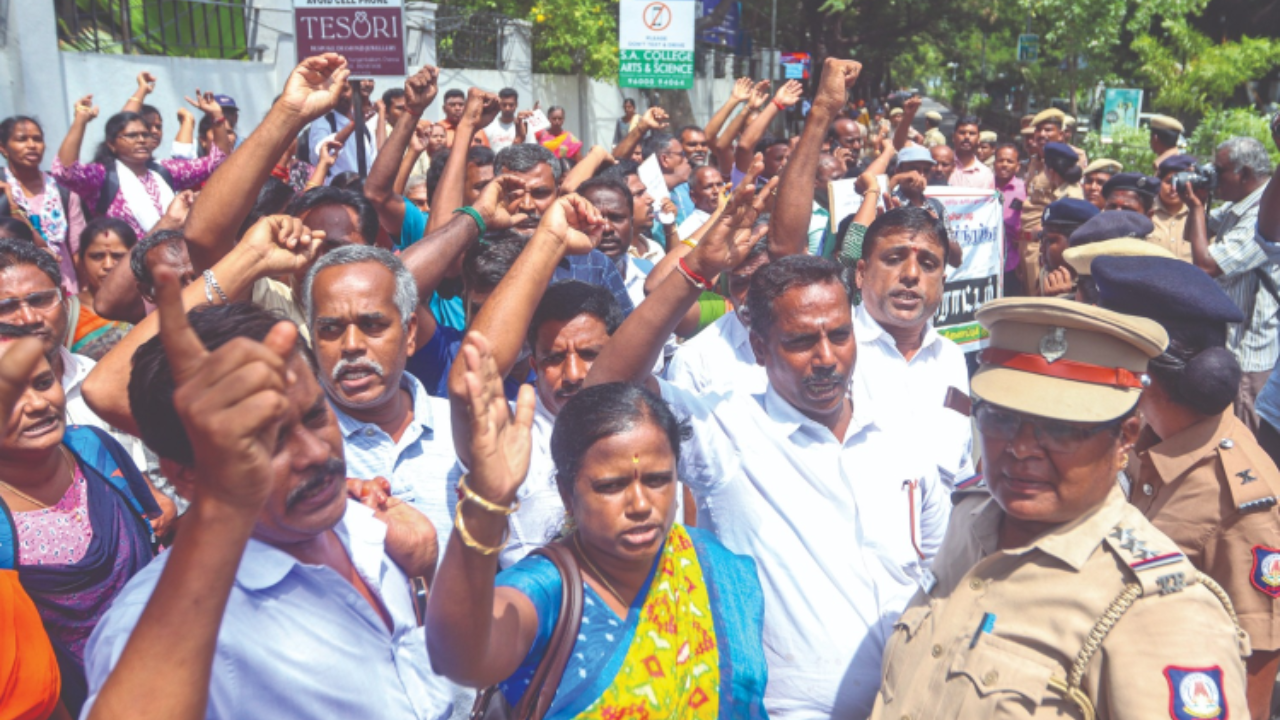
In a major development affecting the state’s education system, around 80 schools remained closed today after teachers participated in a state-wide protest, commonly referred to as “Shikshkancha Elgar” — a loud call for teachers’ rights and immediate government action on long-pending demands.

Teachers Unite for Pending Demands

Thousands of teachers from various districts joined hands under the banner of Shikshak Sanghatana and other unions to voice their concerns regarding salary parity, permanent appointments, and delayed arrears. The protest, which took place across multiple cities and towns, saw teachers leaving classrooms to assemble at protest sites and demonstrate peacefully.

According to reports, nearly 80 schools, including government and semi-government institutions, suspended activities for the day due to the absence of teachers. In some districts, local administrations declared holidays to maintain order and ensure student safety.

Root Causes Behind the Protest

Teachers have been demanding equal pay for equal work, timely salary disbursements, and improvements to the teacher recruitment process. Many educators working on contract or temporary bases argue that despite years of service, they have not been regularized, leaving them vulnerable to insecurity and unequal treatment.

One protesting teacher from Nashik said, “We are not against the system, but we cannot continue working without respect and fairness. The government should acknowledge our contribution and meet our basic demands.”

The Shikshkancha Elgar movement is not just a single-day protest but a symbolic outcry against years of administrative neglect. Teachers have also demanded clear policy action on promotions, pension benefits, and classroom infrastructure.

Impact on Students and Parents

The sudden closure of 80 schools has disrupted daily learning schedules across several districts. Parents expressed concern about the uncertain situation, particularly for students preparing for board examinations. Some schools shifted to online mode to keep the academic calendar on track, while others remained completely shut.

A parent from Pune shared, “We respect the teachers’ right to protest, but we also hope the government listens soon. Our children are losing valuable study time.”

Education experts believe the government should act promptly to resolve the stand-off and avoid long-term academic disruptions. Reconciliation, they argue, is necessary to maintain the credibility of the public education system.

Government’s Initial Response

State education department officials acknowledged awareness of the teachers’ grievances and said discussions are underway. A senior official commented, “We have received the memorandum from teacher unions. The government is committed to finding a solution that ensures educational continuity and fairness to teachers.”

However, union leaders remain skeptical, emphasizing that they have raised the same issues several times in the past with little progress.

“We welcome talks, but words must be followed by concrete action,” said a representative from Rajya Shikshak Sena. “Teachers have been patient for too long. Now it’s time for results.”

Opposition and Public Reactions

Several political parties have extended support to the protesting teachers, calling the movement justified. Opposition leaders criticized the government for ignoring educators’ demands for months. Social media also flooded with messages supporting the protest, with hashtags like #ShikshkanchaElgar and #TeachersProtest trending regionally.

Civil society members noted that teachers’ protests reflect broader concerns within the public sector—issues of delayed wages, contractual employment, and insufficient policy execution.

Hope for Dialogue and Resolution

As discussions continue, education unions have warned of intensifying the protest if their demands are not addressed promptly. They have also hinted at statewide demonstrations and possible strikes in January if the government fails to respond constructively.

Meanwhile, parents and stakeholders hope for a balanced resolution that protects both educators’ rights and students’ education. Experts stress that investing in teachers’ welfare is directly linked to the overall improvement of the education system.

Looking Ahead

The Shikshkancha Elgar movement has reignited the conversation around teachers’ dignity, financial stability, and the urgent need for education reforms in the state. With 80 schools already affected, the situation acts as a wake-up call for all concerned parties.

Putin’s India Visit Strengthens Longstanding Indo-Russian Friendship

0
Putin’s India Visit

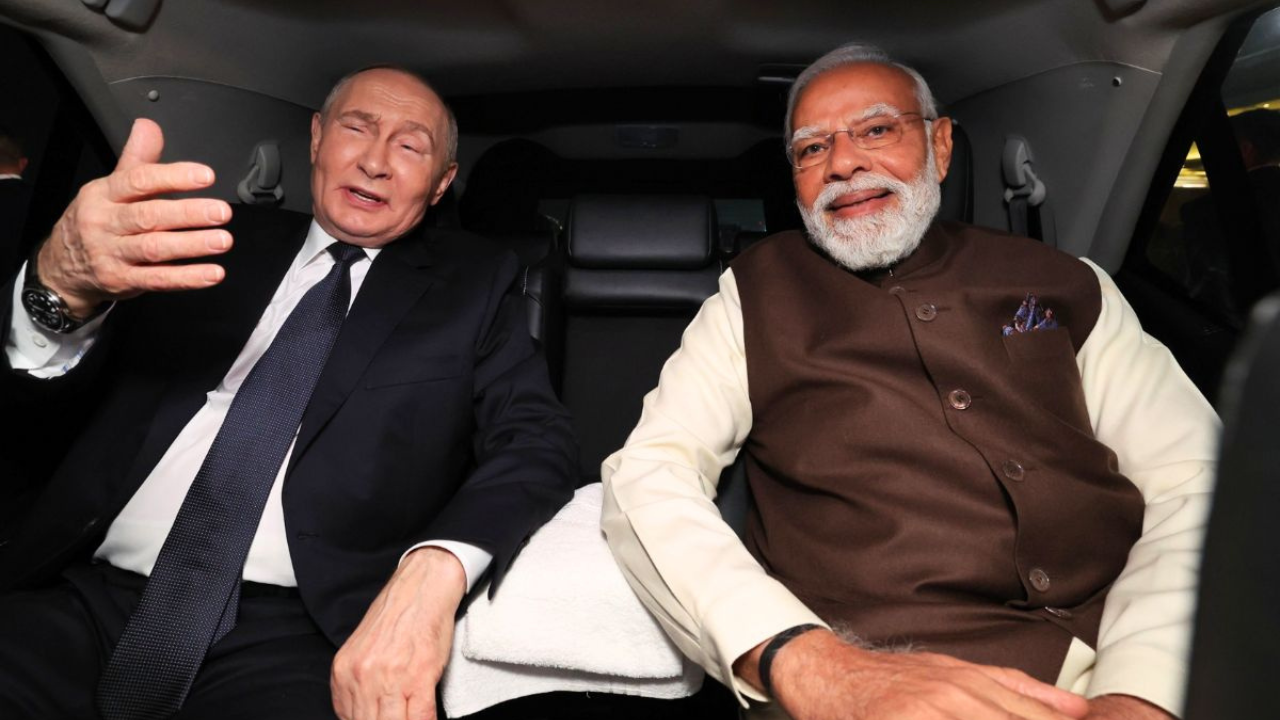
The long-standing friendship between India and Russia is set to enter a new chapter as Russian President Vladimir Putin begins his official visit to India. The visit, which carries both symbolic and strategic significance, aims to reinforce decades of cooperation and trust that have defined the relationship between the two nations since the days of the Soviet Union.

Putin’s trip is expected to bolster key partnerships in defense, energy, trade, and technology — the four pillars of the Indo-Russian relationship. The Indian government, led by Prime Minister Narendra Modi, has prepared a series of meetings and discussions designed to deepen mutual collaboration and explore new frontiers for joint development.

Strengthening Historical Ties

India and Russia have shared a special and privileged strategic partnership for over seven decades. From defense cooperation to cultural exchanges, both countries have consistently supported each other in times of need. The Soviet Union played a major role in supporting India’s industrial and space development in the early decades after independence, while India maintained close diplomatic ties even after the fall of the USSR in 1991.

Putin’s visit reinforces this legacy, emphasizing that India remains a key ally for Russia in South Asia, while Russia continues to be a critical defense and energy partner for India. Both nations view this relationship as a steady anchor in an uncertain global environment.

Strategic Discussions Expected

During his stay, President Putin is scheduled to hold bilateral talks with Prime Minister Modi and other senior Indian leaders. Key areas of discussion include trade, energy security, defense production, and emerging technologies such as artificial intelligence and cybersecurity.

The two leaders are likely to sign several agreements aimed at deepening economic and defense cooperation. There is a strong possibility of announcements related to joint military exercises, nuclear energy collaborations, and expansion in space research programs. India and Russia are also exploring the potential for greater use of national currencies in bilateral trade to reduce dependency on third-country payment systems.

Focus on Energy and Defense Cooperation

Energy remains a cornerstone of Indo-Russian cooperation. Russia is one of India’s leading suppliers of crude oil, natural gas, and coal. Discussions during Putin’s visit are expected to revolve around long-term energy contracts, new exploration opportunities, and increased participation of Indian companies in Russia’s energy sector.

Defense ties are equally strong. Russia continues to be India’s major partner in arms manufacturing, supplying advanced systems such as the S-400 missile defense system and jointly producing aircraft and tanks. Talks may include further joint production in India under the “Make in India” and “Atmanirbhar Bharat” initiatives, supporting local manufacturing and self-reliance in defense technology.

Expanding Trade and Technology Collaboration

Trade diversification is another major focus. Both India and Russia have expressed interest in boosting bilateral trade to new heights by 2030. Currently, trade is heavily centered on energy and defense, but both governments are now looking to expand cooperation into areas like pharmaceuticals, agriculture, digital technology, and education.

Technology collaboration is likely to receive special attention. India’s fast-growing digital economy and Russia’s expertise in advanced scientific research present huge opportunities for joint innovation. Experts suggest that artificial intelligence, space technology, and cybersecurity will be major themes of future cooperation.

People-to-People and Cultural Relations

Beyond politics and economics, both nations share deep-rooted cultural ties. Russian literature, cinema, and education have long held a place in Indian academic and cultural circles. Similarly, Indian films and yoga have become increasingly popular in Russia. Putin’s visit is expected to highlight this cultural connection, with possible announcements regarding new educational exchanges, tourism cooperation, and cultural programs.

The Indian Ministry of External Affairs has indicated that people-to-people engagement forms the emotional core of Indo-Russian friendship — a bond that continues to thrive even as global political alignments shift.

A Partnership in a Changing World

Putin’s India visit comes at a time when global dynamics are rapidly changing. With emerging power centers and shifting alliances, both India and Russia seek to recalibrate their roles while maintaining strategic autonomy. India continues to walk a careful path between traditional alliances and new global partnerships, emphasizing a balanced foreign policy guided by national interest.

In this context, Russia’s outreach to India is a reaffirmation of mutual trust. Despite geopolitical challenges, both nations remain committed to maintaining stability, promoting multipolarity, and working towards an equitable global order.

Expected Outcomes and Future Outlook

Observers believe that Putin’s visit will deliver tangible outcomes across multiple sectors. Memorandums of Understanding (MoUs) in defense manufacturing, energy investment, and technology will likely be announced. Additionally, new frameworks for trade in local currencies and greater cooperation in logistics — including the International North-South Transport Corridor (INSTC) — are expected.

Beyond specific agreements, the visit symbolizes continuity. It underscores that Indo-Russian relations, rooted in trust and shared interests, go beyond immediate strategic concerns. As both nations look ahead, they aim to create a future marked by mutual growth, regional stability, and innovation-driven partnership.

Conclusion

President Vladimir Putin’s India visit once again reaffirms that the friendship between India and Russia is not just historic — it is evolving with time. As the two countries engage in meaningful dialogue and open new avenues of cooperation, the world watches a partnership that continues to stand firm amid global changes.

The Protein Pioneer: How Pujan Kachhadiya Built India’s First Peanut Butter Powder Brand, MYPB

0
MYPB

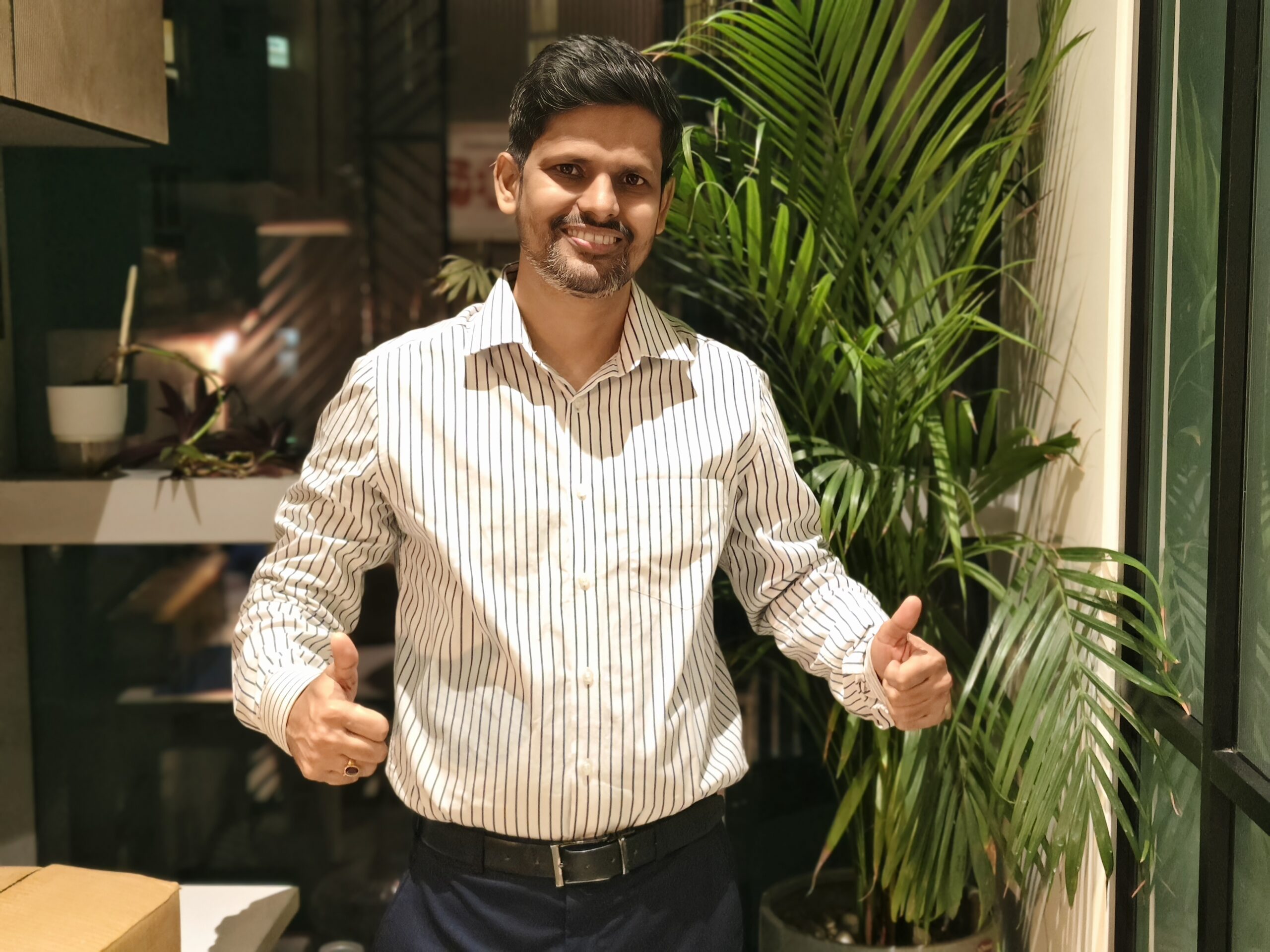
In the dynamic landscape of Indian food and wellness, Pujan Kachhadiya, a dedicated entrepreneur from Amreli, Gujarat, has carved out a unique space by introducing a globally recognized health product to the domestic market: peanut butter powder. His brand, MYPB, is not merely a new product; it is a health-driven solution for the modern, nutrition-conscious consumer, positioning itself as a superior alternative to traditional spreads.

Identifying the Gap: The Quest for a Unique Product

Pujan Kachhadiya’s entrepreneurial drive stemmed from a clear, focused goal: to find a product with high demand abroad but zero supply in India. After graduating in 2018, he initially prepared for government exams while waiting for the right financial and supportive environment to start a business. His passion was always in business.

The opportunity arose when his elder brother encouraged him to explore future-ready products after the second wave of COVID-19. Being from an agriculture-rich region of Amreli, the team wanted to create a value-added product using local crops like peanuts. Extensive research on global platforms in 2021 revealed peanut butter powder—a product that was a #1 bestseller on Amazon USA and completely missing in the indian market.

Kachhadiya took on the rigorous challenge, spending two years perfecting the formula. The journey involved over 200 trials and traveling more than 30,000 kilometers to successfully launch India’s first peanut butter powder in August 2023.

The Health Advantage: 85% Less Fat, 50% More Protein

The fundamental problem MYPB set out to solve was the nutritional profile of regular peanut butter, which, despite protein claims, is often loaded with nearly 50% fat, excessive calories, and artificial ingredients like palm oil.

MYPB’s powder form directly addresses this by significantly enhancing the nutritional benefits while maintaining the authentic taste:

 * Low Fat: It contains 85% less fat than regular peanut butter.

 * High Protein: It offers 50% more protein, making it a superior source.

 * Low Calorie: It provides three times (3X) fewer calories per serving.

 * Clean Ingredients: The product is 100% natural, free from preservatives, artificial flavors, palm oil, or hydrogenated fats.

The powder form also makes the product super versatile. It can be easily reconstituted into a spread, blended into shakes, used in baking, or added to smoothies, making it convenient for fitness enthusiasts, those on calorie-restricted diets, and daily use.

Rapid Market Traction and Scalable Revenue

Despite being launched just six months ago, MYPB has already secured its position as an Amazon Bestseller and ranks in the top 30 in the peanut butter category. With an impressive 40% repeat customer base, the brand has demonstrated strong product acceptance.

MYPB’s primary customer segment is health-conscious individuals, mainly 65–70% males and 30–35% females, aged 18–40, predominantly residing in Tier 1 and Tier 2 cities. These customers are typically gym-goers, athletes, and wellness enthusiasts who understand and value nutritional content.

The brand operates a multi-channel revenue model:

 * B2C Sales: 95% of current revenue comes from online channels (own website/app and marketplaces like Amazon), with 5% offline.

 * B2B Supply: It supplies raw materials to beer/mead manufacturers and other health product brands, including those featured on Shark Tank.

Looking forward, the company plans to aggressively expand its offline presence through supplement stores and modern trade, alongside international exports. The Total Addressable Market (TAM) is ambitious, targeting a 260 crore initial market share by attracting 20\% of India’s total 1,300 crore peanut butter market to the low-fat, high-protein category.

Guided by Values and Family Support

Kachhadiya’s journey is supported by a family deeply rooted in entrepreneurship. While his father and elder brother successfully ran businesses in automobile repair/electrical and solar energy, Pujan is the first to introduce a completely new consumer concept to the nation.

With core strengths in execution, marketing, and strong personal ethics, Kachhadiya is focused not just on building the business, but also on creating local opportunities in his hometown to help reduce migration. For him, true success is found in achieving significant business growth while living a happy and fulfilling life, driven by togetherness and shared success.

Me No Pause Me Play” Becomes Punjab’s Surprise Hit, Keeping Screens Packed Across Cities

0
Me No Pause Me Play

Punjab audiences continue to show up in large numbers for “Me No Pause Me Play,” which has emerged as one of the region’s most talked-about films this season. The movie has crossed the 5,000-ticket mark and is still drawing steady footfall in Ludhiana, Amritsar, Jalandhar, Mohali and Chandigarh. Many theatres have reported near-daily strong occupancy, a sign that interest is still building.

PVR, INOX, Piccadily and VR Punjab Mall have all extended their show schedules. In several locations, weekday shows have been added after management noticed that seats were filling faster than expected. Staff at different cinemas shared that viewers stay back after the film, discussing scenes and relating them to their own lives.

The movie’s appeal lies in its simple but powerful storytelling. It highlights the emotional and physical transitions women face during menopause and brings those experiences to screen with care and honesty. This authenticity has pulled in women’s groups, clubs, colleges and community organisations, many of whom have booked private screenings for their members.

The film is now running alongside the new release “Dhurander,” which has attracted attention across Punjab. Even with this big competitor entering the market, “Me No Pause Me Play” has maintained its momentum. Advance bookings for the coming days suggest that the film is holding strong and continues to carve out its own audience.

Social media has played a major role in the buzz. Families are choosing to watch the film after reading personal reviews posted by women who finally felt represented. Educators and health practitioners have also supported the film for opening up conversations that are usually avoided.

With demand still rising and more screenings planned, “Me No Pause Me Play” is shaping up to be one of Punjab’s most consistent performers. Its emotional honesty and strong connection with viewers have proved that a meaningful story can stand tall, even when competing against a high-profile release.

finpe.app Launches India’s First Data-Driven Home Loan Savings Platform

0
finpe.app

finpe.app enables Indian homeowners to discover their exact home loan savings in under two minutes, using a proprietary intelligence system that detects rate gaps as small as 0.25–0.5% to unlock significant lifetime savings.


India’s home loan ecosystem has received a major upgrade with the launch of finpe.app, a first-of-its-kind digital platform that empowers borrowers to instantly calculate how much they can save on their existing home loans. Built with a fully data-driven approach, finpe.app brings unprecedented transparency, speed, and accuracy to home loan optimization.

Designed for India’s rapidly growing base of nearly 10 million home loan customers, finpe.app uses a sophisticated intelligence model to analyse a borrower’s current interest rate, tenure, eligible revised rate, credit profile, and lender-specific underwriting patterns. This real-time engine processes multiple variables at once to present a clear, precise view of a user’s potential savings — all in less than two minutes.

The FinPe Intelligence System: Precision Meets Simplicity

At the core of the platform is the FinPe Intelligence System, a proprietary decision engine that evaluates micro-rate gaps that traditional calculators fail to capture. Even a 0.25–0.5% rate difference can save borrowers several lakhs over the loan duration, and finpe.app quantifies this impact instantly.

The platform then recommends the best optimisation route:

●      Refinancing to a lower rate

●      Restructuring EMIs

●      Adjusting tenure to reduce total interest

●      Maintaining EMI but shortening total loan duration

Every recommendation is backed by real data, ensuring borrowers make informed, confident decisions without relying on agents, manual calculations, or guesswork.

A Simple, Automated, Transparent User Journey

finpe.app converts a traditionally complex financial evaluation into a seamless three-step process:

  1. Enter existing loan details
  2. View real-time savings potential
  3. Receive precise optimisation routes tailored to personal loan conditions

Users can also choose whether they want to reduce monthly EMI or close the loan faster by keeping the EMI constant. All results are presented in a clean, intuitive interface designed for everyday users.

Turning Home Loan Optimisation Into a Win–Win Model

The platform includes a unique referral rewards system that allows users to earn up to ₹15,000 per referral, while borrowers benefit from lower interest outflows. This creates an ecosystem where financial awareness and optimisation become mutually rewarding.

Solving India’s Biggest Home Loan Problem

Despite being one of the world’s fastest-growing housing finance markets, India still sees extremely low levels of refinancing and optimisation. Borrowers often assume small rate differences don’t matter — a misconception finpe.app directly addresses by quantifying the true long-term impact.

finpe.app aims to close this gap by offering:

●      Real-time savings insights

●      Personalised restructuring options

●      Transparent lender comparisons

●      Automated calculations free from bias or human error

The platform positions itself as India’s first fully data-driven home loan savings interface, built to empower borrowers with clarity, accuracy, and control.

About finpe.app

finpe.app is India’s first intelligence-driven home loan savings platform, designed to help borrowers understand, evaluate, and optimize their home loans with unmatched precision. By combining advanced data analytics with a user-first approach, finpe.app makes home loan management transparent, efficient, and rewarding for every Indian homeowner.

Media Contact:
 support@finpe.app

Madhusudan Halder’s Ideal Eyes Interior Sets New Benchmarks in Commercial Design, Speed Execution & Global Recognition

0
Madhusudan Halder’s Ideal Eyes Interior Sets New Benchmarks in Commercial Design, Speed Execution & Global Recognition Kolkata, November 2025: Ideal Eyes Interior, one of Eastern India’s most trusted and admired luxury interior design and turnkey execution firms, has marked a milestone-filled year under the leadership of Founder & Owner Madhusudan Halder. With more than 430 completed projects and over 13 years of expertise, the New Town–based company has emerged as a force in high-end residential and commercial design, celebrated for its craftsmanship, innovative solutions, and record-speed delivery capabilities. Founded in 2010 as a boutique studio, Ideal Eyes Interior today operates from its state-of-the-art corporate headquarters at Mani Casadona. The firm offers premium residential interiors, commercial environments, modular spaces, custom furniture solutions, and comprehensive turnkey execution. Halder’s design philosophy—rooted in balance, functionality, authenticity, and sustainability—continues to guide the brand’s evolution and identity. The company is also known for incorporating eco-responsible materials, natural light, and energy-efficient engineering into its work, positioning it as an early proponent of sustainable luxury in Eastern India. This year has brought significant recognition for the company. Ideal Eyes Interior received the Best Residential & Commercial Interior Brand – IGA 2025, the Icon of Excellence Award from The Times of India, and The Economic Times Leadership Excellence Award – North 2025. The brand has also been widely featured across national media including Zee News, The Tribune, The Punjab TV, and The Times of India. Adding to these accolades, Founder Madhusudan Halder earned a coveted place in Forbes Asia’s “100 to Watch” 2025, a prestigious list that highlights dynamic and high-impact entrepreneurs across the Asia-Pacific. A major achievement this year was the early completion of the TCG Crest commercial interior project, delivered in just 58 days against a scheduled 90-day timeline. The scope covered design development, civil and interior execution, MEP works, quality control, documentation, and final handover, all completed without compromising specifications or workmanship. In his formal appreciation letter, Suprakash Das, Director – Finance & Operations (CFO), lauded the team’s efficiency, professionalism, adherence to specifications, and commitment to quality. This accomplishment now stands as a landmark reference for the firm’s precision-driven turnkey capabilities. Simultaneously, Ideal Eyes Interior is managing some of the largest ongoing commercial interior projects at Mani Casadona, including 50+ corporate offices ranging from 800 to 2,000 sq ft, along with a 20,000 sq ft next-generation co-working space designed with advanced zoning, acoustic optimization, and collaborative features. These ongoing assignments further strengthen the firm’s dominance in the region’s commercial design landscape and demonstrate its capacity to execute large-scale, multi-unit projects with high efficiency. Beyond corporate success, Madhusudan Halder remains committed to social development in his hometown of Diamond Harbour. His philanthropic contributions include the construction of the Sri Sri Radhakrishna Mandir in Jeliabati and multiple community welfare initiatives that support underprivileged families, cultural enrichment, and local upliftment. Ideal Eyes Interior continues to redefine design excellence in Eastern India through innovation, speed, craftsmanship, and a customer-centric approach—establishing Madhusudan Halder as one of the region’s most forward-thinking interior design leaders.
filter: 0; fileterIntensity: 0.0; filterMask: 0; captureOrientation: 0; algolist: 0; multi-frame: 1; brp_mask:12; brp_del_th:0.1520,0.0000; brp_del_sen:0.1000,0.0000; motionR: 0; delta:1; module: portrait;hw-remosaic: false;touch: (-1.0, -1.0);sceneMode: 3145728;cct_value: 0;AI_Scene: (0, 0);aec_lux: 317.93964;aec_lux_index: 0;albedo: ;confidence: ;motionLevel: 0;weatherinfo: null;temperature: 41;

Kolkata, November 2025: Ideal Eyes Interior, one of Eastern India’s most trusted and admired luxury interior design and turnkey execution firms, has marked a milestone-filled year under the leadership of Founder & Owner Madhusudan Halder. With more than 430 completed projects and over 13 years of expertise, the New Town–based company has emerged as a force in high-end residential and commercial design, celebrated for its craftsmanship, innovative solutions, and record-speed delivery capabilities.

Founded in 2010 as a boutique studio, Ideal Eyes Interior today operates from its state-of-the-art corporate headquarters at Mani Casadona. The firm offers premium residential interiors, commercial environments, modular spaces, custom furniture solutions, and comprehensive turnkey execution. Halder’s design philosophy—rooted in balance, functionality, authenticity, and sustainability—continues to guide the brand’s evolution and identity. The company is also known for incorporating eco-responsible materials, natural light, and energy-efficient engineering into its work, positioning it as an early proponent of sustainable luxury in Eastern India.

This year has brought significant recognition for the company. Ideal Eyes Interior received the Best Residential & Commercial Interior Brand – IGA 2025, the Icon of Excellence Award from The Times of India, and The Economic Times Leadership Excellence Award – North 2025. The brand has also been widely featured across national media including Zee News, The Tribune, The Punjab TV, and The Times of India. Adding to these accolades, Founder Madhusudan Halder earned a coveted place in Forbes Asia’s “100 to Watch” 2025, a prestigious list that highlights dynamic and high-impact entrepreneurs across the Asia-Pacific.

A major achievement this year was the early completion of the TCG Crest commercial interior project, delivered in just 58 days against a scheduled 90-day timeline. The scope covered design development, civil and interior execution, MEP works, quality control, documentation, and final handover, all completed without compromising specifications or workmanship. In his formal appreciation letter, Suprakash Das, Director – Finance & Operations (CFO), lauded the team’s efficiency, professionalism, adherence to specifications, and commitment to quality. This accomplishment now stands as a landmark reference for the firm’s precision-driven turnkey capabilities.

Simultaneously, Ideal Eyes Interior is managing some of the largest ongoing commercial interior projects at Mani Casadona, including 50+ corporate offices ranging from 800 to 2,000 sq ft, along with a 20,000 sq ft next-generation co-working space designed with advanced zoning, acoustic optimization, and collaborative features. These ongoing assignments further strengthen the firm’s dominance in the region’s commercial design landscape and demonstrate its capacity to execute large-scale, multi-unit projects with high efficiency.

Beyond corporate success, Madhusudan Halder remains committed to social development in his hometown of Diamond Harbour. His philanthropic contributions include the construction of the Sri Sri Radhakrishna Mandir in Jeliabati and multiple community welfare initiatives that support underprivileged families, cultural enrichment, and local upliftment.

Ideal Eyes Interior continues to redefine design excellence in Eastern India through innovation, speed, craftsmanship, and a customer-centric approach—establishing Madhusudan Halder as one of the region’s most forward-thinking interior design leaders.

Strong Democratic Spirit as Maharashtra Sees 67.63% Polling This Year

0
Maharashtra

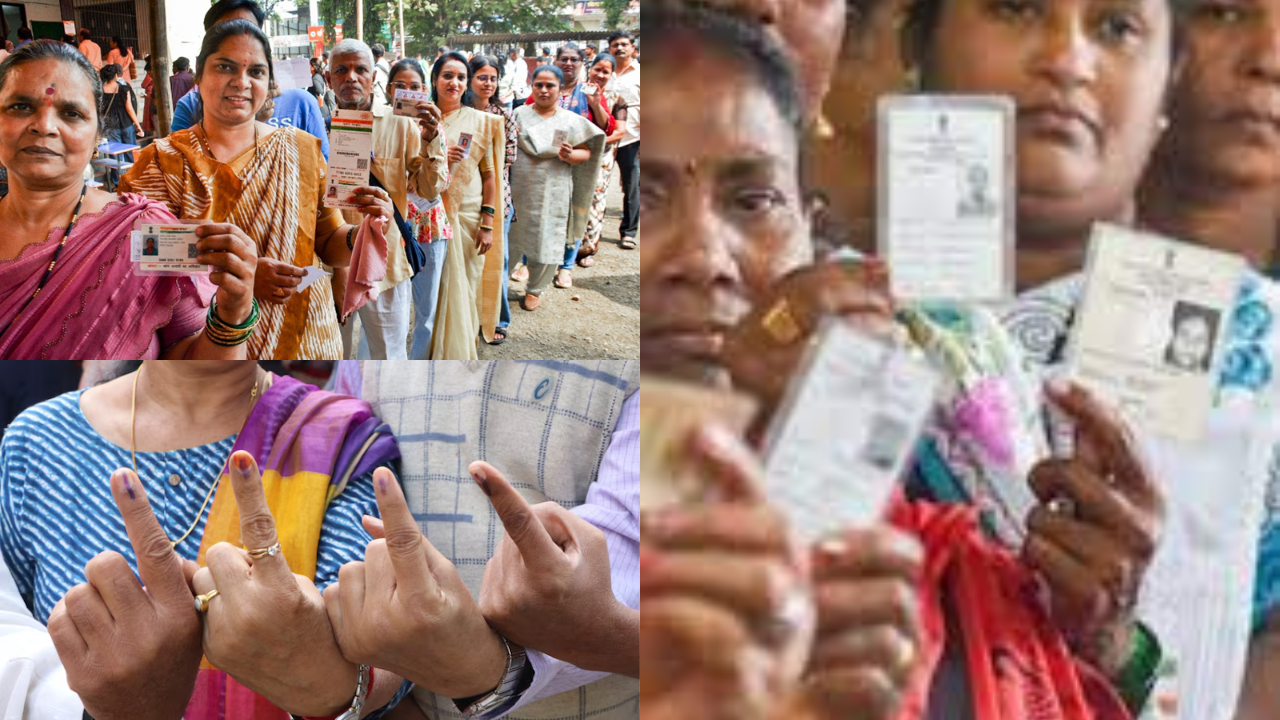
The recently concluded Maharashtra Assembly elections witnessed an encouraging voter turnout of 67.63% across the state, reflecting the growing awareness and participation of citizens in the democratic process. The Election Commission of India (ECI) released these figures after the completion of polling in all constituencies, marking a noteworthy display of civic responsibility by the people of Maharashtra.

A healthy sign of democracy

According to the Election Commission, the overall voter turnout of 67.63% highlights the enthusiastic participation of voters from both urban and rural areas. Despite challenges such as weather conditions and long queues in some polling stations, people turned out in large numbers to cast their votes peacefully. The successful polling process reaffirmed the strong democratic setup that continues to thrive in the state.

This year’s turnout shows that voters are increasingly acknowledging the importance of their role in shaping the future of the state. Many first-time voters, women, senior citizens, and youth groups were seen actively participating and encouraging others to vote.

District-wise performance and rural dominance

Reports from several districts showed mixed voting percentages. Rural regions once again outperformed many urban centers in terms of turnout. Districts like Gadchiroli, Nandurbar, and Washim reported turnout figures above 70%, reflecting strong grassroots-level participation. Meanwhile, metropolitan areas like Mumbai, Pune, and Thane recorded relatively lower voting percentages, in the range of 55% to 60%, due to urban apathy and busy weekday schedules.

Election officials stated that the overall turnout of 67.63% was an improvement over some previous elections and attributed it to sustained awareness drives, social media campaigns, and voter engagement programs initiated by the Election Commission and local authorities.

Role of Election Commission and administration

The Election Commission of Maharashtra deployed thousands of polling officers, security personnel, and volunteers to ensure smooth and fair elections. Across the state, advanced arrangements were made for differently-abled voters, senior citizens, and pregnant women. Wheelchairs, ramps, and other essential facilities were provided at several polling booths. In addition, voters were allowed to check their names and polling numbers easily through online voter lists and mobile applications.

Strict surveillance measures, including CCTV cameras and webcasting facilities, were used at sensitive polling stations to ensure transparency. The administration also took steps to curb any attempts of malpractice or voter influence, ensuring that elections were conducted in a free and fair manner.

Increased participation of women voters

One of the highlights of this election was the increased participation of women voters. In several districts, the turnout of women either equaled or exceeded that of men. Social activists and self-help groups in rural Maharashtra played a vital role in spreading voting awareness among women, encouraging them to participate actively in the election process. The Election Commission also organized “pink polling booths” run entirely by women staff to promote women’s empowerment and inspire others to vote without hesitation.

Youth engagement and social media influence

A noticeable factor this year was the impact of social media campaigns encouraging young voters to exercise their right. Educational institutions, youth organizations, and influencers ran online drives, spreading messages about the power of a single vote. The “Vote for Change” and “Proud to Vote” trends gained momentum across social platforms like X (formerly Twitter), Instagram, and WhatsApp.

According to election officials, youth voters between 18 and 25 years of age formed a significant portion of the new voters in 2025, reflecting a rising sense of responsibility among the younger generation.

Peaceful polling and law enforcement efforts

Law and order remained well under control throughout the polling process. No major incidents of violence or disruptions were reported in any district. Police, home guards, and central armed forces maintained tight security around polling stations to create a safe environment for voters. Quick Response Teams (QRTs) and flying squads were on standby to manage any untoward situations. The peaceful manner in which people cast their votes added a sense of pride and confidence to the entire process.

Political reactions and public response

After the polling closed, several political party leaders thanked citizens for participating actively in the elections and making their voices heard. They praised the election commission and security forces for their efficient arrangements. Citizens, on social platforms, shared their voting selfies, showcasing their inked fingers as symbols of pride in democracy.

Analysts noted that the turnout of 67.63% could play a crucial role in determining the final outcome, especially in closely contested constituencies. The enthusiastic participation of rural and semi-urban voters might slightly shift voting patterns compared to previous polls.

Counting and next steps

The counting of votes is scheduled for the upcoming week, and results will be declared soon after. Political parties are now busy analyzing booth-level trends and preparing for the results day. Meanwhile, the Election Commission has urged all stakeholders, candidates, and citizens to maintain peace and respect the final verdict.

A step forward for democratic participation

The 67.63% turnout shows Maharashtra’s continued faith in democratic traditions and governance. It underlines that citizens are becoming more proactive in deciding who will represent them in state policy-making and development. From the youth and women voters to senior citizens, the collective participation painted a powerful picture of civic duty and unity.

This election not only displayed the state’s administrative strength but also the awareness and maturity of its people. As Maharashtra awaits the election results, what remains certain is the reaffirmation of democracy — a system that thrives when its citizens rise to participate.

700 Imartis and 16 Majestic Creations Light Up Bogta’s Orange Gate in Mumbai

0
Bogta’s Orange Gate

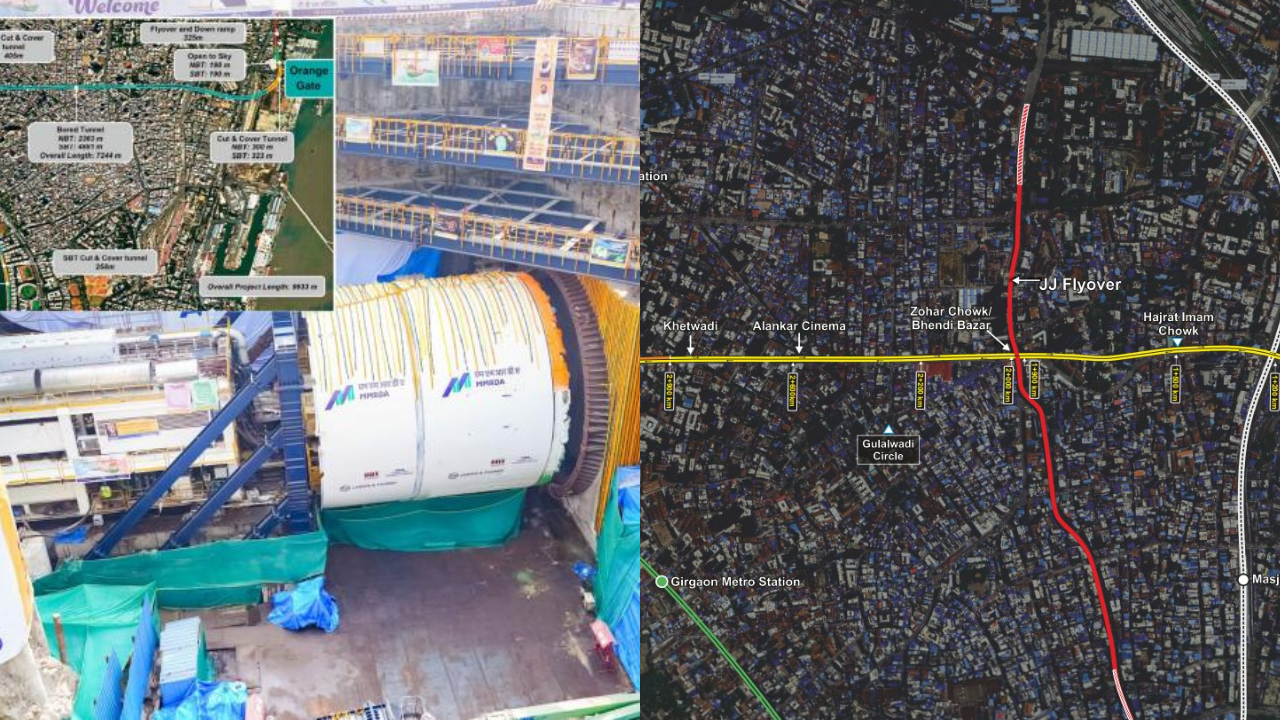
The city of Mumbai unveiled a unique and impressive feat today as 16 tall and hollow imartis took center stage near the iconic Orange Gate located at Bogta. This rare initiative, which brought together traditional craftsmanship and artistic innovation, attracted locals and visitors alike, reaffirming Mumbai’s position as a city that celebrates both heritage and creativity.

A Cultural Spectacle at Orange Gate

For the residents of Mumbai, the Orange Gate at Bogta has always been a city landmark—serving as a historic entry point brimming with stories. Today, however, it became the backdrop for something truly special: the display of 16 majali unch (tall) and hollow imartis. Imartis, typically known as a delicious traditional sweet, were reimagined as large, architectural art pieces that drew crowds and camera flashes.

Each imarti, crafted with exceptional attention to detail and skill, boasted a height that reached remarkable levels, impressing onlookers with both size and the artistry behind them. The day’s event saw people from all walks of life visiting the Orange Gate to witness these structures and capturing photos to share on social media.

Background: What Inspired the Initiative?

The installation at Orange Gate is part of a broader movement in Mumbai where artists, local artisans, and organizations are finding new ways to blend tradition with innovation. By creating imartis in a majestic, towering form, the creators sought to highlight:

  • The rich legacy of Indian sweets in the country’s cultural fabric
  • The potential of food as both sustenance and artistic inspiration
  • Mumbai’s diversity by showcasing cultural icons in contemporary contexts

While the exact inspiration for using hollow imartis is rooted in the symbolism of community and openness, organizers described the pieces as “edible art made extraordinary,” intended as a talking point for locals and tourists alike.

The Making of the Imartis

The creation of 16 large hollow imartis was no small feat. Artisans worked around the clock, carefully mixing and shaping the batter to achieve the perfect texture and size. Special attention was given to the hollowness of each imarti—a detail meant to ensure the structures remained light yet durable for public display.

Over 700 imartis were thoughtfully prepared as part of this grand event, with many distributed among attendees, giving everyone a taste of tradition alongside a visual treat. The entire process, from conceptualization to execution, took several weeks, involving local chefs, artists, and organizers who collaborated closely to bring the vision to life.

Community and Visitor Reactions

The response to the Orange Gate event was overwhelmingly positive. Locals praised the creativity behind the initiative, noting how such displays not only boost community spirit but also draw attention to Mumbai’s vibrant culture. Social media buzzed with photographs and videos under trending hashtags, as residents lauded the event’s organizers for “thinking outside the box” and celebrating familiar flavors in an unexpected way.

Speaking to our “Happen Recently” correspondent, Shreya Mehta, a Mumbai resident who visited the installation, said, “It’s amazing to see something as simple as imarti presented in such a grand and imaginative form. This is what makes Mumbai special—its ability to reimagine tradition.”

Visitors from other states and even international tourists made their way to Orange Gate after hearing about the event online, further amplifying its buzz. Local business owners, too, reported increased footfall and a lively atmosphere, excitedly welcoming the additional activity.

Looking Ahead

Events like the installation of 16 majali unch imartis at Orange Gate are a testament to Mumbai’s unique spirit—a blend of old and new, tradition and ingenuity. Organizers hint that this may just be the beginning, with similar cultural showcases planned for the coming months in other parts of the city.

By supporting traditional arts and finding innovative ways to bring them into the spotlight, Mumbai continues to lead the way in urban creativity and civic engagement. Whether you are a food enthusiast, an art lover, or simply looking for something unexpected, the city’s latest display at Bogta’s Orange Gate has proven that there is always something new and delightful waiting to be discovered.

Major Technical Glitch Disrupts Airport Operations Across India, Hundreds of Flights Cancelled or Delayed

0
Major Technical Glitch

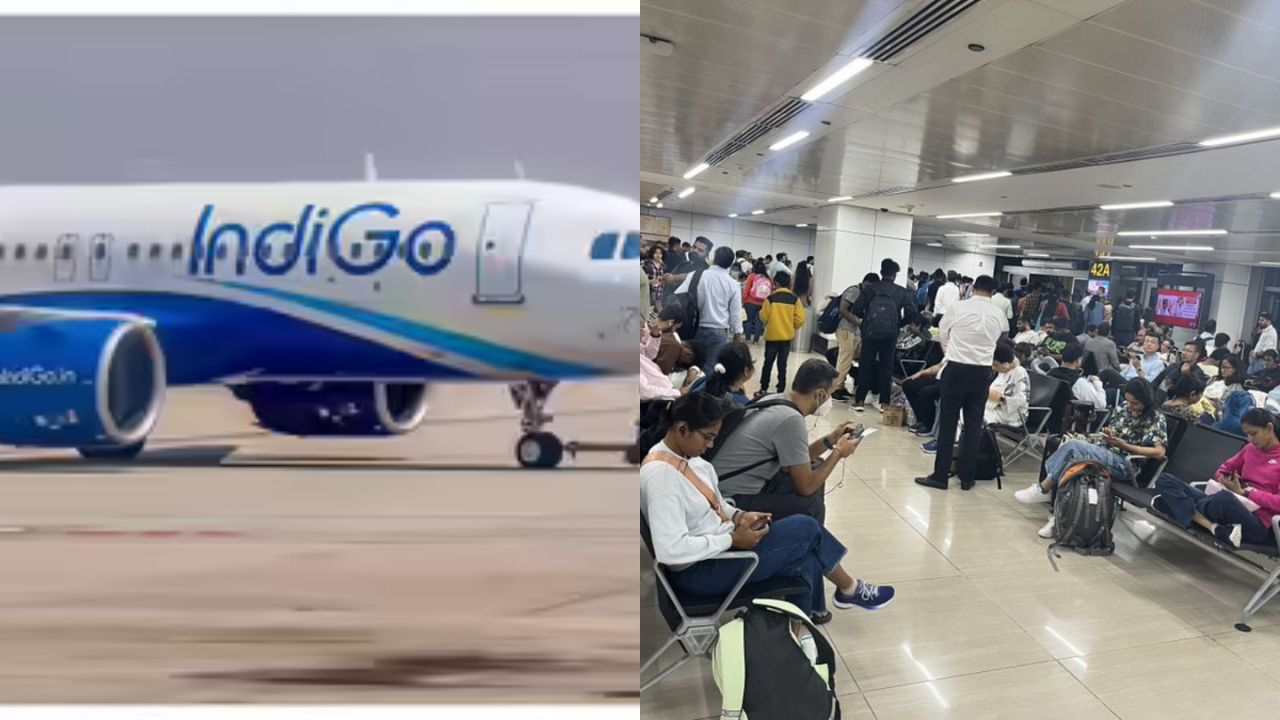
A major disruption recently hit airports across India, with Mumbai and several other major cities reporting large‑scale flight cancellations and delays. The problem started after a serious technical glitch affected the central check‑in and boarding system used by multiple airlines, forcing many flights to be cancelled and leaving thousands of passengers stranded for hours. This unexpected breakdown created long queues, heated arguments and confusion at airport terminals, especially in Mumbai, Delhi, Bengaluru and Dehradun, where operations were badly affected.​

What happened at airports

According to airport and airline sources, a fault in the common passenger service system used at several airports led to a complete halt in issuing boarding passes and baggage tags. Because the system could not connect properly, staff had to stop check‑in for many flights and could not process passengers in time. As a result, around 200 flights across the country were reportedly cancelled, while many others were delayed for long periods or rescheduled to later slots.​

The impact was felt most strongly at major hubs such as Mumbai, Delhi, Bengaluru and Dehradun, which handle a high volume of domestic and international services every day. Some airlines decided to ground flights temporarily until the system stabilised, while others tried to operate with manual processes wherever possible, but this was slow and limited.​

Situation at Mumbai Airport

Mumbai Airport witnessed some of the most chaotic scenes, with passengers crowding check‑in counters and departure gates as information changed minute by minute. Many travellers said they had reached the airport well in advance, only to find that their flights were repeatedly delayed or suddenly cancelled after hours of waiting. Staff tried to manage the rush by making frequent announcements and redirecting passengers, but the heavy load and technical issues made it difficult to maintain order.​

Tensions rose as frustrated passengers demanded clarity about refunds, rebooking options and alternative travel arrangements. In some cases, heated arguments reportedly broke out between passengers and airline staff over lack of timely updates and long queues at counters. Security personnel were deployed near certain gates and check‑in zones to prevent any serious law‑and‑order situation and to help manage crowd flow.​

Technical failure and response

Initial reports indicate that the disruption began with a breakdown in the airline connectivity and reservation interface at the system provider level. This fault affected several key functions such as check‑in, seat allocation, printing of boarding passes and updating real‑time flight status. When the system became unstable, airlines had no option but to temporarily halt operations for safety and regulatory reasons, which led to cascading delays through the day.​

Airport authorities and the system vendor launched an emergency technical review to identify and fix the error. Backup servers and alternative connectivity routes were activated in phases, allowing partial restoration of services after some time, but the backlog of flights and passengers took much longer to clear. Airlines coordinated with air traffic control to reassign slots and adjust schedules, trying to accommodate as many affected passengers as possible on later flights.​

Impact on passengers

For travellers, the disruption meant missed meetings, cancelled holiday plans and extended waiting times inside crowded terminals. Elderly passengers, children and those with connecting flights were among the worst affected, as they struggled to find assistance and clear information on revised timings. Many passengers complained that they did not receive advance alerts on their phones and only learnt about cancellations after reaching the airport.​

Some airlines arranged refreshments and basic facilities for those who had to wait several hours, while others focused on quickly processing refunds or rebookings through customer care counters. Travel agents and online booking platforms also reported a surge in calls and messages from worried customers seeking alternative routes or compensation options.​

Current status and advice

By late evening, technical teams reported that the core fault had been brought under control and that systems were gradually returning to normal operations. However, airlines warned that residual delays could continue for some time as they worked through the backlog of cancelled and rescheduled flights. Passengers have been advised to check the latest status of their flights through official airline websites, apps or customer helplines before leaving for the airport.​

This incident has once again highlighted the heavy dependence of modern air travel on centralised technology platforms and the need for strong backup plans. Aviation experts suggest that better redundancy, periodic stress testing and clear communication protocols can help reduce the impact of such failures in the future, especially at high‑traffic hubs like Mumbai. For now, operations are stabilising, but the day’s events have raised serious questions about system resilience and passenger communication across India’s aviation networ