Thursday, March 12, 2026
Home Blog Page 23

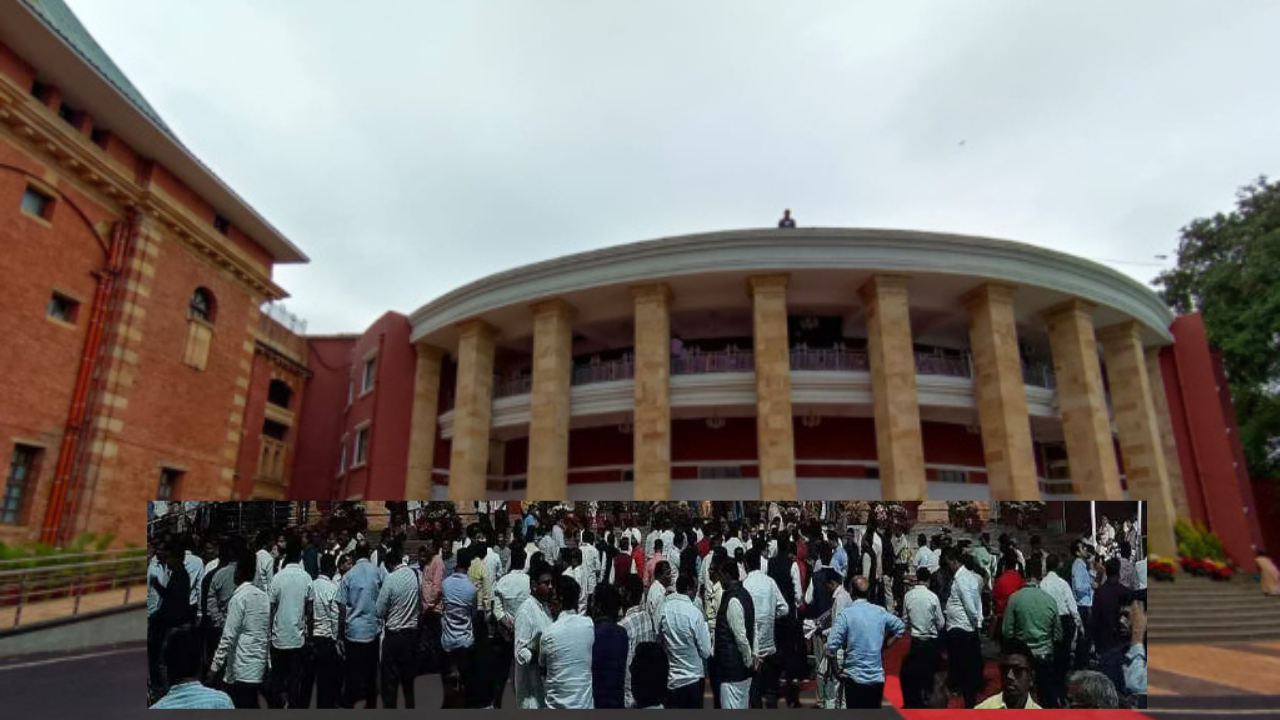
Nagpur Hosts Maharashtra Legislature’s Winter Session from December 8 to 19

0
Legislature’s Winter Session


Focus on financial bills, public welfare policies, and developmental discussions across Maharashtra.

The Maharashtra Legislature has commenced its crucial winter session in Nagpur, scheduled to take place from December 8 to December 19, 2025. This annual session is one of the most significant political and legislative events in the state, bringing together Members of the Legislative Assembly (MLAs) and Members of the Legislative Council (MLCs) to discuss and decide on matters of public importance.

The winter session in Nagpur holds special political and administrative importance, as it traditionally serves as a platform for deliberating on public welfare policies, state finances, and new government initiatives. This session is expected to focus on Supplementary Demands, the Appropriation Bill, and several key government business matters, which are essential for ensuring smooth fiscal management and policy execution in the state.

Focus on Financial and Legislative Priorities

One of the central items on the agenda for this session is the presentation and discussion of Supplementary Demands for Grants. These are additional budgetary allocations requested by various departments to cover expenditures that were not included in the original budget estimates presented earlier in the financial year. The approval of these supplementary demands allows the state government to fund ongoing development projects and meet unforeseen financial requirements.

Alongside this, the Appropriation Bill will also be tabled for discussion and passage. This bill is a critical component of the state’s financial management, authorizing the government to withdraw funds from the Consolidated Fund of the State to meet its expenditure obligations. Together, both measures reflect the government’s approach toward maintaining fiscal discipline while addressing current administrative and developmental needs.

Important Government and Policy Discussions Expected

Apart from financial legislation, the session is expected to see heated debates and extended discussions on various public issues, including agriculture, employment, infrastructure development, and law and order. Opposition parties have already indicated that they will corner the government on matters such as farmer distress, inflation, fuel prices, and job creation, while the ruling coalition plans to highlight its developmental achievements and policy initiatives aimed at improving public welfare.

The government is also expected to present updates on ongoing projects in Vidarbha and Marathwada, including irrigation schemes, infrastructure expansion, and industrial investment in the region. These discussions are particularly significant given that Nagpur, being the winter capital of Maharashtra, plays a symbolic as well as strategic role in ensuring balanced state development.

Nagpur Comes Alive for the Legislative Session

Every year, the winter session transforms Nagpur into the temporary political capital of Maharashtra. All major political leaders, bureaucrats, and media outlets gather in the city to cover crucial debates and announcements. The city experiences heightened administrative activity, with enhanced preparations to support the logistical requirements of the session.

Government offices, administrative staff, police personnel, and media representatives make extensive arrangements to ensure smooth proceedings. The Vidhan Bhavan, Nagpur, becomes the focal point of policy action and political dialogue during these two weeks.

Expected Bills and New Announcements

While the Appropriation Bill and Supplementary Demands remain the financial highlights, several new bills and amendments are anticipated to be introduced during the session. Possible legislative subjects include rural development, health reforms, digital governance, and updates to existing laws to align with central government policies.

Moreover, the session may witness policy announcements related to agriculture subsidies, farmer loan waivers, and welfare measures for marginalized communities. The government is also expected to discuss the progress of the ongoing Marathi Language promotion initiative, urban transport upgrades, and environmental conservation programs across key districts.

Opposition Ready to Raise Public Issues

Opposition parties, including the main rival alliances, have outlined an aggressive strategy for this session. Their focus areas reportedly include the rising cost of essential commodities, irregularities in certain government tenders, and issues concerning unemployment among youth. They are also likely to demand clarity on the state’s position over central policies and their impact on Maharashtra’s economy.

Such debates form the cornerstone of a democratic legislative process, ensuring transparency, accountability, and constructive dialogue between the ruling and opposition benches.

Importance of the Nagpur Session for Maharashtra

The Nagpur winter session isn’t merely an annual constitutional obligation; it’s a cornerstone of Maharashtra’s democratic and administrative tradition. Over the years, many landmark policies, financial reforms, and public welfare initiatives have been debated and launched during this session.

For the people of the state, the session serves as a reminder that policymaking is a dynamic and continuous process, requiring careful scrutiny and participation from elected representatives. As the government addresses pressing issues and introduces fiscal measures, citizens look forward to policies that promote balanced growth across urban and rural regions.

Looking Ahead

As the session continues until December 19, all eyes remain on the outcomes of the legislative debates and the decisions that will shape Maharashtra’s development path in 2026. Observers expect that the state government will use this opportunity to outline its fiscal priorities, strengthen public programs, and reassure citizens of economic stability and progress.

The coming days are expected to bring important decisions, budgetary approvals, and spirited discussions that will set the tone for Maharashtra’s governance in the new year.
Anganwadi Sisters to Help Women Complete eKYC Under Ladki Bahin Yojana

0
Ladki Bahin

Door-to-door verification drive launched to remove obstacles and ensure faster benefits for eligible women.

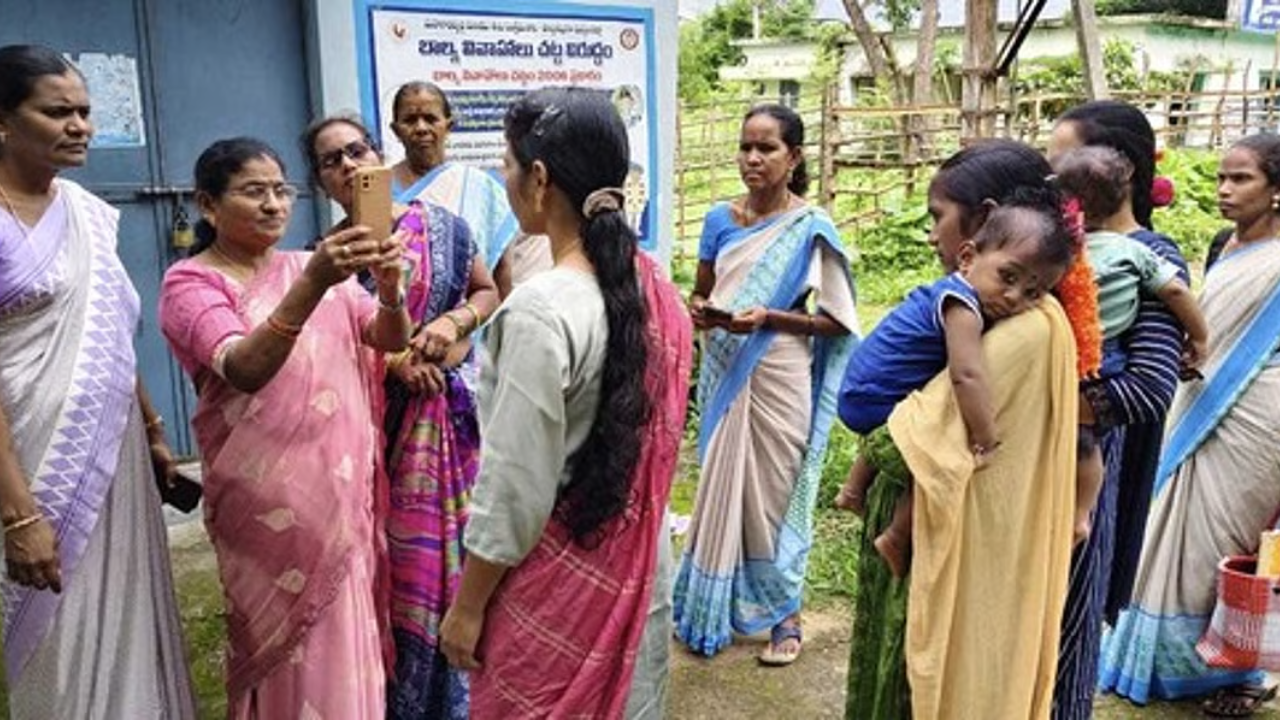
To make sure every eligible woman and girl receives timely benefits under the Ladki Bahin Yojana, the local administration has decided to begin a door-to-door eKYC (Electronic Know Your Customer) verification drive with the help of Anganwadi sisters. This important step aims to remove ongoing difficulties faced by beneficiaries who have been unable to access funds due to incomplete or incorrect digital verification.

The Ladki Bahin Yojana, a welfare initiative designed to empower and support girls and women, has faced delays in some areas because many applicants were unable to complete eKYC updates on time. With this new move, the government is making it easier for women, especially those from rural and low-income families, to verify their details quickly and start receiving their entitled benefits.

Addressing Challenges Faced by Beneficiaries

Administration officials revealed that a large number of women registered under the Ladki Bahin Yojana were struggling to complete their eKYC due to lack of internet access, digital knowledge, or technical support. Many beneficiaries were unaware of the process or found it confusing and time-consuming.

To tackle this issue effectively, the administration decided that Anganwadi sisters will personally visit homes in villages and urban wards. They will guide beneficiaries through the verification steps, ensuring that no eligible woman is left behind due to paperwork or digital limitations.

This simple yet impactful initiative is expected to remove long-standing obstacles and make the Ladki Bahin Yojana more inclusive and efficient.

Role of Anganwadi Sisters

Anganwadi sisters are known for their deep-rooted relationship with local communities. They interact closely with women and children daily through various programs related to health, nutrition, and early education. Building on this trust, the administration has assigned them the additional responsibility of assisting with eKYC verification for the Ladki Bahin Yojana.

These dedicated workers will be equipped with mobile devices and official software to complete Aadhaar-linked verification directly from beneficiaries’ homes. They will also help resolve common issues such as mismatched data, missing Aadhaar links, or incorrect bank account details.

This decision not only benefits beneficiaries but also empowers Anganwadi sisters by expanding their role in digital governance and welfare delivery.

Ensuring Transparency and Timely Support

Officials have emphasized that eKYC verification is not just a formality but a crucial step to ensure transparency in fund distribution. Through this, the system confirms the authenticity of beneficiaries and ensures that aid reaches the correct person directly into her bank account.

The Ladki Bahin Yojana is among the key welfare schemes launched to support girls and women through financial incentives, education aid, and empowerment initiatives. With the eKYC process now simplified, eligible women can expect funds and benefits to reach them regularly without manual delays.

Community Response and Impact

The decision has received positive feedback from citizens. Women in both rural and semi-urban areas have expressed relief that the government has taken steps to simplify the process. Many shared that although they registered for the scheme months ago, they had not received any payments because their eKYC was pending.

For them, this door-to-door assistance is a welcome relief. Beneficiaries say the presence of familiar Anganwadi sisters gives them confidence and ensures their data is being handled securely and correctly.

Local community leaders have also praised the administration’s approach, noting that it reflects a people-first governance model where welfare programs are made more accessible and user-friendly.

Digital Inclusion Through Local Efforts

This initiative blends technology with a grassroots approach. While eKYC is a digital process designed for accountability, its success depends on accessibility. By bringing trained workers into communities, the government is bridging the digital gap that often prevents people from benefiting from such schemes.

Anganwadi sisters are also educating beneficiaries about the importance of updating their Aadhaar cards, maintaining active bank accounts, and keeping their mobile numbers linked for OTP authentication — all key steps for successful eKYC completion.

District officials mentioned that awareness camps are also being planned alongside the door-to-door visits to help more women complete the verification quickly.

Benefits After eKYC Completion

Once the eKYC is completed, beneficiaries under the Ladki Bahin Yojana will start receiving their financial aid directly into their bank accounts through Direct Benefit Transfer (DBT). This will ensure transparency and eliminate middlemen or manual errors.

Apart from the financial benefits, completion of eKYC will also allow women to easily access other government schemes linked to health, education, and livelihood development. The administration believes that proper documentation will help women make full use of multiple welfare initiatives.

A Step Toward Empowerment

The involvement of Anganwadi sisters in this process highlights the government’s commitment to women’s empowerment through community participation. These workers are the backbone of rural and semi-urban outreach efforts, and their role in digital processes marks a new phase in inclusive governance.

By simplifying eKYC through door-to-door help, the administration not only strengthens the execution of the Ladki Bahin Yojana but also promotes awareness about digital tools among women. As a result, they become more confident in managing their documents, bank accounts, and welfare entitlements.

Conclusion

The new eKYC assistance drive under the Ladki Bahin Yojana is more than just a technical correction. It represents an inclusive governance effort — one that values the needs of common citizens and works to ensure that social benefits truly reach those who deserve them.

With the support of trained and trusted Anganwadi sisters, the administration expects that verification issues will be resolved quickly, and every eligible beneficiary will soon enjoy the full benefits of the Ladki Bahin Yojana. This step combines compassion, community connection, and technology — creating a stronger foundation for women’s welfare and empowerment in the region.

Walking Pneumonia Explained When a Simple Cough Is Not So Simple

0
Pneumonia

A clear guide to signs, spread, diagnosis and recovery for families and working professionals

Walking pneumonia is a common but often misunderstood lung infection that affects both children and adults. It is called “walking” pneumonia because most people stay active and continue their daily routine instead of needing bed rest or hospital care. In simple words, it is a milder form of pneumonia, but it still affects the lungs and needs proper attention and treatment.

Unlike typical pneumonia, which may cause high fever, severe chest pain and difficulty in breathing, walking pneumonia usually starts slowly and looks like a long‑lasting cold or viral fever. Many people do not even realise that they have pneumonia and assume it is just a normal seasonal infection that is taking longer to settle down.

What Exactly Is Walking Pneumonia?

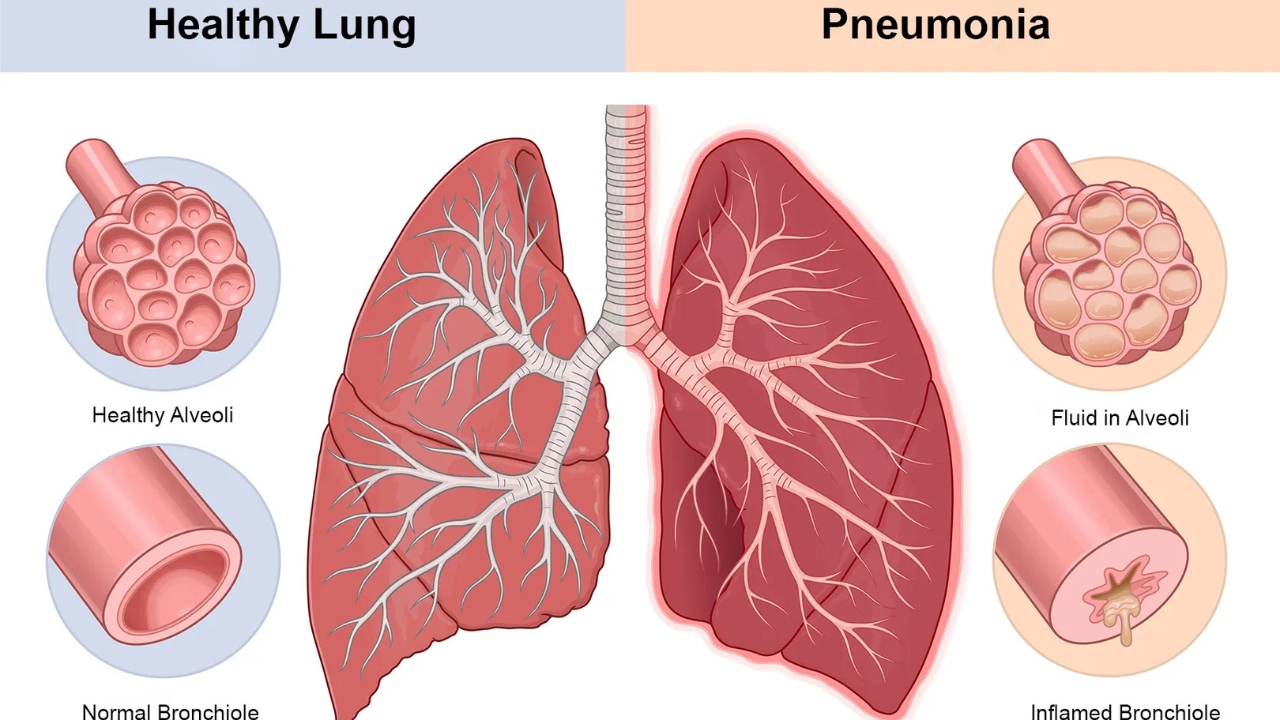
Walking pneumonia is a type of atypical pneumonia, usually caused by certain bacteria such as Mycoplasma pneumoniae, or sometimes by viruses or other germs. It affects the respiratory tract and the small air sacs in the lungs. The infection leads to swelling and irritation inside the lungs, but not to the same severe level that is seen in classic pneumonia.

In most cases, the symptoms are mild to moderate, which is why people keep “walking” around instead of resting at home. However, even if the illness is not very serious, it can still be uncomfortable and tiring, especially when the cough continues for many days or even weeks.

Common Symptoms People Notice

The early signs of walking pneumonia are very similar to a regular cold or flu. A person may develop:

  • Persistent dry cough that refuses to go away
  • Low‑grade fever or mild chills
  • Sore throat and sneezing
  • Headache and tiredness
  • Mild chest pain while coughing or taking a deep breath
  • Runny or stuffy nose in some cases

In children, symptoms can also include ear pain, feeling very tired, mild breathing difficulty, or chest discomfort. Parents may think it is just a common viral illness, but if the cough lasts for more than 7–10 days or keeps getting worse, it is better to consult a doctor and rule out walking pneumonia.

How Does It Spread?

Walking pneumonia is contagious and spreads from person to person through tiny droplets in the air when an infected person coughs, sneezes, talks, or even breathes close to others. In schools, offices, crowded public transport and markets, these droplets can easily reach people nearby and infect them.

An important point is that a person with walking pneumonia can spread the infection even before they realise they are sick. The incubation period is usually one to four weeks, meaning the germs stay in the body for some time before symptoms start. During this period, a person can unintentionally infect family members, classmates, or colleagues.

Who Is at Higher Risk?

Anyone can get walking pneumonia, but certain groups are more likely to catch it or have stronger symptoms:

  • School‑going children and teenagers
  • People who spend a lot of time in crowded places
  • Individuals with weak immunity
  • Elderly adults and people with chronic lung diseases like asthma or COPD

For most healthy people, the illness remains mild. However, in people with weakened immune systems or other health problems, walking pneumonia can sometimes become more serious if ignored.

Diagnosis and When to See a Doctor

Because the symptoms mimic a common cold or mild flu, walking pneumonia is not always easy to identify at home. If a cough continues for more than two weeks, if there is chest pain, breathing difficulty, or if the fever keeps coming back, it is important to seek medical advice.

Doctors usually ask about the patient’s symptoms, their duration, any recent contact with sick people, and may listen to the chest with a stethoscope. In some cases, a chest X‑ray or blood tests may be advised to confirm pneumonia and decide the best line of treatment. Early diagnosis helps in faster recovery and reduces the risk of complications.

Treatment and Home Care

Treatment for walking pneumonia depends on the cause. When bacteria such as Mycoplasma pneumoniae are responsible, doctors often prescribe antibiotics. It is very important to complete the full course of medicines even if the patient starts feeling better in a few days.

Along with medicines, simple home care measures can support recovery:

  • Drink plenty of fluids to stay hydrated
  • Take adequate rest and avoid overexertion
  • Use doctor‑recommended fever or pain relief tablets if needed
  • Avoid smoking and stay away from polluted, dusty environments

Most people start feeling better within a few days, but the cough can sometimes last for weeks. This does not always mean the infection is still strong; it may just be the lungs slowly healing. However, if symptoms suddenly worsen, it is necessary to contact the doctor again.

Can Walking Pneumonia Be Prevented?

There is no single guaranteed way to prevent walking pneumonia, but good hygiene and healthy habits can lower the risk:

  • Wash hands regularly with soap and water
  • Cover mouth and nose while coughing or sneezing
  • Avoid close contact with people who have a long‑lasting cough or fever
  • Keep immunity strong with a balanced diet, enough sleep and regular exercise

In schools, offices, and public places, following basic respiratory hygiene and staying home when seriously ill can help protect others, especially children and elderly people.

Why Awareness Matters Today

In the post‑pandemic world, people are more alert to respiratory infections, yet many still confuse walking pneumonia with a stubborn cold. Increased public awareness helps in early diagnosis and timely treatment. For working adults, it can reduce long periods of discomfort and absenteeism. For children, early care can prevent complications and repeated infections.

For a news and information platform like “HappenRecently.com”, sharing simple, clear health stories on conditions like walking pneumonia helps readers understand when a “normal cold” might actually be more than that. With accurate information and timely medical consultation, most people recover fully and return to their routine without long‑term problems.

CM Mohan Yadav Announces 5,000 Home Guard Recruitment and Bhopal Metro Launch

0
Home Guard Recruitment

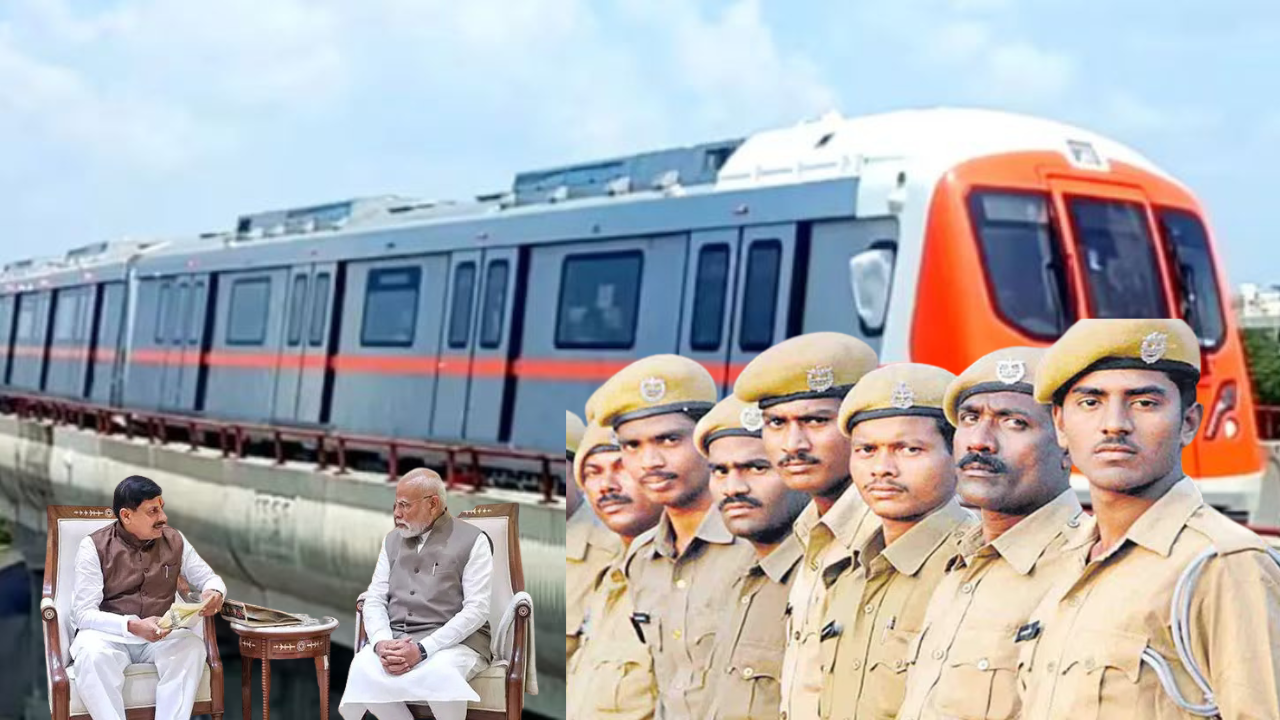
Bhopal, Madhya Pradesh – In a series of significant announcements aimed at improving infrastructure, employment, and urban governance, Chief Minister Mohan Yadav has declared new initiatives that promise to strengthen the state’s workforce and public facilities ahead of the upcoming.

5,000 Home Guards to be Recruited for Singhast 2028

Preparing for the grand religious event, scheduled to take place in Ujjain, CM Mohan Yadav announced the recruitment of 5,000 Home Guard personnel. This move aims to enhance the security framework, crowd management, and overall coordination for one of the largest gatherings of devotees in the country.

According to the Chief Minister, the recruitment drive will not only ensure efficient security management during the event but will also open new employment opportunities for thousands of youth across Madhya Pradesh. The training for these recruits will focus on crowd control, emergency response, and public safety—key priorities for the massive pilgrimage expected to attract millions.

The state government is planning to finalize the recruitment process in the coming months so that all selected Home Guard personnel are well-prepared before the event. The inclusion of new members will add significant strength to the Home Guard department, which already plays a crucial role during major state events and emergencies.

PM Modi to Inaugurate Bhopal Metro

Another major announcement came regarding the much-awaited Bhopal Metro project. Chief Minister Mohan Yadav confirmed that Prime Minister Narendra Modi will soon inaugurate the state capital’s metro service, marking a new chapter in Bhopal’s public transport system.

The Bhopal Metro aims to transform urban mobility in the city by reducing road congestion and offering an eco-friendly, rapid transit alternative. Initially, the metro will operate with limited stations, and as of now, passengers can enter and exit from a single gate at the operational terminal. However, officials have assured that full-scale operations with multiple stations and gates will commence shortly after the inaugural phase.

The project represents a major leap forward in the modernization of Madhya Pradesh’s urban landscape. It is expected to benefit students, working professionals, and daily commuters, making travel within the city faster, safer, and more comfortable.

Regularization of 12,000 Daily Wage Workers

In a move aimed at promoting employment stability and social security, the Bhopal Municipal Corporation has announced the regularization of 12,000 daily wage workers. This decision comes as part of the state government’s ongoing commitment to labor welfare and ensuring fair employment practices across departments.

Chief Minister Mohan Yadav appreciated the municipal corporation’s decision, stating that these workers have been the backbone of essential civic services such as sanitation, maintenance, and infrastructure upkeep. Their regularization will secure their monthly income, provide access to employee benefits, and recognize their vital contribution to the city’s functioning.

The government intends to release official guidelines soon, outlining the process for converting these positions into permanent roles. This step is expected to uplift thousands of families who have long depended on daily wage labor, giving them financial security and improved living conditions.

A Vision for a Progressive Madhya Pradesh

These announcements reflect the state government’s vision of holistic growth—focusing not only on large-scale infrastructure but also on job creation and social welfare. With  approaching, the administration appears determined to ensure that both spiritual and civic preparations are handled with precision.

The recruitment of Home Guards highlights a proactive approach to safety and management, while the Bhopal Metro inauguration marks technological progress. Simultaneously, the decision to regularize municipal workers underscores the government’s compassion toward the working class. Together, these steps signify balanced development under the leadership of CM Mohan Yadav.

The Madhya Pradesh government has been consistently working on projects that align with the state’s long-term development goals. The upcoming months are expected to witness rapid progress in infrastructure development and employment generation. Senior officials have also indicated that additional announcements regarding urban facilities and road connectivity may be made soon.

For the residents of Bhopal and across Madhya Pradesh, these initiatives bring both optimism and change. As preparations for intensify and the state’s infrastructure expands, the people can look forward to a more developed, secure, and prosperous environment.

Maharashtra Leads India’s Natural Farming Revolution with Sustainable Agriculture Drive

0
India’s Natural Farming Revolution

Maharashtra is fast emerging as a trailblazer in India’s sustainable agriculture movement. By promoting Natural Farming practices across the state, the government aims to reduce farming costs, improve soil health, and ensure long-term environmental benefits for future generations. This initiative aligns with India’s broader goal of transforming its agriculture sector through eco-friendly and low-cost farming methods that prioritize both human and ecological well-being.

A Step Toward a Greener Future

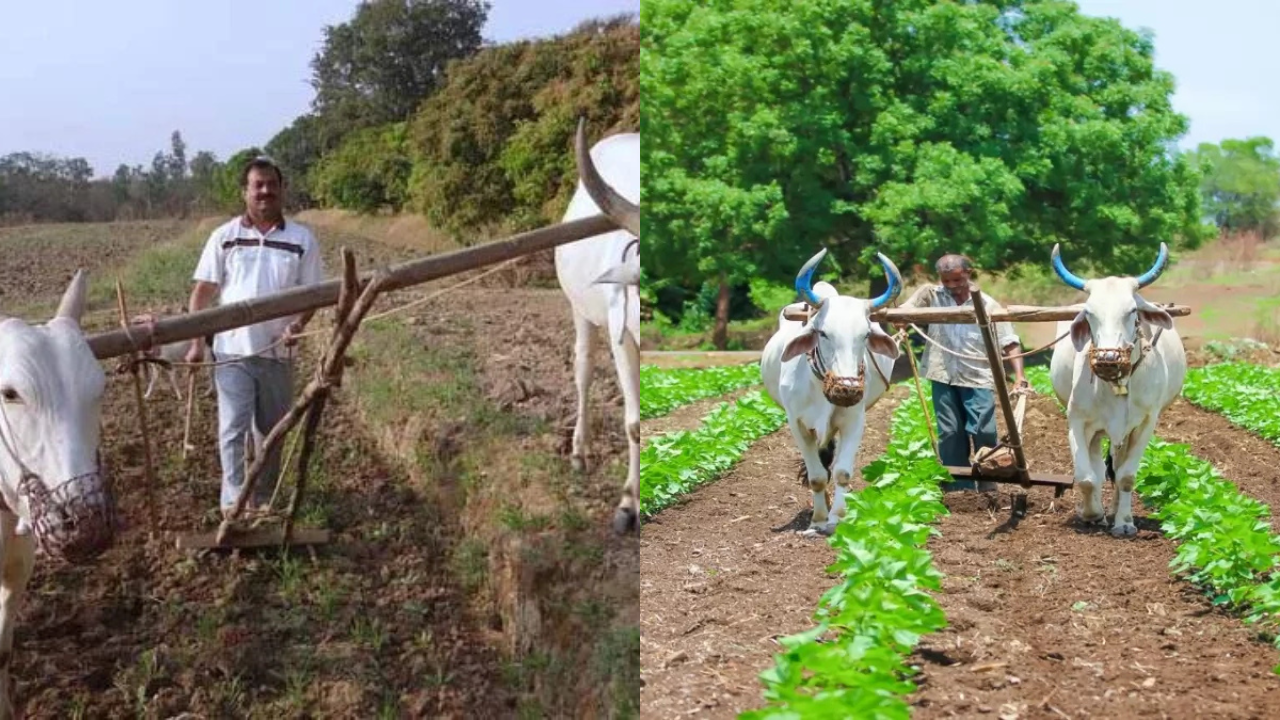
Natural farming—often referred to as “chemical-free agriculture”—encourages crop cultivation without synthetic fertilizers, pesticides, or commercially produced growth enhancers. Instead, it relies on biological techniques like composting, cow dung, cow urine-based fertilizers, and multi-cropping systems. Maharashtra’s push in this direction marks a major step toward creating a self-sustaining and resilient farming ecosystem.

Under the state’s new programs, farmers are being guided and trained to adopt natural methods of cultivation that not only reduce input costs but also enhance soil fertility and biodiversity. The ultimate goal is to achieve a balance between productivity and sustainability—ensuring that agriculture remains both profitable and planet-friendly.

Reducing Costs and Increasing Profits

Traditional chemical-based farming systems have often pushed farmers into debt due to rising fertilizer and pesticide costs. Maharashtra’s natural farming initiative directly addresses this problem. By minimizing the need for expensive agrochemicals, farmers can substantially lower their production costs.

The state government, in collaboration with agricultural universities and research institutions, has started pilot projects in several districts to showcase the economic viability of natural farming. These experimental farms demonstrate that yield levels can be maintained—and in some cases, even improved—when ecological methods replace chemical inputs. The reduced dependency on external markets for fertilizers and pesticides also gives farmers greater financial autonomy.

Environmental and Health Benefits

Beyond economics, natural farming brings significant environmental and health benefits. Chemical run-off from conventional farms often contaminates rivers, ponds, and groundwater sources—posing long-term threats to both human and animal health. The adoption of natural farming minimizes this pollution, helping to restore soil and water quality across farming regions.

Moreover, this approach enhances carbon sequestration in soil, contributing to climate change mitigation. When farmers use organic matter to enrich the soil, the captured carbon stays underground rather than contributing to atmospheric greenhouse gases. These measures support Maharashtra’s vision to create a more climate-resilient and sustainable rural economy.

Role of Farmers and Local Communities

At the heart of this revolution are the farmers themselves. Thousands of cultivators across Maharashtra are embracing the idea of self-reliant, environmentally conscious agriculture. Local farmer groups and cooperatives are being encouraged to share knowledge, seeds, and natural fertilizers. The government has started organizing awareness programs, workshops, and field demonstrations to help farmers witness the advantages firsthand.

Some farmers, who have already transitioned to natural farming, report better soil texture, improved crop resistance to pests, and reduced cost of cultivation by 40–60%. For many, this transformation also brings a renewed sense of independence and pride in sustainable living.

Policy Support and Institutional Backing

The Maharashtra government’s commitment to natural farming is supported by various schemes under the state agriculture department. Programs are being linked with national missions such as the Bharat Natural Farming Mission and Paramparagat Krishi Vikas Yojana (PKVY). Subsidies and incentives are being introduced to help small and marginal farmers adopt the new methods without financial burden.

In addition, training centers and agricultural extension offices are expanding their reach to rural areas, offering practical demonstrations and technical guidance. Research collaborations with Krishi Vigyan Kendras (KVKs) and universities are generating locally relevant natural farming models suited for different soil types and climatic conditions across Maharashtra’s districts.

Encouraging Private and NGO Participation

Private organizations, non-governmental bodies, and startups are also playing an important role in promoting eco-friendly agriculture. From providing organic fertilizers and natural pest control solutions to offering digital training tools, these partners bring innovation and scalability to the movement.

Several agritech startups have begun working on soil testing, smart compost systems, and organic certification platforms, giving farmers the modern tools they need to succeed in natural farming. This synergy between technology and tradition is creating new opportunities for sustainable rural entrepreneurship.

Toward a National Model

Maharashtra’s leadership in the natural farming revolution is being closely observed by other Indian states. The success of this approach could shape national agricultural policy and inspire many regions to follow suit. With its unique combination of local innovation, farmer participation, and institutional support, Maharashtra is positioning itself as a model for sustainable agriculture in India.

The movement also resonates with the global shift toward regenerative farming practices. By blending ancient Indian wisdom with modern scientific understanding, Maharashtra is showing how agriculture can be both productive and environmentally responsible.

Conclusion

Maharashtra’s journey toward natural farming is more than an agricultural reform—it is a social and environmental transformation. By empowering farmers, improving soil health, and reducing the ecological footprint of agriculture, the state is demonstrating that true progress lies in harmony with nature.

As India works toward a greener, self-reliant future, Maharashtra’s efforts may well become the cornerstone of the country’s “Natural Farming Revolution.” For farmers, consumers, and policymakers alike, this shift represents hope—a promise of sustainable growth rooted in balance, resilience, and respect for the Earth.

India and Russia Seal Five‑Year Economic Cooperation Plan to Ensure Uninterrupted Oil Supply

0
Economic Cooperation Plan

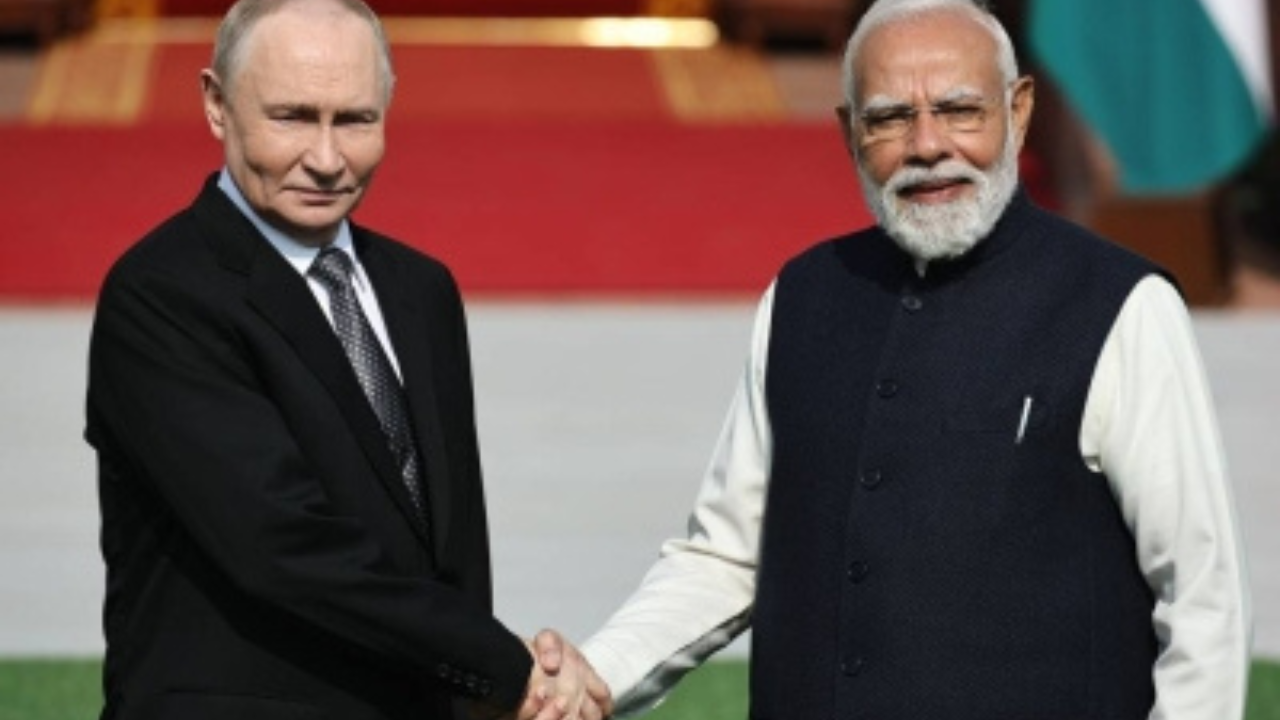
In a major development that strengthens bilateral relations between India and Russia, both nations have finalized a comprehensive five‑year plan for economic cooperation. The agreement aims to guarantee uninterrupted crude oil supply from Russia to India while expanding investment and trade partnerships across multiple energy and infrastructure sectors.

This step reinforces the robust strategic partnership between the two nations, reflecting their shared commitment to mutual growth and energy security in an increasingly volatile global market. The plan was discussed and finalized through high‑level talks between top government officials and energy representatives from both sides.

Strengthening Energy Relations

Russia, one of the world’s largest oil exporters, has emerged as India’s key energy partner since global disruptions affected traditional supply chains. The newly approved five‑year cooperation framework ensures a consistent and reliable supply of crude oil at competitive prices.

Officials have emphasized that the agreement is designed to safeguard India’s growing energy demands, reduce dependency on any single region, and support stable prices in the domestic market. For Russia, the deal secures a strong and dependable buyer at a time when the global market is witnessing major realignments following Western sanctions and energy diversification.

This partnership is expected to include direct purchase mechanisms between Indian oil companies and Russian producers, streamlined shipping and payment systems, and increased cooperation in developing refining, petrochemical, and storage capacities.

Economic Cooperation Beyond Energy

While energy forms the backbone of this partnership, the five‑year economic cooperation plan covers much more. It includes mutual investment opportunities in transportation, manufacturing, banking, agriculture, and technology exchange. Both countries are exploring enhanced trade using national currencies to simplify transactions and reduce the influence of third‑party currencies like the US dollar.

According to sources, Russia and India have identified several priority sectors where collaboration could yield quick results. These include infrastructure modernization, heavy machinery exports, fertilizer production, and agricultural imports. The cooperation plan also supports joint ventures aimed at improving logistics connectivity through sea, rail, and air transport corridors linking the two countries via Central Asia and the Middle East.

Focus on Stability and Long‑Term Security

India’s growing energy appetite, driven by rapid industrialization and urbanization, makes stable oil imports essential for economic resilience. With global energy markets facing frequent geopolitical shocks, the five‑year framework offers India a predictable supply, helping balance national energy needs with economic planning.

Russian officials have noted that the deal’s long‑term nature allows both governments to plan investments more efficiently, ensuring returns and creating job opportunities in related industries such as shipping, refining, and engineering.

Additionally, Indian analysts view this cooperation as a strategic counterbalance to global energy dependencies. “This agreement not only strengthens India’s position in global energy negotiations but also secures affordable inputs for its industries,” said one energy policy expert.

Potential Impact on Global Markets

The growing energy trade between Russia and India has already reshaped global oil flows. India has become one of the largest importers of discounted Russian crude since 2022, sparking discussions among global analysts about the shifting dynamics of energy commerce.

Under this new framework, the scale of Indian imports from Russia is likely to grow further, which may influence global pricing trends. However, both nations have reiterated that the purpose of the agreement is stability rather than competition.

Russia continues to emphasize that its partnership with India is based on trust, respect, and economic complementarity rather than short‑term profit motives. The plan encourages collaboration on developing new energy technologies, including green fuel research and pipeline projects that could serve the broader region in the future.

Diplomatic and Strategic Significance

Beyond economics, the agreement carries strong diplomatic value. It deepens the historical friendship between the two nations dating back to the Soviet era and gives both sides leverage in their geopolitical strategies.

India views this as an opportunity to diversify dependence across multiple partners while maintaining neutrality in international conflicts. For Russia, strengthening ties with one of the world’s fastest‑growing economies enhances its long‑term stability and global influence.

The five‑year plan is also aligned with India’s “Energy Security 2040” vision and Russia’s broader pivot towards Asia. Discussions are already underway for cooperation in nuclear energy, defense technology, and innovation‑driven industries alongside the oil trade.

Industry Reactions

Industry experts from India have largely welcomed the initiative. According to reports, major public sector undertakings such as Indian Oil Corporation (IOC) and Bharat Petroleum Corporation Ltd (BPCL) are expected to participate actively in the execution of long‑term crude contracts.

Market analysts predict that assured energy supplies from Russia could lead to more predictable fuel prices domestically, helping policymakers manage inflation better. It may also contribute to India’s goal of transitioning from short‑term spot purchases to strategic sourcing through bilateral agreements.

Experts also underline that logistics and payment mechanisms will play a key role in making this partnership successful. Streamlined transport routes through ports and flexible payment solutions are being discussed to ensure smooth operations despite international financial restrictions.

Future Outlook

Both governments are confident that this five‑year economic cooperation framework will bring tangible benefits to their people. It represents a practical approach to global uncertainties by combining economic logic with strategic foresight.

The success of this initiative could pave the way for similar long‑term pacts in other sectors such as renewable energy, mining, and technology transfer. Analysts believe that by 2030, trade volumes between India and Russia could double if the framework is executed effectively.

The agreement demonstrates how two major nations can balance national interests with mutual benefit, setting an example for sustainable global partnerships in the 21st century.

Maharashtra Today: Teachers’ Strike, Mahaparinirvan Diwas, and Key Government Updates

0
Maharashtra Today

Maharashtra witnessed a wave of significant developments on December 6, 2025, marked by a massive teachers’ strike, the commemoration of Mahaparinirvan Diwas, and key government decisions. The day saw widespread school closures, major public gatherings, and important policy updates, all shaping the state’s headlines.

Teachers’ Strike Shuts Down Schools

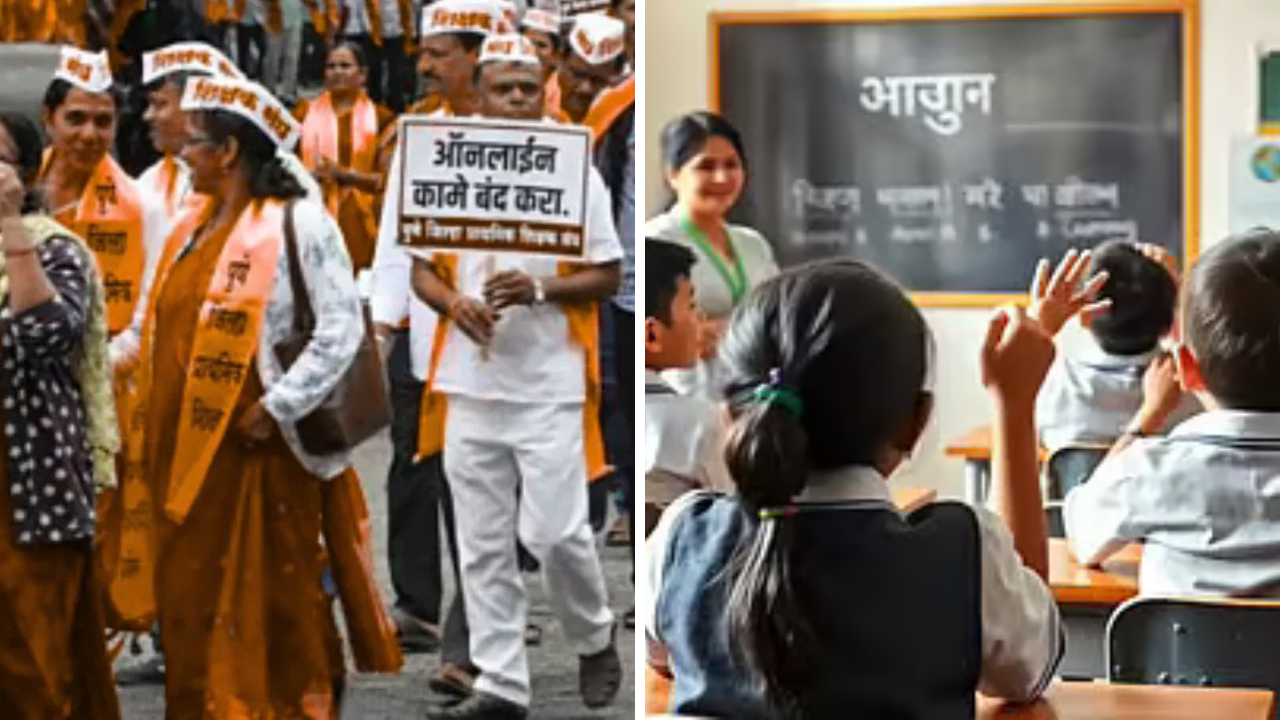
A statewide strike by teachers and principals paralyzed the education system across Maharashtra on December 6. The agitation, which began on December 5, continued into a second day as educators demanded the withdrawal of the controversial Sanch Manyata policy and the compulsory Teachers Eligibility Test (TET) for teachers nearing retirement. Over 18,000 schools, especially in Marathwada and rural districts, remained closed, affecting thousands of students preparing for board exams. The government issued stern warnings, stating that participating staff could face disciplinary action, including salary deductions, but the strike persisted as unions pressed for their five main demands, including restoration of the old pension scheme and lifting of recruitment bans for non-teaching staff.

Mahaparinirvan Diwas: Tributes to Dr. Ambedkar

December 6 was observed as Mahaparinirvan Diwas, commemorating the 69th death anniversary of Dr. B.R. Ambedkar. The Maharashtra government declared a holiday for all government and semi-government offices in Mumbai and Thane, honoring the legacy of the architect of the Indian Constitution. Large crowds gathered at Chaityabhoomi in Dadar, Mumbai, to pay homage, with special arrangements for security, transport, and facilities for devotees. Central Railway and BEST operated additional suburban trains and buses to manage the influx, ensuring smooth travel for attendees from across the country.

Government Announcements and Policy Updates

Alongside the protests and tributes, the state government made headlines with new decisions. The Revenue Department granted full legal validity to digitally signed land records, streamlining property transactions and reducing paperwork for citizens. The government also reported the successful implementation of the orphan quota, with 862 beneficiaries securing government jobs, highlighting its commitment to social welfare. These moves signal ongoing efforts to modernize administrative processes and promote inclusive growth.

What Lies Ahead

The teachers’ strike remains unresolved, with unions vowing to continue until their demands are met. Meanwhile, the observance of Mahaparinirvan Diwas reinforced Maharashtra’s dedication to social justice and equality, while recent policy changes reflect a push toward digital governance and equitable opportunities. As the state navigates these challenges, the coming days will be crucial for dialogue and resolution on both educational reforms and social welfare initiatives.

For residents and stakeholders, December 6 was a day of reflection, protest, and progress, shaping the ongoing narrative of Maharashtra’s journey toward inclusive and transparent governance.

6 December India Remembers Dr. Ambedkar’s Legacy on Mahaparinirvan Diwas

0
Dr. Ambedkar’s Legacy on Mahaparinirvan Diwas

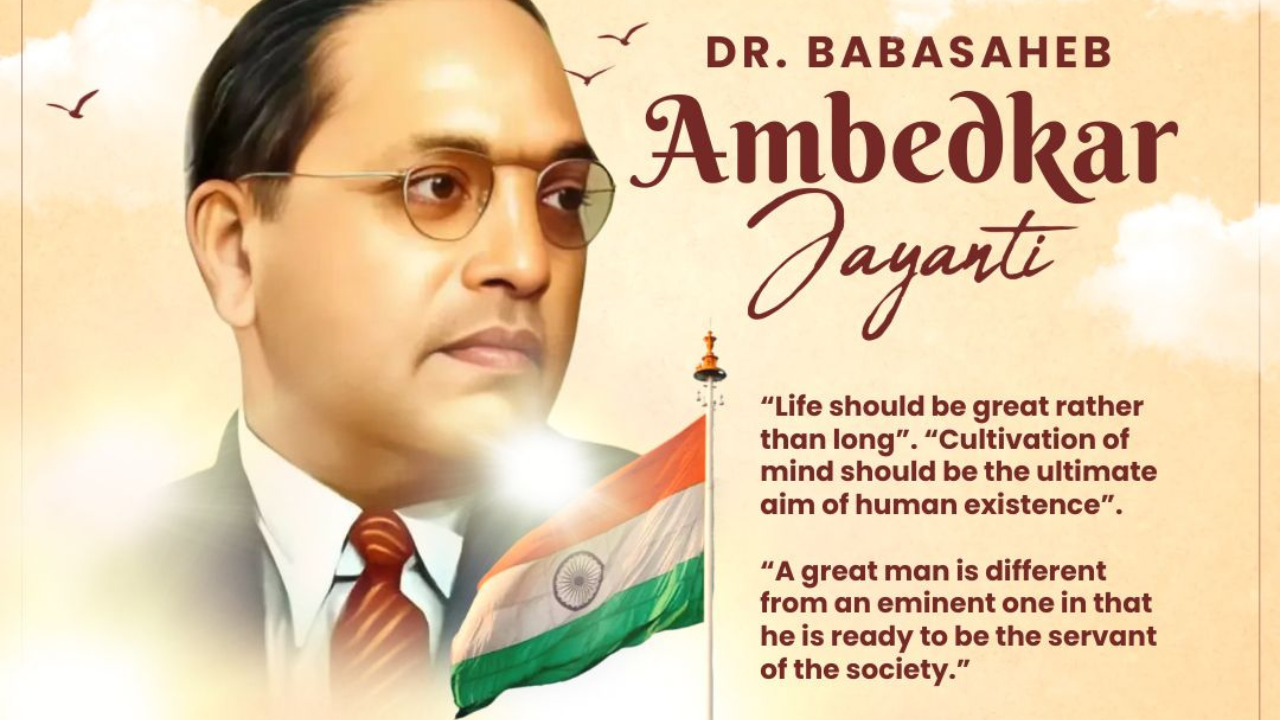
Every year on December 6, India observes Mahaparinirvan Diwas to commemorate the death anniversary of Dr. Bhimrao Ramji Ambedkar, the principal architect of the Indian Constitution and a revered social reformer. The day holds deep emotional and historical significance for millions across the country who view Dr. Ambedkar as a symbol of equality, justice, and empowerment.

Remembering the Architect of Modern India

Dr. B.R. Ambedkar, born on April 14, 1891, dedicated his entire life to fighting social discrimination, strengthening democracy, and securing rights for the marginalized sections of society. His vision for an inclusive and progressive India continues to inspire generations even today.

On 6 December 1956, Babasaheb Ambedkar attained Mahaparinirvan, a term from Buddhist philosophy meaning “ultimate liberation.” Since then, the day has been observed as Mahaparinirvan Diwas, a solemn occasion to reflect upon his immense contributions to the nation and his message of fraternity, liberty, and equality.

Events Across the Nation

Across India, especially in MumbaiNagpur, and Delhi, lakhs of followers and admirers gather to pay homage at various memorials dedicated to Babasaheb.

  • The focal point of the national observance is Chaitya Bhoomi at Dadar, Mumbai — the final resting place of Dr. Ambedkar. Every year, devotees from different corners of the country visit Chaitya Bhoomi to offer flowers, light candles, and participate in prayer meetings.
  • In Nagpur’s Deekshabhoomi, where Dr. Ambedkar embraced Buddhism in 1956 along with his followers, special events, seminars, and cultural programs are organized.
  • Government institutions, educational organizations, and social groups conduct remembrance meetings, public lectures, and cleanliness drives inspired by his ideals.

Several states, including Maharashtra and Madhya Pradesh, have declared the day an official public holiday, allowing people to participate in homage events.

Government and Public Tributes

Prime Minister, President, and other dignitaries of India pay floral tributes to Dr. Ambedkar at Parliament House and various memorials. Messages honoring his life and contributions are shared across platforms, reaffirming national commitment to the values of equality and dignity enshrined in the Constitution.

Social media platforms also see a wave of tributes with hashtags like **#MahaparinvanDiwas, **ememberingAmbedkar, and **#Babasahebbedkar trending throughout the day. Citizens, leaders, students, and organizations recall his fight against untouchability and his vision of a society where every individual enjoys equal opportunity.

Continuing Dr. Ambedkar’s Legacy

Dr. Ambedkar’s legacy goes far beyond drafting the Constitution. He was an economist, legal scholar, and visionary thinker who believed that democracy was not just about political rights but also about social and economic democracy.

His reforms in education, labor rights, and women’s empowerment transformed India’s social fabric. Programs like reservations in education and employment were based on his principle of giving historically oppressed communities fair representation.

Even decades after his passing, Dr. Ambedkar’s philosophy continues to shape policy debates and inspire movements for justice and equality. Educational institutions, NGOs, and student organizations keep his teachings alive through workshops, publications, and awareness campaigns.

Messages from Maharashtra and Madhya Pradesh

In Maharashtra, Chief Minister and cabinet leaders paid homage at Chaitya Bhoomi, emphasizing Dr. Ambedkar’s pivotal role in building modern India. Public gatherings, cultural events, and lectures on social harmony were held across Mumbai, Pune, and Nagpur.

In Madhya Pradesh, special programs were organized at Mhow, the birthplace of Dr. Ambedkar, where thousands of visitors came to pay their respects. Government officials and social workers reiterated the importance of following Babasaheb’s message of compassion and equality in contemporary society.

A Symbol of Equality and Unity

Mahaparinirvan Diwas serves as a reminder that Dr. Ambedkar’s struggle was not merely for one community but for every section of society that sought justice, dignity, and equality. His quote — “Cultivation of mind should be the ultimate aim of human existence” — remains an eternal call for education, rationality, and progress.

Today, as India continues to evolve, the teachings of Babasaheb Ambedkar remain deeply relevant. His fight against discrimination, his belief in education as the key to empowerment, and his dream of an equitable society continue to guide India’s democratic journey.


Conclusion:
Mahaparinirvan Diwas is not just a day of remembrance; it is a reaffirmation of India’s democratic foundations and a tribute to one of its greatest visionaries. As millions pay their respects on December 6, the nation collectively honors Dr. B.R. Ambedkar — the father of the Indian Constitution, the champion of human rights, and the eternal symbol of social justice.

Meesho, Vidya Wires, Aequs IPOs Close Today; Exato Tech Debuts Big

0
Meesho, Vidya Wires, Aequs IPOs Close Today

India’s primary market is buzzing this week with major IPO action. Meesho, Vidya Wires, and Aequs are wrapping up their subscription periods today, December 5, 2025, drawing huge investor interest across e-commerce, manufacturing, and aerospace sectors. Meanwhile, Exato Technologies gears up for its BSE SME listing today, capping a strong subscription run.

Meesho IPO: E-Commerce Giant Closes Strong

Meesho, the popular social commerce platform targeting Tier-2 and Tier-3 cities, opened its massive ₹5,421.20 crore IPO on December 3 and ends today. The issue mixes a ₹4,250 crore fresh issue for cloud infrastructure, marketing, and employee needs with a ₹1,171.20 crore offer-for-sale (OFS). Priced at ₹105-₹111 per share, it saw robust retail demand, subscribing over 2.35 times on day one alone, led by individual investors.

Early reports show anchors like 60 investors grabbed ₹2,439 crore worth of shares at the top price. Analysts highlight Meesho’s growth in underserved markets as a key draw for quick listing gains, with allotment expected by December 8 and listing on December 10. This IPO underscores the e-commerce boom, offering retail investors a minimum lot of 135 shares for about ₹14,985.

Vidya Wires and Aequs: Manufacturing Powerhouses Wind Down

Vidya Wires, a copper conductor maker, aims to raise ₹300 crore in its mainboard debut, open from December 3 to today. The IPO, priced around ₹52 per share, fetched ₹90 crore from anchors via 17.3 million shares to 10 funds. It targets industrial growth, with strong day-one buzz alongside peers.

Aequs, in precision aerospace manufacturing, seeks ₹921.81-₹922 crore, also closing today after opening December 3. At ₹124 per share, it raised ₹414 crore from 33 anchor investors for 3.34 million shares. Experts see Aequs as a steady pick for long-term bets in aviation supply chains, balancing Meesho’s high-growth hype.

Together, these three IPOs target over ₹6,600-₹6,643 crore, blending fresh capital for expansion with OFS. Retail portions shone bright, fully booking early, signaling broad market confidence amid festive season tailwinds.

Exato Technologies: SME Star Debuts Today

Shifting to SME action, Exato Technologies lists on BSE SME today, December 5, after its November 28-December 2 subscription. The ₹37.45 crore book-built issue, priced ₹133-₹140 per share (face value ₹10), combined 23 lakh fresh shares for working capital, product development, and debt repayment with 4 lakh OFS shares.

Subscription exploded at 880.96 times overall by close, with retail at 1,068.74 times, NII at 1,102.37 times, and QIBs at 327.08 times—marking a blockbuster. Minimum investment hit ₹140,000-₹280,000 for 1,000-2,000 shares per lot. Allotment finalized December 3, refunds and demat credits followed December 4, setting up an eagerly awaited debut.

Why These IPOs Matter Now

This cluster highlights India’s diverse IPO pipeline: Meesho fuels digital retail, Vidya Wires and Aequs bolster manufacturing, and Exato spotlights tech innovation in SMEs. With President Trump’s pro-business policies influencing global sentiment post his 2024 reelection, such offerings attract both domestic and anchor frenzy. Investors eye listing pops, but experts urge checking financials amid volatility.

Pressure and Preparation How Students Are Getting Ready for Class 10 and 12 Board Exams 2026

0
Pressure and Preparation

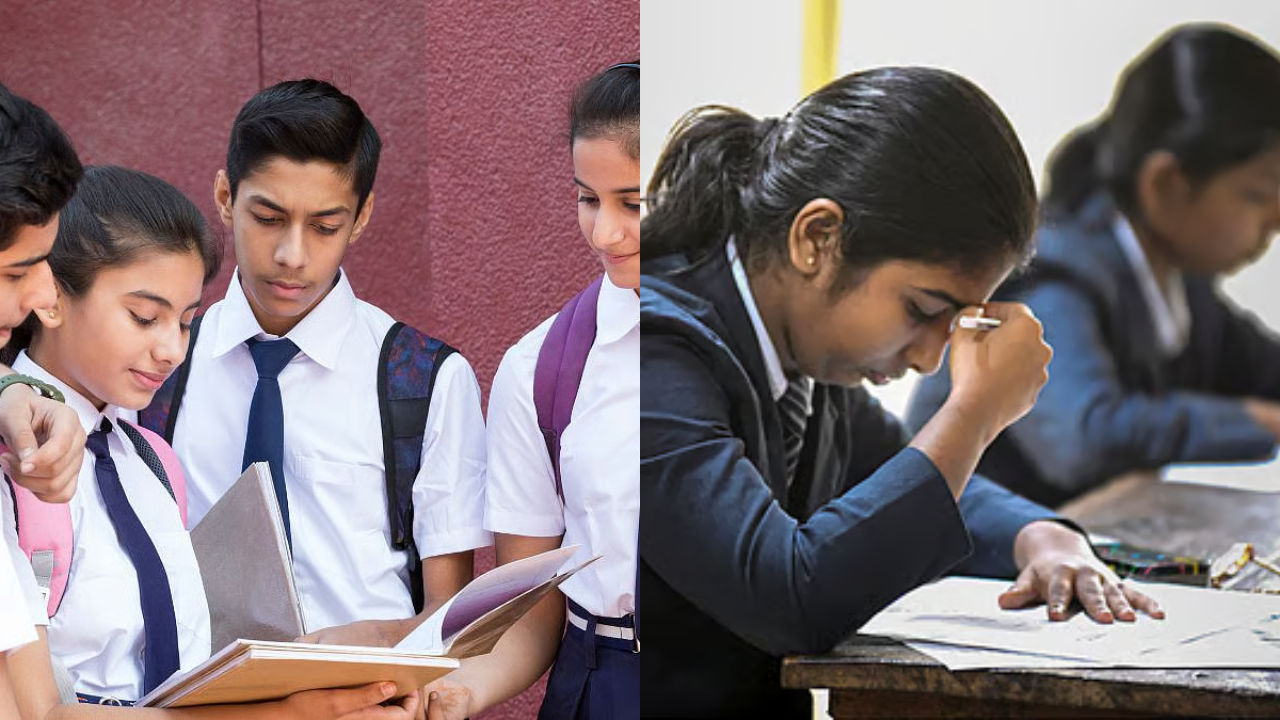
As the academic year enters its crucial stage, schools across Maharashtra and Madhya Pradesh have started intense preparations for the upcoming Class 10 and 12 board examinations. Students, teachers, and parents are all gearing up for these important exams, which decide the academic future of lakhs of students in both states.

Schools Shift Focus to Exam Readiness

In most schools, regular classes have now turned into full-fledged revision sessions. Teachers are busy covering the final chapters, conducting practice tests, and clearing students’ doubts. Many schools have introduced special coaching sessions in the morning and extra study periods after school hours to strengthen students’ performance.

Education departments in both Maharashtra and Madhya Pradesh have also issued guidelines to ensure that students are fully supported in their preparation. These include strict adherence to the board syllabus, proper evaluation of internal marks, and maintaining mental well-being during the exam season.

Timetable and Exam Dates Expected Soon

The final exam timetables for the Secondary School Certificate (SSC) and Higher Secondary Certificate (HSC) exams are expected to be released by the respective state boards soon. According to sources, the Class 10 and 12 exams are likely to be held between February and March 2026.

Maharashtra State Board of Secondary and Higher Secondary Education (MSBSHSE) and Madhya Pradesh Board of Secondary Education (MPBSE) have already released tentative exam schedules, helping schools plan revision timetables accordingly. Both boards aim to conduct exams smoothly and release results before June to ensure timely admissions for higher studies.

Coaching Classes and Online Learning on the Rise

In urban areas, private coaching institutes have seen a noticeable increase in admissions. Students are attending additional classes focusing on key subjects like Mathematics, Science, and English. The popularity of online learning platforms has also risen this year, as students prefer digital mock tests and recorded video lectures for flexible studying.

Teachers note that blended learning — combining classroom study with digital resources — has become a powerful tool for exam preparation. Many schools in rural areas have also introduced online revision materials and subject-wise videos to help students who cannot attend physical tuition centers.

Students Balancing Stress and Studies

While students are excited, exam-related anxiety is also common during this period. Psychologists and counselors emphasize the importance of maintaining a healthy study schedule and taking short breaks to avoid burnout. Schools have started motivation sessions and counseling programs to help students manage stress and build confidence before the exams.

Dr. Anita Deshmukh, an education counselor from Nagpur, said, “Parents need to create a calm environment at home. Constant pressure can affect a student’s concentration. Encouragement and emotional support are essential during the final months before exams.”

Special Measures by Education Departments

Both state education departments have announced that surprise inspections will be conducted in schools to ensure that exam preparations are being carried out in a disciplined manner. Authorities are also reviewing the availability of textbooks and other study materials so that no student faces any difficulty.

In addition, mock exams will be conducted across many schools in January to help students get a real-time experience of the exam atmosphere. These practice sessions aim to improve time management skills and reduce fear before the actual exams.

Teachers’ Role Becomes Crucial

Teachers are leaving no stone unturned to guide students through this crucial period. Many of them are offering extra classes on weekends and preparing question banks based on previous years’ exam patterns. Experts advise students to revise according to board guidelines and focus on high-scoring chapters.

“Revision and practice are key,” said Rajesh Patel, a senior teacher from Bhopal. “Students should focus on solving sample question papers from the board’s official website. It helps them understand question trends and improve answer writing speed.”

Parent and School Cooperation

Schools have begun conducting parent-teacher meetings to discuss each student’s progress. Parents are being encouraged to monitor study hours, reduce distractions like mobile phones, and ensure that their children get sufficient sleep and nutrition. Balanced daily routines are seen as the foundation for good exam performance.

Some schools have also launched “study-at-home” programs where teachers communicate with parents via online groups to share revision plans, progress reports, and exam tips. These initiatives aim to create cooperative learning between students, teachers, and parents.

Preparing for a Better Future

As the countdown to the board exams begins, the focus is not only on marks but also on overall growth and learning. Educational experts suggest that students must develop effective study habits, learn to manage time efficiently, and practice self-discipline.

The examination period is a milestone in every student’s life — marking the end of one journey and the beginning of another. With systematic preparation, encouragement from teachers, and support from parents, students of Maharashtra and Madhya Pradesh are now stepping confidently toward success.

The coming months will test hard work, patience, and consistency. But with proper preparation and positive thinking, this year’s board examinees are expected to perform their best — setting an example for the batches to come.