Thursday, March 12, 2026
Home Blog Page 21

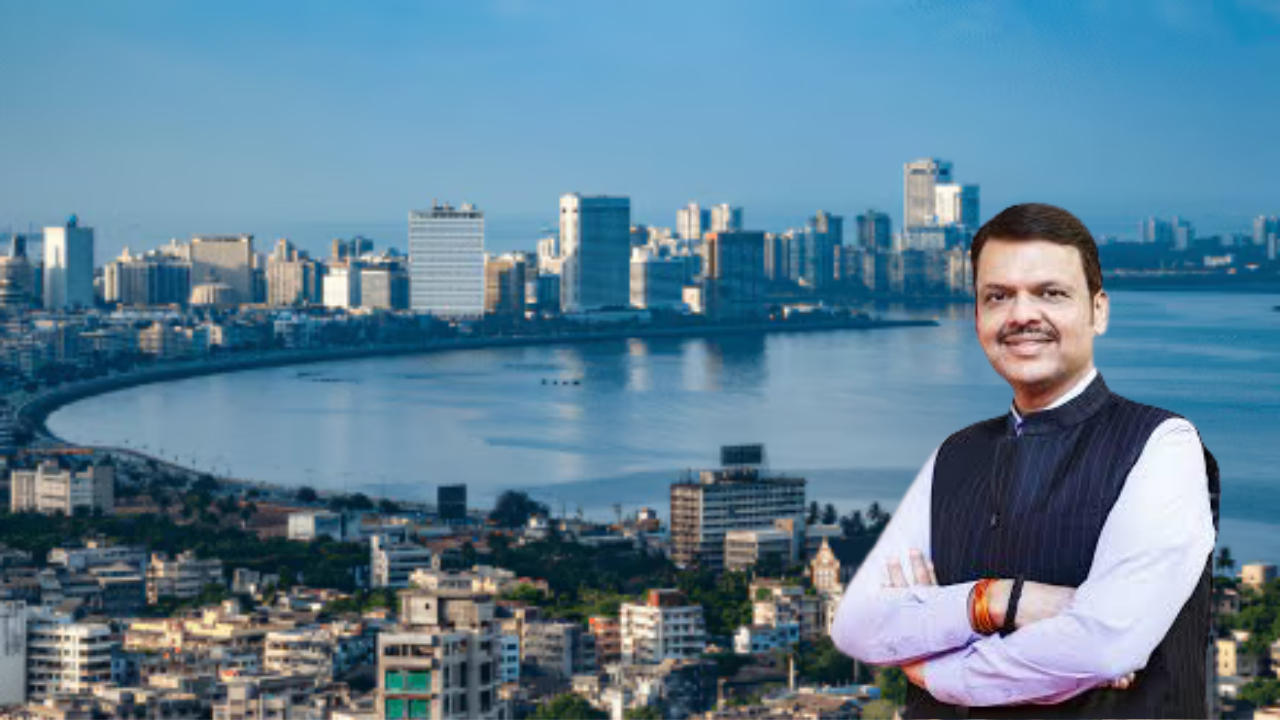
Maharashtra Aims to Become India’s First Trillion‑Dollar State Economy by 2029–30

0
Maharashtra Aim

State government unveils roadmap focusing on industry, infrastructure, and startup growth to drive inclusive development.

The Maharashtra government has unveiled an ambitious roadmap to transform the state into India’s first trillion‑dollar economy by the financial year 2029–30. The detailed plan emphasizes industrial growth, large‑scale investments, and infrastructural transformation to strengthen the state’s position as an economic powerhouse.

Chief Minister [Insert current CM’s name if available] announced that the roadmap will focus on building resilient industrial ecosystems, creating skilled employment, and ensuring sustainable growth that benefits every region of Maharashtra—from the metropolitan hubs to the rural hinterlands.

Vision 2029–30: A Bold Economic Mission

Maharashtra, already recognized as the financial and industrial hub of India, contributes nearly 15% to the nation’s GDP. The new roadmap seeks to elevate this contribution further by focusing on high‑growth sectors such as manufacturing, renewable energy, defense, technology, agri‑processing, tourism, and services.

According to the state’s plan, the trillion‑dollar milestone will be achieved through a combination of strategic initiatives that include policy reforms, investment facilitation, infrastructure modernization, and human resource development. The government aims to double the state’s Gross State Domestic Product (GSDP) in five years and maintain a sustained annual growth rate of 10–11%.

Industrial Policy with Investment Focus

To achieve this goal, the government has rolled out a renewed Industrial Policy 2025, which is designed to attract both domestic and foreign investment. Special attention has been given to emerging sectors such as electric vehicles (EVs), semiconductors, and green hydrogen.

Under the new policy framework, the state plans to establish industrial clusters and special economic zones across key districts, ensuring balanced regional development. The aim is to transform smaller districts like Aurangabad, Nagpur, Nashik, and Kolhapur into industrial growth centers, reducing dependency on Mumbai, Pune, and Thane.

Additionally, the government is simplifying approval processes through single‑window clearance systems and digital platforms to make Maharashtra one of the most investor‑friendly states in the country.

Boosting Startups and Innovation

Startups and innovation‑driven businesses are set to play a major role in Maharashtra’s trillion‑dollar journey. The state has already emerged as a top destination for startups, with cities like Pune and Mumbai ranking among India’s leading innovation hubs.

The government’s new startup policy aims to create a network of incubators and accelerators, facilitate venture capital access, and provide financial grants for promising technology‑based ideas. The focus areas include IT, fintech, clean energy, agritech, and healthcare technology.

Officials have also stressed the role of educational institutions and research centers in promoting innovation and skill development. Partnerships between industries and universities will be strengthened to nurture young talent and encourage entrepreneurship.

Modern Infrastructure for a Growing Economy

Maharashtra’s roadmap emphasizes infrastructure expansion as a key growth driver. The state will invest heavily in improving transport connectivity, ports, airports, and industrial corridors.

Several mega‑projects—such as the Mumbai‑Nagpur Samruddhi ExpresswayMumbai Trans Harbour Link, and Multimodal Logistics Parks—will support industrial movement and reduce logistics costs. The focus will also be on developing smart cities, renewable energy parks, and digital infrastructure to enhance urban living and attract high‑end industries.

Energy security is also a major focus, with the government promoting solar and wind power generation to meet rising industrial demands. The target is to achieve a 50% renewable energy mix by 2030, reducing emissions and supporting sustainable industrialization.

Strengthening Agriculture and Rural Economy

Recognizing that agriculture remains the backbone of rural Maharashtra, the roadmap includes comprehensive agricultural reforms. These efforts aim to modernize agricultural practices, encourage food processing industries, and promote agro‑exports.

Through investments in farm mechanization, irrigation, and rural infrastructure, the government seeks to improve farmers’ income and create new rural employment opportunities. Agro‑industrial parks will be developed in districts known for crops such as sugarcane, oranges, grapes, and cotton, adding value and linking farmers to global markets.

Employment and Skill Development

For Maharashtra to achieve its trillion‑dollar dream, creating a skilled workforce will be critical. The state has launched multiple skill‑development programs under the Maharashtra Skill Mission, targeting youth in both urban and rural areas.

By collaborating with private industry, the government aims to train millions of young people in fields like advanced manufacturing, logistics, robotics, AI, and green technology. Skill centers will be set up in collaboration with industry bodies to ensure job‑oriented training that matches future sectoral demand.

Sustaining Growth Through Ease of Doing Business

Maharashtra continues to top the charts in the ‘Ease of Doing Business’ index among Indian states. The government plans to further simplify tax procedures, improve digital governance, and enhance contract enforcement to attract long‑term investment.

A dedicated State Investment Promotion Board will coordinate high‑value projects and address investor concerns swiftly. The state is also working closely with the central government to secure financial aid and special packages for large infrastructure projects.

The Road Ahead

With the roadmap now in motion, Maharashtra is positioning itself not only as India’s growth engine but also as a global investment destination. The combination of progressive industrial policy, strong infrastructure, and human capital development provides the foundation for inclusive and sustainable growth.

Vidarbha and Marathwada to Drive Maharashtra’s Next Growth Phase CM at Nagpur Winter Session

0
Nagpur Winter Session

Chief Minister outlines major investments in irrigation, road connectivity, airports, and industrial hubs for balanced regional development.

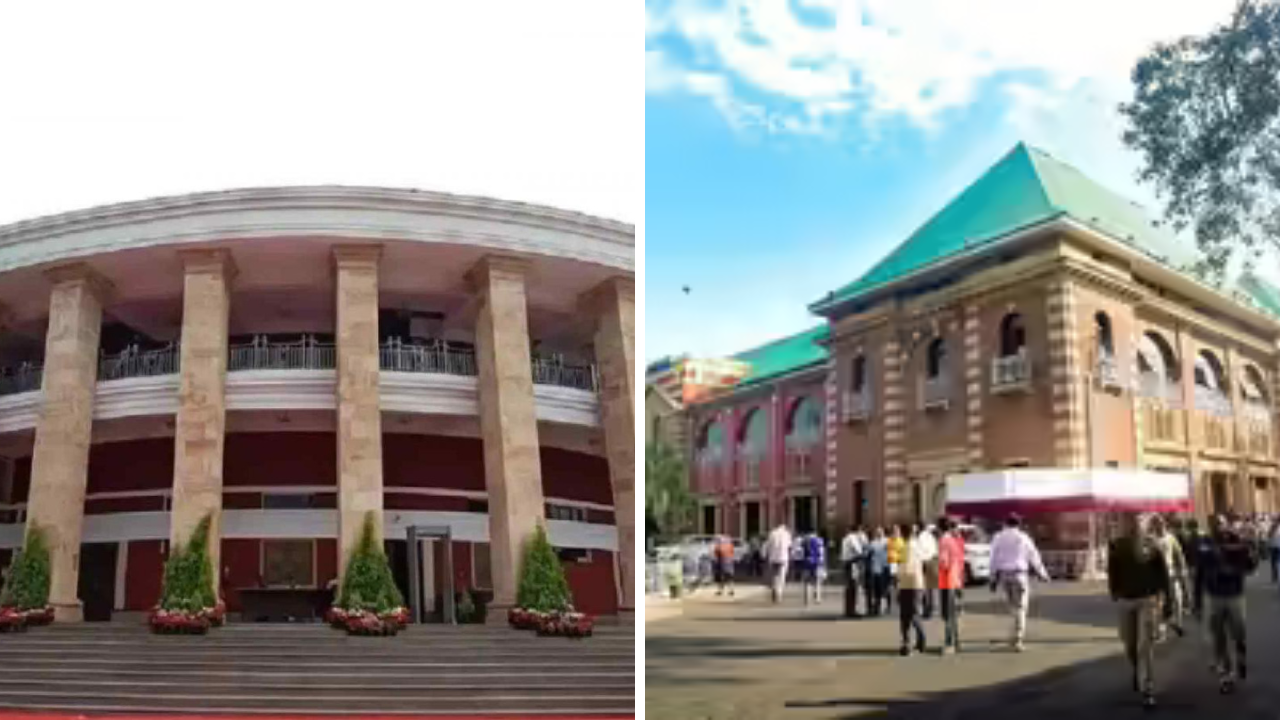
aharashtra Chief Minister announced in the ongoing Nagpur Winter Session of the State Legislature that Vidarbha and Marathwada regions will be the next major centres of economic growth in the state. The Chief Minister underlined that the state government has prepared a detailed roadmap to strengthen infrastructure in these two regions through projects focusing on irrigation, road connectivity, airports, and industrial development.

Addressing the Assembly, the Chief Minister said that balanced regional growth is the government’s top priority, and efforts are being made to ensure that every part of Maharashtra contributes to the state’s economic journey. He noted that while Mumbai, Pune, and Nashik have already emerged as leading economic engines, the coming decade will belong to Vidarbha and Marathwada, driven by planned public investment and private sector participation.

Focus on Infrastructure Development

The government has launched several new projects in irrigation, highways, and aviation sectors to boost connectivity and productivity in the region. According to the Chief Minister, large-scale work on major and medium irrigation schemes in Vidarbha is currently underway to improve agricultural output and ensure sustainable water supply for farmers.

Similarly, the Public Works Department (PWD) is executing road development projects to establish seamless connectivity with national highways, industrial corridors, and district headquarters. The CM emphasized that connectivity is key to industrial investment, and with new road networks and upgraded infrastructure, both regions will become more attractive for manufacturing and logistics industries.

Upgrading Airports and Logistics Infrastructure

The Chief Minister also highlighted progress in the upgradation of Nagpur Airport as a cargo and aviation hub, along with plans to expand regional air connectivity to Aurangabad, Nanded, and other parts of Marathwada. The government aims to strengthen these nodes under its regional air connectivity plan so that businesses and industries in interior Maharashtra can connect easily to domestic and international markets.

“This expansion of air networks will not only promote tourism but also open up new opportunities for exports,” the CM added. “Nagpur already serves as a central point for logistics, and it has the potential to become the logistic capital of India with proper last-mile infrastructure.”

Emphasis on Industrial Growth and Employment

Apart from physical infrastructure, the government is also putting renewed emphasis on boosting industrial investment and employment generation. The Chief Minister mentioned that new industrial parks, textile hubs, and food processing clusters are being planned to create job opportunities for the youth in both Vidarbha and Marathwada.

He also informed the Assembly that talks are ongoing with several private investors and multinational companies to explore partnerships in manufacturing, renewable energy, and agri-business sectors. The aim is to bring balanced, sustainable, and inclusive development that benefits rural as well as urban areas equally.

Strong Push for Irrigation and Agriculture Reforms

The CM placed special attention on irrigation reforms, noting that enhanced water management will help farmers improve yield and reduce dependence on rainfall. He referred to new initiatives that will increase water storage capacity and modernize canals and distribution systems.

These measures, the Chief Minister said, would ensure that farmers in drought-prone areas of Marathwada and eastern Vidarbha have more reliable access to water, encouraging crop diversification and better income stability. In addition, agri-industrial linkages such as cold storage and food processing units are being expanded under state and central government schemes.

Transport and Road Connectivity Projects

A detailed outline of ongoing and upcoming transport projects was also presented. Major stretches of state highways linking Nagpur, Chandrapur, Nanded, Aurangabad, and Latur are currently being widened or converted into four-lane roads. Smart infrastructure such as e-way monitoring, road safety technology, and digital traffic systems is being introduced for better management.

The CM mentioned that by improving road and railway networks, both regions would gain faster access to major markets, ports, and industrial clusters, positioning them as strategic trade corridors in Maharashtra’s economic map.

Government’s Vision for Inclusive Development

The Chief Minister reaffirmed that the government’s development strategy is rooted in equality and inclusion. “Vidarbha and Marathwada have immense potential in terms of natural resources, skilled manpower, and geographical advantage. We are determined to tap this potential systematically,” he said.

He expressed confidence that over the next few years, continuous investment in infrastructure, technology, and human capital will transform these regions into vibrant growth centers comparable with Maharashtra’s western industrial belt.

Political and Public Reactions

The announcement received a positive response from several legislators and stakeholders representing both regions. Opposition members, while welcoming the intent, urged that implementation timelines and monitoring mechanisms be made transparent. Local business associations and farmers’ groups also expressed optimism, stating that focused investment in irrigation and connectivity could significantly ease unemployment and migration challenges.

The Road Ahead

The Winter Session in Nagpur traditionally serves as a platform for discussing development concerns in Vidarbha, and this year’s session has further solidified the government’s commitment to regional balance. With multiple departments coordinating under a unified growth agenda, Maharashtra is poised to witness a new wave of investments directed toward its eastern and central districts.

India’s Startup Investments Hit Record $12.1 Billion in 2025

0
India’s Startup Investment

New VC and PE funds launched this year signal growing confidence from both domestic and global investors in India’s innovation ecosystem.

India’s startup scene continues to shine brightly in 2025, with remarkable growth in venture capital and private equity funding. As of December, the total collective corpus of new VC (Venture Capital) and PE (Private Equity) funds launched this year has surged to approximately $12.1 billion. This figure underscores the relentless confidence investors—both domestic and global—have in India’s burgeoning startup ecosystem.

A Year of Significant Investment

The year 2025 has been nothing short of extraordinary for Indian startups. The impressive amount of funding raised indicates a vibrant and dynamic investment climate. It reflects the growing recognition of India as a hotbed of innovation, entrepreneurship, and economic potential. The robust influx of capital is fueling startups across various sectors, from fintech and healthtech to e-commerce and technology services.

Domestic and Global Investor Confidence

What makes the current trend particularly noteworthy is the sustained interest from both Indian and international investors. Domestic investors see promising opportunities to support innovative ideas and scale local startups to new heights. At the same time, international venture firms and private equity players continue to view India as a fertile ground for high-growth investments.

This dual interest signifies a strong vote of confidence in India’s economic prospects and the government’s supportive policies aimed at fostering entrepreneurial growth. The global appetite for Indian startups also reflects the sector’s increasing maturity and the potential for significant returns on investment.

Growth Drivers Behind the Funding Boom

Several factors contribute to this surge in funding. First, the Indian government’s initiatives to promote startup growth, such as ease of doing business, startup-friendly regulations, and the Startup India scheme, have created an enabling environment for entrepreneurs. Additionally, digital adoption across urban and rural India has accelerated, opening up vast markets for innovative solutions.

Second, successful exits and an increasing number of unicorns have demonstrated the value and scalability of Indian startups. As startups mature and prove their business models, investors become more confident in backing them with larger funds.

Finally, the global focus on emerging markets post-pandemic has also played a role. Investors are eager to diversify their portfolios and tap into the high-growth potential of Indian startups.

The Role of New Funds in the Ecosystem

The new wave of VC and PE fund launches in India is crucial. These funds bring not only capital but also strategic guidance, industry expertise, and international networks. They help startups navigate challenges, scale operations, and enter new markets.

With an aggregate corpus of approximately $12.1 billion, these funds are expected to catalyze further innovation and entrepreneurship. Many of these funds focus on early-stage startups, fostering the next generation of disruptive ideas, while others target mature companies seeking expansion.

Future Outlook

Looking ahead, the momentum seen in 2025 is likely to continue. As India’s startup ecosystem matures, the influx of funding will play a pivotal role in transforming innovative ideas into impactful businesses. The sustained interest from investors signals confidence in India’s economic resilience and the long-term potential of its startups.

Moreover, ongoing policy support, increasing digital connectivity, and a young, tech-savvy population will further bolster the ecosystem’s growth. The next few years could see even more substantial investments, with new funds coming in to support a diverse range of startups.

Conclusion

India’s startup environment is vibrant and full of promise in 2025. The record-breaking $12.1 billion collected through newly launched VC and PE funds signifies strong investor belief in India’s future growth and innovation capacity. Both domestic and international stakeholders are eager to participate in this exciting phase of development, helping the country’s entrepreneurs turn their visions into reality.

As the ecosystem continues to grow and evolve, India is poised to strengthen its position as a global startup hub. The year 2025 stands out as a landmark year, marking India’s remarkable journey of entrepreneurial resilience, investor confidence, and economic progress.

Cold Wave Grips North Maharashtra as Temperature Dips to 6°C

0
North Maharashtra

Dhule, Jalgaon, and Nandurbar record sharp fall in temperature; fog and icy winds disrupt daily life across the region.

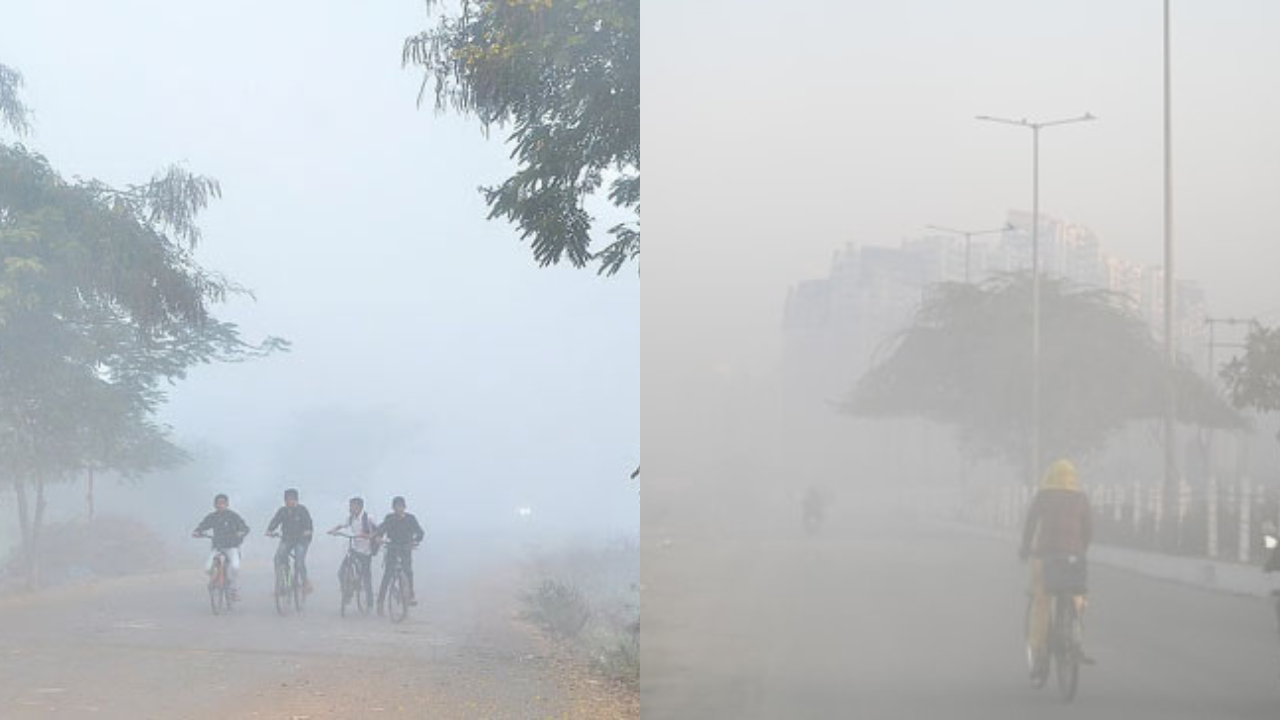
North Maharashtra is currently reeling under an intense cold wave, with the minimum temperature dropping to around 6°C in several districts, including Dhule, Nandurbar, and parts of Jalgaon. The abrupt fall in temperature has brought a noticeable change in weather patterns, making mornings and evenings particularly chilly.

People in urban as well as rural areas have started their day wrapped in woolen sweaters, shawls, and mufflers. With dense fog covering the region during the early hours, visibility has also reduced significantly in some parts, affecting road traffic and morning routines.

Dip in Temperature Signals Peak Winter

According to the Indian Meteorological Department (IMD), the fall in temperature marks the beginning of the peak winter season in North Maharashtra. The cold winds from north and central India have led to a considerable drop in temperature during the nights. Dhule recorded around 6°C, while Jalgaon and Nandurbar reported minimum temperatures between 7°C and 9°C, which is below the normal range for this period.

Weather experts attribute the sudden chill to changes in wind patterns and clear night skies, which cause rapid heat loss from the surface. The cold conditions are expected to persist for a few more days, with a possibility of further decline in temperature across the region.

Impact on Daily Life and Routine

The sharp temperature decline has started affecting daily life. People are avoiding early morning outdoor activities like walking and exercising. The usually busy markets of Dhule and Jalgaon have been opening late in the morning due to the biting cold. Tea stalls and food vendors, however, have witnessed an increase in customers, as locals flock to warm beverages to beat the chill.

For senior citizens and children, the early hours have become particularly challenging. Parents are making their children wear extra layers of warm clothing before sending them to school. Many schools and colleges have also delayed their morning sessions by an hour to help students cope with the freezing mornings.

Rural Hardship and Agricultural Concerns

In rural areas, the situation is even more difficult. Farmers working in the fields early in the morning are facing severe discomfort due to the low temperatures and cold winds. The drop in temperature has a mixed effect on agriculture. While the cold weather benefits certain crops like wheat, onion, and gram, a prolonged cold wave may damage sensitive or newly sown crops.

Agricultural experts have advised farmers to take necessary precautions such as light irrigation and smoke prevention to protect standing crops from frost formation. In many villages, farmers have started burning organic waste along the borders of farms to create smoke layers — a traditional method to protect crops from frost.

Rise in Demand for Warm Clothing and Essentials

With winter showing its full strength, markets across districts such as Dhule, Shirpur, Amalner, and Nandurbar have reported increased sales of woolen wear, blankets, and room heaters. Street vendors selling winter essentials are doing brisk business. Local tailors and garment shops are also experiencing a seasonal boost in demand.

Health experts, however, have warned people — especially the elderly, children, and individuals with respiratory illnesses — to stay indoors during early mornings and nights. Sudden exposure to cold air may trigger ailments such as cough, cold, and asthma. Doctors are advising people to drink warm water, use masks outdoors, and maintain proper hydration.

Community Response and Relief Initiatives

Local authorities in several municipalities of North Maharashtra have started distributing blankets to roadside dwellers and people living in huts. Social organizations and youth groups have also begun night drives to provide hot tea and food to underprivileged individuals who are struggling to bear the cold.

In Dhule and Jalgaon, some NGOs have set up temporary shelters for homeless people, ensuring they have access to basic warmth at night. The administration has urged citizens to report anyone in distress so that immediate assistance can be provided.

Expected Weather Outlook

According to the IMD’s regional center in Pune, the cold wave in North Maharashtra is likely to continue for the next few days. If the sky remains clear, temperatures could drop further by 1–2°C, making the region one of the coldest parts of Maharashtra this week. However, a slight relief is expected by the end of the month as wind patterns gradually shift.

The department has advised residents and farmers to stay updated through official weather bulletins and to take all necessary precautions during the cold wave period.

A Season of Challenges and Warmth

While the chill has posed challenges for many residents, the winter has also brought moments of joy and togetherness. Families are seen gathering around bonfires in the evenings, enjoying warm meals and seasonal snacks like bhutta (roasted corn) and groundnuts. For children, it’s a time to wear colorful woolen clothes and enjoy the short winter break.

As North Maharashtra continues to experience one of the coldest spells in recent years, locals are learning to adapt and find warmth — both in spirit and community — amid the biting winds and foggy mornings.

Maharashtra Launches New Industries, Investment and Services Policy 2025 to Boost Growth

0
New Industries, Investment and Services Policy

Policy focuses on attracting major investments in electronics, EVs, and digital services to expand the state’s economy rapidly.

The Government of Maharashtra has announced the Industries, Investment and Services Policy 2025, marking a major step toward transforming the state into India’s most preferred destination for industrial and service sector investment. This new policy aims to attract large-scale investments in high-potential sectors such as electronics manufacturing, electric vehicles (EVs), green energy, and advanced services, with the goal of rapidly expanding the state’s economic footprint and employment opportunities.

Focus on Rapid Economic Expansion

Maharashtra has long been considered the industrial powerhouse of India, contributing a significant share to the national GDP. With the Industries, Investment and Services Policy 2025, the state government intends to take this position to new heights by promoting sustainable and technology-driven growth.

Officials from the Industries Department have emphasized that the policy is designed to boost Maharashtra’s economic size substantially over the next five years, with targeted measures to increase industrial output, create new jobs, and strengthen the services ecosystem. The ultimate goal is to make Maharashtra a trillion-dollar economy within the coming decade by fostering innovation, infrastructure development, and investor confidence.

Big Opportunities in Electronics and EV Sectors

One of the key highlights of the new policy is its strong emphasis on electronics manufacturing and electric mobility. Maharashtra plans to position itself as a major hub for electronics design and production by offering attractive incentives for domestic and global companies willing to set up manufacturing units in the state.

Given the global demand for smartphones, semiconductors, and consumer electronics, the policy includes special provisions for setting up dedicated Electronics Manufacturing Clusters (EMCs) and R&D centers in key regions such as Pune, Aurangabad, and Navi Mumbai. These clusters aim to create an ecosystem for innovation, skilled employment, and export-oriented growth.

In the electric vehicle (EV) segment, the policy aligns with the State’s EV Policy goals by encouraging investment in EV manufacturing, charging infrastructure, and component production. Maharashtra seeks to become a leading EV manufacturing state in India by attracting both domestic and international companies through capital subsidies, land support, and fast-track project approvals.

Strengthening the Services and Digital Economy

Apart from manufacturing, the Industries, Investment and Services Policy 2025 places strong emphasis on expanding Maharashtra’s already vibrant service sector. The policy recognizes that the services industry—covering IT, ITeS, fintech, logistics, tourism, and professional services—plays a crucial role in driving economic growth and employment.

To strengthen this segment, the government plans to promote the development of smart cities, digital infrastructure, and knowledge-based industries. Special incentives will be provided for setting up data centers, BPOs, and startups in Tier-II and Tier-III cities to ensure balanced regional development.

Technology-driven initiatives are also at the core of the policy. Through a digital governance framework, investors will be able to access clearances, approvals, and incentives online through a single-window system—making it easier to do business and improving transparency.

Investor-Friendly Reforms and Infrastructure Support

The Maharashtra government is implementing a new set of reforms to make investment processes faster and smoother. These include time-bound approvals, ease-of-doing-business initiatives, and flexible land-use policies. Industrial zones and logistics parks are being planned to cater to large domestic and global corporations, with a particular focus on connectivity through ports, expressways, and freight corridors.

The government is also working on expanding green industrial parks that support clean energy projects, solar manufacturing, and recycling facilities. This sustainability-focused approach is expected to attract ESG-conscious investors and reinforce Maharashtra’s reputation as an environmentally progressive state.

Empowering MSMEs and Startups

Recognizing the crucial role of micro, small, and medium enterprises (MSMEs) in the economy, the policy has set aside special provisions to promote entrepreneurship. Financial incentives, credit facilitation, and mentorship programs will help small businesses scale up operations and integrate with global supply chains.

For startups, the policy offers innovation grants, incubation support, and state-backed venture funding opportunities. This move is expected to accelerate the growth of the state’s startup ecosystem, particularly in emerging fields such as deep tech, AI, EV components, and smart manufacturing.

Expected Impact on Employment and Growth

The new policy is projected to create lakhs of new jobs directly and indirectly in manufacturing, services, and allied sectors. By prioritizing value-added industries and modern services, the government aims to ensure inclusive and regionally balanced growth.

Officials have stated that the Industries, Investment and Services Policy 2025 is not just about attracting capital—it’s about building future-ready infrastructure, skilling the workforce, and positioning Maharashtra as a global leader in sustainable and innovation-driven growth.

A Vision for the Future

Overall, Maharashtra’s new Industries, Investment and Services Policy 2025 aims to set the foundation for a more resilient, high-tech, and diversified economy. With its focus on sectors like electronics, EVs, and services, the policy represents a clear vision—turning Maharashtra into the most dynamic investment hub in India and one of the most advanced industrial economies in Asia.

As the policy rolls out, industry experts expect a wave of announcements from domestic and global companies investing in Maharashtra’s next growth story. The coming years could see not just new factories and offices, but a state moving confidently toward a sustainable and technology-powered future.

Heart Over Hype: “Me No Pause Me Play” Wins the Box Office the Honest Way

0
Heart Over Hype

Mohali: When big releases arrive, smaller films usually step aside. But “Me No Pause Me Play” chose a different path. Releasing alongside heavyweights like Dhurander and Kis Kis Ko Pyaar Karu 2, the film has refused to fade. Instead, it has stayed firmly in the race, pulling steady crowds and proving that honest cinema can stand shoulder to shoulder with scale and star power.

This growing confidence was on full display during a special screening held on Thursday at VR PVR Mohali. What began as a routine screening soon turned into an evening of applause, discussion and emotional reactions. The theatre stayed charged with energy as audiences responded warmly to the film’s message.

The screening attracted several familiar faces from Punjab’s social and creative space. Bob Kharea, Jhanvi Bansal, Tiger Harmeek and Manni Boparai were among those present. Their reactions reflected what many viewers have been saying all along: the film feels personal, fearless and deeply rooted in real life.

Behind this response is Manoj Kumar Sharma, the writer and producer, whose storytelling has struck a rare balance between sensitivity and strength. His narrative gives voice to everyday emotions, particularly those of women, without exaggeration or drama. It is this simplicity that has helped the film travel so strongly through word-of-mouth.

Addressing the gathering, Dr Deepak Thakur, core committee member of the production house, spoke about trusting the story even in a crowded release window. He shared that the team never set out to compete on scale, but on sincerity. He also thanked audiences across Punjab for standing by the film and allowing it to grow organically.

Dr Thakur extended special thanks to Finitians Private Limited, the official Punjab PR agency, acknowledging their role in ensuring the film reached audiences beyond the usual circuits.

He also hinted at what lies ahead. With several new projects planned for the new year, the production house aims to work closely with Punjab’s cinema community to build stories that are culturally grounded and emotionally honest.

Inside the auditorium, reactions were immediate and heartfelt. Viewers praised the performances, the natural dialogues and the film’s smooth movement between humour and emotion. Many said the film stayed with them long after the screening ended.

Now deep into its second week, “Me No Pause Me Play” continues to register near house full shows across Punjab. While Dhurander and Kis Kis Ko Pyaar Karu 2 dominate screens with scale and promotion, this film has built its space quietly, through trust and connection.

For industry watchers, the message is clear. Audiences are still willing to show up for stories that feel true. And for “Me No Pause Me Play,” the journey is far from over

India Emerges as a Global Epicenter of Regenerative Medicine Under the Visionary Leadership of Dr. Prabhu Mishra

0
Dr. Prabhu Mishra

As chronic diseases, infertility, lifestyle disorders, and premature aging continue to rise globally, the world is witnessing a decisive shift in how health and longevity are approached. At the center of this shift is Dr. Prabhu Mishra, a renowned scientist and health entrepreneur who is redefining regenerative medicine by combining scientific research, innovation, and scalable health solutions.

With more than 15 years of experience in regenerative science, stem cell research, and anti-ageing innovation, Dr. Mishra stands at the intersection of deep scientific expertise and entrepreneurial vision. His work has contributed to the emergence of a new health ecosystem—one that prioritizes regeneration, longevity, and personalized prevention over symptom-led intervention. Today, his impact extends to thousands of doctors, researchers, and health professionals across 30 to 40 countries.

Dr. Mishra’s journey began with a simple but powerful question formed during his early years: why must the human body depend on lifelong medicines when nature itself is designed to repair and renew? This curiosity emerged while observing his grandfather struggle with diabetes and joint degeneration, inspiring him to explore whether organs, tissues, and cells could be supported to restore function naturally. That question became the foundation of a career devoted to regenerative science.

Trained initially in Chemistry, Dr. Mishra transitioned into biotechnology and molecular medicine at a time when these disciplines were still developing in India. His academic and research journey took him across leading global institutions, where he gained exposure to advanced stem cell science, molecular pathways, and regenerative technologies. Over time, this scientific foundation evolved into an entrepreneurial mission: to translate complex science into accessible, real-world health solutions.

As a health entrepreneur, Dr. Mishra has built and led multiple organizations focused on regenerative medicine, longevity science, and preventive health. His ventures operate at the intersection of research, education, innovation, and technology, helping shape how regenerative medicine is understood and adopted globally. Through these initiatives, he has also guided the development of stem cell infrastructure and research-driven platforms in India and abroad.

A defining pillar of Dr. Mishra’s impact is his commitment to global education and knowledge transfer. Through structured fellowship programs and intensive learning platforms, he has trained more than 3,000 to 4,000 doctors and scientists worldwide in regenerative medicine, anti-ageing science, cosmetic gynecology, functional medicine, dermatology, orthopedics, and aesthetic sciences. These programs have helped position India as an emerging global hub for regenerative medicine training.

Dr. Mishra is also the driving force behind the International Association of Stem Cell & Regenerative Medicine (IASRM), a non-profit scientific body dedicated to advancing research, innovation, and collaboration in regenerative science. Under his leadership, IASRM has become a global meeting ground for scientists, health professionals, innovators, and young researchers shaping the future of longevity medicine.

This vision was recently reflected at the three-day international conference, “Longevity Revolution 2025,” held in Delhi under the IASRM platform. The conference brought together global experts to explore advancements in longevity science, stem cell applications, anti-ageing innovation, regenerative protocols, and functional health. The event underscored a growing global belief that the future of healthcare lies in extending healthspan, not just lifespan.

Beyond institutional leadership, Dr. Mishra remains deeply engaged in research and scientific communication. He has authored multiple books and published extensively in scientific journals, contributing to the global body of knowledge in regenerative medicine and biotechnology. His upcoming book, Bio Reboot: How to Hack Your Age, offers a science-backed, practical framework for improving biological age through sleep, hydration, strength training, mindful nutrition, and lifestyle optimization.

Currently, Dr. Mishra is pioneering the “Total Body Age” concept—an ambitious initiative that measures biological aging across cellular and organ systems using multiple biomarkers, artificial intelligence, and predictive algorithms. This innovation aims to deliver personalized health roadmaps that help individuals understand, slow, and optimize their aging process.

According to Dr. Mishra, healthcare must move beyond reactive disease management and toward proactive, personalized prevention. He believes the integration of science, technology, AI, and regenerative medicine will define the next era of human health.

Through his unique blend of scientific depth and entrepreneurial leadership, Dr. Prabhu Mishra is not only advancing regenerative medicine—he is building the future of longevity-driven healthcare from India to the world.

Khyati Infra Mart Confirms 14 Stores; Set to Launch 25 Outlets Simultaneously in January and Expand to 100+ Stores by April 2026

0
Khyati Infra Mart

Indore, India — December 2025: India’s ConTech retail sector is witnessing unprecedented speed as Khyati Infra Mart, a startup conceptualised on 3rd October 2025, has confirmed 14 retail outlets for its upcoming multi-city launch scheduled between 14–20 January 2026.

Out of the 25 stores planned for launch,
14 outlets are already finalized —
including 6 company-owned and 8 franchise-owned.
The remaining stores will be signed through MoUs within the next 10 days, completing the network required for the January Mega Launch.

This positions Khyati Infra Mart as one of India’s fastest-expanding ConTech retail startups, moving from concept to 25 fully operational stores in less than 100 days.

Transforming India’s Construction Materials Retail

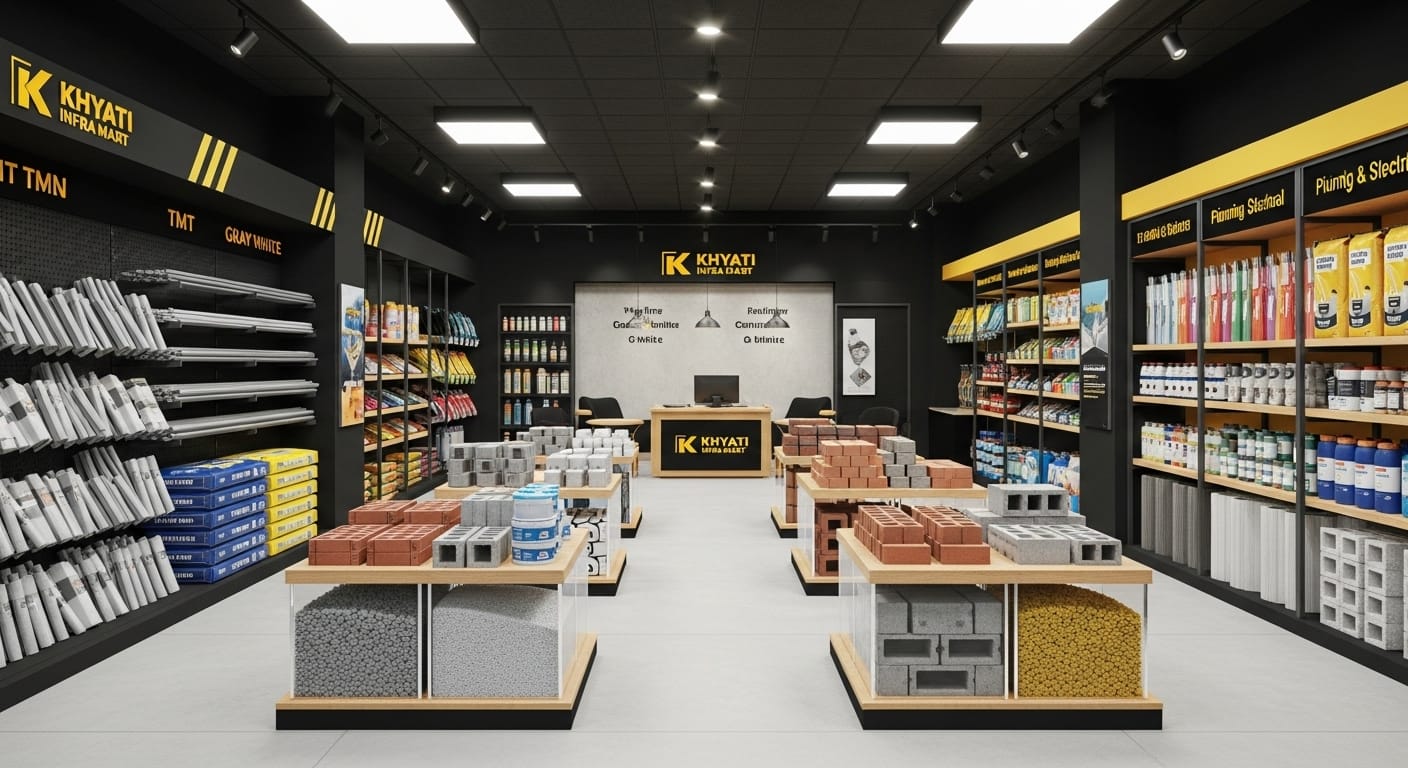
Khyati Infra Mart is building India’s first organised retail chain dedicated exclusively to foundation and structural materials, offering:

TMT Bars

Cement (Grey & White)

Aggregates

Bricks & Blocks

Construction Chemicals

Shuttering Materials

Plumbing & Drainage Pipes

MS & SS Pipes

Roofing Sheets

Precast Products

Putty & POP

Gypsum Board & Ceiling Materials

Each outlet follows a unified brand design, transparent pricing system, and centralised inventory and delivery model.
The company’s expansion is supported through Experience Centres, city kiosks, and its upcoming mobile application.

From Planning to 25-Stores Launch in 100 Days

Founder Avinash Kumar Bhatt highlighted the extraordinary execution:

“We began planning on October 2025, and we now have 14 stores finalized interior work almost complete. The remaining outlets will be completed within 10 days. Between 14–20 January 2026, we will launch all 25 stores simultaneously in more than 15 cities. This kind of speed is rare in India’s startup ecosystem.”

The company currently operates or is setting up in Lucknow, Kanpur, Ayodhya, Varanasi, Prayagraj, Delhi NCR, Indore, Dehradun, Eastern Uttar Pradesh, and is expanding aggressively into Madhya Pradesh, Rajasthan, and Uttarakhand.

A Landmark Multi-City Launch for an Early-Stage Startup

Simultaneously launching 25 stores in less than 100 days of conceptualisation is highly uncommon for a new startup, especially in the construction materials category — an industry long dominated by fragmented local suppliers.

Industry experts note that this scale of organised roll-out indicates a major shift toward transparent, tech-enabled building material retailing in Tier 2 and Tier 3 markets.

Roadmap: 100+ Stores by April 2026

With strong franchise demand and rising investor interest, Khyati Infra Mart has set an ambitious expansion roadmap:

Complete all remaining MoUs within 10 days

Launch 25 stores between 14–20 January 2026

Rapidly scale to 50+ operational stores by February 2026

Achieve 100+ stores by April 2026

Launch its mobile app, integrating digital orders, real-time tracking, and smart inventory systems

This aggressive expansion positions Khyati Infra Mart to emerge as one of India’s most rapidly growing ConTech retail networks within its first year.

Duara Spain & AAY India Unite for Sustainable Fashion: “From Waste to Fashion” Creates Global Impact

0
Duara Spain & AAY India

Hosted in a grand and impactful way by Nexus WestEnd Mall, the recent edition of From Waste to Fashion marked a significant milestone for the global sustainable fashion movement — powered by a dynamic international collaboration between Duara (Spain) and AAY India.

For ZIO, a sustainable fashion label from Spain invited to take part in the third edition of the initiative, the event was far more than a showcase. It became a cultural bridge — an opportunity to share their Spanish perspective while learning from the exceptional professionalism and creativity of India’s fashion community.

“Bringing our Spanish perspective while learning from the outstanding professionalism and creativity in India has been an honour. This collaboration is an experience we deeply value.” — ZIO Team

The evening demonstrated the artistic potential of conscious fashion, with textile waste transformed into runway-ready garments and accessories. From statement bags to avant-garde outfits, every creation exceeded expectations — reflecting craftsmanship, innovation and a strong commitment to sustainable design.

A defining feature of the event was the cohesion among global talent. The atmosphere throughout the day remained electric — driven by passion, respect and shared purpose among creators from two countries.

A major part of the event’s success was made possible through the collective dedication and flawless coordination of the entire creative team. From planning to execution, every department worked in harmony to ensure a seamless experience for the international collaborators.

The shared mission of Duara, ZIO and AAY India continues to focus on strengthening long-term international connections between India and Spain, while promoting sustainability and responsible fashion practices within the global industry.

Special Acknowledgments

Special appreciation to all partners and contributors who made this initiative possible:

AAY India — for coordination, partnership support and seamless execution throughout the event.

Sam Churchill for seamless runway direction

Tisser and Soft — for empowering sustainable craftsmanship and artisanal innovation.

AS Academy of Beauty & SSK by Shubham — Their artistry elevated the runway looks, enhancing beauty and elegance with impeccable makeup and hairstyling.

SRJ Photography — for beautifully capturing the creativity, emotions and energy of the event through striking photographs.

Portraiture (Videography) — for impactful video coverage that preserved the storytelling and depth of the entire showcase.

FemGlam Magazine — for supporting media and promotional collaborations.

Ashdan, Saie Paranjape and Sanjay, Tanish Laxmi — for their contributions across organisational, creative and backstage verticals.

Prathamesh Leather — for supporting material innovation through sustainable and ethical leather alternatives.

The team hopes that attendees enjoyed the experience as much as the creators cherished bringing it to life.

With a continued commitment to sustainability and international collaboration, ZIO looks forward to advancing projects that push boundaries, celebrate innovation and promote conscious fashion across the world.

“It has been a unique experience, and I’m taking with me wonderful people who contributed to creating the event. I’m very proud and happy to be working for a sustainable and conscious fashion.” – Naroa Irizar, ZIO team

“I’m truly so grateful. It was such a wonderful opportunity to dive deeply into the fashion industry and work with such a professional team.” – Leire Martin, ZIO team

“It has been an honor to be part of the creation of this event. I feel very fortunate to have had the opportunity to work with such wonderful people and for the dedication shown by the entire team in making the event a reality.“ – Anne Villar, ZIO team

Working with the DUARA and Zio fashion experts from Spain was an incredible experience—truly inspiring, effortless, and a delight, as their professionalism, passion, warmth, and creativity made every moment unforgettable Ashleysha Yesugade- Founder, AAY India

Adani Group Bets Big on Sustainability with $75 Billion Energy Investment

0
Adani Group

Telangana to host ₹1,500 crore eco-friendly steel project under AMSL partnership

In a major development that underscores India’s growing commitment to renewable energy and sustainable industrial growth, the Adani Group has announced plans to invest a staggering $75 billion (approximately ₹6.25 lakh crore) over the next five years in its energy transition initiatives. The conglomerate aims to strengthen India’s clean energy infrastructure through rapid expansion in green hydrogen, solar, wind, and renewable manufacturing ecosystems.

Alongside this, Adani Metaliks and Steel Limited (AMSL) has signed a Memorandum of Understanding (MoU) worth ₹1,500 crore with the Telangana government to set up a new state-of-the-art manufacturing facility. The agreement marks a significant milestone for Telangana’s industrial development, further enhancing Adani Group’s footprint in southern India.

Adani Group’s Green Vision

Adani Group’s planned investment will primarily focus on building a fully integrated renewable energy value chain—spanning from manufacturing solar modules and wind turbines to producing green hydrogen and ammonia for domestic and global markets.

Gautam Adani, Chairman of the Adani Group, stated that this investment represents the company’s vision to make India a global hub for sustainable energy solutions. He emphasized that the Group’s energy transition strategy aligns with Prime Minister Narendra Modi’s goal of achieving net-zero emissions by 2070 and building India’s leadership in clean technologies.

“This is not just about changing how we power our economy—it is about reimagining how we secure our energy future, create jobs, and advance national progress sustainably,” Adani said.

The Group plans to accelerate the growth of its Adani New Industries Limited (ANIL) division, which is spearheading its work in green hydrogen, solar, and wind energy. Investments will also be directed toward infrastructure development, such as renewable-powered data centers, transmission networks, and energy storage facilities.

Focus on Green Hydrogen and Manufacturing

A major portion of the $75 billion investment will go into developing a green hydrogen ecosystem, with the goal of producing up to 1 million tonnes per year of green hydrogen and its derivatives by 2030. This initiative is expected to cut India’s dependency on imported fossil fuels while promoting the use of clean energy in sectors like heavy industry, transportation, and fertilizers.

Adani Group has already initiated several projects in Gujarat, Rajasthan, and Tamil Nadu to scale up renewable energy generation capacities. The new funding will expand solar and wind capacity to over 45 GW (gigawatts) by 2030, making Adani one of the biggest green energy players in the world.

Additionally, the Group is investing in energy storage technologies to ensure the grid stability needed for large-scale renewable adoption.

AMSL’s Telangana Project

In a parallel development, Adani Metaliks and Steel Limited (AMSL) announced the signing of a ₹1,500 crore agreement with the Telangana government for setting up an advanced steel and metals manufacturing plant in the state. The project will likely come up in an industrial cluster near Hyderabad, where the government is promoting green and sustainable industries under its “Make in Telangana” initiative.

Telangana Industries Minister D. Sridhar Babu welcomed the investment, saying it showcases the state’s robust industrial ecosystem and its ease-of-doing-business environment.

“We are delighted that Adani Group has chosen Telangana for setting up another major facility. This investment will generate employment, drive economic growth, and align with our sustainable development goals,” the minister added.

The proposed AMSL facility is expected to create over 2,000 direct and indirect jobs, and will specialize in producing environmentally friendly steel products using renewable energy sources. The plant will incorporate modern technologies to recycle industrial waste, conserve water, and minimize carbon emissions.

Telangana – A Growing Industrial Hub

Telangana has emerged as a frontrunner among Indian states in attracting new industrial and manufacturing investments. The state’s proactive policies, such as the TS-iPASS single-window clearance system and incentives for green industries, have made it a preferred destination for both national and international companies.

Over the last few years, Telangana has drawn substantial investments from automotive, electronics, and renewable energy sectors. The Adani Group’s new project is expected to further boost the state’s industrial diversification and strengthen India’s overall renewable energy ecosystem.

Strengthening India’s Clean Energy Future

The dual announcements from Adani Group—its $75 billion energy transition plan and AMSL’s ₹1,500 crore investment in Telangana—collectively emphasize India’s evolving industrial priorities. The focus is shifting from traditional resources to sustainable and environmentally conscious business models.

Experts believe these moves will help India accelerate its energy independence, reduce carbon intensity, and fuel large-scale employment across clean-tech sectors. They also reaffirm India’s commitment to meeting international climate targets under the Paris Agreement.

Economists and industry analysts view Adani’s long-term bet on renewables as strategically aligned with global trends. With growing ESG (Environmental, Social, and Governance) considerations, the Group’s large-scale investments could attract foreign partnerships, boost exports of green technologies, and position India as a leader in clean manufacturing.

Conclusion

Adani Group’s sweeping energy transition plan and AMSL’s new Telangana pact represent a powerful message: India’s industrial future lies in sustainability, innovation, and self-reliance. From powering cities with renewable energy to building green factories, these initiatives reflect a new era of responsible growth.

As India continues its transformation into a global clean energy powerhouse, the Adani Group’s investments stand as one of the most ambitious corporate commitments to sustainability ever undertaken in the country.