Thursday, July 9, 2026
Home Blog Page 177

AI Deepfakes: Regulate, don’t ban it 

AI deepfakes, the technology that uses artificial intelligence to create realistic video and audio forgeries, have garnered significant attention due to their potential for misuse, including spreading misinformation, impersonation, and privacy violations. While concerns about the negative consequences of deepfakes are valid, outright banning the technology may not be the most effective solution. Instead, regulating its use while promoting responsible innovation can strike a balance between addressing the risks and preserving the benefits of this technology.

Firstly, banning AI deepfakes outright may not be feasible or practical due to the rapid pace of technological advancement and the decentralized nature of the internet. Attempts to ban deepfakes could drive their development underground, making it harder to monitor and mitigate their harmful effects. Moreover, banning deepfakes could stifle legitimate uses of the technology, such as in entertainment, education, and digital art, where it has the potential to revolutionize creative expression and storytelling.

Instead of a blanket ban, regulating AI deepfakes can help mitigate the risks associated with their misuse while allowing for responsible innovation and freedom of expression. Regulation could involve establishing clear guidelines and standards for the creation, distribution, and use of deepfakes, as well as implementing mechanisms for verification and authentication to distinguish between genuine and manipulated content. By holding creators accountable for the content they produce and disseminate, regulation can deter malicious actors from using deepfakes for harmful purposes.

Furthermore, regulation can help protect individuals’ privacy and consent by requiring explicit authorization for the use of their likeness in deepfake videos and ensuring that their rights are respected. This can involve establishing legal frameworks for obtaining consent, enforcing penalties for unauthorized use, and providing recourse for victims of deepfake manipulation. By safeguarding individuals’ privacy and dignity, regulation can mitigate the potential harm caused by unauthorized deepfake content.

Moreover, regulation can promote transparency and accountability in the development and deployment of AI deepfake technologies. This can involve requiring developers to disclose the methods and techniques used to create deepfakes, as well as implementing measures for algorithmic transparency and fairness. By promoting transparency, regulation can help build trust in AI technologies and empower users to make informed decisions about the content they consume and share.

Additionally, regulation can foster collaboration between stakeholders, including government agencies, technology companies, researchers, and civil society organizations, to address the multifaceted challenges posed by AI deepfakes. By bringing together diverse perspectives and expertise, regulation can facilitate the development of effective strategies and best practices for managing the risks associated with deepfakes while maximizing their potential benefits.

In conclusion, while AI deepfakes present significant challenges, banning them outright may not be the most effective solution. Instead, regulating their use can help mitigate the risks while preserving the benefits of this technology. By establishing clear guidelines, protecting individuals’ rights, promoting transparency, and fostering collaboration, regulation can strike a balance between addressing the negative consequences of deepfakes and promoting responsible innovation in the digital age.

For more information visit at https://happenrecently.com/zepto/?amp=1

Sustainable water management is must for food security 

Sustainable water management is indeed essential for ensuring food security, as water plays a critical role in agricultural production and the entire food supply chain. Here are some reasons why sustainable water management is crucial for food security:

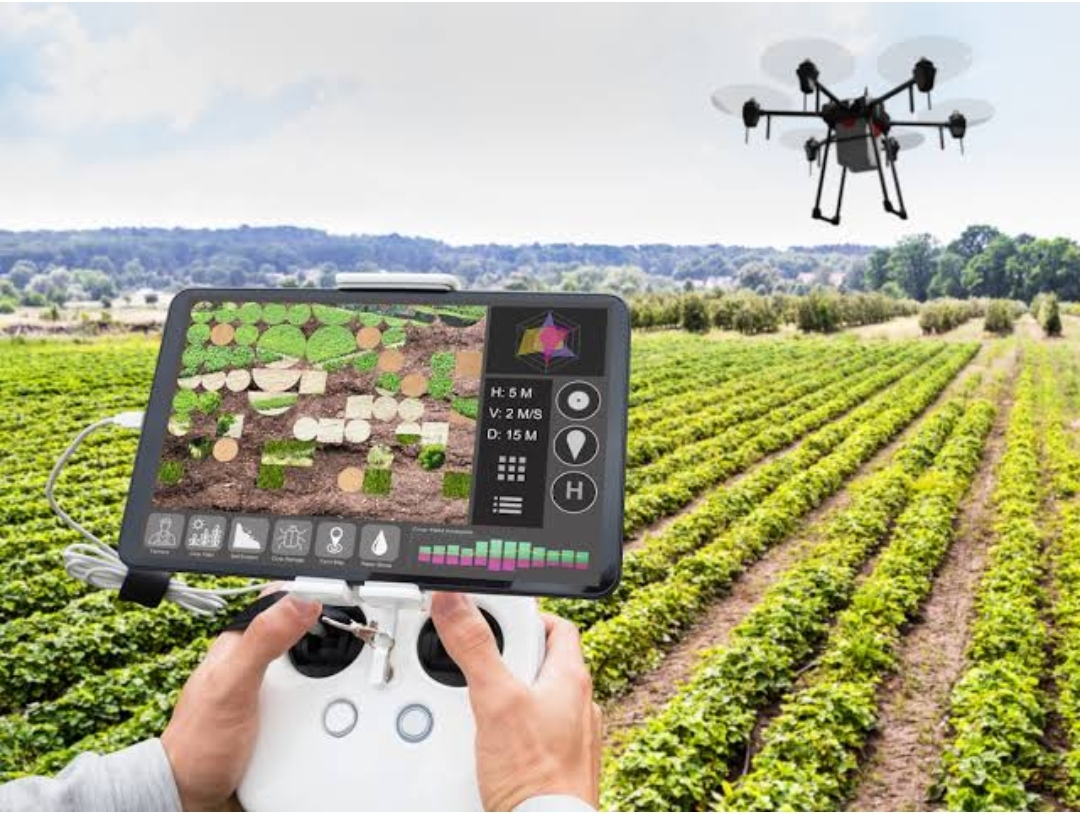
 Agriculture is the largest consumer of freshwater globally, with irrigation accounting for the majority of water use. Sustainable water management practices, such as drip irrigation, precision agriculture, and rainwater harvesting, can help optimize water use efficiency in agriculture. By ensuring that water resources are used judiciously and effectively, sustainable irrigation practices contribute to increased crop yields and food production, thus enhancing food security.

Climate change is altering precipitation patterns and increasing the frequency and intensity of extreme weather events, such as droughts and floods. Sustainable water management strategies, such as water conservation, watershed management, and climate-smart agriculture, can help build resilience to climate variability and mitigate the impacts of water scarcity and extreme weather on food production. By adapting to changing climatic conditions and reducing vulnerability to water-related risks, sustainable water management contributes to the long-term stability of food systems and enhances food security.

 Healthy freshwater ecosystems, including rivers, lakes, wetlands, and aquifers, provide essential services for agriculture, such as water purification, flood regulation, and habitat for pollinators and natural enemies of pests. Unsustainable water management practices, such as over-extraction, pollution, and habitat destruction, can degrade freshwater ecosystems and undermine their ability to support agricultural productivity. By conserving and restoring freshwater ecosystems, sustainable water management helps maintain the ecological foundation of food production and safeguard food security.

 There is a close interconnection between water and food systems, known as the water-food nexus. Water is not only used for irrigation but also for food processing, cooking, and hygiene throughout the food supply chain. Unsustainable water management practices in one sector can have ripple effects across the entire nexus, affecting food availability, accessibility, and affordability. By adopting integrated approaches to water and food management, sustainable water management can optimize resource use, minimize waste, and ensure the resilience and sustainability of food systems.

Access to water is essential for smallholder farmers, who often rely on rainfed agriculture and have limited access to irrigation infrastructure and water resources. Sustainable water management practices that prioritize equity, inclusivity, and community participation can ensure that water is allocated fairly and efficiently, benefiting smallholder farmers and vulnerable populations. By addressing social inequities and empowering marginalized communities, sustainable water management contributes to more equitable and resilient food systems, thereby enhancing food security for all.

In conclusion, sustainable water management is indispensable for achieving food security in a world facing growing water scarcity, climate change, and environmental degradation. By promoting water efficiency, climate resilience, ecosystem health, integrated approaches, and social equity, sustainable water management can help ensure that water resources are managed wisely and sustainably to meet the needs of present and future generations for food security and sustainable development.

For more information visit at https://happenrecently.com/zepto/?amp=1

AdmAArk Events India Pvt ltd. The most trusted and most innovative event management company in central India

AdmAArk Events

AdmAArk Events India pvt Ltd – The Most Trusted, Most Innovative & Most Happening Event Managers of Central India, built by Pramod Batraa in 1995, is ever volatile & delivers every Event to the hilt.
Team AdmAArk is Astute, Result oriented & Dynamic professionals with more than 25 years of extensive experience in the world of Events, Activations, Celebrations, Advertisements & Promotional Marketing. Their managerial & entrepreneurial experience in services marketing & operations, exhibit strong work ethics, dedication to success under the excellent team leadership of Pramod Batraa.

AdmAArk manages over 100 Corporates for their Events, Promotions, Conferences, Launches, Dealers’ Meet, BTL Activations, have handled prestigious projects for the Central Government and various State Governments. Making their clients’ small Personal Celebrations glitter, to their Grand Wedding arrangements they have done it all, “AdmAArk” has been awarded with “The Most Trusted Event Managers” across the region.

Our key strength is Conceptualizing Events, Effective Marketing ideas, its Promotion, Advertisements, Social Media & E-Marketing, Brand Building & Public relations which enables them to organize & handle array of vibrant events across India.
Weddings are not just a culmination of rituals anymore they have become larger than life events that every couple looks forward to. Everything on the particular day needs to be up to the mark & hassle free. Everyone wants their special day to be perfect, “Weddings by Pramod Batraa” is one such wedding planner that works tirelessly to provide best of services to their clients in the arena of weddings and hospitality. They have been recognized as “The Most Innovative Wedding Planners” of the region.
The array of services right from Conceptualizing the wedding theme, Planning, Set designing & Décor and celebrating Rituals without losing the essence of the tradition for every culture and class for every Wedding Ceremony including Sangeet & Reception with add-ons like Interactive Anchors, Performers & Celebrities, Bride & Groom Entry, Entertainment and many more.
With their PAN India network & enthusiastic team across all major cities, Team AdmAArk Events enjoys high reputation for meticulous attention to detail, diplomacy, professionalism & integrity, passion to give each & every assignment a different outlook, identity & a vision with true professionalism to make the event a huge success.
In this new internet & Social Media Era, e-Exhibition, e-Launches, e-Activations, e-Promotions, e-Team Interactions & e-Celebrations are the latest foothold of Team AdmAArk.

Contact us :
Admaark Events India (pvt) Ltd .
275, off whc Rd,Nr Rani Laxmi Bai Hall,
Laxminagar, Nagpur 440022
Ph: 9822223767/9850060767

Website = https://admaark.com/

Instagram = https://www.instagram.com/admaarkevents?igsh=MTMxYjYyYjUwZ2xqdA==

Growup Technology hires Indian women to work remotely and so far has empowered more than 200 women by giving them digital jobs.

Growup Technology

Growup is on a mission to deploy 1,000 women by 2030

In a world where balancing work and family can often feel like an insurmountable challenge, Growup Technologies Pvt. Ltd. is pioneering a solution that not only empowers women but also contributes to the Indian economy. The brainchild of founders Saumya Kaushik and Divay Chadha, Growup Technologies is revolutionizing the way women participate in the workforce by providing remote employment opportunities.

At its core, Growup Technologies hires, trains, and deploys women who, due to family commitments such as maternity or caring for elderly relatives, are unable to work full-time in traditional office settings. Recognizing the myriad reasons why women often step back from their careers, Growup aims to bridge the gap by offering flexible, remote positions that accommodate their unique circumstances.

The process begins with onboarding these talented women onto the Growup platform, where they undergo rigorous training over a span of 60 days. Equipped with essential skills and knowledge, these women are then deployed to clients worldwide, including industry giants like GoDaddy, Sattva, Tech Mahindra, XS Worldwide, and I2I Consulting.

The impact of Growup’s initiatives extends far beyond merely providing employment. By enabling women to work from home, Growup is empowering them to become strong motivators both within their households and in the professional sphere. Many of these women are now the primary breadwinners, playing a pivotal role in supporting their families financially while also nurturing their careers.

As Growup Technologies celebrates its fifth year, its commitment to empowering women remains unwavering. With a goal to deploy 1,000 women by 2030, the organization is steadfast in its mission to create a more inclusive and equitable workforce. Through their innovative approach, Saumya Kaushik and Divay Chadha are not only living up to the company’s name but also transforming lives, one woman at a time.

Growup Website: www.vgrowup.com

Women make up industry and their potential in India!

Women make up a significant portion of the workforce in various industries in India, including IT, healthcare, education, finance, and more.

 Despite facing challenges such as gender bias and unequal opportunities, women have been increasingly contributing to the growth and innovation of these sectors. 

Efforts to empower women through education, skill development, and policies promoting gender equality are crucial for unlocking their full potential and fostering inclusive economic growth in India.

1. **Growing Presence**: Women’s participation in the Indian industry has been steadily increasing, with more women entering diverse sectors such as technology, finance, healthcare, and manufacturing.

2. **Economic Empowerment**: The inclusion of women in the workforce contributes to economic growth by expanding the labor pool and enhancing productivity. This, in turn, boosts GDP and overall prosperity.

3. **Innovation and Diversity**: Women bring unique perspectives and ideas to the industry, fostering innovation and creativity. Their diverse skill sets contribute to problem-solving and decision-making processes, leading to more robust and inclusive outcomes.

4. **Empowerment and Social Impact**: Participation in the industry empowers women economically and socially, allowing them to challenge traditional gender roles and gain financial independence. This has ripple effects on families and communities, promoting gender equality and social progress.

5. **Policy Initiatives and Support**: Government and corporate initiatives aimed at promoting women’s entrepreneurship, skill development, and workplace inclusivity are facilitating their increased participation in the industry. These efforts create a conducive environment for women to thrive and succeed professionally.

For more information visit at www.happenrecently.com

Space sector race leads to world superpower!

The space sector race can indeed play a significant role in determining world superpowers, as technological advancements, scientific discoveries, and strategic positioning in space can provide a nation with economic, military, and geopolitical advantages.

 Historically, countries like the United States and the Soviet Union experienced this during the Cold War era with their space race. 

Today, nations like China, Russia, the United States, and emerging players like India and private companies like SpaceX are actively competing in the space sector, potentially shaping the landscape of global power dynamics.

1. **Technological Innovation**: A nation heavily invested in the space sector can drive technological advancements, leading to breakthroughs in various fields such as materials science, propulsion systems, and robotics. For example, the United States’ Apollo program spurred the development of numerous technologies, including integrated circuits, which later revolutionized computing.

2. **Economic Growth**: Dominance in space can translate into economic supremacy as companies within the nation’s space sector capitalize on opportunities for commercial satellite launches, space tourism, and resource extraction from celestial bodies. For instance, SpaceX, headquartered in the United States, has become a major player in the global space industry, securing contracts from both governmental and private entities.

3. **Military Superiority**: Control over space assets provides strategic advantages in defense and intelligence gathering. Satellites enable surveillance, communication, and navigation capabilities crucial for military operations. Countries like Russia and China have demonstrated their capabilities in anti-satellite weapons, emphasizing the importance of space dominance in modern warfare.

4. **Global Influence**: Being a leader in space exploration enhances a nation’s soft power and international prestige. Collaborative ventures, such as the International Space Station (ISS), allow countries to foster diplomatic relations and showcase their technological prowess on a global stage. The European Space Agency’s contributions to the ISS exemplify how participation in space missions can enhance a region’s influence.

5. **Scientific Leadership**: Advancements in space research contribute to scientific discoveries with implications beyond the confines of Earth. A nation leading in space exploration can attract top scientific talent and establish itself as a hub for cutting-edge research. NASA’s missions, such as the Mars rovers and the Voyager probes, have yielded invaluable scientific insights, reinforcing the United States’ position as a scientific powerhouse.

Overall, a nation’s dominance in the space sector can elevate its status to that of a world superpower by driving technological innovation, fostering economic growth, enhancing military capabilities, increasing global influence, and promoting scientific leadership.

For more information visit at www.happenrecently.com

Industrial growth leads to Economic development!

Industrial growth can indeed contribute to economic development by generating employment opportunities, fostering technological advancements, increasing productivity, and boosting overall economic output.

 However, sustainable economic development requires considerations beyond just industrial growth, such as social equity, environmental sustainability, and inclusive growth strategies.

1. **Job Creation**: Industrial growth leads to the creation of jobs across various sectors, including manufacturing, construction, transportation, and services, which contributes to reducing unemployment rates and improving living standards.

2. **Increased Productivity**: Industrialization often involves the adoption of advanced technologies and efficient production methods, leading to increased productivity. This can result in higher output per worker and lower production costs, ultimately boosting economic growth.

3. **Infrastructure Development**: Industrialization requires the development of infrastructure such as roads, ports, and power plants to support manufacturing activities. This infrastructure development not only facilitates industrial growth but also enhances connectivity and trade, benefiting the overall economy.

4. **Income Generation**: Industrialization can lead to higher incomes for workers, as industries typically pay higher wages compared to agricultural or informal sector jobs. This increase in income can stimulate consumer spending, further driving economic development.

5. **Diversification of Economy**: A robust industrial sector diversifies the economy away from over-reliance on agriculture, making it more resilient to external shocks and market fluctuations. It also promotes innovation and the development of new industries, laying the foundation for sustained economic growth and development.

For more information visit at www.happenrecently.com

Which category of startups is rare in India and how to overcome this problem?

One category of startups that has been relatively rare in India compared to other countries is deep tech startups. Deep tech startups focus on developing disruptive technologies or innovations rooted in scientific research or engineering advancements. 

These startups often require substantial R&D investment, specialized talent, and longer gestation periods before commercialization, making them less prevalent in India’s startup ecosystem.

Several factors contribute to the scarcity of deep tech startups in India:

1. **Risk Aversion**: Investors in India tend to favor safer bets with quicker returns on investment. Deep tech startups typically involve higher risks due to uncertainties associated with technology development and longer timelines for revenue generation, which may deter investors.

2. **Lack of Funding**: Deep tech startups require significant capital for R&D, talent acquisition, and infrastructure development. However, Indian investors may be less inclined to allocate substantial funds to ventures with prolonged timelines and uncertain outcomes.

3. **Limited Access to Talent**: Building deep tech solutions often necessitates access to highly skilled professionals in fields such as AI, biotechnology, and advanced engineering. While India boasts a pool of talented engineers and scientists, the availability of experts in niche domains may be limited.

To overcome the challenges hindering the growth of deep tech startups in India, several strategies can be adopted:

1. **Investor Education**: Educating investors about the long-term potential and societal impact of deep tech innovations can help dispel misconceptions and encourage investment in these ventures. Highlighting success stories from other regions can also showcase the viability of such startups.

2. **Government Support**: Implementing policies and initiatives that provide financial incentives, grants, and subsidies specifically targeted at deep tech startups can stimulate investment in this sector. Creating research clusters and innovation hubs with state-of-the-art infrastructure can further support technology development.

3. **Academic Collaboration**: Facilitating collaborations between deep tech startups and academic institutions can foster knowledge exchange, access to research facilities, and talent acquisition. Encouraging researchers to commercialize their findings through startups can also promote innovation.

4. **Incubators and Accelerators**: Establishing specialized incubators and accelerators dedicated to deep tech startups can provide tailored support, mentorship, and access to networks. These programs can help startups navigate technical challenges, refine their business models, and attract investment.

By addressing these barriers and implementing supportive measures, India can create an enabling environment for deep tech startups to thrive, driving innovation, economic growth, and societal advancement.

For more information visit at www.happenrecently.com

India’s Defence-Startups!

India has seen a surge in defense-related startups in recent years, spurred by government initiatives like Make in India and the liberalization of defense manufacturing policies. These startups are leveraging cutting-edge technology to address various challenges faced by the defense sector. Here are some notable examples:

1. **Tonbo Imaging**: Tonbo Imaging specializes in advanced imaging and sensor systems for defense and security applications. Their products include thermal imaging devices, night-vision cameras, and computer vision solutions for enhancing situational awareness on the battlefield.

2. **NewSpace Research & Technologies**: NewSpace Research & Technologies focuses on developing satellite technologies and solutions for defense and civilian applications. They offer satellite launch services, satellite communication systems, and remote sensing capabilities to support defense surveillance and reconnaissance missions.

3. **Agnikul Cosmos**: Agnikul Cosmos is a space technology startup working on developing small satellite launch vehicles. Their innovative approach involves 3D printing and modular design principles to reduce costs and increase efficiency in launching small payloads into space, catering to the growing demand for satellite-based defense applications.

4. **Alpha Design Technologies**: Alpha Design Technologies is involved in manufacturing defense electronics, avionics, and surveillance systems. They have developed products like radar systems, electronic warfare equipment, and communication systems for defense and homeland security applications.

5. **Kalyani Group**: Kalyani Group has diversified interests in defense manufacturing, including aerospace, armored vehicles, and artillery systems. They have collaborated with global defense majors to manufacture advanced weaponry and provide solutions for the Indian Armed Forces.

6. **QNu Labs**: QNu Labs specializes in quantum-safe cybersecurity solutions, critical for safeguarding sensitive defense communications and data from emerging quantum computing threats. Their quantum key distribution systems offer secure communication channels resistant to quantum attacks, ensuring the integrity of defense networks.

7. **VEM Technologies**: VEM Technologies is engaged in the design and manufacture of unmanned aerial vehicles (UAVs) and drone systems for defense and civilian applications. Their drones are used for surveillance, reconnaissance, and aerial monitoring tasks, enhancing defense capabilities in border security and counter-terrorism operations.

These defense startups represent a growing trend towards indigenous innovation and technological self-reliance in India’s defense sector, contributing to the country’s strategic autonomy and national security objectives.

For more information visit at www.happenrecently.com

**Navigating the Rollercoaster Ride: The Emotional Journey of Starting a Startup**

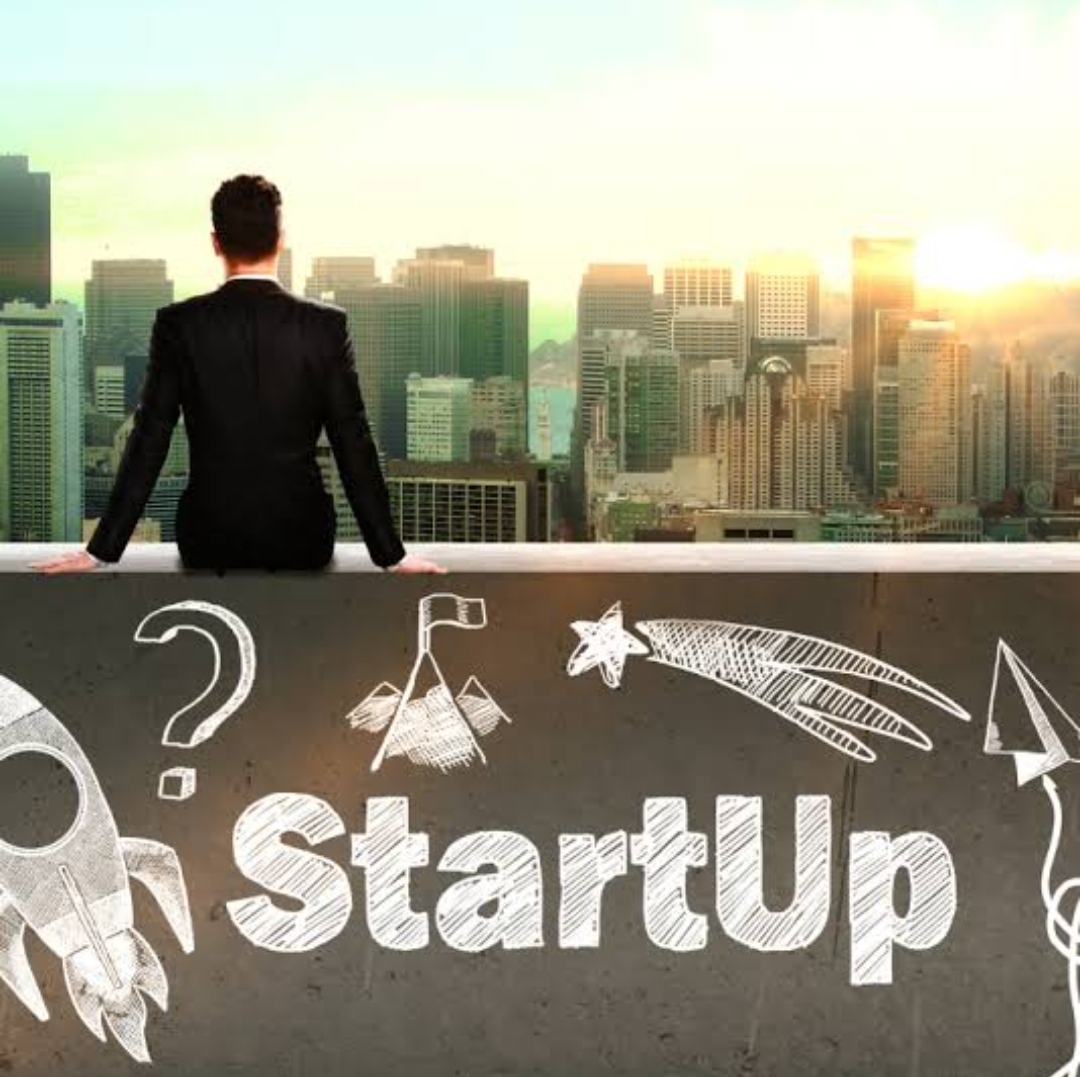
Starting a startup is often romanticized as an exhilarating journey filled with innovation, disruption, and success. However, beneath the surface lies a rollercoaster of emotions that founders must navigate. From the initial spark of an idea to the eventual launch and beyond, the emotional journey of starting a startup is both intense and unpredictable.

**1. ** **Excitement and Inspiration:** It all begins with an idea – a spark of inspiration that ignites excitement within the founder. The possibilities seem endless, and the vision of creating something groundbreaking fuels their passion and determination.

**2. Doubt and Uncertainty:** Yet, as the initial euphoria fades, doubt creeps in. Is the idea truly viable? Will anyone be interested in what they have to offer? Self-doubt becomes a constant companion, leading to moments of uncertainty and anxiety.

**3. Determination and Resilience:** Despite the challenges, successful founders exhibit unwavering determination and resilience. They embrace failure as an opportunity to learn and grow, refusing to let setbacks derail their vision.

**4. Loneliness and Isolation:** The startup journey can be isolating, with founders often feeling alone in their struggles. Friends and family may not understand the sacrifices they must make or the pressures they face, leaving them to navigate the highs and lows on their own.

**5. Elation and Triumph:** Yet, amidst the challenges, there are moments of pure elation – the first customer sign-up, positive feedback from investors, or hitting a significant milestone. These victories serve as validation for all the hard work and dedication poured into the venture.

**6. Stress and Burnout:** As the startup gains momentum, the pressure intensifies. Founders juggle multiple responsibilities, from product development to fundraising to marketing, often sacrificing their own well-being in the process. Stress and burnout loom large, threatening to derail even the most promising ventures.

**7. Adaptation and Evolution:** To survive in the competitive startup landscape, founders must be agile and adaptable. They continuously iterate on their ideas, pivot when necessary, and evolve their strategies based on feedback and market trends.

**8. Hope and Perseverance:** Despite the challenges, successful founders maintain a sense of hope and perseverance. They believe wholeheartedly in their vision and are willing to do whatever it takes to see it through, drawing strength from their resilience and determination.

**9. Gratitude and Reflection:** Along the journey, founders learn to appreciate the small victories and milestones, no matter how insignificant they may seem. They take time to reflect on how far they’ve come and express gratitude for the support of their team, investors, and customers.

**10. The Never-Ending Cycle:** The emotional journey of starting a startup is a never-ending cycle of highs and lows. As one challenge is overcome, another inevitably arises, keeping founders on their toes and testing their resolve every step of the way.

In conclusion, the emotional journey of starting a startup is a rollercoaster ride filled with excitement, doubt, determination, and triumph. Founders must navigate the ups and downs with resilience, adaptability, and unwavering perseverance, knowing that every twist and turn brings them one step closer to realizing their vision.

For more information visit at www.happenrecently.com