
Wednesday, March 11, 2026
Home Blog Page 14

ISPL Season 3 Set to Ignite Surat India’s Biggest Tennis-Ball Cricket League Returns

0
ISPL Season 3

From January 9 to February 6, 2026, eight top teams and explosive batters promise a power-packed cricketing carnival at Lalbhai Contractor Stadium.

The excitement around the Indian Street Premier League (ISPL), India’s first professional tennis-ball T10 cricket tournament, is set to soar once again as the league gears up for its third season. Scheduled from January 9 to February 6, 2026, at the Lalbhai Contractor Stadium in Surat, Season 3 promises to bring a fresh wave of energy, passion, and entertainment for cricket lovers across the country.

Recognized for its fast-paced format and thrilling matches, ISPL has rapidly evolved into one of the nation’s most talked-about cricketing events. The league’s vision, spearheaded by its core committee members — Sachin Tendulkar, Ashish Shelar, Minal Amol Kale, and Suraj Samat — focuses on nurturing grassroots talent, inclusivity, and creating professional opportunities for tennis-ball cricketers.

As cricket enthusiasts count down the days to the season opener, eight exciting franchises — Majhi Mumbai, Chennai Singams, Tiigers of Kolkata, Falcon Risers Hyderabad, Bengaluru Strikers, Srinagar Ke Veer, Ahmedabad Lions, and Delhi Superheros — are set to battle for glory in a league that perfectly blends skill and entertainment.

This season, a galaxy of proven match-winners and emerging stars will step onto the field, each eager to leave their mark. From explosive power hitters to calm finishers, every franchise boasts game-changers capable of turning the tide in an instant. As anticipation builds, here’s a look at five batsmen to watch out for in ISPL Season 3, who could define the tournament with their performances.

Vijay Pawle – The Speed Master of Majhi Mumbai

A familiar name among ISPL fans, Vijay Pawle of Majhi Mumbai enters Season 3 as one of the league’s biggest attractions. Known as the “Speed Master” of Indian tennis-ball cricket, Pawle is famous for his explosive batting, sharp game sense, and fearless approach.

At the ISPL Season 3 auction, Pawle became the highest-ever bid in the league’s history, fetching a massive Rs 32.50 lakh through the Right to Match (RTM) card. His all-round skills and leadership qualities make him one of the most valuable assets in the league.

After leading Majhi Mumbai to the Season 2 title, Pawle’s focus now shifts to defending the crown. Having previously won the Best Fielder Award in ISPL Season 1, he continues to showcase his athleticism and commitment to excellence. Fans can expect vintage Pawle — powerful sixes, quick runs, and moments of brilliance under pressure.


Ketan Mhatre – The Firestarter from Chennai Singams

When it comes to fearless batting at the top of the order, Ketan Mhatre of Chennai Singams stands out as one of the most destructive openers in ISPL history. Hailing from Waklan village in Thane district, Mhatre brings an aggressive brand of cricket that excites fans and unsettles bowlers.

Retained for Rs 26.40 lakh via RTM, Mhatre was the second-highest bid at the Season 3 auction — a testament to his immense value. His career strike rate of 180.75 across 16 ISPL matches speaks volumes about his consistency and attacking mindset.

For Chennai Singams, Mhatre remains the key to setting the tone early. His ability to clear boundaries within the first few overs often gives his team the upper hand. As the league’s most dynamic opener, he will once again look to dominate from the very first ball.

Saif Ali (Sagar Ali) – The Dependable Star from Tiigers of Kolkata

Consistency meets class when you talk about Saif Ali, popularly known as Sagar Ali, from Tiigers of Kolkata. The left-handed batter from Kashiara village in Bardhaman district, West Bengal, has been one of the standout performers since ISPL’s inception.

Purchased for Rs 23.65 lakh in the Season 3 auction, Saif has already built a remarkable ISPL record. He became the first player in league history to score back-to-back fifties, a feat that highlights both his temperament and adaptability.

With 595 runs and four half-centuries in 19 matches across two seasons, Saif is known for his steadiness during high-pressure moments. Having also represented West Bengal at youth level, his maturity and technical ability add depth to Tiigers of Kolkata’s batting lineup.

Fardeen Kazi – The Finisher Bengaluru Strikers Depend On

Few players can handle pressure quite like Fardeen Kazi. His last-ball six during a thriller against Chennai Singams in Season 2 became one of the most iconic moments in ISPL history. That unforgettable knock showcased Kazi’s calmness and tactical brilliance, turning a near-impossible chase into victory.

Acquired by Bengaluru Strikers for Rs 22.30 lakh, Kazi now brings his finishing skills to a new setup. Known for delivering when it matters most, he thrives under pressure and is expected to play a pivotal role during tense run chases. Bengaluru fans will look to him as the go-to match-winner capable of changing games in just a few deliveries.

Jagannath Sarkar – The Rising Force of Chennai Singams

Rounding out the list is Jagannath Sarkar, one of the brightest emerging talents in the league. Hailing from Tarakeswar, West Bengal, Sarkar has steadily grown into a key figure for Chennai Singams. Retained for Rs 20.02 lakh, he enters Season 3 brimming with confidence following a breakthrough campaign.

In ISPL Season 2, Sarkar amassed 226 runs across 10 matches, finishing as the fourth-highest run-scorer in the tournament. His combination of timing, aggression, and maturity has made him an exciting prospect to watch. As Chennai Singams chase their maiden title, Sarkar’s role as an opener will be crucial.

A Season of Entertainment Awaits

With ISPL Season 3 ready to unfold in Surat, fans can look forward to a cricketing spectacle unlike any other. The blend of elite players, rising stars, and thrilling T10 action promises pure entertainment.

As these top batsmen prepare to take the field, one thing is certain — ISPL Season 3 will redefine the boundaries of tennis-ball cricket once again, delivering unforgettable moments, close finishes, and electrifying performances for fans across India.
2025 in Review Maharashtra Balances Development Push with Fiscal and Social Strains

0
Maharashtra

From Mahayuti’s political hold to rural distress and urban reforms, the year defined Maharashtra’s cautious progress.

MUMBAI: The year 2025 turned out to be a phase of political consolidation, economic ambition, and social tension for Maharashtra. As the calendar closes, the state finds itself steady in governance but wrestling with fiscal pressures, rural distress, and persistent urban challenges.

Political Consolidation Under Mahayuti

Maharashtra’s politics through 2025 continued to revolve around the ruling Mahayuti coalition, led by the Bharatiya Janata Party (BJP). The year reinforced the alliance’s grip over state politics, especially after the local body elections, where the BJP showcased strong organisational strength across municipal councils and nagar panchayats.

The Opposition, however, struggled to regain lost ground after setbacks in both Assembly and local polls, creating an image of a fragmented political space. Several district and taluka-level leaders switched sides, but the ruling front’s control remained intact.

Major political debates of the year centred around Maratha and OBC reservation demands. Pro-Maratha activist Manoj Jarange-Patil and OBC leader Chhagan Bhujbal emerged as key voices on these sensitive issues. The government’s decision to issue Kunbi certificates to eligible Marathas helped calm tensions, while a Cabinet panel was formed to safeguard OBC interests.

Economic Momentum With Fiscal Concerns

On the economic front, Maharashtra retained its position as one of India’s leading industrial and investment hubs. The state pushed ahead with large-scale projects in manufacturing, logistics, renewable energy, and services, supported by strong infrastructure development in metro and industrial corridors.

The government projected optimism over agreements signed at the World Economic Forum (WEF) in Davos, stating that MoUs worth over ₹15 lakh crore are moving into implementation. It also plans to finalise new high-value investment pacts at the upcoming 2026 WEF summit.

Maharashtra continued to attract the highest share of Foreign Direct Investment (FDI) in the country, accounting for over 34 percent of the national total. However, this economic strength coexisted with serious fiscal concerns.

Public debt touched ₹9.34 lakh crore, with a revenue deficit of ₹45,891 crore and a fiscal deficit of ₹1,36,235 crore. Rising expenditure on salaries, pensions, and interest payments forced the government to balance between welfare spending and fiscal discipline.

Despite these challenges, Maharashtra remained one of the top contributors to GST collections, reflecting resilience in its formal economy. Economists, however, warned that long-term revenue sustainability would require structural reforms and better expenditure management.

Rural Strain and Agrarian Distress

For rural Maharashtra, 2025 was a difficult year marked by erratic weather and economic stress. Uneven rainfall and flooding hit crop yields across Vidarbha, Marathwada, and western Maharashtra. Farmers faced distress due to price fluctuations and crop losses, prompting the state to launch a ₹32,000 crore relief package.

While the aid offered partial relief, farmer organisations continued to demand broader support, including loan waivers and more effective crop procurement schemes. The recurring pattern of natural disruptions underlined the need for climate-resilient agriculture and improved rural planning.

Safety, Crime, and Youth Challenges

Law and order issues remained under the spotlight in 2025. Urban centres like Mumbai, Pune, and Nagpur saw rising cases of cybercrime, drug trafficking, and crimes against women and children. The government extended efforts to modernise the police force, conducting large recruitment drives that attracted lakhs of young aspirants—reflecting both job demand and youth anxiety over employment.

In eastern Maharashtra, anti-Maoist operations made progress, but officials said that lasting peace would depend on parallel improvements in infrastructure, education, and livelihoods.

Infrastructure Progress and Urban Strains

Infrastructure remained Maharashtra’s strongest performance area. The year saw significant progress in metro rail projects, coastal road works, expressways, and renewable energy networks. Urban transport expansion across major cities was aimed at boosting mobility and investment potential.

However, challenges in urban governance persisted. The monsoon season once again exposed drainage failures in Mumbai and nearby regions. Issues of housing affordability, pollution, and traffic congestion continued to dominate civic conversations.

Health, Education, and Social Developments

In the social sector, both healthcare and education needed deeper reform. While the government invested in expanding medical infrastructure, remote and tribal districts still faced service gaps. Incidents of malnutrition and poor healthcare access highlighted growing inequalities between rural and urban populations.

Education also sparked political storms. The government’s decision to introduce Hindi as a third language in schools faced strong opposition from parties, academics, and social groups. The backlash created a rare moment of unity between estranged leaders Uddhav and Raj Thackeray, who came together under the banner of Marathi pride. Their renewed collaboration set the stage for an alliance in the Brihanmumbai Municipal Corporation (BMC) elections, with a common goal to protect the interests of Marathi-speaking citizens and counter the BJP’s influence in Mumbai.

Looking Ahead to 2026

As Maharashtra moves into 2026, it carries forward a sense of guarded continuity. The balance between economic ambition and fiscal responsibility will remain crucial. The government is expected to strengthen policy implementation under its long-term goal of ‘Viksit Maharashtra 2047’, envisioning a five-trillion-dollar economy.

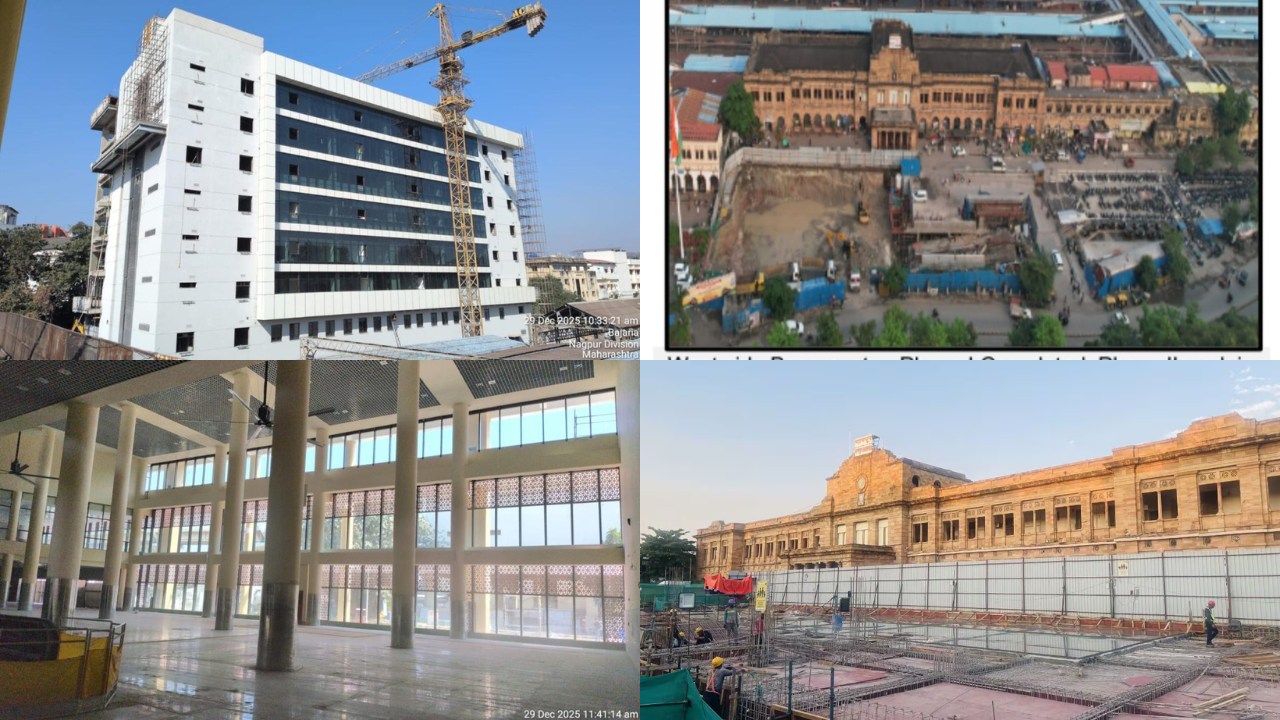
Redevelopment of Nagpur Railway Station Progresses Steadily with Major Milestones Achieved

0
Redevelopment of Nagpur Railway Station

East and West wings record rapid structural and finishing work as heritage restoration and modern facilities move in sync.

The redevelopment work of Nagpur Railway Station is moving forward at a steady and impressive pace, marking a major transformation of one of Central India’s busiest railway hubs. With key structural milestones already achieved and finishing works advancing rapidly, the revamped station is on track to emerge as a modern, passenger-friendly hub that blends heritage with cutting-edge infrastructure.

A flagship project under the Indian Railways’ modernization plan, the redevelopment of Nagpur Railway Station is designed to create a world-class travel experience for passengers. The project covers both the East and West wings of the station, featuring extensive upgrades in building design, passenger amenities, and circulation facilities to ensure greater comfort, convenience, and safety.

Major Progress on East Wing

The East Wing of the station has witnessed remarkable progress across multiple components. The East Side Arrival Building (EW-1) — comprising a Basement, Ground, and five upper floors — has completed slab casting up to the terrace level. At present, internal finishing works and critical Mechanical, Electrical, Plumbing, and Fire-fighting (MEPF) services are in full swing.

Similarly, the East Side Departure Building (EW-2) has also achieved slab casting from the basement to the terrace level. Alongside this structural progress, teams are actively working on internal finishing, MEPF installations, flooring, and the installation of lifts and escalators. The introduction of modern vertical transportation will significantly improve passenger movement and accessibility, especially for the elderly and differently-abled.

In the Unified Basement (EW-3), another critical component of the redevelopment plan, the dismantling of the old East Side station building has been successfully completed. Following that, foundation and slab casting works have been achieved, and vertical circulation works are actively in progress. Alteration work to the South Foot Over Bridge (FOB) — a key link between different platforms — has also been completed, ensuring smooth integration with the new structures.

West Wing Developments Gaining Momentum

On the West side, construction work has maintained a similar pace. The basement structure (WW-3) has been fully completed and is expected to be handed over to the railway division by September 2025 for its intended use as surface parking. This will help decongest the main passenger areas and create more organized parking facilities for both private vehicles and public transport operators.

Meanwhile, the West Side Administrative Block (WW-4), a ground-plus-seven structure, has achieved major construction milestones. The raft foundation and slab casting up to the seventh floor have been completed, paving the way for the next phase of finishing and installation works. Once operational, this block will house key railway offices in a unified, modern administrative ecosystem.

Heritage Restoration with Modern Upgrades

One of the most notable aspects of the project is the simultaneous preservation and refurbishment of Nagpur’s historic railway building. The redevelopment team has placed special focus on maintaining the station’s architectural heritage while introducing modern infrastructure elements. Restoration work on the heritage building is progressing under strict conservation guidelines, ensuring that the original façade and decorative details are preserved even as new amenities are added.

This thoughtful approach aims to retain the cultural and historical essence of Nagpur Railway Station — a landmark that holds sentimental value for generations of travelers — while bringing it in line with 21st-century infrastructure standards.

Enhanced Passenger Movement and Safety

In parallel with the structural developments, significant progress has been achieved in Foot Over Bridge (FOB) and concourse foundation works across multiple platforms. These upgraded circulation facilities are designed to improve pedestrian flow, enhance passenger safety, and reduce congestion during peak hours.

Once completed, the new station layout will include wider concourses, improved signage, high-capacity escalators and lifts, advanced lighting, and seamless integration between the East and West wings. The redevelopment project also emphasizes sustainability by incorporating energy-efficient systems, advanced waste management, and optimized ventilation design.

A Model for Future Railway Infrastructure

The transformation of Nagpur Railway Station is part of a broader initiative by Indian Railways to redevelop major stations across the country under its station modernization program. As one of the central junctions on India’s railway map, Nagpur plays a crucial role in connecting the North-South and East-West corridors. Therefore, its modernization will not only benefit regional commuters but also enhance national connectivity and operational efficiency.

Officials have expressed optimism about the ongoing pace of development, emphasizing that coordinated efforts by multiple agencies — including civil, electrical, and architectural teams — have ensured smooth progress despite the project’s scale and complexity. With continuous monitoring, resource management, and phased execution, the redevelopment is progressing in line with set timelines.

Blending Heritage with a Modern Vision

The new-look Nagpur Railway Station aims to set a new benchmark for passenger experience in Central India. Featuring modern arrival and departure halls, an integrated concourse, enhanced accessibility features, digital information systems, and improved security, the redeveloped station will embody the perfect mix of comfort, efficiency, and local character.

Beyond aesthetics, the project represents a broader shift in India’s railway philosophy — moving from functional infrastructure to human-centric spaces designed for the comfort and convenience of every traveler. Once completed, Nagpur Railway Station will stand as a symbol of the city’s growing importance and India’s commitment to building world-class transport infrastructure that respects history while embracing progress.

Madhya Pradesh Weather Update Severe Cold Wave and Dense Fog Grip the State

0
Madhya Pradesh Weather Update

Temperatures dip below 10°C in 25 cities; schools to remain closed from Dec 31 to Jan 4 amid freezing conditions.

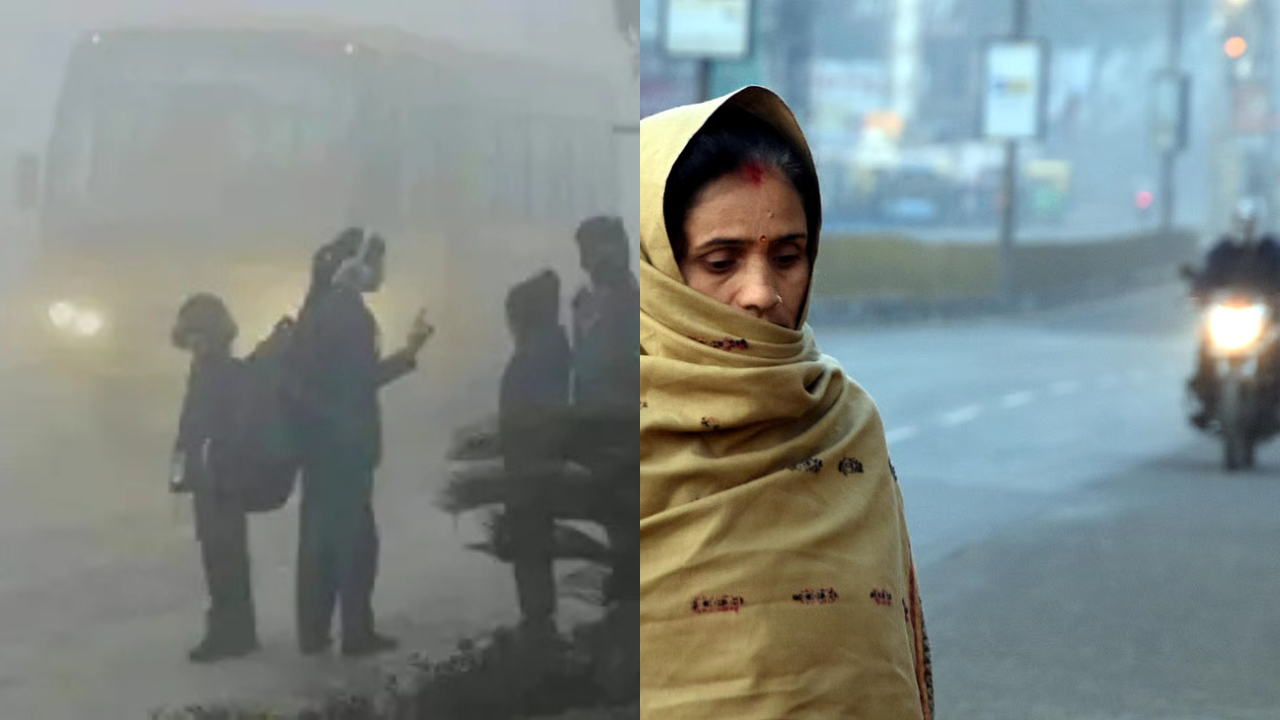
The winter season has tightened its grip across Madhya Pradesh, with most parts of the state grappling with severe cold and dense fog. The state is witnessing a sudden and sharp dip in temperature, forcing the government to declare winter holidays in all schools starting from December 31, 2025, to January 4, 2026, for the safety and well-being of students.

According to the latest reports from the India Meteorological Department (IMD), around 25 cities across Madhya Pradesh recorded minimum temperatures below 10 degrees Celsius. The freezing conditions have slowed down daily life, with dense fog affecting road traffic and early morning visibility. Many regions even reported frost on vehicles and rooftops, while dew drops froze overnight, indicating just how chilly the conditions have become.

Sharp Dip in Temperatures Across the State

The cold intensifies every year around late December, but this week’s fall in mercury has been particularly steep. As per the latest weather data, Kalyanpur in Shahdol district recorded the lowest temperature in the state at 3.8 degrees Celsius, marking one of the coldest mornings of the season. The capital city Bhopal recorded a minimum temperature of 5.6 degrees Celsius, while Indore registered 6.4 degrees Celsius.

Other key cities across the state also shivered under the cold wave, with Jabalpur at 8°CGwalior at 9°C, and Ujjain at 9.5°C. The chill extended further to several smaller districts including Nowgong, Umaria, Malajkhand, Mandla, Khajuraho, Shivpuri, Damoh, and Chhindwara, where the minimum temperatures dropped below 10 degrees Celsius as well.

Meteorologists predict that these conditions are likely to persist for at least the next three to four days, accompanied by dense fog during early mornings and chilly winds throughout the day.

Dense Fog Disrupts Daily Life

The cold wave has not only dropped the temperature but also led to low visibility across major roads and highways in the morning hours. Cities like Bhopal, Indore, and Gwalior woke up to a thick layer of fog, making morning commutes hazardous. Many trains and bus services reported delays due to poor visibility, and residents were seen lighting small bonfires to keep themselves warm in street corners and neighborhoods.

Local people say the cold this year feels harsher compared to the previous years. Vendors and workers operating in the open have faced major challenges in continuing their business during the early and late hours of the day. Meanwhile, hotels, tea stalls, and winter clothing shops have witnessed a rise in customers as people look for ways to beat the chill.

Winter Holidays Declared for Schools

In view of the extreme cold and dense fog, the School Education Department of Madhya Pradesh has announced winter holidays for all government and private schools across the state. The holiday period will begin from December 31, 2025, and extend up to January 4, 2026.

Officials said that this decision was taken to ensure the health and safety of students, especially those commuting early in the morning. The department also mentioned that if cold conditions persist or worsen, the winter vacation may be extended further.

Parents and teachers have welcomed the move, noting that the morning chill has made it difficult for younger students to attend school comfortably. “It’s a good decision by the government. Many children were struggling to cope with the cold early in the morning,” said Rita Sharma, a parent from Bhopal.

IMD Forecast for the Coming Days

The IMD has issued a yellow alert for dense fog and severe cold wave conditions in various parts of northern and central Madhya Pradesh. The weather department expects the temperature to drop slightly further during the next two days as cold winds from northern India continue to flow into the region.

Officials have advised residents to take necessary precautions — including wearing woollen clothes, avoiding early morning travel, and staying indoors during peak cold hours. Farmers have been warned to protect their crops from frost by covering vulnerable plants and maintaining moisture levels in the soil.

Residents Brace for Continued Chill

The ongoing cold wave has disrupted normal life, but people are finding ways to adapt. Bonfires, heaters, and hot beverages have become essential companions. Local authorities and NGOs have also started distributing blankets to the needy in several districts to help them cope with the plunging temperatures.

Families are spending more time indoors, and the roads wear a deserted look in the early mornings and late evenings. Despite the discomfort, the weather has also brought moments of seasonal charm, with misty mornings, low-lying clouds, and the soft sunlight of winter afternoons creating a picturesque atmosphere across the heart of India.

Government on Alert

The state administration is closely monitoring the situation. Disaster management and health departments have been directed to stay on standby to provide relief and emergency support if required. The education authorities will review the weather conditions again on January 4, after which a decision regarding the reopening of schools will be made.

In the meantime, residents are advised to stay updated with local weather forecasts and travel advisories. The government has emphasized that avoiding unnecessary travel during foggy conditions can help ensure public safety during this extreme cold spell.


Madhya Pradesh continues to shiver as winter tightens its hold. With temperatures likely to remain low for the coming days, residents are bundling up and bracing for one of the chilliest New Year periods the state has experienced in recent years.

Madhya Pradesh Govt to Hike Pensions for Senior Citizens and Divyangs in New Year

0
Hike Pensions for Senior Citizens

Over 54 lakh beneficiaries to benefit as CM Dr. Mohan Yadav monitors proposal; Transgender Board and mass marriage schemes also announced.

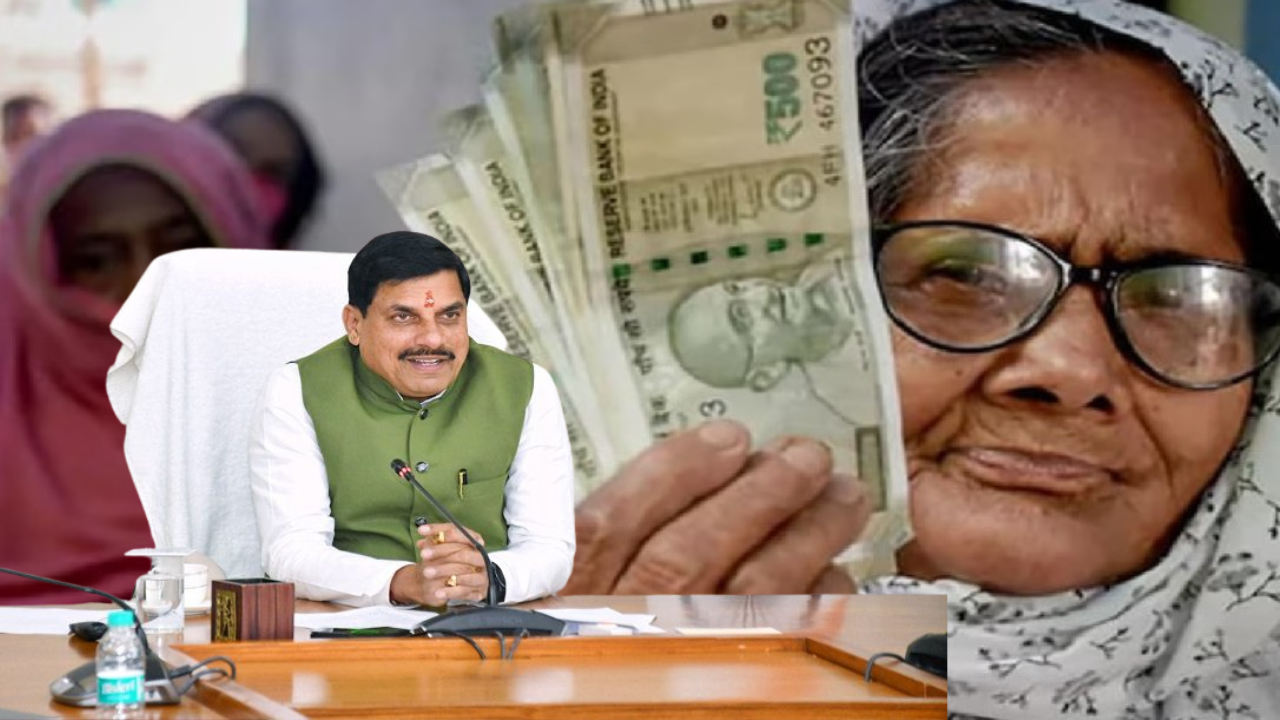
The Madhya Pradesh government has announced a New Year gift for millions of citizens across the state. The government is preparing to increase pension amounts for senior citizens, widows, and divyangs (persons with disabilities) under its social assistance schemes. The move is expected to benefit over 54 lakh beneficiaries across Madhya Pradesh and bring relief to vulnerable sections of society.

The proposal for the pension hike has been officially submitted to the Finance Department, and Chief Minister Dr. Mohan Yadav is personally monitoring its progress. The increase is likely to be reflected in the upcoming State Budget, marking a major welfare measure by the newly formed government.

Focus on social security and inclusion

Announcing the development, Minister of Social Justice and Empowerment of Persons with Disabilities Narayan Singh Kushwaha said the government remains committed to improving social welfare and ensuring dignity for senior citizens, women, and divyang individuals.

He stated, “Currently, under various social assistance programs, a total of 54,21,863 beneficiaries, including widows, divyangs, and senior citizens, are receiving monthly pensions amounting to Rs 325 crore per month. The proposal for an increase in pension has been sent to the Finance Department, and the Chief Minister is keen on implementing it soon.”

The minister highlighted that the government has ensured 100% KYC verification of all beneficiaries to improve transparency and eliminate duplication or misuse of funds. The digitization initiative has also ensured direct transfer of pension amounts to beneficiaries’ bank accounts, allowing timely and transparent distribution of financial aid.

Strengthening welfare delivery mechanisms

Minister Kushwaha emphasized that the Department of Social Justice and Empowerment, in coordination with the Horticulture and Food Processing Department, has achieved significant progress in the past two years. Schemes aimed at assisting vulnerable sections, particularly senior citizens and persons with disabilities, have been strengthened with improved infrastructure, data management, and awareness drives at the grassroots level.

The proposed pension increase will be the first major welfare announcement of the Mohan Yadav government and is expected to create a positive impact in both urban and rural areas of Madhya Pradesh. Officials from the department noted that the government aims to make social security schemes more citizen-centric, ensuring that every eligible individual receives financial and emotional support.

Formation of Transgender Welfare Board

In addition to the pension hike, the state government has also announced plans to establish a Transgender Welfare Board in Madhya Pradesh. This board will focus on the rights, empowerment, and inclusion of the transgender community, offering them access to welfare programs, skill training, healthcare, and employment opportunities.

Minister Kushwaha noted that the upcoming board would work closely with social organizations and NGOs to create an inclusive environment for transgender individuals. “The government’s objective is to ensure equal opportunities and social respect for every citizen, regardless of gender identity or background,” he said.

Organizing mass marriage programs

The Madhya Pradesh government also intends to organize mass marriage programs (Samuhik Vivah) for tribal and general category communities in the coming months. These schemes are designed to promote social harmony and help economically weaker families marry off their children without financial burden.

Under these programs, eligible couples receive government assistance to cover key wedding expenses, including ceremonial costs, basic household items, and financial aid for setting up their new homes.

Minister Kushwaha mentioned that such efforts are part of the state’s larger mission to encourage equality, reduce social barriers, and support families in rural and economically backward regions. By organizing large-scale marriage events, the government not only reduces financial strain but also promotes collective community participation.

Digital empowerment and transparency

The department has made noteworthy progress in verifying and digitizing beneficiary data, ensuring that every eligible citizen can avail the benefits directly into their bank accounts through DBT (Direct Benefit Transfer).

The minister said that in the coming year, more welfare initiatives will be integrated through digital platforms to ensure better accessibility, paperless governance, and faster grievance redressal systems. He also praised the joint coordination between different departments, which has made it possible to streamline benefits and avoid duplication of records.

A New Year of inclusive growth

The proposed pension hike and new welfare initiatives underscore the Madhya Pradesh government’s focus on inclusive growth and social justice. The administration, led by Chief Minister Dr. Mohan Yadav, is working to enhance the quality of life for senior citizens, women, and persons with disabilities through targeted support and efficient governance.

Officials suggested that once approved by the Finance Department, the new pension rates will take effect in the early months of the new financial year. The increase will be reflected in the upcoming state budget and could significantly raise the monthly assistance amount provided to beneficiaries.

With over 54 lakh people already covered under various pension schemes, the proposed enhancement is set to bring substantial relief and financial stability to families across the state. By combining increased financial support with structural welfare reforms, the Madhya Pradesh government aims to make 2025 a year of compassion, inclusion, and progress for all.

Tiger Carcass Found in Sagar Forest Marks 55th Tiger Death in Madhya Pradesh Highest Since 1973

0
Tiger Carcass

Wildlife officials launch probe as state’s tiger mortality reaches alarming levels amid rising human–wildlife conflicts.

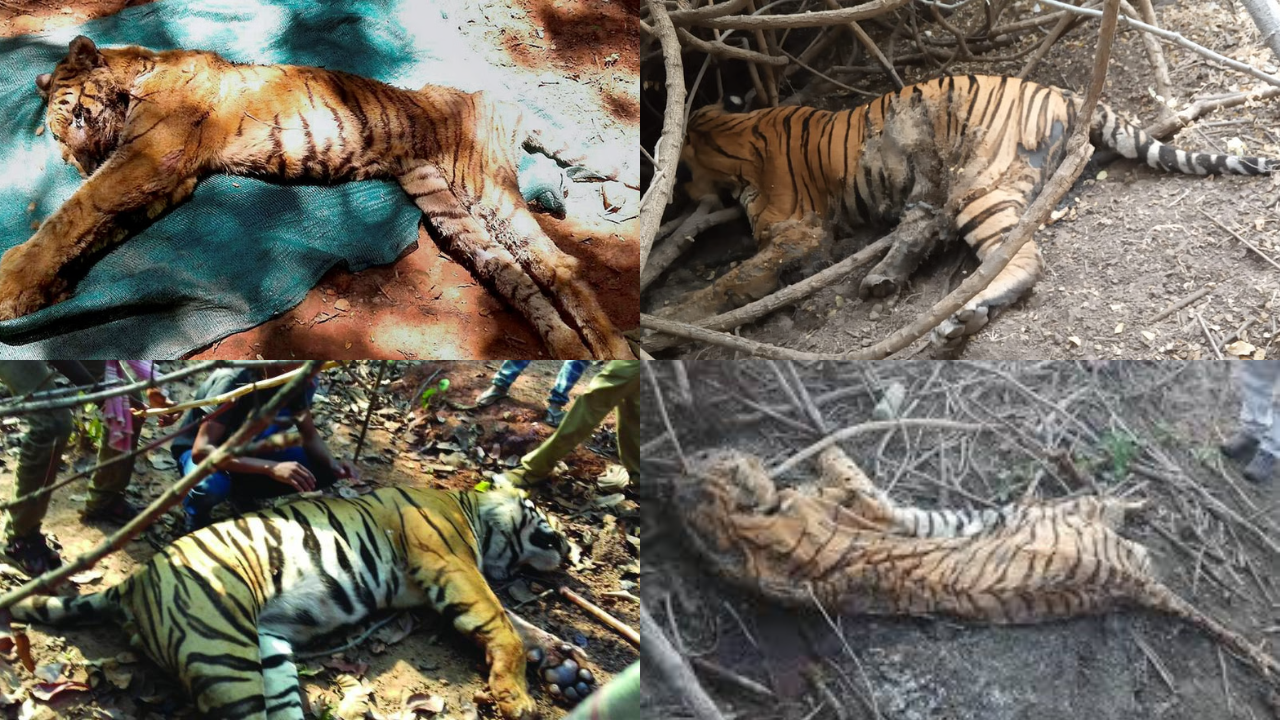
In a concerning development for wildlife conservation efforts, a tiger carcass was discovered in Sagar forest of Madhya Pradesh, marking the 55th tiger death reported in the state this year. This figure is the highest recorded since 1973, when India launched its ambitious Project Tiger to protect its national animal and revive dwindling populations.

According to preliminary information from the state forest department, the carcass was found during a routine patrol by forest officials on Sunday morning. The discovery has triggered immediate action from the wildlife division, and a detailed investigation has been initiated to determine the cause of death. Samples have been collected for forensic tests, and senior officials, including veterinarians and wildlife experts, have been sent to the site.

Madhya Pradesh Retains “Tiger State” Status but Faces Crisis

Madhya Pradesh, known as the “Tiger State of India,” has long been regarded as a stronghold for the Bengal tiger. With more than 750 tigers as per the 2022 national census, the state holds the highest tiger population in the country. Its vast protected landscapes, including Kanha, Bandhavgarh, Pench, Satpura, and Panna tiger reserves, have been models of conservation success.

However, this recent spate of deaths has sparked deep concern. With 55 tiger fatalities recorded in 2025 so far, conservationists fear that the state’s tiger population is under increasing pressure from both natural and human-induced threats.

Officials Launch Investigation into Rising Deaths

Forest officials have launched parallel investigations into each death reported this year. Preliminary reports suggest multiple causes—ranging from territorial fights and old age to poaching and electrocution in areas near human settlements. Unnatural deaths, however, are raising red flags about potential lapses in monitoring and patrolling.

Speaking to reporters, a senior officer from the Madhya Pradesh Forest Department said, “Every tiger death is a setback to conservation. Our teams are on high alert. In the Sagar incident, forensic analysis will reveal whether it was a natural death or a case of poisoning or poaching. We are also reviewing protection protocols across all reserves.”

Sagar Forest Becomes Latest Flashpoint

The Sagar division, though not a major tiger reserve, forms an important corridor connecting key forest habitats in central India. Wildlife experts say such areas often face pressure from expanding agricultural lands, road networks, and infrastructure projects, leading to increased human–animal conflict.

The carcass found in Sagar adds to a growing pattern of tiger deaths reported outside major reserves. This trend indicates that tigers are increasingly moving beyond designated protected zones in search of food, territory, or mates — putting them at risk of collisions, poaching, and accidental killings.

Experts Call for Stronger Monitoring and Corridor Protection

Wildlife conservationists and NGOs have urged the state government to strengthen monitoring mechanisms and address gaps in management. Experts recommend deploying more camera traps and drones, expanding corridor protection, and improving coordination between forest guards and local communities.

“There is no question that Madhya Pradesh remains the heart of India’s tiger population, but we cannot afford complacency,” said an official from the Wildlife Institute of India. “As tigers disperse outside protected areas, they need safe passage and stronger guard mechanisms. Community awareness and rapid response systems can make a real difference.”

Balancing Conservation and Development

The rise in tiger deaths also reignites debate over balancing wildlife conservation with rapid human development. Madhya Pradesh’s forests have witnessed increasing encroachment pressures, mining activities, and road constructions. Conservationists argue that unchecked development without proper wildlife clearance often leads to habitat fragmentation—making tigers more vulnerable to conflicts and accidents.

Environmentalists have suggested forming a state-level Tiger Conservation Task Force that includes ecologists, local forest officers, and representatives from the National Tiger Conservation Authority (NTCA) to regularly assess and update action plans.

NTCA and State Government Step In

The National Tiger Conservation Authority (NTCA) has reportedly sought a detailed report from the Madhya Pradesh government regarding all tiger deaths recorded in 2025. Officials from the state’s Wildlife Headquarters in Bhopal have assured that every case is being documented, and steps are being taken to prevent similar incidents.

An NTCA source stated that they would review the current infrastructure and protection budgets for all tiger reserves in the state. Increased investment in camera trap grids, anti-poaching squads, and rapid veterinary response units is expected in 2026.

Public Awareness and Community Role

Conservationists emphasize that protecting tigers cannot rely solely on officials. Local communities play a vital role in safeguarding wildlife. Programs promoting eco-tourism and forest-based livelihoods have shown promise in encouraging communities to protect forests as shared resources.

Officials have been instructed to increase community engagement efforts — educating villagers about reporting suspicious activities, discouraging electrocution traps used for wild pigs or cattle predators, and ensuring quicker compensation for livestock losses to prevent retaliatory incidents.

A Wake-Up Call for Wildlife Protection

The discovery in Sagar has triggered renewed discussions across social media and environmental circles. Several wildlife activists have described 2025 as a wake-up call for Madhya Pradesh’s conservation strategy. Despite the state’s success in maintaining the largest tiger population, sustaining that achievement will require proactive measures and stronger enforcement.

As investigations continue, the Sagar forest incident underscores a somber reality — even in the heart of India’s tiger territory, continuous vigilance is essential. Every tiger lost is not just a statistical entry; it represents a challenge to India’s environmental commitment and the lasting legacy of Project Tiger.

Urban Tensions Rise as Mumbai Balances Festivities, Security, and Redevelopment Debates

0
Urban Tensions Rise as Mumbai

Police tighten surveillance after Panvel and Khopoli incidents, while delivery workers’ strike call and banner disputes highlight deeper civic challenges.

As Mumbai gears up for the New Year celebrations, the city’s law‑and‑order machinery, municipal services, and civic politics are facing rising challenges. From police crackdowns to political tussles over redevelopment and public displays, the closing days of 2025 have kept the Mumbai Metropolitan Region on high alert.

Police Crackdowns Across Key Locations

In Raigad district’s Khopoli, a recent police operation made headlines when a disturbance reportedly escalated into a violent altercation. Local police swiftly intervened, detaining several individuals linked to the confrontation. Authorities say the action was aimed at “preventing escalation and maintaining local peace,” emphasizing their commitment to swift, community‑based policing during the holiday season.

The Panvel region, too, saw a significant action when a police team intercepted an illegal arms consignment. Sources from Panvel Police stated that the operation, carried out after days of surveillance, resulted in the recovery of country‑made firearms and ammunition believed to be linked to local gangs. The timely intervention has added a sense of vigilance among residents, particularly as the festive season traditionally sees large gatherings and increased city movement.

An official said, “We are maintaining zero tolerance towards any activity that threatens public peace. Our teams are working round the clock across Raigad, Navi Mumbai, and Greater Mumbai.”

These consecutive actions demonstrate the police department’s alertness to safeguard urban neighborhoods where law‑and‑order issues have potential to disrupt civic life.

Threat of Delivery Workers’ Strike Before Year-End

Adding to Mumbai’s seasonal strain, delivery and gig‑economy workers have called for a possible strike or protest over alleged wage delays and working‑hour grievances. The move, if not resolved soon, could heavily affect food delivery, courier, and online retail services during year‑end festivities — a period when Mumbai’s leisure and hospitality sectors record their highest volumes.

Associations representing riders have demanded better pay protection, accident insurance, and timely payouts from app-based platforms. Discussions between representatives and aggregators remain ongoing, with mediation led by labor and transport officials.

For thousands of Mumbai households and businesses dependent on app-based services, even a short disruption could be felt widely. Restaurants, hotels, and e-commerce vendors are preparing contingency plans, while some platform companies are trying to reassure their partners of partial compensation or alternative delivery routes.

Civic observers note that the unfolding situation reflects a deeper tension in India’s gig economy — where rising consumer demand outpaces labor regulation. The outcome of negotiations this week may set an important precedent for other cities experiencing similar gig worker protests.

Civic and Political Undercurrents: Redevelopment, Posters, and Urban Image

While law‑and‑order stays under watch, municipal politics in Mumbai and Thane continues to influence public sentiment. Banner and poster disputes among political parties have once again dominated local news. Authorities have stepped up enforcement of regulations requiring prior permissions for hoardings, following complaints about illegal displays that clutter major junctions and deface public property.

The “poster war” — pitting rival leaders intent on marking territory before upcoming civic polls — has reignited old tensions over display permissions. In Thane and Mumbai suburbs, teams from municipal corporations have removed dozens of unauthorized hoardings this week. This administrative push aligns with larger efforts to reclaim public spaces and project a cleaner, redevelopment‑focused image of the region.

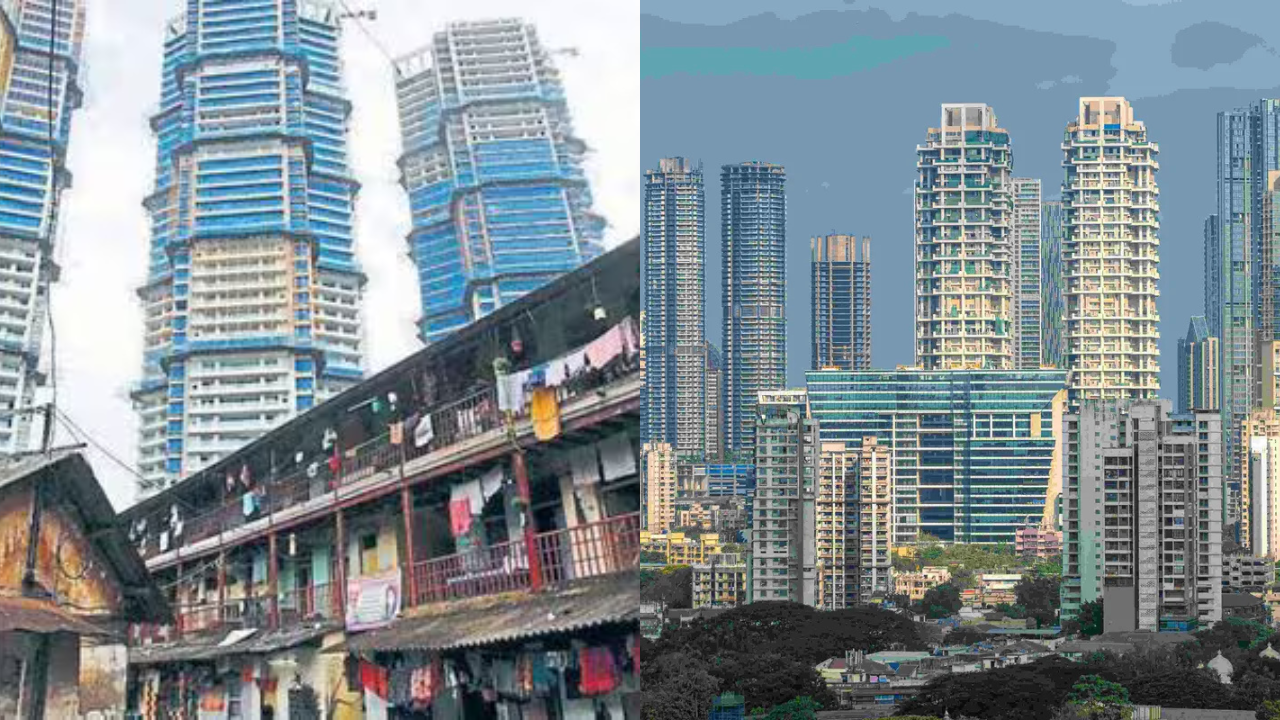
At the same time, redevelopment debates within the Brihanmumbai Municipal Corporation (BMC) have intensified. Key issues involve delays in cessed‑building projects, slum redevelopment permissions, and disputes between housing societies and developers. Several MLAs and corporators are calling for a transparent framework to fast‑track stalled projects, arguing that housing redevelopment remains central to urban renewal and economic recovery in Mumbai.

Urban analysts suggest that the convergence of these matters — policing, worker rights, and governance — demonstrates how Mumbai’s growth continues to test its institutional capacity. Security, civic infrastructure, and equitable urban services must evolve simultaneously to sustain the metropolis’s pace of life.

City Administration on High Alert

BMC, Mumbai Police, and local administrations have already activated year‑end monitoring cells to respond to emergencies. Traffic police are managing routes with increased vigilance, especially along Marine Drive, Bandra, and key party hubs expected to witness heavy evening crowds. Anti‑drunk‑driving campaigns and crowd‑management advisories have been issued, while control rooms remain operational on a 24‑hour basis through New Year’s Eve.

Officials are hopeful that public cooperation will ensure a peaceful conclusion to the year. With Mumbai’s daily rhythm returning to pre‑pandemic levels of activity, authorities are focusing equally on security, sanitation, and crowd management. Similar alerts have been extended to satellite cities like Navi Mumbai and Thane, where major malls and recreation spots anticipate large turnouts.

Outlook: Balancing Security, Services, and Civic Harmony

The series of incidents and developments — police actions in Khopoli and Panvel, possible worker strikes, poster disputes, and redevelopment debates — together capture Mumbai’s continuing struggle between rapid modernization and grassroots governance.

Experts believe cooperation between law‑enforcement agencies, local administration, and civic bodies will be vital in the first quarter of 2026. Public safety, social stability, and urban renewal will remain the city’s key benchmarks as it seeks to navigate industrial expansion and population pressures.

Anandacha Shidha Scheme Under Fire Congress Alleges Huge Corruption in Maharashtra

0
Anandacha Shidha Scheme

Opposition leader Atul Londhe calls for a probe, citing poor implementation and lack of transparency in welfare scheme.

Maharashtra Congress leader Atul Londhe has raised serious allegations of corruption in the state government’s flagship welfare scheme, ‘Anandacha Shidha’, calling for an immediate investigation into the irregularities. The scheme, which was launched to provide festive food kits to economically weaker families, is now under the scanner for alleged mismanagement, poor-quality supplies, and uneven distribution across the state.

Addressing a press conference on Friday, Atul Londhe, the official spokesperson of the Maharashtra Pradesh Congress Committee, said that the implementation of the ‘Anandacha Shidha’ scheme has been marred by large-scale corruption. “Huge corruption is taking place in the Anandacha Shidha scheme. The Maharashtra government must form a committee to probe irregularities,” Londhe demanded during the briefing.

Scheme Aimed at Festive Relief to Poor Families

The ‘Anandacha Shidha’ scheme was introduced by the Eknath Shinde-led Maharashtra government through a Government Resolution (GR) dated October 4, 2022. The initiative targeted households categorized under the Antyodaya Anna Yojana (AAY) and Priority Households (PHH), as defined under the National Food Security Act (NFSA), 2013.

Under this welfare scheme, the state government promised to distribute food kits containing basic essentials such as suji (semolina)chana dal (Bengal gram)sugar, and one litre of edible oil to families before major festivals like Ganesh Chaturthi and Diwali. Its objective was to ensure that low-income families could celebrate festivals with dignity and without financial strain.

Alleged Lapses and Quality Concerns

Londhe, however, claimed that the scheme’s noble intentions were overshadowed by widespread irregularities in execution. According to him, 70 to 80 per cent of areas across Maharashtra have not been adequately covered, depriving thousands of eligible families of their rightful benefits.

He also criticized the poor quality of items distributed through the scheme. Reports from various districts seem to support this concern, with some beneficiaries allegedly receiving food kits that contained substandard or expired materials. Londhe alleged that the malpractice points to a deeper nexus of corruption involving contractors and officials, suggesting that the procurement and distribution processes might have been manipulated for financial gain.

He said such irregularities not only indicate administrative failure but also betray public trust. “People were expecting some relief during festivals, but instead, they have been given poor-quality kits — and the majority haven’t even received them,” Londhe added.

Opposition Questions Transparency

The Congress leader emphasized the need for a transparent inquiry into the scheme’s implementation, urging the state to appoint an independent committee to investigate allegations of fraud and negligence. He accused the ruling government of ignoring complaints raised by citizens and opposition leaders about the poor rollout and lack of accountability in public spending.

Londhe stated that government welfare schemes — especially those designed for disadvantaged groups — must be implemented with integrity and care. He reiterated that public money meant for the poor must not be misused under any circumstances.

“The government owes an explanation to the people about how such a crucial welfare project went wrong. There should be a proper probe, and those responsible must face action,” he said.

Political Context and Reactions

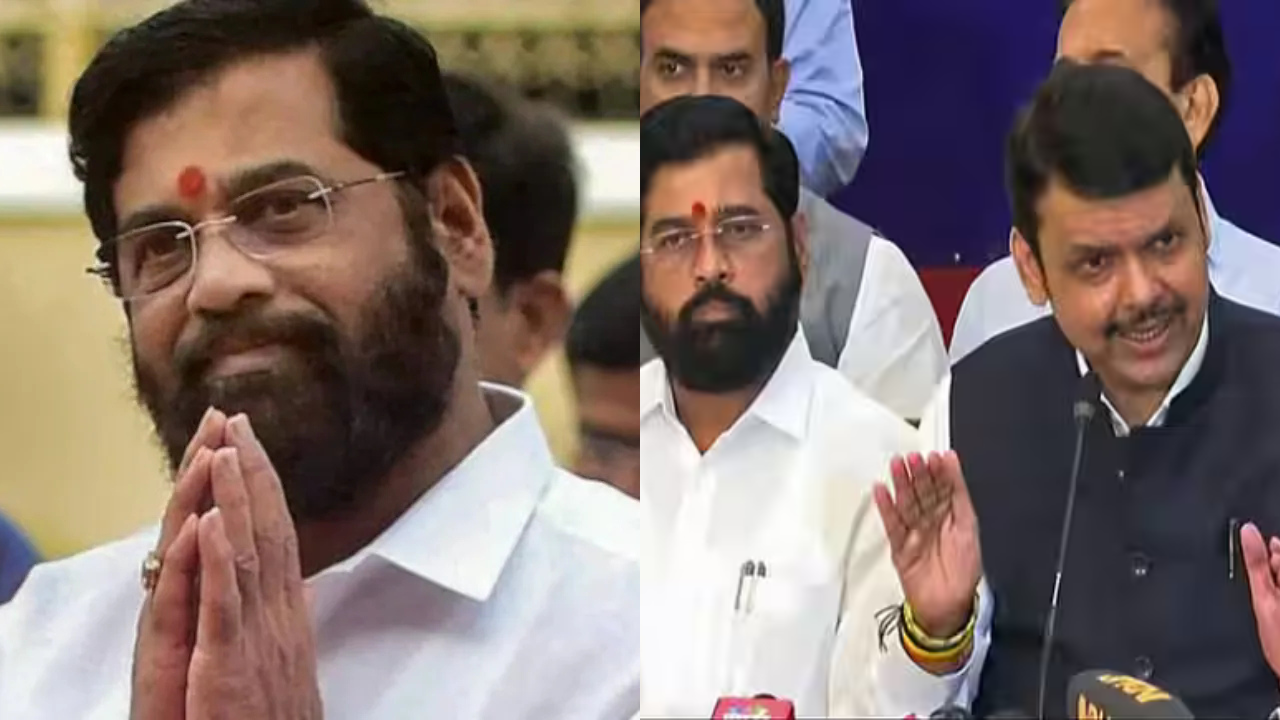
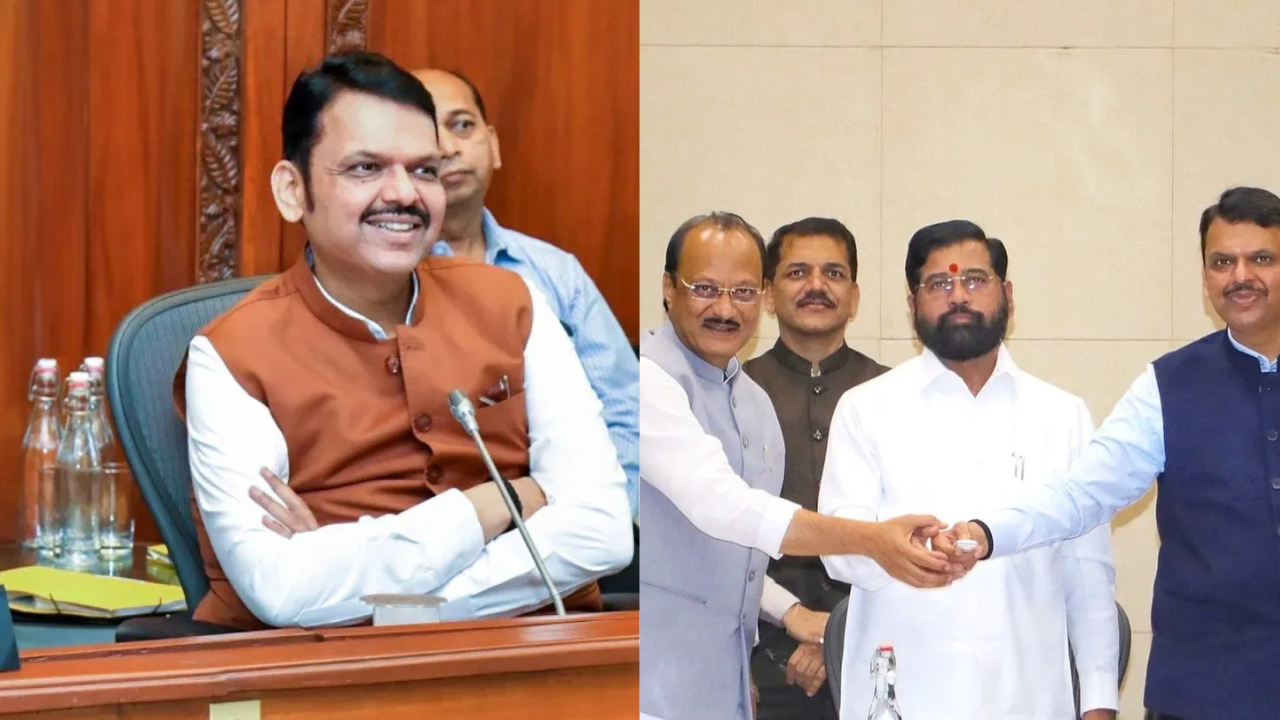
The allegations come at a politically sensitive time when the Eknath Shinde-Devendra Fadnavis government is projecting its welfare programs as part of its “pro-poor” and “inclusive growth” agenda. The Congress party, on the other hand, has been vocal about alleged lapses in several government-backed initiatives, accusing the state administration of prioritizing image over impact.

While the government has not yet issued an official response to Londhe’s statements, officials from the Food and Civil Supplies Department have maintained in the past that the scheme was executed “in a structured and transparent manner” through local administrative bodies. However, opposition parties insist that data transparency related to procurement, vendor selection, and distribution must be made public to rebuild public confidence.

Several civil society organizations have also requested the government to audit the scheme’s expenditure and publish a detailed beneficiary list to clarify how many families actually received the food kits and whether they matched the promised quality standards.

Demand for Accountability and Policy Review

Experts and social workers across the state believe that while schemes like ‘Anandacha Shidha’ serve a crucial social purpose, their effectiveness depends on efficiency, integrity, and continuous monitoring. Without proper checks, such initiatives risk being reduced to political showpieces rather than instruments of welfare.

Londhe’s demand for a probe has once again brought the focus on the need for transparency in public welfare schemes, a recurring debate in Maharashtra’s governance model. If proven true, the alleged corruption in this case could become a major political issue ahead of upcoming elections, potentially influencing public sentiment against the current administration.

As calls for inquiry grow louder, all eyes are now on the Maharashtra government’s next move — whether it will initiate an independent investigation, strengthen oversight mechanisms, or dismiss the allegations as political rhetoric.

Maharashtra Signs Rs 33,768 Cr MoUs 33,000 Jobs in Electronics, Steel & EVs

0
MoUs

Fadnavis Promises Cheaper Power & Hurdle-Free Investments Across Pune, Vidarbha and Konkan

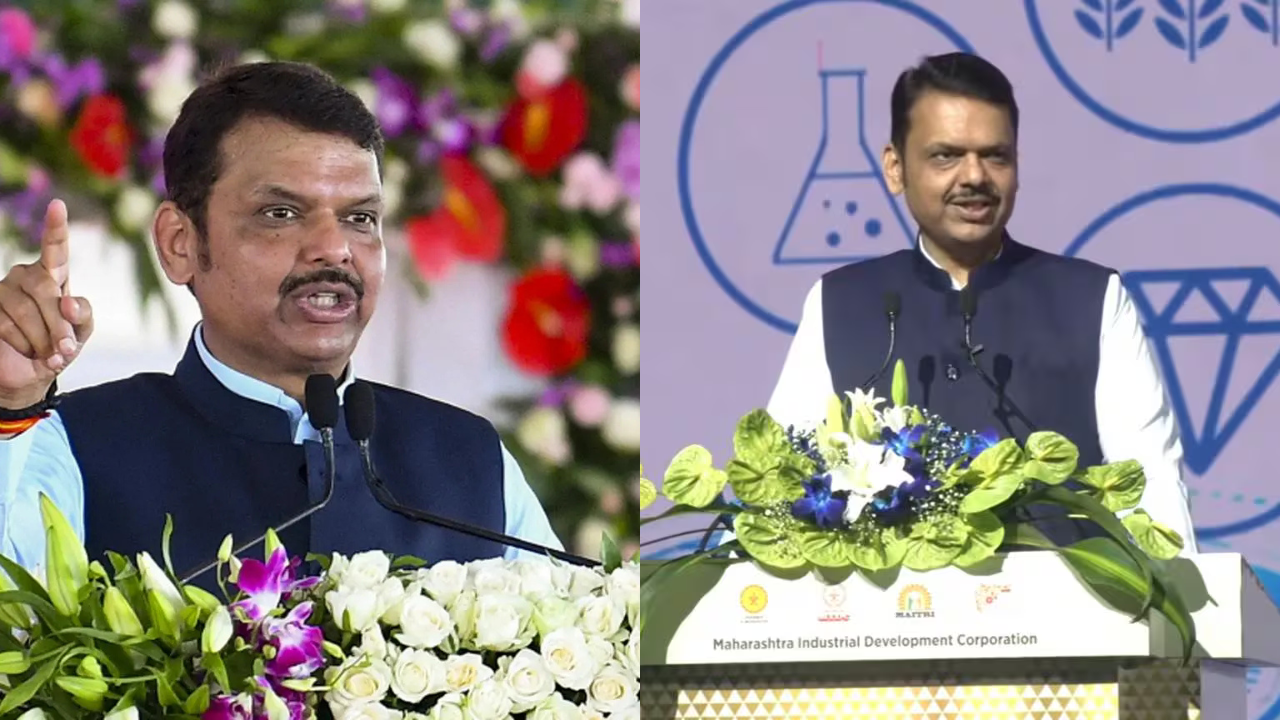
 In a major push to supercharge Maharashtra’s economy, Chief Minister Devendra Fadnavis announced the signing of 17 Memoranda of Understanding (MoUs) with leading companies, unlocking investments totaling Rs 33,768.89 crore. These game-changing agreements are set to generate a whopping 33,483 jobs, spreading opportunities across electronics, steel production, solar power, electric vehicles, and defence manufacturing. The deals were inked right in front of Fadnavis and Industries Minister Uday Samant, signaling the state’s rock-solid commitment to turning promises into reality.

Fadnavis didn’t mince words about the government’s role. “We will not stop at signing agreements. The government will remain a partner at every stage of investment, ensuring there are no hurdles,” he declared during the event in Mumbai. This hands-on promise comes at a time when Maharashtra is positioning itself as India’s manufacturing powerhouse, drawing big players to regions like north Maharashtra, Pune, the vibrant Vidarbha belt, and the coastal Konkan area. From high-tech electronics hubs to green solar farms and cutting-edge defence units, these projects will dot the state’s map, creating jobs for locals and fueling growth in underserved pockets.

What makes this even more exciting is the focus on easing the pain points for businesses. Take power tariffs, for instance – a sore spot for industries everywhere. Fadnavis highlighted a freshly approved five-year tariff plan that flips the script. “Earlier, power tariffs rose by 9 per cent every year. Now, they will gradually reduce, providing great relief to industries,” he explained. This forward-thinking reform, combined with the ‘Maitri’ single-window portal for quick land allotments and clearances, means smoother sailing for investors. No more red tape nightmares – just predictable policies to build investor trust and keep the momentum going.

These latest MoUs build on a solid foundation of earlier pacts worth a similar Rs 33,768 crore, underlining a robust pipeline of projects. It’s all part of Fadnavis’ vision for balanced development, something he’s championed since his days as the youngest mayor of Nagpur and later as the state’s first BJP Chief Minister back in 2014. Remember initiatives like Jalyukta Shivar for water security or the SMART agribusiness mission? They’re echoes of his knack for blending organization with big ideas. Hailing from Vidarbha – a region he’s long nurtured – Fadnavis knows the ground realities, from farmer woes to industrial dreams.

For the average Maharashtrian, this translates to real change. Imagine thousands of young people in Pune’s tech parks or Konkan’s ports landing stable jobs in EV buses and trucks. Steel plants rising in north Maharashtra could spark ancillary businesses, while solar projects light up rural Vidarbha. Defence manufacturing adds a strategic edge, aligning with national self-reliance goals. And with cheaper power on the horizon, small and medium enterprises get a fair shot too. It’s not just numbers; it’s about families gaining financial security and communities thriving.

The timing couldn’t be better. Maharashtra, already a magnet for investments with past wins at forums like the World Economic Forum, is doubling down. Critics might point to political rivalries or past coalition hiccups, but Fadnavis’ track record speaks volumes – from exposing irrigation scams to steering the state through polls. His soft-spoken style hides a sharp orator who backs words with data, much like his reputation for crafting fool-proof speeches for colleagues.

Looking ahead

The Chief Minister assured a “smooth experience” for every investor, backed by stable policies. As Maharashtra eyes becoming a trillion-dollar economy, these MoUs are more than paper – they’re blueprints for progress. With jobs flowing, tariffs dropping, and partnerships deepening, the state is revving up for a brighter future.

Brookfield’s $1 Billion Bet Asia’s Largest GCC Lands in Mumbai’s Powai

0
Brookfield

Maharashtra CM Fadnavis hails 45,000 jobs and green energy hub as state eyes GCC dominance.

In a major boost to Maharashtra’s ambition to become India’s GCC capital, global asset manager Brookfield has committed over $1 billion to develop Asia’s largest Global Capability Centre (GCC) in Powai, Mumbai. The 2 million square foot facility on a six-acre plot will house a marquee multinational bank’s operations under a 20-year lease, creating thousands of high-skilled jobs by 2029. Maharashtra Chief Minister Devendra Fadnavis highlighted this as a key step forward after his recent meeting with Brookfield’s Ankur Gupta.

Project Highlights

The Powai GCC stands out as a game-changer for India’s commercial real estate and tech services sector. Spanning 2 million sq. ft. of leasable space, the campus will be powered entirely by green energy sources, aligning with global sustainability goals. Developed through a partnership between Brookfield, local partner B.S. Sharma, and the Mumbai Metropolitan Region Development Authority (MMRDA), the project is set for completion in 2029. This build-to-suit tower for the unnamed multinational bank underscores Mumbai’s rising status as a preferred hub for large-scale GCCs, following Brookfield’s similar project in Pune earlier this year.

What makes this facility truly massive is its scale—billed as Asia’s largest GCC project. It builds on Brookfield’s deep roots in India, where the firm already manages over $12 billion in real estate assets and plans to triple investments to $100 billion in five years. The investment, roughly ₹9,000 crore, reflects confidence in Maharashtra’s talent pool, infrastructure, and business-friendly policies.

Massive Job Creation Impact

One of the biggest wins from this project is employment. Chief Minister Fadnavis noted it will generate over 45,000 jobs, including 15,000 direct roles in tech, finance, and support functions, plus 30,000 indirect opportunities in ancillary sectors. Other reports peg the figure at more than 30,000 jobs, emphasizing high-skilled positions that will draw talent from across India.

For Maharashtra, this means a surge in economic activity in Powai, a suburb already known for IT hubs like those of tech giants. These jobs will span software development, data analytics, banking operations, and more, fueling local economies through spending on housing, education, and services. It’s a clear signal to other multinationals: Maharashtra is open for business and ready to host world-class operations.

Leadership Meeting Sparks Momentum

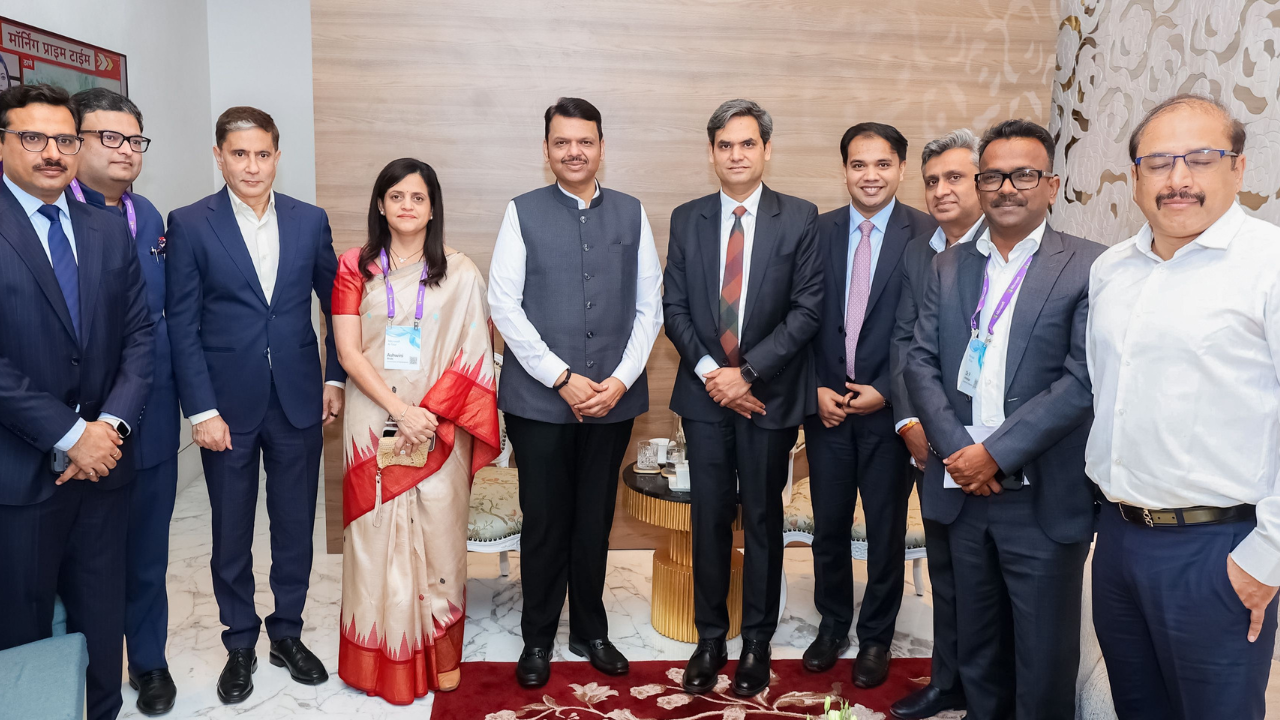
The announcement gained steam after CM Fadnavis met Ankur Gupta, Brookfield’s Deputy Chief Investment Officer and Head of Asia Pacific and Middle East Real Estate, in Mumbai. Gupta praised Maharashtra’s leadership in the GCC space, stating the project validates the state’s position for large corporates and aligns with Brookfield’s focus on sustainable, high-quality workplaces. Fadnavis echoed this, calling it a testament to the state’s supportive ecosystem.

This face-to-face discussion at Mumbai’s Jio Convention Centre in Bandra Kurla Complex (BKC) sealed commitments for the Powai site, previously finalized with MMRDA. Brookfield’s growing footprint—now over $4 billion in Mumbai real estate alone—shows long-term faith in the region.

Maharashtra’s GCC Push

Maharashtra is aggressively positioning itself as India’s top GCC destination. The state launched a new GCC Policy earlier in 2025, valid till 2029-30, aiming for 400 new GCCs, 400,000 jobs, and ₹50,600 crore in investments. Incentives like land support, capital subsidies, and reimbursements are drawing firms in droves.

With over 200 GCCs already operational, Maharashtra leads nationally, thanks to its skilled workforce from IITs, IIMs, and tech institutes. Projects like this Powai GCC fit perfectly, enhancing Mumbai’s role as the financial capital while spilling benefits to Nagpur, Pune, and beyond—regions close to HappenRecently’s focus areas. The policy’s success is evident: Brookfield’s move follows recent MoUs and land deals, including a $12 billion commitment for Mumbai.

Broader Economic Ripple Effects

Beyond jobs, the $1 billion infusion will stimulate real estate, construction, and supply chains. Powai’s transformation into a premium office node could attract more banks and tech firms, boosting property values and urban infrastructure. For startups and SMEs in Maharashtra’s ecosystem, this means partnership opportunities in services, IT support, and innovation hubs nearby.

Brookfield’s track record in India—spanning offices, hotels, data centers, and renewables—adds credibility. The firm’s recent BKC land acquisition for mixed-use development shows a holistic approach to urban growth. As India’s GCC market booms, expected to hit $100 billion by 2030, Maharashtra’s strategy positions it at the forefront.

This Brookfield GCC isn’t just a building; it’s a catalyst for Maharashtra’s next growth chapter. With CM Fadnavis steering the vision and global players like Brookfield investing big, the state is set to redefine India’s global services map. Stay tuned to HappenRecently for updates on business, startups, and regional developments.