Wednesday, March 11, 2026
Home Blog Page 13

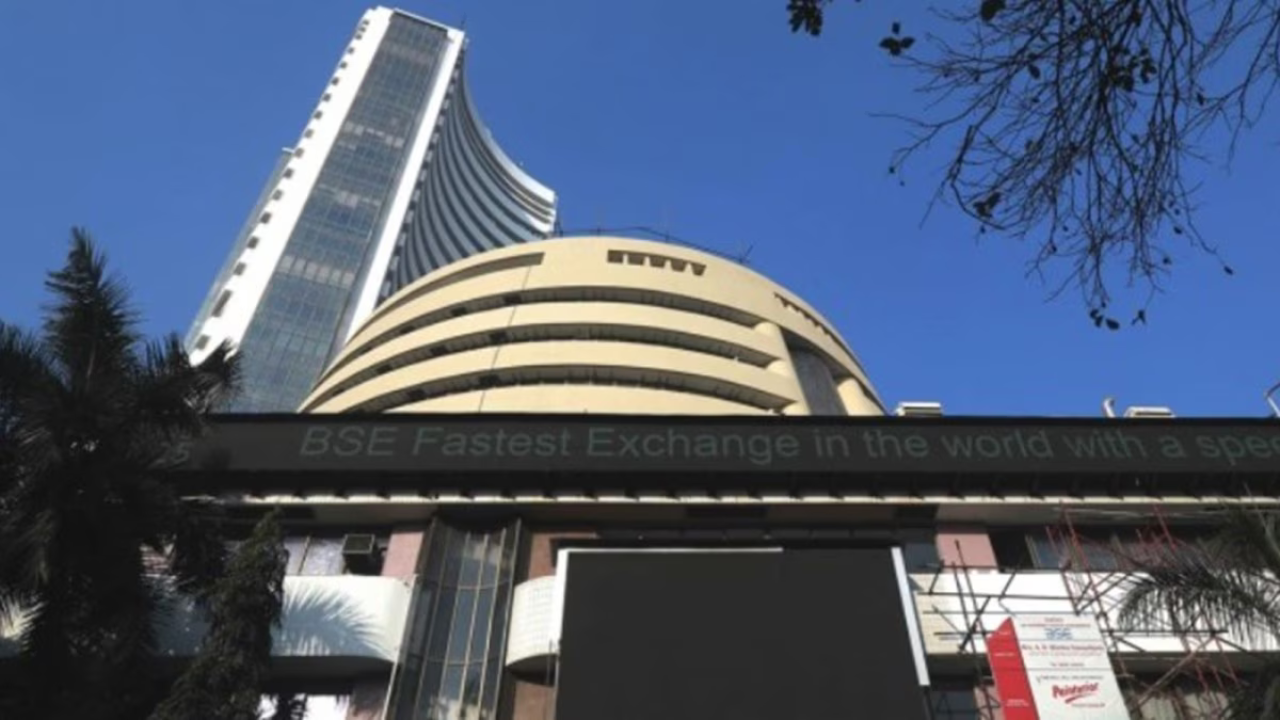
NSE and BSE Open on January 1, 2026 Full List of Trading Holidays This Year

0
NSE and BSE Open on January 1

While major global exchanges observe New Year’s closure, Indian stock markets stay active; 15 official trading holidays announced for 2026.

As the world rings in the New Year 2026, most global stock markets are taking a day off to celebrate the occasion. However, unlike the international exchanges in the US, UK, Europe, and Asia, India’s major stock exchanges — the National Stock Exchange (NSE) and the Bombay Stock Exchange (BSE) — are open and operating normally on Thursday, January 1, 2026.

This comes as good news for Indian investors and traders, as trading on both cash and derivatives segments will continue as usual through the day. Both equity and currency segments are functioning normally today, ensuring uninterrupted participation for domestic as well as institutional investors.

Commodity exchanges functional for day session

While equity markets are fully operational, the country’s leading commodity exchanges — Multi Commodity Exchange of India (MCX) and National Commodity & Derivatives Exchange (NCDEX) — will remain open only for the daytime session. Trading on these platforms will continue from 9:00 am to 5:00 pm but will pause for the evening session in observance of global market closures.

This arrangement allows for partial continuity in commodity trading, given that most international markets, which influence commodity prices, are closed on New Year’s Day.

Global markets remain shut for New Year holiday

Across the world, leading stock exchanges are closed today in observance of New Year’s Day (January 1). Markets in China, Hong Kong, Japan, Singapore, France, Germany, the UAE, the UK, and the United States have all declared a public holiday.

Moreover, exchanges in China and Japan are set to remain closed for an extended New Year break, continuing the non-trading period until Friday, January 2. This means global trading activity will only resume on Monday, January 5, once weekend holidays conclude.

BSE and NSE release full trading holiday list for 2026

Alongside regular operations on January 1, both BSE and NSE have released the official trading holiday calendar for 2026, providing early clarity for investors and brokers.

According to the exchanges, there will be 15 full trading holidays in 2026 across the equity, equity derivatives, and currency derivatives segments — one more than in the current year. The calendar, issued in line with exchange bye-laws and F&O (Futures and Options) norms, includes a mix of national holidays and major religious observances.

These 15 non-trading days will be applicable across all major exchanges — the BSE, NSE, and currency derivatives platforms. The list also aligns with most banking holidays, helping traders synchronize their market activity accordingly.

No separate holiday for Diwali this year

Interestingly, 2026 will not feature Diwali as a separate stock market holiday. This is because the festival falls on a Sunday this year. However, markets will still host the traditional Muhurat Trading session, a symbolic and auspicious trading window held every Diwali evening.

The exact timing of the Muhurat Trading 2026 session will be announced later in the year by the exchanges, as per custom.

More clarity for investors and institutions

The advance publication of the 2026 holiday calendar by both NSE and BSE offers a major benefit for traders, brokers, and investment institutions. It provides the necessary clarity to plan trading strategies, settlement schedules, and portfolio decisions in advance.

With 15 official holidays and several weekends overlapping with key festivals, traders can now manage their positions more effectively, minimizing risks related to market closures. Analysts also expect that this transparent schedule will support smoother activity in derivatives and currency segments throughout the year.

Normal trading in global cues absence

Since most major global markets are closed for New Year’s Day, trading volumes in Indian exchanges on January 1 are expected to remain slightly lower compared to regular days. Investors may choose to take limited positions due to the absence of international cues.

However, domestic market momentum remains positive, supported by strong macroeconomic indicators, improving corporate earnings, and sustained FPI (Foreign Portfolio Investment) inflows. Market experts foresee active participation resuming once global markets reopen next week.

Conclusion

To sum up, the Indian stock market remains open on New Year’s Day 2026, offering continuity to traders while most global peers stay closed for the holiday. The BSE and NSE’s 2026 calendar officially outlines 15 trading holidays for the year, spanning national, cultural, and religious occasions across India.

Tech Giants Gear Up for a Transformative 2026 with AI and Hardware Innovations

0
Tech Giants Gear

From Samsung’s AI Living Solutions to Intel’s next-gen Panther Lake chips, CES 2026 marks the beginning of a major shift in global technology.

The global technology industry is gearing up for a landmark year in 2026, with major companies preparing to unveil revolutionary advancements in artificial intelligence (AI), chips, and display hardware. As the new year begins, all eyes are on the upcoming CES 2026 in Las Vegas, which is expected to serve as the global stage for key announcements and breakthroughs from the biggest names in tech.

From Samsung’s AI Living ecosystem to Intel’s next-gen Panther Lake processors, the year promises to reshape how consumers and businesses experience intelligent technology. Reports from industry leaders suggest that 2026 will mark a turning point for real-world AI integration across every category of consumer and enterprise product.

CES 2026: The Global Stage for Tech Innovation

The Consumer Electronics Show (CES) 2026, scheduled from January 6 to 9, with preview events beginning January 4, will bring together the world’s top technology companies. Major firms such as Samsung, LG, Intel, AMD, NVIDIA, Sony, and Lenovo are set to unveil their latest innovations, each aligning their future strategies around artificial intelligence, automation, and cutting-edge hardware design.

The event lineup includes several high-profile keynotes:

  • Samsung – “The First Look 2026” (January 4): Introducing a new era of AI Living Solutions under the theme “Your Companion to AI Living.”
  • NVIDIA CEO Jensen Huang (January 5): Highlighting Cross-Industry AI Solutions and new applications of AI in design, robotics, and enterprise systems.
  • AMD CEO Lisa Su: Outlining the next wave of chip innovations, reinforcing AMD’s position in the global semiconductor race.
  • Lenovo (January 6): Presenting its AI Strategy and updates from its Tech World Conference.

Semiconductor Leaders Announce New Processor Lines

AI-powered computing will take center stage at CES 2026 as chipmakers unveil their latest processors aimed at maximizing speed, efficiency, and real-time AI performance.

Intel has confirmed that it will debut the Core Ultra Series 3 “Panther Lake” processors, designed specifically for premium laptops and mobile workstations. These chips are expected to continue Intel’s momentum in hybrid architecture and improved AI acceleration.

NVIDIA, under Jensen Huang’s leadership, will showcase advanced AI solutions targeted toward multiple sectors, including enterprise data centers, medical technology, and creative industries. Meanwhile, AMD’s Lisa Su is slated to reveal the company’s highly anticipated new chip family, signaling continued rivalry between AMD, Intel, and NVIDIA in the global processor market.

Display Technology Enters the Micro RGB Era

Display innovation is another highlight of 2026, driven by a new generation of Micro RGB technology. LG is set to unveil the industry’s first Micro RGB television, certified for 100% color gamut coverage in both DCI-P3 and Adobe RGB standards. The display will feature over 1,000 dimming zones, bringing unmatched precision and visual performance to the premium consumer segment.

Similarly, Samsung announced an expansion of its Micro RGB TV lineup, adding multiple screen sizes—from 55 inches to 115 inches—catering to both home entertainment enthusiasts and professional users. This new generation of Micro RGB TVs is expected to redefine what’s possible in brightness, color accuracy, and energy efficiency.

Tech Giants Push Forward with AI-Powered Devices

Beyond CES, 2026 will be a defining year for AI-powered products from the world’s biggest technology companies.

Google has officially confirmed the development of its AI-enabled smart glasses, designed to integrate with the company’s Gemini AI platform. These wearables will reportedly come in two models: one without a display for lightweight everyday use, and another featuring an integrated screen to enable contextual AI assistance and real-time information overlays.

Meanwhile, Apple is preparing one of the largest product lineups in its history as it celebrates its 50th anniversary this year. According to supply chain reports, Apple plans to launch more than 20 new products — including updates to iPhones, Macs, wearables, and smart home systems. One of its most anticipated developments, Apple Glasses, is expected to make progress in 2026 as the company positions the product as its next-generation AI wearable.

Industry Focus on AI Integration and ROI

Analysts forecast that 2026 will be defined by how companies transform their visions for AI into measurable outcomes. According to Deloitte Insights, global adoption of generative AI continues to soar, with a leading AI tool now reaching over 800 million weekly users. This massive growth is forcing businesses to rethink their operating models, technology investments, and security frameworks.

Research insights from EY (Ernst & Young) reveal that technology firms are entering 2026 with a focus on proving AI return on investment (ROI) and ensuring responsible innovation. The EY report shows that 83% of technology CEOs are prioritizing joint ventures, partnerships, and strategic alliances to accelerate AI development and share expertise in safe and scalable implementation.

2026: A Defining Year for Tech Evolution

The year 2026 stands positioned as a crucial period in the history of technology — one where artificial intelligence, semiconductors, and display engineering converge to create smarter, more connected ecosystems.

From intelligent processors and vivid Micro RGB screens to next-generation wearable devices, every major innovation on the horizon shares a common theme: making technology more intuitive, personalized, and responsive to human needs.

As CES 2026 opens in Las Vegas, it will not only showcase the future of gadgets and devices but also reflect the accelerating integration of AI into every aspect of modern life — redefining how industries, homes, and individuals interact with technology in the years ahead.

MP Congress New Year Push Party Launches Panchayat Congress Committees Across State

0
MP Congress New Year

From district to village level, Congress aims to rebuild its base and expand presence ahead of upcoming polls.

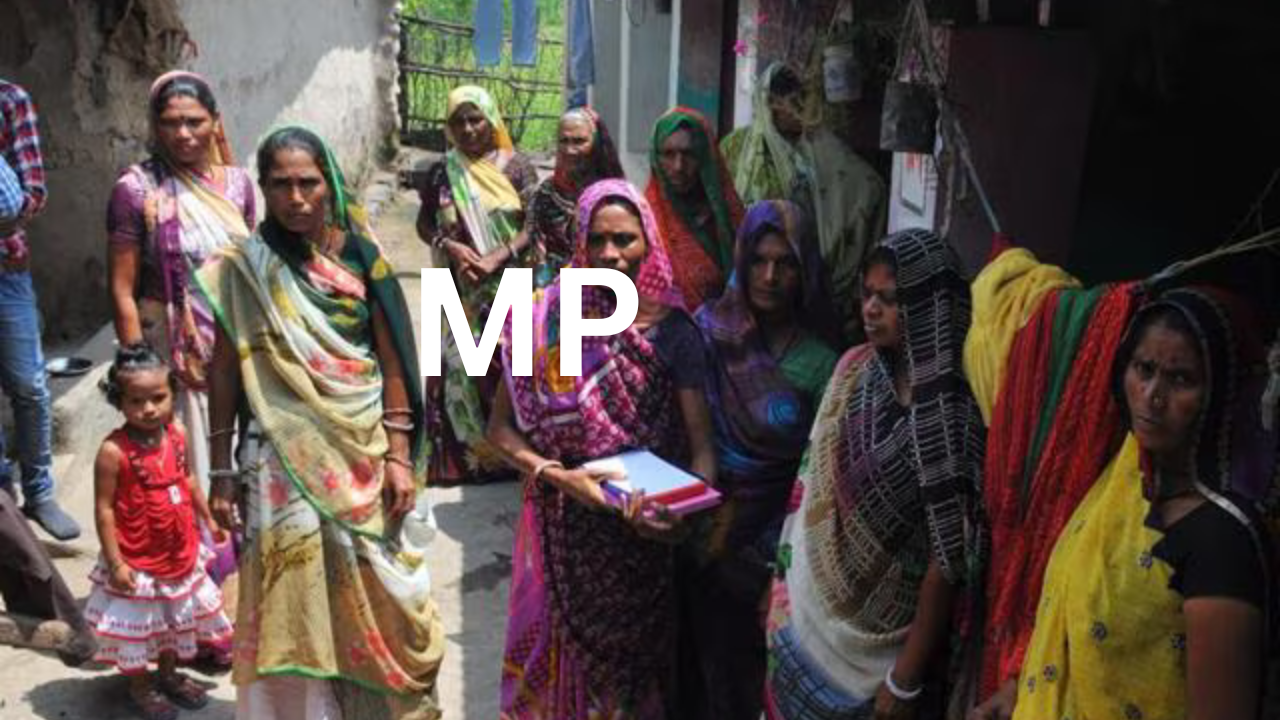
The new year has begun with a big political move in Madhya Pradesh. On the very first day of 2026, the Congress party has taken a decisive step to expand its organizational reach at the ground level. Under the leadership of Madhya Pradesh Congress Committee (MPCC) President Jitu Patwari, the party has officially launched the formation of Gram Panchayat Congress Committees across the state. With this, Congress has shifted its focus from district and block-level structures to the village level — aiming to reconnect directly with the people of every panchayat.

The campaign began today at 1:00 PM from Kodia Devka village near Bhopal, marking the symbolic starting point of a state-wide organizational push. Patwari himself led the inaugural ceremony, emphasizing that Congress is fully committed to rebuilding a strong grassroots network that resonates with the voices, challenges, and aspirations of rural Madhya Pradesh.

A New Year, A New Political Strategy

According to sources within the party, this move is not a routine organizational exercise but part of a well-thought-out political strategy for the upcoming elections. By strengthening its presence in each village and ward, Congress intends to ensure that its policies and programs are communicated effectively to the people who form the backbone of Madhya Pradesh — the farmers, youth, and rural workers.

The party’s new structure aims to make the organization more responsive and people-centered. Each Panchayat Congress Committee will act as a bridge between the local population and higher levels of the party, raising grassroots issues and helping design local-level responses. This decentralized approach is expected to energize local workers who often feel disconnected from state-level politics.

Jitu Patwari, while addressing local workers at today’s event, stated that “Congress belongs to every village and every ward. Our goal is not only to contest elections but to connect hearts — to listen and to serve.” He reiterated that politics must move beyond rallies and speeches into everyday engagement with the people.

Strengthening the Congress at the Ground Level

For several months now, Congress in Madhya Pradesh has been working silently to revamp its organizational machinery. After the results of the 2023 assembly elections, where the party failed to return to power, introspection began at multiple levels. With this new initiative, the leadership appears determined to learn from past mistakes and prepare early for future contests.

By launching committees at the panchayat level, the Congress is not only trying to widen its base but also to create a continuous channel of feedback from the rural population. These committees will include local representatives, youth, women, and farmers — giving each section a platform to voice their concerns directly within the party framework.

The initiative also aligns with the Congress leadership’s national directive to rebuild the organization “from the booth to the block.” Madhya Pradesh’s model could set a precedent for other states where the party is aiming for revival.

Direct Dialogue with Farmers: The Next Step

Following the launch event at Kodia Devka, Jitu Patwari is scheduled to hold a direct interaction with farmers at Tila Khedi village in Huzur tehsil, Bhopal, at 2:00 PM today. This meeting will focus on issues related to agriculture, irrigation, input costs, and government policies that impact farm incomes.

Congress insiders suggest that this is not just a formal meeting but a crucial part of the party’s larger outreach plan. Patwari’s aim is to listen directly to farmers without political filters and use their feedback to shape the party’s future agenda. The discussions are expected to touch upon the ongoing challenges faced by cultivators, including rising input costs, lack of fair crop prices, and the growing demand for effective crop insurance and procurement systems.

The Congress plans to use these interactions as a model for similar dialogues across districts and villages. The idea is simple: strengthen political presence by participating actively in the daily struggles and solutions of the people.

Political Implications of the Move

Political observers see this as a clear signal that Congress is attempting to re-establish itself as a mass-based party once again. Over the past few years, the BJP has dominated rural Madhya Pradesh through strong booth-level networks and extensive outreach. The Congress now seeks to mirror — and possibly surpass — that model by embedding its organization within every panchayat.

The timing of this expansion is also notable. With panchayat elections and possible Lok Sabha campaigning on the horizon, the formation of these committees may play a vital role in mobilizing voters, identifying local leaders, and rebuilding trust in the Congress brand.

Jitu Patwari, known for his dynamic leadership and youthful appeal, has repeatedly emphasized that change will only come through action at the grassroots. His approach reflects a generational shift within the party, focusing less on high-command politics and more on direct local engagement.

Message from Madhya Pradesh to the Nation

As the Congress party kicks off its Panchayat Congress Committee formation drive, it sends a wider message to its supporters across India — that revival begins from the bottom up. For years, political analysts have argued that Congress needs to rebuild its cadre structure to regain lost ground. Madhya Pradesh may now serve as the testing ground for this new model of political reorganization.

The launch on New Year’s Day adds symbolic weight to the moment — a fresh start not only for the calendar year but for Congress’s political journey in the state. If executed effectively, the Panchayat-level network could become the backbone of a rejuvenated party that truly represents the pulse of rural India.

With this initiative, the Congress party has set the tone for 2026 — one that emphasizes inclusivity, connection, and grassroots empowerment. Over the next few months, all eyes will be on how efficiently the committees are formed and how effectively they are activated to fulfill the party’s vision of “village to voice” politics in Madhya Pradesh.

Punit Balan Group Unveils India’s Largest Private Cricket Academy in Pune

0
Punit Balan Group

State-of-the-art ‘Punit Balan Cricket Academy’ brings BCCI-standard training, facilities, and coaching opportunities for emerging players across Maharashtra.

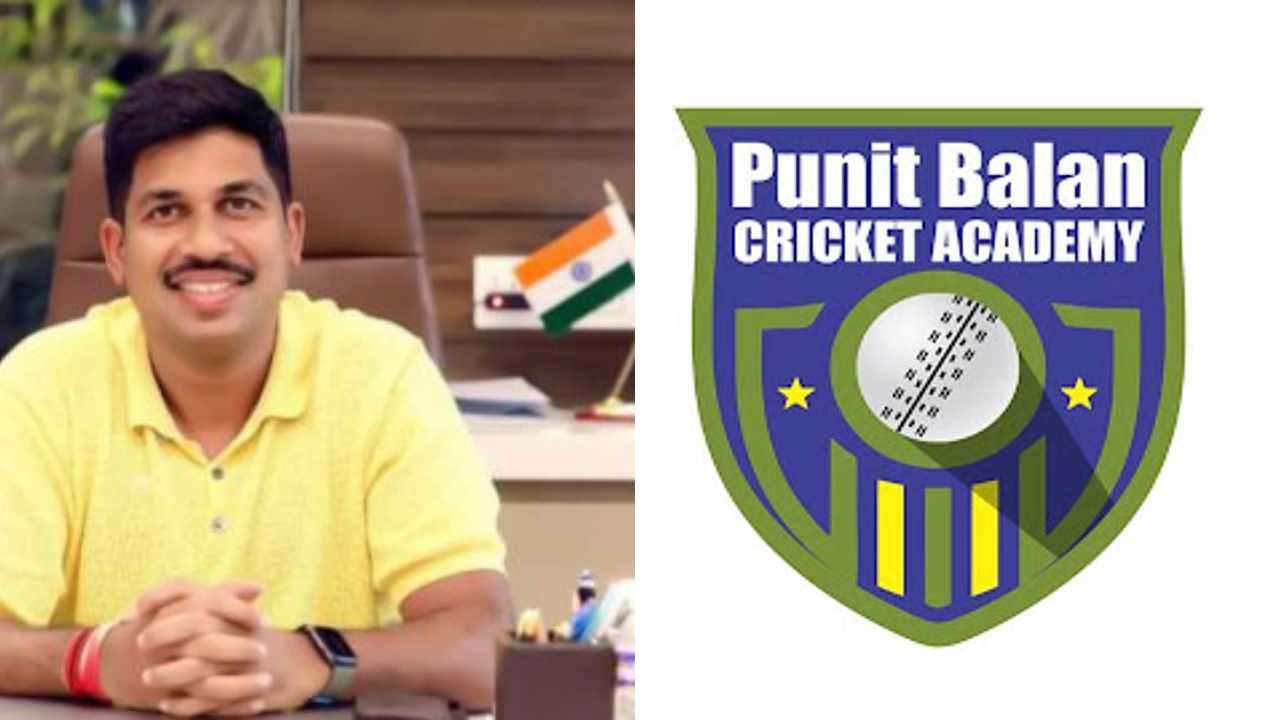
In a landmark development for Indian cricket, Pune is set to witness a major boost in sports infrastructure with the launch of the Punit Balan Cricket Academy by the Punit Balan Group. Designed to meet BCCI standards, this state-of-the-art academy aims to become India’s largest private cricket training facility, offering world-class professional coaching and facilities for young and emerging cricketers.

Known for his consistent efforts to promote sports across India, Punit Balan, Chairman and Managing Director of the Punit Balan Group, has taken another bold step toward nurturing new sporting talent. Through this ambitious project, he aims to strengthen Pune’s reputation as a sporting hub and provide aspiring cricketers with an ideal platform to advance their professional careers.

BCCI-standard academy for young cricketers

Sharing the vision behind this venture, Punit Balan said, “The Punit Balan Cricket Academy will be a major milestone in the cricket infrastructure of Pune. Two major cricket grounds have been identified — Sinhgad College Ground at Vadgaon and a dedicated cricket ground at Lonavala. Both centers will have all facilities adhering to BCCI standards, making them capable of hosting official matches in the near future.”

He further added that from the upcoming season, the academy will also host official BCCI matches, adding another feather to Pune’s growing sports legacy. Every aspect — from turf design to player training — will follow national-level guidelines, ensuring that the academy operates on par with India’s professional training centers.

Admissions and training schedule

Admissions to the Punit Balan Cricket Academy will open from January 1, with coaching sessions beginning on January 15. BCCI-certified coaches will conduct training sessions, emphasizing both technical excellence and physical conditioning. To maintain quality, admissions will be limited, ensuring personalized attention and focused development for each trainee.

The academy’s training programs have been designed for serious cricketers aiming to play competitively at state or national levels. Players will undergo scheduled practice sessions, match simulations, and skill-specific drills to enhance their on-field performance.

Round-the-year training and top-class facilities

One of the academy’s standout features is its ability to offer uninterrupted training throughout the year. Even during the monsoon season, players can continue their practice, thanks to three indoor practice wickets available at each ground. This year-round training model will help players maintain form and continuity — a crucial factor in high-performance cricket.

Both the Sinhgad and Lonavala centers will also provide hostel facilities, making it convenient for students from across Maharashtra and other states to enroll. The campus will include a modern gymnasium, swimming pool, and fitness coaching facilities to ensure holistic athletic development. To complement physical training, there will also be dedicated programs for sports psychology and nutrition guidance — helping young athletes stay fit both mentally and physically.

Empowering women’s cricket

Another highlight of the academy is its strong focus on women’s cricket development. Dedicated batches will be organized exclusively for women cricketers, with training offered at concessional rates to encourage greater participation. This inclusive approach is a significant step toward promoting gender equality in sports and helping talented female players access high-quality training facilities.

By providing structured coaching, equal opportunities, and professional exposure, the academy hopes to inspire the next generation of women cricketers from Maharashtra and beyond to compete at national and international levels.

Pathway to professional tournaments

In addition to regular training, players from the Punit Balan Cricket Academy will get the opportunity to participate in various invitational and competitive tournaments through the PBG Judicial Cricket Club, a sports entity under the Punit Balan Group. Such tournament exposure will help players gain vital match experience and visibility among selectors and talent scouts.

Punit Balan emphasized that this initiative is part of his larger vision to identify and nurture deserving talent from a young age. By bridging the gap between grassroots training and professional opportunities, the academy will serve as a stepping stone for cricketers aspiring to represent Maharashtra and ultimately, Team India.

Strengthening Maharashtra’s sporting excellence

Pune has long been known for producing talented athletes across sports, and with the establishment of this academy, the city will further strengthen its reputation as a key contributor to India’s cricketing ecosystem. The region’s young players, who previously had to travel to larger metro cities for advanced training, will now have access to high-end facilities and professional mentoring right at their doorstep.

Balan stated, “The ‘Punit Balan Cricket Academy’ has been established to offer world-class training to emerging and talented players. With our facilities and expert coaches, young cricketers will get the opportunity to shine at national and international levels, contributing to Maharashtra’s sporting reputation.”

About Punit Balan Group

The Punit Balan Group has been at the forefront of promoting sports, entertainment, and social initiatives across India. Under the leadership of Punit Balan, the group has supported various sporting leagues, athletes, and cultural ventures that empower young Indians through opportunities and mentorship. The launch of the Punit Balan Cricket Academy is a natural extension of this commitment — aimed at creating a sustainable ecosystem for sports talent development.

With Pune emerging as a major center for cricket excellence, this initiative is expected to play a key role in shaping India’s future sporting champions. The academy will not only train players but also strengthen Pune’s infrastructure as a cricket city of national importance.

Sensex Gains 118 Points, Nifty Opens in Green on Final Trading Day of 2025

0
Nifty

Indian stock markets start the year’s last session on a positive note; Tata Steel, BEL, and Adani Ports lead early gains while FIIs continue to sell.

Indian equity markets began the final trading session of 2025 on a positive note, with both benchmark indices — the BSE Sensex and NSE Nifty 50 — opening in the green amid mixed global cues and persistent selling pressure from foreign investors.

At the opening bell, the 30-share BSE Sensex gained 118.5 points to start the day at 84,793.58, while the Nifty 50 added 32.2 points to open at 25,971.05. This comes after Tuesday’s closing levels, where the Sensex had settled at 84,675.08 and the Nifty 50 at 25,938.85.

Broader indices trade positive

Alongside the benchmark indices, the broader market indices also opened in positive territory. The BSE Midcap index rose by 133.84 points or 0.29%, while the BSE Smallcap index gained 153.50 points, or about 0.30%, to trade at 51,074.78 in early deals.

Analysts suggest this slight uptick in the broader market reflects selective buying activity in mid- and small-cap stocks as investors look to position themselves ahead of the new year.

Sensex gainers and laggards

In the early trade, several heavyweights from the Sensex pack contributed to the market’s upward momentum. Tata SteelBharat Electronics Limited (BEL)Adani PortsKotak Mahindra Bank, and HCL Technologies were among the top gainers.
Tata Steel led the rally, surging 2.25% in the early session on the back of firm global metal prices and improved demand outlook.

On the downside, Bharti AirtelMahindra & MahindraTCSBajaj Finance, and Bajaj Finserv traded weak, dragging the index slightly. Bharti Airtel slipped 0.74% in early trade, possibly due to profit booking after recent gains.

Market breadth remained favorable in the early session. About 1,631 stocks were trading in the green, while 646 stocks were in the red, and 110 remained unchanged — indicating broader market participation.

Technical outlook for the day

According to Shrikant Chouhan, Head of Equity Research at Kotak Securities, the market continues to remain in a non-trending phase, with traders waiting for a decisive move in either direction.

He stated, “The resistance zones around 26,000 for Nifty and 85,000 for Sensex could be crucial for the bulls. A breakout above these levels may drive the markets higher towards 26,100–26,150 on Nifty and 85,300–85,500 on Sensex. Conversely, a fall below 25,870 for Nifty or 84,500 for Sensex could trigger additional selling pressure and push the markets down toward 25,800–25,750 / 84,200–84,000 levels.”

This technical perspective suggests that while markets are holding firm near record highs, traders will likely remain cautious ahead of year-end holidays and quarterly earnings season in January.

Gift Nifty signals positive sentiment

Ahead of the domestic market opening, early indications from the Gift Nifty pointed toward a positive start. The Gift Nifty — which acts as an early indicator for the Nifty 50 — opened 23 points higher at 26,126, compared to the previous close of 26,103.

Analysts say the mildly positive cues from the Gift Nifty reflected a stable global setup despite weakness in US equities overnight.

FIIs remain net sellers, DIIs support markets

On the institutional front, Foreign Institutional Investors (FIIs) continued their selling streak for the sixth straight session on December 30, offloading equities worth ₹3,844.02 crore. Meanwhile, Domestic Institutional Investors (DIIs) extended their buying momentum, with net purchases worth ₹2,643 crore.

This tug-of-war between FIIs and DIIs has become a defining feature of December trading. While FIIs have been cautious due to high valuations and global risk-off sentiment, domestic investors — led by mutual funds and insurance firms — continue to provide structural support to Indian equities.

Market experts believe that the strong domestic liquidity and long-term optimism around India’s economic growth may offset the foreign outflows to some extent.

Global market overview

In the broader global context, Asian markets traded mixed during the early session on Wednesday. Major bourses in Tokyo (Nikkei) and Seoul (Kospi) were closed for year-end and New Year holidays, resulting in lower trading volumes across the region.

Among other markets, the Hong Kong Hang Seng Index saw mild gains, while Shanghai Composite remained marginally lower amid concerns over China’s economic slowdown.

In the United States, equity markets closed slightly lower on Tuesday after a choppy session, as investors balanced concerns about inflation and interest rate policy with optimism over upcoming corporate earnings.

Outlook for the day

Market participants expect volatility to remain subdued as investors close their books for the year and position themselves for 2026. With the year coming to an end, traders anticipate a relatively range-bound session driven more by technical cues and institutional activity than by major fundamental developments.

Short-term sentiment remains cautiously optimistic, supported by domestic institutional buying and firm cues from select sectors like metals, auto, and IT services.

As India closes out another strong year for equities, attention now turns to new catalysts — including Union Budget expectations, corporate earnings, and global monetary policy trends — which will shape the market’s tone in early 2026.

Mumbai Police on High Alert 17,000 Personnel to Maintain Law and Order During New Year Festivities

0
Mumbai Police on High Alert

Elaborate security arrangements in place at Gateway of India, Marine Drive, Juhu, and other major celebration spots.

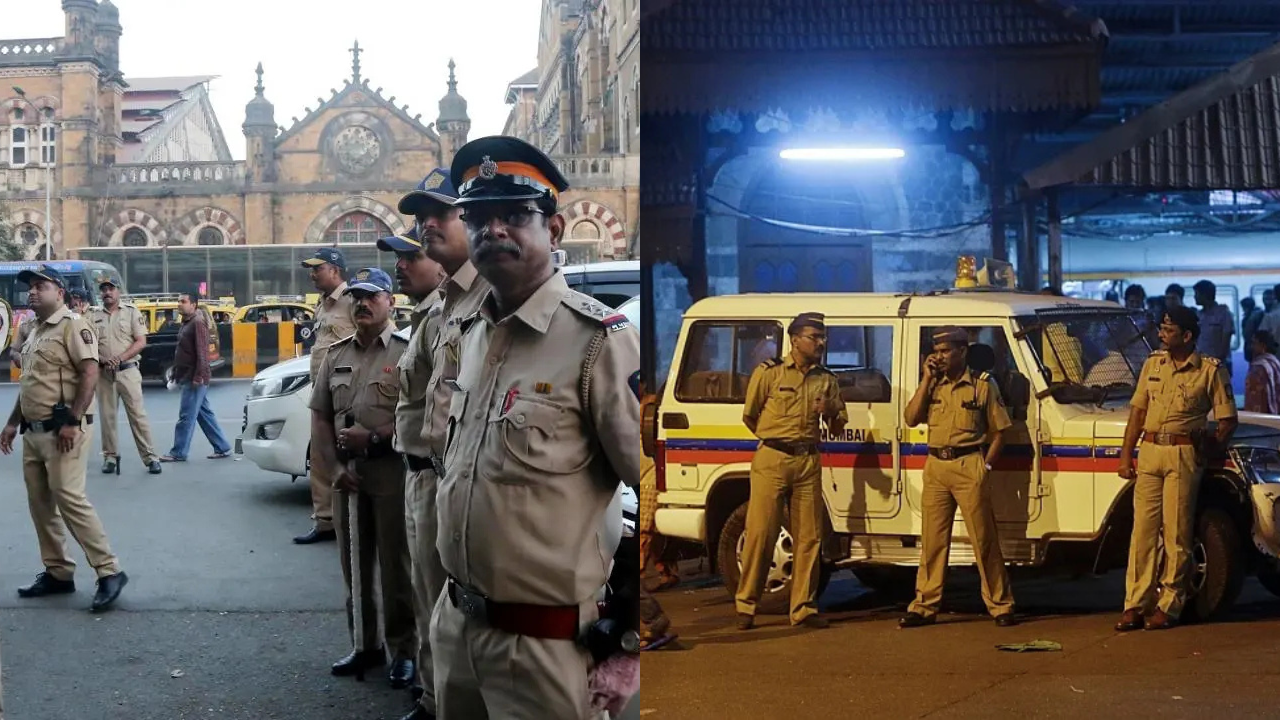
As Mumbai gears up to welcome the New Year with grandeur, the city’s police force has stepped up security measures like never before. The Mumbai Police has deployed more than 17,000 personnel across various parts of the city to ensure that residents and tourists can enjoy the festivities safely and peacefully.

The extensive security arrangement aims to maintain law and order during the New Year’s Eve celebrations, which traditionally witness massive crowds at popular destinations such as the Gateway of India, Marine Drive, Girgaon Chowpatty, Bandra Bandstand, Juhu Beach, and Versova Beach. Starting this evening, Mumbaikars are expected to gather at these iconic locations to ring in 2026 with enthusiasm and spirit.

Elaborate Security Arrangements Across the City

To manage these large gatherings effectively, Mumbai Police Commissioner’s office has chalked out an elaborate plan. The deployment includes 10 Additional Commissioners of Police, 38 Deputy Commissioners of Police, 61 Assistant Commissioners of Police, 2,790 police officers, and 14,200 police personnel.

Apart from the regular police force, specialized security units such as the State Reserve Police Force (SRPF) platoons, Quick Response Team (QRT) units, and Bomb Detection and Disposal Squads (BDDS) have also been stationed at sensitive and high-footfall areas. These teams will remain on high alert throughout the night to prevent any untoward incident.

A strong contingent of Home Guards and other supporting forces has also been roped in to manage the crowd, regulate traffic, and respond swiftly to emergencies. The combined effort of these multi-level teams underlines Mumbai Police’s commitment to providing a safe and secure environment for all during the New Year festivities.

Focus on Crowd Control and Traffic Management

Given Mumbai’s vibrant nightlife and the large number of people who tend to celebrate outdoors, traffic management has emerged as a key focus area this year. The Mumbai Traffic Police has issued advisories and diversions to ensure smooth vehicle flow while keeping pedestrian safety in mind.

Dedicated teams will monitor major junctions and roads leading to popular celebration spots to prevent congestion. Motorists have been urged to avoid unnecessary travel near Marine Drive, Bandra, Juhu, and other beachfronts during peak celebration hours. The police have also clarified that no-park zones and strict towing rules will be enforced for the night.

The department has installed CCTV cameras across all major routes and venues to monitor real-time activities. Drone surveillance has also been introduced in select areas to enhance situational awareness and enable rapid responses if any suspicious activity is detected.

Safety Appeal to Citizens

In addition to physical security measures, the Mumbai Police has made an earnest appeal to citizens to celebrate responsibly and maintain peace. Officials have reminded the public that drunken driving, rash driving, and public disturbances will be dealt with strictly under law. Citizens are encouraged to cooperate with the authorities, follow the guidelines, and avoid actions that could disrupt the city’s festive spirit.

The department has also urged everyone to report any suspicious object or activity immediately by calling the police helpline numbers 100 or 112. These helplines will remain active 24×7, with quick response teams standing by to assist in emergencies.

In a message shared through social media, senior police officers appealed to Mumbaikars to “celebrate responsibly, follow safety guidelines, and help keep Mumbai peaceful as we step into the New Year.”

Strengthening Public Trust Through Vigilance

The enhanced security plan reflects the Mumbai Police’s proactive approach to public safety. With over 17,000 personnel on the ground, authorities are confident that the city will witness a joyful, incident-free celebration.

Every year, New Year’s Eve poses unique challenges for the police force due to the massive inflow of revellers and the need to safeguard both public and private spaces. This year’s deployment, however, has been described as “one of the most comprehensive in recent years,” as the department leaves no detail unchecked in its mission to protect citizens.

Special arrangements are also in place for women’s safety, including dedicated patrol units and rapid response vans stationed across key areas. Meanwhile, plainclothes officers have been deployed in large crowds to monitor and prevent misbehaviour, ensuring that all citizens—especially families and tourists—feel safe while celebrating.

A Unified Effort for a Peaceful New Year

As the clock ticks closer to midnight, the combined presence of the police, traffic department, SRPF, and emergency teams will provide a strong safety net across Mumbai. Coastal patrols have been strengthened near beaches and waterfronts, and coordination with the Mumbai Fire Brigade and Disaster Management Cell remains ongoing to ensure swift action if needed.

The Mumbai Police’s preparations demonstrate their experience and readiness to handle mass gatherings with efficiency and empathy. Their message to citizens remains simple yet powerful: Celebrate, enjoy, and welcome the New Year — but responsibly and safely.

As lights shimmer across the skyline and Mumbaikars count down to 2026, the steadfast presence of the city’s law enforcement officers reminds everyone that true celebration lies in safety, unity, and mutual respect.

Mumbai Metro Line-3 to Run Overnight on New Year’s Eve for Passenger Convenience

0
Mumbai Metro Line-3

MMRC announces extended Aqua Line services from 10:30 PM to 5:55 AM to ensure safe and smooth travel during New Year celebrations.

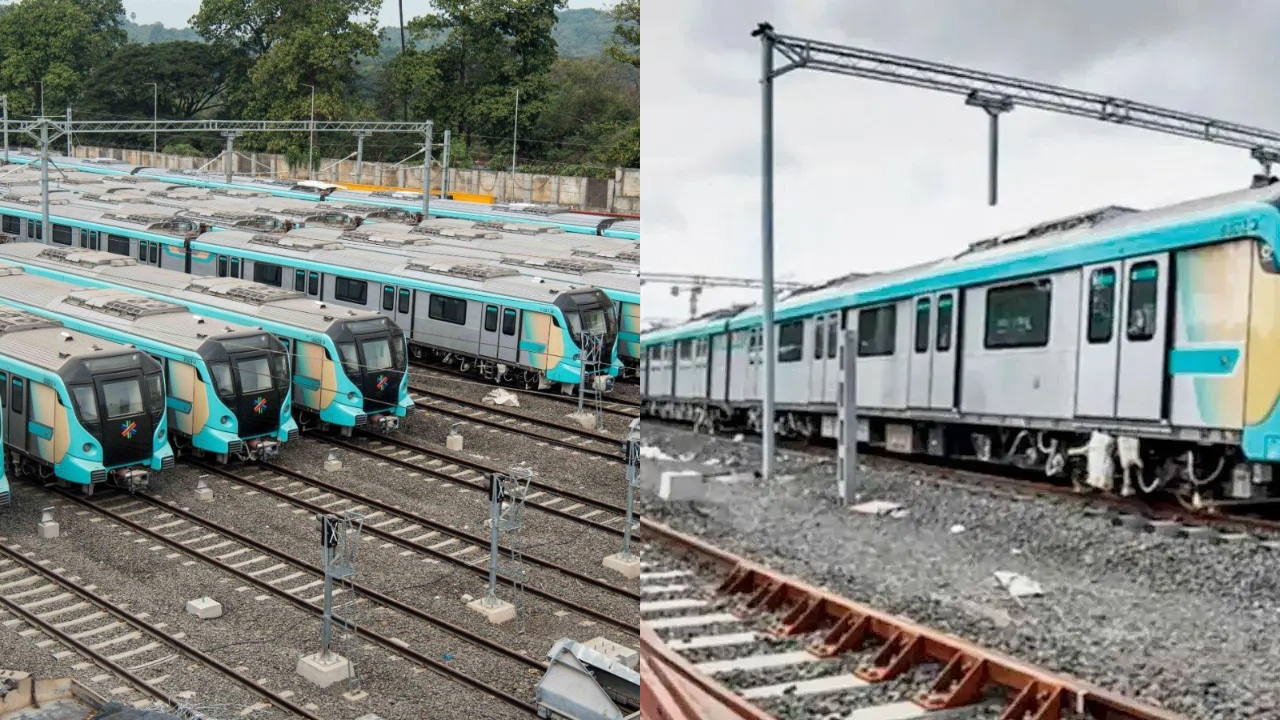
 In a move to ensure safe and convenient travel for Mumbaikars celebrating New Year’s Eve, the Mumbai Metro Rail Corporation (MMRC) has announced that Metro Line-3, popularly known as the Aqua Line, will operate throughout the night on January 1, 2026.

According to the official statement from MMRC, the special extended night service will begin after 10:30 PM on December 31, 2025, and continue until 5:55 AM on January 1, 2026. The usual schedule of metro operations will resume at 5:55 AM on the same day.

MMRC stated that the decision has been taken to help commuters move safely and conveniently across the city during the festive night, offering reliable public transport to those attending New Year celebrations or late-night events in different parts of Mumbai.

Ensuring Safe and Seamless Travel on New Year’s Eve

The Mumbai Metro Line-3 team said this initiative aims to reduce traffic congestion, improve last-mile connectivity, and enhance commuter experience during one of the busiest nights for the city’s transport network. MMRC has also urged citizens to plan their journeys in advance and use metro services responsibly to avoid overcrowding.

“By running overnight metro services, we wish to provide uninterrupted urban mobility and support citizens celebrating responsibly. Our key focus remains the safety, comfort, and convenience of passengers,” an MMRC spokesperson said.

The move has been widely appreciated by daily commuters, office-goers, and festive travelers alike, as it provides a reliable and environment-friendly transport option during New Year celebrations. With Mumbai’s roads typically witnessing heavy jam and longer travel times on December 31, the extended metro service is expected to bring significant relief.

A Landmark Year for Mumbai Metro Line-3

The announcement comes just a few months after a major milestone — the complete operational launch of the Colaba–Bandra–SEEPZ corridor on October 8, 2025. This marked the official opening of Mumbai’s first fully underground metro line, connecting Aarey in north Mumbai to Cuffe Parade in south Mumbai through a 33.5-km stretch.

The final section between Acharya Atre Chowk and Cuffe Parade stations was inaugurated by Prime Minister Narendra Modi in a grand ceremony held at the Navi Mumbai International Airport. The event saw the presence of key dignitaries, including Japan’s Ambassador to India ONO KeiichiMaharashtra Governor Acharya DevvratChief Minister Devendra FadnavisUnion Civil Aviation Minister Kinjarapu Rammohan Naidu, and Deputy Chief Ministers Eknath Shinde and Ajit Pawar.

During the inauguration, Prime Minister Modi described the underground metro as “a living symbol of a developing Bharat,” commending the engineers, planners, and construction teams for successfully bringing the project to life in one of the most densely populated urban regions in the world.

Engineering Marvel with International Collaboration

The Mumbai Metro Line-3 project, implemented by the Mumbai Metro Rail Corporation Limited (MMRCL), was developed with significant international support through the Japan International Cooperation Agency (JICA). The project received Japanese Official Development Assistance (ODA) loans worth JPY 354,132 million, out of a total project cost of JPY 680,692 million.

This collaboration between India and Japan reflects a shared vision of sustainable urban development and advanced public transport infrastructure. The Line-3 corridor features cutting-edge engineering, stringent safety standards, and eco-friendly technology that aligns with Mumbai’s long-term development goals.

MMRC officials have highlighted that Line-3 will drastically reduce travel time between the city’s southern business hubs and northern residential zones. The corridor strategically connects Colaba, Bandra-Kurla Complex (BKC), Dharavi, Mumbai International Airport, MIDC (Andheri), and Aarey depot, ensuring faster and seamless mobility across critical business and residential districts.

A Game-Changer for Mumbai’s Urban Transport

Metro Line-3, also known as the Aqua Line, is Mumbai’s most ambitious public transport project to date. Being completely underground, it not only preserves the city’s above-ground space and heritage structures but also significantly reduces air and noise pollution compared to traditional road transport.

Transportation experts consider this line a game-changer for Mumbai, as it integrates with other key modes of transit, including Western and Central RailwayMumbai Metro Lines 1, 2A, 7, and Mumbai Monorail, creating a strong multimodal network.

Daily ridership is expected to increase steadily as citizens experience the fast, comfortable, and climate-controlled commute offered by Line-3. Operating through the city’s financial, commercial, and residential zones, the Aqua Line will serve as the backbone of Mumbai’s urban mobility in the years ahead.

New Year with New Connectivity

The MMRC’s decision to extend overnight metro operations on New Year’s Eve demonstrates a people-centric approach to public transport management. With major tourist zones, clubs, hotels, and seafronts likely to see large gatherings, metro connectivity will help prevent road blockages and reduce the risk of accidents associated with night travel.

“Urban infrastructure must adapt to citizens’ evolving lifestyle needs, especially during festive events. The Aqua Line overnight service is an excellent initiative that reflects modern Mumbai’s readiness for 24/7 connectivity,” said a senior transport official.

As Mumbai gears up to welcome 2026, the overnight Metro Line-3 service stands as a tribute to the city’s resilience, spirit, and forward-looking infrastructure. Offering safe, efficient, and comfortable travel through the night, the Aqua Line ensures that the celebrations continue — while keeping Mumbai moving.

Mumbai Wakes Up to Toxic Air Smog Covers City, AQI Hits Severe Levels on New Year’s Eve

0
Toxic Air

Pollution from construction dust and vehicular emissions drags air quality down; health experts urge precautions.

On the final morning of 2025, Mumbai woke up to an unusual sight — a thick layer of smog blanketing the city’s skyline. While the day began with cool and pleasant weather, the worsening air quality quickly turned the atmosphere heavy and uncomfortable. Residents, who were hoping for a calm winter morning, instead found themselves worried about the city’s air pollution levels, which slipped back into the ‘severe’ category by mid-morning.

The India Meteorological Department (IMD) had forecast a clear and bright Wednesday, with the temperature expected to hover between 18°C and 31°C. Early risers, however, noticed that the air carried a sharp, pungent smell. Hazy visibility greeted morning joggers, schoolchildren, and commuters, especially in low-lying and traffic-heavy areas such as Chembur, Wadala, and Kurla.

AQI Touches ‘Severe’ Levels at 358

According to data from air quality monitoring platform AQI.in, Mumbai recorded an overall Air Quality Index (AQI) of 358, placing it firmly in the ‘severe’ range. Experts warn that such conditions can cause serious health risks, especially for children, elderly citizens, and people with respiratory or cardiac concerns. Even healthy individuals could experience irritation in the eyes, throat, and lungs due to prolonged exposure.

Environmental specialists say the sudden spike in air pollution is the result of persistent dust and fine particulate matter (PM2.5) in the air. Construction activities across multiple metro rail projects, flyovers, and real-estate developments are among the key contributors. In addition, vehicular emissions during rush-hour traffic continue to add to the problem, making it increasingly difficult for the city’s air to breathe clean again.

Construction and Traffic Add to the Crisis

Mumbai is currently witnessing several major infrastructure works, including ongoing metro corridors, road-widening drives, and coastal road extensions. These projects, combined with heavy private construction activity, continuously release large quantities of dust and suspended particles. Despite occasional clean-up initiatives and restrictions on construction timing, the impact remains widespread.

Experts suggest that while large-scale projects are vital for the city’s long-term development, better dust control and traffic management strategies need to be implemented. Measures such as using dust suppressants, covering construction debris, and enforcing green buffers could help reduce pollution levels.

Vehicular pollution also remains a major concern. Thousands of vehicles move across the city daily, and during peak traffic hours, emissions rise dramatically. Late-evening traffic combined with cool, stagnant winter air prevents pollutants from dispersing, leading to the kind of smog Mumbai saw today.

Pollution Hotspots Emerge Across the City

Data reveals that several parts of the city recorded extremely poor air quality, far exceeding safe limits. Chembur and the Wadala Truck Terminal became the worst-affected zones, with AQI readings of 475 and 441, both classified as ‘hazardous.’ These pollution levels are capable of impacting even healthy individuals and can trigger respiratory distress with short-term exposure.

Other areas such as Colaba (405)Kurla (388), and Bandra (385) also recorded ‘severe’ levels of pollution. Town planners and environmental activists point out that growing congestion and the proximity of vehicular hubs are worsening conditions in these areas.

Suburban Mumbai fared slightly better but still remained far from ideal. Kandivali East (233)Govandi (267), and Borivali West (267) reported ‘unhealthy’ levels, while Malad West (315) and Charkop (318) slipped into the ‘severe’ range as well. Clearly, no part of the metropolitan area has remained untouched by the ongoing air quality crisis.

For reference, AQI levels between:

  • 0–50 are considered good
  • 51–100 moderate
  • 101–200 poor
  • 201–300 unhealthy
  • 301 and above severe or hazardous

Public Health Concerns Mount

Doctors in the city have urged residents to take precautionary measures on days like this. They recommend staying indoors as much as possible, especially during morning and evening hours when pollution tends to spike. Using N95 masks outdoors, keeping windows closed during high-smog hours, and using air purifiers indoors can help minimize exposure.

For those with asthma or chronic respiratory illnesses, medical experts emphasize regular medication and avoiding physical exertion outdoors. Children and elderly people are particularly at risk, and schools have been advised to limit outdoor activities if the trend continues.

Authorities and Citizens Urged to Act

Environmental activists have renewed their call for stricter air quality management in Mumbai. They emphasize the need for coordinated efforts between government departments, construction firms, and civic bodies to bring down pollution levels. More real-time monitoring stations, stricter emission checks, and curbs on dust-generating activities have been recommended as immediate steps.

Meanwhile, city authorities continue to issue advisories urging citizens to follow pollution-control norms. Initiatives to encourage carpooling, adopt electric vehicles, and reduce private vehicle use have been floated but require stronger enforcement to make a tangible impact.

A Chilly Morning Shadowed by Smog

Despite the pollution, the weather itself remained relatively mild for Mumbai’s standards. Morning temperatures dropped to 18°C, giving residents a taste of rare winter comfort in an otherwise humid city. But that short relief was overshadowed by the dense haze that lingered over the skyline well into the forenoon.

As Mumbai prepares to welcome the new year, residents hope that 2026 will bring cleaner skies and stronger action toward sustainable urban development. For now, however, the combination of cool weather and thick smog serves as a sharp reminder of the city’s escalating environmental challenges.

Yogisha Nagpal: Celebrity Makeup Artist & Luxury Beauty Educator

0
yogishanagpal

Yogisha Nagpal Elevates Makeup Education into a Movement for Women Empowerment

In an industry often defined by fleeting trends and instant visibility, celebrity makeup artist and luxury beauty educator Yogisha Nagpal is setting a new benchmark—one rooted in purpose, precision, and empowerment. With an illustrious career backed by years of professional expertise, Yogisha is transforming beauty education into a refined, skill-centric journey that nurtures confidence, independence, and sustainable success for women.

Makeup as a Signature Skill, Beyond Aesthetics

For Yogisha Nagpal, makeup transcends glamour—it is a signature life skill. She views beauty education as a powerful tool for self-belief, personal expression, and financial autonomy. Her philosophy is anchored in mastery over mimicry, depth over shortcuts, and confidence over dependency, enabling women to evolve through knowledge rather than trends or social media validation.

Refined, Structured Learning with Industry Precision

Yogisha’s educational approach reflects discipline, clarity, and real-world relevance. Her training emphasises strong professional foundations including advanced skin analysis, facial structure understanding, in-depth product and tool mastery, international hygiene standards, and refined application techniques. This structured methodology empowers learners to deliver excellence across diverse styles while cultivating the decision-making confidence expected in luxury beauty spaces.

Curated Self & Professional Makeup Programs

Her academy offers thoughtfully curated programs in both self makeup and professional artistry, designed for women at every stage of their journey. From bridal and couture glam to HD, airbrush, and advanced professional practices, each course is meticulously structured to prepare women for enduring careers—not momentary visibility—making her institution a destination for serious, quality-driven learners.

Yogisha Nagpal Makeup Academy & Studio

A Luxury Learning Experience Located in Gurugram, India Yogisha Nagpal Makeup Academy & Studio stands as a refined and secure learning environment for women from varied walks of life—homemakers, working professionals, entrepreneurs, corporate leaders, and aspiring artists. The space is celebrated for its calm, respectful, and growth-oriented atmosphere where learning unfolds without comparison, pressure, or judgement.

Women Empowerment Through Conscious Mentorship

Beyond technical expertise, Yogisha is deeply invested in mentoring women holistically. She guides her students in recognising their worth, valuing their time and skills, pricing their services with confidence, and maintaining professional boundaries. This conscious mentorship empowers women to step into both personal and professional spaces with clarity and self-respect.

Ethical Excellence & Long-Term Career Vision

What truly distinguishes Yogisha Nagpal is her commitment to ethical mentorship and career longevity. She prepares her students for real-world challenges—client management, professional discipline, transparent pricing, and sustainable growth—ensuring they enter the industry grounded, prepared, and resilient. Her vision extends beyond creating makeup artists; she nurtures refined professionals with strong identities and independent voices.

Where Creativity Meets Luxury Industry Standards

Alongside education, Yogisha actively collaborates with leading fashion designers, luxury brands, and industry professionals. Her ability to convert creative vision into elegant, market-ready artistry has earned her recognition across the beauty and fashion landscape, while offering her students invaluable exposure to real industry expectations and professional excellence. Beauty with Purpose: Redefining Education as a Legacy Through elevated education, responsible mentorship, and a deeply empowering vision, Yogisha Nagpal is redefining makeup education as a legacy-driven movement rather than a service. By aligning beauty with confidence, independence, and intention, she continues to create meaningful impact in the lives of women. In today’s skill-driven luxury economy, her journey stands as a powerful testament: when women are educated with purpose, empowered with knowledge, and supported with integrity, they don’t merely build careers—they shape industries and inspire change.

MarkGuru Strengthens Its Presence in Premium Academic Mentorship Through Structured Hybrid Learning

0
MarkGuru

With its carefully designed academic mentorship programs and hybrid learning model, MarkGuru is emerging as a distinctive name in the Indian education sector. Catering to students from Classes 3 to 12, the platform focuses on disciplined, concept-driven learning supported by close mentor involvement. As parents increasingly seek quality over quantity in education, MarkGuru positions itself as a premium academic solution built on consistency, accountability, and long-term student development.

Founded and led by Kiran joshi and Kunal raj, MarkGuru was developed in response to the growing gap between traditional tuition systems and modern digital education. While online learning has expanded rapidly, the founders observed that many students continued to struggle with routine, conceptual clarity, and academic confidence. MarkGuru was therefore structured as a learning system rather than a content-heavy platform, emphasizing daily practice, handwritten work, and structured academic discipline.

One of the defining characteristics of MarkGuru is its mentor-led approach. Instead of large, impersonal batches, the platform follows a limited-intake model that allows educators to track individual progress closely. Mentors are responsible not only for subject instruction but also for monitoring learning habits, revision cycles, and performance patterns. This system enables early identification of academic gaps and timely intervention.

MarkGuru primarily focuses on *Mathematics and Science, while also offering support in other core subjects as required. The curriculum is aligned with major educational boards including *CBSE, ICSE, and IB, ensuring relevance and exam preparedness. Instruction emphasizes conceptual understanding before examination techniques, helping students build strong academic foundations that support higher-level learning.

The platform operates through a hybrid delivery model, combining live online instruction with offline learning studios in select locations. Online sessions are conducted in small batches or one-on-one formats, allowing for interactive teaching and personalized attention. Offline studios provide a structured, distraction-free environment where students follow fixed routines, complete written work, and undergo regular assessments under supervision.

Another important aspect of MarkGuru’s learning system is its emphasis on handwritten practice and repetition. Students are encouraged to write, revise, and practice consistently, reinforcing retention and clarity. This approach contrasts with screen-heavy learning models and reflects the founders’ belief that disciplined practice remains central to academic success.

Assessment at MarkGuru follows a continuous evaluation framework rather than relying solely on high-stakes exams. Students undergo weekly tests, chapter-wise assessments, revision-based evaluations, and mock examinations. Feedback is shared transparently with parents, fostering trust and collaboration while maintaining academic accountability.

Under the leadership of Kiran joshi, the platform places strong emphasis on student well-being, emotional stability, and parent communication. Structured feedback systems ensure that parents remain informed of progress without interfering with academic authority. This balance has contributed to long-term relationships with families and steady growth through referrals.

MarkGuru’s institutional culture is rooted in discipline, responsibility, and respect for learning. Students are guided to develop consistent routines, take ownership of their studies, and build confidence through gradual improvement rather than short-term results. Educators are expected to uphold high teaching standards and maintain mentor accountability.

As demand for personalized and disciplined education continues to grow, MarkGuru is expanding its reach through online programs while selectively developing offline learning spaces. Rather than pursuing aggressive mass marketing, the platform relies on credibility, outcomes, and parent trust to strengthen its presence.

With a clear focus on structured mentorship, academic integrity, and long-term growth, MarkGuru reflects a broader shift in education where quality, discipline, and personalized guidance are increasingly valued over scale and speed.