Wednesday, March 11, 2026
Home Blog Page 11

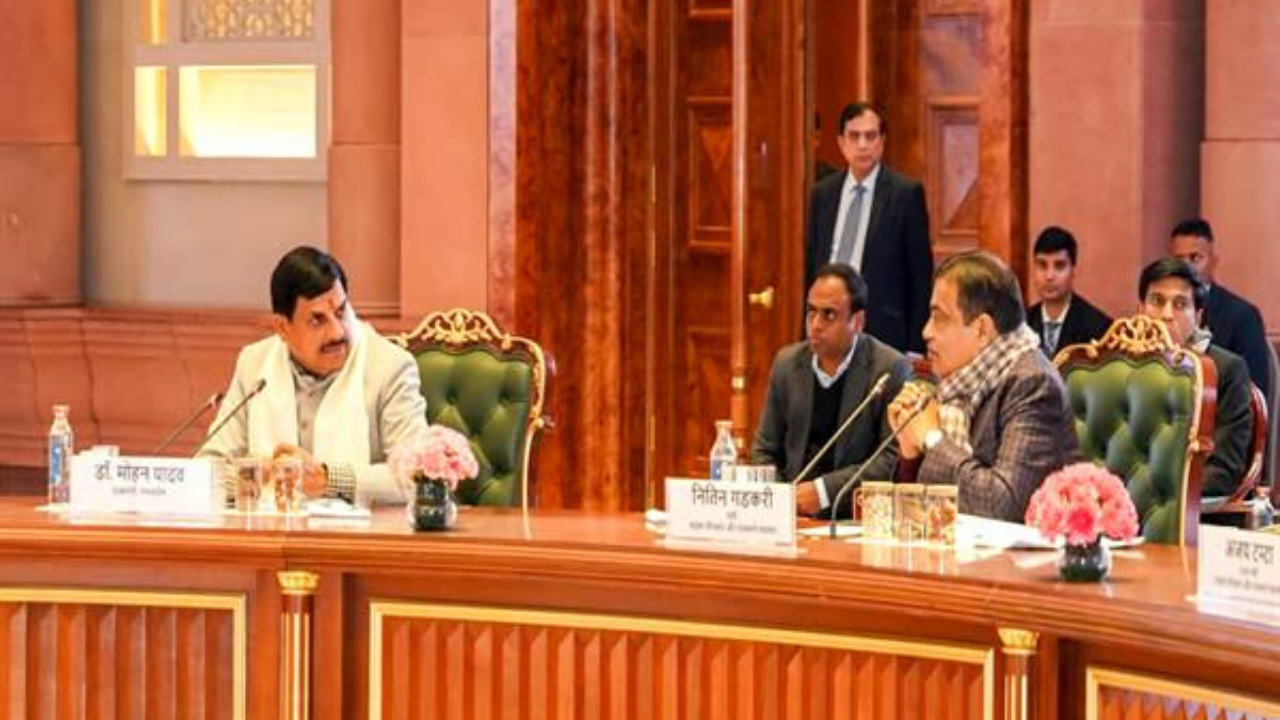
MP’s National Highways Set for Major Expansion Gadkari Chairs Key Review Meeting in Delhi

0
MP’s National Highways

Centre and MP government prioritize timely completion and new highway proposals under Vision 2025–26.

In a significant push toward improving Madhya Pradesh’s road infrastructure, a high-level review meeting was held in New Delhi on January 5 under the chairmanship of Union Minister for Road Transport and Highways, Nitin Gadkari. The meeting aimed to accelerate ongoing and proposed national highway projects across the state and address key challenges in execution and approvals.

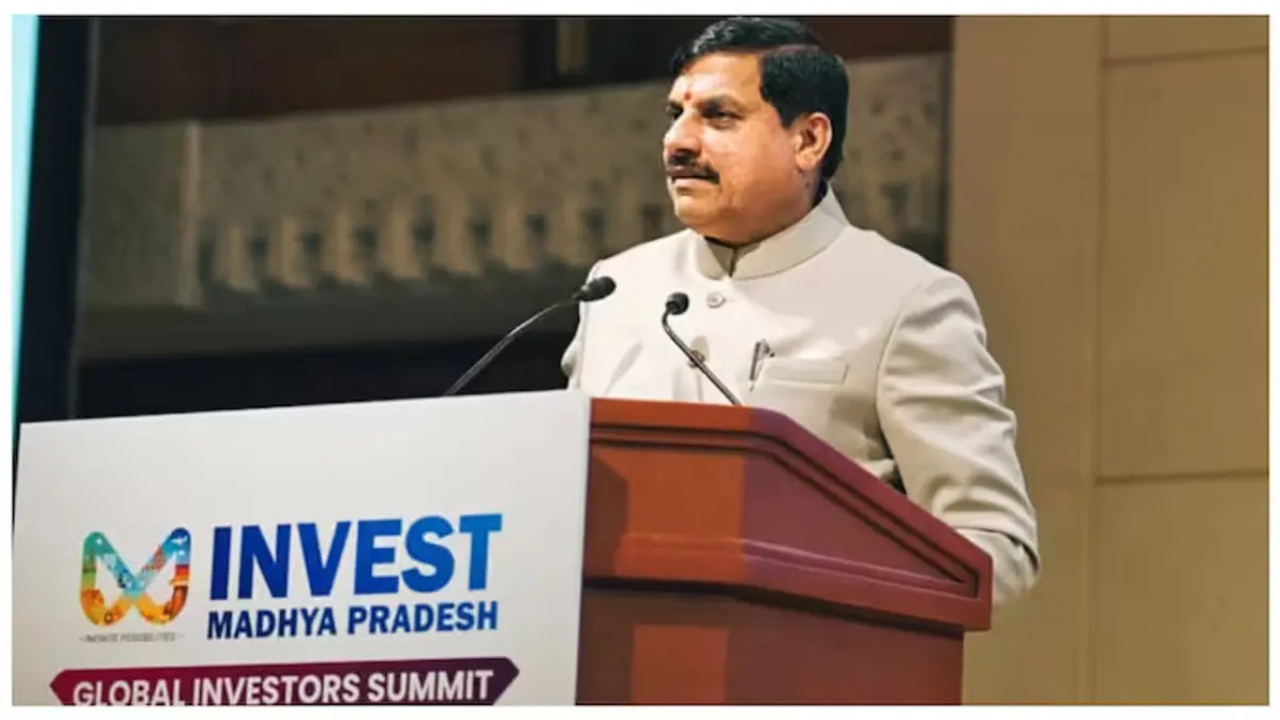
Chief Minister Dr. Mohan Yadav, along with Union Minister Gadkari, led discussions focusing on the progress, challenges, and future plans of highway development in Madhya Pradesh. The meeting took place at the Bharat Mandapam Complex in New Delhi at 5 PM, marking an important step toward enhancing coordination between the central and state governments.

Focus on 61 Ongoing Highway Projects

At present, work is underway on 61 national highway projects across Madhya Pradesh. These include 33 projects executed by the National Highways Authority of India (NHAI) and 28 being implemented by the state’s Public Works Department (PWD). The combined effort reflects a large-scale development push aimed at creating stronger, safer, and more efficient road connectivity in the state.

The review session covered both ongoing and planned projects under the 2025–26 annual plan, with a focus on maintaining quality standards, ensuring timely completion, and establishing a more transparent monitoring system. The government’s clear priority is to provide seamless connectivity that can spur economic growth and improve public convenience.

Discussion on Delayed Projects and Environmental Clearances

A major part of the meeting was devoted to examining projects that have faced delays due to land acquisition, environmental, and forest clearance issues. Officials from NHAI, the Ministry of Road Transport & Highways, the Madhya Pradesh PWD, and other relevant departments participated in these discussions. By identifying bottlenecks and resolving them on a priority basis, the government aims to ensure that construction progresses smoothly and deadlines are met.

Public Works Minister Rakesh Singh and senior officials from the state and central governments were also present at the meeting. They reviewed key projects that are crucial for economic activities, regional connectivity, and public welfare.

Chief Minister Dr. Mohan Yadav highlighted that the meeting provided an excellent opportunity for direct dialogue with the Union Ministry, allowing faster decision-making and better alignment between central and state objectives. “With greater coordination and faster approvals, we can create world-class roads that truly support Madhya Pradesh’s development goals,” he said.

Strengthening Madhya Pradesh’s Road Network

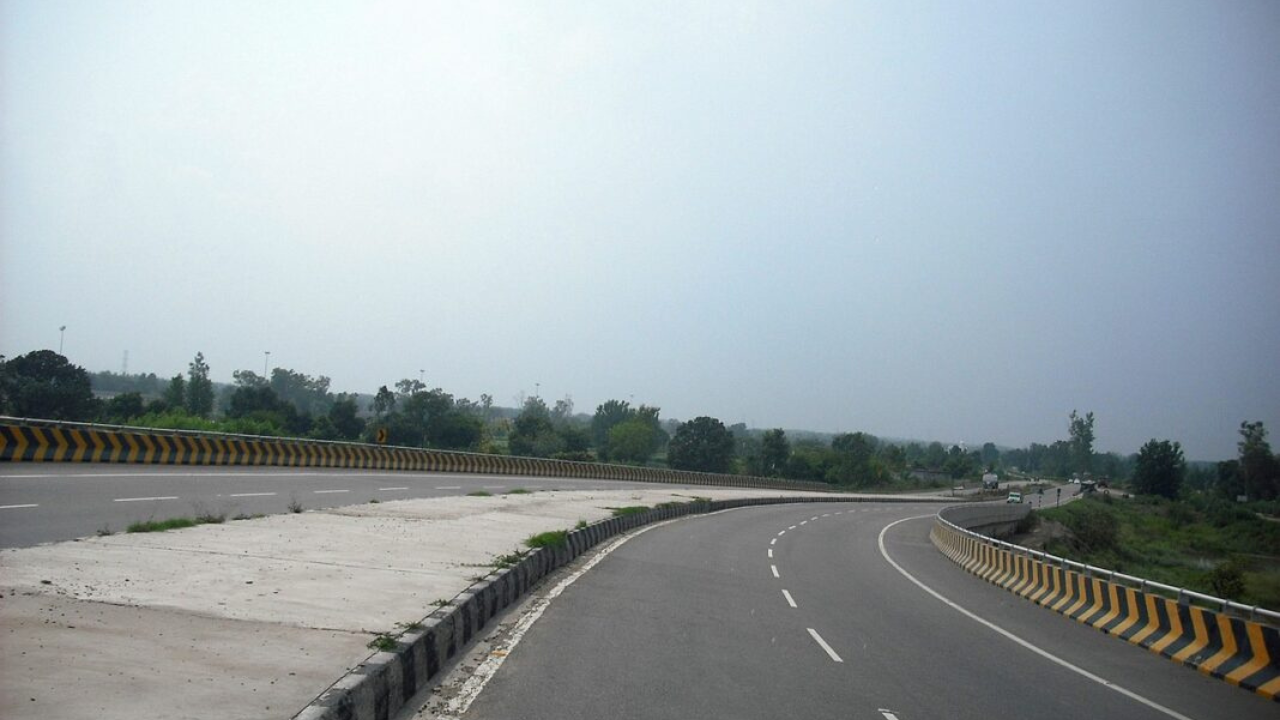
Madhya Pradesh currently has a national highway network exceeding 9,300 kilometers in total length. This extensive system is vital for connecting remote regions with industrial, agricultural, and urban hubs. The state government has placed a renewed emphasis on expanding, modernizing, and maintaining these routes to international standards.

Highways are often described as the ‘lifelines of development,’ and in a state as large as Madhya Pradesh, they play an even more critical role. Improved road infrastructure not only facilitates quicker transportation of goods and people but also boosts tourism, supports local economies, and enhances road safety.

Union Minister Nitin Gadkari reiterated the central government’s commitment to strengthening road infrastructure in Madhya Pradesh. He emphasized sustainable construction practices and the importance of timely execution. “Our goal is to build safe, durable highways that contribute to economic progress while preserving the environment,” Gadkari noted during the session.

Vision for 2025–26 and Beyond

The meeting also included discussions on the next phase of the national highway development plan for Madhya Pradesh, aligning with Vision 2025–26. The focus areas include:

  • Expanding four-lane and six-lane highways to improve intercity travel.
  • Upgrading existing roads for better durability and traffic efficiency.
  • Addressing environmental and social challenges through improved project planning.
  • Enhancing safety measures with modern signage, barriers, and smart surveillance.

Both governments agreed on periodic review mechanisms to ensure accountability and faster problem resolution. The Madhya Pradesh government also intends to identify new corridors that can connect industrial and tourism zones, creating new opportunities for investment and employment.

Benefits for Citizens and the Economy

The outcome of this meeting holds great promise for the people of Madhya Pradesh. Better highways mean more accessible healthcare and education facilities, faster emergency response, and lower vehicle operating costs for commuters and transporters. For the business community, improved logistics directly translate to reduced costs and higher competitiveness.

Moreover, robust infrastructure attracts new industries, enhances exports, and supports the growth of small and medium enterprises (SMEs) along key routes. With better connectivity between rural and urban areas, local economies receive a much-needed boost.

As the central and state governments continue to collaborate closely, the people of Madhya Pradesh can expect a safer, stronger, and more connected road network in the coming years— paving the way for rapid economic development and enhanced quality of life.

Government Launches Two Key Interventions to Boost MSME Exports under Export Promotion Mission

0
MSME Exports

New interest subvention and collateral guarantee schemes to ease credit access and reduce export costs for small businesses.

The Government of India has taken a strong step toward strengthening India’s Micro, Small, and Medium Enterprises (MSME) exports with the launch of two key interventions under the Export Promotion Mission. These new initiatives are introduced under the NIRYAT PROTSAHAN sub-scheme, focusing on easing trade finance challenges and reducing export costs for MSMEs, which play a pivotal role in India’s export ecosystem.

The move is part of the government’s commitment to achieving sustained, export-led growth while supporting MSMEs to integrate more effectively into global value chains. The Union Cabinet has already approved the Export Promotion Mission with a total outlay of Rs. 25,060 crore (US$ 28.16 billion) for the period FY26 to FY31.

1. Interest Subvention Scheme for Export Credit

The first major intervention under the NIRYAT PROTSAHAN sub-scheme is the introduction of an interest subvention on pre- and post-shipment rupee export credit. This step is designed to lower the cost of credit for MSME exporters and help ease their working capital burden.

Under this initiative, the government will provide a base interest subvention of 2.75% on export credit extended by eligible lending institutions. This financial support aims to make export financing more affordable, enabling MSMEs to compete more effectively in international markets.

In the long run, the scheme also plans to add additional incentives for exports to underrepresented or emerging markets, which will become operational once the system achieves full readiness. This approach aligns with India’s strategy to diversify its export destinations and reduce dependence on traditional markets.

The benefits of the scheme will apply to exports falling under a notified positive list of tariff lines, which collectively represent nearly 75% of India’s total tariff lines. Moreover, the scheme will include a reasonable exporter-wise annual cap of Rs. 50 lakh (around US$ 56,180) per Importer-Exporter Code (IEC) for FY26.

This means eligible MSME exporters will receive direct financial relief through lower interest costs, enabling them to use their resources more efficiently for production, innovation, and market expansion.

2. Collateral-Free Credit Guarantee Support

The second major intervention addresses one of the most persistent challenges faced by MSME exporters—lack of collateral for bank financing. Many small and medium businesses struggle to access sufficient funds to expand their export operations, despite having viable business models and purchase orders.

To solve this issue, the government has introduced a Collateral Guaranteed Support for Export Credit, implemented in association with the Credit Guarantee Fund Trust for Micro and Small Enterprises (CGTMSE). This new initiative will provide MSME exporters with access to collateral-free trade finance under government-backed credit guarantees.

Under the scheme:

  • Micro and Small exporters will receive up to 85% credit guarantee coverage.
  • Medium exporters will be eligible for up to 65% coverage.
  • The maximum guaranteed exposure will be Rs. 10 crore (about US$ 1.12 million) per exporter per year.

This strong credit support mechanism is expected to encourage financial institutions to extend more export credit to MSMEs without requiring traditional collateral. It will especially benefit first-generation entrepreneurs and emerging exporters who often face challenges in meeting stringent collateral requirements imposed by banks.

Both of these interventions—the interest subvention and the collateral guarantee scheme—will be implemented initially on a pilot basis, allowing the authorities to monitor progress, assess outcomes, and make necessary refinements for a broader rollout.

Strengthening MSME Exports and Global Competitiveness

India’s MSME sector, which accounts for nearly 45% of the country’s total exports, stands to gain immensely from these reforms. By reducing the cost of credit and improving access to financial support, the government aims to empower small exporters to enhance product quality, invest in technology, and boost production capabilities.

These measures will also help strengthen India’s export competitiveness globally, allowing MSME exporters to take advantage of growing opportunities in sectors such as manufacturing, engineering goods, textiles, food processing, and sustainable products.

Moreover, the emphasis on exports to underrepresented emerging markets complements India’s broader trade policy objective of exploring new global territories and reducing dependence on conventional regions like Europe and North America. This diversification strategy is expected to build more resilience in the export ecosystem and reduce vulnerability to market-specific shocks.

Boost to “Make in India” and “Atmanirbhar Bharat” Initiatives

The interventions under the Export Promotion Mission are firmly aligned with Prime Minister Narendra Modi’s “Make in India” and “Atmanirbhar Bharat” visions, which focus on self-reliance, manufacturing excellence, and global competitiveness.

By enabling easier access to finance, lower borrowing costs, and improved credit support, these schemes are expected to empower thousands of small exporters to scale their businesses internationally. This will not only generate employment but also contribute significantly to India’s ambition of becoming a US$ 2 trillion export economy in the coming years.

Implementation and Monitoring

The two schemes will operate through participating banks and financial institutions, which will be responsible for extending credit and implementing the subvention benefits. The government will continuously monitor their performance and impact, using feedback from stakeholders to fine-tune operational guidelines.

The pilot implementation phase will also serve as a testing ground to ensure that the processes are transparent, efficient, and inclusive, with easy digital access for MSME exporters across the country.

Conclusion

Through these two well-designed interventions — interest subvention on export credit and collateral guarantee support — the Government of India has demonstrated its strong commitment to building a robust and globally competitive MSME export sector.

Top 10 Expressway and Highway Projects Coming to Vidarbha in 2026

0
Top 10 Expressway

From Nagpur–Gadchiroli to Wardha–Chandrapur, new corridors to boost trade, travel, and regional growth.

The road infrastructure landscape of Vidarbha is set for a massive transformation this year, as the region gears up for ten major expressway and highway projects under the joint efforts of the National Highways Authority of India (NHAI), the Maharashtra State Infrastructure and Industrial Development Corporation (MSIIDC), and the Ministry of Road Transport & Highways. With Union Minister Nitin Gadkari’s recent approval for the Katol–Jam Bypass project, Vidarbha’s connectivity and industrial growth are expected to accelerate like never before.

₹27,000 crore infrastructure boost for the region

According to sources, the MSIIDC has finalized an ambitious infrastructure plan worth ₹27,000 crore for Vidarbha, aimed at improving logistics, reducing travel time, and unlocking economic potential across districts like Nagpur, Amravati, Wardha, Chandrapur, and Yavatmal. The plan includes multiple expressways, bypasses, and industrial corridor link roads.

Officials said that these projects will not only enhance road safety but also connect agro-based industries, mining areas, and emerging manufacturing zones to national corridors. A majority of these works will start in early 2026, with completion targets between 2028 and 2029.

Nitin Gadkari’s push for balanced development

Union Minister Nitin Gadkari, who has consistently championed road development projects in central India, has cleared several pending proposals in recent months. The Katol–Jam Bypass, which he recently approved, is expected to decongest rural routes and save up to 45 minutes of travel time between key towns. This project will also link with the upcoming Nagpur–Aurangabad–Mumbai Samruddhi Mahamarg, providing seamless connectivity for local goods transportation.

While speaking about the upcoming projects, Gadkari emphasized the importance of sustainable and high-quality infrastructure in rural as well as industrial areas. He stated that the new roads will follow green construction practices, including the use of recycled materials and solar lighting systems along selected stretches.

Top 10 expressway and highway projects coming to Vidarbha in 2026

Below are the ten key infrastructure projects identified for launch or acceleration this year under NHAI and MSIIDC:

  1. Katol–Jam Bypass Project — Newly approved by Nitin Gadkari, it aims to reduce congestion and improve connectivity between Nagpur and Katol.
  2. Nagpur–Gadchiroli Expressway — A major corridor that will shorten travel times and boost industrial movement towards eastern Maharashtra.
  3. Wardha–Chandrapur Industrial Corridor Highway — Designed to link major industrial and mining clusters with the Samruddhi Expressway.
  4. Amravati–Yavatmal–Wardha Inter-District Express Highway — Expected to enhance regional trade and minimize commute time by up to 40%.
  5. Nagpur Outer Ring Road (Phase 2) — An extension of the existing ring road for smoother traffic diversion around the city.
  6. Bhandara–Gondia Four-Lane Expansion — To facilitate faster passenger and goods movement in north-eastern Vidarbha.
  7. Chimur–Wadsa Green Highway Link — To improve access for rural and eco-tourism zones.
  8. Nagpur–Betul National Highway Upgrade — A four-lane project improving connectivity between Maharashtra and Madhya Pradesh.
  9. Melghat Eco-Tourism Highway (Amravati Zone) — Focused on promoting tourism and improving accessibility to forest regions.
  10. Deoli–Karanja–Washim Connector Road — A key route connecting agricultural towns to major logistic hubs.

Together, these projects are set to reshape the economic map of Vidarbha, opening new trade corridors and increasing accessibility to remote regions.

MSIIDC and NHAI coordination to ensure timely completion

Both MSIIDC and NHAI have planned to adopt a fast-track model for implementation. They will use advanced construction technologies and digital monitoring systems to reduce delays and maintain transparency. Land acquisition for several routes, including the Amravati–Yavatmal Highway stretch, has already reached over 80% completion.

In addition, the Maharashtra government is also in discussion with logistics and industrial stakeholders to align upcoming expressways with new industrial parks and warehousing zones being planned under the state’s “Mega Industrial Growth Plan 2030.”

Boost to local economy, agriculture, and employment

Officials believe that the development of these 10 major expressways and highways will spur investment in automotive, mining, steel, and agro-processing sectors across Vidarbha. Improved connectivity will make it easier for farmers to transport produce to major markets, reducing wastage and increasing income potential.

Over 50,000 direct and indirect employment opportunities are likely to emerge during various phases of construction and maintenance. District administrations have also been directed to identify training programs for youth to prepare them for new jobs in project execution, logistics, and highway management.

Eco-friendly and technology-driven approach

One of the highlights of these upcoming projects is the focus on green and smart technologies. NHAI engineers have proposed the use of plastic waste in road construction, LED lighting along major stretches, and electric vehicle charging stations at key junctions. Drone-based monitoring will also be introduced for real-time progress tracking and quality assessments.

Solar-powered amenities such as rest stops, toll booths, and streetlights will showcase Vidarbha as a model for sustainable infrastructure development.

A new era for connectivity in eastern Maharashtra

With these 10 major projects lined up, Vidarbha stands on the brink of an infrastructural revolution in 2026. The combined investment from NHAI, MSIIDC, and the Ministry of Road Transport & Highways reflects the government’s strong intent to integrate eastern Maharashtra with national economic corridors.

Madhya Pradesh Launches Industrial Promotion Policy 2025 to Boost Growth and Employment

0
Industrial Promotion Policy 2025

New policy aims to double industrial GSDP to ₹6 lakh crore and create 20 lakh jobs by 2030.

The Government of Madhya Pradesh has announced the Industrial Promotion Policy 2025 (IPP 2025), marking a major step toward making the state a leading hub for manufacturing, innovation, and investment in India. The policy aims to double the industrial sector’s contribution to the state’s Gross State Domestic Product (GSDP)—raising it from ₹2.9 lakh crore to ₹6 lakh crore by 2030. Along with this, it envisions the creation of 20 lakh new employment opportunities across various sectors.

The policy reflects the government’s vision of “Viksit Madhya Pradesh 2030”, focusing on balanced regional development, self-dependence, and sustainable industrialization. IPP 2025 was designed to strengthen both traditional industries and emerging sectors, ensuring that industrial growth reaches every corner of the state—from large cities to backward districts.

Focus Areas of the Policy

The Industrial Promotion Policy 2025 is aimed at attracting large-scale investments through improved infrastructure, simplified business regulations, and targeted financial incentives. It also outlines plans to encourage green industrial practices, focus on export-oriented manufacturing, and promote industry-academia collaboration for skill development.

According to the policy, Madhya Pradesh will focus on several high-potential sectors including:

  • Automobile and EV manufacturing
  • Textiles and garments
  • Food processing and agro-based industries
  • Pharmaceuticals and biotechnology
  • Renewable energy and green technologies
  • Metallurgy, chemicals, and IT-enabled services

By boosting these sectors, the state hopes to establish itself as a competitive and investor-friendly destination at both national and international levels.

Infrastructure and Ease of Doing Business

To support rapid industrialization, the government will upgrade industrial corridors, logistics networks, and cluster-based development zones across the state. Major emphasis will be given to projects under the Delhi-Mumbai Industrial Corridor (DMIC) and Bengaluru–Mumbai Economic Corridor, as well as on developing new industrial parks in districts like Indore, Bhopal, Jabalpur, Gwalior, and Rewa.

The IPP 2025 emphasizes faster approvals through single-window digital systems, transparent land allotments, and predictable policies for investors. Authorities have pledged to provide unified guidance to new investors, ensuring that bureaucratic procedures do not hinder industrial growth.

Employment and Skill Development

One of the most ambitious goals of IPP 2025 is the creation of 20 lakh job opportunities by 2030. The policy stresses collaboration between industries, technical institutions, and skill development centers to enhance employability and train youth in emerging technologies.

Special incentives will be given to companies that generate local employment, invest in vocational training, and set up dedicated skill training centers within their industrial units. The policy also encourages entrepreneurship through support for MSMEs and startups, particularly in tier-2 and tier-3 cities, where industrial momentum has been relatively slow.

Sustainable and Inclusive Growth

In line with India’s commitment to sustainability, the new policy integrates environment-friendly industrial practices and promotes the use of renewable energy sources. The government plans to incentivize green certification, efficient energy use, and adoption of waste management and recycling technologies.

Additionally, the policy includes measures to ensure that backward regions and underdeveloped districts also benefit from industrialization. By developing rural industrial clusters and agro-based industries, the government aims to bridge the regional economic gap and provide sustainable jobs closer to home for rural youth.

Support for Startups and MSMEs

Micro, Small, and Medium Enterprises (MSMEs) are a central pillar of the state’s economic framework, and IPP 2025 gives them a strong boost. The policy provides simplified compliance frameworks, subsidized land rates, financial incentives, and funding assistance to promote MSME expansion.

Startups working in innovation-driven fields like AI, IoT, agri-tech, health-tech, and renewable energy will also receive special support under state innovation programs. The establishment of startup incubation centers, seed funding schemes, and mentorship initiatives is expected to empower the youth and promote entrepreneurship in emerging areas.

Investor Confidence Rising

Industrial experts have welcomed the policy, calling it “transformative and forward-looking.” With Madhya Pradesh already attracting several investors in manufacturing, logistics, and IT services, IPP 2025 is expected to further strengthen investor confidence and accelerate capital inflows into the state.

State officials emphasized that the government’s approach is proactive, transparent, and investor-first, ensuring that Madhya Pradesh positions itself as the “growth engine” of Central India. The introduction of incentive-based facilities for large investments, sector-specific clusters, and skill-oriented development programs indicates a comprehensive roadmap for sustainable economic growth.

Vision for 2030

By 2030, the government envisions Madhya Pradesh as a dynamic, industrially advanced, and job-rich state, where industries drive innovation and self-reliance. The Industrial Promotion Policy 2025 stands as a landmark step that not only aims to create wealth but also ensures equitable growth, skill enhancement, and environmental responsibility.

As implementation begins, the state’s focus will remain on execution, accountability, and continuous monitoring of progress to ensure that the targets of ₹6 lakh crore industrial GSDP and 20 lakh jobs are achieved effectively.

Maharashtra Govt’s SOP to Stop Spurious Seeds Sale

0
SOP

One-Month Deadline for Rules Holding Seed Firms Accountable, Boosting Farmer Confidence

In a big relief for farmers across Maharashtra, the state government is rolling out a Standard Operating Procedure (SOP) to crack down on the sale of spurious and low-quality seeds. This move directly tackles the rising complaints from farmers and lawmakers about fake seeds ruining crops and cutting into their hard-earned incomes. For too long, counterfeit seeds have been a silent killer in agricultural markets, leading to failed harvests and empty pockets. Now, the government is drawing a firm line.

Official word is that a high-level committee has already been formed to draft this SOP. Their job? To spell out strict rules holding seed companies, distributors, and sellers accountable. The guidelines will include clear steps for punishing anyone caught making or selling fake seeds—think heavy fines, license cancellations, and quick legal action. The committee has one month to finalize everything, after which every seed firm in Maharashtra must follow these rules or face the heat. This isn’t just talk; it’s a promise to clean up the seed trade.

This SOP fits into a larger war against fake farm inputs. Farmers have battled spurious fertilizers and pesticides for years, watching their fields wither because of shady products. The new rules will link up with ongoing drives to inspect markets, raid godowns, and test samples rigorously. Imagine a farmer in Vidarbha or Marathwada sowing seeds with confidence, knowing the government has their back. That’s the goal here—turning worry into trust.

On the national front, things are heating up too. The central government is pushing a tough new law to fight fake seeds and chemicals nationwide. Under this, companies selling bogus stuff will have to pay full compensation to farmers if crops fail. Penalties could include massive fines and even jail time for repeat offenders. Agriculture Minister Shivraj Singh Chouhan has made it clear: no more free pass for those cheating farmers. Maharashtra’s SOP aligns perfectly with this, showing the state is ahead of the curve in protecting its agri backbone.

Adding to the momentum, Maharashtra Governor Acharya Devvrat has called on agricultural universities to step up. He wants them to boost research on traditional and indigenous seed varieties—those tough, local types that stand strong against droughts, floods, and changing weather. At the same time, he’s pushing natural farming methods that cut costs and keep soil healthy without heavy chemicals. “Focus on seeds that taste better and nourish better,” he urged. This dual push—strict rules plus smart innovation—could be a game-changer. Universities like those in Akola and Rahuri are already gearing up to deliver climate-ready options that small farmers can afford.

Farmers are buzzing with hope. In mandis from Nagpur to Kolhapur, word is spreading fast. “We’ve lost seasons to fake packets promising high yields but delivering dust,” says one grower from Amravati. Groups like the Shetkari Sanghatana have welcomed the SOP, calling it a “much-needed shield.” They point out how low-quality seeds have spiked input costs and debt traps, especially for cotton, soybean, and pulses growers. With better oversight, experts predict fewer losses, higher yields, and steadier incomes. Quality seeds reaching genuine hands means more food on tables and money in rural pockets.

Why does this matter now? Maharashtra’s farms feed millions and drive the rural economy. Spurious seeds don’t just hurt one field—they ripple out, raising food prices and straining supply chains. By mandating SOP compliance, the government sends a message: farming is serious business, and farmers deserve the best. Seed companies will need to tighten quality checks, label honestly, and prove their stocks are legit. Distributors caught crossing lines? Expect swift raids and blacklisting.

Looking ahead, this could spark a ripple effect. Universities innovating on desi seeds might cut reliance on pricey hybrids from big firms. Natural farming trials could spread, lowering chemical use and boosting eco-health. Paired with the Centre’s law, Maharashtra is positioning itself as a leader in farmer-first policies. As the committee works through January 2026, all eyes are on the final SOP—expected by early February.

Maharashtra Sets ₹70.5 Lakh Crore Investment Goal to Become Global Business Hub

0
Global Business Hub

The state’s new industrial policy focuses on competitiveness, sustainability, and large-scale job creation.

In a major push to boost industrial and economic growth, the Maharashtra government has approved the Maharashtra Industries, Investment and Services Policy 2025, aiming to attract investments worth ₹70.5 lakh crore ($850 billion) over the coming years. A Government Resolution (GR) announcing the policy was issued on Monday, following its approval by the State Cabinet in December 2025.

The new policy represents one of the most ambitious investment roadmaps in India, designed to position Maharashtra as a Global Business Destination (GBD). The government has emphasised that the policy focuses on competitiveness, climate-smart industrialisation, sustainable growth, and job creation, aligning with the long-term vision of Viksit Maharashtra 2047.

Aiming for Massive Investments

According to the government, the new policy targets an overall investment of ₹70.5 lakh crore during the policy period. Out of this, ₹41.5 lakh crore ($500 billion) is expected from the manufacturing sector, while ₹29 lakh crore ($350 billion) will come from the services sector. Additionally, Maharashtra aims to achieve ₹12.45 lakh crore ($150 billion) in manufacturing exports.

This investment drive marks Maharashtra’s strong intent to deepen its role in global value chains and enhance industrial competitiveness. By strengthening both manufacturing and services, the government hopes to create a diverse and resilient economy capable of withstanding global disruptions.

Strengthening Competitiveness and Reforms

The key focus of the new policy is to make Maharashtra a more efficient, investor-friendly, and technology-driven economy. The government plans to achieve this through sustained reforms, better capital efficiency, and greater institutional coordination.

One of the most notable features of the policy is the launch of an integrated investment platform called “Invest Maharashtra.” This digital system will act as a single-window interface bringing together investment opportunities from all sectors under one roof. Global and domestic investors will be able to easily access information, explore projects, and track the entire investment process online. The initiative aims to reduce friction, save time, and significantly improve ease of doing business in the state.

To ensure efficient execution, the Industries Department will undergo a major restructuring. It will be renamed the Industries, Investment and Services Department, which will house three dedicated commissionerates — for Industries, MSMEs, and Services. This change is expected to give each sector more focused attention, streamline policy implementation, and strengthen institutional capacity.

Vision for Sustainable and Job-Rich Growth

Sustainability has been placed at the center of the government’s long-term industrialisation strategy. The policy encourages climate-smart, low-carbon, and environmentally friendly growth, aligning industrial development with ecological goals.

Maharashtra is currently one of India’s leading industrial states, and with this new policy, the government aims to increase the contribution of industry to the state’s economy from 25% of Gross State Value Added (GSVA) in 2024 to 27% by 2036 and 30% by 2047. The share of manufacturing alone is targeted to grow from 13.8% in FY25 to 20% by 2047.

Alongside economic growth, the state also targets the creation of around 50 lakh direct jobs across manufacturing and services. The government believes that these jobs will come from both large industries and small enterprises as investment expands into diverse regions of the state.

Boosting MSMEs and Regional Balance

Recognising the critical role of Micro, Small and Medium Enterprises (MSMEs) in Maharashtra’s economy, the new policy puts a strong emphasis on strengthening the MSME ecosystem. The State aims to increase the number of Udyam-registered enterprises to one crore by formalising around 65 lakh existing enterprises and adding 10 lakh new registrations. The move is expected to help smaller enterprises gain better access to credit, technology, and market linkages.

In addition to industrial growth, the policy also focuses on regional development. The government has promised special incentives for investments in aspirational districts and underdeveloped areas to ensure balanced growth across Maharashtra. This approach aims to reduce regional disparities and promote more equitable per capita income growth.

Review and Implementation Mechanism

The Maharashtra Industries, Investment and Services Policy 2025 will remain in force for five years from the date of notification or until a new policy is introduced. To ensure it remains responsive and effective, the policy will be reviewed annually. The government has also kept provisions for earlier modifications based on feedback or emerging challenges in implementation, legal frameworks, or regulatory matters.

Officials said that the continuous evaluation mechanism will help the state stay aligned with global trends, technological advancements, and investor needs. This responsive approach, coupled with strong institutional reform, positions Maharashtra to remain India’s most attractive investment destination in the coming decade.

Moving Toward “Viksit Maharashtra 2047”

The introduction of the new industrial policy is part of the state’s larger vision of “Viksit Maharashtra 2047,” which seeks to transform Maharashtra into a globally competitive, innovation-driven, and sustainable economy by the time India completes 100 years of independence.

With a clear roadmap for investment, job creation, and sustainable development, the Maharashtra government aims to lead the next phase of India’s industrial evolution. The focus on technological innovation, business-friendly reforms, and inclusive regional development positions Maharashtra as a top destination for investors worldwide.

As the policy takes shape, industry experts and investors will closely watch how effectively the state implements its ambitious agenda and translates this vision into action.

Maharashtra Civic Polls 2026 Mumbai, Pune, Thane Gear Up for Election Battle

0
Maharashtra Civic

BMC and 28 other municipal corporations go to polls as alliances test strength under the multi-member panel system.

The stage is set for one of Maharashtra’s biggest democratic exercises — the Municipal Corporation Elections 2026, scheduled to take place across 29 major cities on January 15, with results to be declared on January 16. The elections will be watched closely across the state as they serve as a major test for both the Mahayuti alliance led by the BJP, Shiv Sena (Shinde faction), and NCP (Ajit Pawar faction), as well as the Maha Vikas Aghadi (MVA) alliance comprising the Shiv Sena (UBT), Congress, and NCP (Sharad Pawar faction).

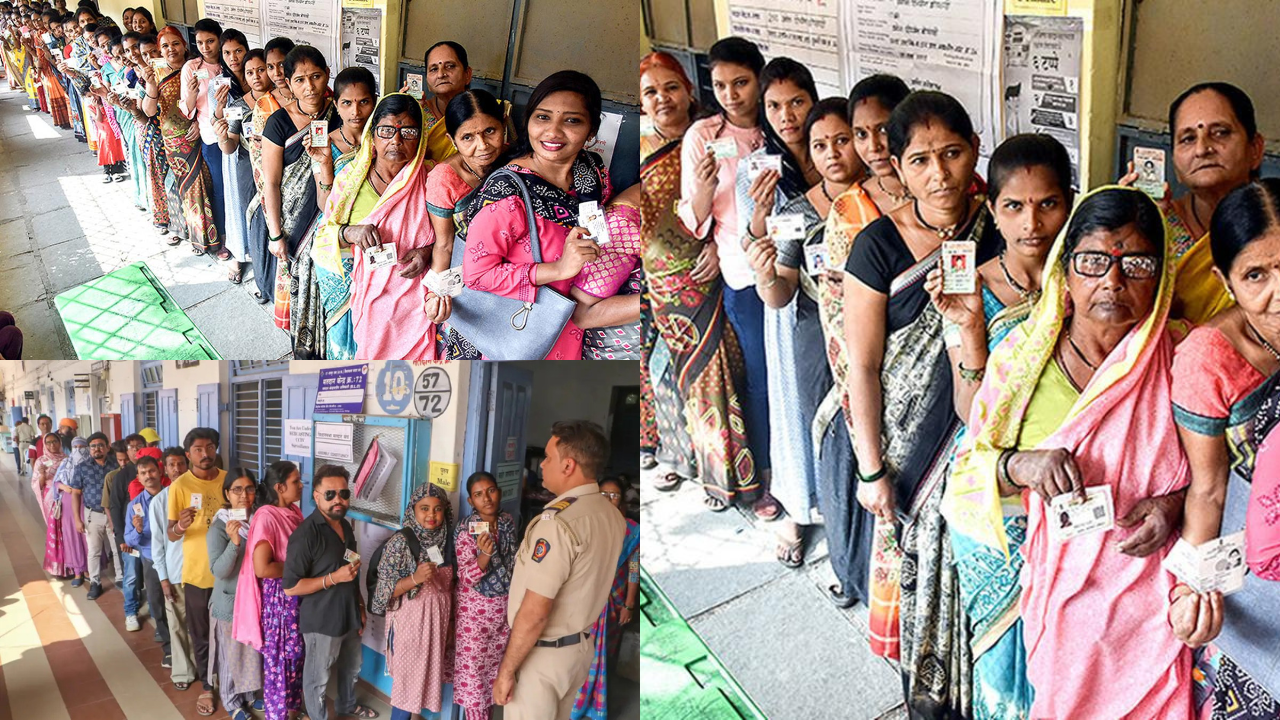
Nearly 3.5 crore voters across Maharashtra are set to decide the fate of 2,869 seats under the multi-member panel system — a structure that allows voters to elect more than one representative from a single ward. This system will once again play a crucial role in shaping the outcome, influencing how alliances distribute seats and strategies.

Crucial Election for Mumbai and Key Urban Bodies

Among all cities, Mumbai, governed by the Brihanmumbai Municipal Corporation (BMC), holds the highest political significance. It is not only the financial capital of the state but also a prestige battleground for all major political forces.
The BMC elections are being viewed as a referendum on the Eknath Shinde-led state government’s handling of Mumbai affairs since the 2022 political realignment.

Other major municipal corporations — Pune, Nagpur, Thane, Nashik, Pimpri-Chinchwad, Aurangabad, and Navi Mumbai — will also witness high-stakes contests, as both major alliances look to strengthen their grassroots presence ahead of the 2026 Maharashtra Assembly elections.

Mahayuti’s Strategy and Challenges

For the Mahayuti alliance, these elections will be a test of unity and coordination. The alliance partners — BJP, Shiv Sena (Shinde), and NCP (Ajit Pawar) — are expected to share seats strategically to avoid division of votes. The BJP is likely to focus on cities like Nagpur and Pune, where it holds organizational strength, while the Shinde-led Shiv Sena will concentrate on the Mumbai-Thane belt, which remains its traditional stronghold.

However, challenges lie in seat-sharing negotiations and grassroots coordination, as multiple factions within the Sena and NCP camps still nurture local rivalries. The Bhartiya Janata Party aims to retain its dominance as the most organized force with a strong social media and booth-level network.

MVA’s Counter Campaign and Public Sentiment

On the other side, the Maha Vikas Aghadi (MVA) — led by Uddhav Thackeray, Sharad Pawar, and Nana Patole — will attempt to regain the civic dominance it once held before the 2022 political split. The MVA campaign is centered around themes of “saving democracy and accountability in governance.”
The Shiv Sena (UBT) is expected to focus on emotional appeals in Mumbai, highlighting its developmental legacy and criticizing the alleged misuse of administrative power by the ruling alliance. Congress, meanwhile, will look to reclaim urban voter trust in cities like Nagpur, Nashik, and Solapur, while Sharad Pawar’s NCP faction seeks to revive its urban base in Pune and Pimpri-Chinchwad.

Multi-Member Panel System in Focus

A key aspect of these elections is the multi-member panel system, which divides wards into panels of two to four seats. This system often favors alliances and local-level cooperation rather than purely party-based voting. Both the Mahayuti and MVA alliances are designing strategies around this system to ensure balanced representation and minimize vote splits.

The Election Commission has ensured that ward-wise details and voter lists are made available online. Citizens are encouraged to verify their names and polling booths ahead of the voting day to avoid last-minute confusion.

Voter Participation and Polling Arrangements

With over 3.5 crore registered voters, officials are expecting a higher voter turnout compared to previous municipal elections. The State Election Commission has deployed strict protocols to ensure smooth and transparent polling. Each polling booth will have adequate security arrangements, voter assistance desks, and digital tracking systems to prevent malpractices.

Special drives are also being organized in collaboration with NGOs to encourage first-time voters and women voters to participate in large numbers. The Election Commission has emphasized the importance of urban voter turnout in strengthening local self-governance.

Electoral Significance and Political Implications

The outcome of the 2026 Municipal Elections in Maharashtra is expected to set the tone for the upcoming Assembly elections in the state. Urban governance performance, local infrastructure work, and public satisfaction with civic amenities like water supply, roads, waste management, and housing will likely influence voter decisions.

Political analysts believe that success in these civic polls will provide either alliance significant momentum for state-level contests scheduled later in the year. A victory in Mumbai or Pune could also become a psychological boost for the winning camp and shape public perception across Maharashtra.

Key Dates and Updates

  • Polling Date: January 15, 2026
  • Counting and Results: January 16, 2026
  • Total Municipal Corporations: 29
  • Total Seats: 2,869
  • Total Registered Voters: Approx. 3.5 crore

Citizens can follow ward-wise updates, candidate lists, live counting, and result trends through official election commission portals and credible news platforms like HappenRecently.com.

Final Word

As Maharashtra prepares for the Municipal Corporation Elections 2026, political pulse across cities is rising swiftly. With both Mahayuti and MVA eyeing dominance and independent candidates adding competitive flavor, voters will play a decisive role in shaping the future of urban governance.
Every vote will matter — not just for mayors and corporators, but for the political trajectory of Maharashtra in the years ahead.

Green Chocy Positions Responsible Café Culture at the Center of Its Rapid Growth Story

0
Green Chocy

Bhubaneswar, Odisha- Green Chocy has built its growth around a principle that cafés should serve more than beverages. Founded in 2023 in Bhubaneswar, the café brand has steadily expanded while promoting a responsible and mindful café culture. Within two years, the company has crossed a valuation of over ₹2 crore, supported by strong outlet performance and growing customer trust.

From its early days, Green Chocy focused on creating a clean, welcoming space centered on chai and coffee. Rather than following trends that prioritize speed over substance, the company adopted a long-term view of customer relationships. Its cafés are designed to encourage comfort and conversation, offering an atmosphere that appeals to students, professionals, and families alike.

A defining aspect of Green Chocy’s identity is its emphasis on responsible practices. The brand does not associate with harmful by-products and actively promotes a cleaner café environment. Guided by its “No Plastic, More Organic” philosophy, Green Chocy encourages sustainable choices across operations wherever possible. This approach reflects the company’s belief that growth and responsibility must move together.

Green Chocy’s menu philosophy also reflects this mindset. Ingredients are selected with care, focusing on freshness and hygiene. Beverages are prepared using modern equipment to ensure consistency, while traditional flavors are preserved to maintain authenticity. By balancing quality with affordability, the company has been able to attract repeat customers and maintain steady daily footfall across outlets.

The brand’s strong per-outlet performance, with business reaching up to ₹1 lakh per day at key locations, highlights how customer trust translates into commercial success. Green Chocy’s ability to maintain this performance without premium pricing has made it stand out in an increasingly crowded café market.

Founder Pradeep Kumar Nayak, aged 26, has played a central role in shaping Green Chocy’s values. Starting from zero, he built the company with a focus on discipline, consistency, and ethical decision-making. His leadership emphasizes that responsible business practices are not a limitation, but a foundation for long-term sustainability.

Green Chocy’s growth has been largely organic, driven by word-of-mouth, repeat visits, and increasing digital visibility. The brand has built a strong presence across social platforms, allowing customers to connect with the café beyond physical locations. This engagement has strengthened the sense of community around the brand and reinforced customer loyalty.

The company’s franchise-led expansion model further supports its responsible approach. Franchise partners are guided through standardized processes, staff training, and operational frameworks that prioritize quality and service. This structure helps ensure that every outlet reflects Green Chocy’s core values while remaining commercially viable for partners.

As Green Chocy continues to expand, its leadership remains focused on preserving the culture that defined its early success. Rather than pursuing rapid scale at the cost of identity, the company aims to grow thoughtfully, ensuring that each new outlet delivers the same warmth, quality, and care that customers associate with the brand.

With a clear philosophy, consistent execution, and a growing customer base, Green Chocy is positioning itself as a café brand built on trust, responsibility, and everyday connection.

For more information, visit https://www.greenchocy.com
Instagram: https://instagram.com/greenchocy
Facebook: https://facebook.com/greenchocy

How Offline Marketing and Seller & Merchant Onboarding Agencies Are Driving Scalable Customer Acquisition in India – With Industry Examples

0
fulcrumresources

As India’s digital economy accelerates, companies across industries are realizing that sustainable growth cannot depend only on online advertising. While digital channels help create awareness, real customer acquisition, trust-building, and long-term engagement often happen on the ground—through face-to-face interaction, assisted onboarding, and local market presence.

This shift has led to increased reliance on professional offline marketing agencies, seller and merchant onboarding agencies, and customer acquisition agencies that combine field execution with digital systems.

Across marketplaces, fintech, education, logistics, home services, and B2B platforms, brands are increasingly adopting hybrid growth strategies, blending offline execution with technology-driven tracking and analytics.


Smart Marketing Solutions for Digital Startups

Digital startups today face challenges such as high acquisition costs, low trust among users, and a large percentage of inactive or unverified sign-ups. Smart marketing is no longer about choosing online or offline—it is about using both together effectively.

For example, Udaan, a B2B commerce platform, scaled rapidly by deploying large on-ground seller acquisition teams across Indian cities. Instead of relying only on digital ads, field teams onboarded retailers directly, educated them, and assisted with app usage—leading to faster adoption and higher transaction volumes.

A professional customer acquisition agency focuses on onboarding real, active, and revenue-generating users, not just generating leads.


Onboarding Work Experience: The Foundation of Scale

Onboarding is the backbone of every scalable platform. Agencies with deep field experience deliver structured onboarding that includes:

  • Seller and merchant acquisition
  • Service provider onboarding
  • Customer and user onboarding
  • KYC, documentation, and compliance
  • Assisted registration and activation
  • Product listing, catalog setup, and pricing
  • Training and continuous engagement

This approach reduces churn and improves user quality significantly.


Categories Served – With Industry Examples

1. Marketplaces & E-commerce Platforms

Marketplaces require consistent onboarding of quality sellers to grow supply.

Example:
Amazon India and Flipkart both invested heavily in offline seller onboarding programs. Field teams visited local businesses, explained marketplace benefits, assisted with GST registration, product listing, and logistics setup—enabling rapid seller adoption beyond metro cities.

An experienced seller or merchant onboarding agency supports:

  • Seller identification and outreach
  • Platform pitching and education
  • Product and catalog onboarding
  • Assisted go-live and activation
  • City-wise expansion

2. Online Business Directories

Online directories succeed only when listings are accurate and verified.

Example:
Justdial scaled its directory by deploying offline teams that physically visited businesses, verified details, created listings, and educated merchants on visibility benefits. This ensured high data accuracy and user trust.

Offline marketing agencies help with:

  • Local merchant visits
  • Business listing creation
  • Verification and trust-building
  • Category-wise expansion

3. Payment & Fintech Applications

Merchant onboarding is critical in fintech.

Example:
Paytm built one of India’s largest merchant networks through aggressive offline onboarding. Field executives onboarded kirana stores, installed QR codes, completed KYC, and trained merchants—driving massive transaction growth.

A specialized seller or merchant onboarding agency supports:

  • Merchant acquisition
  • KYC and compliance
  • QR / POS setup
  • Training and ongoing support

4. On-Demand Service Platforms

On-demand platforms depend on service providers as much as customers.

Example:
Urban Company scaled by onboarding electricians, plumbers, beauticians, and technicians through offline sourcing, skill verification, training, and documentation—ensuring service quality at scale.

Offline onboarding ensures:

  • Provider sourcing and screening
  • Area-wise deployment
  • Quality control and training

5. Utility Platforms & Service Providers

Utility platforms require mass adoption and trust.

Example:
JioFiber relied on on-ground teams to acquire customers, verify addresses, explain plans, and assist with installation—driving rapid regional penetration.

A customer acquisition agency designs:

  • City-wise campaigns
  • Local awareness drives
  • Assisted onboarding and activation

6. Education & Learning Platforms

Education platforms rely heavily on trust and personal interaction.

Example:
Byju’s initially scaled by deploying counselors and field teams who visited homes and institutions, explained learning programs, and assisted with enrollment.

Offline marketing supports:

  • Institution onboarding
  • Student registration drives
  • Trainer and educator onboarding
  • Community engagement

7. Content Creator & Distribution Platforms

Content platforms grow through creator adoption.

Example:
ShareChat expanded its creator ecosystem by conducting offline creator meets, regional workshops, and agency onboarding programs—driving localized content creation.

Offline strategies include:

  • Creator outreach
  • Platform education
  • Local creator community building

8. Home Maintenance Service Providers

Local services require trust and availability.

Example:
Platforms like HouseJoy and NoBroker Services onboarded plumbers, electricians, and technicians through offline verification, training, and area-wise deployment.

Key focus areas:

  • Technician onboarding
  • Compliance and background checks
  • Local service availability

9. Car & Bike Service Centers

Automotive services rely on local relationships.

Example:
GoMechanic scaled its partner workshops by onboarding garages through field teams, setting pricing, and integrating service workflows.

Offline onboarding supports:

  • Workshop acquisition
  • Service listing and pricing
  • Local promotions

Seller & Merchant Onboarding Team Models

To support different growth stages, agencies offer flexible workforce structures:

  • Dedicated Teams – full-time, brand-aligned
  • Outsourced Payroll Models – reduced HR burden
  • Temporary Staff – city launches & pilots
  • Student Internship Programs – cost-effective outreach
  • Pay-Per-Onboarding Models – performance-based
  • Gig & Freelancer Teams – scalable execution
  • Part-Time Local Executives – hyperlocal coverage

Why Brands Choose Fulcrum as Their Offline Marketing Partner

Fulcrum Resources Infinity Pvt Ltd was founded with a vision to bridge the gap between brands and consumers on the ground. Over the past 10+ years, Fulcrum has delivered structured offline and hybrid acquisition programs across India.

Key Reasons Brands Trust Fulcrum

✔️ 10+ years of field marketing expertise
✔️ PAN-India execution across metros, towns, and rural areas
✔️ Trained manpower network ready to scale
✔️ Custom campaign planning for startups and enterprises
✔️ Real-time monitoring and reporting tools
✔️ Cost-effective yet high-impact campaigns


Pan-India Presence

Fulcrum operates across 40+ cities, including:
Mumbai, Delhi NCR, Bengaluru, Hyderabad, Chennai, Pune, Ahmedabad, Kolkata, Jaipur, and Chandigarh.


Conclusion

As Indian markets become more competitive and localized, offline-led customer acquisition has emerged as a decisive growth advantage. Companies that combine a strong offline marketing agency, an experienced seller or merchant onboarding agency, and a results-driven customer acquisition agency are able to scale faster, acquire verified users, and build lasting trust.

Fulcrum Resources Infinity Pvt Ltd continues to help brands connect, convert, and grow—on the ground, where real business happens.


About Fulcrum Resources Infinity Pvt Ltd

�� Website: https://fulcrumresources.net
�� Email: info@fulcrumresources.net
�� Phone: +91-8484099961

�� Learn more:
https://fulcrumresources.net/seller-acquisition-for-an-e-commerce/

Niswarth Kadam Organises Hygiene & Health Awareness Programme for Underprivileged Women

0
Niswarth Kadam

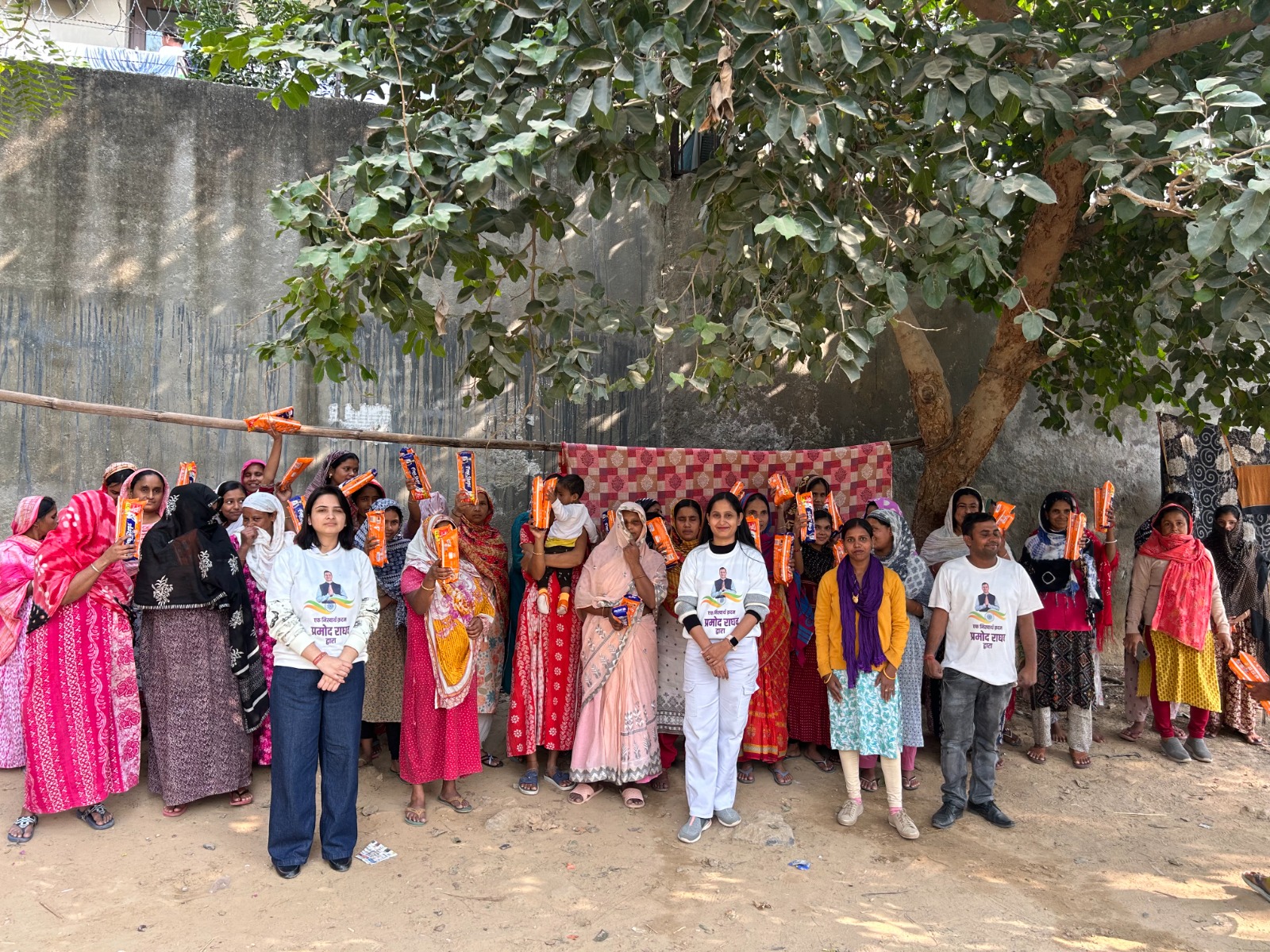
Niswarth Kadam, a leading NGO working at the grassroots level, organised a Sanitary Pad Distribution and Health & Hygiene Awareness Programme for underprivileged women living in the slum cluster of Sector-50. The initiative aimed to promote dignity, menstrual hygiene, and health awareness among women who often live in vulnerable conditions due to lack of information and resources.

Dr. Pramod Raghav, Founder of Niswarth Kadam, said,

“Hygiene and health are fundamental rights of every woman. As a society, we must work together to strengthen awareness, equality, and dignity for women, especially those from marginalised communities.”
He further emphasized that educating women about personal hygiene and health is essential for their empowerment and overall progress in life.

Members of Niswarth Kadam shared that the programme helped break hesitation and silence around menstrual health among women residing in slum areas. Through open interaction and counselling, the initiative focused on dispelling myths related to menstruation and reinforcing the importance of hygiene, health, and self-respect.

The programme received encouraging support from the local community, reflecting a growing awareness and acceptance of discussions around women’s health. Niswarth Kadam reiterated its commitment to creating a healthier and more inclusive society by continuously working towards awareness, education, and empowerment of women.