
Wednesday, March 11, 2026
Home Blog Page 10

Chhatrapati Shivaji Maharaj State Kabaddi Tournament 2026 Mumbai and Pune Clash for Glory

0
State Kabaddi Tournament 2026

After weeks of intense competition, the men’s final between Mumbai City and Pune Rural promises high drama, skillful raids, and unforgettable sporting spirit.

The spirit of kabaddi, Maharashtra’s soul sport, has once again come alive with the grand finale of the Chhatrapati Shivaji Maharaj State-Level Kabaddi Tournament (Men’s Category). The much-anticipated final match between Mumbai City and Pune Rural teams has captured the attention of kabaddi enthusiasts across the state. With power-packed performances, unmatched energy, and a fierce sense of pride, the match promises to be an unforgettable showdown showcasing the best of Maharashtra’s indigenous sporting culture.

The Glory of a Statewide Tournament

The Chhatrapati Shivaji Maharaj State-Level Kabaddi Tournament is not just another sporting event — it’s a celebration of Maharashtra’s legacy, strength, and love for this traditional Indian sport. Organized under the guidance of the state sports department, this annual tournament brings together kabaddi teams from across districts, testing not just physical stamina but also tactical brilliance and teamwork.

This year’s edition has been particularly thrilling, with top-tier competitors from 32 districts vying for the coveted state title. The tournament began with district-level qualifiers before advancing to zonal and state rounds. Each match has seen incredible determination and intense competition, ultimately culminating in the sensational final faceoff between two kabaddi powerhouses — Mumbai City, known for their speed and technique, and Pune Rural, respected for their defensive mastery and team harmony.

An Electric Atmosphere on the Ground

The energy surrounding the final is electric. From local grounds to social media platforms, every corner of Maharashtra is buzzing with excitement. Tens of thousands of kabaddi fans, dressed in their favorite team colors, are thronging the stadium to cheer their hometown heroes. The rhythmic beats of dhols, whistles, and shouts of “kabaddi, kabaddi!” echo through the crowd, creating an atmosphere that reflects the sport’s deep cultural roots.

Local fans describe this match as a battle of equals — a contest of strength and strategy that could go down to the last raid. The anticipation is palpable, and the players are well aware that they are not just representing their teams but carrying the pride of their districts on their shoulders.

Mumbai City: Masters of Speed and Strategy

The Mumbai City team has built a strong reputation throughout the tournament for their lightning-fast raids and tactical precision. Their captain, a seasoned player known for his analytical approach, has guided the team through challenging encounters with calm leadership. Mumbai’s raiders have displayed impressive footwork, deceiving defenders with agile movements and quick escapes.

Their defense lineup has been equally formidable, executing super tackles and backholds with accuracy. The coordination among players has been seamless — every tackle and raid looked like a well-rehearsed move. Their fans believe that Mumbai’s technical edge and adaptability could be the deciding factor in today’s final.

Pune Rural: The Pride of Persistence and Team Spirit

In contrast, Pune Rural’s kabaddi team has shown extraordinary resilience and discipline throughout the tournament. Their emphasis on teamwork and psychological balance has made them one of the most respected competitors. Pune Rural’s defense has been nearly impregnable, with tightly-knit formations and perfectly timed ankle holds that have frustrated even the best raiders.

Their raiders, too, have stepped up at crucial moments, turning defensive games into high-scoring battles. The team’s unity — reflected in every cheer and strategy huddle — showcases the spirit of rural Maharashtra, where talent and determination rise from the soil itself. Their fans describe them as “warriors of the mat,” capable of turning defense into attack within seconds.

Passion of the Fans and the Cultural Connection

Kabaddi is more than a game in Maharashtra — it’s an emotion that connects people across urban and rural lines. The final between Mumbai and Pune has become a cultural event in itself. Public viewing screens have been installed in various towns and villages, allowing thousands to follow the action live. Schools, hostels, and community centers have arranged screenings, and local commentary teams are keeping the excitement alive on FM radio.

On social media, hashtags like #MaharashtraKabaddiFinal, #MumbaiVsPune, and #ShivajiKabaddiCup are trending, with fans passionately discussing strategies, favorite players, and predictions. Former players and kabaddi legends are joining in the conversation, praising the quality of play that this state-level tournament continues to deliver year after year.

A Platform for Youth and Talent Development

The Chhatrapati Shivaji Maharaj State-Level Kabaddi Tournament has become one of the most significant platforms for nurturing local talent. Many state and national-level players began their journey here. The tournament doesn’t just crown winners — it inspires thousands of young boys and girls in Maharashtra’s villages and towns to dream big and pursue sports seriously.

Training camps, fitness sessions, and talent scouting efforts organized alongside the tournament have helped identify promising kabaddi players. With the increasing popularity of the Pro Kabaddi League, the state-level championship has gained even greater importance, offering aspiring players a clear pathway to professional recognition.

Organized Precision and State Support

This year’s tournament has been exceptionally well organized. From venue arrangements to referee management and security, every aspect reflects the professionalism of Maharashtra’s sports administration. The organizers ensured the availability of first-aid medical teams, hydration zones for players, and comfortable seating facilities for spectators.

Officials, volunteers, coaches, and kabaddi federations have worked tirelessly to ensure fair play, discipline, and audience engagement. The involvement of local administrative bodies and support from the sports ministry underscore Maharashtra’s commitment to building a robust sporting ecosystem.

Rewards, Recognition, and the Road Ahead

After the final whistle, the winning team will be awarded the grand Chhatrapati Shivaji Maharaj State Trophy, along with attractive cash prizes and medals. Individual awards will be presented for the Best RaiderBest Defender, and Emerging Player of the Tournament.

More importantly, both teams’ performances will contribute to their future selection in state and national kabaddi camps. Scouts from various kabaddi leagues are closely monitoring key players, giving many young athletes a chance to advance their professional careers.

Symbol of Strength and Cultural Pride

The Chhatrapati Shivaji Maharaj State-Level Kabaddi Tournament stands as a proud symbol of Maharashtra’s sporting heritage. Named after the great warrior king who embodied courage and unity, the tournament reflects the same values on the mat — discipline, teamwork, and fearless pursuit of excellence.

As the battle between Mumbai City and Pune Rural unfolds, the entire state watches with bated breath. No matter who lifts the trophy, the true victory lies in the resurgence of kabaddi — a sport that continues to bring Maharashtra’s people together, generation after generation.

Unified Web Options & Services Introduces AI Mall™ MVP from Jabalpur, Strengthening India’s AI

0
Gurumukh P. Ahuja

Innovation Landscape India’s artificial intelligence ecosystem is witnessing rapid growth, and a new chapter has begun with the launch of AI Mall™ MVP by Jabalpur-based IT company Unified Web Options & Services Private Limited (UWO). The company has officially announced that the full AI Mall platform and its mobile application will be rolled out in the coming 2–3 months, setting the stage for large-scale AI adoption across sectors.

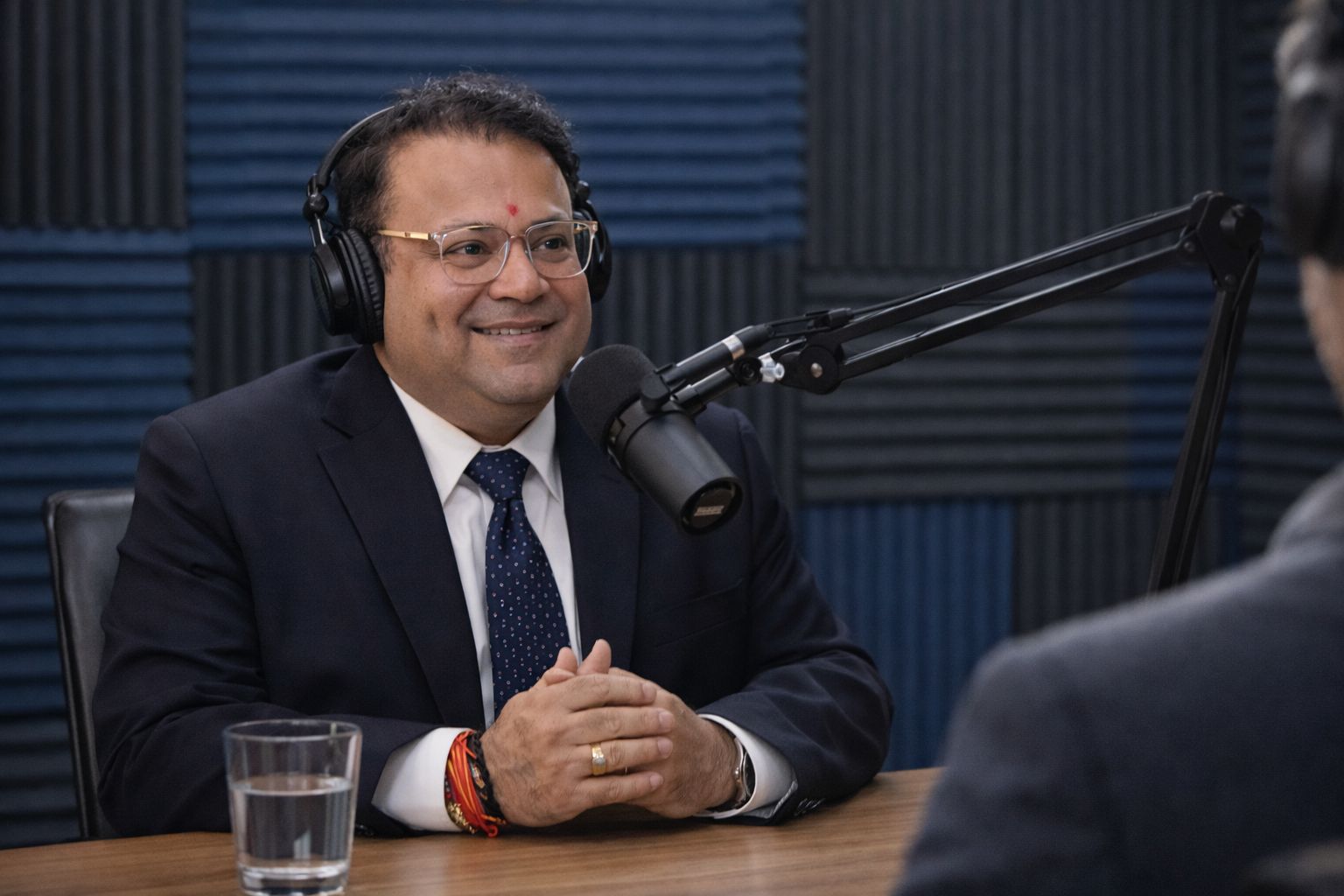
Established in 2020, UWO operates from Jabalpur, Madhya Pradesh, and has steadily built a reputation for developing future-ready digital systems. The company is spearheaded by Mr. Gurumukh P. Ahuja, Founder and Director, a visionary entrepreneur known for combining business insights with system-level thinking. With more than 13 years of experience in real estate, Mr. Ahuja has also authored nine books based on the Energy, Frequency, and Vibration (EFV) framework, focusing on alignment between humans, technology, and systems.

AI Mall™: Asia’s First Unified AI Ecosystem Platform AI Mall™ is designed to be Asia’s first AI ecosystem platform that removes barriers to AI adoption. Instead of fragmented tools and complex integrations, AI Mall brings everything under one intelligent framework, making artificial intelligence practical for businesses of all sizes.

The platform is powered by AISA™ (AI Super Assistant), a GPT-based intelligence layer developed in-house by UWO. AISA™ acts as the central intelligence engine, capable of understanding business workflows, operational needs, and user intent. This enables AI Mall to deliver contextual, efficient, and scalable AI solutions.

Three Pillars Defining the AI Mall Vision AI Mall™ is structured around three strategic pillars that define its ecosystem-first approach.

The Vendor and Affiliate Ecosystem allows AI companies, startups, developers, and API providers to onboard their solutions onto AI Mall. Through revenue-sharing and affiliate partnerships, vendors gain access to a wider audience while businesses benefit from a curated AI marketplace.

The A-Series AI Agents represent UWO’s in-house innovation. These AI agents are built for specific functional domains such as Sales automation, Marketing intelligence, Operations optimization, Customer Support, and Business Analytics. Offered through subscription and white-label models, the A-Series is designed for enterprises, agencies, MSMEs, and government bodies.

The Unified Intelligence Platform connects all stakeholders—vendors, partners, A-Series agents, and white-label solutions—into one cohesive ecosystem. This ensures seamless communication, centralized intelligence, and better scalability across use cases.

Focus on IP Creation and Skill Development UWO has made significant investments in intellectual property and innovation, holding over 100 registered trademarks and patents across its AI frameworks, platforms, and digital systems.

In parallel, the company is nurturing young talent through its structured Internship Program. Students from Shri Ram Institute and Gyan Ganga College are actively contributing to live AI Mall projects. These internships offer hands-on exposure to real industry challenges in technology, operations, sales, marketing, and strategy.

Commenting on the launch, Mr. Gurumukh P. Ahuja said, “Our vision with AI Mall is to simplify AI adoption while ensuring responsibility and scalability. We want businesses and institutions to feel confident in using AI as a growth enabler.”

With AI Mall™, UWO aims to position India as a key player in the global AI ecosystem, promoting responsible innovation and inclusive growth.

This Masala Season, Pushti Organic Brings Red Chilli Powder the Way Farmers Make It

0
Pushti Organic Red Chilli Powder

As the masala season begins across Indian kitchens, red chillies start arriving fresh from farms. For many families, this is the time to restock spice jars — a yearly routine passed down through generations.

For Pushti Organic, this season is not about higher sales. It is about timing, tradition, and staying close to the way farmers have always prepared spices.

Pushti Organic comes from a farming family based in Bhesan, Gujarat, with five generations of experience in agriculture. Long before spices were packaged and branded, chilli was grown, dried, and ground with patience. That understanding shapes how Pushti Organic prepares its red chilli powder today.

Instead of sourcing year-round bulk stock, Pushti Organic works with farmers during the chilli harvest season. The chillies are carefully selected, naturally dried, and ground in small batches. The brand avoids shortcuts such as ETO (ethylene oxide) treatment, which is commonly used in the spice industry to extend shelf life.

Because of this process, the colour of the red chilli powder remains natural, the aroma stays balanced, and the heat feels familiar — not sharp or artificial. It also means the product is packed in limited quantities and delivered within 3 to 5 days, rather than being stored for long periods.

“We believe masala should be fresh and seasonal,” the team at Pushti Organic explains. “That’s why we encourage customers to buy only what they regularly use.”

By working directly with farmers and removing middlemen, Pushti Organic ensures fair pricing at the source, especially during harvest time when farmers often face pressure from traders. This direct-from-farm approach is central to the brand’s philosophy.

Along with red chilli powder, Pushti Organic currently offers a small range of carefully sourced products including traditional spices, Darjeeling tea sourced from its origin, raw honey, and organic turmeric powder. The focus remains on doing fewer things well rather than expanding quickly.

Looking ahead, Pushti Organic aims to extend this farm-direct model to fresh vegetables, delivering produce straight from fields to urban homes while maintaining transparency and fairness for farmers.

For Ahmedabad’s urban families and young professionals seeking honest food choices this masala season, Pushti Organic offers red chilli powder made with respect for both the crop and the people who grow it.Customers can support this farmer-first initiative by purchasing red chilli powder from Pushti Organic. First-time buyers can use the code FIRST10 to receive 10% off their order.

Dr. Sarabjeet Singh Emerges as a Ray of Hope for Underprivileged Children Through ‘Sarbat da Bhala’ Initiative

0
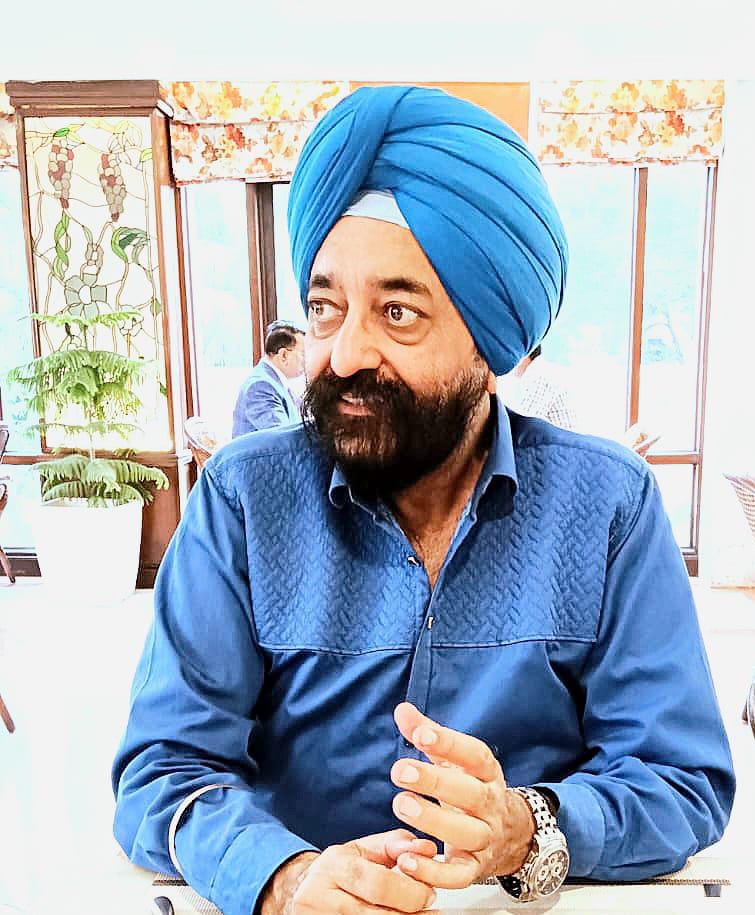
Dr. Sarabjeet Singh

New Delhi: In a time when access to quality education remains a challenge for many underprivileged families, Dr. Sarabjeet Singh has emerged as a beacon of hope for countless children in Delhi. Through his selfless initiative, “Sarbat da Bhala”, Dr. Singh is transforming lives by ensuring that financial hardship does not become a barrier to education, healthcare, and basic human dignity.
The journey of Sarbat da Bhala began humbly, with just two children who were unable to continue their studies due to a lack of resources. What started as a small act of compassion has now grown into a large-scale social movement, providing free education to numerous children from economically weaker sections. Today, the initiative supports students by offering free school admission, tuition fees, books, notebooks, uniforms, and essential school supplies, ensuring a complete educational ecosystem for those in need.
Speaking about his mission, Dr. Sarabjeet Singh strongly believes that education is the foundation of a progressive society. “Education is not a privilege, it is a fundamental right. Only through education can children secure a brighter future. These children are the future of our nation, and if they are educated, our country will progress,” he said. His words reflect a deep-rooted commitment to nation-building through social upliftment.
What sets Dr. Singh apart is not just his vision, but his consistent action on the ground. Sarbat da Bhala is not limited to education alone. The organization actively works in the areas of free healthcare, food distribution, and humanitarian aid, especially for the most vulnerable sections of society. In a city like Delhi, where socio-economic disparity is stark, such efforts have brought relief and hope to many families.
During the harsh winter months, when survival becomes especially difficult for the homeless and underprivileged, Dr. Singh and his dedicated team stepped up with compassion. They organized large-scale distribution of warm clothing, blankets, and nutritious food for those struggling to cope with the cold. Dr. Singh explained that special planning was done to identify and reach people who were most affected during winter, including children, elderly citizens, and daily wage workers.
The impact of these initiatives has not gone unnoticed. Residents of Delhi have widely appreciated Dr. Sarabjeet Singh’s work, recognizing him as a genuine social worker who leads by example. Many families have expressed gratitude for the opportunity their children have received to study with dignity and hope, something they once thought was impossible.
Parents of beneficiary children shared that Sarbat da Bhala has not only changed their children’s academic journey but has also instilled confidence, discipline, and dreams of a better future. Several children supported by the organization are now performing well in school and aspire to become doctors, engineers, teachers, and responsible citizens.
Dr. Singh’s approach is deeply rooted in Indian values of seva (service), humanity, and collective welfare. The name “Sarbat da Bhala,” meaning “welfare of all,” perfectly captures the spirit of his work. His initiative serves as a powerful reminder that meaningful change begins when individuals take responsibility for society’s most vulnerable.
As Sarbat da Bhala continues to expand its reach, Dr. Sarabjeet Singh remains focused on his mission of empowering the underprivileged through education and care. His story is not just one of charity, but of sustainable social development driven by empathy and action.
In an era where true social work is rare, Dr. Sarabjeet Singh stands tall as an inspiration, proving that one person’s dedication can illuminate the lives of many and pave the way for a brighter, more inclusive India.

From Treatment to Transformation: How Happiness Cosmos LLP Is Reimagining Healthcare in India

0
happinessrejuvenationcenter

For decades, healthcare in India has followed a familiar pattern: wait for illness, then seek treatment. But as lifestyle diseases rise and medical costs climb, this reactive model is proving insufficient. A quieter but more powerful shift is now underway—one that places prevention, awareness, and daily well-being at the center. At the forefront of this shift is Happiness Cosmos LLP.

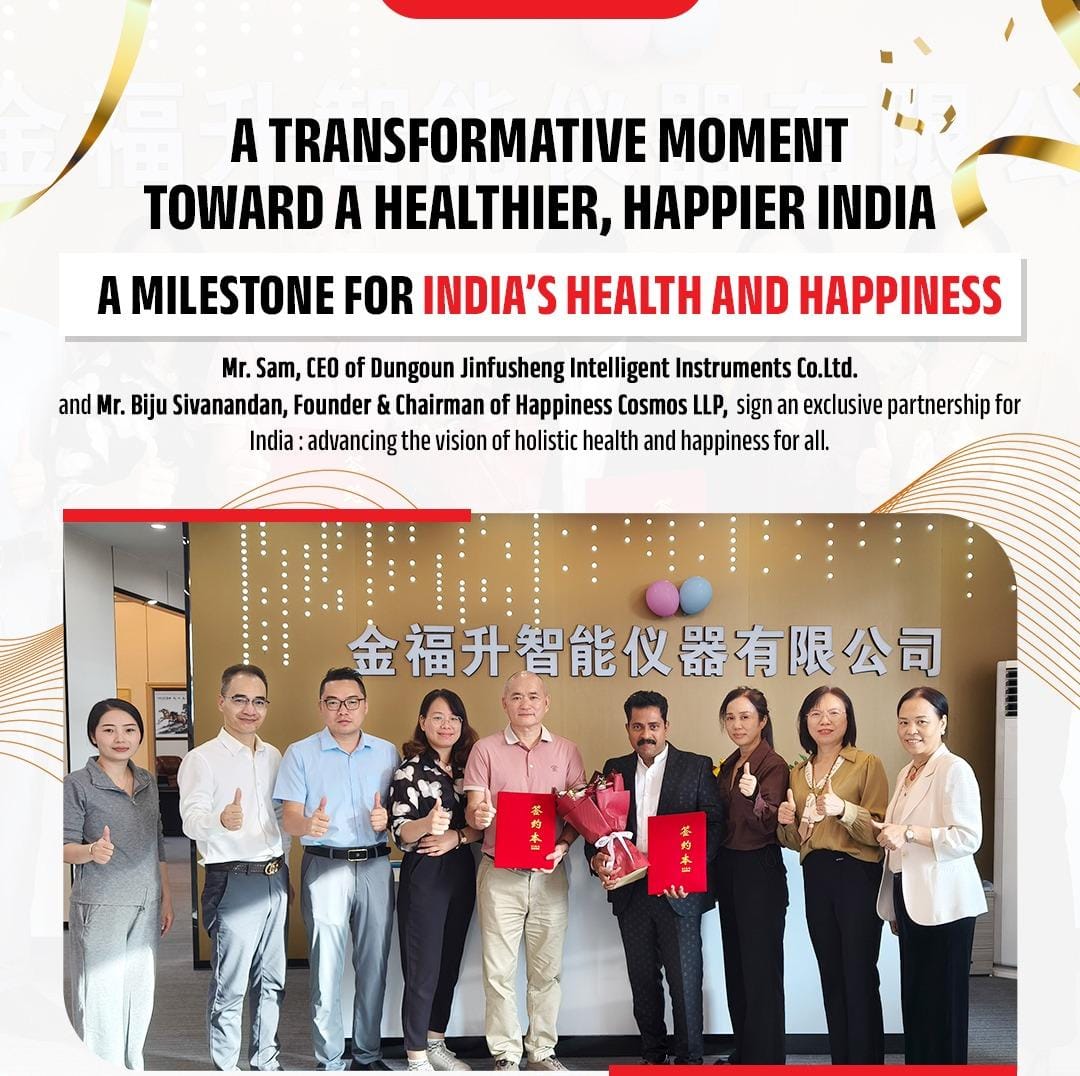
Registered under Kerala Startup Mission and Startup India, Happiness Cosmos LLP is building a future where healthcare begins long before disease appears. Its upcoming flagship initiative, HRC – Happiness Rejuvenation Center, reflects this philosophy in action.

A New Kind of Health Space
Unlike conventional clinics, HRCs are designed as holistic well-being centers. They combine preventive health screening, fitness guidance, rejuvenation therapies, and lifestyle support in a single, accessible space. The idea is simple but transformative: help people understand their health early and act on it consistently.

The first HRC will open this January at Peravoor in Kannur. This launch marks the beginning of a larger vision. Over the next three years, the company plans to establish 500 HRCs across South India, creating a decentralized network of preventive care close to communities.

Founder and Chairman Sarayogi Biju Sivanandan describes this expansion as a social intervention. “Healthcare should not start in hospitals,” he notes, “it should start in everyday life.”

Technology That Encourages Healthy Living
Modern prevention needs modern tools. Happiness Cosmos LLP is preparing to introduce the HRC Lifering, a smart fitness ring that tracks essential health indicators and nudges users toward healthier daily habits. Alongside this, the company is developing innovative devices aimed at making preventive care practical, measurable, and easy to adopt at home.

These technologies are not meant to replace doctors, but to empower individuals with timely insights—bridging the gap between knowing and doing.

Health as a People’s Movement
Perhaps the most ambitious initiative from Happiness Cosmos LLP is Mission Healthy Kerala. The campaign aims to create one lakh health warriors across 1,000 panchayats by partnering with NGOs, corporates, and local institutions. These trained volunteers will promote early screening, lifestyle awareness, mental well-being, and preventive habits at the grassroots level.

The goal is cultural change. When health awareness becomes community-led, prevention becomes sustainable.

Global Science, Local Impact
To strengthen its innovation edge, Happiness Cosmos LLP has entered into an MoU with Jin Fusheng Biotechnology, becoming its exclusive strategic partner in India. Founded in 1998, Jin Fusheng is a leader in graphene-based medical and health technologies, enabling the introduction of advanced, research-backed preventive products into the Indian market.

Leadership with a Human Focus
The company’s direction is shaped by a strong leadership team. Medical guidance comes from Dr. Arun Oomen, Senior Neuro Surgeon and Chief Medical Advisor.The founding team includes Manoj Rohini, Manikandan P, Surya S Subash, Mohammed Shamseer, Abidha Abdul Rahiman, and Nisha PP. Global outreach and wellness advocacy are supported by Vijay Anand as Global Happiness Ambassador, while international growth is driven by Arun Mohan, Vice President – Global Sales.

Shaping Tomorrow’s Healthcare
Preventive healthcare is no longer an abstract idea—it is an urgent necessity. By blending technology, community engagement, and accessible wellness infrastructure, Happiness Cosmos LLP is helping India move from a culture of treatment to one of transformation.

In doing so, it is sending a clear message: the future of healthcare lies not in reacting to illness, but in nurturing health—every day, for everyone.

Website: www.hrccosmos.com
Instagram: www.instagram.com/happinessrejuvenationcenter

Malayalam Film ‘INI – The Unknown Tomorrow’ Takes a Bold Stand Against Drugs and Child Exploitation Through a Child’s Perspective

0
INI - The Unknown Tomorrow

At a time when India is increasingly alarmed by the rise of drug abuse and exploitation among school-going children, Malayalam cinema is preparing to add a strong, socially responsible voice through the upcoming film ‘INI – The Unknown Tomorrow’. Directed by Anil Kaarakkulam, ‘INI – The Unknown Tomorrow’ is not just another film release but a meaningful cinematic statement that addresses one of the most sensitive and urgent issues facing today’s society. Rooted in present-day realities, the film explores addiction, peer pressure, emotional vulnerability, and child exploitation through the eyes of a 13-year-old girl.

Positioned as an organic social message rather than mere entertainment, ‘INI – The Unknown Tomorrow’ aims to reach parents, teachers, students, and society at large. The film raises important questions about modern school environments, changing social influences, and the collective responsibility of adults in safeguarding childhood.

A Story That Reflects Today’s Reality

The narrative of ‘INI – The Unknown Tomorrow’ revolves around Shivada, a young adolescent navigating the fragile transition between childhood innocence and the harsh realities of adulthood. Her character represents countless children who silently struggle under peer pressure and manipulation. The film highlights how curiosity, emotional insecurity, and the desire for acceptance can make children easy targets for dangerous influences, including drugs and exploitation.

Child actor Devananda Parveen brings Shivada to life with remarkable sensitivity and maturity. Her performance forms the emotional backbone of the film, portraying confusion, fear, and inner conflict with striking realism. Through Shivada’s journey, INI gives voice to children whose pain often goes unnoticed until it is too late.

Honest Direction with Social Responsibility

Director Anil Kaarakkulam approaches the subject with restraint and honesty. Avoiding sensationalism or glorification of substance abuse, INI offers a raw and unfiltered look at how students unknowingly step onto destructive paths. The film sheds light on uncomfortable truths within school spaces, social circles, and digital influences, while also addressing the silence and delayed response of adults.

Rather than offering easy solutions, the director urges viewers to reflect on their own roles as parents, educators, and members of society. ‘INI – The Unknown Tomorrow’ becomes a mirror, forcing audiences to confront the reality that neglect and ignorance can have irreversible consequences on a child’s life.

Strong Performances and Supporting Roles

Alongside Devananda Parveen, actor Shanoop plays a significant and impactful role, adding emotional depth and narrative strength to the film. Known for his steady rise in Malayalam cinema, Shanoop’s performance reinforces the film’s social relevance and adds weight to its message. His involvement as both an actor and the Project Designer further strengthens the creative vision of INI.

A Dedicated Technical Team

INI is produced by Rajesh Babu K Sooranad and Sibin Davis under the banners Voks Studios and Aniva Creations. The film’s technical team plays a vital role in enhancing its authenticity and emotional impact. Cinematography by Shobin C Johnny visually captures the contrast between childhood innocence and the looming dangers that surround it.

Editing by Jijo Babu K ensures a tight and engaging narrative flow, while makeup by Jayaraman Poopathy maintains a naturalistic tone throughout the film. Nilambur Sunny, as Production Controller, ensures smooth execution of the project.

Music That Amplifies Emotion

Music is an essential element in INI. The songs, composed by Rajesh Babu K Sooranad, blend seamlessly with the storyline and emotions. The background score by Rev. Dr. Fr. Joy Mathew adds depth to key moments, intensifying the emotional experience. Biju Mookkunnur also contributes significantly to the film’s musical elements, enhancing its overall impact.

A Film That Sparks Conversation

Beyond its artistic merits, ‘INI – The Unknown Tomorrow’ stands as a social wake-up call. School life is often described as the most beautiful phase of life, filled with dreams and hope. But INI questions whether this remains true in today’s fast-changing and pressure-driven environment. Are children truly safe? Are adults paying enough attention?

With its realistic storytelling, strong performances, and socially committed vision, ‘INI – The Unknown Tomorrow’ promises to be a meaningful addition to Malayalam cinema. More importantly, it aims to spark awareness, conversation, and action against drug abuse and child exploitation—issues that demand urgent attention in contemporary India.

Astroja: Bridging Ancient Wisdom and Modern Technology – Beta Launch This January

0
Astroja

In India’s thriving spiritual-tech landscape, Astroja emerges as a comprehensive platform dedicated to authentic online astrology, puja services, and a devotional marketplace. Developed by iPOOJA Online Solutions Pvt. Ltd., Astroja embodies the philosophy “Where Technology Unites Believers,” making spiritual guidance accessible to millions pan-India.
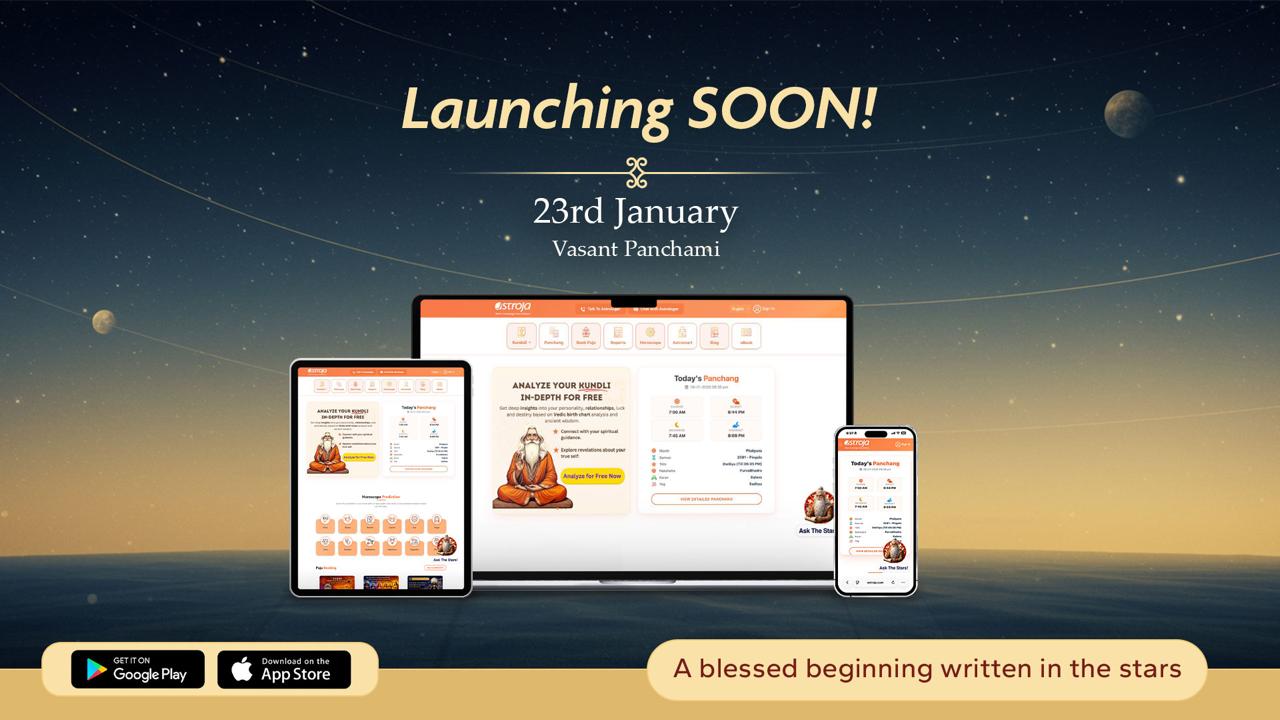
The much-anticipated beta website launch is scheduled for January 15, 2026, offering early users a glimpse of its user-friendly features. This will be followed by the official Android and iOS app rollout on January 23, 2026, ensuring seamless mobile access nationwide.
Amid competitors like AstroTalk, AstroSage, and VAMA, Astroja distinguishes itself with a strong emphasis on verification and trust. It onboarded over 250 certified astrologers, with plans to expand to 1,000+ by launch, providing 24/7 consultations. Advanced features include AI-powered matching, multilingual support (Hindi, English, and regional languages), secure payments, and data privacy compliance.
Core Services:

  • Astrology Consultations: Personalized Vedic horoscope readings, kundli matching, career/relationship guidance via chat, voice, or video. New users enjoy a “First Chat Free” offer.
  • Puja Services: Book authentic rituals performed by experienced pandits, featuring live streaming, customized ceremonies, and home-delivered prasad for occasions like Graha Shanti or festivals.
  • Devotional Marketplace: Curated selection of genuine products, including rudraksha malas, yantras, brass idols, gemstones, and Cristals sourced from reliable vendors.
    Astroja prioritizes affordability and cultural authenticity, catering to urban professionals and rural devotees alike. Future updates promise community interactions, daily horoscope notifications, and enhanced AI insights.
    As digital spirituality gains momentum in India, Astroja is poised to empower users on their faith journeys with convenience and credibility.

Mark your calendars:
Explore www.astroja.com starting January 15, 2026, or download the apps from January 23.

Let Astroja guide your path to cosmic harmony.

A Modern Preventive Healthcare Movement by Happiness Cosmos LLP

0
A Modern Preventive Healthcare Movement by Happiness Cosmos LLP

Healthcare stories usually begin with a diagnosis. This one begins with a choice. The choice to stay healthy, stay aware, and act early.

As India sees a sharp rise in lifestyle diseases, stress-related conditions, and long-term medical expenses, the limits of a treatment-first healthcare system are becoming clear. The future lies in prevention, not reaction. It lies in daily habits, informed decisions, and systems that support well-being before illness appears.

This shift in thinking is at the core of Happiness Cosmos LLP, a wellness-focused enterprise registered under Kerala Startup Mission and Startup India. The company is building a preventive healthcare model designed for modern life—accessible, tech-enabled, and community-driven.

Redesigning What a Health Space Can Be The flagship initiative of Happiness Cosmos LLP is HRC – Happiness Rejuvenation Center, a new-generation wellness destination created for prevention, not crisis care. HRCs move beyond the traditional clinic format. They bring together preventive health screening, fitness guidance, rejuvenation therapies, and lifestyle support in a calm, welcoming environment.

The first HRC will open this January at Peravoor, Kannur. This is just the starting point. Over the next three years, the company plans to establish 500 HRCs across South India, creating a distributed network of preventive care embedded within communities.

Founder and Chairman Sarayogi Biju Sivanandan describes the initiative as a mindset shift. Health, he believes, should be part of daily living—not something addressed only when something goes wrong.

Smart Technology for Everyday Health Modern prevention demands modern tools. Happiness Cosmos LLP is preparing to launch the HRC Lifering, a smart fitness ring designed to track key health indicators and gently guide users toward healthier habits. Alongside this, the company is developing innovative preventive healthcare devices that translate complex health data into simple, actionable insights.

These technologies are built to complement medical care, helping people recognize early warning signs and make informed lifestyle changes at the right time.

Health as a Community Experience Prevention works best when it becomes collective. Through Mission Healthy Kerala, Happiness Cosmos LLP is taking preventive healthcare to the grassroots. The initiative aims to create one lakh health warriors across 1,000 panchayats by partnering with NGOs, corporates, and local institutions.

These health warriors will promote awareness around early screening, lifestyle diseases, mental well-being, and preventive habits. The objective is clear: build a culture where communities take ownership of their health, making prevention sustainable and inclusive.

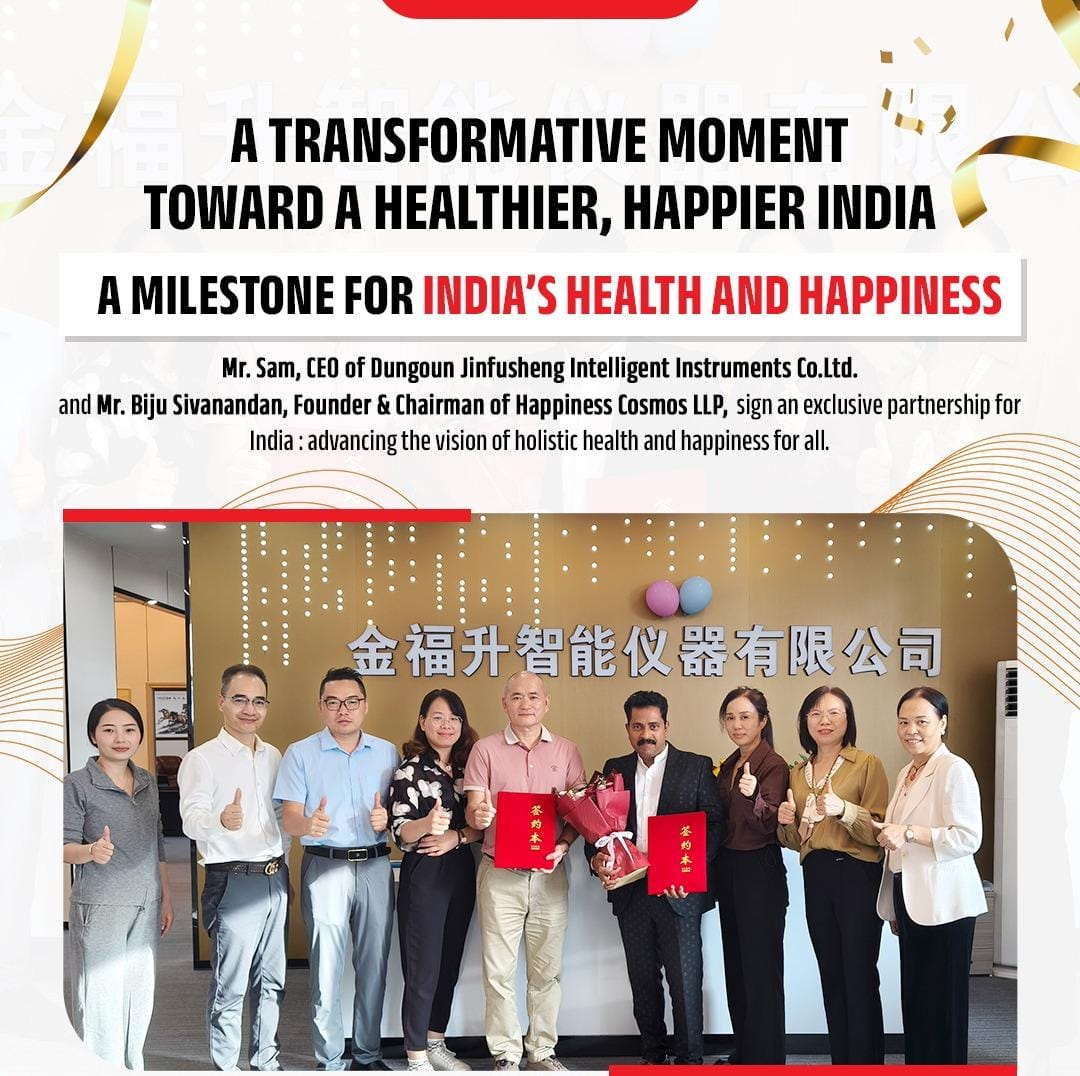
Global Science, Local Relevance Innovation at Happiness Cosmos LLP is strengthened by its strategic partnership with Jin Fusheng Biotechnology, a global leader in graphene-based medical and health technologies. Founded in 1998, the company brings advanced research and large-scale industrial expertise, enabling the introduction of science-backed preventive healthcare solutions tailored for the Indian market.

Leadership with Vision and Balance The company’s direction is shaped by a multidisciplinary leadership team. Medical strategy is guided by Dr. Arun Oomen, Senior Neuro Surgeon and Chief Medical Advisor. The founding team includes Manoj Rohini, Manikandan P, Surya S Subash, Mohammed Shamseer, Abidha Abdul Rahiman, and Nisha PP. Brand philosophy and emotional wellness are championed by Vijay Anand, Global Happiness Ambassador, while global expansion and partnerships are led by Arun Mohan, Vice President – Global Sales.

The New Definition of Healthcare Preventive healthcare is no longer a future concept or a luxury. It is a necessity shaped by modern lifestyles and rising health challenges. By blending wellness centers, smart technology, community engagement, and global innovation, Happiness Cosmos LLP is helping India move from illness management to health empowerment.

The message is simple and powerful: when health comes first, everything else follows.

Website: www.hrccosmos.com Instagram: www.instagram.com/happinessrejuvenationcenter

Top 10 Expressway Projects to Transform Vidarbha by 2026

0
Top 10 Expressway Projects

Nitin Gadkari approves Katol–Jam Bypass as MSIIDC announces ₹27,000 crore infrastructure push across Maharashtra’s eastern region.

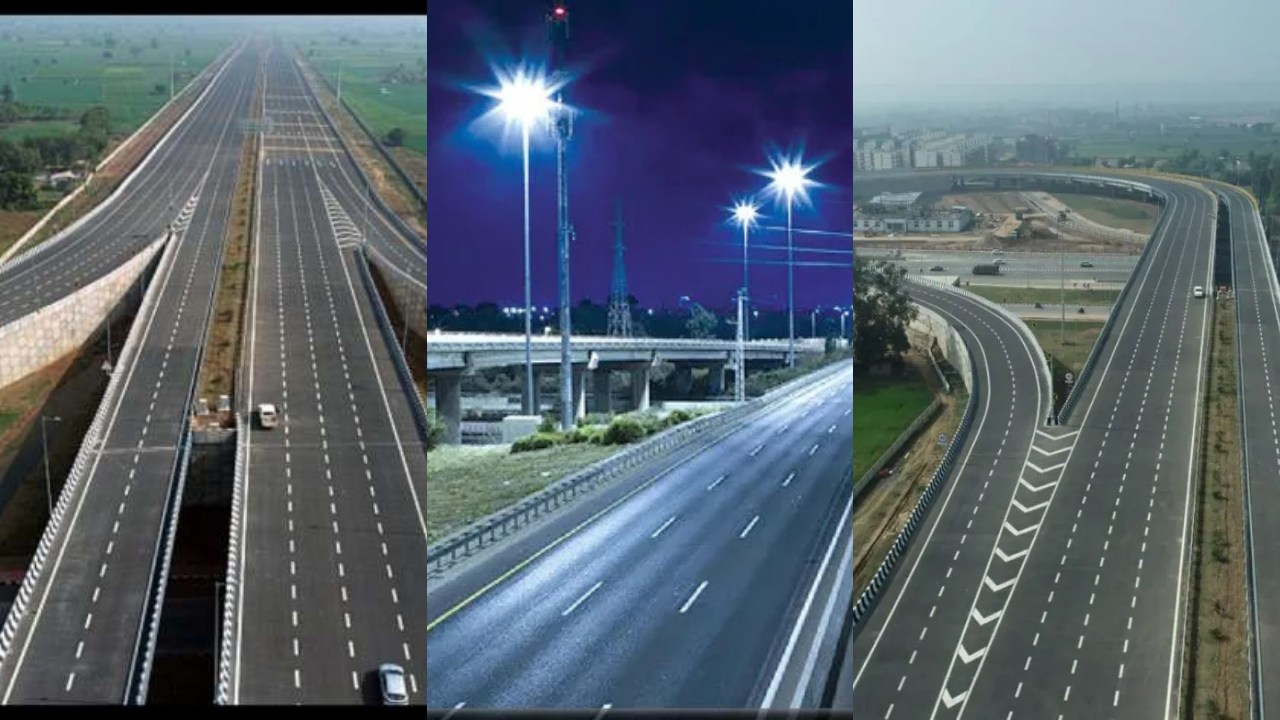
Vidarbha’s infrastructure landscape is poised for a massive transformation in 2026, with a series of new expressway and highway projects planned across the region. Under the leadership of Union Minister for Road Transport and Highways, Nitin Gadkari, the region is expected to witness the development of 10 major expressway and highway projects, marking one of the largest infrastructure initiatives in recent years.

According to the Ministry of Road Transport and Highways (MoRTH) and the Maharashtra State Infrastructure and Industrial Development Corporation (MSIIDC), the total investment across these projects is estimated at ₹27,000 crore. The projects aim to strengthen regional connectivity, accelerate industrial growth, and reduce travel time between key cities in Vidarbha.

Katol-Jam Bypass Receives Final Approval

One of the most awaited projects — the Katol-Jam Bypass — has finally received approval from Union Minister Nitin Gadkari. This new bypass will play a critical role in decongesting the existing Nagpur-Katol-Jam route, which currently faces heavy traffic due to agricultural and industrial transport activity.

The proposed bypass will ensure smoother connectivity between Nagpur, Katol, Saoner, and Amravati, and is being designed as a four-lane, modern highway with advanced safety and drainage features. Once operational, it is expected to drastically cut travel time and improve transport efficiency in the region.

Local businesses, logistics operators, and commuters have welcomed the move, calling it a key step toward balanced development in rural Vidarbha.

MSIIDC’s ₹27,000 Crore Development Push

The Maharashtra State Infrastructure and Industrial Development Corporation (MSIIDC) has announced plans amounting to ₹27,000 crore for road and highway construction in Vidarbha. The schemes include expressway connectivity, industrial corridor linkages, and smart logistics networks connecting smaller towns with large cities such as Nagpur, Wardha, and Chandrapur.

Officials confirmed that the projects are designed to support the “Vidarbha Vikas Mission 2026,” a state initiative aimed at boosting regional industrial growth by improving logistics connectivity. The new network will also enhance access to agriculture markets, industrial clusters, and upcoming smart cities in Maharashtra.

NHAI’s New Expressway Projects

Alongside MSIIDC, the National Highways Authority of India (NHAI) is set to roll out multiple expressway projects throughout Vidarbha. These include:

  1. Nagpur–Gondia Expressway – A high-speed route to improve connectivity between central and eastern Maharashtra.
  2. Wardha–Chandrapur Economic Corridor – To streamline freight movement toward industrial zones and mining belts.
  3. Bhandara–Balaghat Highway Link – Strengthening intra-state trade between Maharashtra and Madhya Pradesh.
  4. Amravati–Yavatmal–Hingoli Corridor – Connecting agricultural and textile trading centers to major cities.
  5. Nagpur Peripheral Ring Road Expansion – Designed to reduce inner-city congestion and support smart city development.
  6. Gadchiroli–Nagbhid Highway Upgrade – Enhancing connectivity to forest regions and improving security logistics.
  7. Akola–Shegaon Expressway – Supporting agro-industrial sectors and logistics businesses.
  8. Chimur–Ballarshah Industrial Link – Facilitating smoother access to coal and manufacturing hubs.
  9. Tadoba–Chandrapur Tourism Route – Promoting eco-tourism and wildlife connectivity.
  10. Katol–Jam Bypass Project – The flagship initiative recently approved by Gadkari.

These projects collectively underline the government’s commitment to developing an upgraded, high-speed transport system across Vidarbha.

Boost to Industry, Economy, and Tourism

Experts suggest that the completion of these 10 major projects will change the economic scenario of Vidarbha. Improved transport connectivity will help logistics, agriculture, textile, and mining sectors gain better access to national and international markets.

Industrial parks around Nagpur, Wardha, and Yavatmal will benefit from expressway connectivity, while the Nagpur–Gondia and Wardha–Chandrapur corridors are expected to attract new manufacturing investments. The tourist destinations around Tadoba Tiger Reserve, Pench National Park, and Melghat will also see a sharp rise in visitor numbers due to shorter, safer routes.

A senior MSIIDC officer stated, “Vidarbha will soon become one of the best-connected regions in Maharashtra. Our goal is not just road building but enabling balanced regional growth.”

A Vision for 2026: Connecting People and Opportunities

Under Nitin Gadkari’s leadership, Vidarbha is steadily becoming a national example of sustainable infrastructure planning. From expressways to intelligent road management systems, every project includes advanced construction technology, green corridors, and safety-oriented engineering.

The 2026 development plan focuses on three primary goals:

  • Regional integration: Seamless travel across Nagpur, Amravati, Chandrapur, Bhandara, and Akola.
  • Economic acceleration: Support for industries, MSMEs, and logistics hubs.
  • Sustainable infrastructure: Green belts, water harvesting systems, and eco-friendly materials along highways.

Once completed, these road and expressway networks will not only reduce travel time by up to 40% but also cut fuel consumption and emissions, contributing to a cleaner and more energy-efficient Maharashtra.

Conclusion

Vidarbha’s new highway expansion drive represents a major leap toward transforming the region into an industrial and transport growth powerhouse. With initiatives from the Ministry of Road Transport, NHAI, and MSIIDC working in harmony, the year 2026 could mark the beginning of a new era for Maharashtra’s eastern region — powered by modern infrastructure, smart mobility, and economic opportunity for millions.

Maharashtra Govt Launches ‘Umed Malls’ to Empower Rural Women Entrepreneurs

0
Umed Malls

Nagpur, Wardha, Akola and Yavatmal to host district-level malls offering assured market access to rural women producers.

In a major step towards empowering rural women and promoting local products, the Maharashtra government has announced the establishment of 13 ‘Umed Malls’ across the state in the first phase. Out of these, four centres will come up in the Vidarbha region, marking a significant push for economic development and self-reliance among women in rural Maharashtra.

According to a Government Resolution (GR) issued by the Rural Development Department on Saturday, these Umed Malls will serve as dedicated district-level sales centres for products crafted by women self-help groups (SHGs) under Maharashtra’s Umed-Maharashtra State Rural Livelihood Mission (MSRLM). The aim is to provide a permanent and assured market for the high-quality handmade and locally produced goods prepared by thousands of women working under the mission.

Vidarbha Among Major Beneficiaries

The state government’s plan gives special emphasis to the Vidarbha region in the first phase. Of the 13 approved Umed Malls, four will be set up in Nagpur, Wardha, Akola, and Yavatmal. These districts belong to the Nagpur and Amravati divisions, which have been selected for their active network of self-help groups and potential to become hubs for rural enterprises.

This allocation makes Vidarbha one of the biggest beneficiaries of the project’s initial rollout. The region has long been seeking opportunities to strengthen the rural economy and create sustainable livelihood options for women. The proposed Umed Malls are expected to play a vital role in achieving this goal.

A Marketplace for Women’s Empowerment

Each Umed Mall will act as a one-stop retail centre that showcases and sells products made by various SHGs in the district. These products include handloom and handicraft items, food products, organic produce, textiles, traditional arts, and eco-friendly goods.

Officials said these malls will not only give women in rural areas exposure to larger markets but also introduce urban consumers to authentic, homegrown products made in Maharashtra’s villages. They will serve as connecting bridges between rural producers and urban buyers.

Additionally, the Umed Malls will support branding, packaging, and marketing activities— areas where SHGs often lack resources or expertise. The Rural Development Department’s GR notes that the state government will provide necessary funding for land, infrastructure, and operational support to ensure that these centres function smoothly.

Boost to Rural Economy

This initiative is part of the state’s larger vision to promote self-help group-based rural enterprises and create sustainable income sources. The Umed-MSRLM mission has already mobilized more than 70 lakh women across Maharashtra through SHGs. However, limited market access has often been a major challenge for these groups, restricting their economic growth.

With the launch of Umed Malls, women entrepreneurs are expected to gain direct access to consumers, eliminating middlemen and ensuring fair prices for their products. The model is designed to strengthen the rural supply chain and increase the visibility of local brands at both district and state levels.

Officials also mentioned that beyond direct sales, these centres could become training and incubation hubs for small businesses, offering capacity-building programmes, packaging training, financial literacy sessions, and product certification support.

Inclusive Growth Through Local Development

The state government plans to replicate this model in all districts of Maharashtra in a phased manner after the successful implementation of the first 13 centres. The first phase will act as a pilot for assessing local demand, business potential, and consumer response.

District administrations have been directed to identify suitable land and coordinate with Zilla Parishads and local rural development departments to begin construction work at the earliest.

The Rural Development Department is confident that this initiative will not only empower women economically but also create local employment opportunities in areas such as retail operations, logistics, accounting, and marketing.

Voices From the Ground

Many self-help group members in Vidarbha have welcomed this move, calling it a long-awaited opportunity to showcase their talent and reach more customers. Women artisans from Wardha and Yavatmal said the Umed Mall will finally give them a stable marketplace to sell their goods without depending on temporary fairs or exhibitions.

Experts in rural development see this effort as an example of inclusive governance, where local communities play a central role in economic transformation. The emphasis on women’s participation is aligned with Maharashtra’s long-standing commitment to gender equality and inclusive rural growth.

Next Phase and Statewide Expansion

After the successful rollout of these 13 Umed Malls, the government plans to expand the project statewide, ensuring that every district in Maharashtra has a dedicated sales centre for SHG products. The next phase will likely include additional facilities in Western Maharashtra, Konkan, and Marathwada regions.

The Rural Development Department will continue monitoring progress closely, evaluating sales performance, and gathering feedback from participating groups. The insights from these first centres will help design improved policies for the next phase.

Conclusion

The launch of Umed Malls represents a forward-looking initiative by the Maharashtra government to link rural women entrepreneurs directly with markets and consumers. Vidarbha’s inclusion of four centres shows the state’s focus on balanced regional development.