

Government Steps In for Gig Workers’ Safety
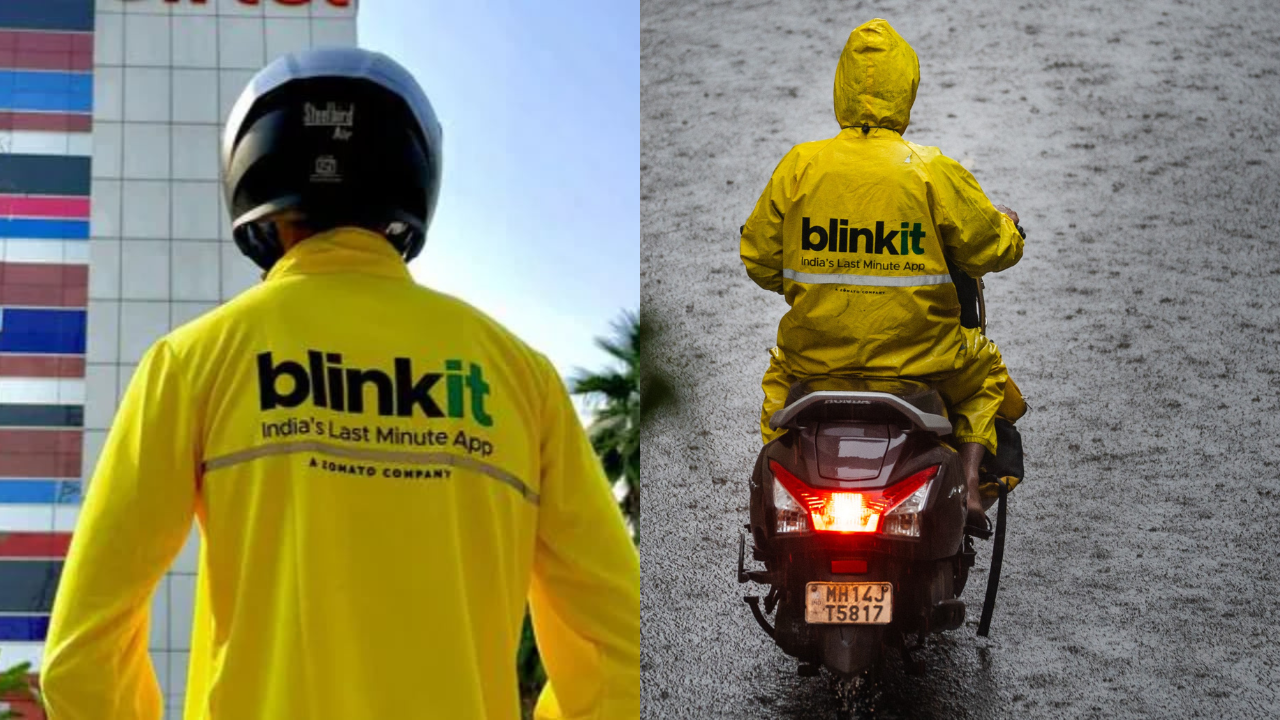
In a landmark move prioritizing the safety and well-being of India’s hardworking delivery partners, quick-commerce giant Blinkit has swiftly dropped its iconic “10-minute delivery” branding following direct intervention from Union Labour Minister Mansukh Mandaviya. Other major players like Zepto, Swiggy Instamart, and Zomato have assured the government of similar updates to their marketing in the coming days, marking a pivotal shift in the hyper-competitive quick commerce landscape.
This development comes at a time when gig workers’ voices have grown louder amid nationwide strikes and parliamentary debates, underscoring the human cost behind ultra-fast delivery models that have revolutionized urban shopping in India.
Government Steps In for Delivery Partner Safety
Union Labour Minister Mansukh Mandaviya convened a crucial meeting with representatives from Blinkit, Zepto, Zomato, and Swiggy to tackle mounting concerns over rigid delivery timelines that were pushing workers into risky situations. Sources confirm the minister emphasized eliminating strict time-bound promises to safeguard delivery personnel from undue pressure, especially during harsh weather or peak traffic hours.
Blinkit acted first, revamping its core tagline from “10,000 plus products delivered in 10 minutes” to a more humane “30,000 plus products delivered at your doorstep.” This change across all platforms reflects a broader commitment to worker security without compromising service efficiency.
The intervention aligns with labour laws that prohibit exposing workers to hazardous conditions, a stance welcomed by unions like the Indian Federation of App-Based Transport Workers (IFAT) and Telangana Gig and Platform Workers’ Union (TGPWU).
Nationwide Gig Worker Strikes Spark Change
The timing of this policy pivot is no coincidence, arriving weeks after massive strikes by gig workers on December 25 and December 31, 2025—peak festive days that amplified their protests. Nearly 40,000 delivery partners from platforms including Swiggy, Zomato, Zepto, Blinkit, Amazon, and Flipkart halted operations in cities like Mumbai, Delhi, Hyderabad, Bengaluru, and beyond, demanding fair wages, safer conditions, and an end to exploitative algorithms.
Unions accused quick commerce firms of slashing earnings through incentive cuts while enforcing impossible deadlines that led to reckless riding, accidents, and health issues. “The 10-minute model forced dangerous road behaviour and extreme stress,” noted IFAT’s Shaik Salauddin, hailing the government’s “timely intervention.”
These actions disrupted 50-60% of deliveries, sending a strong message that India’s nearly one crore gig workers—often migrant youth supporting families—deserve dignity over deadlines.
Parliamentary Push for Gig Worker Rights
Adding political weight, AAP Rajya Sabha MP Raghav Chadha raised the “pain and misery” of gig workers during a recent Parliament session, calling them the “invisible wheels of the Indian economy.” He highlighted how quick commerce unicorns rake in billions yet leave riders overworked, underpaid, and risking lives in rain, heat, or fog for customer orders.
Chadha demanded regulations for app-based businesses, including social security, fair pay, and an end to “cruelty like 10-minute delivery.” His Hindi intervention resonated widely: “Yeh log robot nahi hain; yeh kisi ke pita, pati, bhai ya beta hain.” This advocacy has bolstered the push for protections under the Code on Social Security, 2020.
Quick Commerce Boom and Its Hidden Costs
India’s quick commerce sector has exploded since 2021, with Blinkit leading at 45-46% market share, followed by Zepto (21-29%), Swiggy Instamart (25-27%), and others. Gross order values soared—Blinkit’s hit ₹9,421 crore in FY25, up 134%—fueled by dark stores in metros and Tier-2 cities, promising groceries, gadgets, and more in minutes.
Yet, this growth masked perils: Bengaluru alone saw 27 accidents involving delivery riders in three years, with nationwide reports of traffic chaos, footpath encroachments, and stress-related ailments. Police in cities like Bengaluru now mandate ID checks, GPS tracking, and safety training for platforms.
The 10-minute race not only endangered riders but also road users, prompting calls for aggregator accountability amid lax gig economy laws.
Social Security Code: A Step Forward for Gig Economy
The Code on Social Security, 2020—fully enforced from November 21, 2025—finally recognizes gig and platform workers, mandating aggregators contribute 1-2% of turnover to a welfare fund for life insurance, disability cover, health, maternity benefits, and old-age protection. A National Social Security Board will oversee schemes via EPFO and ESIC.
While central notification is done, states handle implementation, with some drafting rules. This framework ends the “regulatory limbo,” ensuring platforms like Blinkit fund rider welfare instead of passing all risks to them.
What Lies Ahead for Quick Commerce in India
Dropping time guarantees won’t halt quick commerce’s momentum—analysts predict sustained growth through category expansion into beauty, electronics, and appliances, plus deeper penetration in non-metros. Platforms may shift to “hyperlocal” or “lightning-fast” messaging, focusing on reliability over rigid clocks.
For consumers, expect efficient deliveries without the guilt of pressuring riders. Stocks of listed peers like Zomato and Swiggy could benefit from perceived sustainability, with valuations holding strong.
Ultimately, this change humanizes a sector built on speed, balancing innovation with insaniyat. As Minister Mandaviya noted, deadlines yield to dignity—ensuring India’s gig heroes pedal safer paths to progress. Gig workers, platforms, and the public stand to gain from this balanced approach, fostering a more equitable digital economy.