
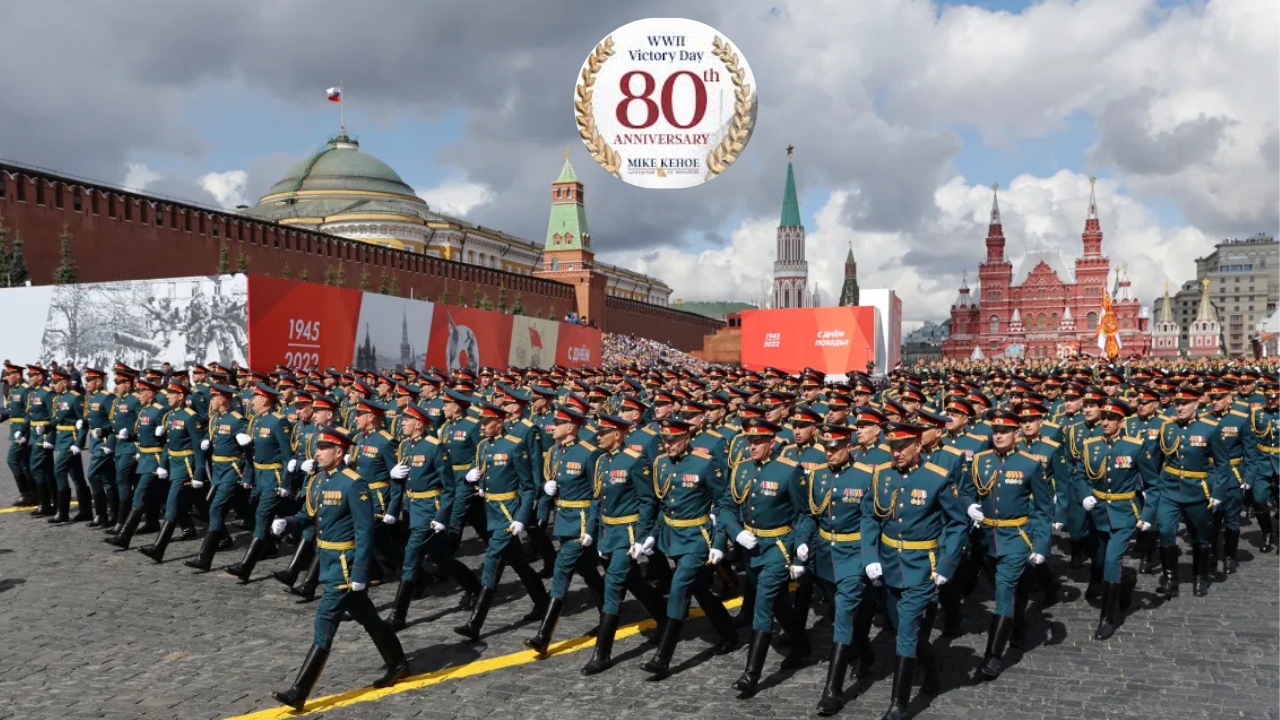

In a powerful display of history, diplomacy, and national pride, Russia commemorated the 80th anniversary of the Soviet Union’s victory over Nazi Germany in World War Two with a grand Victory Day parade at Moscow’s iconic Red Square. The event, led by President Vladimir Putin, was marked by solemn remembrance and strong political messaging, even as conflict continues to cast a shadow on the region.
More than 20 international leaders, including Chinese President Xi Jinping, Brazilian President Luiz Inácio Lula da Silva, and Venezuelan President Nicolás Maduro, were present to witness one of the most significant national events on the Russian calendar. Their presence underscored Moscow’s efforts to project enduring international partnerships amid growing global tensions.
The ceremony paid homage to the millions who lost their lives during the Great Patriotic War – the term used in Russia to describe its role in defeating Nazi Germany during World War Two. Veterans, military personnel, and citizens stood in silence as wreaths were laid and a minute’s silence observed.
President Putin, dressed in formal attire, addressed the nation from the heart of Red Square, reaffirming Russia’s commitment to honoring the sacrifices of its forebears. “We remember the lessons of World War Two,” he declared. “Truth and justice are on our side.” His remarks emphasized the enduring legacy of the Soviet victory and drew a clear parallel between past struggles and current global dynamics.
Putin’s speech focused on themes of resilience, unity, and historical truth, subtly referencing ongoing conflicts and portraying Russia as a custodian of peace and justice. “History has taught us that peace is fragile,” “and we must remain vigilant against any threat to the world order that was hard-won by our ancestors.”
The parade featured thousands of soldiers, tanks, armored vehicles, and flyovers by military aircraft. The iconic T-34 tank, symbolizing the Soviet triumph in World War Two, led the procession, followed by the latest-generation military hardware and ceremonial units from across Russia’s armed forces. Marching bands played patriotic anthems, while veterans waved flags and wore medals that spoke of personal and national sacrifice.
In a surprising and symbolic move, the Russian government announced a unilateral, three-day ceasefire beginning on the eve of the commemorations. The decision, according to Kremlin officials, was intended to create space for reflection and to demonstrate Russia’s “commitment to peace, even in times of conflict.”
However, reports from Ukraine’s military indicated that hostilities had not ceased entirely. Despite the declared ceasefire, Ukrainian officials claimed that thousands of attacks continued across key regions. The discrepancy underscores the ongoing volatility of the war and the challenges of implementing even temporary truces in a high-stakes conflict.
International reactions to the parade were mixed. While allied nations applauded the commemoration and sent dignitaries in a show of solidarity, Western leaders largely refrained from attending, citing geopolitical concerns and ongoing military tensions in Eastern Europe.
China’s President Xi Jinping, in his brief remarks during the visit, emphasized the importance of global peace and multilateral cooperation. “The memory of World War Two should unite the world in building a peaceful future,” Xi stated. Brazil’s President Lula echoed the sentiment, highlighting the need to learn from history rather than repeat it. “Let us remember that peace must never be taken for granted,”.
Despite the underlying tensions, the Victory Day event reinforced Russia’s narrative of national strength and international relevance. The presence of key allies offered a strategic boost to Moscow’s diplomatic image, especially as it faces increasing isolation from the West.
The 80th anniversary was not just a display of military power but also a profound reminder of the price paid for peace. Across Russia, public ceremonies, school programs, and cultural events took place, ensuring that younger generations remain connected to their country’s historical memory.
In St. Petersburg, veterans shared personal stories in community halls, while in cities like Volgograd and Novosibirsk, candlelight vigils were held in remembrance of fallen soldiers. The “Immortal Regiment” march – where citizens carry portraits of family members who fought in the war – drew millions, both in person and online, continuing a tradition that has become a cornerstone of Victory Day.
As night fell on Red Square, a spectacular fireworks display lit up the Moscow skyline, drawing cheers and applause from thousands gathered. For many Russians, the day served not only as a tribute to the past but also as a reaffirmation of identity, unity, and national purpose.