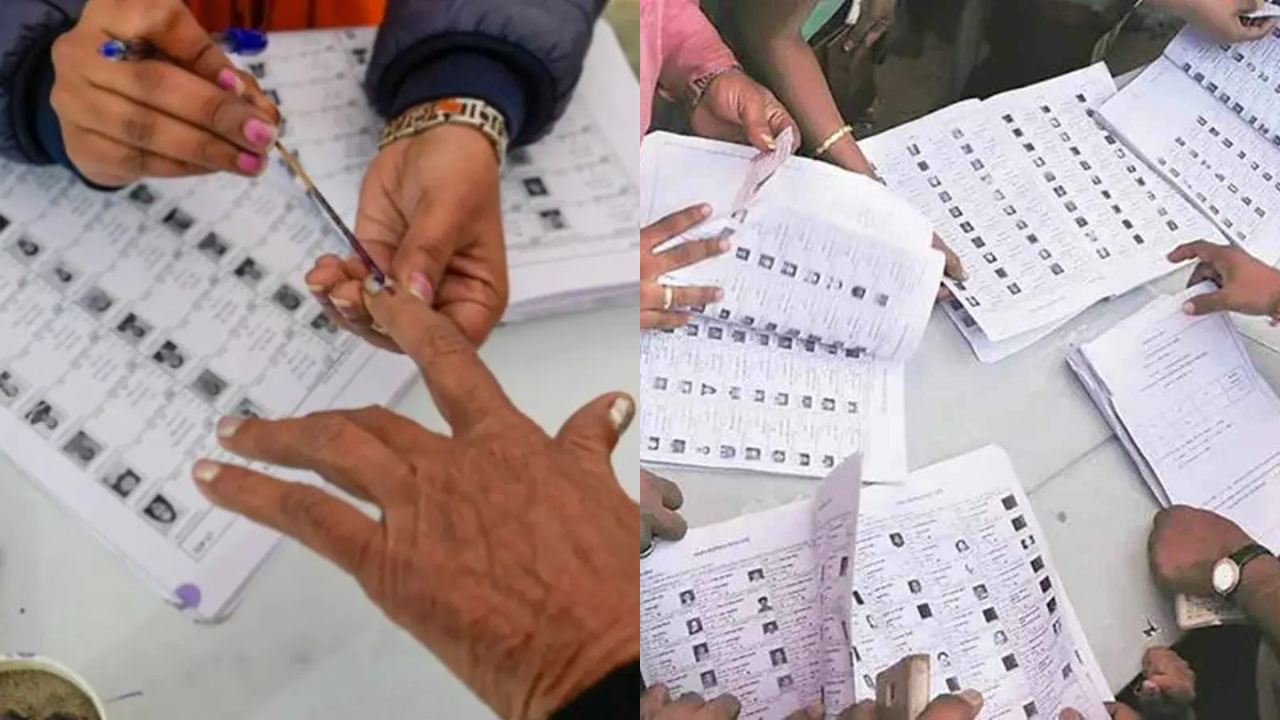
In Pune district, the scrutiny process for nominations filed in the upcoming local body elections has resulted in the rejection of a large number of applications. The rejection occurred during the verification stage, raising attention across political circles ahead of the high-stakes municipal polls.
According to official election authorities, nomination forms were scrutinized for the elections to 14 municipal councils (nagarpanchayats) and 3 nagar panchayats across Pune district. In total, 26 applications were received for the post of municipal chairperson (mayor or council head), along with an impressive 2,618 applications for councilor positions. However, several of these nominations did not meet the criteria outlined by the Election Commission and were declared invalid.
Election Scrutiny Process Leads to Major Rejections
During the scrutiny phase, election officers examined each nomination form carefully to verify eligibility, residency, and completeness of supporting documents. Many candidates, particularly first-time contestants, reportedly faced challenges in submitting error-free applications. Missing documents, discrepancies in affidavits, and errors in mandatory declarations were cited as the main reasons behind the cancellations.
Officials confirmed that the entire process was done transparently and according to the guidelines issued by the State Election Commission. Candidates whose forms were rejected have been informed, and provisions exist to appeal against the decision within a stipulated timeframe.
Focus on 14 Municipal Councils and 3 Nagar Panchayats
The upcoming local body elections are considered politically significant for Pune district. These 14 municipal councils and 3 nagar panchayats serve as the administrative backbone for urban and semi-urban development across the region. They handle key functions such as water supply, sanitation, roads, urban planning, and local welfare schemes.
Political observers believe these elections will serve as a strong indicator of shifting public sentiment in the region, particularly as major political parties – including the ruling coalition and opposition fronts – intensify their campaigns. The disqualification of a large number of candidates is being viewed as a critical factor that could reshape local-level contest dynamics.
Candidates Face Tough Competition Ahead
For the chairperson position, competition is expected to remain high, with multiple candidates representing different political fronts and independent groups. With several nominations now disqualified, the political equation could tilt in favor of certain parties or alliances.
A large number of sitting corporators and newcomers had filed their nominations, reflecting wide interest in local administration. However, the significant number of form rejections is expected to narrow the field and make contests more direct.
Administration Ensures Transparent Election Process
District election officials emphasized that transparency remains the top priority throughout the election process. Adequate arrangements have been made to ensure free and fair elections, with continuous monitoring from the district administration. Guidelines regarding expenditure limits, code of conduct, and campaign ethics have been shared with all contesting candidates.
Authorities also clarified that technical errors or incomplete affidavits were uniformly addressed across all constituencies without any bias. They added that the rejection process is part of ensuring that only eligible candidates remain in the fray.
Political Reactions and Local Response
The mass rejection of forms has led to mixed reactions among political parties. Some local leaders have accused the administration of being overly strict, while others have welcomed the step as necessary to maintain electoral integrity.
Political analysts note that such rejections often create last-minute confusion in campaign planning, but also help in maintaining discipline among parties. Several candidates whose nominations were canceled are expected to challenge the decision before the returning officers or in court if necessary.
At the local level, voters have shown keen interest in the developments. Many residents believe that the scrutiny process, though rigorous, will help ensure that only credible candidates enter the ballot. Civic activists have also praised the Election Commission for enforcing its norms firmly.
Voter Awareness and Campaign Efforts Accelerate
As the election date draws closer, campaigning activity is intensifying across the municipal areas. Candidates are focusing on core issues such as water supply, waste management, road conditions, and local infrastructure. Young voters, especially in suburban councils, are emerging as a decisive factor in this year’s election.
Several NGOs and civic groups have also started awareness initiatives to encourage higher voter participation. The administration has scheduled voter education programs to familiarize citizens with the voting process, polling stations, and electoral procedures.
The Road Ahead for Pune District
The Pune district local body elections are expected to set the tone for upcoming regional and state-level political alignments. With the nomination scrutiny now concluded, the final list of eligible candidates will soon be published. The next phase will see campaign rallies, manifesto releases, and candidate outreach programs unfolding with full vigor.
Political analysts predict that this election season will reflect the pulse of the urban electorate, showcasing how local governance and development issues shape voter preferences.
In the coming days, attention will turn to public debates and promises made by the shortlisted candidates. As the district prepares for polling, the focus remains on ensuring that democratic processes are upheld with fairness, transparency, and robust citizen participation.