

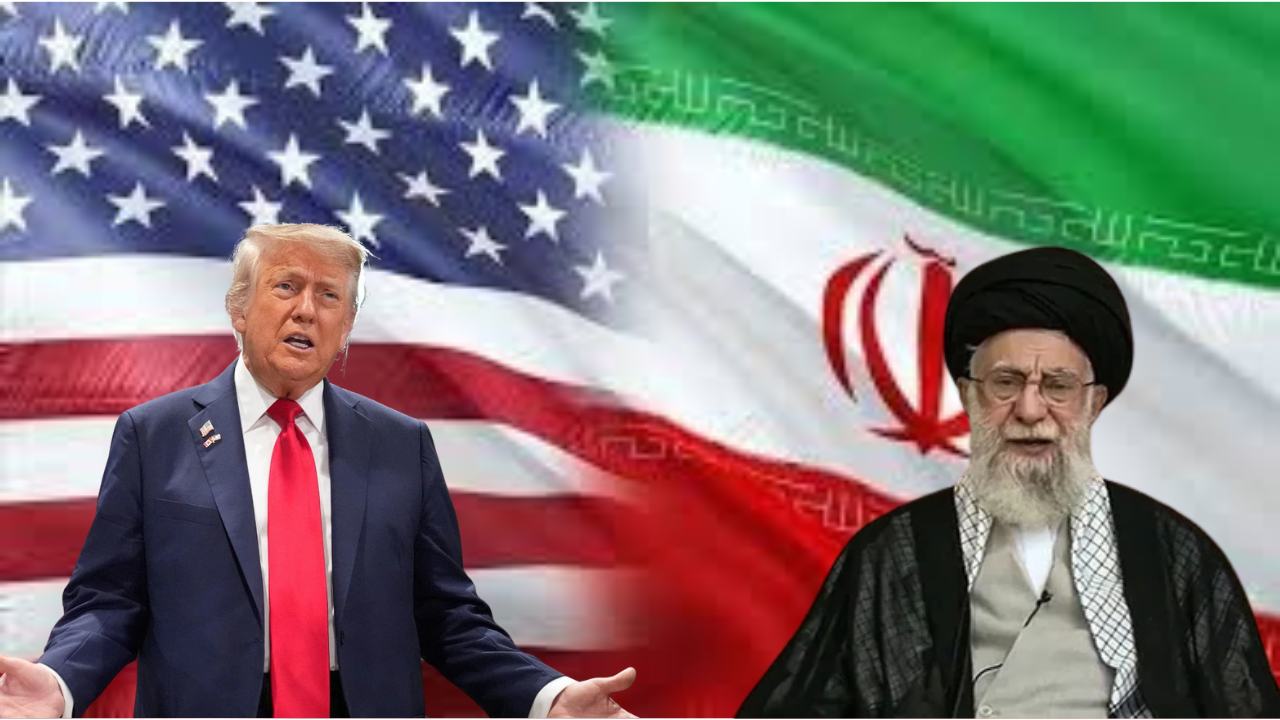
The Iranian government has categorically denied claims made by U.S. President Donald Trump regarding Iran’s alleged request for negotiations over its nuclear programme. In a statement issued on Tuesday, Iranian Foreign Ministry spokesman Esmaeil Baghaei clarified that Tehran has made no such overtures to Washington, directly contradicting remarks made by President Trump a day earlier.
Speaking to reporters, Baghaei stated, “No request for a meeting has been made on our side to the His comments were disseminated through Iran’s Tasnim News Agency and have since been echoed by various state-affiliated media outlets, signaling Iran’s official position on the matter.
This denial comes in response to President Trump’s assertion during a dinner meeting at the White House with Israeli Prime Minister Benjamin Netanyahu. At the high-profile event, Trump claimed that Iran was “actively seeking negotiations” to forge a new nuclear deal in the aftermath of last month’s 12-day conflict involving Iran, Israel, and, reportedly, limited U.S. military participation.
Trump’s Statement Sparks Diplomatic Stir
On Monday evening, while addressing a gathering of American and Israeli officials, President Trump remarked, “Following the recent conflict, Iran is now coming to us, wanting to negotiate a new nuclear deal. They understand that their aggressive posturing will not be tolerated, and they are seeking a new path forward.”
The President’s remarks were met with immediate international attention, sparking speculation over a potential thaw in relations between Washington and Tehran, which have been strained since the U.S. unilaterally withdrew from the Joint Comprehensive Plan of Action (JCPOA) in 2018.
However, Iran’s swift rebuttal has once again highlighted the deep mistrust between the two nations and the complex geopolitical dynamics of the Middle East.
Iran’s Position: “No Dialogue Under Pressure”
Foreign Ministry spokesman Baghaei underscored Iran’s longstanding position that dialogue and diplomacy cannot proceed under conditions of external pressure or military threats. “The Islamic Republic of Iran has always maintained that meaningful negotiations are only possible within a framework of mutual respect and without coercion,” he said.
Baghaei further emphasized that the recent conflict with Israel, and the subsequent involvement of U.S. forces, has only deepened Iran’s skepticism about Washington’s true intentions. “Any assumption that Iran would seek negotiations from a position of weakness, especially after a military confrontation, is a miscalculation,”.
Background: Rising Tensions After 12-Day War
The diplomatic spat comes on the heels of a brutal 12-day military conflict between Iran and Israel, which reportedly saw U.S. forces providing strategic support to Israeli operations. The war, which resulted in significant casualties and infrastructure damage on both sides, marked one of the most intense escalations in the region in recent years.
While a fragile ceasefire is currently in place, tensions remain high, with both nations accusing each other of violations. In this context, Trump’s statements about potential negotiations were seen by many as an attempt to project diplomatic progress amidst an increasingly volatile scenario.
International Reactions: Allies Urge Caution
Following Trump’s remarks and Iran’s subsequent denial, international actors have weighed in, urging restraint and careful diplomatic engagement. European Union foreign policy chief Josep Borrell expressed hope that “both sides will avoid further provocations and seek constructive dialogue through proper diplomatic channels.”
China and Russia, both signatories of the original JCPOA deal, also called for de-escalation and reiterated the importance of adhering to international agreements. “The path forward lies in multilateral diplomacy, not unilateral claims and denials,” said Russian Foreign Minister Sergey Lavrov.
Experts View: Miscommunication or Strategic Posturing?
Diplomatic analysts are divided on whether Trump’s statement was based on intelligence reports, diplomatic backchannel communications, or a strategic move aimed at putting public pressure on Tehran. Some experts suggest that Trump’s assertion may have been a calculated attempt to portray Iran as seeking reconciliation, thereby positioning the U.S. as a dominant negotiator.
Others, however, believe it could be a classic case of political miscommunication, with Trump potentially overstating preliminary diplomatic signals that Iran does not officially recognize as negotiation overtures.
Tehran’s Red Lines: Sovereignty and Sanctions Relief
In his statement, Baghaei reiterated Iran’s key demands for any future diplomatic engagement: “The complete lifting of illegal sanctions and a clear recognition of Iran’s sovereign rights are non-negotiable prerequisites for any dialogue with the United States.”
Iran’s Supreme Leader Ayatollah Ali Khamenei has, on multiple occasions, echoed this stance, asserting that Iran will not be coerced into negotiations that undermine its national dignity or security interests.
Path Ahead Remains Uncertain
As of now, both Washington and Tehran remain entrenched in their respective positions, with little indication of immediate progress towards renewed talks. The latest episode underscores the fragile nature of U.S.-Iran relations and the broader geopolitical fault lines that continue to shape Middle Eastern politics.
While President Trump’s remarks have reignited discussions around the nuclear issue, Iran’s emphatic denial suggests that any meaningful dialogue will require a recalibration of diplomatic strategies from both sides.
Until then, the prospects of a new nuclear deal remain mired in mutual distrust, public posturing, and a highly volatile regional backdrop.