Pollution from construction dust and vehicular emissions drags air quality down; health experts urge precautions.
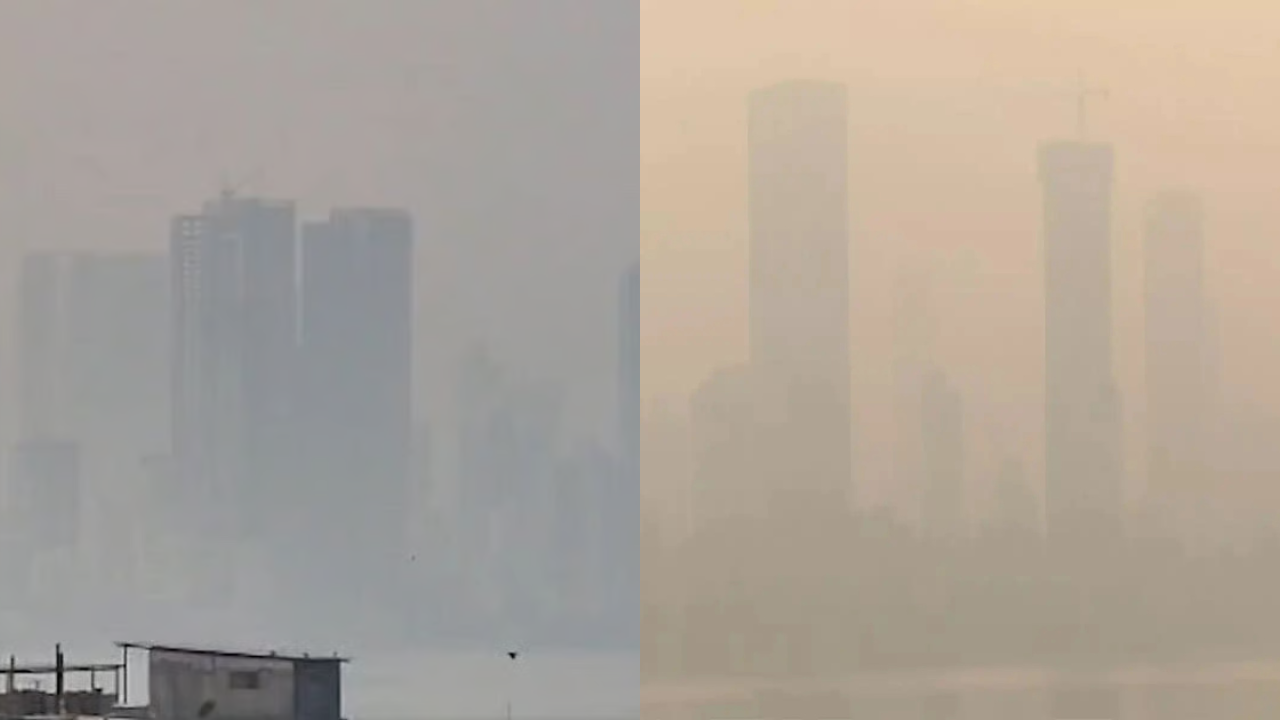
On the final morning of 2025, Mumbai woke up to an unusual sight — a thick layer of smog blanketing the city’s skyline. While the day began with cool and pleasant weather, the worsening air quality quickly turned the atmosphere heavy and uncomfortable. Residents, who were hoping for a calm winter morning, instead found themselves worried about the city’s air pollution levels, which slipped back into the ‘severe’ category by mid-morning.
The India Meteorological Department (IMD) had forecast a clear and bright Wednesday, with the temperature expected to hover between 18°C and 31°C. Early risers, however, noticed that the air carried a sharp, pungent smell. Hazy visibility greeted morning joggers, schoolchildren, and commuters, especially in low-lying and traffic-heavy areas such as Chembur, Wadala, and Kurla.
AQI Touches ‘Severe’ Levels at 358
According to data from air quality monitoring platform AQI.in, Mumbai recorded an overall Air Quality Index (AQI) of 358, placing it firmly in the ‘severe’ range. Experts warn that such conditions can cause serious health risks, especially for children, elderly citizens, and people with respiratory or cardiac concerns. Even healthy individuals could experience irritation in the eyes, throat, and lungs due to prolonged exposure.
Environmental specialists say the sudden spike in air pollution is the result of persistent dust and fine particulate matter (PM2.5) in the air. Construction activities across multiple metro rail projects, flyovers, and real-estate developments are among the key contributors. In addition, vehicular emissions during rush-hour traffic continue to add to the problem, making it increasingly difficult for the city’s air to breathe clean again.
Construction and Traffic Add to the Crisis
Mumbai is currently witnessing several major infrastructure works, including ongoing metro corridors, road-widening drives, and coastal road extensions. These projects, combined with heavy private construction activity, continuously release large quantities of dust and suspended particles. Despite occasional clean-up initiatives and restrictions on construction timing, the impact remains widespread.
Experts suggest that while large-scale projects are vital for the city’s long-term development, better dust control and traffic management strategies need to be implemented. Measures such as using dust suppressants, covering construction debris, and enforcing green buffers could help reduce pollution levels.
Vehicular pollution also remains a major concern. Thousands of vehicles move across the city daily, and during peak traffic hours, emissions rise dramatically. Late-evening traffic combined with cool, stagnant winter air prevents pollutants from dispersing, leading to the kind of smog Mumbai saw today.
Pollution Hotspots Emerge Across the City
Data reveals that several parts of the city recorded extremely poor air quality, far exceeding safe limits. Chembur and the Wadala Truck Terminal became the worst-affected zones, with AQI readings of 475 and 441, both classified as ‘hazardous.’ These pollution levels are capable of impacting even healthy individuals and can trigger respiratory distress with short-term exposure.
Other areas such as Colaba (405), Kurla (388), and Bandra (385) also recorded ‘severe’ levels of pollution. Town planners and environmental activists point out that growing congestion and the proximity of vehicular hubs are worsening conditions in these areas.
Suburban Mumbai fared slightly better but still remained far from ideal. Kandivali East (233), Govandi (267), and Borivali West (267) reported ‘unhealthy’ levels, while Malad West (315) and Charkop (318) slipped into the ‘severe’ range as well. Clearly, no part of the metropolitan area has remained untouched by the ongoing air quality crisis.
For reference, AQI levels between:
- 0–50 are considered good
- 51–100 moderate
- 101–200 poor
- 201–300 unhealthy
- 301 and above severe or hazardous
Public Health Concerns Mount
Doctors in the city have urged residents to take precautionary measures on days like this. They recommend staying indoors as much as possible, especially during morning and evening hours when pollution tends to spike. Using N95 masks outdoors, keeping windows closed during high-smog hours, and using air purifiers indoors can help minimize exposure.
For those with asthma or chronic respiratory illnesses, medical experts emphasize regular medication and avoiding physical exertion outdoors. Children and elderly people are particularly at risk, and schools have been advised to limit outdoor activities if the trend continues.
Authorities and Citizens Urged to Act
Environmental activists have renewed their call for stricter air quality management in Mumbai. They emphasize the need for coordinated efforts between government departments, construction firms, and civic bodies to bring down pollution levels. More real-time monitoring stations, stricter emission checks, and curbs on dust-generating activities have been recommended as immediate steps.
Meanwhile, city authorities continue to issue advisories urging citizens to follow pollution-control norms. Initiatives to encourage carpooling, adopt electric vehicles, and reduce private vehicle use have been floated but require stronger enforcement to make a tangible impact.
A Chilly Morning Shadowed by Smog
Despite the pollution, the weather itself remained relatively mild for Mumbai’s standards. Morning temperatures dropped to 18°C, giving residents a taste of rare winter comfort in an otherwise humid city. But that short relief was overshadowed by the dense haze that lingered over the skyline well into the forenoon.
As Mumbai prepares to welcome the new year, residents hope that 2026 will bring cleaner skies and stronger action toward sustainable urban development. For now, however, the combination of cool weather and thick smog serves as a sharp reminder of the city’s escalating environmental challenges.